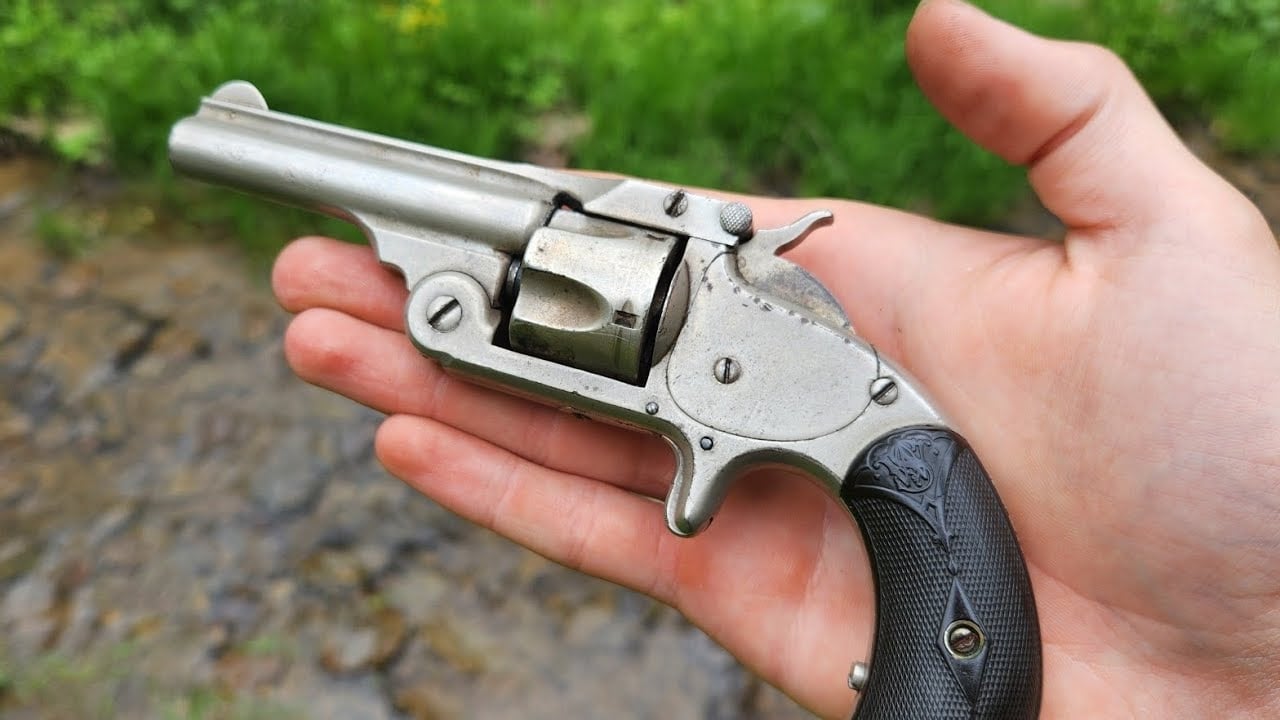
Photo credit: _DerGreif_/YouTube
Revolvers are usually treated as conservative firearms. The basic formula seems settled: a rotating cylinder, exposed or enclosed hammer, and a frame that looks more or less like something your grandfather could have owned. That makes it easy to forget how many genuinely unusual ideas appeared in revolvers long before the rest of the handgun market caught up.
Some introduced features we now consider ordinary. Others tried ideas so ambitious that manufacturing technology, ammunition, cost, or buyer expectations were not ready for them. A few were commercial failures despite doing something genuinely clever, while others quietly changed the direction of handgun design forever. These 20 revolvers prove that the wheel gun has produced far more innovation than its old-fashioned reputation suggests.
Webley-Fosbery Automatic Revolver
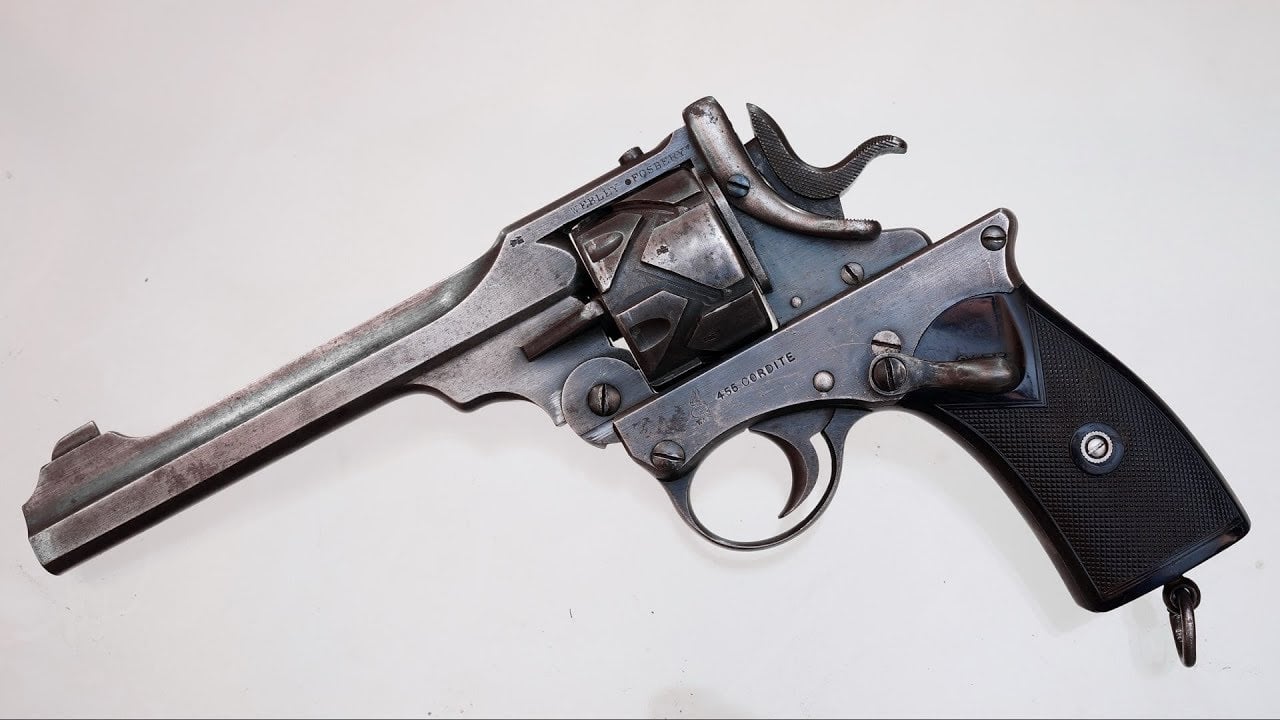
The Webley-Fosbery looked like a revolver, but mechanically it tried to solve one of the biggest limitations of revolver shooting decades before modern competition guns existed. Recoil drove the upper portion of the firearm rearward on the frame, rotating the cylinder and cocking the hammer automatically. That meant the shooter received the crisp single-action trigger pull on subsequent shots without manually cocking the hammer each time. The distinctive zigzag grooves cut into the cylinder were part of the system that made the whole thing work. For a handgun appearing around the beginning of the 20th century, the concept was extraordinarily ambitious.
It was complicated, expensive, and more sensitive to conditions than an ordinary service revolver, which helped prevent widespread adoption. But the idea was remarkable: use recoil energy to make a revolver faster and easier to shoot accurately. More than a century later, it still seems futuristic.
Mateba Model 6 Unica
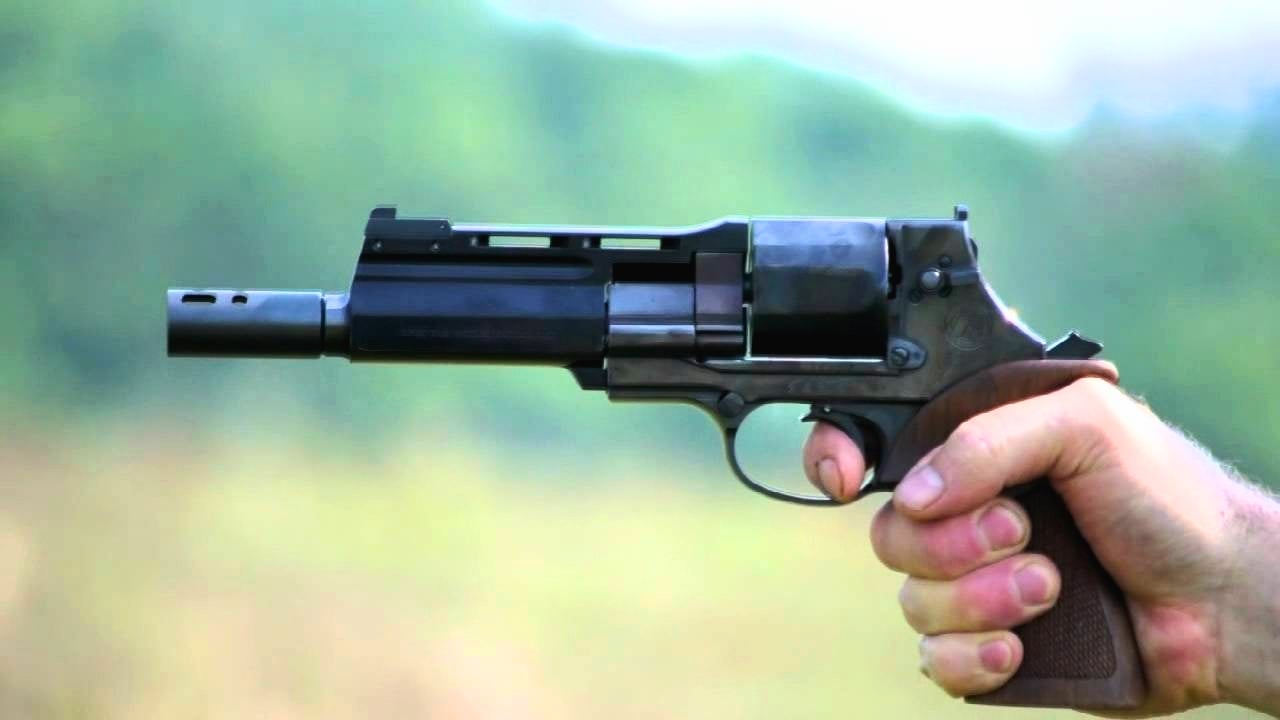
The Mateba 6 Unica took the automatic-revolver idea and dragged it into the modern era. Instead of accepting the traditional revolver layout, designer Emilio Ghisoni created a semiautomatic revolver in which recoil moved part of the gun to rotate the cylinder and cock the hammer for the next shot. Even more unusual, the barrel aligned with the bottom chamber of the cylinder rather than the top. That lowered the bore axis dramatically and redirected recoil more in line with the shooter’s hand.
Those ideas sound familiar today because low bore axes have become a major selling point on performance handguns. Mateba was pursuing the concept in a large magnum revolver decades ago. The gun was complicated and expensive, but from an engineering standpoint it was far ahead of what buyers expected a revolver to be.
Chiappa Rhino

The Rhino looks radical even now, which tells you how far outside conventional revolver thinking the design really was. Like Ghisoni’s earlier work, the Rhino fires from the bottom chamber of the cylinder. That places the barrel much closer to the shooter’s hand and changes the way recoil acts on the wrist. Instead of allowing the muzzle to rotate upward as dramatically, the design directs more force straight back. The unusual hexagonal cylinder also reduces the gun’s width in areas where a conventional round cylinder would protrude.
The styling receives most of the attention, but the engineering is the important part. Revolvers had spent generations accepting a high bore axis as unavoidable. The Rhino challenged that assumption entirely. It remains one of the few modern revolvers that genuinely rethought the basic architecture instead of simply changing materials or barrel length.
Merwin Hulbert Pocket Army
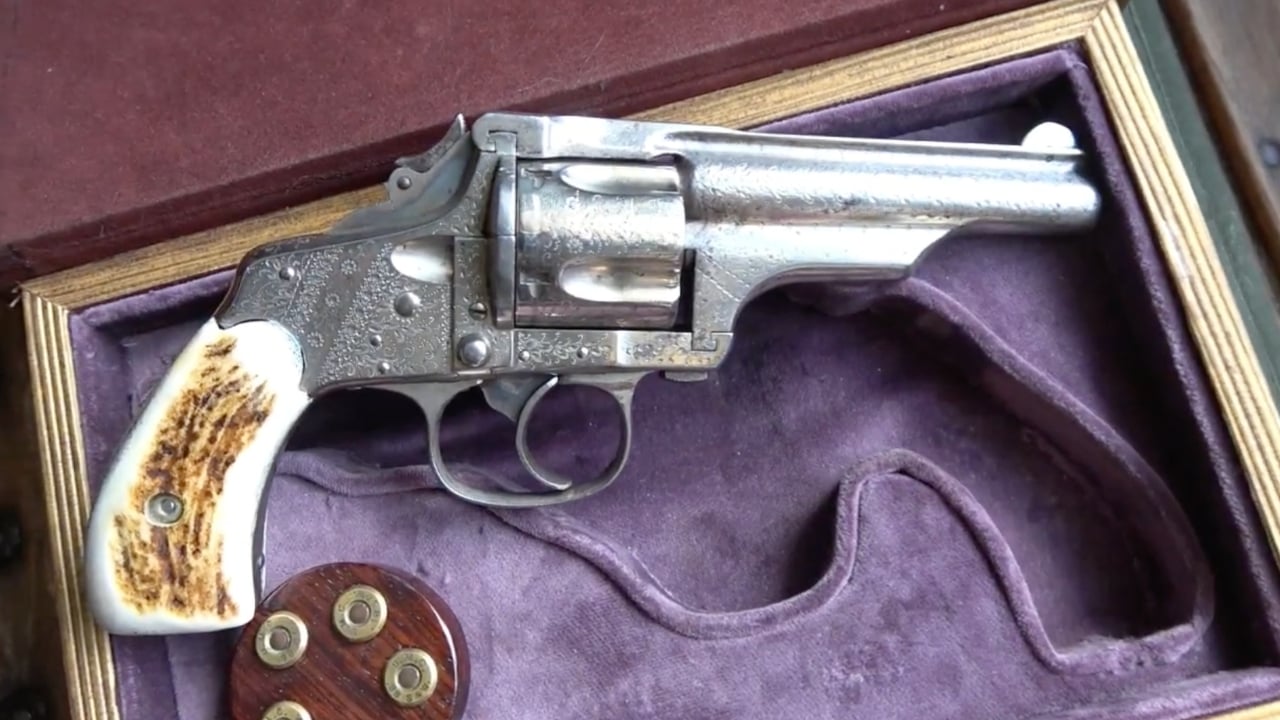
Merwin Hulbert revolvers were doing clever things in the late 1800s that still make modern shooters stop and examine the mechanism. Instead of swinging the cylinder out or using a conventional top-break action, the shooter could rotate the barrel assembly and slide it forward. Fired cases could fall free while unfired cartridges remained in the cylinder because the longer bullets kept them from clearing the chambers. That gave the revolver a surprisingly sophisticated selective-ejection capability.
The system also allowed the gun to maintain a tight, solid-feeling frame while providing relatively quick unloading for the period. It ultimately lost the commercial battle to simpler competing revolver designs, but mechanically it was extraordinary. Had history gone slightly differently, the way we expect revolvers to open and unload today might look completely different.
Smith & Wesson Safety Hammerless
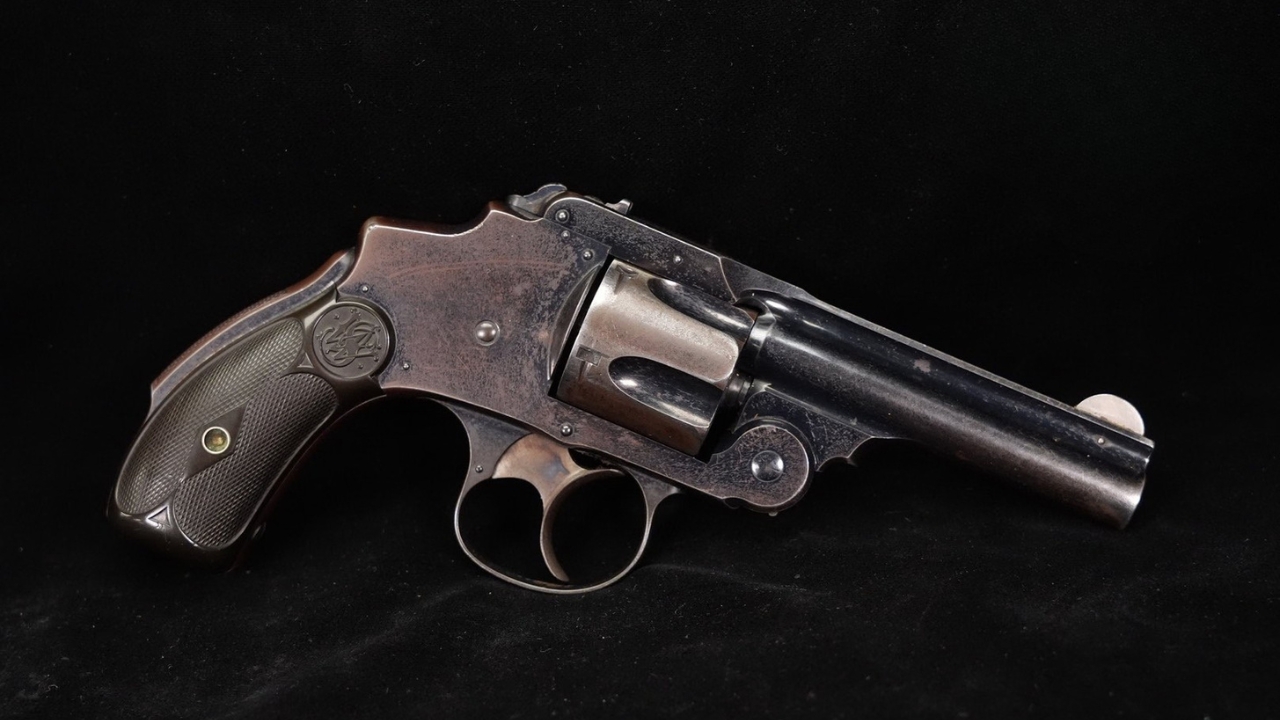
The Safety Hammerless appeared in the late 19th century with features that sound remarkably familiar to anyone shopping for a concealed-carry revolver today. The hammer was enclosed inside the frame, eliminating the exposed spur that could snag on clothing, while a grip safety provided an additional layer of protection against unintended firing. The compact top-break design also made unloading much quicker than the gate-loaded revolvers still familiar to many shooters at the time.
Modern enclosed-hammer revolvers such as Smith & Wesson’s Centennial descendants are based around essentially the same carry logic. Smooth exterior, compact dimensions, and a trigger system that can be fired without manipulating an external hammer are now completely normal. Smith & Wesson was already pursuing that formula in the 1880s.
Colt Model 1877
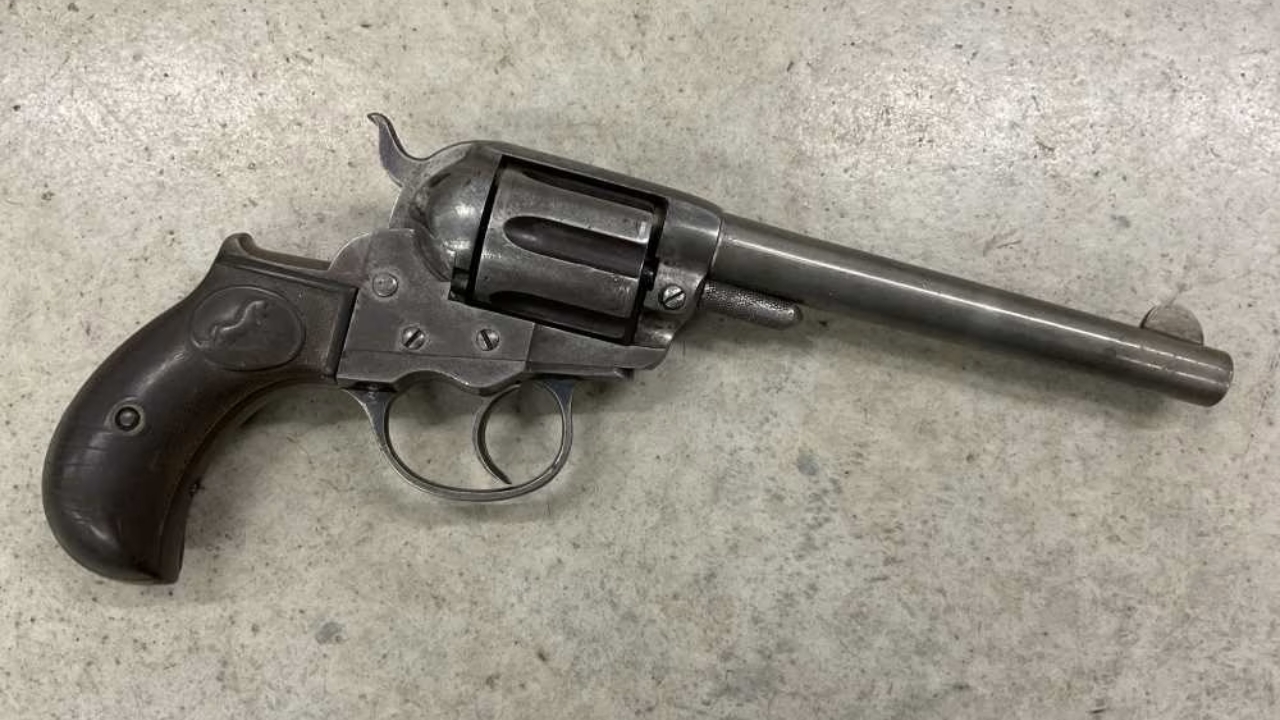
The Colt Model 1877 does not have the reputation for durability that later Colt double-actions earned, but its importance is difficult to deny. It was one of Colt’s first successful attempts to put double-action operation into a repeating cartridge revolver at a time when the company’s famous Single Action Army represented the established norm. Pulling the trigger could rotate the cylinder, cock the hammer, and fire the gun without requiring the shooter to thumb-cock it before every shot.
That sounds ordinary now because double-action revolvers eventually became standard police and defensive handguns. In the 1870s, it represented a major change in how quickly a revolver could be brought into action. The mechanism was relatively delicate, but the basic concept pointed directly toward the service revolvers that would dominate much of the next century.
Nagant M1895
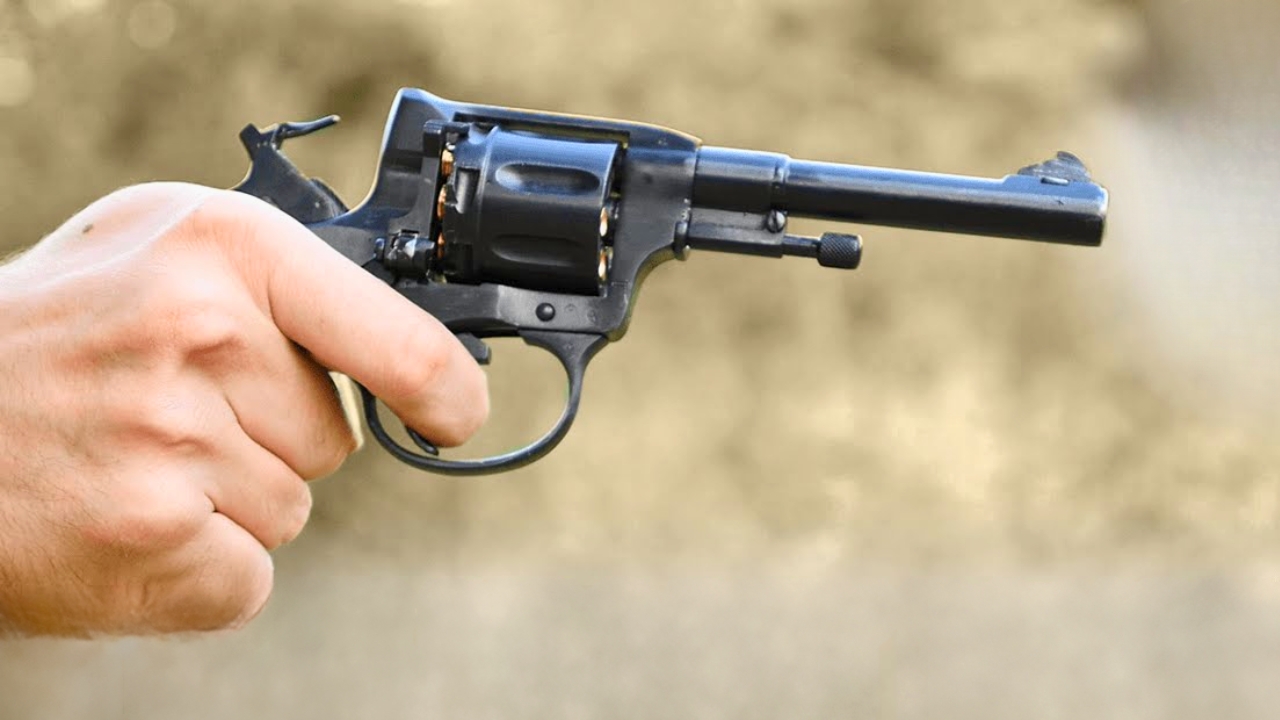
The Nagant M1895 solved a problem most revolver manufacturers simply accepted: the cylinder gap. When the trigger is operated, the Nagant’s cylinder moves forward and the specially designed cartridge case helps bridge the gap between cylinder and barrel. This creates a gas seal that greatly reduces the normal escape of propellant gases between the two components.
The system was mechanically complicated and required unusual ammunition, but it accomplished something traditional revolvers still generally do not. The gas-seal arrangement also made the revolver unusually suitable for suppression compared with conventional designs. For a military sidearm adopted in the 1890s, that is remarkable engineering. It turned a seemingly unavoidable revolver characteristic into a problem that could actually be solved.
Smith & Wesson Model 53
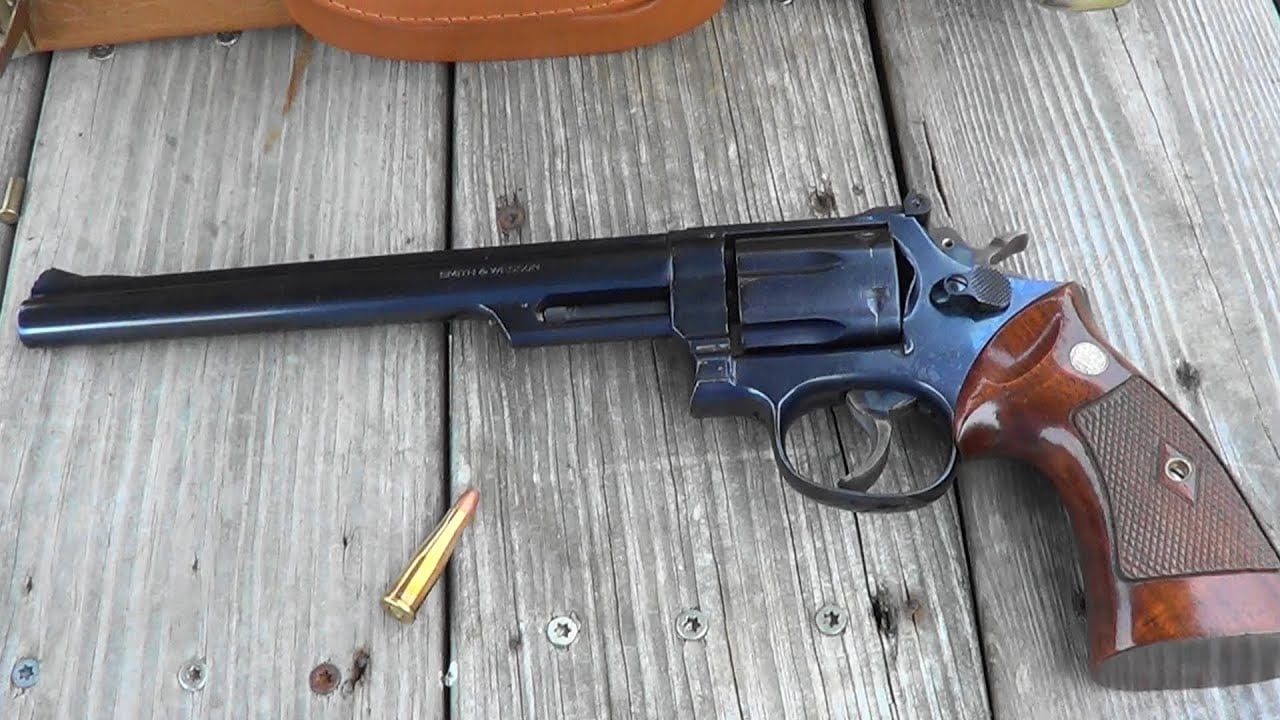
The Model 53 was built around the unusual .22 Remington Jet cartridge, which looked almost like somebody had shrunk a bottleneck rifle cartridge to fit inside a revolver. The idea was to produce extremely high velocity from a small-caliber handgun cartridge, giving varmint hunters and experimenters performance well beyond ordinary rimfires. Smith & Wesson even offered chamber inserts that allowed .22 rimfire ammunition to be used in certain circumstances, giving the revolver an unusual degree of ammunition flexibility.
The Jet cartridge had practical issues, particularly involving cases backing out and interfering with cylinder rotation when chambers were not kept properly clean and dry. But the concept anticipated today’s renewed fascination with extremely fast, small-caliber handgun cartridges. The Model 53 was chasing velocity long before that became fashionable again.
Smith & Wesson Model 547
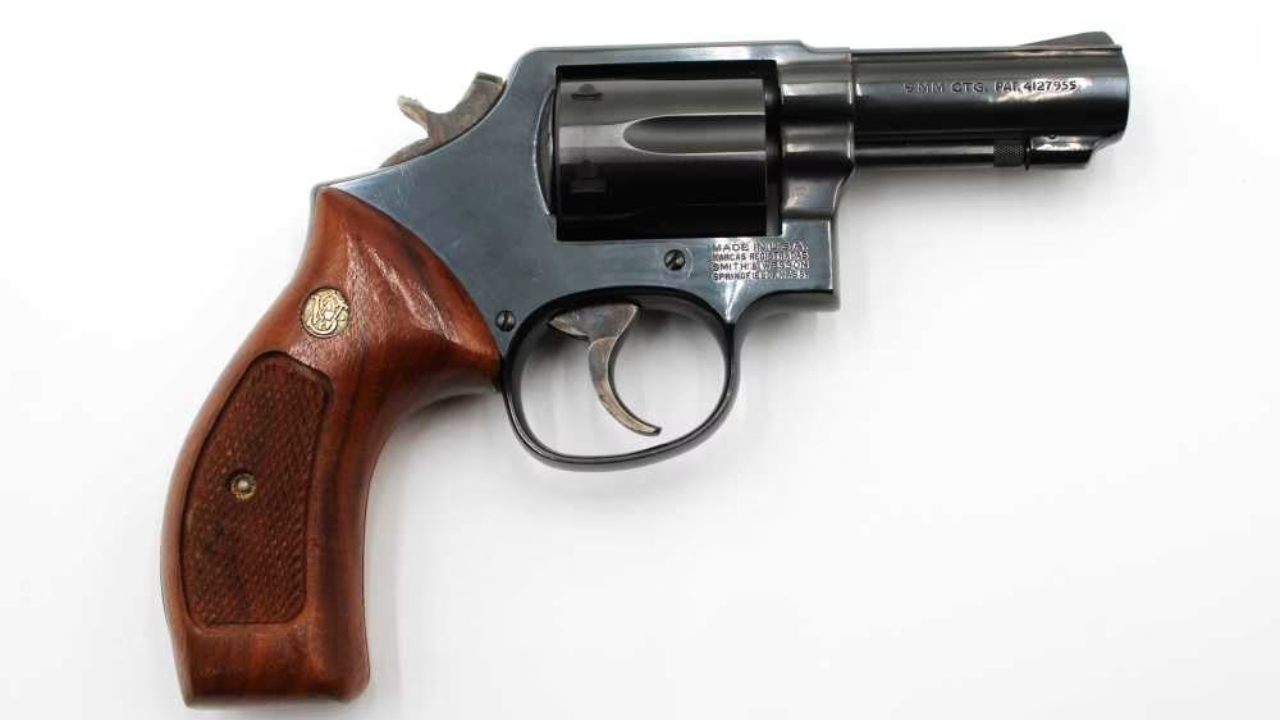
Putting 9mm ammunition into a revolver creates an immediate problem because the rimless cartridge does not have the protruding rim traditional extractors need. Moon clips became the obvious solution, but Smith & Wesson decided the Model 547 should work without them. The company developed an unusual extraction system that allowed ordinary 9mm cartridges to be loaded and ejected directly from the cylinder.
That was an impressive answer to a problem manufacturers are still solving in different ways today. The Model 547 gave users ammunition commonality with popular semiautomatic pistols without requiring loose moon clips as part of the normal loading process. Modern interest in 9mm revolvers makes the old 547 look much more forward-thinking now than it did during its relatively short production life.
Ruger LCR

When Ruger introduced the LCR, polymer-framed semiautomatic pistols were normal. Polymer revolvers were another matter. Ruger used a hybrid construction with a polymer fire-control housing combined with metal components where strength and pressure demanded them. The result cut weight while allowing Ruger to shape the grip and internal housing in ways that would have been much harder with traditional revolver construction.
Just as importantly, Ruger put considerable attention into the double-action trigger geometry. The resulting trigger pull became one of the features owners praised most. The LCR demonstrated that a revolver did not have to be constructed exactly like a Smith, Colt, or traditional Ruger to be taken seriously. It brought modern materials and manufacturing thinking into a category that had resisted them for decades.
Smith & Wesson Model 340PD
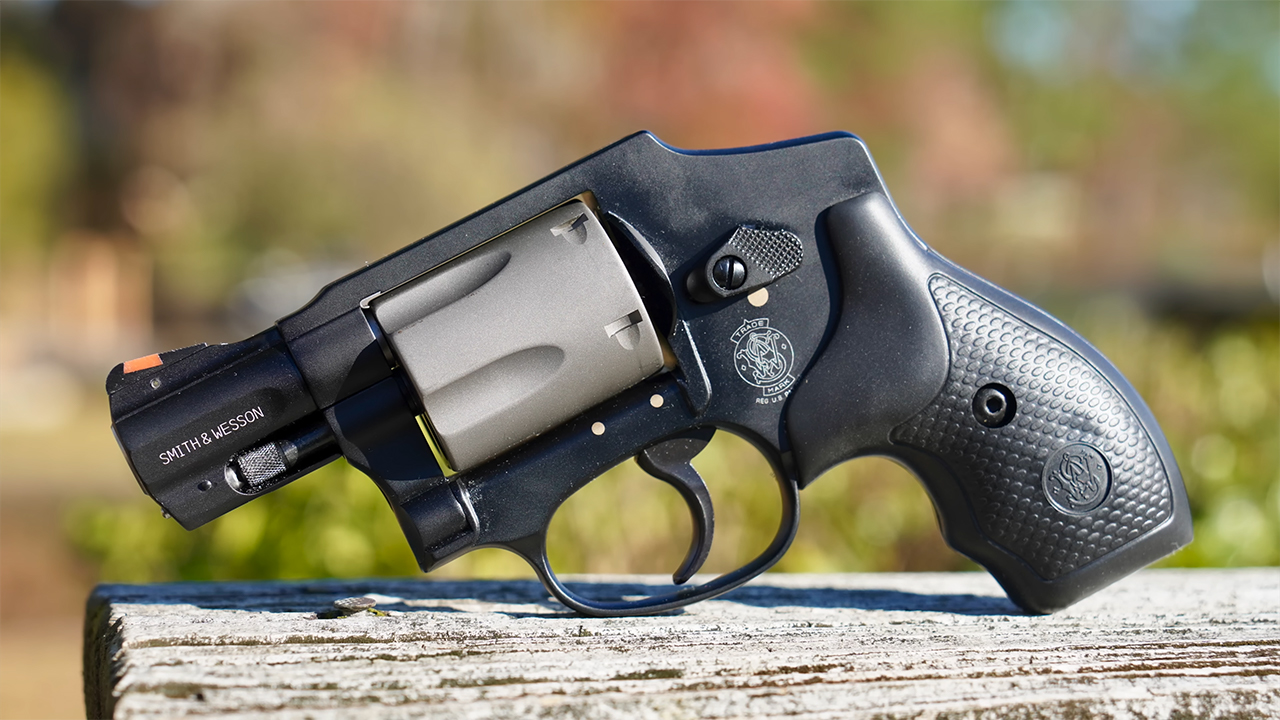
The 340PD pushed lightweight revolver construction to an extreme. Smith & Wesson combined a scandium-alloy frame with a titanium cylinder to produce a .357 Magnum revolver that weighs dramatically less than traditional steel magnums. The concept was clear: make a serious centerfire revolver light enough that carrying it becomes almost effortless, even if shooting full-power ammunition becomes significantly less comfortable.
Today, ultralight carry guns are everywhere, but achieving that level of weight reduction in a revolver capable of handling .357 Magnum pressures required materials that would once have seemed exotic. The 340PD showed that advanced alloys could change what a traditional revolver was capable of weighing without abandoning serious chamberings.
Smith & Wesson Model 327 TRR8
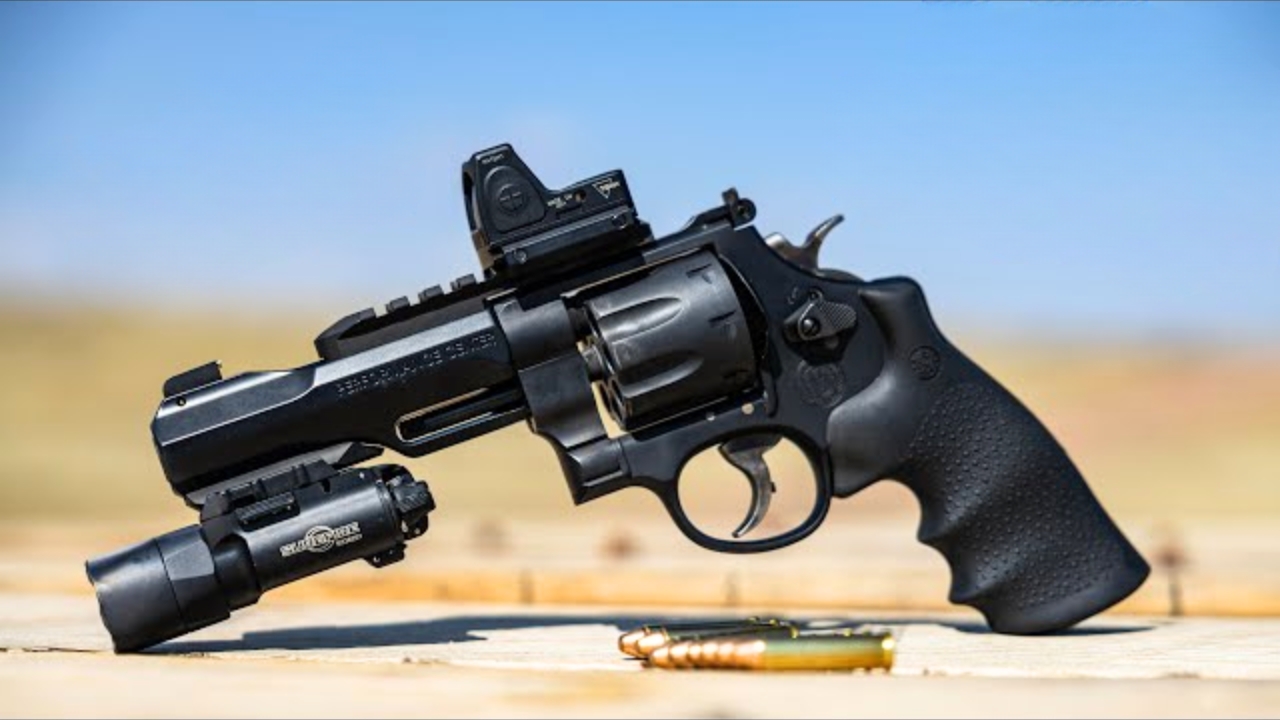
The TRR8 looked almost absurd when shooters were still accustomed to thinking of revolvers as six-shot guns with iron sights and wooden grips. Smith & Wesson gave it an eight-shot .357 Magnum cylinder, lightweight scandium-alloy frame, interchangeable accessory rails, and the ability to mount optics and lights far more naturally than a traditional revolver. It essentially applied the accessory philosophy of a modern service pistol to a large-frame wheel gun.
That idea is far less strange today. Red-dot-equipped revolvers, weapon lights, competition moon clips, and high-capacity cylinders have all become more familiar. The TRR8 was already combining many of those concepts in one production revolver. It proved the revolver did not have to remain frozen in traditional sporting configuration.
Manurhin MR73
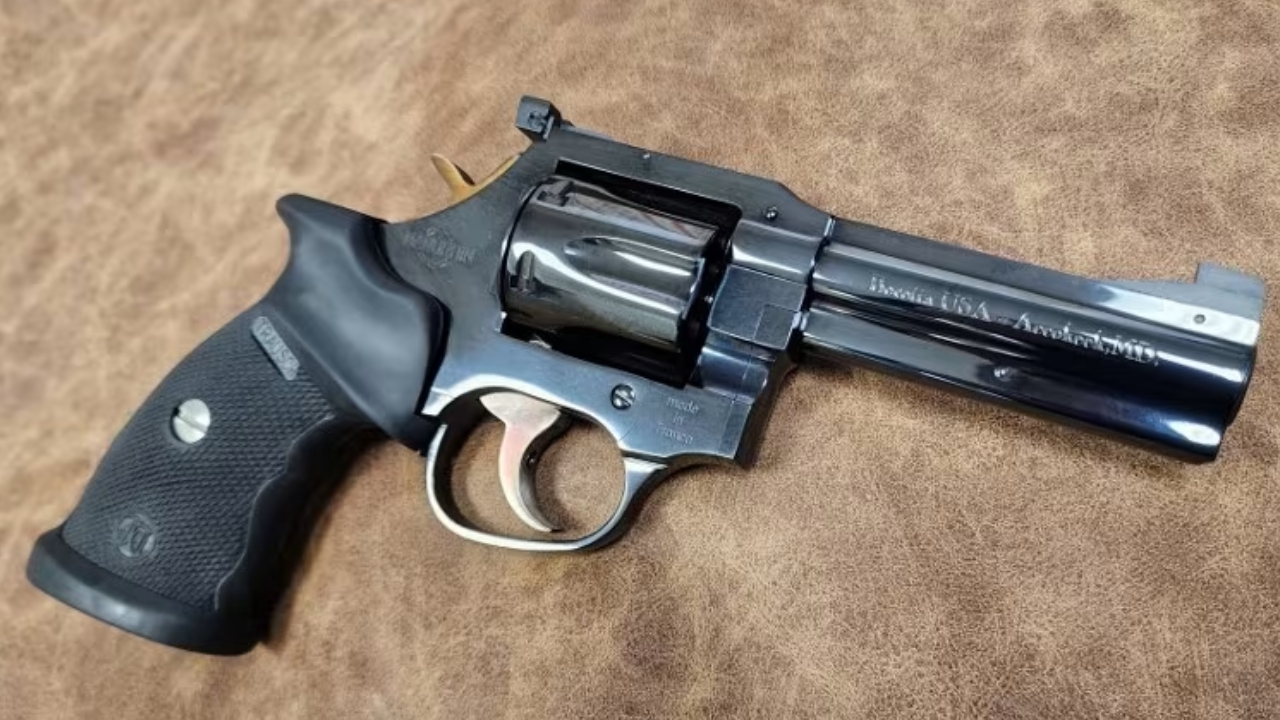
The MR73 was ahead of its time in a different way. Rather than introducing one dramatic mechanical gimmick, Manurhin built a revolver around an extreme duty-life requirement when many service handguns were treated as relatively disposable tools. The MR73 became famous for its ability to endure very high round counts of full-power .357 Magnum while still delivering excellent accuracy and an exceptionally refined trigger.
Today, shooters regularly discuss durability in terms of tens of thousands of rounds, and premium duty pistols are marketed around demanding endurance standards. The MR73 was pursuing that philosophy decades ago with a revolver built to withstand intensive police and special-unit training. It anticipated the modern idea that a premium service handgun should survive a workload far beyond what an ordinary owner will ever produce.
LeMat Revolver

The LeMat came from the percussion era, yet its basic concept sounds like something dreamed up by a modern designer trying to maximize capability. The revolver held multiple handgun-caliber shots around a central smoothbore barrel that could fire a larger shotgun-type load. With a selector on the hammer, the shooter could switch between the revolver cylinder and the central barrel.
The gun was bulky and came from a completely different technological era, but the idea was extraordinarily ambitious: combine two substantially different ballistic capabilities in one handgun. Modern combination firearms still attract attention because of that same promise of versatility. The LeMat was exploring it during the Civil War period.
Charter Arms Pitbull

The Pitbull addressed the same rimless-cartridge problem that made the old Smith & Wesson 547 so interesting, but with a more modern approach. Charter Arms designed the extractor system so cartridges such as 9mm could be held and extracted without requiring conventional moon clips. That means the shooter gets ammunition commonality with a semiautomatic cartridge while loading the revolver much more like a traditional wheel gun.
The concept is particularly relevant now because 9mm has become overwhelmingly common and many shooters want backup or compact guns that share ammunition with their primary pistols. Revolver designers spent generations assuming rimmed cartridges were the natural choice. Designs like the Pitbull demonstrate that assumption does not have to dictate the future.
Korth Sky Marshal

The Korth Sky Marshal was an unusual premium revolver built around 9mm ammunition and a loading system designed to avoid the inconvenience normally associated with moon clips. That alone made it technically interesting, but the broader concept was even more unusual. Korth was trying to build a compact, high-end revolver around one of the world’s most common semiautomatic pistol cartridges rather than treating traditional revolver ammunition as mandatory.
That idea makes more sense today than it once did. Ammunition commonality is increasingly attractive, and the market has shown renewed interest in 9mm wheel guns. The Sky Marshal pursued that concept at a premium level before the category had much mainstream momentum.
S&W Model 327 Performance Center
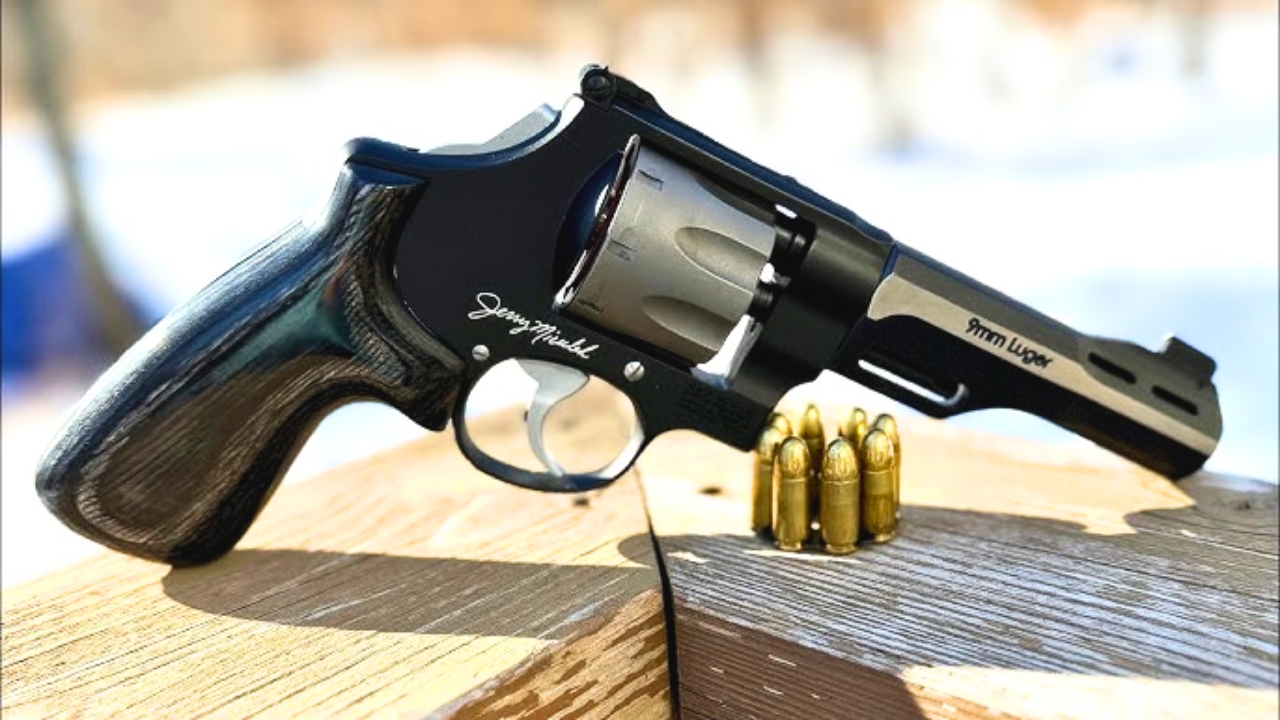
The Model 327 family showed just how much could change when manufacturers stopped treating six rounds and all-steel construction as permanent revolver requirements. Using a scandium-alloy N-frame and titanium cylinder, Smith & Wesson created a large-frame .357 that could carry eight rounds without weighing what shooters traditionally expected from an N-frame. Performance Center versions pushed the concept further with serious sights and configurations oriented toward practical shooting.
Capacity and weight are two areas where revolvers have traditionally lost comparisons with semiautomatics. The 327 directly attacked both weaknesses. Eight rounds of .357 in a relatively lightweight revolver sounded radical when the traditional six-shot steel magnum was still the mental default.
Colt Model 1889
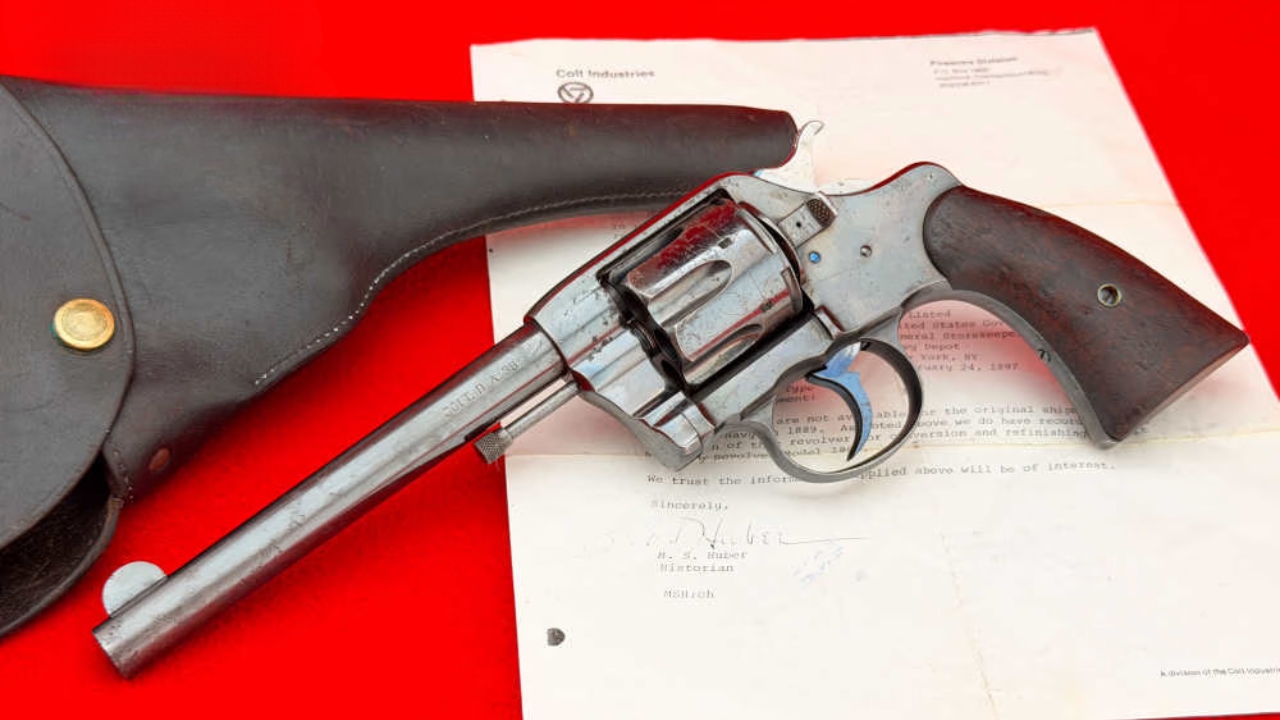
The Colt Model 1889 deserves far more attention whenever modern revolver development is discussed. Its swing-out cylinder and simultaneous extraction system helped establish the layout people now consider completely normal on a double-action revolver. Instead of opening a loading gate and dealing with cartridges individually, the cylinder could swing outward and the extractor could deal with the fired cases together.
That sounds almost too obvious today, which is exactly what makes the design historically important. The best innovations eventually stop looking innovative because everyone copies the underlying idea. The 1889 helped point revolver design toward the basic arrangement that would dominate police, military, and civilian wheel guns throughout the twentieth century.
Smith & Wesson Model 1
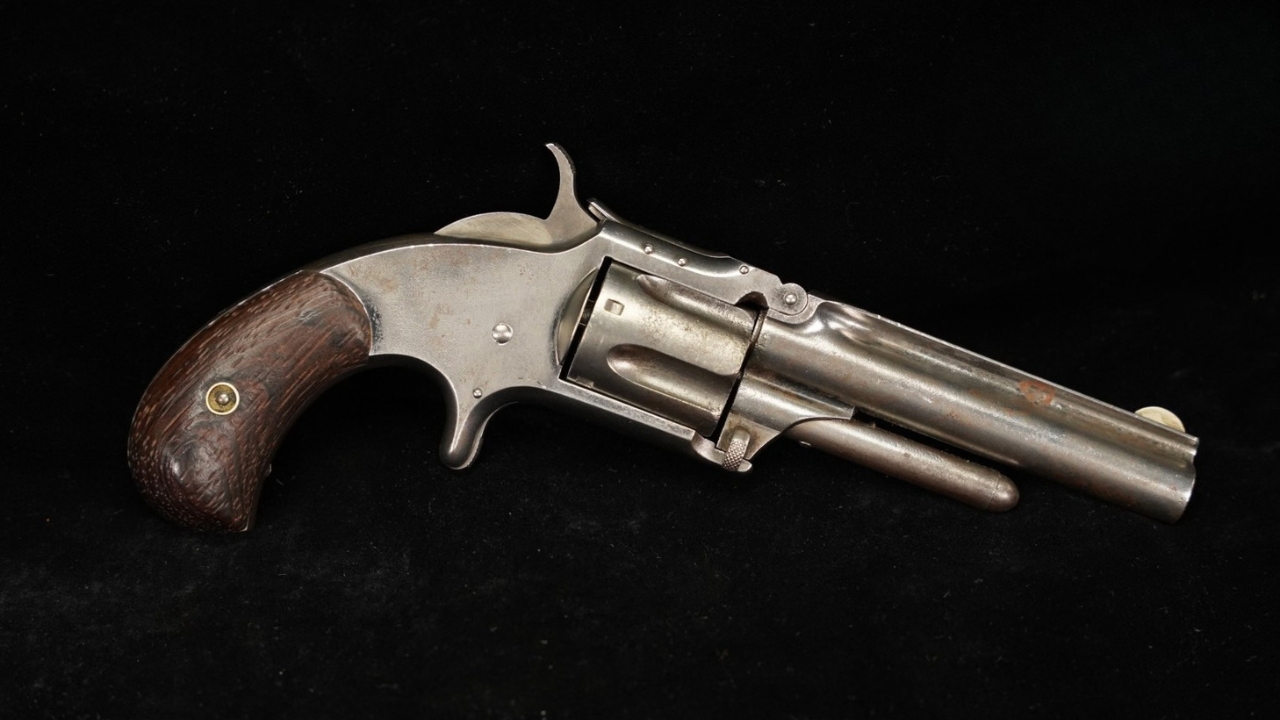
The Model 1 seems primitive today, but in the 1850s it represented an enormous shift toward what the handgun world would eventually become. It used self-contained metallic cartridges rather than loose powder, percussion caps, and separate projectiles. That made loading and carrying ammunition vastly more convenient and helped demonstrate how practical a cartridge revolver could be.
Everything about modern handgun ammunition depends on ideas that were still revolutionary when early metallic-cartridge revolvers appeared. The Model 1 was tiny and chambered for a modest rimfire round, but that misses the importance of the concept. It helped point the entire handgun market away from percussion systems and toward the ammunition architecture we still recognize.
S&W Model 610
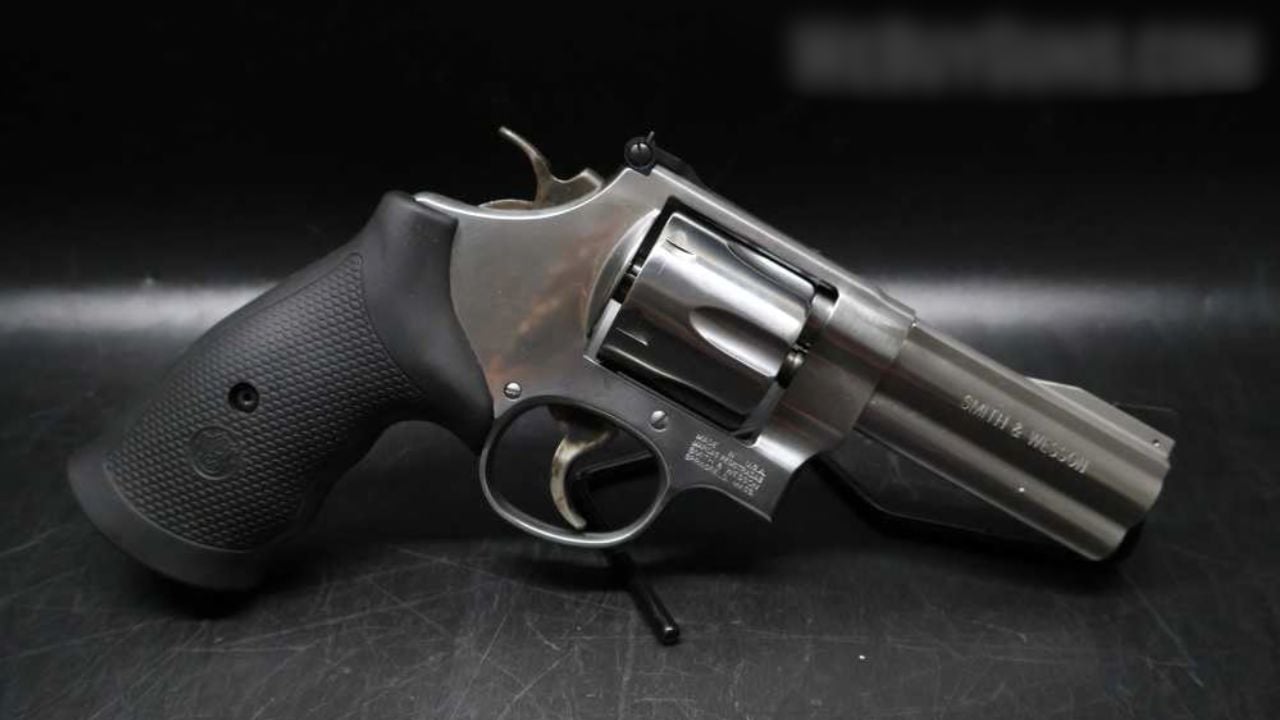
The Model 610 took the increasingly popular 10mm Auto cartridge and put it into a large-frame revolver using moon clips. That gave shooters a wheel gun capable of using a rimless semiautomatic cartridge efficiently while also providing the possibility of firing .40 S&W ammunition in the same platform. The heavy N-frame absorbs recoil extremely well, and moon clips can make loading and unloading surprisingly fast once the shooter becomes familiar with them.
The idea looks particularly smart today because cartridge commonality and multi-caliber flexibility have become major selling points. A revolver capable of sharing ammunition with 10mm and .40-caliber semiautomatics seemed specialized when introduced. With today’s renewed interest in 10mm, the Model 610 looks like a design that arrived before the market fully appreciated what it could offer.
Like The Avid Outdoorsman’s content? Be sure to follow us.
Here’s more from us: