Photo credit: Civilian Marksmanship Program/Youtube
There are two kinds of gun regret. The first is buying something because the internet said you “needed” it. The second is waiting on a firearm you actually wanted, only to watch the price jump, the model get “updated” into something else, or the good examples dry up overnight.
I’ve watched it happen at the range, at the gun counter, and in buddies’ safes after deer season. A guy will say, “I almost bought one of those,” and you can tell it stings because he’s said it before. Here are 20 firearms that have a way of making folks wish they’d acted sooner.
1. Marlin 336 (JM-stamped)
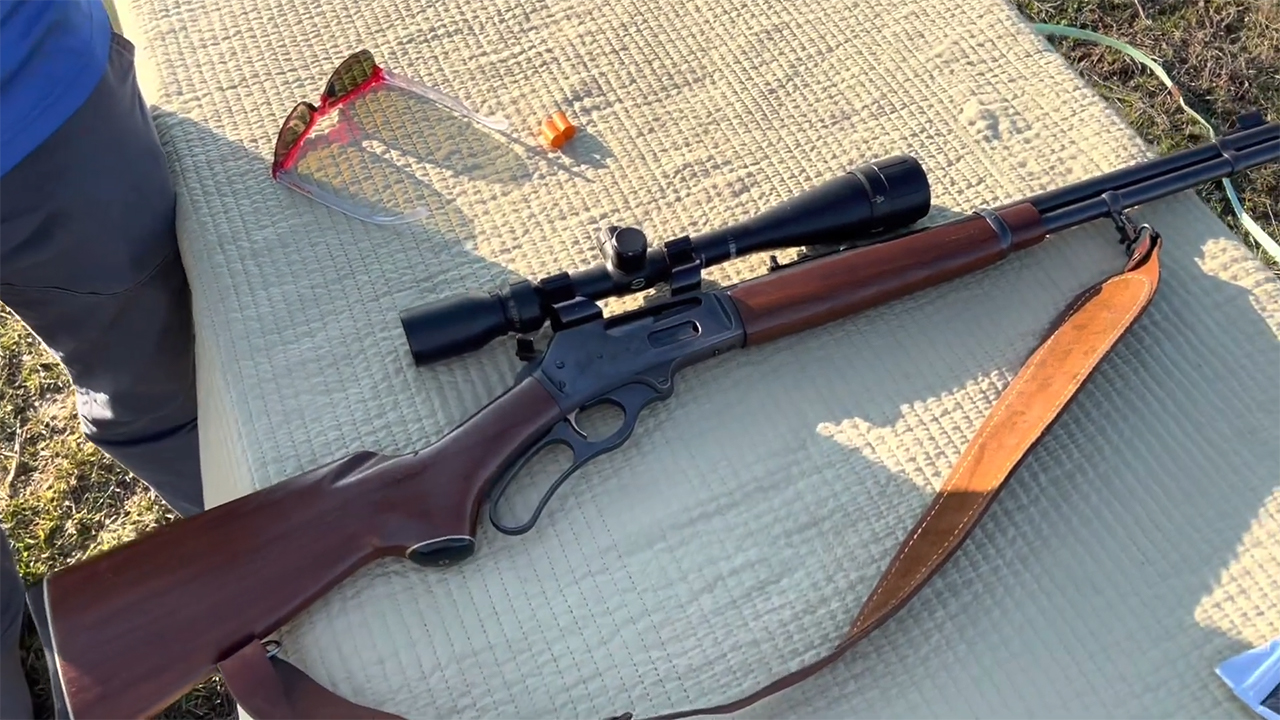
There’s nothing flashy about a blued steel 336 with plain walnut, and that’s kind of the point. They balance right between the hands, carry flat against the body, and they point quick in thick cover where shots come fast.
The older JM-marked guns became their own category once quality got inconsistent for a stretch. When a clean one shows up now, it doesn’t sit long. If you grew up hunting hardwood ridges, this is one of those rifles you don’t “replace,” you just end up buying whatever you can find.
2. Remington 870 Wingmaster
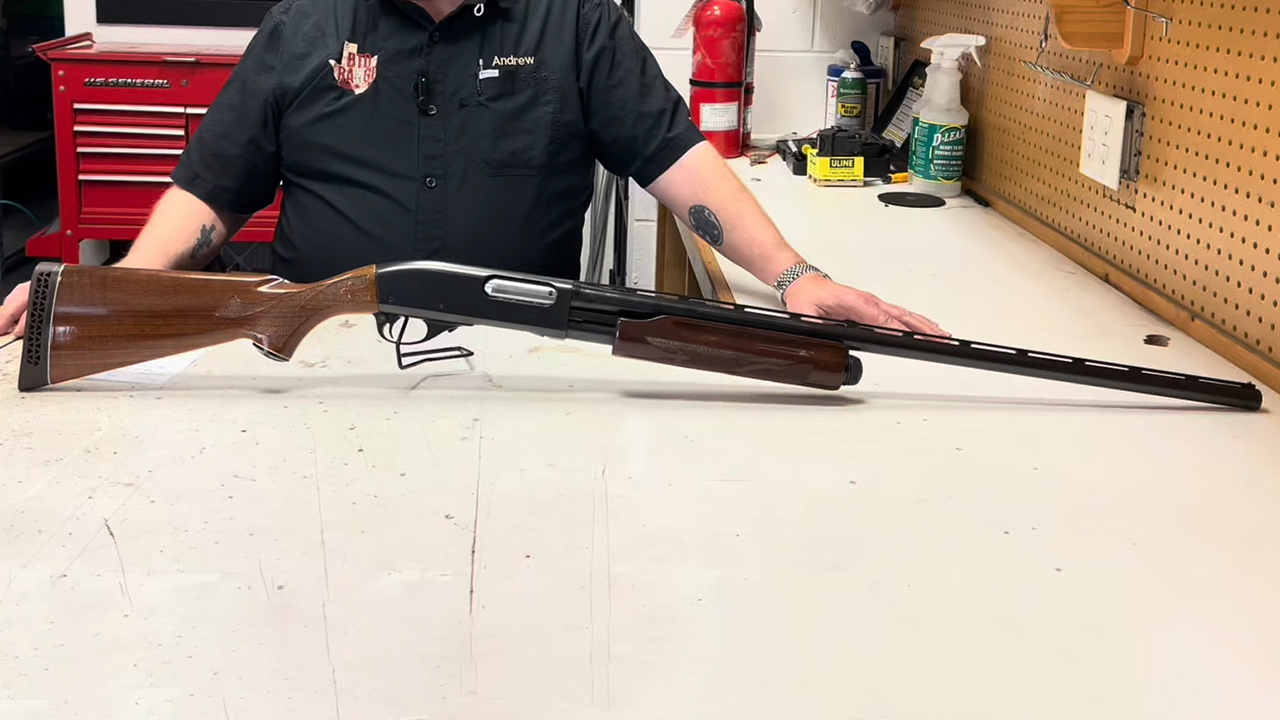
You can feel the difference the first time you run the action. A good Wingmaster cycles like it’s on rails, and it keeps doing it when it’s cold, wet, and dirty from a week of chasing birds.
Plenty of folks sold one to “upgrade” to something newer, then spent years trying to find another that felt the same. The barrels, chokes, and parts are everywhere, but the slick old-school fit is what’s getting harder to stumble into.
3. Ruger 10/22 (older wood-and-steel carbines)
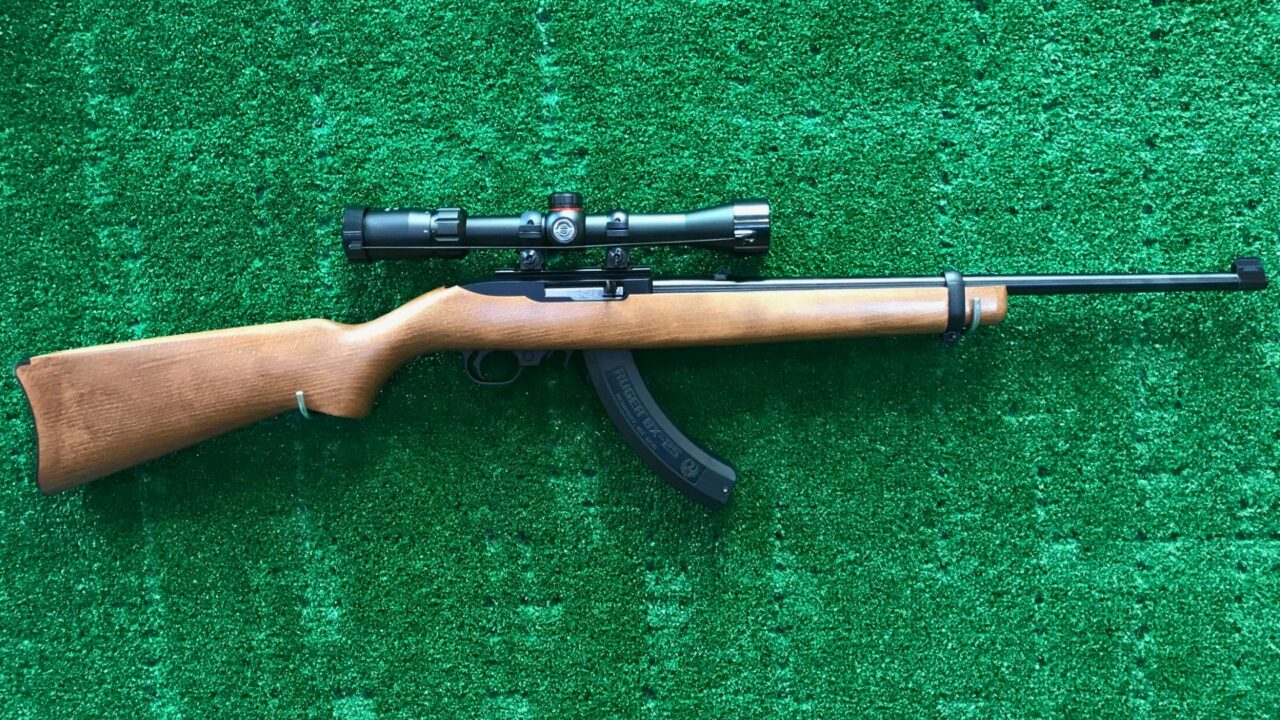
Everybody thinks they’ll grab a 10/22 later because they’re so common. Then they finally go to buy one and realize the exact version they want is either discontinued, overpriced, or has been “tactical-ed” into something that doesn’t feel like the simple .22 they learned on.
The basic carbine still makes sense for small game, farm pest control (where legal), and teaching kids good habits. Magazines are easy, ammo is everywhere, and you’ll never be sad you own a rifle you can shoot all afternoon without getting beat up.
4. Glock 19 (Gen 3 and Gen 5)
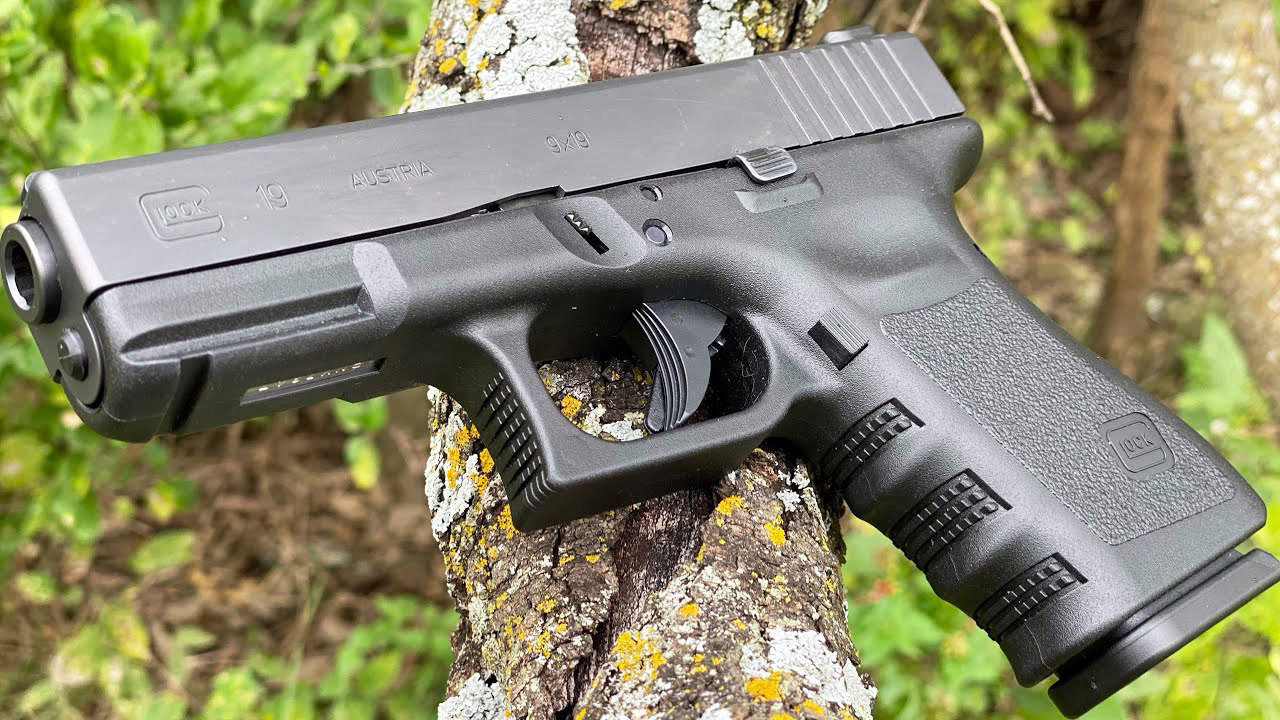
This one isn’t about collectability. It’s about realizing you waited too long to buy the boring pistol that just works, then you end up scrambling when you actually need a dependable carry or nightstand gun.
The Glock 19 also has a “parts ecosystem” that’s hard to overstate. Sights, holsters, magazines, small parts, training support—everything is easy. If you’re the type who wants one handgun that’s never a headache, waiting is where regret starts.
5. Smith & Wesson Model 10

Police trade-in Model 10s used to be the best kept secret in handguns: honest wear, great triggers, and a price that made you wonder what the catch was. The catch was that they don’t make them like that anymore at that price.
For a home-defense revolver, a glovebox gun on the ranch (stored safely and legally), or just a range companion, a good Model 10 is hard to beat. Folks who passed on the cheap ones usually remember the exact table they sat on.
6. Ruger Blackhawk (three-screw)
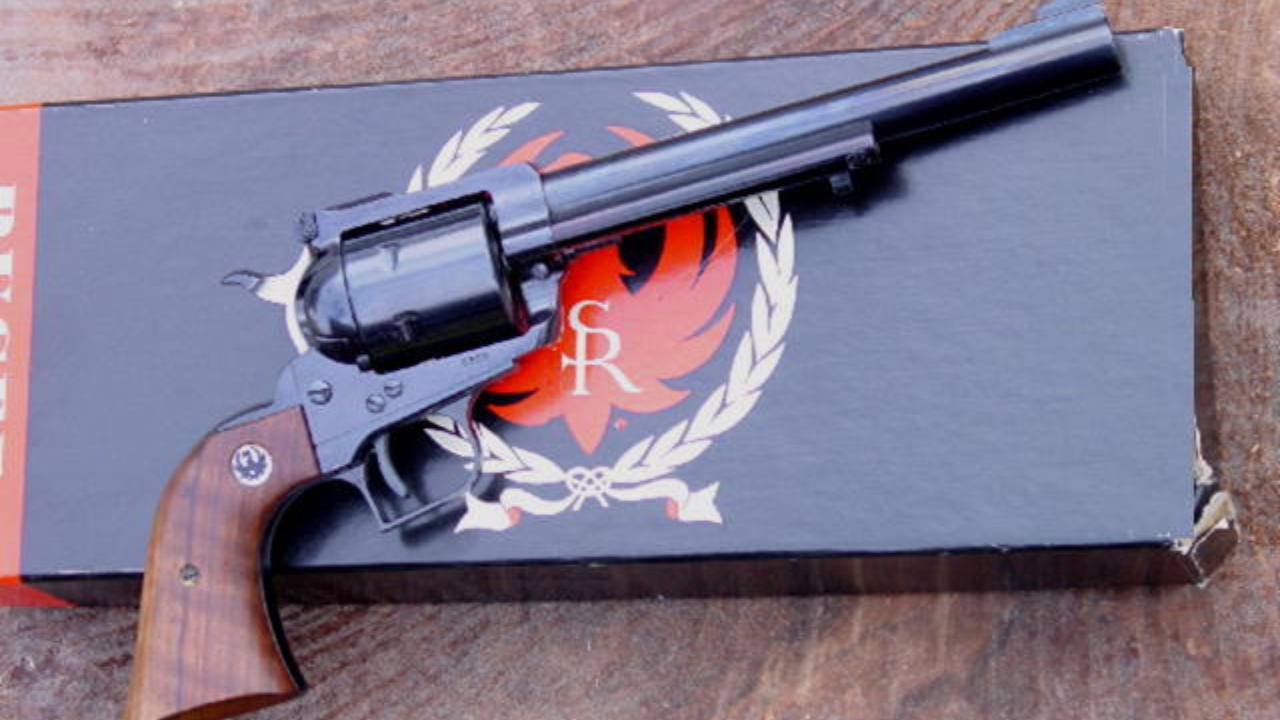
Old three-screw Blackhawks have a feel that’s hard to explain until you handle one next to a newer production revolver. The lines are cleaner, the actions often feel better, and they carry that classic single-action “click” that makes you slow down and shoot right.
They’re not for everybody, and I get why some guys dump single-actions once the novelty wears off. Still, the ones who shot them a lot tend to come back around—and then they learn what “good condition” costs.
7. Colt Python (pre-2020 guns)
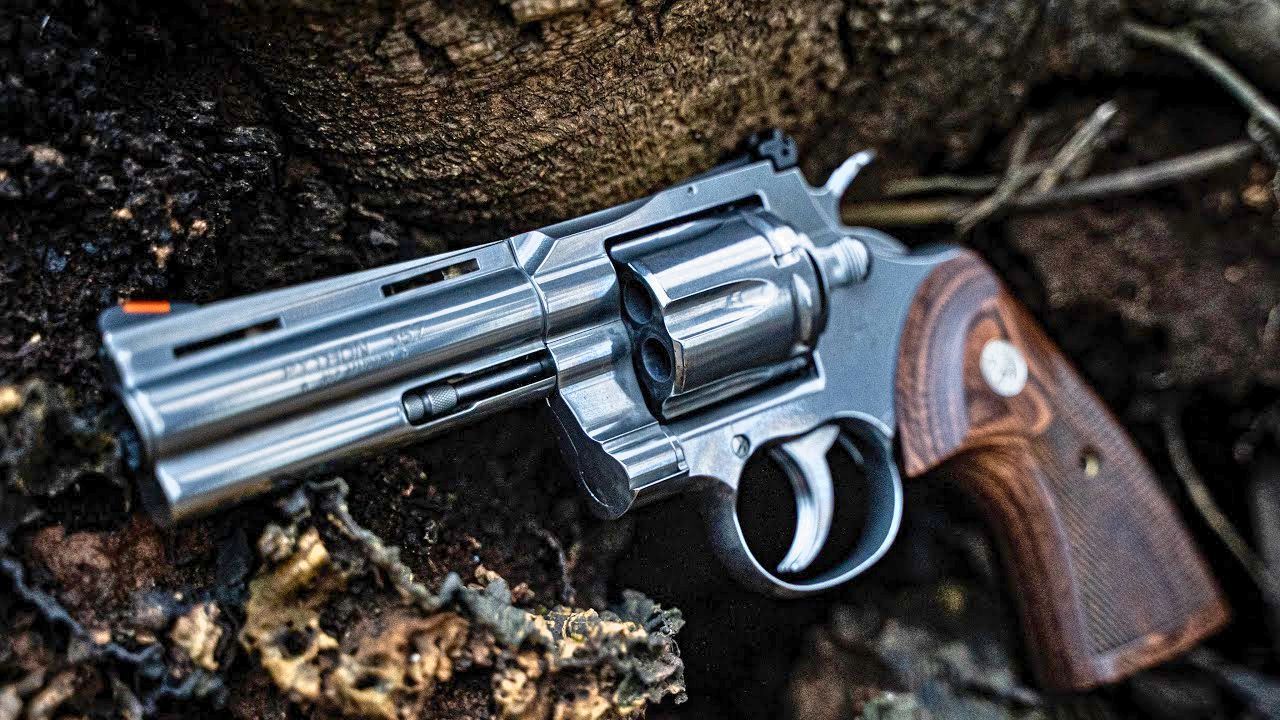
The Python is the poster child for waiting too long. For years, guys said they’d buy one “someday,” and then someday turned into a used-car payment.
Even if you’re not a Colt guy, you can understand the appeal: smooth double-action, top-tier fit, and that unmistakable look. New production guns exist and they’re fine, but the old ones are what people kick themselves over.
8. Browning A-5 (Belgian-made)
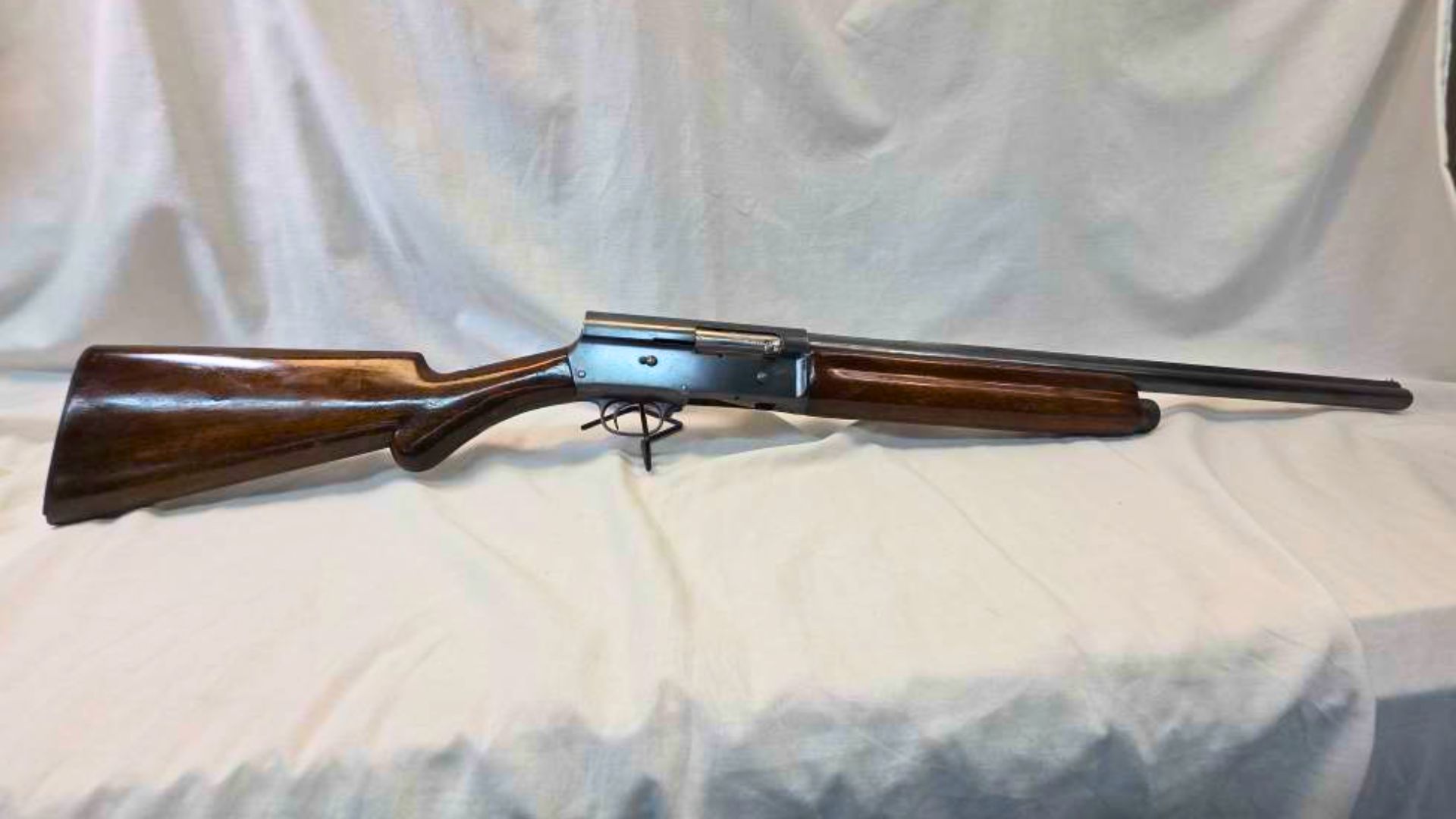
If you’ve hunted with an old humpback, you know why people get sentimental about them. They’re long, they’re a little quirky, and they have a recoil impulse that’s different than most modern gas guns. They also just keep running.
The waiting regret comes from assuming they’ll always be around in clean shape. A lot of them are worn hard from duck blinds and cornfields, and the nice ones get scooped up by guys who know exactly what they’re looking at.
9. Winchester Model 70 (pre-64)

There are plenty of accurate rifles in the world. A pre-64 Model 70 isn’t just about group size—it’s about controlled-round feed, classic handling, and a rifle that feels like it was made to be carried with a sling all day.
Guys talk themselves out of them because “a new rifle shoots better.” Maybe. But when you finally decide you want a real-deal Model 70, you learn quick that the clean ones aren’t getting cheaper.
10. CZ 527 (especially in .223 and 7.62×39)

The 527 was one of those rifles that didn’t get fully appreciated until it was gone. Light, trim, and accurate, with a slick little bolt and a set trigger that made you look good on paper.
In .223 it’s a walking varminter that doesn’t feel like a fence post. In 7.62×39 it’s a practical woods rifle with cheap(ish) ammo and mild recoil. Discontinued rifles have a way of turning “I’ll think about it” into “why didn’t I just buy it?”
11. Ruger Mini-14 Ranch Rifle
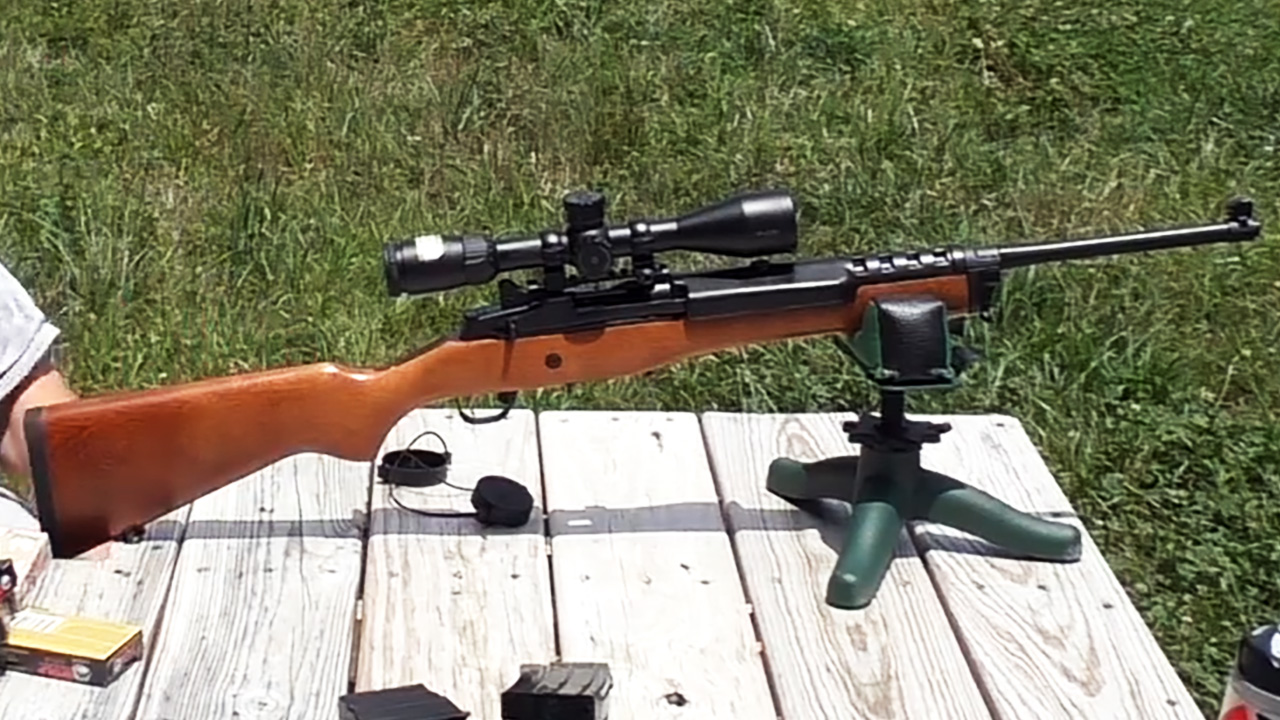
The Mini-14 has always lived in the shadow of the AR, and for pure modularity that’s fair. But the Mini carries nice, rides in a truck well, and doesn’t scream “range toy” to every non-gun person who sees it.
Ask any rural landowner who wanted a simple semi-auto for coyotes, pigs, or general property defense: a good Mini with decent mags is easy to live with. The regret usually comes after a ban scare or a market crunch when everything spikes at once.
12. Mossberg 590A1
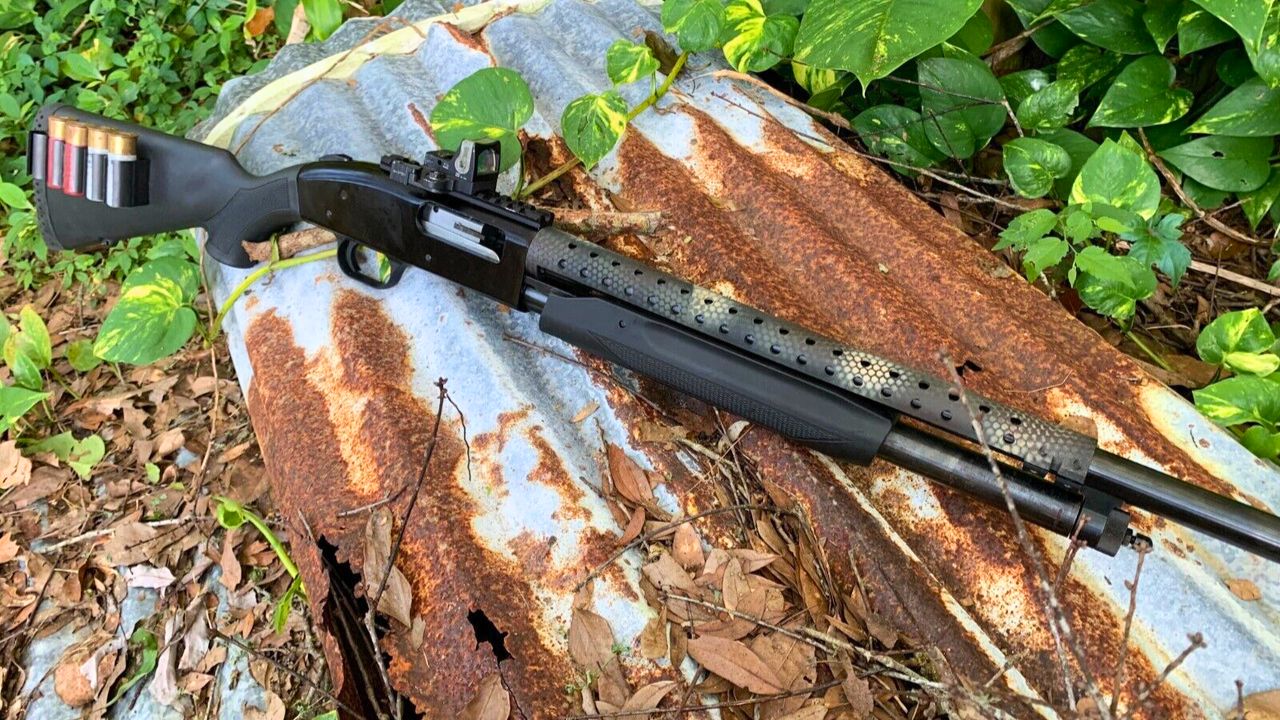
If you want a pump shotgun that’s built like it expects to be dropped, banged, and still run, the 590A1 earns its reputation. Heavy barrel, robust parts, and a layout that’s simple under stress.
Waiting bites people because these sell in waves. When demand jumps, they vanish. And when you finally find one, you realize you should’ve bought it back when you were “just thinking” about a defensive shotgun.
13. Benelli M2
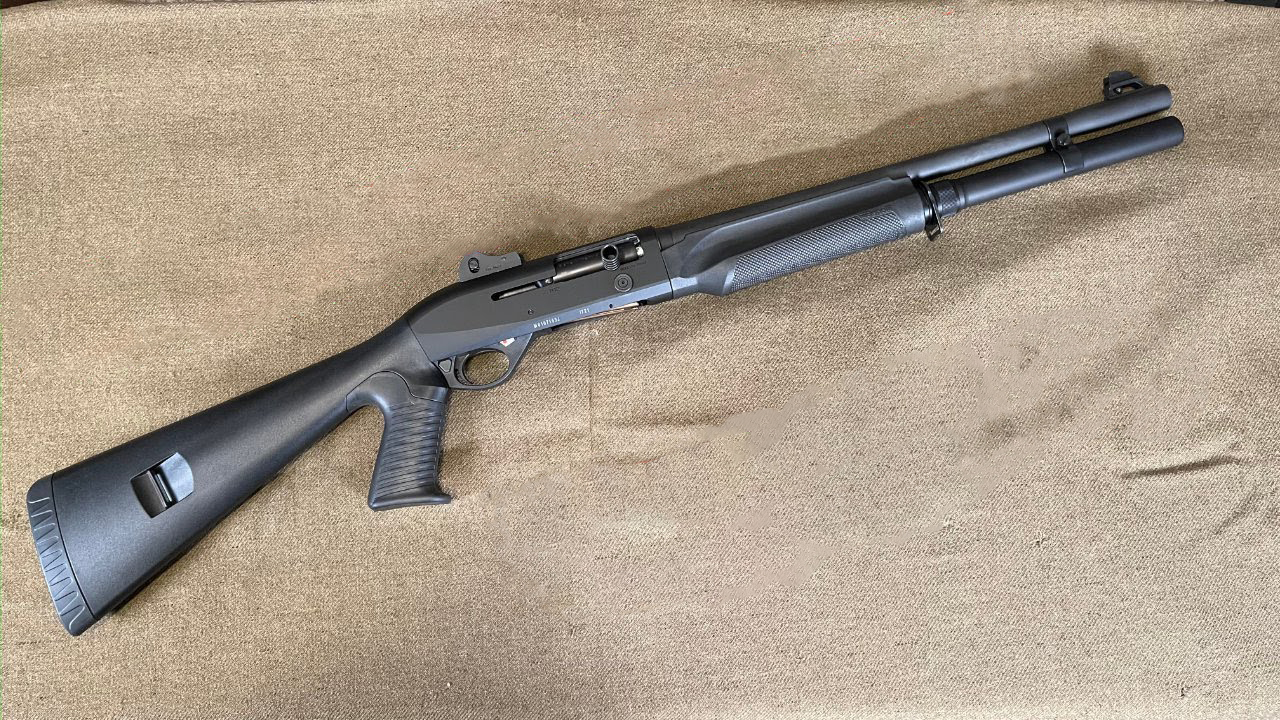
The M2 is one of those shotguns that makes you wonder why you fought finicky semi-autos for so long. Inertia guns aren’t magic, but a well-set-up M2 tends to run and run without being fussy about cleaning every five minutes.
Waterfowlers and upland guys both end up here for different reasons: reliability and weight. The regret is usually financial—guys buy two “almost as good” guns first, then finally buy the Benelli and realize they could’ve been done years ago.
14. Springfield Armory M1A (older USGI-heavy parts guns)
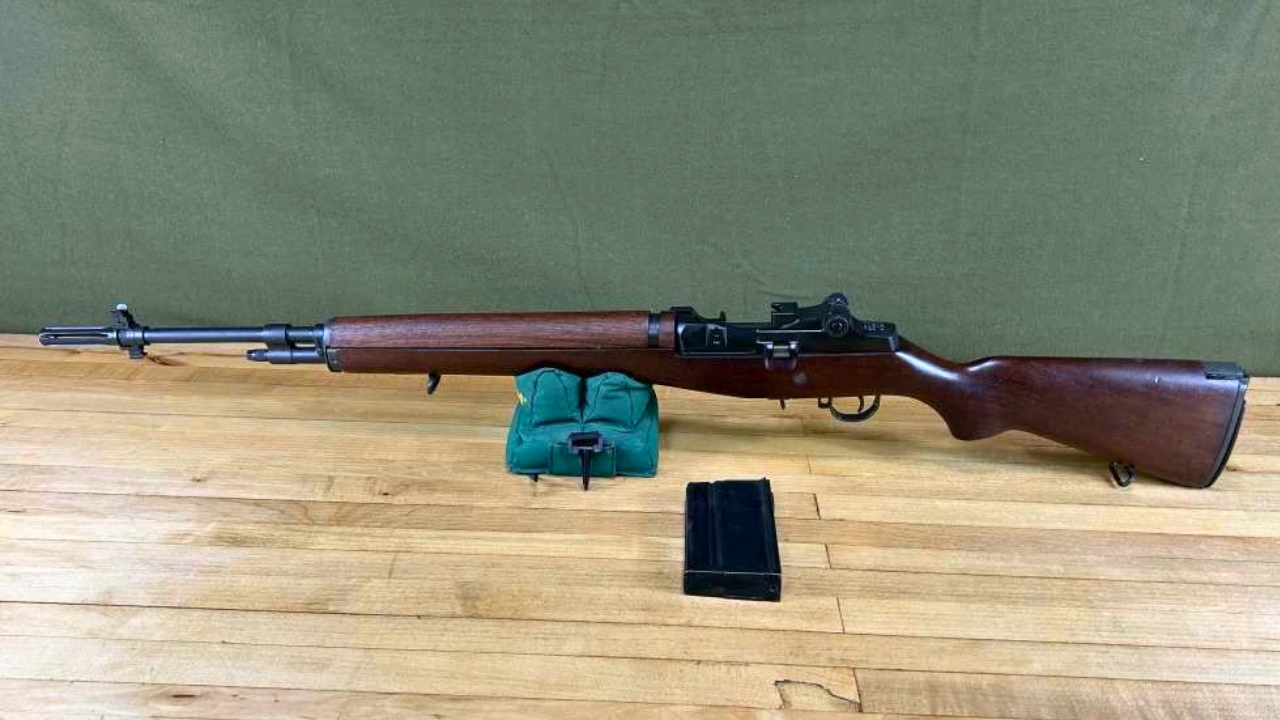
The M1A isn’t light and it isn’t cheap to feed. It’s also one of the most satisfying rifles to run from a standing position, with a tone and recoil pulse that feels like real rifle shooting.
The older rifles with more USGI parts got harder to find as time went on. When someone waits too long, they end up sorting through a market where “close enough” costs a lot, and the truly good examples cost even more.
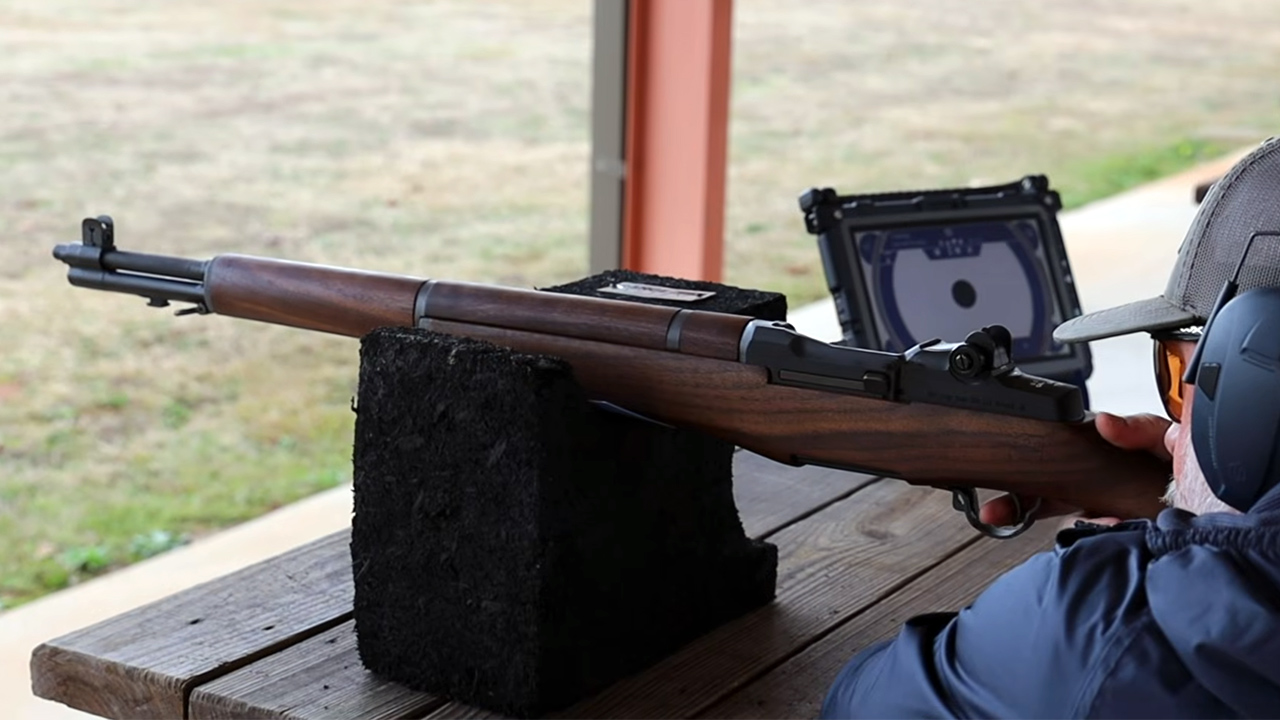
15. CMP M1 Garand
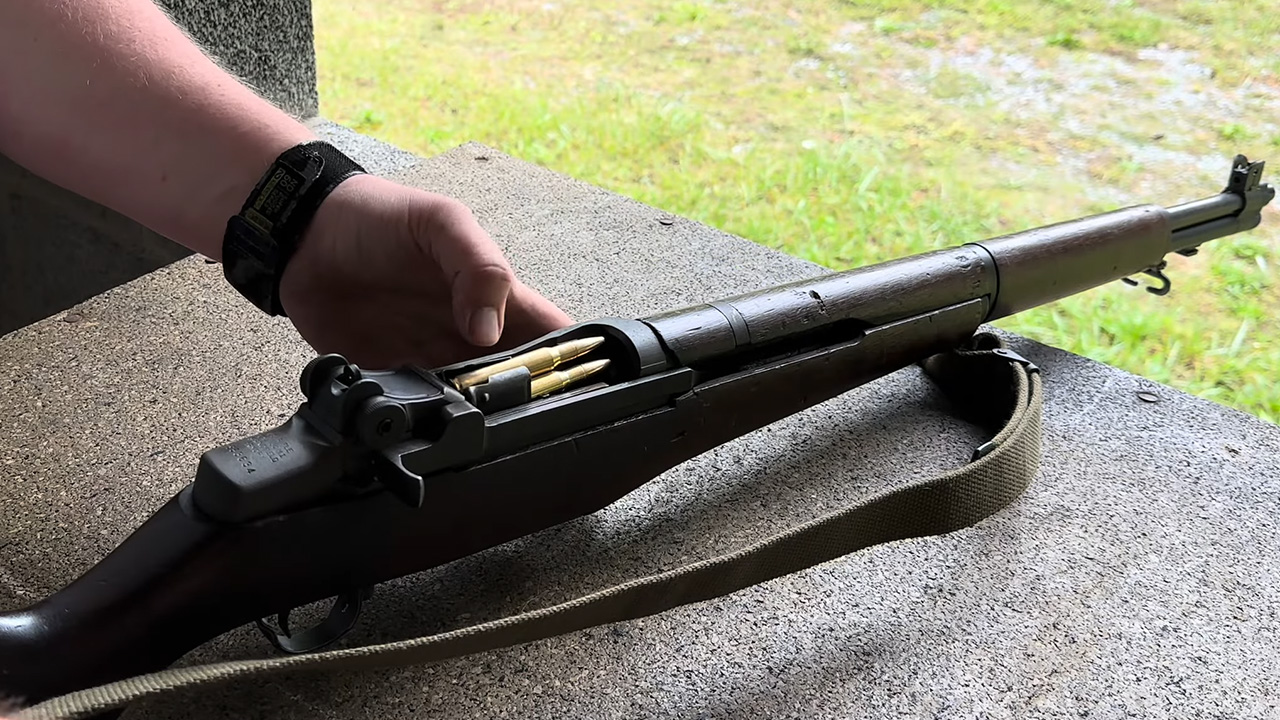
The Garand is a history lesson you can shoulder. The weight, the sights, the way it tracks—there’s a reason people still smile when they shoot one the first time.
Folks who waited often did it because they assumed they’d always be easy to get. Then paperwork windows change, inventory changes, and prices climb. If you’ve ever wanted one, this is a classic case of “buy once, cry once” being less painful than waiting forever.
16. Ruger SP101
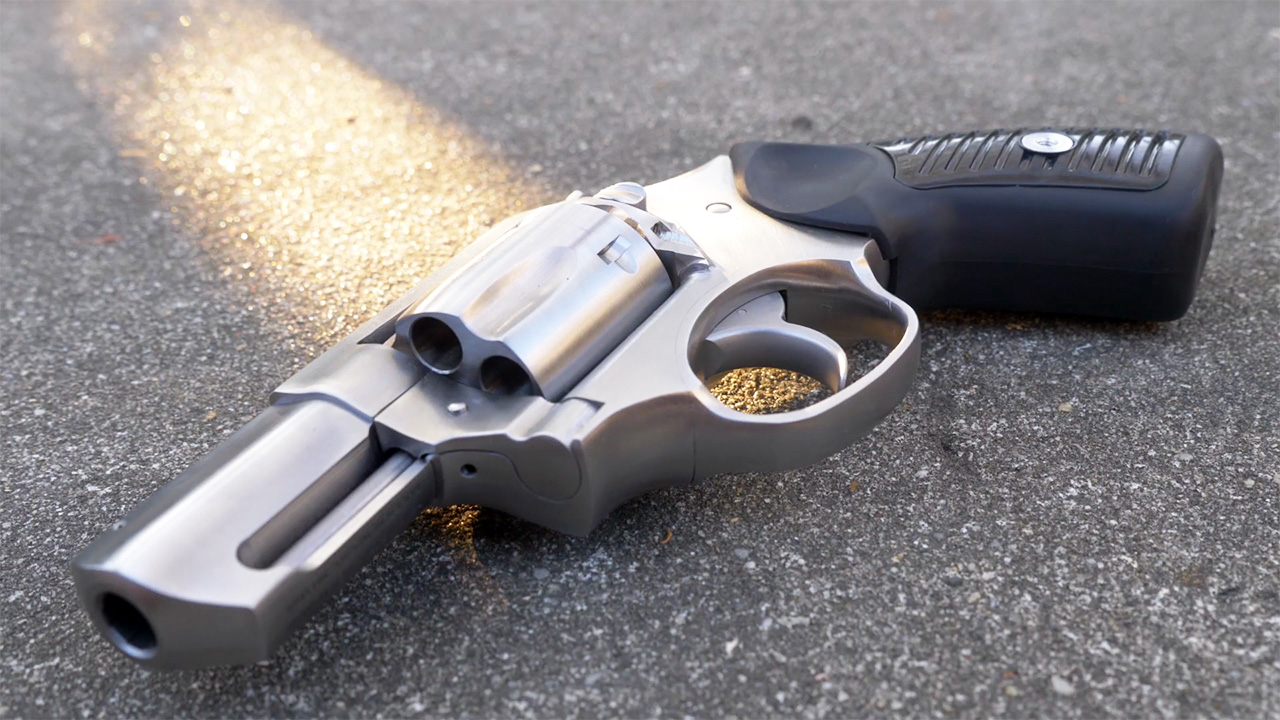
The SP101 isn’t glamorous. It’s a small-frame revolver that’s built stout, and that means it’s heavier than some people like for carry. But it shoots well for its size, and it doesn’t feel like it’s going to shake apart.
Regret shows up when someone buys a featherweight snub, hates practicing with it, and then circles back to the Ruger. With the SP101, you actually want to shoot the thing, which is the whole point.
17. Smith & Wesson Model 686 (no-lock guns)

A 686 is one of the easiest .357s to live with. With .38s it’s soft and controllable; with full-house magnums it still behaves. The L-frame size hits a sweet spot for range work and general use.
Guys who waited specifically miss the older no-internal-lock versions. Whether you care about the lock or not, the market cares, and that changes the hunt. Finding one with a clean cylinder and a good trigger can take time now.
18. SIG Sauer P226 (German/West German and early US guns)
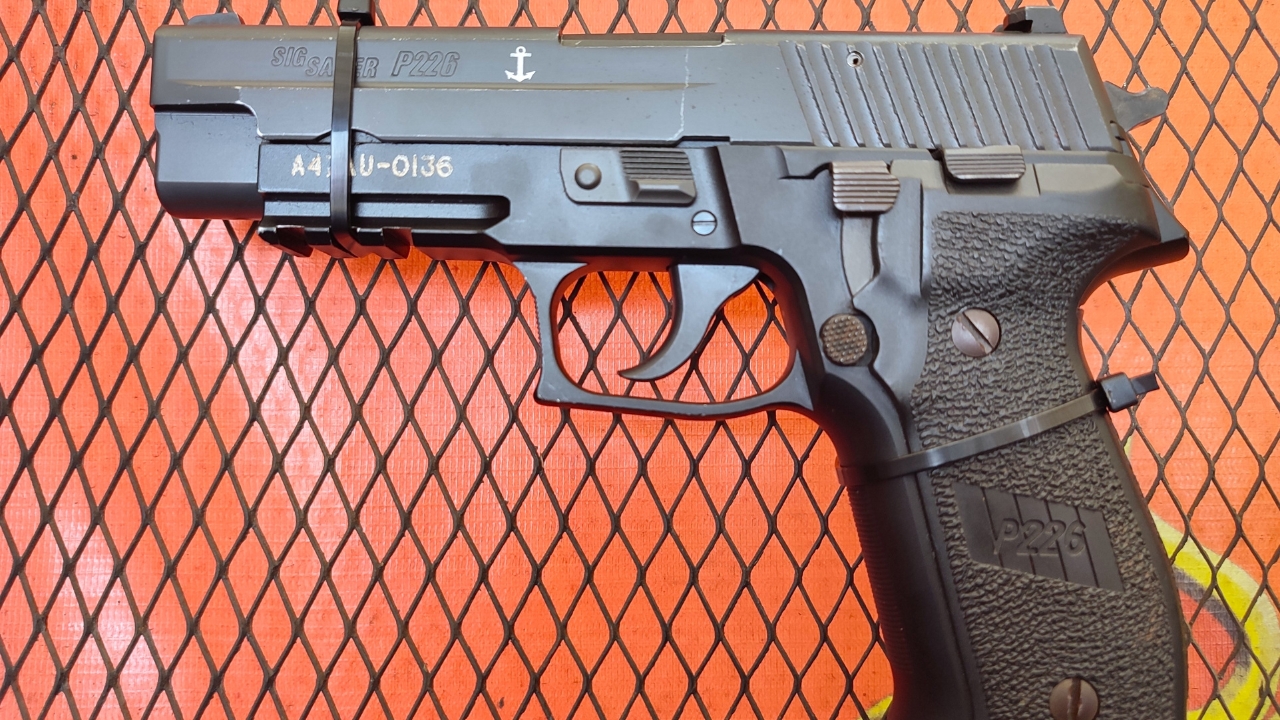
The P226 is a “service pistol” in the best sense. It’s not tiny, it’s not trendy, and it points naturally for a lot of shooters. The double-action/single-action trigger isn’t everyone’s favorite, but when it clicks for you, it really clicks.
Waiting regret comes when people assume they’ll grab a classic later, then watch the best examples climb or get hoarded. Also, if you’re picky about certain frames, finishes, or markings, you don’t want to be shopping when inventory is thin.
19. Ruger No. 1

Single-shots are a niche, no doubt. But a Ruger No. 1 carries like a dream in the woods, balances beautifully, and forces you to make the first shot count. There’s a quiet confidence to them.
Regret usually hits after a guy sells one because it’s “impractical,” then realizes most of his hunting shots are one-shot situations anyway. When he goes back looking for the same configuration, it’s either discontinued or priced like a collector’s piece.
20. Savage 99

The Savage 99 is one of the coolest practical rifles America ever made. Lever action, but with a rotary magazine that let it run pointed bullets in classic deer cartridges. They carry slim, and they feel made for still-hunting.
They also have that “grandpa’s rifle” pull that gets stronger as the years go by. The regret is real when someone passes on a tight 99 at a gun show, then spends the next decade seeing only beat-up examples with sketchy bores.
Waiting isn’t always a mistake. Sometimes you’re saving, sometimes you’re doing research, sometimes you just don’t need another gun right now. But if a firearm checks a real box for you—hunting, carry, home defense, training, or a once-in-a-lifetime classic—dragging your feet can turn into years of kicking yourself. Ask me how I know.
Like The Avid Outdoorsman’s content? Subscribe to our newsletter so you never miss an article.
Here’s more from us: