Photo credit: ANR Design – Thermoplastic Holsters/YouTube
Gun buyers get talked into bad opinions all the time. Sometimes a firearm gets dismissed because it looks plain, costs less than expected, comes from the wrong brand, or does not match whatever trend is hot that year. Other times, buyers assume a gun is outdated before they ever spend enough time behind it.
Then the years pass, and the market has a way of correcting bad first impressions. The guns people ignored, mocked, traded too quickly, or wrote off as boring start proving they were better than buyers gave them credit for. These are the firearms buyers got wrong.
Ruger P95
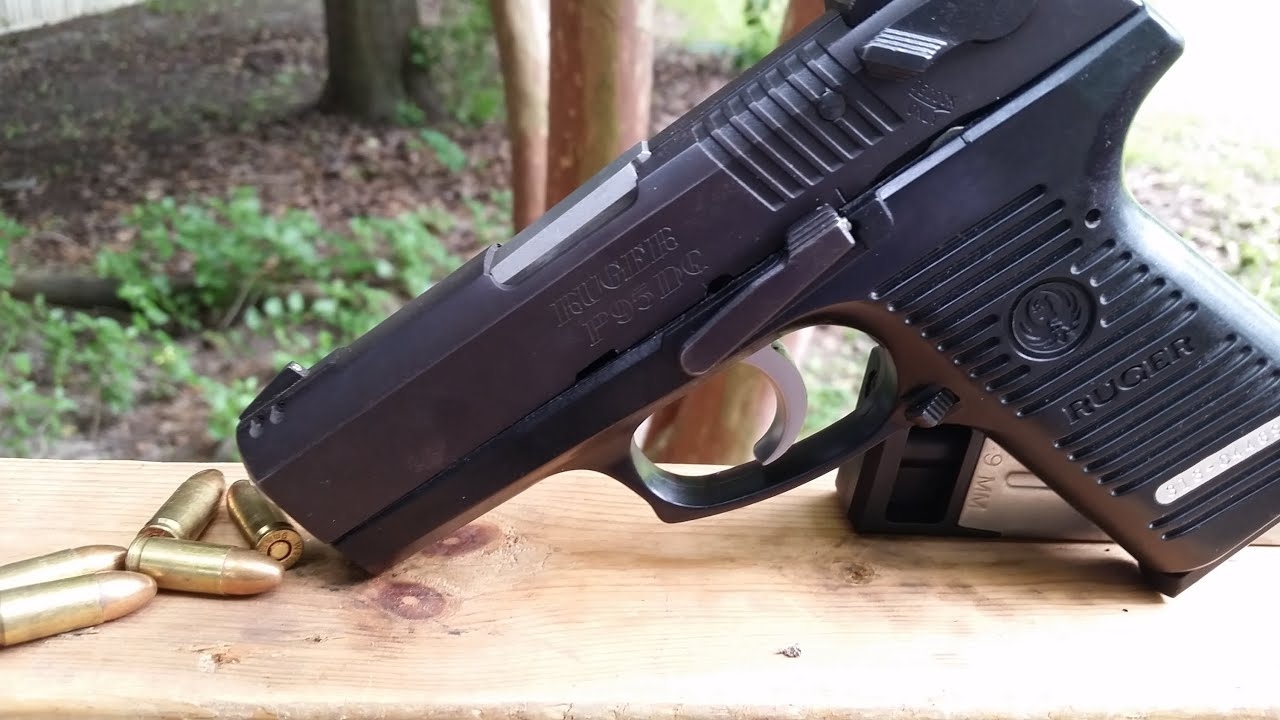
The Ruger P95 was never the pistol people bought to impress anyone. It was bulky, plain, and looked a little clumsy next to sleeker service pistols.
That is why buyers underestimated it. The P95 was affordable, durable, and far more reliable than its looks suggested. It ate cheap ammo, handled rough use, and kept working when flashier pistols gave owners more excuses. A lot of people treated it like a bargain-bin 9mm, but it was one of those guns that made practical buyers look smarter later.
Remington Model Seven

The Remington Model Seven often got overshadowed by the larger Model 700. Many buyers looked at it as a lighter, shorter rifle that gave up too much compared to a full-size bolt gun.
In the woods, though, the Model Seven made a lot of sense. It carried easily, pointed fast, and worked especially well in thick deer country. Hunters who dismissed it because it was not a long-range bench rifle missed the point. It was a handy hunting rifle built for real movement, and plenty of owners learned to trust it fast.
Smith & Wesson 3913

The Smith & Wesson 3913 spent years being treated like an old carry pistol from a passed-over era. Once polymer micro-compacts took over, many buyers wrote it off as dated.
That was a bad read. The 3913 was slim, reliable, accurate, and easy to carry for its time. It had a clean single-stack profile and a level of metal-frame quality that feels better today than many people expected. Buyers who ignored them when they were cheap now understand why good examples have a loyal following.
Browning BLR
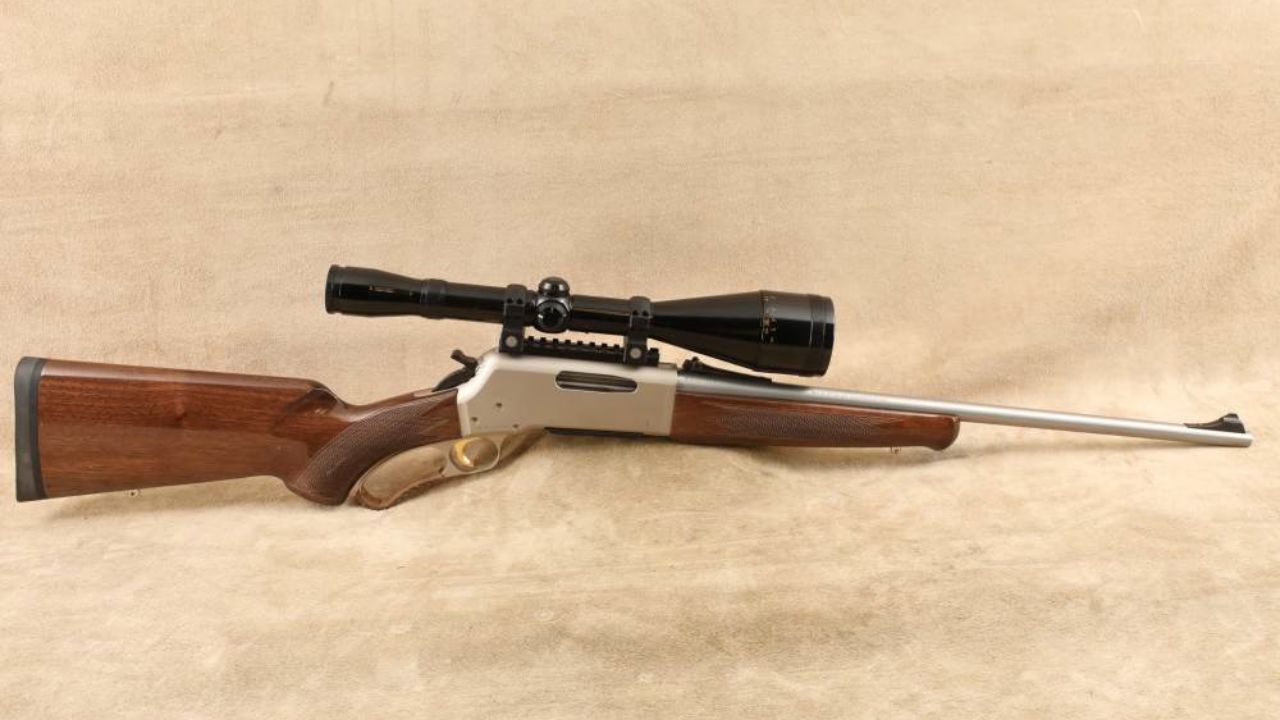
The Browning BLR confused some buyers because it did not fit neatly into the old lever-action box. It looked traditional, but it used a detachable magazine and could handle modern pointed bullets.
That difference made some hunters overlook it. In reality, the BLR gave lever-action fans access to serious hunting cartridges without giving up fast handling. It was useful in the woods, quick from the shoulder, and more flexible than many tube-fed lever guns. Buyers who wanted only a bolt rifle or only a classic lever gun missed how smart the design really was.
CZ 75 PCR
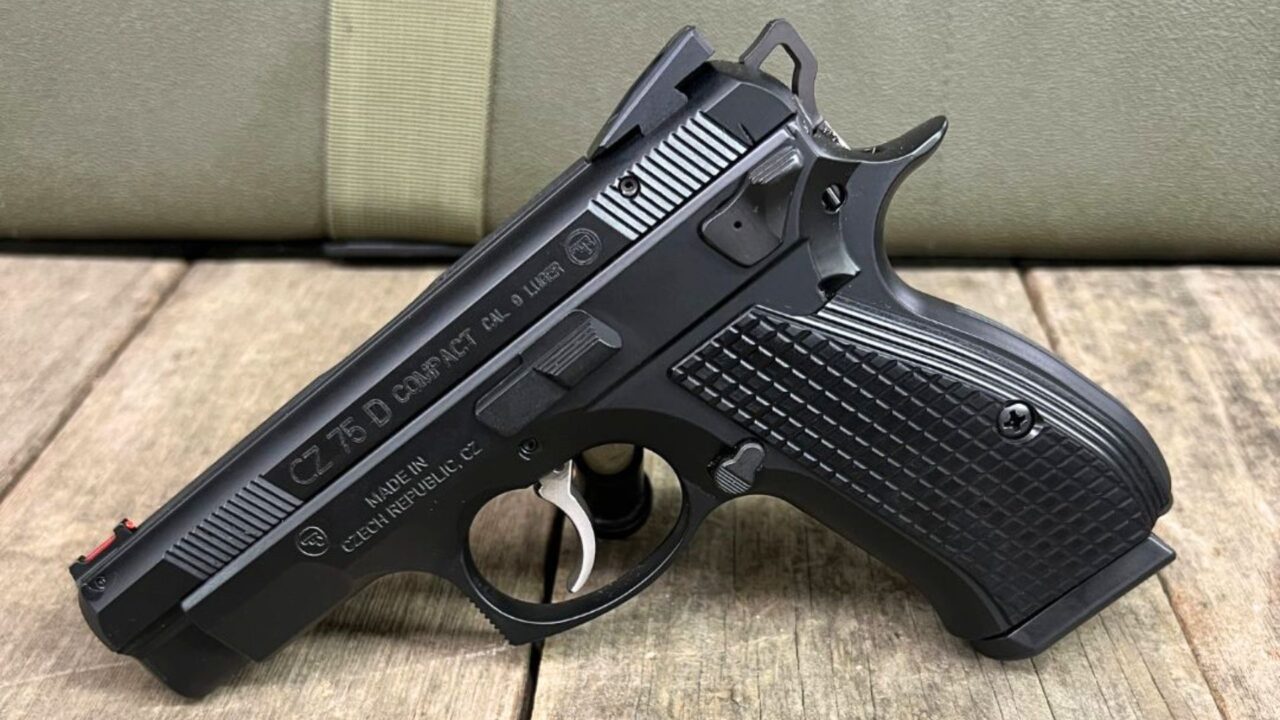
The CZ 75 PCR never got the same mainstream attention as more common compact pistols. Buyers often walked right past it because it was heavier than polymer carry guns and less familiar than the big American names.
That was their loss. The PCR shoots beautifully for its size, carries better than many expect, and has the kind of grip shape that makes you wonder why more pistols do not feel that way. It is not the lightest compact, but it is one of the easiest to shoot well.
Winchester Model 100

The Winchester Model 100 has always had a mixed reputation, and some buyers dismissed it too quickly because semi-auto hunting rifles from that era could be hit or miss. It also lived in the shadow of more famous Winchester models.
When you find a good one, though, it has real appeal. The rifle is fast-handling, good-looking, and chambered in useful deer rounds. It was not perfect, and older examples need to be checked carefully, but buyers who treated every Model 100 like a problem gun overlooked a very cool hunting rifle.
Ruger SR1911
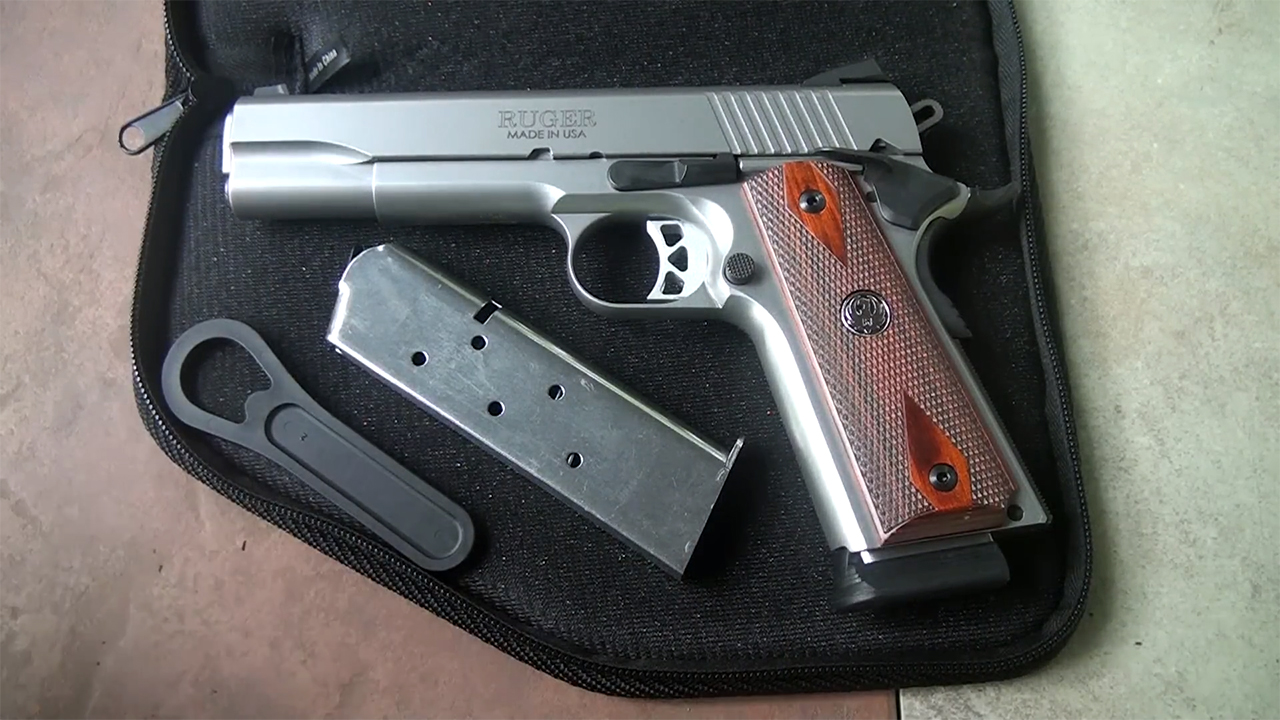
The Ruger SR1911 arrived at a time when the 1911 market was already crowded. Some buyers assumed it was just another basic entry-level 1911 with nothing special to offer.
That turned out to be too harsh. Ruger built a clean, honest 1911 that worked well for the money and avoided a lot of unnecessary drama. It had the features most shooters wanted without pretending to be a custom gun. Buyers who skipped it because it lacked a fancy name missed one of the better values in the 1911 world.
Marlin Camp Carbine
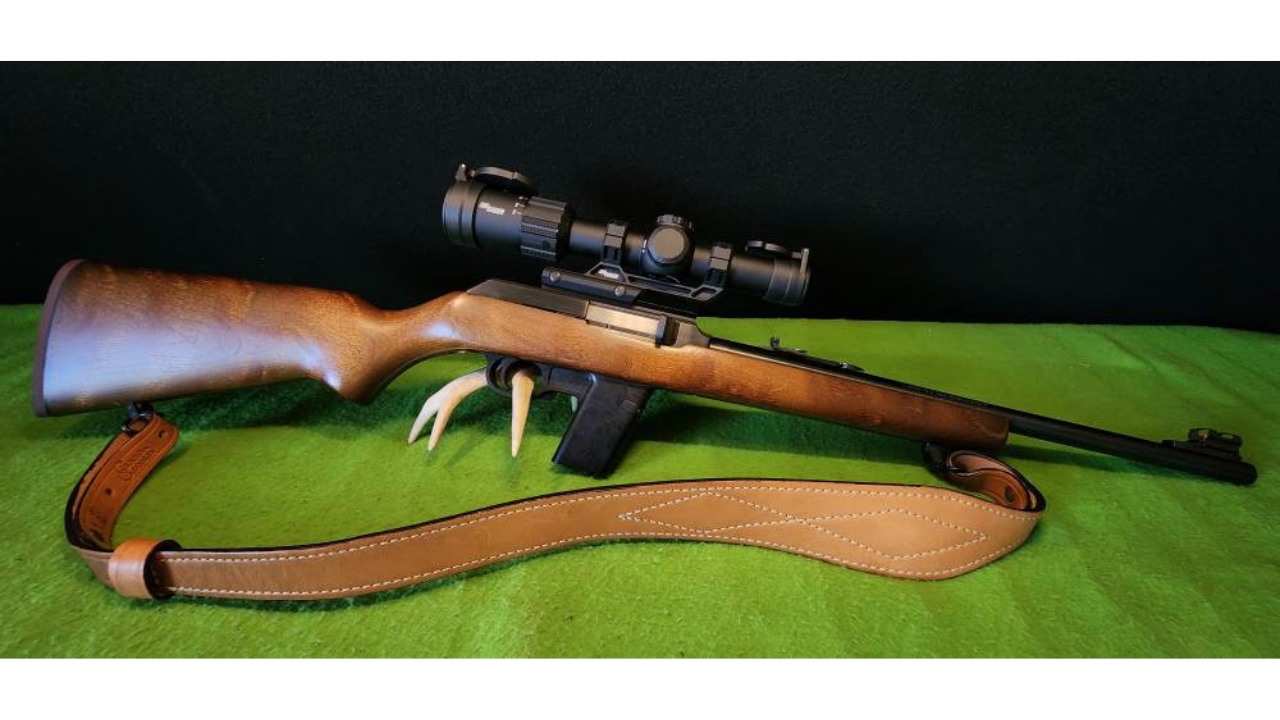
The Marlin Camp Carbine looked plain and almost odd compared to more serious-looking rifles. For years, buyers treated it like a soft little range gun without much reason to keep around.
That opinion aged badly. A handy pistol-caliber carbine that takes common magazines makes a lot of sense, especially now that PCCs are popular again. The Camp Carbine was easy to shoot, useful around the property, and more practical than people admitted. A lot of buyers only understood it after prices climbed.
Beretta PX4 Storm
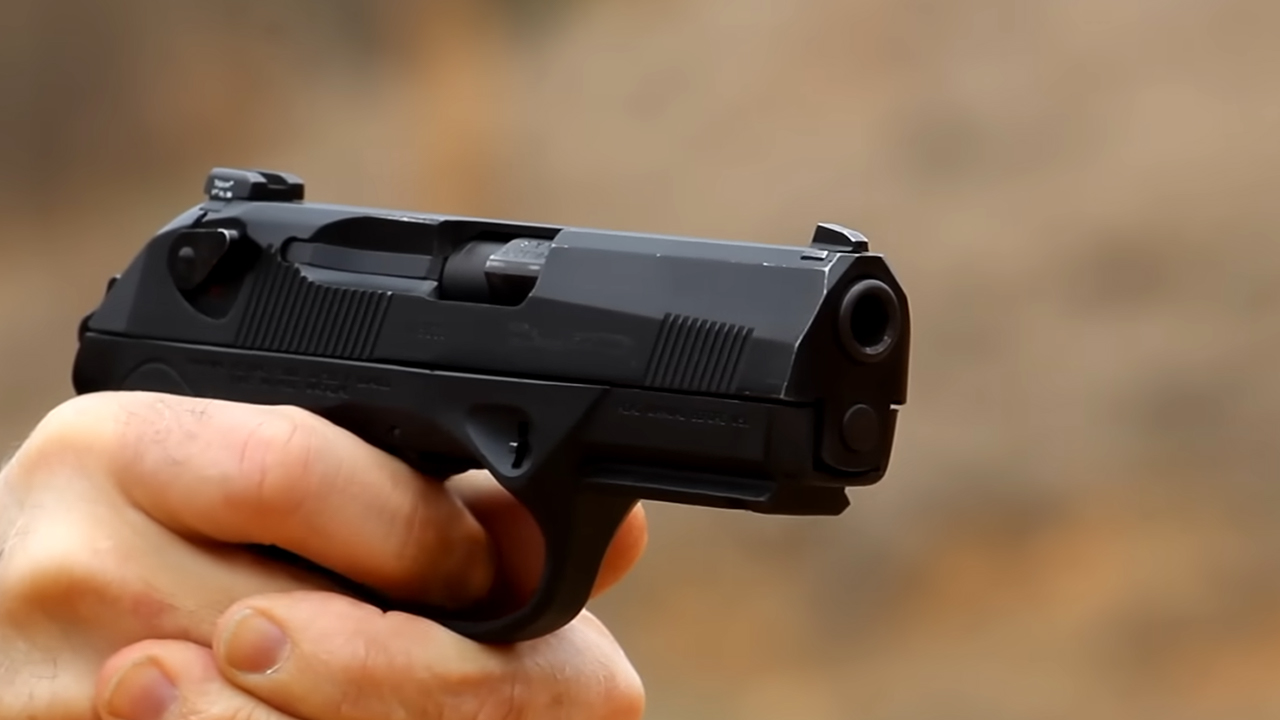
The Beretta PX4 Storm suffered because people judged it on looks before shooting it. The rounded slide and polymer frame did not have the clean classic appeal of the 92 series, so many buyers dismissed it as strange.
The pistol deserved better. Its rotating barrel system helps soften recoil, the gun is reliable, and the compact versions are especially easy to shoot well. People who actually train with the PX4 often become fans. Buyers got this one wrong because they let appearance speak louder than performance.
Savage 24

The Savage 24 was often treated as a basic utility gun instead of something worth keeping. A rifle-shotgun combo seemed old-fashioned once specialized guns became easier to buy.
That was short-sighted. The Savage 24 was useful in a way many modern guns are not. It could handle small game, pests, camp chores, and rough backcountry use without taking up much room. It was never meant to win a beauty contest. It was meant to solve problems, and that is exactly why buyers should have respected it more.
Walther P99

The Walther P99 was ahead of a lot of buyers. Its striker-fired system, excellent ergonomics, and different trigger setup arrived before many shooters were ready to appreciate it.
Instead, buyers often defaulted to more familiar pistols. Years later, the P99 looks smarter than it did at the time. It handled well, pointed naturally, and offered a more refined feel than many early polymer competitors. The market moved on, but the design deserved more attention than it received.
Ruger M77 Hawkeye
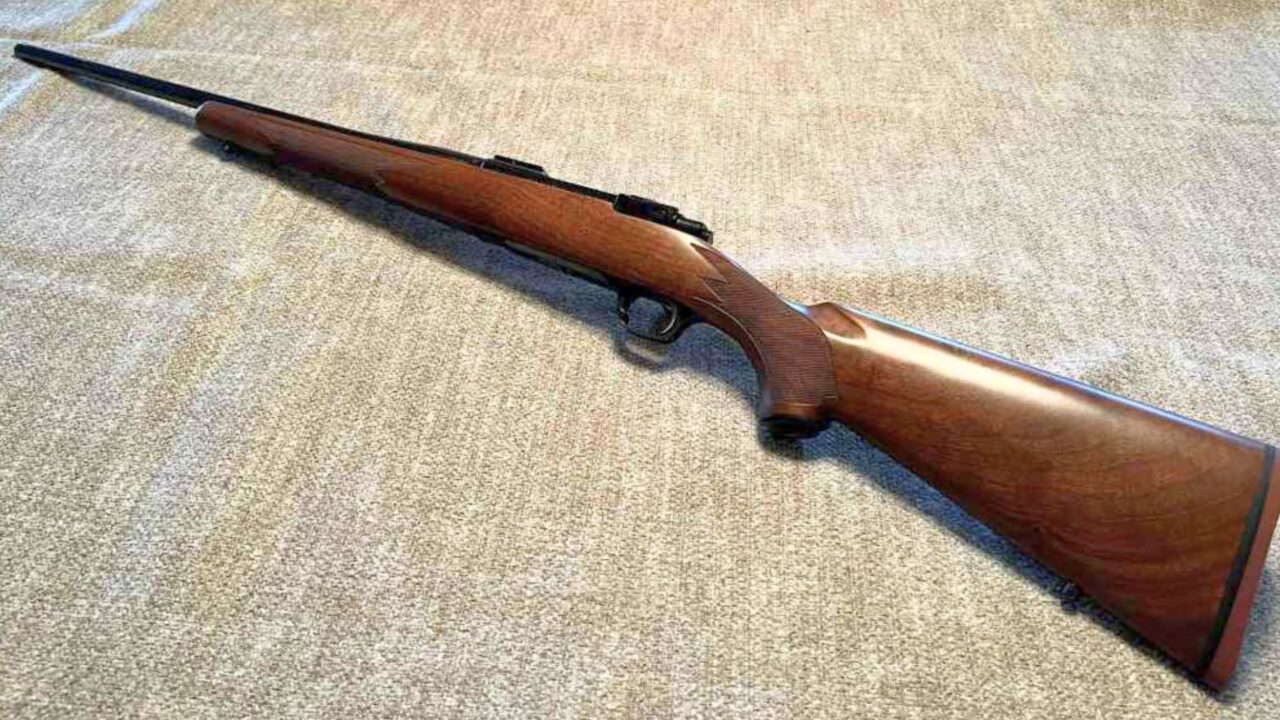
The Ruger M77 Hawkeye did not always get the praise it deserved because many buyers chased lighter, cheaper, or more accuracy-marketed rifles. The Hawkeye felt a little old-school by comparison.
That was part of its strength. Controlled-round feed, rugged construction, and a real hunting-rifle feel gave it long-term value. It was not always the lightest or flashiest rifle on the rack, but it was built for hard use. Buyers who passed on it because it seemed traditional missed a rifle with real field credibility.
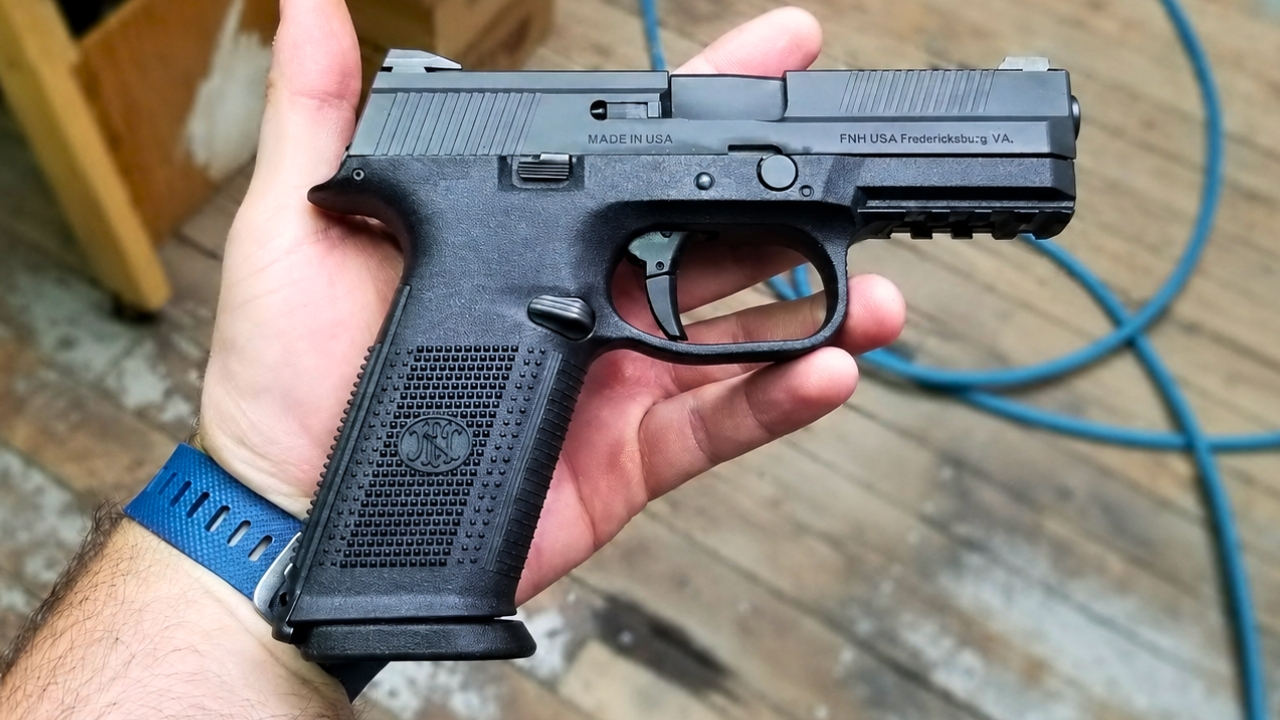
FN FNS-9

The FN FNS-9 entered the striker-fired market before FN had the same pistol buzz it has now. Many buyers ignored it because Glock, Smith & Wesson, and other names already owned the category.
The FNS-9 was better than its quiet reception suggested. It had good ergonomics, a usable trigger, solid reliability, and a duty-gun feel that deserved more respect. It was not exciting, but it worked. Buyers often get plain pistols wrong because they confuse familiar with forgettable.
Thompson/Center Encore

The Thompson/Center Encore was not for everyone, and that made buyers misunderstand it. Some saw a single-shot break-action rifle and wondered why anyone would bother when bolt guns were faster.
The answer was flexibility. The Encore could swap barrels, handle many chamberings, and serve as a hunting rifle, muzzleloader, or handgun platform depending on setup. It rewarded deliberate shooting and made sense for hunters who liked one familiar action with multiple uses. Buyers who dismissed it as slow missed how versatile it really was.
Steyr Scout
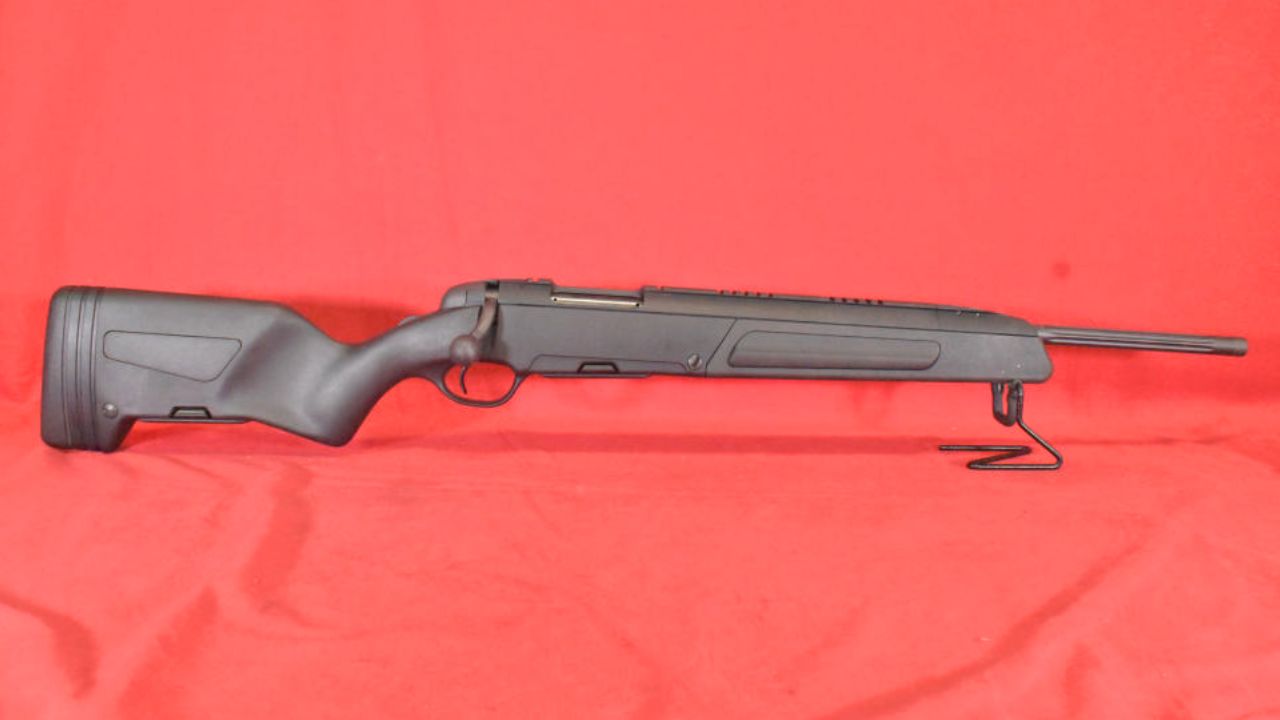
The Steyr Scout looked strange to many buyers when it appeared. The forward optic concept, built-in bipod, backup sights, and lightweight design made it feel too different for traditional rifle shoppers.
Over time, more shooters understood what it was trying to do. It was light, handy, practical, and built around field use instead of benchrest bragging. Not everyone needs a scout rifle, but the Steyr was a serious design with a clear purpose. Buyers who judged it as weird instead of useful got it wrong.
Like The Avid Outdoorsman’s content? Subscribe to our newsletter so you never miss an article.
Here’s more from us: