Photo credit: Colion Noir/YouTube
The handgun market moves fast enough that yesterday’s favorite can feel forgotten almost overnight. A new optics-ready striker gun arrives, capacity jumps again, or a manufacturer releases a smaller pistol that promises to replace everything people were carrying five years ago. Plenty of owners follow those trends and trade their older guns away without much hesitation.
Others do the opposite. They keep the pistol or revolver they already know, even when the industry has clearly moved on. Sometimes that is because the older gun shoots better than the replacement. Sometimes it is because the trigger, balance, construction, or mechanical feel is no longer being duplicated. These are the handguns owners tend to hang onto because moving forward does not always feel like an upgrade.
SIG Sauer P239
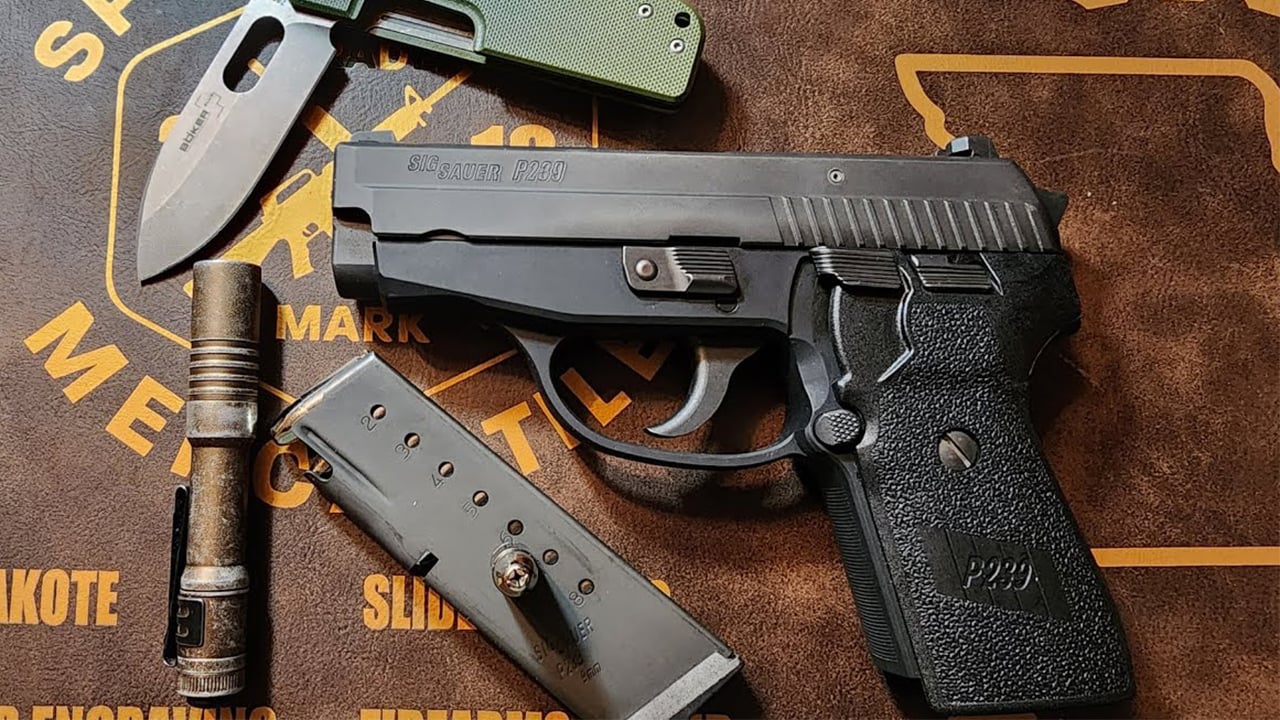
The P239 came from a period when compact carry pistols were expected to feel like reduced-size service guns rather than ultra-light polymer appliances. Its single-stack magazine keeps the grip slim, the alloy frame gives it enough weight to shoot comfortably, and the traditional DA/SA trigger system feels familiar to anyone who spent time with classic SIGs. It never offered impressive capacity, but it carried well and felt unusually refined for a compact defensive pistol. Once micro-compacts took over, the P239 started looking outdated on paper long before it stopped being useful in the real world.
That is why owners tend to keep them. A newer pistol may hold more ammunition, but it usually will not duplicate the balance and mechanical feel of a compact metal-frame SIG.
Smith & Wesson 6906

The 6906 is one of those third-generation Smith & Wesson pistols that spent years being treated like an old police gun nobody needed anymore. That reputation is changing because shooters are starting to appreciate what the compact stainless-and-alloy package actually offered. The grip is short enough for carry, the pistol is heavy enough to stay controllable, and the traditional DA/SA trigger system is far smoother than many people expect after some use. It also has the dense, durable feel that makes a lot of newer polymer compacts seem almost disposable by comparison.
Owners who already have a good 6906 are usually not in a hurry to sell it. Parts support may not be what it once was, but replacing the way the gun feels is harder than replacing the specifications.
Beretta 8045 Cougar
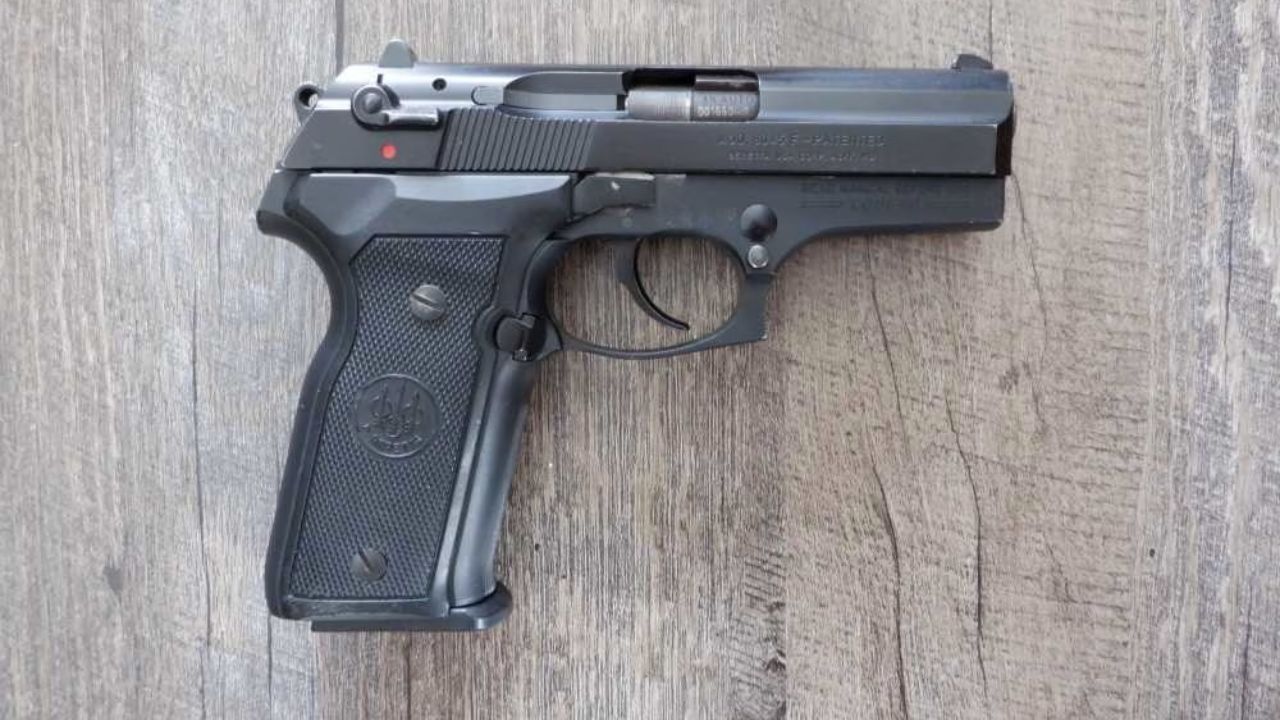
The 8045 Cougar never received the attention of the 92 series, but that does not mean owners forgot about it. The rotating-barrel action gives the pistol a different recoil impulse than most conventional locked-breech .45s, while the metal frame keeps the gun stable without becoming excessively large. It also has the rounded, compact proportions that make it feel much easier to carry than some full-size .45 ACP service pistols. When Beretta moved away from the platform, the Cougar became one of those guns that quietly disappeared while people were busy chasing newer designs.
Shooters who actually spent time with one often understand why it is worth keeping. There are lighter .45s and higher-capacity .45s, but very few feel quite like this.
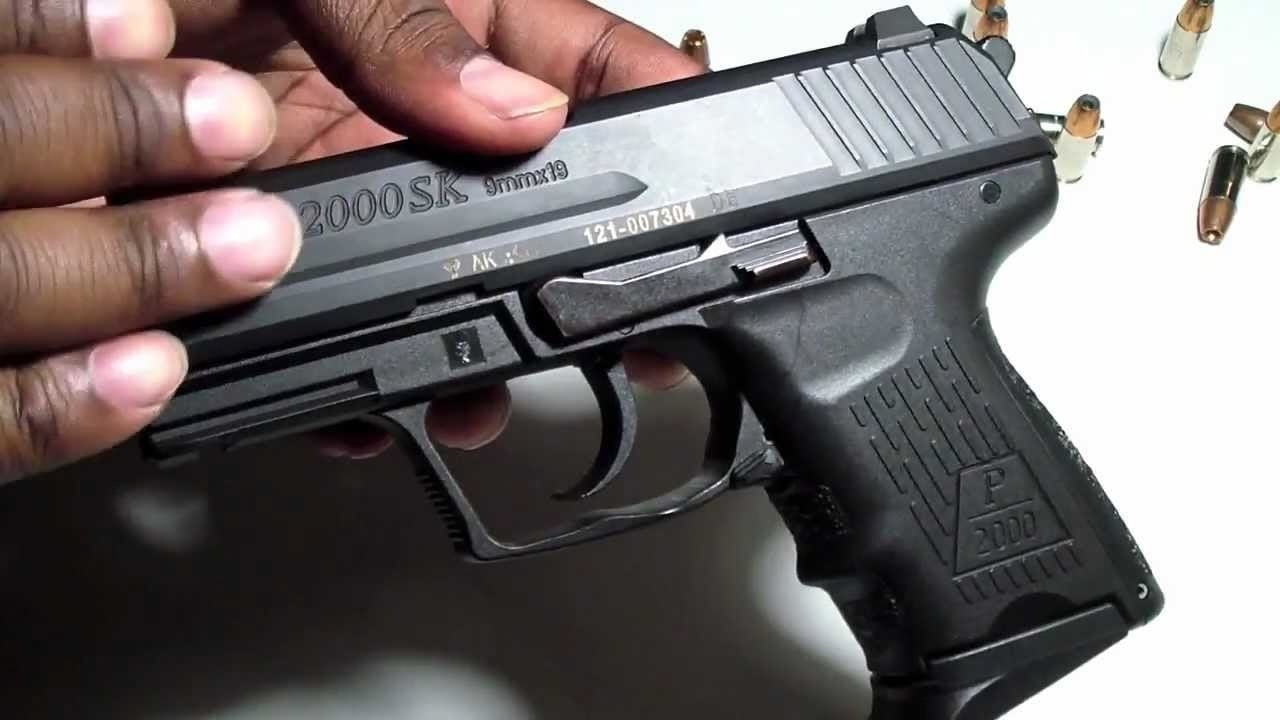
HK P2000SK
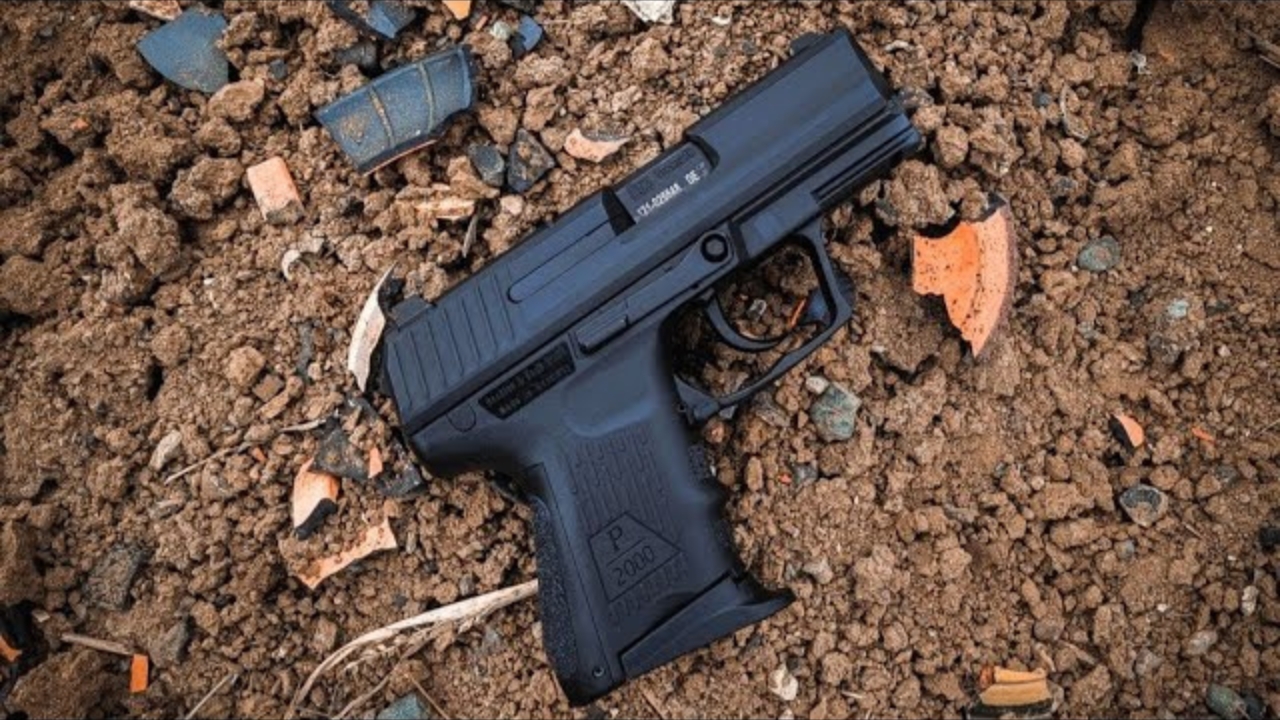
The P2000SK sits in an awkward place today because it is thicker and lower capacity than many modern carry pistols, but that comparison misses why owners still like it. HK built it around the same service-grade durability philosophy that shaped its larger pistols, and the result feels far more substantial than most tiny carry guns. The interchangeable grip panels help fit the hand, the controls are positive, and the pistol remains easy to shoot for something this compact. It was never intended to win a minimum-dimensions contest.
That makes it especially appealing to owners who value confidence over novelty. The P2000SK may no longer be the fashionable compact HK, but people who shoot them well usually do not feel much pressure to replace them.
CZ 97 B
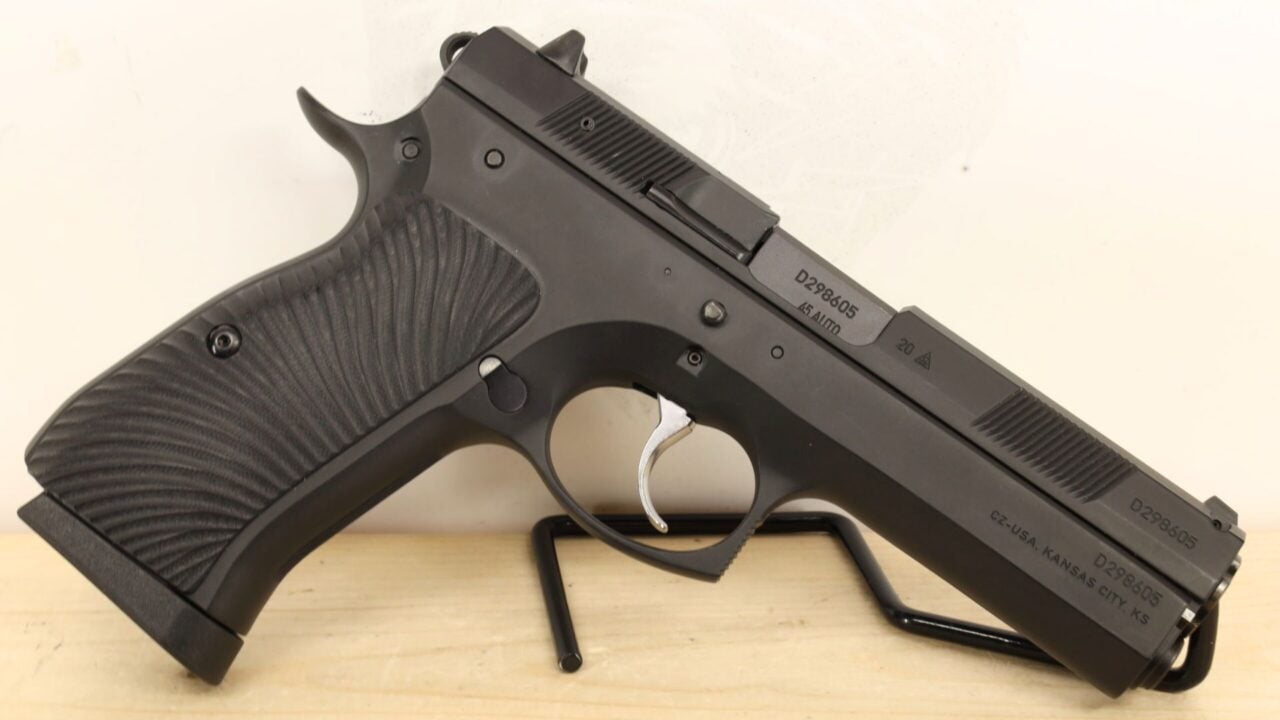
The CZ 97 B is large, heavy, and completely out of step with the direction the handgun market has taken. That is also exactly why owners hang onto them. The steel frame soaks up .45 ACP recoil, the grip feels substantial, and the low slide profile gives the pistol a planted shooting character that polymer .45s rarely match. It is not a gun designed around concealed carry or minimum weight. It is a full-size service pistol built to make a large cartridge easy to shoot accurately.
Once CZ discontinued the model, owners suddenly had even less reason to let one go. There are plenty of modern .45s available, but there are not many all-steel DA/SA .45s left that feel this refined and this solid.
Walther PPQ M1
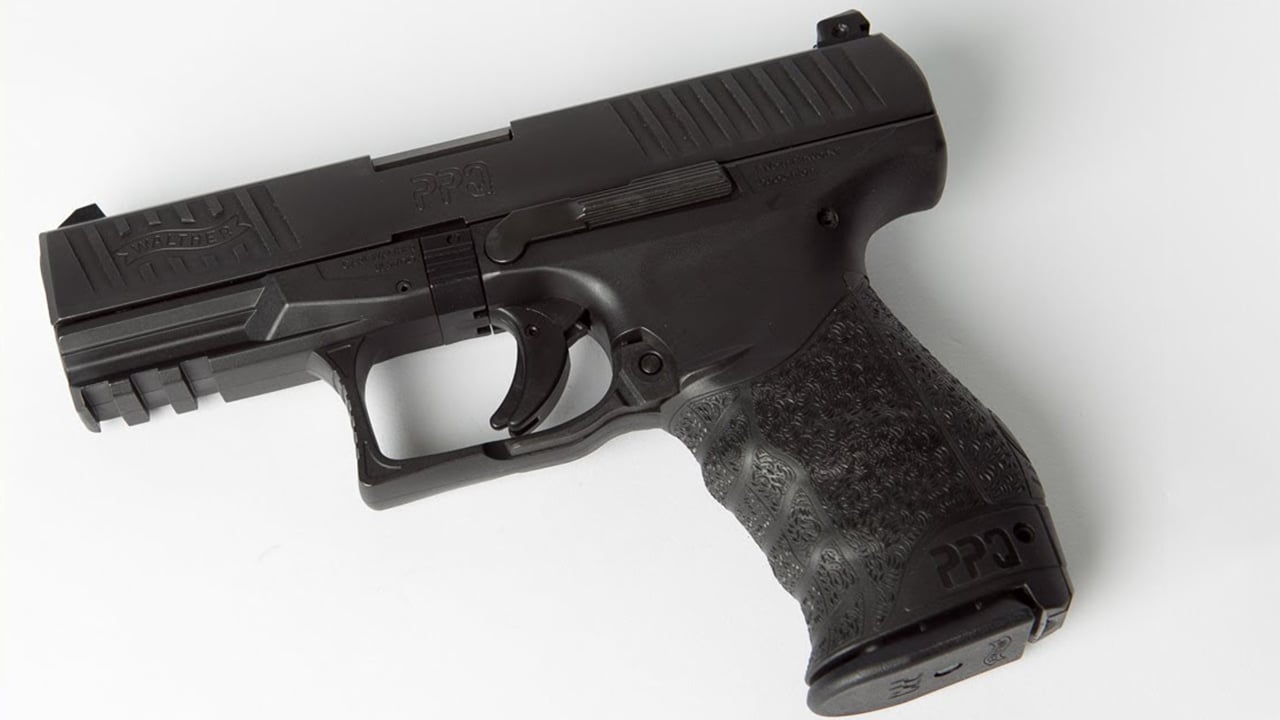
The PPQ M1 became famous for its trigger long before excellent striker-fired triggers were expected from factory pistols. It also used the paddle-style magazine release that Walther shooters either loved immediately or never understood. The grip was exceptionally comfortable, the trigger reset was short, and the pistol felt much more refined than most striker guns of its era. Later Walther models moved toward more conventional controls and newer styling, but that did not necessarily make the old PPQ feel obsolete to the people who already liked it.
Owners tend to keep the M1 because the exact combination is unlikely to come back. A modern PDP may offer better optics support, but it does not replace the PPQ’s unique controls and softer, rounded ergonomics.
FN FNS-9
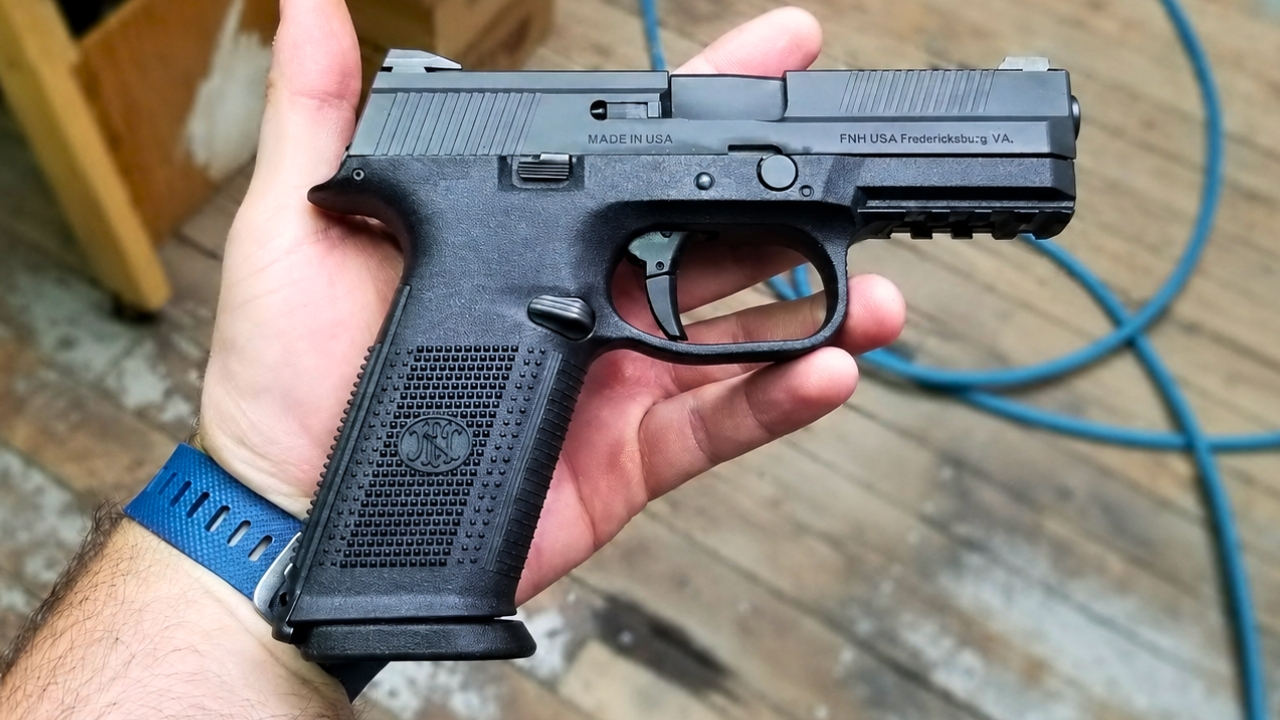
The FNS-9 was overshadowed by the 509 before it ever had time to become a true long-term favorite. That does not mean the pistol itself was bad. It offered a full-size polymer frame, ambidextrous controls, solid grip texture, and straightforward striker-fired operation in a package that felt more service-oriented than flashy. The gun did not have the optics-ready features or marketing push newer pistols enjoy, but it was durable and easy to shoot.
That is exactly why some owners never bothered moving on. If the pistol already runs, fits the hand, and uses magazines you already own, replacing it just to gain a newer slide cut can feel pointless. The FNS-9 is older, not useless.
Ruger P345
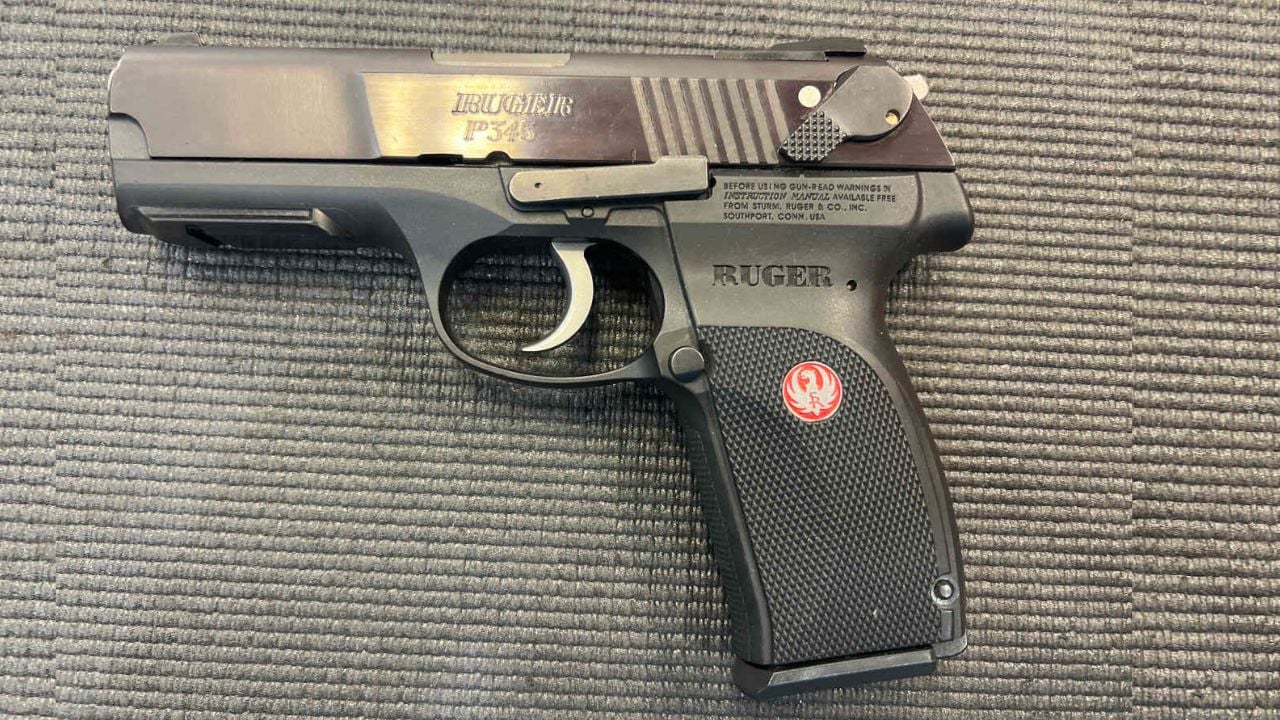
The P345 marked one of Ruger’s attempts to slim down the bulky P-series formula while keeping the company’s reputation for durable service pistols. In .45 ACP, it gives you a relatively narrow grip, polymer frame, and traditional hammer-fired operation without the brick-like feel of some earlier Ruger autos. The gun never became fashionable, but it was practical, reliable, and easier to carry than people expected from a Ruger .45 of that era.
Owners who already have one often appreciate that there is nothing else quite like it in Ruger’s current lineup. Newer pistols are lighter and more modular, but the P345 has a personality and trigger system that modern striker guns do not duplicate.
Kahr T9
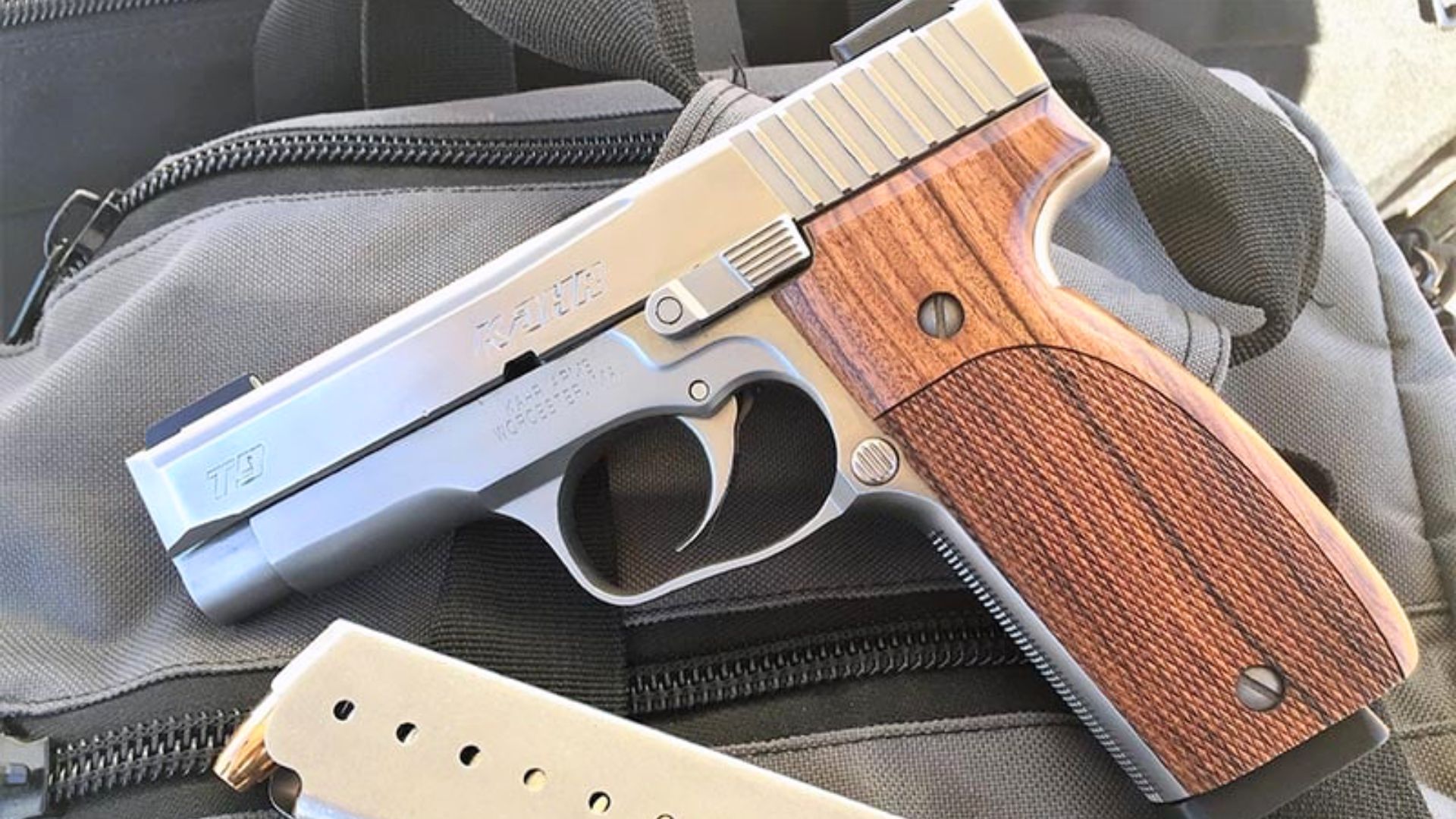
The T9 is almost the opposite of what the modern carry market is asking for. It is an all-steel single-stack 9mm with modest capacity, a long smooth trigger, and a price that makes little sense if you judge it purely by numbers. Shoot one, though, and the reason people keep them becomes clearer. The weight makes recoil exceptionally mild, the grip is thin, and the pistol has the kind of solid machining that gives it a premium feel every time you cycle the slide.
Owners tend to hang onto the T9 because replacing it would mean changing the entire experience. There are smaller carry guns everywhere. There are very few slim steel 9mms that feel this refined.
Springfield Armory XD Mod.2 Service
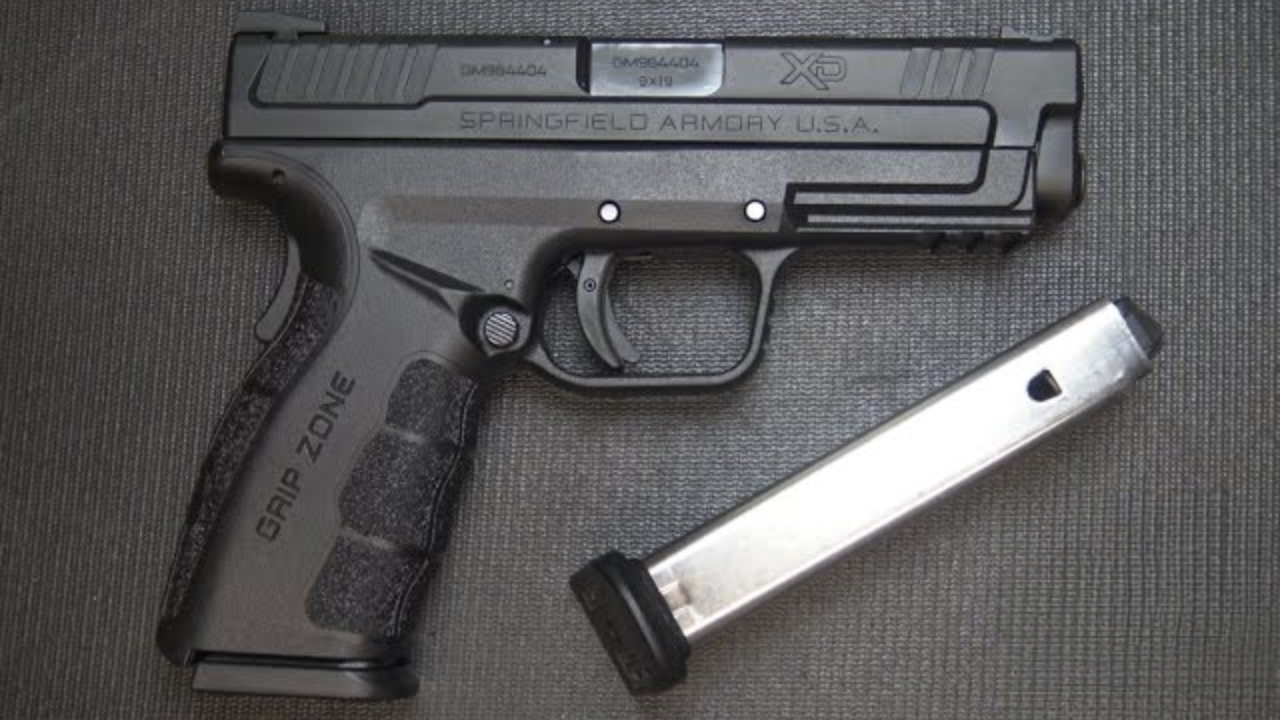
The XD Mod.2 disappeared from the spotlight once newer Springfield pistols took over, but the Service-size version remains a very competent handgun. The grip is comfortable, the 4-inch barrel gives it good balance, and the pistol shoots flatter and easier than the tiny carry guns that eventually dominated the market. It also has the familiar grip safety and striker-fired controls that longtime XD shooters already understand.
This is the kind of pistol an owner keeps because there is no practical reason not to. If it has been reliable for years and already fits the holsters and magazines you own, a newer gun needs to offer something substantial before replacement makes sense. Often, it does not.
Bersa Thunder 40 Pro
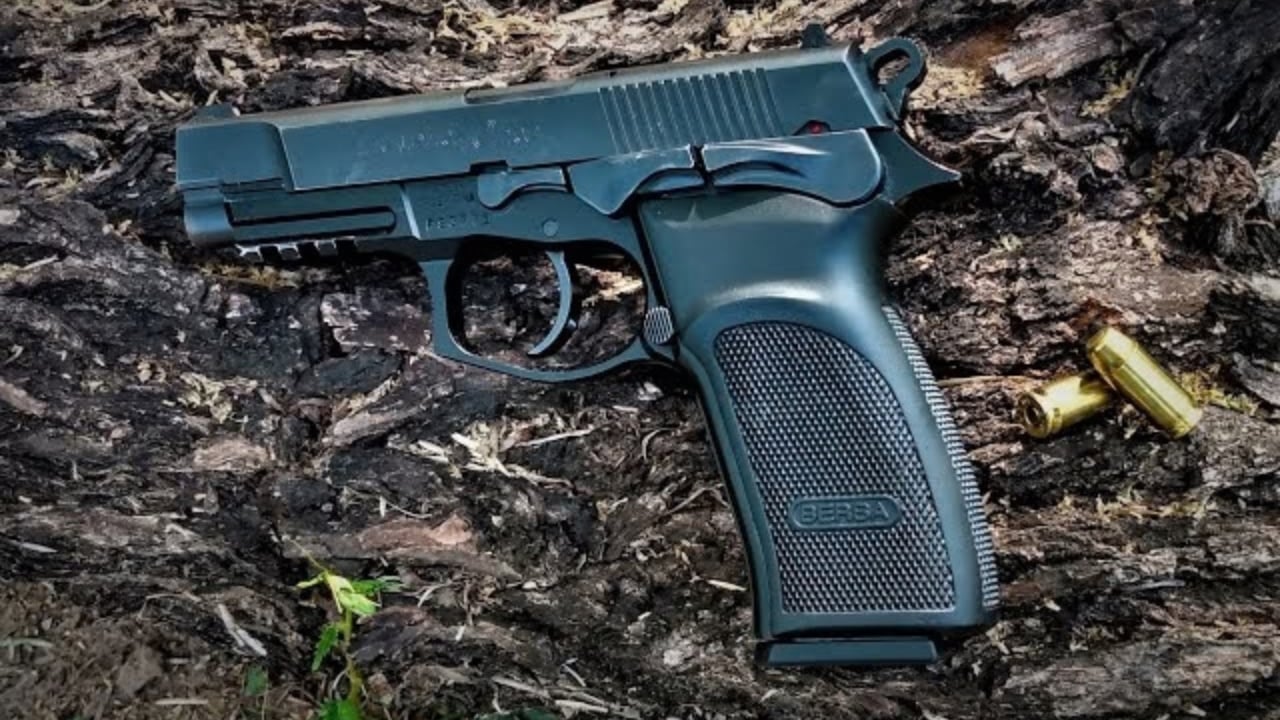
The Thunder 40 Pro never had the prestige of a SIG or HK service pistol, but it gave shooters a sturdy metal-framed DA/SA .40 at a price that made it easy to underestimate. The pistol is substantial, the controls are easy to reach, and the weight helps tame a cartridge that can feel abrupt in lighter polymer guns. It came from a time when .40 S&W still had a major place in defensive handgun conversations, and the entire design reflects that duty-oriented mindset.
As the market moved back toward 9mm, pistols like this became easy to ignore. Owners who already have reliable examples often keep them anyway because the gun still does exactly what it did before the trend changed.
S&W Model 908
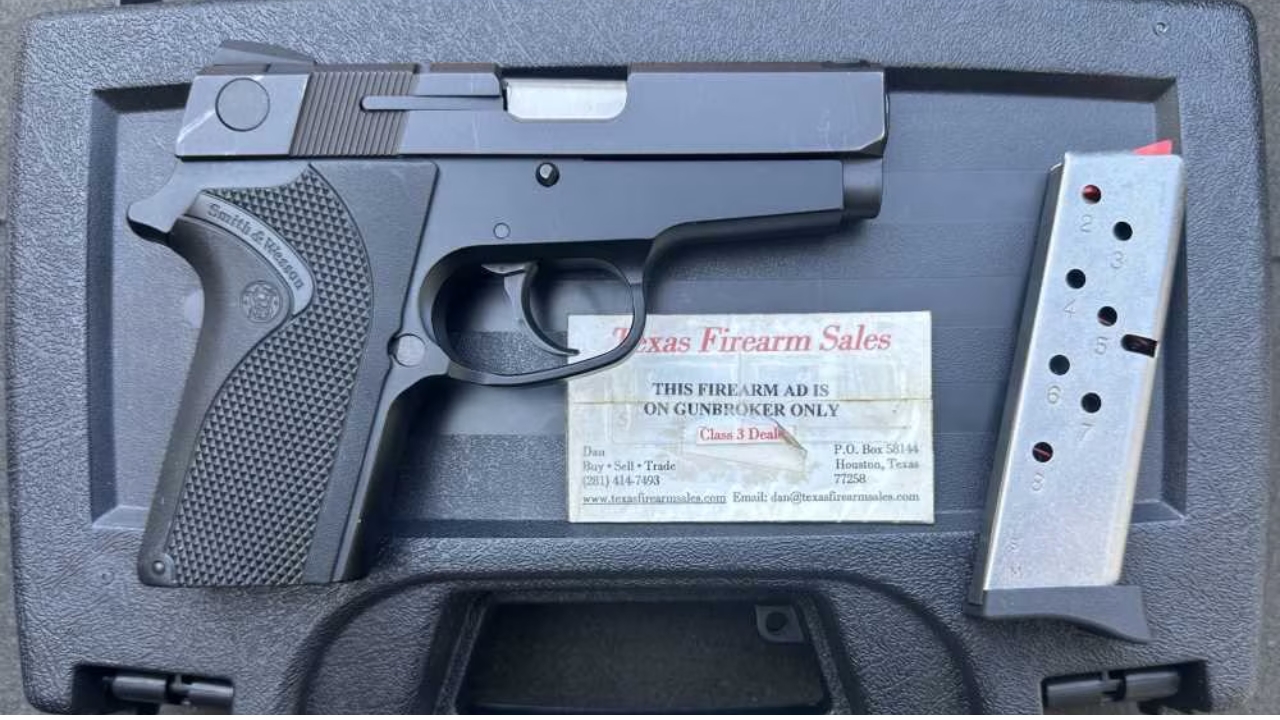
The Model 908 was essentially a value-oriented compact Smith & Wesson built around the company’s proven third-generation architecture. It lacks some of the cosmetic refinement of the more expensive models, but the basic package remains very appealing: alloy frame, slim single-stack grip, traditional DA/SA trigger, and enough weight to keep 9mm recoil mild. It is the kind of compact handgun that feels almost unusually thin now that so many newer guns chase capacity first.
That is also why owners do not rush to sell them. The Model 908 may be old, but it occupies a niche the current market barely serves. A compact metal-frame 9mm with this kind of profile is much harder to replace than it looks.
Colt Defender .45 ACP
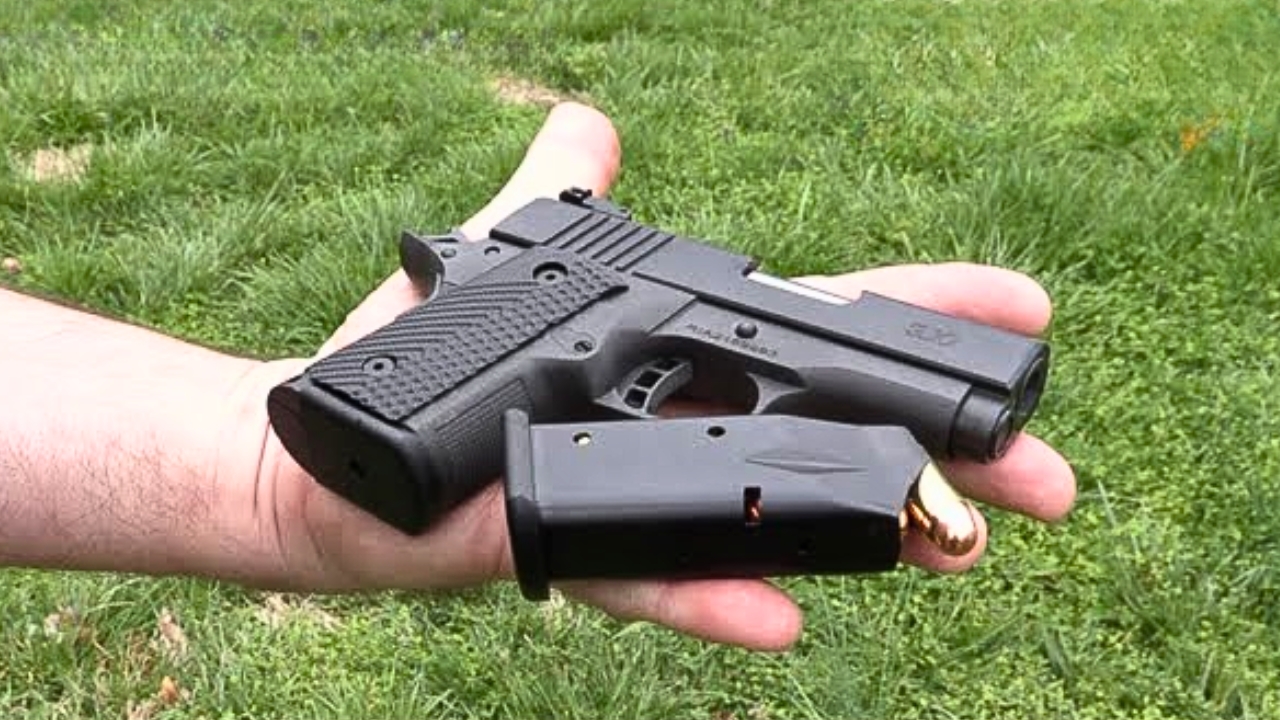
The Defender has been around long enough that it no longer feels especially new or fashionable, but the basic concept still works. It gives you a compact alloy-frame 1911 in .45 ACP with a short grip, familiar single-action trigger, and controls that longtime 1911 shooters already know without thinking. It is heavier and lower capacity than the latest micro 9mms, but it also offers a trigger and handling feel many of those pistols cannot match.
Owners who carry 1911s tend to understand this better than anyone. If the gun runs reliably and fits the shooter, replacing it with something technically more modern may not improve anything they actually care about.
EAA Witness Compact Steel

The compact steel Witness pistols never became mainstream, but they offer a shooting experience that is increasingly rare. The CZ-derived layout, steel frame, and low slide give the pistol excellent recoil control, while the shorter dimensions make it more practical to carry than the full-size versions. It is heavy for a compact gun, but that weight becomes an advantage on the range where the pistol feels stable and easy to keep on target.
Once someone owns a good example, there is little reason to let it go. Modern carry pistols may be easier on the belt, but very few compact guns feel this settled under recoil. That makes the Witness hard to replace with anything current.
Steyr S9-A1

The S9-A1 never fit comfortably into the American carry market because everything about it looked different. The grip angle, trapezoidal sights, low bore axis, and angular styling separated it immediately from the usual striker-fired crowd. Those same features are why some owners refuse to move on. Once the sights click with your eyes and the grip shape works for your hand, the pistol can feel exceptionally natural.
The problem is that unusual platforms rarely get endless chances in the market. Newer Steyrs changed the formula, while most buyers simply moved toward more common brands. Owners who already know how well the S9-A1 shoots often see no reason to follow them.
Grand Power K100
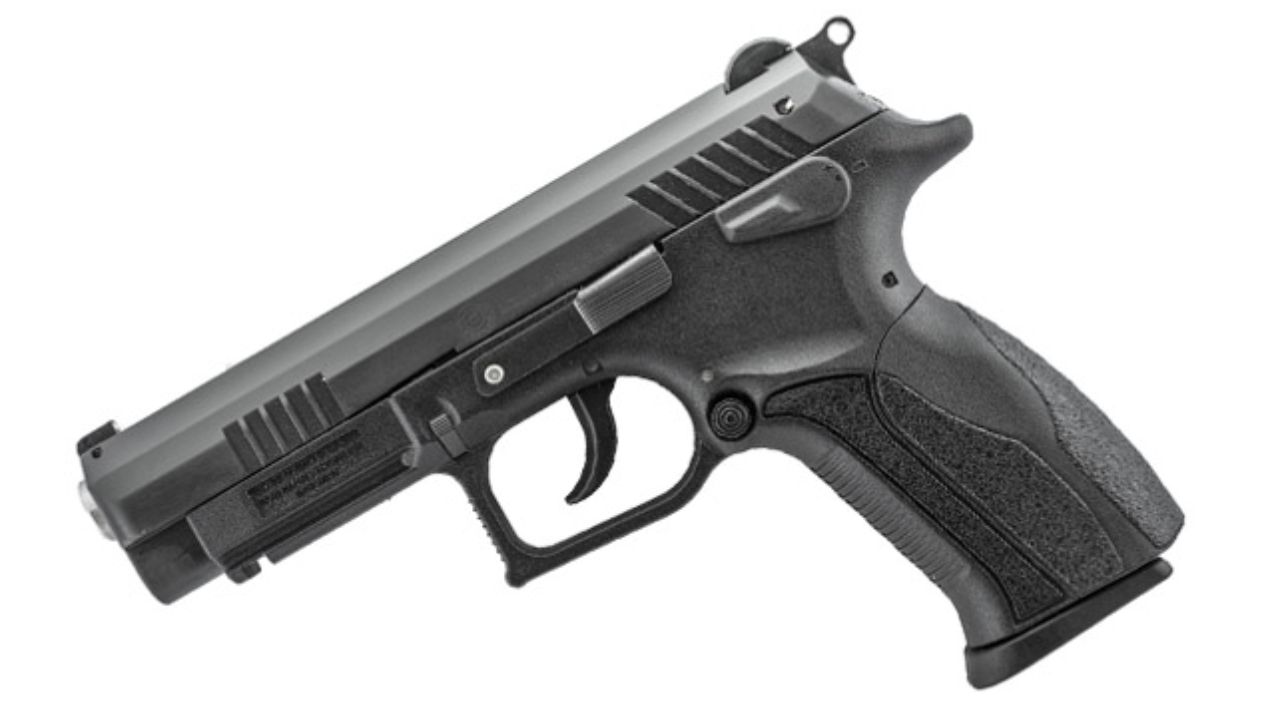
The K100 remains one of the more interesting service pistols that never became a major American favorite. Its rotating-barrel system gives it a different recoil feel than conventional tilting-barrel pistols, while the hammer-fired action and excellent ergonomics make the gun unusually pleasant to shoot. It is one of those pistols that impresses people far more on the range than it does sitting in a display case.
Magazine and parts availability can make ownership less convenient than with a Glock or M&P, but that does not erase the shooting qualities. People who already own one often hang onto it precisely because replacing the way it shoots would be difficult.
Para-Ordnance P14-45

The P14-45 was doing the double-stack .45 1911 thing long before the current wave of high-capacity 1911-style pistols became fashionable. The wide grip, steel frame, and substantial capacity made the gun feel massive, but it also made .45 ACP recoil very manageable and gave the shooter a lot of ammunition in a familiar single-action package. Para-Ordnance disappeared, but the basic concept it helped popularize clearly did not.
That history gives owners another reason to keep them. A new double-stack 1911 may be more refined or optics-ready, but the old Para has character, capacity, and a place in handgun development that newer guns cannot retroactively replace.
AMT Hardballer
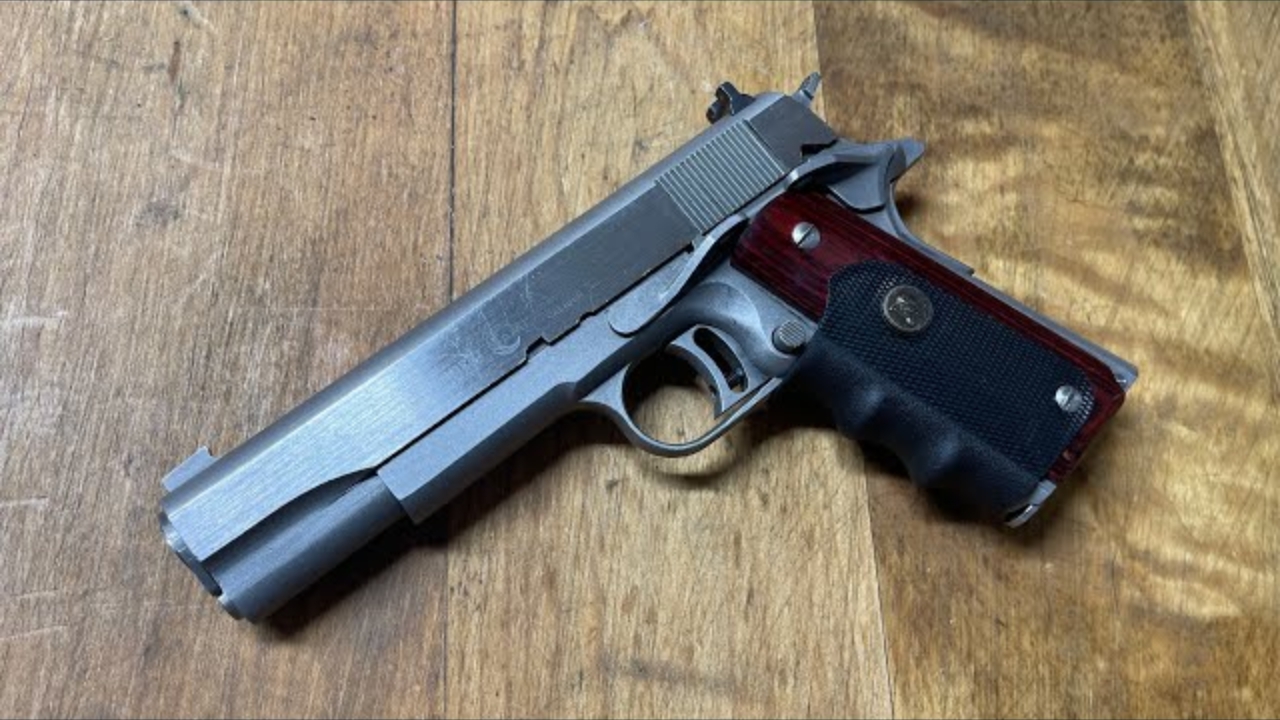
The Hardballer has always been a little rough around the edges, but it also has something modern stainless 1911s rarely duplicate: genuine old-school personality. The all-stainless construction, long-slide variants, and early attempt to build a corrosion-resistant 1911 gave the pistol a distinctive place in handgun history. Quality could vary, and nobody should pretend every example was perfect, but good ones developed loyal owners.
Those owners are often reluctant to sell because the gun is difficult to replace as an experience. Plenty of companies make stainless 1911s now. Very few feel like an original Hardballer, flaws and all.
Llama Max-I C/F
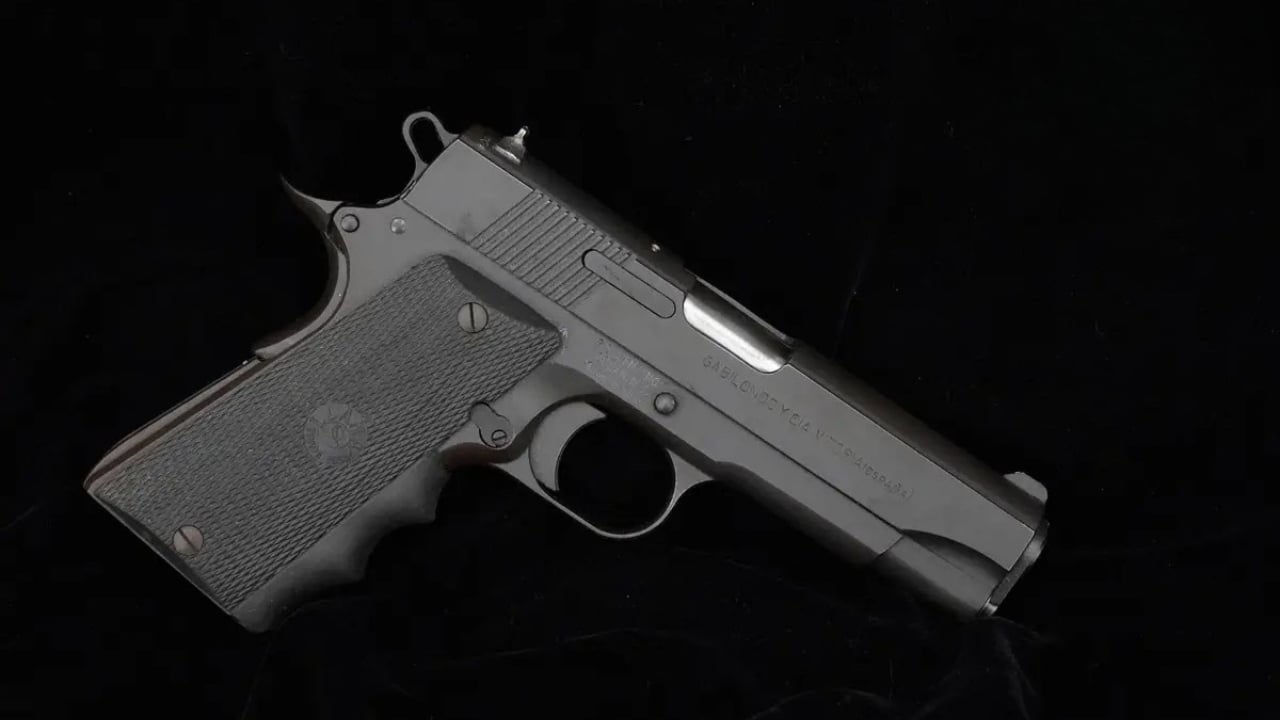
Llama pistols spent years being treated as inexpensive 1911 substitutes, but some of the later Max-series guns earned more affection than their reputation suggests. They offered traditional single-action controls, steel construction, and familiar ergonomics at prices that let ordinary shooters buy into the format without spending premium money. The fit and finish were not Colt-level, but plenty of examples ran well enough to become long-term range and carry guns.
Once Llama disappeared, owners who had good examples suddenly had no direct replacement. That tends to turn a cheap old pistol into something people would rather keep than trade toward another polymer gun.
Browning Buck Mark Camper
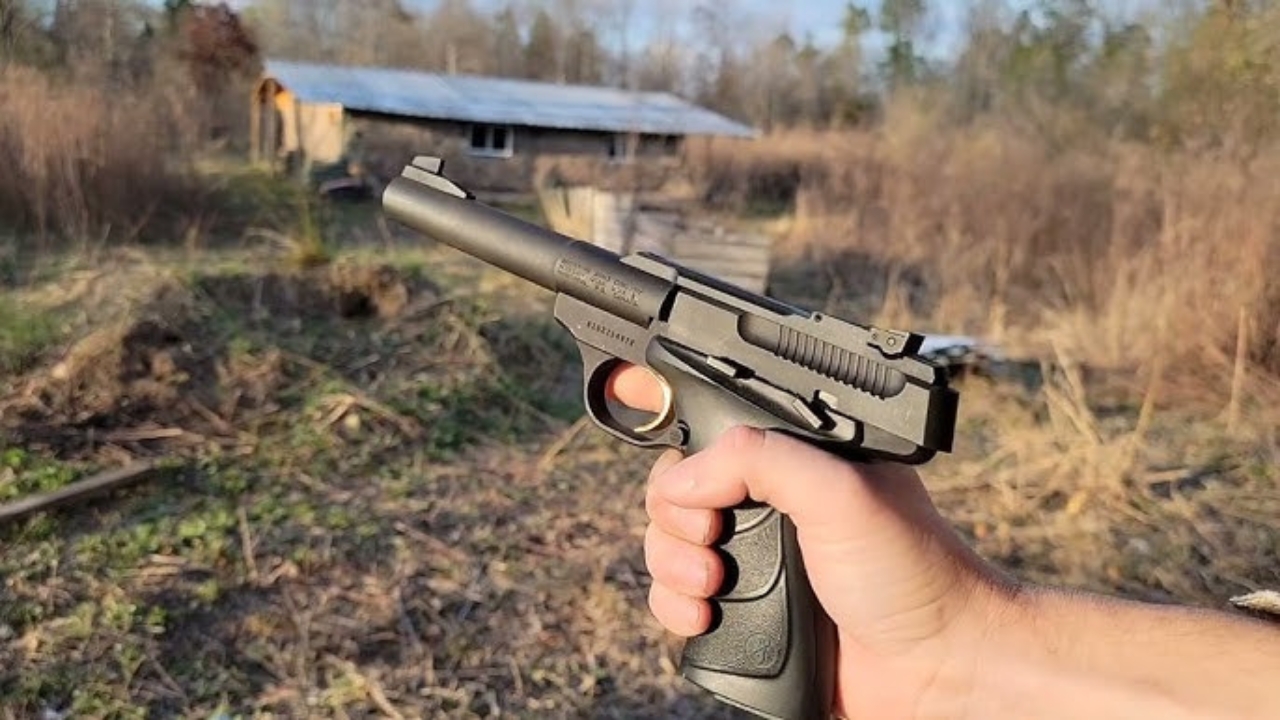
The Buck Mark Camper may not sound like the kind of handgun people get sentimental about, but that changes after years of use. It has a comfortable grip, fixed-barrel accuracy, a crisp single-action trigger, and enough weight to feel stable without becoming cumbersome. It is one of those rimfire pistols that can spend years teaching new shooters, knocking over cans, taking small game, and eating through inexpensive .22 ammunition without needing to be anything more complicated.
That is exactly why owners hang onto them. A newer rimfire may have an optics cut or threaded barrel, but a Buck Mark that already shoots well and feels familiar is hard to improve upon. Sometimes the gun everyone else moved past is still the one doing the most actual shooting.
Like The Avid Outdoorsman’s content? Be sure to follow us.
Here’s more from us: