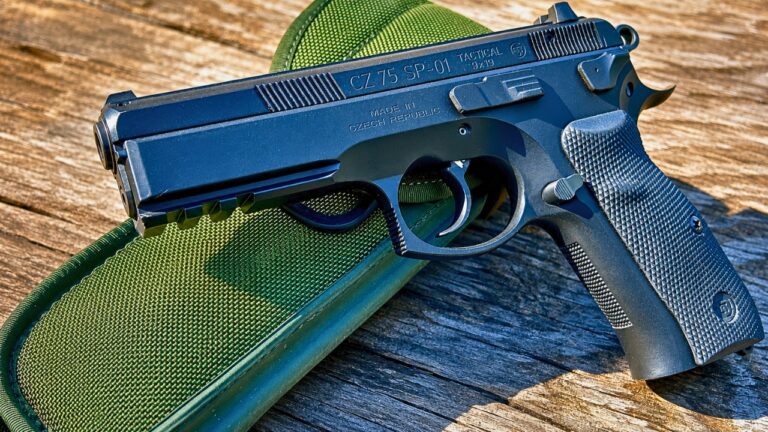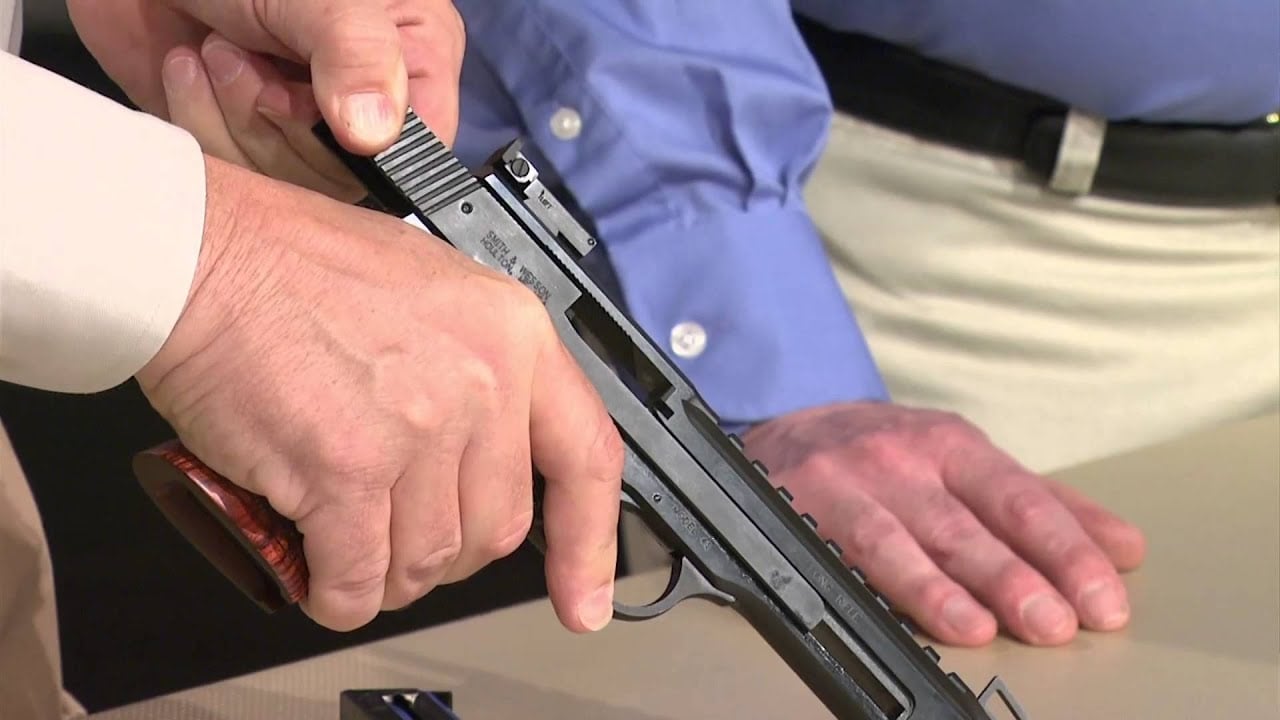
Photo credit: Gun Talk Media/YouTube
New guns usually offer better optics mounting, lighter materials, higher capacity, and easier manufacturing. That does not mean they are always better firearms. Plenty of older designs were built with smoother actions, stronger parts, better triggers, and more attention to detail than buyers commonly receive today.
Some of these guns are outdated in obvious ways. They may be heavier, harder to mount accessories on, or more expensive to repair. Even so, they remind shooters how much quality can disappear when manufacturers focus too heavily on production speed and low cost. These 20 firearms still make many newer guns feel unfinished.
Smith & Wesson Model 27
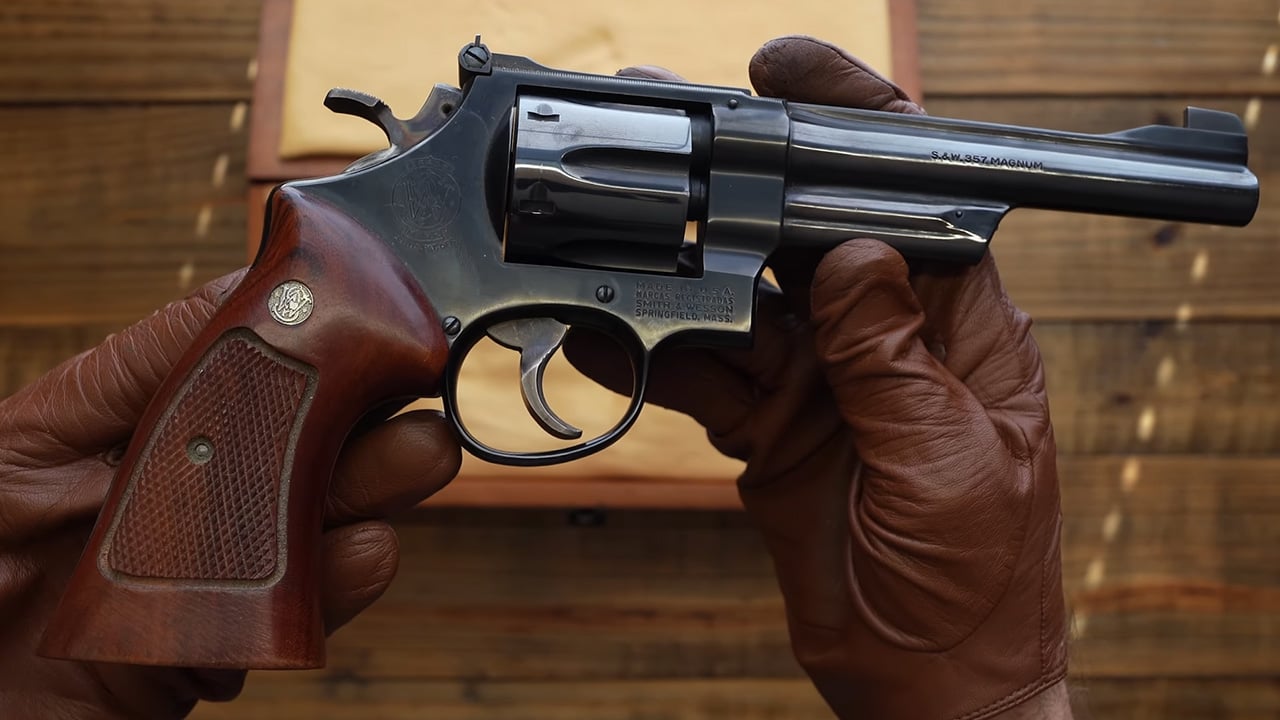
The Model 27 was Smith & Wesson’s premium .357 Magnum revolver, and older examples show exactly what that meant. Deep bluing, finely checkered top straps, smooth actions, and careful polishing gave the gun a level of finish that is difficult to find on mass-produced revolvers today.
It is large and heavy for a six-shot handgun, but that weight makes full-power .357 Magnum ammunition much easier to control. The trigger often feels smoother than the actions found on newer revolvers costing just as much. Modern handguns may offer more capacity and easier carry, but few feel as carefully made as an older Model 27.
Colt Python
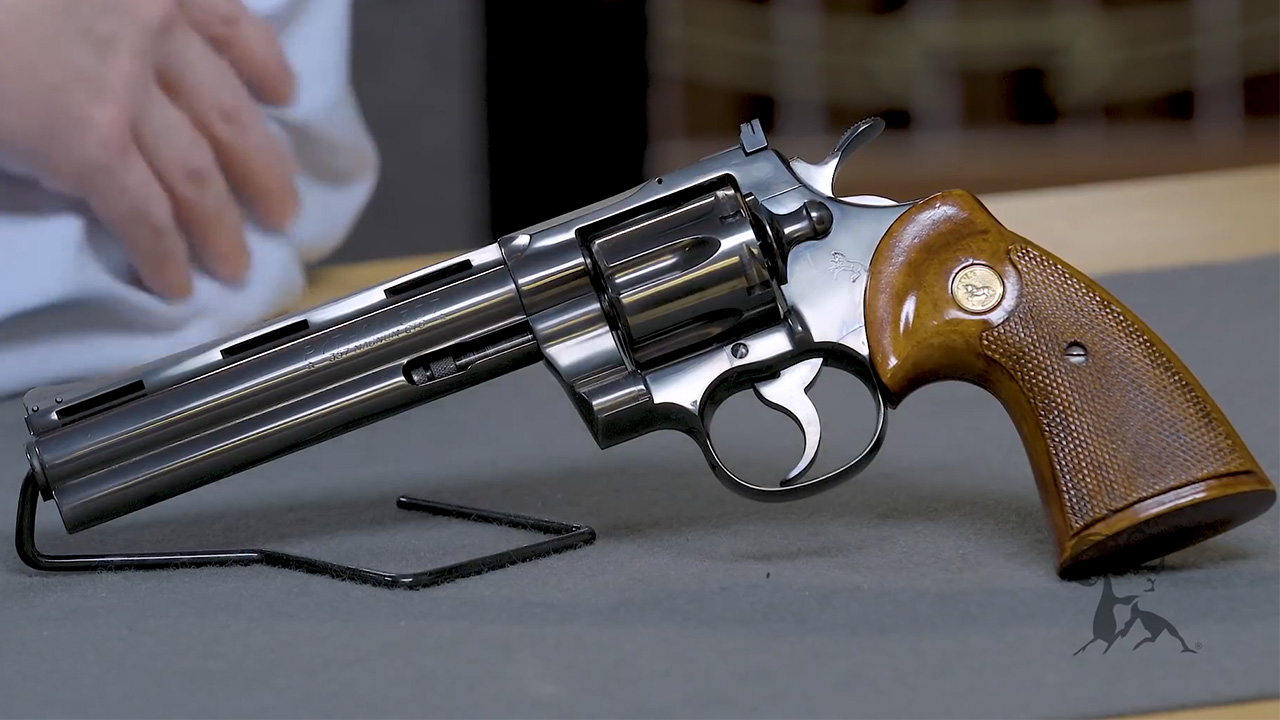
Older Colt Pythons earned their reputation through hand-fitted actions, polished finishes, ventilated ribs, and unusually smooth trigger pulls. They were expensive even when new, but the workmanship was visible the moment the cylinder was opened or the hammer was cocked.
The Python was not perfect. Its action could go out of time under hard use, and repairs required someone who understood Colt’s older lockwork. Still, the balance, finish, and trigger quality make many current revolvers feel ordinary. Modern Pythons are stronger and easier to manufacture, but well-preserved originals still show what a premium production revolver once looked like.
Smith & Wesson Model 19
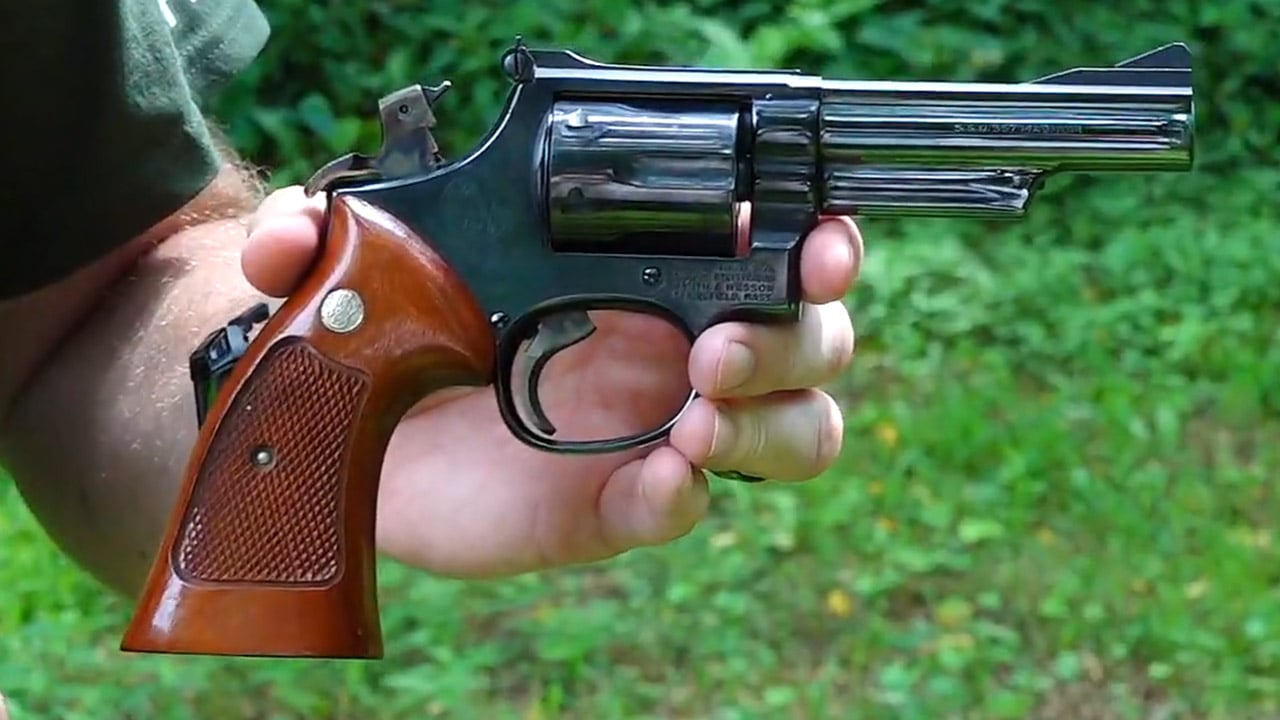
The Model 19 placed .357 Magnum capability into a more manageable K-frame revolver. It was lighter and easier to carry than the larger N-frame guns while still providing adjustable sights and excellent handling.
Older examples usually have smooth actions and better polish than many current revolvers. They were not intended for endless use with the hottest lightweight Magnum ammunition, but with .38 Special and sensible .357 loads, they remain excellent defensive and field guns. The Model 19 proves a revolver can feel refined without becoming oversized or excessively heavy.
Browning Hi-Power
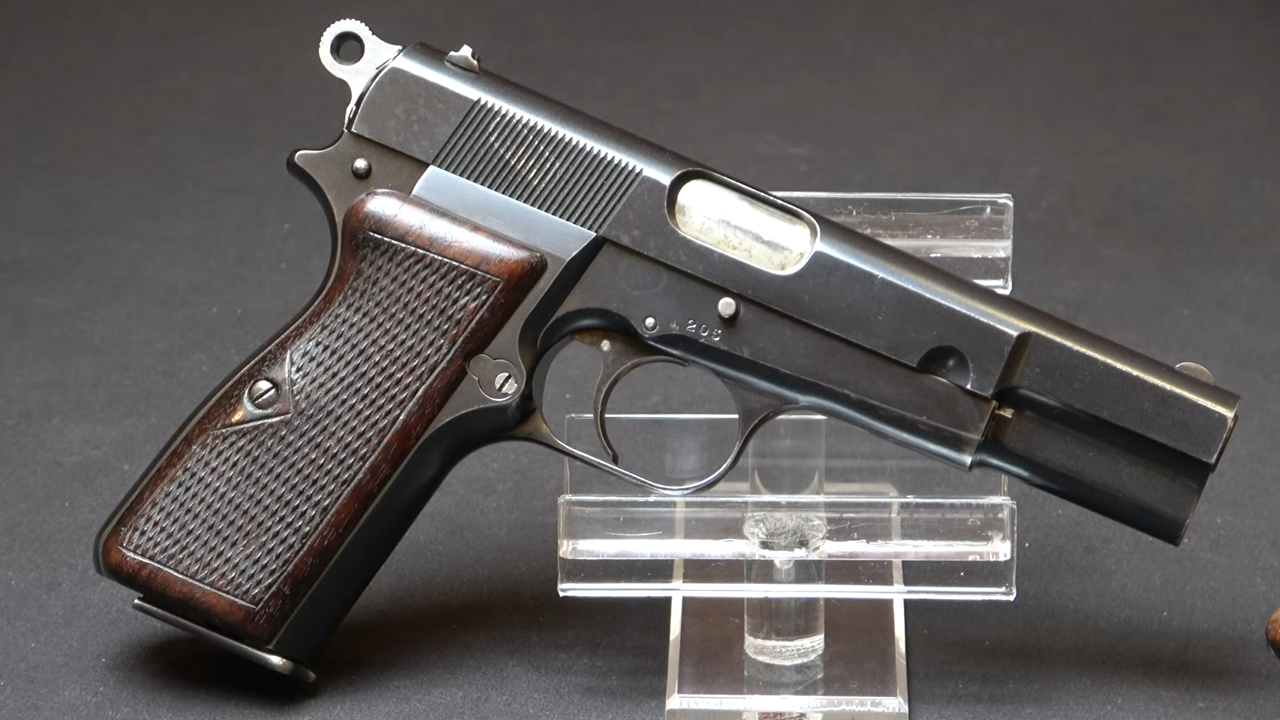
The Browning Hi-Power combined a 13-round magazine, slim grip, and single-action trigger decades before high-capacity pistols became standard. Its grip shape remains one of the best ever designed for a military handgun.
Modern pistols are lighter and easier to mount optics on, but many feel blocky beside the Hi-Power. Older examples also have a level of steel machining and balance that polymer service pistols cannot duplicate. The magazine disconnect can hurt the trigger, and the small safety is dated, yet the pistol still feels remarkably natural in the hand.
SIG Sauer P210
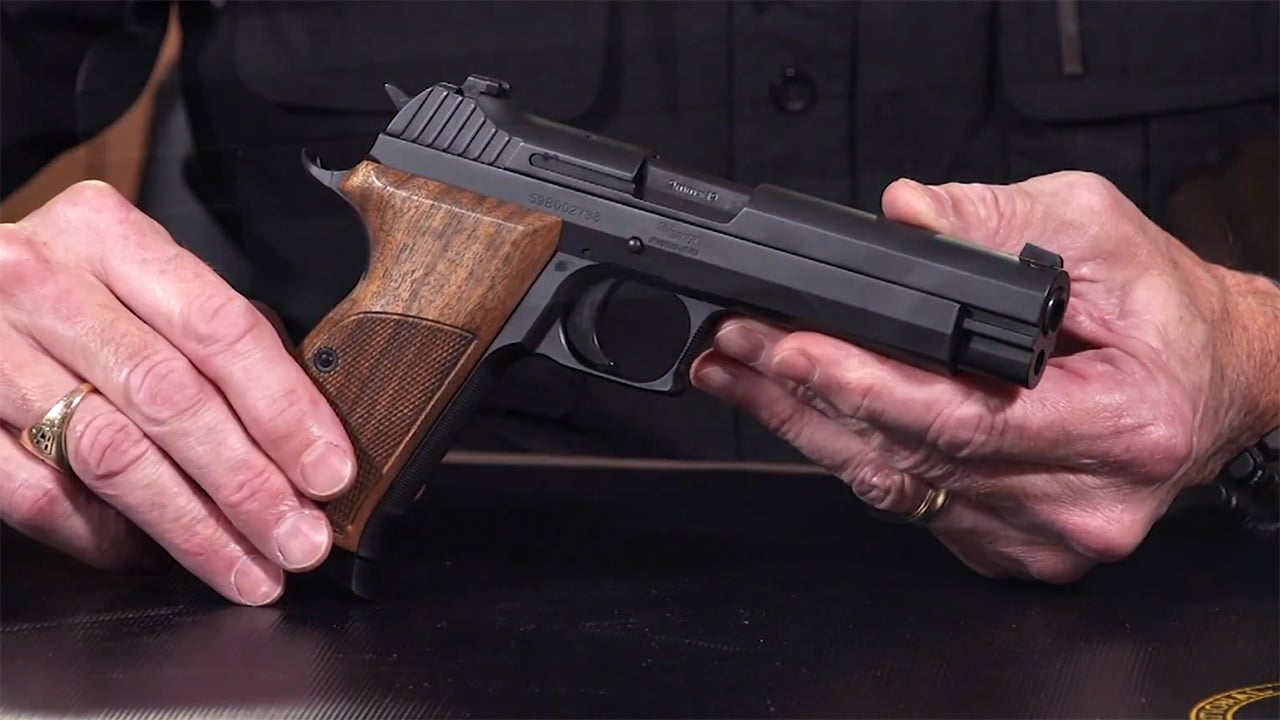
The original Swiss P210 was built with the kind of machining normally associated with a custom target pistol. Its slide rides inside the frame rails, the trigger is exceptionally clean, and the barrel fit supports outstanding mechanical accuracy.
It carries fewer rounds than modern service pistols and lacks the accessory support buyers now expect. None of that changes how precise and carefully fitted it feels. Many current pistols are reliable and accurate enough for defensive use, but very few production guns give the shooter the same impression of mechanical quality.
Beretta Model 87 Target
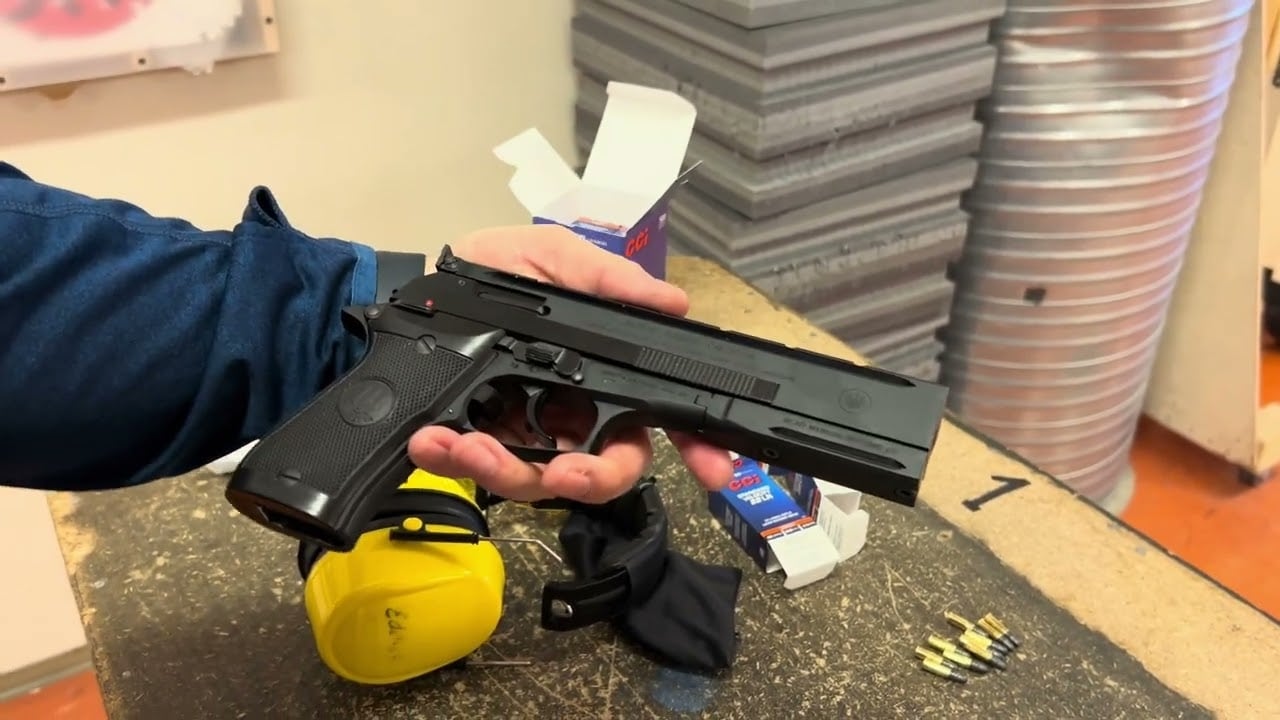
The Beretta Model 87 Target is a steel-framed .22 LR pistol with a fixed barrel, excellent balance, and a trigger that makes inexpensive rimfire pistols feel crude. It was built more like a serious centerfire handgun than a disposable plinker.
Its magazine capacity is limited, and replacement parts are not as common as those for a Ruger Mark IV. The pistol still stands out because of its accuracy and smooth operation. Modern rimfire pistols may be cheaper and easier to suppress, but few feel this refined straight from the box.
Walther PP

The Walther PP established the basic layout copied by generations of compact double-action pistols. Its fixed barrel, exposed hammer, decocking safety, and slim steel frame made it advanced when introduced.
By modern standards, it is heavy for its capacity, and the blowback action can produce sharp recoil. Even so, the machining, trigger feel, and compact proportions make many current budget pistols feel cheap. The PP was designed as a serious police handgun rather than a low-cost pocket gun, and that difference remains obvious.
Heckler & Koch P7M8
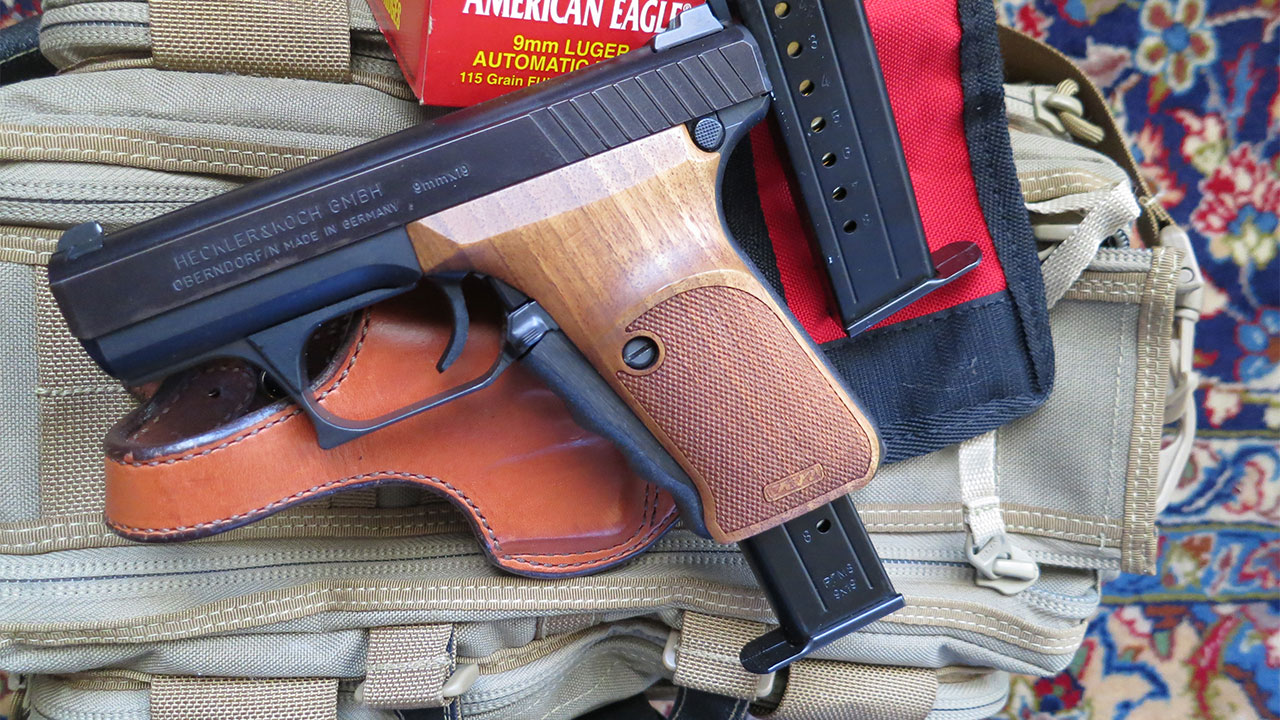
The P7M8 used a fixed barrel, gas-delayed action, low bore axis, and squeeze-cocking frontstrap. It was compact, accurate, and extraordinarily safe to carry once the shooter understood the system.
The design was expensive to manufacture and heated quickly during long range sessions. Those disadvantages helped push it out of production. Still, the P7M8 feels more inventive and more carefully built than most modern compact pistols. Many current guns offer greater capacity, but few show the same level of mechanical originality.
Colt Series 70 Government Model

A well-made Series 70 Government Model shows why shooters remain loyal to the traditional 1911. The straight-moving trigger, slim steel frame, natural grip angle, and simple single-action controls still work exceptionally well.
Older Colts were not always tightly fitted, but many have a balance and smoothness that newer production pistols struggle to match. Modern 1911s may include rails, optics cuts, and aggressive texturing, yet they often lose the clean appearance and handling that made the original design so effective.
Smith & Wesson Model 41

The Model 41 was built as a serious target pistol, not a casual rimfire. Its trigger, fixed barrel, and carefully fitted slide allow it to deliver accuracy that many modern polymer .22 pistols cannot approach.
It requires cleaner ammunition and more regular maintenance than a basic plinker. That is the tradeoff for precision. The Model 41 also shows how much better a factory trigger can be when the manufacturer treats it as a central part of the gun instead of an item expected to be replaced immediately.
Winchester Model 70 Pre-64

The pre-1964 Model 70 earned the nickname “The Rifleman’s Rifle” because of its controlled-round-feed action, strong extractor, three-position safety, and excellent handling.
Modern rifles can be lighter and more accurate for less money. What many lack is the same combination of smooth bolt movement, solid bottom metal, shaped walnut, and careful finishing. The old Model 70 feels like a complete rifle rather than a barreled action placed into the least expensive stock possible.
Sako Finnbear L61R
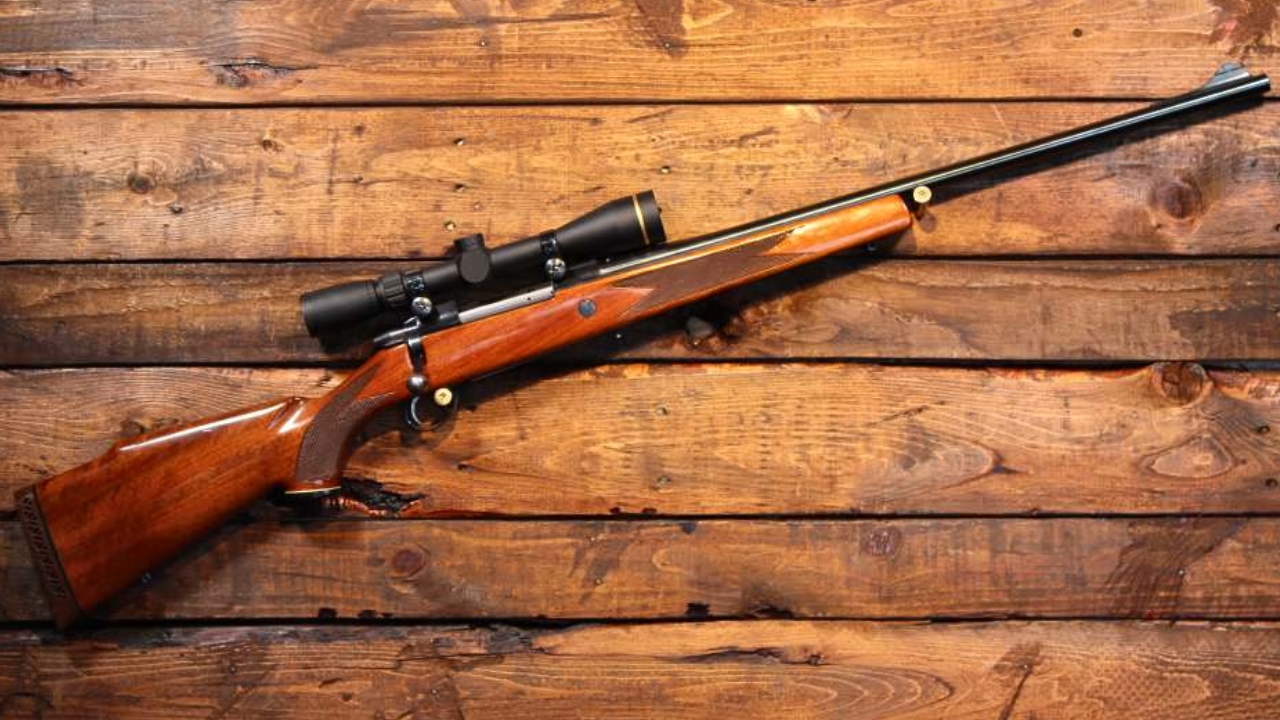
The Sako Finnbear L61R combined smooth bolt operation, excellent barrels, strong machining, and high-quality walnut. It was a hunting rifle built for buyers who expected both accuracy and finish.
Current hunting rifles often shoot excellent groups, but many achieve their low prices through molded stocks, rough bolt bodies, and stamped components. The Finnbear reminds shooters that a hunting rifle can be mechanically dependable without feeling industrial. It remains one of the clearest examples of old-world production quality.
Remington Model 700 BDL

Older Model 700 BDL rifles had polished bluing, glossy walnut stocks, hinged floorplates, and cleaner lines than the basic synthetic-stock rifles that dominate current gun racks.
The push-feed action was straightforward, accurate, and supported by a good factory trigger. Modern Model 700 variants may offer threaded barrels and detachable magazines, but many feel cheaper in the hands. An older BDL often feels like a finished hunting rifle rather than a starting point for upgrades.
Mannlicher–Schönauer Model 1952

The Mannlicher–Schönauer became famous for its exceptionally smooth rotary-magazine action. The bolt movement feels almost effortless, and the full-length stocks found on many examples give the rifles a distinct balance.
They are expensive, complicated, and difficult to repair compared with modern bolt actions. That does not change the quality of the machining. Current rifles may be more practical, but few make the act of operating the bolt feel as satisfying or precise.
Winchester Model 12

The Winchester Model 12 was called the “Perfect Repeater” for good reason. Its all-steel receiver, slick pump action, and solid lockup gave it a level of smoothness rarely found in modern production shotguns.
It is heavier and more expensive to manufacture than stamped or aluminum-receiver pumps. That is exactly why it disappeared. A well-used Model 12 often cycles more smoothly than a brand-new defensive shotgun. Modern designs are cheaper and easier to accessorize, but they rarely feel as polished.
Ithaca Model 37
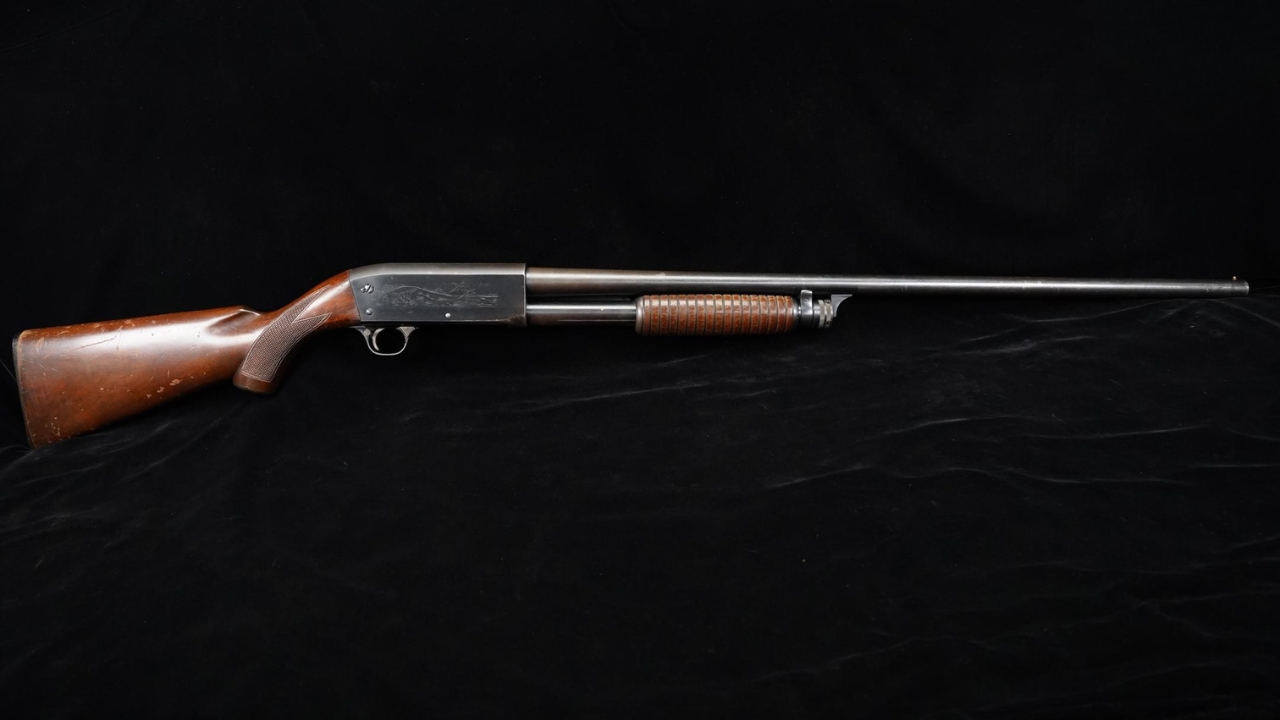
The Ithaca Model 37 uses a bottom-loading and bottom-ejecting action that works equally well for right- or left-handed shooters. Its receiver is slim, enclosed, and unusually light for an all-steel pump shotgun.
Older examples often have smooth actions and excellent balance. New pump guns may have accessory rails and interchangeable stocks, but many feel bulky next to the Ithaca. The Model 37 proves that a working shotgun does not need to feel crude.
Browning Auto-5
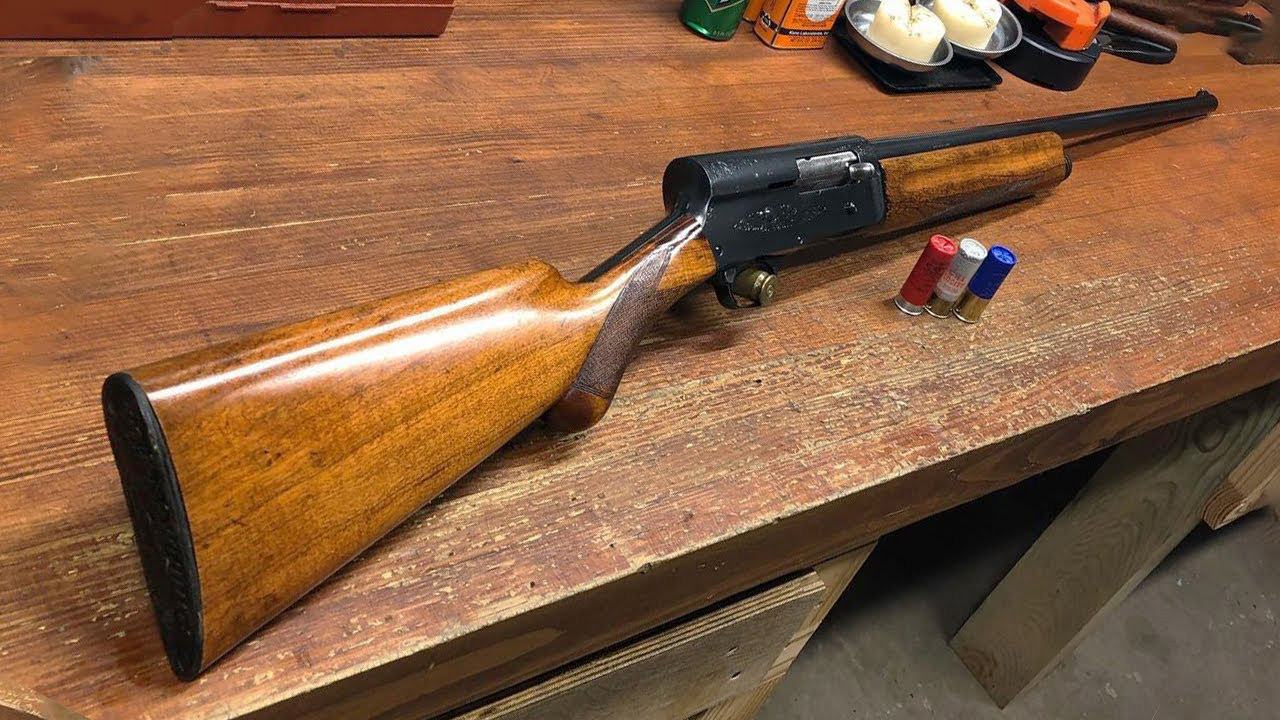
The Auto-5 was the first successful mass-produced semiautomatic shotgun, and its long-recoil action remained in production for nearly a century. The distinctive humpback receiver gives the shooter a long sighting plane and an unmistakable feel.
Its friction-ring system requires more understanding than modern gas or inertia guns. It also recoils differently because the barrel moves during firing. Once properly set up, however, an Auto-5 can run for generations. Its steel construction and mechanical character make many current semiautomatics feel temporary.
Marlin 39A

The Marlin 39A is a full-size steel-and-walnut lever-action .22 rifle with a takedown receiver and an action that becomes smoother with use. It feels more like a centerfire hunting rifle than a rimfire plinker.
Modern .22 rifles are lighter and much cheaper, but most rely heavily on polymer, aluminum, and simplified construction. The 39A is expensive because it was expensive to build. It also lasts long enough to be handed down repeatedly, which is more than can be said for many current budget rimfires.
Winchester Model 61
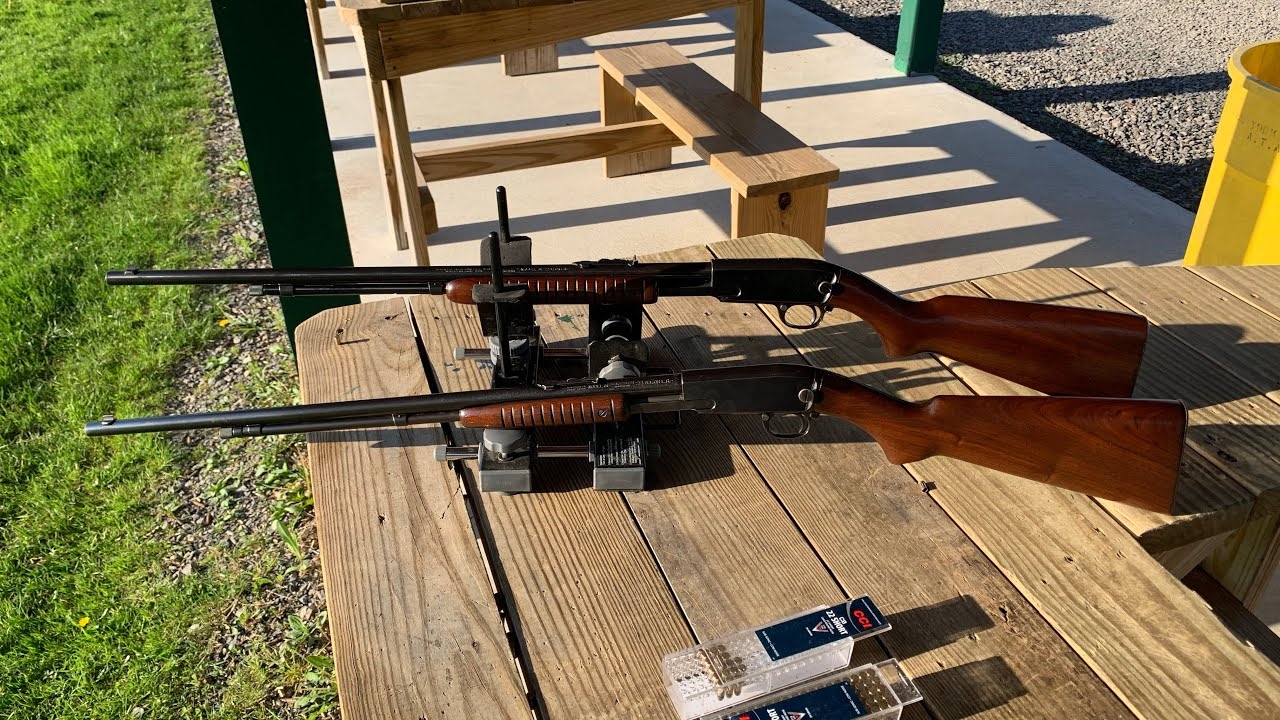
The Winchester Model 61 is a hammerless pump-action .22 with a smooth action and clean receiver profile. It feeds several common rimfire cartridge lengths and was built with the same level of machining Winchester used on larger firearms.
It is not as fast to reload as a detachable-magazine semiautomatic, and collector prices have made it impractical for rough use. Still, operating one immediately exposes how crude many modern rimfire rifles feel. The Model 61 was a small-game rifle built with no assumption that buyers would accept cheap materials.
Savage Model 99
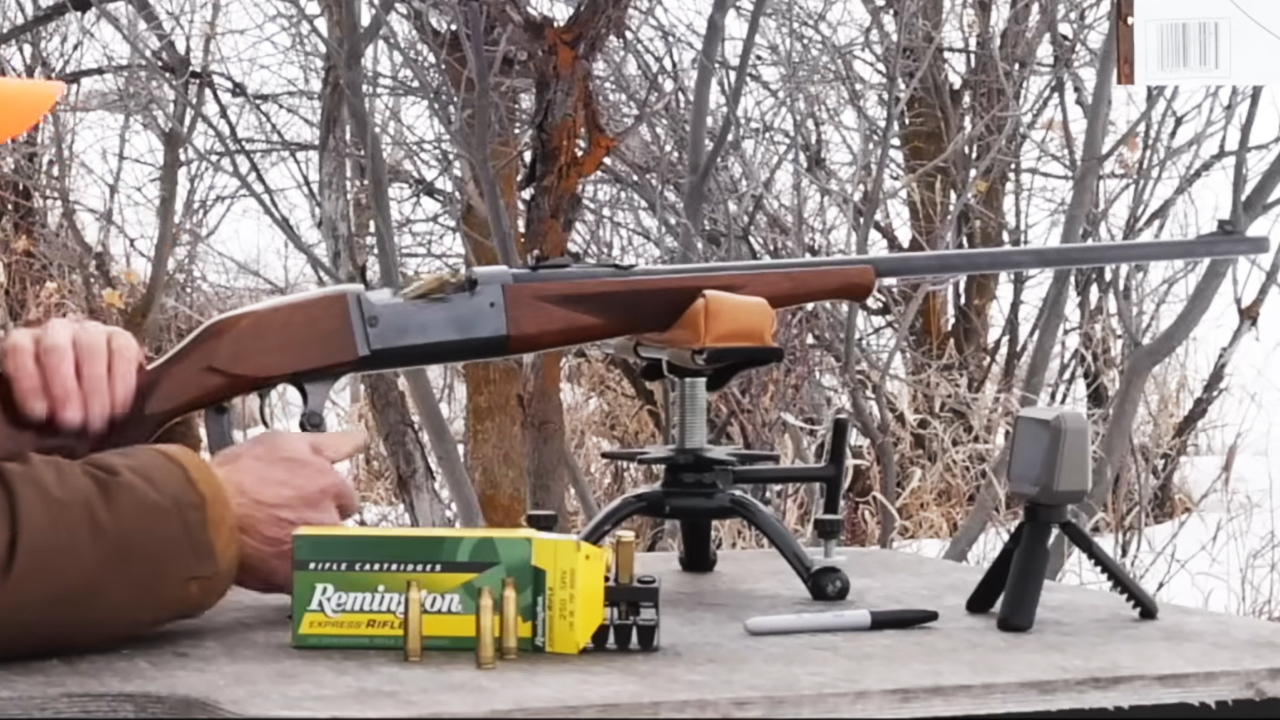
The Savage Model 99 gave lever-action hunters a rotary magazine, internal hammer, strong lockup, and the ability to use pointed bullets. It offered many advantages of a bolt-action rifle without abandoning fast lever operation.
The action was complicated and expensive to manufacture, which eventually ended production. Modern lever guns are simpler and easier to build, but few match the Model 99’s combination of balance, strength, and cartridge versatility. It remains one of the clearest examples of a rifle design being discontinued because it was too costly to make properly.
Like The Avid Outdoorsman’s content? Be sure to follow us.
Here’s more from us: