Photo credit: Tex Mex/Youtube
I’ve bought plenty of “upgrades” over the years. Newer model. Better trigger. Better finish. Better accuracy on paper. And then a season rolls around, or a wet range day happens, or you’re standing at the back of the truck with cold fingers and you realize the old gun is still the one you trust.
This isn’t a list of safe queens or collector pieces I’m scared to scratch. These are the ones that stayed because they still do a job better than whatever was supposed to replace them. Some are boring. A few are heavy. A couple aren’t even my favorites. But they’ve earned their slot.
1. Remington 870 Wingmaster
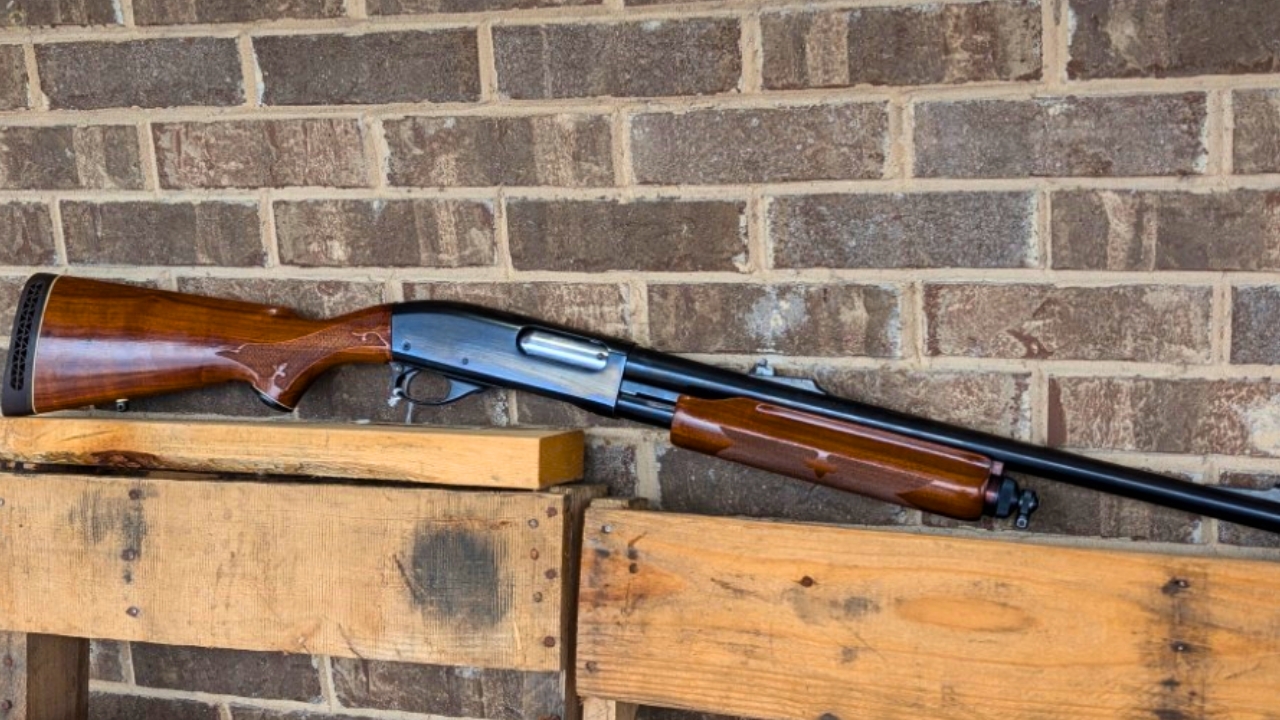
I’ve tried to “move on” from the 870 more than once. Pumps with lighter actions, fancy coatings, ghost rings, you name it. Then I pick up a Wingmaster and the action just feels like it’s on bearings.
It points right in the woods, carries fine, and it’ll eat everything from cheap birdshot to buck without drama. Parts are everywhere, barrels are everywhere, and if you keep it reasonably clean it just keeps doing 870 things. There’s a reason so many of them look worn but still work.
2. Mossberg 500
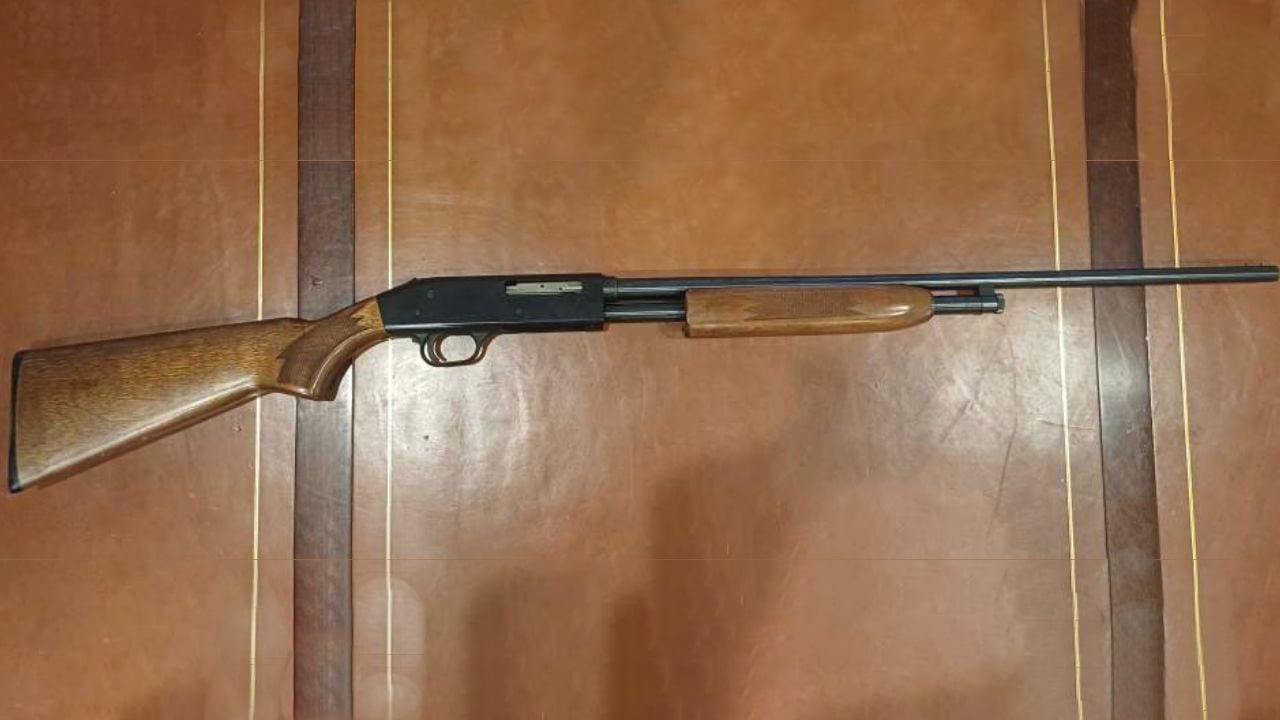
When I want a shotgun I don’t have to baby, the 500 is hard to beat. I’ve owned “nicer” shotguns that I worried about leaning in the corner of the barn or riding behind a seat.
The tang safety is a real-world win if you’re swapping shoulders or wearing gloves. It’s not refined, but it’s reliable, and I don’t have to hunt down weird parts. There is nothing fancy about it, and that is kind of the point.
3. Benelli Nova

I bought semi-autos that were supposedly the answer to everything. Faster follow-ups, less recoil, more “modern.” Then a nasty, sleeting day showed up and reminded me why a simple pump still matters.
The Nova is bulky, no doubt, but it’s tough and it shrugs off bad weather. I like a gun that I can run hard, wipe down, and not worry about. For waterfowl and muddy boots, it stays.
4. Ruger 10/22 Carbine
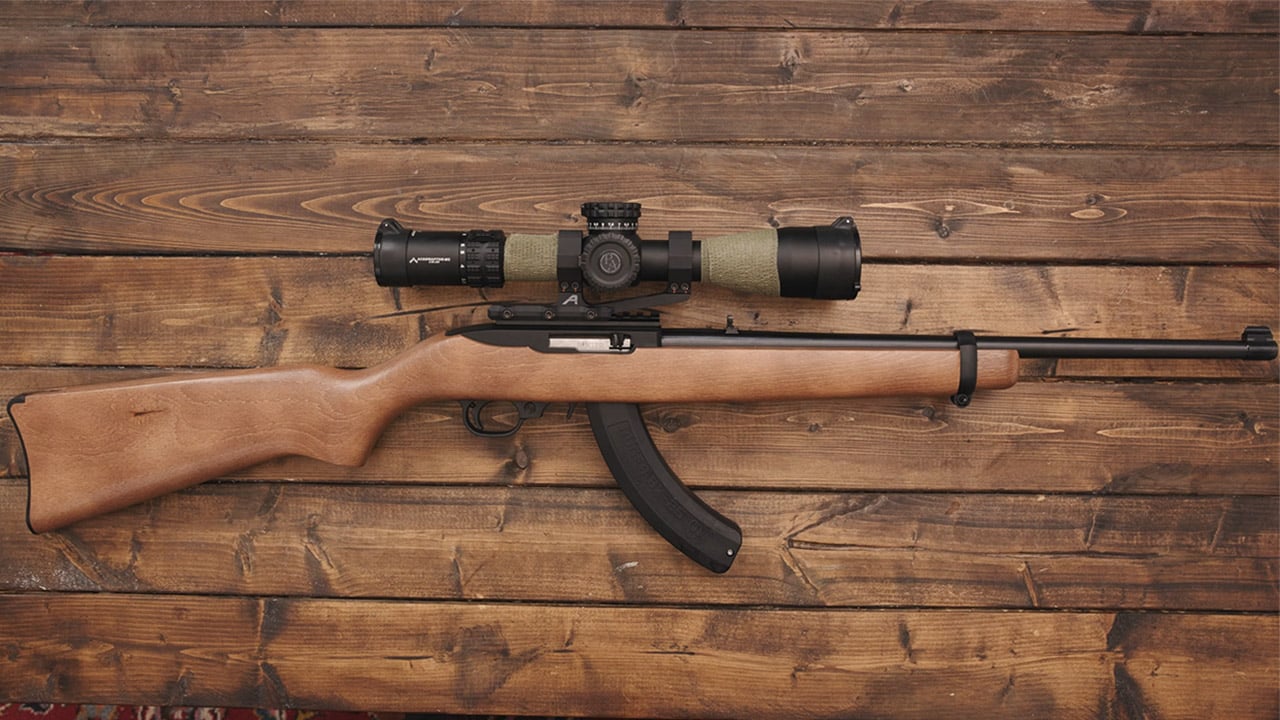
I’ve had accurate bolt .22s, threaded tactical .22s, and slick little semi-autos that cost more than they should. But if I’m grabbing one rimfire to toss in the truck for pests or plinking, it’s still the 10/22.
Magazines are everywhere, parts are everywhere, and you can keep it stock or tinker until you run out of money. It’s also one of the best “take a new shooter” guns ever made. Half the time, the “better” .22 is just pickier.
5. Marlin Model 60

Tube-fed .22s don’t get much love now, and I get it. Detachable mags are convenient. But the Model 60 has a way of being the .22 that’s always ready.
It’s simple, accurate enough for small game, and it carries nice. No box magazines to lose in leaves. I’ve seen these run for decades with only basic care, and it’s hard for me to let a dependable old rimfire go.
6. Savage Mark II FV (or similar Mark II)
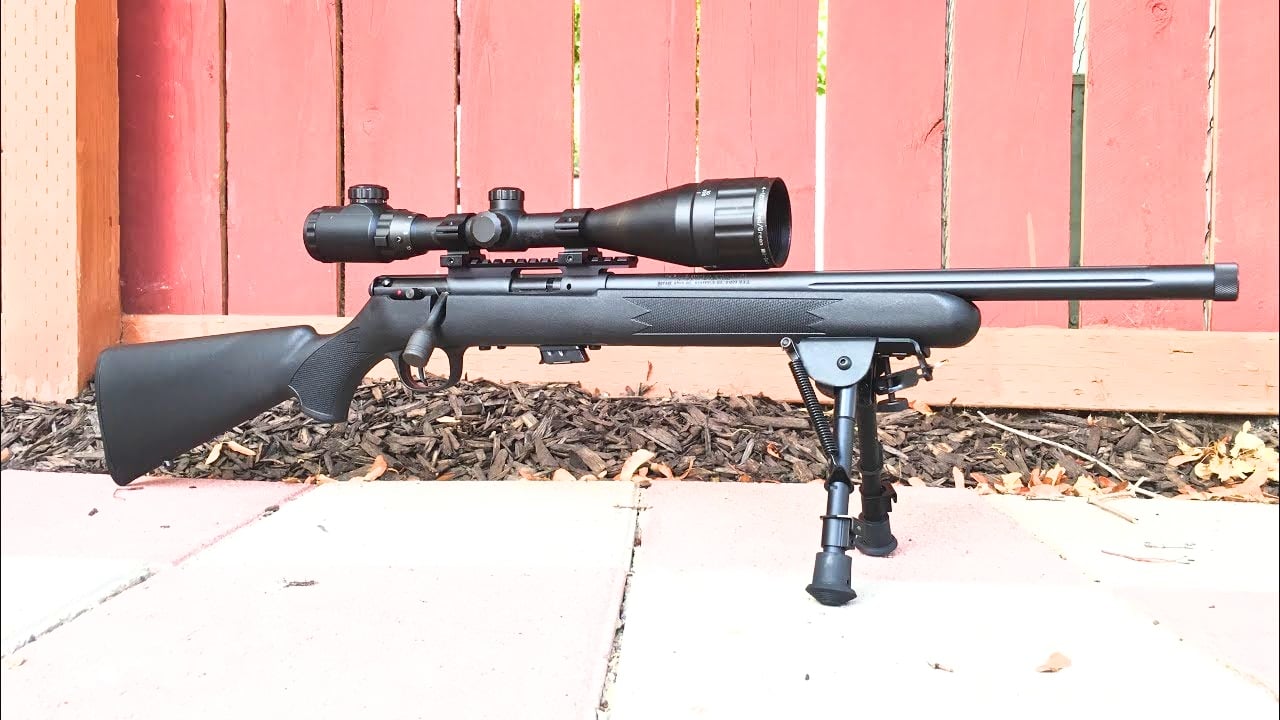
Everybody gets tempted by the expensive rimfire rigs with match barrels and chassis stocks. They’re cool. They’re also not necessary for most of what a .22 is doing on a farm.
The Mark II is a plain bolt gun that shoots better than it has any right to for the money. Mine has taken squirrels clean, punched tiny groups with ammo it likes, and never asked for attention. Sometimes “better” is just heavier and more fragile.
7. Ruger American Rimfire
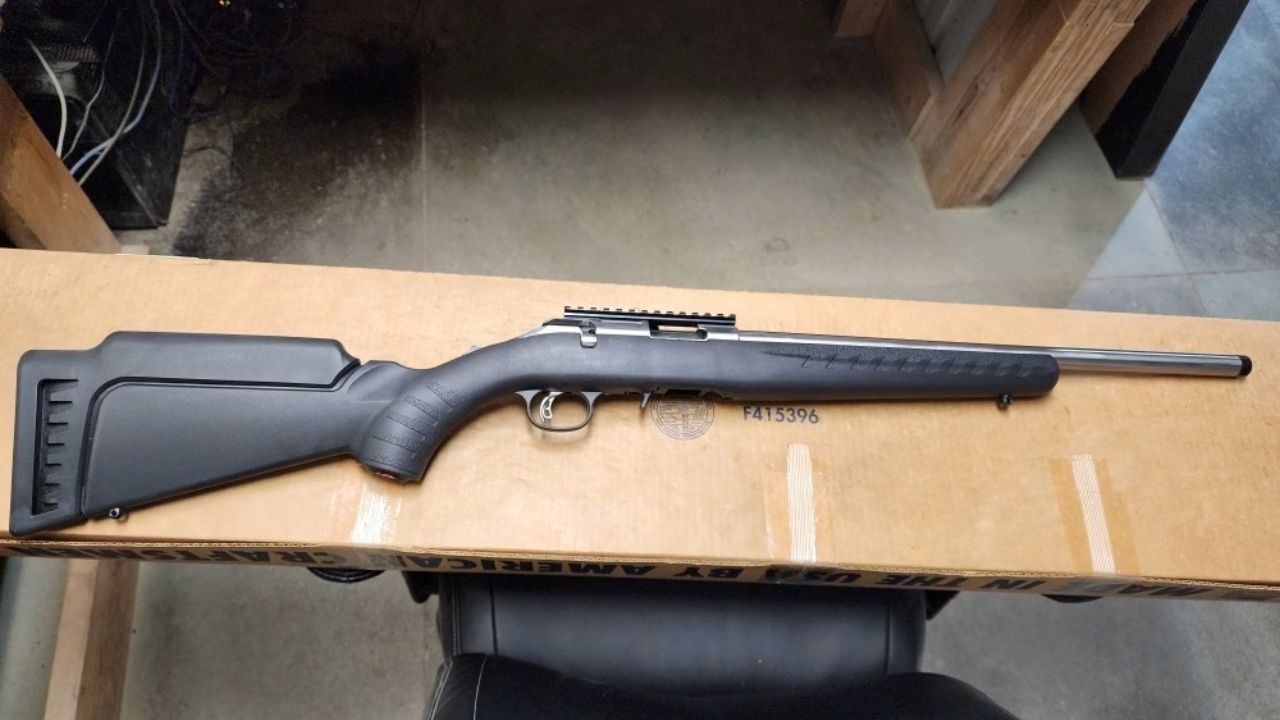
I bought this thinking it would be a stopgap. Then it became the gun I kept grabbing because it just worked. The rotary magazines are easy, and the whole rifle feels like a tool.
It’s light, accurate, and not fussy. For a walking small-game rifle, I’d rather have this than a lot of fancy rimfires that make you feel bad when they get scratched. Ask me how I know.
8. Winchester Model 94 (30-30)

I’ve owned flatter-shooting rifles, scoped rifles, and rifles that look like they belong in a catalog. But in thick timber, the old 94 still makes sense.
It carries like a walking stick, comes up fast, and a 30-30 does what a 30-30 has always done inside sensible distances. It’s also a rifle you can live with. You don’t feel like you brought a benchrest gun to a deer drive.
9. Marlin 336 (30-30)

Yes, I’ve bought “better” deer rifles with more velocity and better optics mounting. Still, a 336 feels steady in the hands and it’s easier to shoot well offhand than a lot of lightweight bolt guns.
The side-eject makes scoping simple, and the whole rifle has a solid, honest feel. I’ve had newer rifles that shot tighter groups, but they didn’t feel as natural in the woods. That counts for something when it’s cold and you’re breathing hard.
10. Ruger Mini-14 Ranch Rifle

ARs are easier to customize and usually easier to shoot well. I own them too. But the Mini-14 hangs around because it’s a handy, simple ranch rifle that doesn’t scream for attention.
It rides in a truck well, it’s quick on targets, and with good magazines it runs. Is it a precision rifle? No. But for coyotes near the back pasture or as a general-purpose rifle, it keeps earning its spot.
11. Colt AR-15A2 / “A2-style” rifle
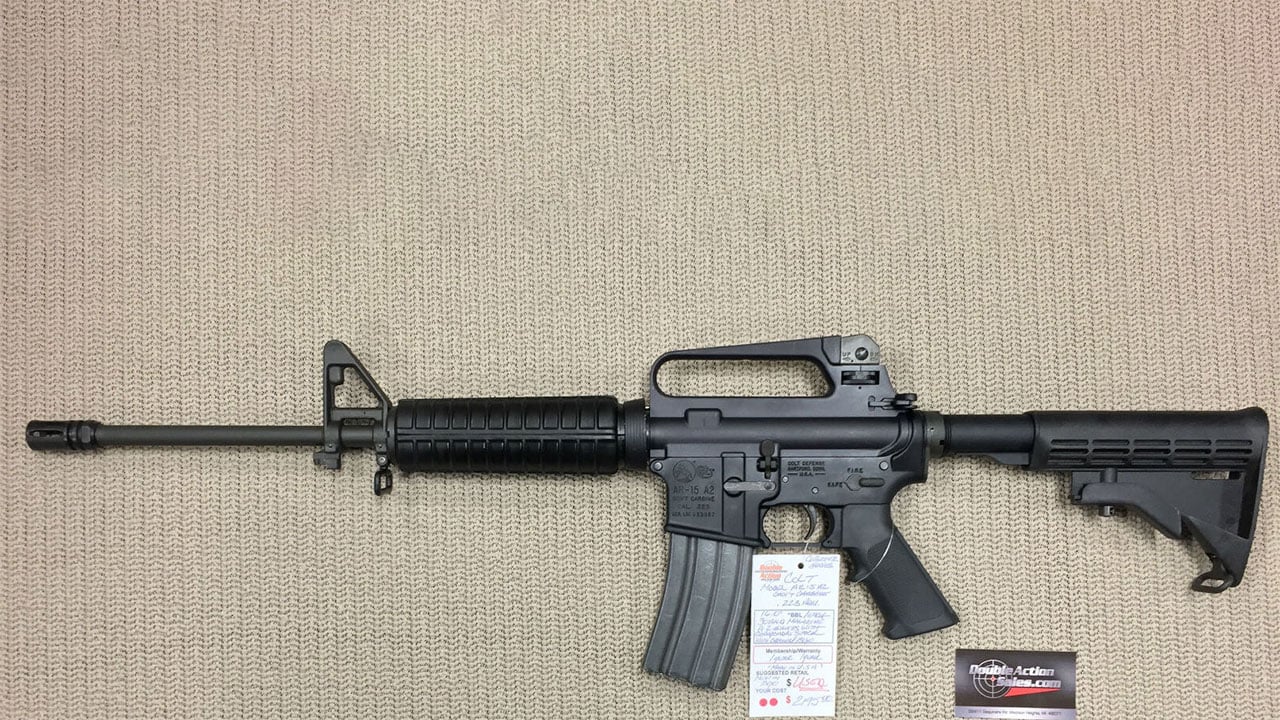
I’ve built slicker ARs with free-float rails and fancy optics. The A2 still sticks around because it’s simple and it teaches you fundamentals. Iron sights don’t lie.
The fixed stock fits me, the balance is good, and it’s an easy rifle to hand to someone without turning it into a gear lesson. Sometimes “better” just means more parts to snag and more stuff to check.
12. Ruger AR-556

When the internet gets loud, everyone acts like you need a top-tier AR or you’re wasting your time. For most shooters, that just isn’t true. The AR-556 is one of those rifles that quietly does its job.
It takes standard parts and mags, it runs with basic maintenance, and it’s accurate enough for realistic uses. I’ve seen expensive rifles get babied and cheap rifles get trained with. I’d rather have the one I’m not scared to shoot a lot.
13. Springfield Armory M1A (Standard)
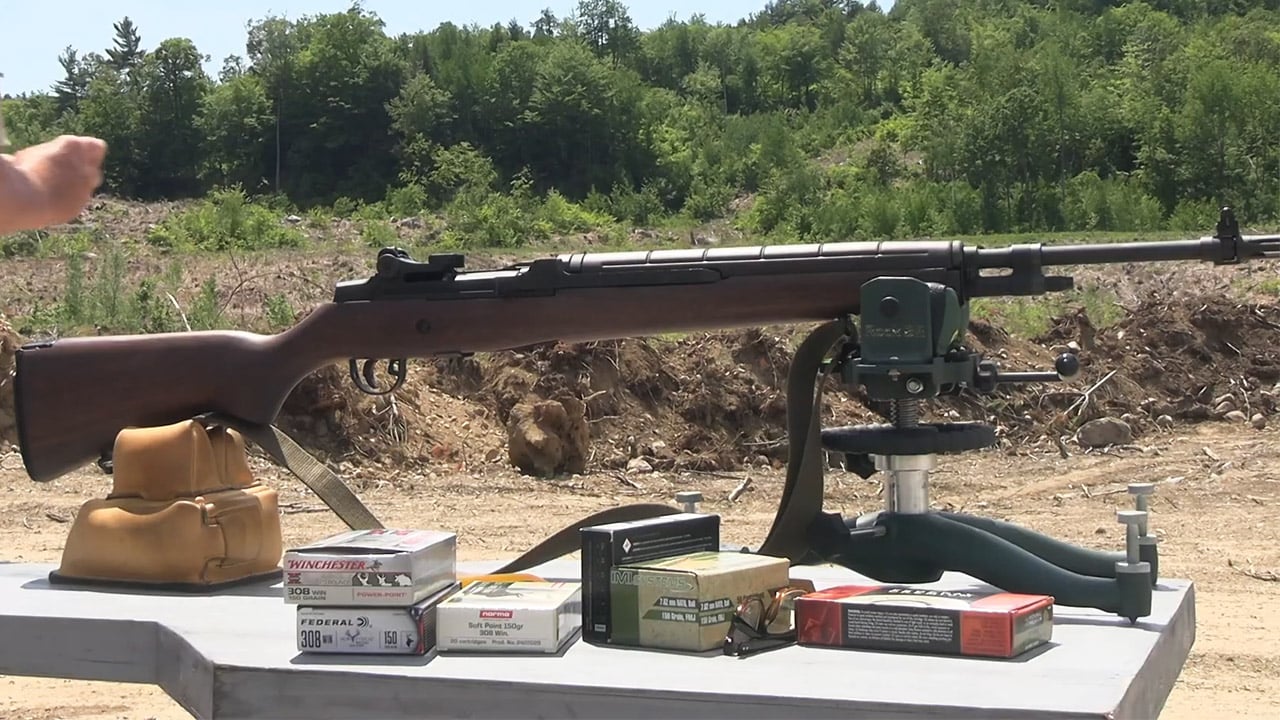
There are lighter, more accurate .308 semi-autos now. There are also rifles that cost a mortgage payment. The M1A stayed because it’s a rifle I know, and it has a feel that’s hard to replace.
It’s not the easiest to mount optics on cleanly, and it’s not a featherweight. Still, it’s a solid shooter with real history behind it, and it does fine on steel and in the deer woods where legal. Not every gun needs to be the newest solution.
14. Ruger GP100 (4-inch)
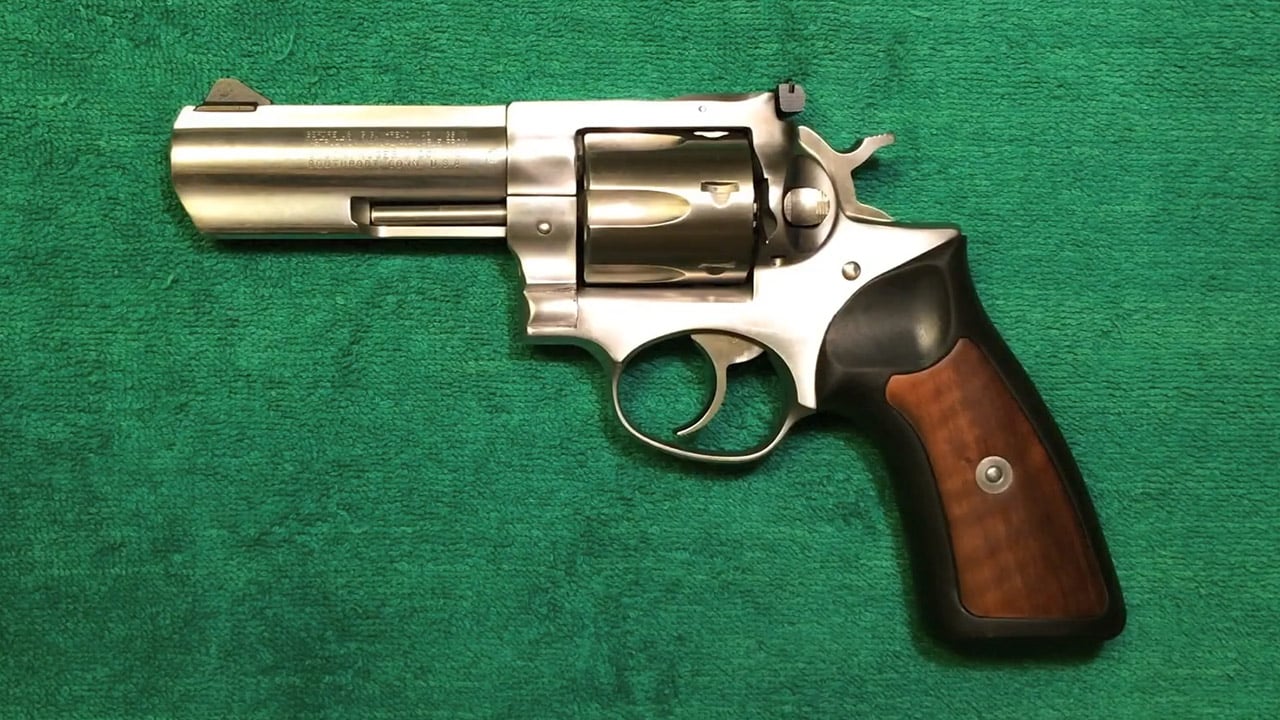
I’ve tried lighter revolvers and trendier carry options. Then I go back to the GP100 and remember what “shootable” feels like with .357 Magnum.
It’s not small, and it’s not fancy. But it soaks up recoil, the trigger smooths out with use, and it’s a revolver you can practice with without hating life. For a do-it-all wheelgun, it’s still hard to beat.
15. Smith & Wesson Model 642

Micro 9mms are the hot ticket, and I carry them too. But the little 642 sticks around because it’s always there when I need “easy.”
It disappears in a pocket with the right holster, it doesn’t care about lint like some semi-autos do, and it’s dead simple. Is it pleasant to shoot? No. But it’s honest, and it’s reliable in the way a small revolver tends to be.
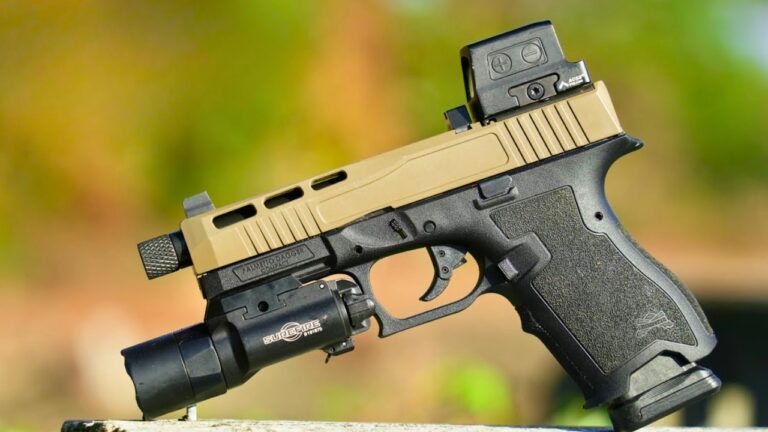
16. Glock 19 (Gen 3/4/5)
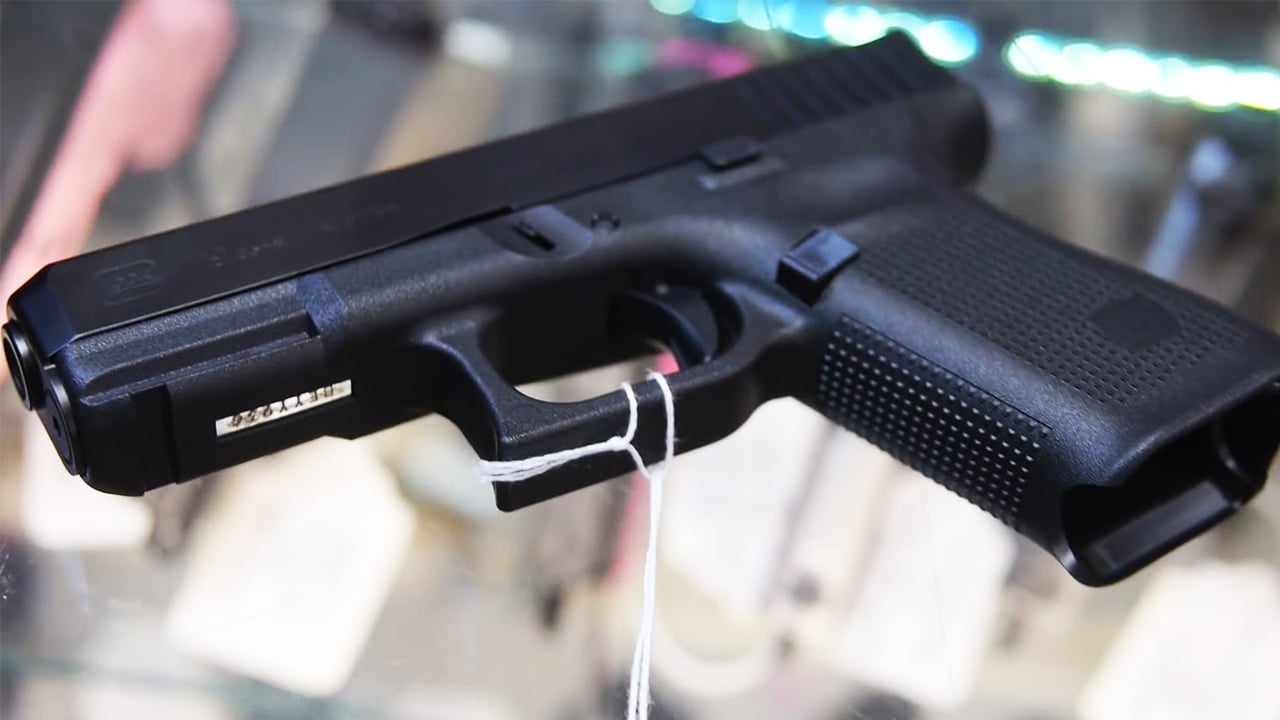
I’ve owned pistols with better triggers, better sights out of the box, and better everything according to the forums. The Glock 19 is still the one I measure the rest against because it just keeps running.
Magazines are cheap and everywhere, parts are everywhere, and every holster maker on earth supports it. It’s not romantic, but it’s practical. When you’re choosing a handgun you may actually bet your hide on, boring can be a compliment.
17. Glock 43

There are higher-capacity micro-compacts now, and the spec sheets make the Glock 43 look dated. In the real world, the 43 is thin, light, and it carries comfortably all day without feeling like a brick.
I also like how straightforward it is. No weird controls, no oddball magazines to chase, and it’s easy to keep running. Capacity matters, but so does actually carrying the thing.
18. SIG Sauer P365

I bought “better” carry guns after the P365 came out—bigger ones with softer recoil, and fancy ones with nicer triggers. The P365 stayed because it hits the sweet spot of size and capability.
It’s small enough to carry when you don’t feel like carrying, and it shoots well enough to practice seriously. If a pistol is miserable to shoot, you’ll avoid training. The P365 doesn’t punish you for putting rounds through it.
19. Ruger LCP II
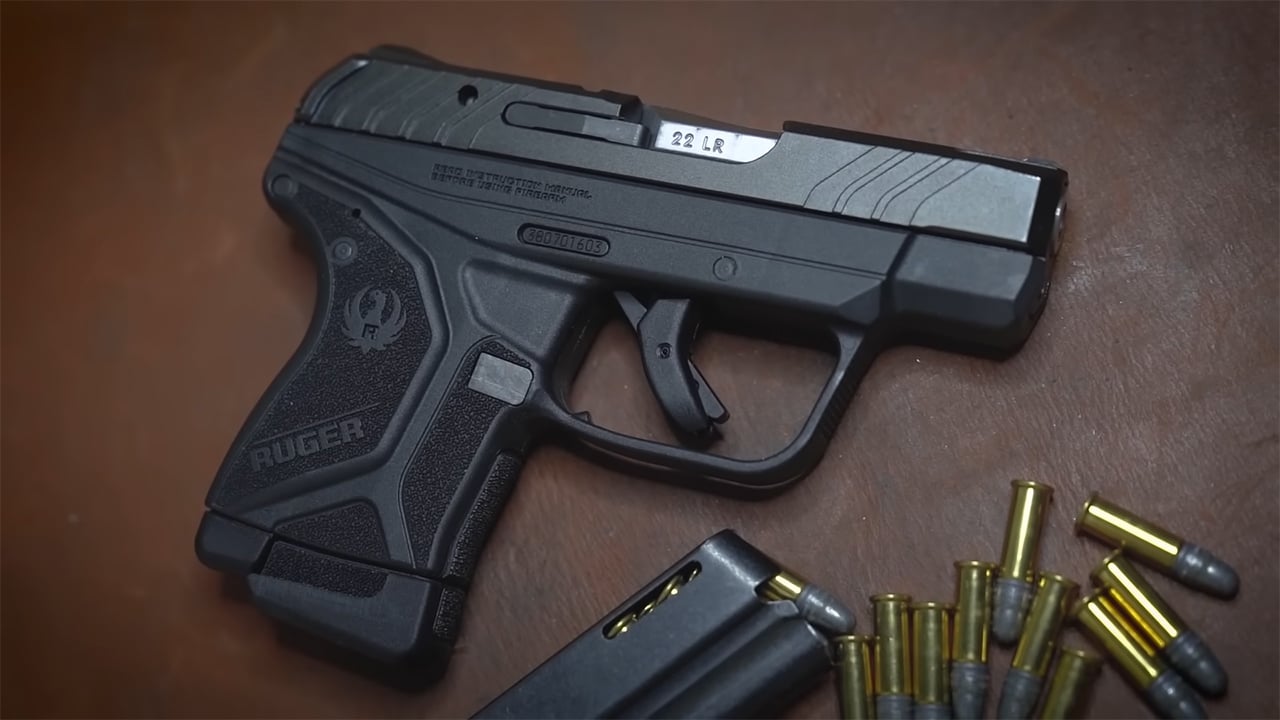
Every now and then you need a true “go anywhere” pistol, not a compromise. I’ve tried to replace this role with compact 9mms, and they always end up being just a little too big for certain pockets and certain days.
The LCP II isn’t a range toy. The sights are small, recoil is snappy, and it takes discipline to shoot well. Still, it fills a niche that bigger “better” pistols don’t, and that niche matters more than most folks admit.
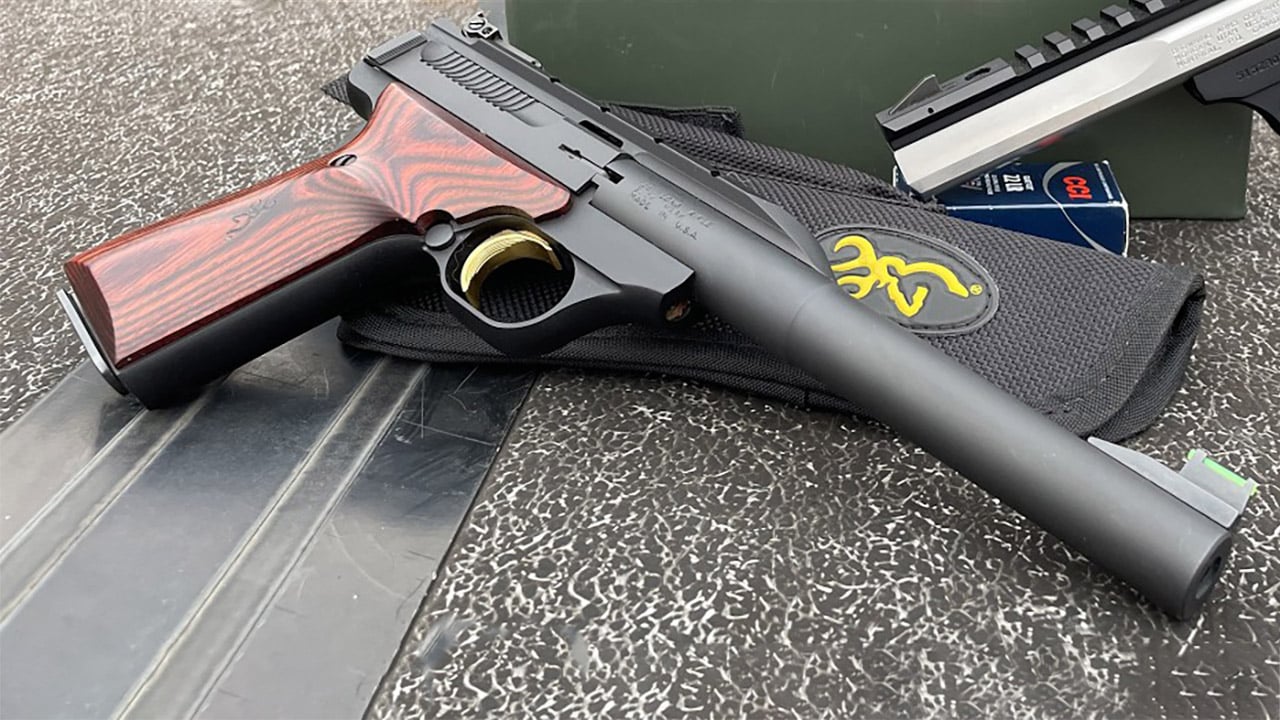
20. Browning Buck Mark
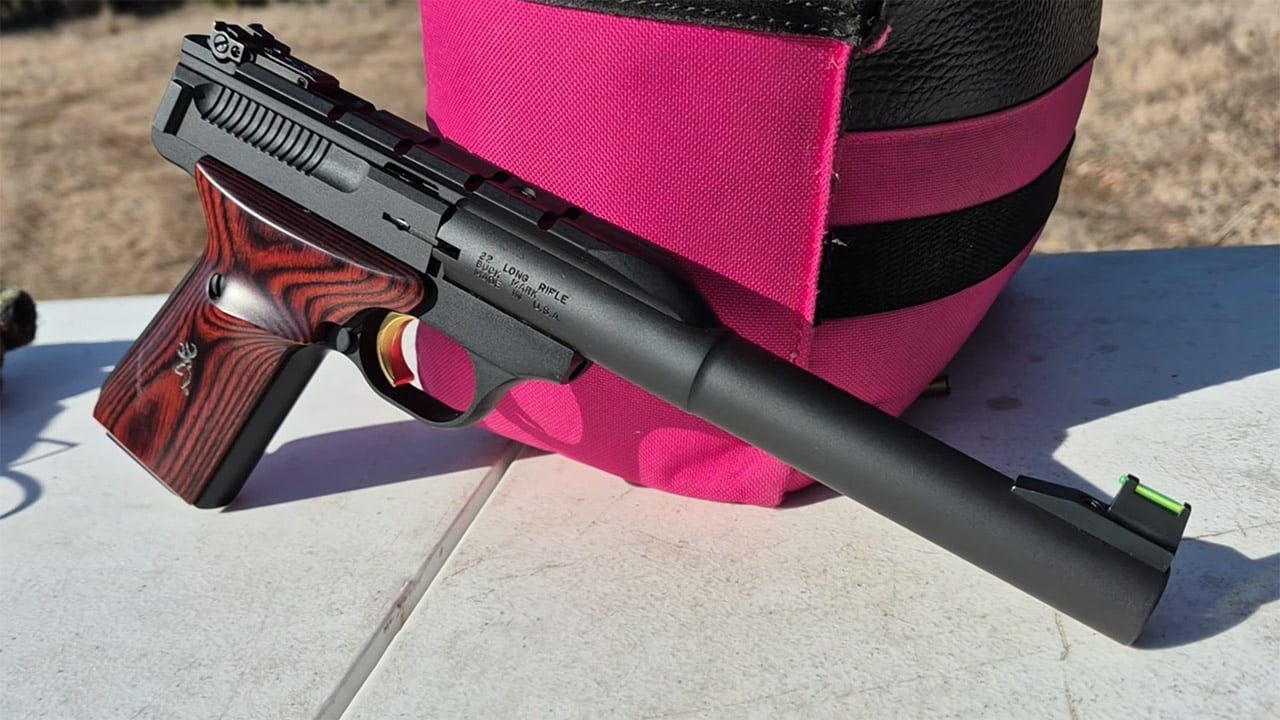
I bought other .22 pistols that were lighter, cheaper, or supposedly easier to maintain. The Buck Mark stayed because it’s the .22 handgun I shoot well without thinking.
It balances nicely, has a good trigger, and it’s accurate enough to make you look like a better shot than you are. For teaching, plinking, and small target work, it’s one of those pistols that makes you want to shoot more. And that’s usually the best “feature” a gun can have.
If you’re looking for a lesson in all this, it’s not “never buy new guns.” It’s “don’t sell the old ones too fast.” The gun that feels boring at the counter can end up being the one you actually trust when it’s raining sideways, your hands are cold, and the moment shows up quick.
Like The Avid Outdoorsman’s content? Subscribe to our newsletter so you never miss an article.
Here’s more from us: