Photo credit: AI-generated image created using ChatGPT. Illustrative only
Out on the salt, a lot of guys assume nobody’s really watching once you get a few miles off the beach. But in San Diego County, a commercial crew found out the hard way that the wardens don’t always need to be on the water to see what you’re doing.
On August 13, 2026, the California Department of Fish and Wildlife (CDFW) announced a case involving fishing inside the Swamis State Marine Conservation Area (SMCA), a state marine protected area that prohibits offshore fishing by vessel. The details were shared in the original post, and it reads like a reminder to anyone running traps, lines, or a commercial program near closure boundaries: “out of sight” isn’t a plan.
Wardens didn’t stumble onto it — they built a case around a pattern
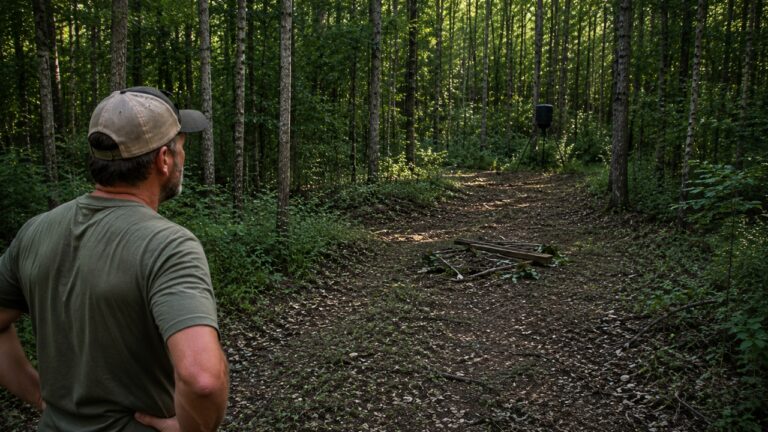
CDFW said officers with the department’s Marine Enforcement District noticed a pattern of incursions inside the Swamis SMCA. That’s an important detail, because it suggests this wasn’t a one-off “oops, the drift carried us over” situation in their eyes. Once they saw a repeat issue, they leaned on “available enforcement technology” and set up a surveillance operation.
The operation ran over multiple days, and the goal wasn’t to educate someone at the dock. It was to catch violators in the act. If you’ve spent time around marine protected areas, you know how this goes: enforcement teams don’t need to guess if you were inside the line when they can document it.
They watched it happen from the air
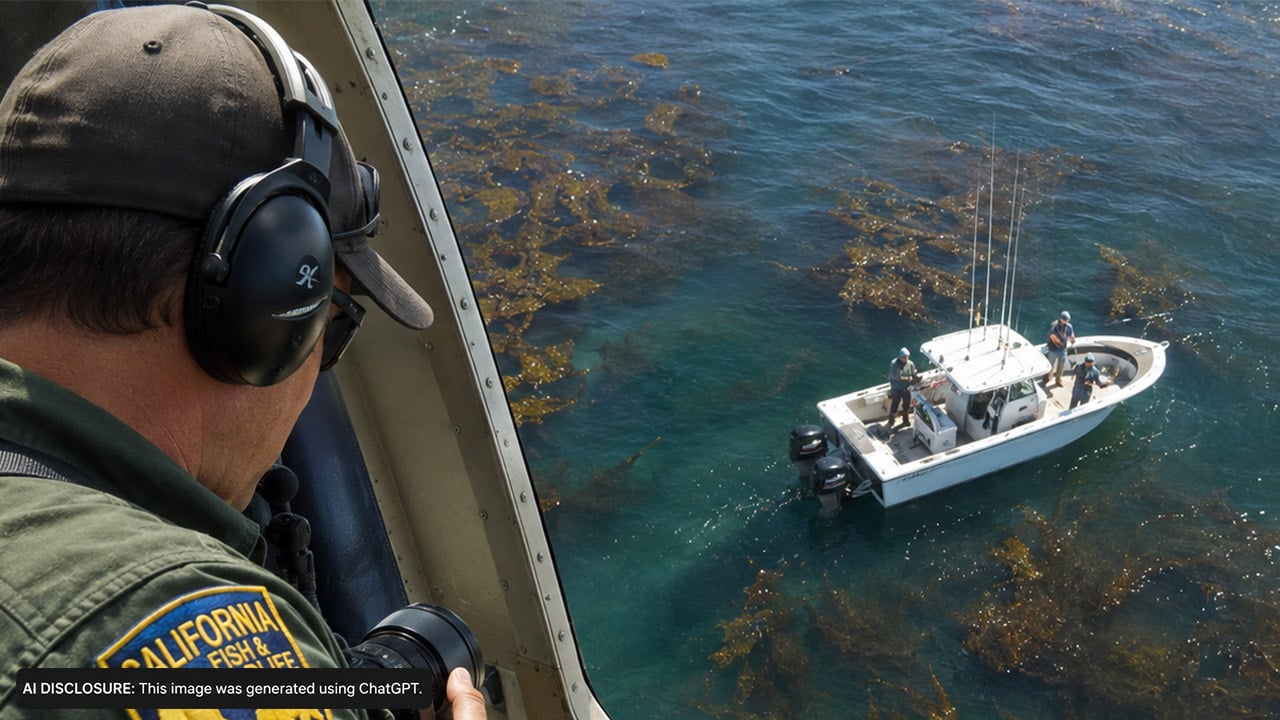
During the planned operations, officers observed a commercial fisherman—described as someone with known previous violations—actively fishing within the Swamis SMCA. CDFW officers in an aircraft watched as the suspects were fishing and retaining fish inside the protected area.
That aerial piece matters for anglers reading this, because it’s a different kind of pressure than a patrol boat rolling up on you. From the air, they can watch the boat’s position, the behavior, and the timeline without tipping their hand. Then they can follow until it makes sense to make contact on their terms.
The dockside contact turned into coolers full of fish
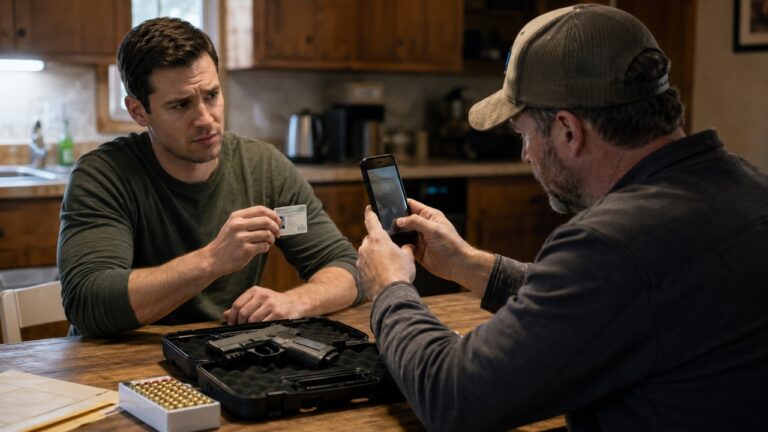
CDFW continued surveillance and contacted the vessel when it returned to port. Once officers boarded, they found multiple ice-filled coolers containing rockfish, yellowtail, and white seabass.
Those aren’t throwaway fish, especially in a commercial context. And coolers packed with ice tells you the crew wasn’t treating this like a casual “we’ll toss back whatever doesn’t work.” It reads like they were set up to keep fish in good condition and land them.
Misdemeanor citations, arrests, and a minimum $5,000 fine on the table
Both commercial fishermen were arrested and released with citations for misdemeanor charges of fishing within the Swamis SMCA. CDFW also highlighted the penalty that applies to commercial license holders who unlawfully take fish inside a marine protected area for commercial purposes: it’s a misdemeanor punishable by a fine of not less than $5,000.
That minimum matters. A lot of folks—especially people who don’t run commercial numbers—think of fines as something that might sting, might not, depending on the judge. But when state law sets a floor, it changes the math. You’re not hoping for a slap on the wrist; you’re hoping the case falls apart, because the starting point is already steep.
The catch didn’t sit in an evidence freezer — it got sold
This is the part that will surprise a lot of recreational anglers: CDFW said the commercial catch was seized and sold by the department to a licensed fish business. The proceeds from that sale were seized and will be held by the department until the case is settled in court.
In other words, it wasn’t just “we took your fish.” It was “we took your fish, moved it into the legal market, and held the money until the court process plays out.” If you’re a commercial operator, that’s a real-world hit that lands immediately—before any courtroom outcome—because that catch is revenue, fuel money, payroll, and next week’s ice.
And even for the average weekend guy, it’s a reminder that when you’re dealing with resource crimes, enforcement doesn’t always work like a traffic stop where you pay later. When the state can seize the product and treat it like contraband tied to the violation, the consequences start right now.
What outdoorsmen should take from this one
If you fish near boundaries—commercial or not—this is where you tighten up your habits. Marine protected areas aren’t just “no-take” zones on a brochure. They’re mapped, watched, and in this case, monitored long enough for wardens to spot a repeat pattern and build a multi-day operation around it.
The practical move is boring but effective: know exactly where the line is, give yourself a buffer for drift and current, and don’t assume “nobody saw it.” When enforcement can watch from the air and wait until you’re back at port, the old excuses don’t carry much water. This case is a clean example of how quickly an illegal set inside a closed area can turn into arrests, seized product, and a fine that starts at $5,000.
Like The Avid Outdoorsman’s content? Subscribe to our newsletter so you never miss an article.
Here’s more from us: