Photo credit: Jaktiakanalen/Youtube
A kid’s first rifle is supposed to build good habits. It should fit right, carry easy, not beat them up on the bench, and work the same way every single time. The problem is a lot of rifles that adults tolerate just fine become pure frustration when you hand them to a smaller shooter with less upper-body strength and less time behind a trigger.
This isn’t about “toughening them up.” It’s about setting them up to shoot well, stay safe, and actually enjoy hunting. Here are some specific rifles that tend to be the wrong move for younger hunters, and why they cause more problems than they solve.
1. Remington 700 SPS in 7mm Remington Magnum

I’ve watched more than one young shooter get introduced to “deer camp recoil” with a 7mm mag and a thin factory pad. The first three shots are loud, jumpy, and full of flinch. After that, you’re fighting anticipation more than you’re teaching marksmanship.
The 700 action can be a fine platform, but pairing a lightweight hunting rifle with a hard-hitting cartridge is a bad recipe for beginners. If you want the Remington name in the rack, start with a mild cartridge and a stock that actually fits them, not one they have to stretch out on.
2. Ruger American Rifle (standard length) in .30-06 Springfield

The Ruger American is a solid budget rifle, and I get why it’s everywhere. But in full-size form with a long length of pull and an ’06 behind it, it can feel like a fence post to a kid. They end up rolling their shoulder forward, crawling the stock, and getting smacked by the scope if the rings are set wrong.
.30-06 isn’t “too much” for every young hunter, but it’s too much for a lot of them, especially off a bench. If you’re set on this rifle, look hard at compact stocks and softer cartridges.
3. Savage Axis XP in .308 Winchester (with the factory scope)

This one shows up as a “starter combo” all the time. The rifle can shoot, no doubt. But the stock geometry and the typical bargain-package scope setup don’t do a young shooter any favors when they’re trying to get consistent cheek weld and eye relief.
Then add .308 recoil in a light rifle and you get a kid who starts blinking and yanking the trigger. It’s not that .308 is a bad hunting round. It’s that this specific lightweight combo can make learning harder than it needs to be.
4. Mossberg Patriot in .300 Winchester Magnum

If you want to see a new hunter lose confidence fast, hand them a light rifle in .300 Win Mag and call it “the all-around gun.” It’s loud, sharp, and punishing in a way that makes kids rush shots. I’ve seen young hunters start aiming like they’re trying to get it over with.
The Patriot isn’t the villain here—the cartridge-to-rifle-weight relationship is. A young shooter does not need magnum performance to kill deer cleanly.
5. Winchester Model 70 Super Grade in .270 WSM

This is the kind of rifle a granddad loves and a kid is afraid to scratch. Beautiful walnut, glossy blue, controlled-round feed—real tradition. But it’s often heavy up front, long in overall length, and chambered in something snappy like a short mag.
There’s also the “don’t drop it” pressure. Kids need to focus on muzzle control and fundamentals, not worrying about putting a ding in a rifle that feels like a museum piece.
6. Browning BAR Mk 3 in .30-06 Springfield
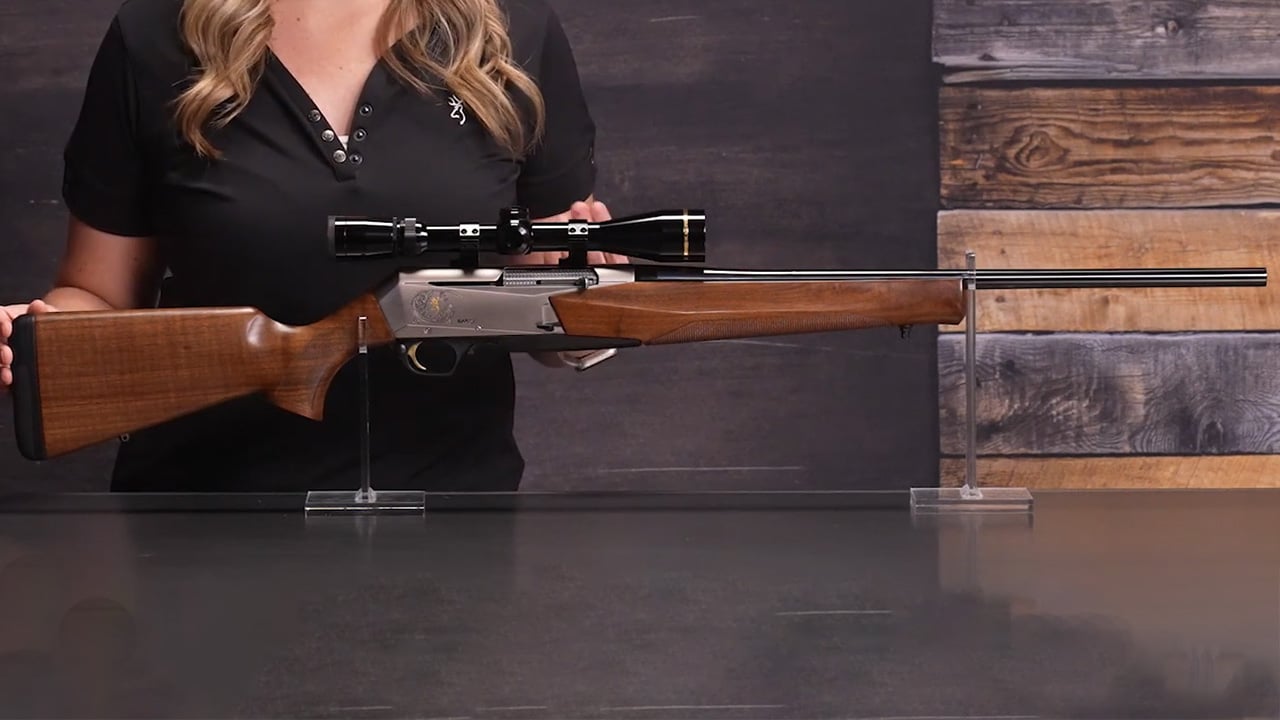
Semi-auto hunting rifles have a place, but they’re not always a great first teacher. The BAR is heavy, long, and awkward for smaller frames in thick timber. A kid ends up fighting the rifle’s balance just to keep the muzzle where it needs to be.
On top of that, semi-autos can hide bad habits if you’re not careful—sloppy follow-through, rushing shots, and not really learning how to run a bolt with intention. Great rifle for the right person. Not my pick for a new youth hunter.
7. Marlin 1895 SBL in .45-70 Government
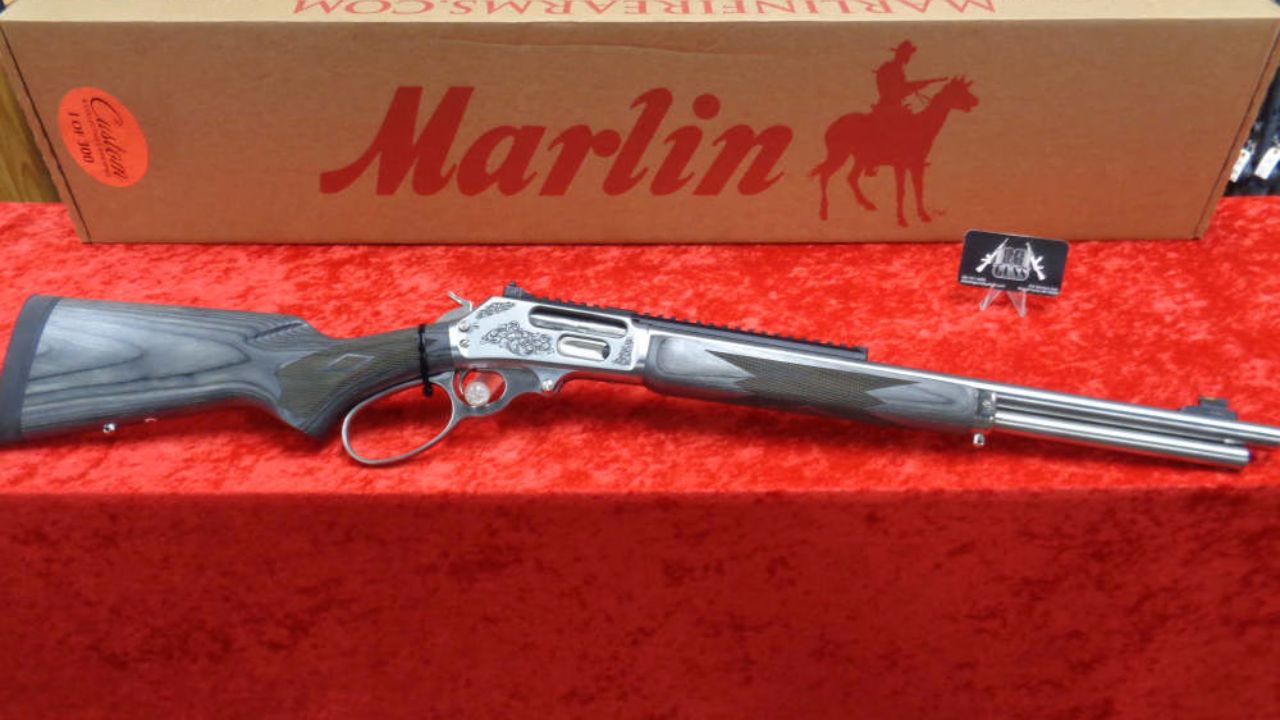
I love a lever gun as much as anybody, and the 1895 SBL is a looker. But .45-70 recoil in a lighter hunting lever gun is not “fun recoil.” It’s a shove that turns into a flinch factory, especially when the kid is shooting factory hunting loads and trying to hold steady.
Add in the cost of ammo and the fact that many kids don’t get enough practice rounds downrange, and you’ve got a recipe for “one box a year” shooting. Ask me how I know.
8. Ruger Mini-14 (older thin-barrel models)

The Mini-14 has its fans, and I get the appeal. It carries easy, it’s handy, and it feels “ranch-ready.” But older thin-barrel Minis can string shots as they heat up, and that turns practice into a confusing mess for a new shooter trying to learn what a good group looks like.
Also, optics mounting and getting a clean cheek weld can be more fiddly than it needs to be. A kid benefits from boring consistency, not a rifle that changes behavior as the barrel warms.
9. Henry Big Boy Steel in .357 Magnum (with heavy hunting loads)

.357 can be a great youth cartridge in the right setup, especially with softer .38 Special practice. The problem is when someone buys a Big Boy, stuffs it with hot hunting loads, and expects it to feel like a .22.
The rifle is also heavy, and some younger hunters struggle with lever manipulation when they’re trying to stay mounted in the shoulder. If you go this route, the ammo choice and practice plan matter more than the brand stamped on the barrel.
10. CZ 600 Lux in 6.5×55 Swedish (full-length stock)
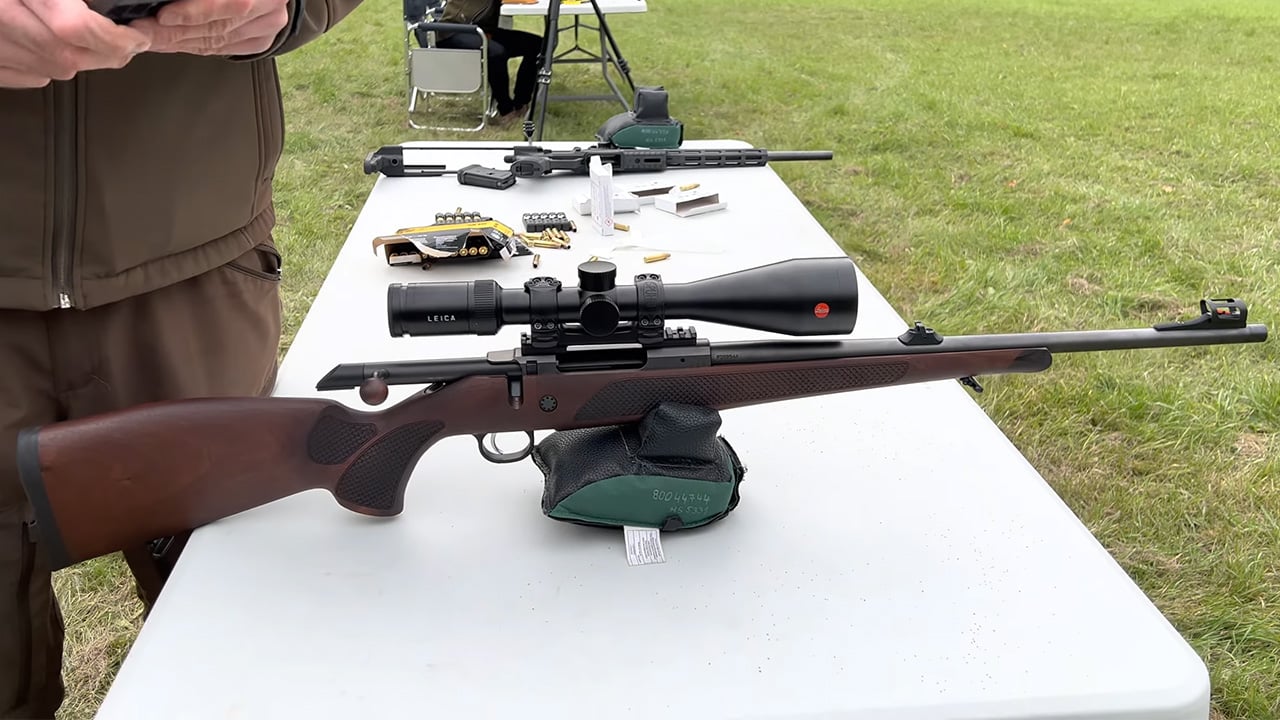
This is a classy rifle and a classic cartridge, but the full-length European-style stock and longer length of pull can be a mismatch for smaller shooters. If they can’t get comfortable behind it, their accuracy won’t be there when the moment comes.
It’s not that 6.5×55 is too much. It’s that fit is everything for young hunters. A rifle that looks perfect on a rack doesn’t mean anything if it doesn’t mount naturally.
11. Tikka T3x Lite in .300 WSM
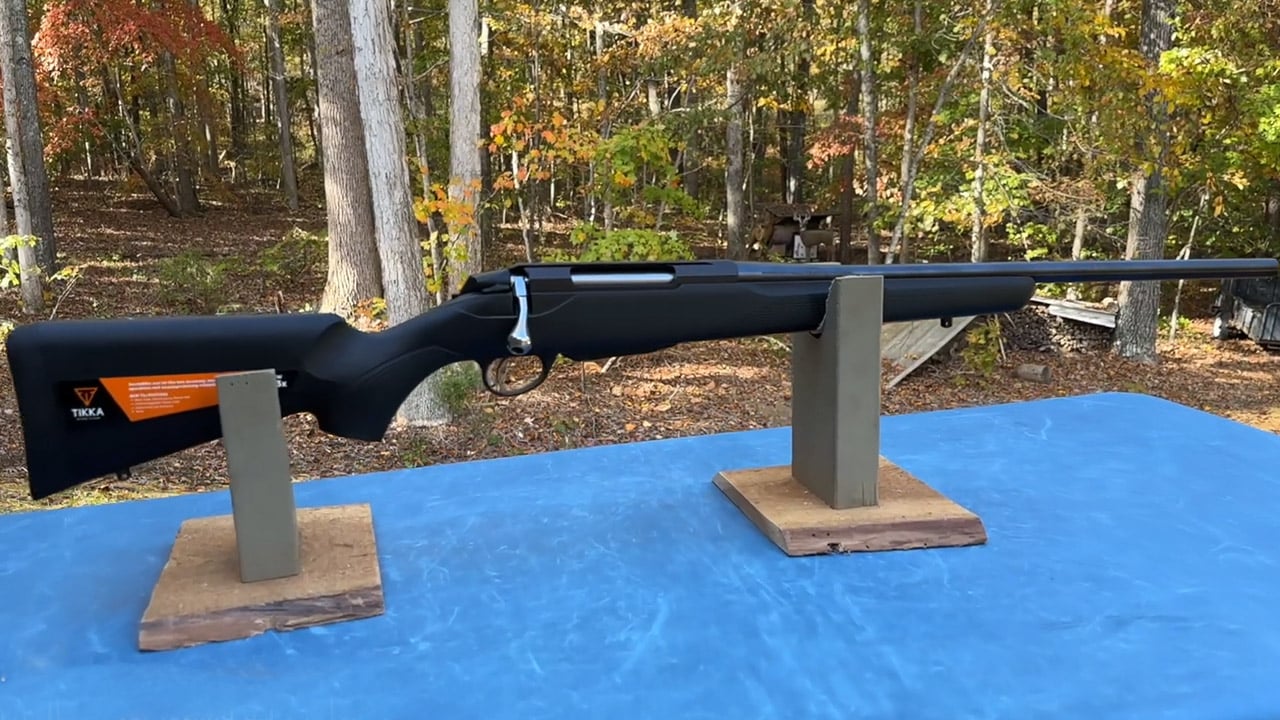
Tikkas run slick. The actions are smooth, they tend to shoot, and they’re easy to like. But the “Lite” part is what bites you when the cartridge selection gets ambitious. A lightweight rifle in a hard-hitting chambering is a shoulder tax a kid doesn’t need.
Plenty of adults buy this setup and then wonder why they don’t practice much. Now picture a 12- or 13-year-old trying to learn trigger control on it.
12. Weatherby Vanguard in .257 Weatherby Magnum
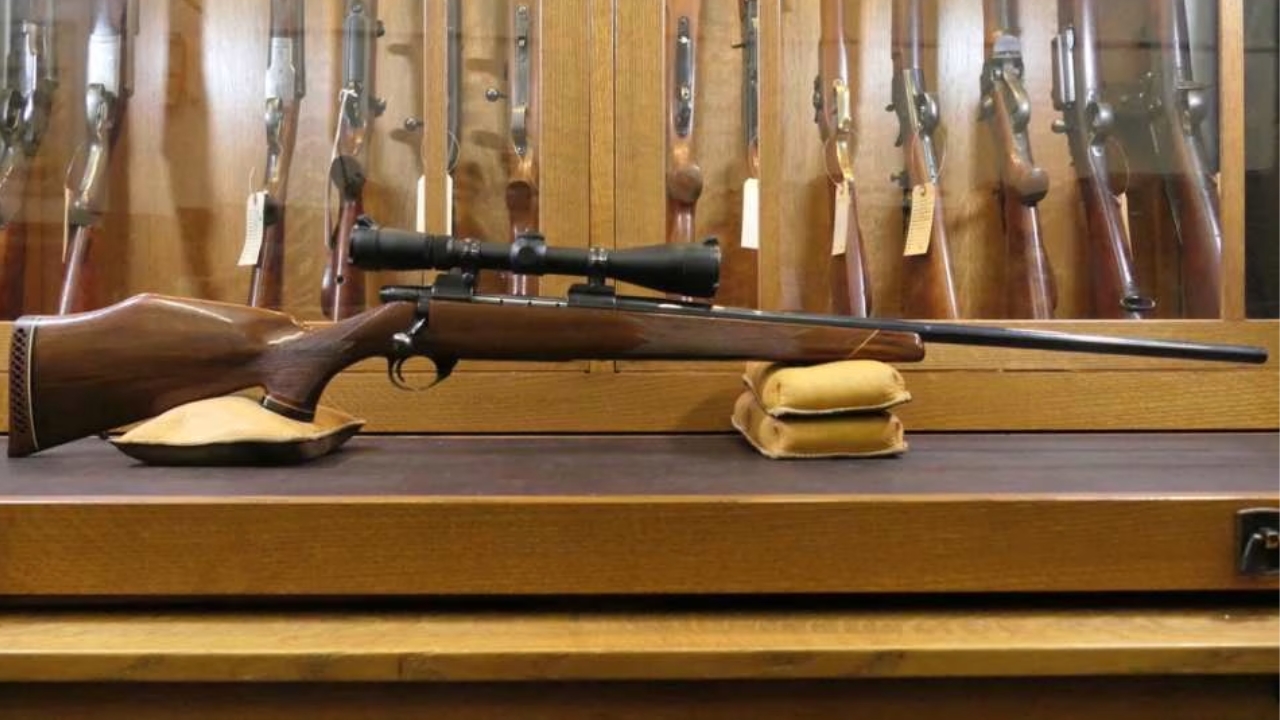
Weatherby cartridges are cool, and they flat-out work, but they’re not friendly to the average youth learning curve. Ammo is expensive, sometimes hard to find locally, and the muzzle blast is real. That means less practice and more “we’ll just sight it in” range days.
The rifle itself is often a bit long and heavy for smaller hunters, too. If you want a kid to be confident, you want reps, not a cartridge that makes every shot feel like it costs ten bucks.
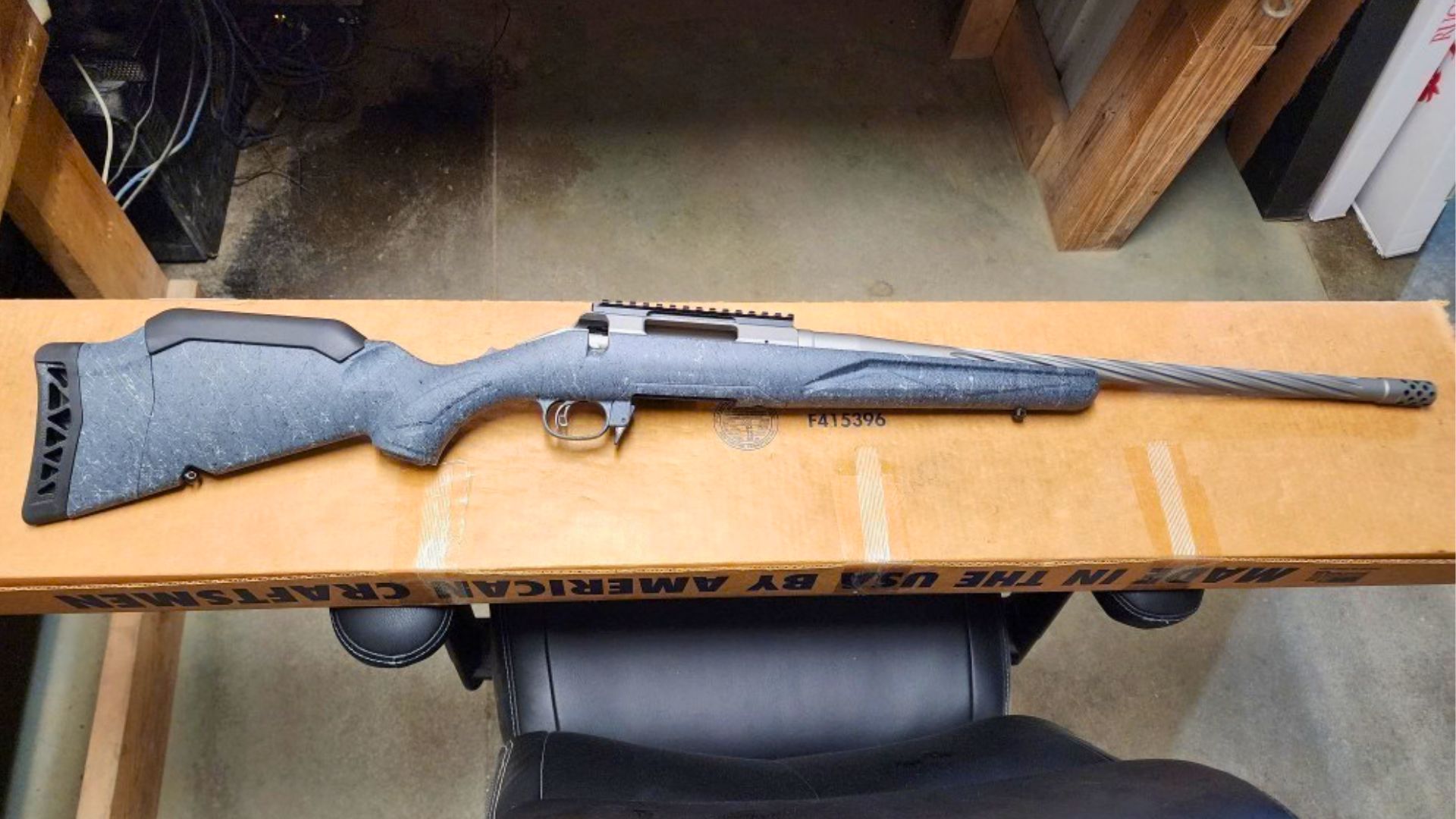
13. Ruger Precision Rifle in 6.5 Creedmoor

This one surprises folks because 6.5 Creedmoor is easy to shoot. But the Ruger Precision Rifle is a lot of gun—heavy, awkward in the woods, and built for prone and bench work. It’s not a “walk a ridge and still-hunt” rifle, especially for a smaller body carrying it all day.
Kids also get wrapped around the axle on “sniper rifle” vibes, and it can distract from hunting basics like safe carry, quick mounting, and making a clean shot from field positions.
14. Springfield Armory M1A Standard
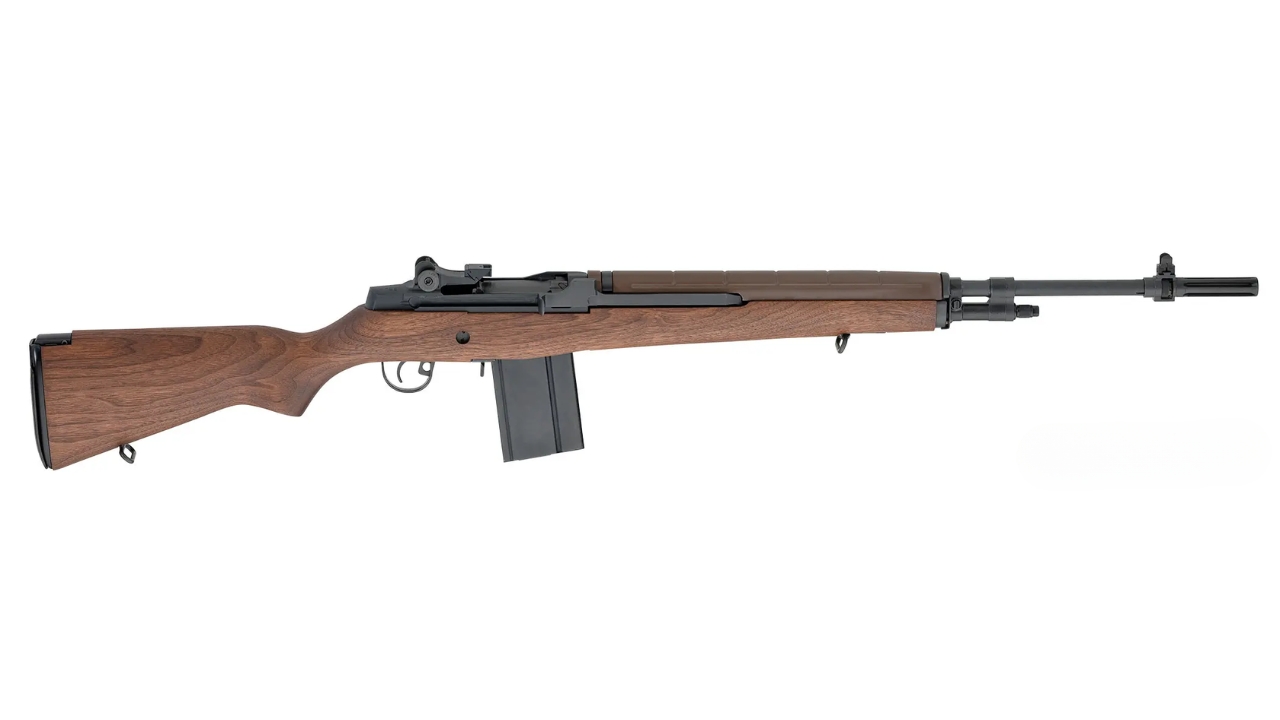
The M1A is fun, but it’s not a beginner hunting tool. It’s heavy, it’s long, and it’s chambered in .308 with an action that encourages quick follow-up shooting instead of slow, deliberate fundamentals. You also have magazine logistics and a different manual of arms than a simple bolt gun.
For a kid, weight and balance matter. A rifle that feels like a boat anchor by lunchtime is a rifle that gets pointed at the ground and dragged around, and that’s where safety habits can slip.
15. Ruger No. 1 in .270 Winchester
Single-shots can teach patience, and I respect that. The Ruger No. 1 is also gorgeous. But it’s a specialized rifle with a different feel and different handling than what most kids will see everywhere else. Add the fact that it’s often a “nice rifle” that adults are nervous about, and you get a weird learning environment.
Also, learning to manage a single-shot under pressure isn’t always the best first lesson. A kid needs confidence first, not a complicated “make it count or you’re done” feeling.
16. H&R Handi-Rifle in .243 Winchester (older examples with rough triggers)
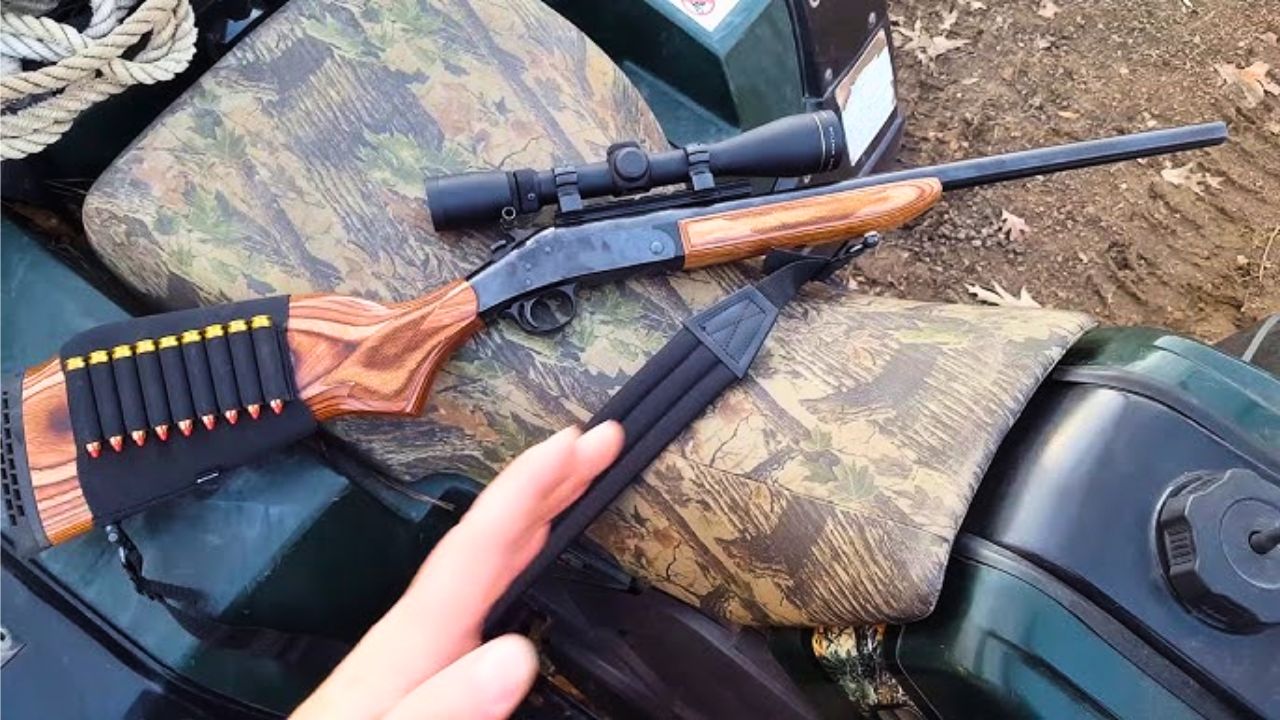
I’m not here to bash the Handi-Rifle. They’ve filled a lot of freezers. But I’ve also handled plenty with stiff, gritty triggers and iffy lockup feel, and that’s a hard way to learn to shoot well. A young hunter doesn’t need to fight the trigger just to break a clean shot.
When they start yanking because the pull is heavy, their groups open up, then the adults start chasing the scope and blaming the kid. That one hurts because it’s preventable.
17. Remington Model 742/7400 Woodsmaster in .30-06 Springfield
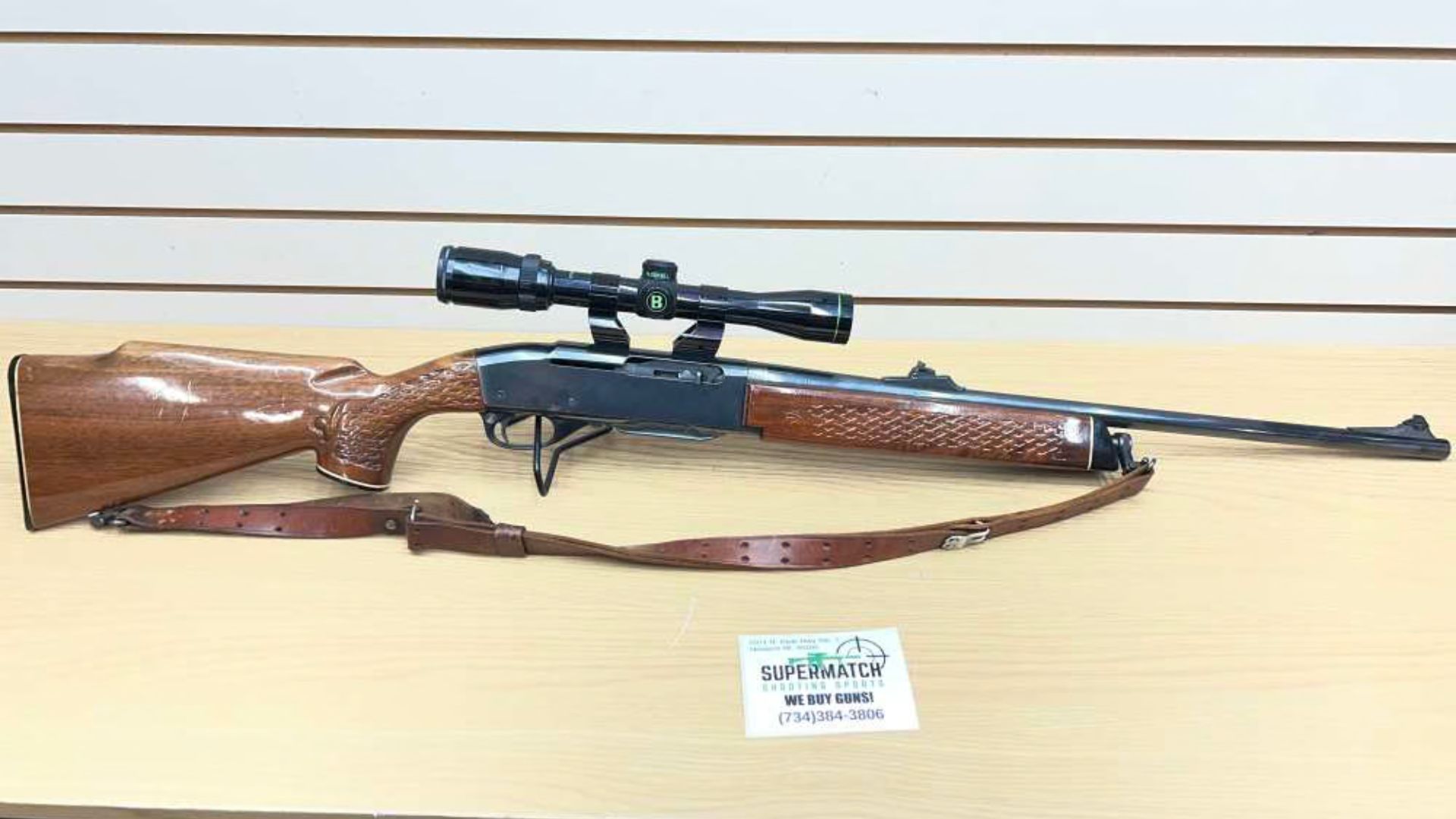
These rifles have history, and when they run, they run. But they’re also known for wear issues over time, and many of them out there have had a rough life. A youth hunter doesn’t need to be the test pilot for an older semi-auto with an unknown maintenance record.
If it jams, it rattles confidence. If it doubles down on recoil and noise, it builds bad habits. There are better “first deer rifle” options that don’t come with a mystery box of parts wear.
18. Ruger 77/22 in .22 WMR (as the only “hunting rifle”)
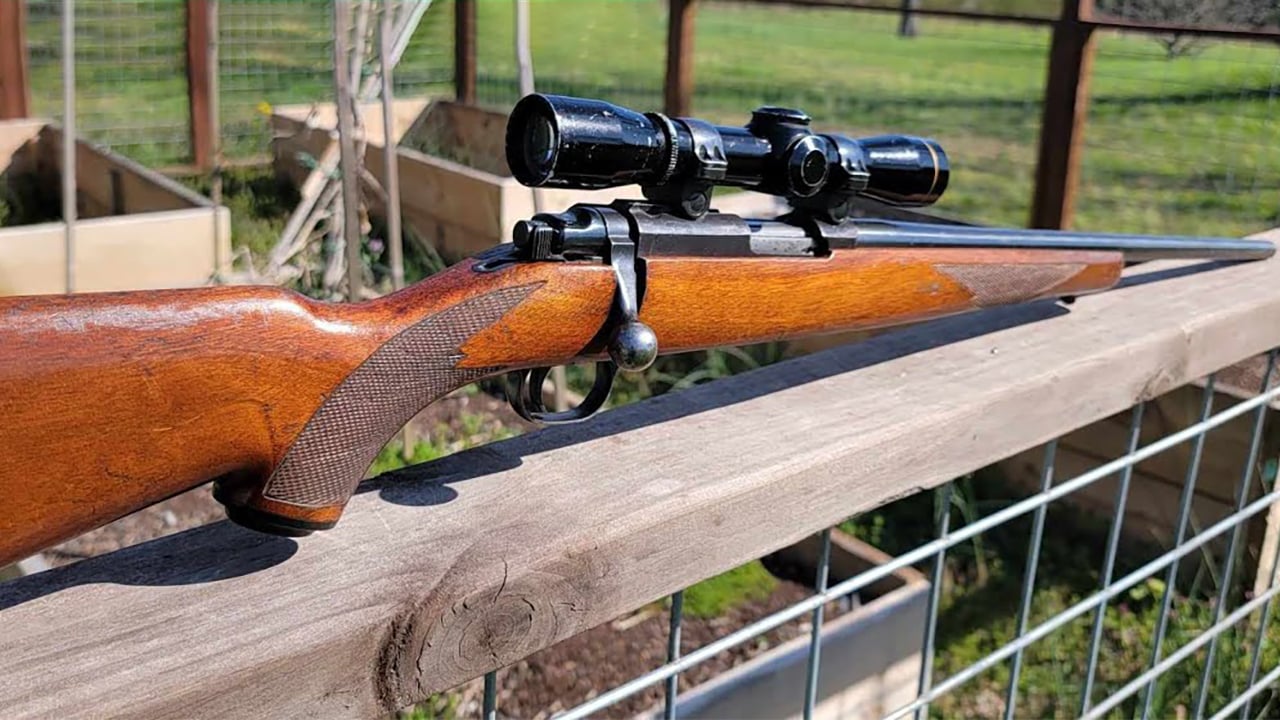
.22 Magnum is handy, and the 77/22 is a neat little rifle. The issue is when adults treat it like a do-everything beginner hunting gun. For small game and varmints, sure. For deer-sized game where it’s not legal or not ethical, it puts a kid in a bad position.
You want your young hunter learning clean shot placement on appropriate game with an appropriate cartridge. Don’t make them carry a rifle that invites the wrong decision when a big-bodied animal steps out.
19. Kel-Tec SU-16 (inconsistent ergonomics and durability over time)
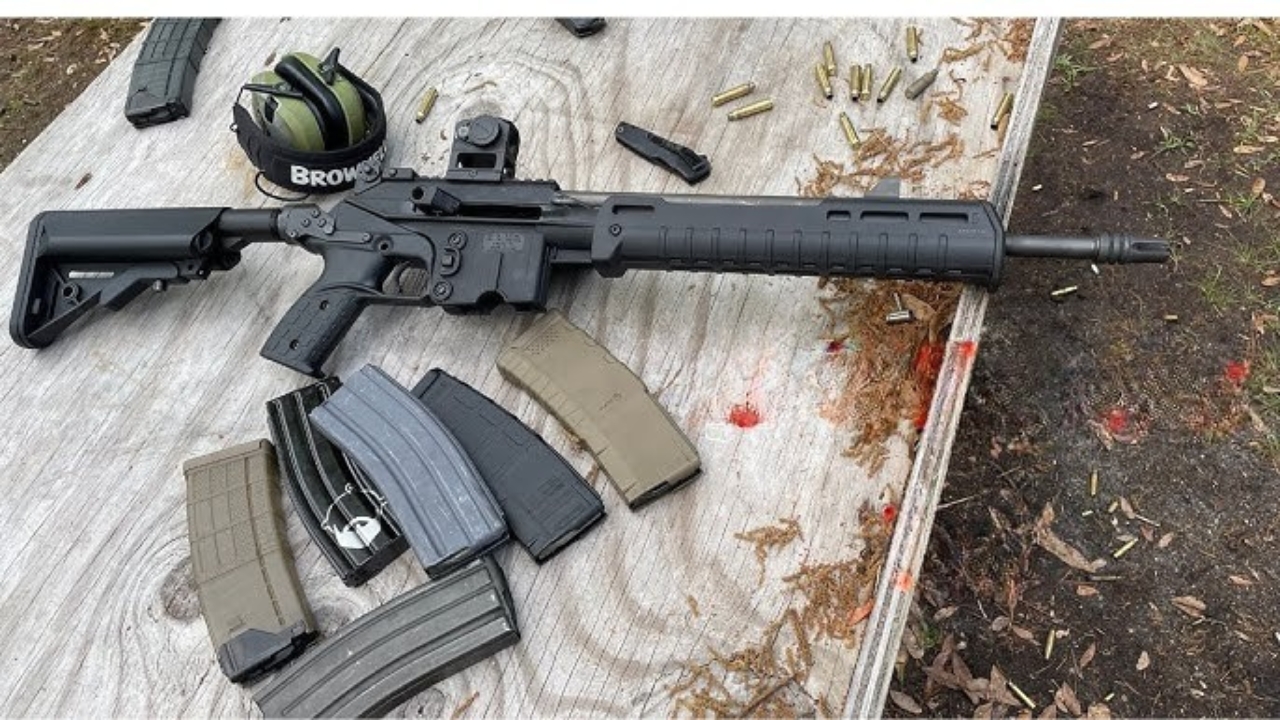
The SU-16 is light and interesting, and the “folding, packable rifle” idea catches attention. But for younger hunters, the feel can be awkward, the sights/optic setups vary, and the long-term durability track record isn’t what I’d call confidence-inspiring compared to more traditional options.
When a kid is learning, boring is good. A straightforward bolt gun or a proven carbine does more for them than a gimmick that feels different every time they shoulder it.
20. Mosin-Nagant 91/30 in 7.62x54R
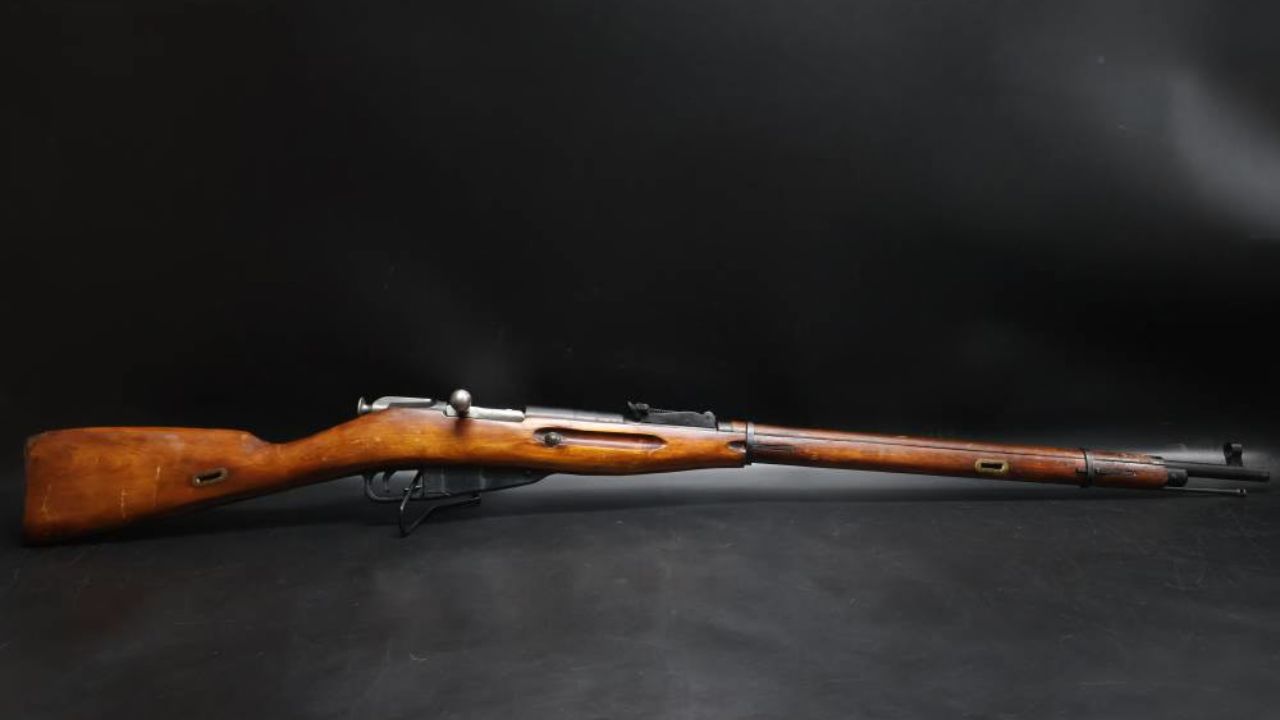
This one gets bought because it’s cheap and “historic,” and then it gets handed to a kid because it’s in the safe. Long rifle, hard steel buttplate, heavy trigger, and recoil that feels like it’s coming through a two-by-four. It can turn a range day into a punishment.
On top of that, the safety is awkward, the bolt can be sticky, and surplus ammo brings its own headaches. A young hunter doesn’t need to wrestle a relic just to learn how to shoot.
If you want a young hunter to stick with it, give them something that fits, doesn’t rattle their teeth, and rewards good fundamentals. You can always hand down the hard-kickers and the “cool” rifles later, after they’ve got confidence and reps behind them. The first rifle should feel like an invitation, not a dare.
Like The Avid Outdoorsman’s content? Be sure to follow us.
Here’s more from us: