
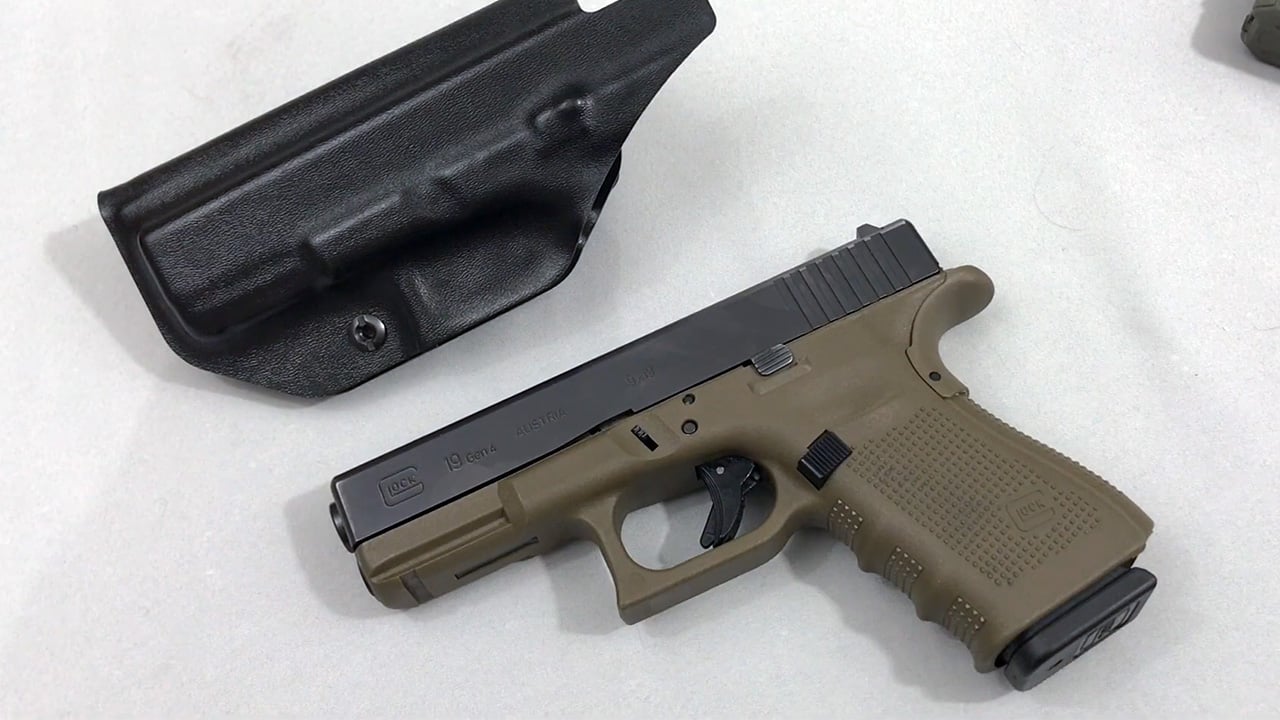
Photo credit: Red Dot Shooters/Youtube
Anybody who’s been around guns long enough has a “should’ve bought two” story. Sometimes it’s because the price doubled. Sometimes it’s because the model got changed, watered down, or discontinued. And sometimes it’s just because one good rifle or pistol turns into the one everybody in the family wants to borrow the week before deer season.
This isn’t about safe-queen collecting. It’s about the guns that earned trust in the field or on the range, then got hard to replace when you finally figured out what you had.
1. Marlin 336 (JM-stamped)
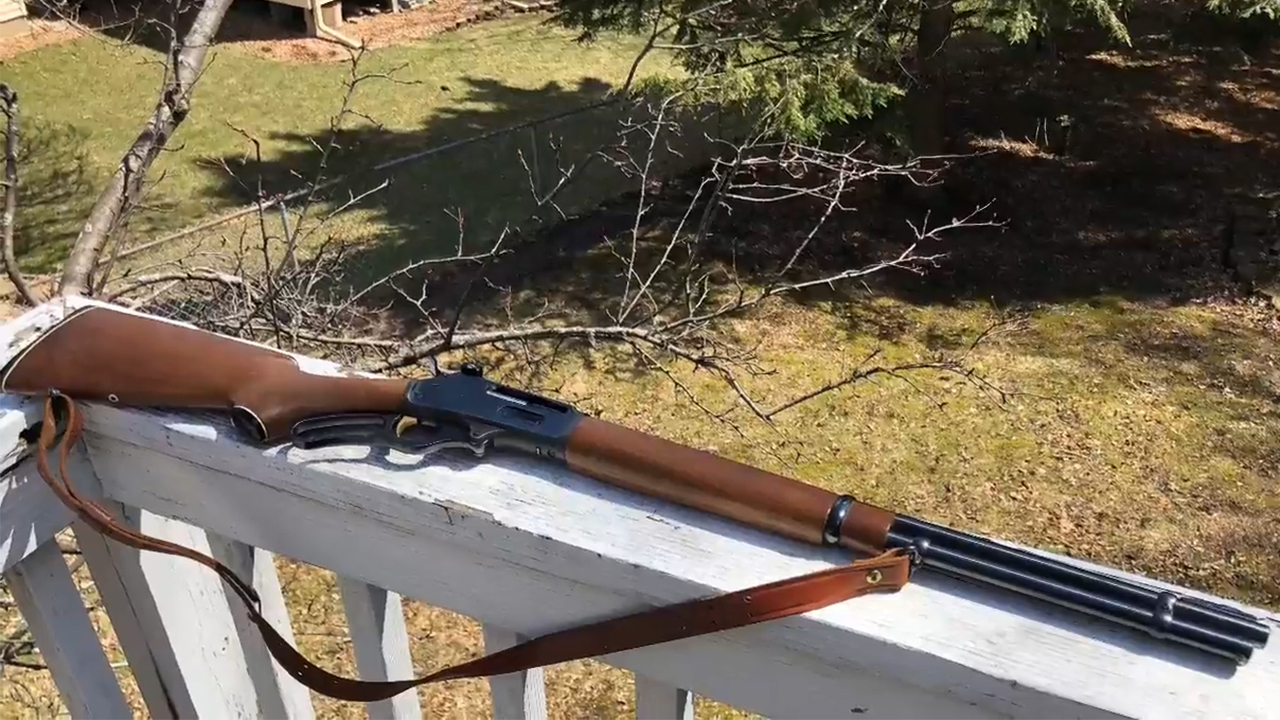
The older JM-marked 336 rifles are the kind you buy on a whim at a small gun counter and then spend the next decade quietly appreciating. They carry easy, point fast, and they’ve put a mountain of venison in freezers with plain old iron sights.
The regret hits when you go looking for another and realize the “good ones” aren’t cheap anymore. If you hunt thick timber or like a truck rifle that doesn’t snag and doesn’t quit, having a spare saves you from babying the one you trust.
2. Ruger 10/22 (older walnut-stock carbines)

A 10/22 is the definition of useful: squirrels, steel plates, teaching kids, and burning up a brick of .22 on a Saturday. The older, simple carbines with a decent trigger feel and basic sights just work.
When everyone in camp wants to shoot “the fun gun,” one rifle turns into a bottleneck. Two means you can keep one set up with irons and one with a scope, and you’re not swapping optics or re-zeroing before small game season.
3. Glock 19 (Gen 3/Gen 4)

Plenty of pistols are nice, but the Glock 19 is the one that tends to be boringly dependable across a lot of ammo and a lot of users. It’s small enough to carry, big enough to shoot well, and common enough that mags and holsters are everywhere.
The “buy two” logic is simple: one for carry, one for training. When a pistol is your baseline, having a second that’s set up the same keeps you from changing your system every time you wear something different or run a class.
4. Remington 870 Wingmaster
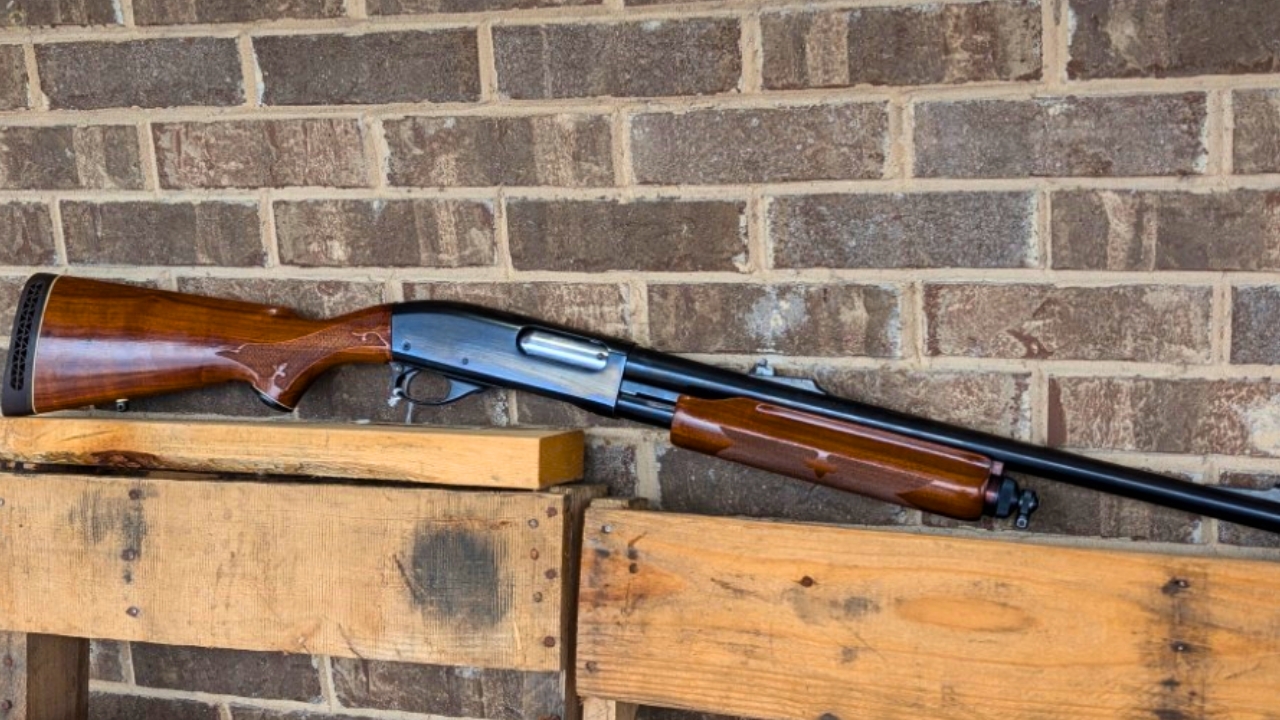
The older Wingmasters have a feel that’s hard to fake—slick action, good bluing, and wood that looks like somebody cared. They’re the kind of pump gun that gets handed down and still cycles like it’s been polished by years of use.
Once you’ve got one that runs every bird load and buckshot you feed it, you don’t want to be hunting for another in a panic. A second 870 also lets you keep one set up for upland with a longer barrel and another shorter for the house or the truck, without turning screws every season.
5. CZ 452 / CZ 455 rimfire
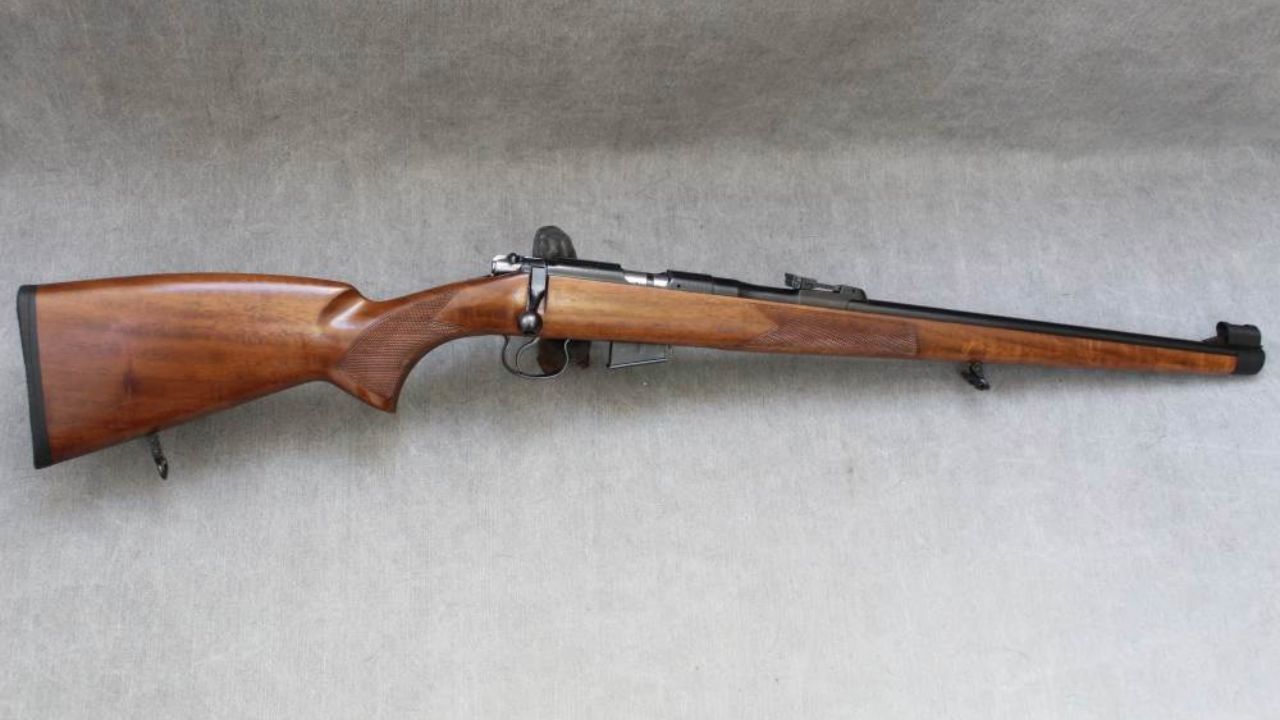
These CZ rimfires earned their reputation the honest way: accurate, well-made, and not fussy. They’re the .22s that make you look like a better shot than you are, and they’re steady enough for head shots on squirrels when the woods go quiet.
As prices climbed and models shifted, folks realized they should’ve grabbed a second when they were sitting on the rack. Two rimfires means one can live as a scoped small-game rifle and the other can stay as a trainer with irons, ready for whoever shows up at the farm.
6. Winchester Model 70 (pre-64)
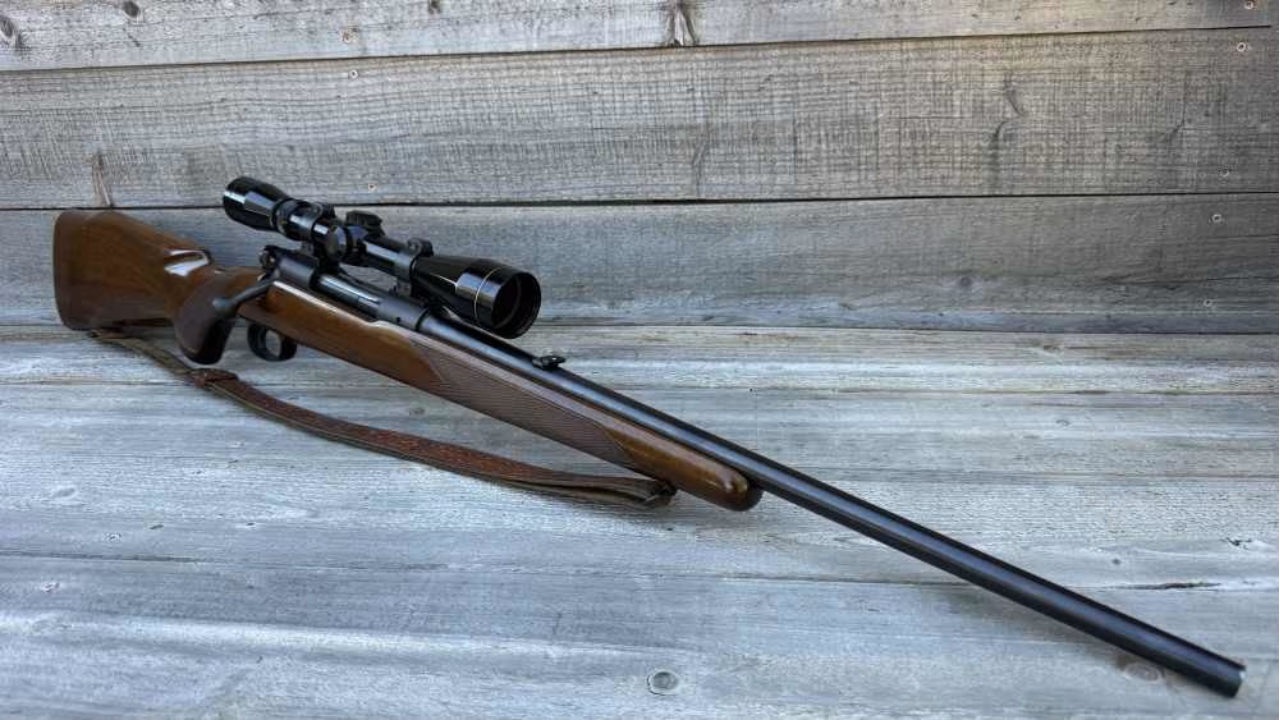
Pre-64 Model 70s are a classic for a reason. The controlled-round feed, the balance, and the way they carry in the hand makes them feel like a hunting rifle, not just a tool.
They also don’t get cheaper, and they don’t get more common with time. A second one in a different caliber—say, a flatter deer round and a heavier elk round—keeps you in the same familiar platform without settling for whatever you can find last minute.
7. Ruger GP100 (4-inch)
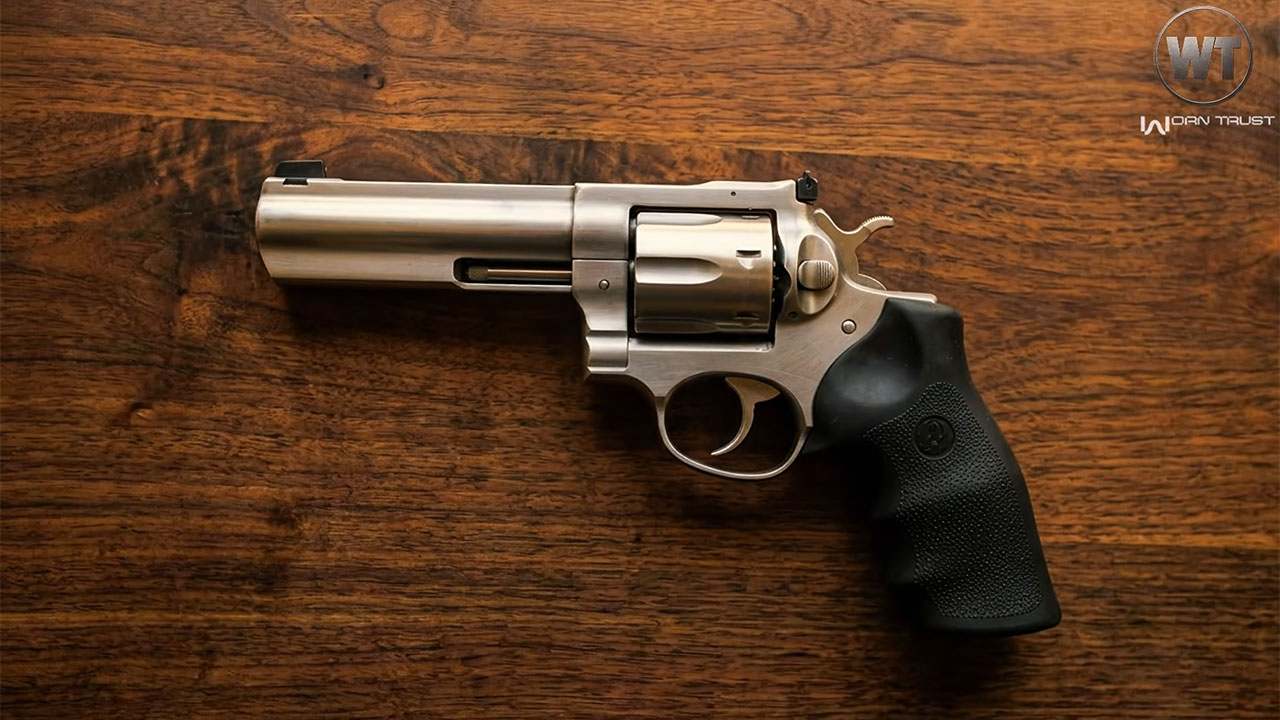
The GP100 is one of those revolvers that’s not dainty, but it’s hard to wear out. It’s a working .357 that can live in a nightstand, a tackle bag, or a chest rig in bear country and still lock up tight.
People who shoot them regularly figure out the value of having two: one that stays stock and one you don’t mind holster-wearing, scuffing, and putting a mountain of .38s through. When you’ve got a revolver that’s proven, you stop shopping and start shooting.
8. Smith & Wesson Model 686 (no-lock era)

The 686 has probably ended more range debates than any other .357 because it’s accurate and forgiving. The older, no-lock guns have a following for a reason, especially among folks who like a clean, consistent double-action pull.
The consequence of waiting is paying collector prices for what used to be “just a good revolver.” If you ever plan to hunt with a .357, keep one for the woods and another for range work, because a steady diet of full-power loads will tell the truth about your maintenance habits.
9. Colt Python (older production)
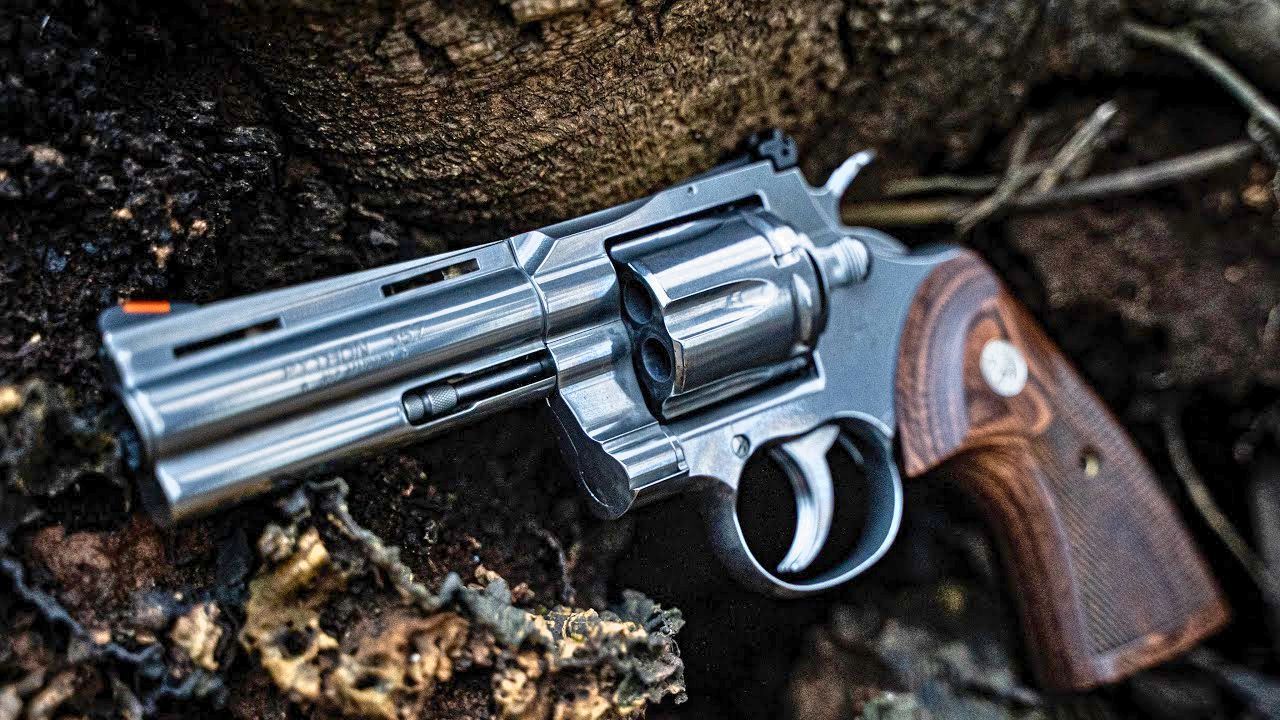
Python regret usually starts with, “I held one back when they were still just expensive,” and ends with sticker shock years later. They’re smooth, they’re pretty, and they occupy that space between shooter and heirloom.
A second one makes sense because the first often turns into the one you don’t want to ding up. If you like shooting a Python, you eventually want one that can wear a little honest holster wear without you losing sleep over every scratch.
10. Browning A-5 (Belgian or early Japanese)

The humpback Auto-5 has a way of sticking around in families because it flat-out works. Recoil-operated, simple in concept, and it has that old-school balance that makes wingshooting feel natural.
When you find one that fits you, you stop thinking about the newest semi-auto and start thinking about spare parts and a second gun for your kid or hunting buddy. The practical benefit is having another A-5 ready when the weather turns nasty and you’d rather not baby the nicer one.
11. Ruger M77 (tang safety models)

Tang safety Ruger M77s are one of those “they don’t build them like that anymore” rifles that still show up in deer camps for a reason. They’re strong, they’re simple, and they’re the kind of rifle you can carry all day without feeling like you’re babysitting it.
Once they’re gone, you’ll wish you had a second in a different caliber or a spare for a son or daughter who ends up hunting with you. The consequence is scrambling for a replacement that feels right when the season’s already close and you’re out of time to test anything new.
12. Remington 700 (older ADL/BDL)
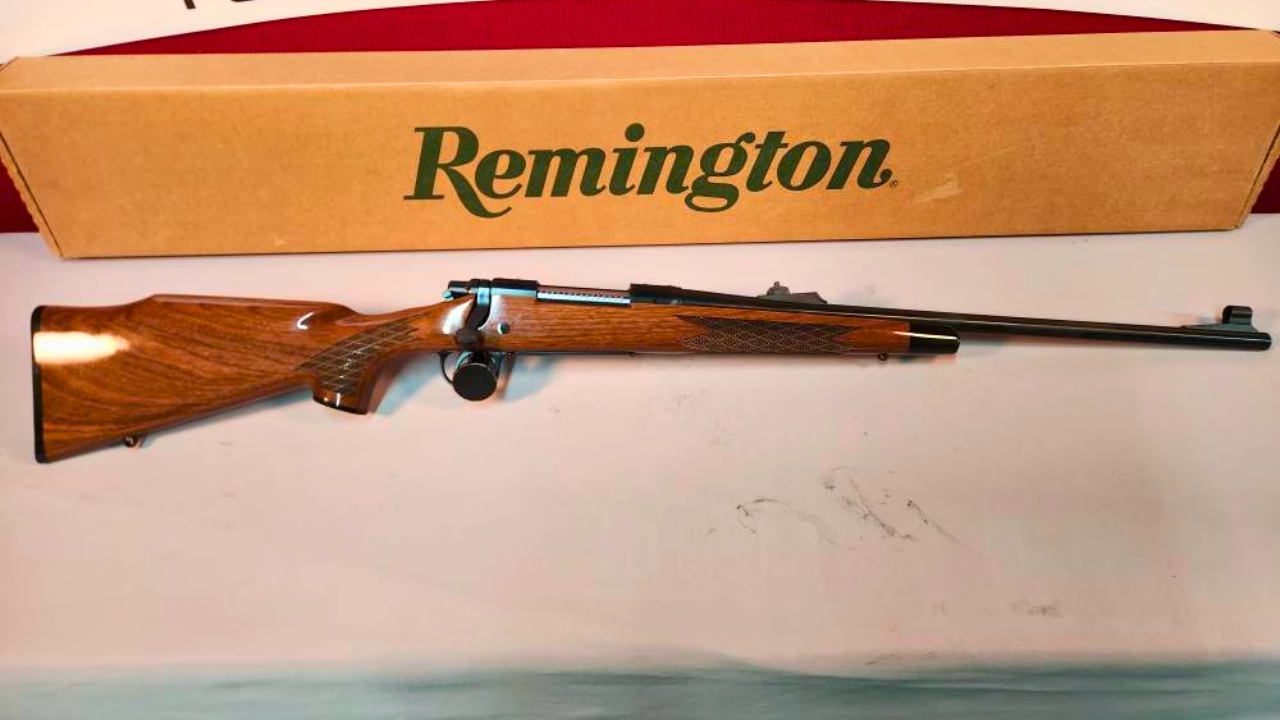
There are a lot of opinions about the Model 700, but plenty of older rifles shoot extremely well with basic hunting ammo. The simple ADL/BDL guns were common, affordable, and easy to scope without turning the rifle into a science project.
The regret usually comes after you sell one that shot lights-out, then discover your next “deal” doesn’t group the same. A second proven 700 means you’ve got a backup for deer season and a platform you already know how to maintain without chasing gremlins.
13. Mossberg 590A1
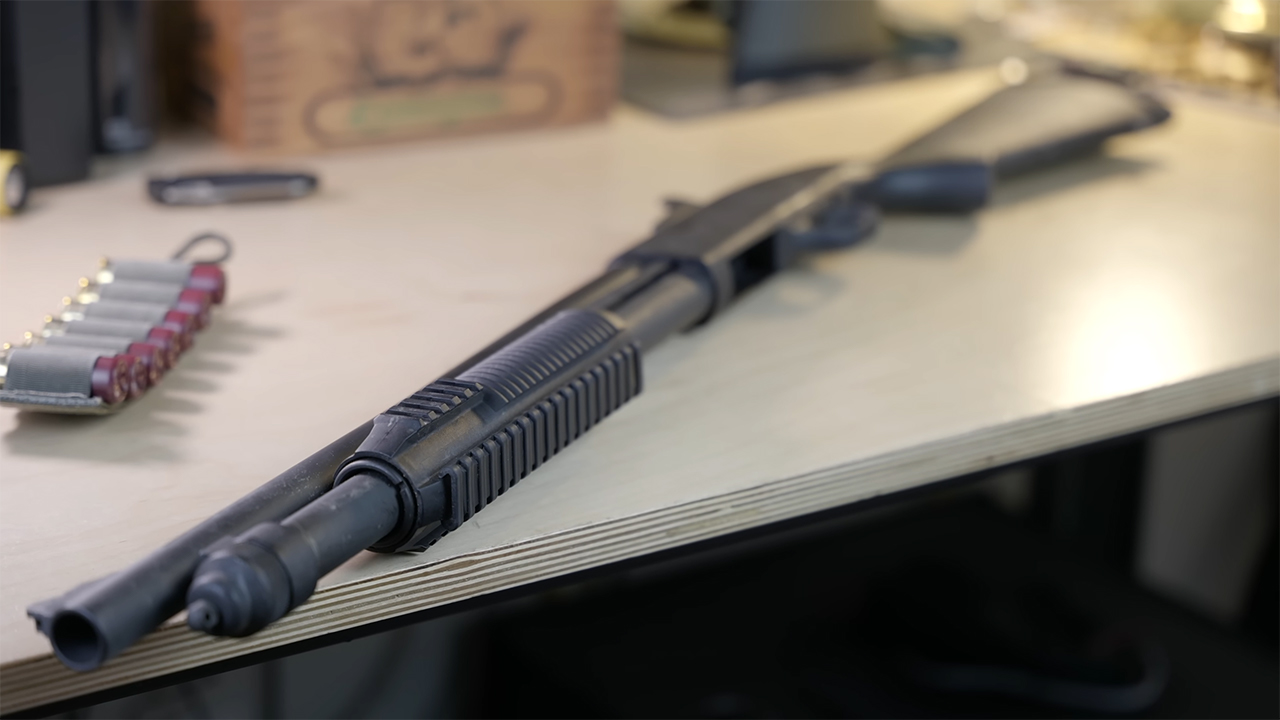
The 590A1 is a pump gun that feels like it was designed to be banged around. It’s not fancy, but it’s tough, simple, and it feeds and ejects like it means it.
People wish they had two because one becomes the dedicated home-defense shotgun and then you hesitate to drag it through duck blinds, mud, and rain. Having a second keeps you from trying to make one shotgun do every job and ending up with compromises you don’t like.
14. Sig Sauer P226 (German or early production)
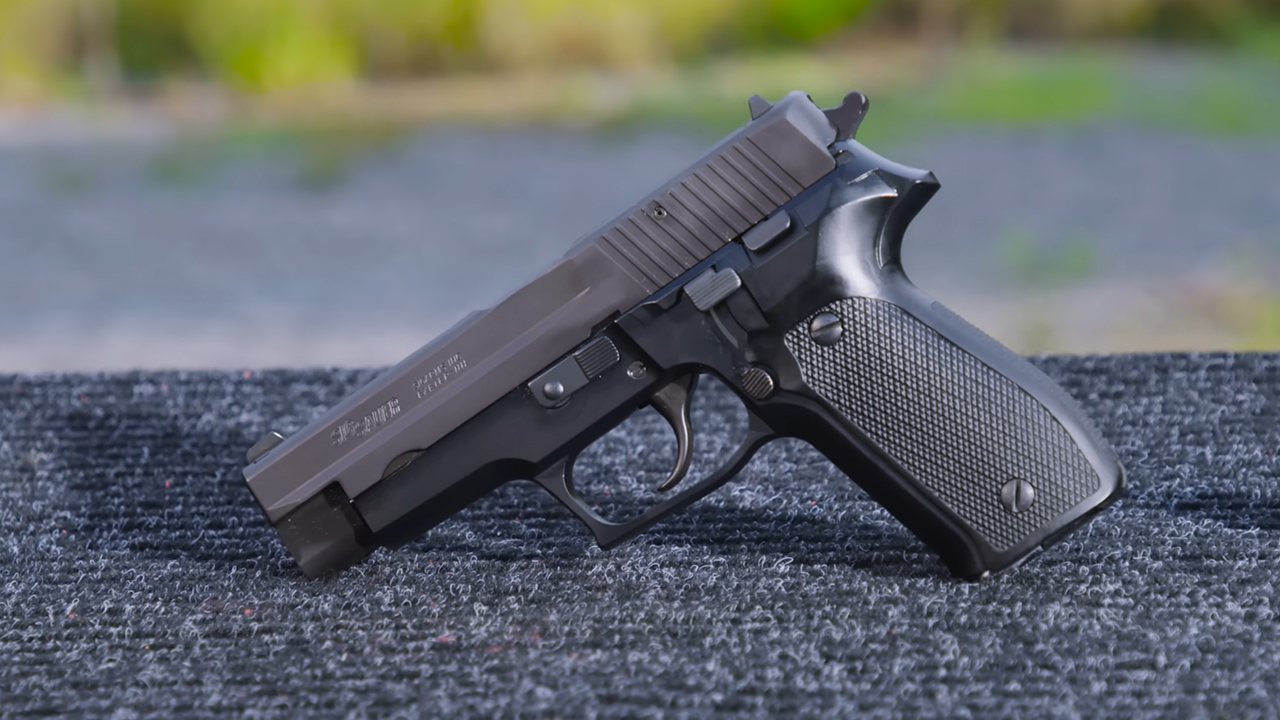
The P226 has a reputation for being a serious pistol without being temperamental. The older guns, in particular, have that solid fit and smooth cycling that makes you trust them with hard use.
When prices jump and availability dips, folks who sold theirs to “try something new” often end up buying back in. Two makes sense if you run DA/SA, because consistency matters; swapping between different trigger systems can turn good practice into sloppy habits.
15. Beretta 92FS / M9

Big grip or not, the Beretta 92 is soft-shooting and easy to run well once you learn it. It’s one of those pistols that will eat a lot of ammo with basic cleaning and keep chugging along.
A second one pays off because magazines and small parts are common, and the platform’s predictable. If you ever do any informal matches or range days with friends, having two identical 92s keeps the day moving instead of turning into “who gets the one that runs best.”
16. Savage 99

The Savage 99 is a lever gun that doesn’t get enough credit until you carry one in real hunting terrain. It points quick like a lever action should, but it also gives you spitzer bullets in cartridges that have knocked down a lot of whitetails.
The problem is they’re not getting easier to find in good shape. When you finally get a solid one, you start thinking about parts, wear, and the fact that a second rifle means you can keep hunting hard without worrying you’re burning up a piece of history.
17. Ruger No. 1
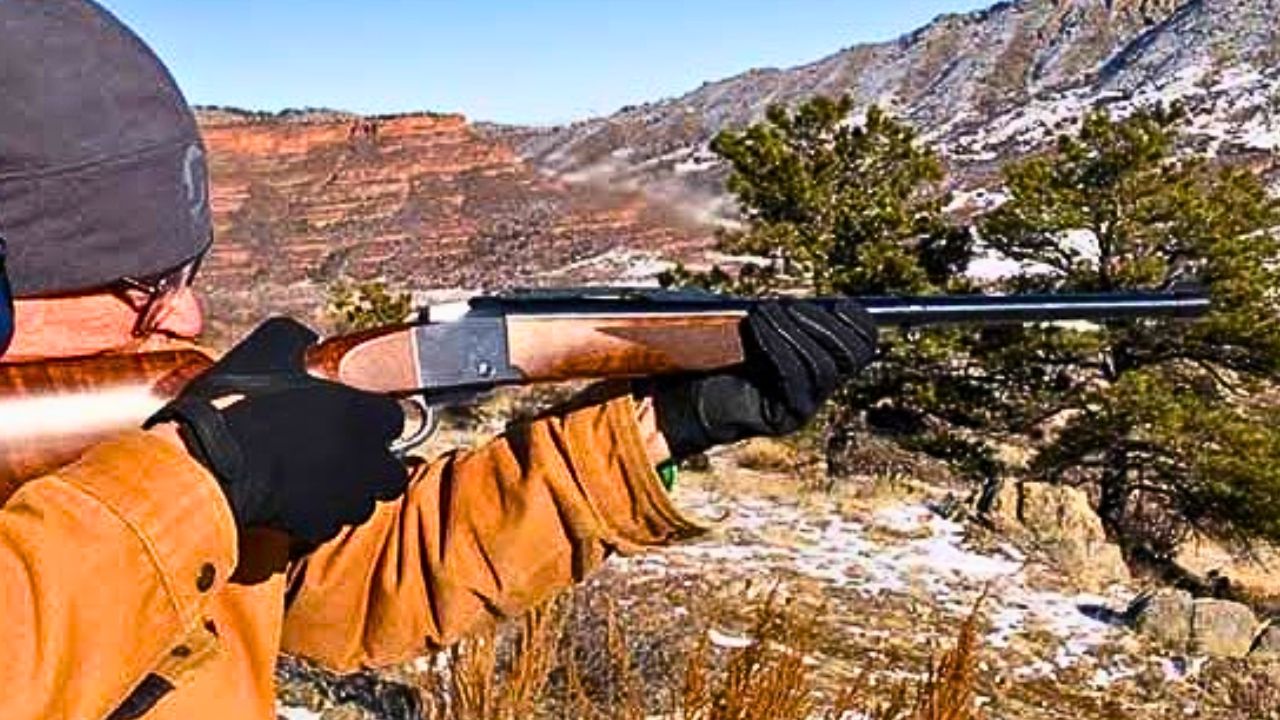
The No. 1 is a single-shot that’s as much about feel as function. It’s compact for its barrel length, it carries well, and it makes you slow down and shoot like you mean it.
Regret comes when you realize certain chamberings dry up, and the one you want isn’t on shelves anymore. Owning two lets you have one set up as a classic deer rifle and another for a heavier hunt, without trying to force one gun into every role.
18. Springfield Armory M1A (older standard models)
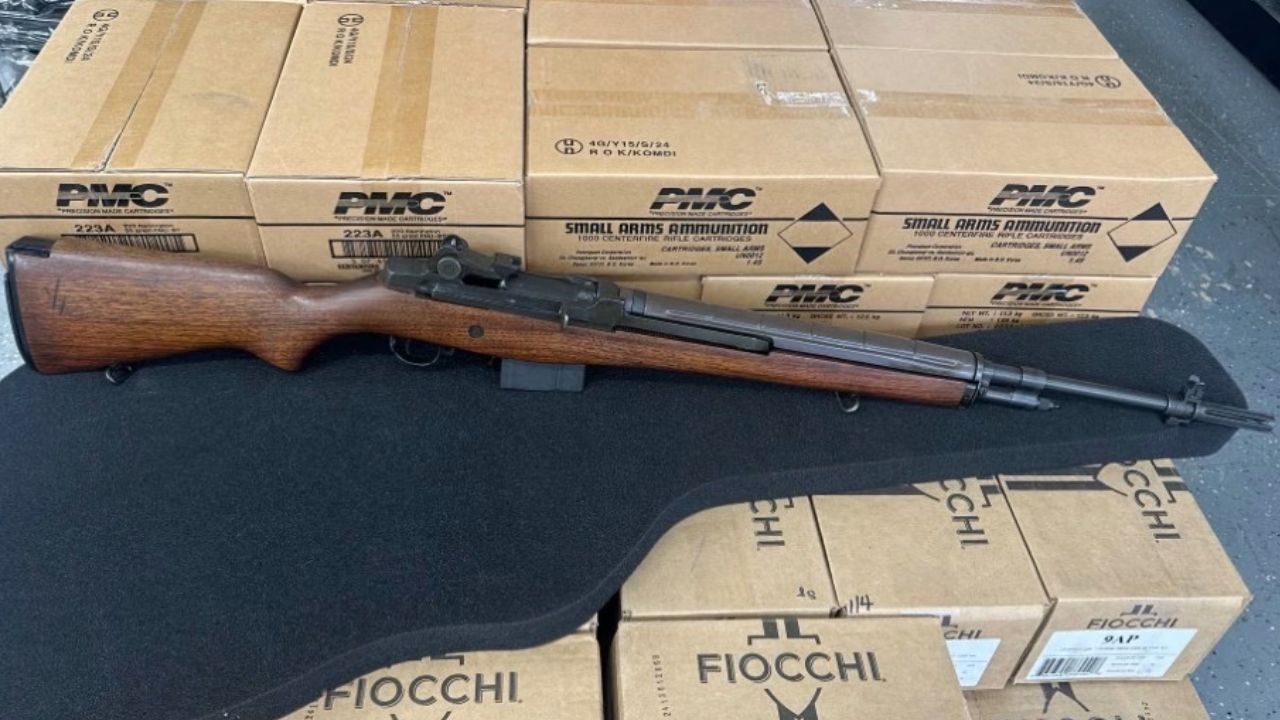
The M1A scratches that traditional .308 battle rifle itch while still being a rifle you can take to the range and enjoy. When you get one that runs right, it’s a satisfying rifle to shoot, especially from field positions.
The “two” argument is about keeping one stock and proven while you experiment with optics or different setups on the other. It also spreads out wear on magazines and parts, and it keeps you from turning your only dependable rifle into an ongoing project.
19. Ruger Mini-14 (stainless ranch rifle)

The Mini-14 has lived in truck seats and behind doors on ranches for decades because it’s handy and uncomplicated. The stainless models, in particular, take weather and neglect better than most folks want to admit.
When you find one that shoots the loads it likes and runs without drama, it becomes a “grab it and go” rifle for coyotes, pest work, and general property use. A second one saves you from reconfiguring the same rifle between a scope and irons, or between a tighter ranch setup and a range-friendly setup.
20. Henry Big Boy .357

A .357 lever gun is one of the most practical, fun guns a person can own, and Henry’s Big Boy tends to win people over with smooth cycling and good looks. It’s a rifle you’ll actually shoot a lot, not just talk about.
The regret hits when you realize it pairs perfectly with a .357 revolver and suddenly you’re burning through ammo and wanting one rifle for the house or the truck and one for hunting and range days. Two also means you can keep one sighted for .38 practice loads and the other for your preferred .357 hunting load without constantly chasing point-of-impact changes.
Most of these regrets aren’t about chasing rare collectibles. They’re about finding a gun that fits your life—your land, your seasons, your hands—and then watching the market move while you hesitate. If you’ve got one firearm you trust and actually use, it’s worth at least asking yourself whether a second one would make your routine simpler, safer, and a whole lot less stressful when something breaks right before opening morning.
Like The Avid Outdoorsman’s content? Be sure to follow us.
Here’s more from us:


