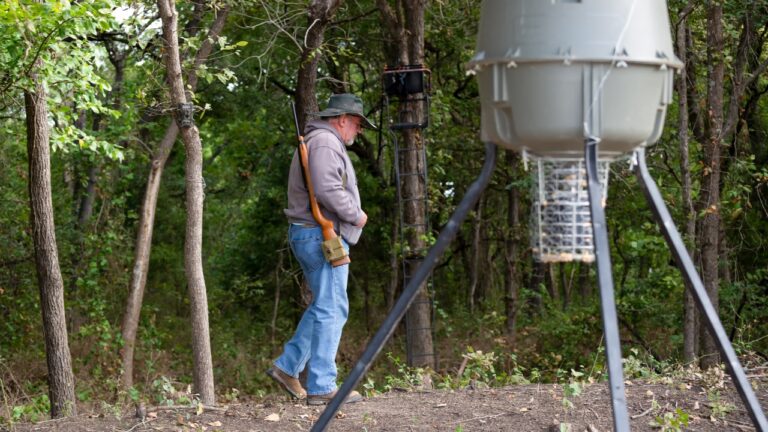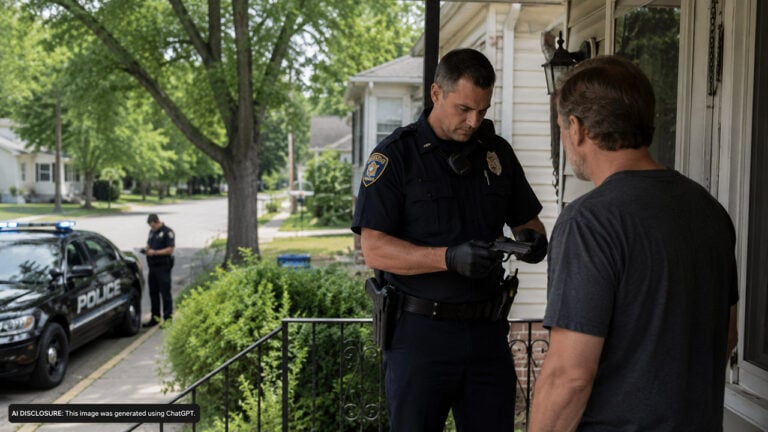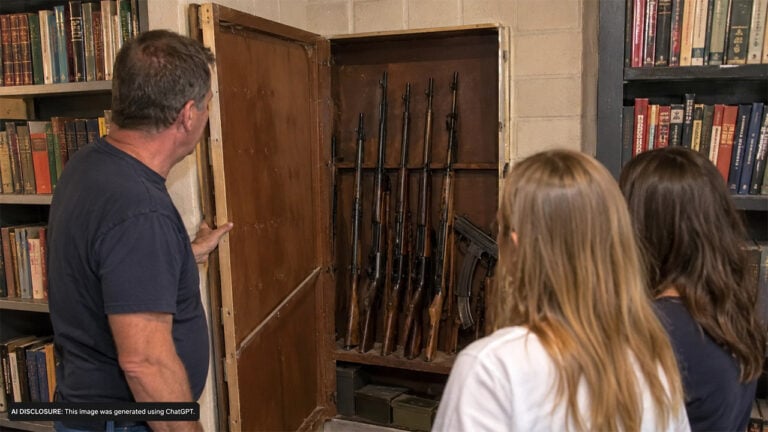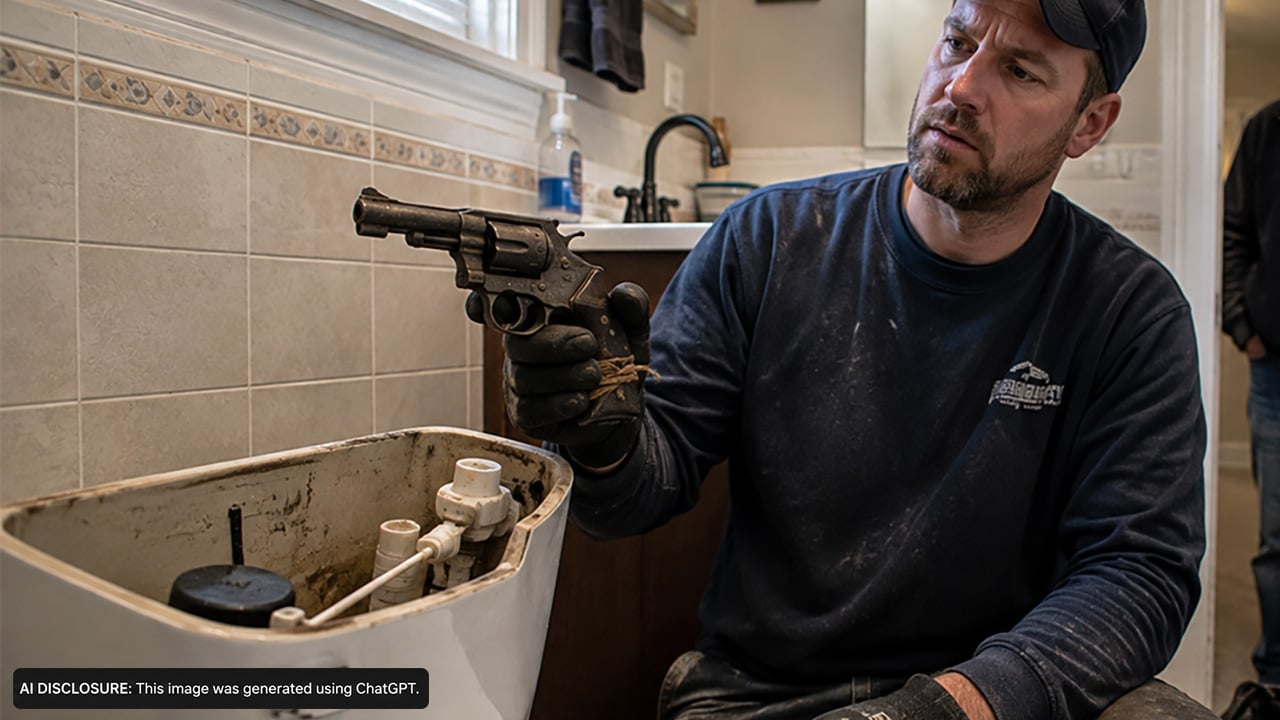
Photo credit: AI-generated image created using ChatGPT. Illustrative only
A plumber doing a routine repair in a New Jersey rental unit didn’t expect to find a revolver tucked away like a bad secret. But inside the toilet tank—wrapped in a damp rag—sat a Colt Police Positive Special, rough from moisture and time. The landlord’s reaction was simple: “get that out of my sight.” So the plumber dropped it in his toolbox, finished the job, and life moved on.
Years later, that forgotten revolver had quietly traveled a strange route—New Jersey to Vermont, then down to Pennsylvania—staying inside one family the whole way. The full backstory comes from the original post, where the grandson, now dabbling in amateur gunsmithing, asked the question plenty of outdoorsmen have wondered at least once: if a gun shows up like this, what’s the right way to handle it?
A bathroom hiding spot that raises all the wrong questions
The gun in question wasn’t found in a junk drawer or a sock box—places where an old revolver might have an innocent explanation. It was hidden in a toilet tank, wrapped up, and left to rot. That kind of stash spot usually means somebody wanted it out of sight fast, whether they were dodging trouble, hiding it from family, or trying to keep it off a record somewhere.
The plumber recognized it for what it was, showed the customer, and got a clear message to remove it. That exchange matters because it’s the closest thing to “permission” the family ever got, but it’s also the moment the story turns from odd to complicated. A customer saying “take it away” isn’t the same thing as a clean transfer through normal channels, and it doesn’t answer the biggest question: was it stolen at some point?
How the Colt ended up crossing four states with one family
After the job, the revolver went into a toolbox and was forgotten. The grandfather eventually retired and moved to Vermont to build a farm, with the old plumbing tools stored up in a barn’s hay loft. That’s the kind of rural detail that’ll sound familiar to anyone who’s ever had “temporary storage” turn into a decade-long time capsule.
The gun resurfaced when kids were playing up in that hay loft. The grandfather remembered the revolver and—not wanting curious hands to find it—asked his son to take it. That son, the poster’s father, brought it back home to Pennsylvania, where it’s apparently been sitting ever since. So the revolver’s path went New Jersey to Vermont to Pennsylvania, and now it may be handed down again within the same family.
The real issue isn’t the rust—it’s the paper trail
The grandson said he’s getting into amateur gunsmithing and thought restoring the old Colt could be a fun project. That makes sense. A Colt Police Positive Special is a classic style of revolver, and for a hobbyist, there’s something satisfying about bringing an old working gun back from the dead—especially one with a strange story.
But the “fun project” part runs headlong into the reality that guns aren’t just hunks of steel. This one was found under questionable circumstances, and it was moved across state lines without any formal transfer. The poster specifically noted he believes New Jersey registers pistols, while Pennsylvania generally doesn’t in the same way, and that mismatch is exactly where folks get themselves jammed up—sometimes without any bad intentions at all.
What the family seemed most worried about
This wasn’t written like somebody trying to be slick. The father was reportedly willing to surrender the gun if it turned out to be stolen, but the family didn’t know how they’d even find that out. The grandfather and the landlord from the original job are both likely long gone, and the revolver may have been found back in the 1970s or 1980s.
That time gap is important. After decades, you’re not just dealing with “is it mine?” You’re dealing with “who could even prove what now?” Outdoorsmen run into similar gray areas with property lines, inherited gear, and old farm finds. But firearms are one category where guessing wrong can have consequences that aren’t worth it.
What other gun owners tended to focus on
Even without a full comment thread included, you can tell where the discussion usually goes when a story like this gets told among gun folks. It’s less about the brand and more about the process: whether it can be checked to see if it’s reported stolen, whether taking it to the wrong place creates problems, and whether a legal transfer is required now that it’s being offered to another family member.
The practical-minded angle is this: if you want to keep it, you want to get on the right side of the law before you ever start treating it like a restoration project. That means thinking about safe handling and storage first, and then figuring out what your state requires for a transfer—especially when the gun’s history includes multiple moves and an origin story that started inside a toilet tank.
A common-sense way to look at it from here
If a firearm’s past is murky, the smartest move is to slow down. Treat it as loaded until you’ve confirmed otherwise, keep it stored safely, and don’t start work on it just because it looks like a neat project. With an old revolver that’s been wet and neglected, there are also real safety concerns about corrosion, weakened springs, and parts that don’t behave like they should.
The bigger point, though, is that “found gun” stories don’t stay campfire stories when you start moving toward ownership, transport, and repair. This family’s Colt has already lived a long life—New Jersey to Vermont to Pennsylvania—and now it’s at the point where a new owner wants to make it shootable again. That’s exactly when doing things the clean, documented way matters most, even if it’s less exciting than the mystery that started it all.
Like The Avid Outdoorsman’s content? Subscribe to our newsletter so you never miss an article.
Here’s more from us: