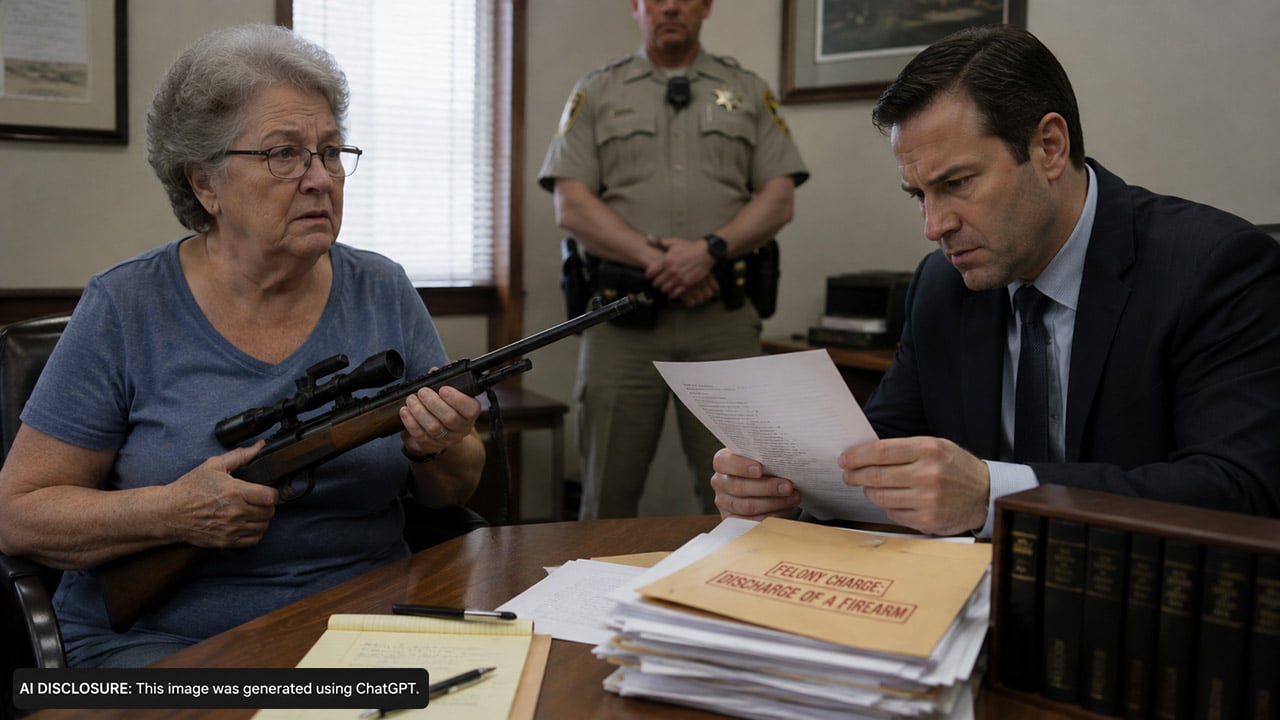
Photo credit: AI-generated image created using ChatGPT. Illustrative only
A neighbor hears what sounds like a rifle in a Mississippi neighborhood, makes a call, and suddenly a grandmother is sitting on a felony charge. That’s the kind of situation that makes every law-abiding gun owner stop and take a hard look at how quickly things can get sideways when “gunfire” gets reported inside city limits.
In the original post, a family described how their mother-in-law in Ridgeland, Mississippi, was arrested and charged with “discharging a firearm in the city limits” after police responded to a neighbor’s complaint. The twist: the “rifle” police seized was a .22 Benjamin pellet rifle—an air rifle—not a firearm in the usual sense most of us mean when we say the word.
How an air rifle turned into a felony arrest
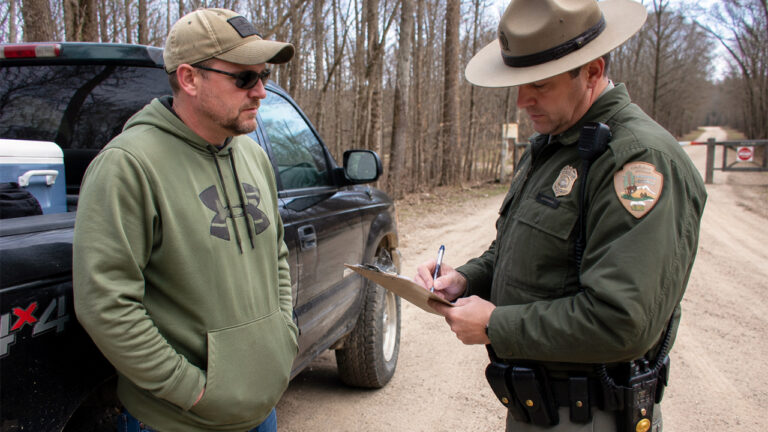
According to the account, officers came into the woman’s home after the neighbor reported she was “shooting a rifle.” Police seized the pellet rifle, and they also took three handguns belonging to her son. Then they charged her with a felony related to discharging a firearm within the city.
If you’ve spent much time around air rifles, you already know how this kind of confusion happens in the real world. A pellet gun cracking in a tight neighborhood can sound sharp—especially to someone who isn’t around shooting much. But the legal difference between a powder-burning firearm and an air gun matters, and it matters fast when the charge on the paper says “felony.”
The moment in court when the details didn’t seem to matter
The family said she went to her first court date and the prosecutor was told it was an air rifle. The prosecutor’s response—at least as relayed by the family—was blunt: “I don’t care, you are going to jail for this.”
That’s a hard line to hear if you’re the one standing there, especially when the underlying tool is a pellet rifle and not a .22LR. Outdoorsmen argue all the time about what “counts” as a gun, but city ordinances and state statutes can be written in ways that scoop up air rifles, BB guns, and even some high-powered air guns depending on how “firearm” or “weapon” is defined locally.
In other words, even if it’s “only a pellet gun” to you and me, it may still be prohibited to discharge it in a city, and it may still be chargeable—though the level of the charge is the fight.
Why city-limits shooting rules can surprise responsible folks
Plenty of us grew up popping squirrels off a bird feeder with a pellet rifle or knocking cans over in the backyard. In the country, with a safe backstop and distance, that’s common sense. Slide that same habit into a neighborhood with close houses and different rules, and you’re in a different world—noise complaints, safety concerns, and ordinances that don’t care whether the projectile is pushed by air or powder.
And this is where folks get tripped up: “discharging a firearm” is one kind of charge, but many cities also ban discharging “air guns” or “projectile weapons” within limits. Some places treat it like a misdemeanor. Some treat it more seriously depending on circumstances. The family’s issue wasn’t just whether it was wise to shoot; it was that the charging language and the response they got in court made it feel like the system wasn’t interested in the distinction.
On top of that, when officers respond to a call that sounds like “shots fired,” things tend to escalate quickly. Firearms get secured. Other guns in the house may get taken temporarily. And once property is seized, even innocent owners can end up spending months trying to get it back.
The practical fallout: health, money, and losing access to guns
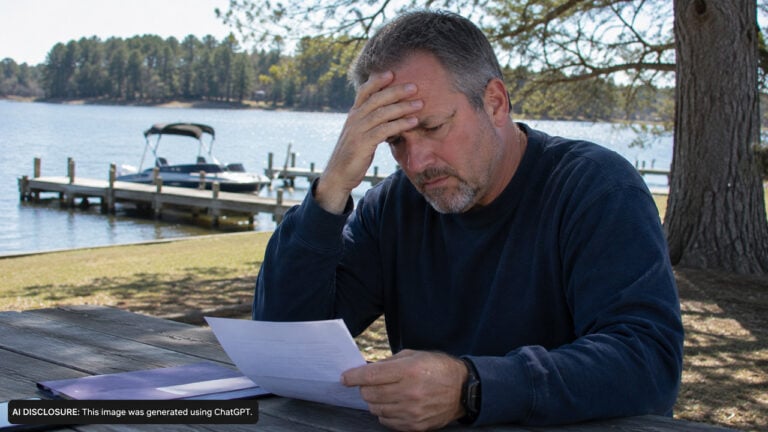
The family said the woman is a stage 4 cancer patient on Social Security. That matters because it’s not just a legal problem—it’s a life problem. Court dates, stress, transportation, and the threat of jail time hit different when you’re already fighting your health and your budget is tight.
They also said they couldn’t afford a lawyer and couldn’t find a public defender office, while private attorneys they contacted wanted money up front before hearing the case. That’s another reality a lot of working folks don’t think about until it happens: the cost of defense is often the punishment long before any verdict shows up.
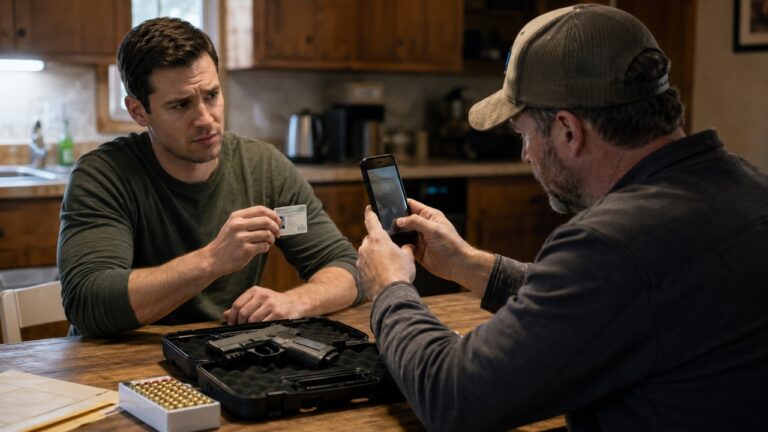
And then there are the guns themselves. The pellet rifle was seized, but so were three handguns that belonged to her son. Even if those handguns had nothing to do with the alleged discharge, getting them caught up in the process creates a second fight—property rights and storage, plus the plain frustration of having your home-defense tools sitting in an evidence room.
What people tend to focus on in cases like this
Even with just the family’s short description, the pressure points are clear, and they’re the same ones you’ll hear around any gun shop counter when a city-limits discharge case comes up.
First: definitions. “Air rifle” means one thing to shooters and another thing to a city ordinance writer. If the local law bans “firearms” only, that distinction could matter. If it bans “guns,” “air guns,” or “projectile weapons,” the argument shifts to the level of the offense and what the prosecution can prove.
Second: the entry and seizure. The family described police coming into her home and taking not only the pellet rifle but also unrelated handguns. Depending on what permissions were given, what was in plain view, and what authority officers believed they had during the call, seizure questions often become a big piece of how these situations are handled.
Third: keeping your mouth shut and getting representation. When prosecutors or courts take a hard stance early, the smart move is usually to stop trying to talk your way out of it and get someone who speaks the language of that courthouse. That’s easy advice to give and hard advice to follow when you’re broke, sick, and staring at a trial date.
The grounded takeaway for gun owners and backyard shooters
The biggest lesson here isn’t that air rifles are “safe” or “not real guns.” A pellet rifle can still injure or kill, and in a neighborhood the risk is real. The lesson is that if you’re inside city limits, you need to treat that line like a fence: on one side you’ve got rural norms, on the other you’ve got ordinances, nervous neighbors, and a legal system that moves fast once a report is made.
If you’re going to do any shooting at home—pellet gun, bow, or firearm—know your city rules, have a solid backstop, and think about what a neighbor hears when they’re inside their house with the TV on. And if you ever find yourself in the position this family described, take it seriously from the first contact. When the paperwork says “felony,” it’s no longer a backyard misunderstanding—it’s a fight that can cost you your freedom, your finances, and your guns.
Like The Avid Outdoorsman’s content? Subscribe to our newsletter so you never miss an article.
Here’s more from us: