Photo credit: New World Ordnance/YouTube
A self-defense pistol has one job: work when you need it and be shootable enough that you can train with it. That sounds simple, but plenty of handguns still sell because they are cheap, tiny, intimidating-looking, or familiar, even when they make the actual job harder.
Some of these pistols can work in narrow roles. A few are better than nothing. But “better than nothing” is a low bar for something people may trust with their life. If a pistol is hard to shoot well, unpleasant to train with, underpowered, awkward to reload, or too compromised by its own design, it deserves a hard second look before anyone calls it a serious defensive choice.
Taurus Spectrum
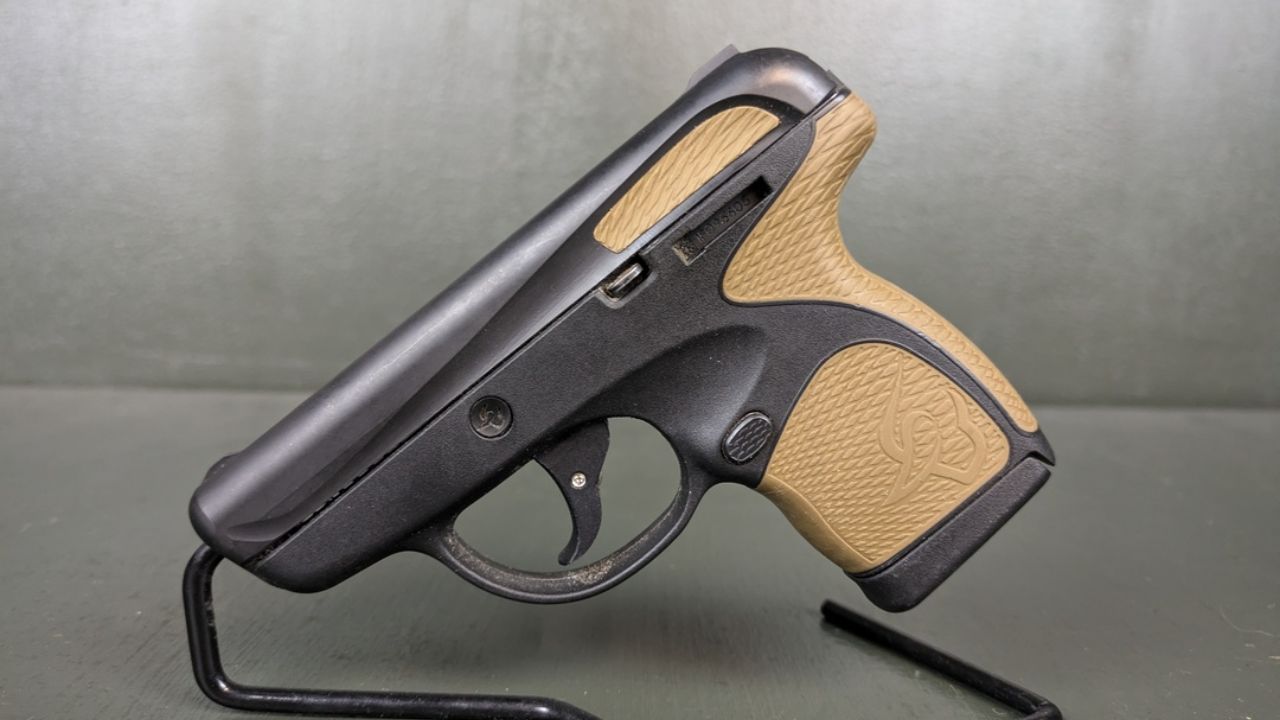
The Taurus Spectrum was marketed like a softer, friendlier pocket pistol. Its rounded shape, smooth edges, and colorful trim made it look less harsh than a lot of small defensive guns. For someone intimidated by handguns, that kind of design can seem appealing.
The problem is that friendly-looking does not mean confidence-building. The trigger is long, the sights are minimal, and the grip does not give the shooter much control. A defensive pistol should make practice easier, not harder. The Spectrum may be easy to carry, but it is not a gun most people will train with seriously.
SCCY CPX-2

The SCCY CPX-2 keeps selling because it is cheap, compact, and chambered in 9mm. For buyers who want a defensive pistol without spending much money, it seems like an easy answer. It holds more rounds than tiny pocket guns and costs less than many mainstream carry pistols.
But the shooting experience is where it falls apart for a lot of people. The long, heavy trigger makes accuracy harder, recoil feels snappy, and the overall feel is not confidence-inspiring compared with better budget options. A low price helps get someone armed, but it does not make a pistol easy to shoot under stress.
KelTec PF9
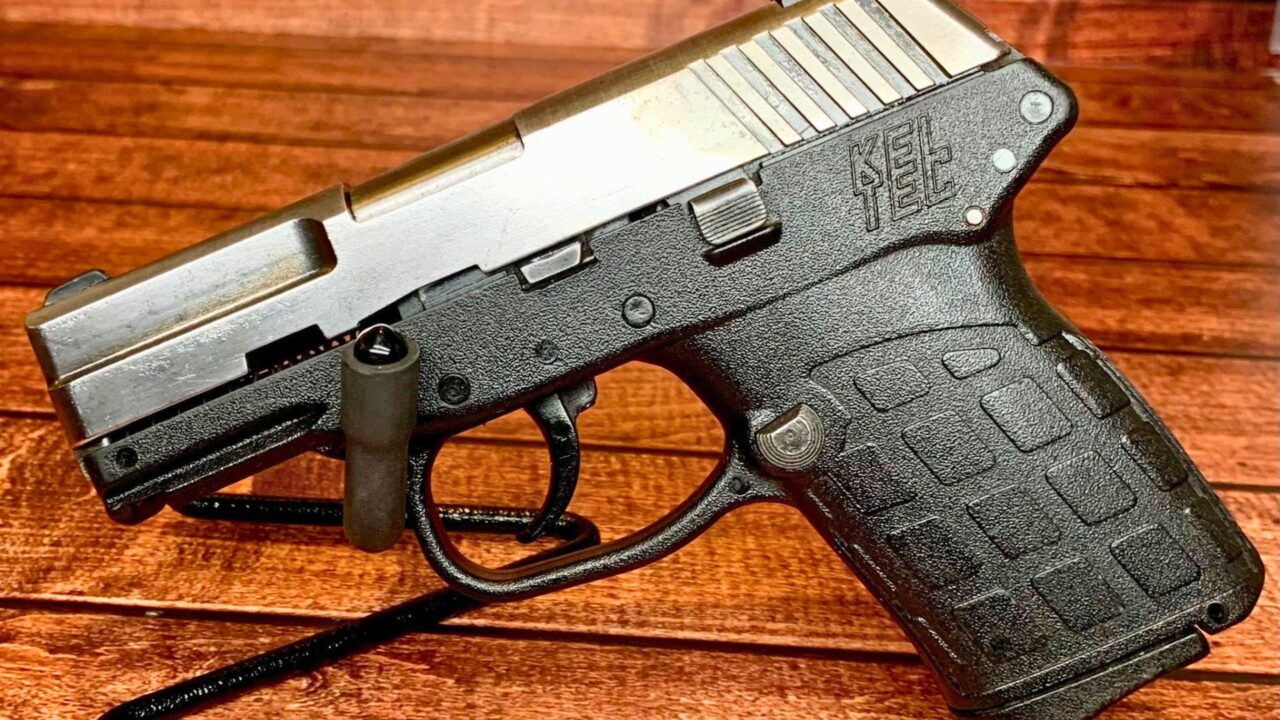
The KelTec PF9 was once attractive because it gave shooters a very thin, lightweight 9mm when the market had fewer choices. It is simple, easy to conceal, and affordable. Those traits helped it sell for years.
Today, it is much harder to defend as a main self-defense pistol. The grip is thin, recoil is sharp, the trigger is not pleasant, and training with it can get old fast. Small carry guns already demand more effort. The PF9 adds enough discomfort that many owners carry it more than they shoot it, which is not ideal.
Diamondback DB9

The Diamondback DB9 looks appealing because it is extremely small for a 9mm. It disappears easily, which is why people keep giving it a chance. If concealment is the only thing that matters, it checks that box.
But self-defense requires more than hiding the gun. The DB9 is hard to control, unpleasant with defensive loads, and gives the shooter very little grip to work with. It is the kind of pistol that seems smart until you try shooting it quickly and accurately. For most people, a slightly larger pistol is a much better choice.
Cobra CA380
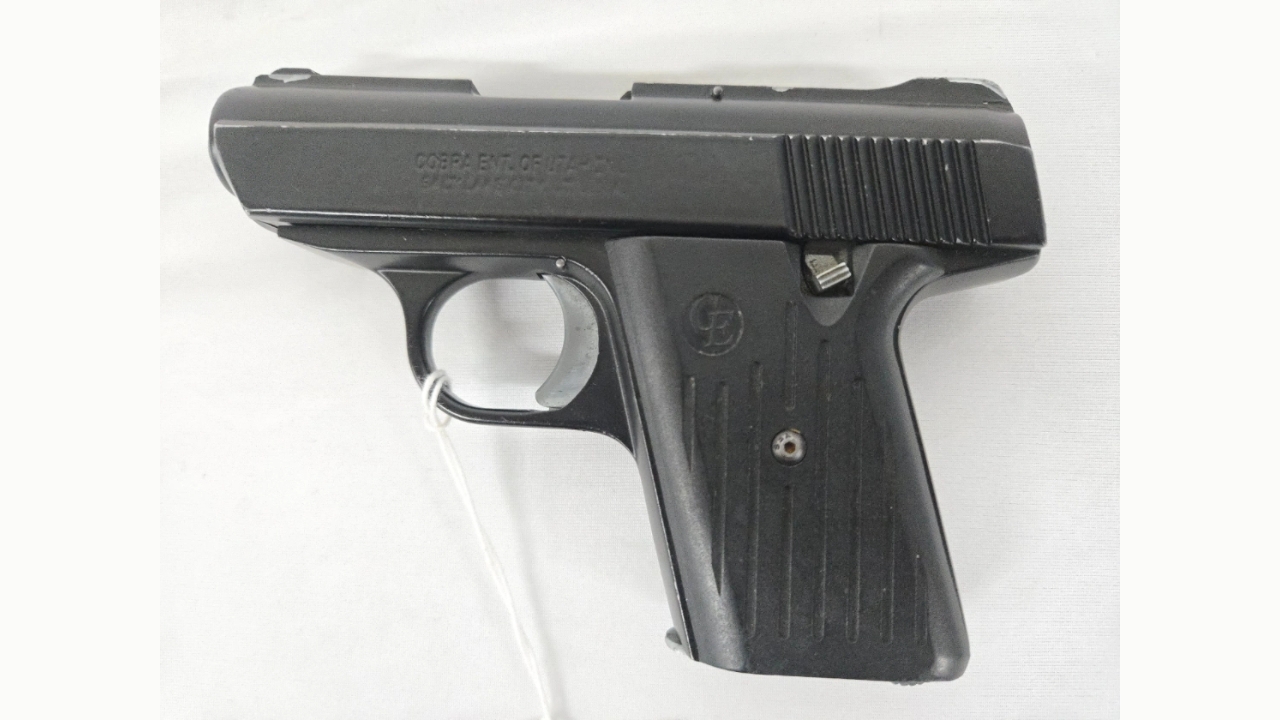
The Cobra CA380 is one of those pistols that sells almost entirely because of price. It is inexpensive, simple-looking, and chambered in .380 ACP, which makes it seem like a cheap way to get a defensive handgun. That is the attraction.
The downside is nearly everything else. The gun is heavy for what it is, crude compared with better options, and not especially pleasant to shoot. When budget pistols get this rough, the savings start looking less impressive. A defensive handgun should inspire trust, not make you wonder how little you can get away with spending.
Jimenez JA-380

The Jimenez JA-380 falls into the same trap as many very cheap defensive pistols. It gives buyers a low entry price and a familiar semi-auto shape, which can be enough for someone who just wants “a gun” in the nightstand. That is why pistols like this continue to move.
But low cost does not erase concerns about shootability, durability, sights, trigger quality, and confidence. The JA-380 is not a pistol most serious shooters would pick if they had better options. With so many stronger budget handguns available now, it is hard to justify trusting one as a primary defensive tool.
Hi-Point C9
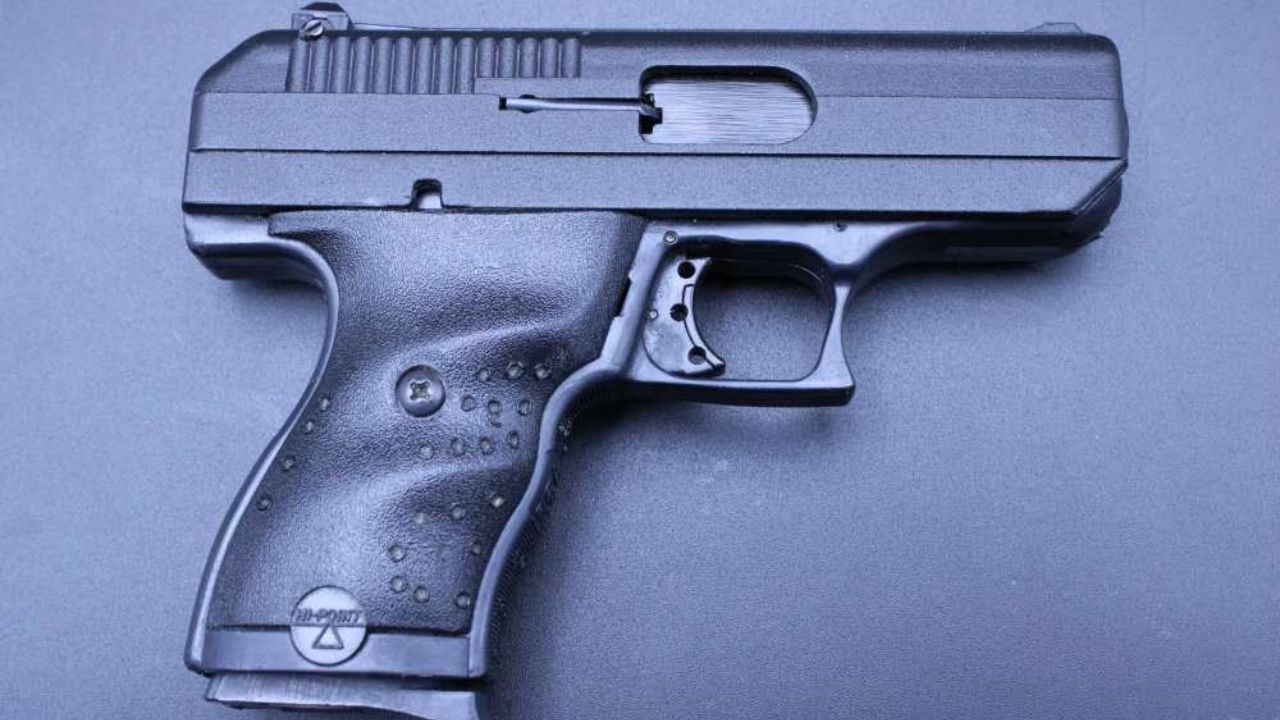
The Hi-Point C9 gets defended hard because it is cheap and usually works better than snobs expect. That is fair. It has helped a lot of people buy a functional 9mm when money was tight, and that matters. It is not useless.
But as a self-defense pistol, it has real drawbacks. It is bulky, heavy, low-capacity for its size, and awkward compared with better modern budget guns. The trigger and ergonomics are not great, and carry is not pleasant. It may be better than having no gun, but “it goes bang” is not the same as being a good defensive pistol.
Bersa Thunder 380

The Bersa Thunder 380 has loyal fans because it is affordable, traditional, and easy to understand. It looks and feels like a small classic defensive pistol, and it has been around long enough to earn a following. For range use, it can be enjoyable.
The issue is that it is large for a .380 while still offering less power than a compact 9mm. The blowback design can make recoil sharper than expected, and the controls feel dated. It is not terrible, but it is not the bargain defensive pistol people sometimes claim. Many modern 9mms are smaller, stronger, and easier to justify.
Walther PPK
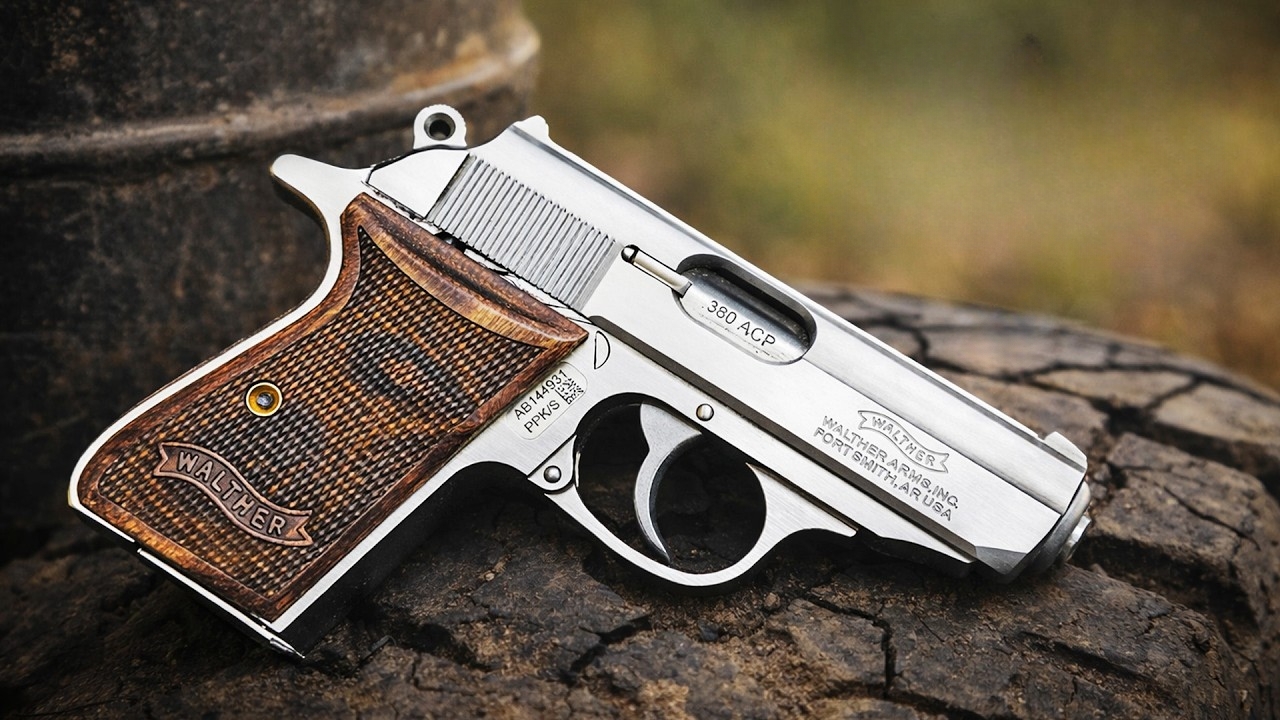
The Walther PPK is iconic, stylish, and still one of the coolest-looking pocket pistols ever made. That is exactly why it still sells. People want one because it has history and class, not because it beats modern carry pistols on paper.
As a self-defense gun, the PPK is not nearly as easy to recommend. The blowback recoil can be snappy, the slide can bite some hands, capacity is limited, and the sights are small compared with modern options. It is a classic, but classics are not automatically the smartest defensive tools.
North American Arms Mini Revolver

The North American Arms Mini Revolver is tiny, well made, and easy to carry almost anywhere. That extreme concealability is the entire selling point. It is the gun people look at when they want something smaller than everything else.
The problem is that shooting it well under stress is a completely different story. The grip is tiny, the sights are tiny, and reloading is slow. It can fill a last-ditch backup role, but as a primary self-defense gun, it asks too much from the shooter and gives too little back.
Bond Arms Backup
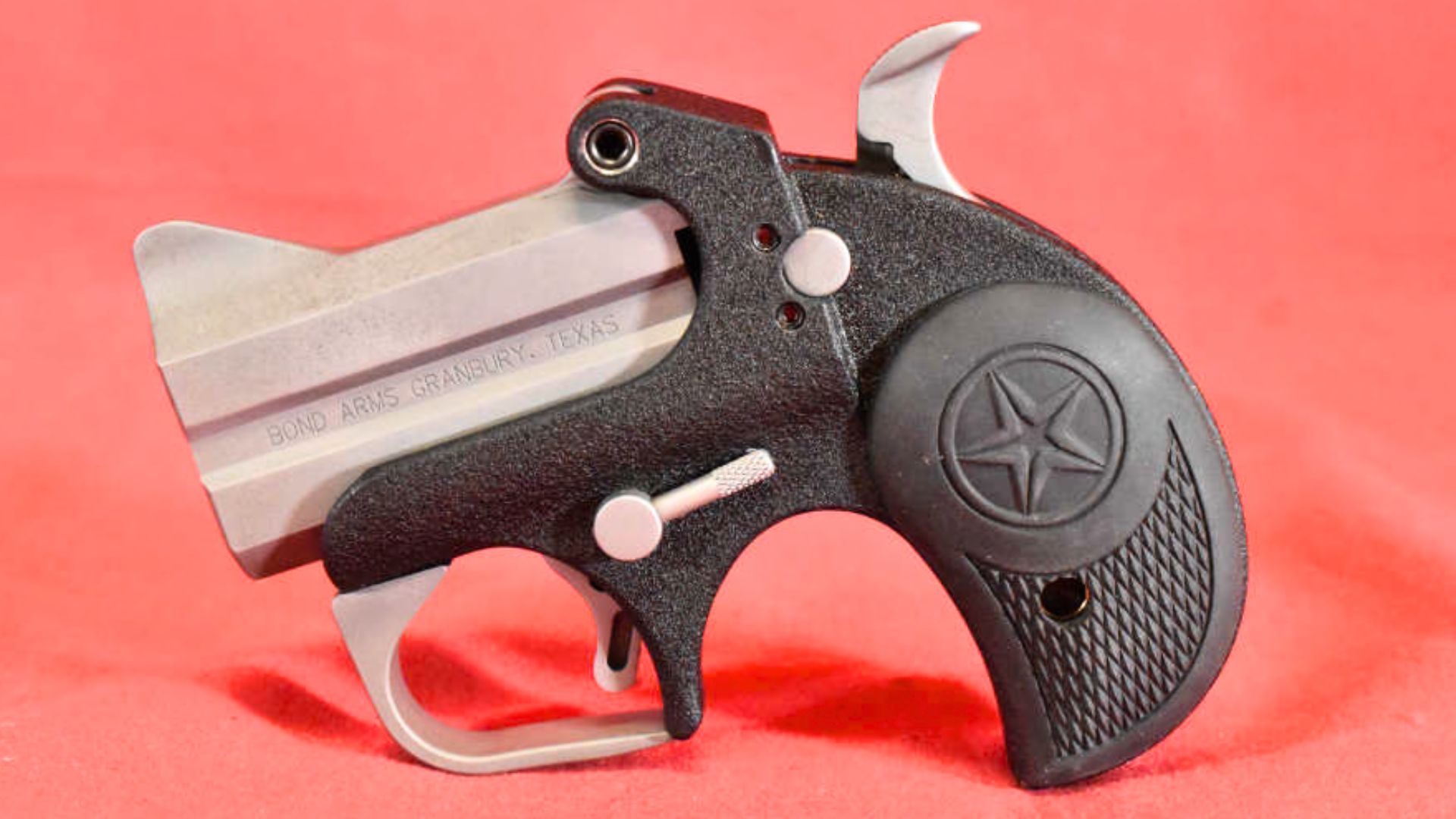
The Bond Arms Backup feels tough the second you pick it up. It is solid, heavy for its size, and built around a simple derringer format that some people find reassuring. Two barrels and serious chamberings can sound like enough for close-range defense.
In reality, it is more limited than it looks. Two shots, stout recoil, a heavy trigger, and slow reloads make it a poor choice compared with compact pistols or small revolvers. It may be well built, but defensive practicality is about more than strength. This is one of those guns where toughness gets mistaken for usefulness.
Charter Arms Bulldog
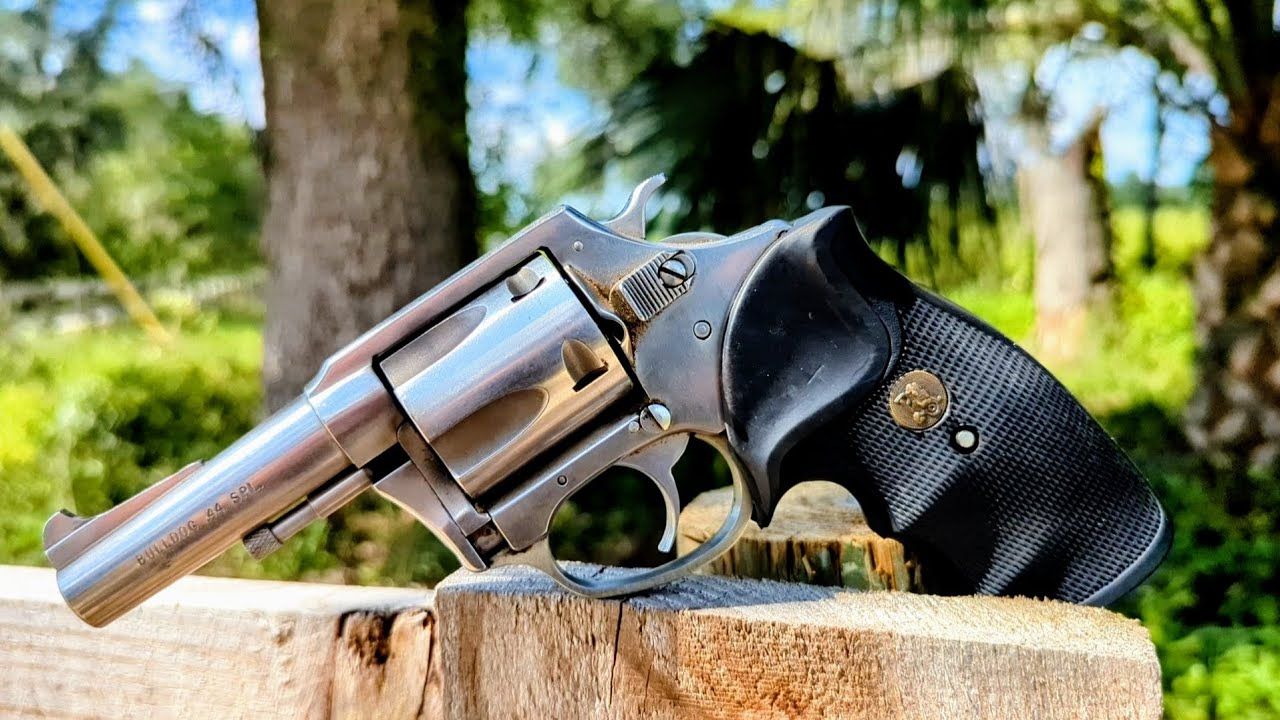
The Charter Arms Bulldog still sells because a compact .44 Special revolver sounds like a serious defensive tool. It is simple, relatively light, and throws a big bullet. That combination has been appealing for decades.
But for most shooters, it is not an easy gun to master. Recoil can be sharp with defensive loads, sights are basic, capacity is low, and reloads are slow. The Bulldog has a niche, but it is not the magic big-bore carry gun some people imagine. A controllable 9mm or .38 is usually easier to shoot well.
Ruger LCP
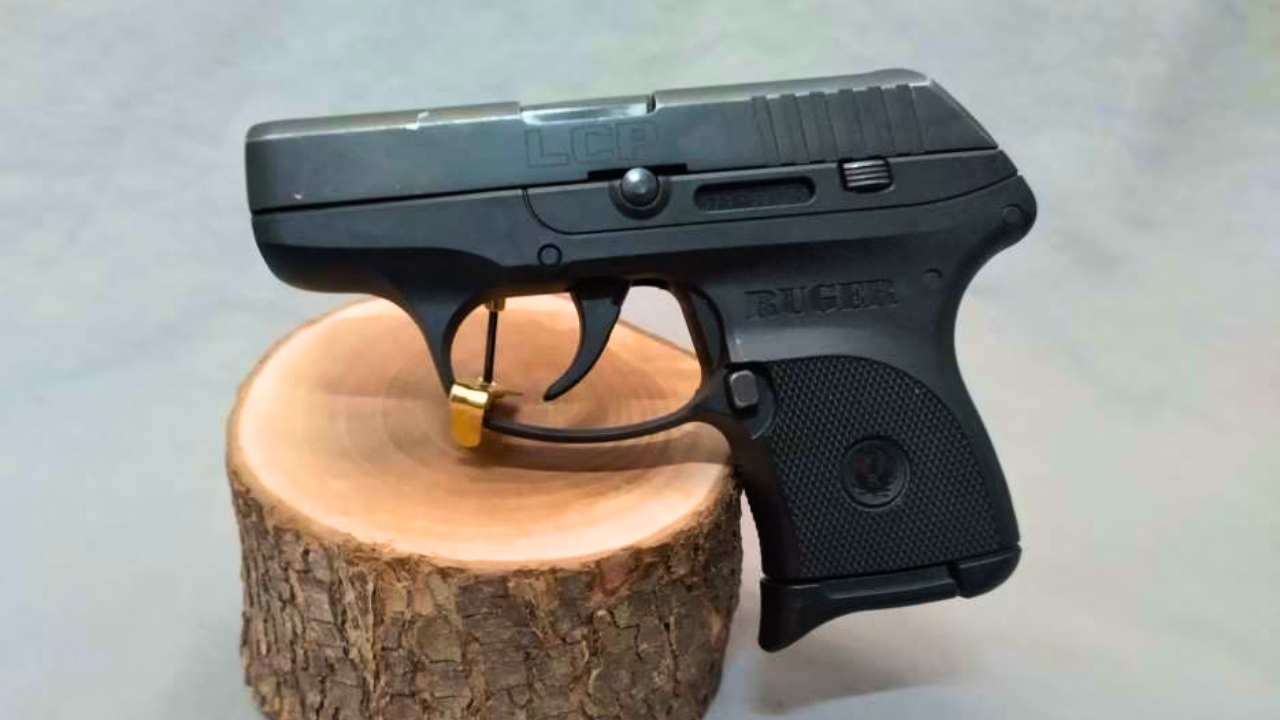
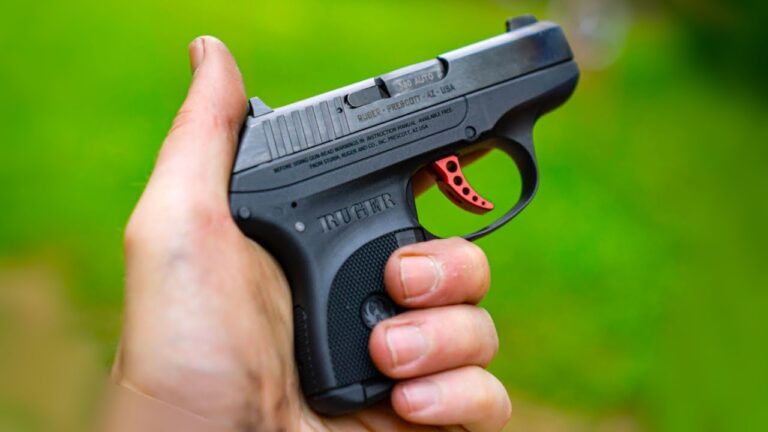
The original Ruger LCP deserves credit for helping define the modern pocket .380 market. It is thin, light, and extremely easy to carry. That is why so many people still own them and why they remain common.
The downside is that it is not a great pistol to shoot. The sights are tiny, the grip is short, and the trigger is not ideal for accurate work under pressure. It can make sense as a deep-concealment gun, but many people buy one and barely practice with it. That is not a great recipe for defensive confidence.
Smith & Wesson Bodyguard 380
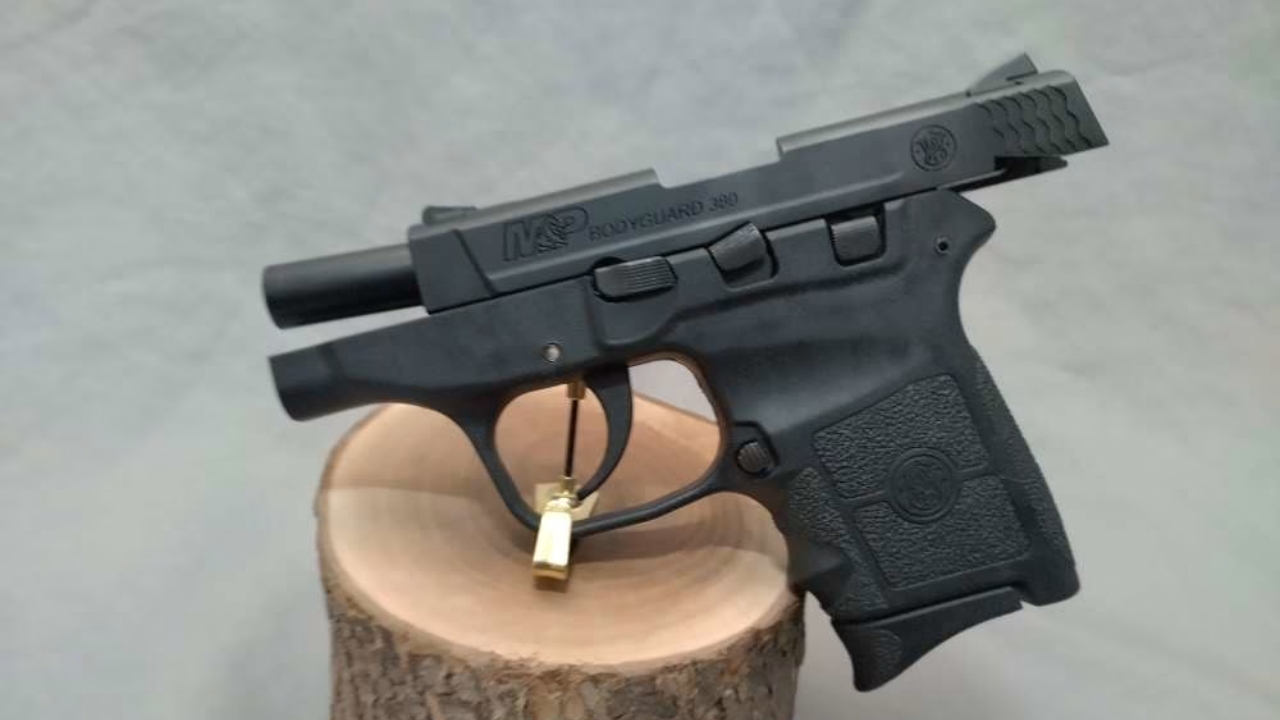
The Bodyguard 380 looks like a logical defensive pocket pistol. It is small, light, and easy to hide. The Smith & Wesson name gives buyers confidence, and the size makes it appealing for people who do not want to carry anything larger.
But it suffers from the same issues that hurt many tiny .380s. The trigger is long, the grip is cramped, and the sights are not exactly built for easy speed. It is not useless, but it is hard to shoot well compared with slightly larger carry pistols. A defensive gun that discourages practice is always questionable.
Beretta Pico
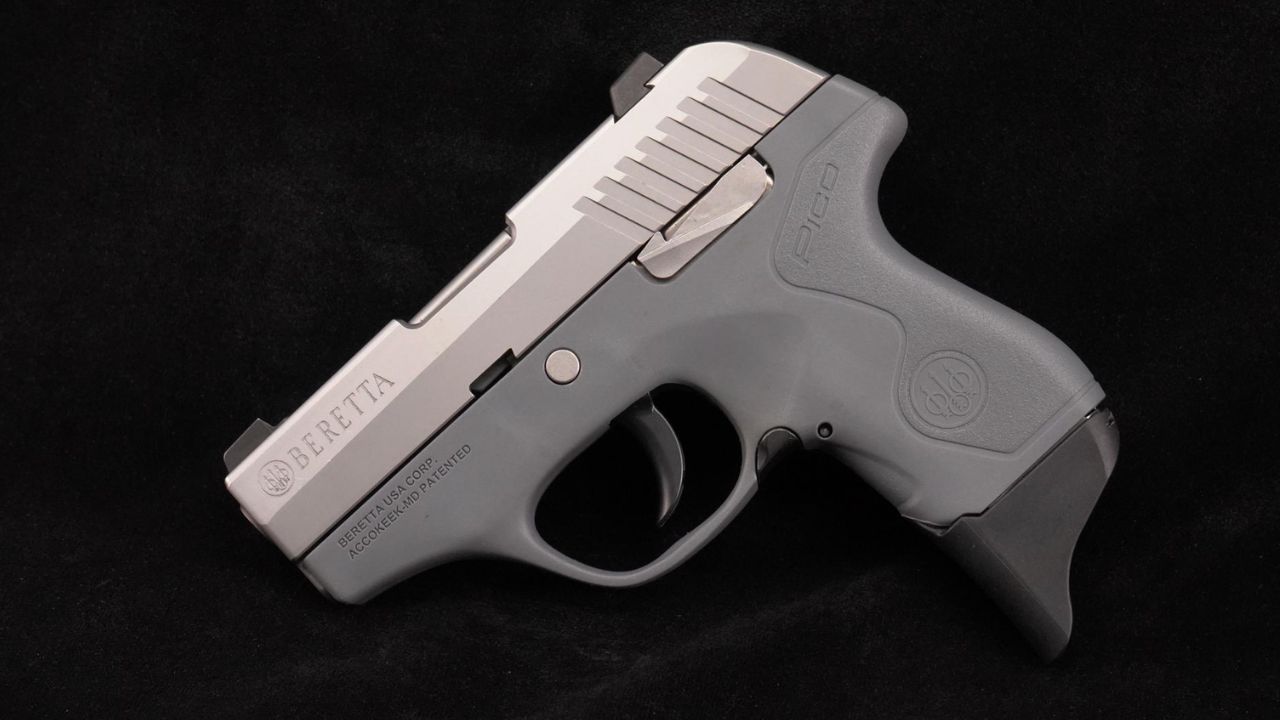
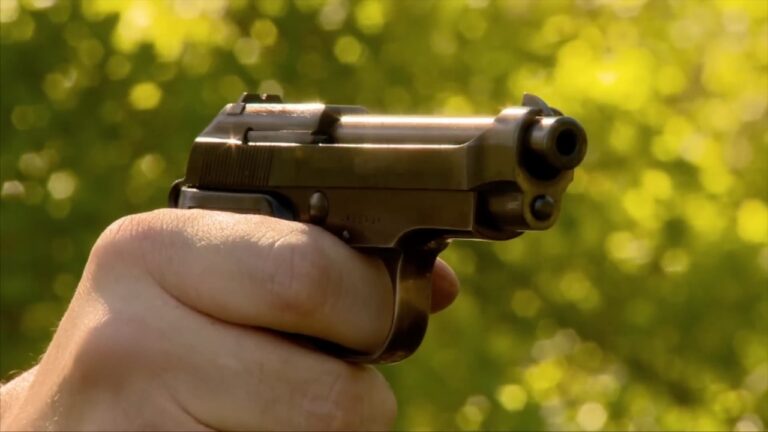
The Beretta Pico is extremely slim and easy to conceal, which is why people notice it. It also has the Beretta name, and that alone makes buyers assume it must be a smart little defensive pistol. In terms of build concept, it is interesting.
The shooting experience is less convincing. The grip is very small, the trigger is long, and the gun feels built around concealment more than performance. For pocket carry, it makes sense on paper. For actual defensive shooting and regular training, it asks the shooter to work around too many compromises.
Remington RM380

The Remington RM380 has a smooth-sided profile and pocket-friendly size that make it look like a practical carry pistol. It feels a little more substantial than some tiny .380s, which can make it seem like the better choice at first.
The problem is that the long trigger and small sights do not help the shooter much. It is carryable, but not especially confidence-building at speed. Since the .380 carry market is full of better options now, the RM380 is hard to defend as anything more than a dated pocket gun.
KelTec P-3AT

The KelTec P-3AT was important because it helped make lightweight pocket .380s popular. It is very easy to carry and inexpensive enough that a lot of people could afford one. In that sense, it had real impact.
But compared with today’s options, it feels rough. The sights are minimal, the trigger is long, the grip is tiny, and training with it is not enjoyable. It may still sell because it is light and cheap, but there are better pocket pistols now. For self-defense, the P-3AT is more compromise than confidence.
Taurus PT22
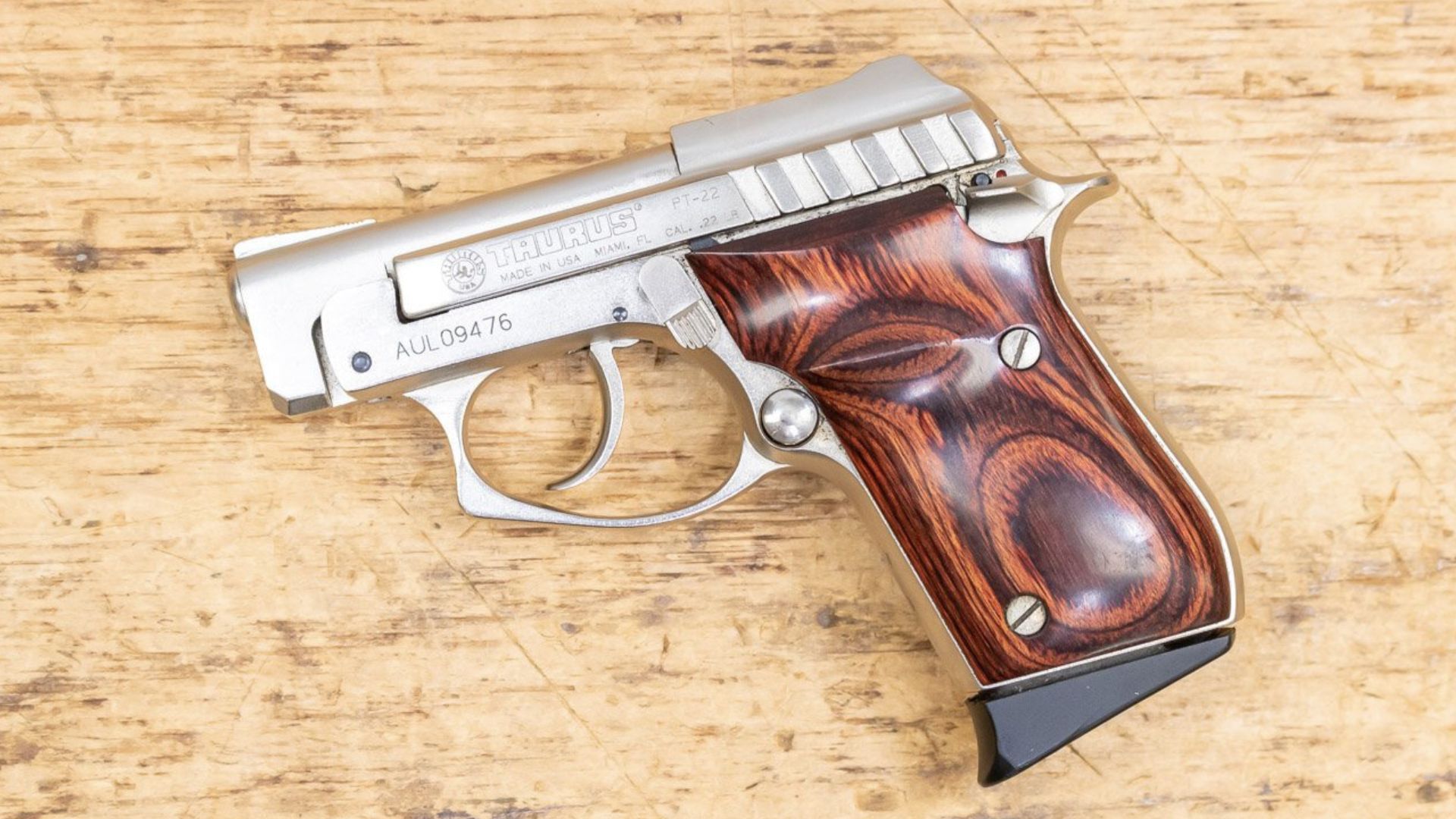
The Taurus PT22 still appeals to people because it is small, easy to load with its tip-up barrel, and chambered in low-recoil .22 LR. For shooters who struggle with slide manipulation, that can sound like a solution. It feels approachable.
The problem is that .22 LR is a rimfire cartridge with ignition and terminal-performance limits that make it far from ideal for defense. The pistol is also small, low-powered, and not built around serious defensive training. It may be better than nothing for a very specific user, but it should not be treated like a strong self-defense choice.
Phoenix Arms HP22A
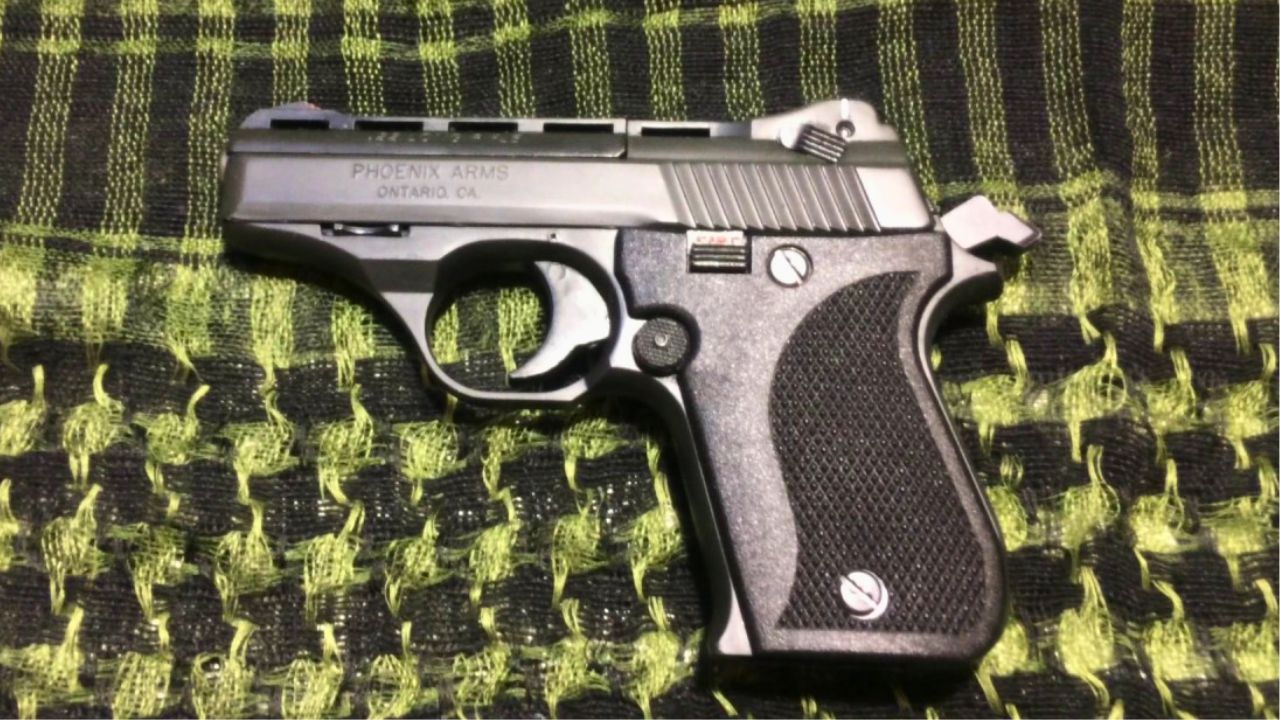
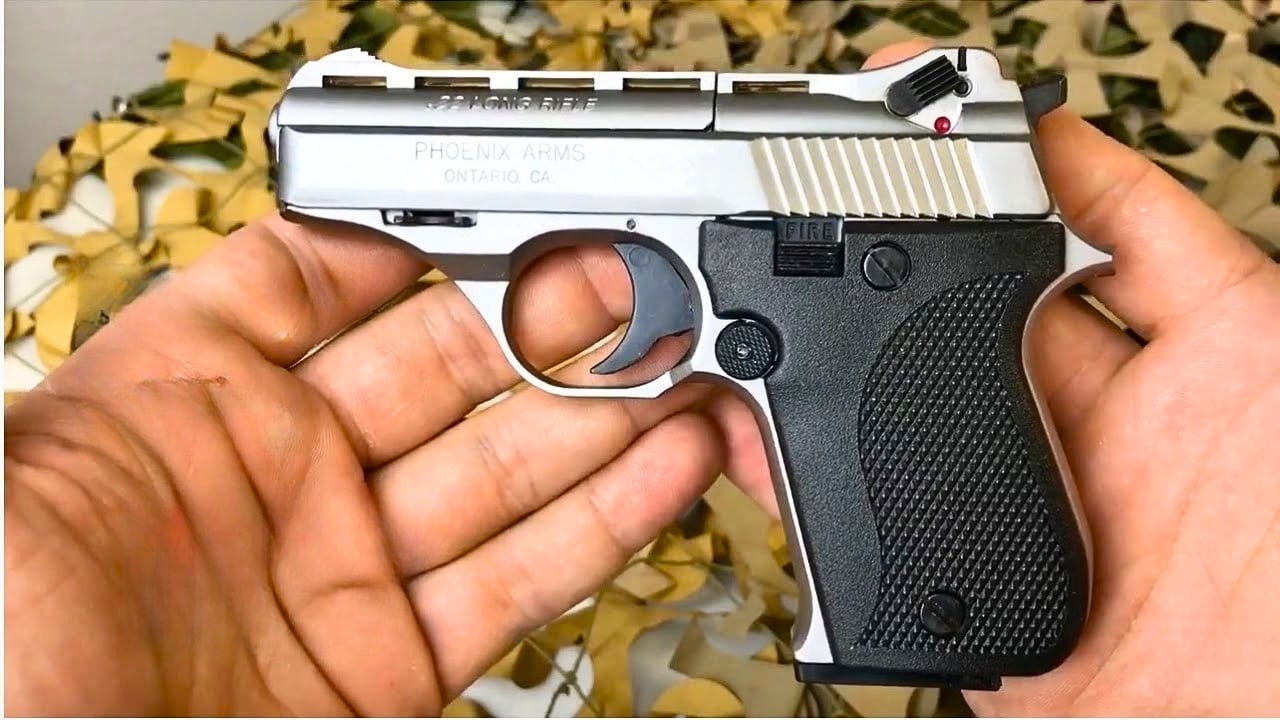
The Phoenix Arms HP22A sells because it is cheap, small, and chambered in .22 LR. For someone who wants an inexpensive pistol for plinking or a glove box, it is easy to see the appeal. The price does most of the selling.
As a self-defense pistol, though, it is a weak choice. It is rimfire, low-powered, heavy for its size, and saddled with awkward safety systems that can confuse people under stress. It may be fun as a cheap range toy, but trusting it as a serious defensive pistol is a stretch.
Lightweight .357 Magnum snubnose revolvers

Lightweight .357 Magnum snubs still sell because they sound perfect. Small, simple, powerful, and easy to conceal is a very persuasive combination. A lot of buyers imagine they are getting maximum defensive power in a pocket-sized revolver.
Then they shoot one with real .357 Magnum loads. Recoil is sharp, muzzle blast is brutal, follow-up shots are slow, and practice becomes something many people avoid. Loaded with .38 Special, they can make more sense, but then the big magnum selling point matters less. For most people, these guns are harder to shoot well than they are worth.
Like The Avid Outdoorsman’s content? Be sure to follow us.
Here’s more from us: