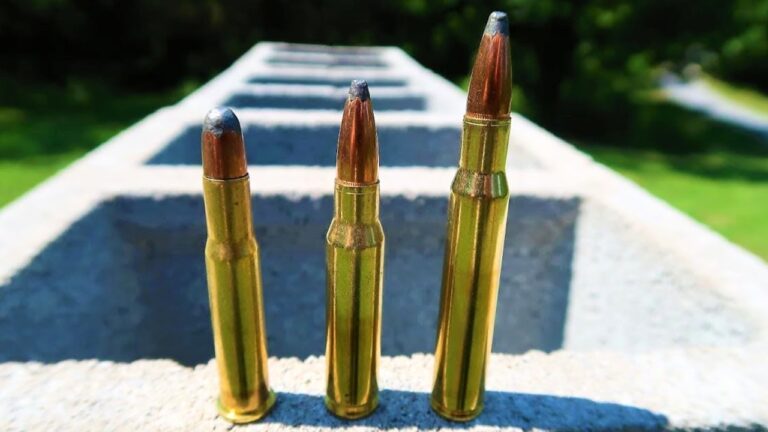
Photo credit: The Smoking Gun/Youtube
Most of us have sold a gun for the same reasons: bills showed up, a new toy caught our eye, or we convinced ourselves we were “streamlining.” Then the season changes, a buddy calls about coyotes, or you end up under the truck at dusk with a flashlight and a strange noise out by the barn. And you remember exactly why that one firearm used to live where you could grab it without thinking.
Not every gun in the safe needs to be a forever gun. But there are a handful that earn their keep so consistently that letting them go is usually a mistake. Here are 20 that tend to be more useful than they look on the rack.
1. Ruger 10/22

The 10/22 is the definition of “always handy.” It rides in a scabbard, behind a truck seat, or in a corner of the cabin and somehow still runs when you pull it out after months of neglect. It is easy to shoot, cheap to feed, and it makes new shooters look good fast.
The real kicker is how many jobs it does without drama: squirrels, rabbits, steel plates, pest control around the feed room, and quiet practice that does not beat you up. Magazines and parts are everywhere. If you sell one, you’ll probably end up buying another.
2. Marlin Model 60

Tube-fed .22s are unfashionable until you are in the woods with cold fingers and you do not feel like chasing detachable mags through leaves. The Model 60 points naturally and carries flat, and it has probably filled more stew pots than most “serious” rifles ever will.
They are also weirdly accurate for what they are. The downside is cleaning can be a little more involved than a modern takedown rifle. Still, if you have one that runs, it is hard to justify turning it into cash.
3. Mossberg 500

This is the shotgun that ends up doing everything when you are not trying to impress anybody. Bird barrel, slug barrel, short barrel for home, whatever you need. It is not fancy, and the action can feel a little clacky compared to a polished pump, but it keeps going.
I have watched a 500 live in a damp basement gun cabinet for years, get wiped down once in a while, and still cycle like it never missed a day. When life gets busy, boring reliability matters.
4. Remington 870 (older Wingmaster or solid Express)

A good 870 is the pump gun that makes you wonder why you chased trends. The Wingmasters in particular have that slick, broken-in feel that you cannot fake. Even the better Express guns, when cared for, are pure work.
These get sold when somebody wants a semi-auto for ducks or a lighter upland gun. I get it. But an 870 with the right choke tubes and a simple light mount can cover a whole lot of ground.
5. Ruger American Rifle (in .308 or .30-06)
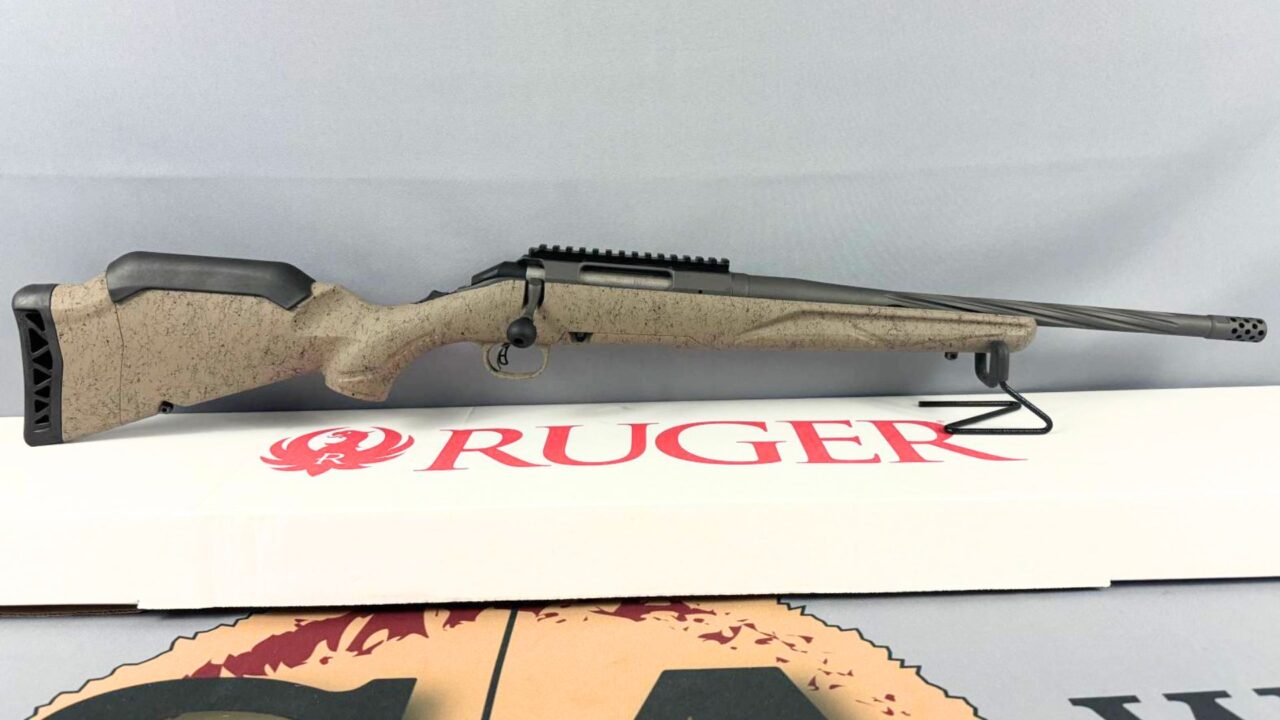
It is not a rifle you post online to get compliments. It is a rifle you take into nasty weather because you are not worried about babying it. The Ruger American line shoots better than it has any business shooting for the money.
In .308 or .30-06 it becomes a “one rifle” option that you can actually find ammo for in normal times. It is also a great loaner for a new hunter. Selling a dependable budget bolt gun often turns into immediate regret when you realize you still need a rifle that just works.
6. Savage 110 (or 11/111) in a sensible caliber
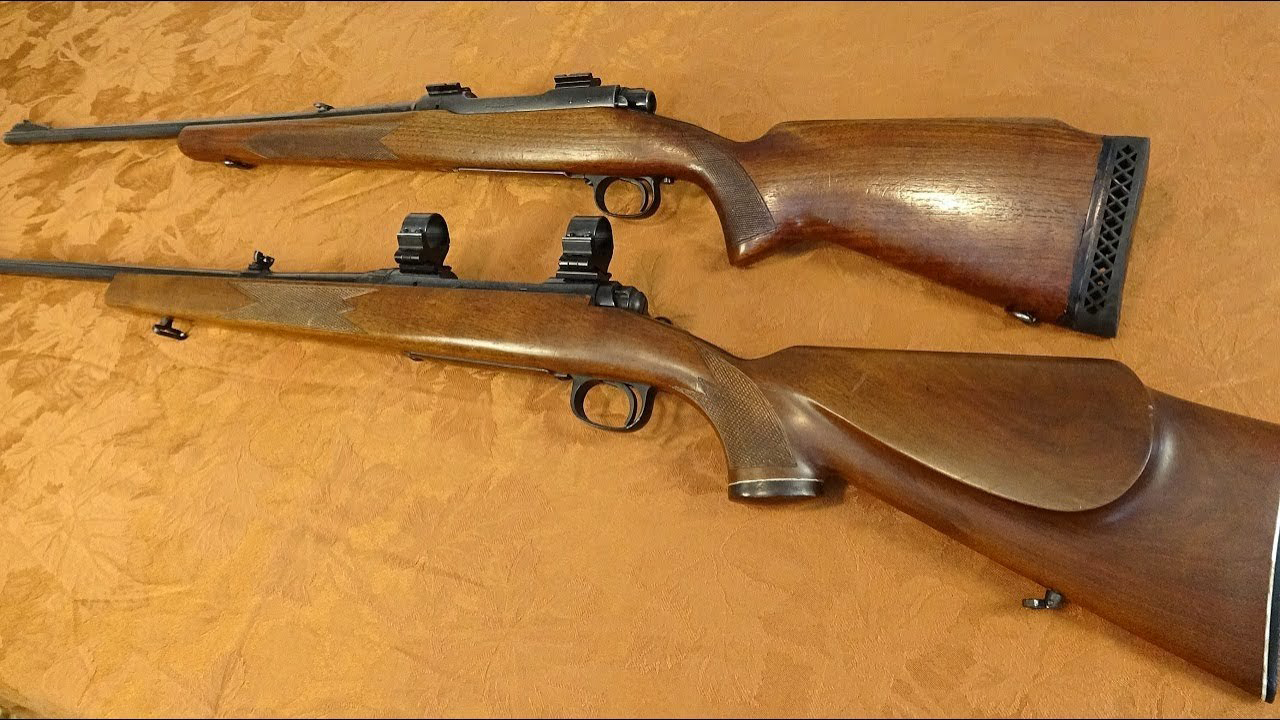
The Savage 110 family has put a lot of venison in a lot of freezers, usually in the hands of guys who care more about tags than bragging rights. The actions are not as pretty as some, but they tend to be accurate and easy to live with.
They also have a reputation for shooting well with basic factory ammo, which is a big deal for hunters who do not handload. If you have a 110 that prints tight groups and never gives you trouble, that is a tool, not a trade chip.
7. Tikka T3x (especially in .308 or 6.5 Creedmoor)

Tikkas spoil people. The bolt lift is smooth, feeding is clean, and they usually shoot lights-out with minimal fuss. They are light enough to carry all day, but not so light that they punish you on the bench.
They get sold because they are worth real money on the used rack, and that cash looks tempting. Then you go shopping for another rifle that feels that slick and stacks rounds that tight, and you realize the math changed.
8. Ruger M77 (or Hawkeye)
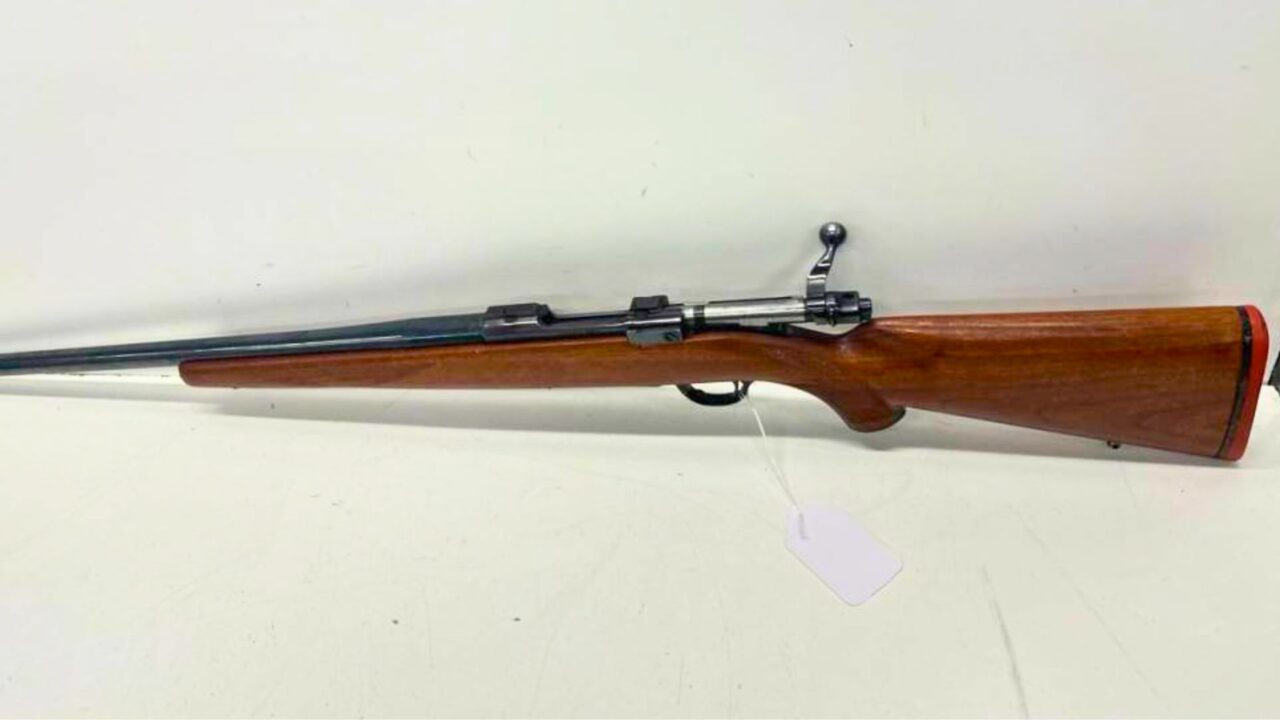
If you want a bolt gun that feels like it belongs in the mountains or on a saddle scabbard, the M77 family has that rugged vibe for a reason. Controlled-round feed is not magic, but it is nice when you are working the bolt from awkward positions in brush or on steep ground.
They are not the cheapest, and they are not always the lightest. But they carry well and hold up. A solid M77 is the kind of rifle you keep because you trust it when the weather turns mean.
9. Winchester Model 70

There are rifles that make you want to go hunting just by picking them up, and a Model 70 is one of them. The safety is great, the rifle balances well, and the whole package has a “built to last” feel.
Guys sell them to fund a custom build, then realize the custom gun is heavier, pickier, or just not as pleasant to tote. A Model 70 in a normal hunting caliber is hard to beat for real-world use.
10. Lever-action .30-30 (Winchester 94 or Marlin 336)
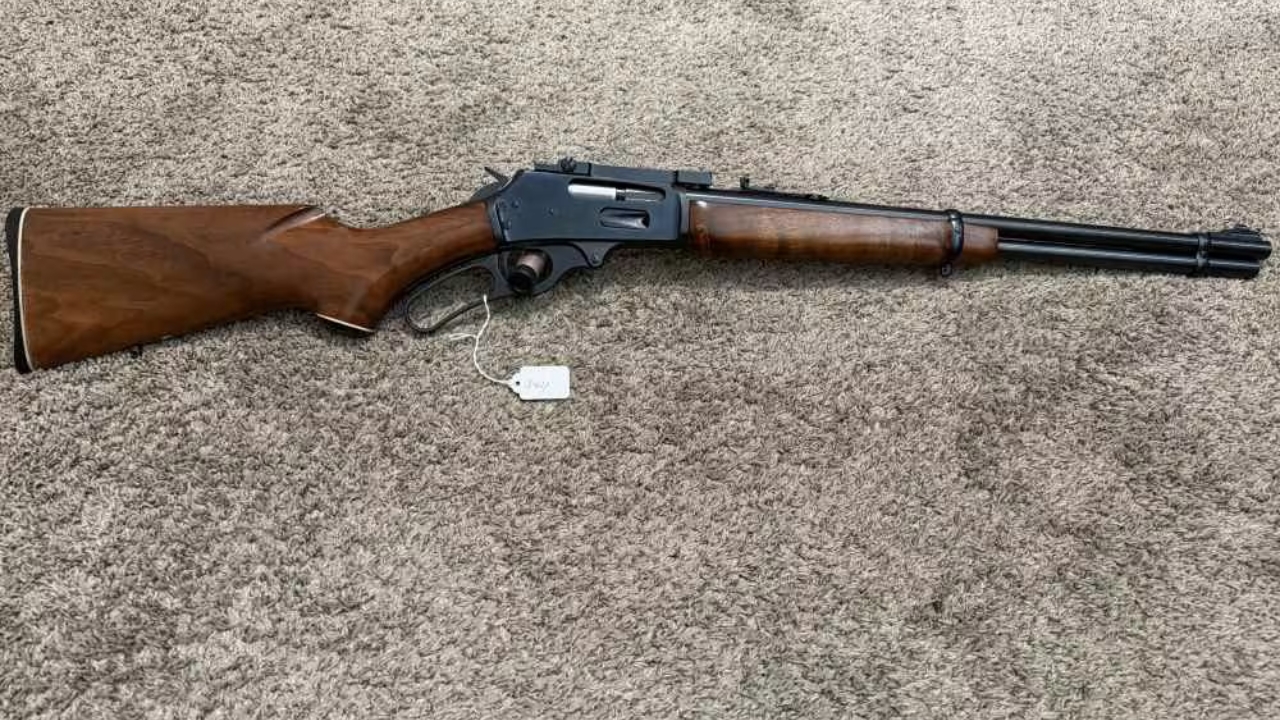
In thick woods, a .30-30 lever gun is still a cheat code. It carries like a walking stick, shoulders fast, and does not hang up on every branch. It is also one of the easiest rifles to keep close in a truck or at a camp without it feeling like a “tactical statement.”
A lot of folks trade these away because they want a scope-friendly bolt gun. Then they get into a mess of brush on a rainy day and remember how nice a slim lever gun feels. That one hurts.
11. Henry .22 Lever Action

This is the gun that turns an afternoon into a good afternoon. The Henry .22 lever guns are simple, accurate enough, and they make even experienced shooters slow down and enjoy themselves.
They are also great for camp chores and small game without the “semi-auto spray and pray” temptation. If you have kids or grandkids around, a .22 lever gun is a memory maker. Hard to put a price on that.
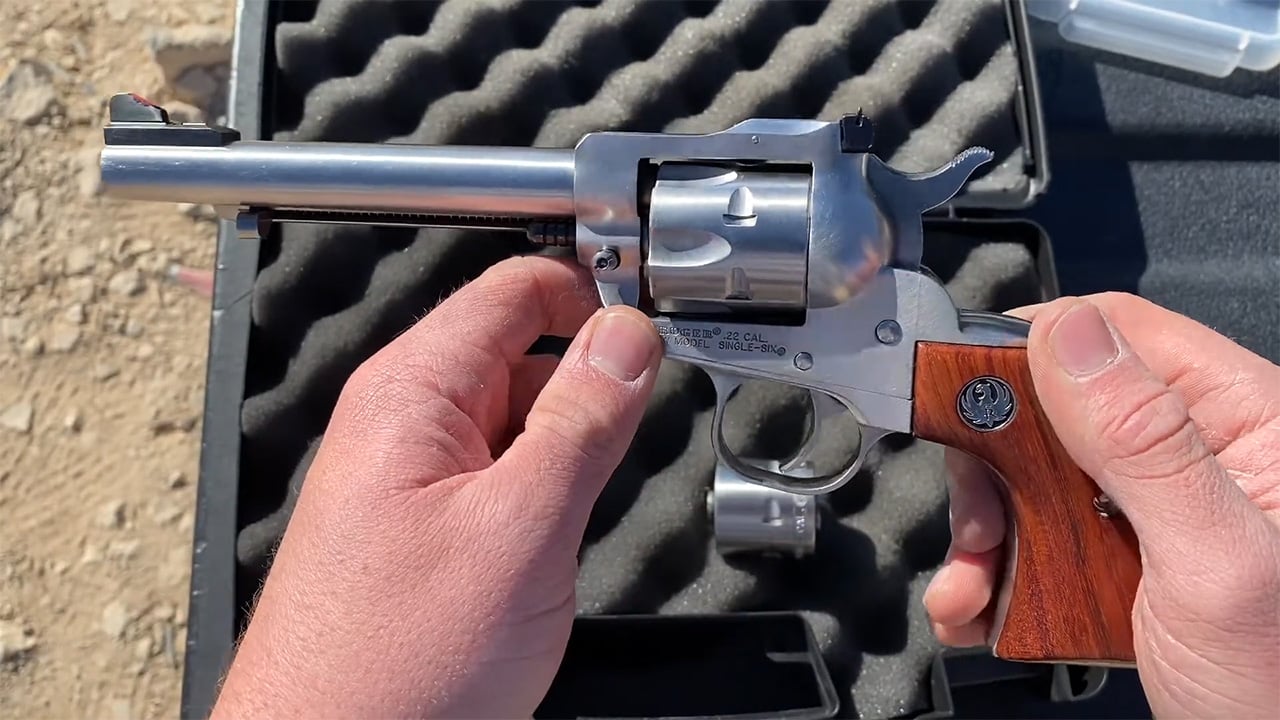
12. Ruger Single Six
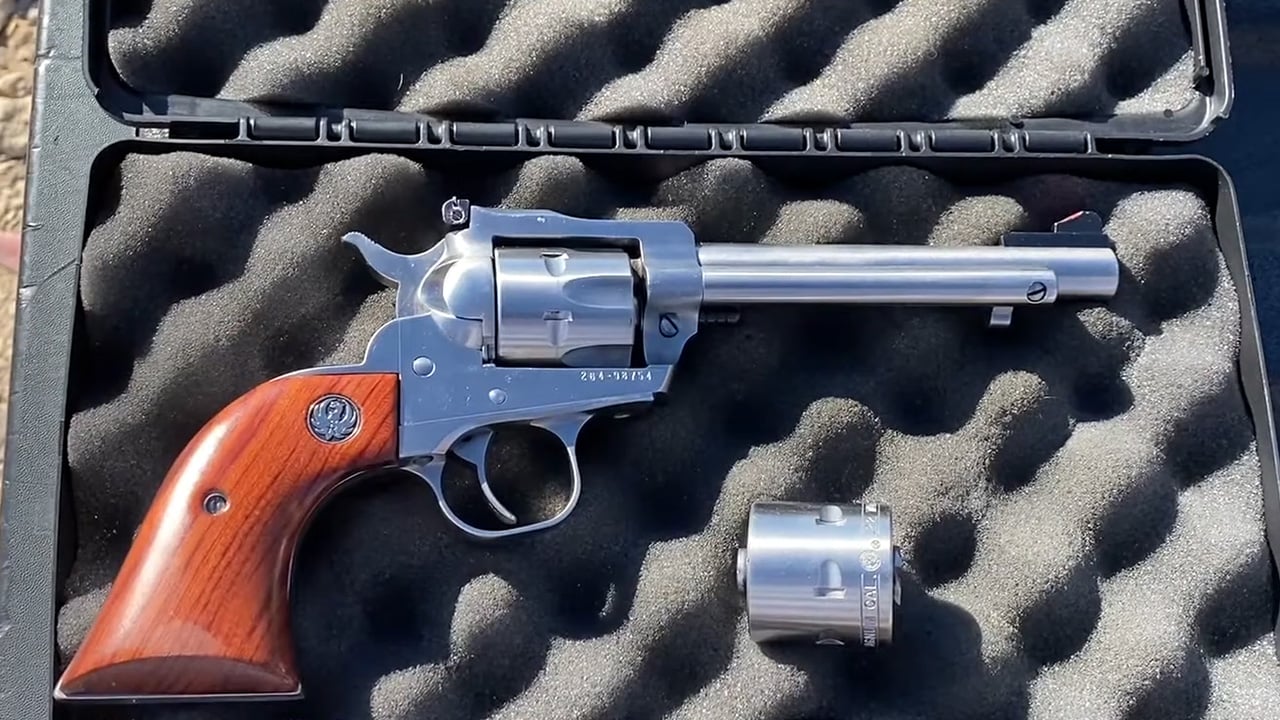
A .22 revolver does not sound necessary until you own one. The Single Six is tough, easy to carry on a belt around the property, and it does not care if it gets dusty. It is also a solid trainer for double-action and single-action habits without the cost of centerfire.
The convertible models with .22 LR and .22 WMR cylinders are especially useful for pests. It is not the fastest thing in the world, but it is steady, and it tends to get used far more than expected.
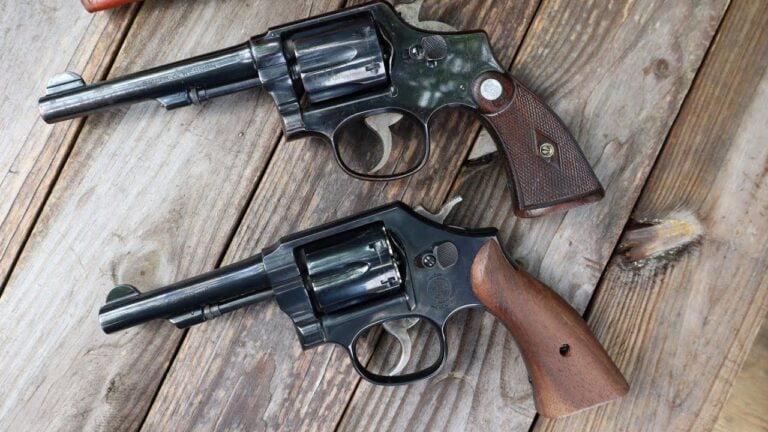
13. Smith & Wesson Model 10 (or any solid K-frame .38)
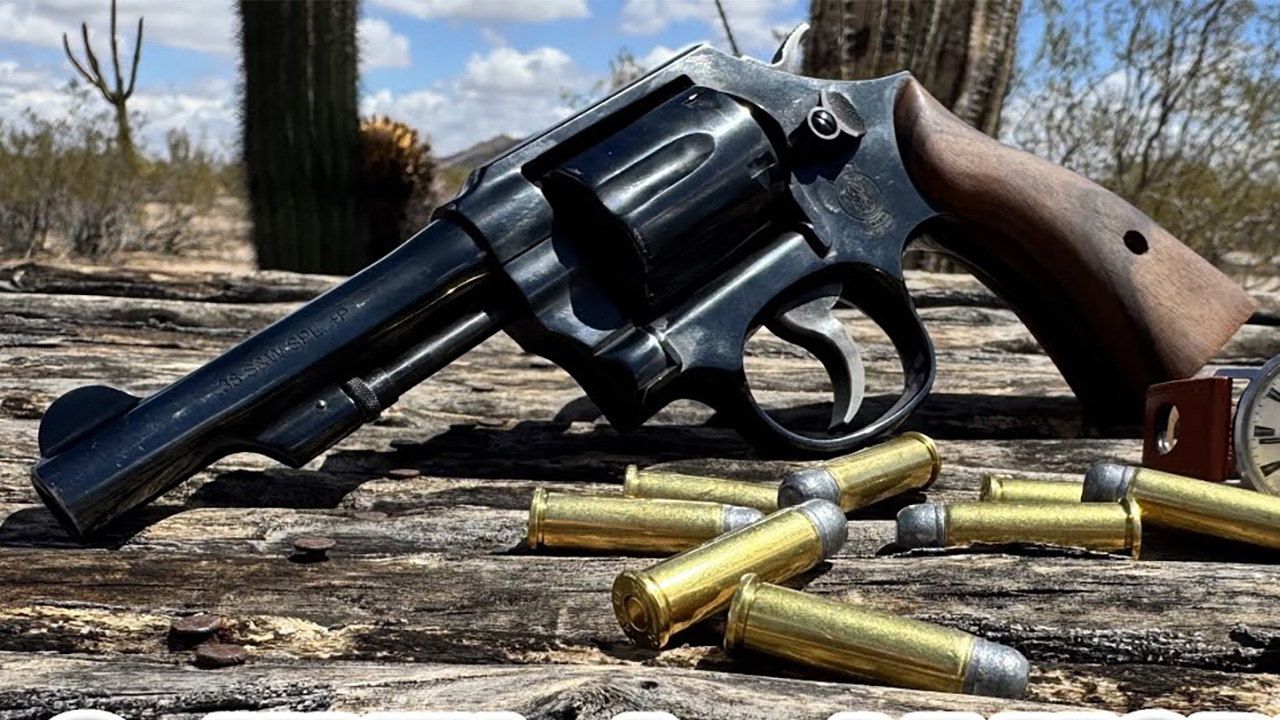
A plain .38 revolver is one of the most underrated “do it all” firearms out there. The Model 10 is not glamorous. That is kind of why it works. It sits loaded for long periods without magazine springs to think about, and it is simple for family members to understand.
.38 Special is manageable, affordable, and effective for what it is. If you sell a good K-frame, you often find yourself chasing another one later because you miss how easy it is to live with.
14. Ruger GP100 (or a stout .357 revolver)
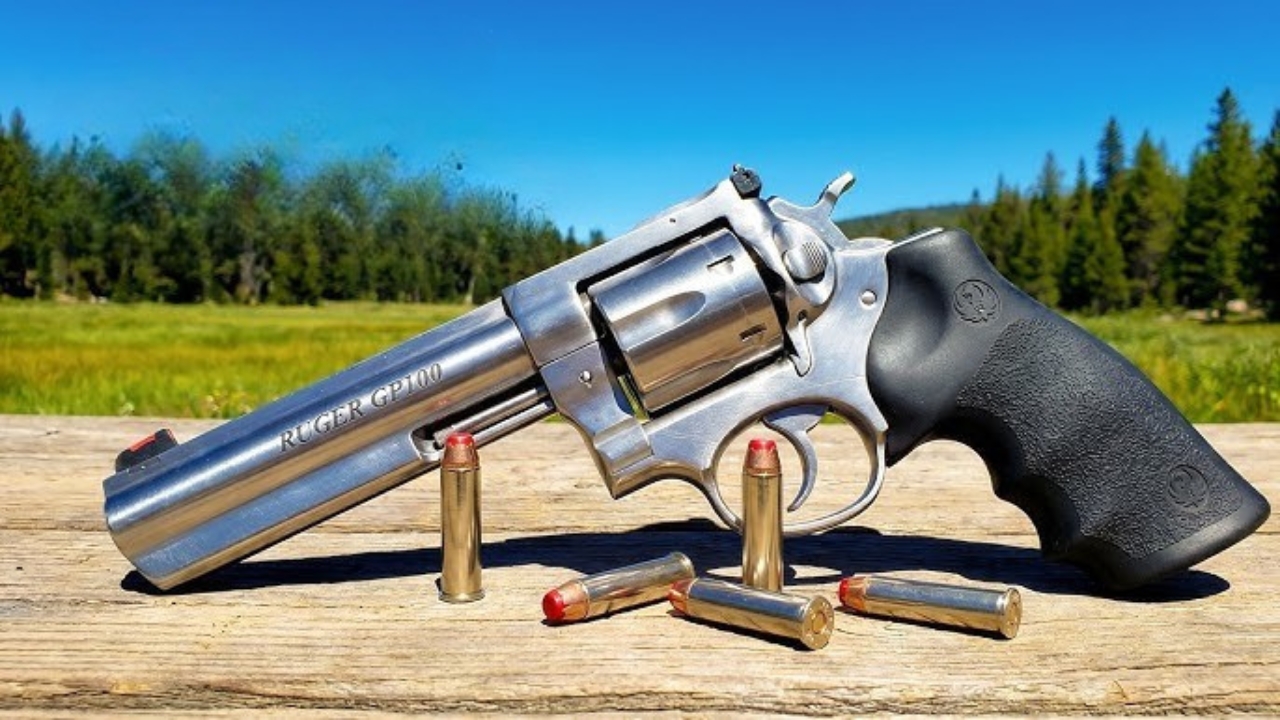
For a belt gun on a rural property, a heavy .357 has a lot going for it. Snakes, pests, odd noises at night, and the occasional “I want to check the fence line” walk. A GP100 is not small, but it is comforting in a holster and it soaks up recoil.
You can shoot .38s for practice and still have .357 available. It is a tool that does not require constant tinkering. If you live where you handle critter problems yourself, this one quietly earns its space.
15. Glock 19
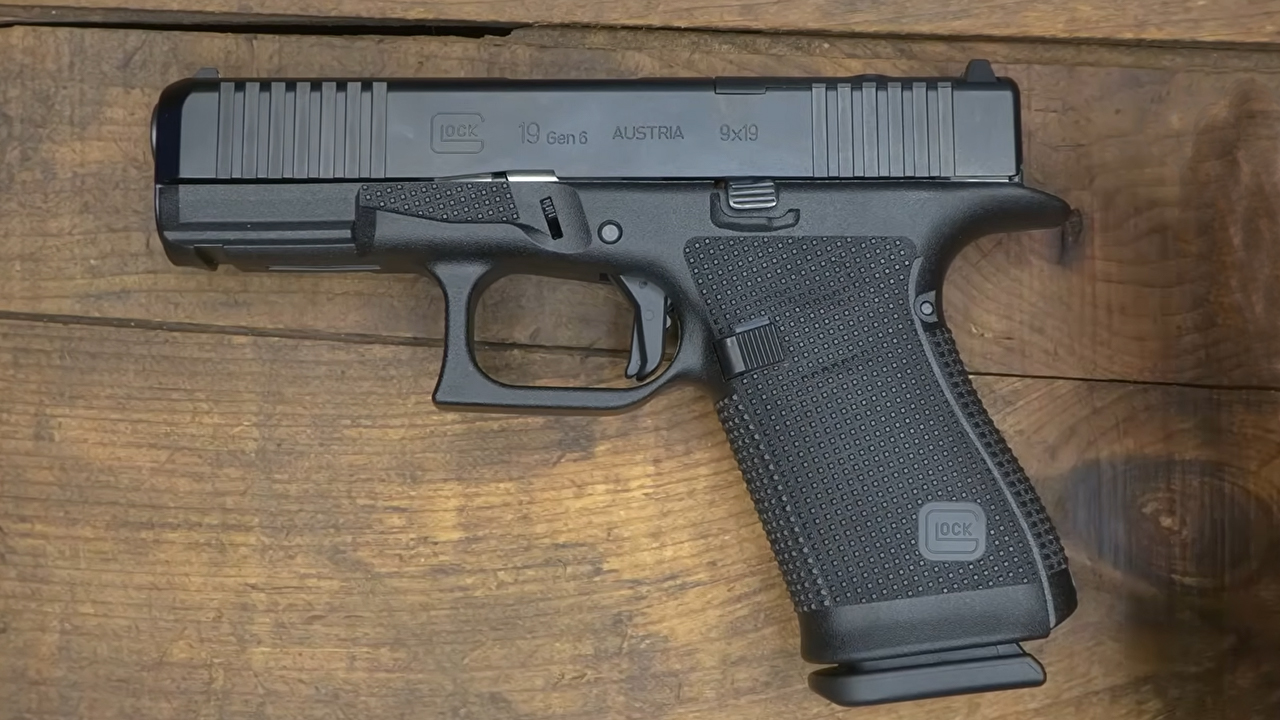
There is a reason the Glock 19 keeps showing up in glove boxes, nightstands, and carry rotations. It is a size that works for a lot of people, it is reliable, and it is easy to support with holsters and magazines that actually exist in the real world.
It is also easy to shoot well. Some pistols feel nicer in the hand, sure, but “nice” does not always win when you need a gun that runs with whatever ammo you can find and whatever weather you dragged it through.
16. Smith & Wesson M&P Shield (9mm)
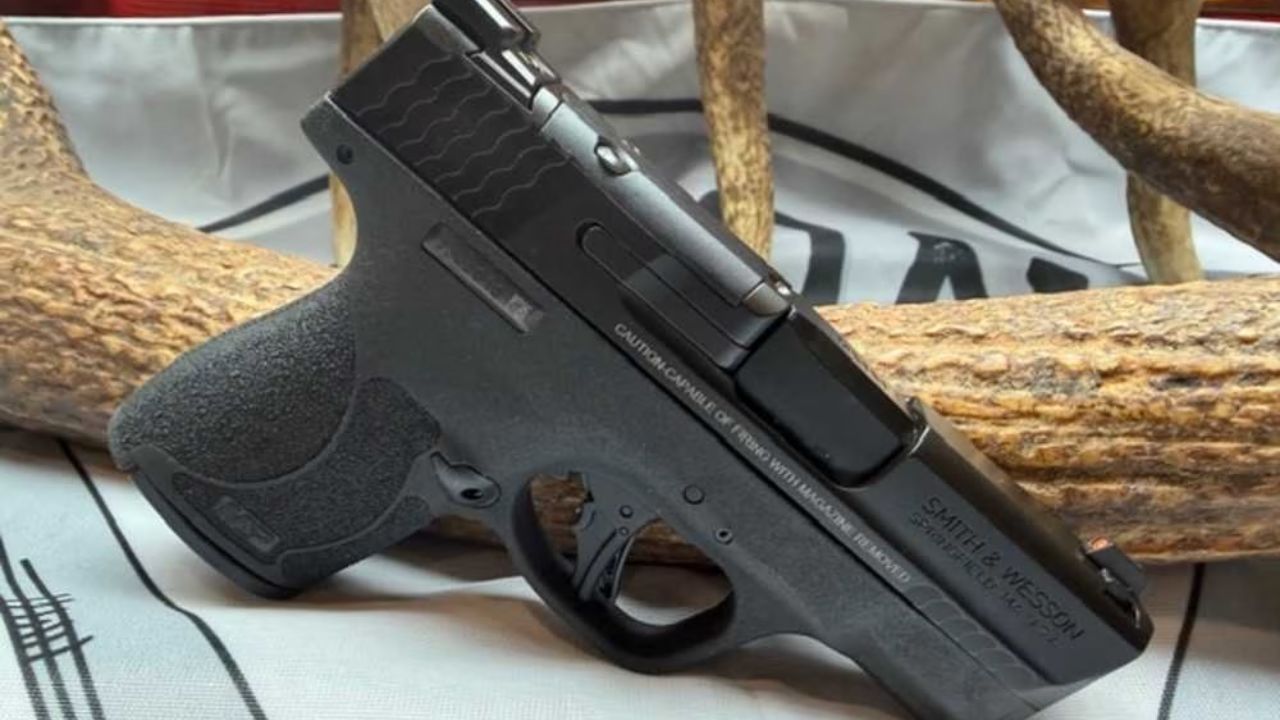
The Shield is one of those pistols that disappears on your belt, which is the whole point. It is not a range toy. It is the gun you actually carry when it is hot, when you are working, or when you are in and out of a truck all day.
These get sold when somebody buys a micro-compact with more capacity. Then the micro-compact turns out to be snappy, hard to shoot fast, or finicky with certain ammo. A Shield that you shoot well is a keeper.
17. Ruger LCP (or similar tiny .380 that you will really carry)

There are days a bigger pistol just does not make sense. The LCP class of .380s is not pleasant, and nobody brags about shooting 200 rounds through one. But it fills a real gap: the “always on me” gun.
If you have one that is reliable with your chosen carry ammo and you know its limits, it is a useful piece of gear. Selling it usually happens during a caliber debate. Then summer comes back around.
18. AR-15 (plain 16-inch carbine, quality parts, boring setup)
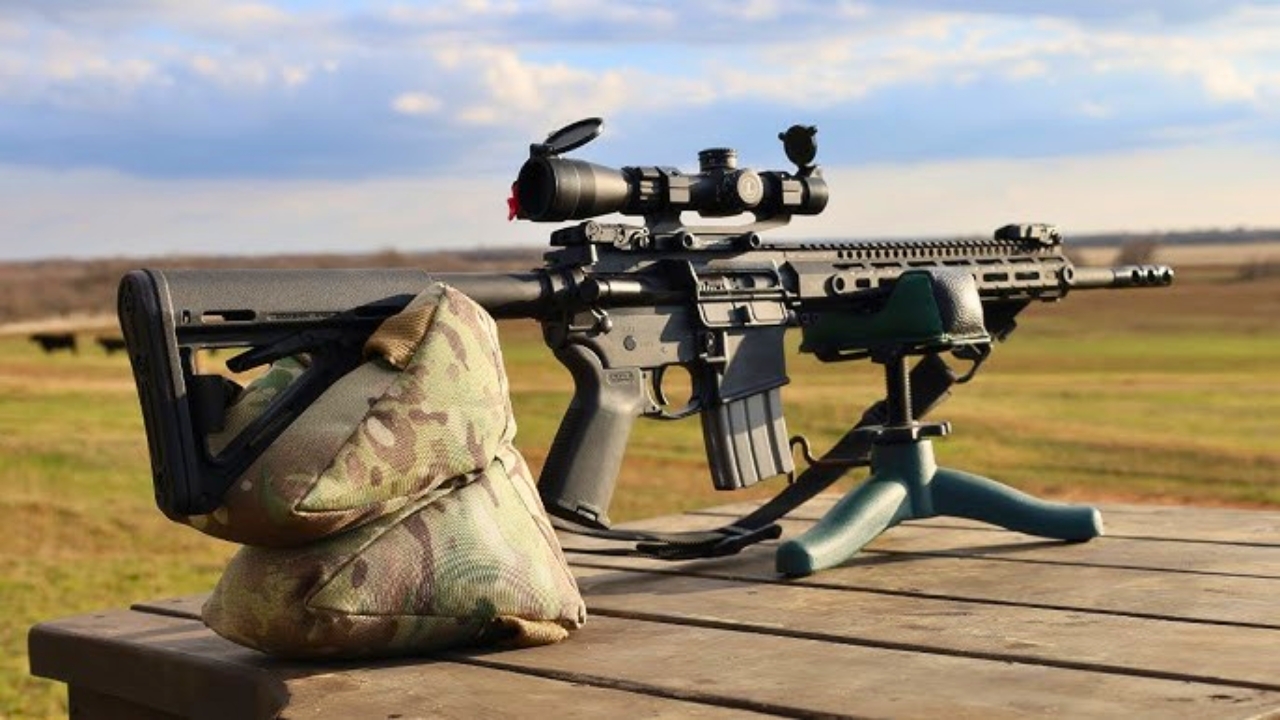
The AR that gets used is rarely the one covered in gadgets. It is the simple carbine with a dependable optic or irons, a sling, and magazines that are easy to find. It can do range work, predator control, property defense, and training without beating you up.
It is also the easiest platform to keep running because parts and support are everywhere. If you already have one that is sorted out and proven, selling it to chase the next thing is a gamble.
19. Ruger Mini-14
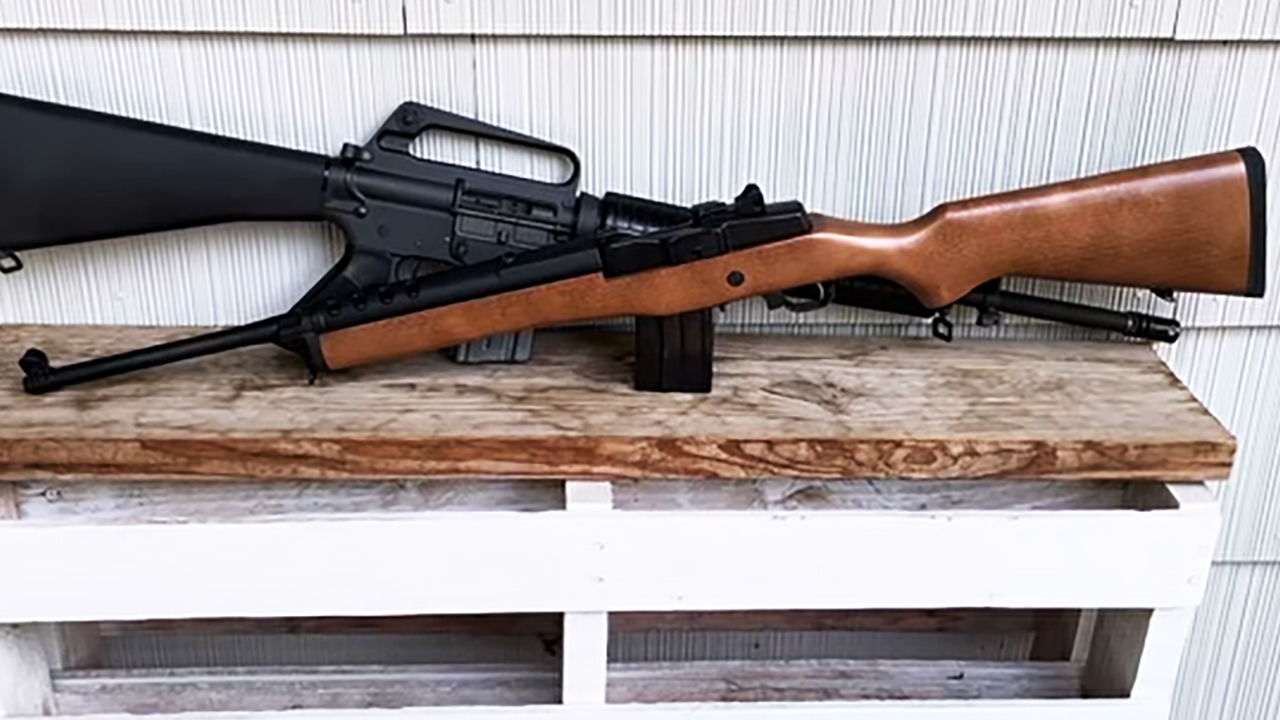
The Mini-14 is not an AR, and that is exactly why some folks like it. It looks like a traditional rifle, carries well, and it is handy in a truck or on a ranch. For certain communities and certain neighbors, it draws less attention while still doing the same basic work.
Accuracy varies by generation, and magazines matter a lot. But a good Mini with reliable mags is a practical rifle that fits real life. If yours runs, think hard before you let it go.
20. A basic, reliable .22 pistol (Ruger Mark IV or Browning Buck Mark)
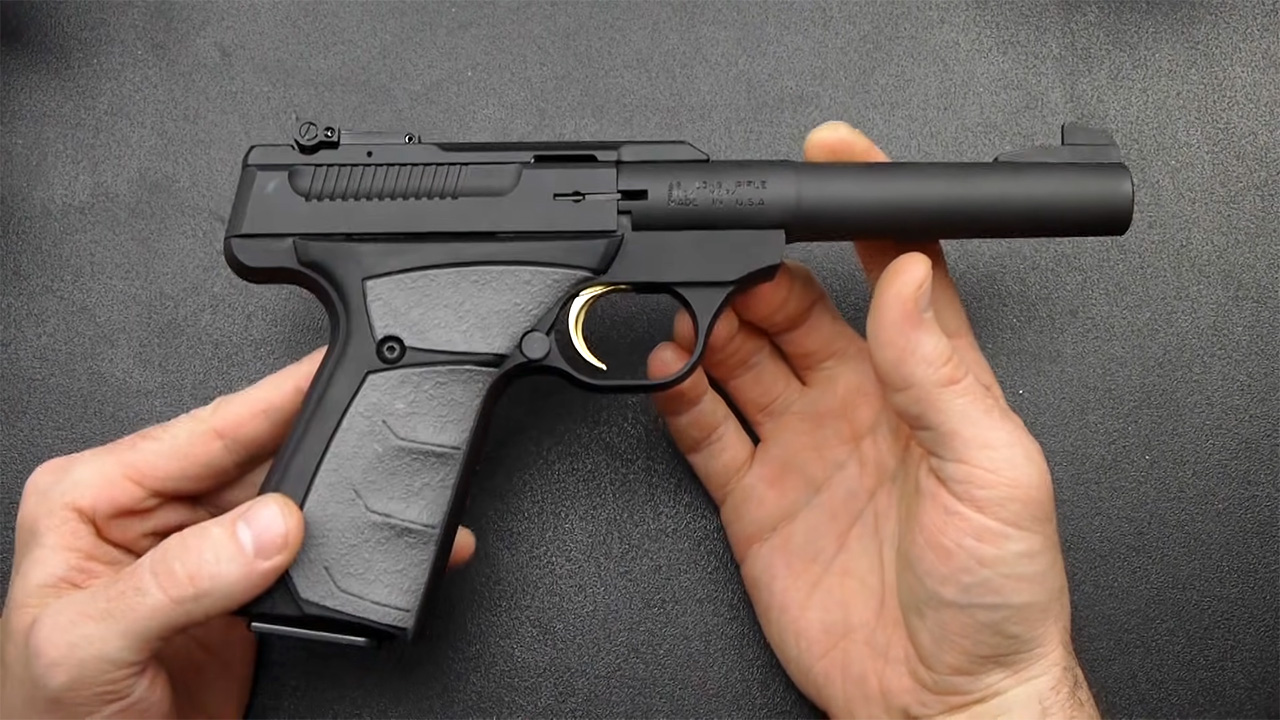
A good .22 pistol is one of the best training tools you can own, and it is also just fun. It lets you practice grip, trigger control, and sight tracking without burning through your ammo budget in ten minutes.
The Mark IV made takedown easier, and the Buck Mark has been steady for years. Either one will turn a slow afternoon into real practice. If you sell your only decent .22 handgun, you will feel it the next time you want cheap reps or a quiet walk in the woods.
None of this means you should never sell a gun. Sometimes it makes sense. But if you are staring at your safe trying to raise quick cash or fund the newest shiny thing, look hard at the boring workhorses first. The guns that actually get used, in real weather and real chores, are usually the ones you miss the most.
Like The Avid Outdoorsman’s content? Be sure to follow us.
Here’s more from us: