Photo credit: Sawtooth Tactical/Youtube
Revolvers have always had that “simple and sure” reputation, but for a long time they also got boxed into a narrow lane. Six shots. Slow reloads. Good for a nightstand, maybe a trail gun, maybe a hunter who likes tradition. Then certain wheel guns showed up and quietly kicked the lane markers into the ditch.
These aren’t just famous names. These are the revolvers that made folks rethink what you can reasonably do with a cylinder and a trigger: serious accuracy, serious power, serious carry comfort, serious durability, and in a few cases, features that felt almost like cheating for a revolver. Some are classics. Some are ugly. A few are absolute bricks. But all of them moved the goalposts.
1. Smith & Wesson Model 10
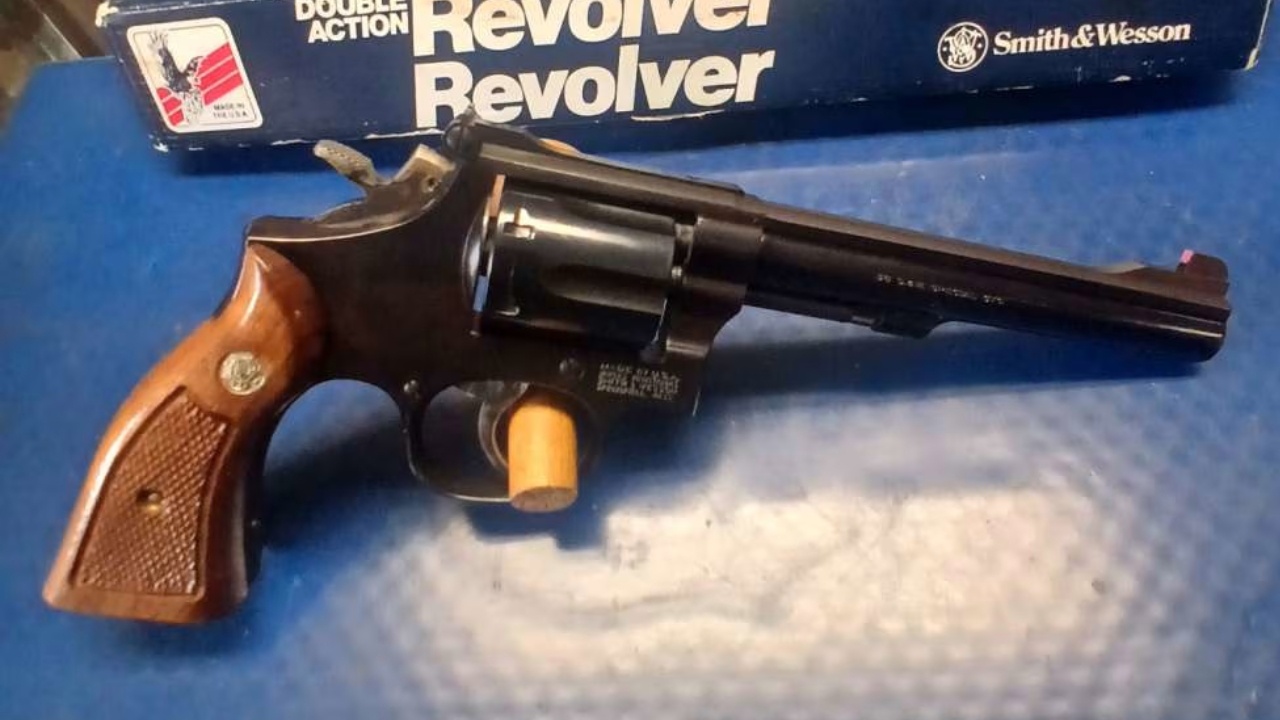
If you want to talk about the revolver that proved a wheel gun could be a hard-use working tool, it’s hard to ignore the Model 10. It wasn’t glamorous, but it ran, and it did it for decades in leather holsters that saw rain, lint, sweat, and neglect. That kind of track record rewired what “reliable” looked like for handguns.
It also taught generations that a moderate .38 Special in a good K-frame can be shot well by regular humans. Not “internet well.” Real well. The trigger feel on a decent one is the kind of smooth you don’t appreciate until you go back to something rough.
2. Colt Python

The Python didn’t just bring accuracy and a silky action; it brought the idea that a revolver could be a premium performance machine. People still argue about “best” triggers, but the Python made a lot of shooters realize a wheel gun could feel tuned right out of the box.
It’s also one of the best examples of a revolver that points naturally when you’re doing fast, close shooting. The downside is obvious: they got expensive, and older ones are not the gun you hand to a buddy who treats everything like a rental.
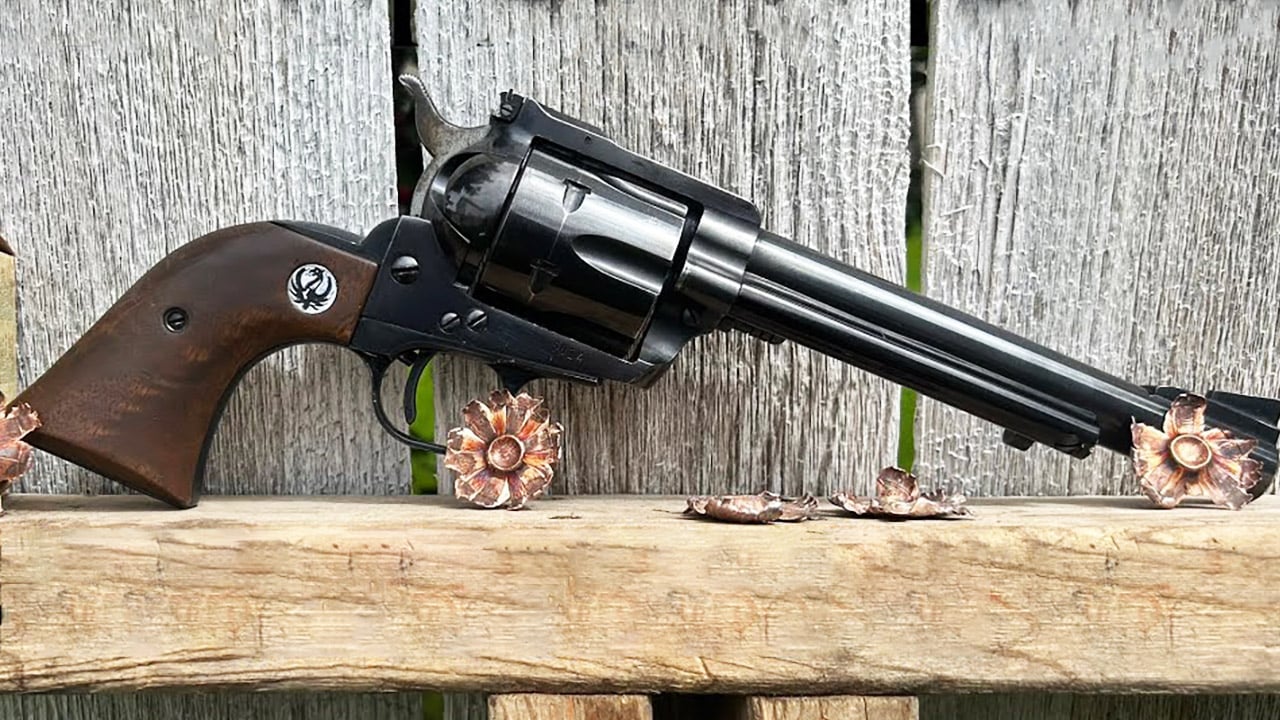
3. Ruger Blackhawk
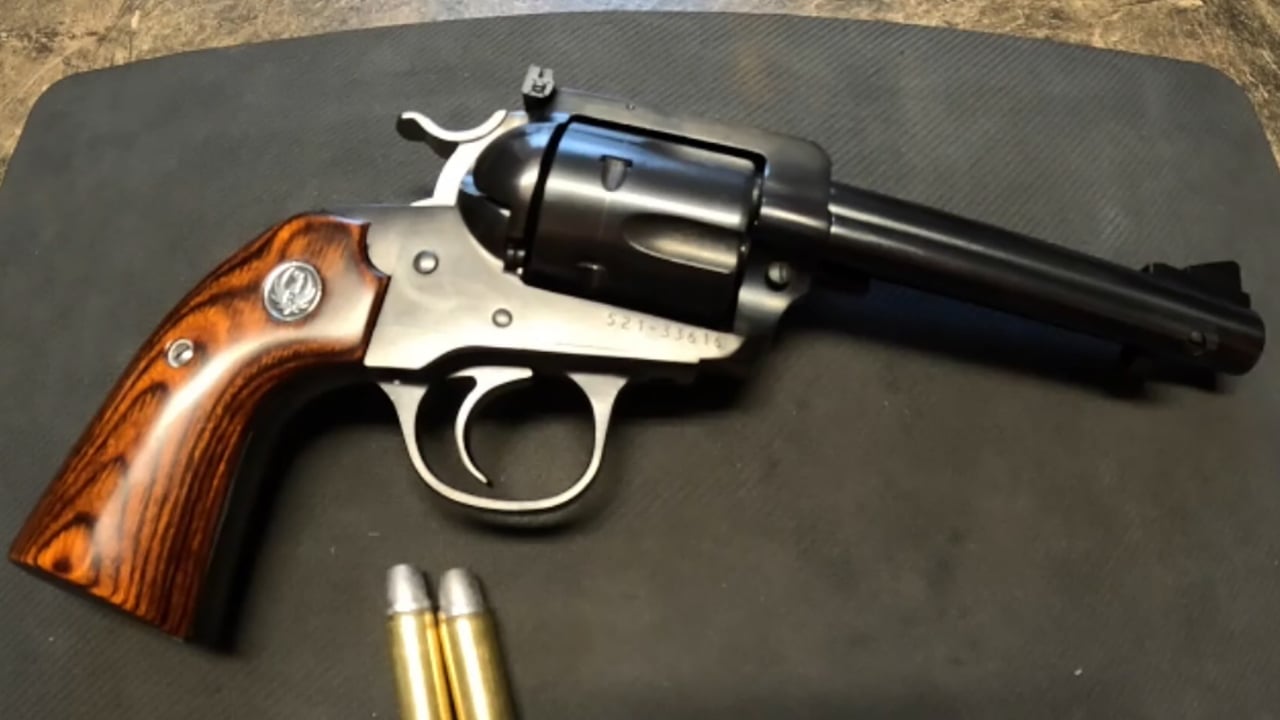
The Blackhawk showed that single-actions weren’t stuck in the cowboy corner. Ruger built them stout, and that strength let hunters and handloaders explore the outer edges of what big-bore revolver cartridges could do—within safe limits and good judgment, of course.
There is nothing fancy about it, and that is kind of the point. It carries well in a proper holster, works with cold hands, and doesn’t get moody when it’s dusty. It made “pack a revolver for serious woods work” a normal idea.
4. Smith & Wesson Model 29

The Model 29 made power mainstream. Before it, big-bore revolvers existed, but the 29 pushed .44 Magnum into the public imagination and, more importantly, into hunting camps. It put real authority in a belt holster.
It also taught a lot of folks about recoil honesty. Full-house .44 loads aren’t a personality trait; they’re work. The ones who learned to shoot it well found out a revolver could reach farther and hit harder than most people expected.
5. Ruger Redhawk
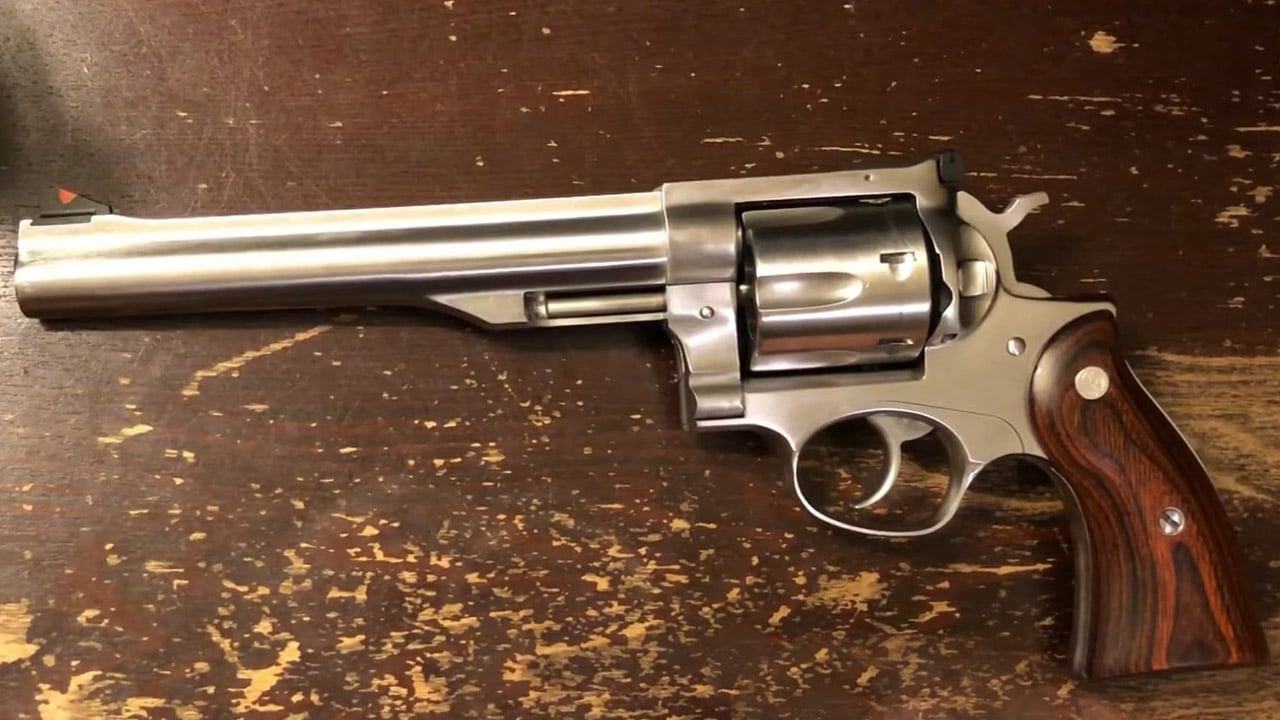
The Redhawk is what you buy when you’re tired of pretty and you want durable. It’s heavy, yes. It’s not subtle. But it made a strong case that a double-action revolver could be a legitimate hunting handgun that you aren’t afraid to actually use.
Where it changed minds was endurance. Hot loads, lots of rounds, lots of carry time. It just keeps its timing and keeps on ticking when lighter, more delicate guns start getting attention from a gunsmith.
6. Ruger Super Redhawk

When Ruger added the extended frame and ring cuts for optics, it signaled something important: revolver hunting wasn’t a novelty, it was a category. A scoped revolver looks odd until you shoot one from a steady rest and realize what it can do with the right load.
It’s not a pleasant gun to pack all day, but in bear country or on a hog hunt where you might be sitting and glassing, that extra weight buys you controllability and a platform that stays tight.
7. Smith & Wesson Model 686

The 686 helped cement the idea that .357 Magnum could be practical and shootable in a full-size gun. It’s one of those revolvers that makes you look better than you are because the balance is right and the sights are usually excellent.
It also brought the “do-everything” wheel gun into modern times: .38s for cheap practice, .357 for serious work, and enough heft to keep it from beating you up. If someone says revolvers are outdated, hand them a 686 and a box of ammo.
8. Smith & Wesson Model 19 (Combat Magnum)
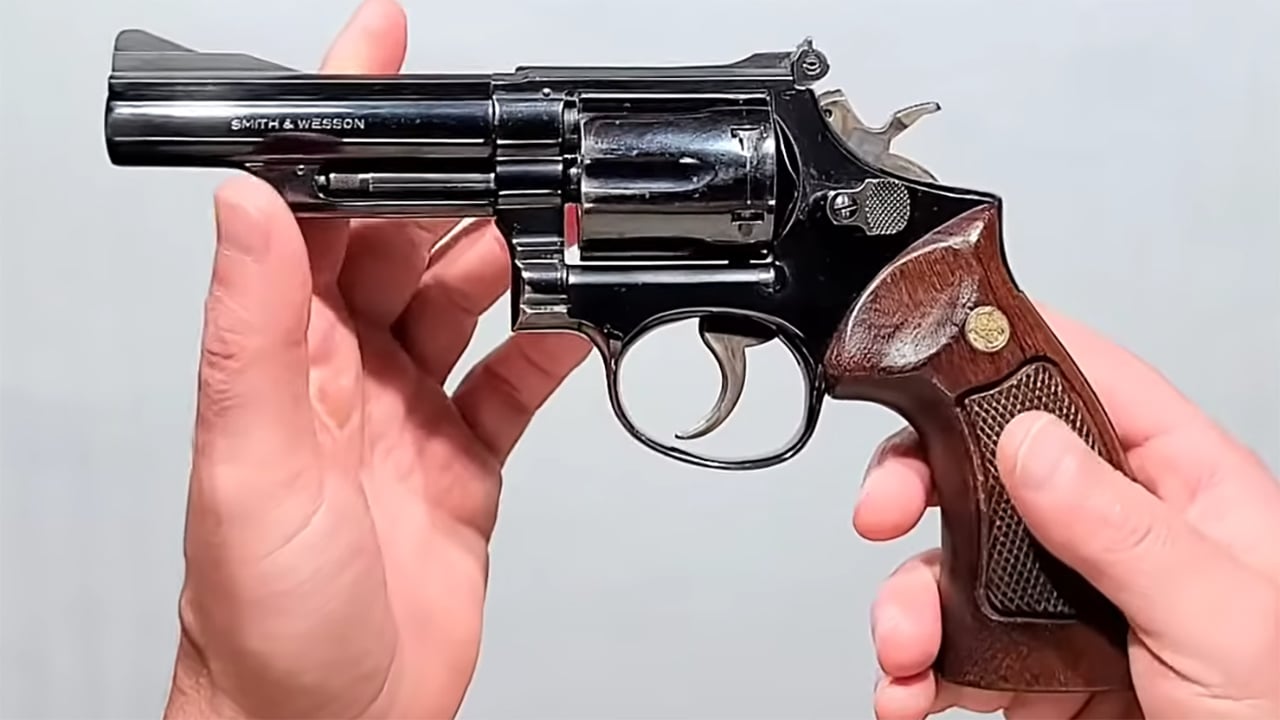
The Model 19 was a big deal because it made magnum performance feel portable. It carried like a service gun instead of a hunting revolver, and that changed what folks expected from a belt gun.
It did have limits with a steady diet of the hottest loads, and that lesson mattered too: “Carry a magnum” is easy to say, but the gun has to survive the plan. With sensible ammo, it’s still one of the best-pointing revolvers ever made.
9. Smith & Wesson Model 66
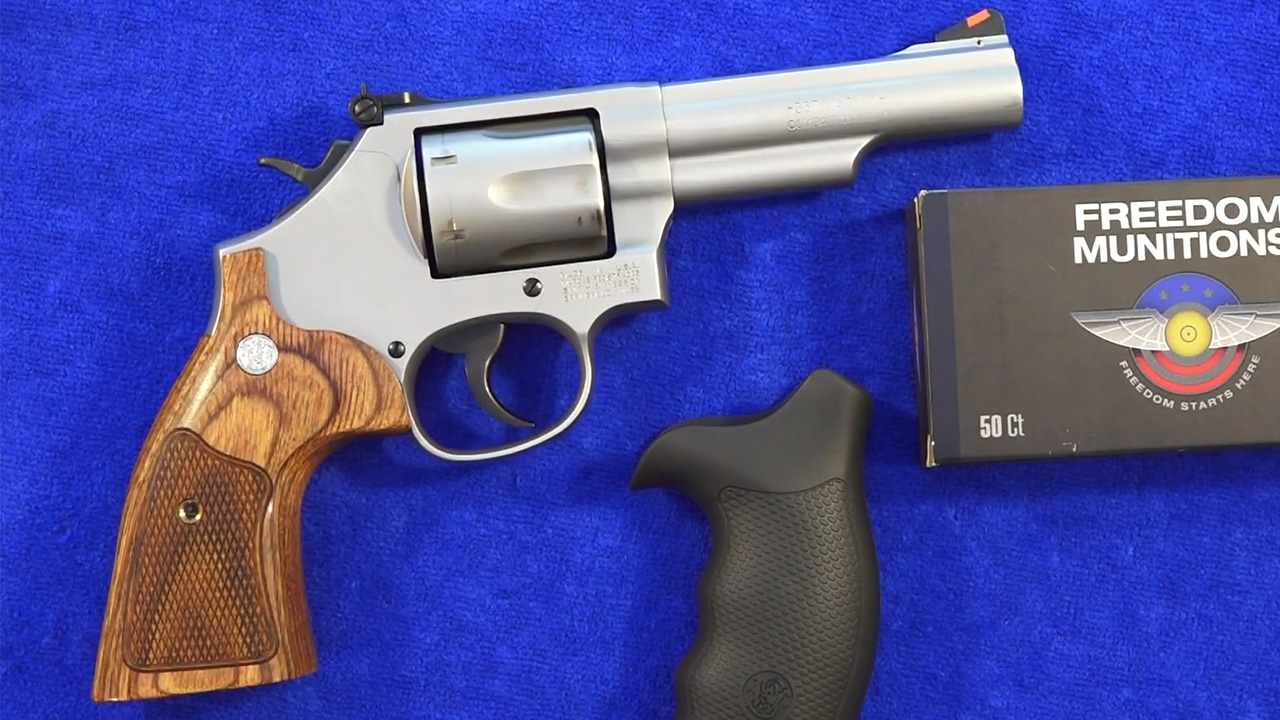
Take the Model 19 idea and make it stainless, and you get a gun that rode in a lot of wet climates and still came home looking decent. The Model 66 made stainless revolvers feel like the smart choice instead of the weird choice.
For outdoorsmen, stainless isn’t about fashion. It’s about sweat, rain, blood, and the fact that you’re not always near a workbench. A 66 with honest wear tells you somebody actually carried it.
10. Colt Detective Special

Before micro-compacts and red dots took over the carry conversation, the Detective Special proved you could have a compact revolver that was still shootable. Six shots in a small frame was a serious advantage at the time.
It also made concealment more normal for revolvers. Not ankle-holster Hollywood stuff—real carry under a jacket or in a coat pocket when you’re out running traps, checking fence, or driving back roads.
11. Smith & Wesson Model 36 (Chief’s Special)

The Model 36 brought the snubnose into the everyday world. It’s not fun at the range for long sessions, but it’s the kind of revolver that actually gets carried because it fits real life.
Plenty of folks learned the hard way that tiny revolvers demand practice, especially with +P loads. Still, it changed minds by proving a revolver could be truly compact and still trustworthy.
12. Ruger SP101
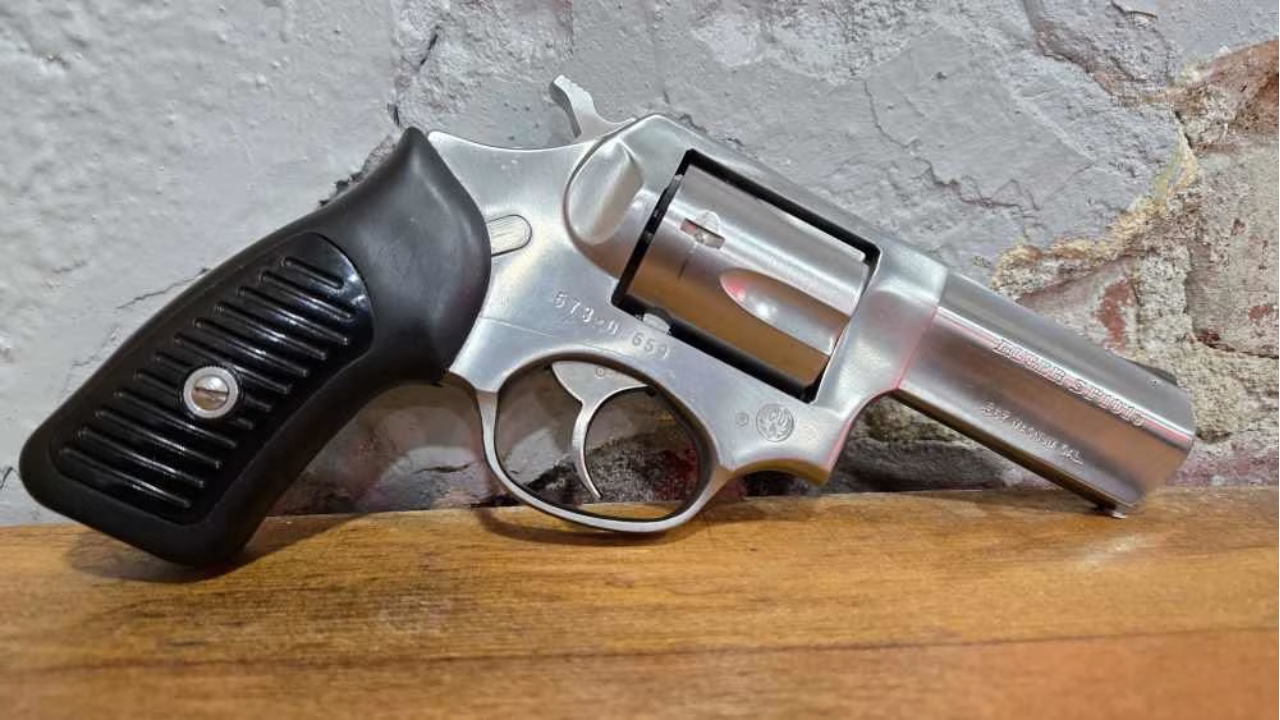
The SP101 made “small but tough” a standard expectation. A lot of compact revolvers feel like they’re asking for a diet of mild ammo. The SP101 never gave off that vibe.
It’s a little chunky for the capacity, and I get why some folks choose something lighter. But if you actually shoot your carry gun a lot, the SP101 is one of those rare snubs that doesn’t feel like it’s punishing you for training.
13. Ruger LCR

The LCR is one of the revolvers that forced traditionalists to admit polymer had a place on a wheel gun. Ruger didn’t just make it light; they made the trigger surprisingly usable for what it is.
It made pocket carry more realistic for people who won’t tolerate a heavy gun tugging their pants down all day. The trade-off is recoil. Light guns are honest guns, and the LCR will remind you of that with stout loads.
14. Smith & Wesson 642 (Airweight)
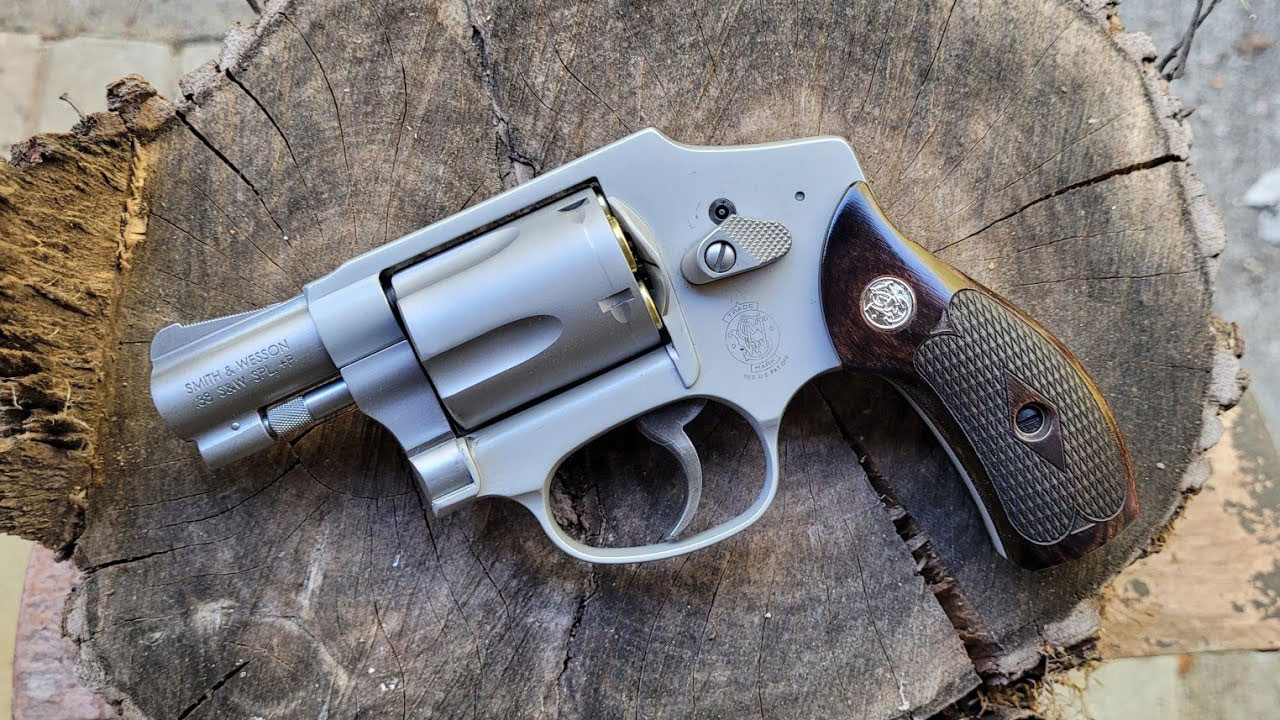
The 642 is boring in the best way. It’s the revolver that lives in pockets, tackle bags, center consoles, and coat pockets because it disappears and keeps working. Hammerless, snag-free, simple.
It also changed expectations about “always gun” reliability. Semi-autos are great, but a sealed-up little J-frame that doesn’t care about lint has earned a lot of trust in the real world.
15. Smith & Wesson 340PD (Scandium .357)
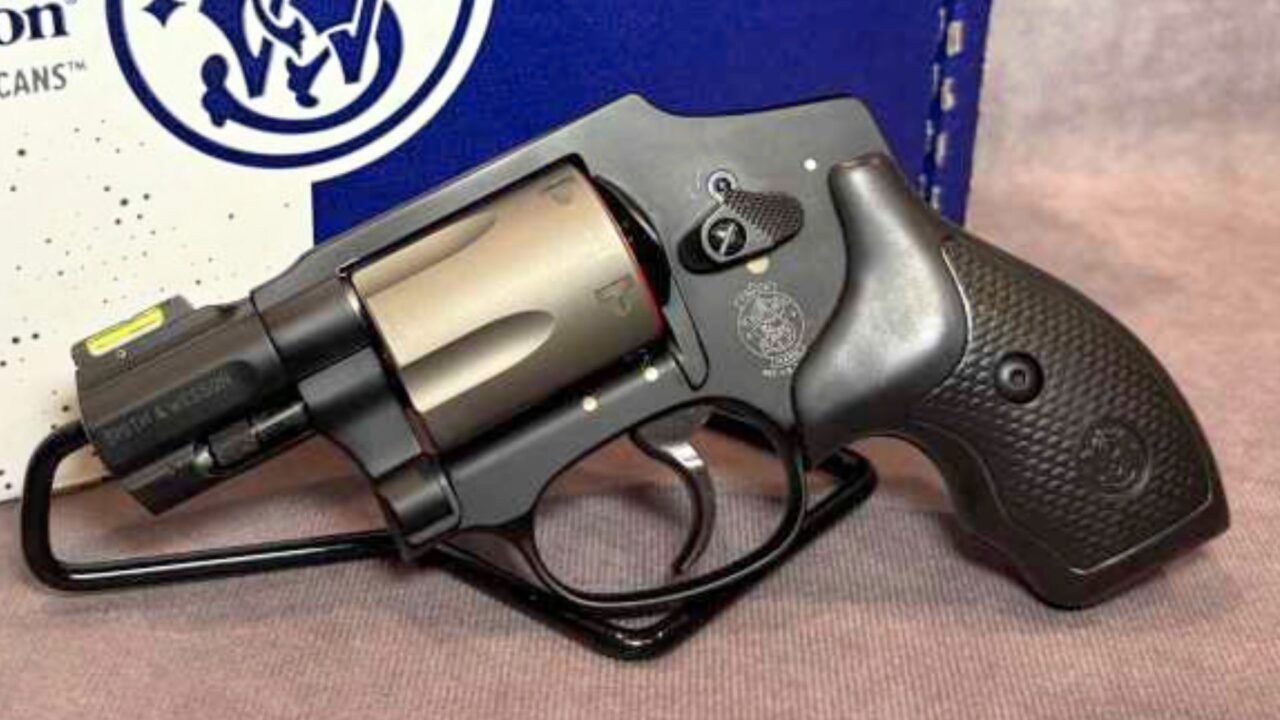
This one changed minds, but not always in a pleasant way. A featherweight .357 sounds like the ultimate backcountry carry revolver until you touch off real magnum loads. Ask me how I know.
Still, it proved that extreme weight savings were possible without giving up magnum capability. A lot of owners end up carrying .38 +P for sanity, which is a reasonable decision, but the platform itself pushed the “light but strong” concept forward.
16. Taurus Judge

The Judge brought a very specific idea into the mainstream: a revolver that could chamber both a handgun cartridge and .410 shotshells. Folks bought them for snakes, truck use, and “one gun for weird problems.”
It’s not a precision target gun, and the hype has always been louder than the reality. But it absolutely changed what people thought a revolver was allowed to be, and it kicked off a whole debate about purpose-built problem solvers versus do-it-all compromises.
17. Smith & Wesson Model 500
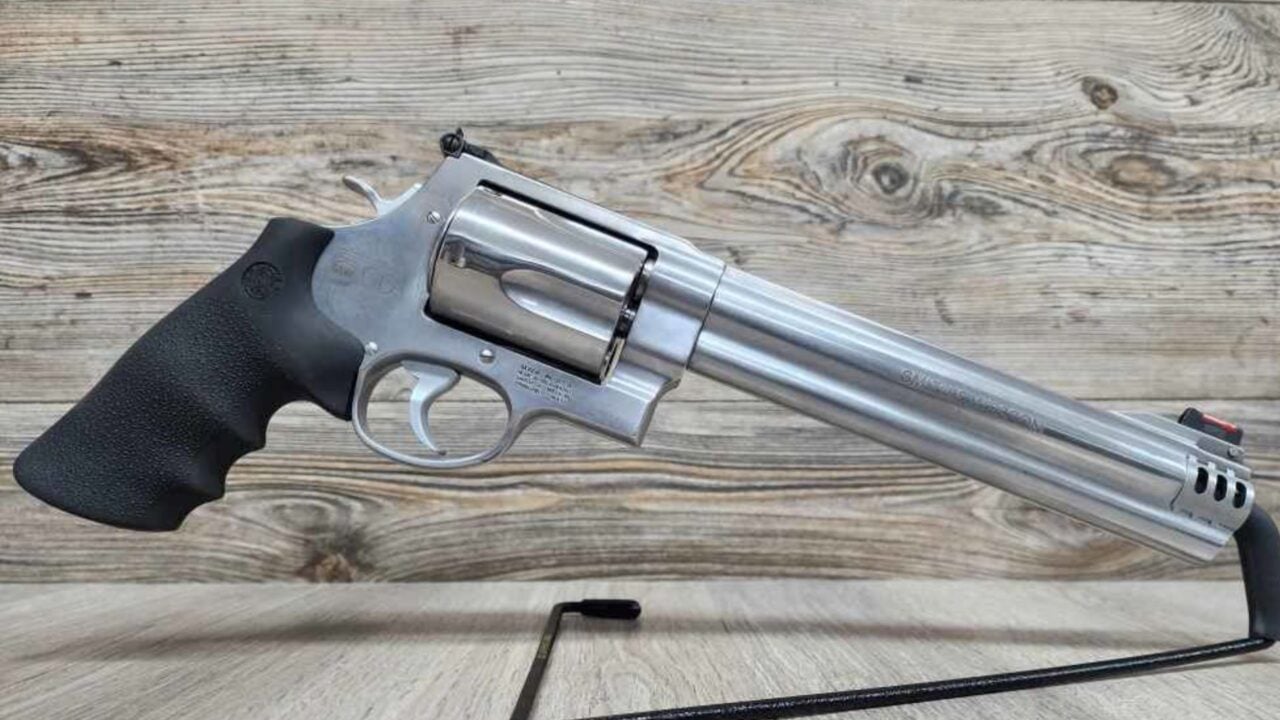
The .500 S&W Magnum revolvers are the definition of “because we can.” They changed the conversation about handgun power in a single step, and whether you think that’s sensible or not, it happened.
They’re heavy, expensive to feed, and not for casual shooters. But they proved a revolver could deliver rifle-level energy at the muzzle and still be a repeatable, manufactured product—not a one-off custom oddity.
18. Ruger GP100
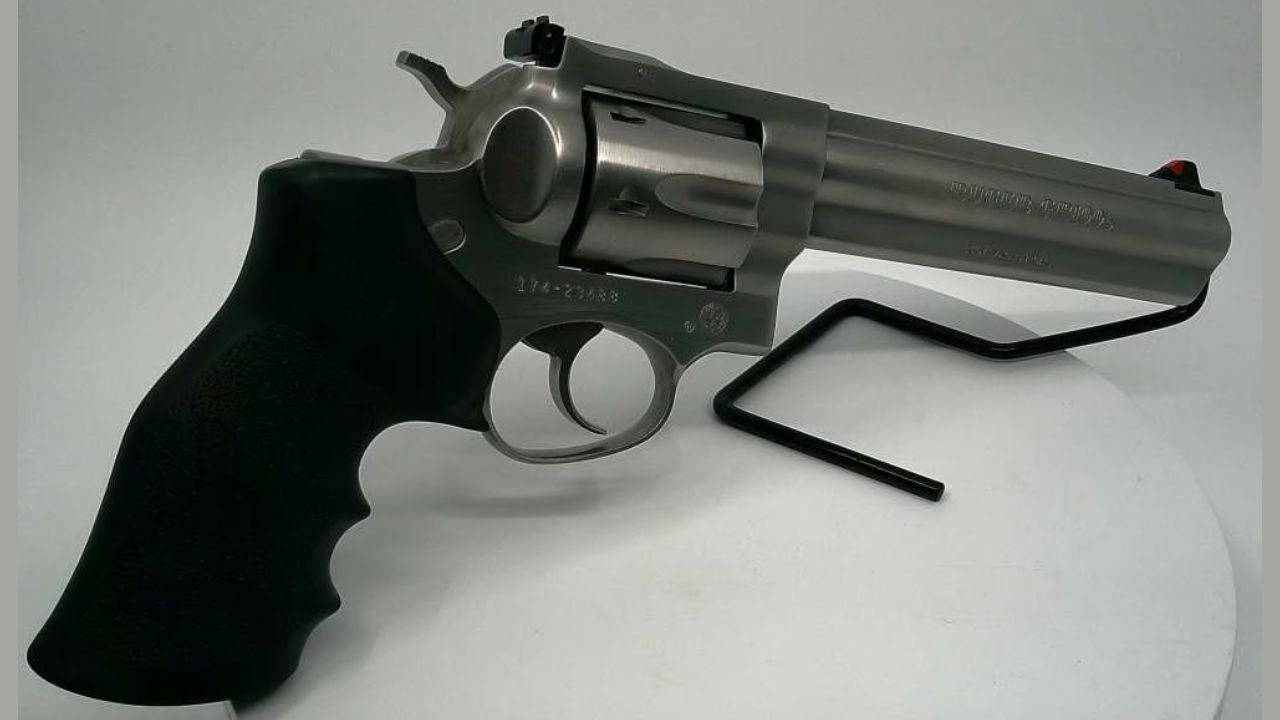
The GP100 is the revolver a lot of folks end up trusting after they’ve tried lighter guns, fancier guns, and more expensive guns. It’s not delicate. It’s also not trying to win a beauty contest.
What it changed was expectation around durability in a reasonably priced revolver. You can shoot it a lot, carry it hard, and keep it running without treating it like a collectible. In a world of safe queens, that’s refreshing.
19. Chiappa Rhino 60DS
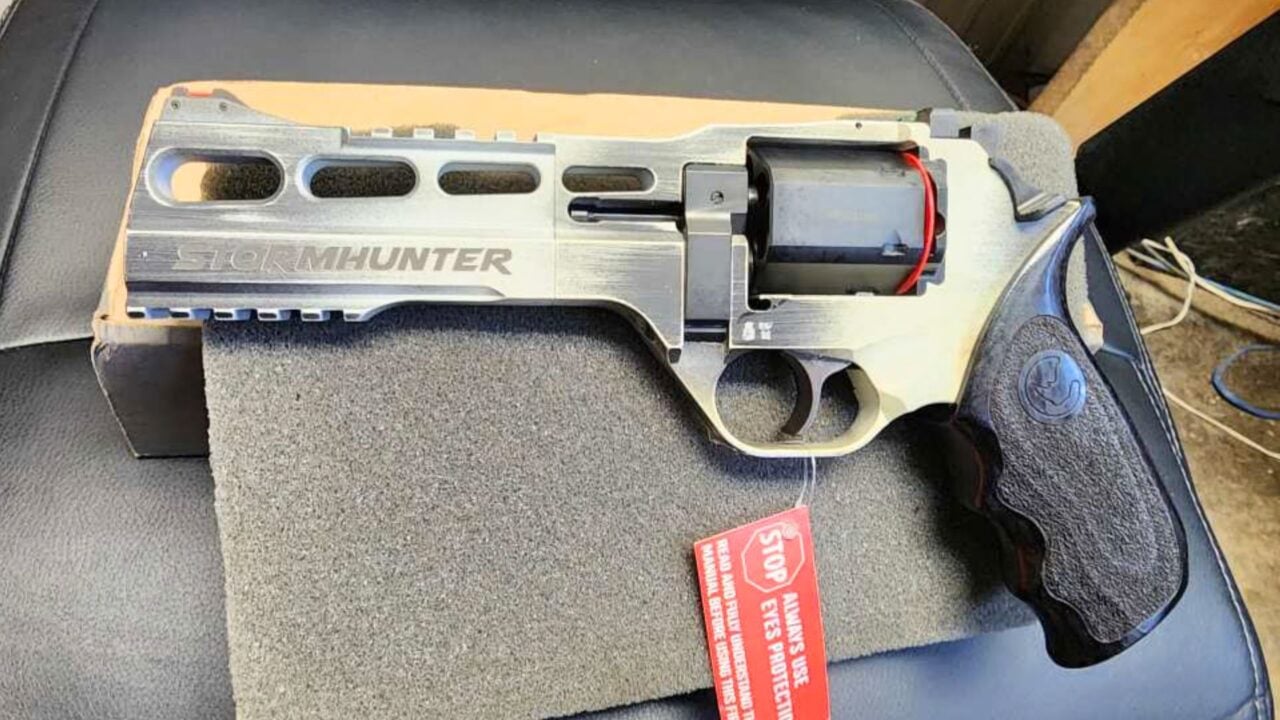
The Rhino looks like something from a sci-fi movie, but the low-bore-axis design is not a gimmick. It noticeably changes how recoil feels, especially with .357 Magnum, and it keeps the muzzle from climbing like traditional high-bore revolvers.
It made plenty of skeptics admit that revolver design wasn’t “finished” a hundred years ago. Parts and holsters aren’t as everywhere as a Smith or Ruger, but as a concept, it moved the needle.
20. Smith & Wesson 929 (Performance Center 9mm)
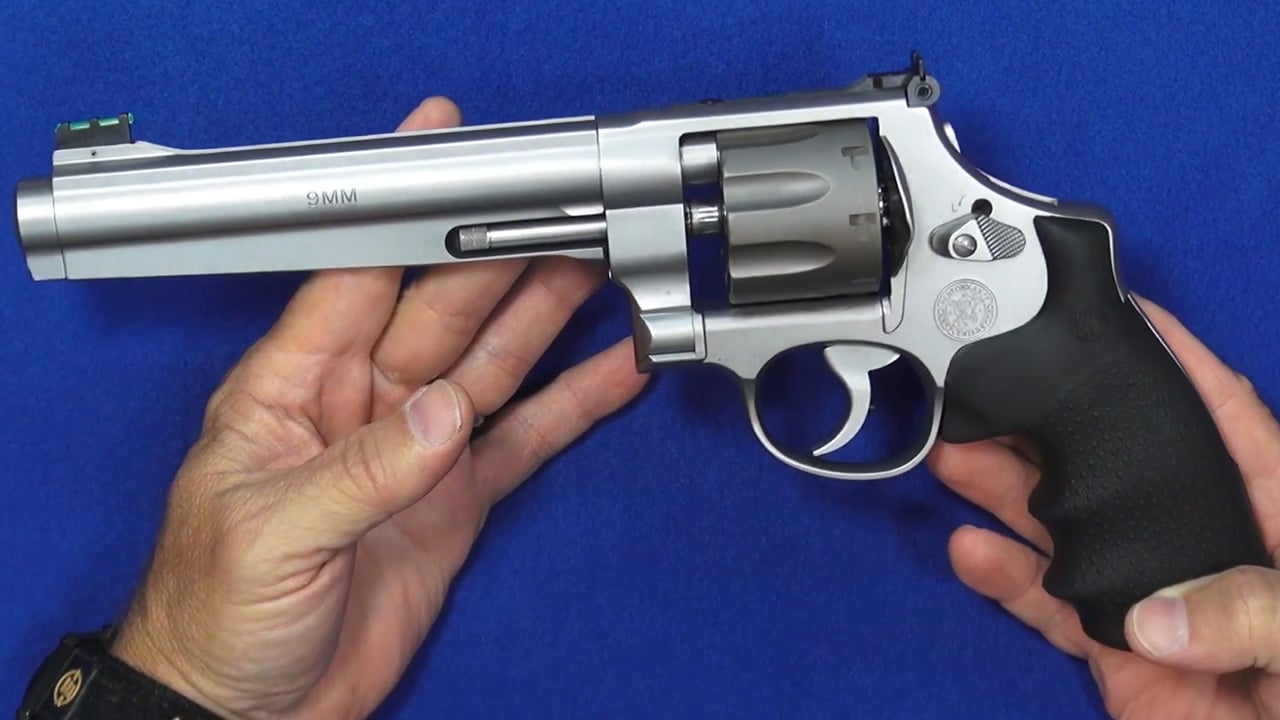
A 9mm revolver sounds like a solution in search of a problem until you shoot one set up with moon clips and realize how fast and consistent the reloads can be. The 929 helped normalize the idea that revolvers could compete in modern action shooting without pretending it’s 1978.
It’s also a reminder that “wheel gun” doesn’t have to mean slow. With the right setup, a revolver can run hard, shoot flat, and be downright surgical, especially for shooters who appreciate a good double-action pull.
If you’ve carried revolvers in the woods long enough, you’ve watched the opinions swing back and forth. Semi-autos are everywhere, and for good reasons, but these wheel guns proved the platform isn’t just nostalgia. When a revolver is built right and matched to the job, it still does things that surprise people—and sometimes it does them better than anything else on your belt.
Like The Avid Outdoorsman’s content? Subscribe to our newsletter so you never miss an article.
Here’s more from us: