Photo credit: Honest Outlaw/Youtube
If you hang around a gun counter long enough, you start hearing the same names come up when the talk turns from “fun range day” to “the one I’d grab if everything went sideways.” Gunsmiths are an interesting bunch in that conversation. They see what breaks, what wears out early, what comes in with mystery malfunctions, and what keeps chugging after years of neglect and bad ammo choices.
This isn’t about the newest finish color or what looks good in an Instagram holster. It’s about pistols and revolvers with track records, common parts, and designs that don’t need to be babied. And yeah, a couple of these aren’t sexy. There is nothing fancy about it, and that is kind of the point.
1. Glock 19 (Gen 3/4/5)

If you asked ten working gunsmiths for one do-it-all 9mm, the Glock 19 shows up like a bad penny. It’s not because it feels like a custom 1911. It’s because it runs, magazines are everywhere, and it’ll still run after the “I clean it every 2,000 rounds whether it needs it or not” crowd gives up.
The other piece is support. Sights, holsters, springs, mags, small parts—none of it is hard to find, and none of it is exotic. When you’re trusting your life to a tool, boring logistics matter.
2. Glock 17
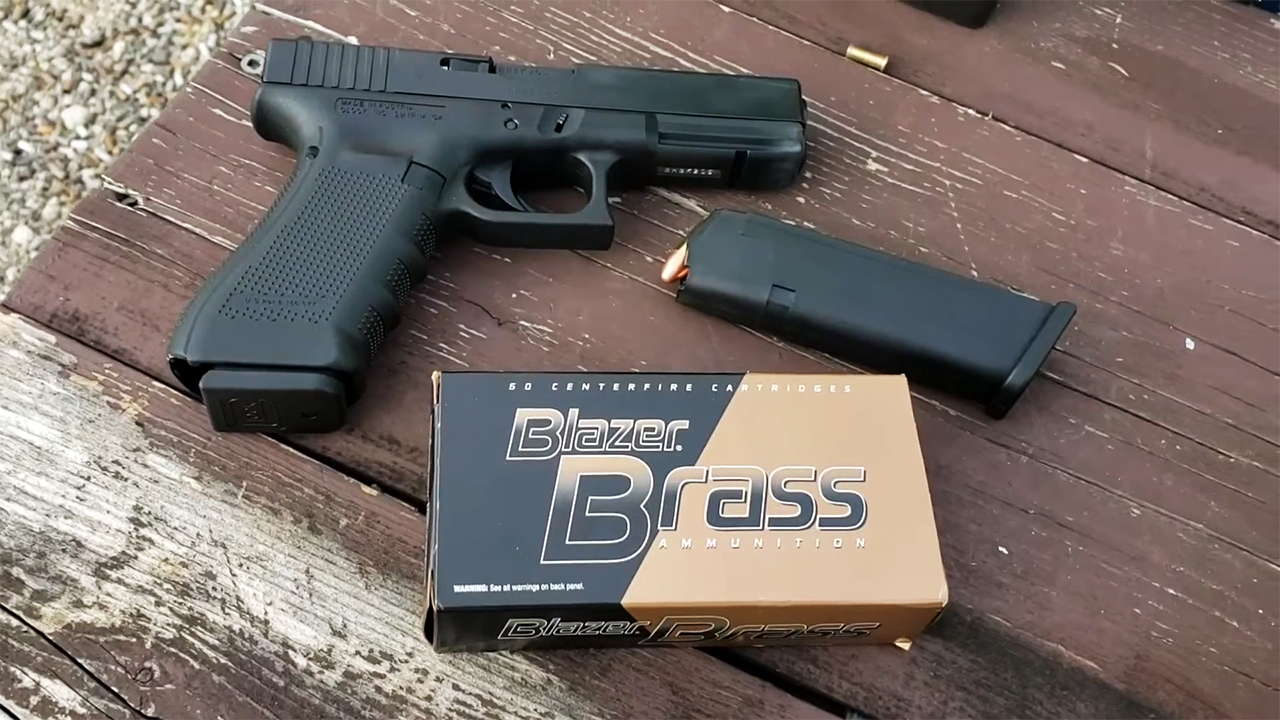
The Glock 17 is the full-size brother that doesn’t ask for much. For home defense, nightstand duty, or a belt gun under a jacket, it points naturally for a lot of shooters and tends to be forgiving with grip and stance.
It’s also easy to keep fed. If you’re the type to stash spare mags in the truck, in the safe, and in a range bag, you’ll appreciate how painless it is to keep a pile of reliable magazines on hand.
3. SIG Sauer P365

Micro-9s used to be “good idea, rough reality.” The P365 changed that for a lot of folks. It’s small enough to actually carry every day, but it doesn’t feel like you’re shooting a stapler. That counts when you’re trying to get real practice in.
Early production guns had some chatter, but at this point the design has matured. Good sights, good capacity for the size, and enough aftermarket support that you aren’t stuck with weird one-off gear.
4. SIG Sauer P320 (Carry/Compact)
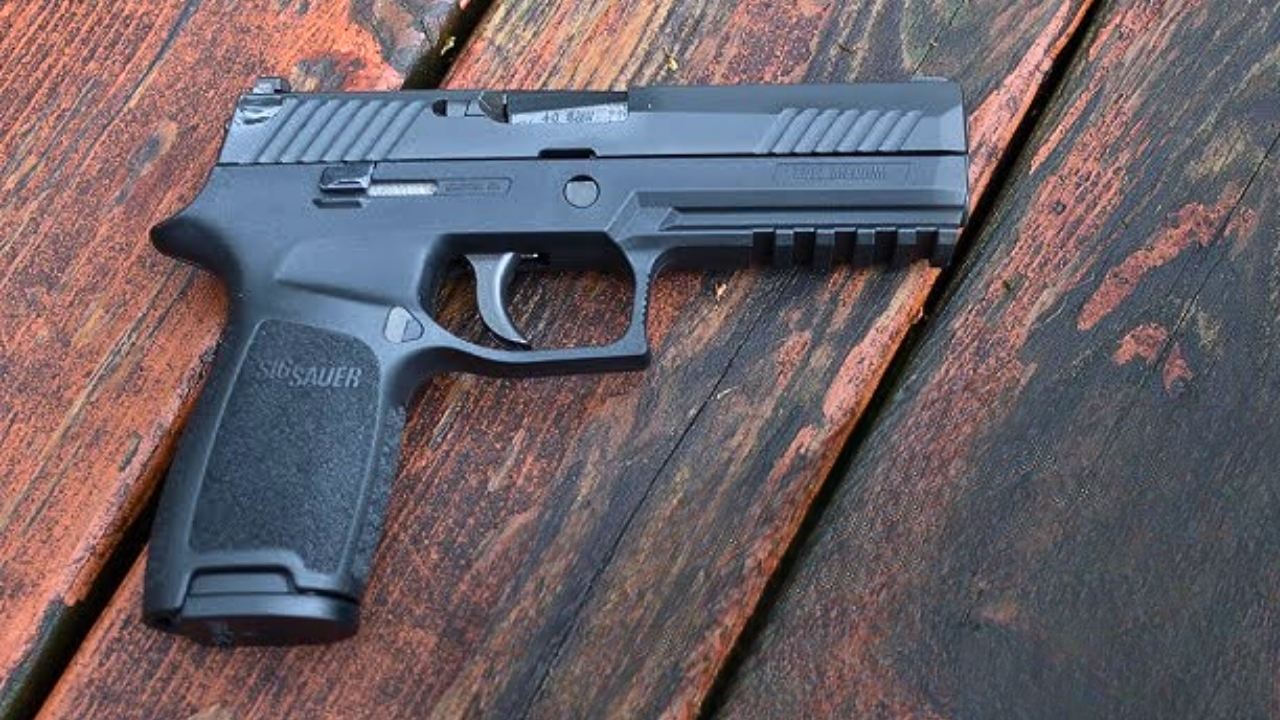
You can argue ergonomics all day, but the P320 is a serious, duty-grade pistol with a lot of real-world miles on it. It’s accurate, it handles recoil well, and it’s easy to set up for your hand size without needing a file and sandpaper.
I like that parts and magazines aren’t rare, and the gun is straightforward to maintain. If a pistol requires constant “tuning” to stay trustworthy, it’s not a life gun.
5. Smith & Wesson M&P 2.0 (9mm)

The M&P 2.0 is one of those pistols that quietly wins people over after a few range trips. The grip texture is aggressive, which is great in sweat, rain, and cold hands, but it can be a little much against bare skin if you carry inside the waistband.
Reliability is the selling point here, plus the way it tracks in recoil. It’s not flashy, but it’s easy to shoot well, and that’s what matters.
6. Smith & Wesson M&P Shield Plus

The Shield line earned trust the old-fashioned way: by being carried a lot and not causing drama. The Shield Plus keeps that same slim feel but gives you capacity that finally makes sense for a “real” carry gun.
It’s also a gun that tends to get shot. If you buy a pocketable pistol and then avoid practice because it’s miserable, you picked wrong. The Shield Plus is manageable enough that you’ll actually put rounds through it.
7. Ruger GP100 (4-inch .357)
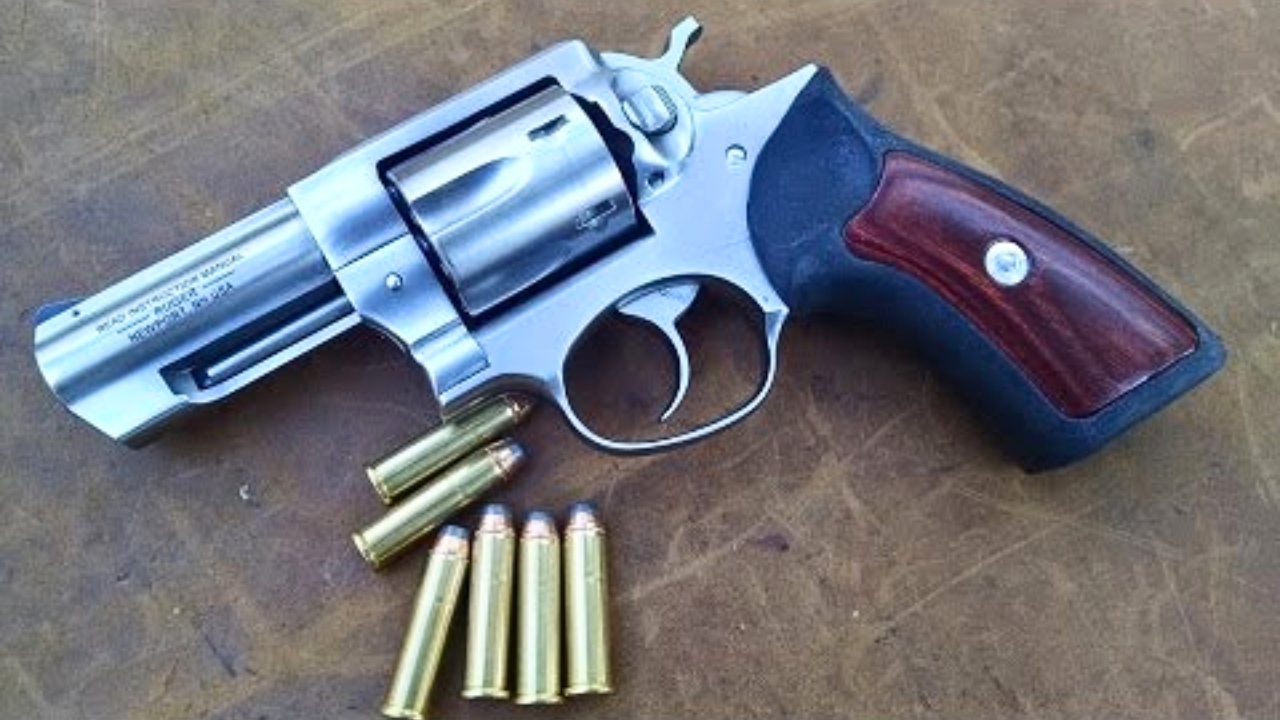
When someone says “I want a revolver I can hand down,” this is where my mind goes. The GP100 is built like it expects to be used, not admired. It’ll digest .357s all day, and it isn’t fragile about it.
For outdoorsmen, a 4-inch GP100 rides well in a strong-side holster, and it’s a solid choice when you’re in places where two-legged problems aren’t your only concern.
8. Ruger SP101 (2.25-inch .357)

The SP101 is stout for its size, which is both the good and the bad. It’s heavier than some snub-nose revolvers, but that weight pays you back when you touch off real .357 loads. It’s not a toy.
As a “working” revolver, it’s hard to beat. Simple manual of arms, tough lockwork, and it shrugs off the kind of pocket lint and neglect that can choke smaller autos.
9. Smith & Wesson Model 686 (L-Frame)

The 686 is what a lot of folks picture when they picture a serious .357. Smooth double-action, good balance, and enough meat in the frame to handle steady use without feeling like you’re accelerating wear.
If you like revolvers for the way they handle stress—no mag issues, no slide out of battery—this is one of the safest bets in the whole category.
10. Smith & Wesson Model 642 (Airweight)

Is it pleasant to shoot? Not really. But the 642 is one of the most “always there” guns ever made. It disappears in a pocket holster, and it’s simple enough that you can run it half awake.
Gunsmiths tend to respect guns that get carried more than they get talked about. The 642 has probably saved more lives than most trendier pistols ever will, just because it was on-body when it mattered.
11. Colt Python (current production)
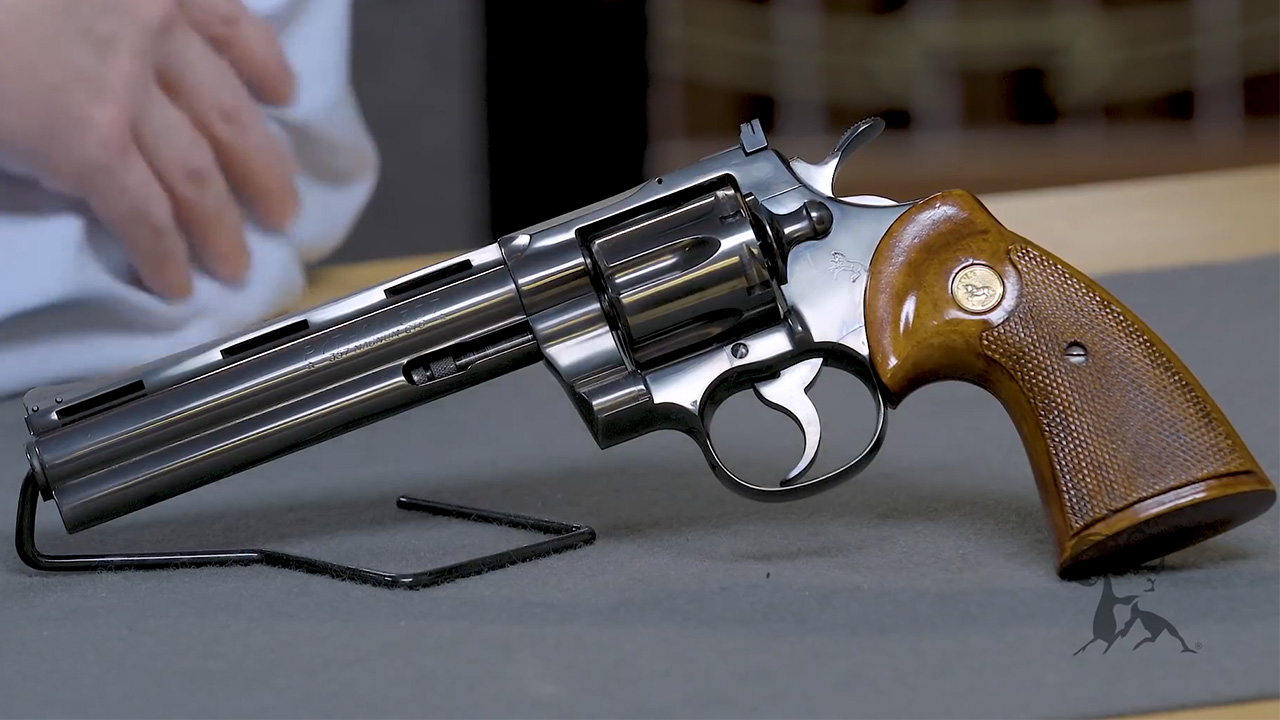
Old Pythons are their own world, but the newer ones have become legitimate hard-use revolvers. You get that classic feel, a solid trigger, and accuracy that’s not just marketing.
It’s not the cheapest way into a .357, and I’m not pretending it is. But if you want a revolver that shoots like it should and doesn’t feel “loose” after real use, the new Python deserves the respect.
12. Beretta 92FS / M9
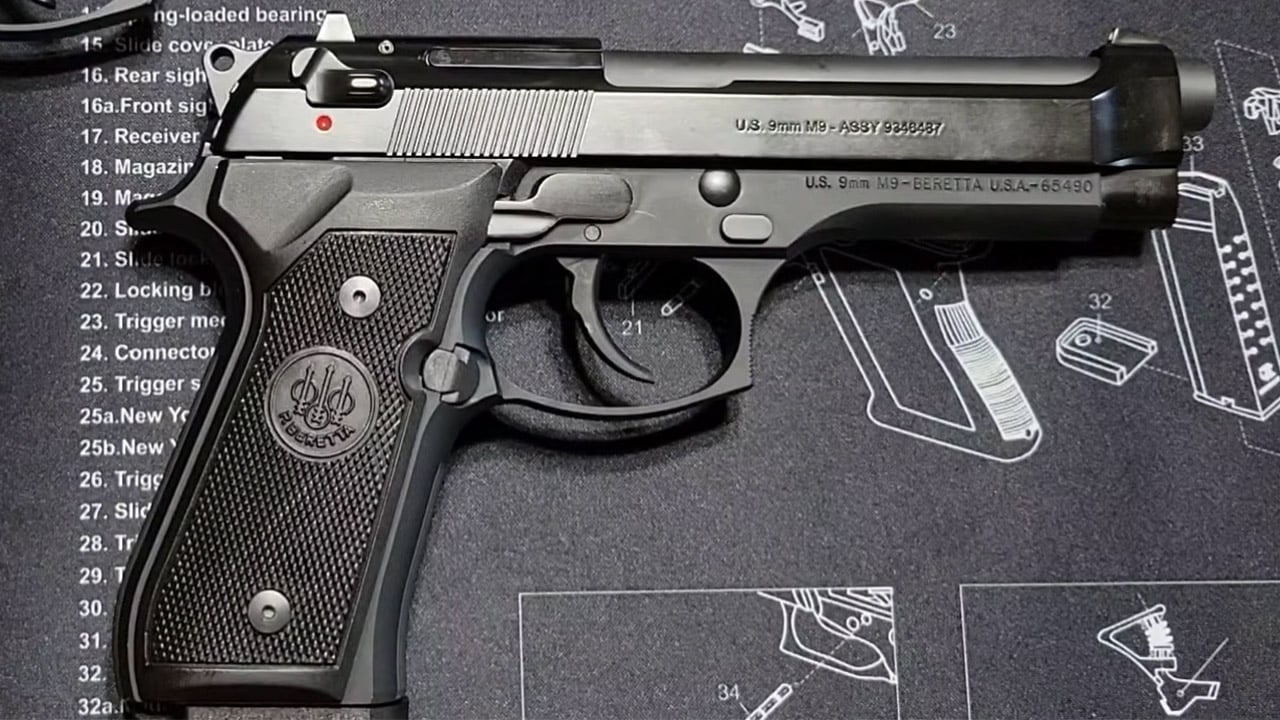
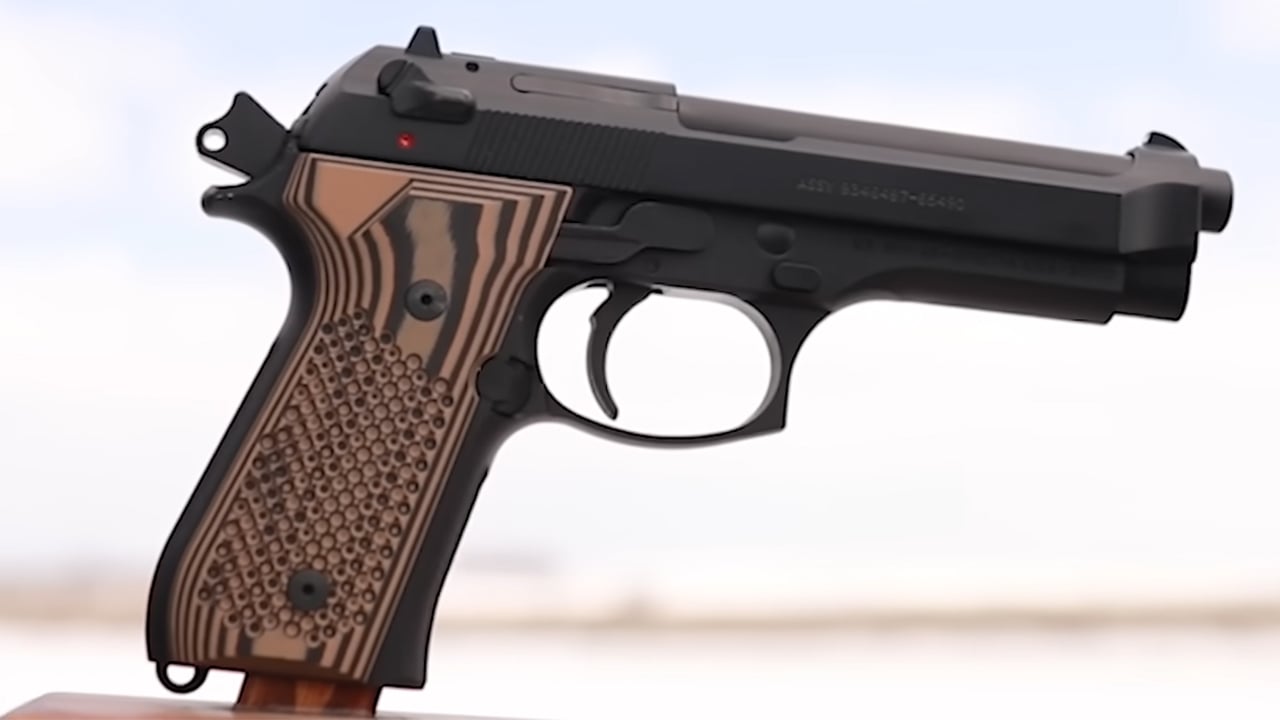
The Beretta 92 is big, a little dated, and still one of the most confidence-inspiring pistols out there. It’s smooth, reliable, and it tends to run even when it’s dry and dirty. The open-top slide design has its fans for a reason.
For folks with bigger hands, it’s a natural pointer. For smaller hands, the reach to the trigger can be a stretch, so it’s not universal. But as a “trust it” gun, it’s earned its place.
13. CZ 75B
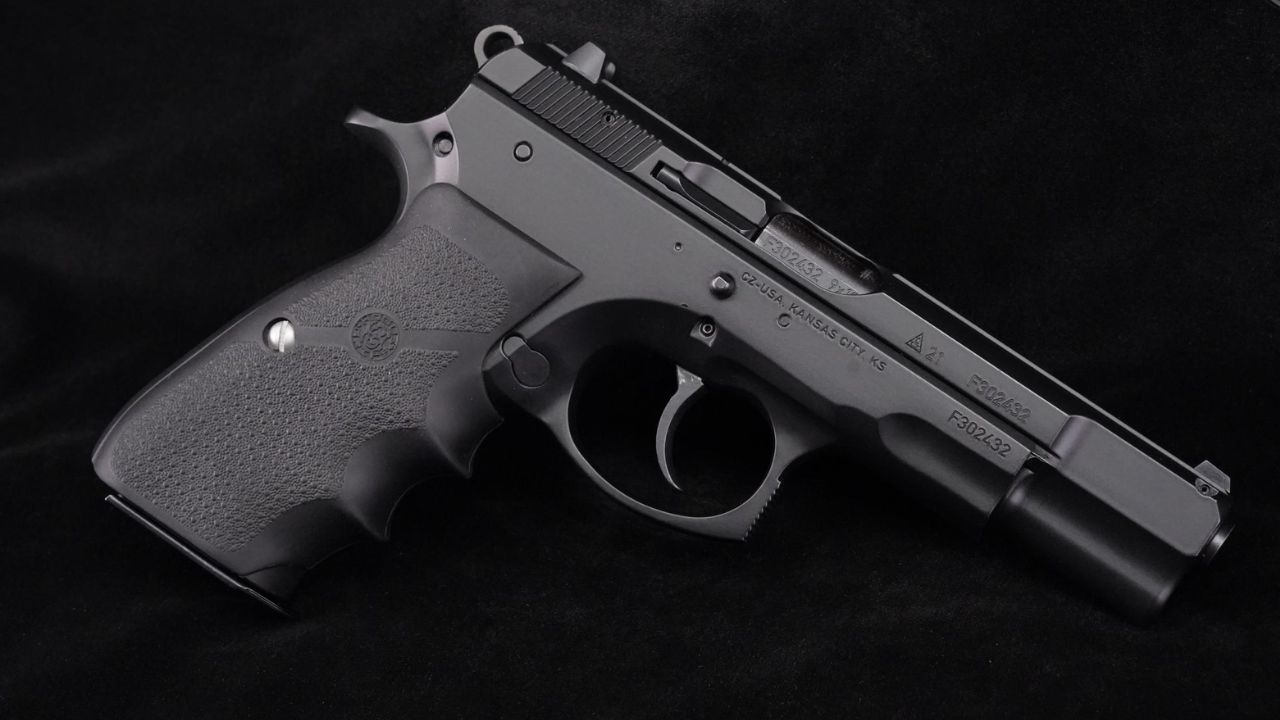
The CZ 75B is one of those pistols that feels like it was built by someone who actually shoots. It sits low in the hand, tracks well, and it’s usually more accurate than the guy behind it.
It’s also tough. You don’t hear a lot of “my CZ just quit” stories from folks who maintain them like normal adults. Magazines are common enough now that you can stock up without taking out a loan.
14. CZ P-10 C
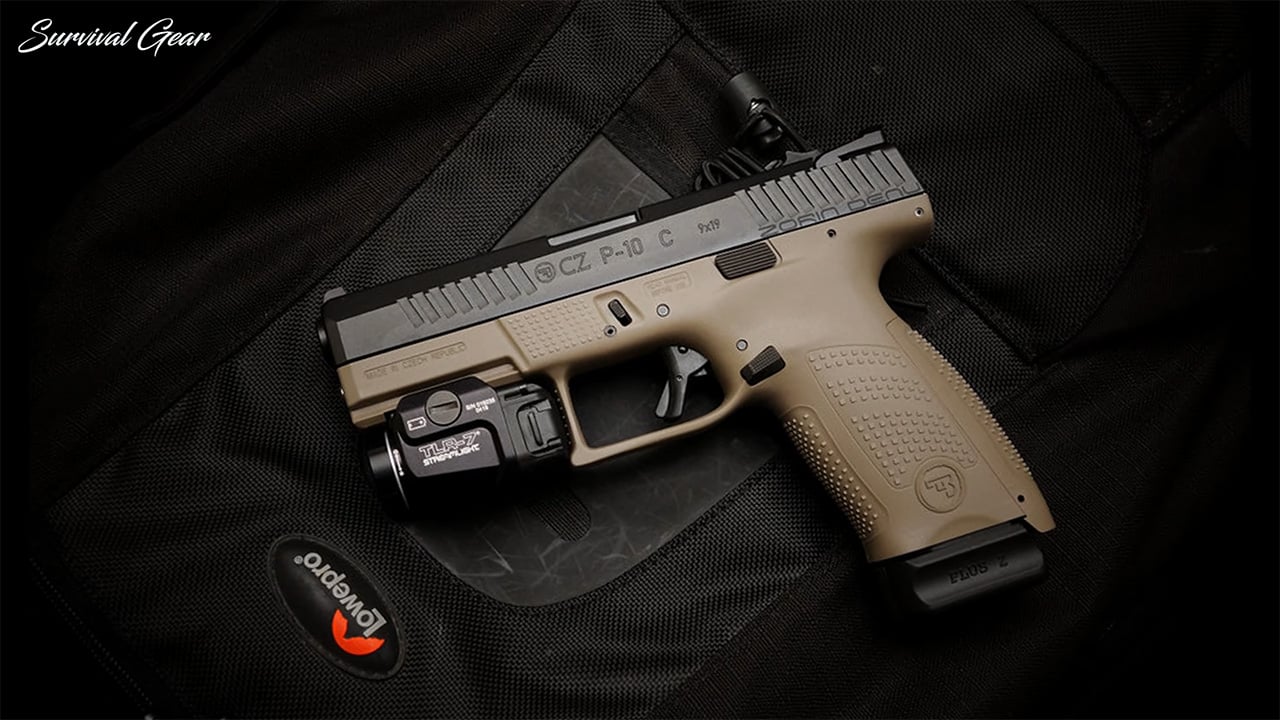
If you like striker-fired simplicity but want something that feels a little different than the usual suspects, the P-10 C is worth a hard look. The trigger is generally solid out of the box, and the grip shape works for a lot of hands.
It doesn’t have quite the same ocean of aftermarket parts as a Glock, but it’s reliable, durable, and practical. That’s what we’re doing here.
15. HK VP9

HK doesn’t make cheap guns, but they make guns that tend to run and keep running. The VP9 is a soft shooter with good ergonomics, and it’s one of those pistols that makes mediocre shooters look a little better.
The downside is usually cost—mags, parts, the gun itself. Still, if you’re picking a “bet your life” pistol and you want refinement without fragility, it’s a good option.
16. HK P30
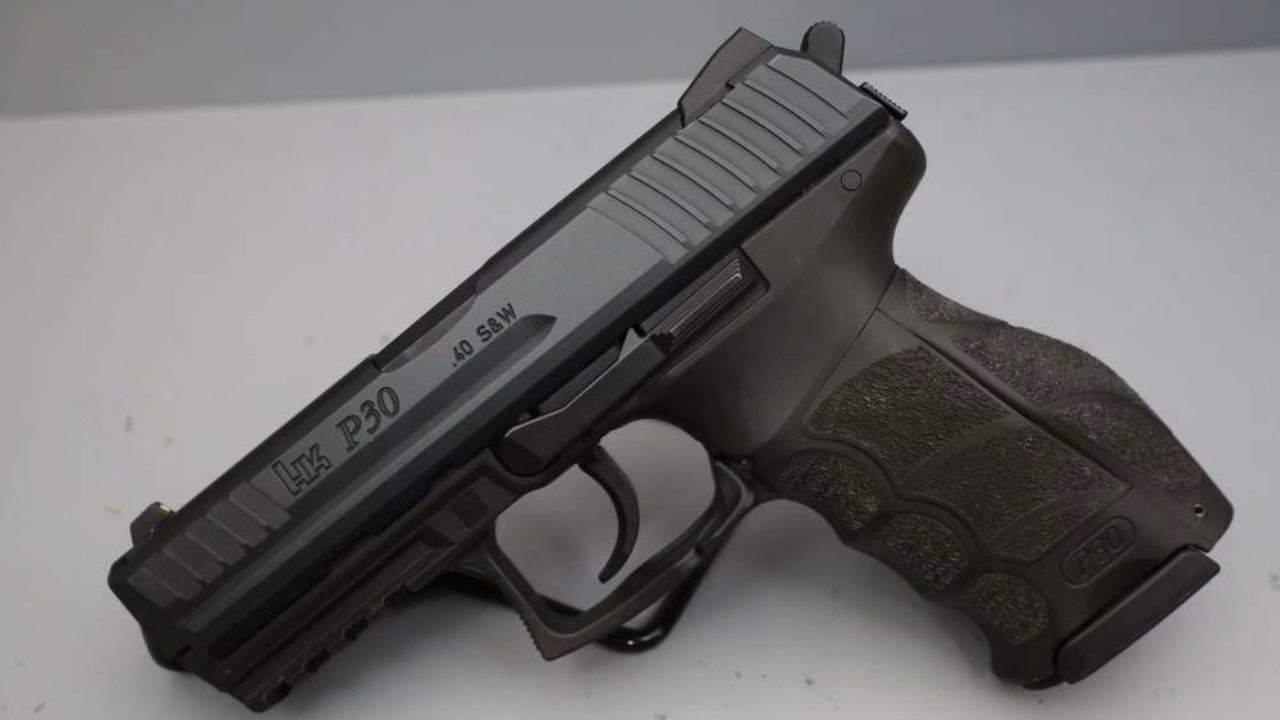
The P30 is a workhorse with a reputation for durability that didn’t come from internet chatter. It’s comfortable in the hand, controllable under recoil, and built to handle real duty cycles.
DA/SA isn’t for everyone, and it does take practice. But there’s a reason gunsmiths tend to nod when a well-used P30 shows up—these things are usually still tight and still reliable.
17. Walther PDP (Compact)

The PDP has become a favorite for shooters who care about a good trigger and fast sight tracking. It’s a modern, capable pistol that doesn’t need excuses when it comes time to shoot groups or run drills.
It’s not the smallest carry gun, and it’s a little snappy in some configurations. But if you want a pistol you can carry and also shoot hard at the range without hating life, it’s a strong contender.
18. Springfield Armory 1911 Mil-Spec (or similar “plain” 1911)
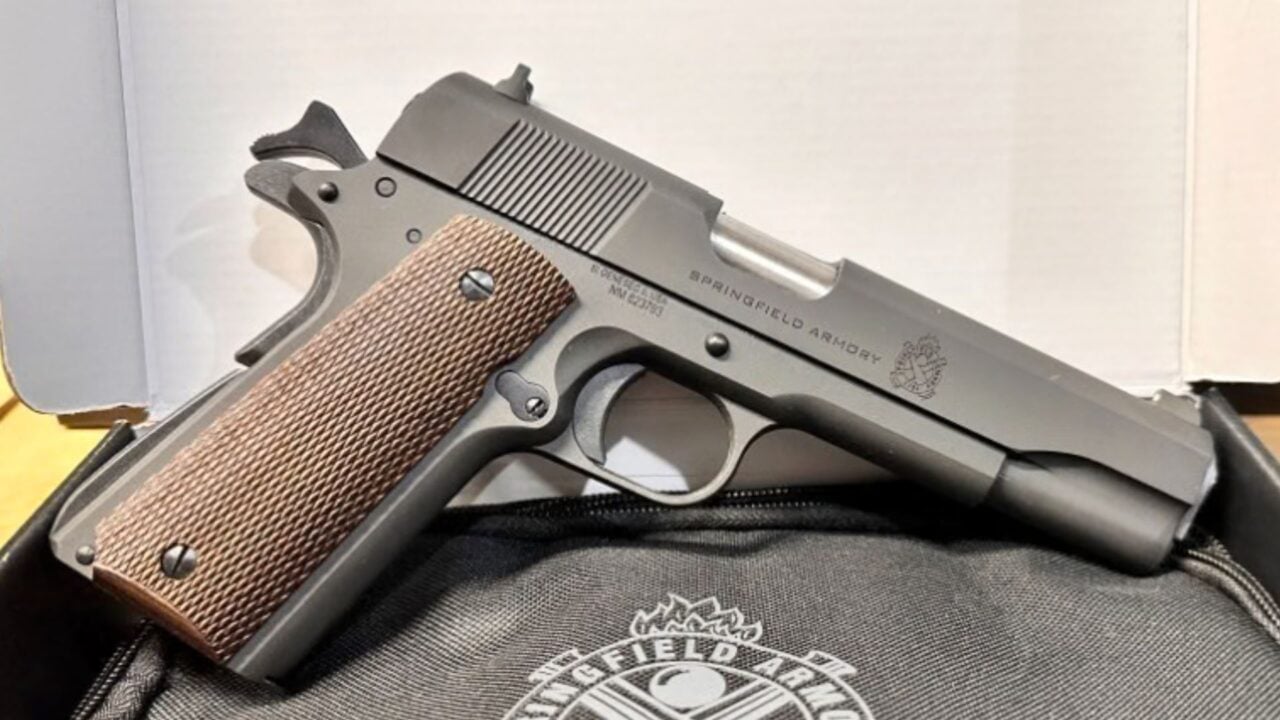
I’m not putting a finicky, match-tight 1911 on a life-trust list. But a decent, plain-Jane, full-size 1911 from a reputable maker still makes sense for folks who know the platform and keep it fed with good magazines.
The key is discipline. If you’re going to carry a 1911, you need to verify reliability with your chosen ammo and mags. When you do, a straightforward Mil-Spec style gun can be boringly dependable.
19. Ruger LCR (in .38 Special)
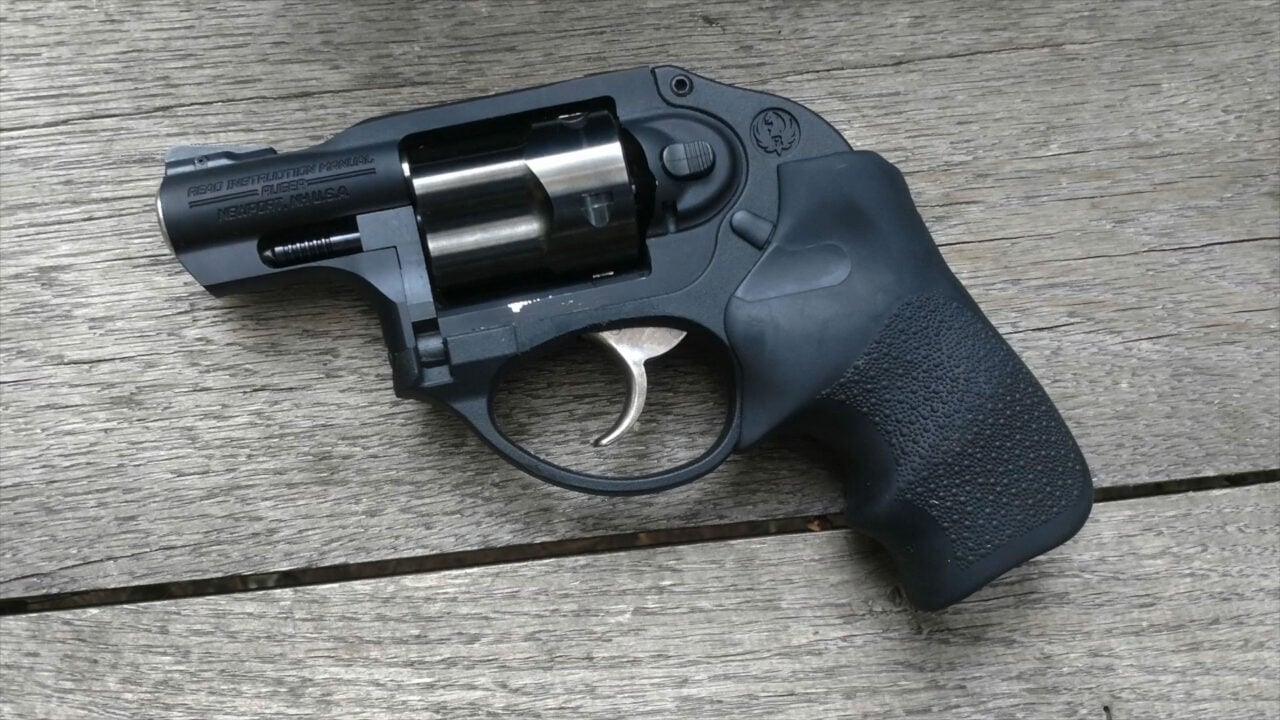
The LCR looks odd until you shoot it. Then you get it. The trigger is surprisingly good for a lightweight revolver, and the gun is built for real carry, not just “it fits in a catalog photo.”
For a simple grab-and-go option that handles pocket carry well, the LCR earns trust. It’s a gun you’ll actually take on quick trips to town, which is where “I wish I had it” moments happen.
20. Kimber K6s (2-inch .357)
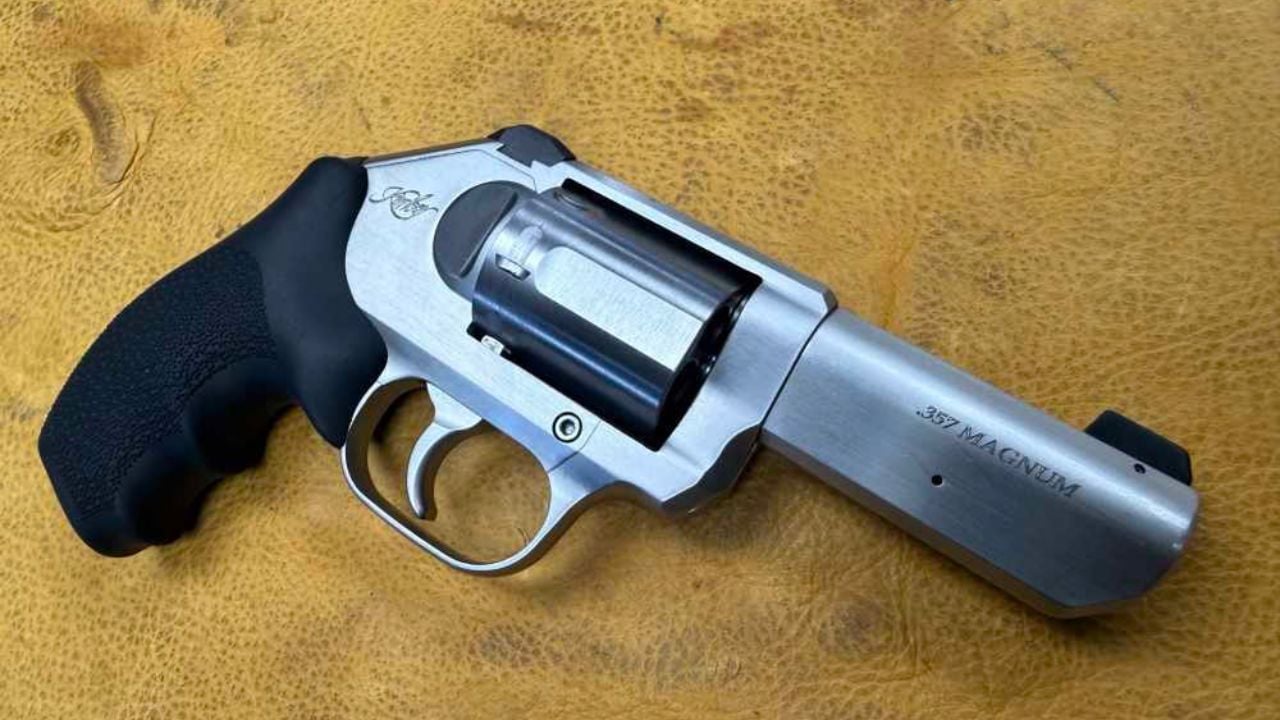
Kimber gets mixed opinions depending on what you’re talking about, but the K6s has carved out a solid reputation as a carry revolver that holds more than the usual five shots. It carries well, points well, and doesn’t feel like a gimmick.
Recoil is still recoil in a small gun, and .357 is no joke in a snub. Loaded with sensible ammo, though, it’s a serious defensive wheelgun that a lot of experienced hands have come to trust.
If you noticed a theme, it’s this: the “trust your life” guns are usually the ones that keep working when the new-gun shine wears off. They’re common enough to support, proven enough to bet on, and simple enough that you’re not relying on luck. Pick one that fits your hand, run it with your carry ammo, and then do the part everybody skips—practice until it’s boring.
Like The Avid Outdoorsman’s content? Subscribe to our newsletter so you never miss an article.
Here’s more from us: