

Photo credit: 9-Hole Reviews/Youtube
Every gun shop has a “laugh rack.” The dusty corner where weird stuff sits, the used counter where folks crack jokes, and the pawn shop shelf where the tag says “make offer” because nobody’s sure what it is. Then a few years go by, a movie hits, a ban scare gets traction, a niche crowd turns into a stampede, and the same gun that got laughed at becomes the one everyone suddenly “always wanted.”
I’ve watched it happen enough that I’m slow to mock anything that runs and has a following. Here are 20 that caught plenty of side-eye before the price tags got serious.
1. Ruger Mini-14 (older 180–197 series)
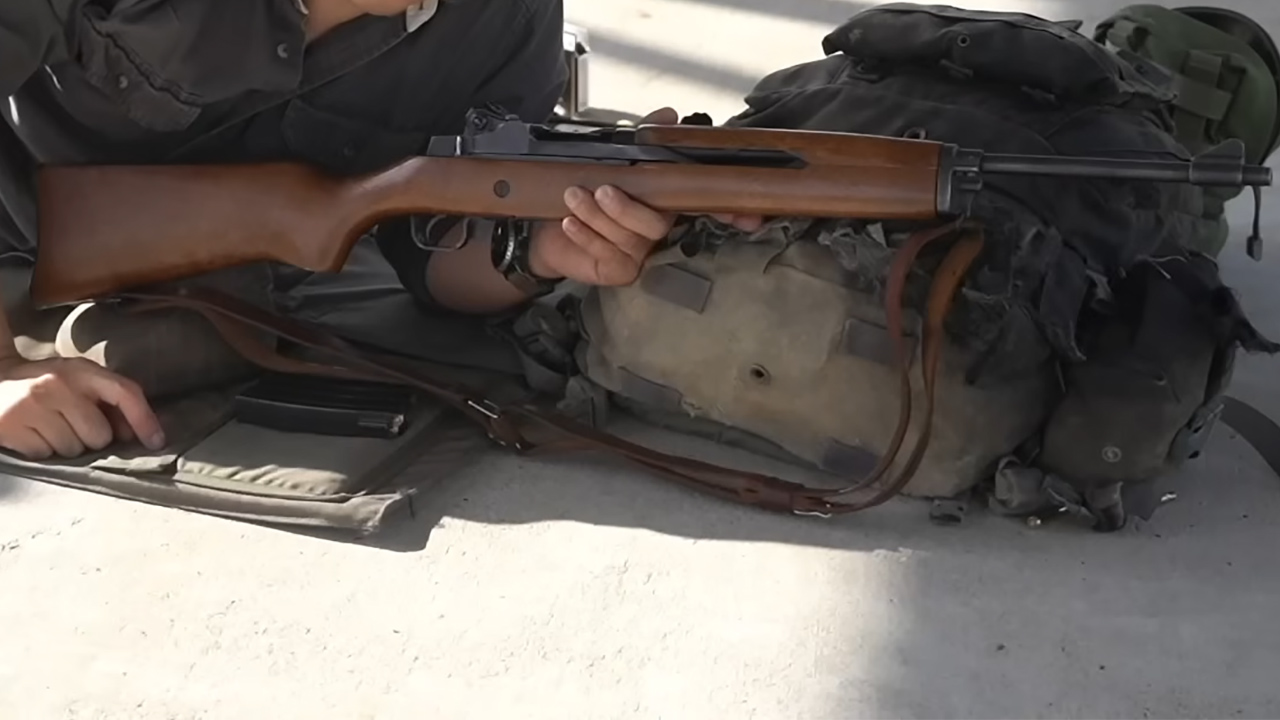
For years the Mini was the punchline: “Can’t hit a barn,” “walks when it heats up,” “looks like it wants to be an M14 but isn’t.” And to be fair, some of the older ones weren’t winning any benchrest trophies, especially with skinny barrels and bargain ammo.
But they’re handy, they balance well, and they’re dead simple in the field. Then politics and supply swings made anything semi-auto in .223/5.56 climb. Add in factory folders and old-production variations, and suddenly that “ranch rifle” you ignored is not cheap anymore—especially if it has clean wood and the original Ruger rings.
2. Ruger Mini-30
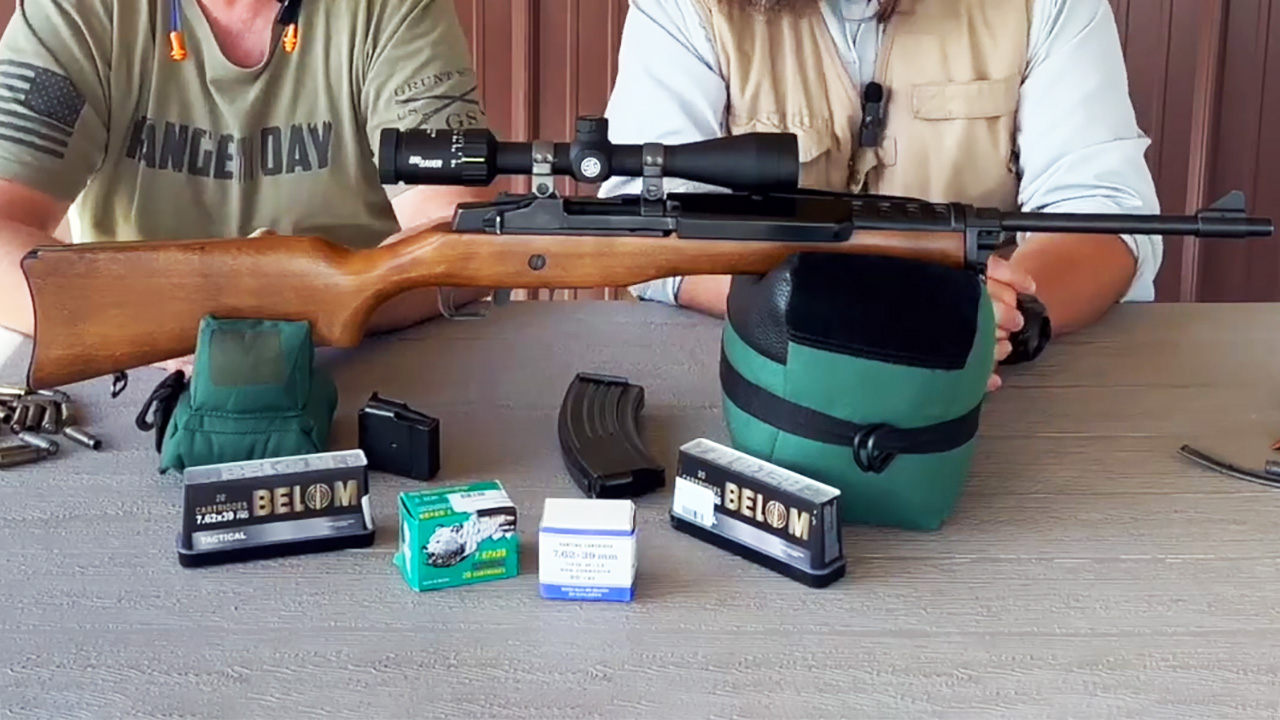
The Mini-30 got it even worse. Guys would scoff at 7.62×39 in a “not-an-AK,” complain about early accuracy, and gripe about light primer strikes with hard foreign primers. A lot of folks wrote it off as a picky rifle.
Then 7.62×39 stayed useful, and the Mini-30 stayed… not scary-looking to the untrained eye. It rides in trucks, it rides behind seats on ranches, and it drops hogs fine inside sane distances. Good magazines and a rifle that’s not beat to death are the difference, and that difference costs money now.
3. SKS (all of them, but especially clean Chinese and Russian)
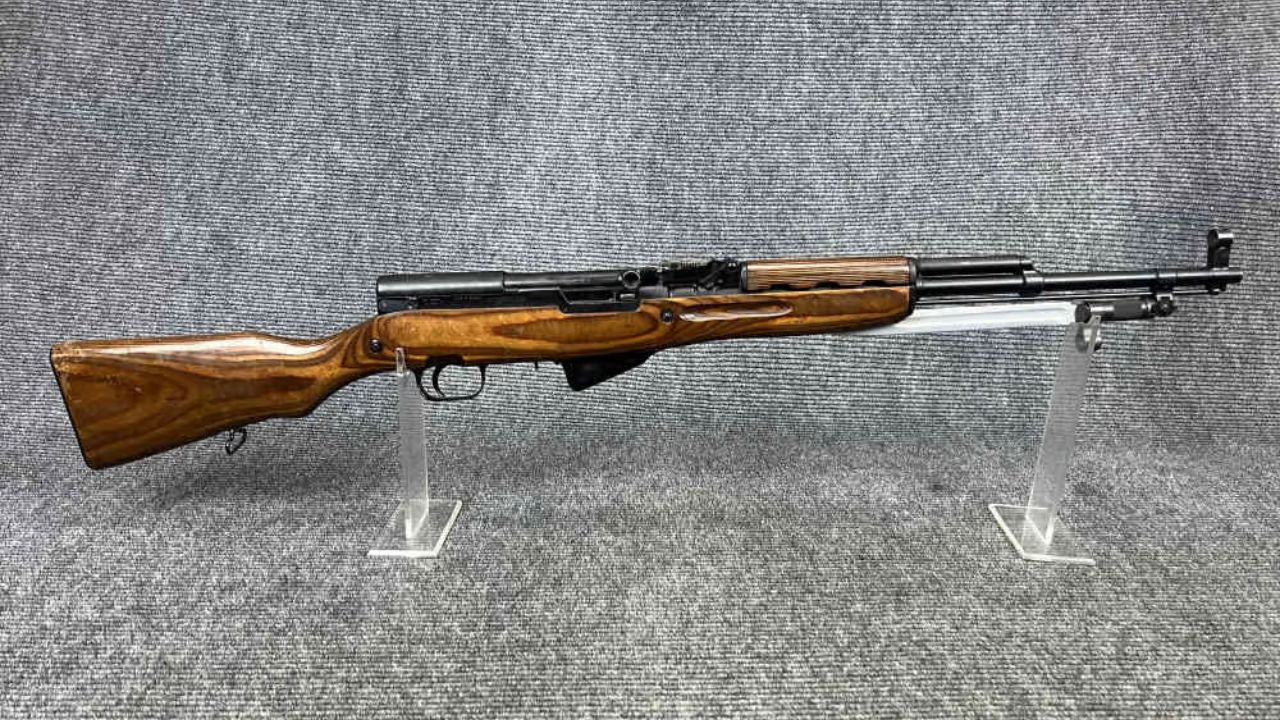
Back when you could buy an SKS for “just in case” money, people treated them like shovels. Cosmoline specials. Sticky triggers until you cleaned them right. A bayonet you didn’t need and a stock that looked like it came out of a crate marked “misc.”
Now try finding a matching-number example that hasn’t been bubba’d, drilled, or dragged behind a four-wheeler. The SKS is reliable, easy to keep fed, and it sits in that sweet spot of history and practicality. The laugh is gone when you see what clean Russians and nice Chinese variants bring.
4. Mosin-Nagant 91/30

The Mosin used to be the $99 deer rifle people joked about while they bought a new scope for their new rifle. It kicked like a mule in a cheap steel buttplate, the bolt felt like it had sand in it, and the ammo came in spam cans like something you’d stash in a bunker.
Then the imports dried up and everyone remembered they’re tough and they work in bad weather. Add in sniper-marked variants, nice hex receivers, and original accessories, and the days of “cheap Mosin” are gone. Even the plain ones aren’t the bargain they used to be.
5. Swiss K31

These were the “straight-pull oddballs” that guys would shoulder once, work the action a couple times, and set back down because it wasn’t familiar. Ammo wasn’t stacked at every gas station, and the long length of pull on many of them didn’t fit everyone.
But the quality is unreal for the money they used to cost. The triggers are clean, the barrels are usually excellent, and they’ll shoot better than most folks expect from a “surplus” rifle. When people figured that out—and when supply thinned—prices did what they always do.
6. M1 Carbine
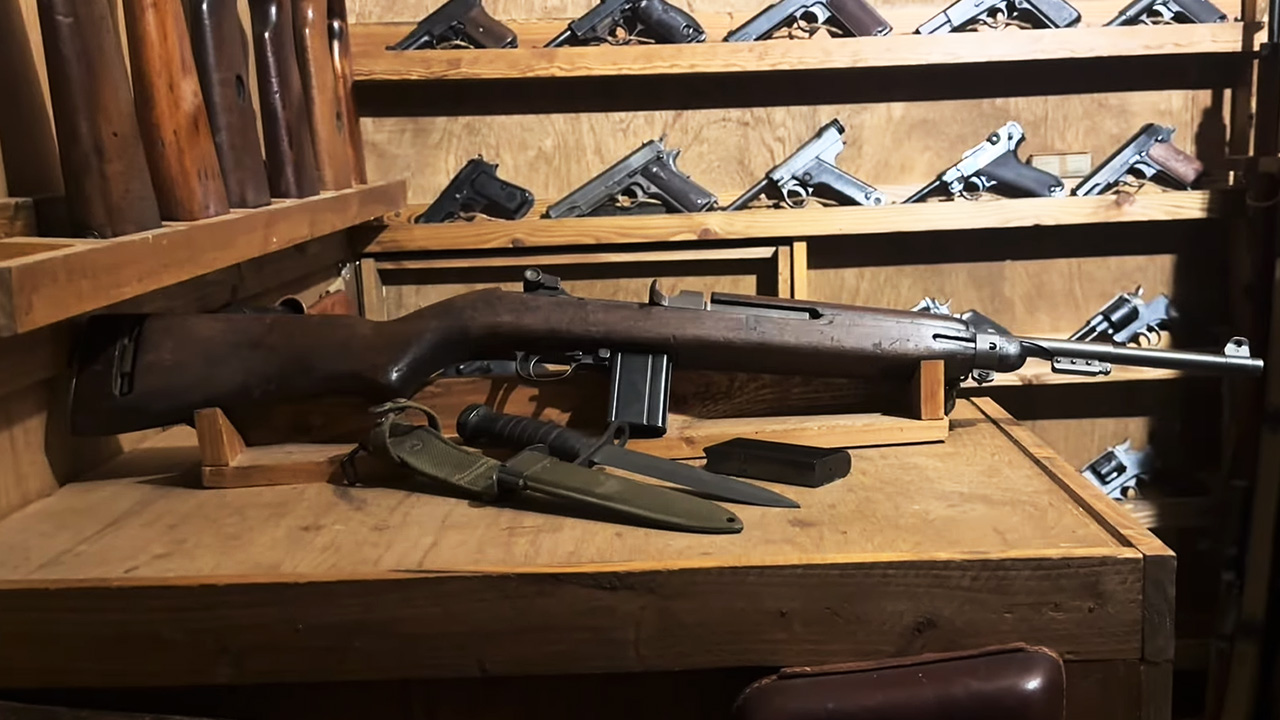
Old timers used to dismiss it as “not enough gun,” and the internet made a hobby out of arguing .30 Carbine ballistics. Plenty of carbines also got abused with junk mags and questionable ammo, which turned “handy little rifle” into “jam-o-matic” in the wrong hands.
But when you get a good one with good magazines, it points fast and carries like a dream. It’s also pure Americana, and collectors chase correct parts, makers, and markings. The bargain-bin carbine is basically a myth now.
7. Remington 870 Wingmaster (older, blued, smooth action)
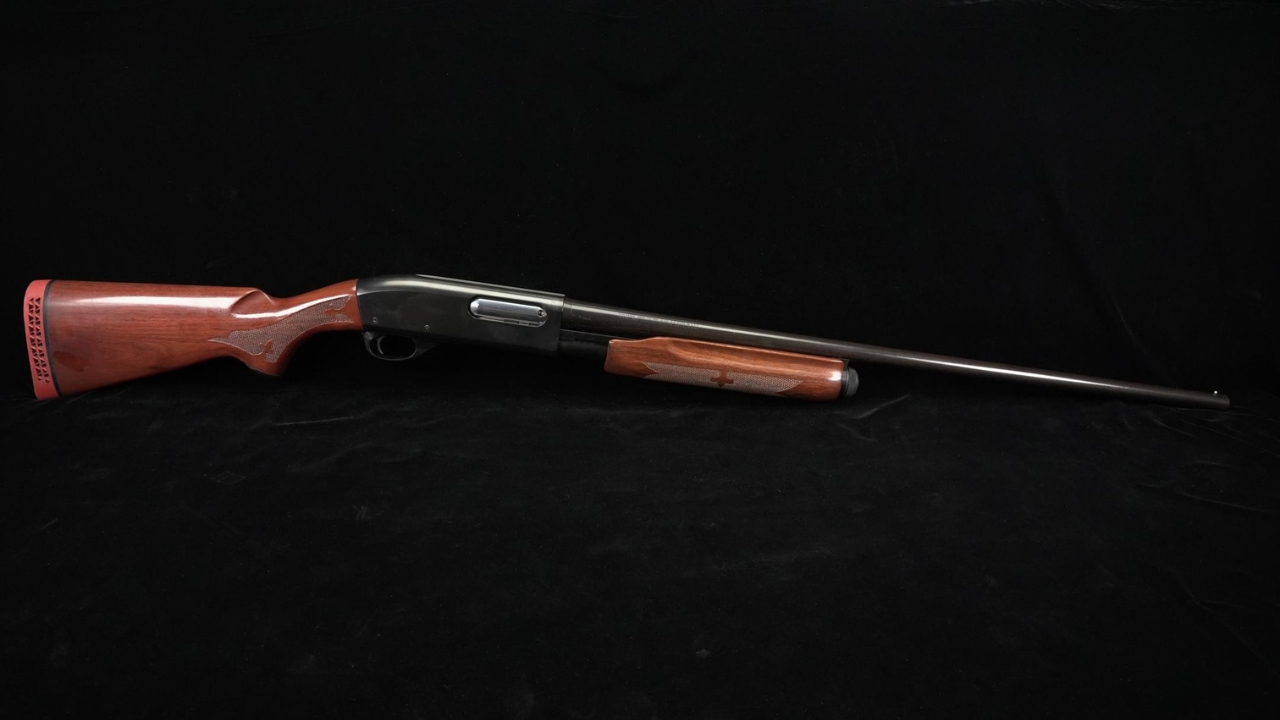
Nobody really laughed at an 870, but plenty of people shrugged at the “plain” ones. They’d trade granddad’s slick Wingmaster for something tactical-looking with a rail, then wonder why the new gun felt rough.
The older Wingmasters have that butter-smooth pump stroke you can feel in the bones. They wear well, they pattern well, and they last. Clean examples with nice wood bring real money now, especially as folks got pickier about fit and finish.
8. Ithaca 37 (especially featherweights)
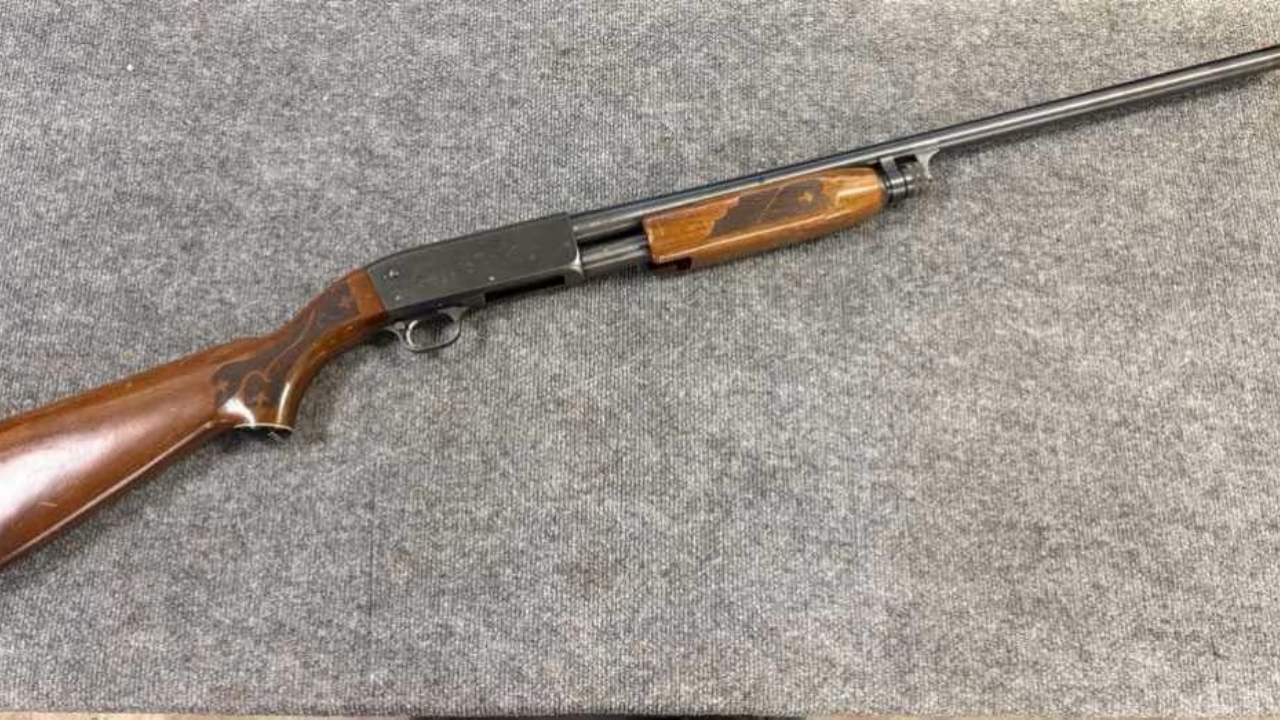
Bottom-eject and a slim receiver used to get written off as “different for the sake of different.” Some folks didn’t like the feel of the action release or the older safety setups, and they’d pass them over for more common guns.
Then they carried one all day in the uplands and it clicked. The 37 is trim, fast, and it doesn’t dump hulls in your buddy’s face. Good ones, especially in smaller gauges, aren’t sitting unloved anymore.
9. Browning A-5 (Belgian and early Japanese)

The humpback got made fun of for being old-fashioned and a little finicky if you didn’t understand the friction rings. Plenty of guys also got tired of recoil from light guns and heavy loads, then blamed the gun instead of the setup.
But the A-5 is iconic, and the well-made ones run for decades. Belgian guns in particular got expensive in a hurry, and clean field grades aren’t “grandpa’s clunker” anymore. They’re heirlooms with price tags to match.
10. Beretta 92FS (and surplus M9 variants)

When polymer striker guns took over, the big Beretta got called a boat anchor. Heavy, wide grip, “too much gun,” and not “modern.” A lot of folks dumped them to chase the newest carry trend.
Then reality set back in: they’re reliable, soft-shooting, and parts are everywhere. Collectors also woke up on certain markings, contract guns, and older Italian production. Even the “plain” ones aren’t the cheap trade-ins they were for a while.
11. CZ 75 (pre-B and early imports)
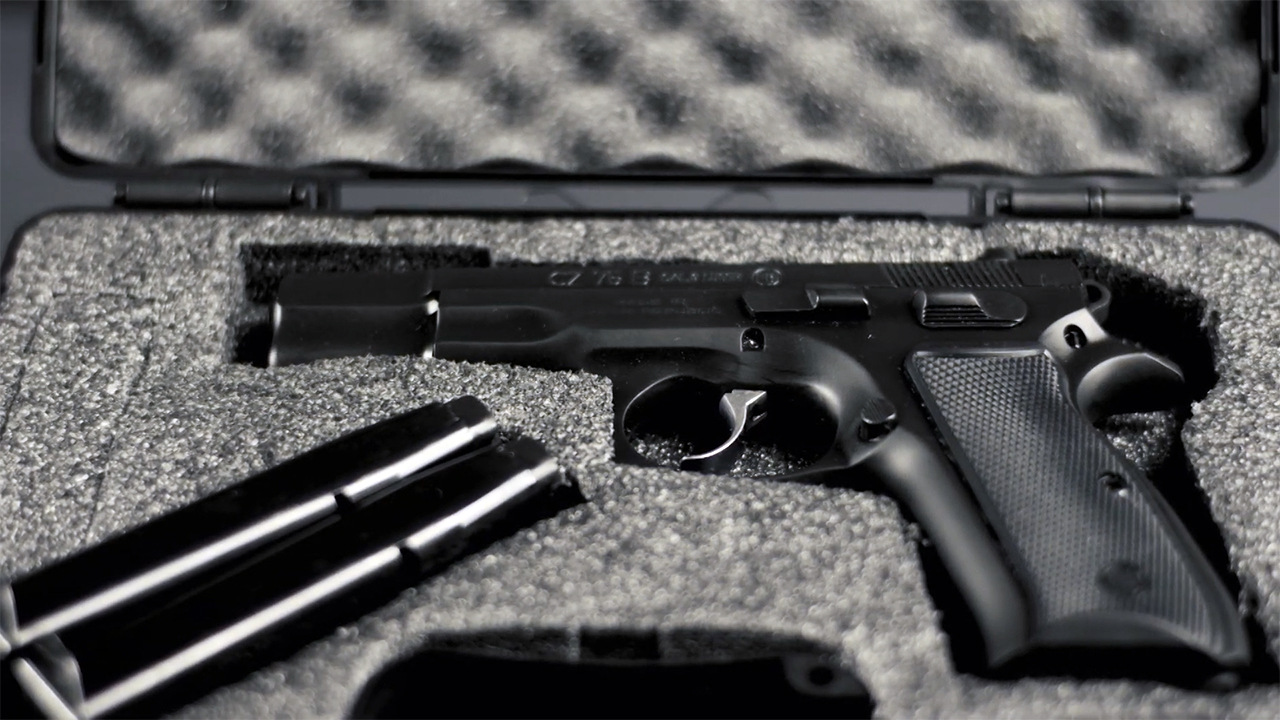
For a long time the CZ 75 was the quiet bargain that only a few handgun guys talked about. The rest would say, “Nice, but it’s not a 1911 or a Sig,” and walk away. Holsters and magazines used to be less common too.
Now everyone knows how good the ergonomics are, and the cult following isn’t small anymore. Pre-B guns, early roll marks, and certain variants climbed fast. It’s not hype when a pistol just feels right in the hand.
12. Ruger P89/P90 “brick” pistols
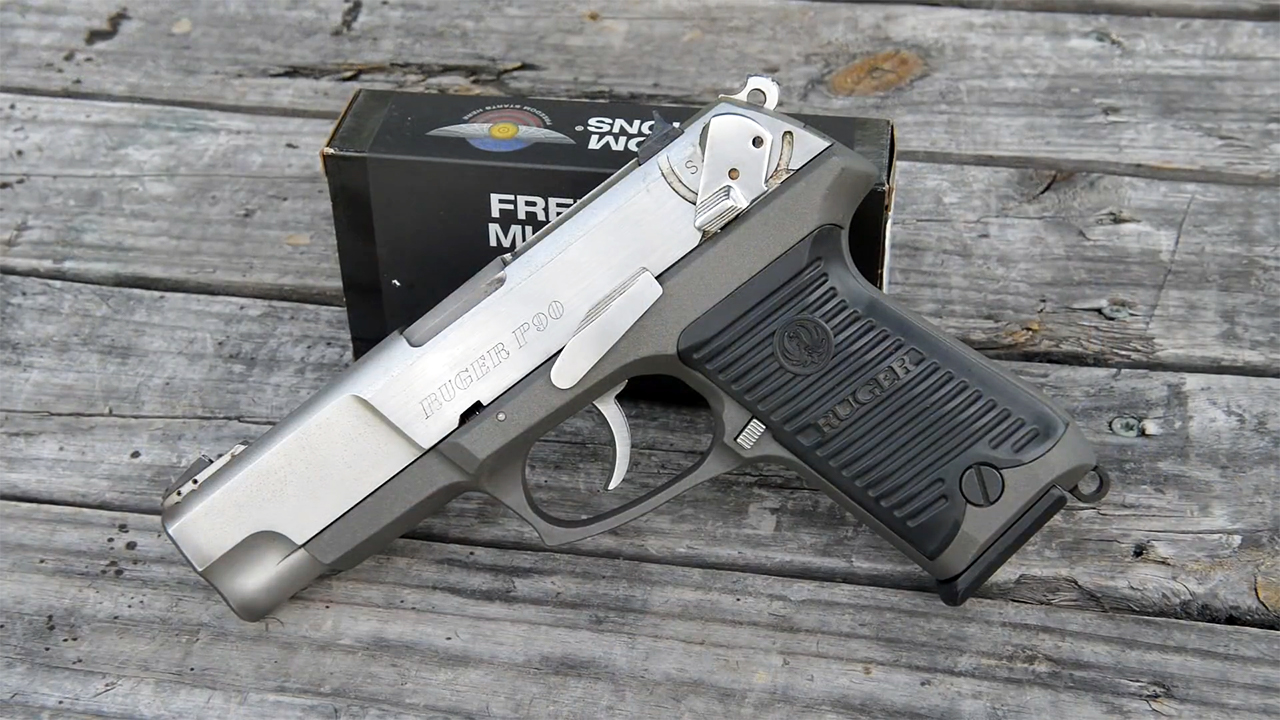
These got laughed at hard. Ugly, blocky, heavy, and about as graceful as a fence post. You didn’t buy one to impress anyone at the range.
You bought one because it ran. A lot of them still do, with minimal drama, and they were built for real-world abuse. As “budget but reliable” became its own collector lane—and as clean examples got scarcer—prices stopped being a joke.
13. Ruger Mark II pistol
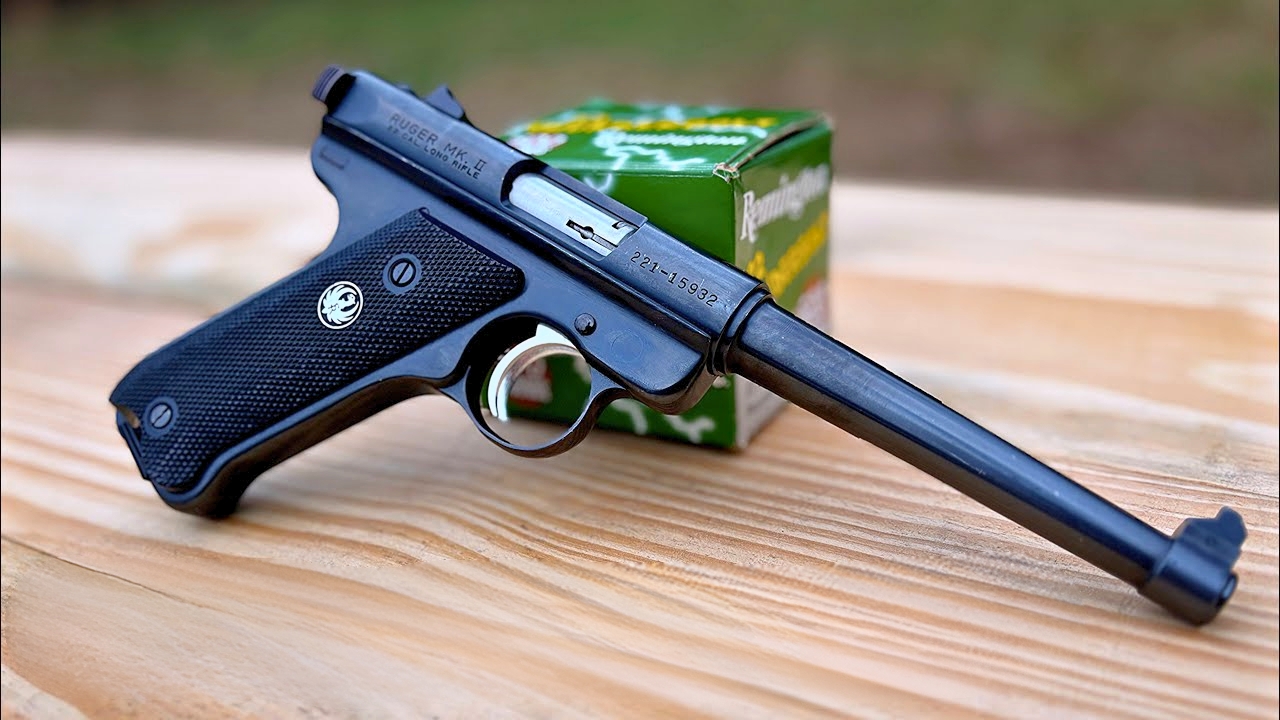
Everybody loved to complain about taking it apart. I’ve watched grown men get humbled on a tailgate with one of these, and I’ve heard more than one “never again” after a reassembly fight. That alone made some folks dump them cheap.
But the Mark II is accurate, durable, and the triggers can be excellent. They’re also the kind of .22 you can shoot all day without babying it. Clean Mark IIs with good barrels and honest wear are getting harder to snag for old prices.
14. Marlin 1894 in .357 Magnum
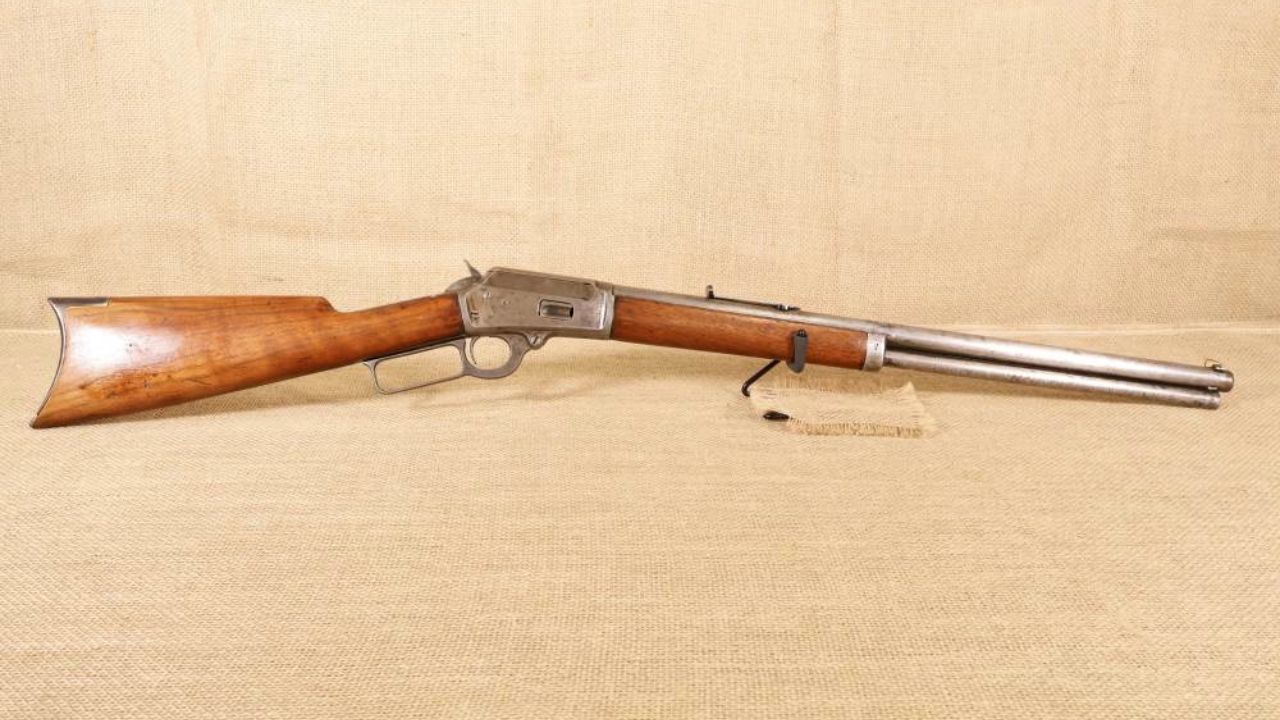
For years the pistol-caliber lever gun was “fun but unnecessary.” Guys would say it didn’t do anything a .30-30 couldn’t do, and then they’d go buy another .30-30. I get it—until you actually hunt thick woods or run a suppressor on private ground where legal.
The .357 1894 is light, fast, and it makes a lot of sense inside 100 yards with the right loads. The problem is they’re also in demand from cowboys, homeowners, and folks who just want a handy carbine. Good ones got expensive in a hurry, especially older JM-stamped rifles.
15. Marlin 336 “JM” stamped rifles
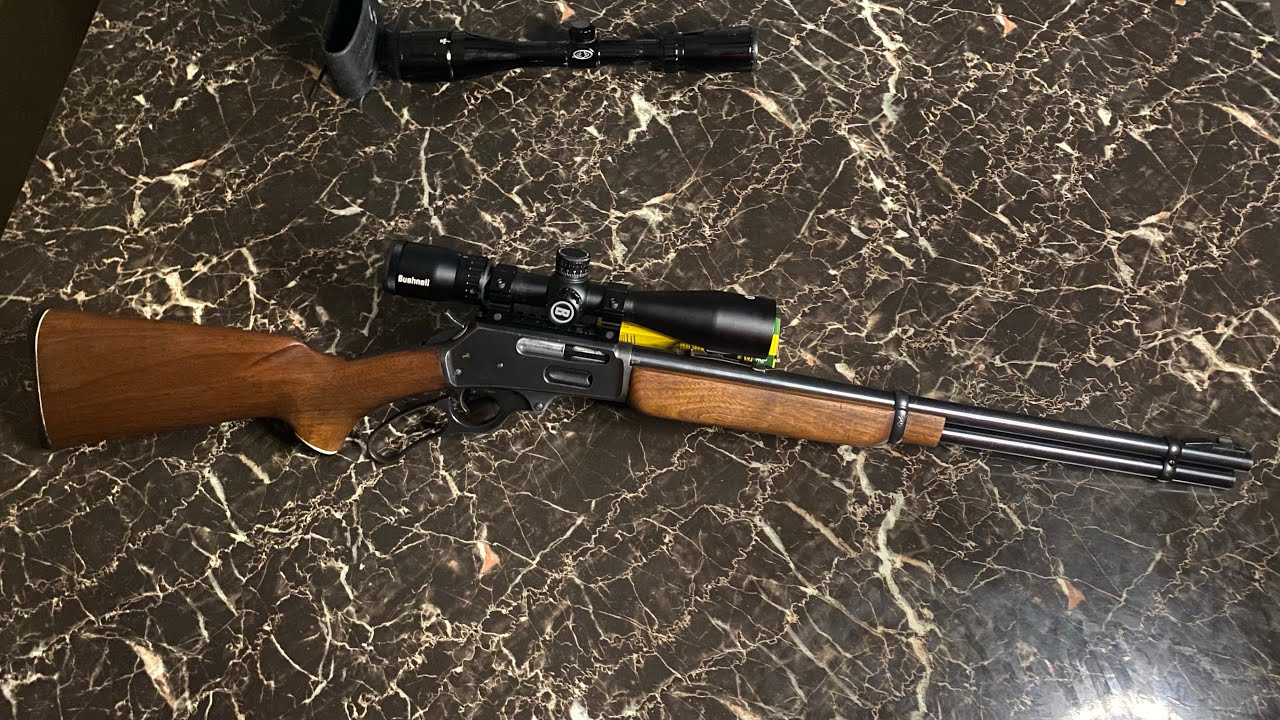
There was a time you could find a used 336 leaning in the corner of every shop in America. They were so common folks acted like they’d always be around. Then production changes happened, quality debates got loud, and suddenly “old Marlin” became a category.
Now when a clean JM rifle shows up with decent wood and a straight sight picture, it doesn’t sit long. They’re not fancy, but they point well and they work in real hunting weather. That kind of simple utility turns into collector money eventually.
16. Winchester Model 94 (pre-64)

Plenty of guys used to call the 94 outdated. Top-eject, awkward for scopes, and “why not just get a bolt gun?” Then those same guys started trying to find a nice pre-64 for what they sold theirs for.
The older guns have fit and finish you can feel, and they carry like a walking stick. Add nostalgia and demand, and the price follows. If yours has honest wear and no extra holes drilled in it, you’re sitting on something better than you think.
17. Remington 700 (older BDLs and Police variants)
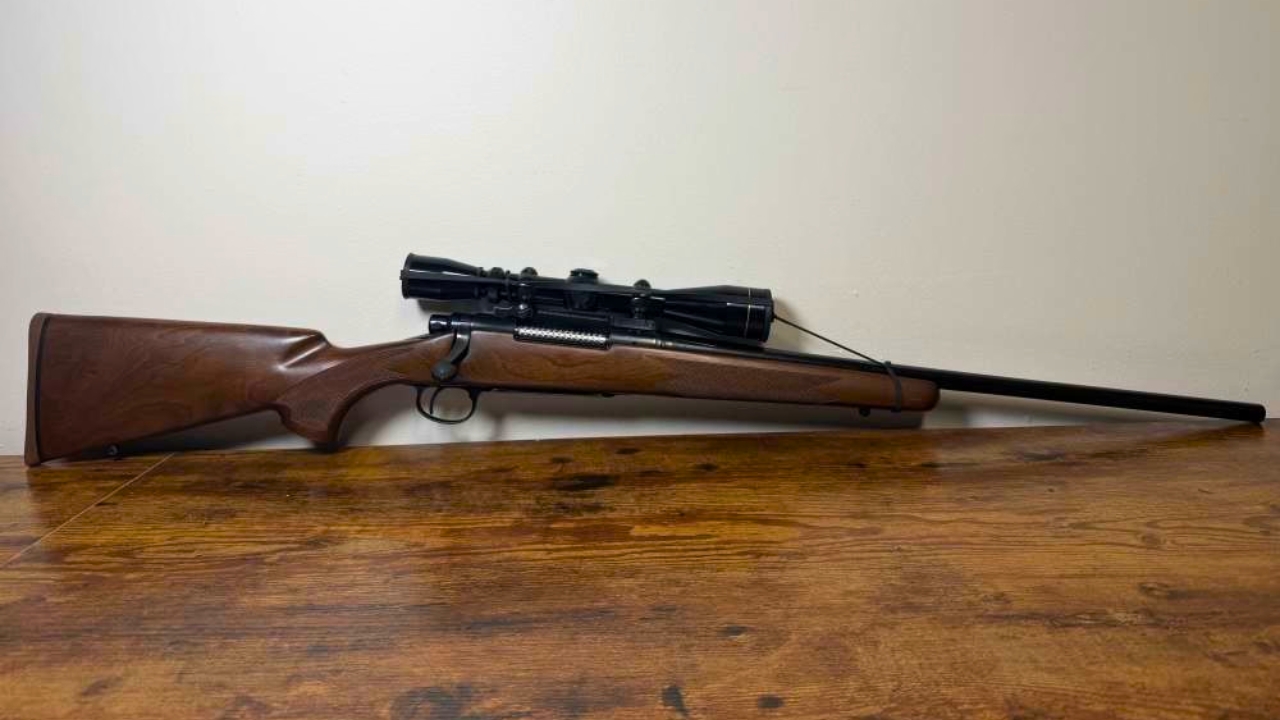
The 700 has been on both sides of the internet over the years, and it’s not my job here to relitigate every argument. What I will say is a lot of older 700s shot extremely well, and they became the “base rifle” for a million hunting and precision builds.
When manufacturing eras changed and the aftermarket exploded, the good older guns got a new kind of value. A clean BDL with nice wood or a legitimate Police-marked rifle isn’t sitting at bargain prices like it used to. The action is still a known quantity, and that matters.
18. Colt Python (older production)

There was a stretch where people treated the Python like an overpriced safe queen. “Too pretty to shoot,” “just buy a Ruger,” “it’s a status gun.” Meanwhile, the folks who understood the old Colt lockwork and finish were quietly buying.
Then the market decided it cared—a lot. Original finish, correct grips, and clean timing are everything, and the prices reflect it. Even with newer production back in the mix, the older ones have a pull that collectors can’t replicate with anything modern.
19. Smith & Wesson K-frame .357s (Model 19/66)
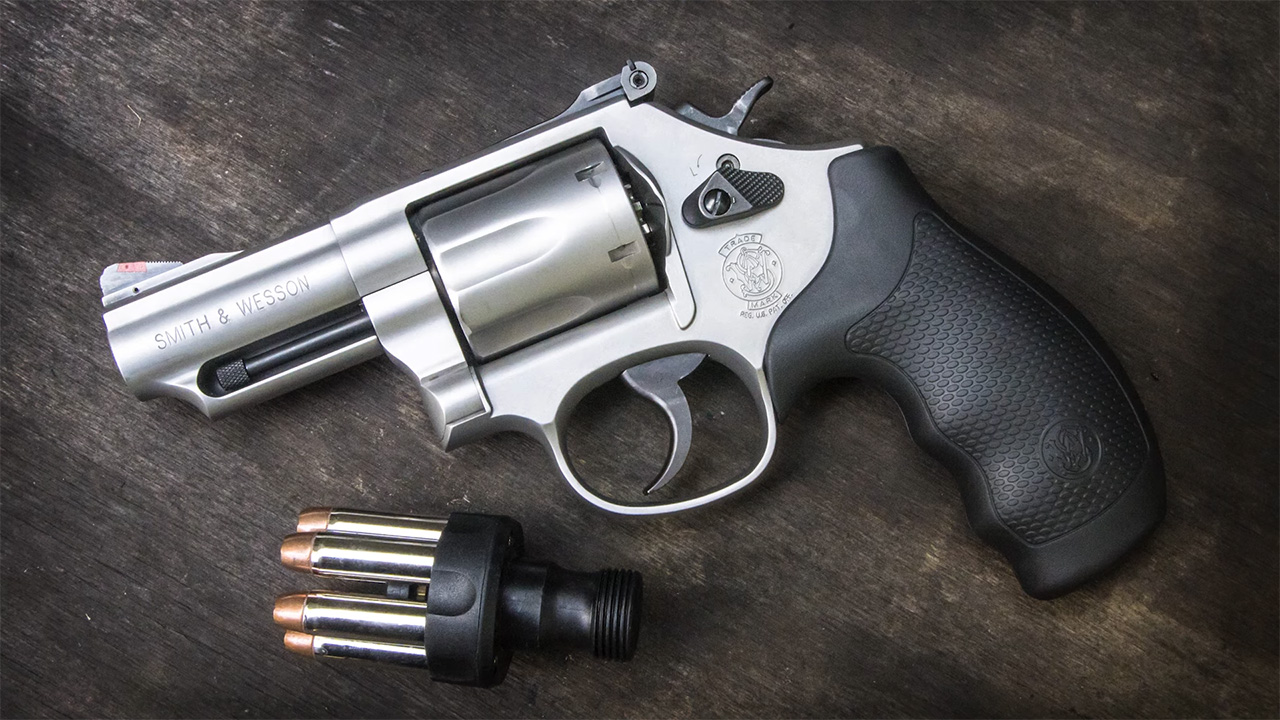
For a while, these were just “police trade-in revolvers.” Holster wear, dinged grips, maybe a little cylinder line. Guys wanted bigger, heavier guns or they went to polymer and forgot about the K-frames completely.
But the K-frame carries like it was designed by someone who actually wore one. The balance is sweet, the triggers are often excellent, and they’re just plain useful. Clean Model 19s and 66s aren’t sitting in the bargain case anymore, especially pinned-and-recessed examples.
20. H&K P7

This one got laughed at because it was “weird.” The squeeze-cocker turned people off, the gun gets hot with extended shooting, and the manual of arms isn’t what most folks train on. For years it lived in the “cool but pointless” category.
Then people realized it’s accurate, slim, extremely well-made, and not being made anymore in any real sense. Magazines aren’t cheap, parts aren’t everywhere, and the collector crowd is serious. If you bought one back when they were just expensive, you know what “expensive” means now.
The common thread with all of these isn’t that they’re perfect. It’s that they’re either genuinely useful, genuinely well-made, or genuinely tied to a time that isn’t coming back. If you’ve got one sitting in the safe that everybody used to joke about, maybe don’t be too quick to trade it off for the newest thing on the shelf. Ask me how I know.
Like The Avid Outdoorsman’s content? Subscribe to our newsletter so you never miss an article.
Here’s more from us:


