Photo credit: David Ray/Youtube
There’s a point most shooters hit where the shiny “latest and greatest” stops being fun and starts feeling like homework. New models roll out, the internet loses its mind, and six months later you’re still chasing mags, holsters, springs, and some weird little proprietary part that’s backordered forever.
When that wears off, the buying changes. You start picking guns that already proved themselves, guns that have parts everywhere, mags stacked on every shop wall, and track records that don’t need a marketing video. Here are 20 that tend to show up in safes once a guy stops getting impressed by launch-day hype.
1. Glock 19 (Gen 3/4/5)
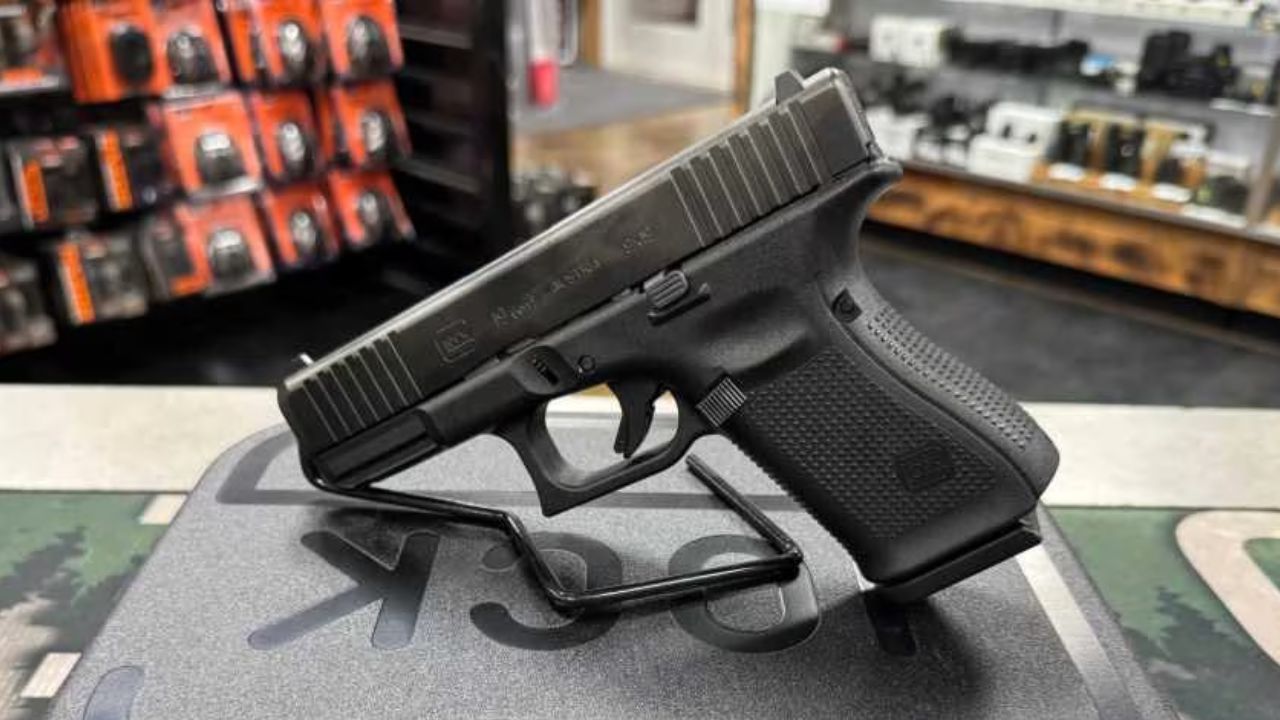
It’s boring on purpose. The Glock 19 is the handgun equivalent of a good pocketknife: not glamorous, but always there and always working. It points naturally for a lot of folks, carries easier than a full-size, and still shoots like a duty gun.
What keeps it in the “done chasing trends” category is support. Magazines are everywhere, parts are everywhere, and if you decide you want a different sight picture or trigger feel, the options are endless without getting weird.
2. Ruger 10/22 Carbine
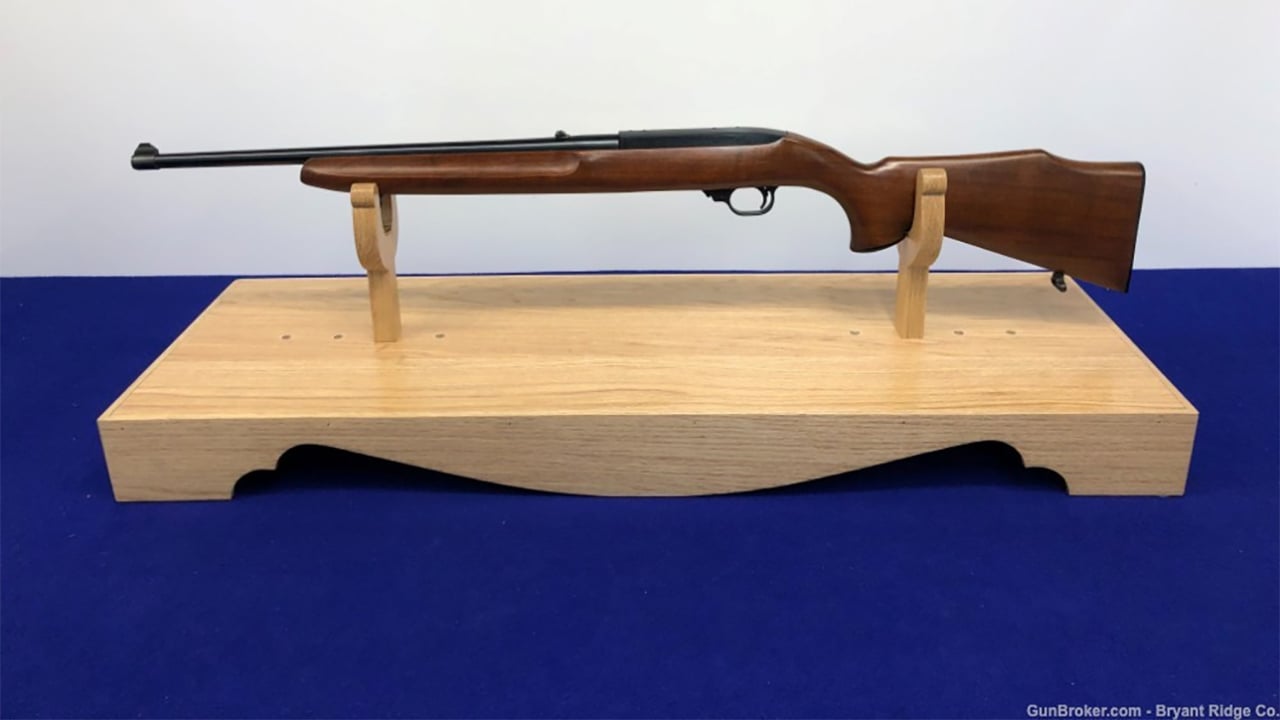
If you grew up around farms or squirrel woods, you already know. A 10/22 rides behind truck seats, lives in closets, and eats bulk .22 like it was built for it (because it was). There’s nothing fancy about it, and that is kind of the point.
The other thing: it’s a trainer. When ammo costs sting, a .22 that actually runs is worth more than whatever new rimfire “tactical” thing is floating around online this week.
3. Remington 870 Wingmaster

The Wingmaster has a feel newer budget pumps rarely match. The action slicks up, the metal and wood hold up, and it balances like a shotgun is supposed to. In the field, it carries without fighting you.
Yes, you can buy other pumps. But a clean Wingmaster is one of those guns that quietly gets borrowed by buddies, and then you notice it comes back a little later than you expected.
4. Mossberg 500
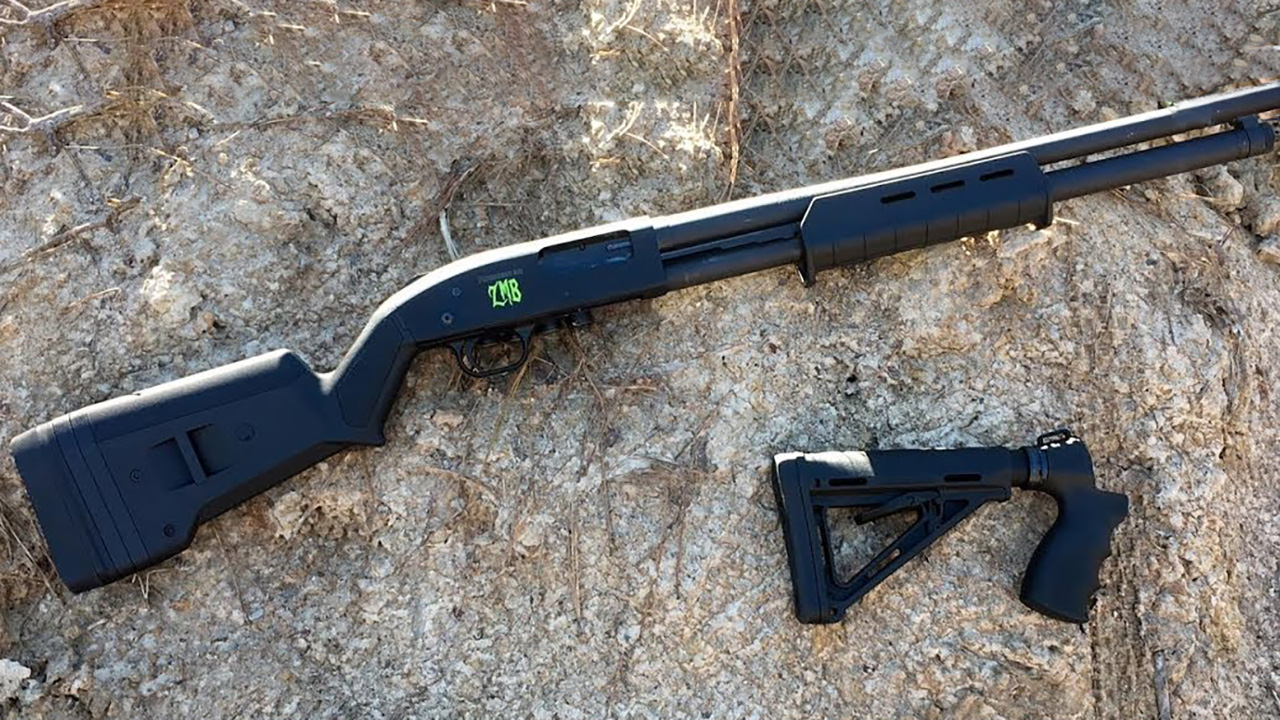
This is the pump that takes abuse and keeps showing up for work. The safety location makes sense for a lot of hunters, and it’s one of the easiest shotguns to live with when it’s wet, cold, muddy, or neglected.
It doesn’t have to be pretty. It just has to go bang when the rooster flushes or when something bumps in the night, and the 500 has been doing that for decades.
5. Ruger GP100 (4-inch .357 Magnum)
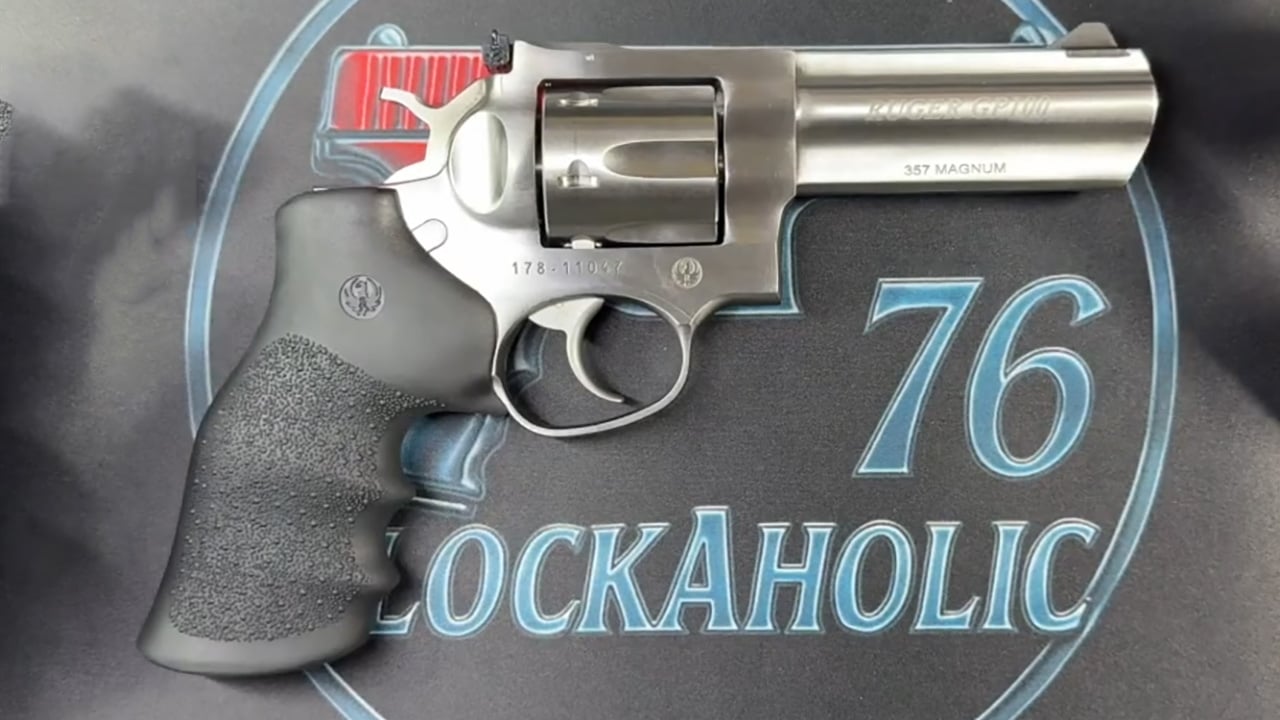
There’s a stage where shooters rediscover revolvers, not because they’re trendy, but because they’re honest. A GP100 is built like a fence post. It’s heavy, sure, but that weight is why full-house .357 doesn’t feel like it’s trying to unscrew your wrist.
If you want a woods sidearm, a “leave it in the truck” gun, or just something that will sit for months and still work, the GP100 makes a lot of sense once the novelty purchases stop.
6. Smith & Wesson Model 10
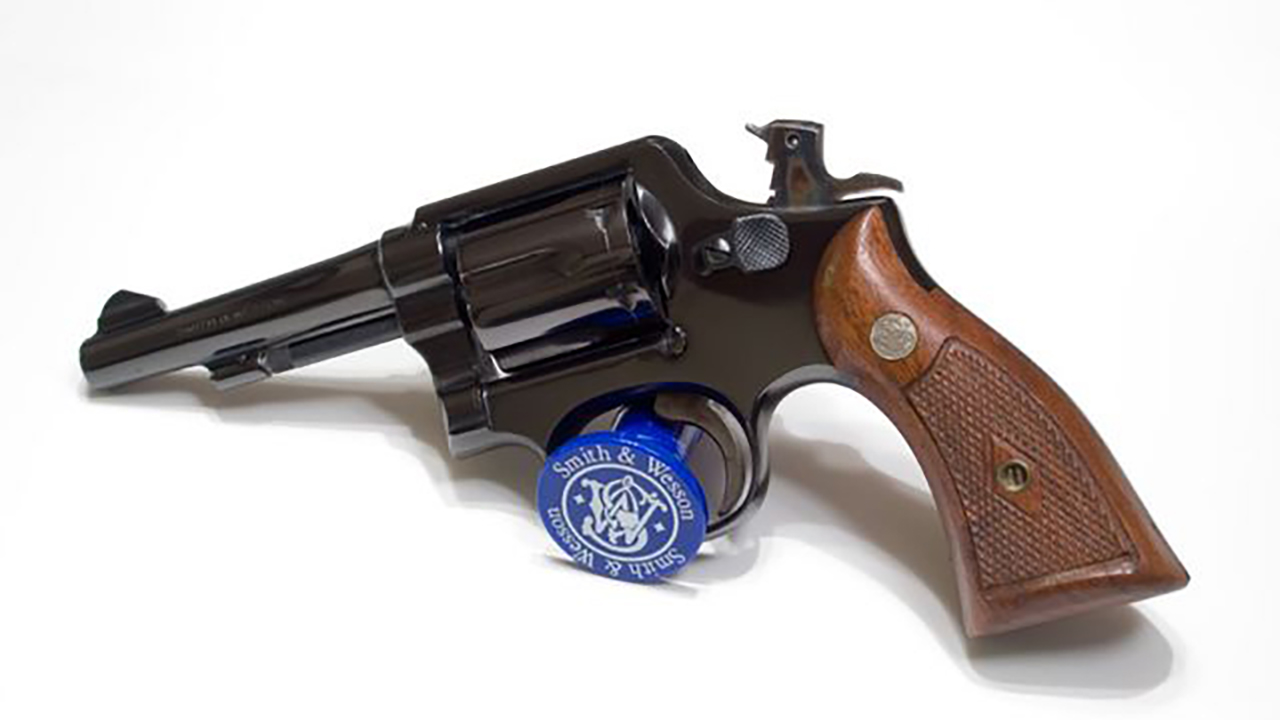
The Model 10 is the plain-Jane service revolver that taught generations what a good double-action trigger should feel like. You can find them used, usually with a little holster wear and a lot of life left.
It’s not a woods cannon. It’s not a safe queen. It’s a practical .38 that hits where you point it and reminds you that simple can be really effective.
7. Ruger American Rifle (in .308 Winchester)
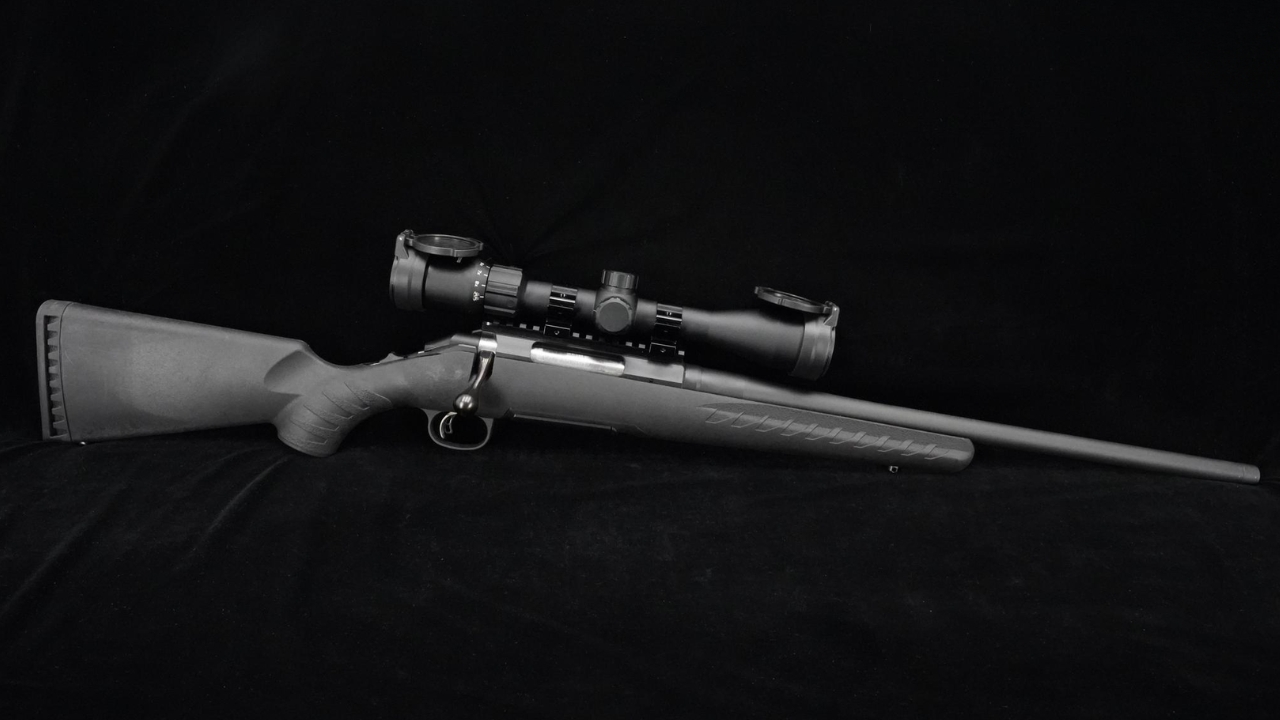
This rifle shows up when a guy wants a hunting rifle that just shoots and doesn’t require a second job to pay for. The Ruger American isn’t a deluxe walnut classic, but most of them group better than they have any right to for the money.
In .308, you’re never stuck hunting for ammo options, and the recoil is manageable for most shooters. For deer camps and back porch zero checks, it’s a workhorse.
8. Tikka T3x Lite (in .30-06 Springfield)

If you’ve run a Tikka, you know the bolt lift feels like it’s on bearings. The T3x Lite is one of those rifles that makes you wonder why some other actions feel like dragging a cinder block through sand.
.30-06 isn’t trendy, but it’s everywhere, it works on nearly anything in North America with sane bullet choices, and it doesn’t care what the new “hot” short mag is doing this year.
9. Winchester Model 70 (Featherweight)

There’s something about carrying a Featherweight through timber or up a ridge. The balance is right, the lines are right, and it feels like a hunting rifle, not a bench project.
It also scratches that itch for a classic without being fragile. You can hunt it hard, wipe it down at night, and keep doing that for decades.
10. Marlin 336 (in .30-30 Winchester)

A lever gun in .30-30 is what a lot of folks circle back to after they’ve owned a pile of stuff that never left the safe. The Marlin 336 carries flat, comes up fast, and makes sense in thick cover.
It’s not a 400-yard rifle for most shooters, and that’s fine. Inside normal woods ranges, it’s a hammer. And it’s the kind of rifle that ends up being your “grab it without thinking” deer gun.
11. Henry Big Boy X (in .357 Magnum)
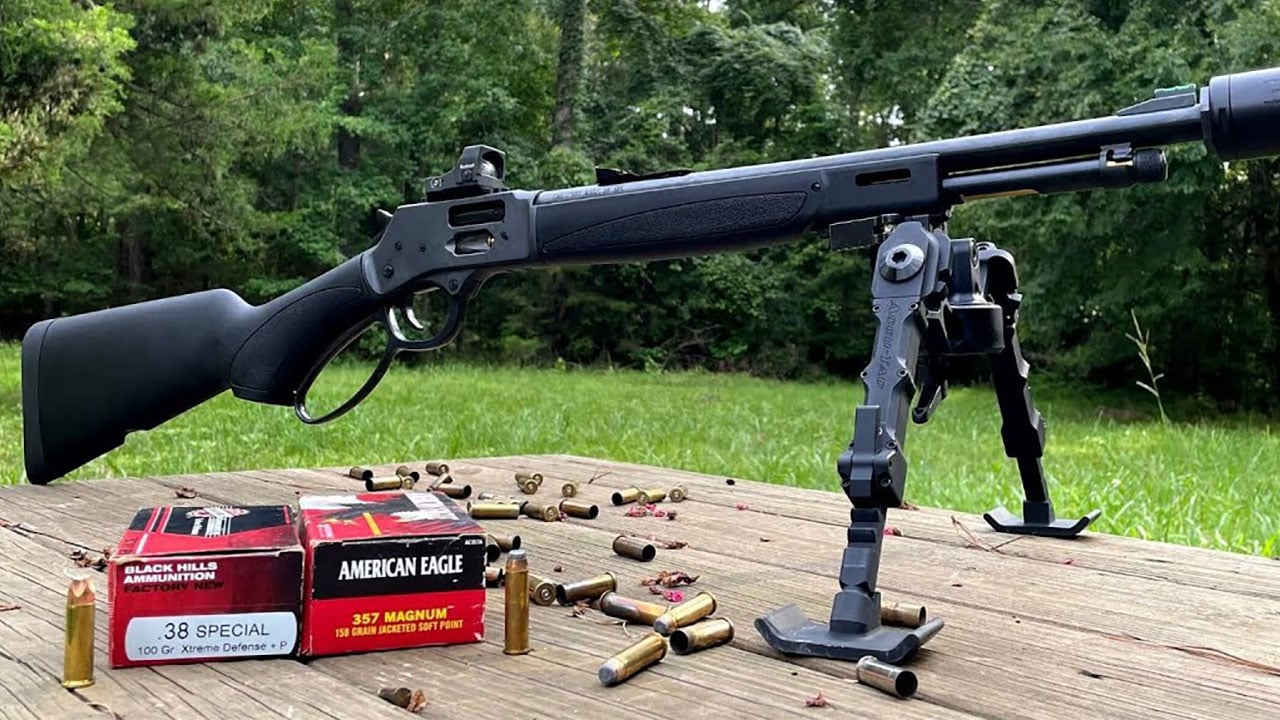
The Big Boy X is what happens when you want a lever gun that’s okay with getting used hard. It’s slick, it’s simple, and in .357 it turns cheap-ish revolver ammo into a very practical carbine setup.
It’s also a fun gun that still has a job. Plinking, small property pest control where legal, and even close-range deer in the right hands and conditions—there’s real utility there.
12. CZ 75B

The CZ 75B is one of those pistols that feels like it was shaped by somebody who actually shoots. It sits low in the hand, tracks nicely, and tends to be accurate even when the shooter is having an off day.
It’s not the lightest carry choice. But for range time, nightstand duty, and just owning a steel pistol that runs, it’s a steady bet when you stop chasing whatever the newest polymer frame is.
13. Beretta 92FS

The 92FS has a reputation because it earned it. It’s soft shooting, has a big sight radius, and the controls become second nature if you put in the time. It’s also a gun that forgives a lot of beginner mistakes.
Plenty of shooters drift away from it for carry because it’s large. Then they circle back later because it’s reliable, pleasant, and still one of the easier pistols to shoot well at speed.
14. SIG Sauer P226

When somebody wants a “serious” 9mm that’s not trying to be cute, the P226 is often the answer. It’s a full-size gun that feels stable, and the trigger system (once you learn it) is predictable and safe for a lot of folks.
It isn’t cheap, and it isn’t small. But it’s the kind of pistol that can live through a lot of rounds without getting finicky, which is more impressive than any new-release feature list.
15. Smith & Wesson M&P 2.0 Compact (9mm)

Some people try half a dozen carry guns before landing here. The M&P 2.0 Compact is one of those pistols that just fits a wide range of hands, and the texture actually helps when you’re sweaty, cold, or wearing gloves at the range.
It also has the kind of ecosystem that matters: holsters, mags, sights, and support. You can set it up how you want without turning it into a science project.
16. Ruger LCR (in .38 Special)

There are days you will not strap on a big pistol, no matter how tough you talk online. The LCR is for those days. It’s light, it carries easily, and it’s simple.
Is it fun with +P? Not really. But it’s a revolver that actually gets carried, and that counts for more than owning a “better” gun that stays home.
17. Colt Python (4-inch)
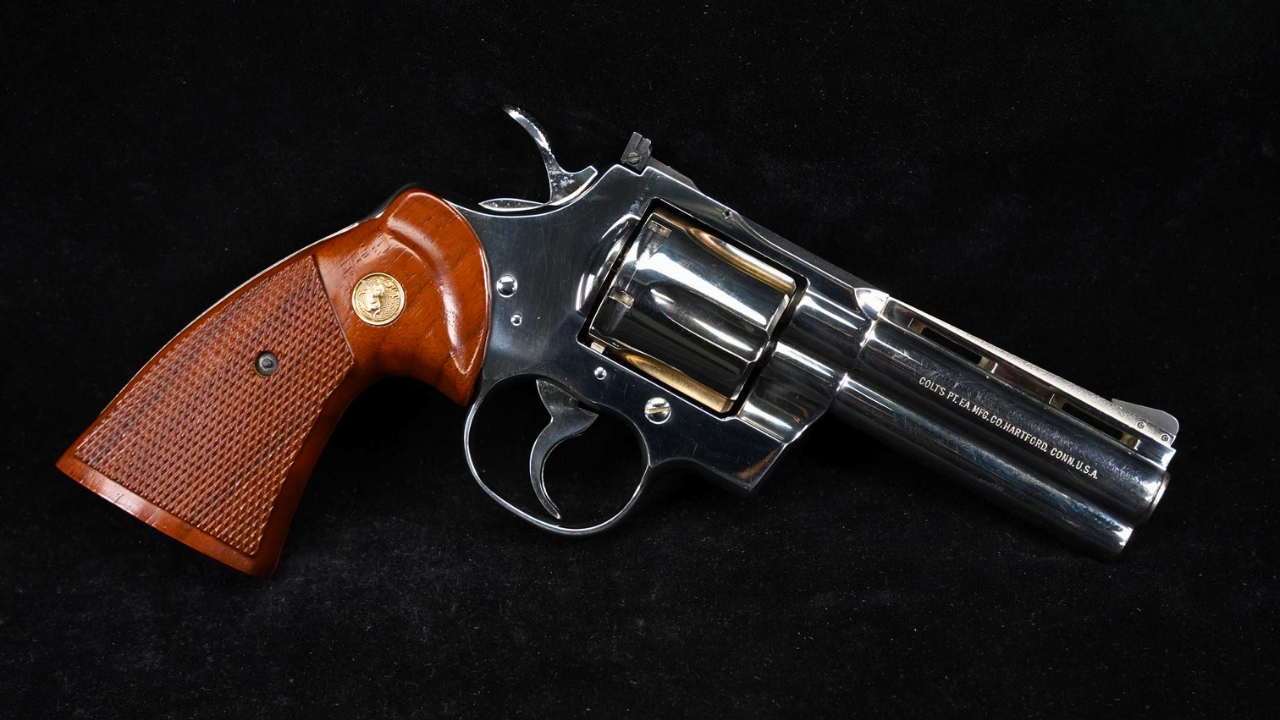
This one isn’t about being practical on a budget. It’s about realizing some guns are special because they shoot well and feel right, not because they were the newest thing on the shelf.
A Python is smooth, accurate, and has a presence. If you can afford one and you actually shoot it, it’s a reminder that craftsmanship still matters. Just don’t buy it to post it—buy it because you’ll keep it.
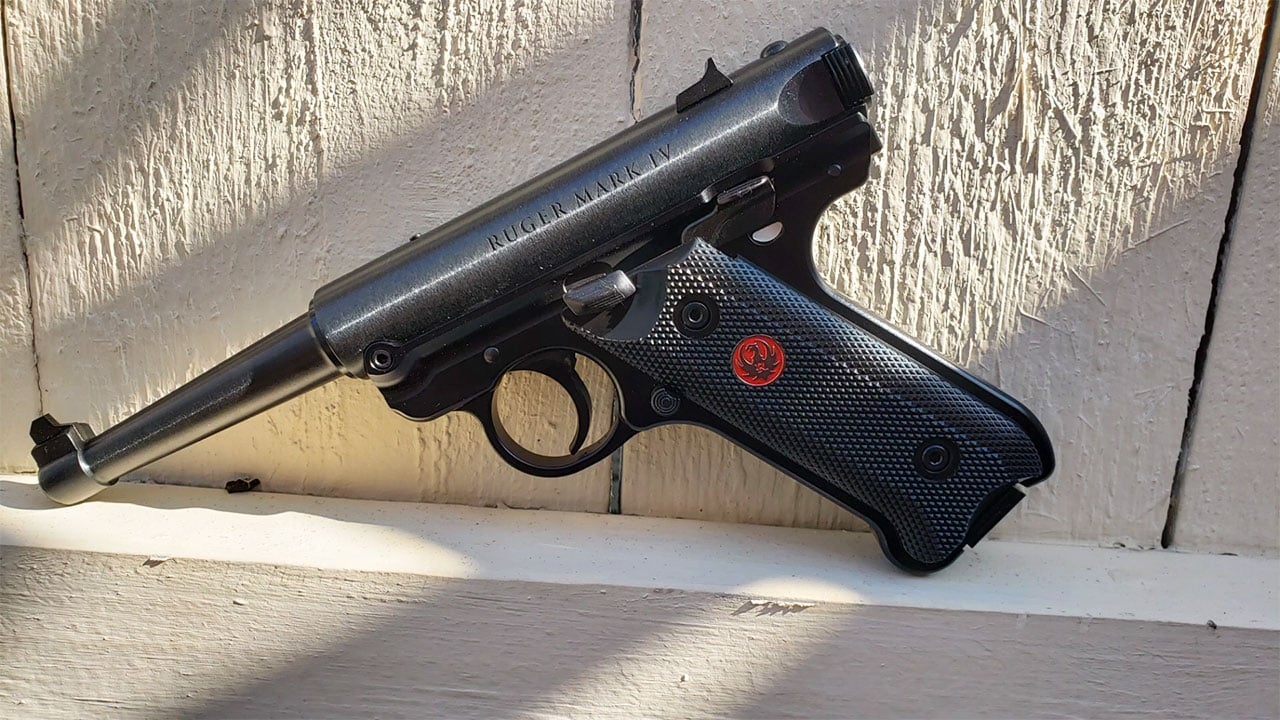
18. Ruger Mark IV Standard
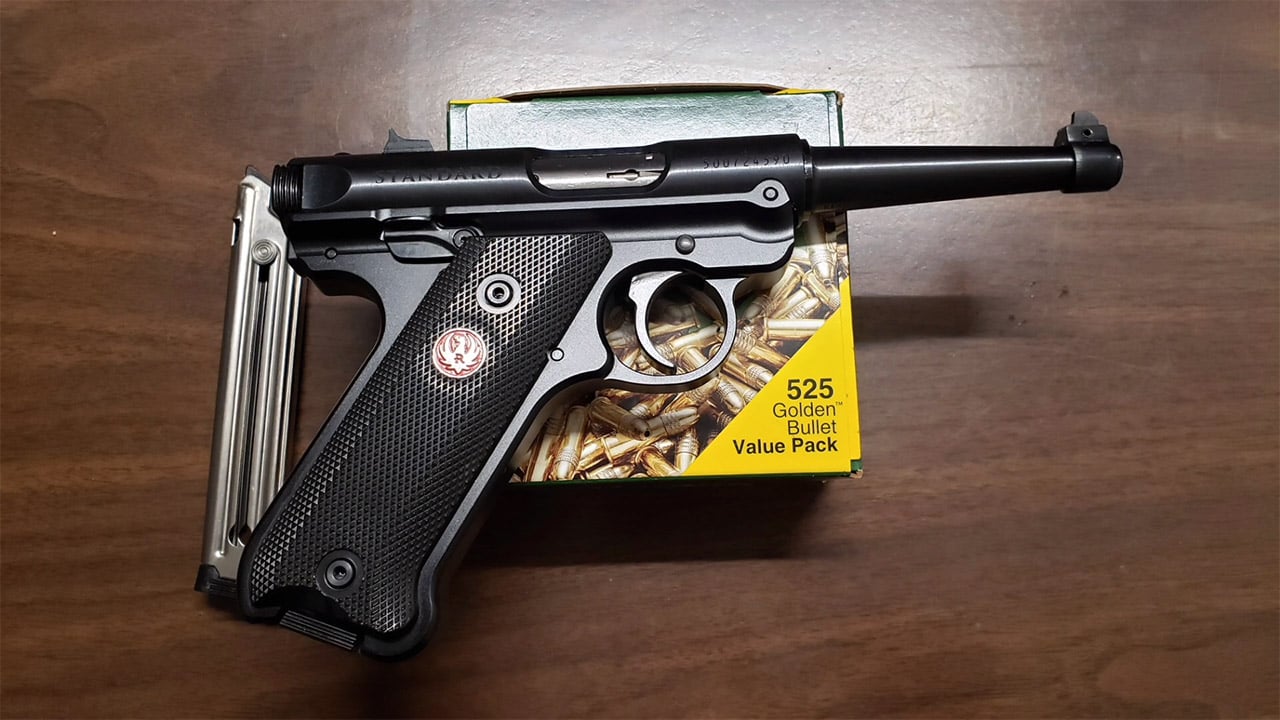
The Mark IV is a “grown-up” .22 pistol, and it earns that spot. It’s accurate, it’s reliable with decent ammo, and it’s useful for everything from steel plates to teaching fundamentals.
And yes, the takedown improvement is real. Ask anybody who fought older rimfire pistol disassembly. That one hurts. The Mark IV fixes it, which is a rare case of a design change that actually helps real shooters.
19. Daniel Defense DDM4 V7

Not everybody needs a premium AR, but a lot of people eventually want one that stops the tinkering. The DDM4 V7 is a “buy once, cry once” rifle that tends to run, hold zero, and not come loose every other range trip.
When you’re done being impressed by new rail shapes and marketing names, you start caring about gas system consistency, staking, and parts that don’t feel like they were made on a Friday afternoon.
20. Colt LE6920

The LE6920 is the plain cheeseburger of ARs: not fancy, but it’s what a lot of the pattern is measured against. It’s a rifle that just makes sense if you want something close to the baseline, with proven reliability and massive compatibility.
It also scratches that “keep it standard” itch. Standard parts, standard mags, standard manual of arms. When you stop chasing the newest thing, standard starts looking pretty smart.
New guns are fun. I like new stuff as much as anybody. But once you’ve bought a few that didn’t live up to the hype, you start valuing the guns that do what they’re supposed to do every single time, with ammo you can actually find and magazines you can actually replace. The older you get in this game, the more that kind of boring starts to feel like freedom.
Like The Avid Outdoorsman’s content? Be sure to follow us.
Here’s more from us: