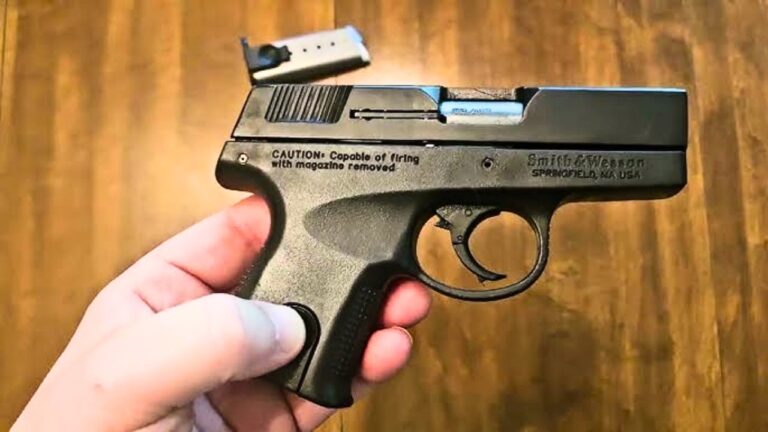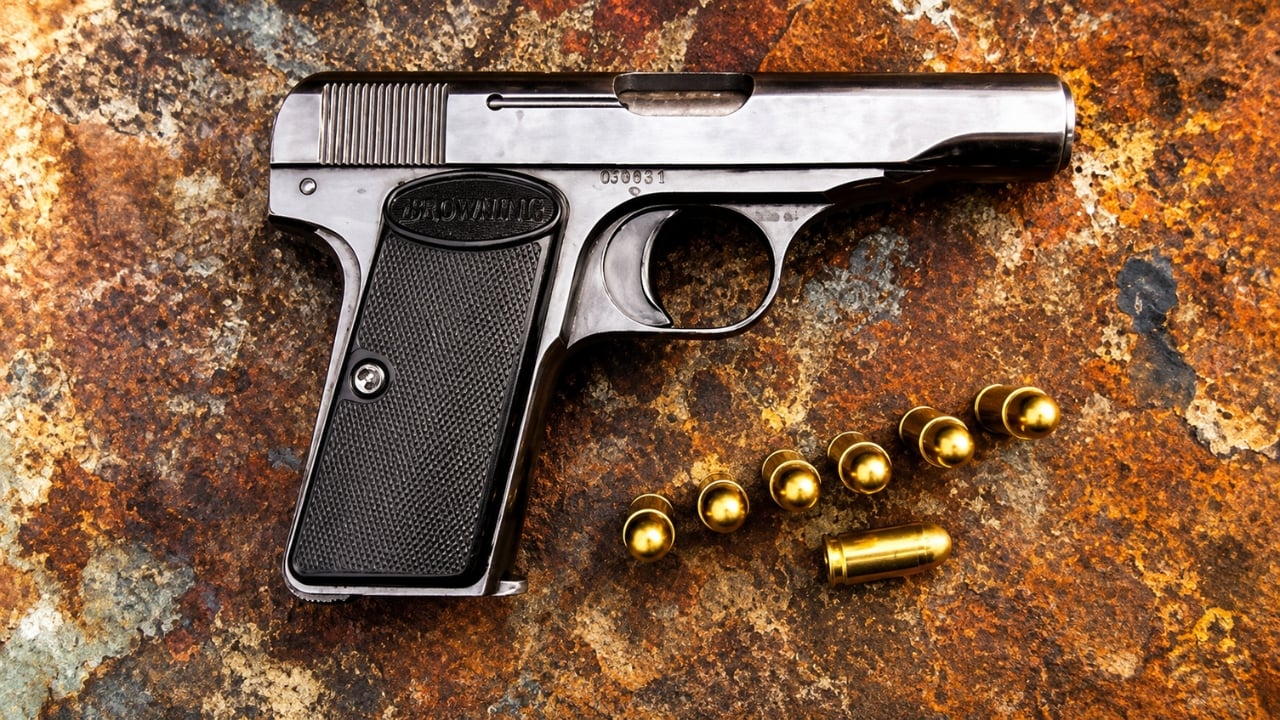
Photo credit: sootch00/YouTube
Some pistols build their reputations in a few years of civilian range use. Others spend decades being carried by soldiers, police officers, security personnel, and ordinary owners who are not particularly interested in babying their equipment.
Those are the guns that interest me here. They may show holster wear, battered grips, and finishes polished smooth from thousands of draws, yet many remain perfectly functional long after newer pistols have come and gone. Good engineering, generous durability margins, and straightforward mechanics gave these 20 handguns service lives that are difficult to fake.
Tokarev TT-33

The TT-33 was never intended to be luxurious. The Soviet Union wanted a straightforward military handgun that could be produced in large numbers and continue functioning under conditions where appearance meant absolutely nothing.
That philosophy shows throughout the pistol. The action is mechanically straightforward, the steel frame is substantial, and the removable fire-control assembly makes servicing easier than the gun’s age might suggest. Millions of Tokarev-pattern pistols went through military service around the world, often receiving far less maintenance than a modern enthusiast would consider acceptable. Plenty of surviving examples still shoot today after decades of use. The TT-33 can feel crude beside a modern handgun, but crude construction and weak construction are two completely different things.
CZ 52
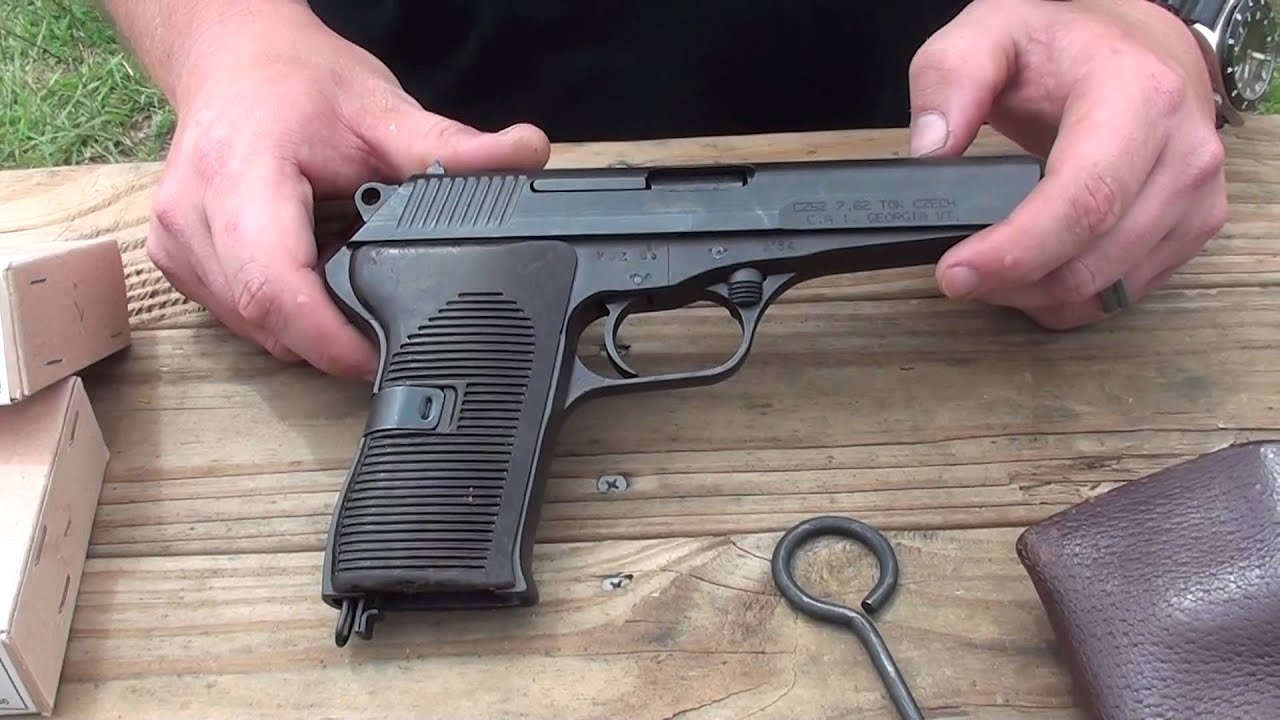
The CZ 52 is one of the strangest service pistols of its period, largely because of its roller-locked operating system.
That unusual engineering was wrapped inside an extremely substantial steel pistol chambered for the fast 7.62x25mm cartridge. Czechoslovak military examples spent decades in service and storage before large numbers reached American shooters. Many were already old before their second life as inexpensive surplus pistols even began. Despite the age and sometimes rough exterior condition, functional examples can remain surprisingly solid. The CZ 52 is not especially ergonomic, but it was built during an era when military pistols were expected to survive institutional use rather than win customers with interchangeable grip panels.
Beretta M1951
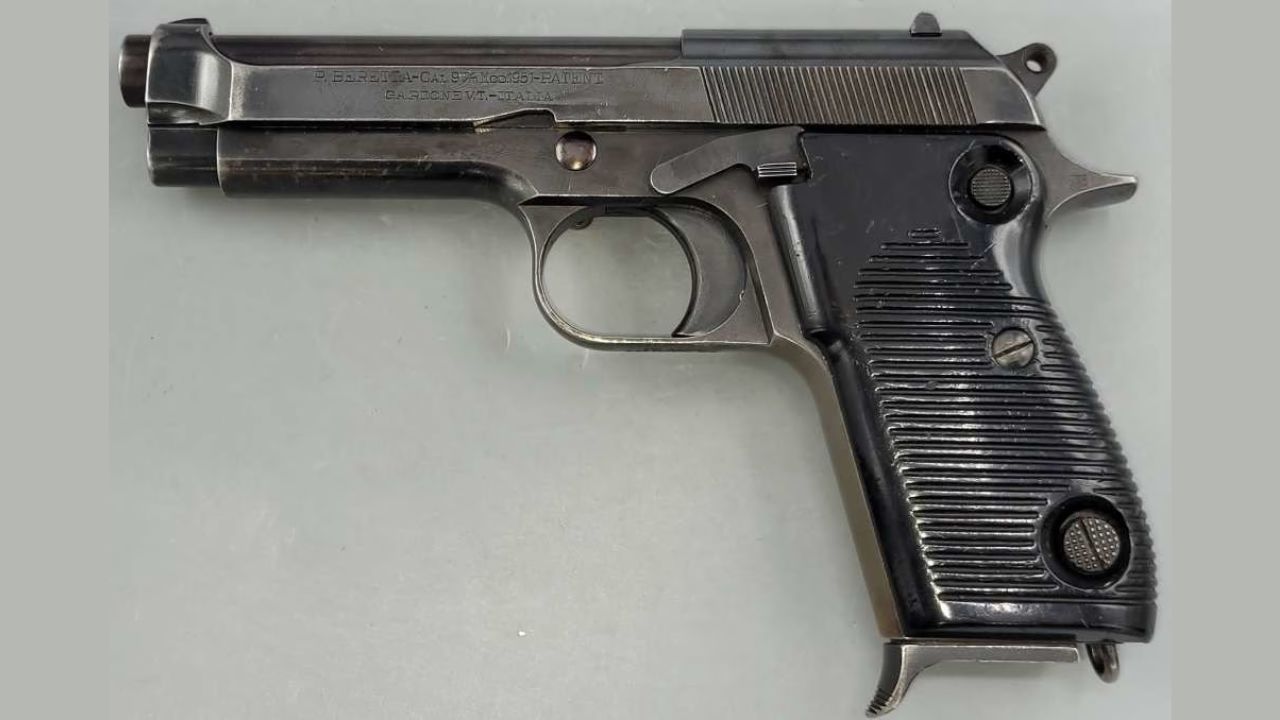
Before the Beretta 92 became internationally famous, the M1951 had already established Beretta’s reputation for serious 9mm service pistols.
The gun uses a locking-block system that would influence later Beretta designs and wraps it in a slim, all-metal package. Military and police organizations across several countries used the M1951 for years, often long enough for individual pistols to accumulate tremendous finish wear. That does not necessarily mean the gun underneath is finished. Good examples demonstrate why Beretta stayed with many of the same mechanical ideas for generations. There are lighter pistols now, but the M1951 earned its longevity before polymer frames were even part of the discussion.
Astra 400
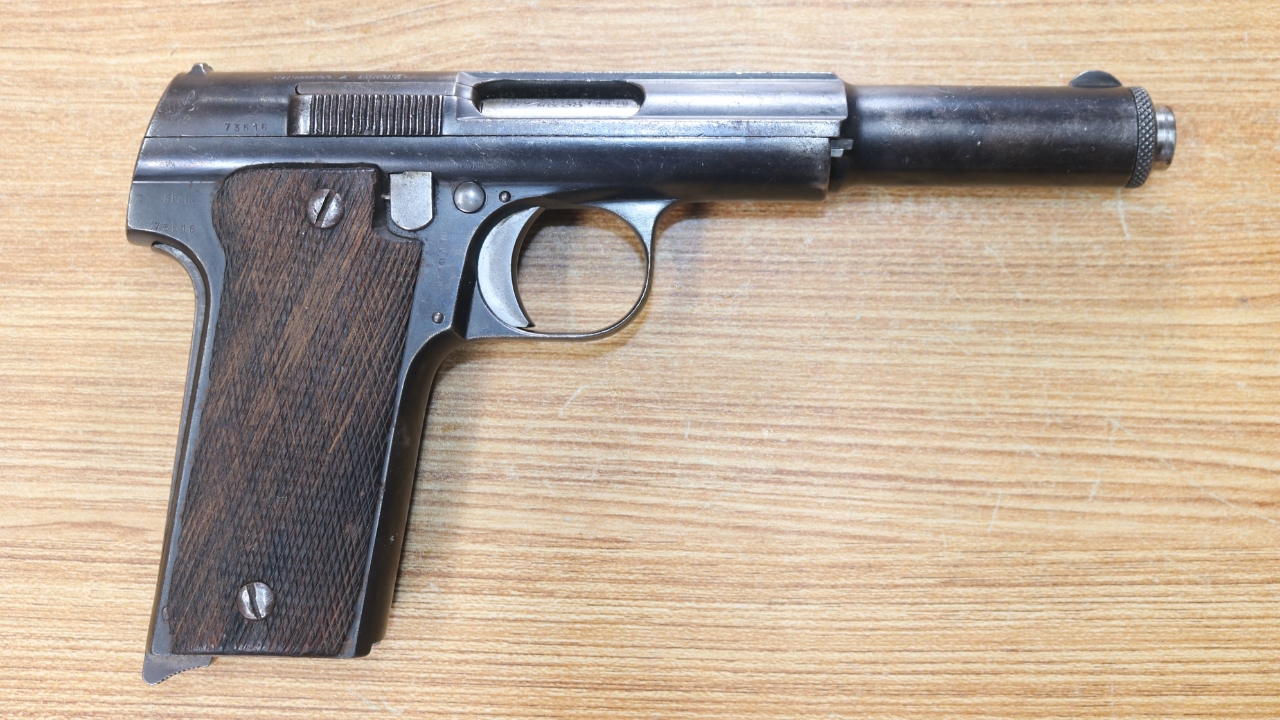
The Astra 400 looks more like a piece of industrial equipment than a modern defensive handgun, and that is strangely appropriate.
Spain adopted it as a military service pistol, and the design’s heavy construction reflects that role. The straight-blowback action required substantial slide mass, giving the pistol a level of solidity that is immediately obvious when you pick one up. Thousands went through military, police, and commercial use, and many surviving examples still function despite being close to a century old. The Astra is certainly not a pistol anyone would design this way today, but its long life proves there is something to be said for building a gun with plenty of steel.
Astra 600
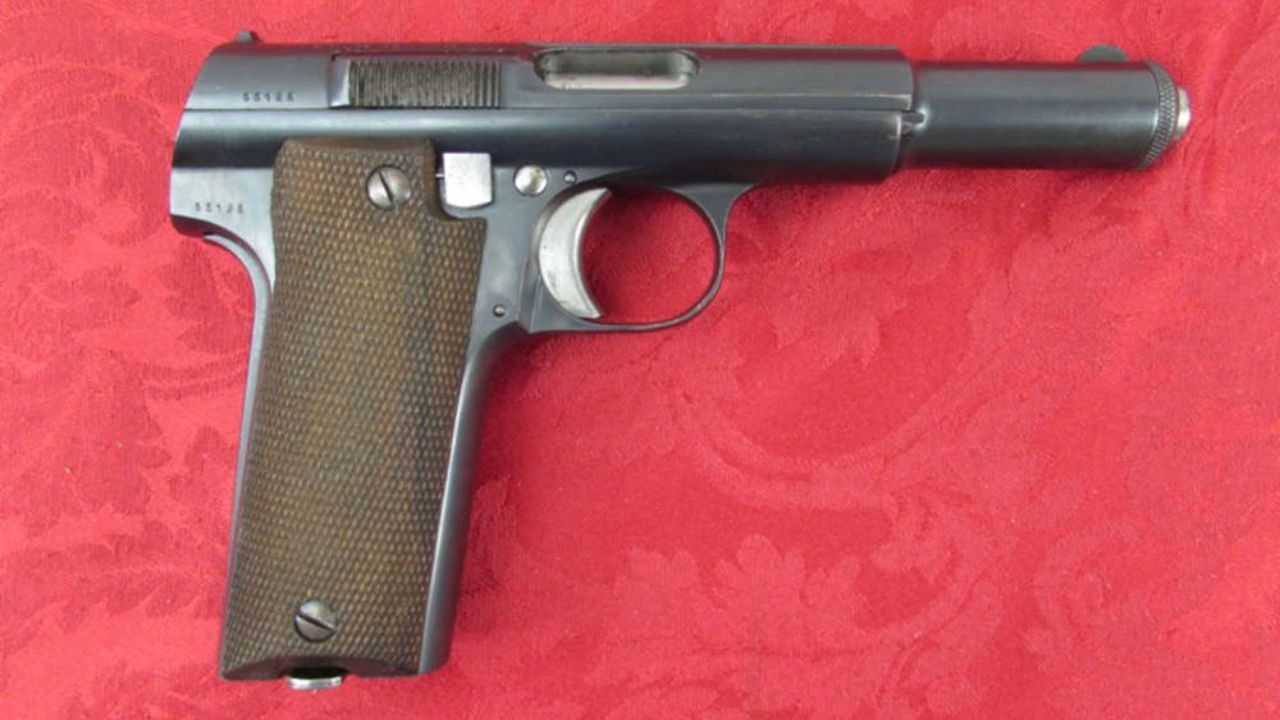
The Astra 600 took much of the 400’s basic concept and adapted it around 9mm Parabellum.
That gave shooters another unusually heavy blowback service pistol with almost nothing delicate about its construction. Many were produced around World War II, and surviving examples have now had decades to accumulate military service, surplus handling, and civilian shooting. The gun is heavy for its capacity, yet that same mass makes it feel incredibly substantial. You would never choose the design if your priority were minimum weight. If your priority were building something that could remain functional generations later, the logic becomes much easier to understand.
Radom VIS 35
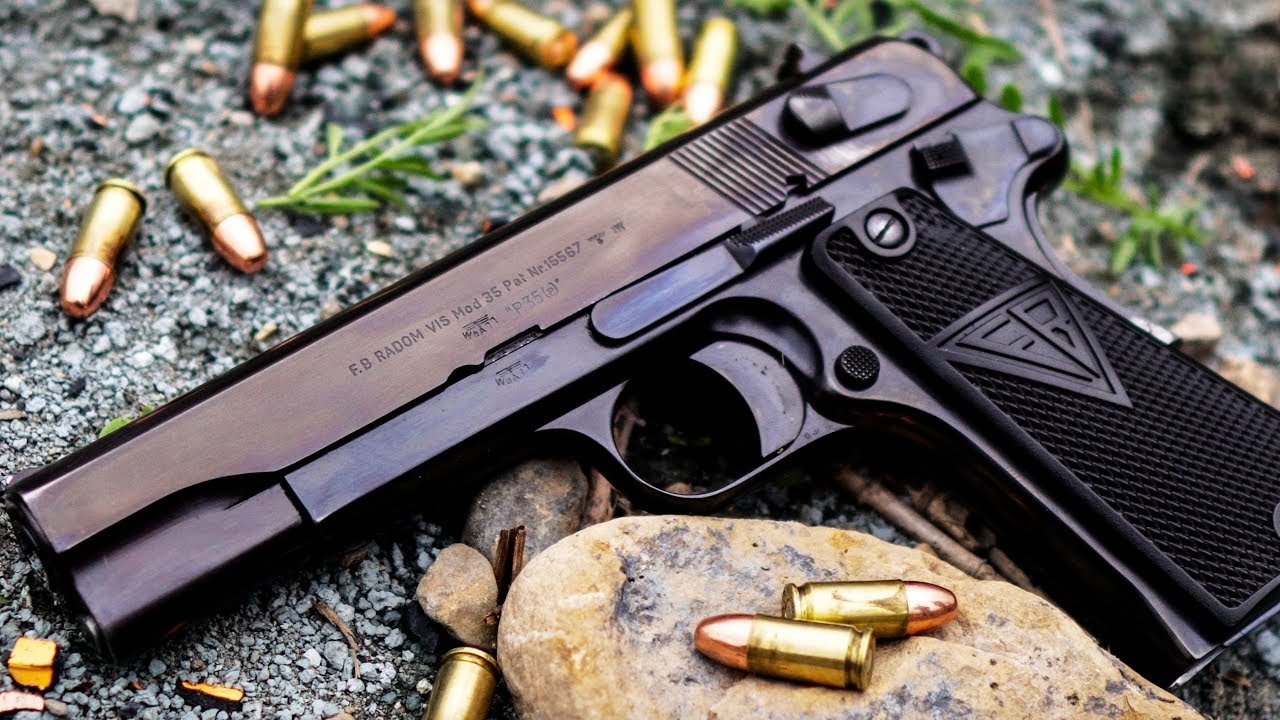
The Polish VIS 35 is often discussed today primarily as a collectible, but it began life as a genuine military service pistol.
Its locked-breech action and steel construction gave it the kind of durability expected from a sidearm intended for wartime use. Surviving pistols endured enormously varied circumstances, including occupation production during World War II, military issue, postwar storage, and eventually decades in private collections. High-condition guns have become valuable enough that people hesitate to shoot them, but heavily worn examples reveal what these pistols were actually built to do. A VIS with finish missing from years of handling can still have a remarkably sound action underneath.
FN Model 1903
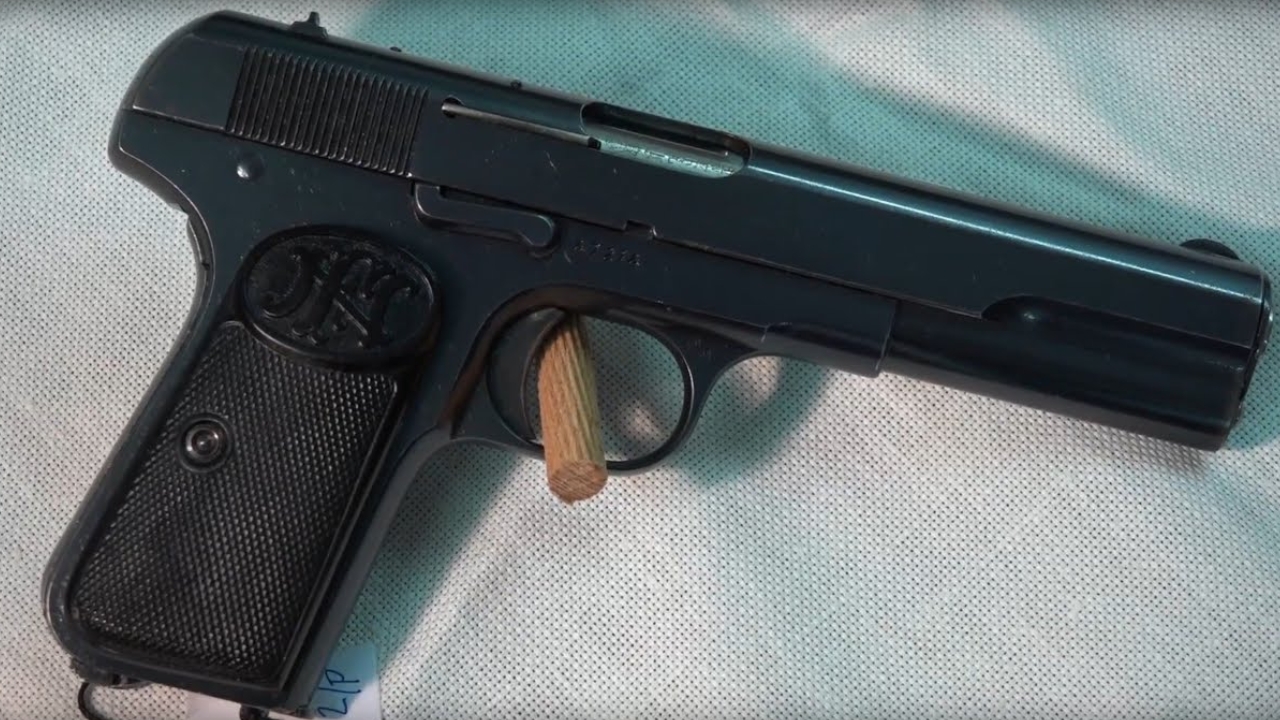
The Model 1903 came from John Browning’s early period of semiautomatic pistol development, yet it remained in military and police service for an astonishing amount of time.
The gun’s clean exterior hides a straightforward internal design with relatively few features to complicate maintenance. Various military and law-enforcement organizations adopted it, and many pistols spent years being carried daily rather than sitting carefully preserved. The long slide and steel frame make it feel almost oversized for its cartridge today, but that conservative construction contributed to its durability. More than a century after the design appeared, working examples are still easy to understand mechanically.
Browning Model 1910
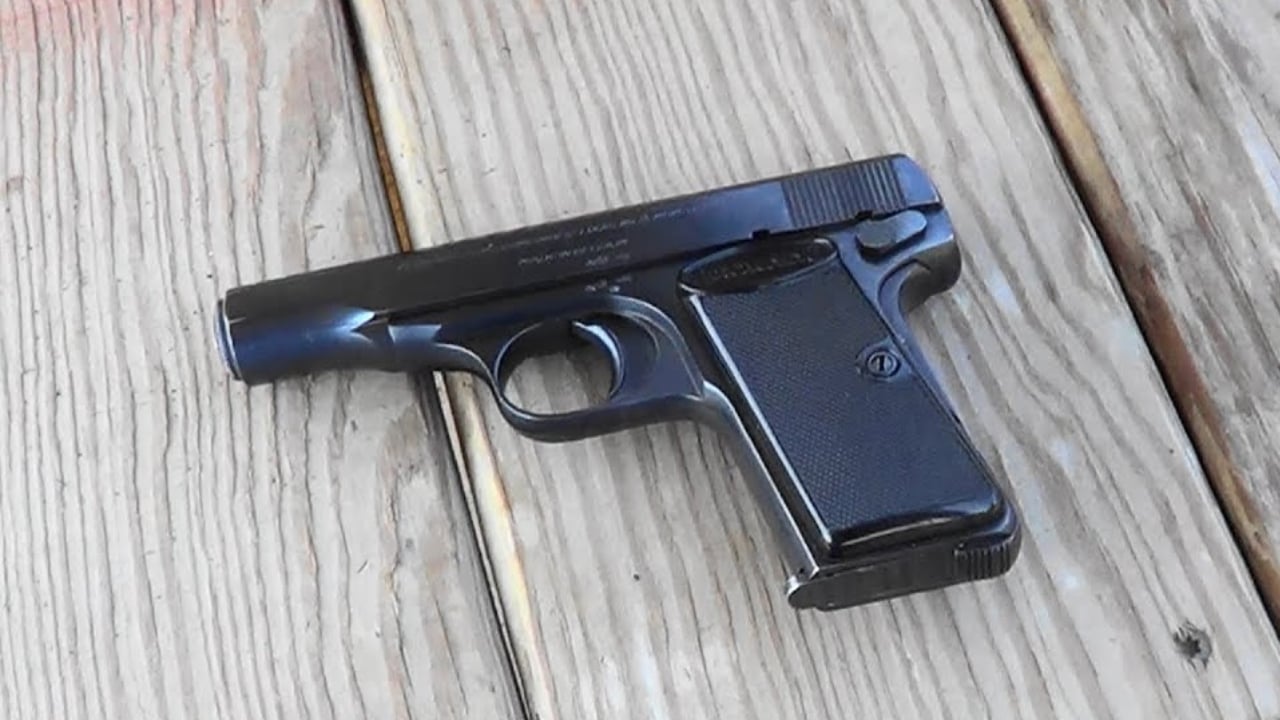
The Model 1910 is much smaller than many traditional service pistols, yet its durability helped make it enormously successful across Europe and elsewhere.
Its fixed-barrel blowback system contains relatively little that needs to happen for the pistol to cycle. That made the gun compact without making the mechanical concept unnecessarily complicated. Police officers and civilians carried these pistols for decades, often long enough for their external finish to become almost completely polished away. Plenty still function. The Model 1910 is a reminder that a handgun does not need to be large or overbuilt everywhere if the underlying mechanism is fundamentally sound.
Beretta Model 70
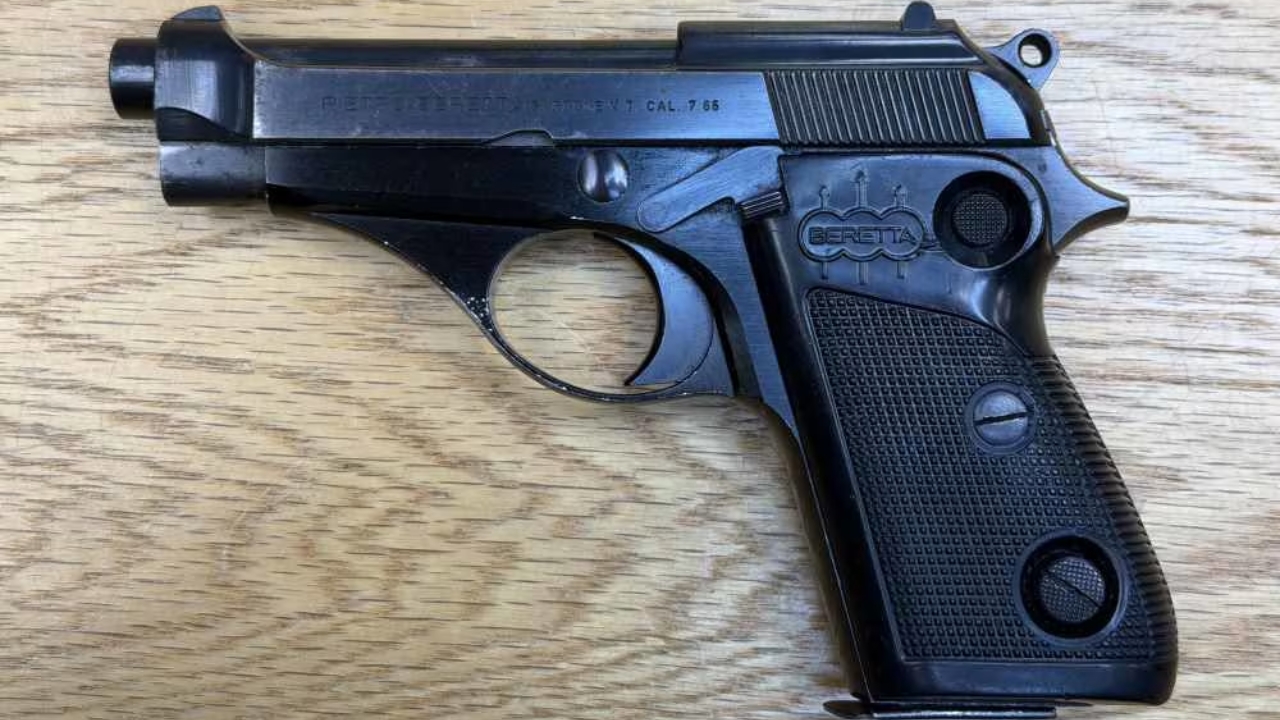
The Beretta 70 series never became as famous in the United States as the company’s later service pistols, but it developed a strong reputation as a practical compact handgun.
Metal construction, straightforward blowback operation in the smaller chamberings, and Beretta’s manufacturing quality gave these pistols impressive longevity. Various versions saw police, military, security, and civilian use. The design was slim enough to carry while remaining large enough to shoot comfortably, which encouraged owners to actually use them. Decades later, clean mechanical examples remain enjoyable shooters rather than fragile historical curiosities.
CZ 83
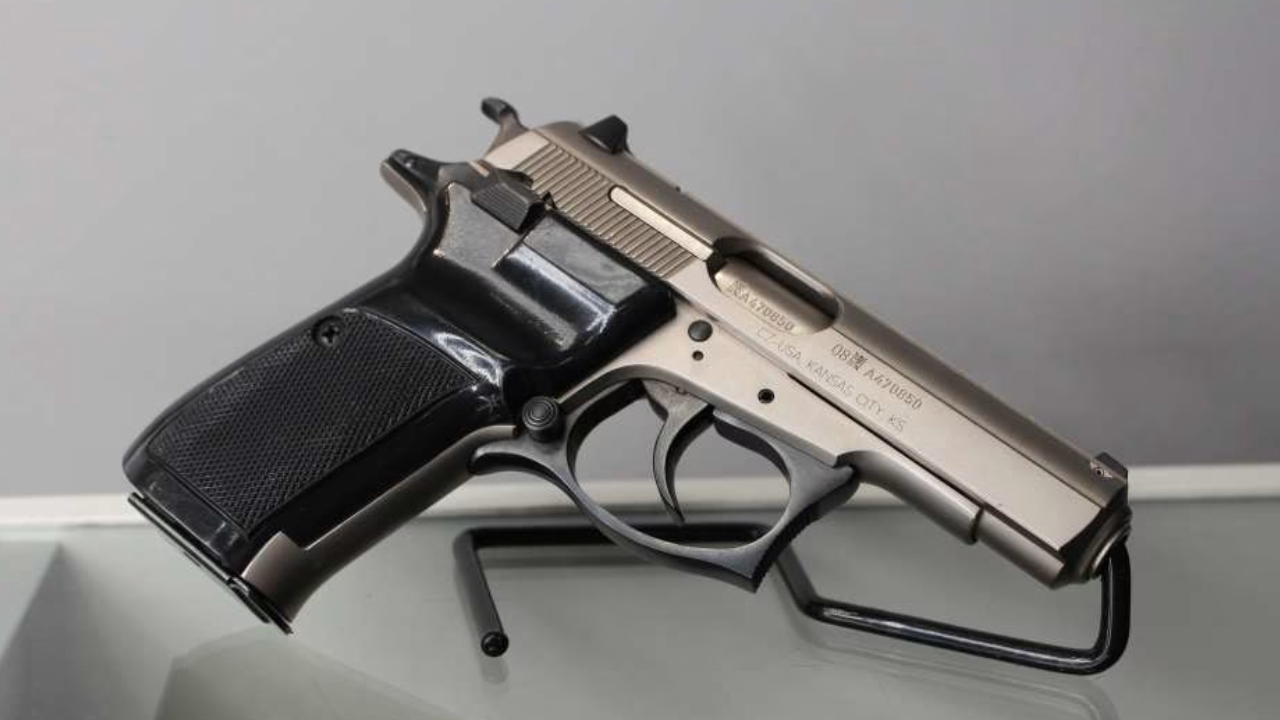
The CZ 83 arrived after many classic Cold War service pistols but retained the durable all-metal construction associated with that period.
Its ambidextrous controls and comfortable grip made it surprisingly modern, while the basic operating system remained straightforward. Police and security users put the design through serious duty, particularly in Europe, and civilian examples often accumulated large round counts because they were pleasant to shoot. The pistol is heavier than today’s compact blowback guns, but that weight contributes to its controllability and substantial feel. It is the kind of handgun that can look heavily used while still having plenty of shooting left in it.
Ruger P85
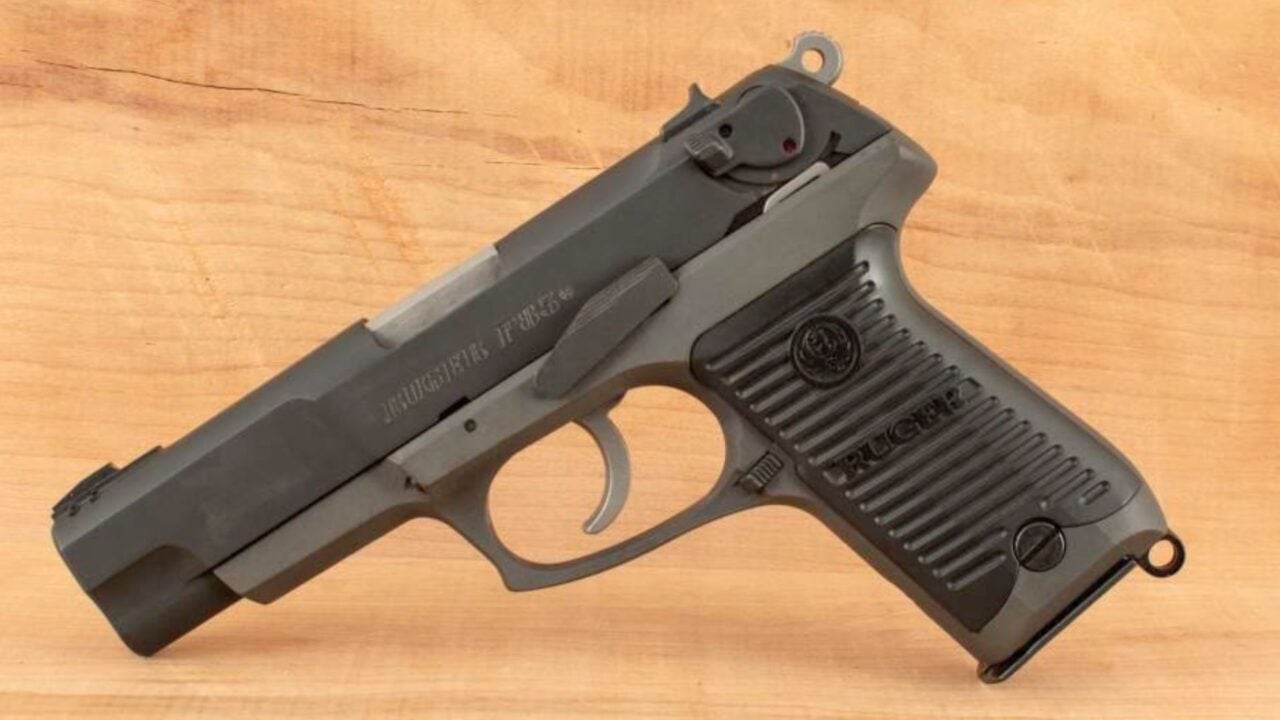
The P85 was Ruger’s first centerfire semiautomatic pistol, and subtle refinement clearly was not the company’s primary objective.
Ruger built a large, strong 9mm that seemed designed around the assumption owners might mistreat it. The controls and proportions feel clumsy compared with current pistols, but durability became one of the P-series’ defining characteristics almost immediately. P85s spent years in civilian use and some institutional roles, frequently receiving the same indifferent treatment given to inexpensive working guns. A scratched and ugly example can still run perfectly well. Ruger learned plenty after the P85, but making the gun tougher was not necessarily something it needed to improve.
Smith & Wesson Model 459
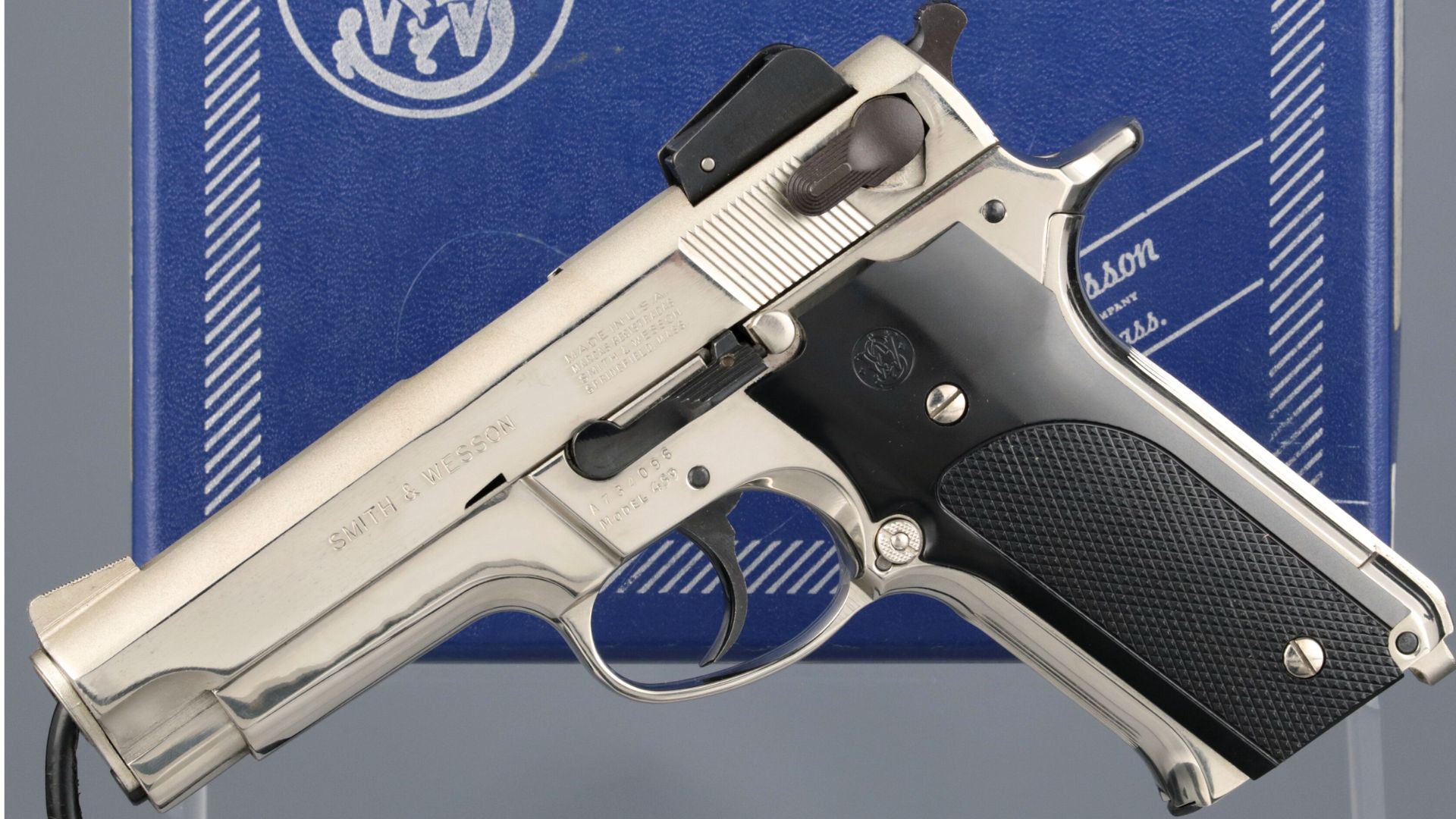
The Model 459 came from the era when high-capacity 9mm service pistols were beginning to transform American law-enforcement handguns.
It combined an aluminum frame with a double-stack magazine and traditional DA/SA operating system, giving agencies a significant capacity increase over older revolvers and single-stack autos. These pistols were carried hard, and many surviving examples display the sort of wear that tells you they were working guns rather than collectibles. The design eventually evolved into Smith & Wesson’s third-generation pistols, but the 459 helped demonstrate that the company’s high-capacity autos could handle serious service.
Smith & Wesson Model 469

The 469 took the high-capacity Smith concept and made it compact enough for easier carry.
That sounds ordinary now, but squeezing respectable capacity into a shortened metal-framed pistol was much more noteworthy when the 469 appeared. Police officers and armed professionals used these guns as carry pistols and backups, meaning plenty received years of holster time and regular qualification shooting. The pistol feels unmistakably dated beside a modern micro-compact, yet many examples remain functional decades later. It earned its place because it provided practical capacity and portability without giving up the sturdy construction expected from a service weapon.
Smith & Wesson Model 915
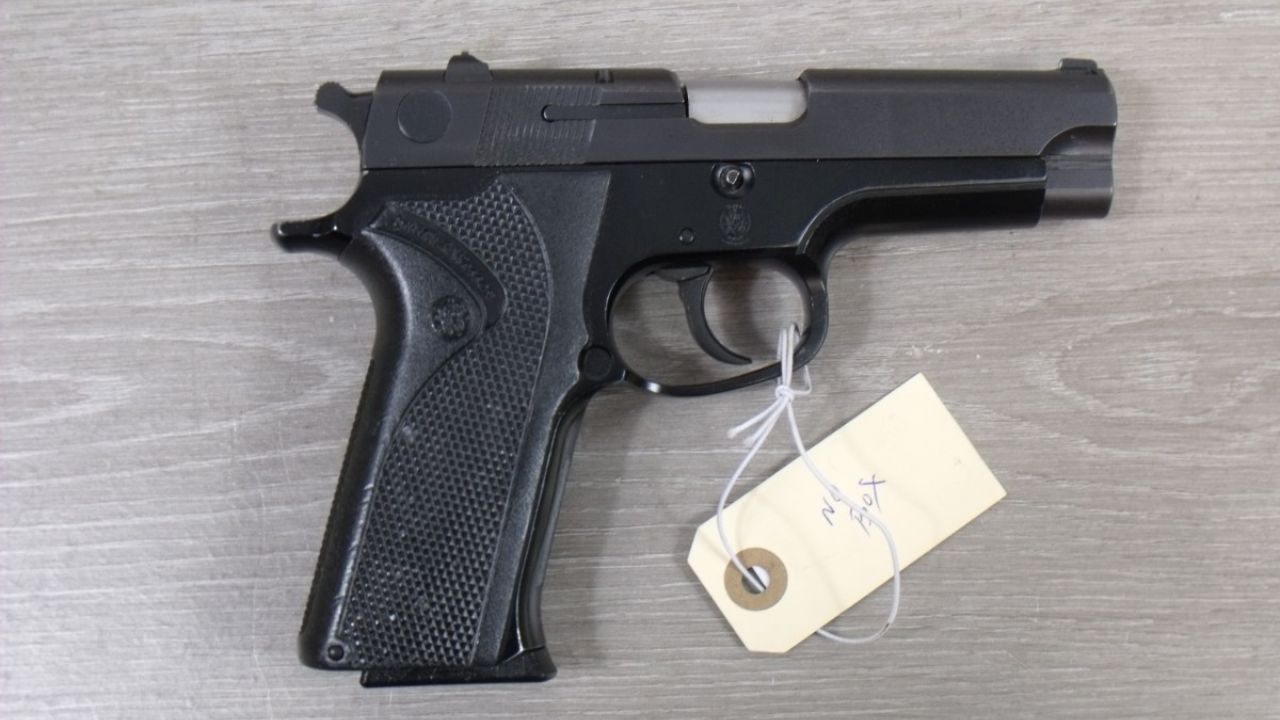
The Model 915 was never supposed to be glamorous. Smith & Wesson essentially offered it as a more economical service pistol while retaining the important parts of the company’s proven third-generation system.
That value-oriented positioning meant owners were likely to treat them as working handguns. It also means the 915 never developed the collector prestige that caused people to preserve other Smith autos carefully. Yet that can make surviving examples more impressive. Guns with obvious wear can still have strong mechanical life because the underlying design was developed for duty use. It is exactly the kind of pistol that proves an inexpensive version of a mature platform can be a very durable gun.
SIG Sauer P230

The P230 looks almost too elegant to belong on a list about hard use. Its slim frame and smooth contours seem better suited to careful concealed carry than abuse.
Yet the pistol spent years in police and security service in several parts of the world. The fixed-barrel blowback system is straightforward, and SIG built the gun with the quality that established its premium reputation during that era. Many P230s accumulated extensive carry wear without developing serious mechanical issues. Newer pocket pistols are smaller and offer more capacity, but relatively few combine the same refinement with a service history stretching back decades.
Steyr GB
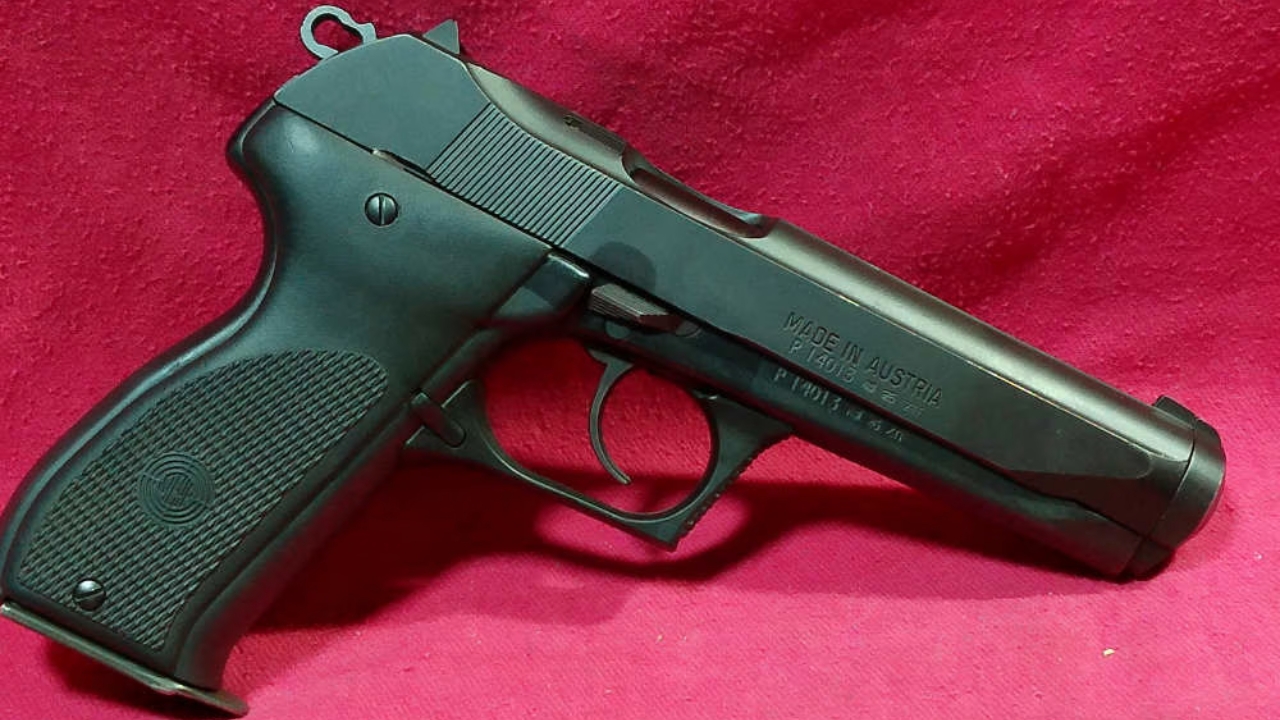
The Steyr GB was commercially unsuccessful, but commercial success and mechanical durability are not the same thing.
Its gas-delayed blowback system was unconventional, and the pistol itself was enormous by modern 9mm standards. The size gave it plenty of control, while the construction reflected its original intention as a military service handgun. It lost major procurement opportunities and never achieved mass-market adoption, but surviving GBs reveal a pistol built far more seriously than its limited popularity suggests. It is a fascinating example of a rugged service design that simply lost the marketplace battle.
Husqvarna Model 1907
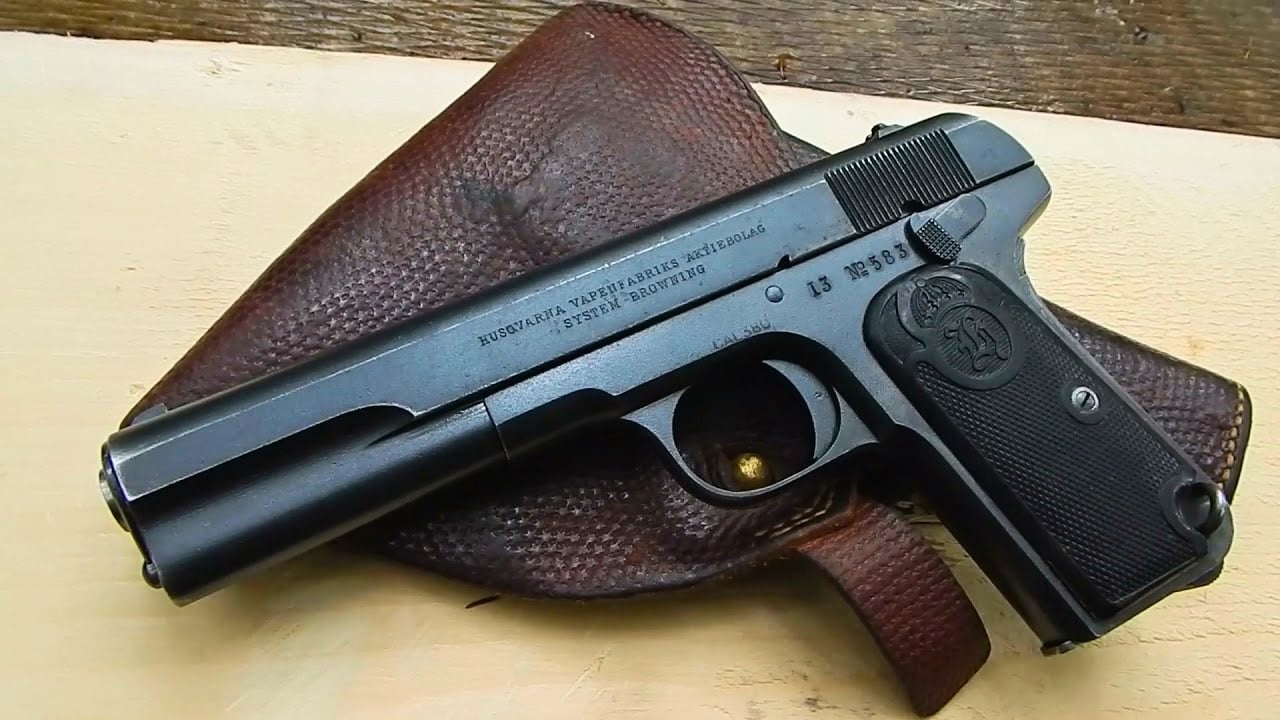
The Swedish Model 1907 was based on the Browning 1903 concept and served Sweden for decades.
That alone says quite a bit about the gun. Military pistols that remain in inventory for generations inevitably experience repeated handling, storage, training, maintenance, and reissue. The Model 1907’s straightforward blowback system and sturdy steel construction were well suited to that life. Many surviving examples have the worn finish expected from genuine military service but remain mechanically useful. They are not flashy guns, and that was never the objective.
Walther PP

Long before the PPK became an icon of compact-pistol style, the larger Walther PP was earning its reputation as a police handgun.
The pistol’s DA/SA trigger, decocker, fixed barrel, and compact dimensions were remarkably advanced when introduced. Police agencies across Europe used PP-family pistols for decades, producing countless examples with heavy holster wear but completely functional actions. The blowback design does not need an elaborate locking system, and the gun’s all-metal construction provided enough durability for daily institutional use. The PP became influential because it worked, not merely because it looked good.
Mauser HSc
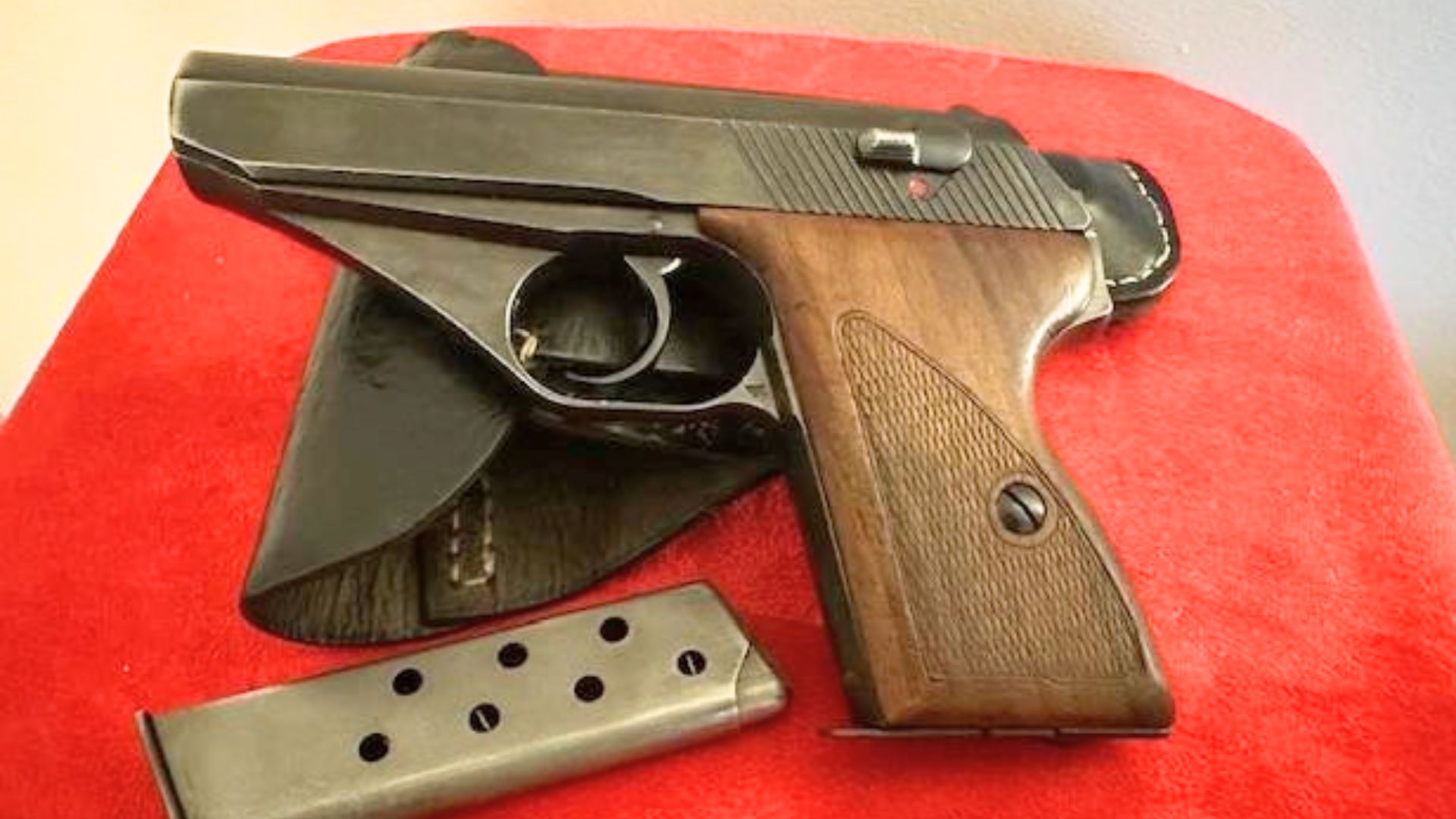
The HSc was another compact German pistol that spent decades moving through military, police, and civilian hands.
Its smooth exterior and enclosed-hammer appearance made it well suited to carry, while the metal frame and straightforward blowback operation gave it substantial longevity. Production spanned different periods, and surviving examples vary considerably in finish and collector value. What does not change is how many remained functional long after their original working lives should have ended. The HSc never achieved the cultural fame of some competing designs, but mechanically it proved remarkably persistent.
Browning BDA .45

The Browning BDA .45 was essentially an early SIG Sauer P220 imported under Browning branding, and underneath the different name was a very serious service-pistol design.
The stamped slide and aluminum frame can look almost lightweight compared with later all-stainless duty pistols, yet the basic system proved durable enough to establish the P220 family for decades. These guns were built before SIG became the enormous American handgun brand it is today, and many were simply purchased as high-quality shooters. A BDA that has been used extensively can still feel tight and remarkably smooth, which is exactly why the underlying design lasted so long.
Like The Avid Outdoorsman’s content? Subscribe to our newsletter so you never miss an article.
Here’s more from us: