Photo credit: theARMORYchannel/Youtube
There’s a special kind of sick feeling you get when the gunsmith slides your rifle back across the counter and says the part you need isn’t made anymore, or the fix costs more than the gun is worth. I’ve been on both sides of that counter enough to know what usually caused it: buying on hype, chasing a niche, or choosing “almost right” because it was on sale.
This isn’t a list of the worst guns ever made. It’s a list of guns that, for one reason or another, tend to strand owners in that awkward spot where you’re either spending real money to make it run, or you’re trading it off and taking the lesson with you. Some of these are accurate, some are fun, and a few are downright handy. They just have a habit of turning into projects.
1. Remington 710
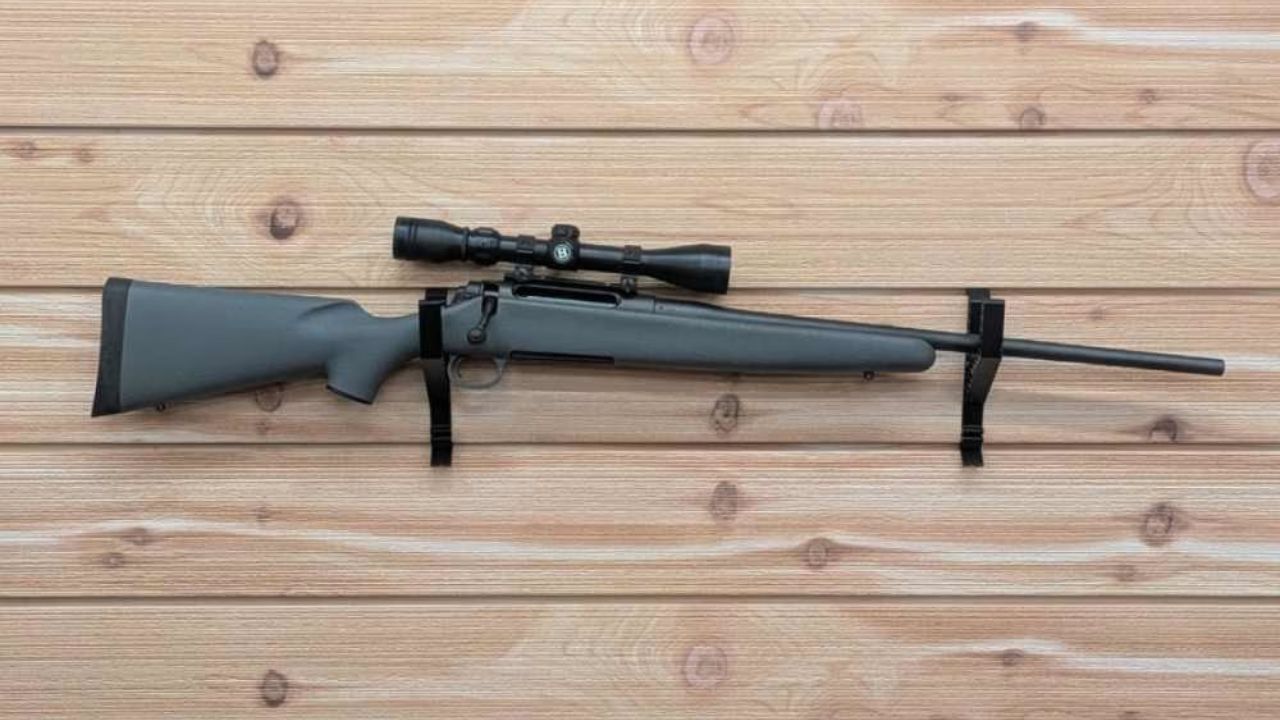
I’ve watched more than one of these show up with the same complaint: “It used to shoot fine, now the bolt feels gritty and it won’t group.” The 710 was built to hit a price point, and it shows in the long run. When they’re new and treated gentle, plenty of them get a deer on the ground. Then the seasons pile up.
The bigger problem is support. When you need parts, you’re often chasing used components or hoping a gunsmith has a workaround. By the time you pay for diagnosis, parts hunting, and labor, you’re staring at the price of a better used bolt gun that won’t keep you guessing.
2. Remington 770

The 770 followed the same road as the 710, and you see the same end result: folks show up with extraction issues, a sloppy-feeling bolt, or a gun that just won’t hold consistency once the honeymoon is over. It’s not that every 770 is junk. It’s that the design doesn’t leave much margin.
When someone says, “Can you tune the trigger and make it smoother?” that’s when the counter talk gets uncomfortable. You can improve some things, but you can’t turn it into a Model 700. Most guys would’ve been better off buying used and boring.
3. Savage Axis (early generations, budget package guns)
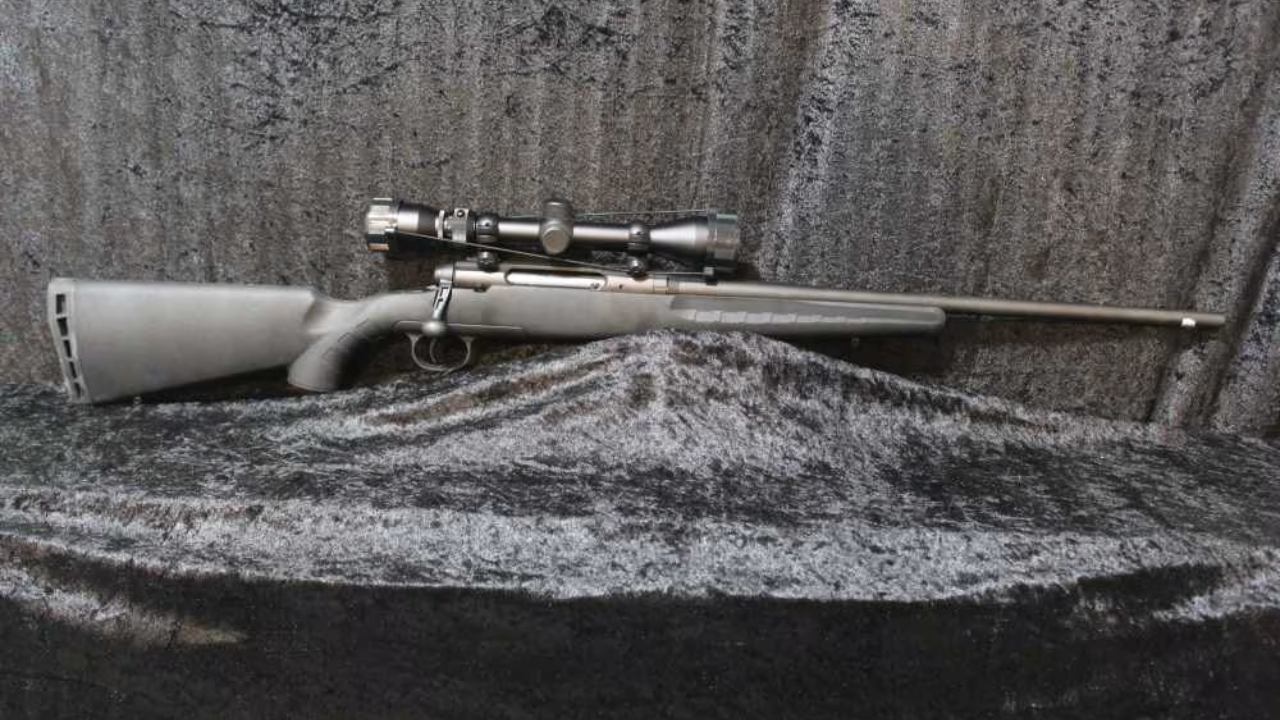
The Axis has put a lot of hunters in the woods for fair money, and I respect that. The issue is the package-gun trap: a bargain scope in loose rings on a light rifle with a flexible stock. Then a guy fights wandering zero and blames the barrel, the ammo, the weather, and the phase of the moon.
By the time the gunsmith squares up mounts, replaces junk rings, and tells you the stock is torquing under a sling, you’re either upgrading half the rifle or living with a rifle that’s “fine” until it isn’t. The Axis can be made into a solid tool, but it’s rarely cheap by the end.
4. Ruger American Rifle (certain soft-stock setups)
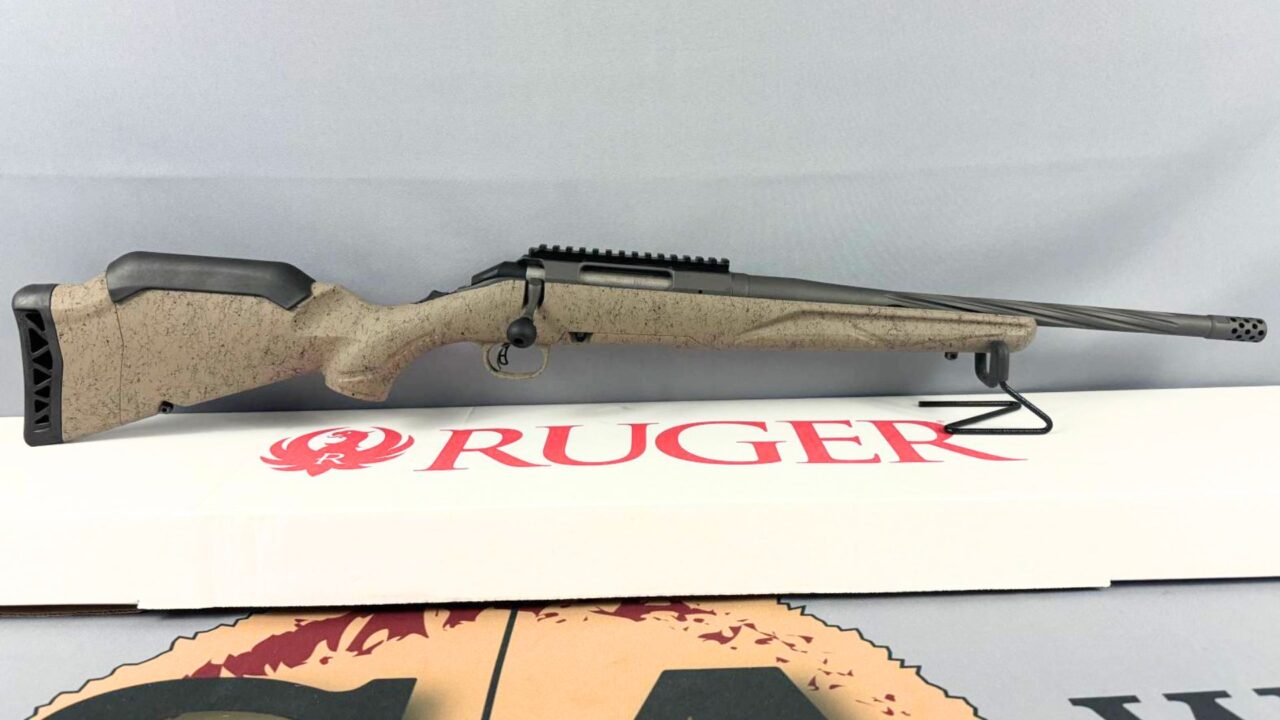
I like Ruger Americans for what they are: light, accurate enough, and they carry well in real country. The standing-at-the-counter moment usually comes from the stock and bedding system on some models. Sling up tight, load a bipod, or rest it wrong on a rail, and you can change point of impact enough to miss hair.
Most fixes are simple, but they’re still fixes. Better mounts, a stiffer stock, and making sure the action screws are right will turn a lot of these into confidence rifles. The frustration is that the rifle might’ve shot one-inch groups off a bench and still act goofy in field positions.
5. Mossberg Patriot

The Patriot shows up when someone wants a light deer rifle that doesn’t cost much. Then they want it to feel like a rifle that costs twice as much. The bolt can feel rough, the feeding can be finicky depending on the magazine, and the triggers vary more than they should.
I’ve seen guys chase accuracy with ammo and optics when the real issue was inconsistent bedding pressure or action screw torque. A good gunsmith can help, but it’s easy to sink money into a rifle that was supposed to be the cheap, simple answer.
6. Thompson/Center Compass (first-run headaches)
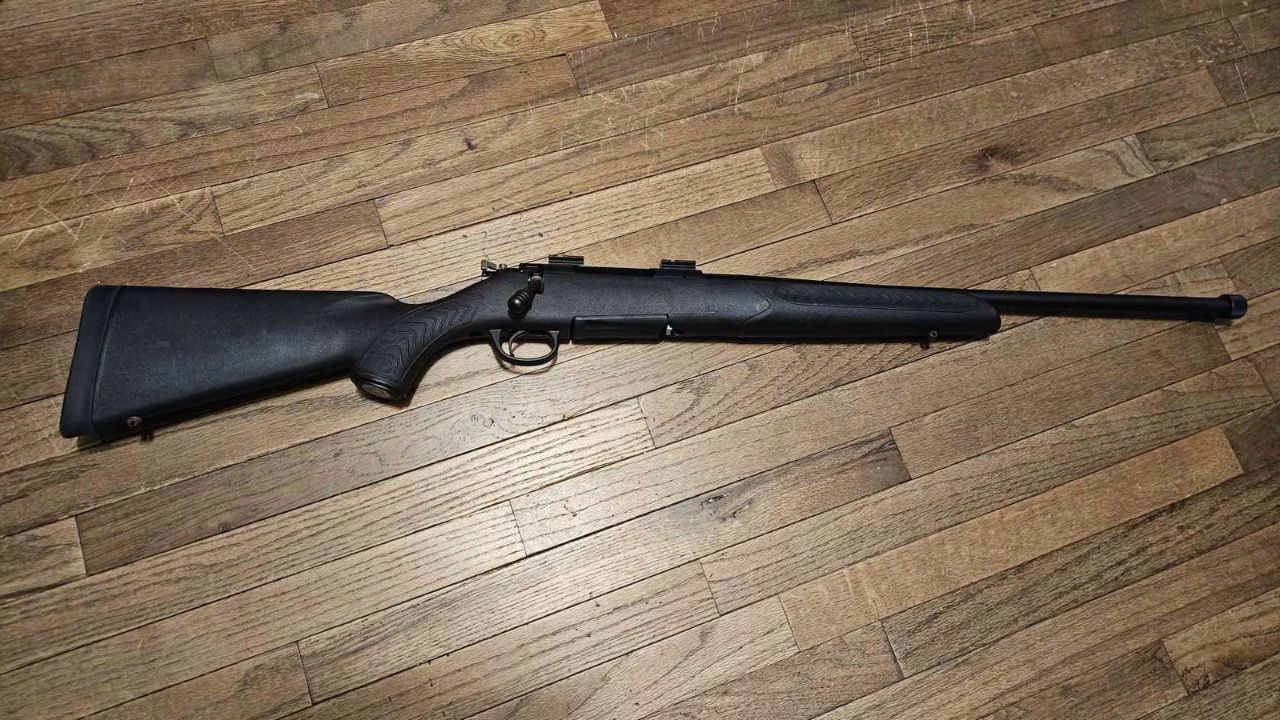
When the Compass hit the shelves, it looked like a smart buy: threaded muzzle, modern styling, decent price. Some of them run great. Some of them end up at the counter with extraction and ejection complaints, or with a trigger that feels like it has a mind of its own.
This is one of those rifles where the “my buddy’s is perfect” stories are true, and the “mine is cursed” stories are also true. If you land on a good one, don’t mess with it. If you didn’t, you’ll learn how patient your local gunsmith is.
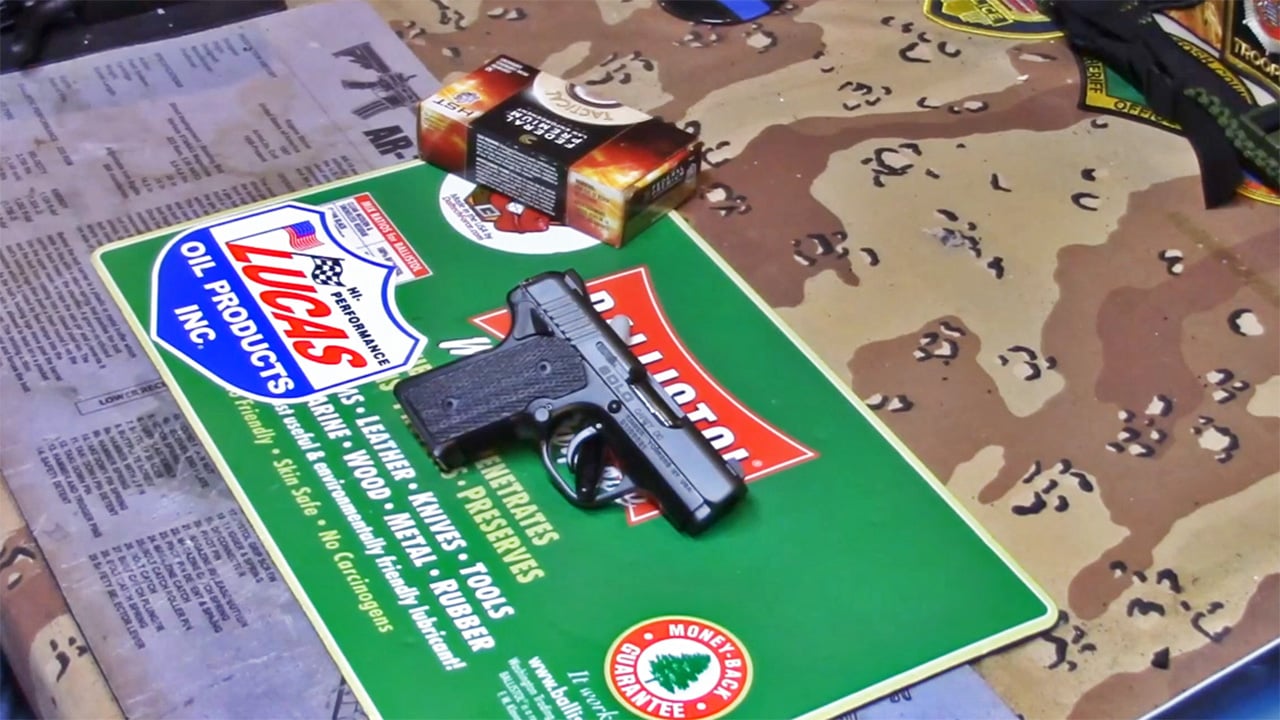
7. Kimber Solo
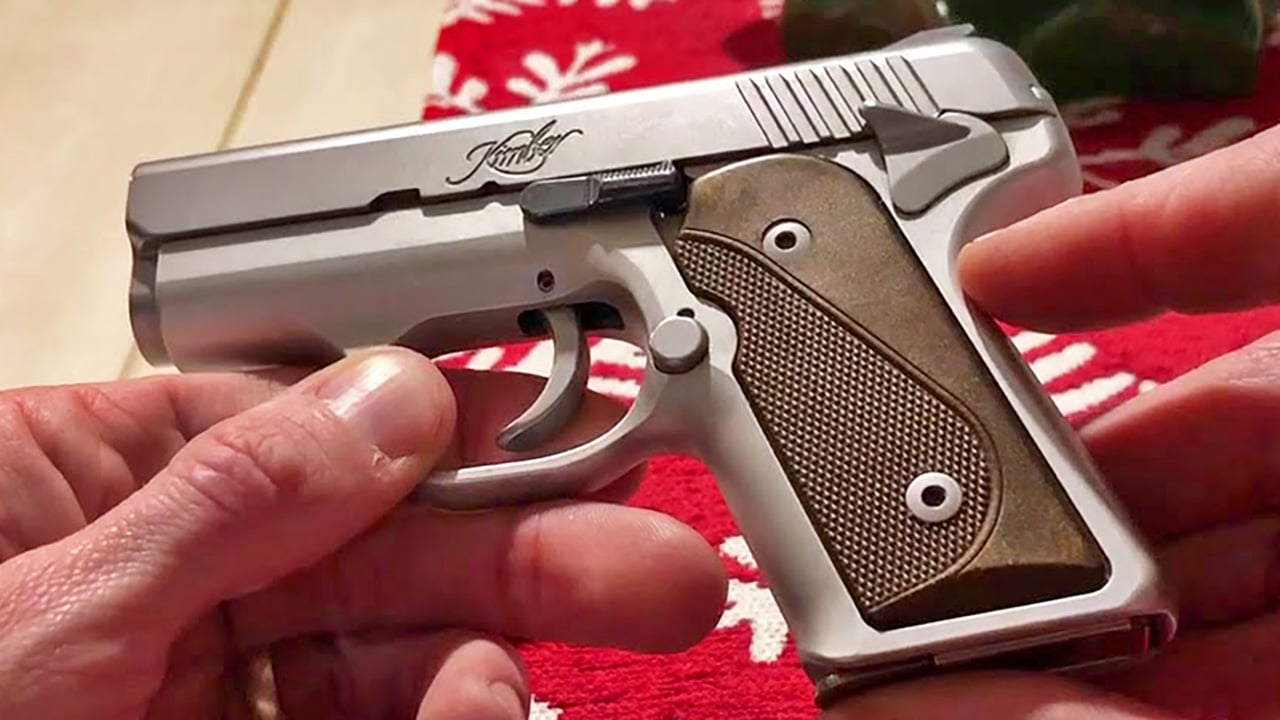
This little 9mm is a classic example of a gun that looks like a dream on paper. Small, classy, good sights. Then you get into the real world where ammo isn’t always exactly what the gun wants, and suddenly the reliability conversation gets real uncomfortable.
When a pistol is picky, you don’t just spend money—you spend time. Time testing loads, time chasing magazines, time proving it to yourself. If it’s a carry gun, that kind of doubt eats at you, and that’s why so many end up on a bench with a gunsmith trying to “make it right.”
8. SIG Sauer P938 (finicky examples)
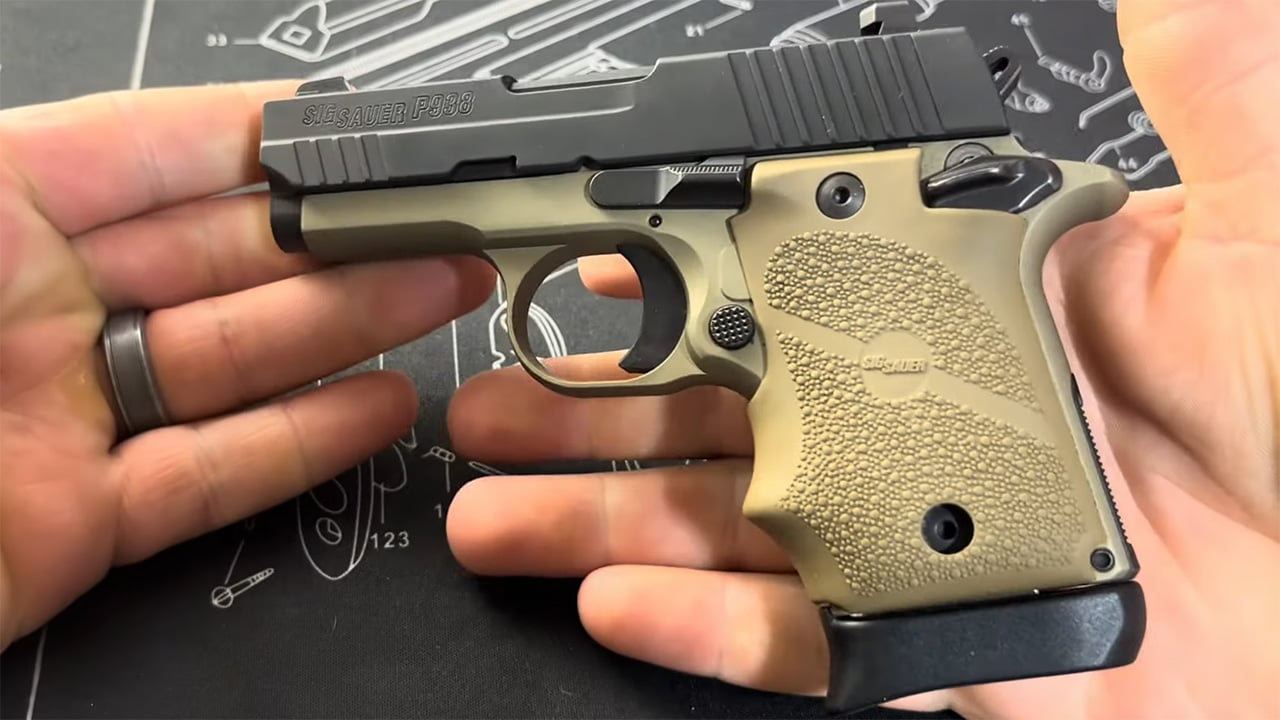
I like the P938 concept a lot. A small 9mm with real sights and a familiar manual of arms makes sense. The trouble is that tiny pistols amplify everything: limp-wristing, magazine issues, and spring wear. Some run like sewing machines; some will make you question every round in the box.
The counter moment is usually, “It works for 100 rounds, then it starts acting up.” That points to springs, mags, and sometimes tolerance stacking. A good smith can help, but if you want a small 9mm that’s boringly reliable out of the gate, there are easier roads.
9. Springfield Armory XD-S (early .45 and hard-use guns)

The XD-S carries well and points naturally for a lot of hands. In .45 especially, I’ve seen shooters get beat up by recoil and start inducing their own problems. Then you add in small-part wear, magazine issues, and the fact that micro guns live a harder life than service pistols.
When one starts choking, owners often assume it just needs a cleaning. Sometimes that’s true. Sometimes it needs springs, magazines, or a deeper look. Either way, it’s another reminder that tiny and powerful is a tradeoff, not a free lunch.
10. Taurus PT1911 (hit-or-miss years)

A budget 1911 is tempting because the platform feels good in the hand and looks like a “real gun.” The PT1911 has plenty of happy owners, but I’ve seen enough of them with extractor tension issues, odd feeding problems, and inconsistent fit that I’m cautious.
The worst part is how 1911s can nickel-and-dime you. A little tweak here, a new part there, and suddenly your “deal” is sitting at the gunsmith while he explains why 1911 reliability work isn’t magic, it’s careful fitting.
11. Rock Island Armory GI Standard FS (needs polishing and sorting)
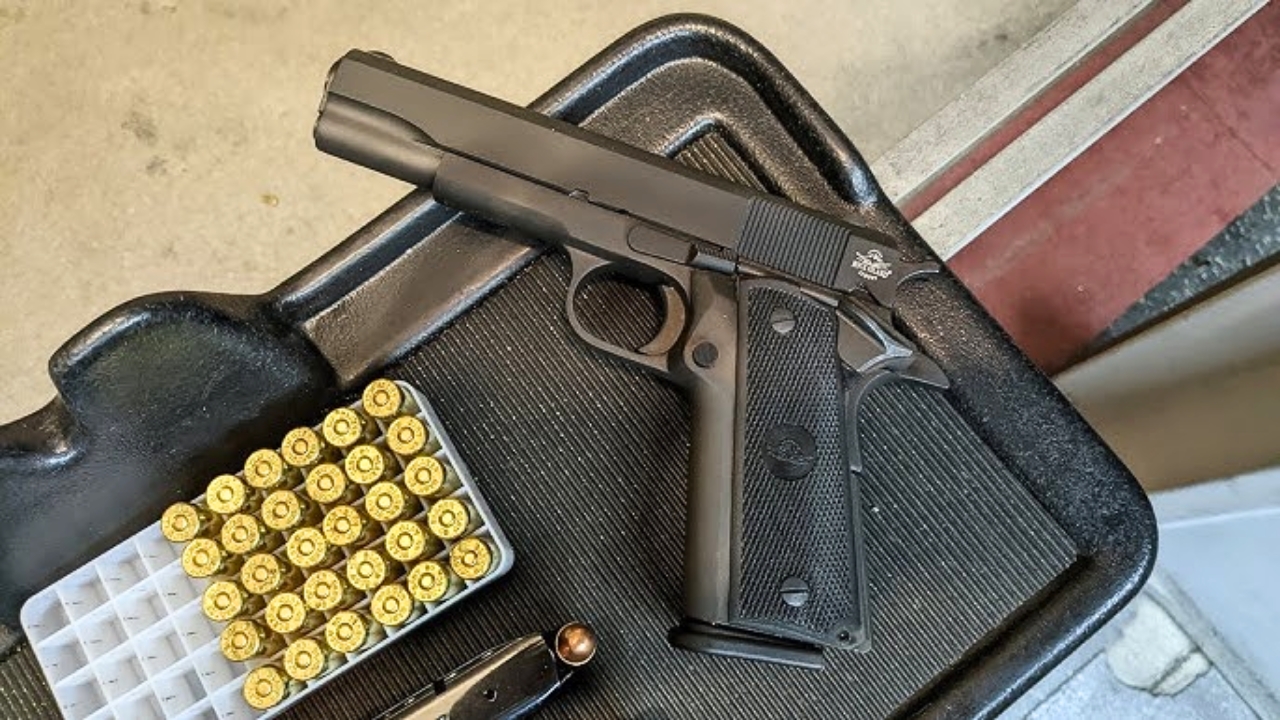
RIA makes honest, working-man 1911s, but the GI-style guns can show up rough. Tool marks, sharp edges, and sometimes a feed path that doesn’t love hollow points. If you’re buying it as a range toy with ball ammo, you can have a good time.
If you’re buying it as a defensive pistol and expecting it to eat anything, that’s when the counter visit happens. The fix is often straightforward, but you should know up front you might be paying for reliability work.
12. Rossi Circuit Judge
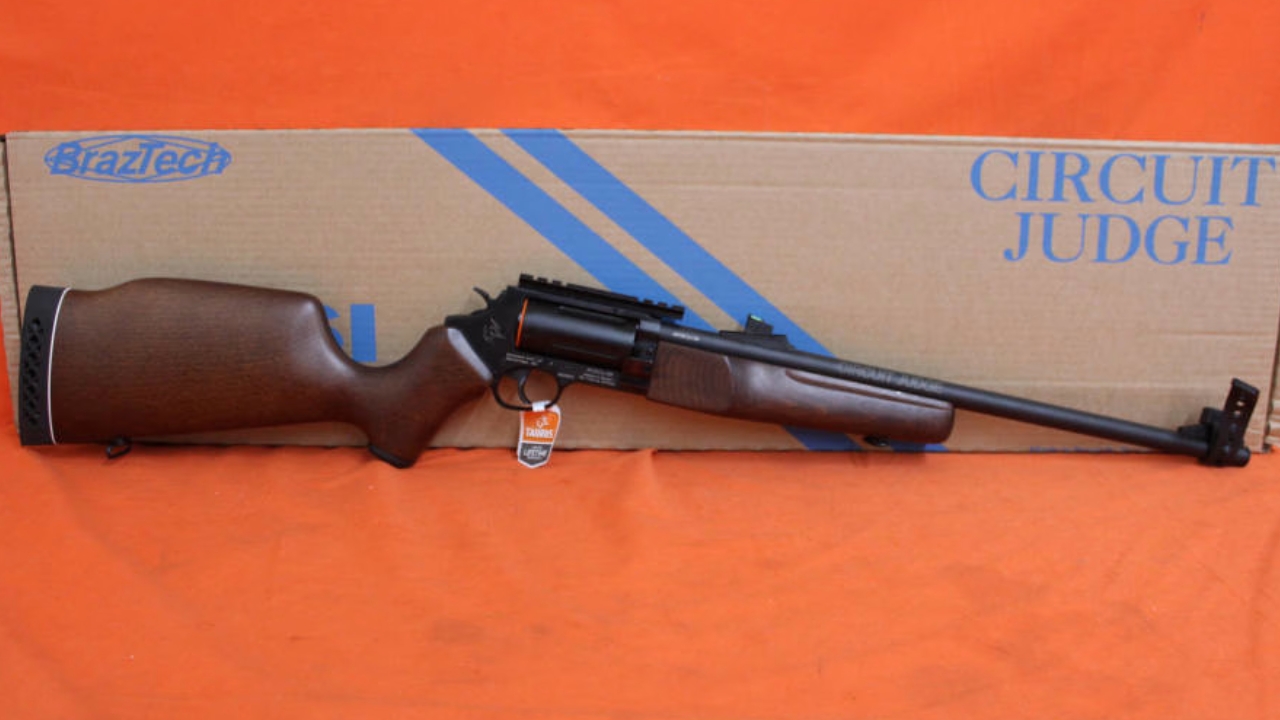
The idea is cool: a revolving long gun that can shoot .410 and .45 Colt. The reality is a gun that can be picky, awkward, and surprisingly challenging to shoot well. The long trigger pull and cylinder gap blast aren’t everyone’s cup of coffee.
I’ve seen them come in with timing questions, lead spitting concerns, and owners trying to solve accuracy problems that are really “this is a weird platform” problems. Fun on the right day, but not a simple tool.
13. Taurus Judge (various models)
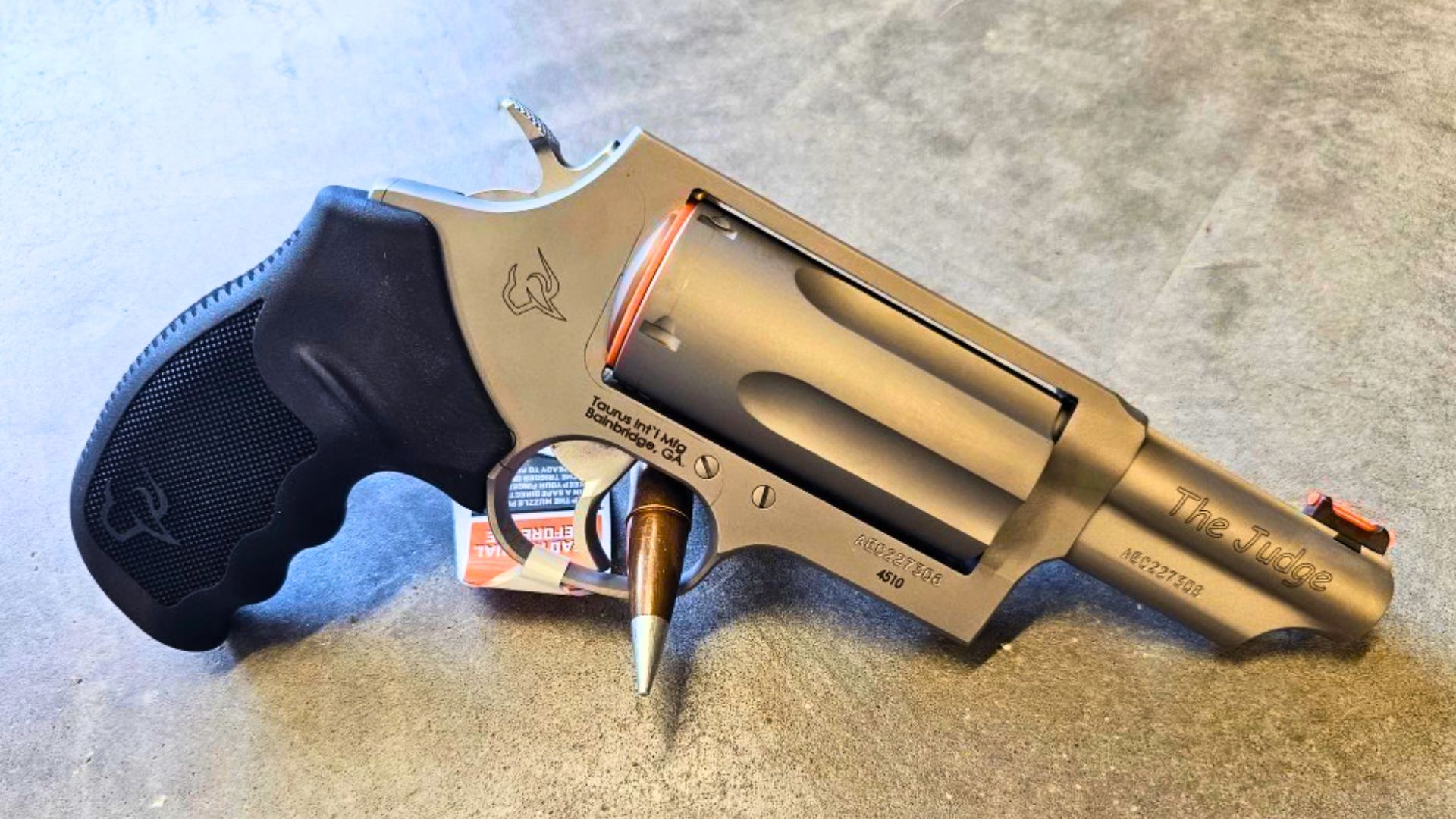
This one sells itself at the counter. Everybody has heard the stories, and it feels like you’re buying a solution. Then you get to patterning .410 out of a short barrel, and reality sets in fast. The .45 Colt option can be useful, but the gun’s size-to-performance ratio is often disappointing.
The gunsmith counter moment tends to be either timing issues or owners trying to make it do a job it was never going to do. If you want a revolver, buy a revolver. If you want a shotgun, buy a shotgun. This is a compromise that sometimes compromises too much.
14. Freedom Group-era Remington 887 Nitro Mag
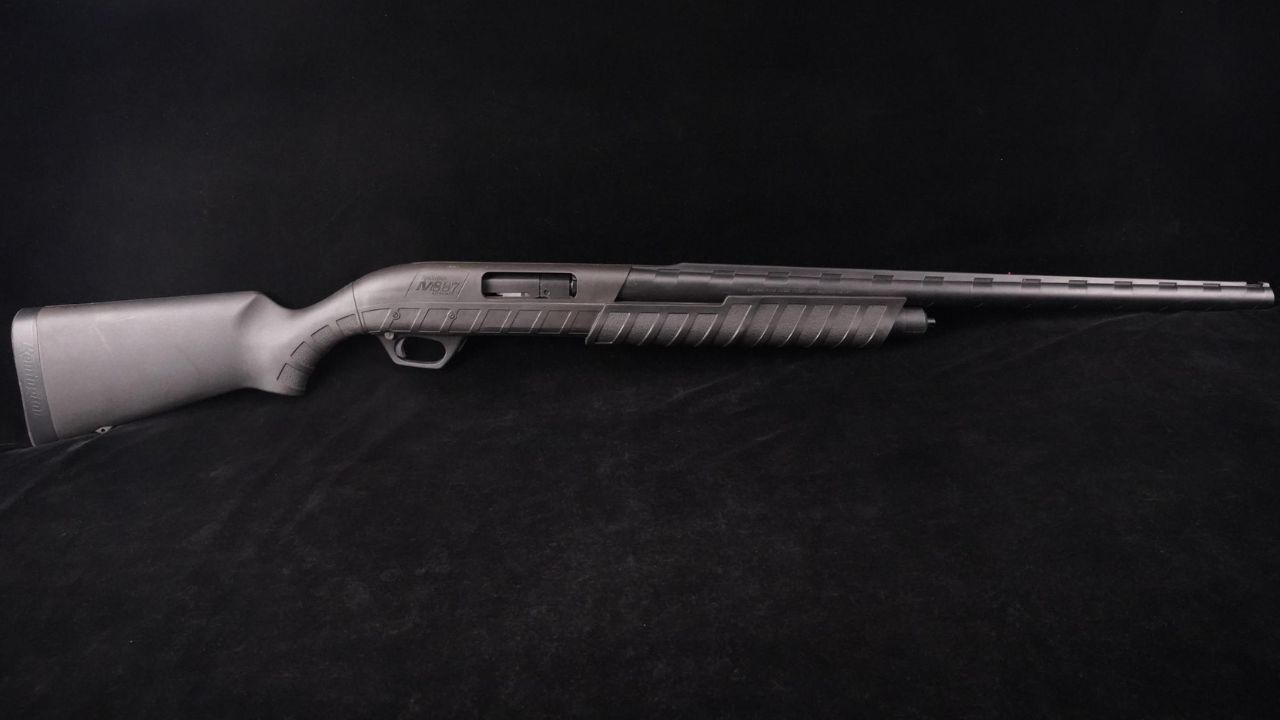
The 887 looked like a tough, weatherproof idea. Some folks love them. I’ve also watched guys fight cycling issues and weird little failures that shouldn’t happen in a pump gun. When a pump gun isn’t dead reliable, it gets your attention quick.
Once the novelty wears off, the question becomes parts and long-term support. If a gunsmith has to play detective to keep your pump gun running, that’s not where you want to be before turkey season.
15. Mossberg 835 Ulti-Mag (when it’s set up wrong)

The 835 can be a hard-hitting turkey and waterfowl gun, but it’s also one of those shotguns that will punish you if the fit is off. I’ve seen cheekbones take a beating and scopes get rattled because somebody tried to make it into a slug gun without thinking through recoil management.
The counter visit is usually for loose stocks, cracked furniture, or “something’s wrong with my scope” after a box of heavy loads. Nothing fancy here: the fix is often fit, mounts, and sometimes backing off the hottest shells if you don’t need them.
16. Benelli Nova (when the fore-end and action get neglected)

Nobody buys a Nova because it’s pretty. They buy it because it’s a boat paddle that keeps running in nasty weather. But I’ve watched more than one show up with a sticky action because it lived in a wet case, got put away dirty, or had grit worked into places it shouldn’t be.
The gunsmith counter lesson is simple: even the “bulletproof” guns aren’t magic. If you hunt salt marshes or ride around with a gun in the truck, you owe it a real cleaning schedule.
17. Ruger Mini-14 (older thin-barrel models)

I like the Mini for what it is, but the older ones can make you chase your tail. Heat them up and groups open. Add a scope mount that isn’t rock solid and you’ll start questioning everything. Guys show up convinced the barrel is shot out when it’s really a combination of heating and expectations.
The counter moment is when the owner asks if it can be made to shoot like an AR. You can improve a Mini, but you won’t turn it into a free-floated varmint rig without spending real money. As a ranch rifle, it’s fine. As a benchrest dream, it’s a frustration machine.
18. Century Arms RAS47

AKs are supposed to be simple, reliable tools. The RAS47 had a stretch where enough reports piled up about premature wear that it became a “check it before you trust it” kind of rifle. When an AK starts showing odd wear, you don’t ignore it.
Owners end up at the gunsmith trying to get reassurance more than anything. Sometimes the answer is “this one’s okay.” Sometimes it’s “stop shooting it until we look deeper.” Either way, it’s not the confidence you want from a rifle built on a reputation for running.
19. IWI Tavor X95 (when the owner expects AR simplicity)
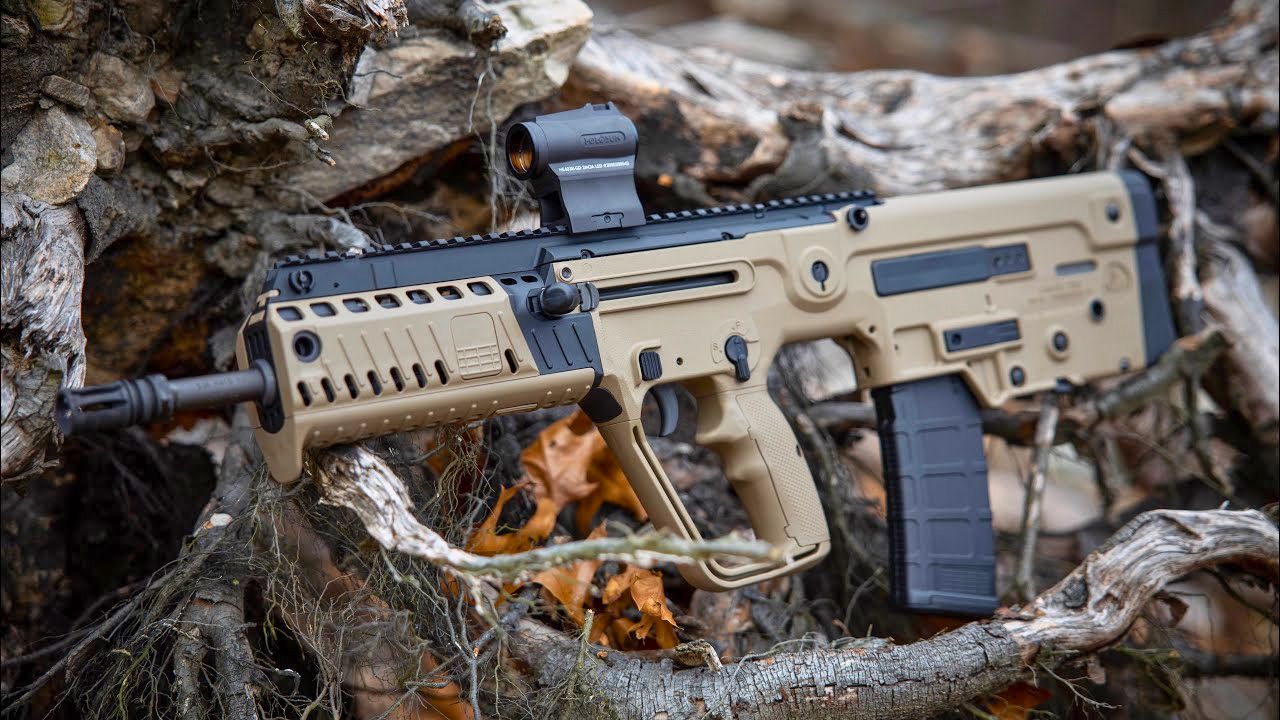
The X95 is a compact package that carries well and balances differently than anything else. It’s also not an AR, and guys who buy it thinking it will be as easy to tune, accessorize, and troubleshoot sometimes learn that lesson at the counter.
Trigger feel, optics setup, and ergonomics can be a real adjustment. If you’re the kind of shooter who likes to tinker, you can end up tinkering just to get it to feel normal. It’s a solid rifle, but it’s not a lazy choice.
20. Marlin Model 60 (old, loved, and worn out)

This one hurts because the Model 60 is one of the best “regular person” .22s ever made. It taught a lot of kids to shoot and put a lot of squirrels in the skillet. The problem is that old .22s get run hard, cleaned wrong, and stored dirty.
They show up with feeding issues, worn springs, and mystery malfunctions that come from decades of use. A good gunsmith can usually bring one back, but sometimes you find out your cheap little rimfire has a worn-out heart. And if it’s the one you grew up with, you’ll pay to fix it anyway.
If there’s a common thread here, it’s not “never buy budget” or “never buy weird.” It’s to be honest about what you’re getting and what you’re willing to maintain. The guns that keep you out of that uncomfortable counter conversation are usually the boring ones with common magazines, common parts, and a track record that’s longer than a marketing cycle.
Like The Avid Outdoorsman’s content? Be sure to follow us.
Here’s more from us: