Photo credit: 22plinkster/Youtube
You can learn a lot about a firearm in the first magazine, but you don’t really know it until you’ve put real mileage on it. Somewhere around the 1,000-round mark, the sharp edges calm down, the springs settle, the trigger surfaces start talking to each other, and you either start trusting it or you start making excuses for it.
This isn’t about “breaking in” a gun so it finally runs. If it won’t run out of the box, that’s a different conversation. This is about the guns that feel stiff, gritty, awkward, snappy, or just plain unfamiliar at first, then turn into something you shoot better than you expected once you’ve burned enough ammo to learn the rhythm and wear in the contact points.
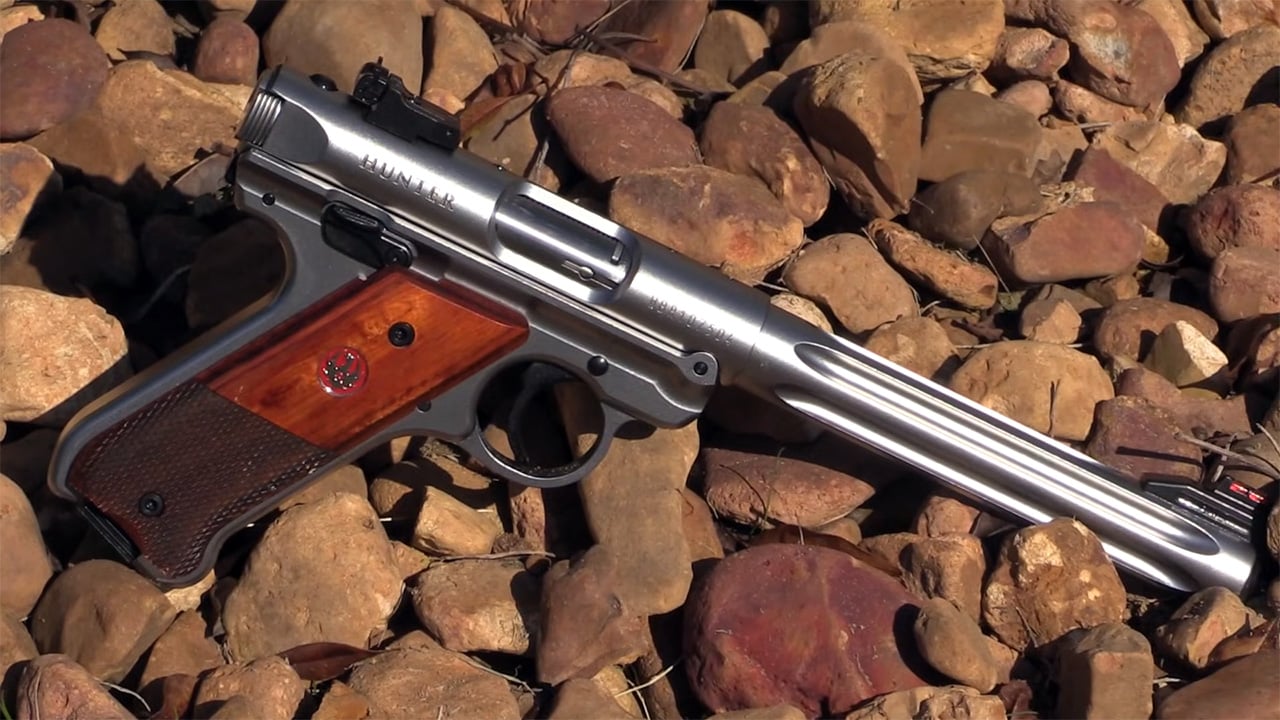
1. Ruger Mark IV
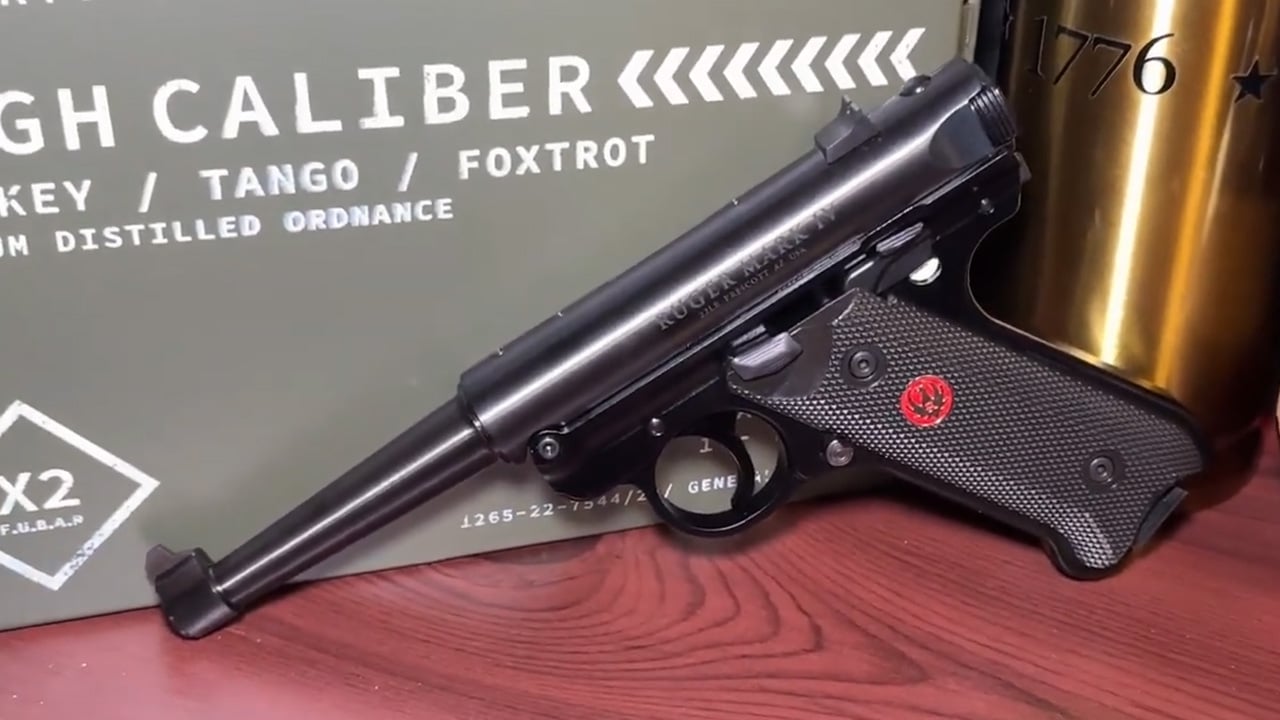
Brand new, the Mark IV can feel a little tight and “machined,” especially if you’re used to looser .22s. The bolt wants to be run with purpose, and the magazines sometimes feel like they’re still getting acquainted with the mag well.
After a case of .22 LR, the action slicks up and you stop thinking about the gun and start thinking about the sights. The best part is you’re not “tolerating” it anymore—you’re stacking rounds and smiling because it’s boring in the best way.
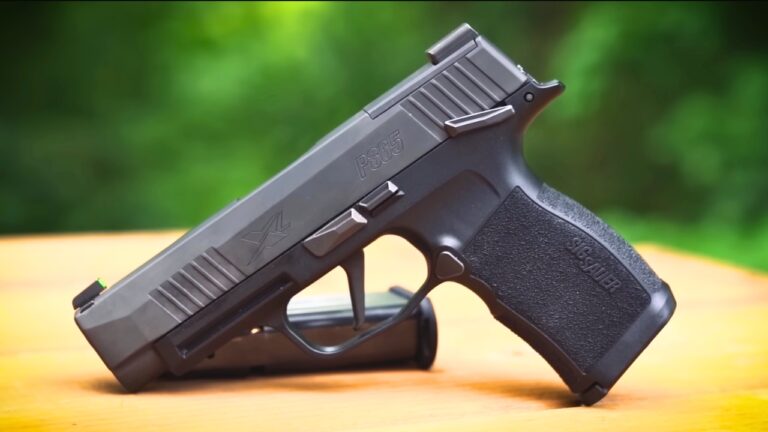
2. SIG Sauer P365 (standard and XL)

The little SIGs can feel surprisingly stiff at first, and a fresh recoil spring in a micro-compact makes the slide feel like it’s fighting you. Early on, some folks also notice the trigger feels a bit “springy” until you get a lot of cycles on it.
Once you’re deep into practice, it starts to feel like a scaled-down duty pistol instead of a tiny compromise. You also learn what grip pressure it likes. After 1,000 rounds, it tends to point more naturally because you’ve stopped trying to manhandle it.
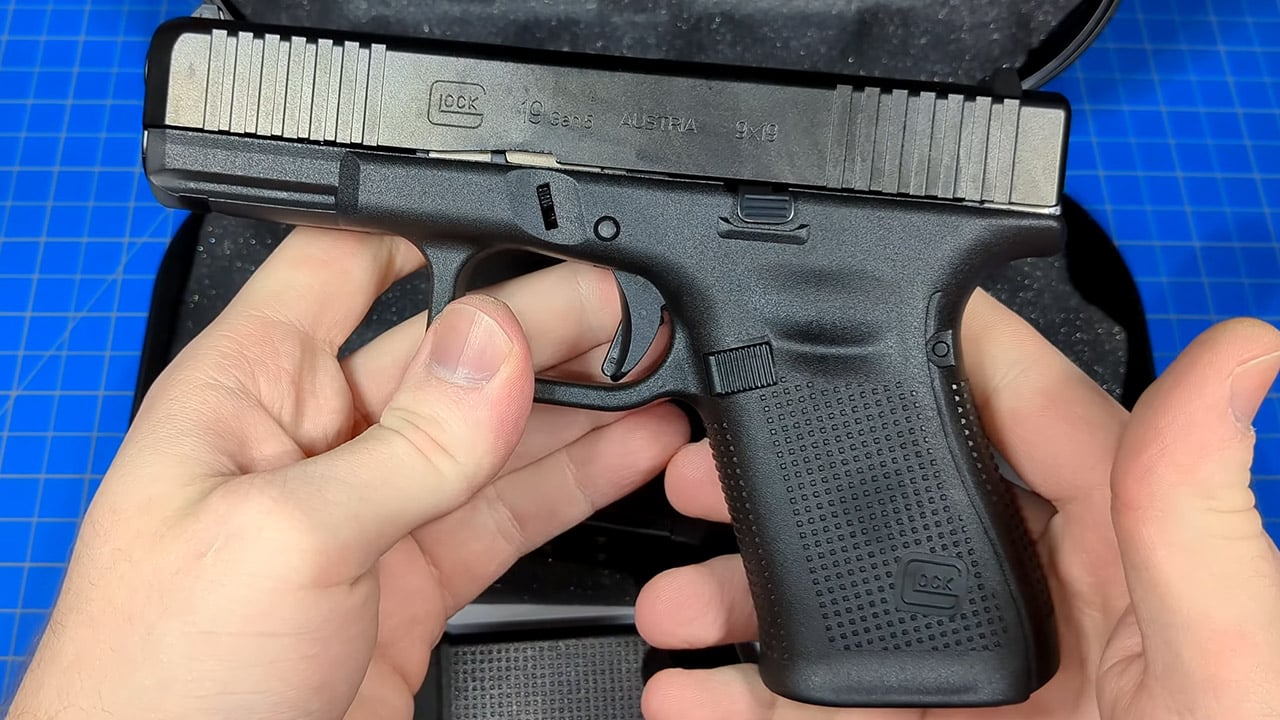
3. Glock 19 (Gen 5 especially)

Glocks aren’t supposed to be romantic, and a new Glock can feel like exactly what it is: a polymer tool. The trigger has that familiar wall-and-break, but it can feel a little crunchy until the parts polish each other.
After steady range time, the trigger smooths out and your hands learn the angle. It becomes the gun you shoot “without thinking,” and that’s the highest compliment I can give a defensive pistol.
4. Smith & Wesson M&P 2.0 Compact

The aggressive grip texture is love-it-or-hate-it right out of the gate. Some shooters also find the trigger feel improves once it’s been run hard, and the slide can feel a touch tight when new.
After you’ve carried it, sweat on it, and put a bunch of reps on the draw, it starts feeling like it was fitted to your hand. If you’re a striker-fired guy but hate slick grips, the M&P tends to win people over with time.
5. Springfield Armory Hellcat

The Hellcat is snappy when it’s new to you, and that short grip can make it feel like it’s trying to squirt out of your hand. It’s not that the gun is out of control, it’s that the timing is different than bigger pistols.
A thousand rounds teaches you where to put your support hand and how to let it recoil without losing the dot or front sight. You end up respecting it more, even if it’s still not your favorite range toy.
6. Ruger LCR (.38 Special)

Out of the box, the LCR’s trigger is long, and that can feel like you’re rowing a boat if you’re used to semi-autos. Then there’s the recoil—light revolver, real recoil, no way around it.
After serious practice, the trigger starts to feel predictable and you stop staging it like a target revolver. It becomes a “get hits fast” gun, which is what it was meant to be, and your confidence climbs.
7. Smith & Wesson Model 642 Airweight
The 642 is another one that can feel harsh early. Small sights, double-action-only, and a grip that doesn’t give you much to hang on to—new shooters often decide it’s “inaccurate” after two cylinders.
After a lot of dry-fire and real ammo, you learn the sight picture and the trigger roll. It’s still a handful, but it starts to feel like an honest little tool instead of a punishment device.
8. Colt Python (new production)
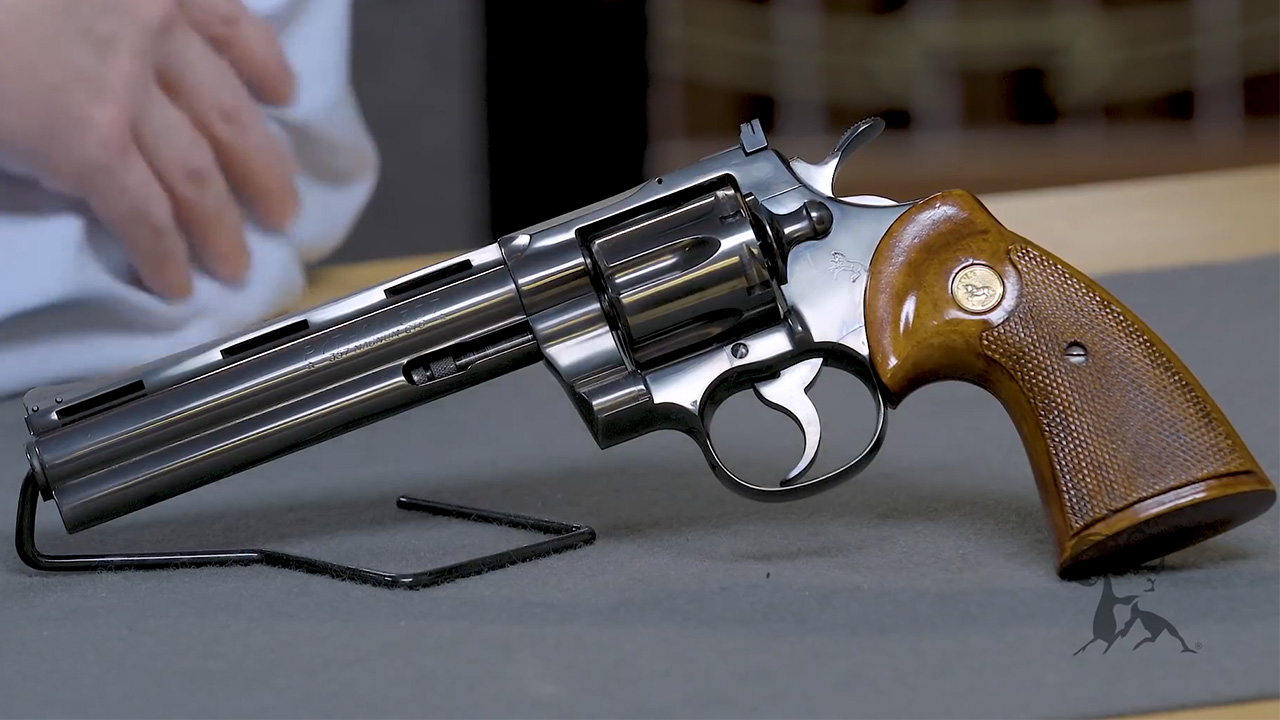
A new Python feels tight. Not “cheap tight,” but like the gun is built with close tolerances and expects you to run it like you mean it. The double-action can feel heavy compared to a tuned Smith.
After 1,000 rounds, the action usually feels like it’s on bearings. You also learn the timing of that long double-action pull and the gun starts rewarding you with stupid-good accuracy if you do your part.
9. Ruger GP100

GP100s are tanks, and they feel like tanks at first—thick, solid, and sometimes a little rough in the action. The trigger can be serviceable but not exactly elegant when it’s brand new.
After a pile of .357 and .38, they smooth out a lot. The weight that seemed annoying on day one becomes your friend by day thirty because it soaks up recoil and keeps you honest.
10. Ruger 10/22 Carbine
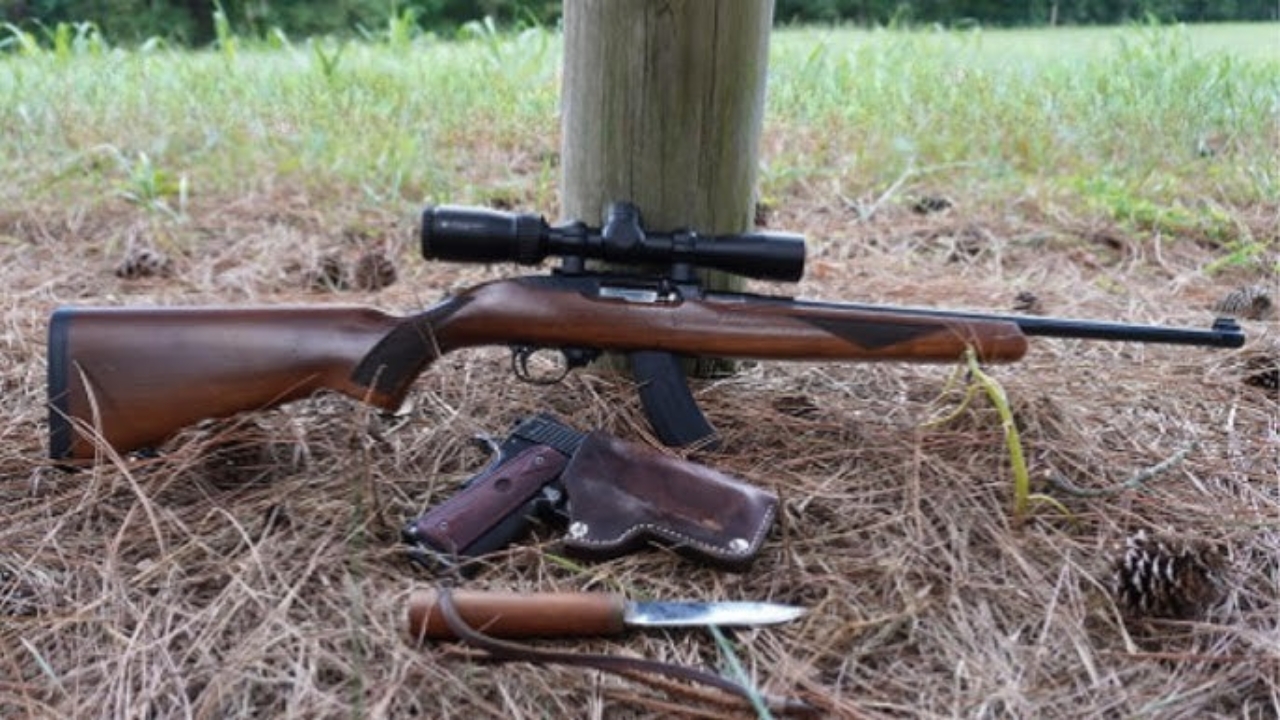
A basic 10/22 can feel a little plain and rattly compared to the fancy .22s. The factory trigger is rarely anyone’s dream, and a new gun can have a “meh” bolt feel.
Then you put bricks of ammo through it and it becomes your default plinker, squirrel gun, and range loaner. You start to know exactly where it hits with bulk ammo, and it starts feeling like an old pickup that always starts.
11. CZ 75B
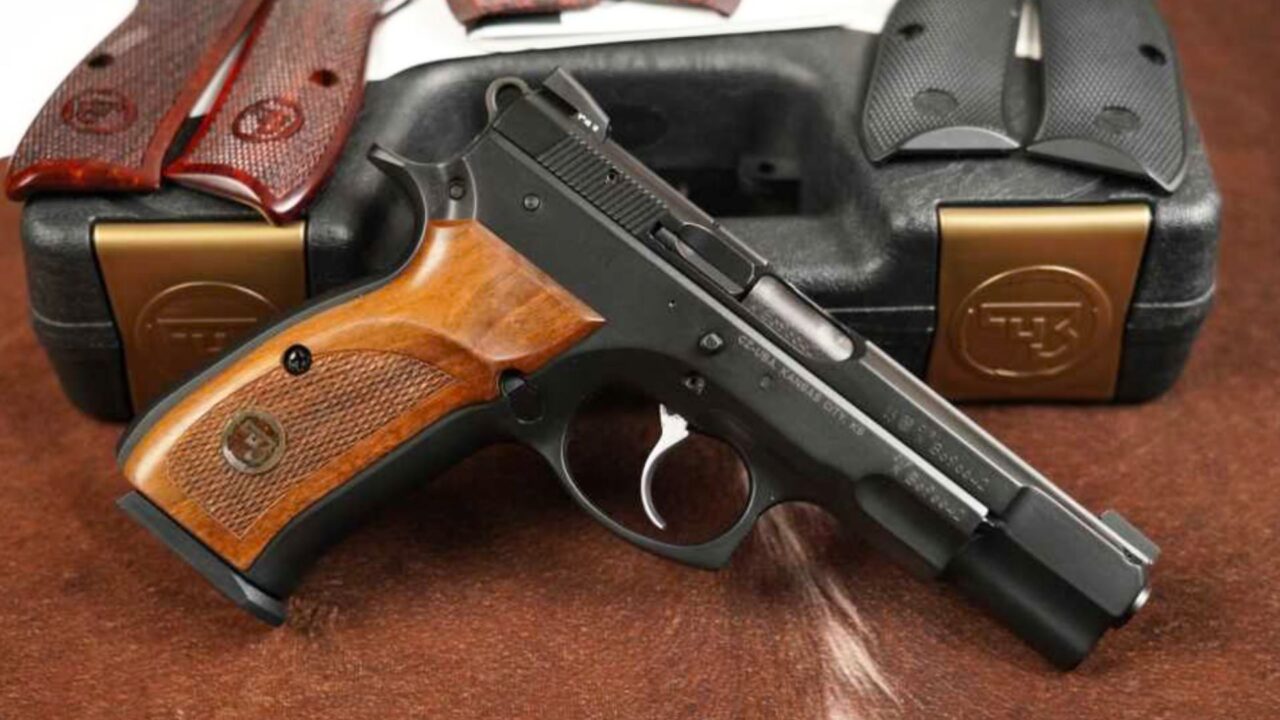
Steel-framed CZs often feel tight and a bit stiff when new, especially the slide riding inside the frame rails. It’s not a big-grab slide to begin with, so early manipulation can feel awkward.
After you’ve shot it enough, the slide feels smoother and the DA/SA trigger becomes something you can actually run fast. The gun has a “settled” feel that makes you wonder why you ever bothered with lighter, snappier pistols.
12. Beretta 92FS

The 92FS feels big in the hand, and the DA first pull turns some folks off immediately. A new one can also feel a little slick until you’ve got reps on the controls and stop looking for the safety/decocker with your eyes.
After a bunch of shooting, it becomes one of the easiest guns in the world to run smoothly. The recoil impulse is soft, the slide cycles like it’s on rails, and it just kind of floats in recoil when you’re doing your part.
13. 1911 (Colt Government Model, 5-inch)
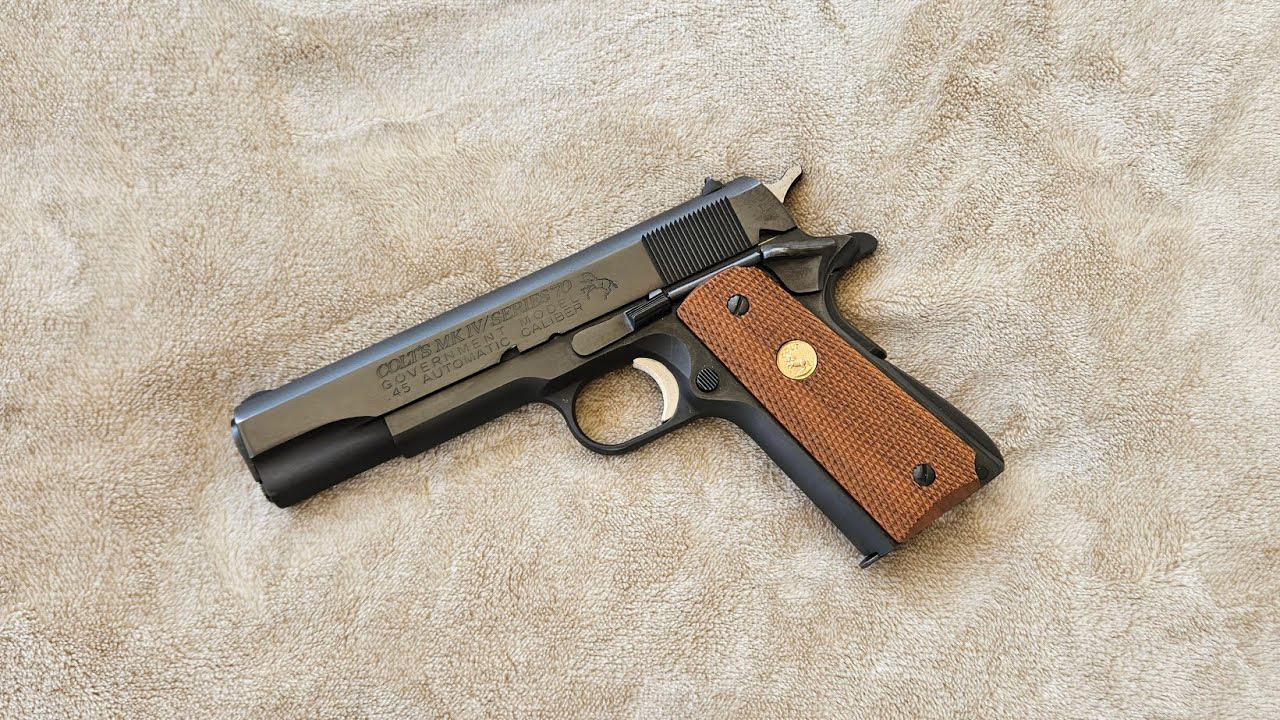
A fresh 1911 can be tight, especially if it’s built closer than a loose military-style gun. Sometimes you’ll feel it in the first couple hundred rounds: stiff slide, stiff magazines, and the gun wants to be run wet.
After a real round count, the trigger and cycling can feel like a different pistol. When a 1911 is right, it stops feeling like a handgun and starts feeling like an extension of your index finger. Still, you’ve got to maintain it and feed it decent mags.
14. FN Five-seveN

This one is weird at first. The grip is big, the trigger is different, and the gun feels light for its size. Some shooters never get past that first impression.
Put enough rounds through it and you start appreciating how flat it shoots and how fast you can run it once you understand the trigger. It’s not for everyone, but it’s one of those pistols that “clicks” with time instead of immediately.
15. BCM AR-15 (16-inch midlength)

A quality AR can still feel stiff when it’s new, especially the charging handle and the initial cycling if everything is fresh and tight. If you’re used to a worn-in range rifle, a new one can feel almost stubborn.
After a thousand rounds, the controls loosen up, the bolt feels smoother, and the rifle becomes predictable. The big change is confidence: you stop babying it and start running it like a working gun, because that’s what it is.
16. Smith & Wesson M&P15 Sport II
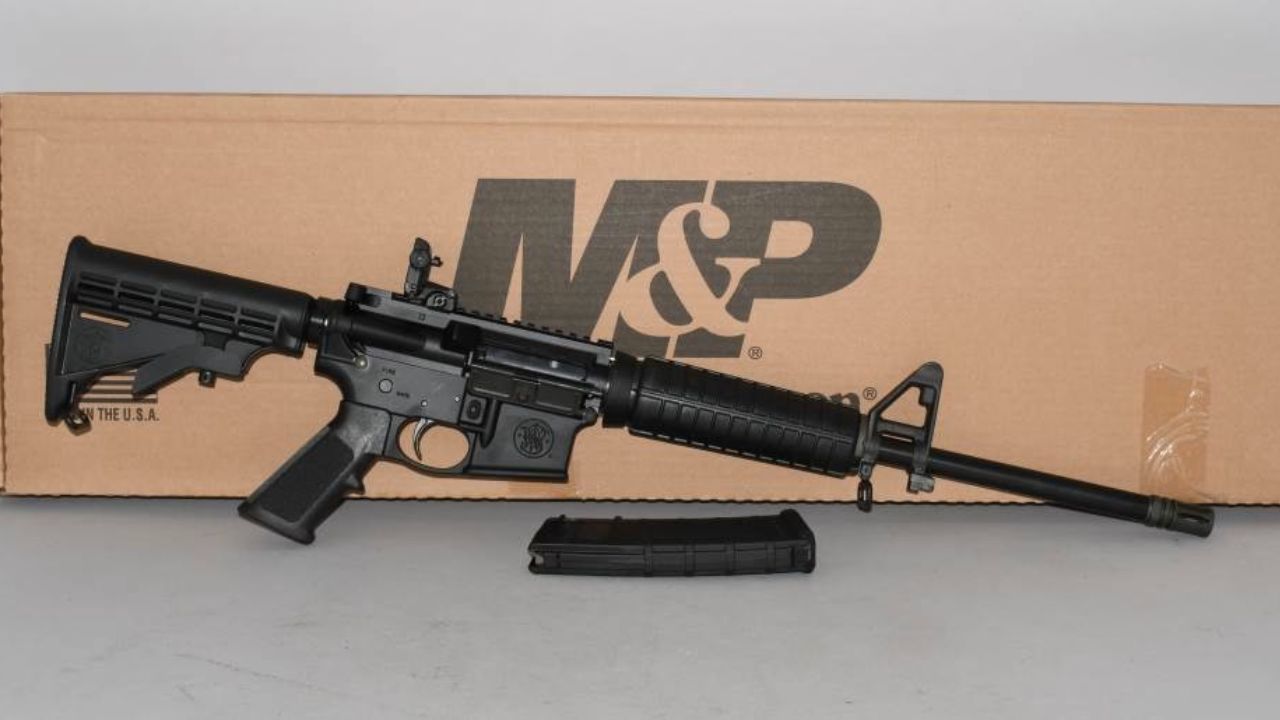
The Sport II is a basic AR, and sometimes “basic” feels a little rough around the edges. The trigger can feel gritty, and the rifle doesn’t have that refined vibe people assume they need.
After enough range time, it settles in and becomes the rifle you hand to a buddy without worrying. It’s hard to hate a gun that just keeps doing its job, and that’s where the Sport usually lands after real use.
17. AKM pattern rifle (Zastava ZPAP M70)

A new AK can feel like it’s built with a hammer, and I mean that as a compliment and a complaint. The safety is stiff, the mags rock in, and the whole thing feels agricultural compared to an AR.
After 1,000 rounds, the safety loosens up, your hands learn the manual of arms, and you quit trying to run it like an AR. Once it’s worn in and you’re used to it, it’s fast in its own way and it feels like it’ll survive a fall off the tailgate.
18. Remington 870 Wingmaster (used, older guns)
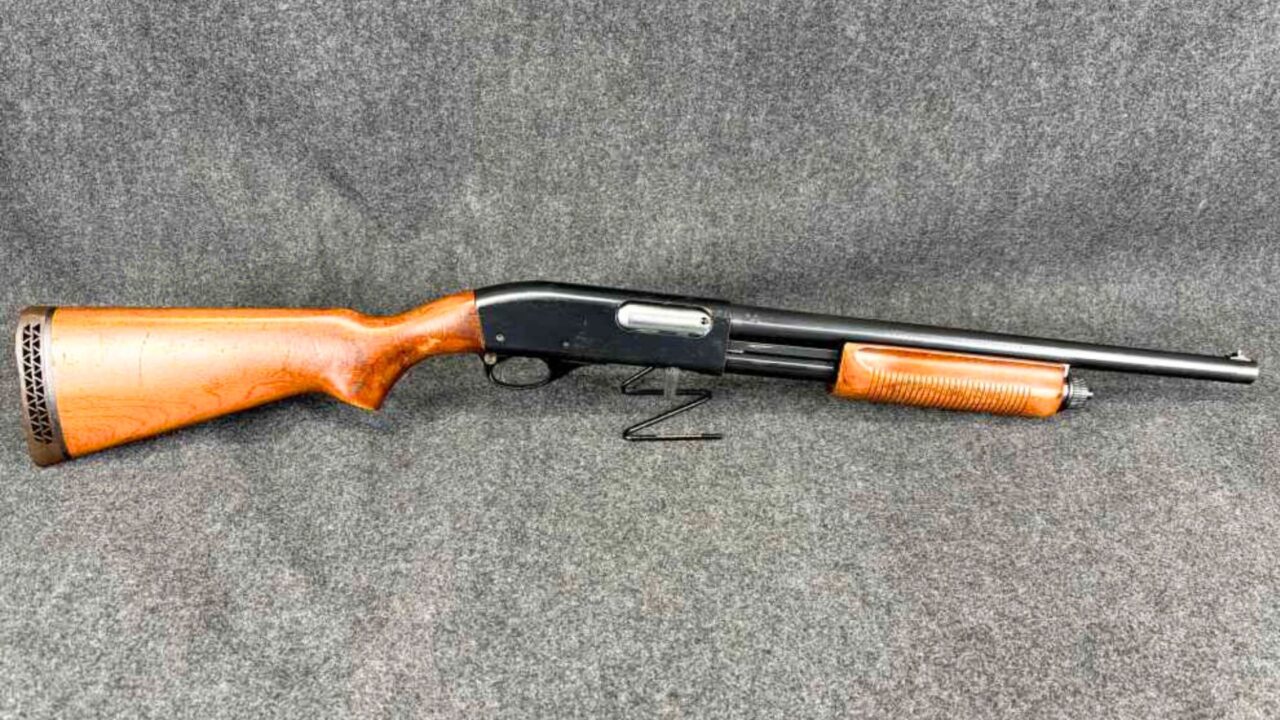
An older Wingmaster that’s been sitting can feel sticky until it’s cleaned right and run. Sometimes the action bars feel like they’re dragging, and the whole gun feels “slow” compared to a semi-auto.
Then you shoot a bunch of birdshot, practice cycling it hard, and it turns into that slick pump everybody talks about. A well-worn Wingmaster has a smoothness you don’t get from babying it.
19. Mossberg 500
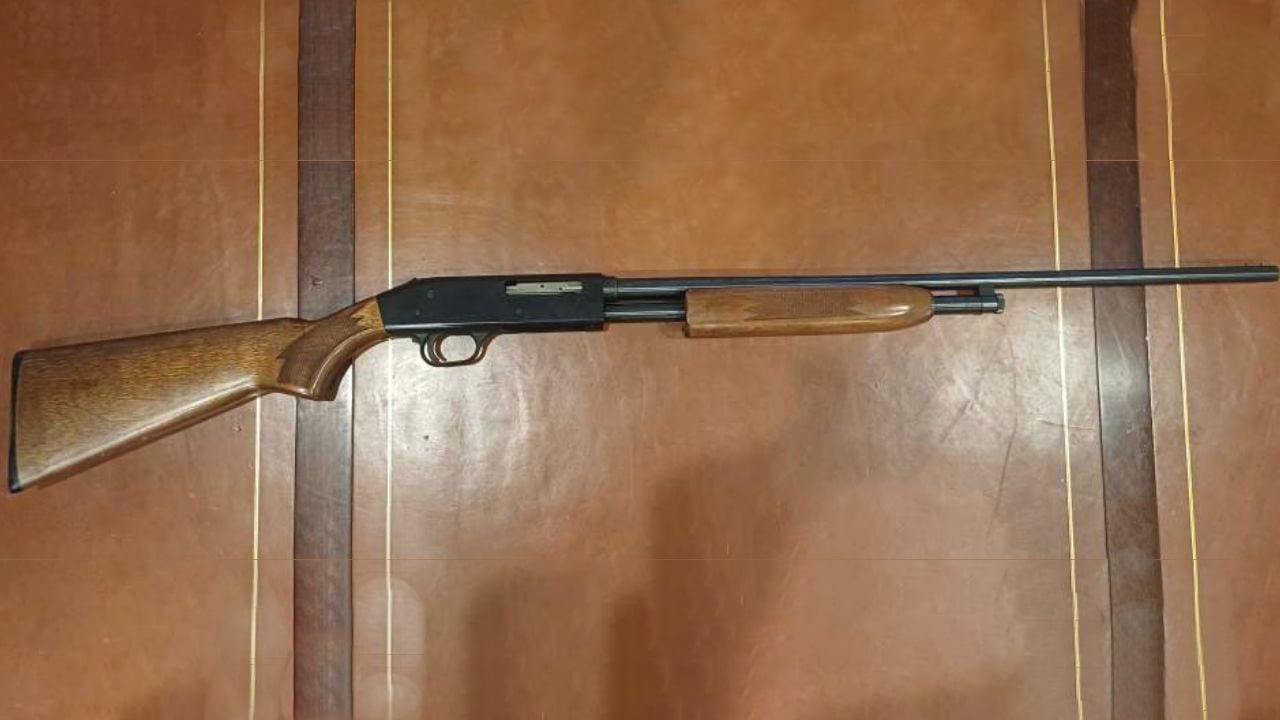
The Mossberg often feels a little clacky when it’s new. The action doesn’t have that polished feel, and the fore-end can have some play that makes first-time owners think something is wrong.
After a thousand rounds of mixed shells and a little honest use, the gun’s personality makes sense. It’s a working shotgun. The “rattle” stops bothering you once you realize it still patterns fine and still goes bang when it counts.
20. Benelli Super Black Eagle 3

Inertia guns can feel stiff when they’re brand new, and some folks get frustrated if they start with light loads and short sessions. The gun also feels different than a gas gun—more direct, more mechanical in recoil.
After you’ve hunted it and shot it enough, it starts cycling like it’s supposed to and you stop thinking about the action. What you notice instead is how clean it runs and how it carries in nasty weather, which is exactly why people buy them.
Here’s the part nobody wants to hear: if you don’t like a gun after 100 rounds, you might just not like that gun. But there’s a big gap between “first impression” and “known quantity.” A thousand rounds doesn’t magically fix junk, but it does turn a lot of decent firearms into familiar tools. And familiar is what you want when the weather turns, the light gets low, or you’re trying to shoot straight with cold hands.
Like The Avid Outdoorsman’s content? Be sure to follow us.
Here’s more from us: