Photo credit: MrBigKid/YouTube
A 9mm carbine gives you the stability of a shoulder-fired gun without the recoil, blast, or ammunition weight associated with most centerfire rifles. The longer barrel and stock make accurate hits easier than they are with a handgun, especially for newer shooters or family members who do not practice regularly. Many models also share magazines with popular defensive pistols.
The tradeoffs need to be understood. A 9mm carbine does not have the range, barrier performance, or terminal capability of a rifle chambered in 5.56 NATO or .308 Winchester. Its strengths are close-range control, affordable practice, compact storage, and ammunition commonality. For home defense, the carbine should have a dependable light, simple optic, and proven defensive ammunition. For survival use, magazine availability, parts support, weather resistance, and portability become equally important.
Ruger PC Carbine
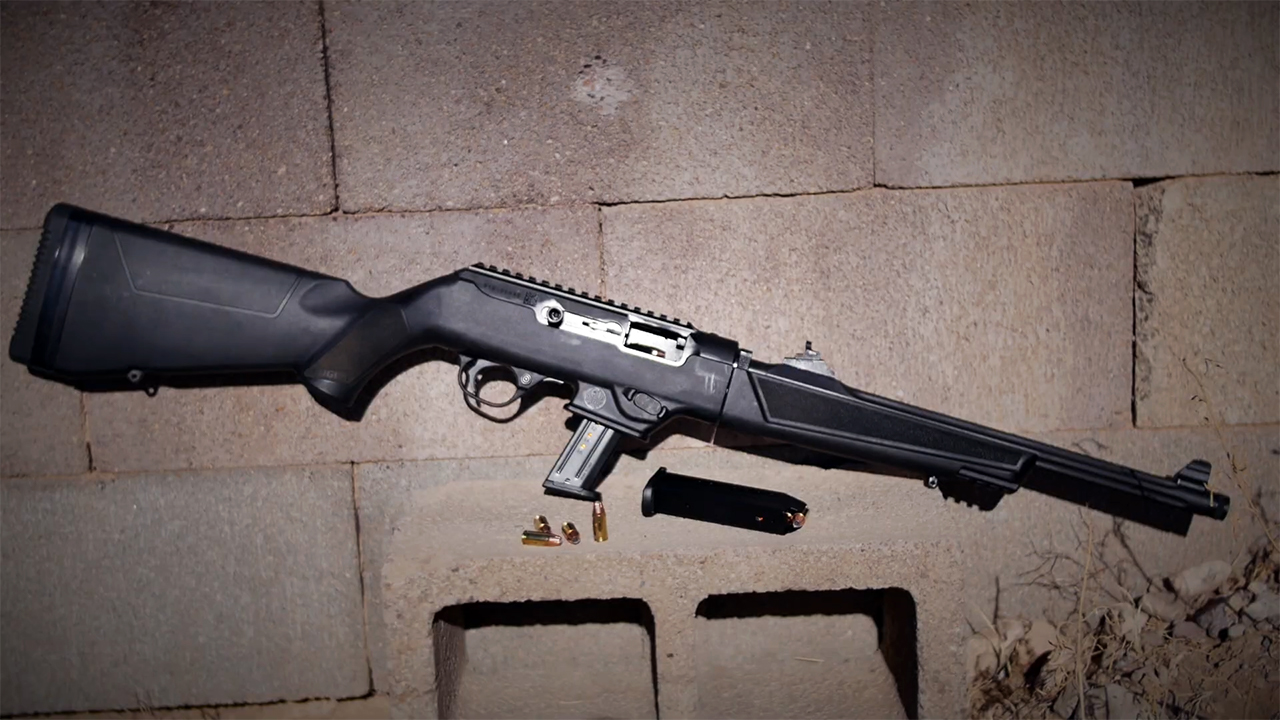
The Ruger PC Carbine is one of the strongest all-around choices because it combines a proven takedown system with common pistol-magazine compatibility. Ruger supplies interchangeable magazine wells, allowing the rifle to use Ruger pistol magazines or common Glock-pattern magazines. Its simple blowback action is easy to understand and maintain.
The barrel and forearm detach from the receiver without tools, making the rifle easier to store in a pack, vehicle compartment, or compact case. The PC Carbine is heavier than its appearance suggests, but that weight helps reduce movement during rapid shooting. For a survival setup, the Glock-magazine configuration offers the broadest magazine availability and allows ammunition and magazines to be shared with a compatible handgun.
Ruger PC Carbine Magpul Backpacker
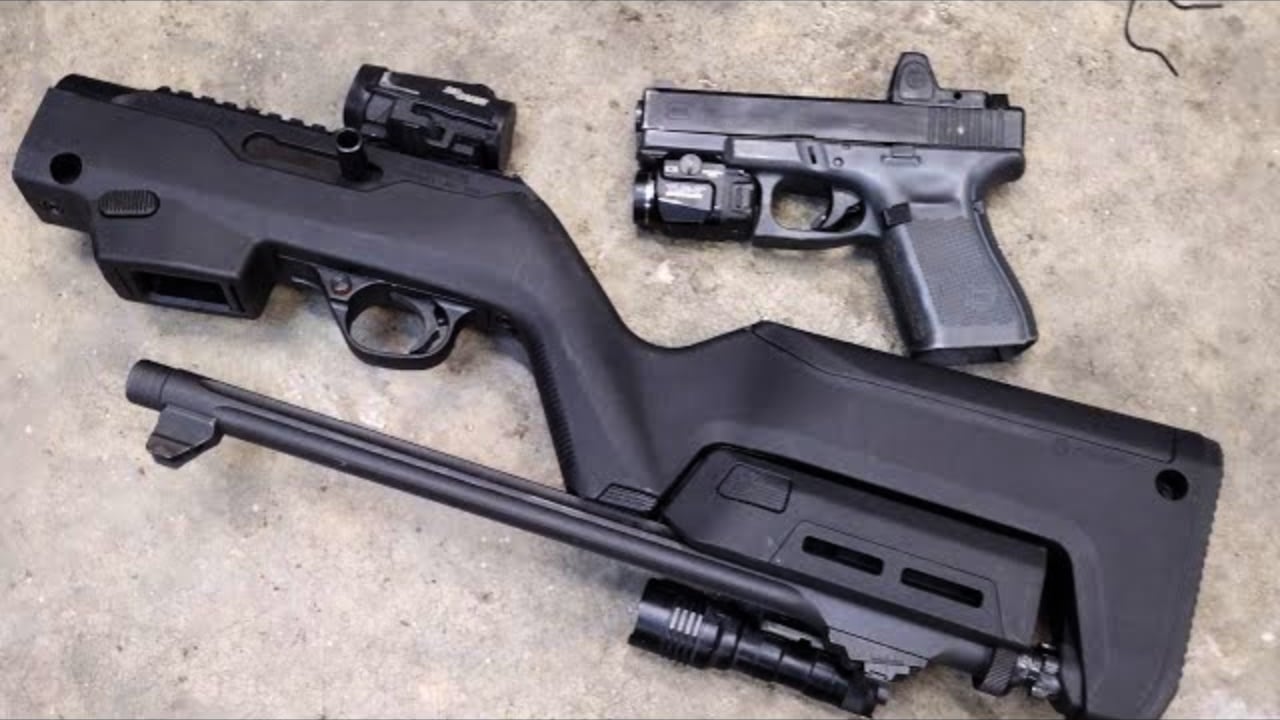
The Magpul Backpacker version takes the Ruger PC Carbine’s takedown capability and builds the storage system around it. When separated, the barrel assembly locks into the stock, creating a compact unit that is less likely to become separated inside a vehicle or emergency bag. The stock also includes useful storage for a spare magazine and small equipment.
It is one of the easiest carbines to keep ready without having a full-length rifle occupying permanent space. The Backpacker stock is not as adjustable as an AR-style stock, and the rifle remains fairly heavy for something intended to travel. Its compact storage, Glock-magazine compatibility, and straightforward action still make it one of the best emergency carbines available.
Smith & Wesson M&P FPC
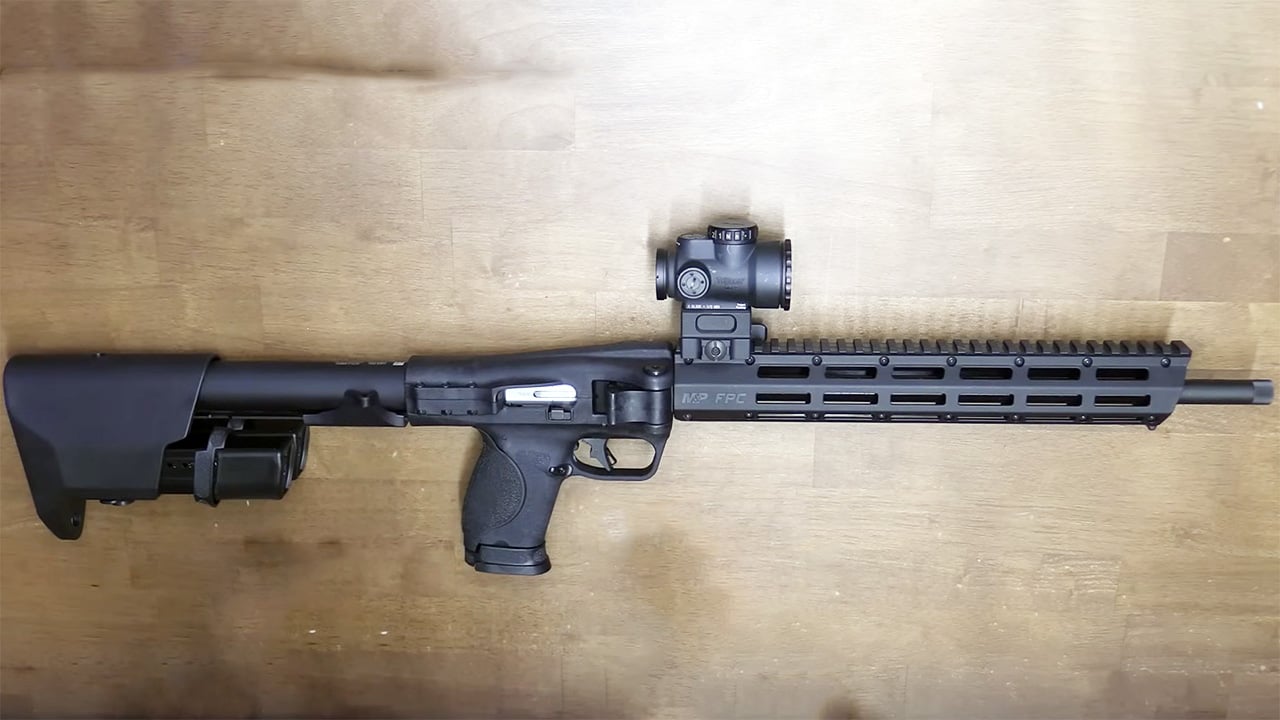
The M&P FPC folds sideways at the center rather than separating into two pieces. The design allows an optic to remain mounted on the top rail when the rifle is folded, which gives it an advantage over folding systems that force accessories out of position. Smith & Wesson also equips the stock to hold spare magazines.
The rifle uses magazines from the M&P pistol family, making it particularly appealing to anyone who already owns a compatible M&P handgun. Its controls and interchangeable palmswells also feel familiar to M&P shooters. The FPC is light, easy to transport, and mild under recoil. Its folding hinge and unusual charging arrangement require some familiarization, but the complete package is unusually practical.
KelTec SUB2000 Gen3
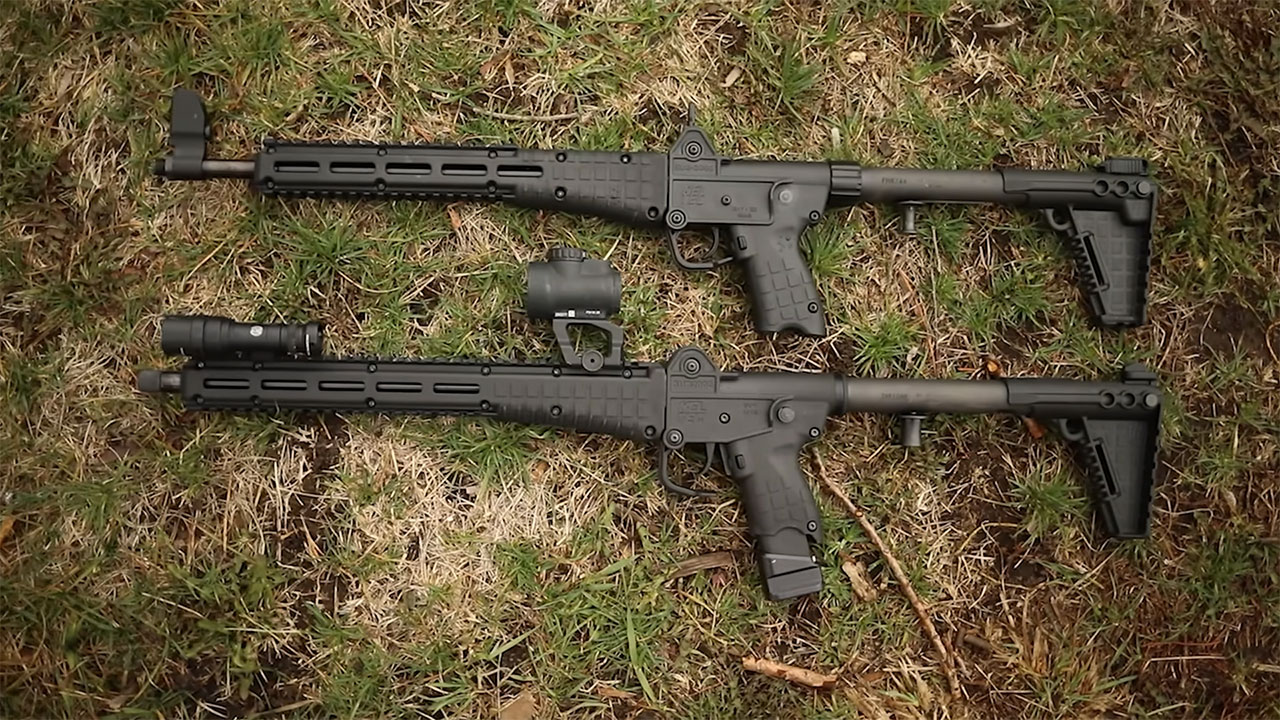
The SUB2000 Gen3 solves one of the largest complaints surrounding earlier generations. Its rotating forearm allows the rifle to fold without forcing the owner to remove a top-mounted optic. KelTec also improved the trigger, charging handle, and bolt-hold-open system while preserving the light weight and compact folded dimensions that made the original popular.
At approximately four pounds, it is much easier to carry than most blowback-operated carbines. The Gen3 can use widely available pistol magazines, depending on configuration. Recoil feels sharper than the rifle’s caliber suggests because there is so little weight to absorb the movement of the bolt. It is not the most refined carbine here, but few models pack into a smaller or lighter package.
Henry Homesteader
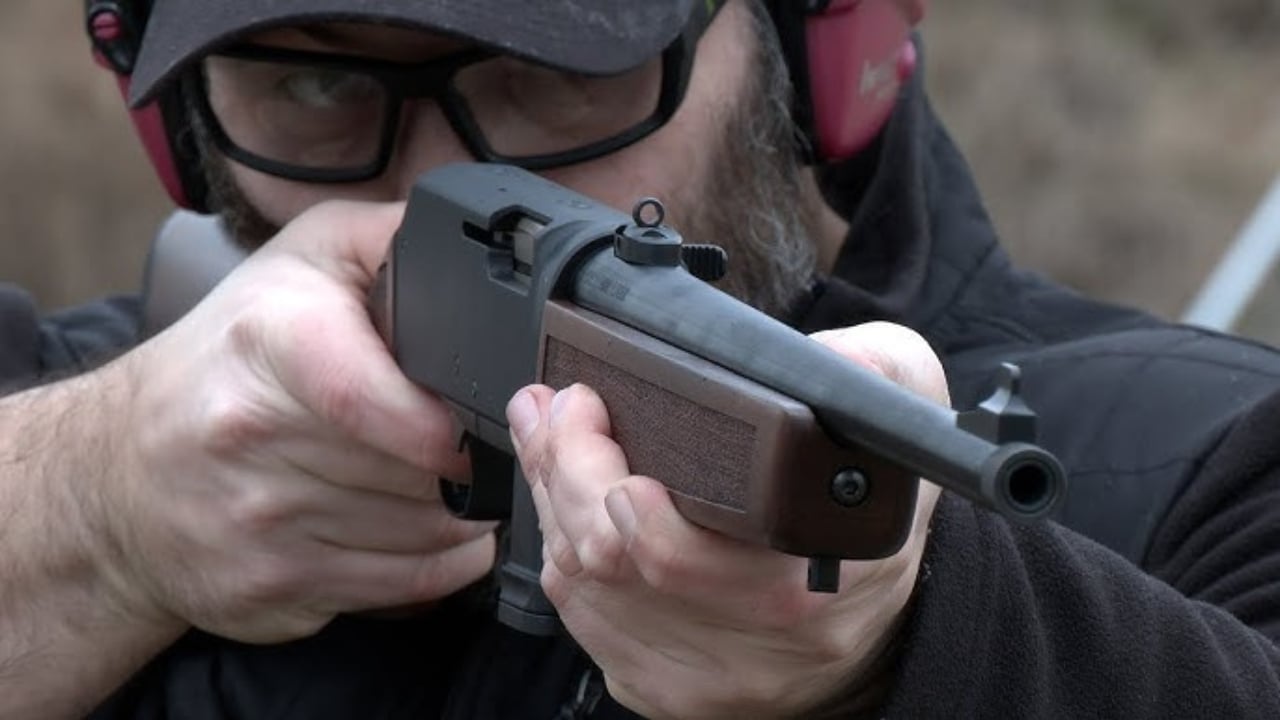
The Henry Homesteader is for owners who want a 9mm carbine without military styling. Its walnut furniture, traditional stock, and rounded receiver make it look more like a classic ranch rifle than an AR-style firearm. Underneath that traditional appearance is a semiautomatic action, threaded barrel, adjustable sights, and centrally positioned controls.
Henry offers removable magazine-well adapters for several common pistol-magazine patterns, including Glock, SIG Sauer, and Smith & Wesson M&P magazines. That makes the rifle more adaptable than its appearance suggests. It is especially well suited for protecting a rural property, controlling predators, and serving as a low-recoil household carbine. The stock is less adjustable than modern alternatives, so smaller shooters should handle one before buying.
CZ Scorpion 3+ Carbine
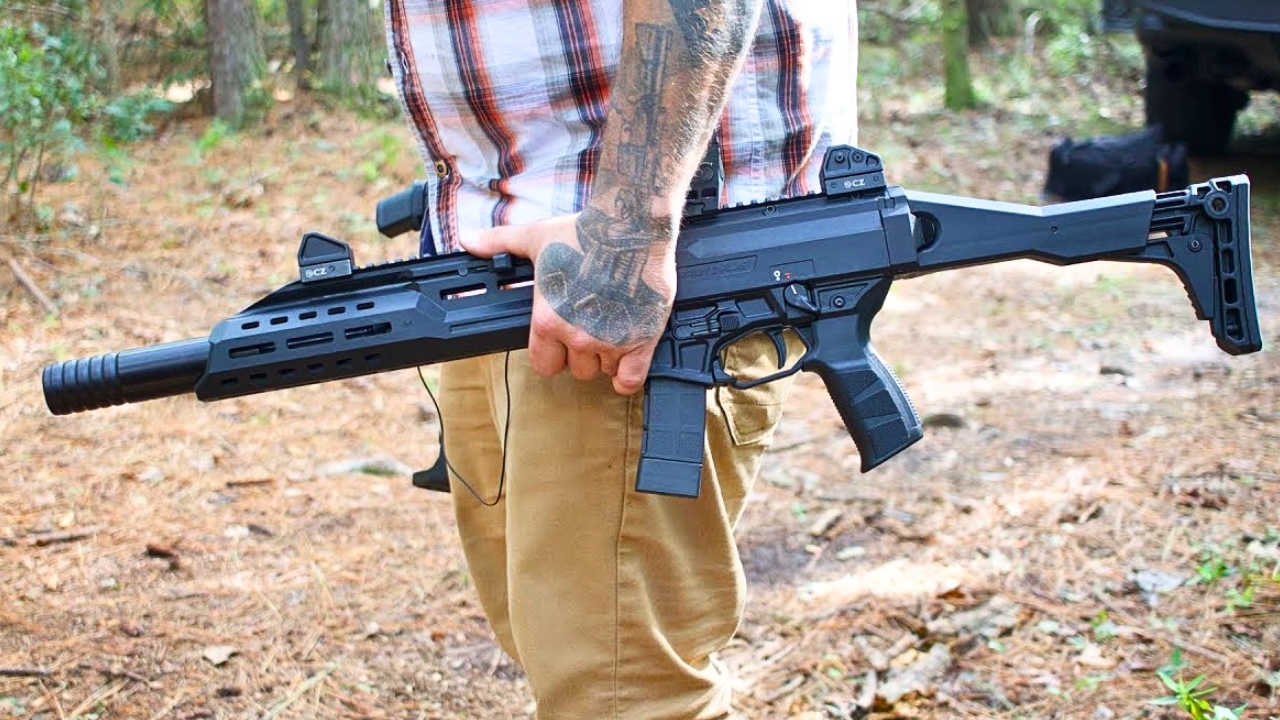
The CZ Scorpion 3+ Carbine is built around a dedicated pistol-caliber platform rather than an AR receiver adapted to 9mm. It has ambidextrous controls, a folding and adjustable stock, an M-Lok handguard, and sturdy polymer magazines. Current factory specifications list a 16.3-inch threaded barrel and 20-round standard magazine, while other configurations use larger magazines.
The Scorpion is compact with the stock folded and has plenty of mounting space for a light, sling, and red-dot sight. Its direct-blowback action is mechanically straightforward, although the moving bolt creates more felt recoil than some buyers expect from 9mm. The factory trigger is also heavier than those found on quality AR-style carbines. Its folding stock, durable construction, and dedicated design still make it highly useful.
SIG Sauer MPX PCC
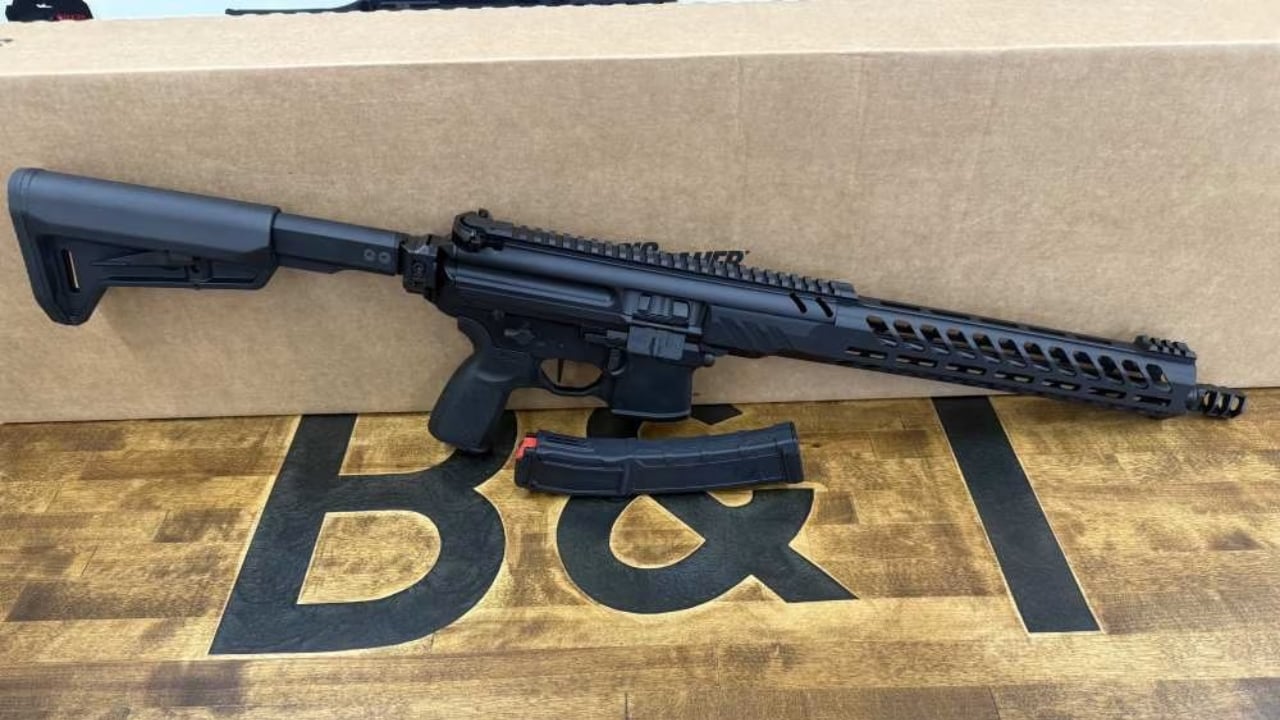
The MPX PCC is one of the most refined 9mm carbines available. It uses a gas-operated, short-stroke piston system rather than ordinary direct blowback, which reduces the heavy bolt movement felt in many less expensive carbines. Its controls are similar to those of an AR-15, making the transition easy for experienced rifle shooters.
SIG equips the competition-oriented MPX PCC with a 16-inch barrel, folding or collapsing stock system, ambidextrous controls, and 30-round magazines. The rifle is fast, accurate, and exceptionally easy to control. Its cost, proprietary magazines, and specialized parts are the main disadvantages. It is a premium home-defense option but less attractive for a survival plan built around inexpensive, widely interchangeable components.
CMMG Resolute MkGs
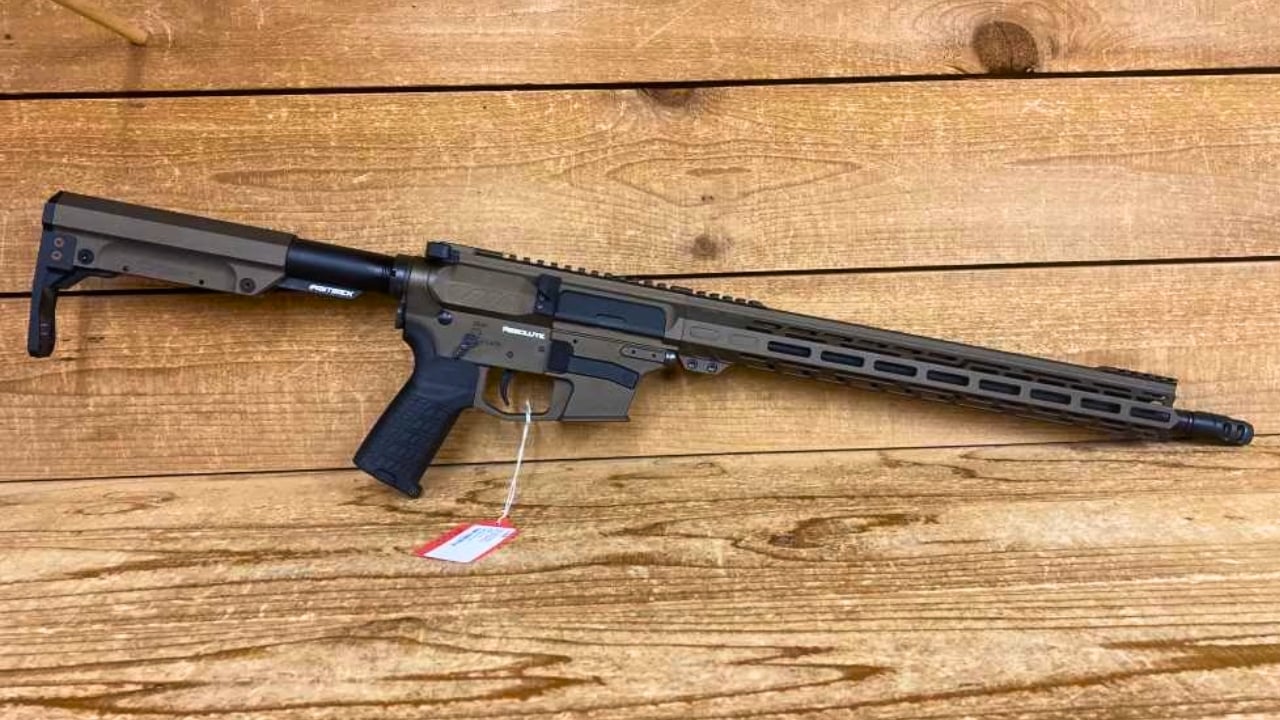
The CMMG Resolute MkGs combines familiar AR-style controls with CMMG’s radial-delayed-blowback system. Rather than relying entirely on a heavy bolt and spring, the rotating bolt delays opening and reduces some of the abrupt movement associated with basic blowback carbines. CMMG continues offering 9mm Resolute configurations in several lower-receiver patterns, including the Glock-magazine MkGs.
The MkGs is the logical survival version because Glock-pattern magazines are widely available and offered in numerous capacities. The rifle feels more like a 5.56 AR than many traditional PCCs, which makes it useful for training. It is more mechanically involved and expensive than a basic blowback AR9, but the softer cycling and familiar parts layout make it easier to shoot well.
JP Enterprises GMR-15

The JP GMR-15 is primarily known as a competition carbine, but the same qualities that make it fast in a match can serve a defensive role. It uses an AR-style layout, Glock-pattern magazines, excellent controls, and carefully balanced operating components. The rifle cycles smoothly and returns to the target with very little wasted movement.
Its greatest weakness for survival is cost. The GMR-15 is built for shooters who appreciate refined triggers, tuned recoil systems, and premium machining. Those features are not necessary for protecting a home or living through an extended emergency. For an owner who wants one top-tier carbine for competition, training, and defense, however, the JP is difficult to outperform.
Wilson Combat AR9
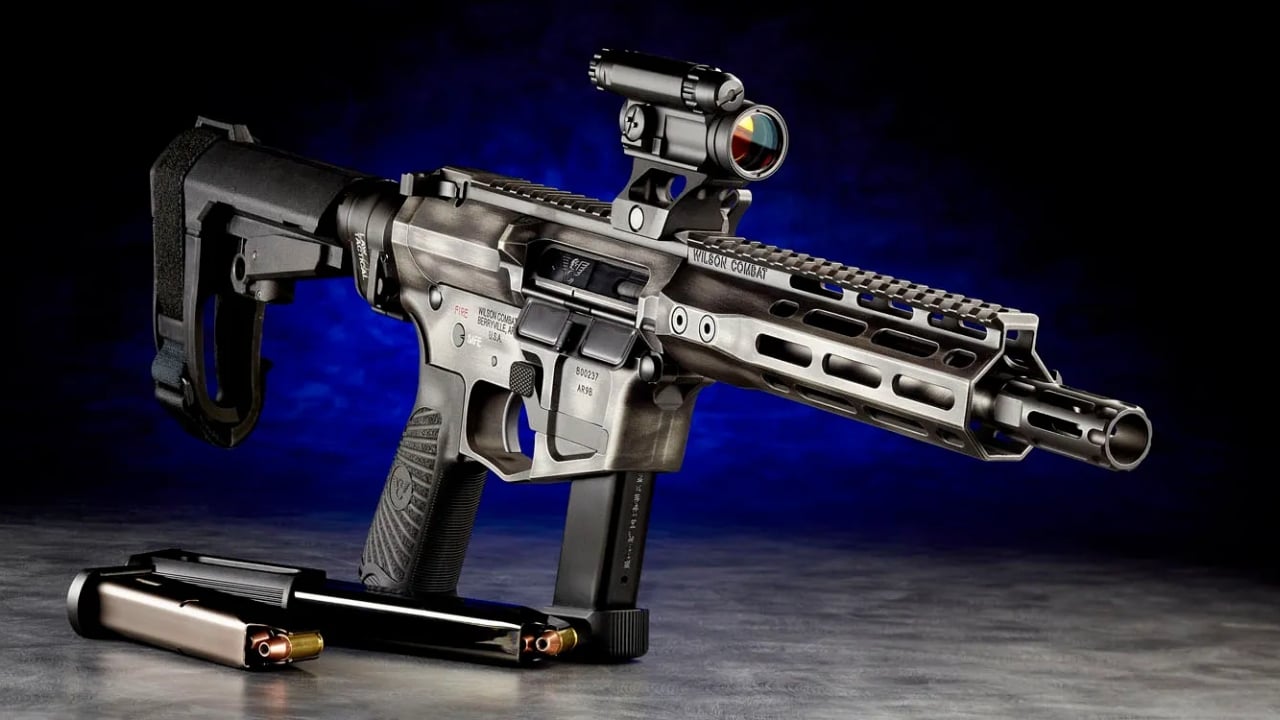
The Wilson Combat AR9 is designed for shooters who want familiar AR controls with premium construction and Glock-magazine compatibility. Its conventional layout supports common optics, lights, slings, grips, and stocks without forcing the owner to learn a proprietary manual of arms.
Wilson’s fit, barrel quality, and component selection place the rifle above ordinary budget AR9 builds. That also gives it a price approaching premium rifle territory. The AR9 makes the most sense for someone who values familiar handling and wants a complete defensive carbine rather than sorting through mixed components. For a survival rifle, proprietary 9mm operating parts should still be stocked in advance.
Foxtrot Mike FM-9
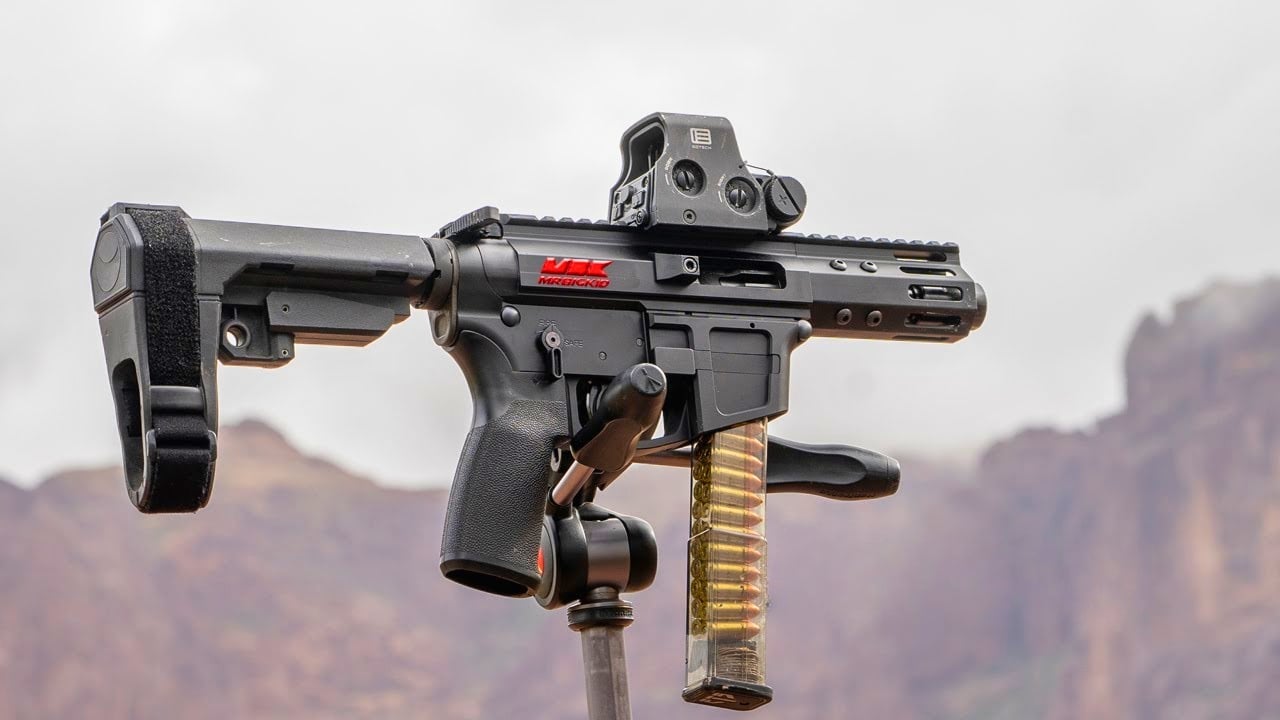
The Foxtrot Mike FM-9 offers an AR-style carbine at a more approachable price than premium competition models. Depending on configuration, it can include side-charging controls, Glock-magazine compatibility, M-Lok furniture, and a last-round bolt hold-open system.
The side-charging arrangement keeps the shooter from reaching behind an optic to operate a conventional AR charging handle. That can make malfunction clearing and chamber checks faster. Blowback operation produces more movement than the caliber alone would suggest, but the rifle remains easy to control. The FM-9 is a strong choice for buyers who want a practical AR9 without paying for competition-level finishing.
Angstadt Arms UDP-9 Carbine
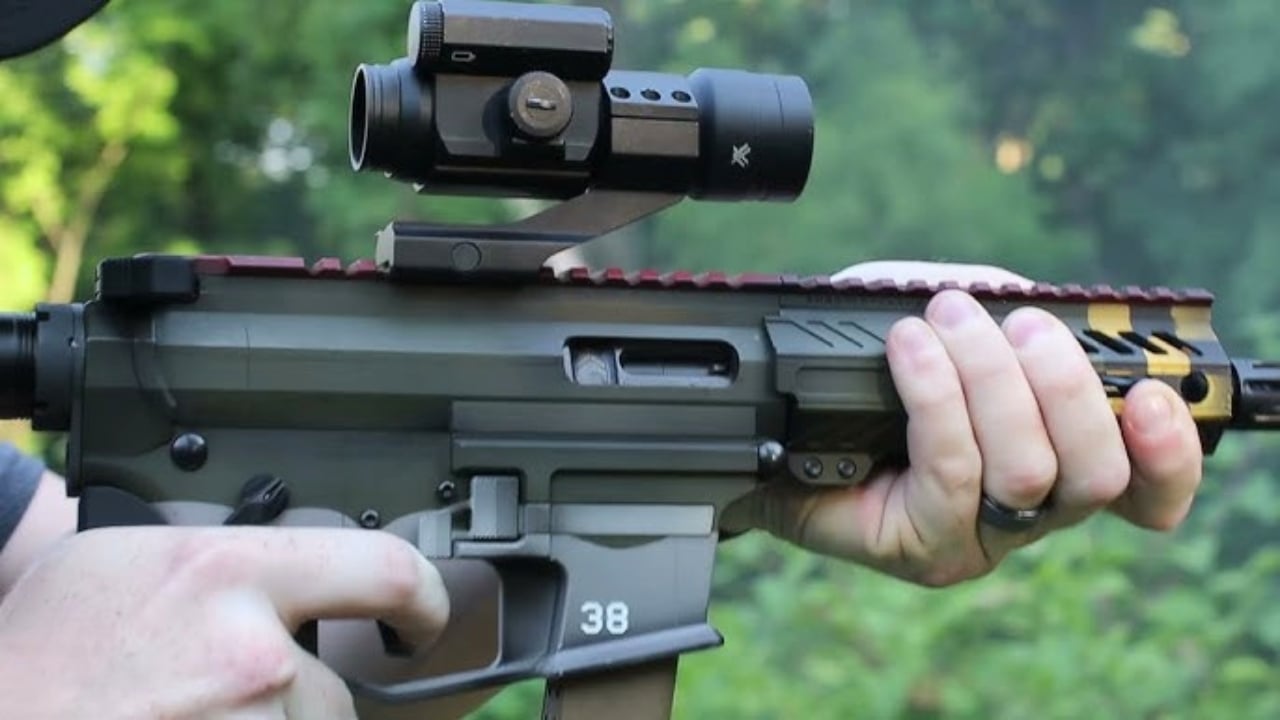
The Angstadt Arms UDP-9 is a compact AR-style carbine built around Glock-pattern magazines. Its receivers are purpose-built for pistol-caliber use rather than being ordinary AR-15 components fitted with a magazine-block adapter. That gives the gun cleaner proportions and controls designed around the shorter cartridge.
The rifle is light, easy to accessorize, and supported by common AR stocks, grips, triggers, and handguard equipment. The dedicated bolt, barrel, extractor, and magazine components remain specialized. Owners considering it for long-term emergency use should keep critical spares rather than assuming ordinary AR-15 parts will solve every problem.
Palmetto State Armory AR-V Carbine
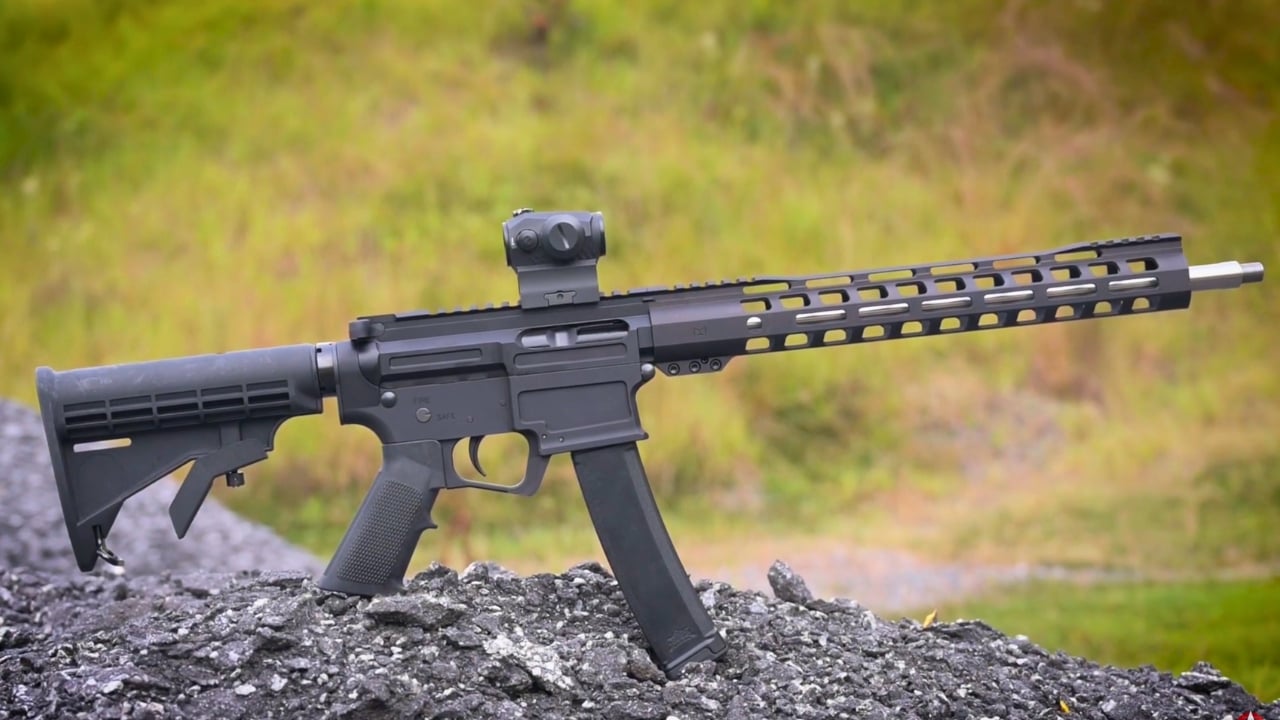
AmmoLandTV/YouTube
The PSA AR-V combines AR-style handling with magazines based on the CZ Scorpion pattern. Those magazines are affordable, durable, and available in useful capacities. The rifle offers an alternative to Glock-magazine AR9 designs, which can have awkward magazine angles and feed geometry.
Its price makes it more accessible than most premium dedicated carbines. The tradeoff is that the AR-V uses several platform-specific parts, and it does not share magazines with an ordinary defensive pistol. It is better suited for someone already invested in Scorpion magazines or willing to standardize around them. Properly tested, it provides a lot of carbine for the money.
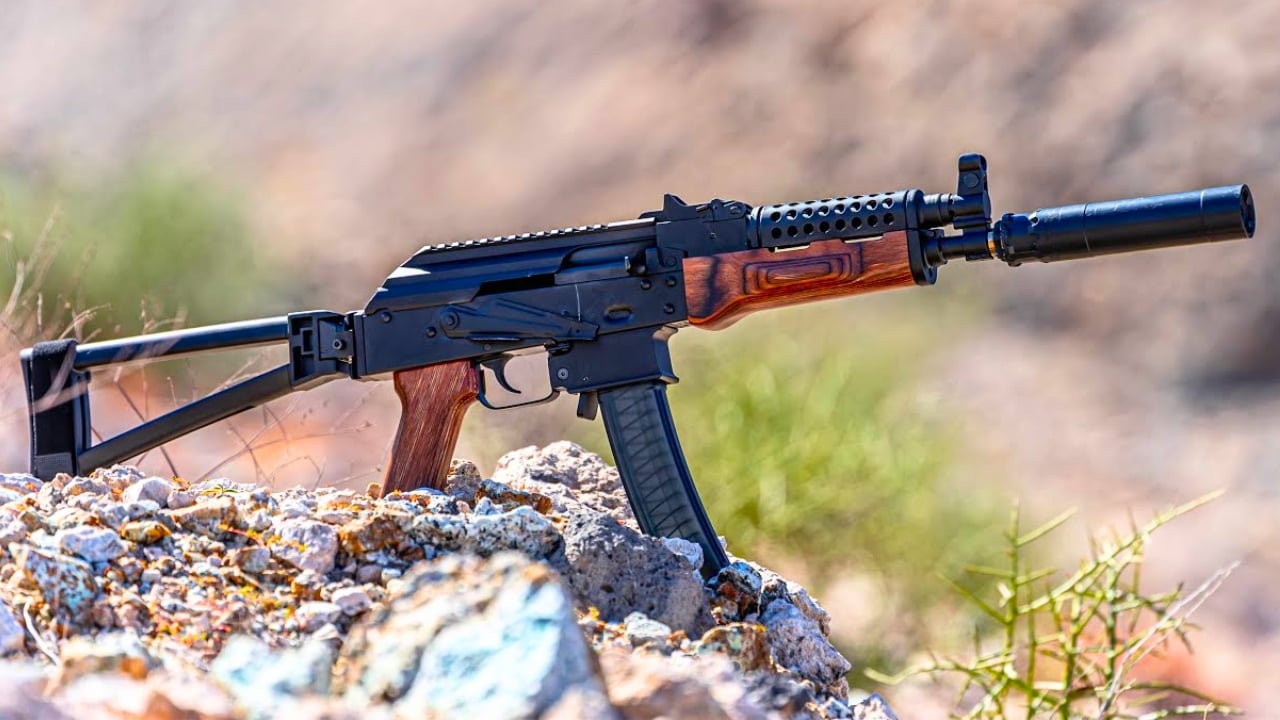
Palmetto State Armory AK-V Carbine
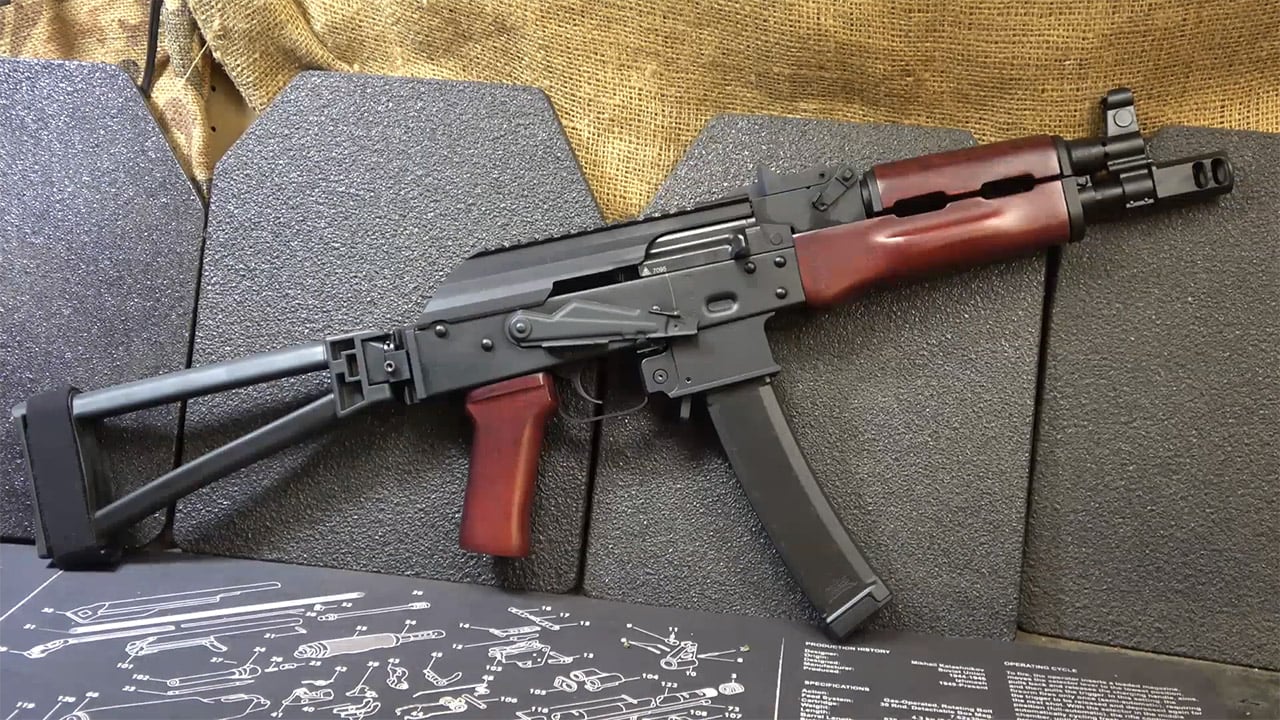
The AK-V uses Scorpion-pattern magazines in a firearm with controls and styling influenced by the AK family. It appeals to shooters who prefer a large paddle magazine release, side charging handle, and robust fixed-ejector arrangement instead of AR-style controls.
A carbine-length AK-V is heavier than the most portable folding designs, but the weight helps manage blowback recoil. The platform is also enjoyable to shoot and supports high-capacity magazines at reasonable prices. It does not provide broad parts commonality with a standard rifle or handgun, so it is less efficient for a minimalist survival setup. It remains an appealing home and property-defense carbine.
KRISS Vector CRB Gen II
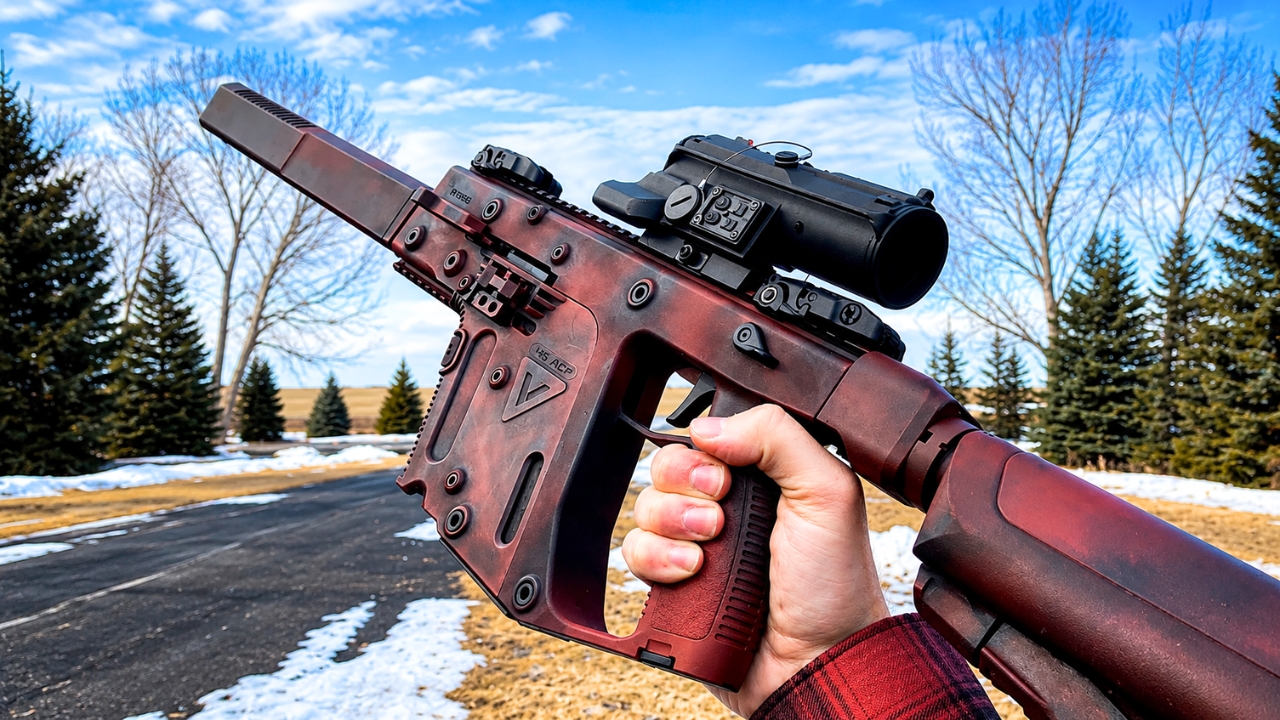
The KRISS Vector CRB has one of the most distinctive operating systems in the category. Its Super V system directs the moving mass downward rather than allowing all of it to travel straight back toward the shooter. That gives the rifle an unusual recoil impulse and helps limit muzzle rise during rapid shooting.
The Vector accepts Glock-pattern magazines in its 9mm configuration, which improves its practicality. Its folding stock, full-length rail, and low bore line create a compact-feeling carbine despite the 16-inch barrel extension. The controls and balance are less intuitive than those of an AR, and the internal design is much more complicated than basic blowback carbines. It is easy to shoot but not the simplest rifle to support during a long emergency.
B&T APC9 Pro Carbine

The B&T APC9 Pro is a premium Swiss carbine built around professional use. Its hydraulic buffer helps soften the movement of the blowback action, while the folding stock and ambidextrous controls make it compact and adaptable. Depending on configuration, the platform can use B&T, Glock, or SIG-compatible lower receivers.
Build quality is exceptional, but so is the price. Magazines and replacement parts can be costly, and they are far less likely to be found in an ordinary local gun store. The APC9 is an outstanding home-defense carbine for an owner willing to stock the supporting equipment. For a survival plan based on easily replaced American parts, less expensive Glock-magazine carbines may be easier to sustain.
B&T GHM9 Carbine
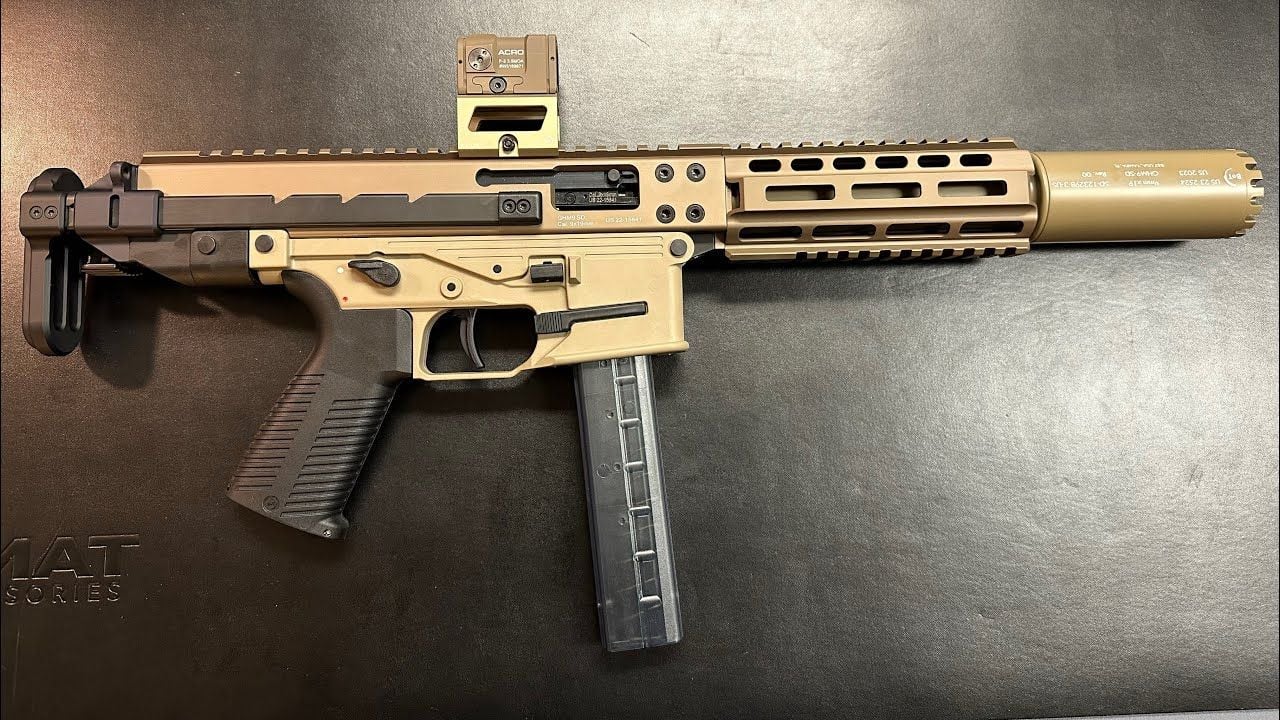
The GHM9 offers much of the B&T shooting experience at a lower price than the APC9. It uses a blowback action with a hydraulic buffer and can be configured around several magazine patterns. The rifle remains compact with the stock folded and provides enough rail space for a light and red-dot sight.
Its smooth operation and high build quality make it more pleasant than many ordinary blowback carbines. It still depends on a smaller parts and accessory network than Ruger, Glock-pattern AR9, or CZ platforms. The GHM9 is an excellent choice for a carefully prepared defensive setup, but the owner should obtain magazines and service parts before they become urgently needed.
Hi-Point 995TS

The Hi-Point 995TS is not refined, lightweight, or attractive, but it remains one of the least expensive functional 9mm carbines available. Its simple blowback action, substantial bolt, and fixed barrel give it a reputation for basic reliability and respectable practical accuracy.
The greatest limitations are its low-capacity proprietary magazines, awkward controls, and bulky stock. It also does not share magazines with common defensive pistols. The 995TS still gives a budget-limited household a shoulder-fired 9mm that is easier to hit with than most handguns. Money saved on the rifle should be directed toward a quality light, reliable ammunition, and enough practice to understand its controls.
TNW Aero Survival Rifle
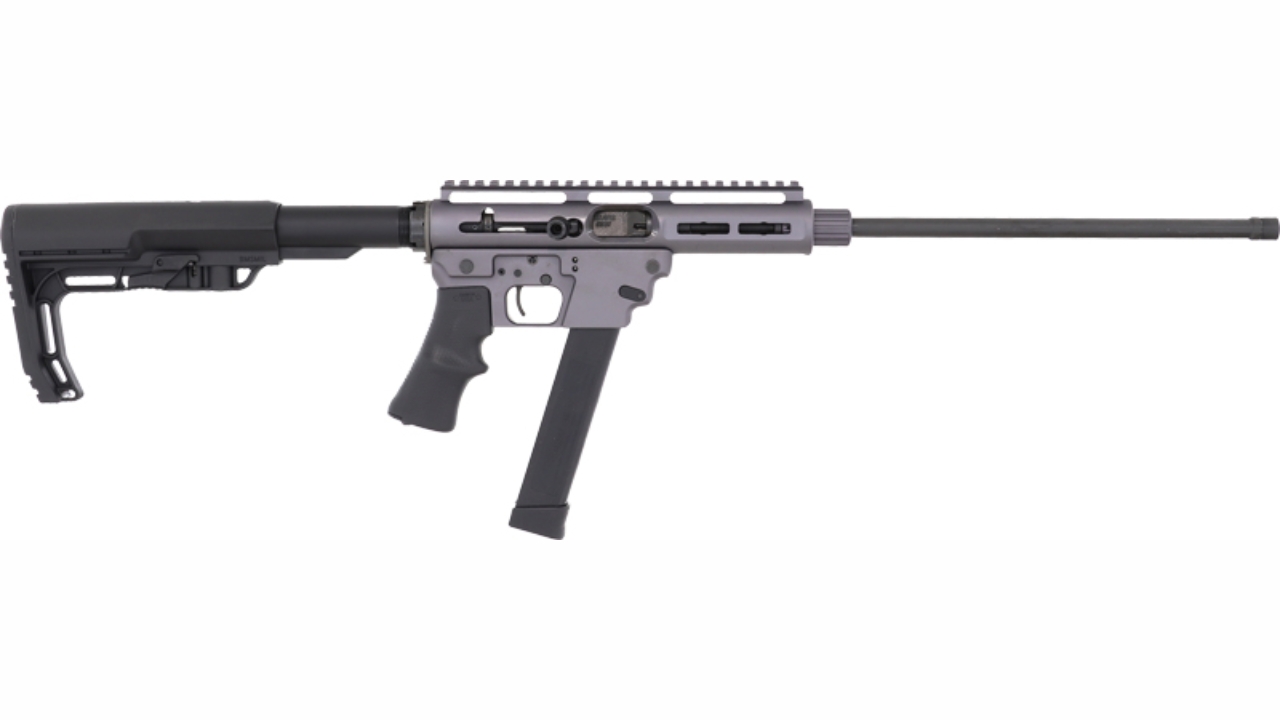
The TNW Aero Survival Rifle was designed around portability and caliber flexibility. Its barrel can be removed, allowing the rifle to fit inside a smaller bag or vehicle compartment. The 9mm version commonly uses Glock-pattern magazines, simplifying ammunition and magazine sharing with a compatible handgun.
The rifle is light and narrow, making it easier to carry than many heavy blowback carbines. Its basic tube-style receiver and controls feel less refined than those of the Ruger PC Carbine or a good AR9. The modular design also requires the owner to confirm that the barrel remains properly installed and that the rifle maintains zero after repeated assembly. Its portability makes it more attractive for survival than for competition.
Extar EP9 Carbine
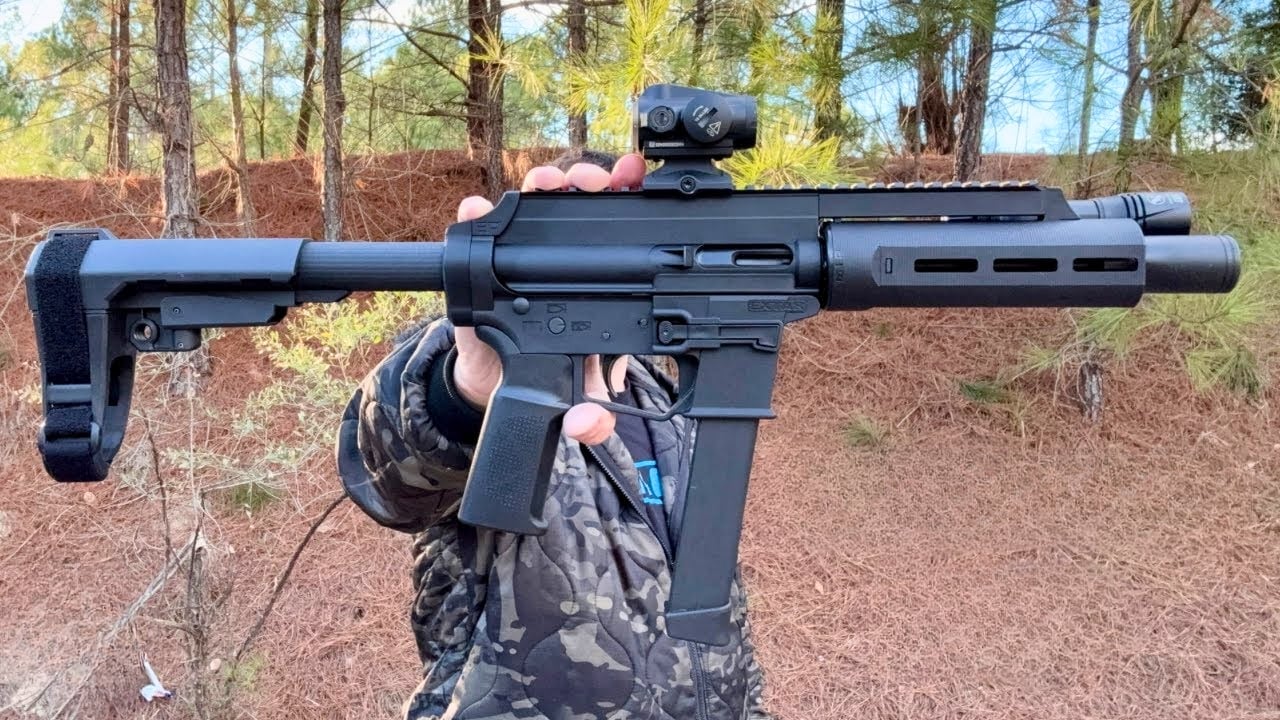
The carbine-length Extar EP9 builds on a lightweight polymer-receiver platform known for affordable 9mm firearms. It uses Glock-pattern magazines and familiar controls while keeping weight and cost below many metal-receiver carbines.
Its low weight is valuable when the rifle must be carried with water, food, medical supplies, and other emergency equipment. That same low weight allows the blowback recoil impulse to feel more active. The Extar is best treated as a practical value gun rather than a premium heirloom. Owners should test magazines, ammunition, and mounted accessories thoroughly before assigning it a defensive role.
Aero Precision EPC-9 Carbine

The Aero Precision EPC-9 platform is aimed at shooters who want an AR-style 9mm built around dedicated pistol-caliber receivers. It accepts Glock-pattern magazines and supports familiar AR furniture, triggers, optics, lights, and sling equipment.
Its greatest attraction is configurability. Buyers can choose barrel length, handguard design, stock, trigger, and other parts instead of accepting one factory arrangement. That flexibility creates a risk when incompatible or poorly selected parts are mixed together. A defensive EPC-9 should be built conservatively, tested extensively, and left alone once it works. A proven complete setup can be excellent, but a constantly changing project gun should not be trusted.
Colt AR6951
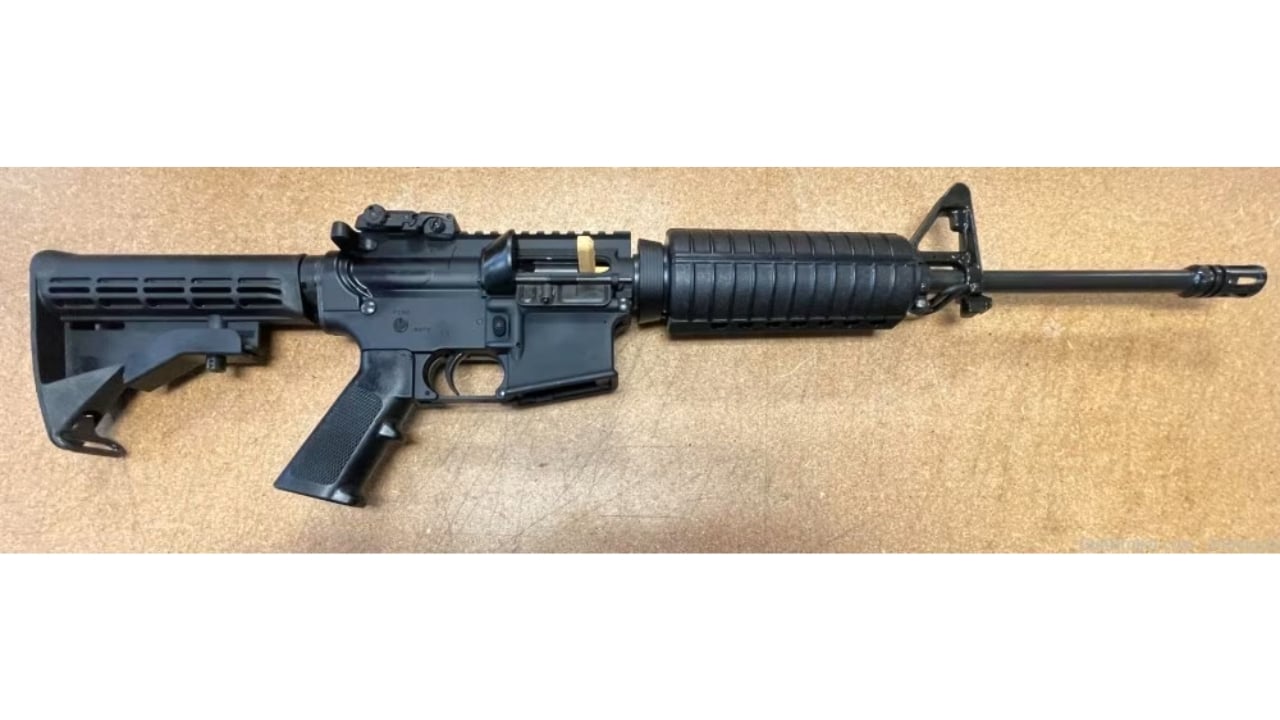
The Colt AR6951 represents the older and more traditional AR-style 9mm carbine. It uses the Colt-pattern magazine system and straightforward blowback operation rather than Glock magazines or a delayed action. Its controls and stock arrangement feel familiar to anyone trained on a standard AR-15.
Colt-pattern magazines are durable and feed from a more vertical position than Glock magazines. The downside is that they cannot be shared with a handgun, and the platform does not have the current popularity of newer Glock-magazine designs. A clean AR6951 remains a sturdy and historically important PCC, but availability and replacement pricing can make it less practical than newer alternatives.
Beretta CX4 Storm

The Beretta CX4 Storm remains one of the most practical dedicated 9mm carbines despite its unconventional appearance. It is light, short, easy to point, and available in configurations that use magazines compatible with several Beretta pistol families. The controls can also be changed for left- or right-handed operation.
Its thumbhole-style stock and limited handguard space feel dated beside newer M-Lok-equipped carbines. The trigger is functional rather than exceptional, and mounting accessories can require model-specific parts. The CX4’s greatest strengths are its balance, mild recoil, and pistol-magazine compatibility. For someone who already owns the matching Beretta handgun, it remains a highly sensible defensive pair.
Like The Avid Outdoorsman’s content? Be sure to follow us.
Here’s more from us: