Photo credit: Fun With Guns/YouTube
You ever pick up a gun at the counter and it just settles into your hands like it was made for you? The sights line up, the balance feels right, the safety is where your thumb expects it to be. Then you buy it, take it to the range, and find out the ugly truth: it “handles” great, but it does not put rounds where you’re looking.
Sometimes it’s the shooter. Sometimes it’s ammo. Sometimes it’s a loose sight, a creepy trigger, a barrel that heats up fast, or a stock that looks good but doesn’t fit you under recoil. And sometimes the gun is just built to a price point and the accuracy gremlins show up when you stop shooting slow groups and start shooting like you actually hunt or carry.
Here are 20 real-world offenders I’ve seen or dealt with—guns that can feel natural in the hands but still manage to print surprises on paper.
1. Remington 700 ADL (budget packages)
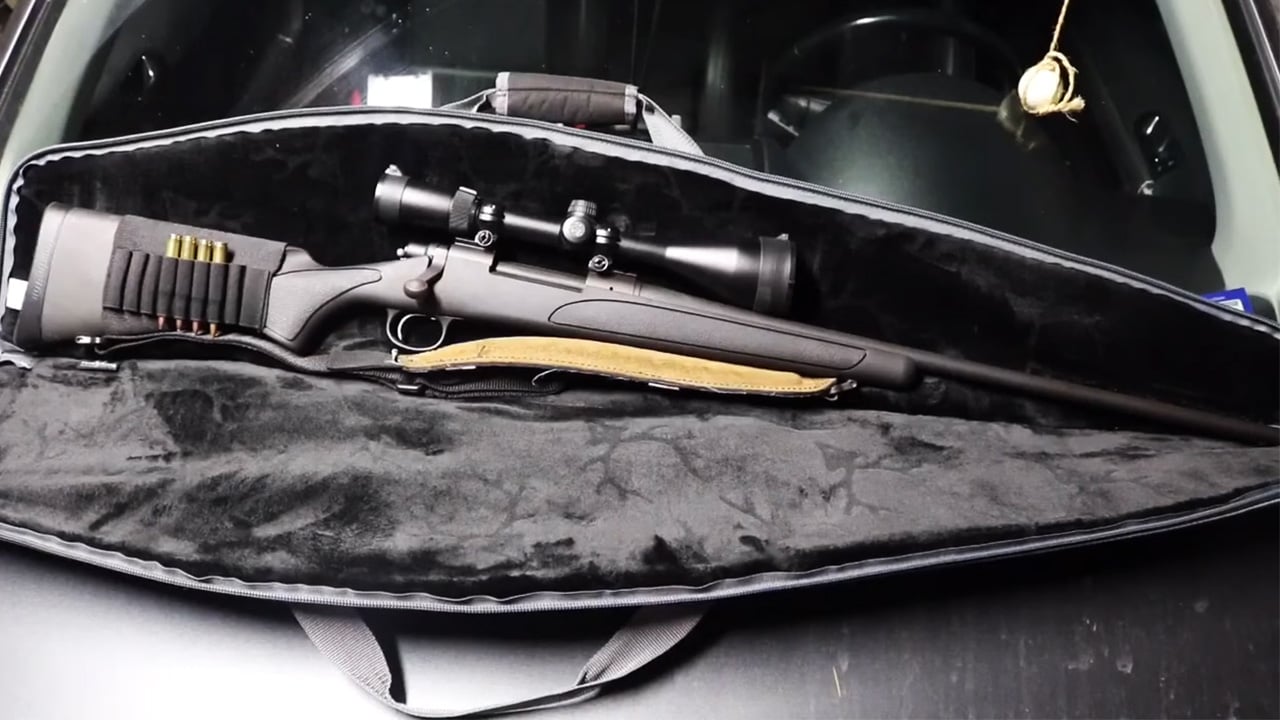
The 700 action points great for a lot of folks. The bolt lift and the general shape just feel “rifle-y,” especially if you grew up around them. But the cheaper ADL package guns, especially with bargain optics and soft mounts, can have you chasing your zero like a stray dog.
A flexible synthetic stock can put pressure on the barrel when you load a bipod or sling up. Add a scope that won’t hold, and now your “natural pointer” is walking impacts three inches between strings. The rifle might be fine—your setup might not be.
2. Ruger Mini-14 Ranch Rifle (older thin-barrel models)

The Mini shoulders fast and points like a bird gun, which is why people love it around a ranch. You snap it up and the sights are right there. Then you shoot a few quick groups and watch them start to string as the barrel warms.
Some older thin barrels just don’t like heat. For a coyote that pops out once, no big deal. For range work or any kind of sustained shooting, you can end up wondering if your eyes went bad overnight.
3. Marlin Model 336 (micro-groove era with cast-bullet confusion)
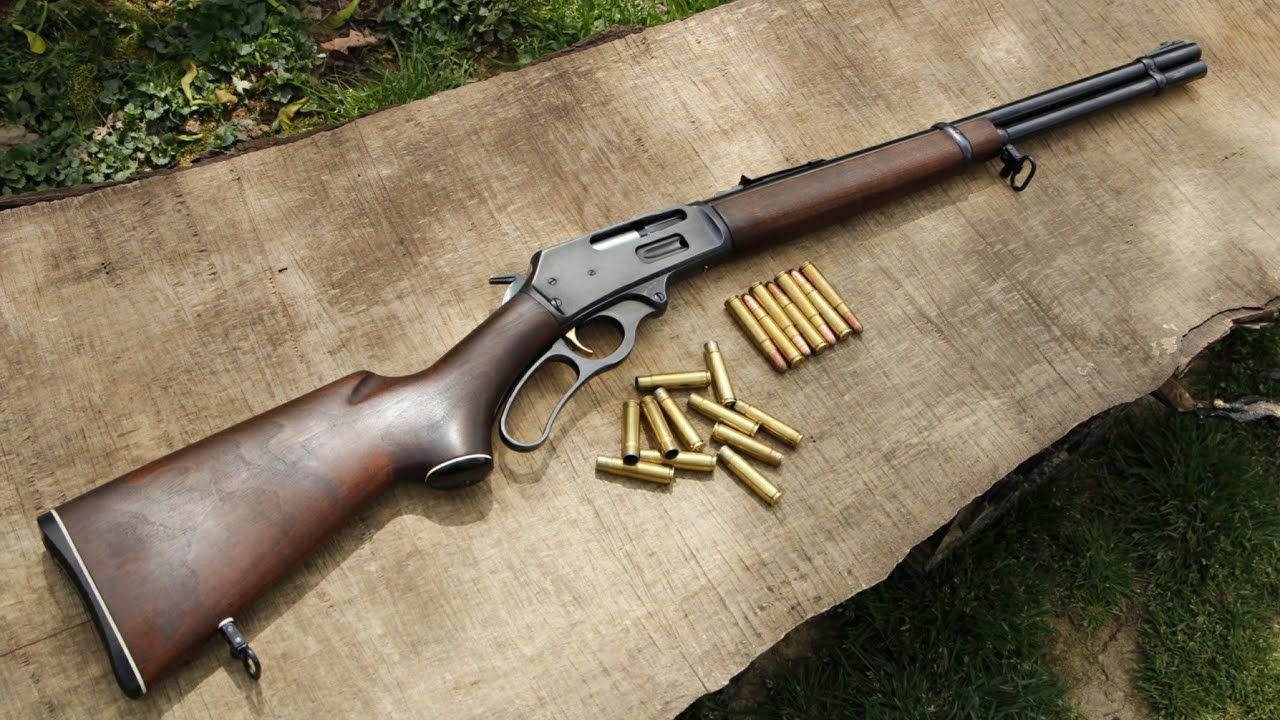
A 336 carries like it belongs in your hand. The lever throw is smooth, the balance is right between the hands, and it comes up quick in the timber. But accuracy can get weird when folks mix the wrong bullet style and diameter with certain barrels.
Micro-groove rifling can be picky with some cast loads unless everything matches up. Guys will swear the rifle is “spraying,” when it’s really a bullet-fit problem. It’s still frustrating when you just want it to shoot what’s on the shelf.
4. Mossberg 500 (with a loose or canted bead/sight)

A 500 is one of the most natural-pointing pump guns made. There’s a reason you see them in so many trucks and closets. But I’ve also seen more than a few that shot high, low, or off to one side because something up front wasn’t right.
A bead that’s slightly canted, a rib that isn’t perfectly straight, or a swapped barrel that doesn’t quite index like the last one will do it. On birds at 25 yards you may never notice. On slugs or buckshot patterns, it shows up quick.
5. Benelli Nova (great feel, inconsistent slug results)

The Nova points like it’s on rails, and the recoil handling is better than it has any right to be for the money. For upland and waterfowl, it’s a workhorse. Then slug season rolls around and the group looks like it came from three different shotguns.
Some of that is slug choice, some is shooter, and some barrels just prefer certain loads. If you’re buying one as a “do it all,” budget time and money for a real slug test. Otherwise you’re guessing in the woods.
6. Winchester SXP (fast pump, but fit can fool you)
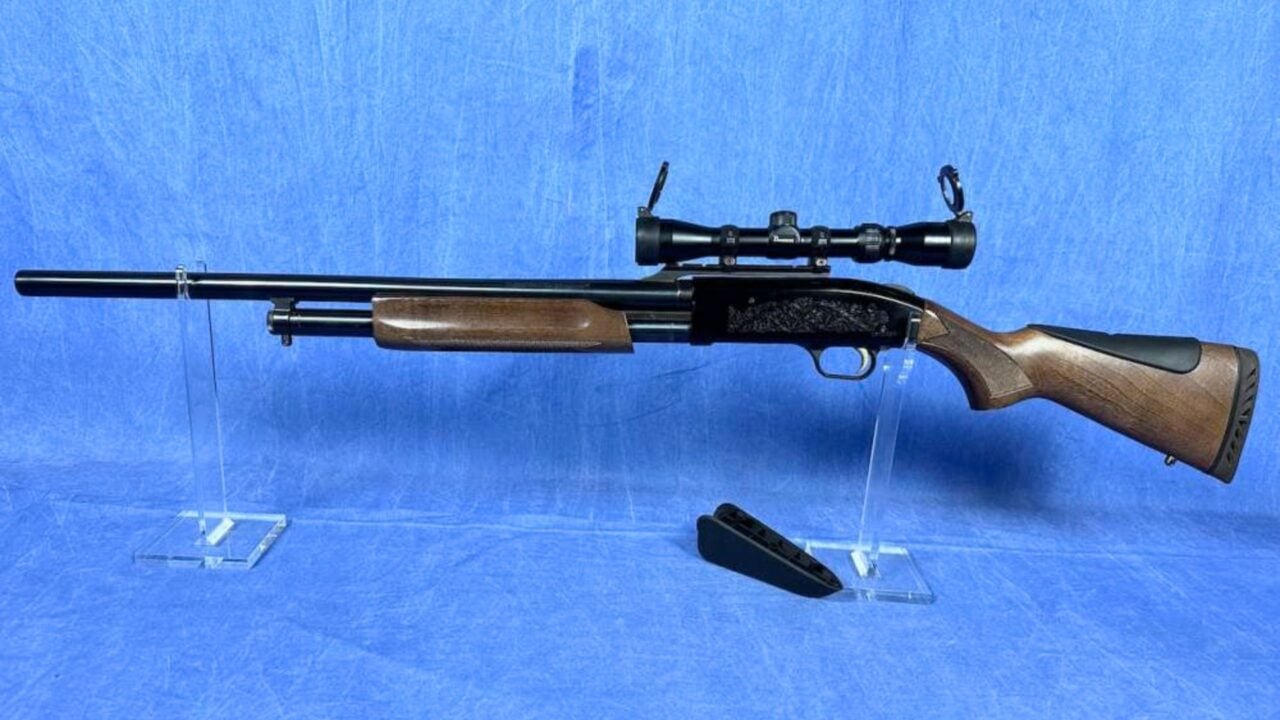
The SXP is slick, fast, and it mounts naturally. The fore-end and receiver geometry make it feel like you can’t miss. But if the stock dimensions don’t match you, it’s easy to be consistently off without realizing why.
Point-of-impact issues on a shotgun often look like “bad shooting,” and sometimes they are. Still, a gun that doesn’t shoot where it looks is a problem, especially when you’re trying to thread a pattern through brush at a flushing bird.
7. Taurus Judge (fun to point, patterns all over)

The Judge feels like a big, handy revolver and it comes on target naturally. It also sells a lot of dreams about shot shells and snakes. The problem is, those .410 patterns can be a mess, and accuracy with .45 Colt can be hit-or-miss depending on the gun and load.
At very close range it can do what it’s meant to do. Past that, it’s easy to learn the hard way that “pointing naturally” doesn’t mean you’re actually delivering hits the way you think you are.
8. Taurus Curve
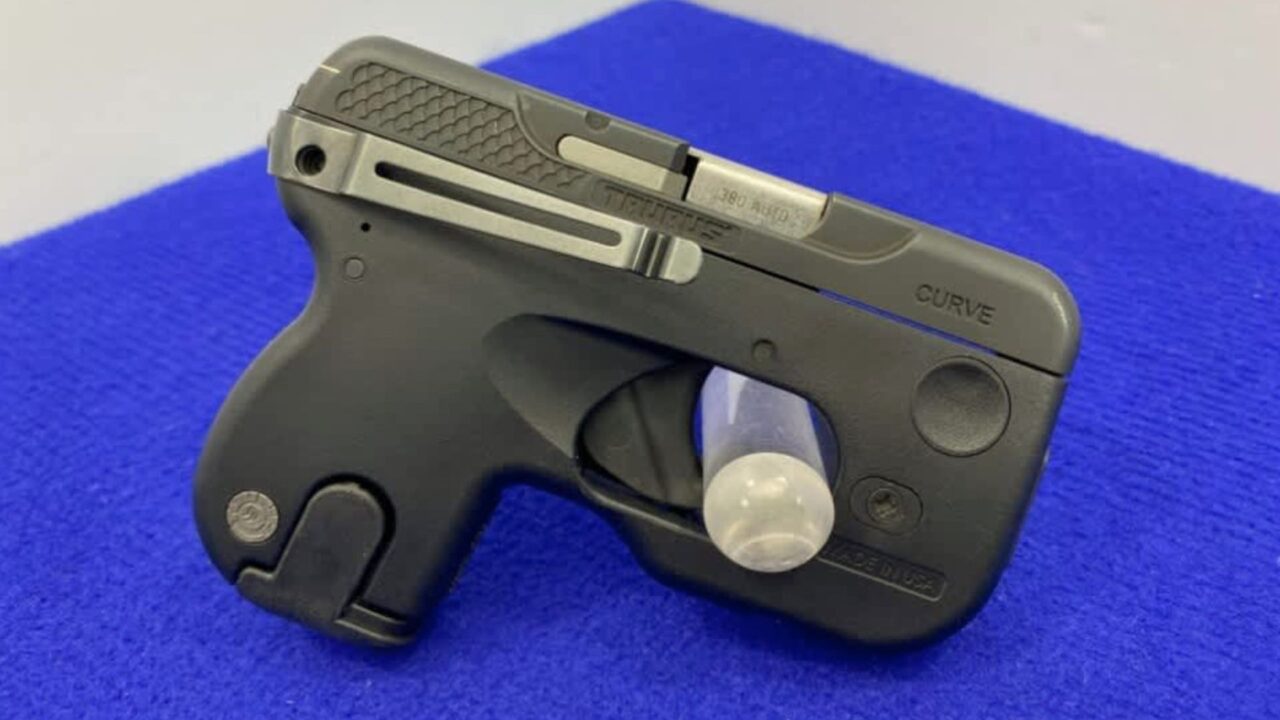
This is one of those ideas that sounded better in a meeting than on the firing line. It’s shaped to hug the body, and in the hand it can feel oddly “right” for a quick point shoot. Then you actually try to shoot groups with those tiny sights and long trigger.
It’s not that you can’t hit with it. It’s that it makes consistency harder than it needs to be. When a carry gun is hard to shoot well, it tends to end up in a drawer.
9. Springfield XD-S (early models and shooter mismatch)

The XD-S points naturally for a lot of hands, and it’s easy to carry. Where it bites some folks is the combination of snappy recoil, short sight radius, and a grip that can punish sloppy technique. You’ll see “random” flyers that aren’t random at all.
If you don’t lock it in the same way every time, the gun tells on you. Some shooters do great with it. Others never stop chasing that one shot that always leaks out of the group.
10. SIG Sauer P365 (tiny gun, big expectations)

The P365 is a modern classic for a reason, and it feels good in the hand for its size. But it also gets handed to brand-new shooters who expect it to shoot like a full-size duty pistol. That’s where the “why is it all over?” complaints start.
Small grips magnify trigger control issues. Add defensive ammo that prints a different point of impact than cheap range loads, and you’ve got a gun that feels perfect but makes you work for clean groups.
11. Glock 43 (simple, natural, not forgiving)

The 43 is one of those pistols that just sits in the hand and points where you look. It’s also light, thin, and easy to carry all day. On the range, though, it’s not a “free accuracy” gun for most people.
A small Glock with a heavier-feeling trigger press will expose every bit of anticipation. If you’re used to a bigger pistol, you can swear the sights were dead on. The target says otherwise.
12. Glock 19 (worn barrels and tired springs)
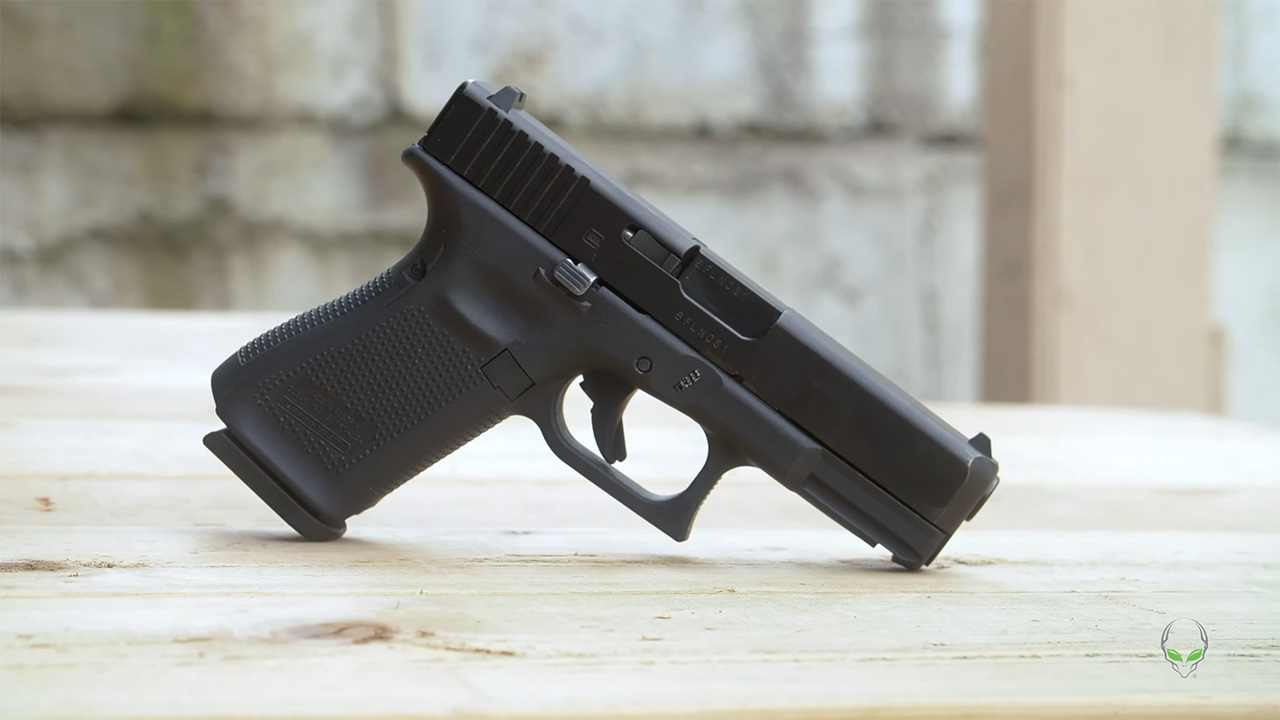
A Glock 19 points naturally for a ton of shooters. It’s the default “do everything” pistol for a reason. But when you buy used, especially a high-mileage one, accuracy can open up if parts are tired and you don’t know the history.
Most of the time it’s still perfectly serviceable for defensive work. If you’re trying to shoot tight groups and it suddenly looks like a shotgun pattern, don’t ignore maintenance and wear items just because it’s a Glock.
13. Kimber Custom II (great feel, finicky reality)

A 1911 that fits your hand is hard to beat for natural pointing. Kimbers often feel excellent—good lines, good balance, and the grip angle that makes sights appear like magic. Then you run it hard and find out it may not love every magazine and every hollow point.
Reliability issues turn into “I can’t shoot it,” because stoppages wreck your rhythm and confidence. Some examples run like sewing machines. Others are picky enough that you spend more time diagnosing than practicing.
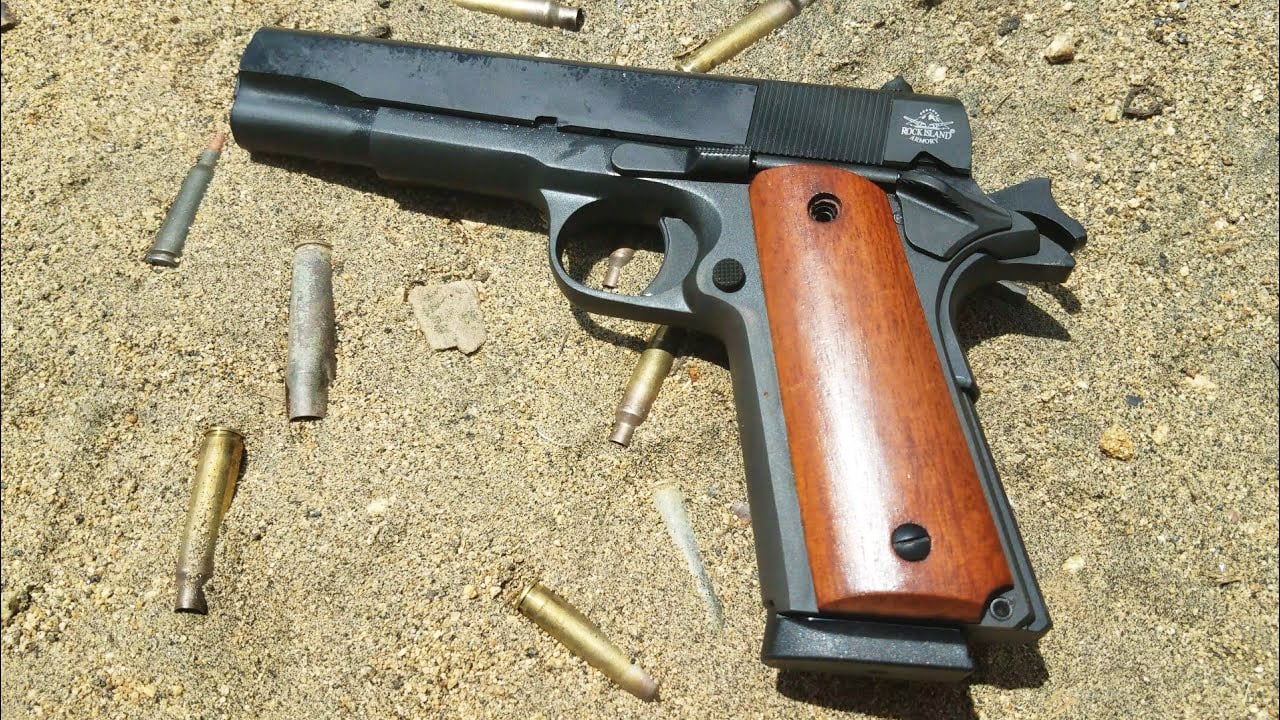
14. Rock Island Armory GI Standard FS (cheap 1911 lessons)
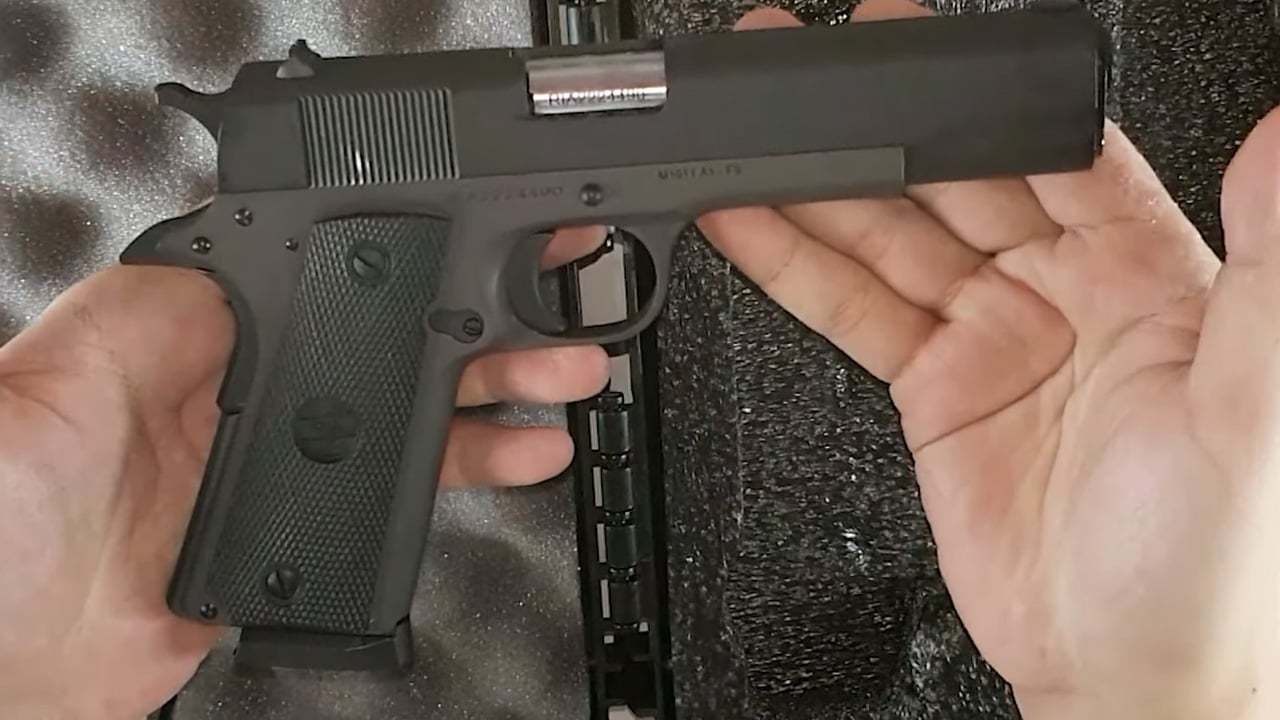
RIA GI guns can point great and they scratch the 1911 itch without destroying your wallet. The sights are basic, the trigger can be gritty, and tolerances can vary. On paper, that becomes “why can’t I keep them in the black?”
There’s nothing fancy about it, and that is kind of the point. If you expect match accuracy and a clean break, you’re setting yourself up for disappointment. As a beater range gun, they can still be a good time.
15. Smith & Wesson M&P Shield (original 1.0 triggers)

The Shield carries so well it’s almost boring. It points naturally, it hides easy, and it’s been in more holsters than I can count. The older 1.0 triggers, though, could feel mushy or gritty enough to pull shots when you’re trying to be precise.
At defensive distances, it’s fine. Stretch it to 20–25 yards and you’ll see the difference between “good enough” and “I can call every shot.” A better trigger makes a big difference in how the gun behaves on target.
16. Ruger LCP (any generation, small gun physics)

The LCP is the definition of convenient. It points naturally in a close-range way because it’s so small and light. But tiny sights and a long pull mean it’s easy to throw rounds low-left (or low-right) without even realizing you did it.
If you practice a lot, you can shoot it well. Most people don’t. They carry it because it’s easy, then get shocked when their “natural pointer” prints a pattern instead of a group.
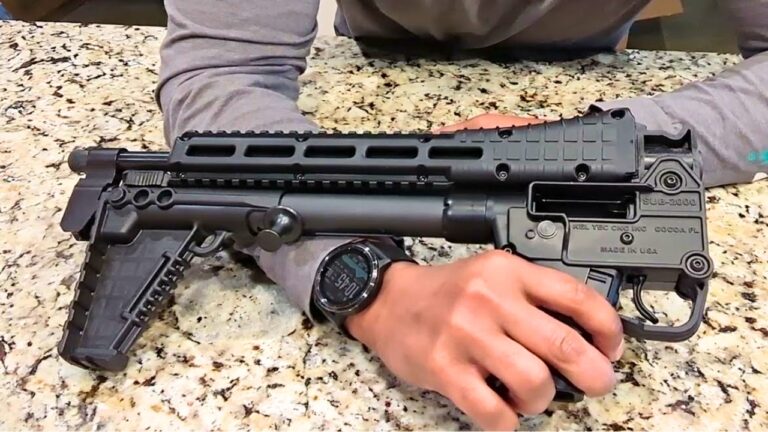
17. Kel-Tec Sub-2000 (folding cleverness, shifting zero)

The Sub-2000 is handy, light, and it shoulders quickly. It feels like it should be a perfect little camp gun. The trouble is, anything that folds and locks back together can be sensitive to how it’s assembled, how the sights sit, and what optic setup you’re trying to run.
Even with irons, you can end up with a gun that seems to change its mind between range trips. It’s not always “bad.” It’s just not as steady a platform as a fixed carbine, and the target tells the truth.
18. Ruger 10/22 (cheap barrels, loose optics, and expectations)

A 10/22 points like a .22 should. It’s light, it’s quick, and it feels like every kid’s first rifle dream. Then somebody slaps on a bargain scope with soft rings, uses bulk ammo, and wonders why it won’t group.
Most 10/22 accuracy problems I see are setup problems. Still, some of the cheaper factory barrels are just “minute of squirrel” and not much more. If you’re expecting one-hole groups, you might be buying parts, not just a rifle.
19. Savage Axis (good bones, rough triggers and flimsy stocks)
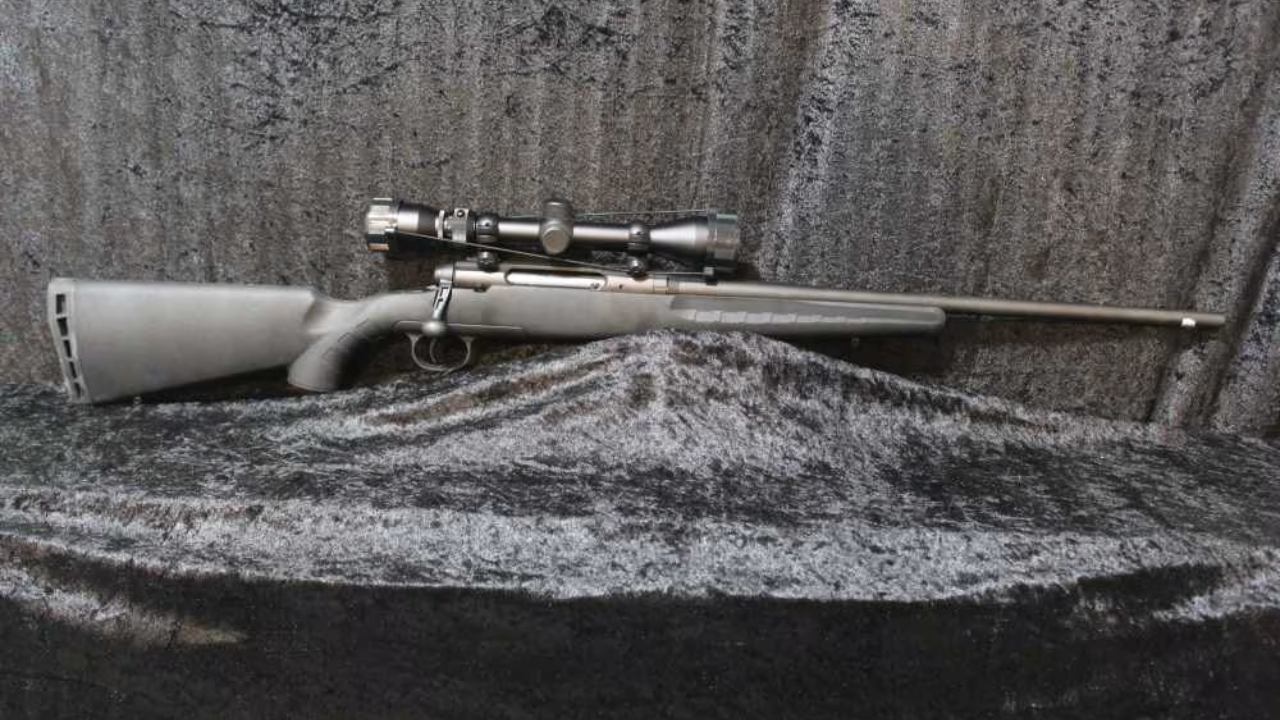
The Axis points well, carries light, and it kills deer every fall. But the early triggers and flexible stocks can make it feel like the rifle is fighting you on the bench. You settle in, the crosshair looks steady, and the shot breaks like stepping on a rusty rake.
In the field, you may never notice. On paper, you will. If your Axis “shoots everywhere,” don’t assume the barrel is junk before you look hard at the stock contact and the trigger behavior.
20. Remington 742/7400 Woodsmaster (sweet handling, mixed accuracy as they age)
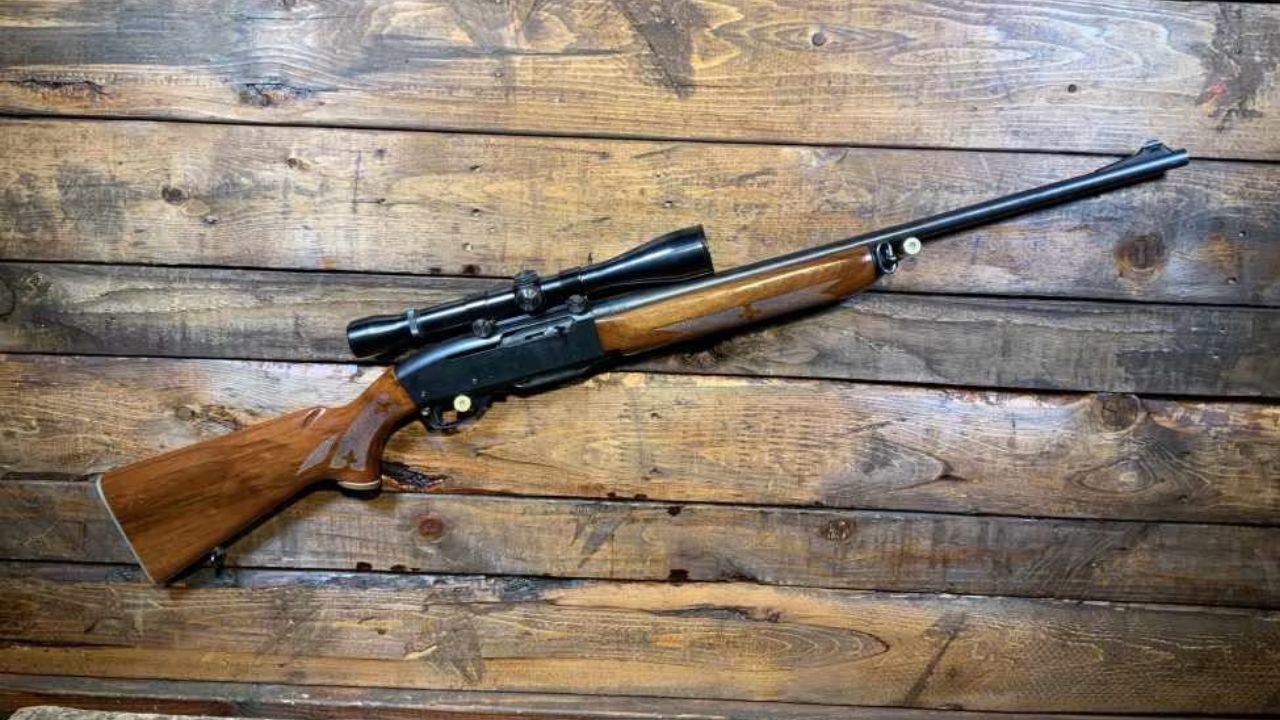
These old semi-auto deer rifles shoulder like a dream. In thick woods, they come up fast and feel alive. The heartbreak is when an older one starts showing wear and the accuracy goes from “good enough” to “where did that go?”
They’re not built like modern ARs where parts and support are everywhere. When they’re right, they’re wonderful deer guns. When they’re worn, you can burn a lot of ammo and still not trust what you’re seeing.
If you’ve got one of these that feels perfect but won’t behave on target, don’t just shrug and blame the gun—or blame yourself. Check your mounts. Try different ammo. Confirm the sights aren’t drifting. And if it’s a small, light carry gun, accept that you may need more reps to make it sing. A “natural pointer” is nice, but confidence comes from confirmed hits, not good feelings at the counter.
Like The Avid Outdoorsman’s content? Be sure to follow us.
Here’s more from us: