Photo credit: BATJAC J.W/YouTube
Revolvers are supposed to be simple. Load the cylinder, shoot, reload, and repeat. The ammunition bill is where that simplicity can disappear fast. Once you leave .38 Special and move into older magnums, obscure big bores, or low-volume cowboy cartridges, every cylinder starts costing enough that a casual range trip can feel wasteful.
That does not mean these calibers are bad. Some are excellent hunting rounds, some have deep historical appeal, and others are genuinely pleasant to shoot. The problem is volume. A cartridge can be worth owning and still be too expensive to practice with regularly. These 20 have reached the point where factory ammunition cost is becoming a major part of the ownership experience.
.41 Magnum

The .41 Magnum has always lived in the shadow of .357 and .44 Magnum, and that smaller market has never helped ammunition prices. Factory loads are limited, and the lack of production volume means there are fewer cheap practice options.
That is frustrating because the cartridge is excellent. It offers serious hunting performance with slightly less recoil than many .44 Magnum loads and has enough bullet weight for deer, hogs, and black bear. The problem is that every box feels like specialty ammunition. If you shoot enough to become genuinely proficient with a revolver, the cost adds up quickly. Handloaders can keep the .41 alive economically, but factory-ammo shooters pay heavily for being part of a smaller club.
.44 Special

The .44 Special should be one of the easiest big-bore revolver cartridges to enjoy. Recoil is moderate, accuracy can be excellent, and the large bullet gives it plenty of character without the blast of full-power .44 Magnum.
Factory pricing ruins part of that appeal. Because demand is relatively low and many .44 shooters simply use Magnum revolvers with handloads, factory .44 Special often costs far more than its mild performance suggests. That creates a strange situation where the softer, lower-pressure cartridge can cost nearly as much as the more powerful Magnum. If you handload, the .44 Special is fantastic. If you buy every box at retail, it quickly becomes an expensive way to shoot moderate loads.
.45 Colt
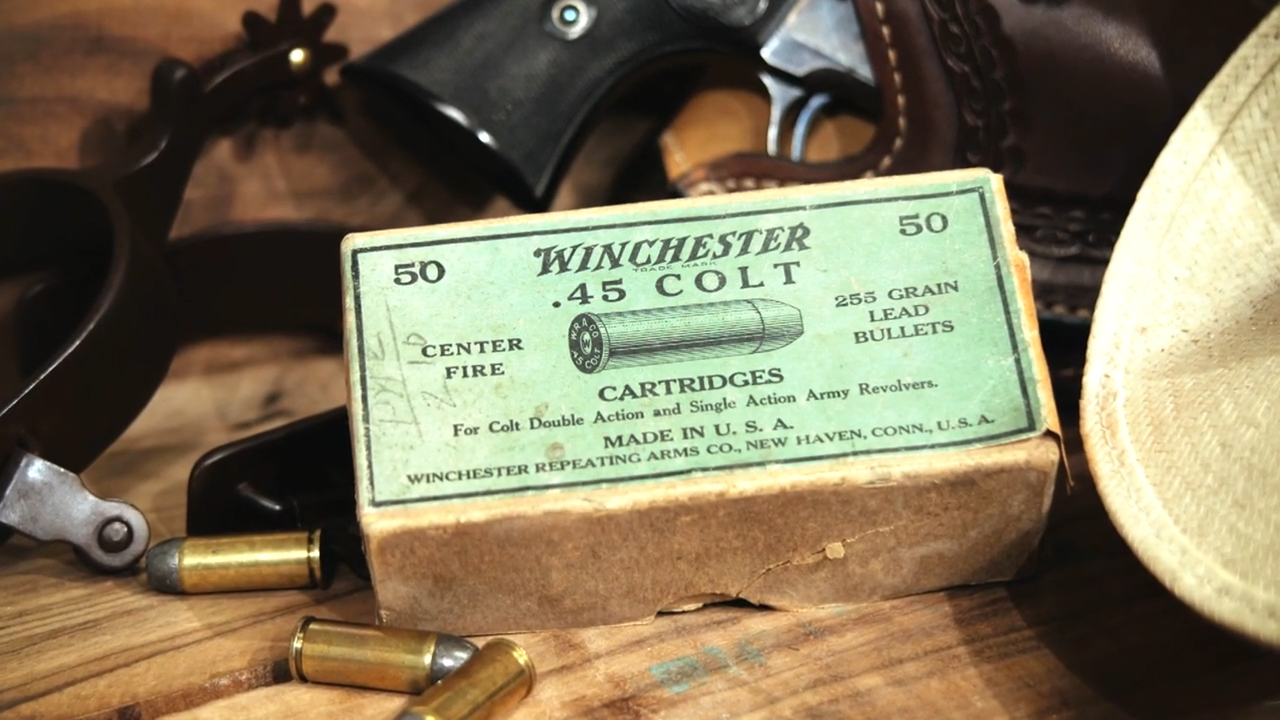
The .45 Colt has enormous historical appeal and one of the widest performance ranges in the revolver world. Mild cowboy loads are pleasant, while heavy loads in strong revolvers can push the cartridge into serious hunting territory.
The downside is that even ordinary factory ammunition can be expensive. Large bullets, large cases, and relatively low production volume all work against cheap range use. Heavy hunting loads cost even more. That makes the cartridge far easier to appreciate if you reload. A shooter buying factory ammunition may start limiting practice simply because burning through six rounds at a time gets expensive. The .45 Colt remains one of the great revolver cartridges, but it is no longer a cheap one to enjoy casually.
.454 Casull
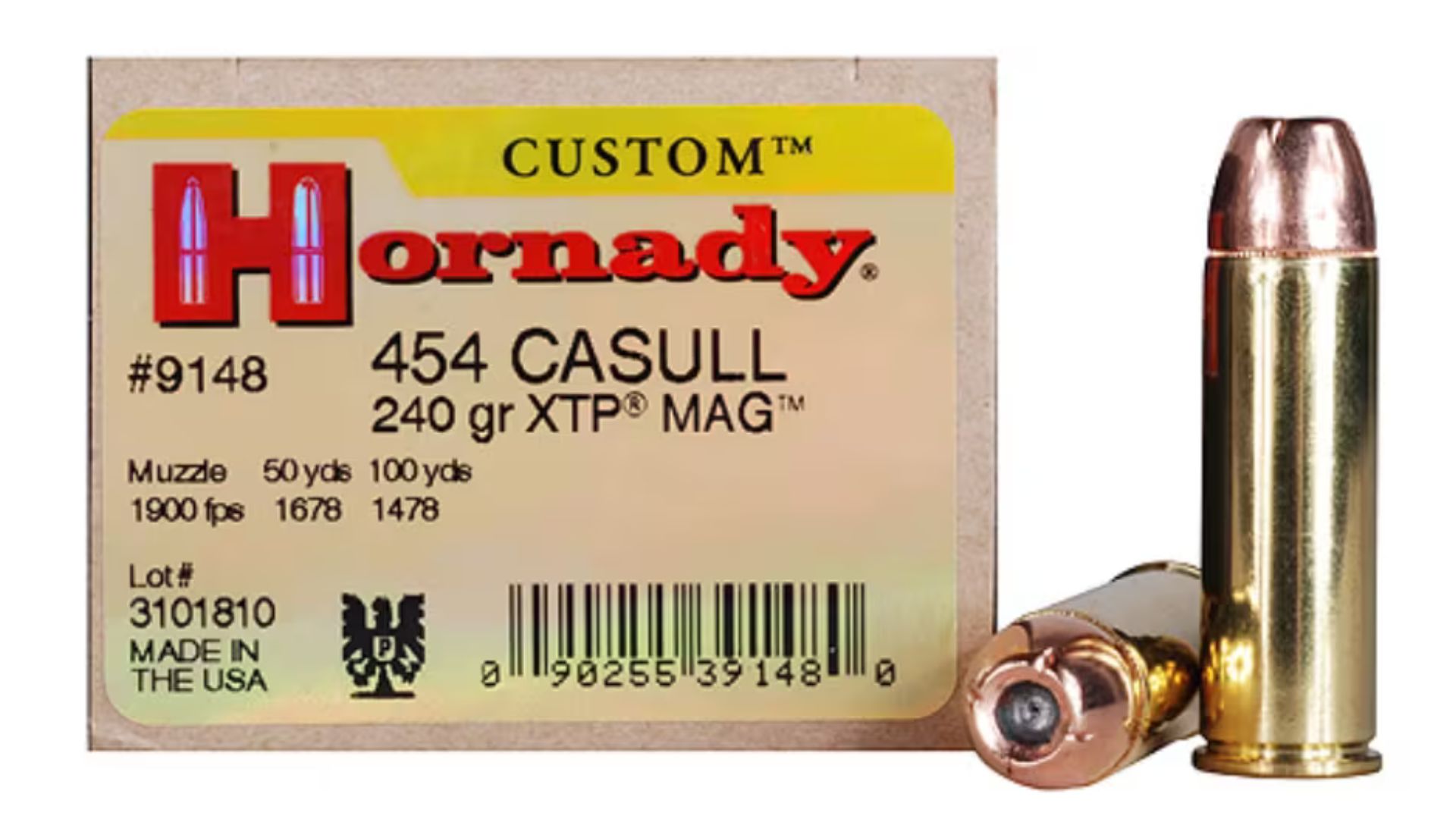
The .454 Casull was never intended to be inexpensive, but current factory pricing makes that even more obvious. Heavy bullets, high pressure, and relatively low production volume all push the cost up.
That matters because powerful revolvers require practice. A shooter needs to learn recoil control, trigger management, and recovery between shots, but the ammunition price discourages exactly that kind of repetition. Many .454 owners solve the problem by shooting .45 Colt most of the time and saving full-power Casull for hunting. That is practical, but it also proves the point. If the cartridge stamped on the barrel is too expensive to practice with regularly, ownership becomes much more specialized.
.460 S&W Magnum

The .460 S&W Magnum delivers spectacular performance, but the ammunition bill is just as spectacular. Heavy bullets, huge cases, and serious powder charges make every box expensive before premium hunting bullets are even considered.
The revolvers can also fire .454 Casull and .45 Colt, which gives owners cheaper alternatives. Most people end up using exactly that option because full-power .460 is simply too costly for casual range sessions. The cartridge makes sense for serious handgun hunting and long-range revolver use. For regular practice, it becomes hard to justify. A cylinder or two is fun. A full afternoon can become an expensive event.
.500 S&W Magnum
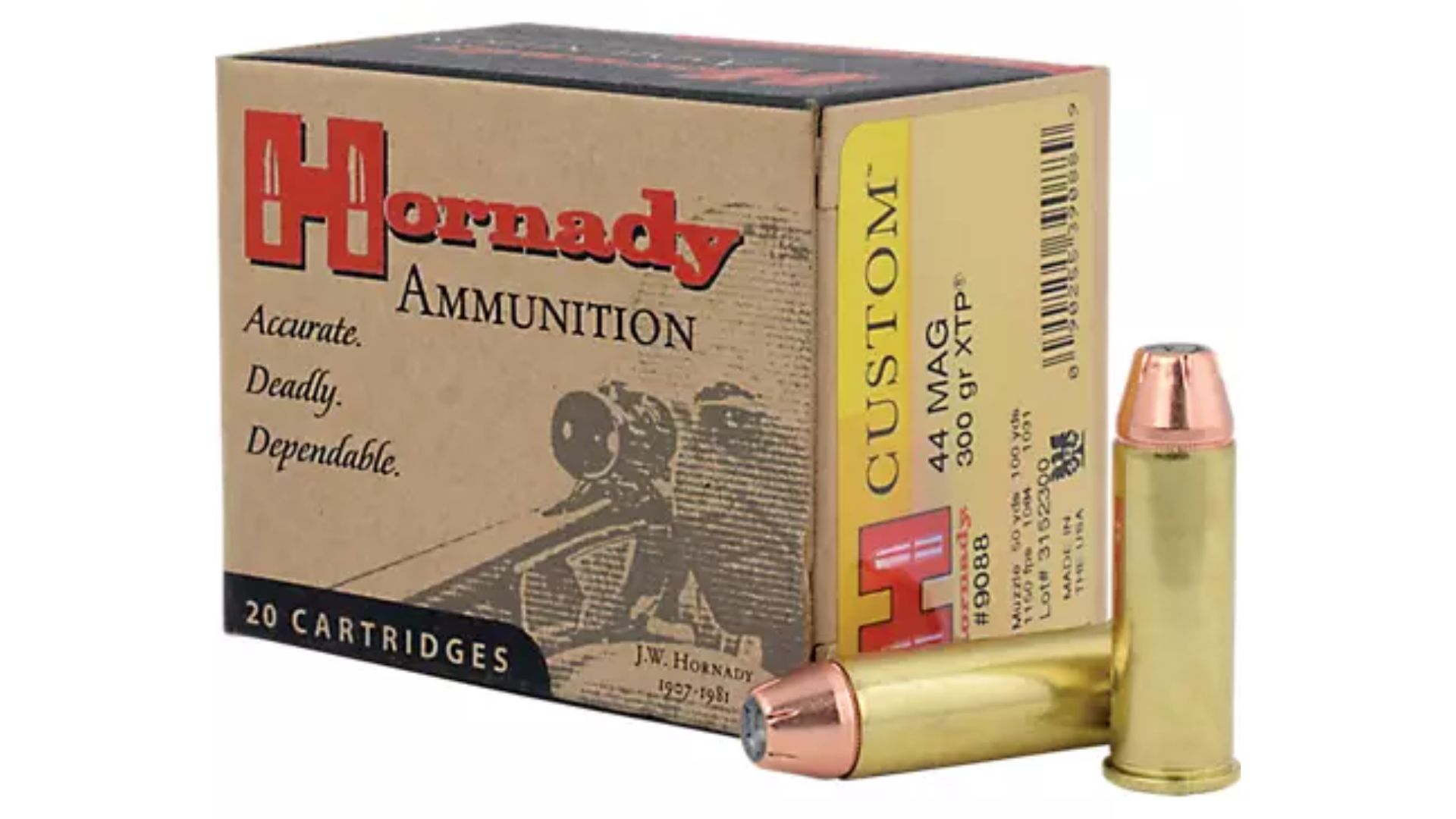
The .500 S&W Magnum may be the ultimate example of a revolver cartridge where the cost alone limits how much most owners shoot. The bullets are enormous, powder charges are heavy, and production numbers are tiny compared with mainstream handgun ammunition.
That makes every trigger pull noticeable financially. Recoil is already enough to limit long sessions, and ammunition cost provides another reason to stop early. For hunting or the novelty of owning one of the most powerful production revolvers, the cartridge still has obvious appeal. As a range round, though, it is one of the least economical choices available. Many .500s probably see fewer rounds in a year than a 9mm sees in an afternoon.
.480 Ruger

The .480 Ruger is one of the smartest big-bore revolver cartridges ever developed because it gives you heavy bullets and deep penetration without chasing the extreme velocity of the .454 Casull.
The problem is that the market never became large enough to make ammunition cheap. Factory choices are limited, and prices reflect the cartridge’s niche status. That is unfortunate because the .480 is actually pleasant compared with some larger magnums. Handloaders can take advantage of that and build excellent moderate loads. Factory-ammo shooters do not get the same luxury. The cartridge is great. Feeding it regularly is where ownership starts becoming difficult.
.475 Linebaugh

The .475 Linebaugh was always aimed at serious handgun hunters and enthusiasts, so nobody expected bargain ammunition. Still, factory prices have pushed it even further into specialist territory.
The bullets are huge, the cases are specialized, and ammunition is produced in small numbers. That makes a single box feel more like hunting equipment than range ammunition. Most serious owners eventually handload because the economics almost demand it. If you rely entirely on factory cartridges, you are paying enough per shot that routine practice becomes hard to justify. The .475 is a tremendous performer, but it is one of those rounds where the ammunition cost almost requires a lifestyle around the cartridge.
.500 Linebaugh
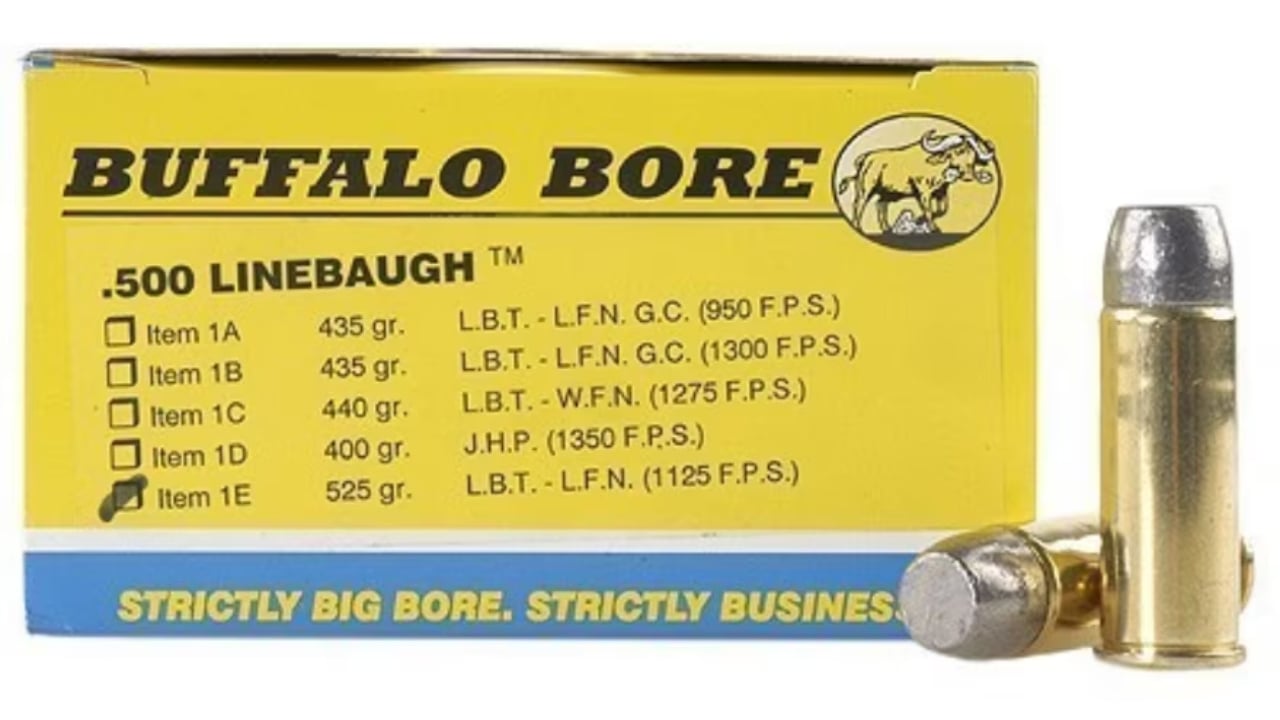
The .500 Linebaugh takes the same problem and makes it even more obvious. It is a true specialist cartridge designed around enormous bullets and deep penetration from custom or semi-custom revolvers.
Factory ammunition is scarce and expensive enough that most owners are already serious enthusiasts before they ever buy the gun. That means casual shooting is nearly nonexistent. You do not pick up a few boxes on the way to the range. You plan around ammunition availability, often reload, and treat every session as something intentional. It is an impressive cartridge, but regular factory-ammo shooting has become almost unrealistic.
.327 Federal Magnum

The .327 Federal Magnum is not a giant big-bore round, which makes its price particularly frustrating. It offers excellent velocity, good capacity in small revolvers, and a useful combination of power and moderate recoil.
The problem is that factory ammunition still behaves like a niche product. Boxes cost more than .38 Special and often more than shooters expect from such a small cartridge. That weakens one of the caliber’s biggest advantages: being easy to practice with in compact revolvers. The .327 makes a lot of sense ballistically. Economically, it is much harder to love unless you find bulk deals or reload.
.32 H&R Magnum

The .32 H&R Magnum is pleasant, accurate, and easy to shoot. It should be a great range cartridge for people who want mild recoil without dropping all the way to rimfire.
Instead, factory ammunition often costs enough to make it feel like a premium niche round. That is the exact opposite of what the cartridge’s personality suggests. It is mild, controllable, and fun, but you pay enough per box that high-volume shooting becomes difficult to justify. Handloaders again have the advantage because the cartridge is easy to tailor. Factory shooters are left paying specialty prices for a cartridge that should be one of the most affordable centerfire revolver rounds to enjoy.
.32-20 Winchester

The .32-20 is one of those old revolver cartridges that survives almost entirely because people own classic guns chambered for it. Historically, it was useful in both rifles and handguns, which gave it versatility.
Today, the market is tiny. Factory ammunition is limited, prices are high, and pressure considerations vary depending on the age of the firearm. That makes buying ammunition more complicated than it should be. The cartridge is still pleasant and historically interesting, but regular practice quickly becomes expensive. Most people shooting .32-20 seriously are either handloaders or owners of vintage guns who simply accept that every range trip costs more.
.38-40 Winchester

The .38-40 is another old revolver and lever-action cartridge that has drifted into collector territory. It can still be enjoyable in old Colts and reproduction cowboy guns, but ammunition support is limited.
Because it is produced in relatively small runs, factory pricing stays high. That is hard to justify for a cartridge whose ballistic performance is modest by modern standards. You are paying for history and low-volume production more than raw capability. Cowboy-action shooters who use it regularly often handload for exactly that reason. If you depend on factory ammunition, the .38-40 becomes expensive nostalgia.
.44-40 Winchester

The .44-40 has deeper historical roots and broader recognition than many other old revolver rounds, but that does not make it cheap. Factory ammunition is still produced in comparatively low volume, and prices reflect that.
The cartridge remains a natural fit for old West-style revolvers and lever rifles, which keeps demand alive. The problem is that the people who shoot enough to become proficient often end up reloading because factory costs are hard to swallow. A .44-40 revolver is fun to own, but regular practice with factory ammunition can feel like shooting a specialty antique rather than a normal handgun.
.38 S&W
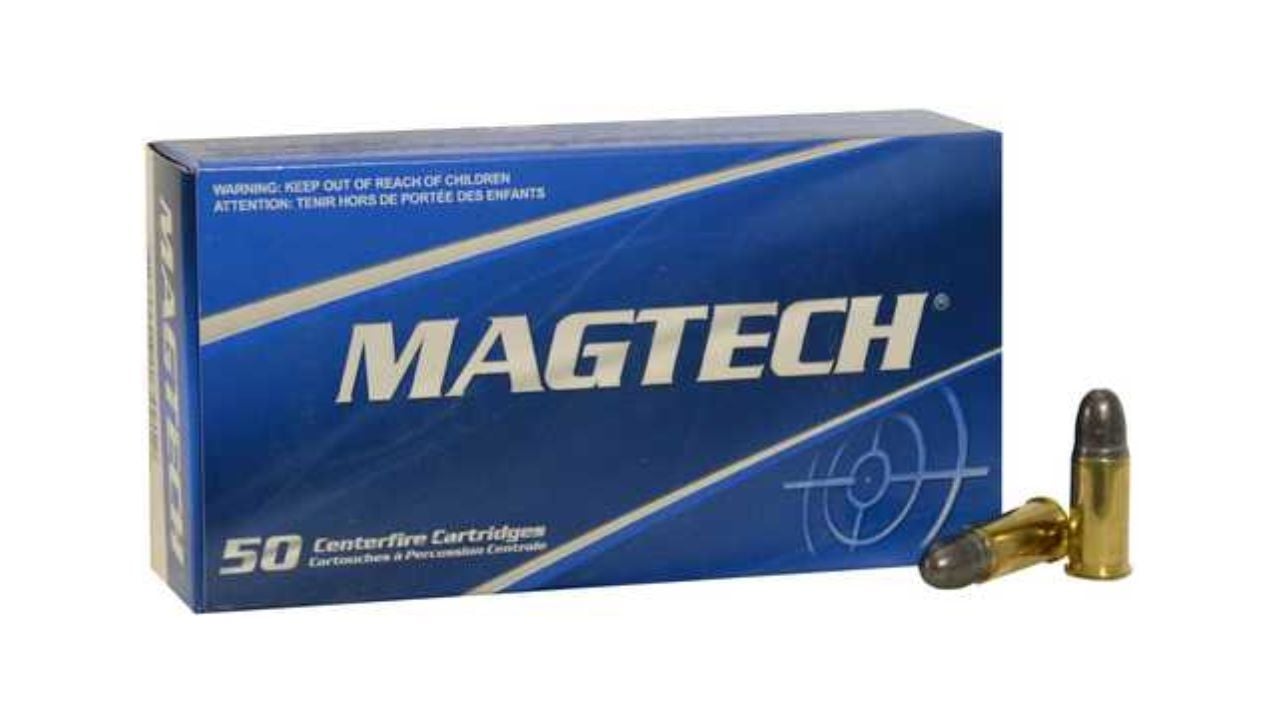
The .38 S&W is mild, old, and still found in a huge number of vintage revolvers. That keeps it alive, but not cheaply.
Factory ammunition is far less common than .38 Special, and production runs are small enough that prices can feel absurd relative to the cartridge’s performance. You are paying more to launch a slower, less capable bullet from an older gun. The real reason to shoot .38 S&W is because you own a revolver chambered for it. That is enough reason, but it does not make the ammunition bill any easier to accept.
.45 Auto Rim
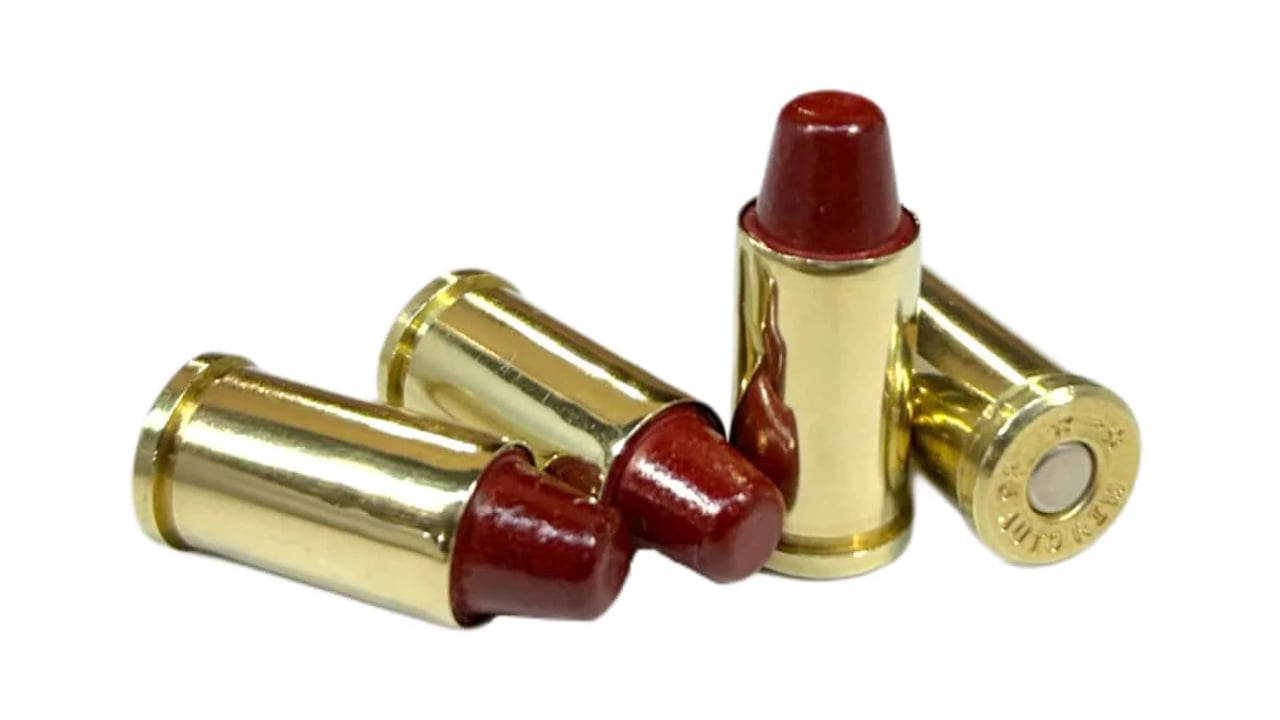
The .45 Auto Rim is clever because it allows .45 ACP revolvers to function without moon clips. That convenience is useful, especially for shooters who dislike handling clips.
The downside is price. Standard .45 ACP is produced in enormous quantities and is far cheaper than Auto Rim in most cases. That means you are paying heavily for the convenience of a rimmed case. If your revolver can shoot both, most owners end up using .45 ACP for practice and saving Auto Rim for specific situations. Again, when people avoid the cartridge itself because the cheaper alternative is so obvious, the cost problem becomes hard to ignore.
.357 Maximum

The .357 Maximum offers substantially more performance than .357 Magnum and makes sense for handgun hunting or specialty single-shot and revolver use.
The issue is availability. Factory ammunition is uncommon enough that prices can be brutal when you do find it. That pushes the cartridge into handloader territory almost immediately. For a hunter firing a few rounds a year, the cost may be acceptable. For regular practice, it becomes difficult to justify. The .357 Maximum remains interesting because of what it can do, but factory-ammo economics make it almost impossible to treat like a mainstream revolver cartridge.
.445 SuperMag
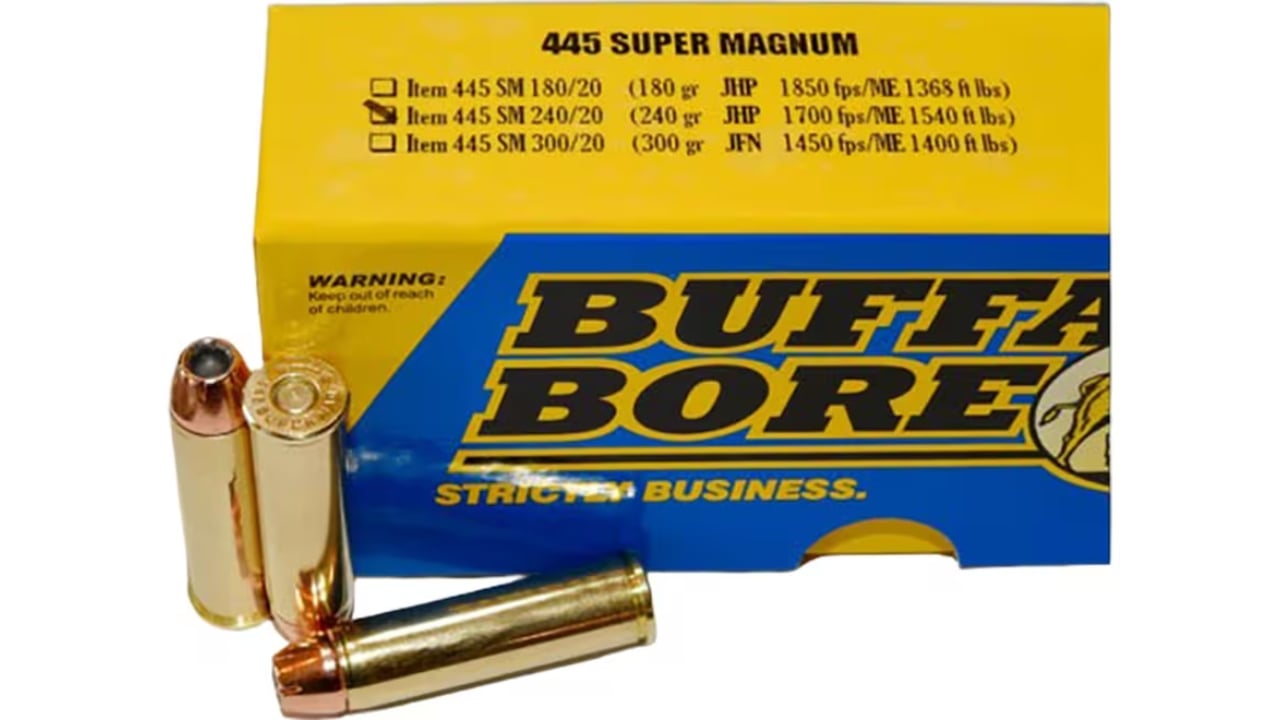
The .445 SuperMag was designed to push beyond .44 Magnum performance in serious hunting revolvers. It works, but the commercial support has always been thin.
That means factory ammunition is scarce and expensive, with very few manufacturers keeping it alive. Owners of Dan Wesson SuperMags and similar guns often become reloaders out of necessity. The cartridge is powerful enough to justify its existence, but not popular enough to support affordable shooting. If you find a box, you are more likely to save it than burn through it casually. That alone tells you how far it has moved from ordinary range use.
.414 SuperMag
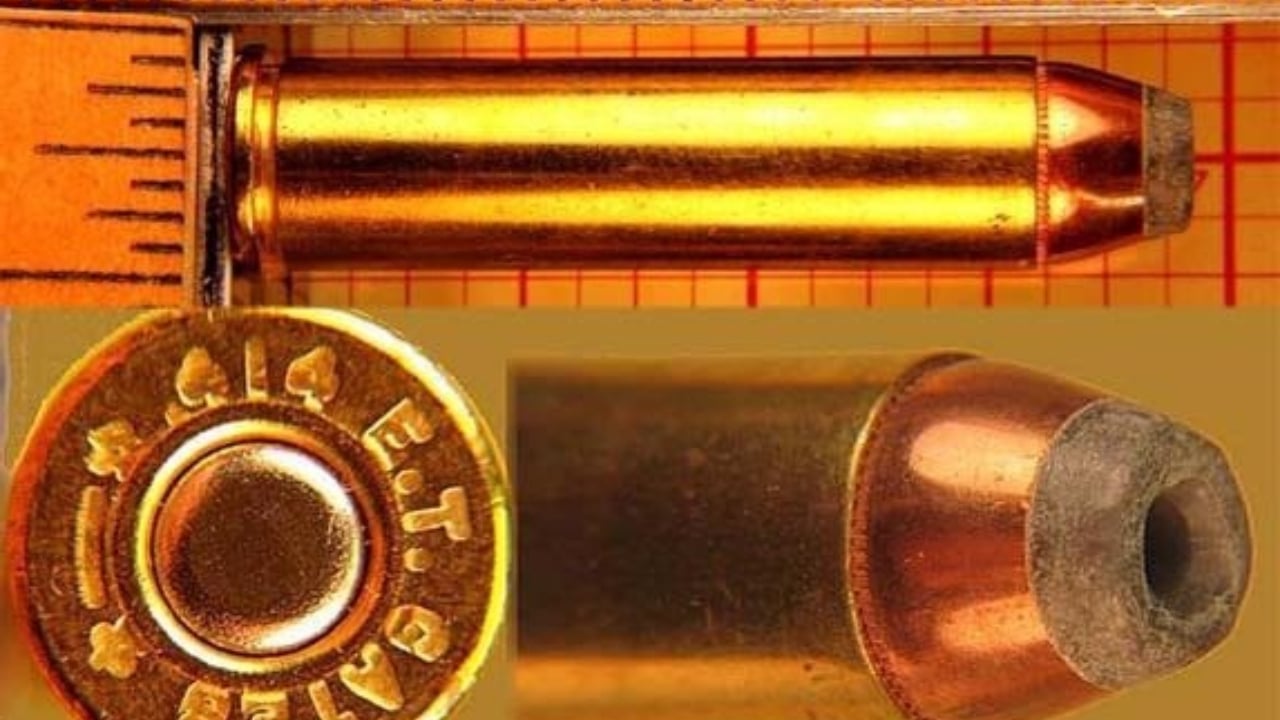
The .414 SuperMag is even more obscure than the .445 and lives almost entirely in enthusiast circles. It offers impressive hunting performance, but the ammunition ecosystem is tiny.
Factory loads can be difficult to find at all, let alone cheaply. That makes regular shooting unrealistic unless you reload. The cartridge may perform beautifully in the right revolver, but ownership requires more commitment than most shooters want. It has become the kind of round where brass and components matter almost as much as the gun itself.
.475 Wildey Magnum
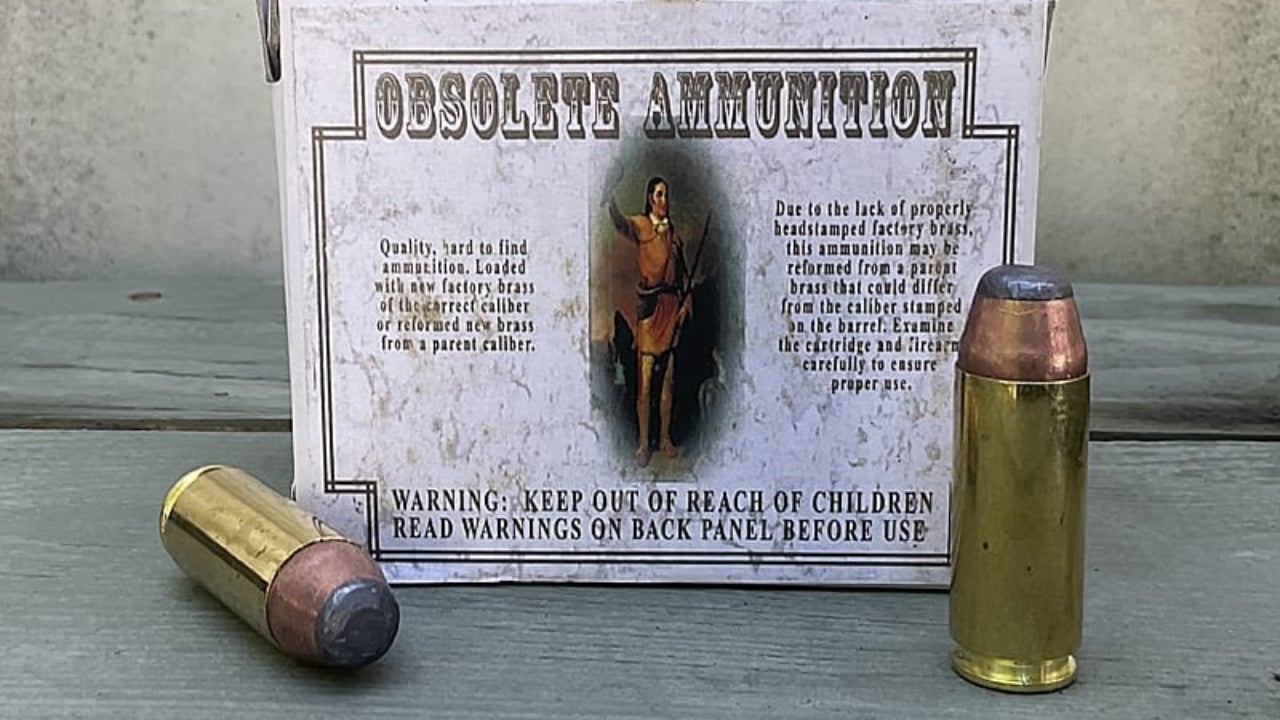
The .475 Wildey Magnum is technically a semiautomatic cartridge, but it has also crossed into specialty handgun territory so thoroughly that it deserves mention whenever expensive large-bore handgun ammunition comes up. Factory support is extremely limited and costs reflect that rarity.
Every box feels like collector ammunition. The cartridges are large, complex, and tied to an already niche handgun platform. Nobody buys a Wildey because they want cheap shooting, but the cost still limits how often owners actually use the gun. It is a spectacular cartridge to experience. It is also one of the clearest examples of ammunition price turning a handgun into something that gets admired more often than fired.
Like The Avid Outdoorsman’s content? Subscribe to our newsletter so you never miss an article.
Here’s more from us: