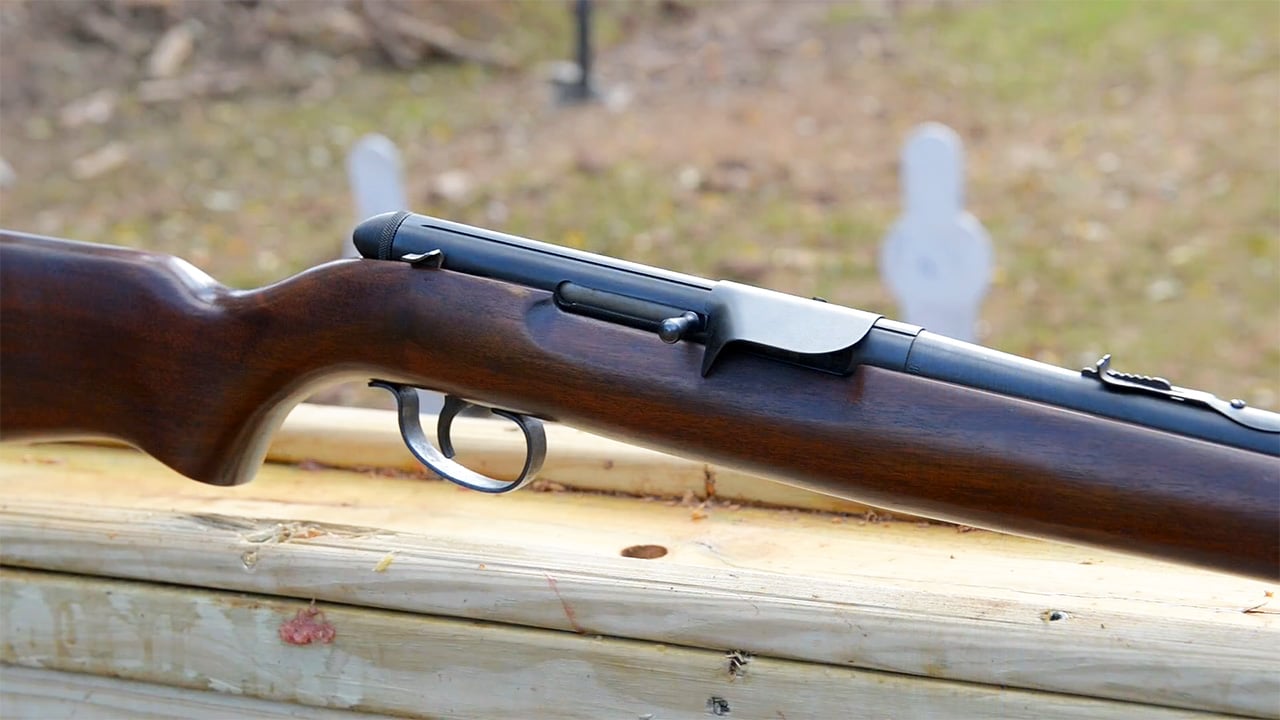
Photo credit: Iraqveteran8888/Youtube
Every gun counter has a “used rack” section full of stuff somebody got tired of looking at. Some of those guns deserve it. Others were just ahead of their time, misunderstood, or victims of bad press, ugly styling, or a price tag that didn’t make sense back then.
The funny part is how fast the story changes. A model that was mocked as cheap, weird, or disposable can turn into something you can’t touch today without paying a premium—either because they stopped making them, the quality was better than folks admitted, or the market finally realized what it was. Here are 20 that fit that bill, in one way or another.
1. Ruger P89
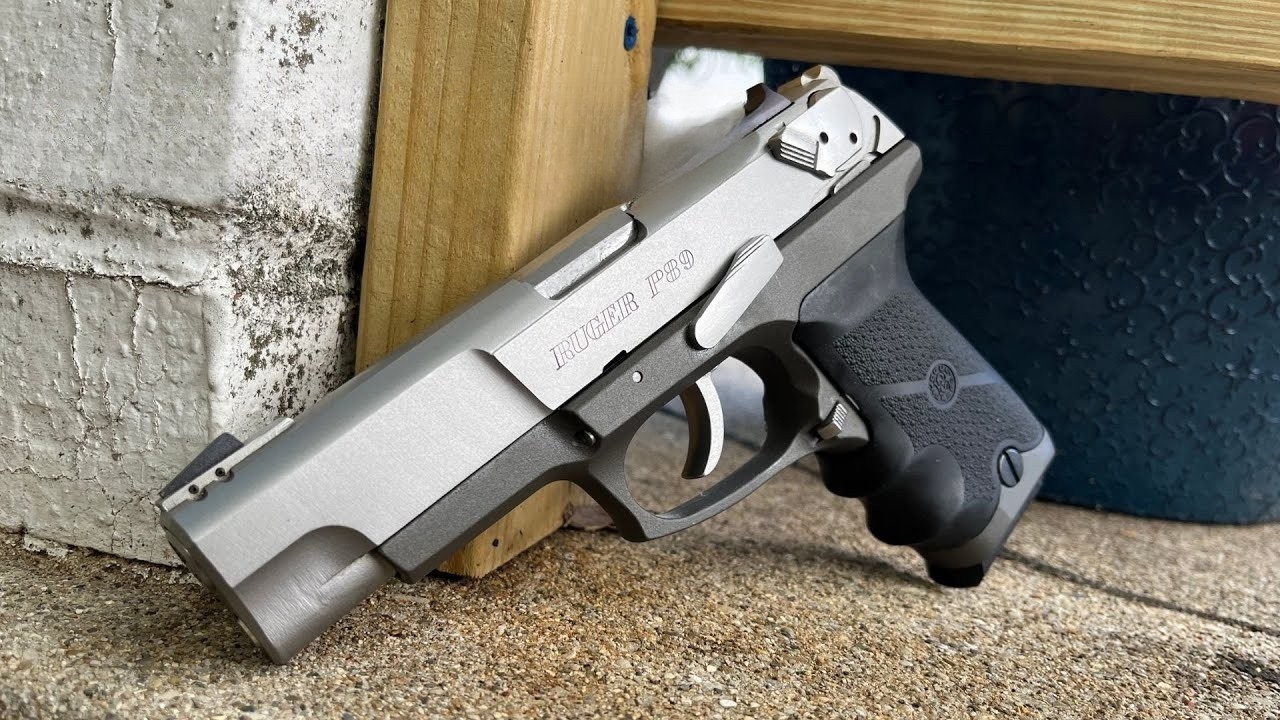
I remember these getting called “boat anchors” at the range. Big, blocky, not much to look at, and the trigger wasn’t winning any beauty contests either. But they ran, and they kept running, even when they were fed cheap ammo and treated like a glovebox tool.
Now the P89 has a quiet following because it’s a tank of a 9mm built in an era when Ruger overbuilt everything. Mags are still around, parts support isn’t terrible, and a clean one with the box doesn’t sit long. There is nothing fancy about it, and that is kind of the point.
2. Smith & Wesson Model 5906
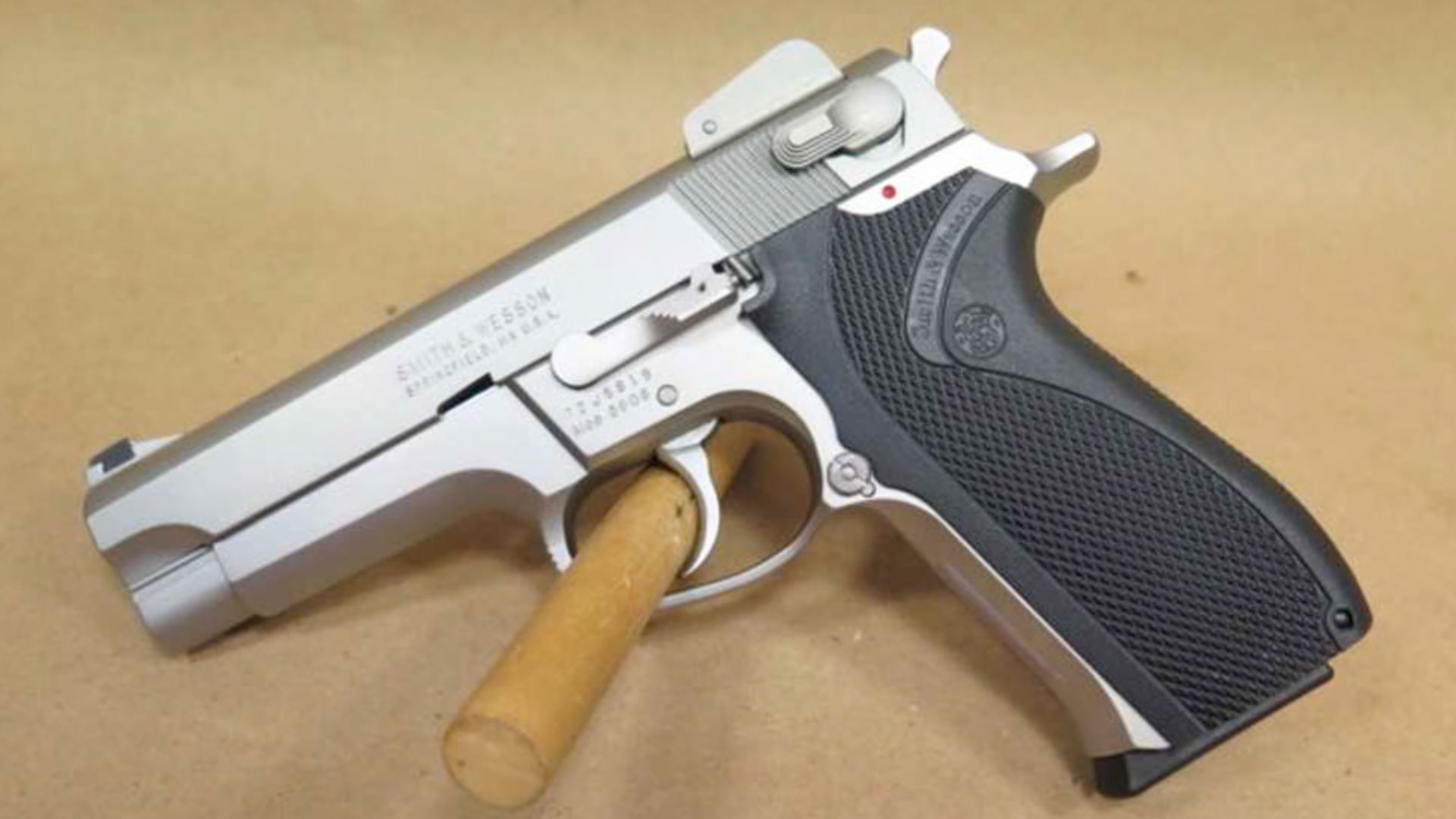
When polymer pistols took over, all-steel third-gen S&Ws got tossed in trade deals like they were yesterday’s news. Heavy, “dated,” and not the easiest guns to tune if you wanted a match trigger. That’s what people said.
What they didn’t say is these things are built like service pistols should be built. The 5906 points well, soaks recoil, and tends to be boringly reliable. Today, good examples are getting harder to find because the folks who figured it out aren’t letting theirs go.
3. CZ 82 (Czechoslovak surplus)
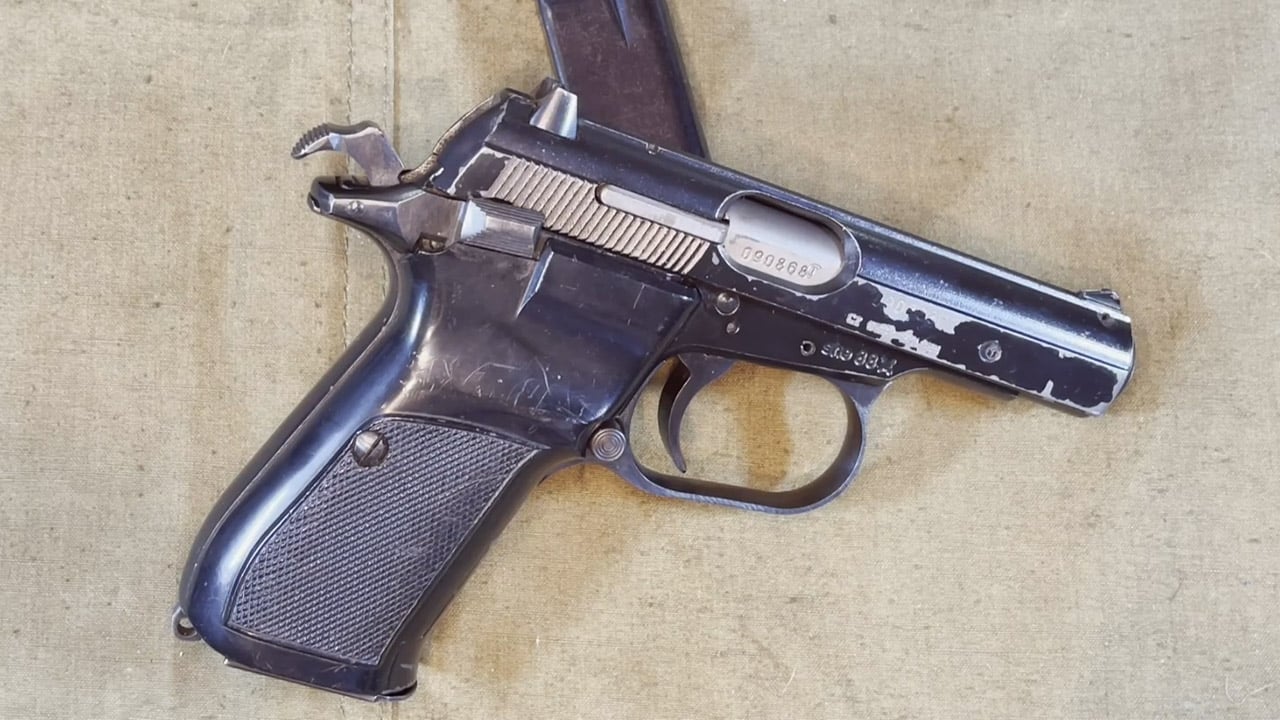
For a while, the CZ 82 was the classic surplus bargain: a little odd, in an odd caliber (9×18 Mak), and usually coated in that “been in a warehouse since the Cold War” vibe. Plenty of shooters wrote it off as junk simply because it was cheap and imported by the crate.
Then people actually shot them. The ergonomics are good, the accuracy is better than it has any right to be, and the build quality is solid. Ammo isn’t as cheap as it used to be, but the pistols have climbed in price anyway—especially nicer-condition ones with crisp bores.
4. Mosin-Nagant 91/30
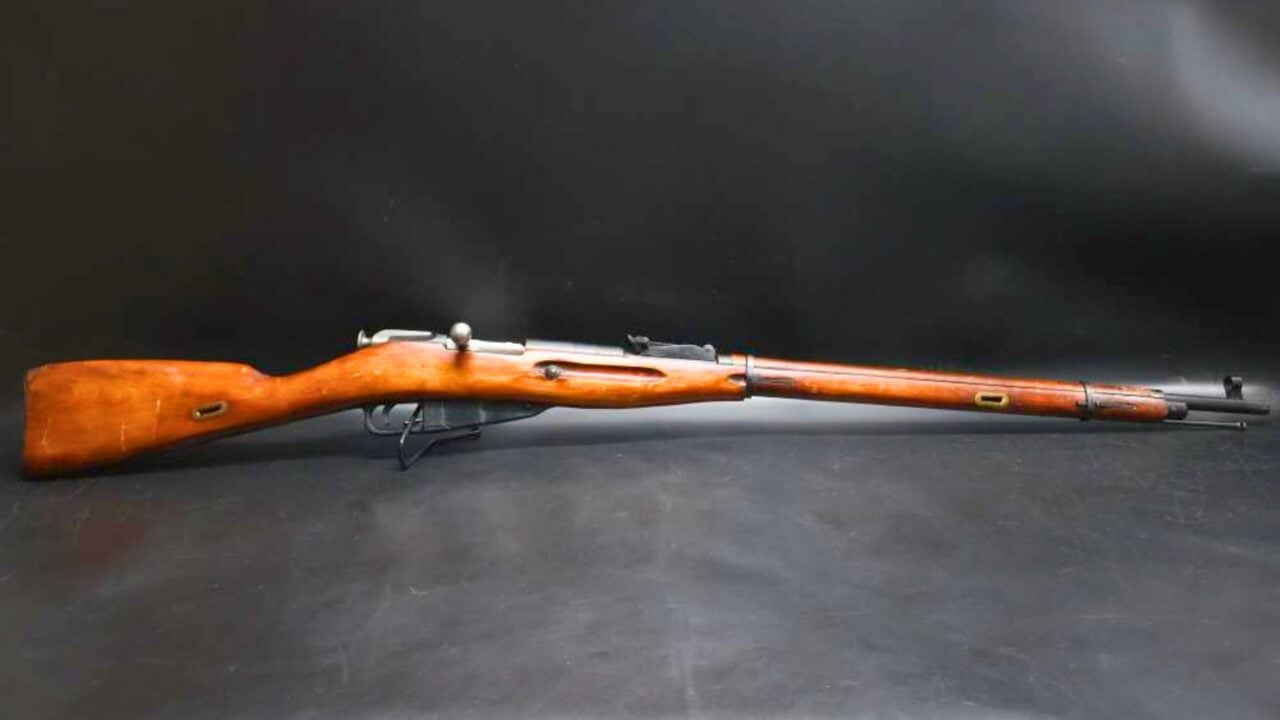
There was a time you could buy one of these and a spam can of ammo for less than a basic .22 rifle. They were “ugly Russian fence posts,” and half of them came with sticky bolts and stocks that looked like they’d been dragged behind a truck.
Now, even though they’re still not refined, they’ve become a piece of history that also happens to kill deer just fine inside sensible distances. The cheap surplus pipeline dried up, and the clean examples—especially hex receivers and nicer markings—aren’t getting cheaper.
5. SKS (Norinco and other imports)
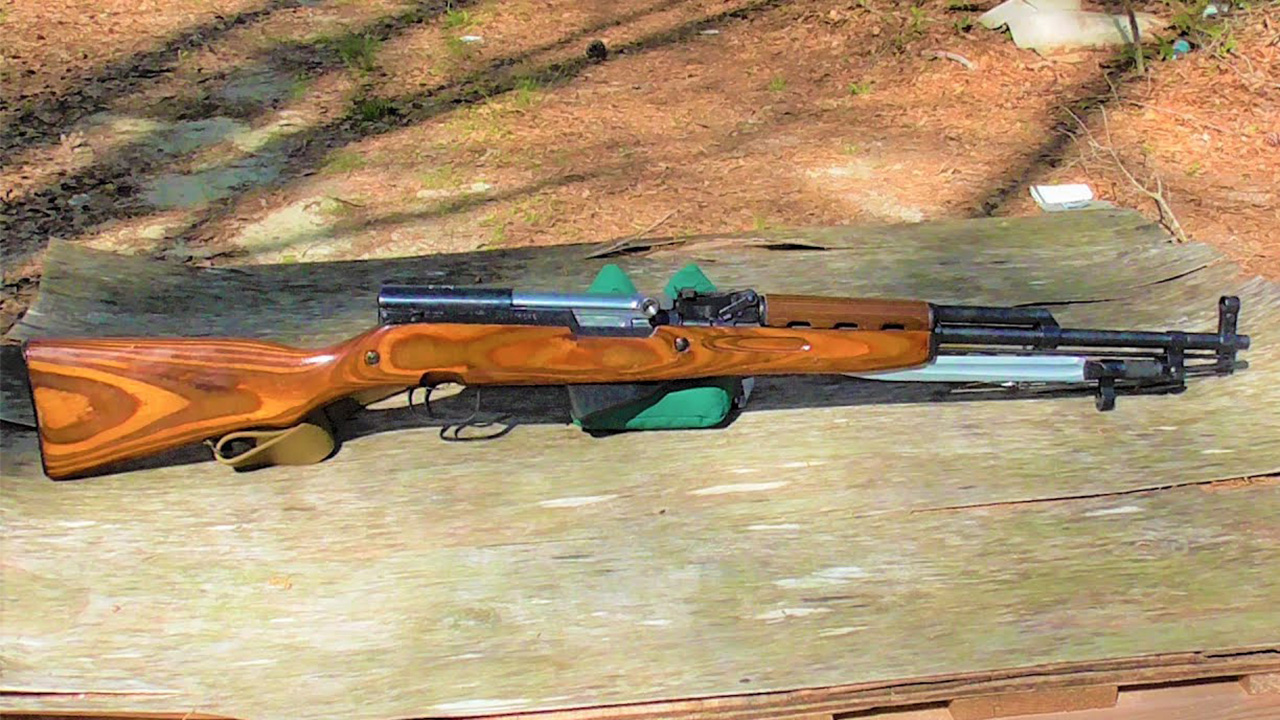
The SKS lived in the shadow of the AK for years. Folks called it outdated, too long, not “tactical” enough, and they’d slap on all kinds of junk accessories that made the rifle worse. A lot of SKS rifles were treated like a project instead of a firearm.
Fast forward and the unmolested ones are the ones everyone wants. A basic SKS with its original stock, matching numbers, and a clean bore has become a legitimate “buy it when you see it” gun. They’re handy, reliable, and the fixed magazine keeps them simple.
6. Ruger Mini-14 (older thin-barrel rifles)

Older Minis got roasted for accuracy. Some of that was fair, especially when guys expected AR precision out of a light, thin-barrel ranch rifle with older sights. Heat it up and groups would open, and the jokes wrote themselves.
But as a carry-around rifle that points quick and rides easy in a truck, the Mini always did its job. Now you’ve got folks chasing early models and stainless guns for the nostalgia and the utility. Factory magazines used to be the sticking point; these days, it’s finding a nice one at a sane price.
7. H&R Handi-Rifle
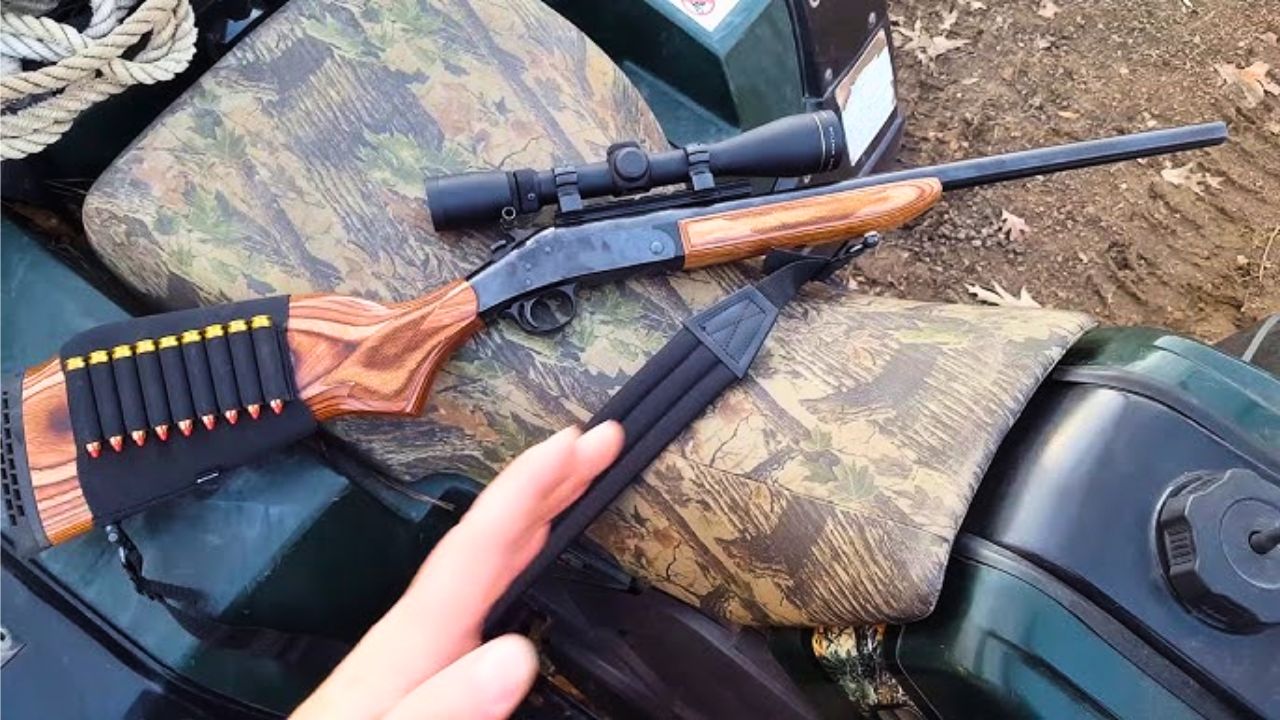
Single-shots aren’t glamorous, and the Handi-Rifle never pretended to be. It was the gun you bought because money was tight or because you wanted something simple for a kid or a spare in camp. Plenty of people dismissed them as bargain-bin tools.
Then they got discontinued, and everybody who used one realized how handy a simple break-action can be. They’re light, they’re safe and obvious in the field, and they’ll shoot plenty well for hunting. A clean Handi in a desirable chambering doesn’t last long on a used rack anymore.
8. Marlin Model 60
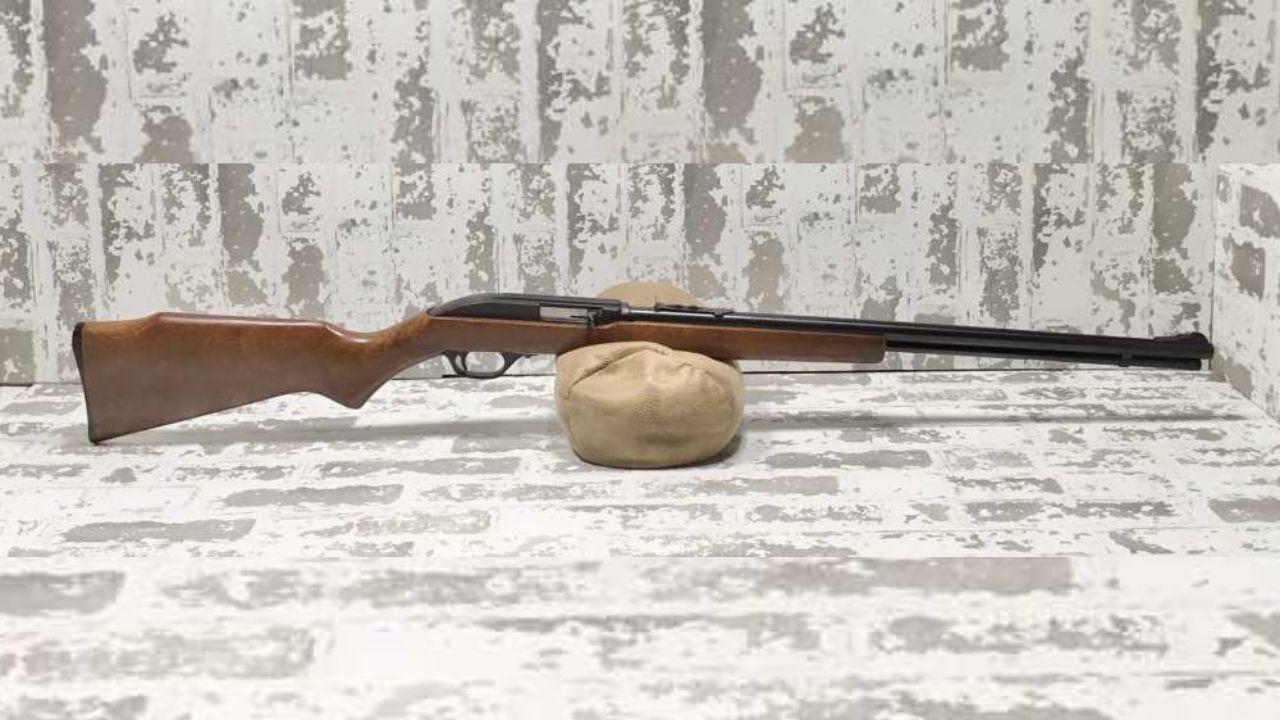
The Model 60 was so common it felt disposable. You’d see them behind truck seats, in barn cabinets, and leaning in corners at deer camp. They got neglected, and the cheap-scope era didn’t do them any favors.
But a good Model 60 is still one of the better-shooting .22s for the money, and the older ones have a feel that newer budget rimfires don’t always match. The micro-groove barrels can be scary accurate with the right ammo. When you find an older one that hasn’t been abused, it’s hard not to bring it home.
9. Remington 550-1
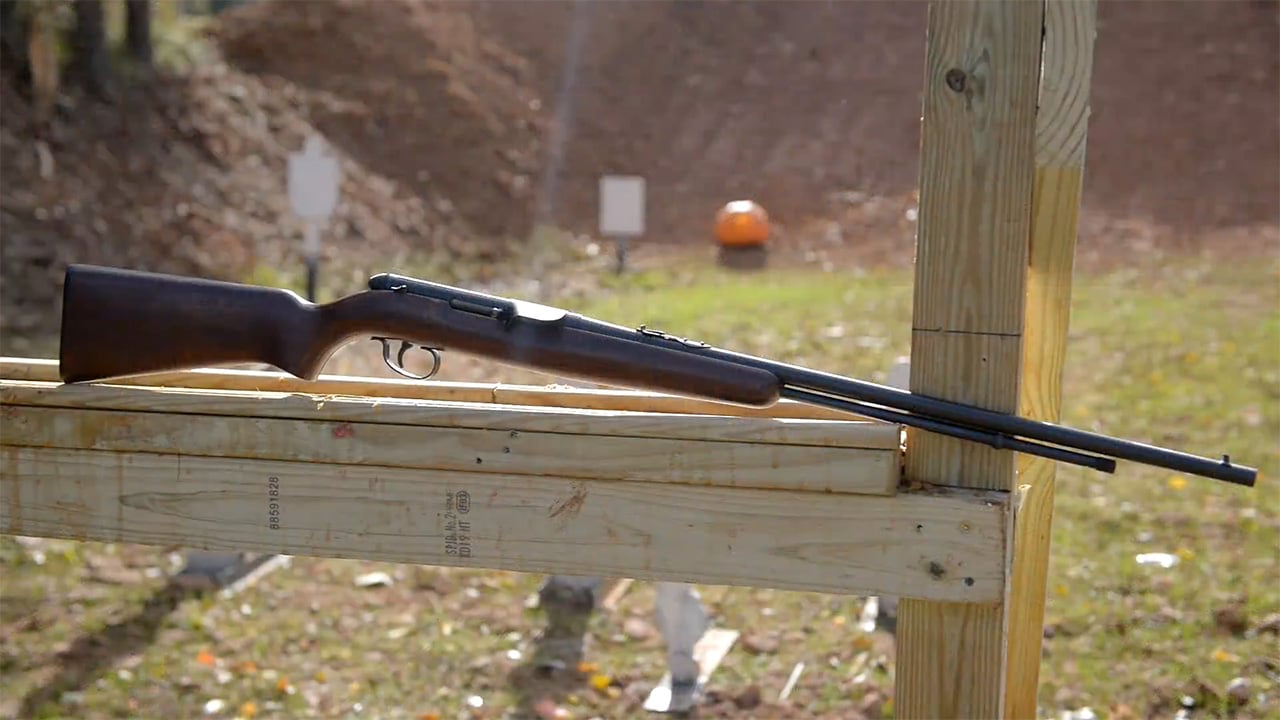
This is one of those “granddad guns” that used to get shrugged off because it wasn’t a 10/22 and it wasn’t new. Semi-auto tube-fed .22s were everywhere, and folks assumed they were all the same. That’s a mistake.
The 550-1 is a slick old design that can cycle .22 Short, Long, and Long Rifle, which still feels like magic when you see it run. They’re not as common in really nice shape, and collectors have started paying attention. It’s the definition of “boring” until you actually live with one.
10. Winchester Model 190 (and 290)
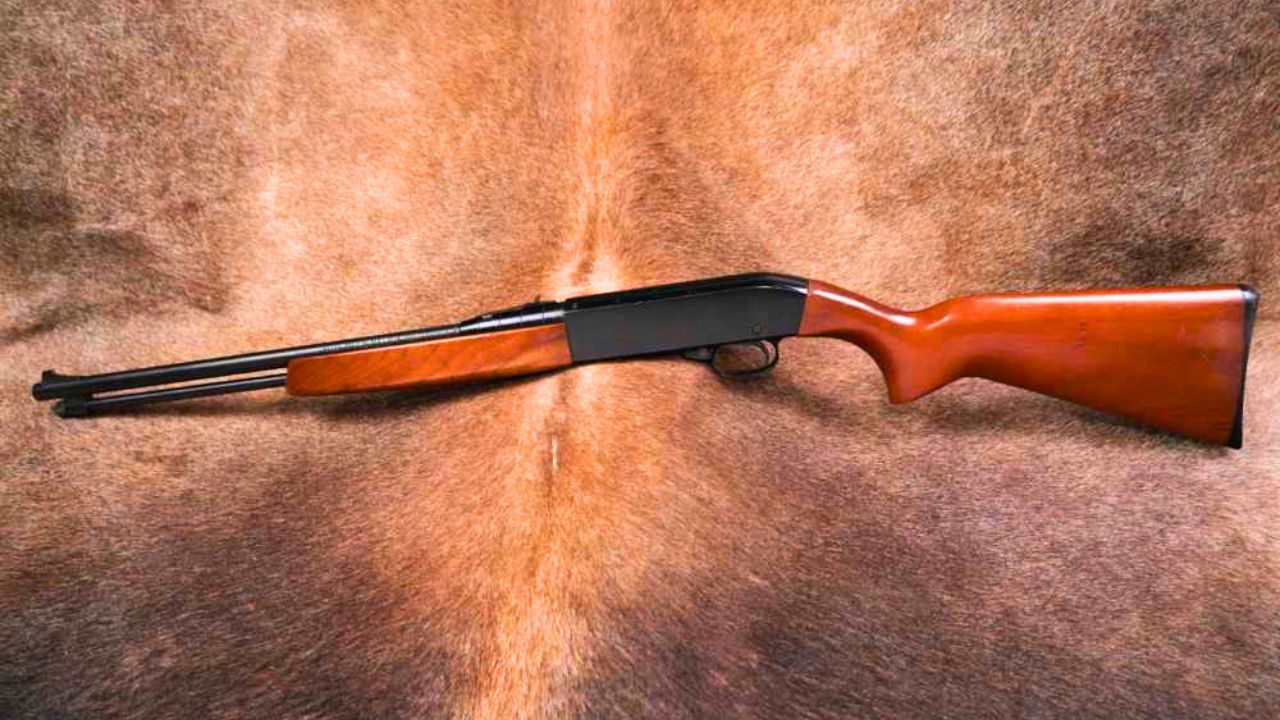
These Winchester rimfires were often considered department-store guns, the kind you saw with a dusty price tag and a cheap scope. They were the rifles that got sold during a move, or traded for something “better.” I get why people did it.
But the 190/290 series has become a quiet favorite for shooters who want old-school function and decent accuracy without babying a collectible. When you find one that feeds right and hasn’t been dry-fired into oblivion, it’s an honest shooter. Replacement parts can be the challenge, which is why complete, working examples are getting appreciated.
11. Remington Nylon 66

When it came out, a plastic-stock .22 made a lot of folks roll their eyes. It looked cheap, felt different, and didn’t fit the traditional “walnut and blue steel” idea of a real rifle. For years, it was treated like a novelty.
Turns out it was a durable, reliable novelty that held up for generations. The Nylon 66 has become collectible in a way that surprises people who remember them sitting unloved at pawn shops. The color variations and cleaner condition guns have turned into real money.
12. Marlin Glenfield Model 30A
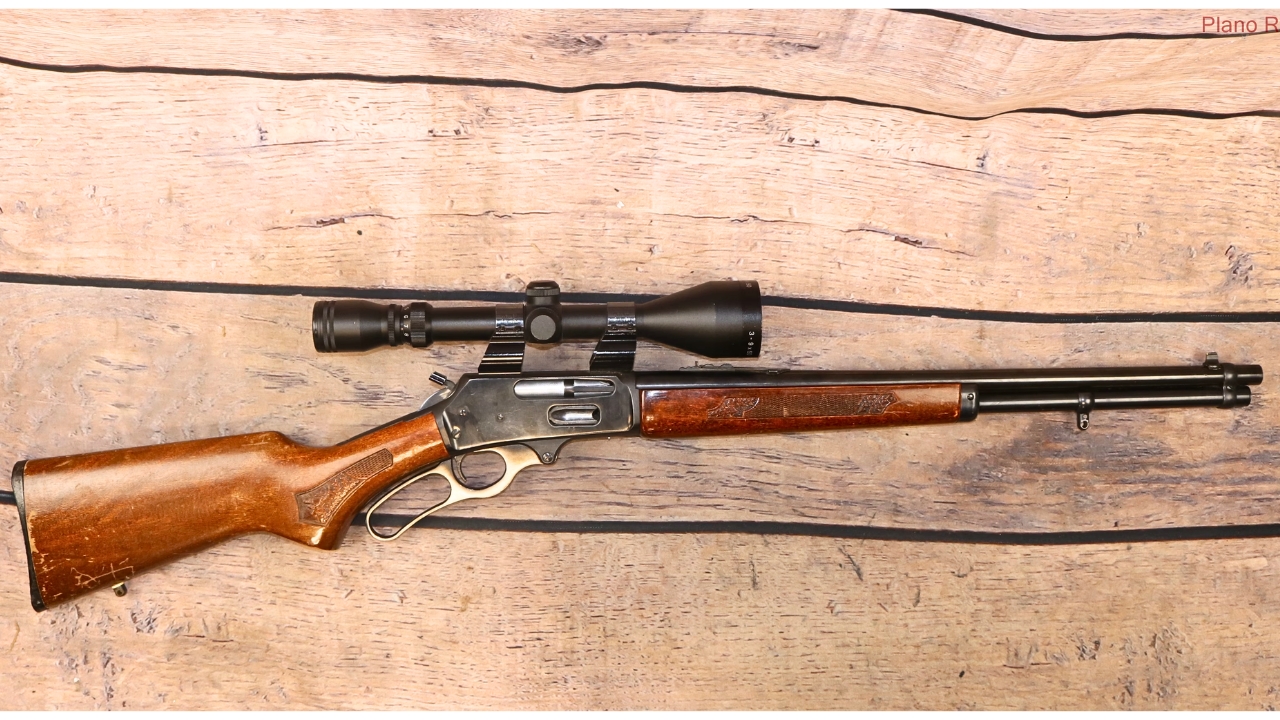
The Glenfield name got a lot of snobbery pointed at it. Same basic DNA as a Marlin lever gun, but sold as a budget line through big retailers. If you wanted to impress anybody, you didn’t bring a Glenfield.
Now, folks who actually hunt look at them differently. They’re solid, simple lever actions that shoot well and carry easy in the woods. Many of them spent their lives as working guns, so finding a clean one with good bluing and sharp wood is harder than it used to be.
13. Savage Model 99

For a long time the 99 was “that weird lever gun” with a rotary magazine and oddball chamberings. You’d hear guys say it was complicated, harder to scope, and not worth fooling with compared to a Model 94. That attitude kept prices down.
Then the market woke up. The 99 is a classy, strong action with real hunting capability, and it represents a time when Savage was doing things their own way. Clean rifles in .300 Savage or .250-3000 don’t get ignored anymore, and the nicer they are, the more they bring.
14. Browning BPS (early plain-jane field guns)

Pump shotguns are one of those places where “cheap” and “junk” get thrown around fast. The BPS sometimes got overlooked because it wasn’t as common as a 500 or 870, and it didn’t have the tacticool accessory universe.
But a BPS with that bottom-eject and solid feel is a lefty’s dream and a righty’s practical tool. They carry well in the uplands, they run clean in foul weather, and they tend to last. Older ones with nice wood and smooth actions have a following now that wasn’t nearly as loud when they were new.
15. Ithaca Model 37 (well-worn police trade-ins and field guns)
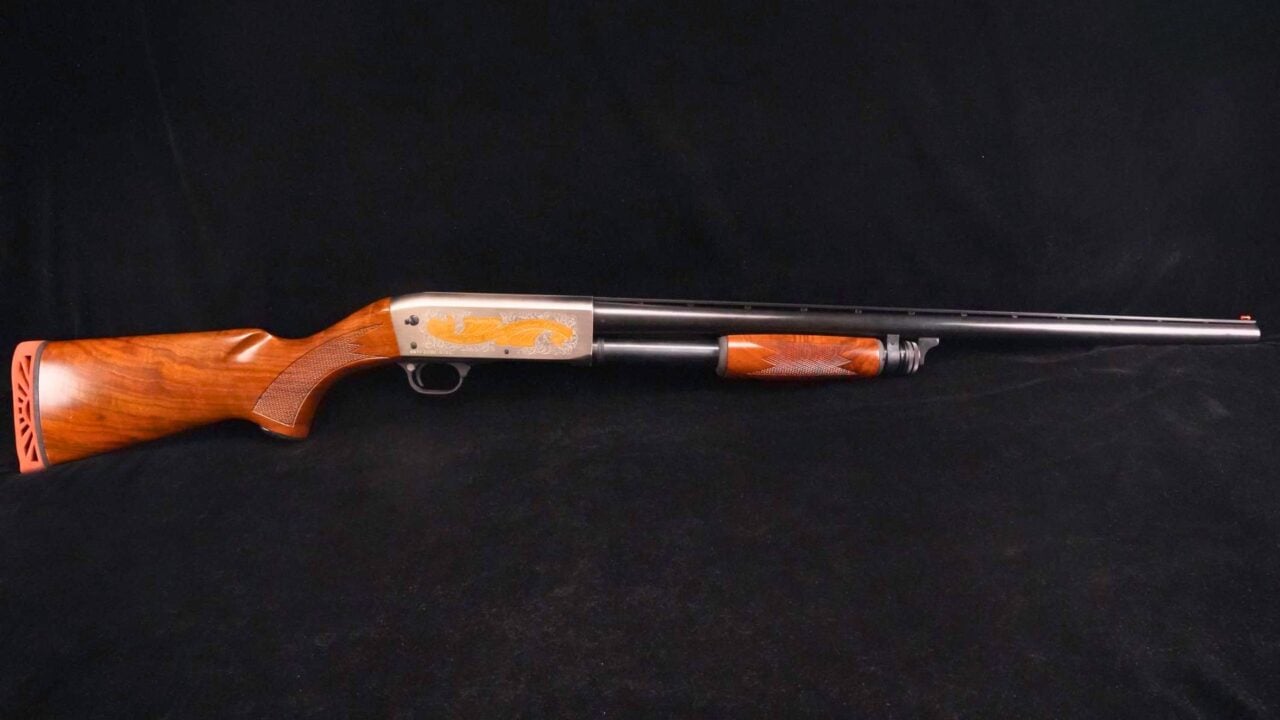
For years, you could find Model 37s that looked rough—dings, worn bluing, maybe a cut-down stock from somebody’s “home defense” phase. Those guns got labeled as beaters, and a lot of them were.
Still, the core design is excellent, and when you pick up a good one, you feel it. The action can be buttery, and the gun balances in a way that makes you want to walk a fencerow with it. Nice, original-condition Model 37s are getting respected, and the junky ones are often the ones that taught somebody what they had.
16. Savage 24 (combination gun)
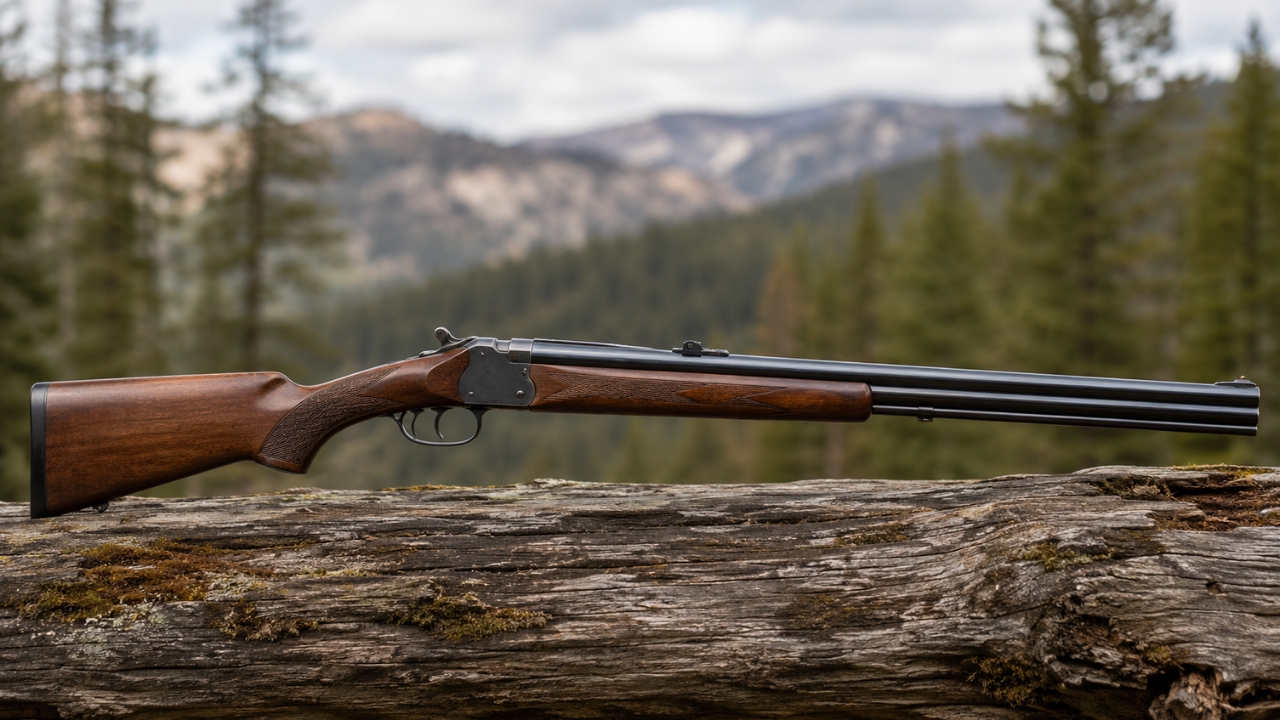
Combo guns used to be the butt of jokes. Heavy, awkward, “can’t do either job well,” and usually wearing a scope mount that looked like it came from a farm auction. I’ve heard it all.
Then you spend time in real woods with squirrels, rabbits, and the chance of a close-range deer, and you start to understand why they exist. A Savage 24 in .22 LR over 20 gauge (or .22 Mag, or .30-30) is a practical survival-style gun without trying to be one. They’re discontinued, and they’ve become a lot more expensive than anyone expected.
17. Ruger Redhawk (original big-frame .44 Magnum)
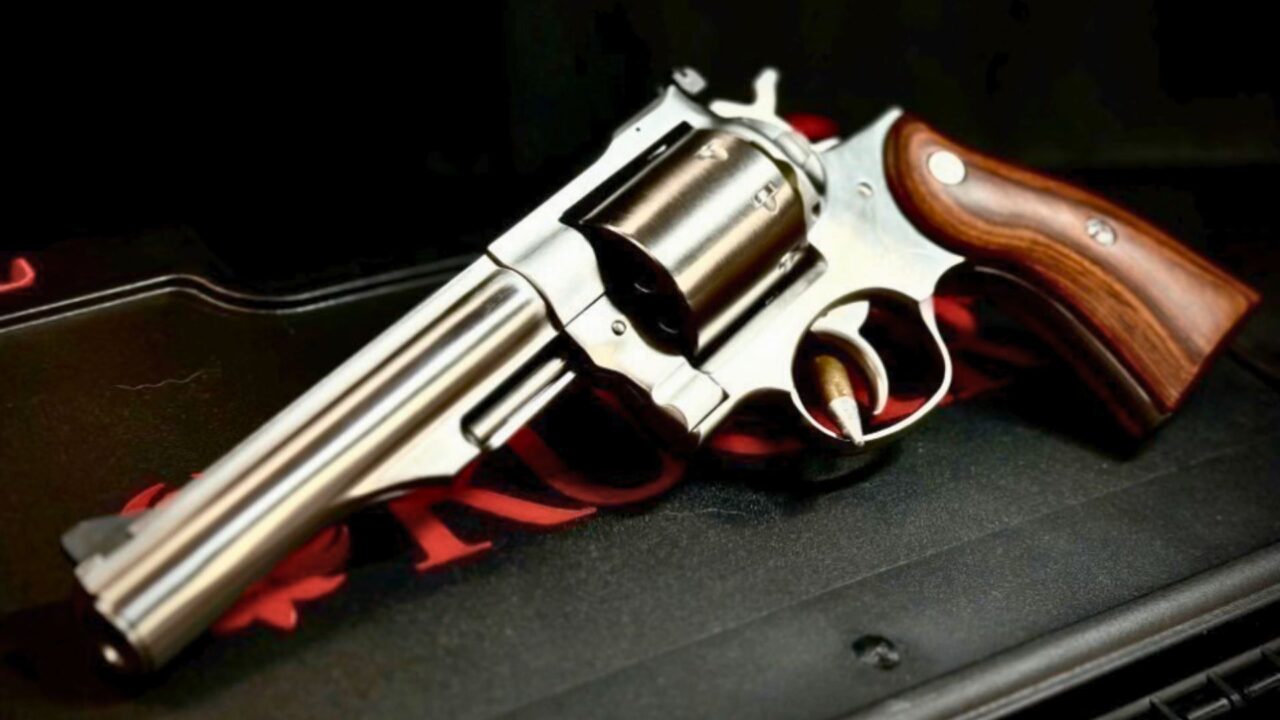
When you wanted a .44, a lot of guys defaulted to S&W, and Ruger got tagged as “clunky” and “too heavy.” The Redhawk especially was seen as a lot of revolver to pack around, and the trigger out of the box wasn’t always sweet.
But if you actually shoot heavy loads, the Redhawk makes sense. It’s strong, it holds up, and it’s a legitimate woods revolver that doesn’t feel fragile. Good ones are not cheap now, and the folks who spend time in bear country tend to appreciate them in a way the casual range crowd never did.
18. Smith & Wesson Model 10 (police trade-in revolvers)
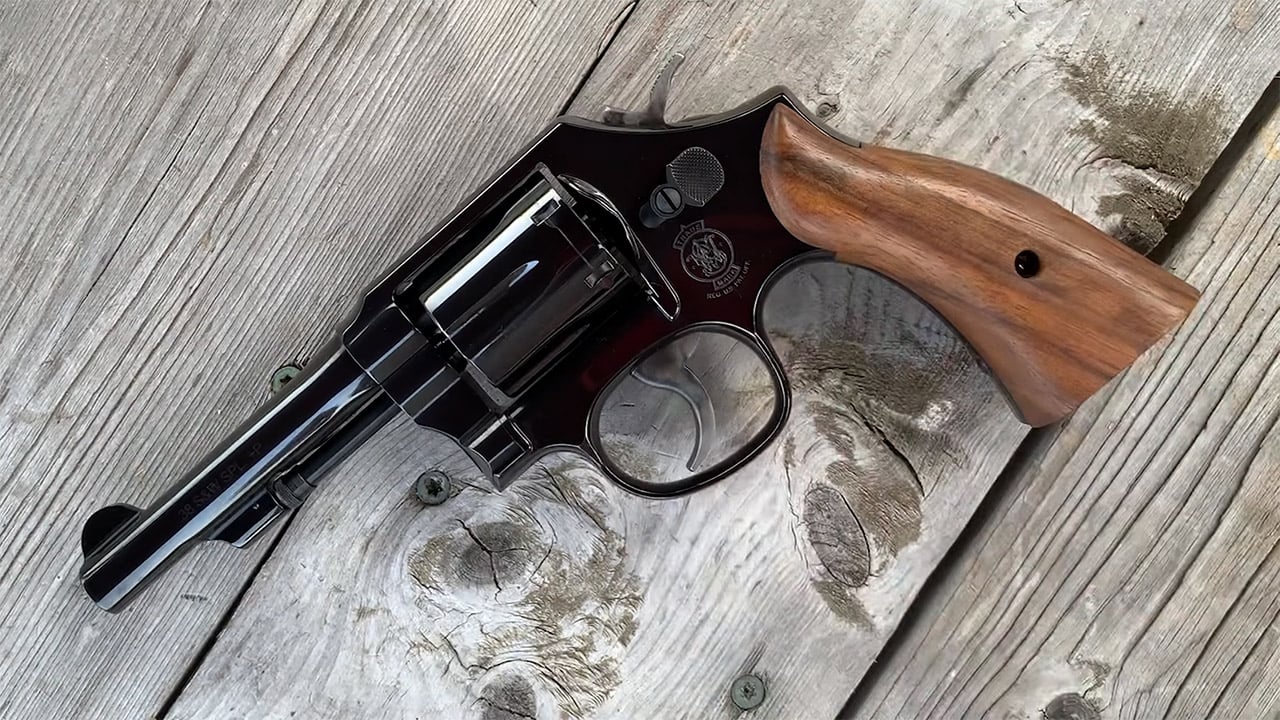
When departments dumped revolvers for semi-autos, Model 10s flooded the market. They were “old cop guns” with holster wear, and they got priced like a disposable tool. A lot of shooters passed because they wanted more capacity and a modern look.
Now, the Model 10 has turned into the revolver people recommend when someone asks what a good double-action feels like. They’re accurate, they’re durable, and they carry history without being too precious to shoot. Clean examples and older pinned-barrel guns have climbed steadily.
19. Glock 19 (Gen 2 and early Gen 3)
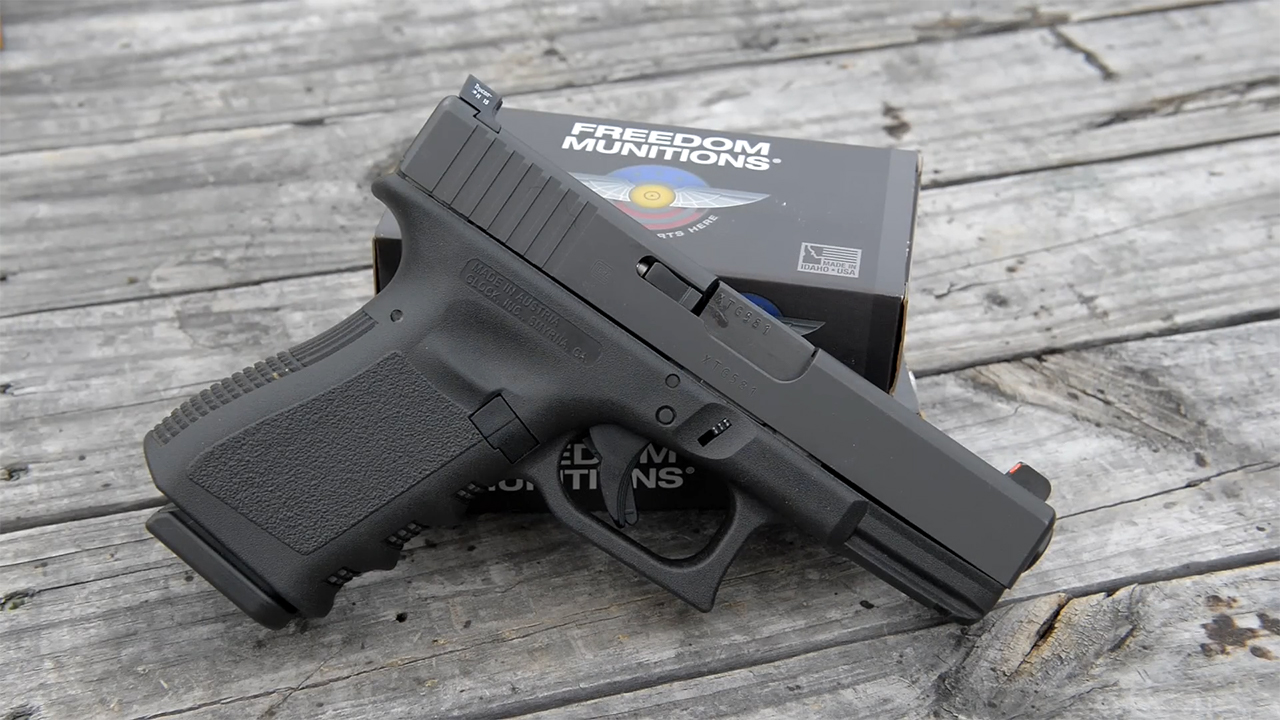
Glocks were called ugly from day one, and the early ones didn’t have the “features” everyone wants now. No front serrations, no optic cuts, no fancy coatings to brag about. Just a simple pistol that worked.
Those early Gen 2 and certain early Gen 3 guns have become desirable for collectors and shooters who like the classic feel. They’re also tied to a specific era of American gun culture, which matters more than people admit. Not every old Glock is special, but the right ones aren’t sitting around unnoticed anymore.
20. Colt AR-15 SP1

For a long time, the SP1 was just an old AR with a slick-side upper and “retro” furniture before retro was cool. Guys wanted rails, lights, and modern barrels, so these got parted out, modified, or traded off. That one hurts, especially when you see what unmolested ones sell for now.
The SP1 has become a collector magnet because it represents the early commercial AR era, and original condition is everything. The more original it is—finish, furniture, markings—the more it’s treated like an investment-grade rifle. Even shooters who don’t care about collecting admit they handle nice and carry light.
If there’s a theme here, it’s that “junk” is often just “unfashionable.” Sometimes a gun really is a problem child and earns its reputation. But plenty of these were solid tools that got laughed at because they weren’t trendy, weren’t pretty, or were so common nobody thought they’d ever be missed. If you’ve got one sitting in the back of the safe, don’t be too quick to trade it off for the next new thing—because the next new thing gets old fast.
Like The Avid Outdoorsman’s content? Subscribe to our newsletter so you never miss an article.
Here’s more from us: