Photo credit: theARMORYchannel/Youtube
Walk into any decent gun shop on a random weekday and you’ll see it happening in real time: the lever guns that used to sit for a month don’t sit anymore. A guy will shoulder one, run the action twice, look down the barrel like he’s checking fence line, and then he’ll either buy it or quietly set it down like it might vanish. Because it might.
Collectors have a nose for patterns. They chase the models that are getting harder to find in clean shape, the ones that still run like a sewing machine, and the oddball variations everyone ignored until parts and ammo started doing their own weird dance. If you’re a hunter who likes rifles that carry easy and point fast, some of these matter even if you never call yourself a collector.
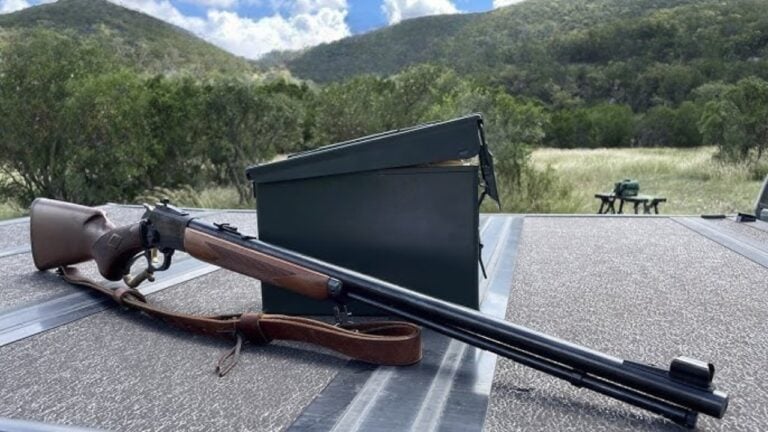
1. Marlin 1895 (JM-stamped, pre-Remington)

If you’ve ever handled a clean JM-stamped 1895, you know why folks get picky about them. The wood-to-metal fit tends to be better, the actions often feel like they’ve already been slicked up, and they just have that “right” balance for a big-bore thumper.
They’re not magic, and they still kick in the lighter configurations. But when you find one that hasn’t been drilled, dremeled, and “upgraded” by three different owners, it’s a rifle you can hunt with and still feel good about keeping nice.
2. Winchester Model 94 (pre-1964)
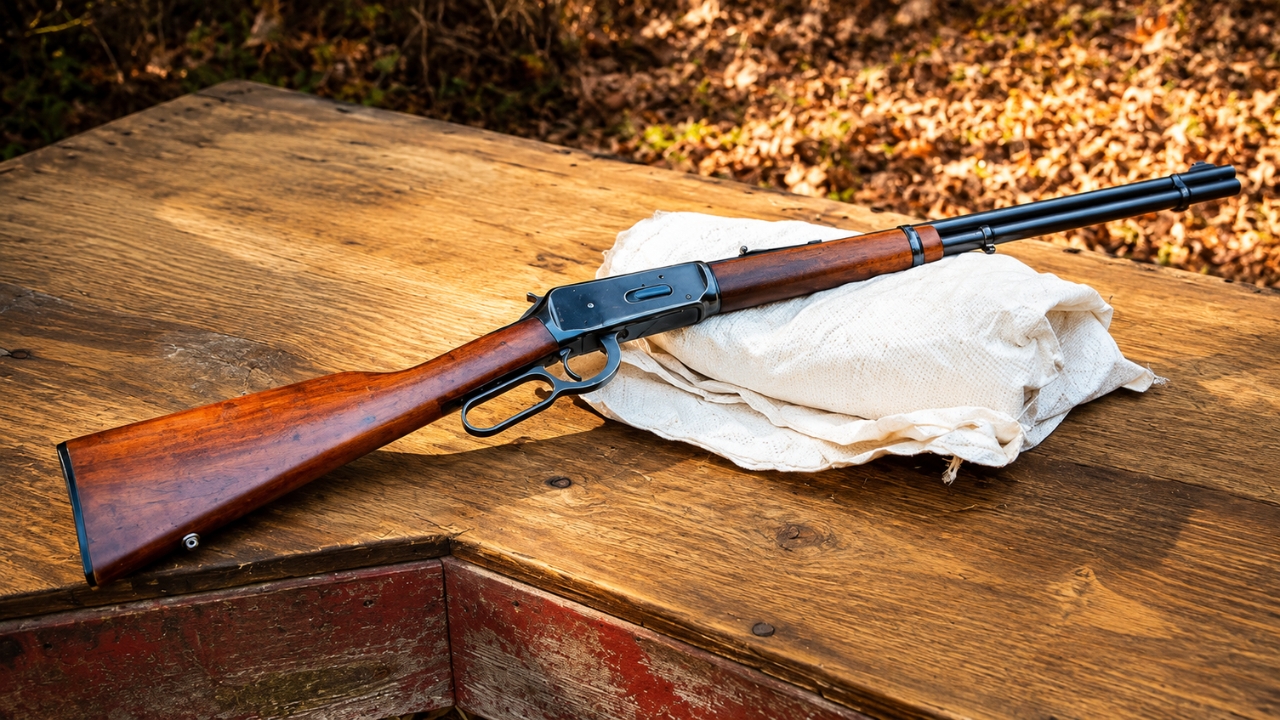
This is the lever gun that got stuffed behind truck seats, leaned in corners, and carried through brush so thick you had to turn sideways. Pre-’64 examples have the fit and finish that made the model legendary, and they tend to bring that old-school confidence when you cycle them.
They aren’t target rifles and never were. But a good one in .30-30 is still one of the most useful “grab it and go” deer rifles ever made.
3. Winchester Model 92 (originals and high-quality clones)
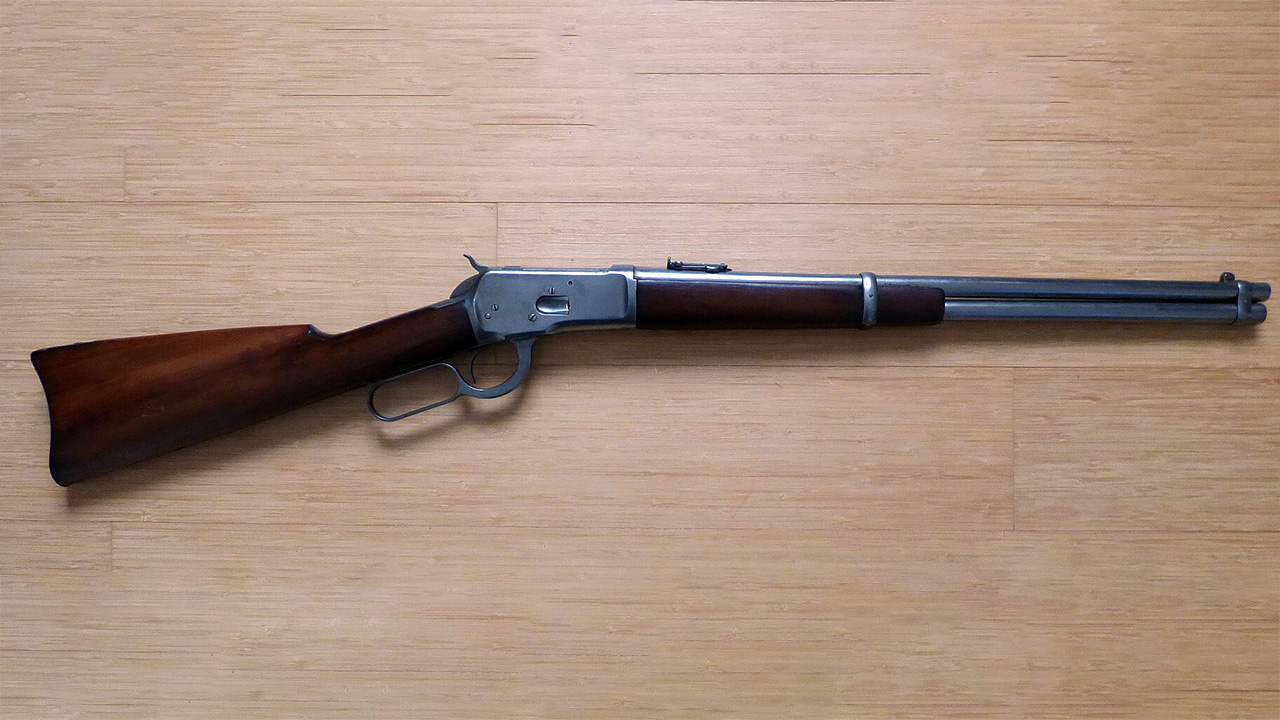
The 1892 pattern is slick. Short throw, strong design, and it handles pistol cartridges like it was born for them. Original Winchesters are getting expensive in any condition you’d actually want, which is why the better clones have gotten attention too.
In .357 or .44, it’s a practical woods rifle that doesn’t feel like you’re carrying a fence post. The junky, rough clones don’t hold the same appeal, so condition and maker matter a lot here.
4. Marlin 336 (JM-stamped, especially in .35 Remington)

A JM 336 is the kind of rifle you don’t appreciate until you’ve hunted with one in the rain and it just keeps working. The .30-30 versions are everywhere, but the .35 Remington guns are the ones that make guys pause at the counter.
.35 Rem isn’t as common on shelves as it used to be, which scares some buyers off. Collectors see it the other way: fewer rifles, fewer clean boxes of ammo, more interest every year.
5. Savage Model 99 (especially in .300 Savage or .250-3000)
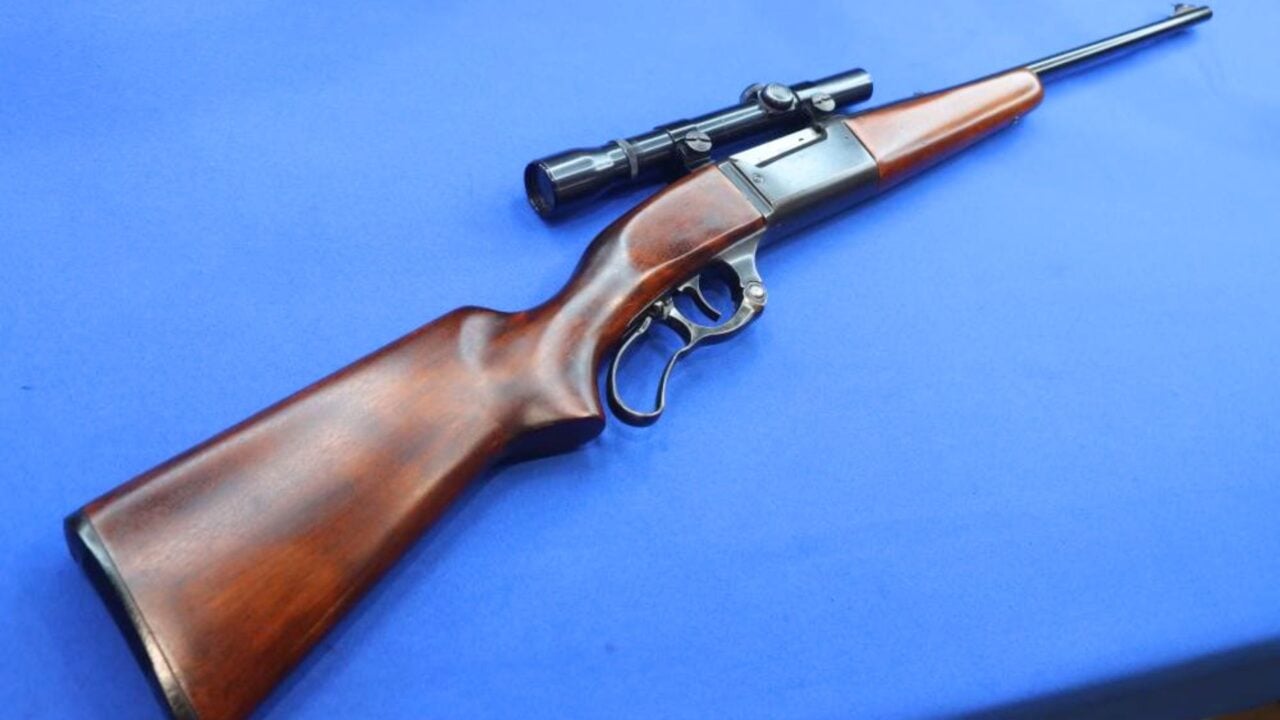
The Model 99 is one of those rifles that makes you wonder why more companies didn’t keep pushing the design forward. It’s not a tube magazine gun, it carries flat, and it has a personality all its own.
Some of them have triggers that feel like dragging a log chain. Still, a clean 99 with decent wood and a solid bore is the kind of rifle that gets bought the minute it shows up.
6. Marlin 1894 (JM-stamped, .357 Magnum)

If you want a lever gun that feels quick and handy, the 1894 in .357 is hard to beat. Cheap(er) practice with .38 Special, serious enough with hot .357 loads, and it doesn’t weigh like you brought a boat anchor to the deer stand.
These get snatched up because they’re actually fun, and fun guns don’t stay cheap forever. Find one that feeds a variety of bullet shapes well and you’ll understand the hype without needing the internet to explain it.
7. Marlin 39A

The 39A is the .22 lever gun that a lot of folks regret selling, usually to fund something “more serious.” That one hurts. They shoot, they last, and they’re built like a real rifle instead of a toy.
Clean ones with nice wood and minimal wear are getting harder to stumble across. If you’ve got one that hasn’t been beat up, it’s a keeper for plinking, small game, or just teaching someone to shoot without drama.
8. Browning BL-22 (Grade I and higher)

The BL-22 has a short throw that feels almost cheaty the first time you run it. It’s light, points naturally, and it’s one of the easiest lever .22s to run fast without feeling like you’re forcing it.
Collectors like the nicer grades, but even the plain versions don’t hang around long. They’re simple, reliable, and they look good doing it.
9. Henry H001 (older production, smooth actions)

Henry’s basic .22 lever gun isn’t exotic, but it’s one of the most common “first lever guns” that actually gets shot a lot. The ones that have been cared for and kept clean tend to have actions that slick up nicely over time.
Collectors aren’t chasing these like rare Winchesters, but they are buying clean examples because demand stays steady. A rimfire lever that runs is always welcome on a farm or at a camp.
10. Winchester Model 71 (.348 Winchester)

This is a serious old woods rifle with a serious old cartridge. The .348 Winchester isn’t something you casually pick up at a gas station, and that’s part of why Model 71s get treated like crown jewels.
They’re heavy enough to feel steady and they carry like an heirloom. If you ever wanted a lever gun that feels like it belongs where elk and black bear live, this one has the vibe.
11. Marlin 444 (older “Ballard rifling” guns)
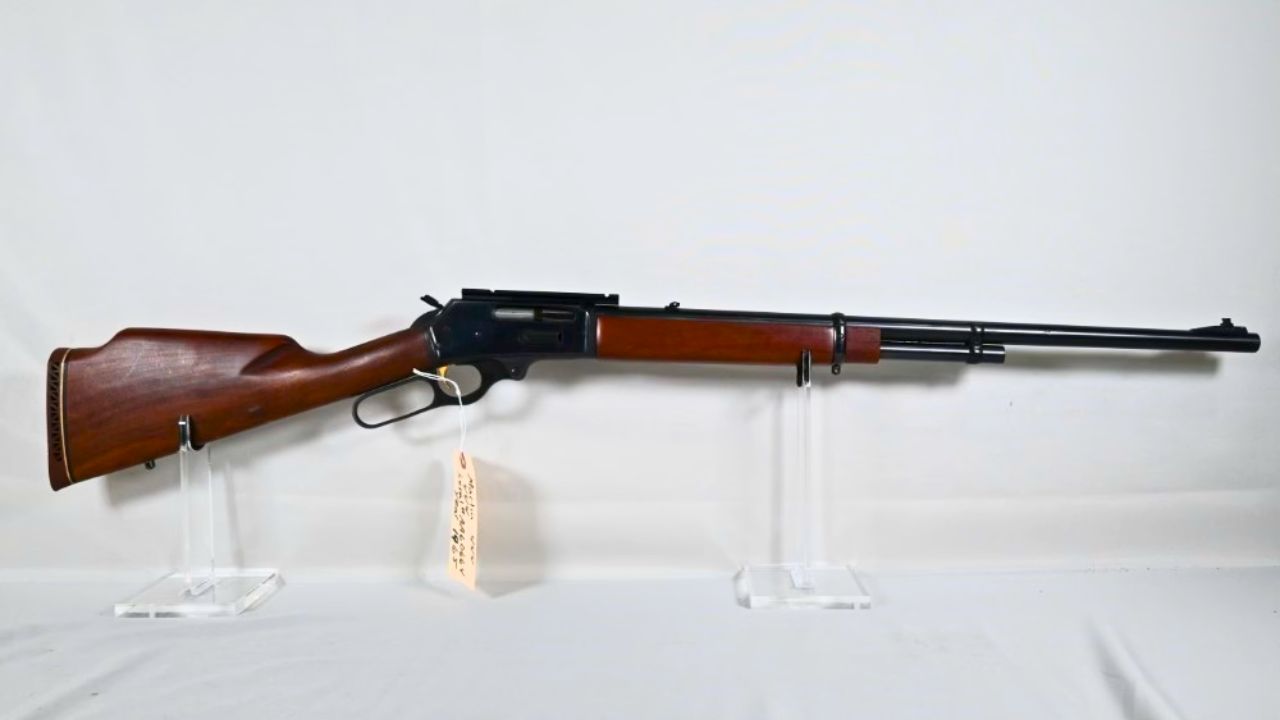
The .444 Marlin never had the mainstream cool factor of .45-70, but it has always been a hammer. The older rifles with the rifling that plays nicer with a variety of bullet styles have a following for good reason.
It’s not everyone’s cup of tea, and you’ll know it the first time you touch one off at the bench. In the field, though, the straight-wall-ish big-bore idea makes sense in a lot of places.
12. Winchester Model 88 (.308 Winchester)
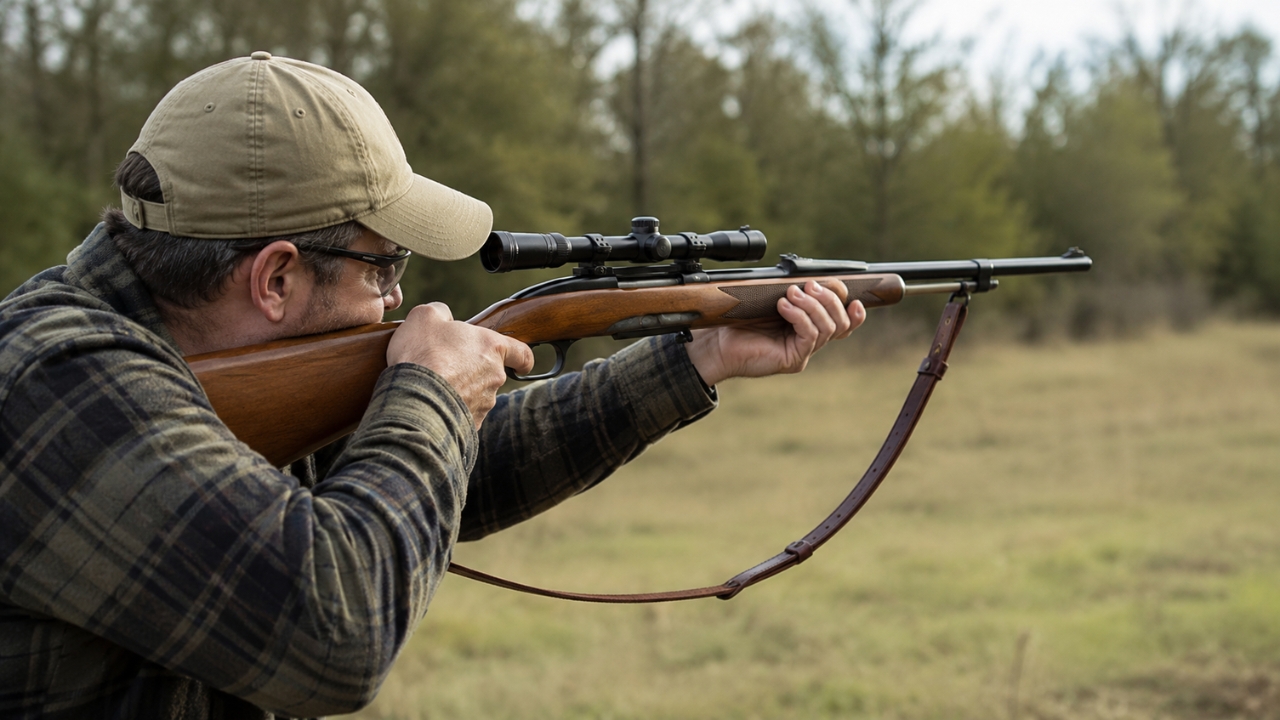
The Model 88 is what happens when lever-gun tradition and modern cartridge thinking shake hands. It’s got a different feel than a 94, more “rifle” than “carbine,” and it appeals to guys who want lever handling with .308 performance.
They can be finicky about condition and magazines, and that’s where collectors get serious. A clean 88 with the right mag is not something you leave behind to “think about it.”
13. Winchester Model 95 (.30-40 Krag or .405 Winchester)
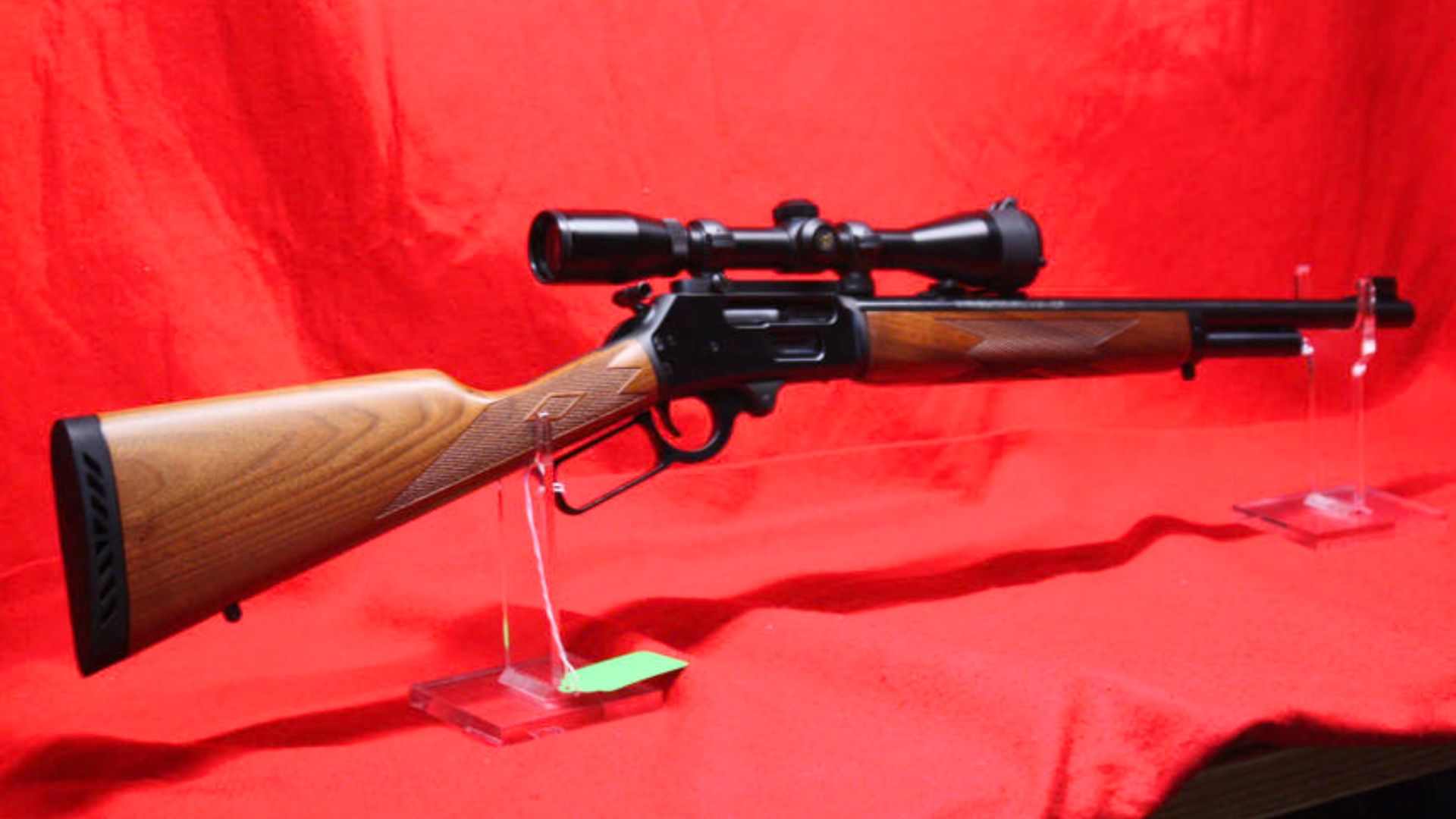
The 1895 pattern is a different animal with the box magazine, and it has a history that pulls people in. It’s also one of those rifles that makes you slow down and actually enjoy the mechanics instead of just shooting fast.
The .405 versions get talked about a lot, but the more common chamberings still have collector pull when the rifle is honest and unmolested. Replacement parts aren’t something you assume you’ll just order on a Tuesday.
14. Marlin 1893 (antique .30-30 and .32 Special guns)
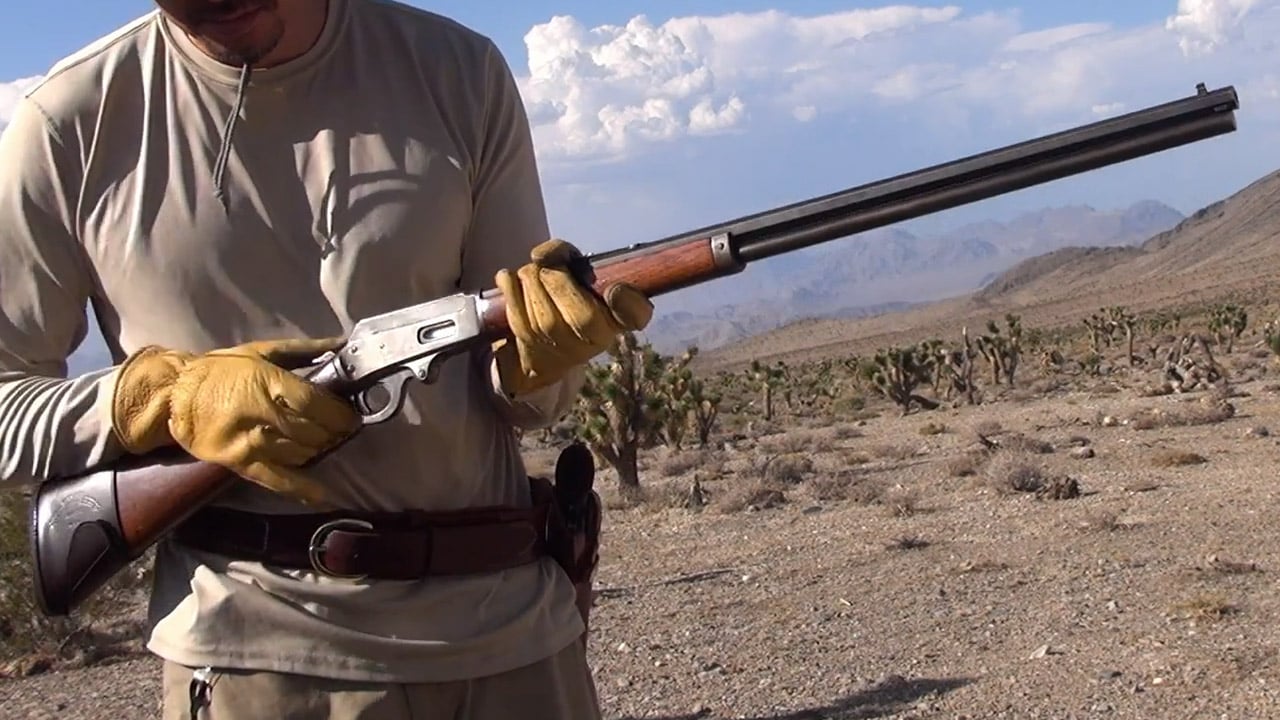
These aren’t “buy it and drag it through the swamp” rifles anymore. The 1893s are for the guy who likes history but still appreciates a lever gun that shoulders naturally.
Condition is everything. A pitted bore and loose action can turn one into a wall-hanger fast, but a solid example is a real piece of American hunting culture.
15. Remington Model 14/141 (pump, but lever-gun collectors chase them anyway)
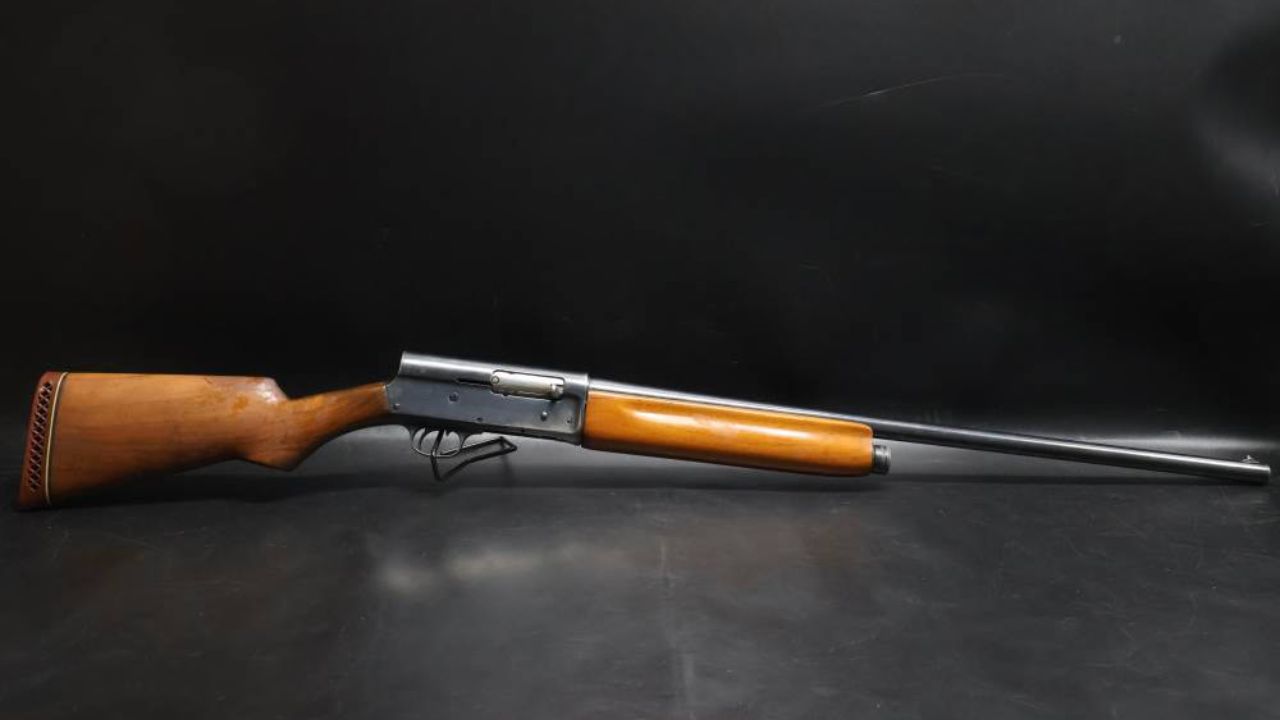
I know, it’s a pump. Still, it sits in the same camp as classic woods rifles, and the guys who love levers tend to love these too. They’re fast to run, they carry well, and they show up in cartridges like .35 Remington that keep getting harder to ignore.
They’re also a reminder that “old” doesn’t mean “obsolete.” A clean 141 that functions right is a deer rifle with plenty of life left, even if it’s not trendy.
16. Browning BLR (steel-receiver, older production)
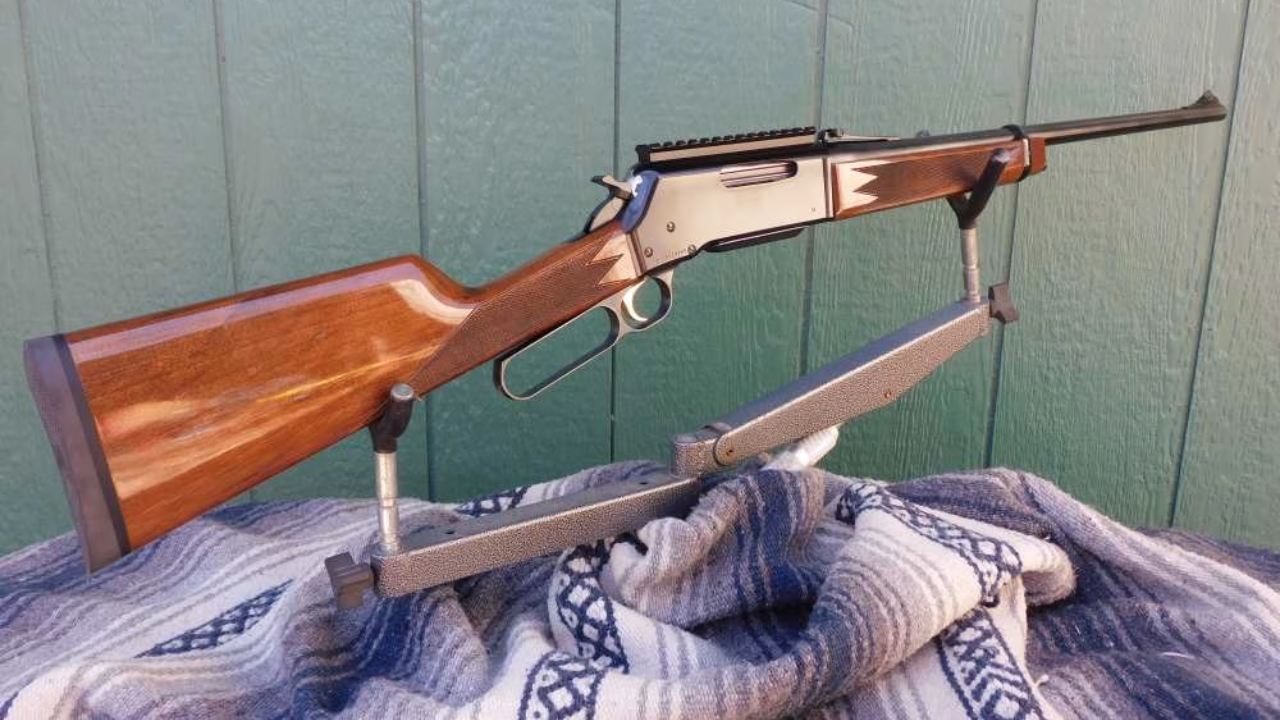
The BLR is for the hunter who wants lever handling without giving up modern chamberings. It’s not as simple as a tube-mag gun, and it doesn’t have the same cowboy charm. But it works.
Older steel-receiver versions have become a specific chase item, partly because of feel and partly because they’ve proven themselves over decades. The detachable magazine is a love-it-or-hate-it thing, but it’s undeniably handy in certain hunting setups.
17. Ruger 96/44

The 96/44 is one of those rifles that a lot of folks didn’t understand when it was sitting on shelves. Now it’s one of the first things to disappear when a clean one hits the used rack. Light, handy, and it pairs with a revolver cartridge that plenty of people already keep around.
It’s not a traditional lever action in the classic sense, and purists will tell you that immediately. For a practical deer-and-hog woods gun, though, it’s hard to argue with.
18. Rossi Model 92 (older Interarms-import era)

Rossi 92s are all over the map depending on era and individual gun. The better older imports have a reputation for being surprisingly solid once they’re broken in, and they scratch the 1892 itch without original Winchester money.
You still want to handle it before buying if you can. Timing and feeding matter on these, and a “good one” is worth owning while a rough one will test your patience.
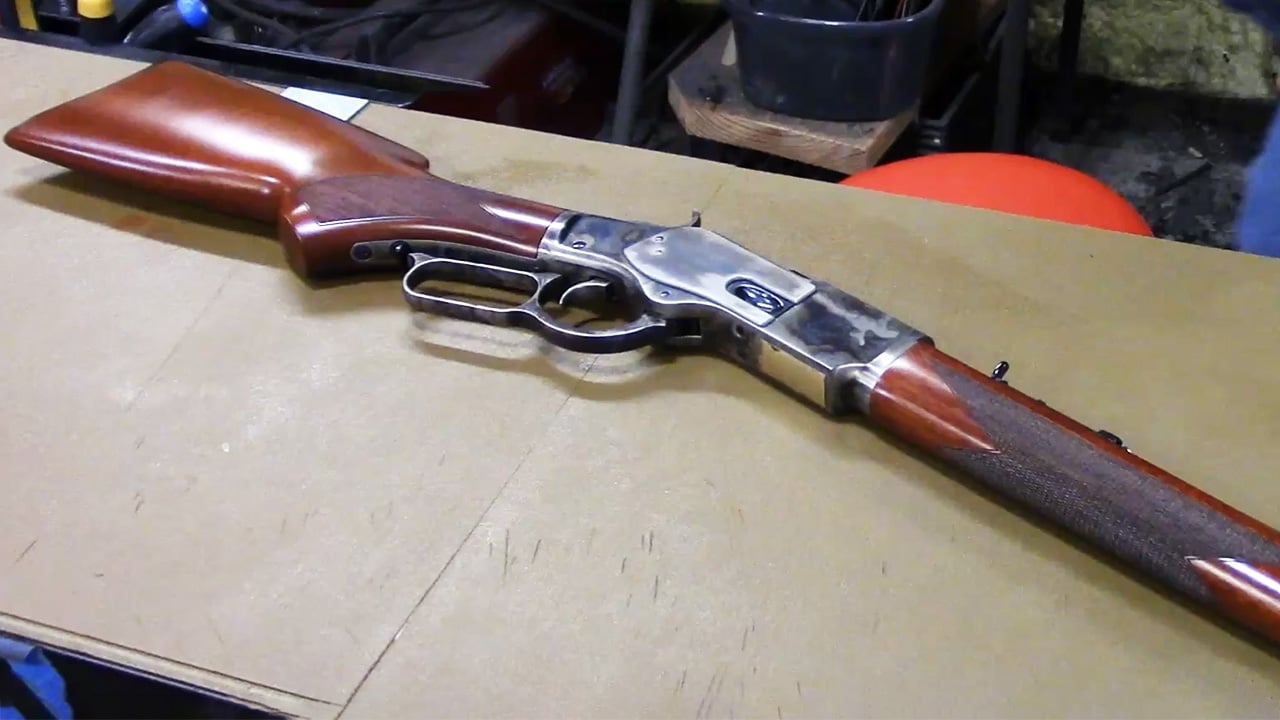
19. Uberti 1873 (toggle-link, .357 Magnum)
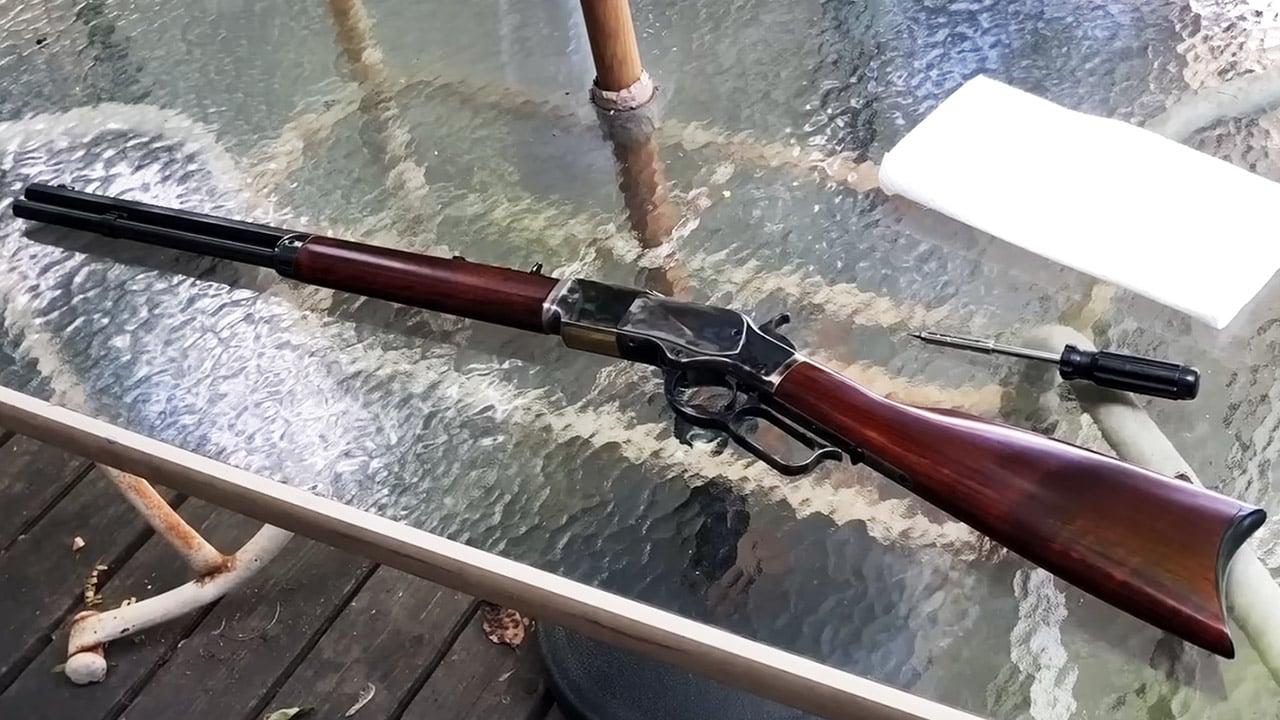
The 1873 pattern isn’t the strongest design ever built, but it may be the smoothest when it’s tuned right. Even out of the box, many Uberti 1873s have that glassy lever feel that makes you grin like a kid.
Collectors like them because the fit and finish can be excellent, and shooters like them because they’re simply enjoyable. They’re more of a range and competition romance than a hard-use hunting tool, but not everything has to be miserable to be useful.
20. Winchester Model 9422
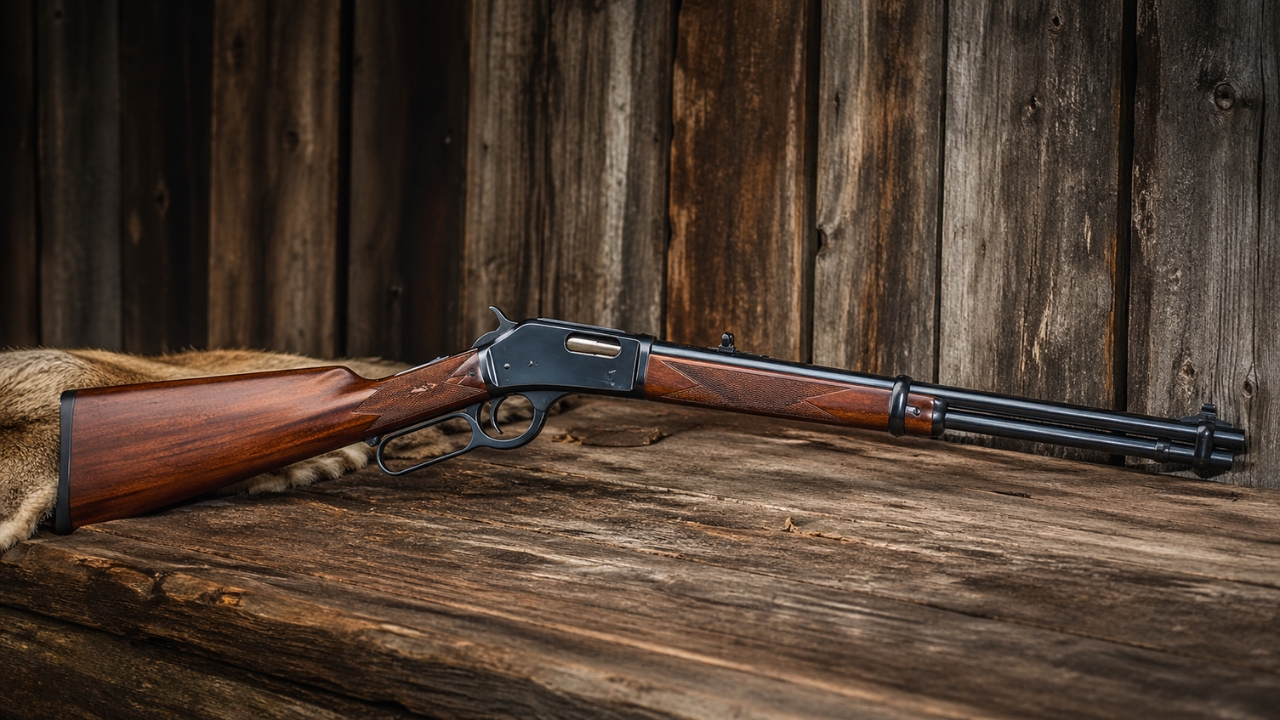
The 9422 is one of those rifles that used to be “nice but expensive” and is now “why didn’t I buy two?” It feels like a centerfire rifle shrunk down to rimfire size, and the quality shows in the way it cycles and the way it holds up.
If you find one that hasn’t been trashed, it’s the kind of .22 that stays in the family. And if you ever hand it to a new shooter, you’ll see immediately why collectors keep grabbing them when they appear.
Here’s the part I keep coming back to: the lever guns getting the most attention aren’t just safe queens. They’re the rifles that still make sense when you’re walking a creek bottom, slipping through timber, or riding a fence line with a rifle that has to carry easy and come up fast. If you’ve been thinking about adding one, handle a few, be picky about condition, and don’t assume next month will have the same options sitting there waiting.
Like The Avid Outdoorsman’s content? Subscribe to our newsletter so you never miss an article.
Here’s more from us: