
Photo credit: Devos World/Youtube
There are guns that feel good in the hand at the counter, feel even better in a social media post, and then turn into a liability the minute your pulse spikes. I’m not talking about “I don’t like the trigger” stuff. I’m talking about guns that are so hard to shoot well, so finicky, so slow, or so mismatch-to-mission that leaning on them in a real emergency could get you hurt before they ever help you.
None of this is meant to shame anybody. Most of these were bought with honest intentions. But if you’re picking a firearm for personal defense, bear country, a truck gun, or even a “just in case” camp gun, you don’t get credit for style points. You get reliability, controllability, and something you actually train with.
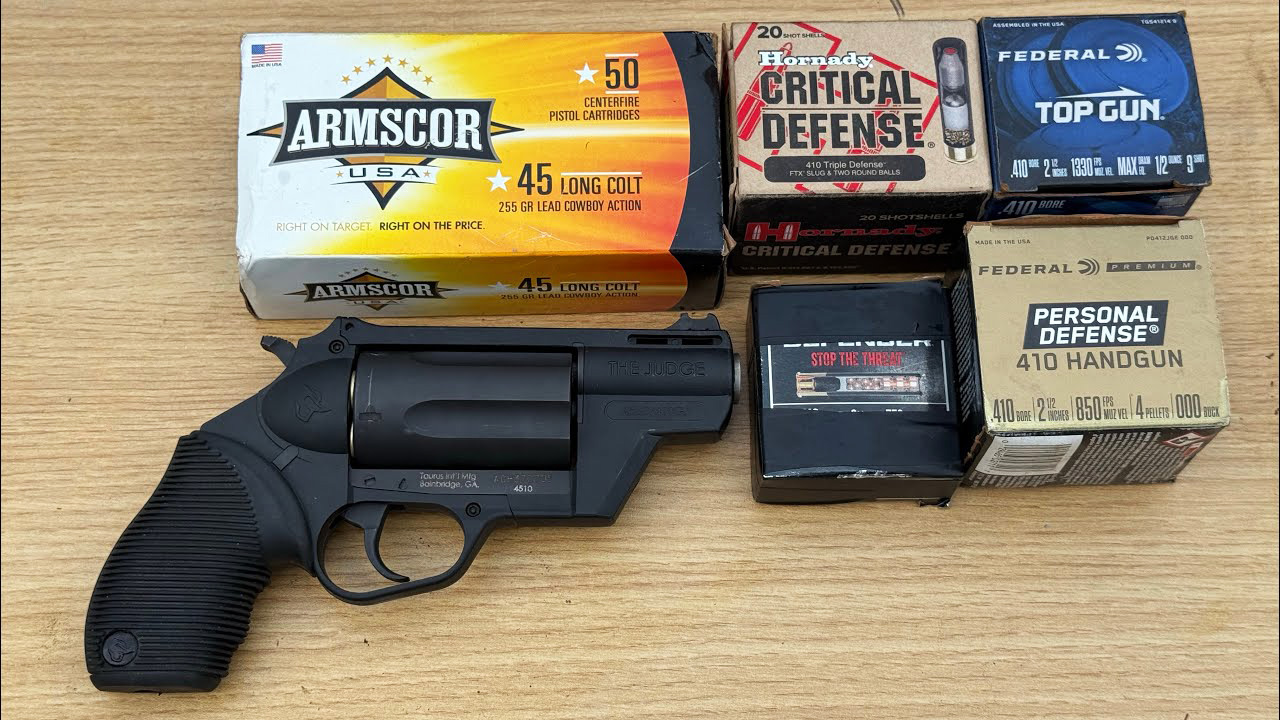
1. Taurus Judge (especially in .410 defense loads)
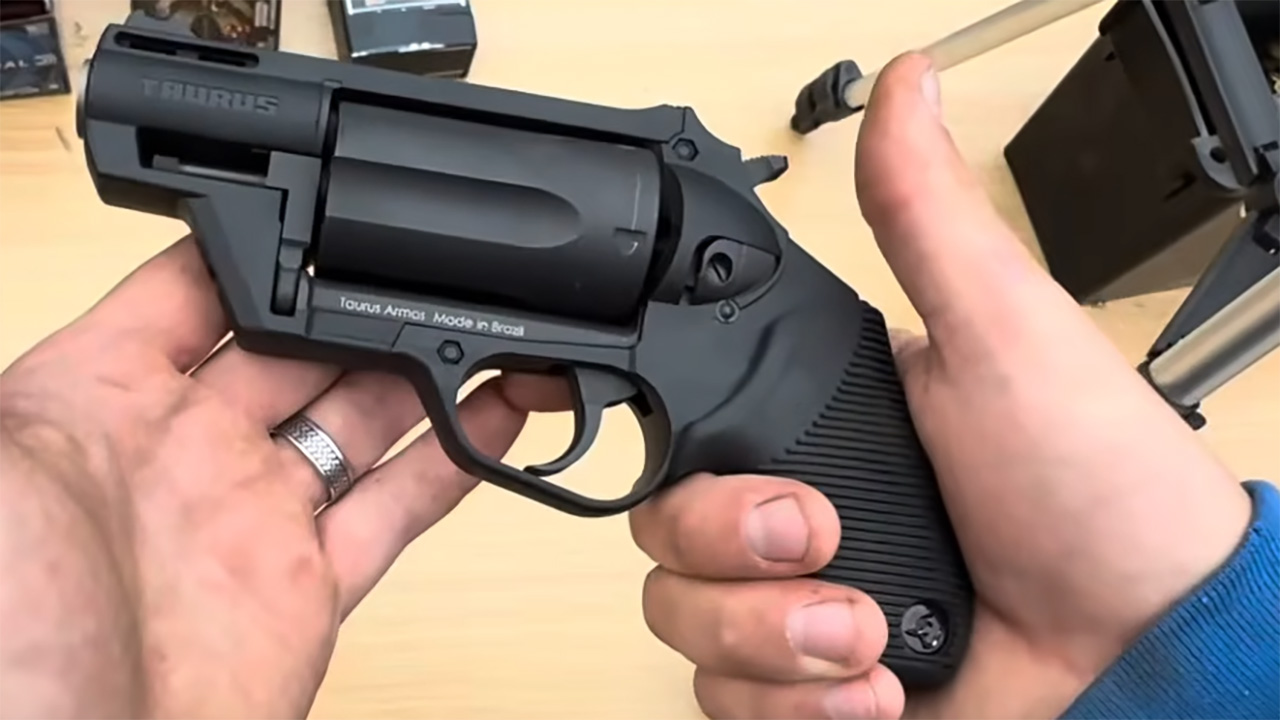
I get why the Judge sells. It looks like a solution: revolver reliability plus shotgun-ish vibes. The reality is the .410 out of a short barrel is loud, flashy, and not the fight-stopper people imagine, and the big cylinder makes it chunky to carry.
On top of that, many shooters don’t practice with it because .410 defensive ammo isn’t cheap and the recoil impulse is weird. If you don’t put in reps, you’re betting your life on a gimmick.
2. Taurus Judge Magnum
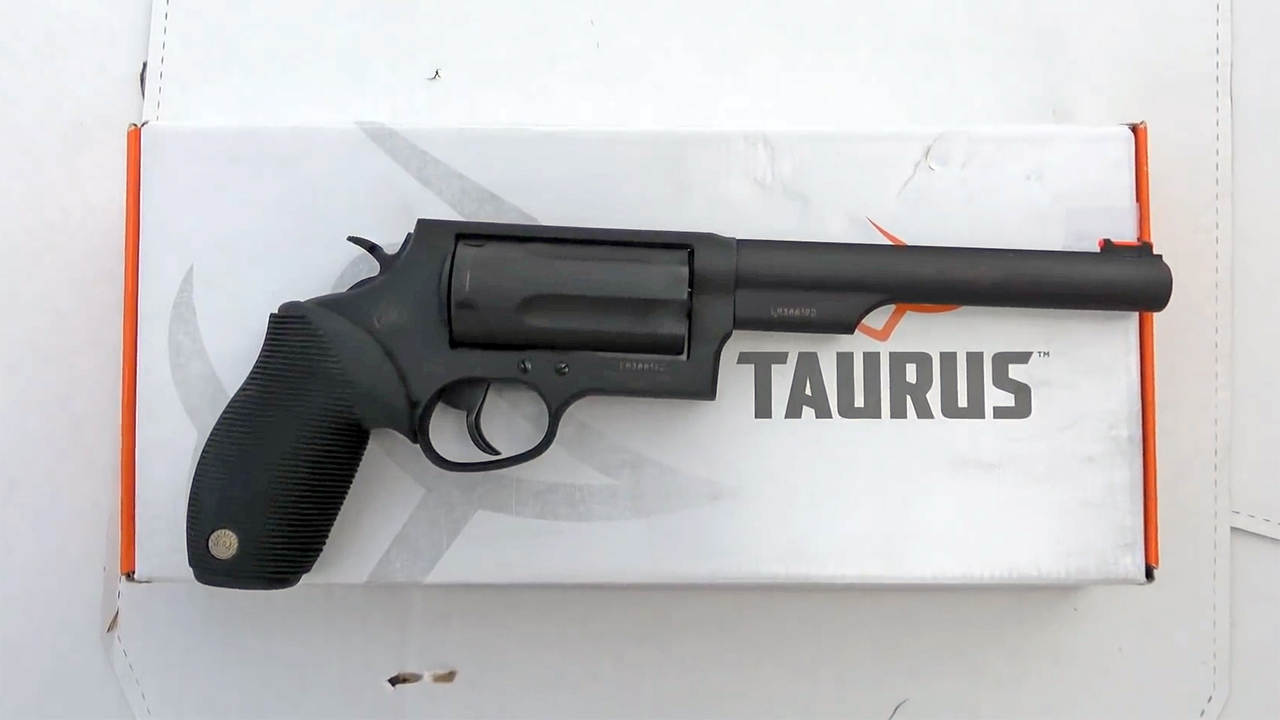
Take everything awkward about the original and make it larger. That longer cylinder and bigger frame might sound like “more capability,” but it often turns into “more gun you leave at home.”
For the folks who do carry it, the trigger reach and bulk can make fast, accurate hits harder than they should be. A defensive gun should help you, not fight you.
3. Bond Arms derringer (any caliber)
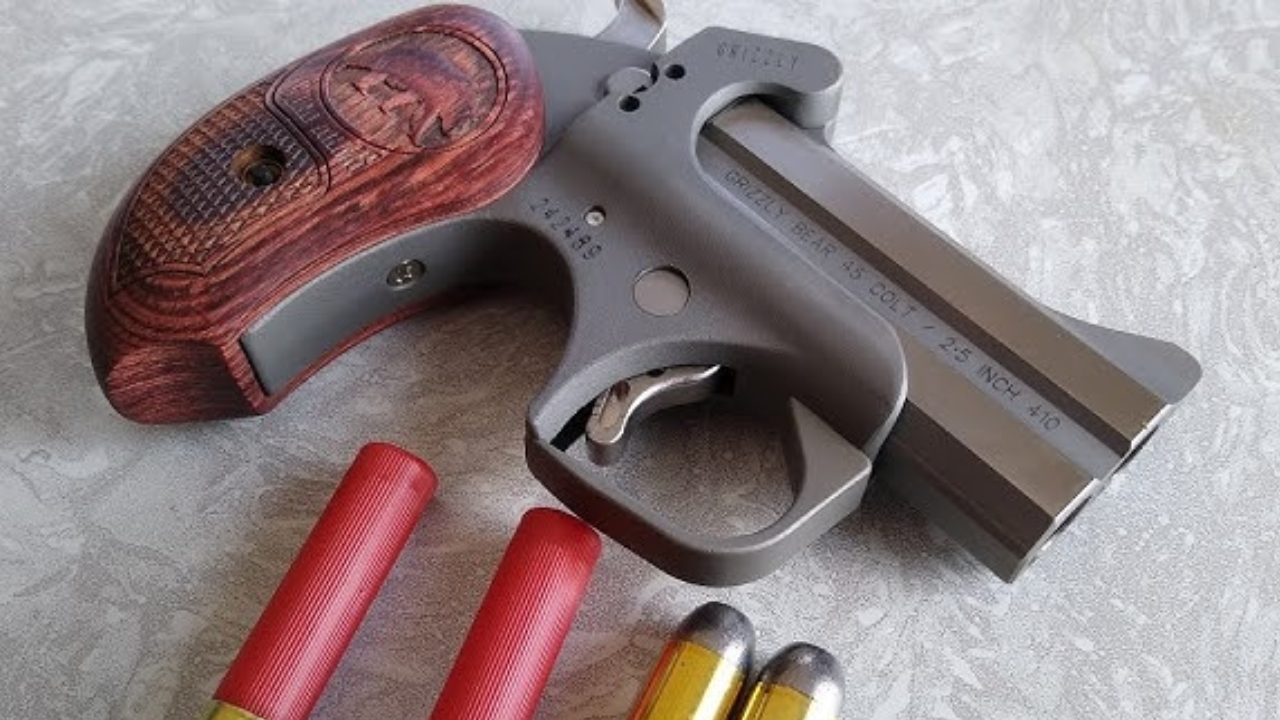
These things are tough and kind of cool in an old-west way. Two shots, heavy trigger, tiny grip, tiny sights. That’s the whole story.
In a real mess, two rounds can disappear in less than a second, and reloading is not fast. If a derringer is all you’ve got, fine. If it’s what you chose on purpose, that choice can go sideways quick.
4. North American Arms .22 Magnum mini-revolver
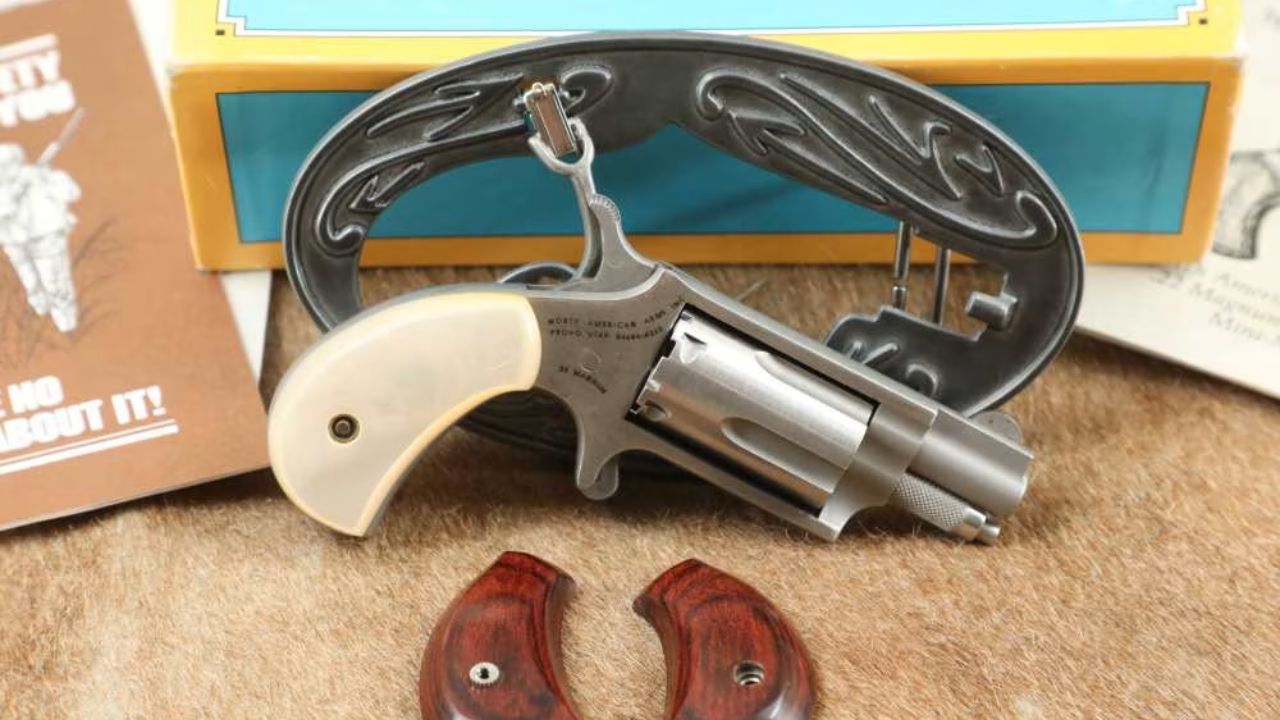
They’re easy to stash and hard to shoot. That’s not an insult; it’s physics. The grip is so small most hands can’t control it, and the sights are basically an idea.
Even if you accept the caliber limits, manipulating that little revolver under stress is not fun. “Better than nothing” is a low bar for something you’re trusting with your skin.
5. “Ring of fire” Saturday Night Special-style .25 ACP pistols
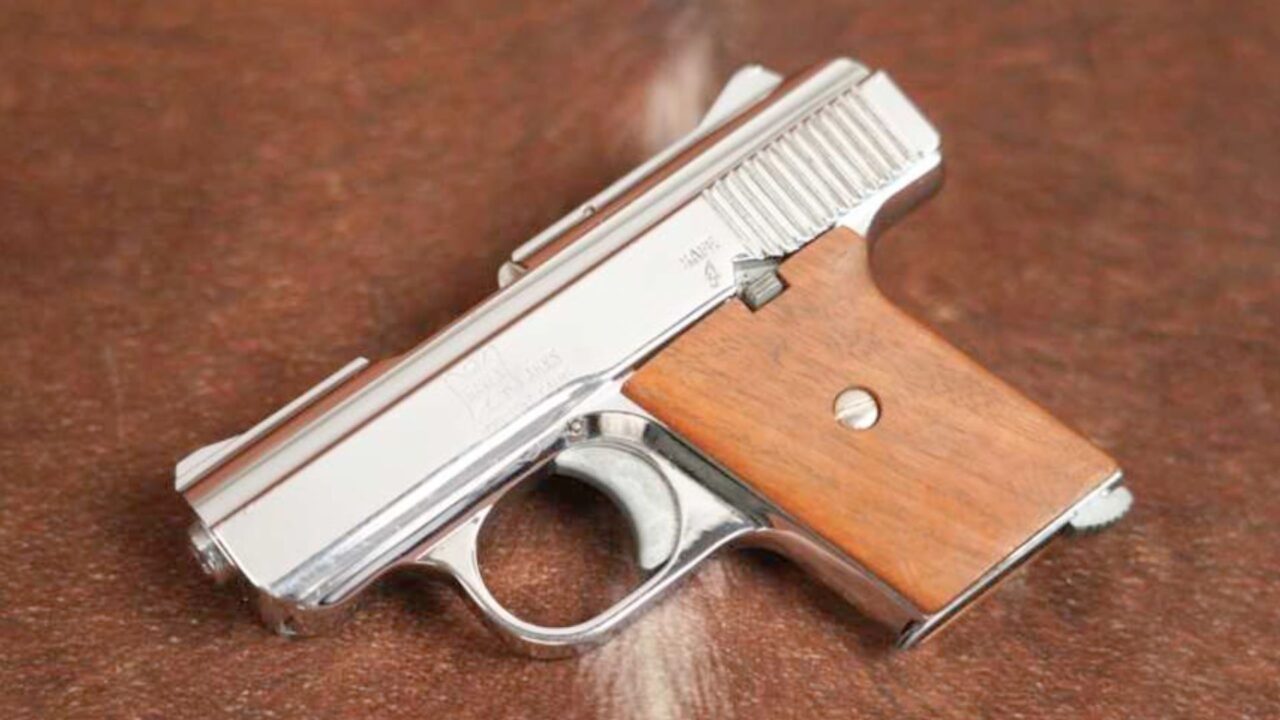
Cheap little .25s and .22s have a long history of being carried because they’re small and affordable. The trouble is many of them are picky about ammo, magazines, and lubrication, and the sights and triggers are usually rough.
If your defensive plan includes “maybe it will run,” it’s not much of a plan. A gun that chokes turns into a paperweight right when you needed a tool.
6. Micro .380s that you don’t actually practice with
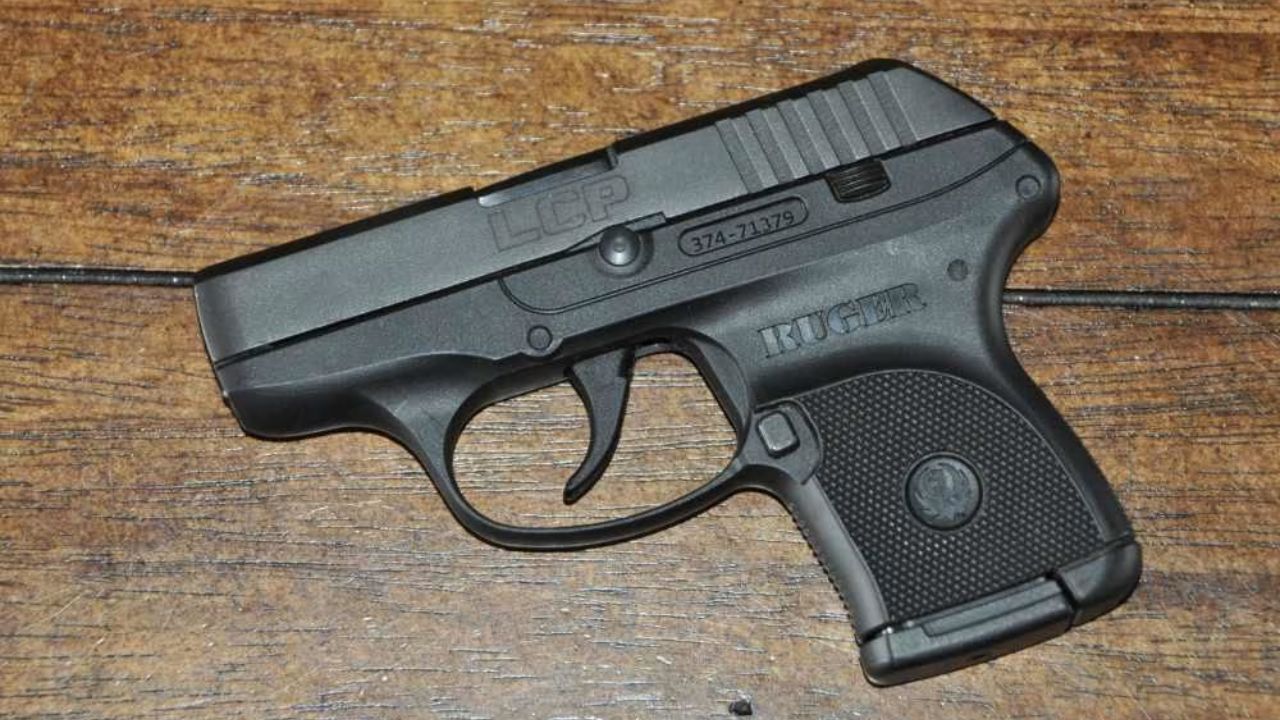
I’m not calling out one brand here. The whole micro-.380 category can be a trap. They carry like a dream, then shoot like a stapler. Short grip, snappy recoil, tiny sights.
Plenty of them are reliable, but the user part is where it falls apart. If you can’t make quick hits past bad-breath distance, that pocket rocket isn’t saving you.
7. Ultra-light scandium or titanium .357 snub-nose revolvers

These are the “hurts so bad I don’t practice” guns. They’re impressive on a scale and miserable on the range. Full-house .357 out of a featherweight snub is a lesson you don’t forget.
Then what happens? Folks load .38s to avoid pain, don’t train enough, and carry a gun that’s hard to control fast. If you can’t get follow-up shots without flinching, you’re behind the curve.
8. Tiny 9mm pistols with a two-finger grip (when you shoot them like a duty gun)

Subcompacts have their place. But if you buy one and expect it to run like a full-size pistol in your hands, you’re setting yourself up. Limp-wrist malfunctions are real, and tiny guns punish sloppy technique.
When adrenaline hits, fine motor skills go out the window. A gun that requires perfect grip pressure and perfect recoil control is not ideal for panic moments.
9. Single-action revolvers as a primary defensive handgun
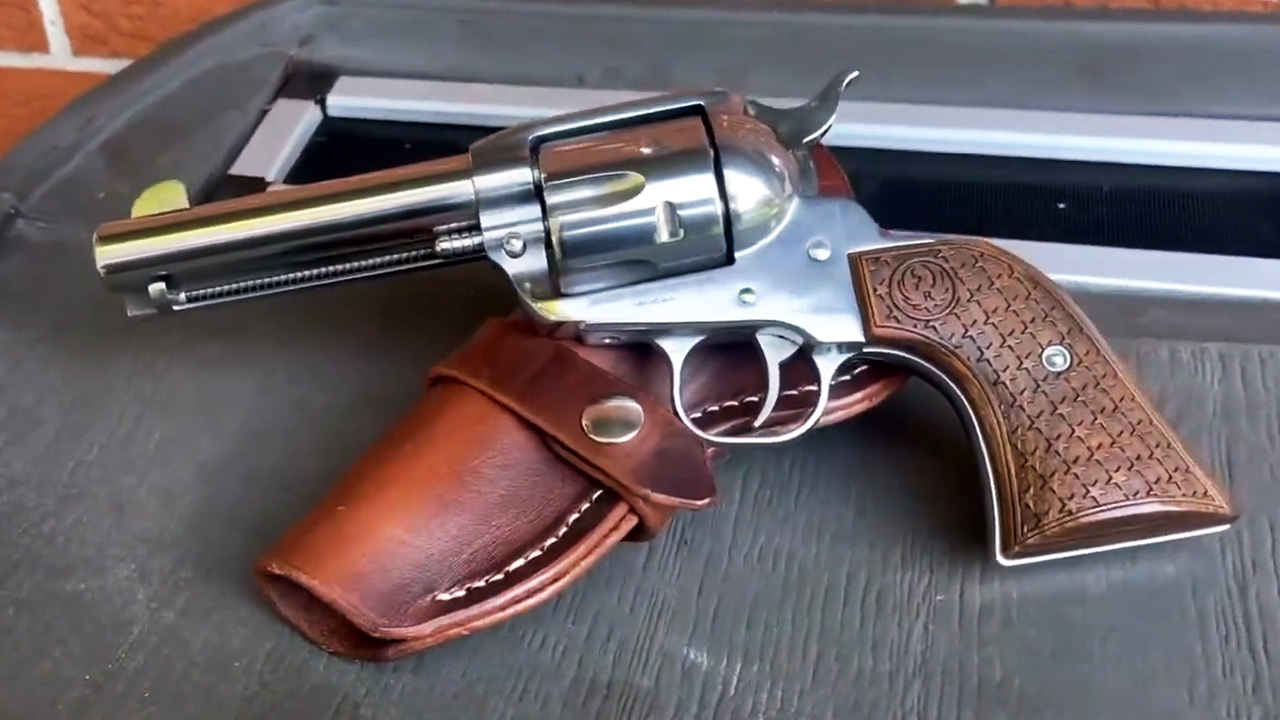
A cowboy revolver can be accurate and strong, and they’re fun to shoot. But as a primary defensive tool, they’re slow to load, slow to reload, and require more steps than most folks think about.
Under stress, “did I cock it?” and “did I index the cylinder right?” are extra problems you don’t need. There’s a reason modern defensive handguns evolved past that.
10. Black powder revolvers for “home defense”
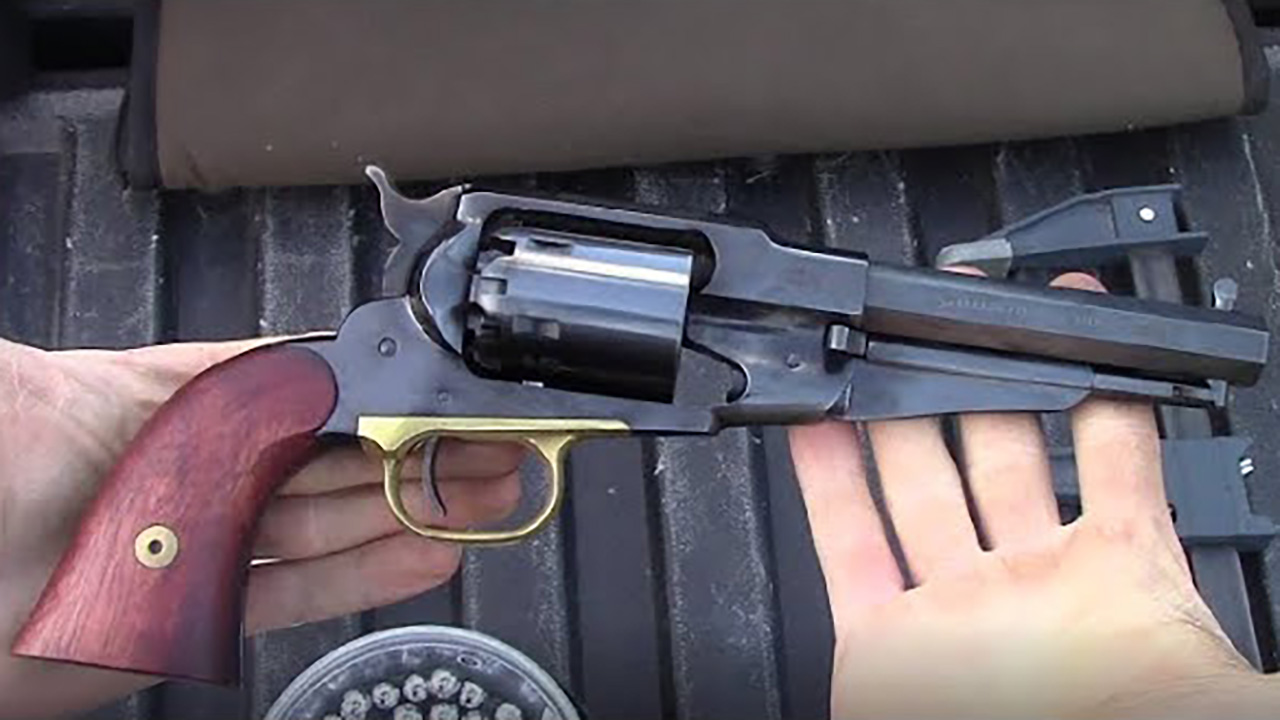
I’ve seen the arguments. I’ve also seen what cap-and-ball revolvers do when they’re neglected, or when the caps don’t cooperate, or when the powder and grease get weird in humidity.
They can work. But they’re maintenance-heavy, and the manual of arms is not forgiving. Betting your life on 1800s ignition systems is romantic until it isn’t.
11. Cheap semi-auto shotguns with mystery reliability

A budget semi-auto that runs is a blessing. A budget semi-auto that’s picky about loads is a nightmare. If it only cycles heavy hunting loads and chokes on common buckshot or lighter practice ammo, you won’t practice much, and you won’t trust it.
Shotguns are already recoil-heavy for many shooters. Add in malfunctions and you’ve got a tool that can turn into a wrestling match in the hallway.
12. Pistol-grip-only 12-gauge “cruiser” setups
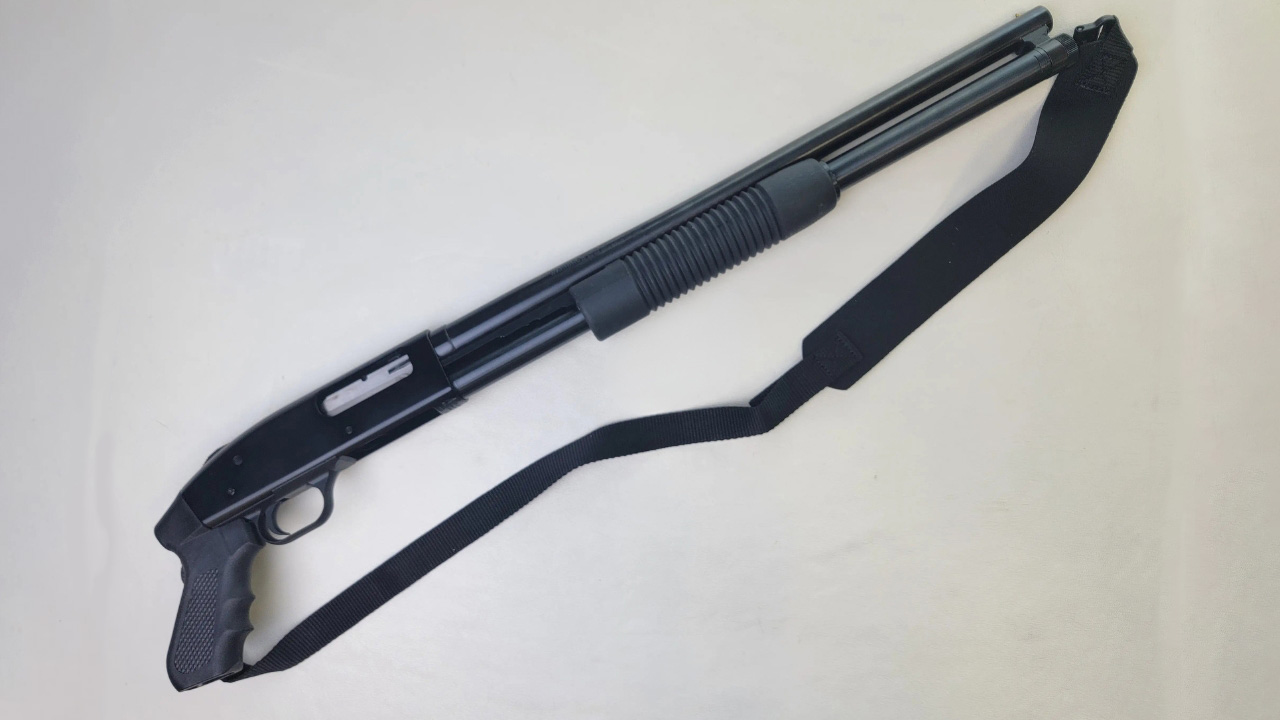
These get bought because they look compact and mean. The problem is you’ve removed the part that lets most people aim and manage recoil: the stock.
Yes, you can train around it. Most don’t. In the real world, a stocked shotgun is easier to shoot accurately, faster to recover, and less likely to get away from you.
13. Single-shot break-action shotguns as a primary defensive firearm
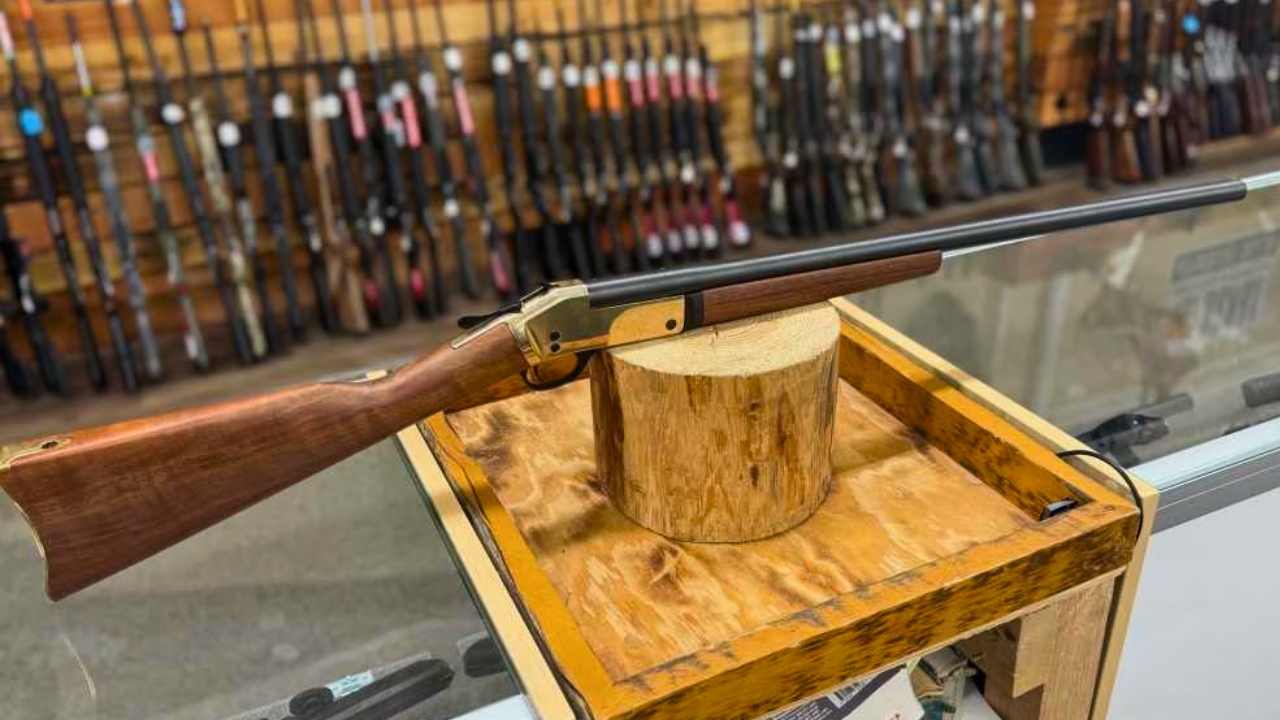
I grew up around break-actions, and they’re dependable in their own way. But one shot changes how you behave. Miss, or hit poorly, and now you’re reloading while the situation keeps moving.
It’s not that they can’t work. It’s that you’re accepting a huge handicap for no good reason when better options exist.
14. Long-barreled hunting revolvers for bear defense
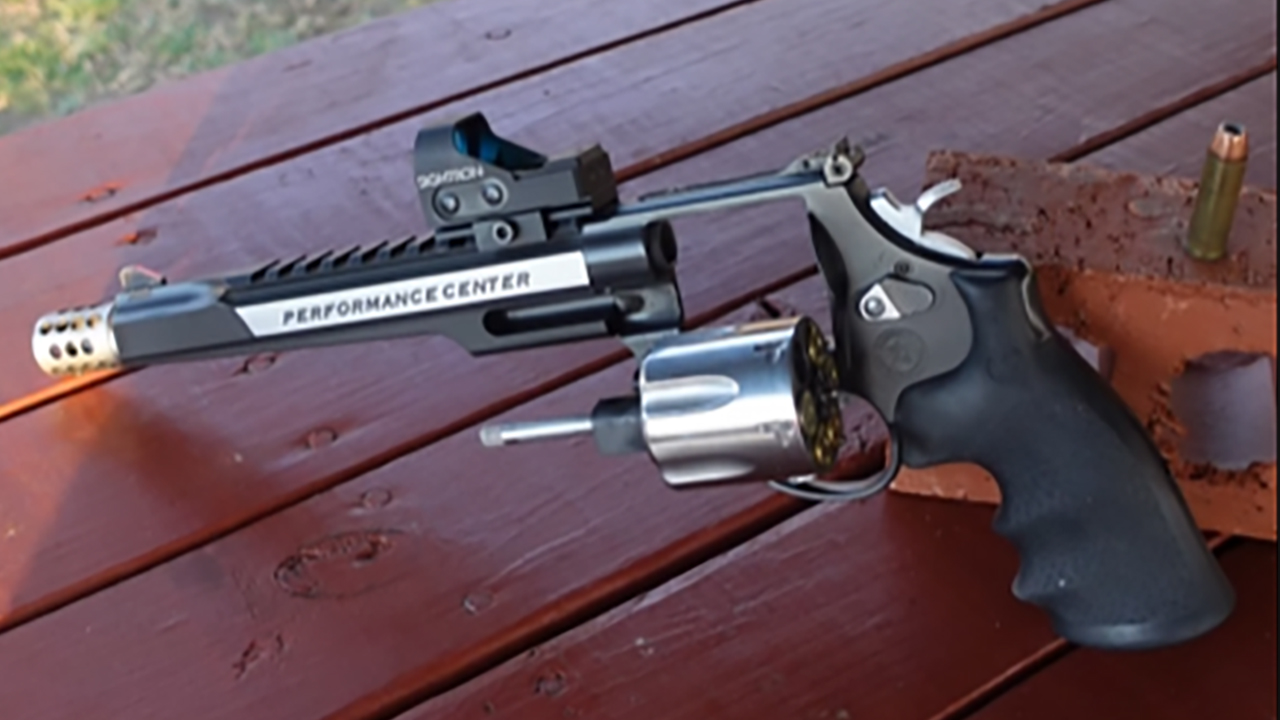
A big .44 or .454 with a long tube can be accurate and powerful. It can also be slow to clear leather, awkward in brush, and heavy enough that it ends up in the pack instead of on the belt.
For bear defense, “on you” matters more than “in camp.” If it’s too much hassle to carry every step, you’ll have it when you least need it and miss it when you most need it.
15. The “race gun” 1911/2011 you baby more than you train with
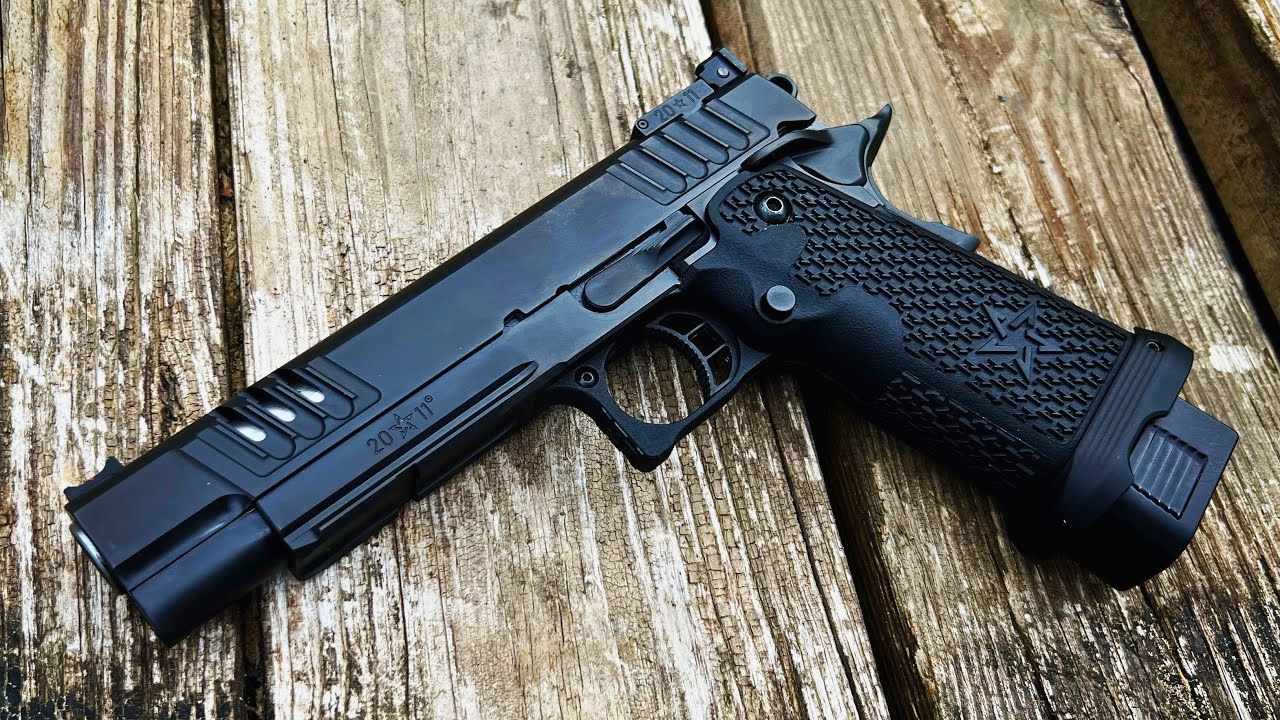
High-end competition pistols can be unreal. Light triggers, flat shooting, fast splits. But if it’s tuned to the edge and you don’t understand what it wants for mags, springs, and ammo, it can be less forgiving than a plain duty pistol.
Also, a super-light trigger is not everyone’s friend under stress. If you’ve only run it on a timer in perfect conditions, don’t assume it’s the best answer at 2 a.m.
16. Pocket pistols carried loose in a pocket with no holster
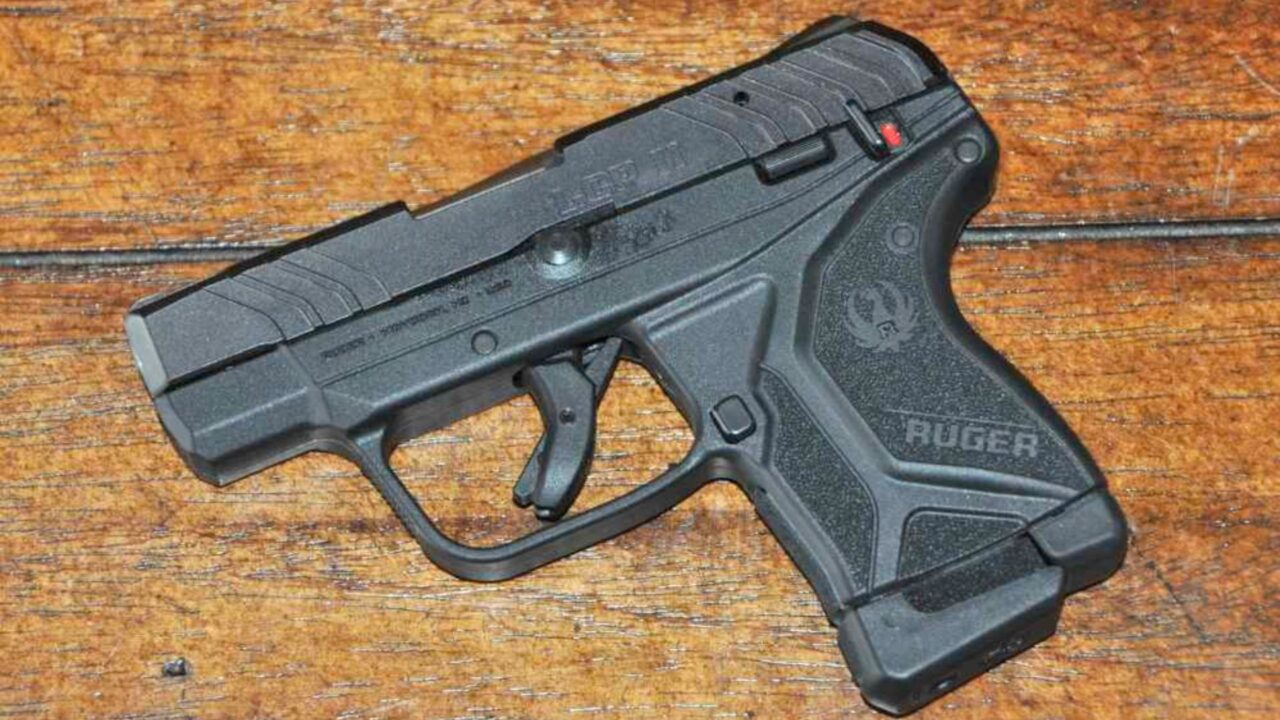
This isn’t about a specific model, it’s about a bad setup that gets people hurt. Loose pocket carry invites lint, junk, and bad draws. It also increases the chance of something getting into the trigger guard.
A pocket gun should be in a pocket holster, period. If your carry method is sloppy, the gun becomes a problem before it becomes a solution.
17. Rimfire semi-auto pistols as a serious defensive choice

.22s can be reliable with the right ammo in the right gun, but rimfire ignition is generally less consistent than centerfire. That matters when “click” is not an option.
If a .22 is what you can shoot, I’m not here to argue you out of it. I’m saying don’t pretend it’s equal to a quality centerfire handgun. Reliability is part of the caliber conversation whether we like it or not.
18. Surplus pistols with oddball magazines and scarce parts
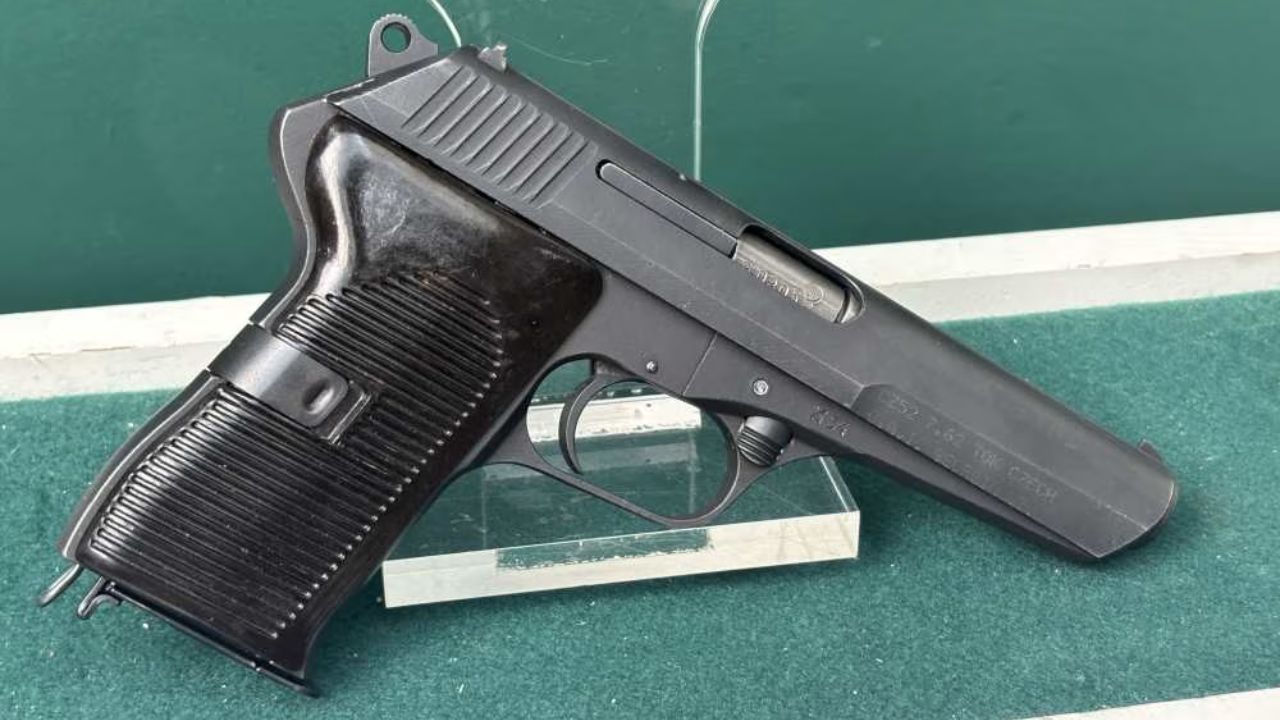
Old service pistols can be cool. Some are tanks. The trouble is when you’re relying on a gun where mags are expensive, hard to find, or hit-or-miss, and replacement springs are a mail-order scavenger hunt.
Defensive guns live or die by magazines and maintenance parts. If you can’t keep it fed with known-good mags, you’re rolling dice.
19. AR pistols with aggressive muzzle brakes (for indoors)
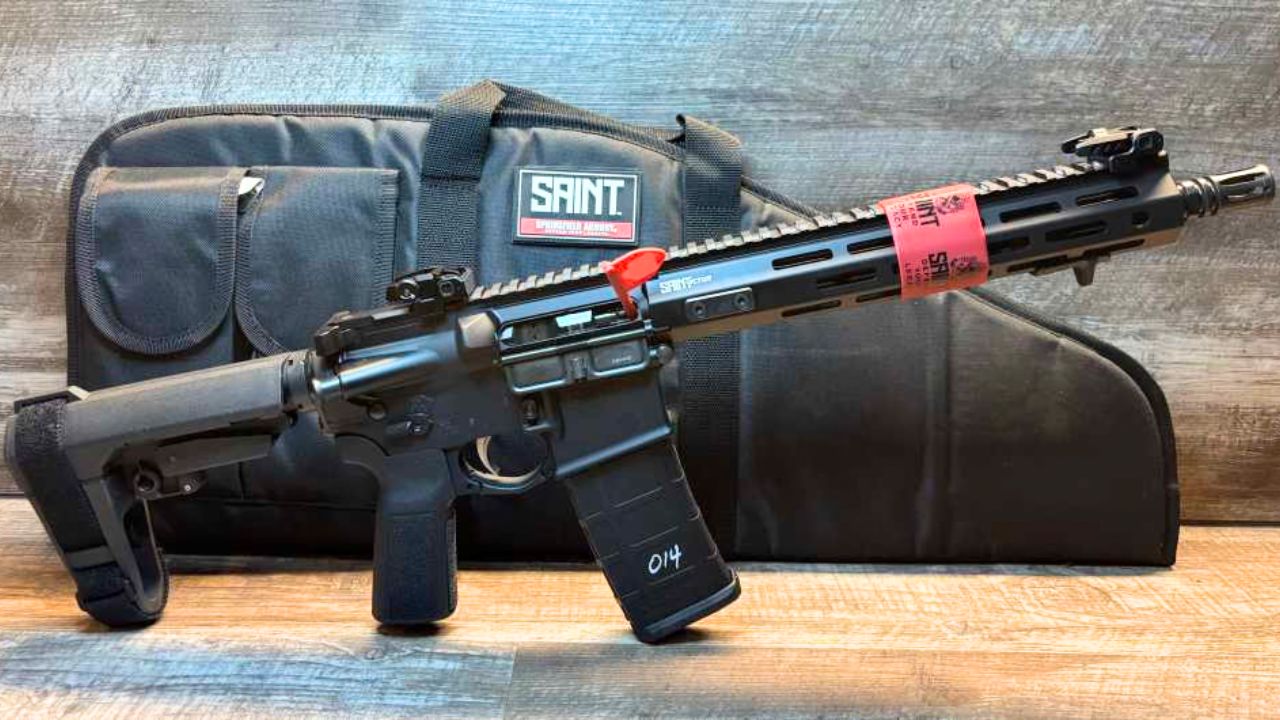
AR pistols can be effective tools. But the ones set up with loud brakes and short barrels are brutal indoors. The blast and concussion can disorient you and everyone in the room, and it’s not a small thing.
If you want a defensive AR, a more sensible muzzle device and barrel length is worth considering. You don’t want your first experience with that setup to be in a dark hallway.
20. The “truck gun” you never zeroed and haven’t shot in years

This one gets more folks than any brand-name mistake. A rifle behind the seat, bouncing around, maybe with an optic that’s seen a few summers of heat and a few winters of condensation. Then one day you actually need it.
If it’s not zeroed, not maintained, and not secured safely, it’s not a defensive tool. It’s a liability that can fail you, or worse, become a hazard to someone else.
The common thread here isn’t that every one of these guns is “bad.” It’s that the wrong gun, or the wrong setup, or a gun you don’t practice with can cost you precious seconds when seconds are all you’ve got. Boring works. Reliable works. And the gun you can actually hit with, quickly, is the one that has a chance of keeping you alive.
Like The Avid Outdoorsman’s content? Subscribe to our newsletter so you never miss an article.
Here’s more from us:


