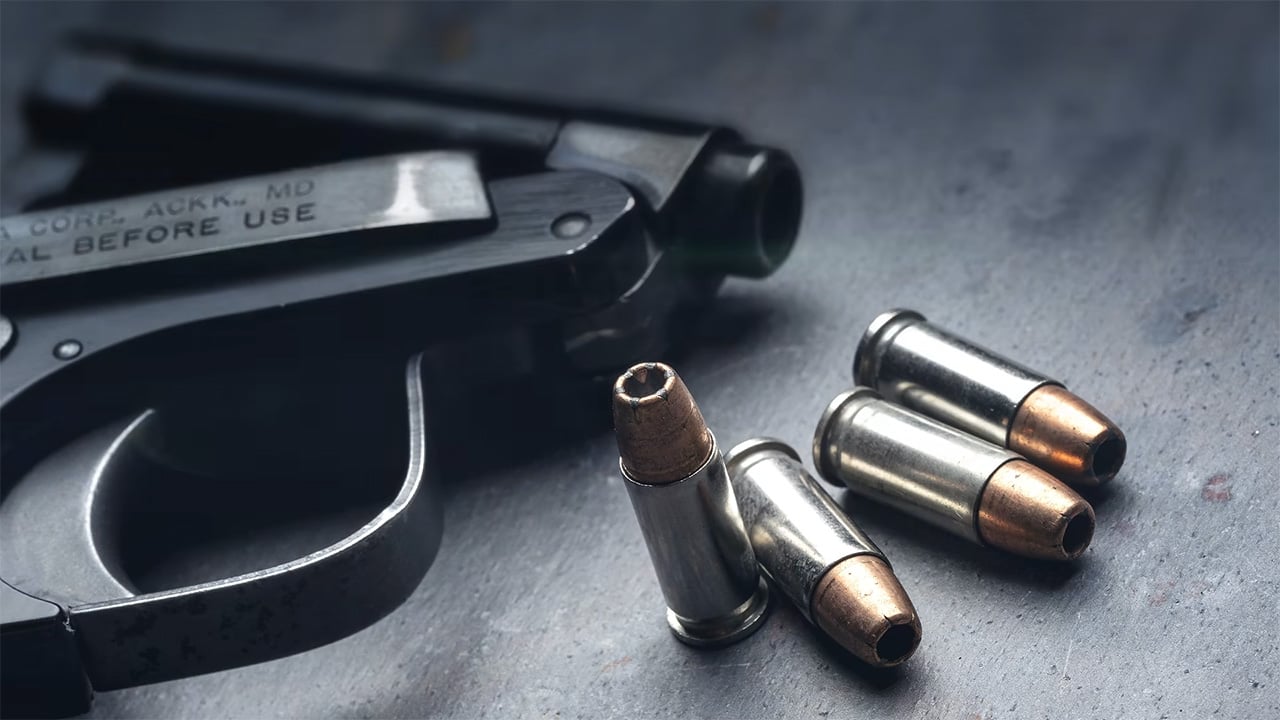
Photo credit: Lucky Gunner Ammo/Youtube
Every few years the gun counter gets a new “problem solver” cartridge. It’s supposed to hit harder than what you’ve got, kick less, feed smoother, shoot flatter, and somehow cost the same. The magazines talk, the forums light up, and ammo makers smile because everybody wants to be early to the next big thing.
Then real life shows up: short barrels, small guns, cold hands, oddball magazine geometry, spotty ammo on the shelf, and the fact that shot placement still matters more than marketing. Here are 20 handgun rounds that, in my experience, didn’t live up to the pitch for most normal outdoorsmen and everyday carriers.
1. .45 GAP
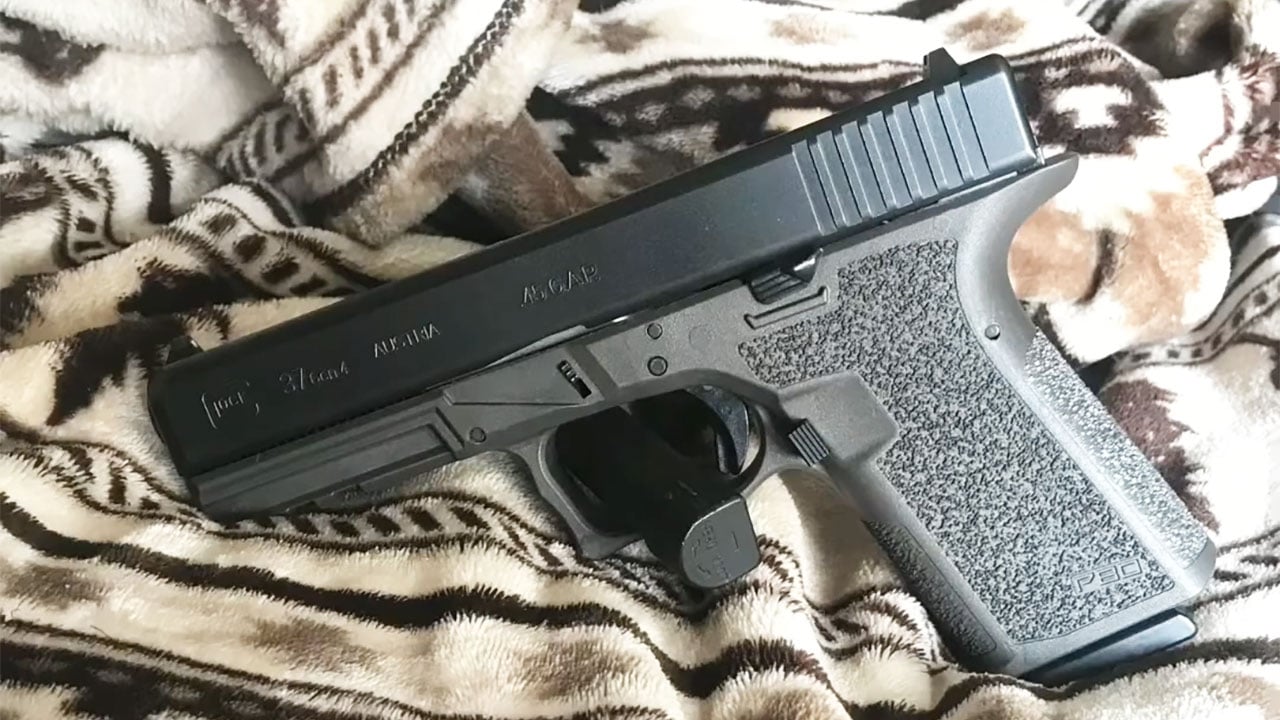
I remember when .45 GAP got pushed as “.45 power in a 9mm-size grip,” and on paper it sounded like a win. In real hands it mostly turned into a solution hunting for a problem. The recoil impulse in compact guns wasn’t magically gentle, and you didn’t really get anything you couldn’t already get from a good .45 ACP load in a sensible pistol.
The bigger issue was always support. Ammo selection was thin, pricing rarely felt friendly, and if your local shop didn’t stock it you were planning around it. For a working carry gun or a glovebox piece, that’s not “minor.” If the whole point is confidence, a cartridge that’s hard to find doesn’t help.
2. .40 S&W
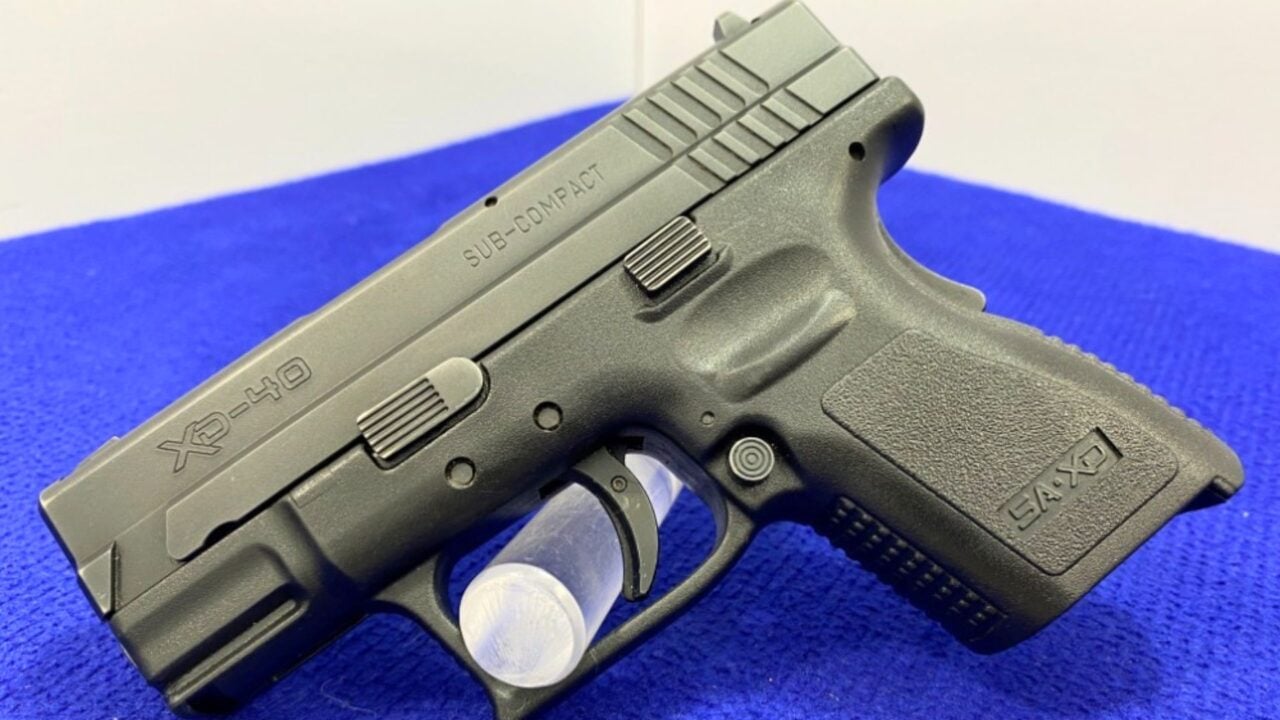
.40 S&W is the king of “looked great on a spec sheet.” It got sold as the happy middle between 9mm and .45, and plenty of agencies went that way for years. The trouble is it asked a lot from service-size guns and even more from compacts. Snappy recoil, faster wear in some platforms, and a real tendency for shooters to get sloppy under speed.
These days 9mm defensive loads are so good that .40’s advantage is harder to feel outside of very specific preferences. You can absolutely run .40 well, but most folks shoot 9mm faster and more accurately for less money. When you’re paying for training ammo, that matters more than internet arguments.
3. .357 SIG
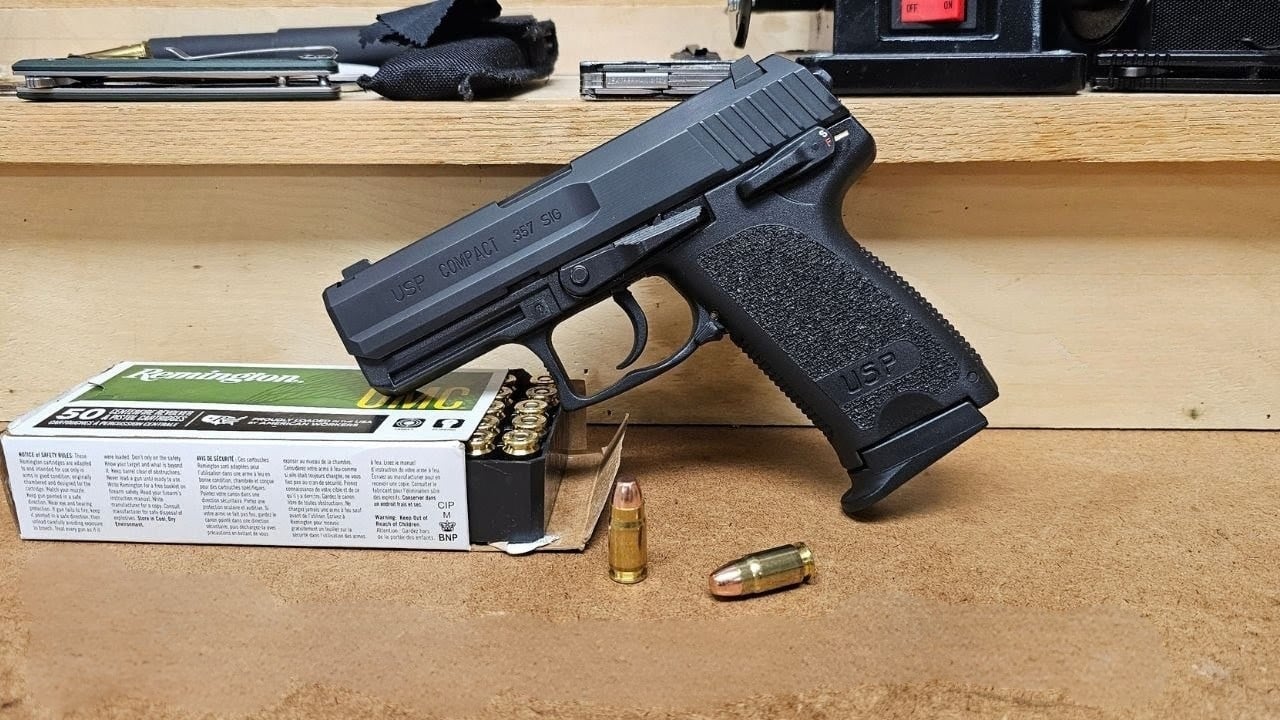
.357 SIG got marketed like a lightning bolt: flat shooting, barrier performance, “magnum-like” speed in a semi-auto. It is a neat round, and it does what it says in certain lanes. But it’s loud in a way that makes you blink in indoor ranges, and in shorter barrels it gives up some of the magic you paid for.
Then there’s the feed: bottleneck cases help, but you’re still married to availability and cost. Many stores don’t keep much on the shelf, and a lot of shooters don’t reload. If you aren’t running it regularly, you’re basically carrying a caliber you don’t practice with. Ask me how I know that ends up.
4. 5.7x28mm

5.7x28mm is one of those rounds that gets treated like a cheat code. Lightweight, fast, high capacity, low recoil—sounds perfect until you start thinking like a hunter or a concealed carrier instead of a brochure. The performance you want depends heavily on the load, and the real-world terminal story is not as simple as “fast equals effective.”
Ammo is also not cheap enough for most folks to shoot a lot, and it’s not as common in small-town shops as boring calibers. The guns tend to be big for what they are, too. If you’re buying it because you hate recoil, fine. If you’re buying it because you think it replaces a serious defensive caliber without tradeoffs, you’re believing the pitch.
5. .22 WMR (from handguns)

.22 Magnum out of a rifle has its place. Out of a handgun, it’s a different conversation. Folks get sold on “more punch than .22 LR” and “still easy to shoot,” and both are true to a point. But rimfire ignition is rimfire ignition, and depending on the ammo you can see more inconsistent performance than people want to admit.
In short barrels you often get a lot of flash and noise without the velocity the box implies. It can be a fun trail gun round, and it can put down small pests with careful shots. Still, when someone tries to sell it as a serious substitute for centerfire defensive cartridges, I start looking for the catch.
6. .17 HMR (from handguns)
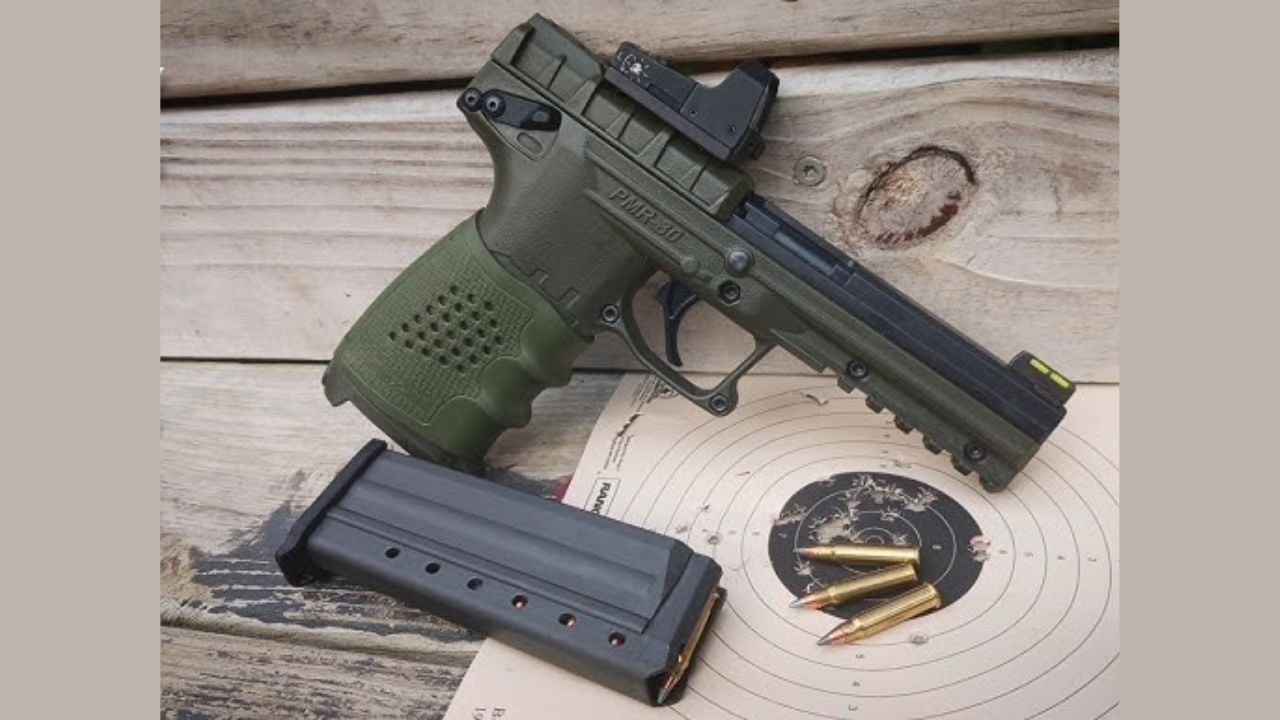
.17 HMR is another rimfire that shines in rifles and gets weird in handguns. The sales pitch is always accuracy and speed, and sure, it can be impressively flat from a long barrel. Put it in a handgun and you’re trading away velocity while keeping the finicky nature of rimfire priming.
It’s also not a great “do-everything” woods round. For small game it can be downright destructive up close, and for anything bigger you’re leaning hard on perfect placement. It’s a neat novelty in a revolver for paper and pests, but it never became the miracle sidearm cartridge some folks wanted.
7. .30 Super Carry
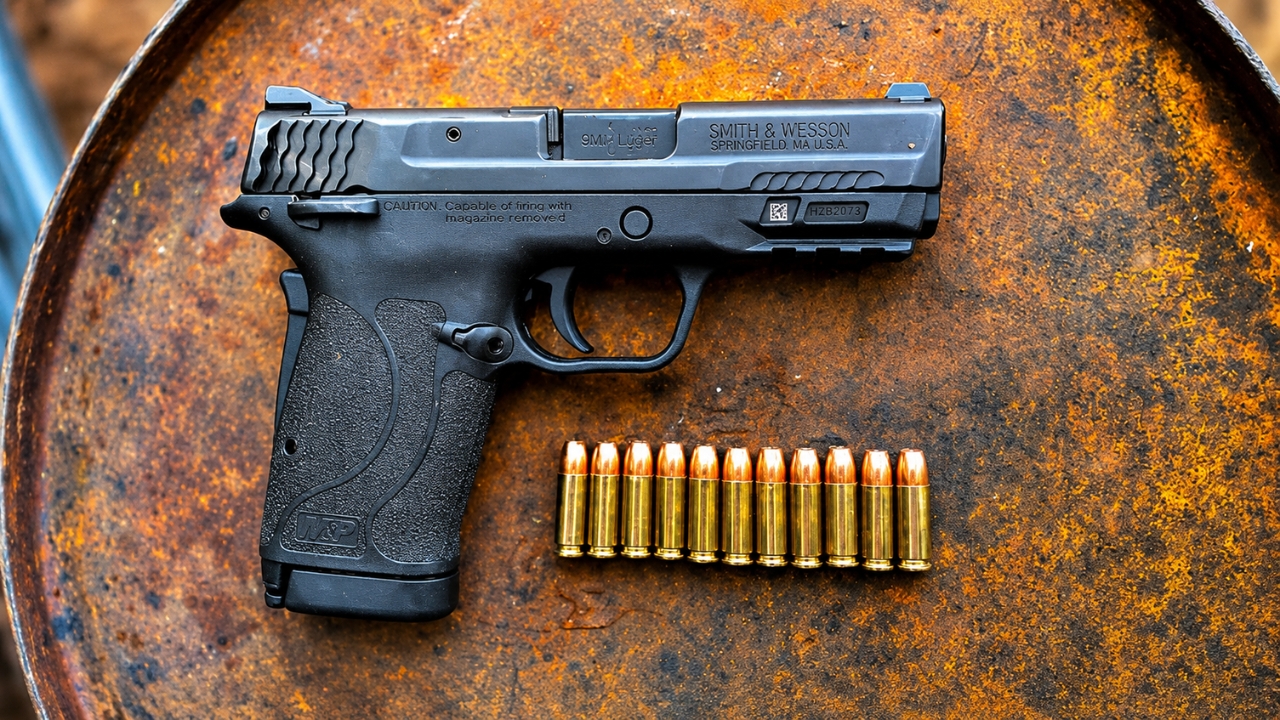
.30 Super Carry came in hot with the promise of “more rounds in the same size gun” with respectable performance. I get the idea. But the moment you step away from the press release, you’re looking at a niche round fighting the two most entrenched handgun calibers on Earth: 9mm and .380.
Ammo availability is the first speed bump, cost is the second, and the third is that the practical improvement is easy to overstate. One or two more rounds is nice, but not if it means you can’t find your carry load locally or you don’t train because it’s pricey. For most folks, it’s an answer that arrived after the question moved on.
8. .327 Federal Magnum
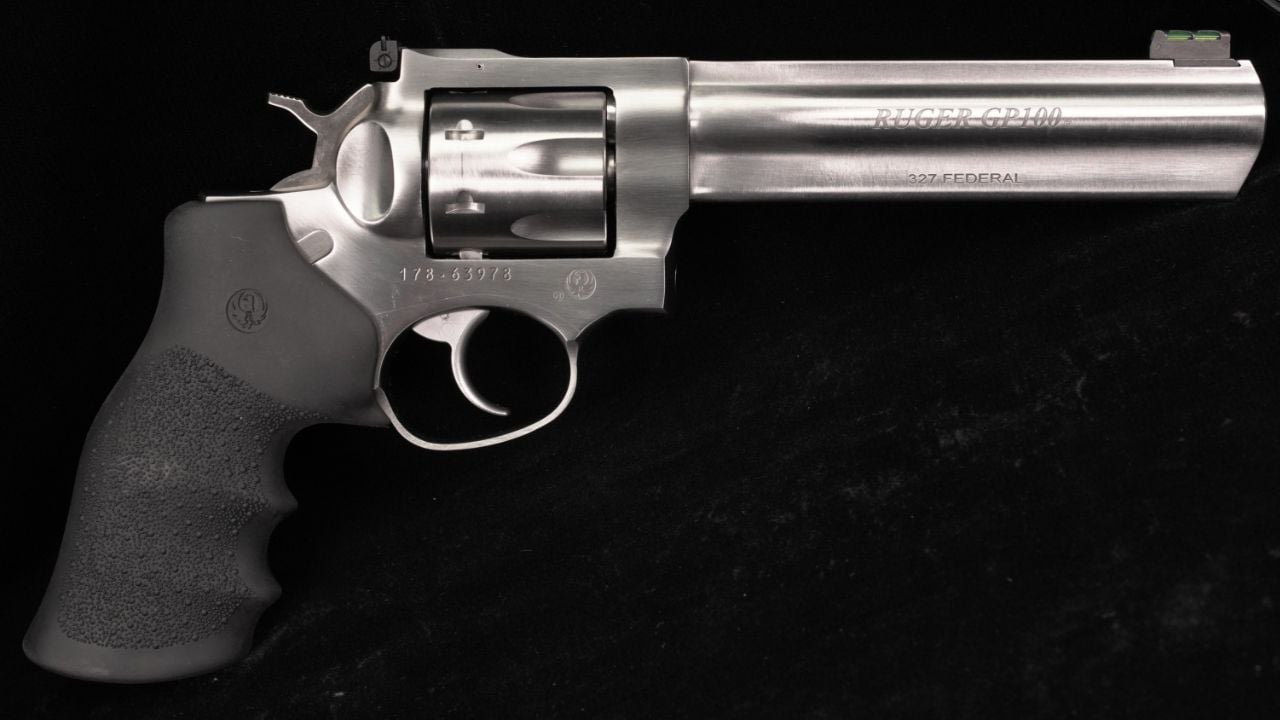
.327 Federal Magnum got sold as a way to cram one more round into a small revolver while still having real power. It can do that, and in a sturdy gun it’s impressive. The problem is the recoil and blast in the size revolver most buyers actually want. A light snub with .327 can be a handful in a hurry.
Then you run into the practical stuff: finding ammo, finding a gun you like, and getting enough range time to be confident. A .38 Special you practice with beats a spicy boutique magnum you dread. I like .327 as a concept, but the “everybody should switch” angle never matched real use.
9. .32 H&R Magnum
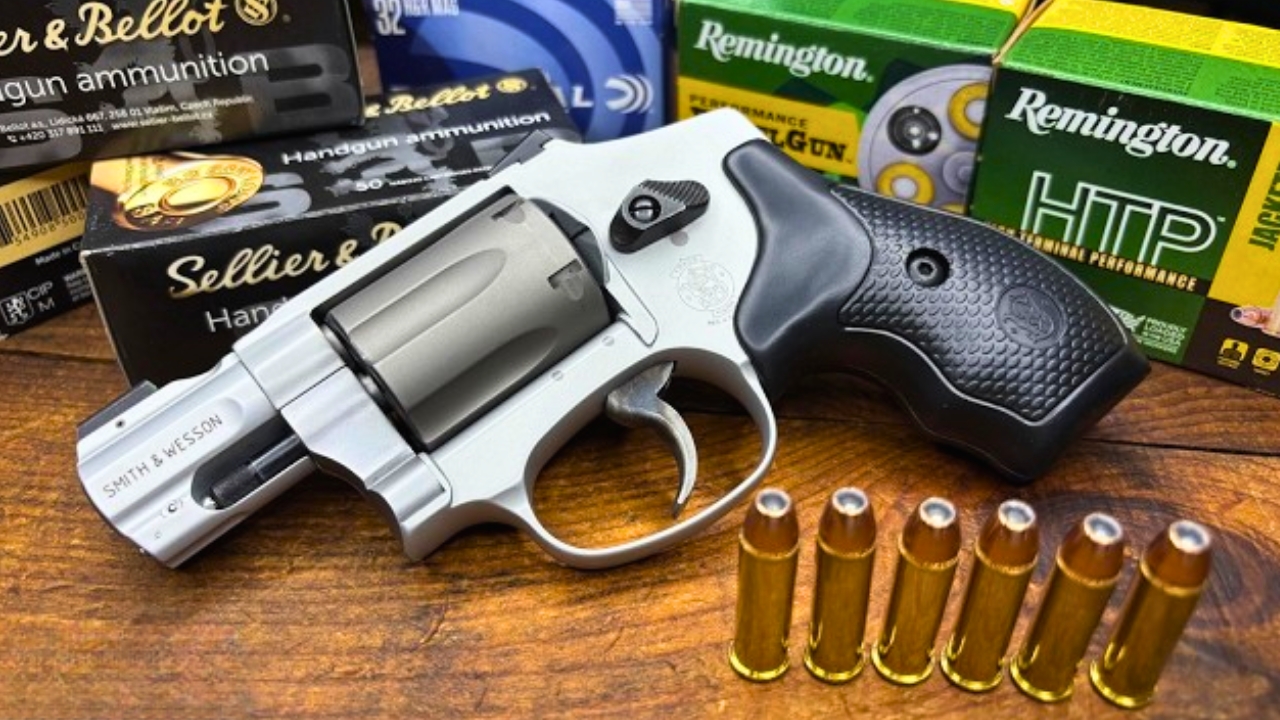
.32 H&R Magnum gets pitched as mild recoil with better performance than .32 Long. That’s fair, and it can be a pleasant cartridge to shoot. The hype part comes when it’s framed as a mainstream defensive answer. Most folks don’t have a strong reason to chase it unless they already love revolvers and want a very specific feel.
Ammo can be a scavenger hunt in some places, and not every gun shop stocks good defensive loads for it. Also, the guns chambered for it aren’t always what you want for modern carry. If you want a soft-shooting defensive tool, a .380 or 9mm in the right gun is easier to live with day to day.
10. .41 Magnum

.41 Magnum has a loyal following, and I respect it. The problem is that it’s often introduced to new buyers as the “perfect” big-bore—flatter than .44, hits harder than .357, best of both worlds. In reality, it’s a specialized hunting/woods cartridge that asks for a full-size revolver and a shooter who actually practices.
Ammo selection and cost don’t do it any favors, and many stores treat it like an oddball. Recoil is still real recoil, and lightweight revolvers in .41 are not friendly. If you’re a dedicated revolver hunter, you can make it sing. If you just want a practical woods sidearm, it’s more hassle than most need.
Free for gun owners: If something happened to you tomorrow, would your family know where the guns are, who has the safe combination, or what to do first? Our free Gun Owner’s Family Checklist walks them through it. It takes about 15 minutes to fill out. Get your free copy here.
11. .44 Special (as a “best of both worlds”)
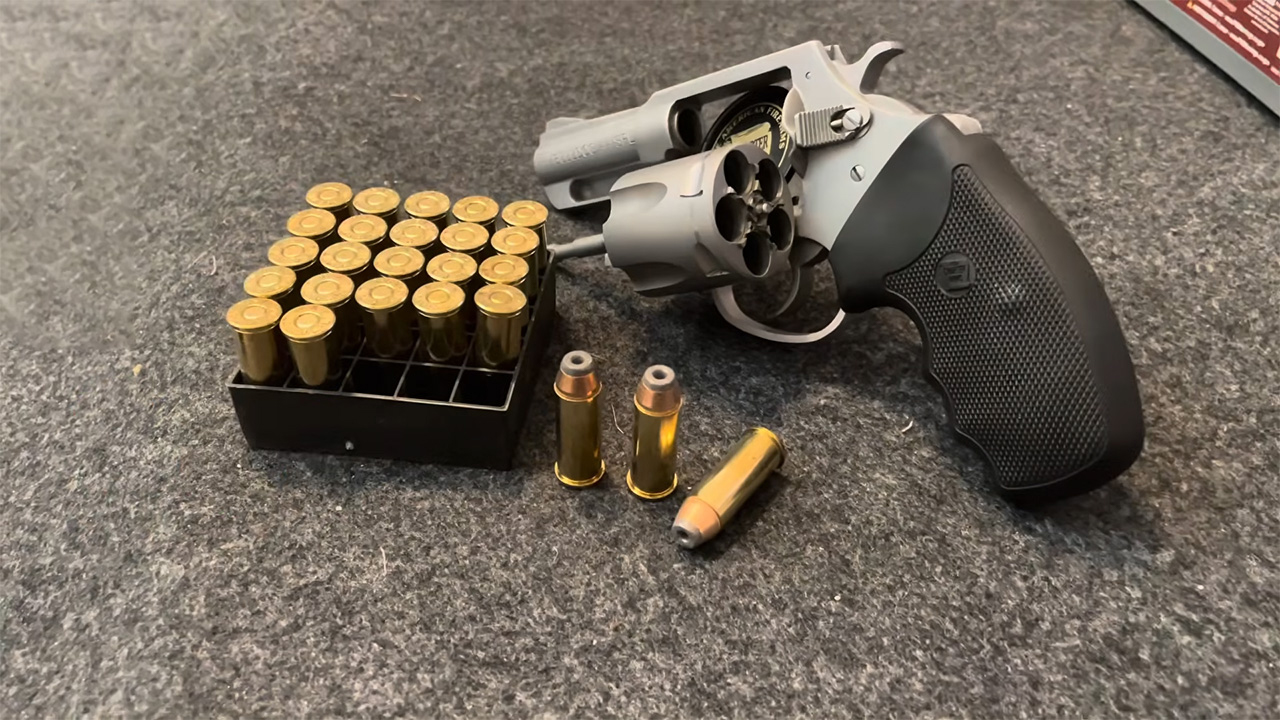
.44 Special gets described as a sweet, controllable big bore. And it can be—out of the right gun with the right loads. The sales job comes when it’s presented like it’s going to do everything .44 Magnum does, only pleasant. That’s not how physics works, and it’s not how ammo shelves work either.
Finding good .44 Special carry loads isn’t always easy locally, and a lot of .44 Special revolvers are either heavy or pricey, or both. In a small gun, recoil can still be sharp, and follow-up shots can get slow. It’s a classy cartridge, no doubt. It just isn’t the universal answer it sometimes gets framed as.
12. .45 Colt (in modern defensive talk)
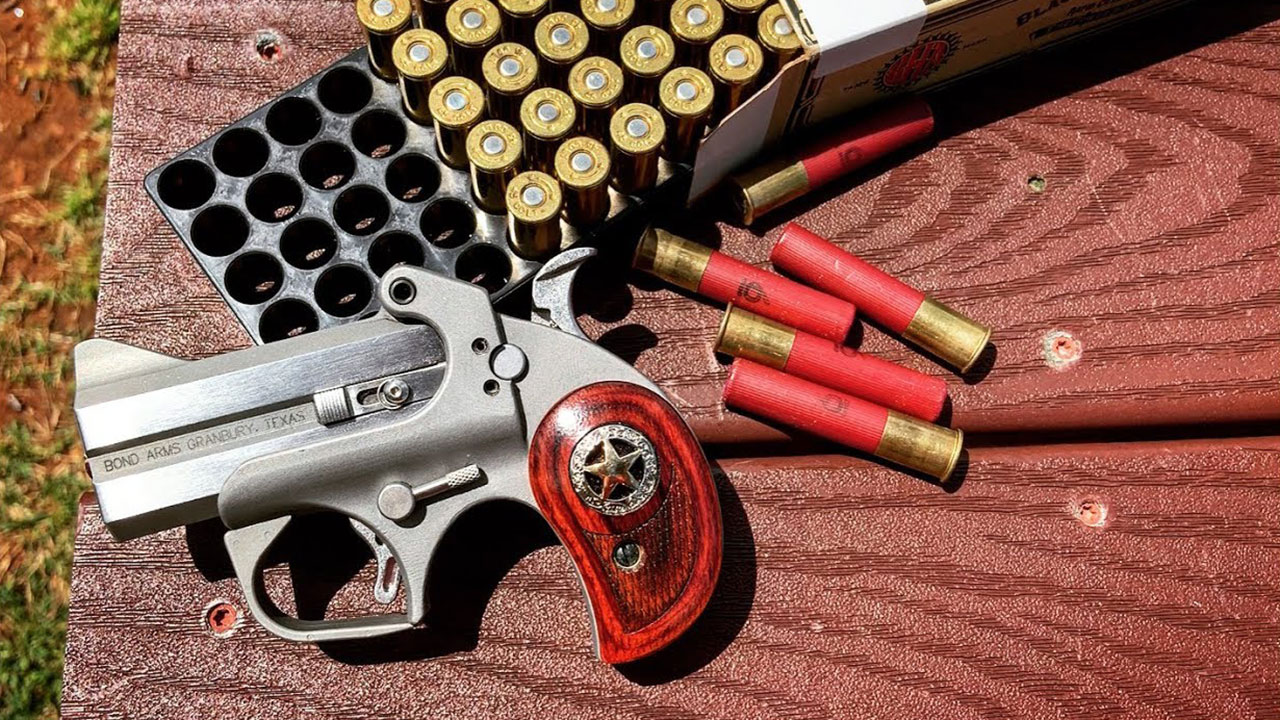
.45 Colt is one of those rounds people fall in love with, and I get it. It has history, it hits with authority, and in strong guns it can be loaded hot. The trouble is the hype leaks into “carry it for defense” advice, and that’s where the wheels start wobbling for most people.
Loads vary wildly because of the mix of old guns and modern guns, so you can’t assume much without reading the box carefully. Revolvers chambered in .45 Colt are often big, and they don’t disappear under a jacket like folks pretend. It’s great for certain hunting rigs and range fun, but it’s not automatically smarter than more common defensive options.
13. 10mm Auto (for everyone, all the time)
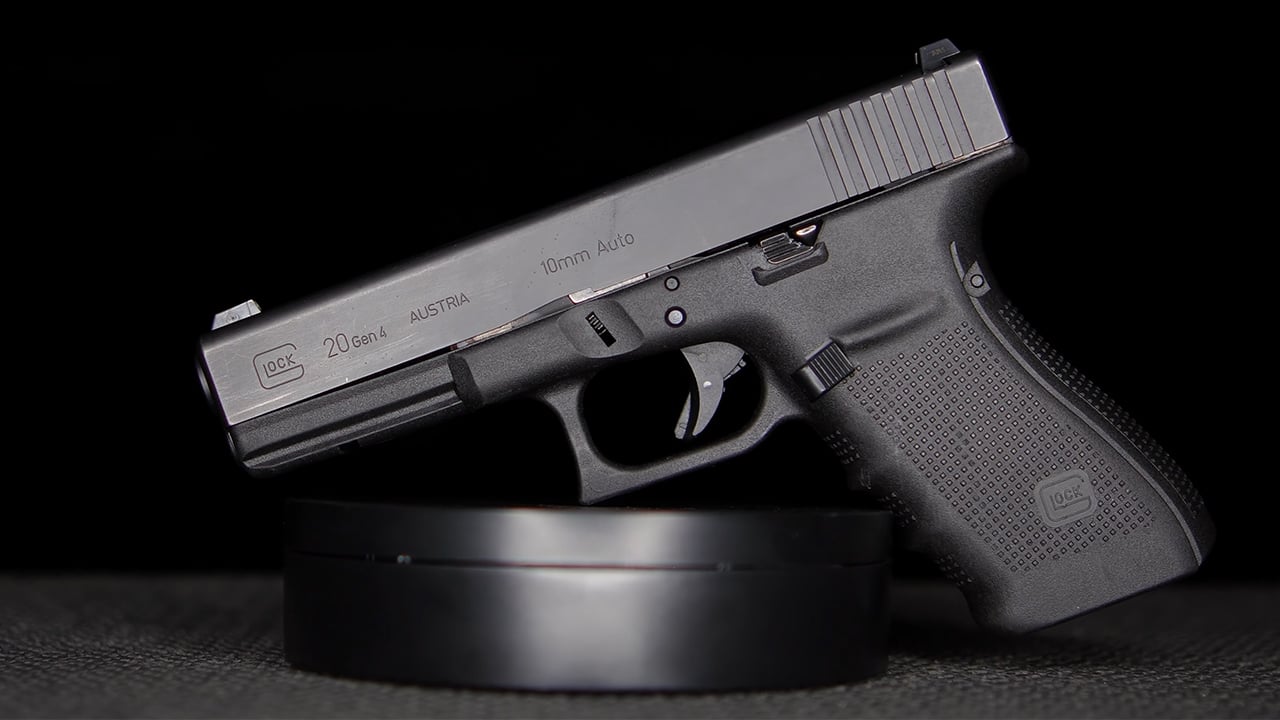
10mm is having a moment, and part of it is deserved. With the right load, it’s a serious woods cartridge in an auto pistol. Where it gets oversold is the idea that it’s the perfect do-all choice for the average shooter. Full-power 10mm has real snap, and not everybody runs it well when they’re cold, tired, or rushing.
Another issue is that a lot of “10mm” ammo on shelves is watered down, which confuses buyers. If you’re training with soft stuff and carrying hot stuff, the recoil difference can surprise you. If you’re carrying soft stuff, you might not be getting what you paid for. I like 10mm for certain roles. I don’t like it as default advice.
14. .357 Magnum (in ultra-light snubs)
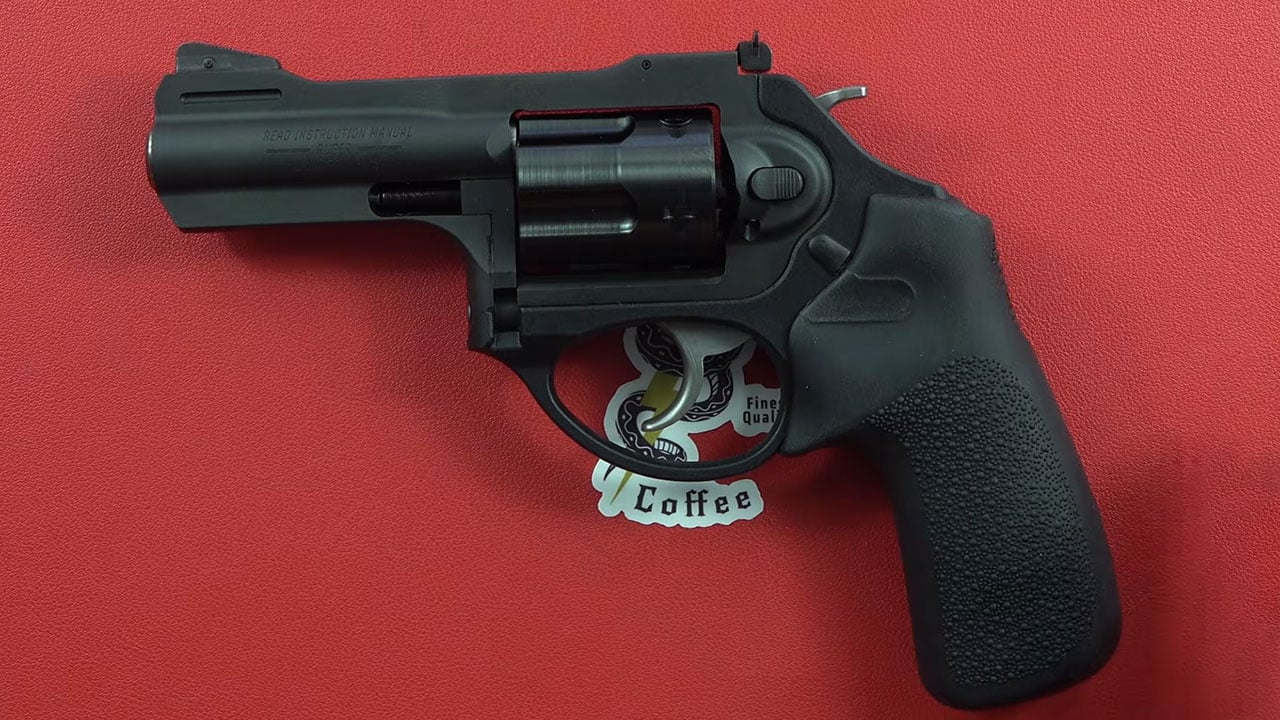
.357 Magnum earned its reputation, but the modern hype often ignores the platform. Stuffing .357 into featherweight snub-nose revolvers sounds good when you’re reading energy charts. On the range, it’s often one cylinder and done. The blast is fierce, the grip wants to squirm, and accuracy goes south fast for many shooters.
In the real world, that means folks end up carrying .38 +P anyway. That’s not a failure of .357 as a cartridge; it’s a failure of the “any gun, any shooter, any day” marketing. In a heavier revolver with a sensible barrel length, .357 is still a hammer. In a flyweight pocket revolver, it’s mostly ego and sore hands.
15. .50 AE

.50 Action Express is the poster child for “because I can.” It got sold as the ultimate handgun power, and sure, it’s a monster. The problem is that it’s basically a range toy for most owners. The gun is huge, the ammo is expensive, and carrying it anywhere but a movie set gets old fast.
Recoil management takes real commitment, and follow-up shots are not quick for most shooters. Hunting with it is possible, but it’s a narrow lane and requires good judgment on distance and shot placement. If you want a big-bore handgun you can actually use often, there are more practical answers. This one is more about noise and bragging rights.
16. .357 Maximum
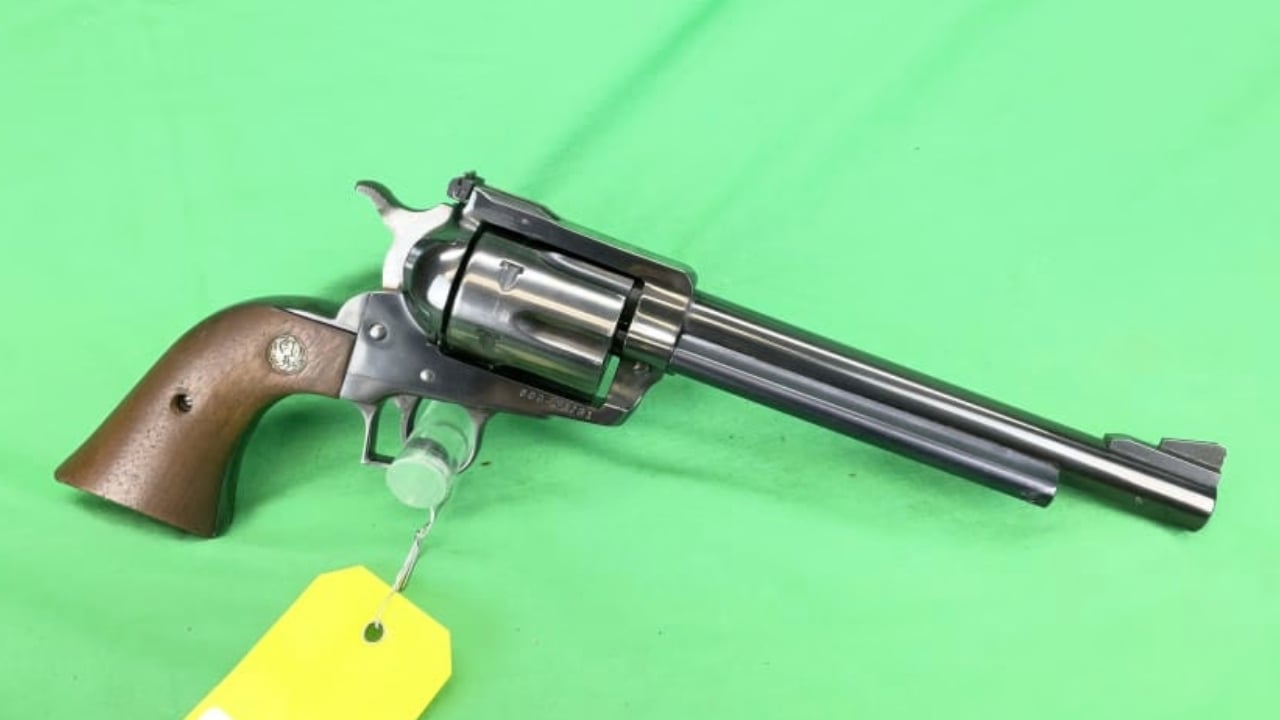
.357 Maximum has a cult following, and it’s easy to see why: stretch the .357 idea and chase more velocity. In reality it always lived on the edge of “how much can we squeeze out of this platform” rather than “what do normal handgun owners need.” It can be hard on guns, and it never became a common shelf item for ammo.
Most shooters don’t need it for hunting because they’ve got other options that are easier to feed and easier to support. And for defense, it’s way outside the practical zone. If you find one and love it, fine. But the cartridge itself is a reminder that pushing boundaries doesn’t always create a lasting, useful tool.
17. 9x18mm Makarov
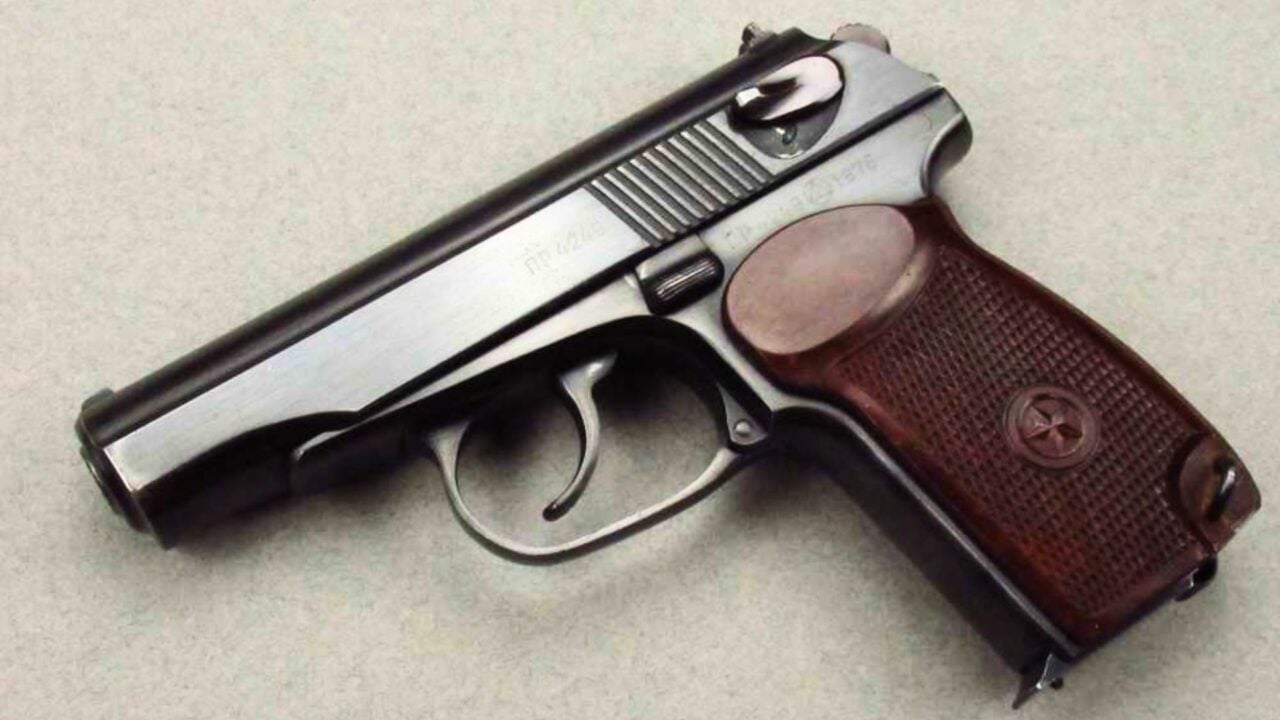
9×18 Makarov has been pitched a lot over the years as cheap shooting and “almost 9mm” performance. The truth is it sits in its own spot, and that spot can be awkward. It’s not 9mm Luger, so you don’t get the same broad load selection, and it’s not .380 either, so you can’t just substitute what’s on sale.
The guns are often tough and simple, which I like, but many are older designs with heavy triggers, small sights, and limited modern carry support. When surplus ammo dried up, the “it’s so affordable” advantage faded. If you already have a Mak, keep it running. If you’re choosing a carry caliber today, there are easier paths.
18. .25 ACP
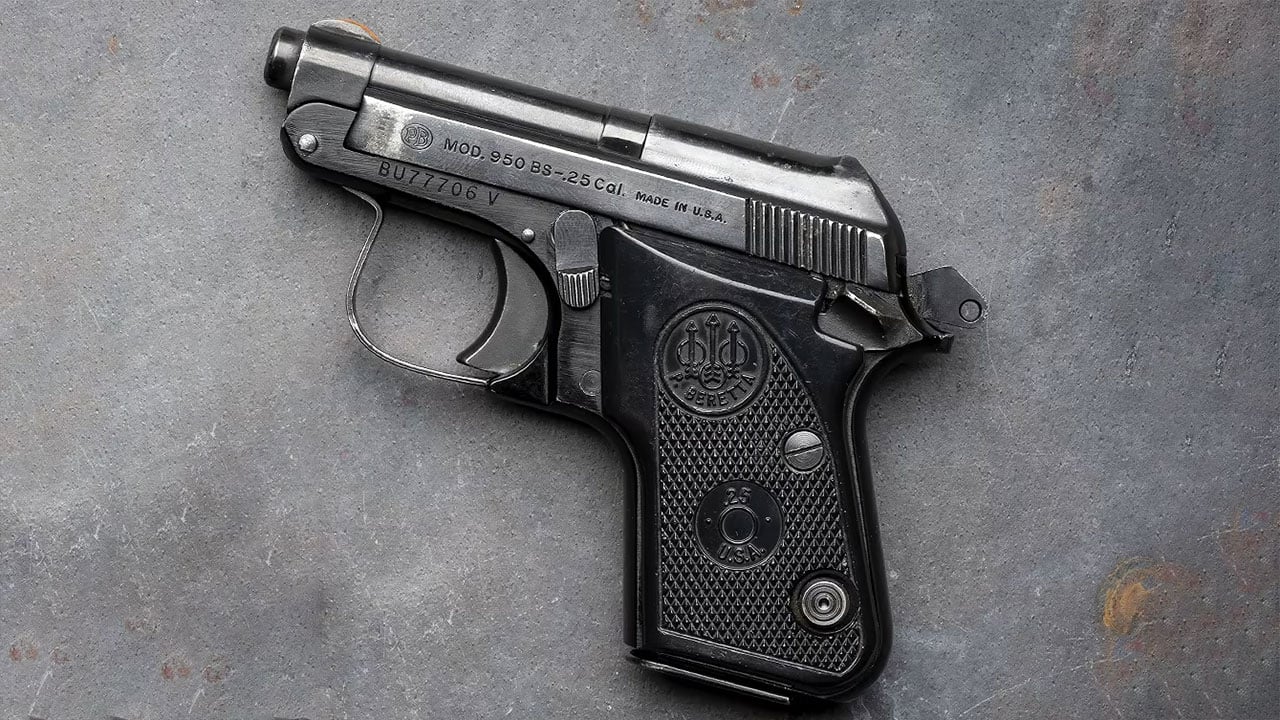
.25 ACP has probably started more gun-counter arguments than it deserves. It got sold for years as “more reliable than .22” in tiny automatics, and sometimes that’s true. But the performance is still limited, and the guns chambered for it are often the kind of tiny pistols that are hard to shoot well under stress.
Ammo isn’t always cheap, either, which surprises people. If you don’t practice, the small sights and tiny grips can make accuracy a chore past arm’s length. I’m not here to shame anybody for what they can carry, but the idea that .25 is some hidden gem is mostly nostalgia talking. Modern .380 and small 9mms changed the game.
19. .32 ACP (as a modern primary)

.32 ACP is pleasant to shoot and can be accurate, especially in the right pistol. It also has an old-school cool factor. The oversell happens when it’s framed as a serious primary defensive option for the average person simply because it’s “easy.” Easy recoil is nice, but you still need penetration and consistent performance, and you need to be able to buy good ammo without hunting all over town.
Another reality: many .32 ACP pistols folks actually own are older, with heel mag releases, small controls, and sights meant for a different era. If you’re carrying one because it’s what fits your life and you shoot it well, I respect that. But if someone is trying to talk you into .32 as the best answer for everybody, they’re skipping the hard parts.
20. .380 ACP (in tiny, ultra-light pistols)

.380 ACP isn’t a bad cartridge. What’s bad is the way it gets sold when it’s stuffed into the smallest, lightest pistols possible and marketed as “soft shooting.” Those micro .380s can be downright sharp. Short grips, stiff springs, and minimal sights turn practice into work, and plenty of owners don’t practice because it’s not fun.
Ammo cost can also surprise folks, especially compared to bulk 9mm. And once you realize you can sometimes carry a slightly larger 9mm with similar comfort, the .380 pitch gets weaker. Still, in the right gun—a slightly larger .380 that you can actually hold onto—it makes sense. The hype is pretending every mouse gun is a joy to run. It’s usually not.
None of this means these cartridges are “useless.” It means the sales pitch often ignores how regular gun owners actually live: limited time, limited ammo budgets, and a need for stuff that’s easy to find and easy to shoot well. Boring calibers stay popular for a reason. Before you chase the next hot round, be honest about your gun, your hands, and what’s actually on the shelf where you live.
Like The Avid Outdoorsman’s content? Subscribe to our newsletter so you never miss an article.
Here’s more from us: