Photo credit: Komsan Somthi/Shutterstock.com
A lot of pistols behave like they were tuned in a lab—smooth cycling, tight groups, no surprises—until you feed them something they weren’t “expecting.” You see it all the time at the range. A gun that ran flawlessly on bulk FMJ suddenly turns picky the moment you switch to defensive hollow-points or a different bullet profile.
When a pistol can’t handle realistic ammo changes, it’s hard to trust it for anything beyond casual shooting. These are the models that seem fine on the surface, but once you change loads, the flaws show up fast.
Taurus PT145 Millennium Pro
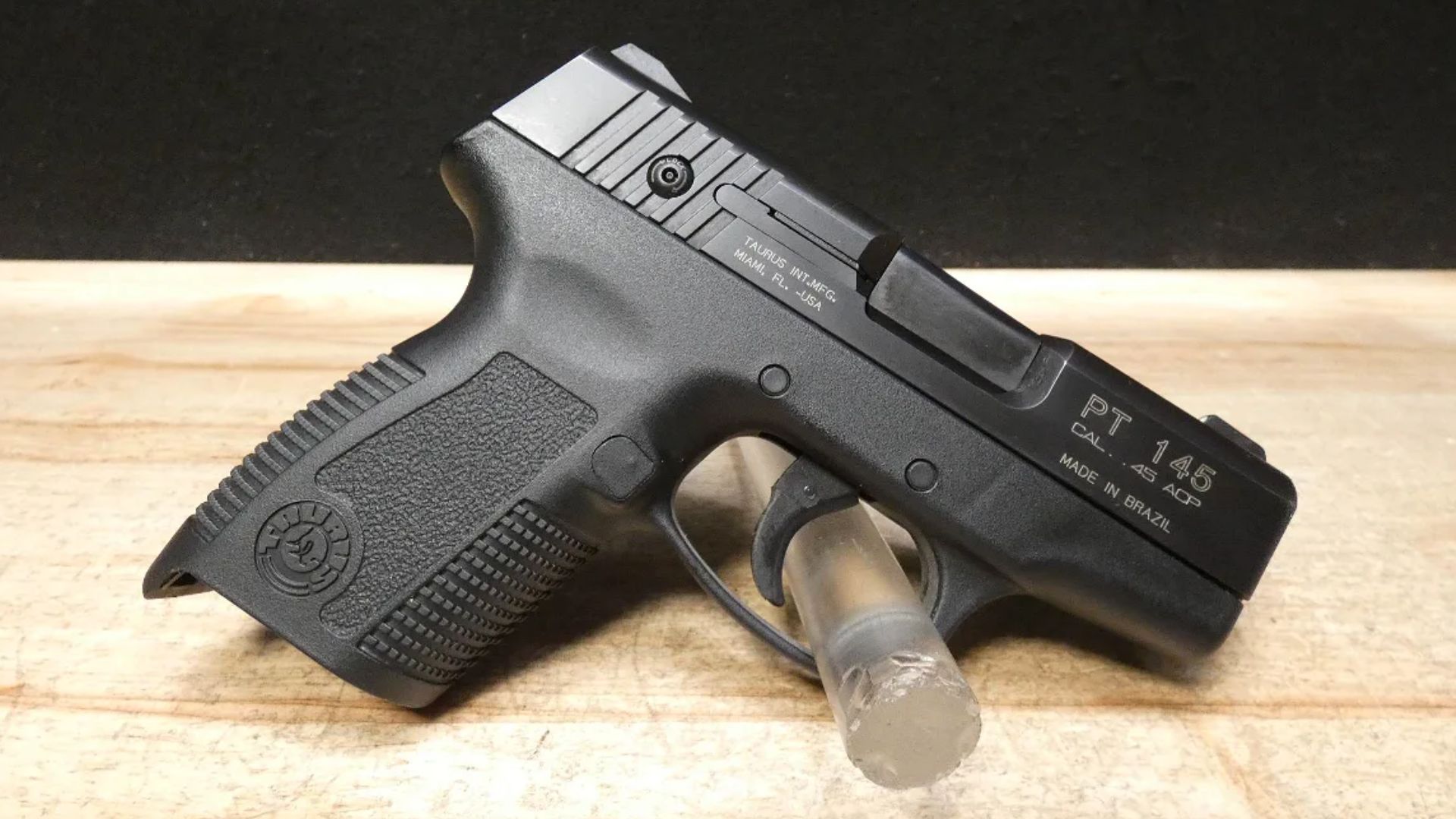
The PT145 Millennium Pro can feel great in the hand, and many shooters like the size and capacity. But once you start experimenting with different ammo, the gun’s mood shifts. Some loads cause nose-dives, and lighter hollow-points tend to hang up on the feed ramp. It’s a pistol that behaves one way during a basic range session and another when you introduce something more demanding.
You notice the inconsistencies most when you’re shooting mixed boxes of defensive ammo. One load cycles fine while the next turns into a guessing game. Reliability isn’t supposed to swing like that, especially in a carry gun. The PT145 can run—but only when you feed it the exact load it prefers.
Kahr CW40
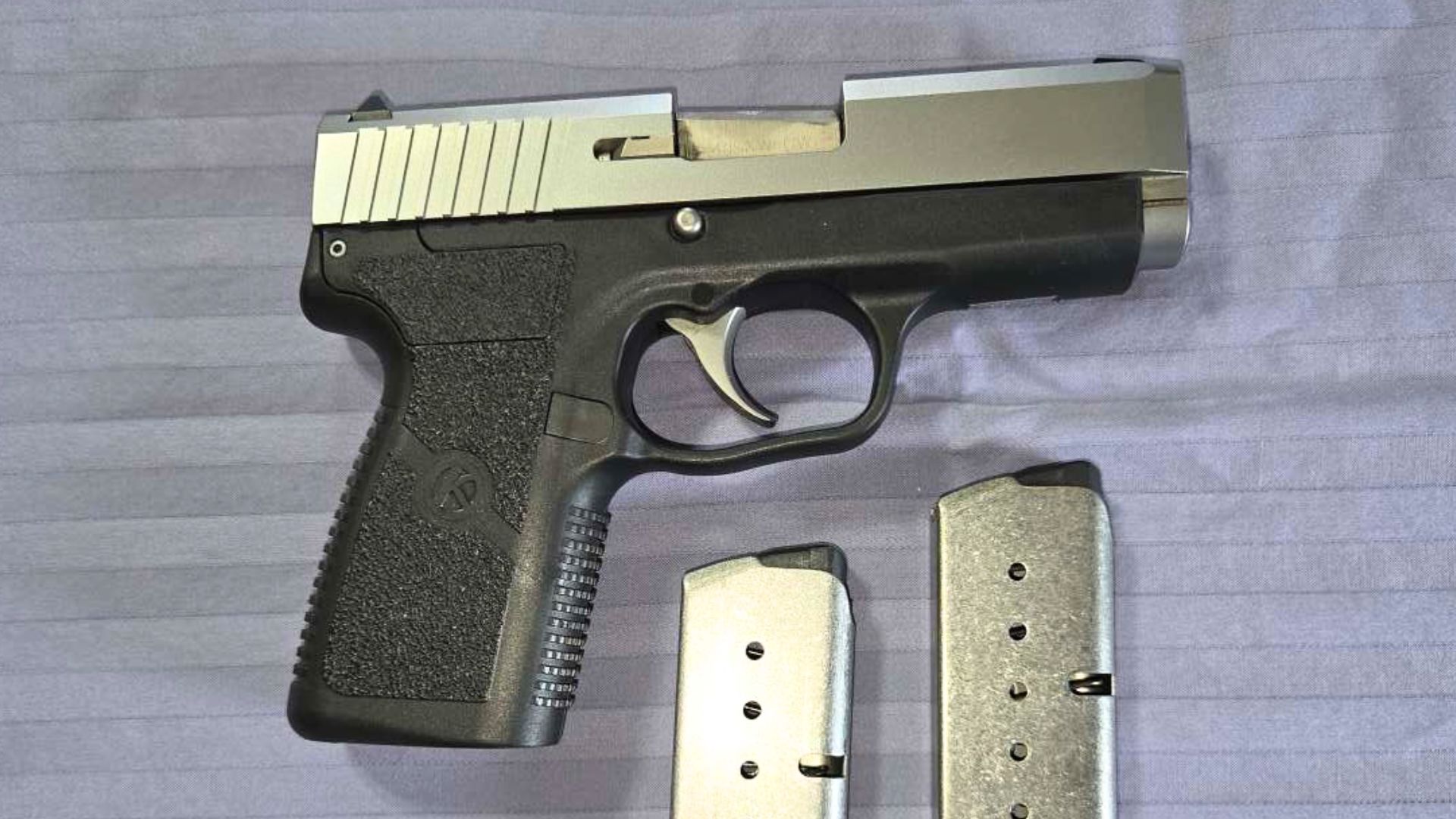
The CW40 has a loyal following because it’s slim, accurate enough up close, and easy to conceal. But that .40 S&W chambering makes the gun far more sensitive to ammo differences than many realize. Heavier loads can drive the slide too hard, while lightweight defensive rounds sometimes won’t fully engage the feed cycle.
You may get a hundred rounds of one brand with no trouble at all, then watch the pistol choke repeatedly when you switch to another. Some shooters tune theirs with recoil spring swaps, but a dependable carry gun shouldn’t require that level of babysitting. The CW40 rewards you only when you give it the ammo it prefers—and that’s not always practical.
Bersa Thunder 380 Combat

The Thunder 380 Combat is fun to shoot and easy for new shooters to manage. But once you start moving into hotter .380 loads or hollow-points with wider cavities, it quickly shows its limitations. The feed geometry was designed around ball ammo, and the pistol reminds you of that every time it hesitates with defensive rounds.
It’s common to see flawless function with full-metal-jacket ammo followed by sporadic stoppages when switching to anything more aggressive. For a training pistol, that’s tolerable. But for a carry option, the inconsistency can be frustrating. The gun’s good manners disappear as soon as you stray from the loads it was originally built around.
SIG Sauer P250 Compact

The P250 Compact was an interesting experiment, but the modular design didn’t always translate to consistent feeding across ammo types. The long trigger pull tends to overshadow another issue—how picky this gun can be with bullet shapes. Some hollow-points cycle perfectly while others get snagged halfway into the chamber.
You feel the difference the moment you switch loads. A magazine of FMJ runs fine, then you try a premium defensive round and the pacing changes. Failures to feed can appear out of nowhere. For a brand known for rock-solid reliability, the P250 Compact’s ammo sensitivity surprised a lot of shooters.
SCCY CPX-2

The SCCY CPX-2 is affordable and approachable, and many people buy it just to have a simple personal-protection gun. But switching ammo on this pistol is where things get shaky. The long, heavy trigger masks some timing issues, and when you introduce hotter loads or wider hollow-points, the slide doesn’t always keep up.
You may get a flawless outing with standard FMJ, then start noticing failures to return to battery once you step up to quality defensive rounds. The gun feels like it’s running at its limit with anything beyond basic practice ammo. That limitation becomes obvious the moment your ammo choice changes.
KelTec PF-9
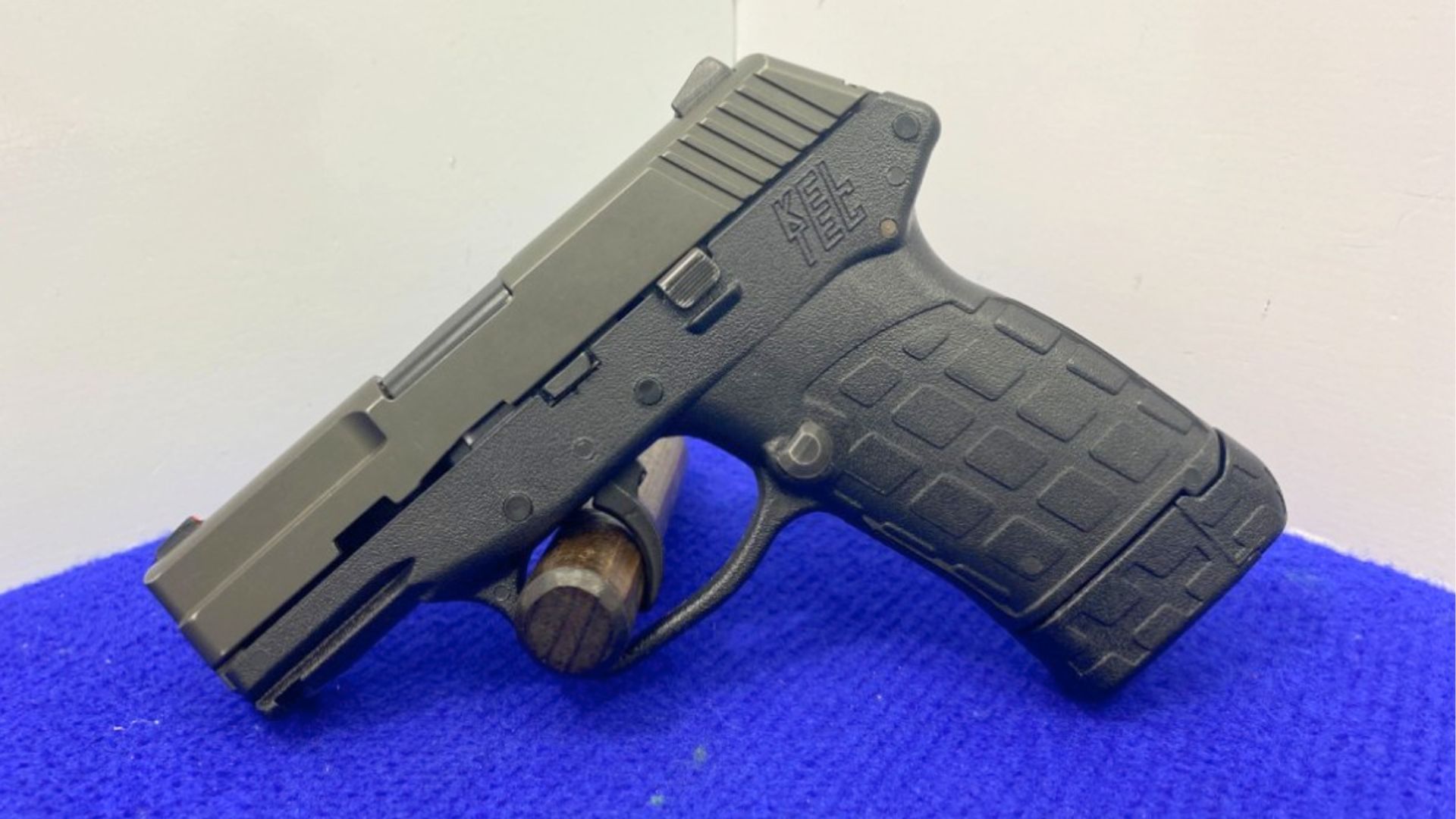
The PF-9 is small, lightweight, and surprisingly soft-shooting for its size. But its feeding system was never designed for a wide range of bullet profiles. Many shooters report perfect function with round-nose ammo, followed by staggered failures when switching to hollow-points or anything with a sharper ogive.
The pistol’s compact slide and aggressive recoil impulse make it sensitive to variations in pressure. Even differences between brands of defensive loads can change how the gun cycles. When it runs, it runs well, but consistency disappears once the ammo gets more complicated than simple FMJ.
Walther PPS Classic

The PPS Classic has good ergos and a clean trigger, but it can become temperamental when switching between different 9mm loads. Some of the earlier models were known for struggling with heavier bullets, and transitioning between 115-grain and 147-grain ammunition can show noticeable cycling differences.
One magazine will be flawless, and the next feels like the timing is off. Ejection patterns shift dramatically, and that’s usually a sign that the gun isn’t fully happy with the load. If you stick to what it likes, the PPS performs well. Move outside that lane, and the gun becomes inconsistent fast.
Ruger LC380

The LC380 is essentially a softened-up LC9, but that lighter recoil system means it reacts heavily to changes in ammo. Standard FMJ is usually fine, but defensive loads with more punch can cause abrupt slide speed issues. Hollow-points also don’t feed as reliably due to the ramp geometry.
You can feel the difference instantly. One load cycles with a sluggish rhythm, while another slams the slide hard enough to disrupt lockup. For a gun marketed toward concealed carry, the need to babysit ammo choices turns into a real drawback. It’s manageable—but only if you never change what you feed it.
Smith & Wesson Bodyguard 380 (pre-Performance Center)

The original Bodyguard 380 was notorious for being picky with certain hollow-points. Its compact size and short slide stroke made it sensitive to bullet length and cavity shape. FMJ rounds typically run fine, but the moment you drop in a defensive load with a different profile, the reliability becomes inconsistent.
You’ll see failures that seem random until you recognize the ammo pattern behind them. Some shooters polished feed ramps or swapped recoil springs, but that shouldn’t be necessary for a carry pistol. When you stay inside its comfort zone, it behaves. When you don’t, it lets you know.
Remington RP9
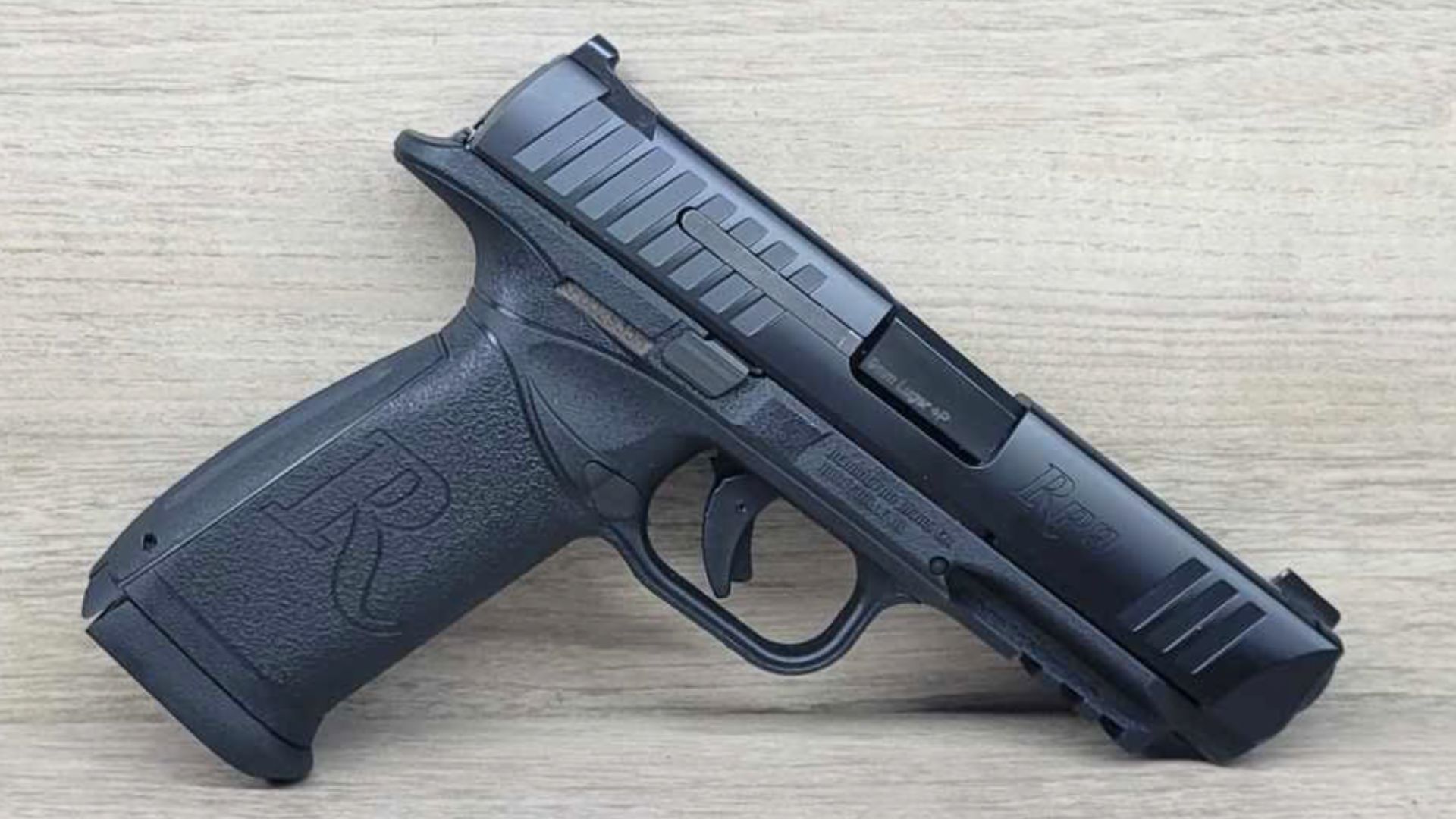
The RP9 had potential on paper, but real-world users quickly noticed how picky it could be with different 9mm loads. Softer ammo sometimes wouldn’t drive the slide fully rearward, while certain hollow-points struggled to feed smoothly due to inconsistencies in ramp polish and barrel fit.
Once you start rotating through different brands of defensive ammo, the issues become obvious. The pistol feels like it performs differently every time you change boxes. It’s a gun that seems reliable in a limited window, but that window shrinks as soon as you broaden your ammunition selection.
CZ 2075 RAMI (early models)

The RAMI is built well and shoots comfortably, but some of the early models had real struggles with certain hollow-points, especially in the 9mm variant. Bullet shapes with wider mouths tended to hang on the feed ramp, and switching between loads could dramatically change reliability.
You’ll often hear shooters say theirs runs great—but only with specific ammo. Once you push it outside that narrow lane, feeding hiccups appear quickly. Later models improved, but if you’ve got one of the earlier pistols, changing ammo is always a bit of a gamble.
Taurus 709 Slim
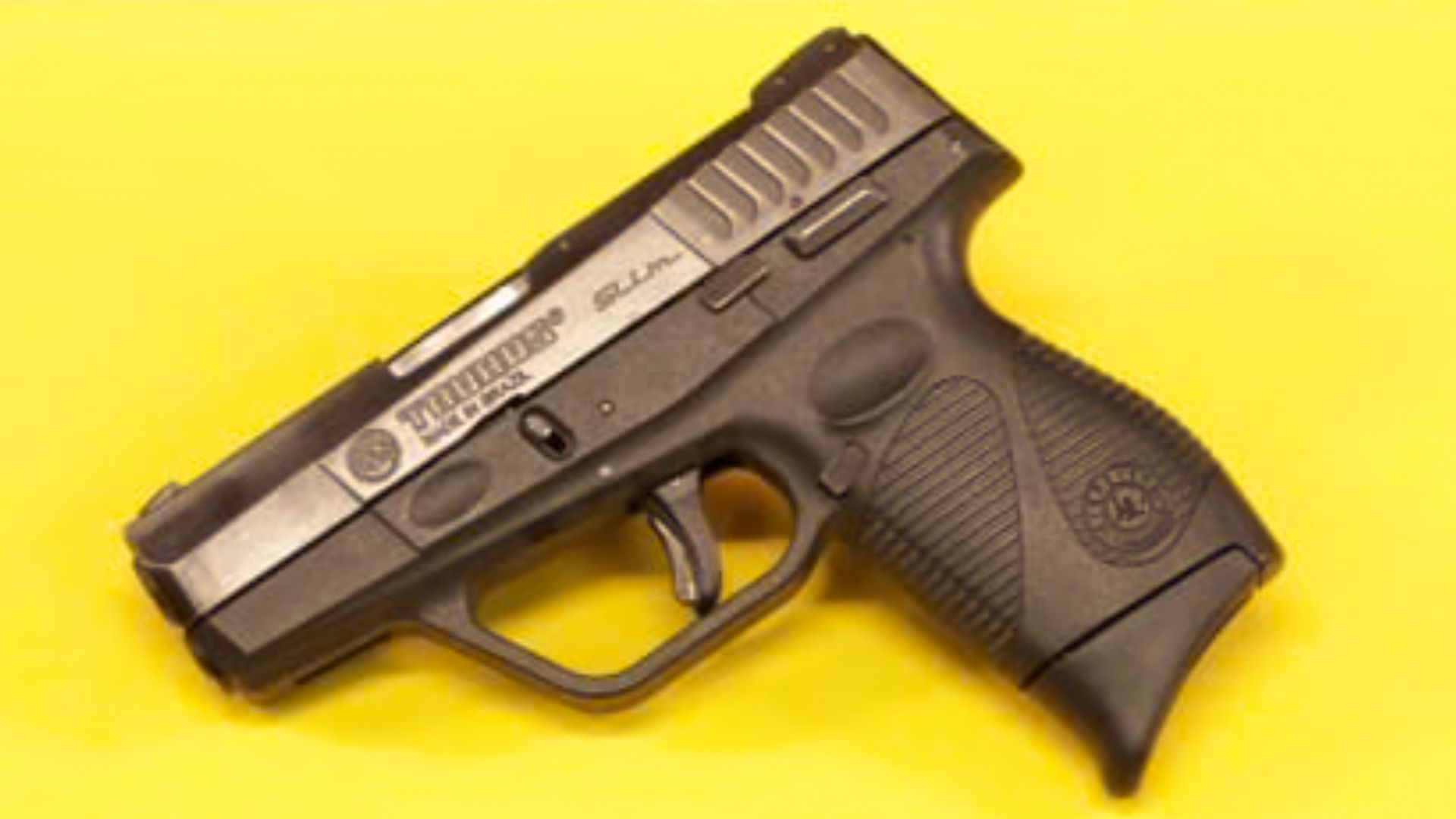
The 709 Slim cycles nicely with FMJ, but some loads, particularly hotter defensive rounds, can cause timing issues. You’ll see occasional failures to feed or odd ejection angles. The gun’s lightweight slide doesn’t always behave consistently when you switch bullet weights or pressure levels.
Shooters often find one or two loads that work incredibly well and stick to those. Anything outside that small roster leads to unpredictable performance. The 709 Slim is proof that a pistol can look reliable until you start asking it to handle a variety of ammunition.
SIG Sauer Mosquito

The Mosquito’s reputation is well established—extremely ammo-sensitive. It was designed around hotter .22LR loads, and once you stray from that, cycling becomes inconsistent. Standard-velocity ammo often won’t cycle the slide reliably, and hollow-points make feeding even more unpredictable.
Most owners discover that the pistol works fine only with specific high-velocity rounds. Anything else leads to hiccups, stoppages, or half-hearted slide travel. While it’s a fun trainer under ideal conditions, it’s not a pistol that tolerates ammo experimentation well at all.
Glock 42 (early production)
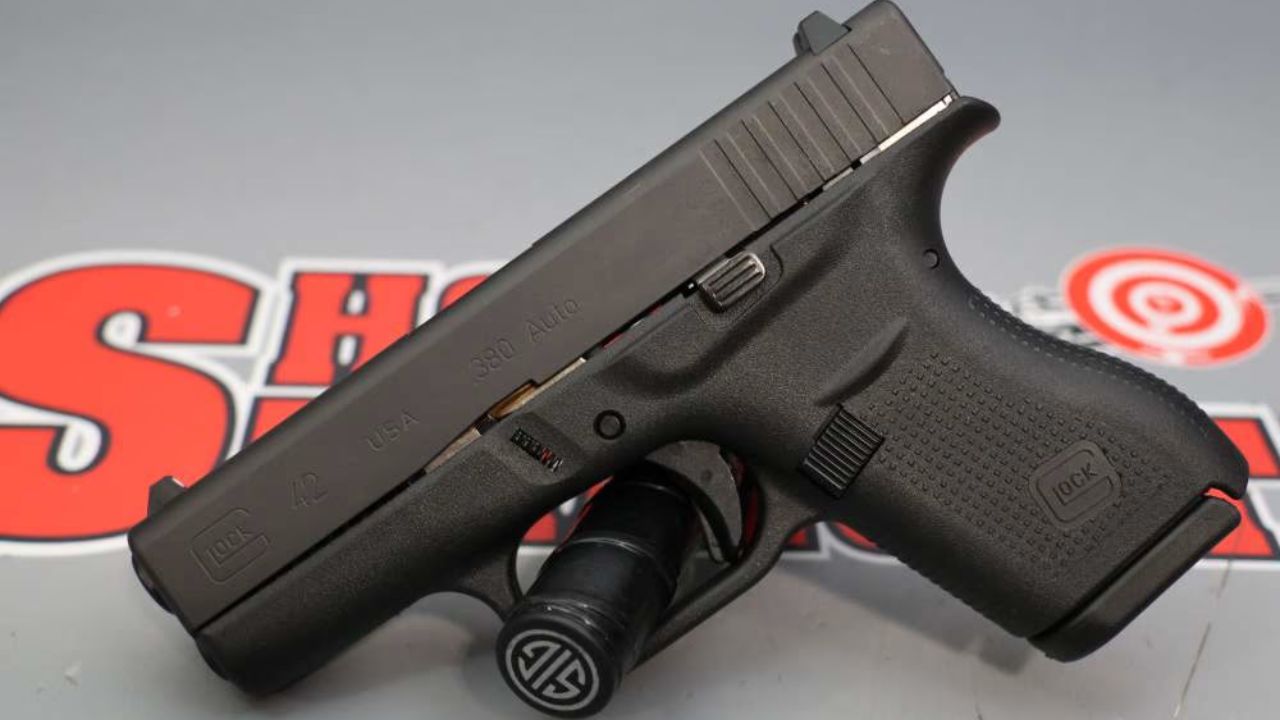
The early Glock 42 pistols weren’t nearly as tolerant of ammo changes as later revisions. Some hollow-points caused nose-dives, and certain lightweight .380 rounds weren’t powerful enough to cycle the slide reliably. Glock eventually updated several internal parts, but the early guns still show their quirks.
If you own one of those first runs, you already know how different it feels depending on the load. Some rounds turn it into a smooth little shooter, while others create sudden feeding issues. For a gun meant for defensive carry, that inconsistency made shooters rethink their ammo choices.
Beretta Nano

The Nano is compact and comfortable, but it’s also notorious for being particular about ammo. Softer 9mm loads often fail to cycle fully, while certain hollow-points struggle with the feed ramp geometry. Once you switch to a hotter round, reliability improves, but that shouldn’t be the only fix.
Shooters quickly realize the Nano behaves differently every time they swap ammo brands or bullet weights. The design isn’t forgiving, and it expects you to adjust to it—not the other way around. For many owners, that’s the reason the gun eventually ends up traded off.
Like The Avid Outdoorsman’s content? Subscribe to our newsletter so you never miss an article.
Here’s more from us: