Photo credit: LifeSizePotato/YouTube
Some handguns make shooting feel easier than it should. The grip settles naturally into the hand, the trigger breaks cleanly, recoil stays manageable, and the sights return to the target without much effort. Those qualities become even more noticeable after the gun is sold and replaced with something lighter, newer, or supposedly more advanced.
The hardest pistols to replace are not always discontinued collectibles. Some remain in production but cost far more than owners remember paying. Others require custom work, use distinctive operating systems, or simply have a balance that newer designs fail to duplicate. These 20 handguns are worth thinking about carefully before accepting an ordinary trade-in offer.
Beretta 92 Elite LTT
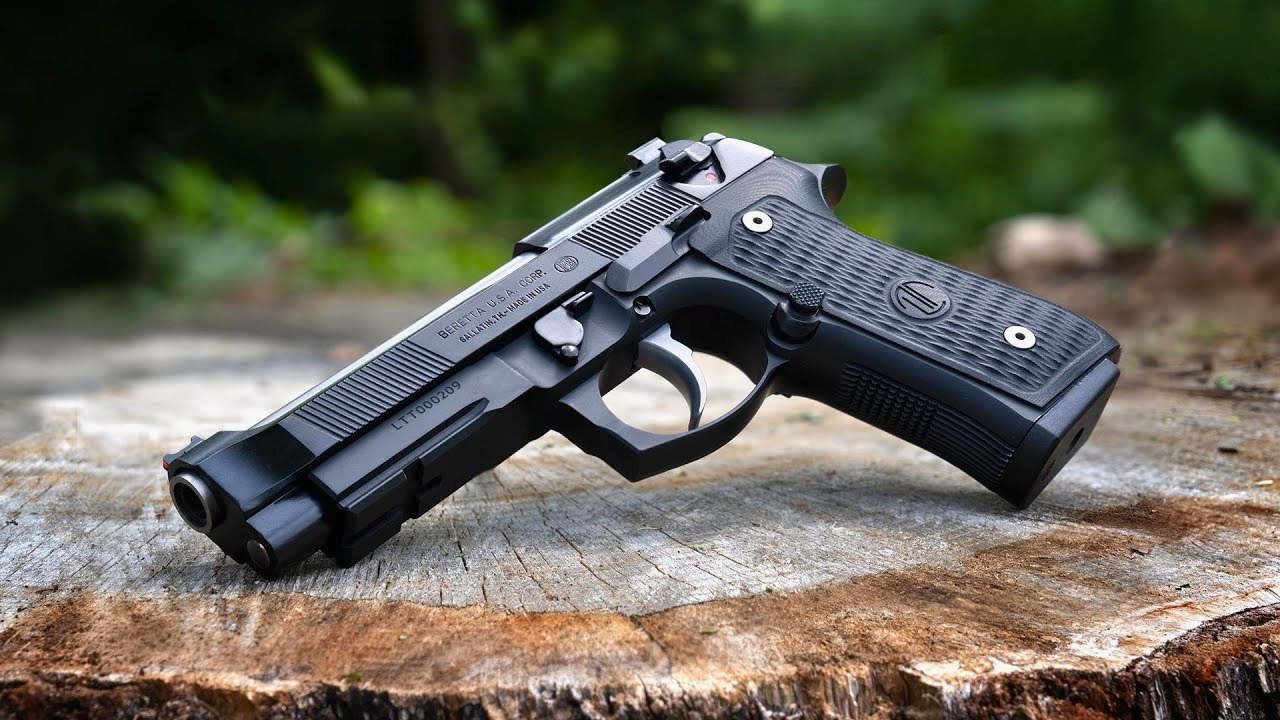
The Beretta 92 Elite LTT takes an already soft-shooting pistol and improves nearly every part that matters at the range. Langdon Tactical’s trigger work reduces the weight and travel of the double-action pull while preserving the smooth single-action break that makes the 92 platform enjoyable. The full-size metal frame and open-top slide also keep recoil movement mild.
Replacing one is rarely as easy as buying another basic Beretta. Different trigger packages, optic cuts, barrels, controls, and slide configurations can make two LTT pistols feel noticeably different. Owners who sell a proven example may later discover that recreating the same setup costs far more than expected. A well-sorted Elite LTT is the kind of handgun that makes ordinary service pistols feel unfinished.
SIG Sauer P226 XFive Legion
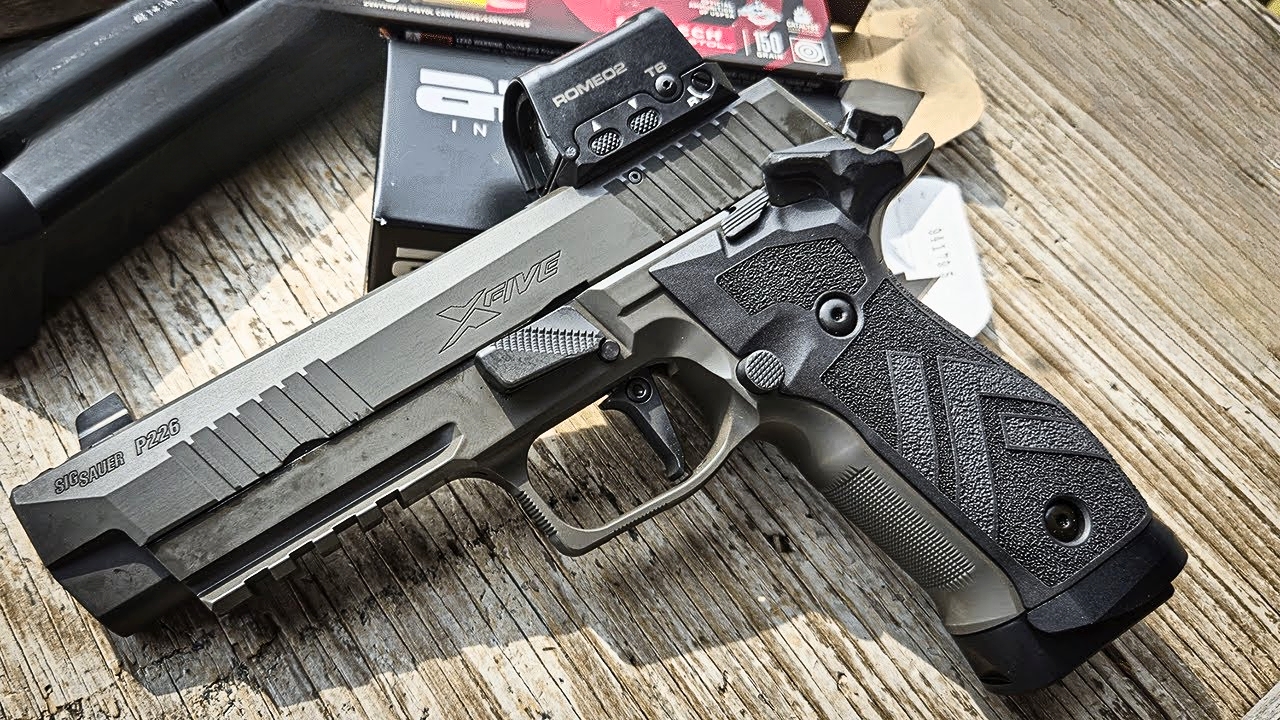
The P226 XFive Legion combines the proven P226 layout with a heavy frame, longer slide, adjustable trigger, extended controls, and competition-oriented ergonomics. The pistol settles naturally during rapid fire and has enough weight to make standard 9mm ammunition feel unusually mild.
It is not a practical concealed-carry pistol, but that is not why owners buy it. Its value comes from how easily it produces accurate, fast shooting without requiring a custom build. Premium P226 configurations can be expensive and difficult to find consistently. Selling one because it spends most of its time in the safe may become regrettable the first time the owner tries to replace its trigger and balance.
CZ Shadow 2
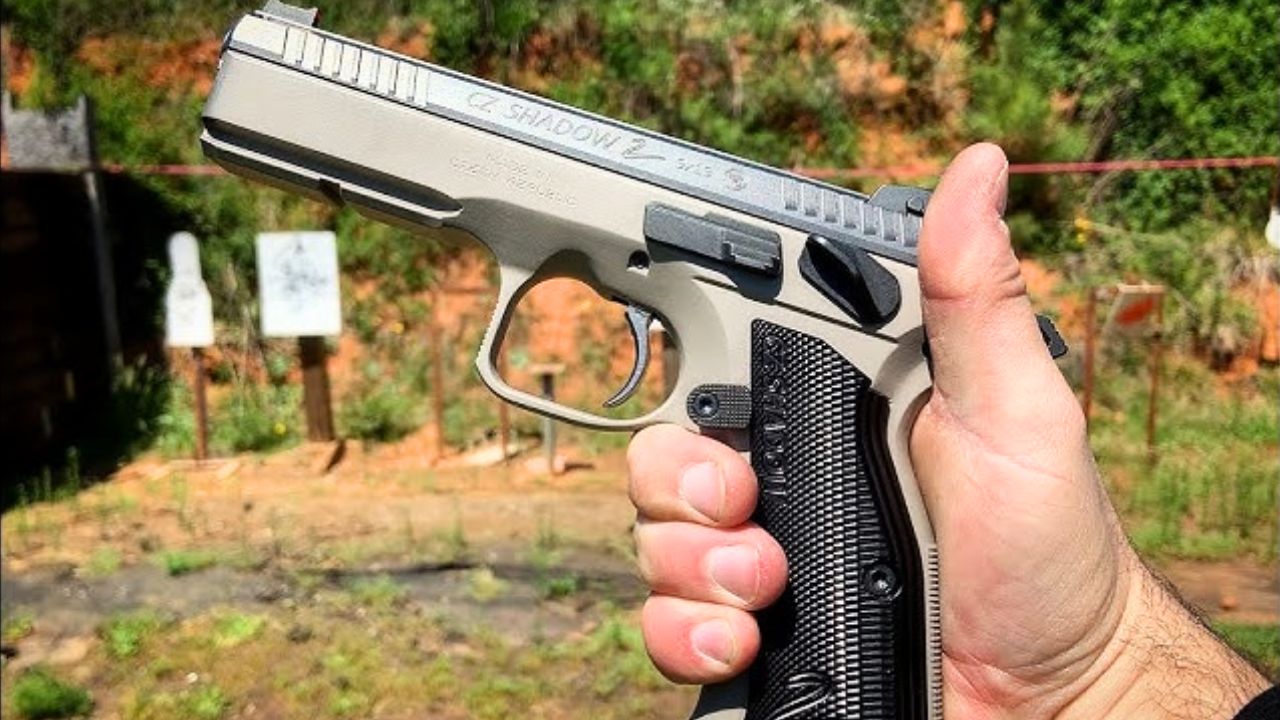
The CZ Shadow 2 has become one of the standards by which steel-framed competition pistols are measured. Its low bore axis, heavy frame, excellent grip shape, and smooth double-action and single-action trigger make it remarkably easy to keep on target. Even shooters with limited competition experience often perform better with it immediately.
The Shadow 2 remains available, but prices, configurations, and availability can change. A proven pistol may also have carefully selected springs, grips, sights, and magazines that took time to sort out. Selling one means giving up more than the basic gun. Owners often miss the confidence that comes from a pistol they already know will run and shoot exactly where it is aimed.
CZ Tactical Sport 2
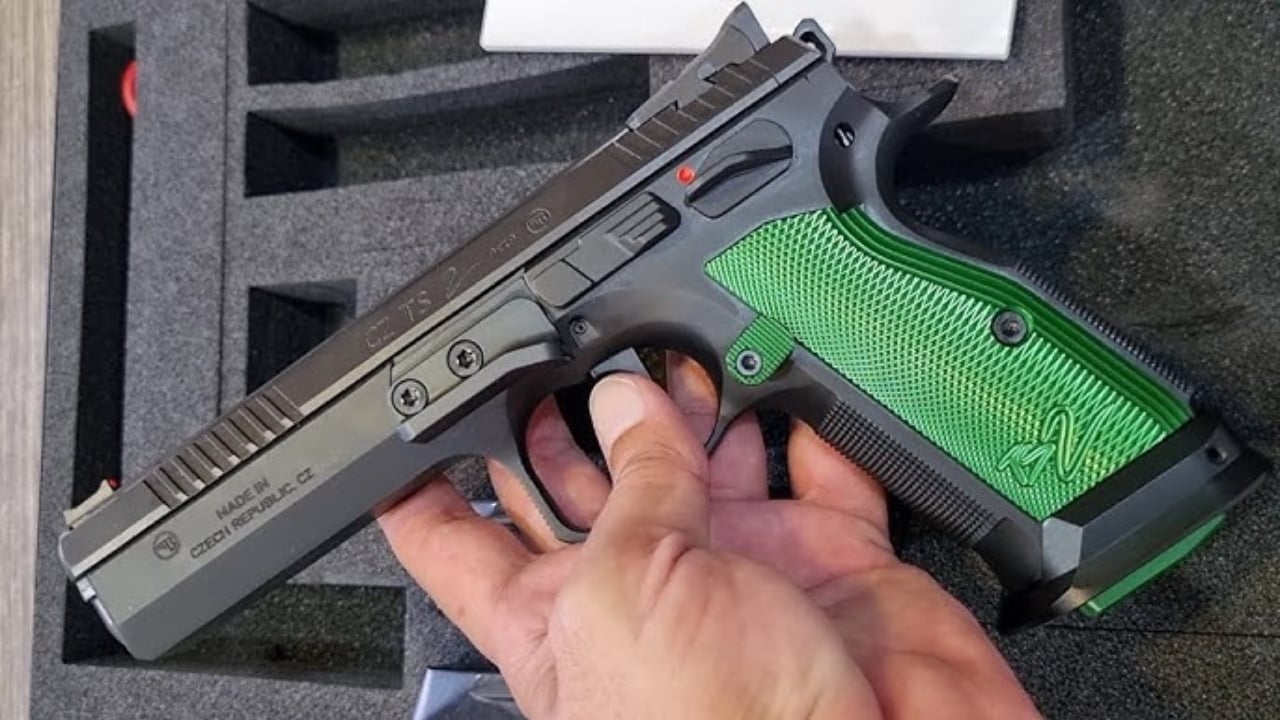
The Tactical Sport 2 is larger and more specialized than the Shadow 2. Its single-action trigger is extremely light and clean, while the long slide and heavy steel frame absorb recoil with little visible movement. The wide grip and large controls are designed for fast shooting rather than concealed carry.
That specialization is exactly what makes it difficult to replace. There are many good competition pistols, but few combine CZ’s internal slide rails, balance, and trigger characteristics in the same way. Certain finishes and configurations may also be produced in limited numbers. Once an owner becomes accustomed to the TS2, ordinary striker-fired pistols can feel unusually vague and light.
Staccato P
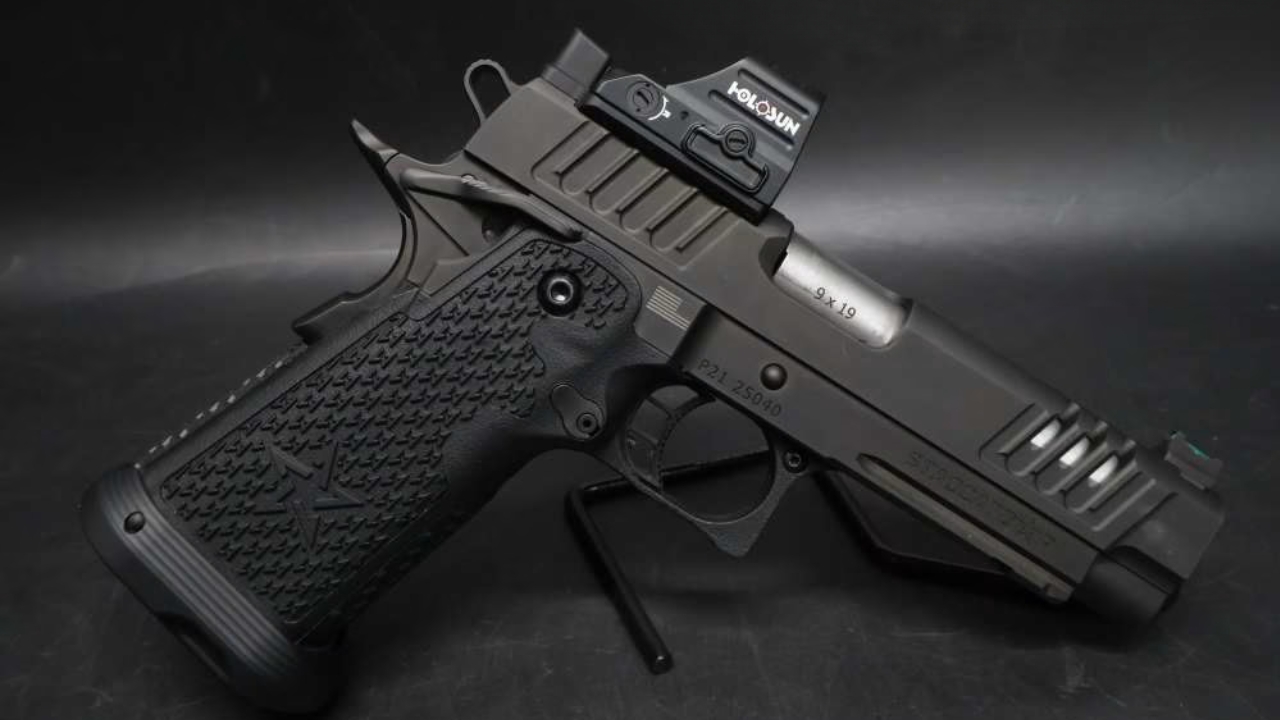
The Staccato P gives shooters the trigger and recoil control of a double-stack 1911-style pistol without moving entirely into fragile race-gun territory. Its steel or aluminum frame, depending on configuration, provides enough mass to settle the pistol while the straight-moving trigger supports fast, precise shooting.
The purchase price is high, but replacing one can cost even more after adding an optic plate, magazines, sights, and other equipment. A proven Staccato also has more value than an untested replacement because double-stack 1911 magazines and extractor setup can affect performance. Owners who trade one for a less expensive polymer pistol often miss the way the Staccato makes difficult shots feel routine.
Springfield Armory Prodigy 5-Inch
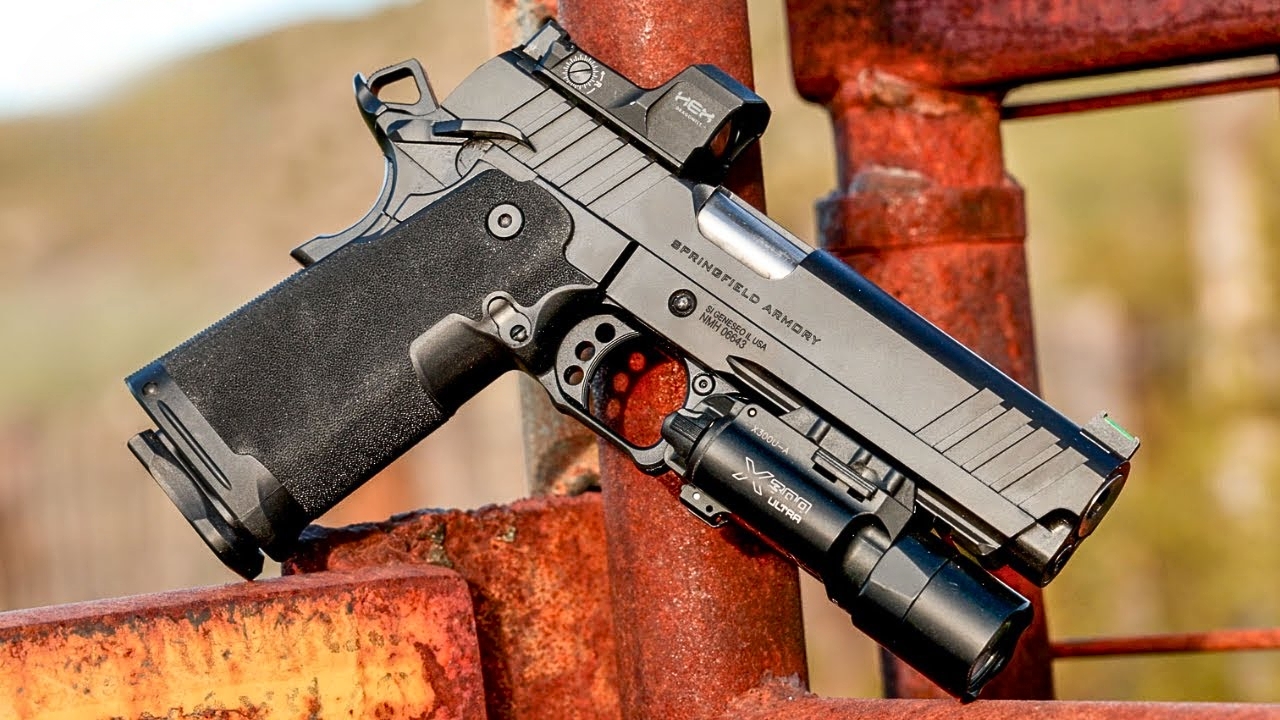
The five-inch Prodigy offers much of the shooting experience of a premium double-stack 1911 at a more approachable price. Its long slide, steel frame, high-capacity magazines, and single-action trigger make it stable during rapid fire. The longer version is generally easier to control than shorter compact Prodigy models.
A properly running example can be harder to replace than the catalog price suggests. Some owners spend time sorting magazines, springs, extractor tension, and small parts until the gun becomes completely dependable. Selling that finished pistol and buying another may mean repeating the process. The Prodigy is not rare, but a proven and properly set-up example deserves more respect than an ordinary trade-in value reflects.
Dan Wesson DWX
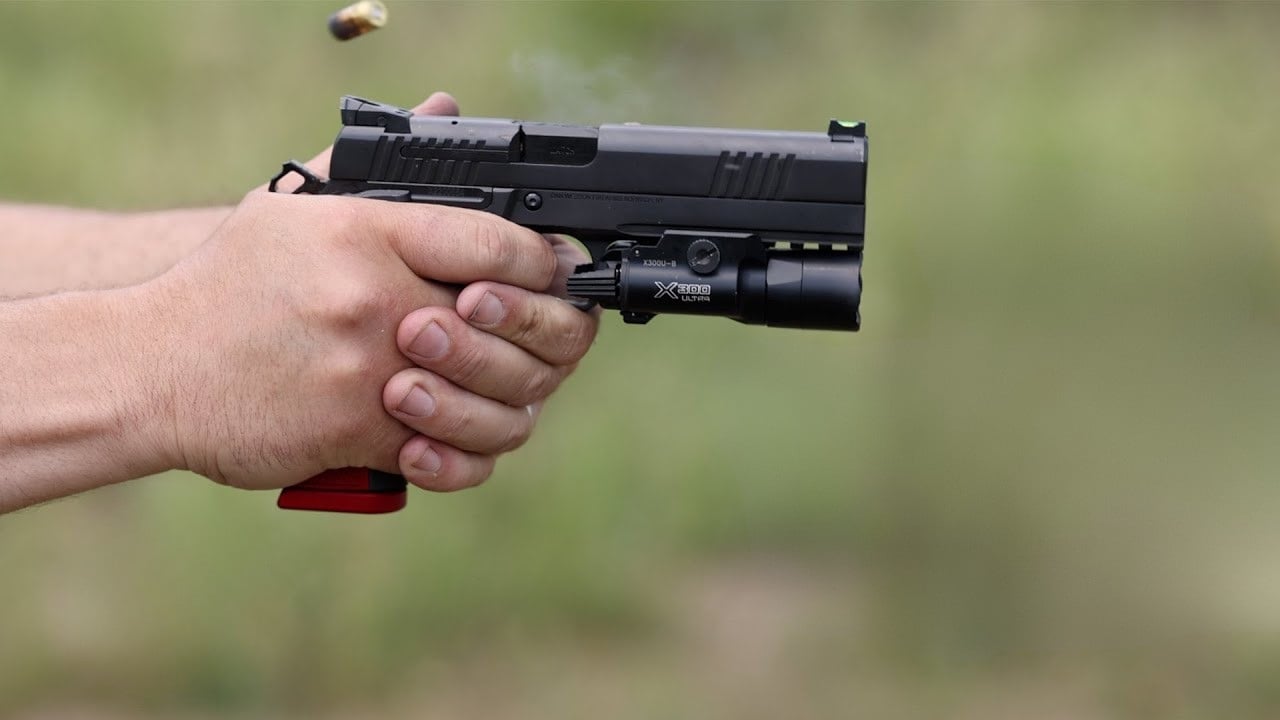
The Dan Wesson DWX combines characteristics from the CZ 75 and double-stack 1911 platforms. It uses a CZ-influenced grip and frame shape with a crisp single-action trigger and high-capacity magazines. That combination gives the gun excellent ergonomics without feeling exactly like another 2011-style pistol.
The DWX occupies a relatively narrow part of the market, which makes direct replacements difficult. A shooter can buy a Shadow 2 or a Staccato, but neither handles exactly the same way. The DWX also has the construction and visual quality expected from Dan Wesson. Selling one may seem sensible until the owner realizes that nothing cheaper recreates the same balance of trigger, grip, and mechanical feel.
Wilson Combat EDC X9
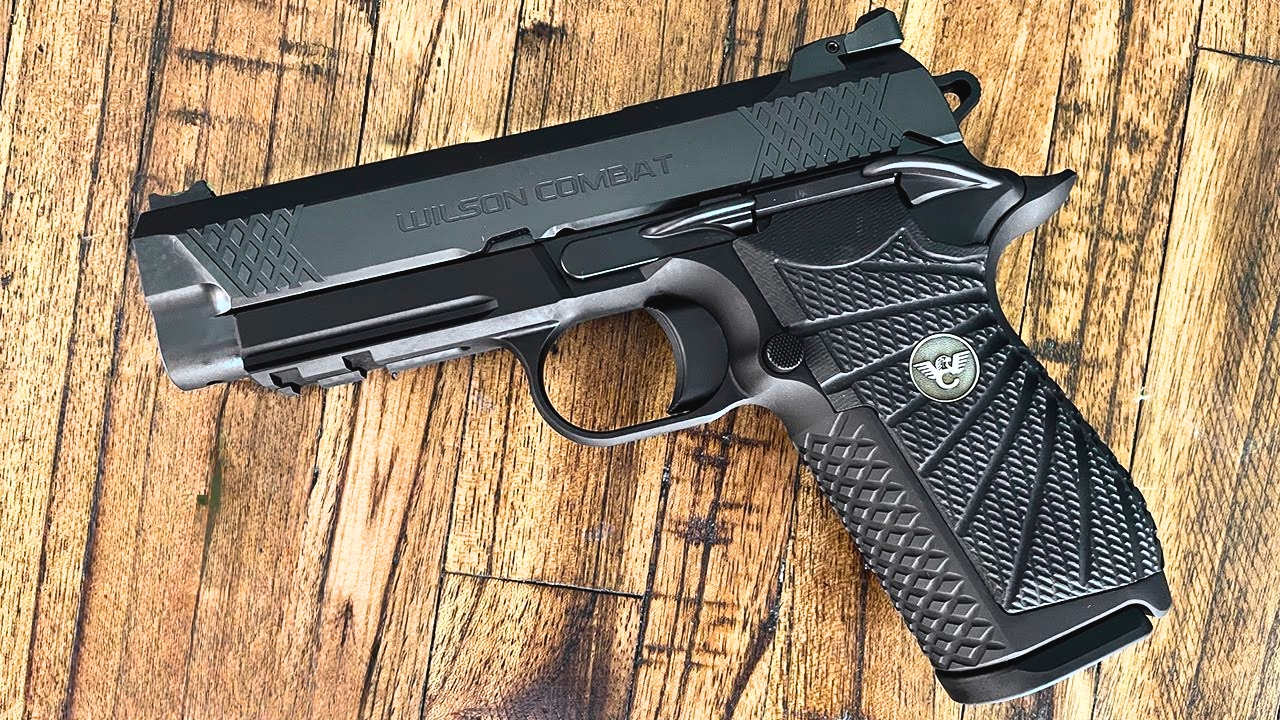
The Wilson Combat EDC X9 provides a hand-fitted feel in a pistol designed to be carried and shot extensively. It combines a high-capacity magazine with a metal frame, excellent trigger, rounded controls, and a grip that is slimmer than many traditional double-stack 1911s.
Its greatest weakness is also what makes it hard to replace: the cost. A used EDC X9 may be sold to free up a substantial amount of money, but buying another later can be painful. Different barrel lengths, grip sizes, optic cuts, finishes, and control packages also mean the exact configuration may not be readily available. Owners should be certain they are finished with the pistol before letting it go.
Nighthawk Custom TRS Commander
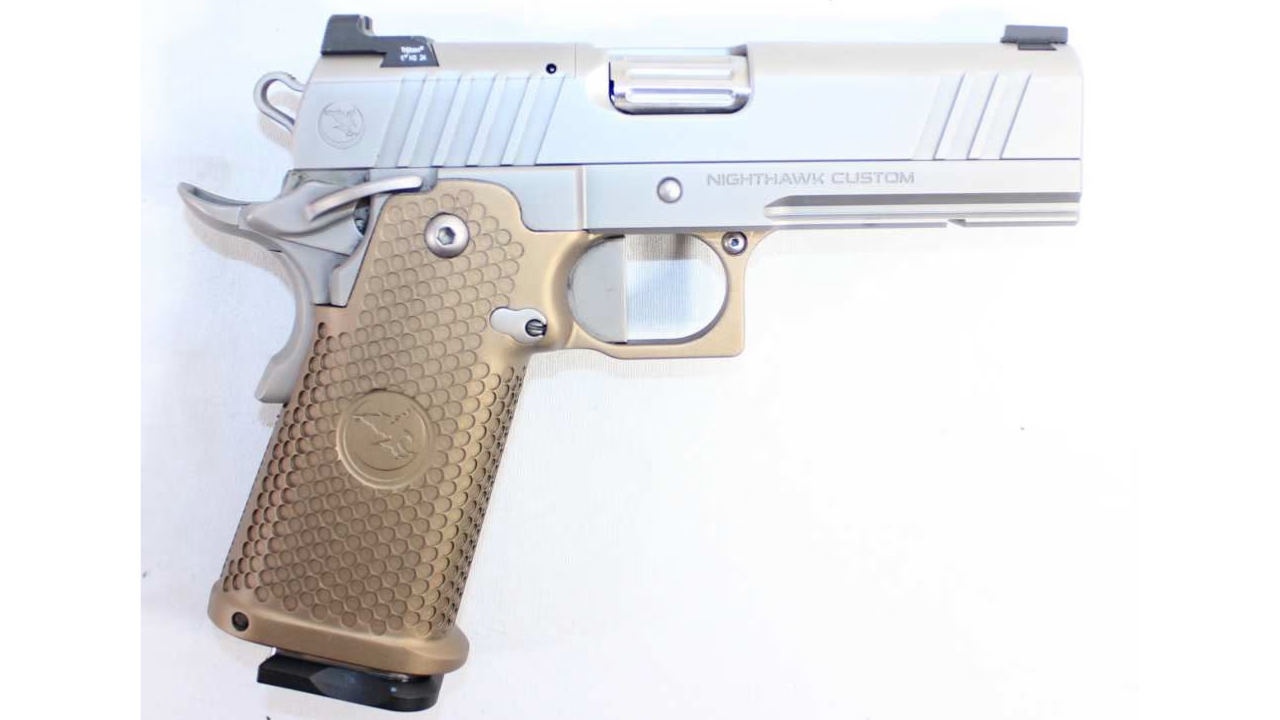
The Nighthawk TRS Commander is built for shooters who want a refined double-stack 1911 that remains compact enough for serious carry. Its hand-fitted slide and frame, clean trigger, textured grip, and carefully blended controls create a pistol that feels expensive for understandable reasons.
No two high-end custom or semi-custom pistols feel completely identical. Even another TRS Commander may have a different trigger weight, safety feel, finish, or break-in history. The resale money can be tempting, especially when several competent polymer pistols could be purchased for the same amount. Replacing the Nighthawk experience later will almost always cost more.
Colt Python 6-Inch
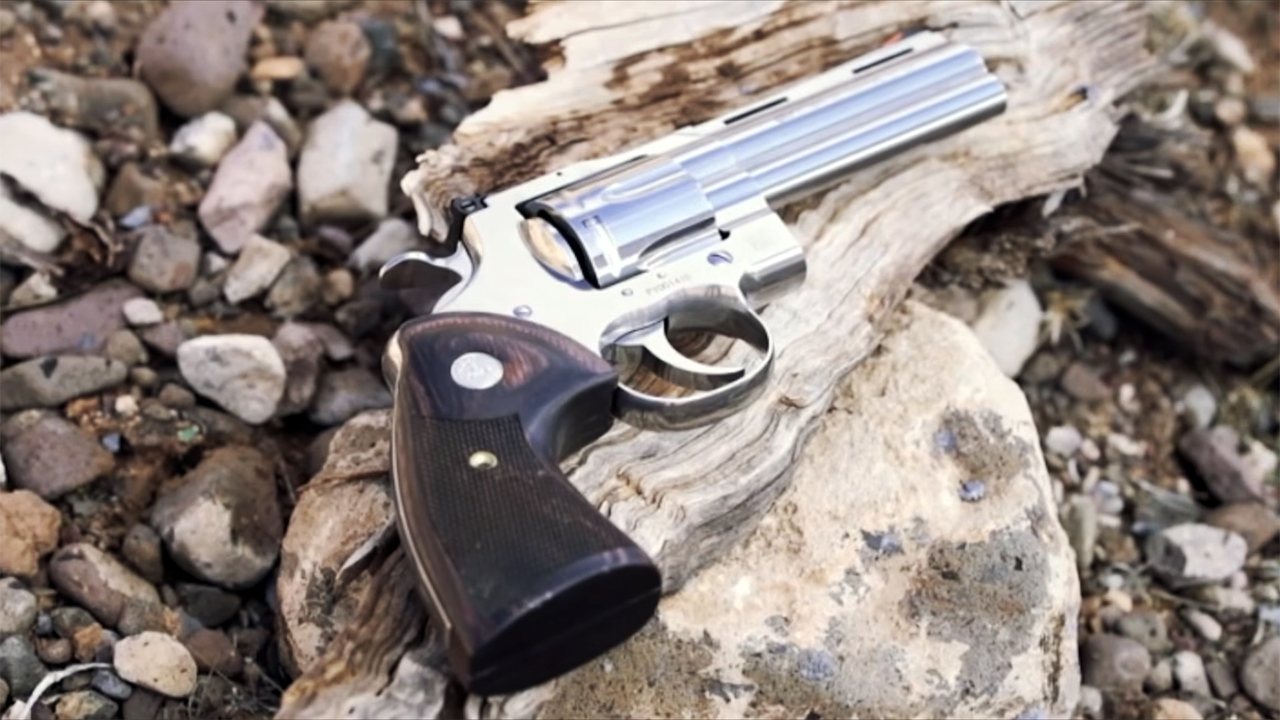
The six-inch Colt Python is exceptionally easy to shoot well for a powerful revolver. Its long sight radius, heavy barrel, smooth action, and substantial frame help reduce movement under .357 Magnum recoil. With .38 Special ammunition, it becomes one of the mildest and most enjoyable full-size revolvers available.
Current-production Pythons are easier to obtain than vintage examples, but that does not make a good one disposable. Revolver triggers can vary slightly between individual guns, and an example with excellent timing and a particularly smooth action is worth keeping. Prices on premium revolvers also rarely seem to move downward. Selling one cheaply can create regret when replacement costs rise.
Smith & Wesson Model 686 Plus
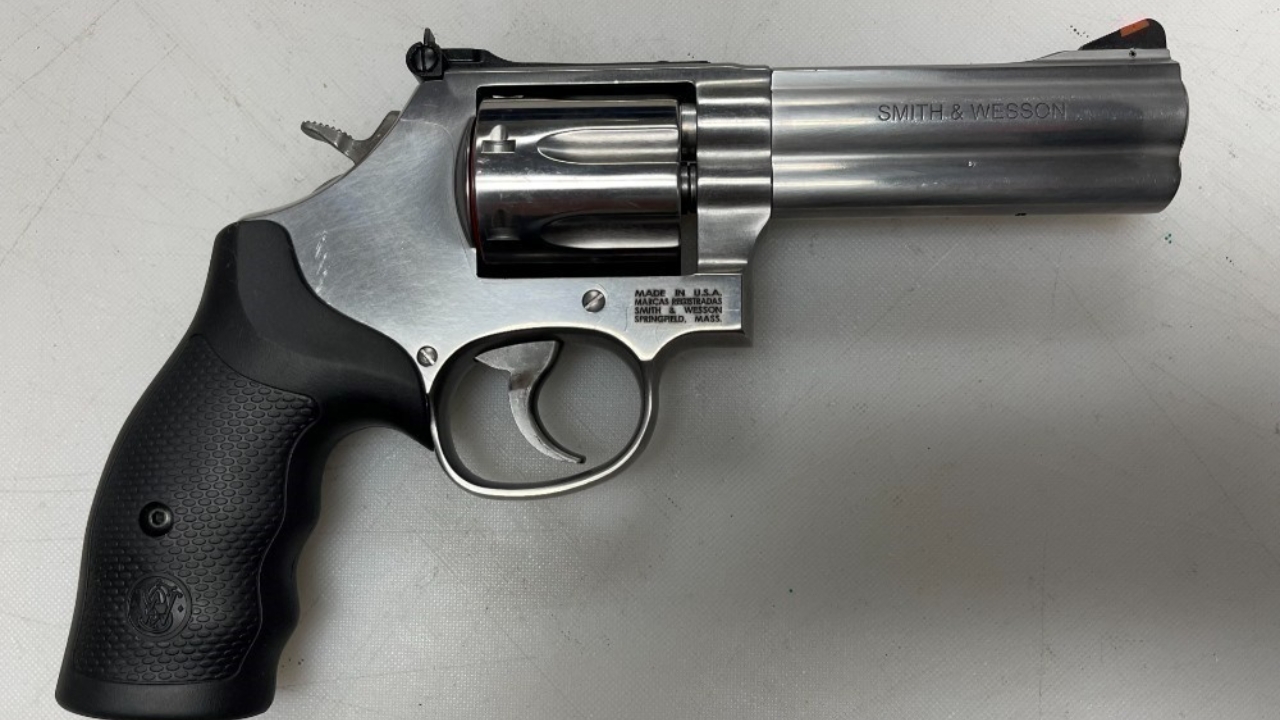
The Model 686 Plus combines a seven-round cylinder with the strength and weight of Smith & Wesson’s L-frame. It is large enough to control full-power .357 Magnum ammunition but not as bulky as the company’s N-frame revolvers. The additional seventh round also gives it a practical advantage over many traditional six-shooters.
A good 686 Plus can last for decades and serve as a range gun, home-defense revolver, hunting sidearm, or field gun. Older configurations, certain barrel lengths, and Performance Center variants can become unexpectedly difficult to locate. Owners often sell them because revolvers seem outdated, only to miss the smooth trigger and mechanical simplicity once they spend more time with lightweight semiautomatic pistols.
Smith & Wesson Model 627 Performance Center

The Model 627 Performance Center offers eight rounds of .357 Magnum in a large stainless N-frame. Its weight, long cylinder, and tuned action make it far easier to shoot quickly than most defensive revolvers. Moon-clip compatibility can also produce surprisingly fast reloads with proper practice.
The pistol is large and expensive, which can make it look like an easy candidate to sell. That changes once the owner tries to replace it. Eight-shot Performance Center revolvers occupy a specialized category with few direct alternatives. A clean example with moon clips, original equipment, and a smooth action is worth much more to the owner than the average gun counter is likely to offer.
Ruger GP100 Match Champion
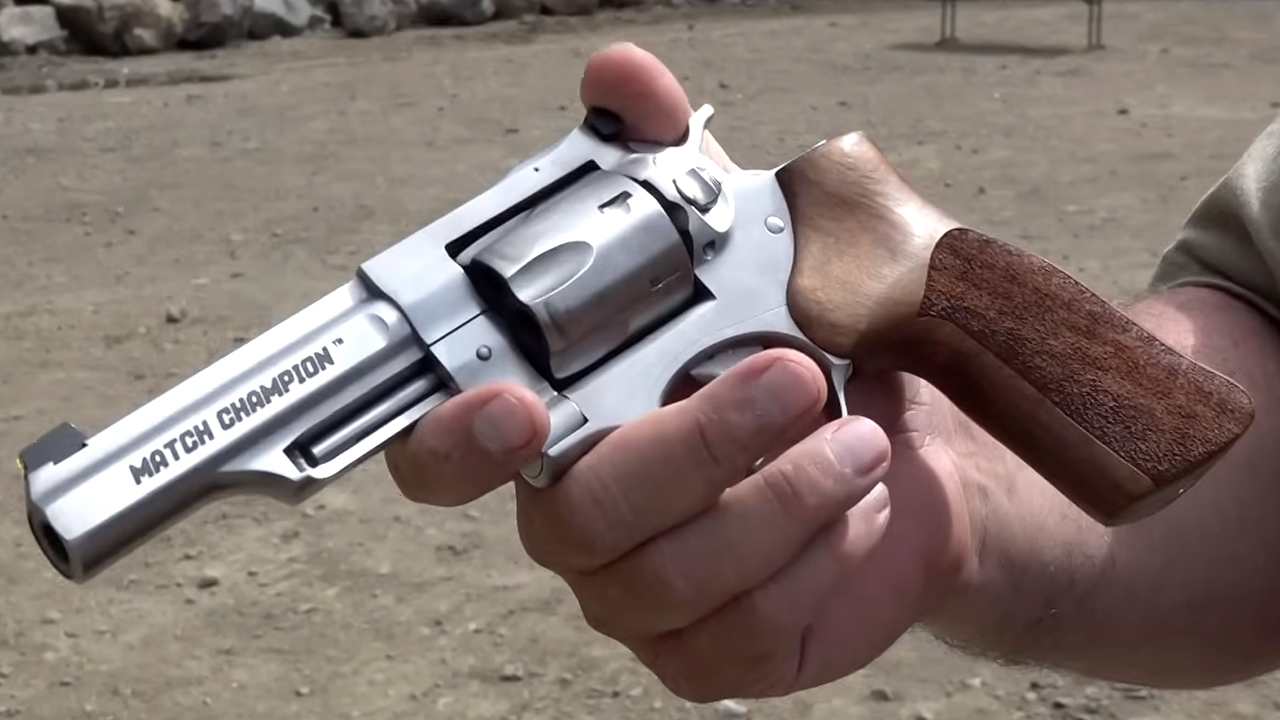
The GP100 Match Champion improves Ruger’s already durable revolver with a better trigger, upgraded sights, refined grips, and carefully finished internal parts. Its balance makes it easier to hold steadily than many shorter defensive revolvers, while the strong frame handles a steady diet of .357 Magnum ammunition.
Ruger’s standard GP100 is common, but the Match Champion has a different feel. Replacing it with an ordinary model and trying to recreate the trigger can become expensive. Certain barrel lengths and configurations may also be harder to locate. Owners who appreciate strong revolvers often regret trading one after realizing that lighter guns do not provide the same stability.
SIG Sauer P210 Target

The P210 Target is one of the easiest pistols to shoot accurately because of its excellent trigger, long sight radius, low bore axis, and precise barrel fit. It has limited capacity compared with modern defensive pistols, but capacity is not the point. The gun is designed to place bullets exactly where the sights are held.
The P210 does not have a direct replacement among common service pistols. A buyer can find other accurate metal guns, but few provide the same slide movement, grip shape, and trigger break. Premium single-stack target pistols can also become difficult to locate as manufacturers shift toward higher-capacity designs. Selling one for practical reasons may create lasting regret.
Heckler & Koch USP Expert
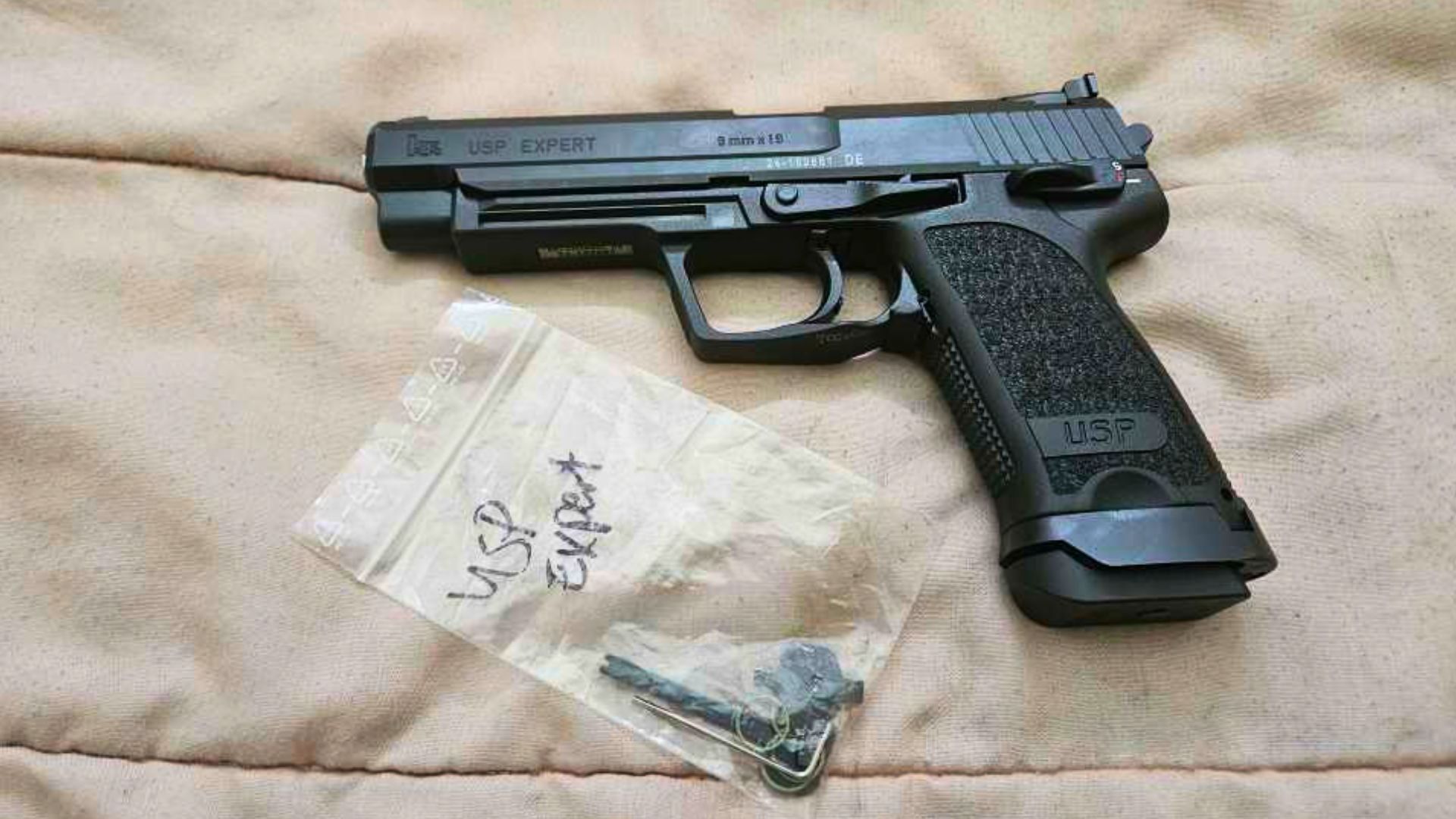
The USP Expert takes the durability of HK’s service pistol and adds a longer slide, match trigger, adjustable sights, and accuracy-focused barrel setup. Its large dimensions and thick grip help make recoil manageable, especially in 9mm and .45 ACP.
The USP family occupies a unique position because it combines older service-pistol construction with specialized target variants. The Expert is not as easy to find as a standard USP, and prices can climb quickly when a particular chambering disappears from shelves. Owners who sell one because it feels oversized may later realize that its size was exactly what made it so pleasant to shoot.
Beretta PX4 Storm Compact Carry

The PX4 Compact Carry is easier to shoot than its size suggests. Its rotating barrel softens the recoil impulse, while the Langdon-influenced controls, sights, trigger components, and low-profile levers improve the standard compact platform. It offers a traditional double-action pistol that remains practical for concealed carry.
The Compact Carry is difficult to duplicate by purchasing a basic PX4 and adding parts one at a time. Certain versions may include different trigger bars, hammers, sights, optic cuts, or coatings. A proven example that has already been set up correctly should not be sold casually. It occupies a rare position between thick duty pistols and lightweight micro-compacts.
Walther Q5 Match Steel Frame
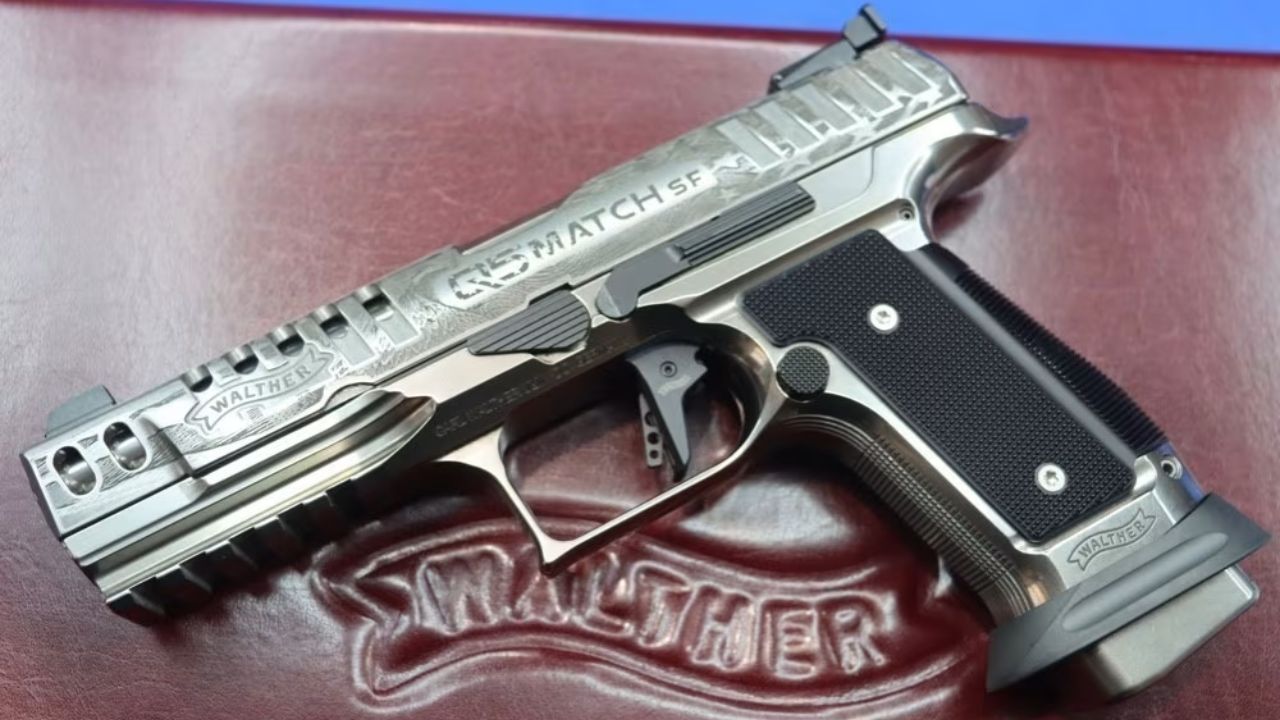
The Q5 Match Steel Frame combines Walther’s excellent striker-fired trigger with the weight and stability of a steel competition pistol. Its long slide, ergonomic grip, and optics-ready design make it easy to shoot quickly without requiring the owner to learn a double-action and single-action transition.
Walther’s newer steel-frame pistols may receive more attention, but the Q5 has a distinctive balance and appearance. Specific models and finishes can become harder to find as product lines change. Shooters who already own a reliable, accurate example may regret replacing it with the latest release simply because the newer gun has a different name.
Browning Hi-Power
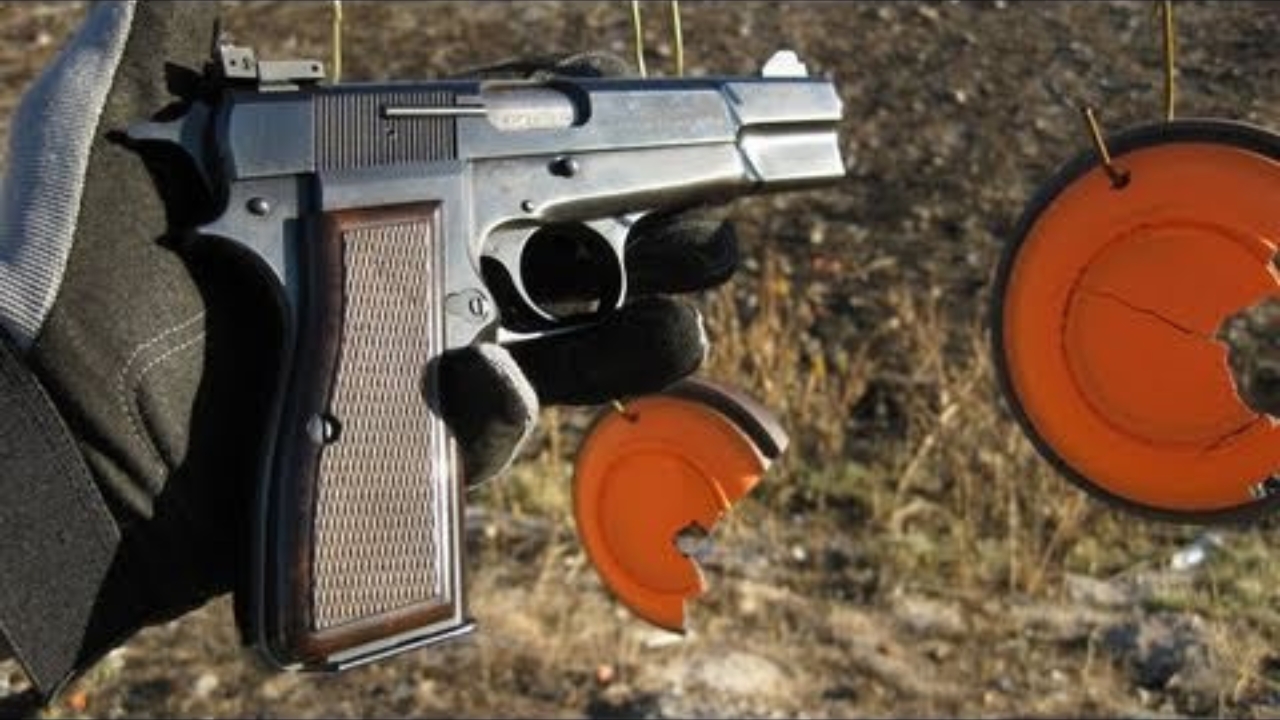
The Browning Hi-Power remains one of the most naturally pointing metal pistols ever produced. Its slim grip fits a wide range of hands, while the all-steel construction keeps 9mm recoil mild. A good example with a clean trigger can be remarkably pleasant to shoot despite its older design.
Original Brownings are no longer ordinary production pistols, and prices for desirable examples continue to reflect that. Different manufacturing periods, finishes, sights, and countries of origin all affect collector interest. An owner who sells a clean Hi-Power may find that modern reproductions do not feel exactly the same. Once an original is gone, replacing it can become expensive and time-consuming.
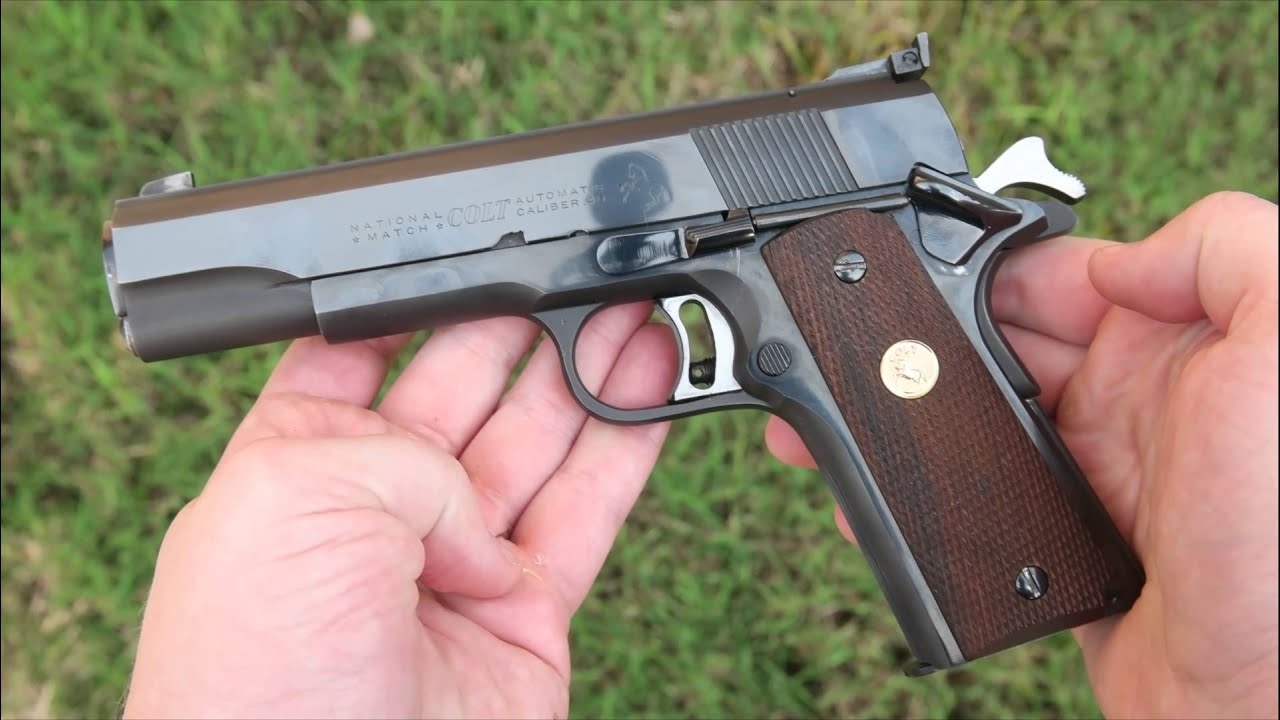
Colt Gold Cup National Match
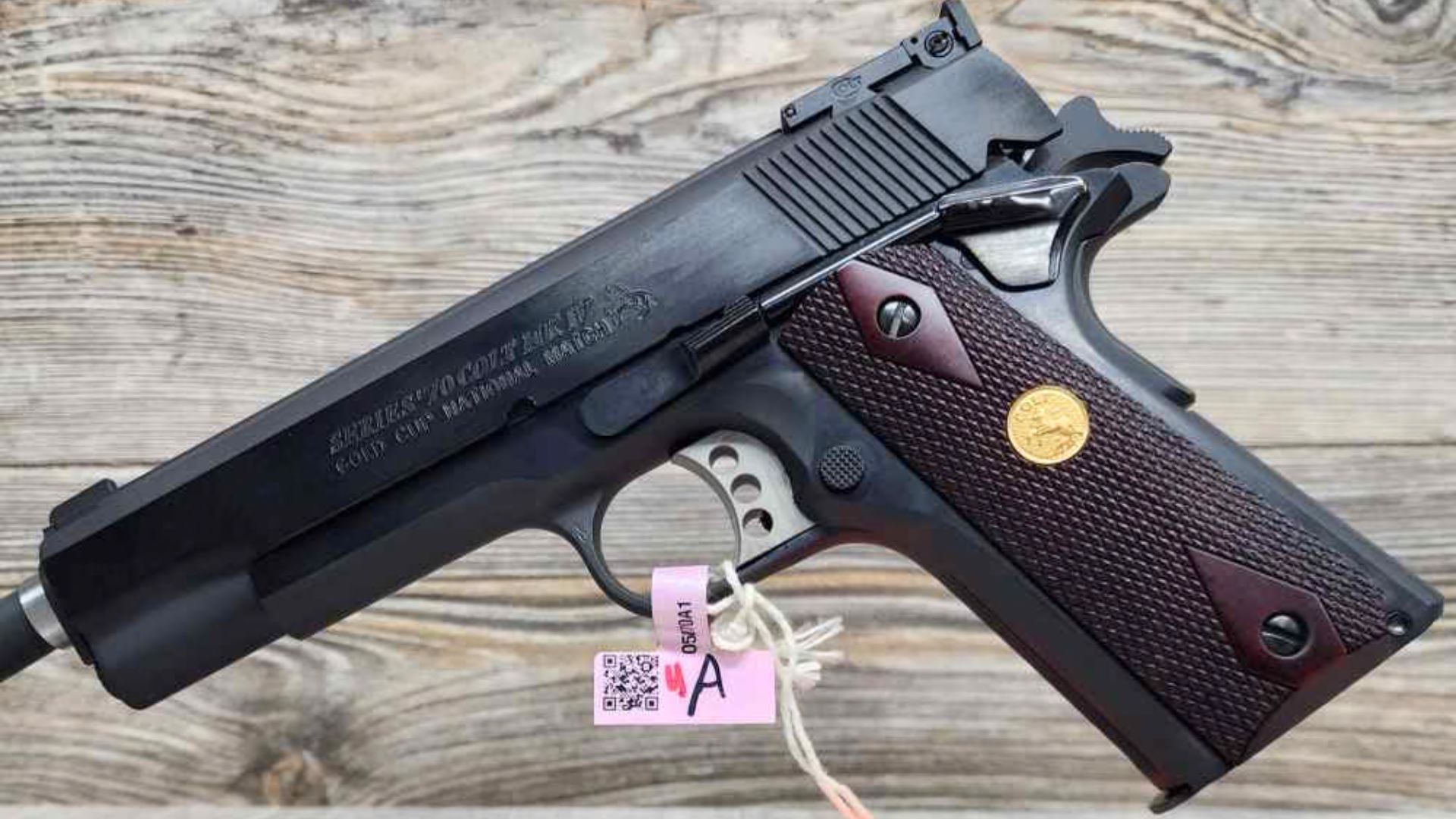
The Colt Gold Cup National Match represents the traditional American target 1911. Its adjustable sights, refined trigger, long barrel, and steel frame make it easy to shoot accurately with quality .45 ACP ammunition. The pistol also has historical appeal beyond its performance.
Older Gold Cups vary by production era and configuration, which makes replacing a particular gun difficult. Some have distinctive slide markings, rib designs, triggers, or internal parts no longer used on current models. Owners sometimes sell them because they rarely carry or compete with them. Later, they realize that a modern defensive 1911 does not recreate the same target-pistol character.
Smith & Wesson Model 41

The Model 41 is one of the classic American .22 target pistols. Its excellent trigger, fixed barrel, comfortable grip angle, and substantial weight make precision rimfire shooting feel almost effortless. It is equally useful for formal target work, small-game practice, and developing strong trigger control.
A Model 41 is not the cheapest or most rugged .22 pistol, but it offers a shooting experience that inexpensive polymer rimfires cannot match. Older barrels, grips, and production variations can also become collectible. Selling one because .22 pistols seem easy to replace is usually a mistake. Most replacements will fire the same ammunition, but very few will feel like a Model 41.
Like The Avid Outdoorsman’s content? Be sure to follow us.
Here’s more from us: