Photo credit: Tex Mex/YouTube
Gun owners have a funny way of remembering what they paid instead of noticing what their guns have become. Somebody bought a police trade-in for a few hundred dollars twenty years ago, so in his head it is still a cheap used pistol. Another owner inherited an old .22 that has been sitting in a drawer since the 1970s and assumes every example is still easy to find. Meanwhile, collectors are searching for the exact models those owners barely think about.
That does not mean every old handgun is secretly valuable. Condition, originality, production variation, factory accessories, and even barrel length can completely change the picture. What I would watch are the guns that were once common enough to take for granted but are no longer being produced in the same form. These 20 handguns can be worth considerably more attention than their owners sometimes give them.
Smith & Wesson 6906
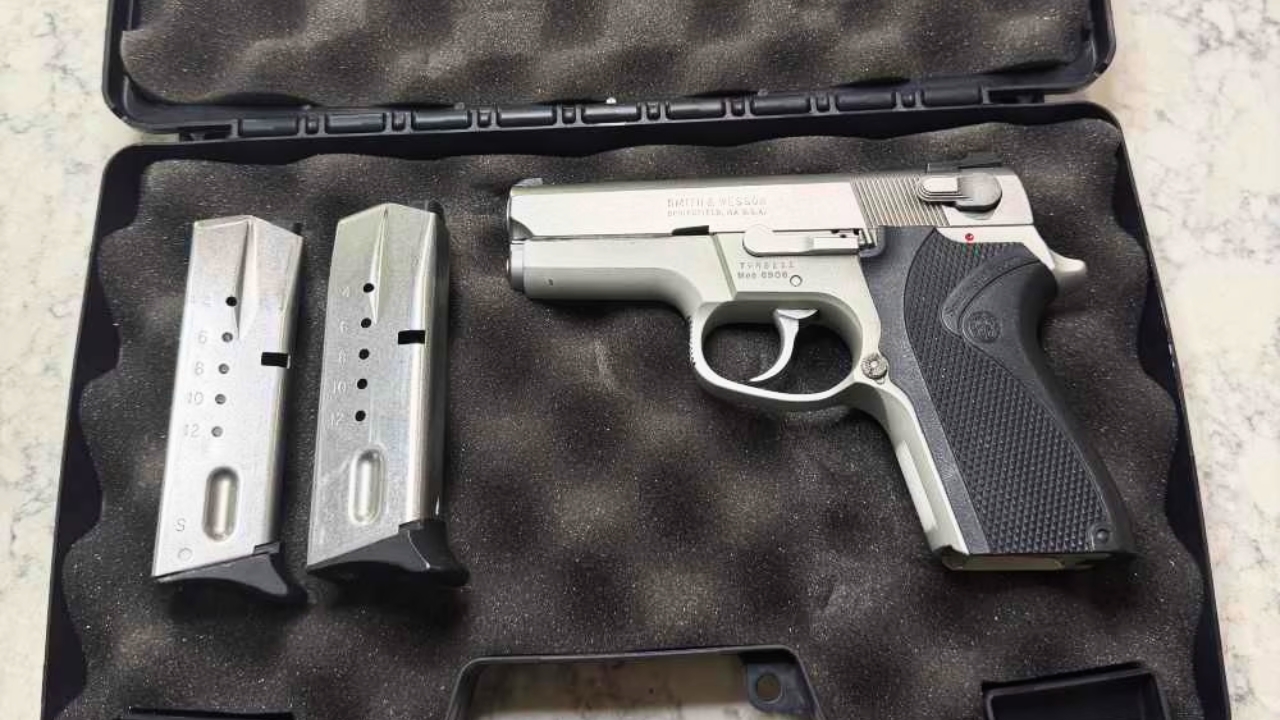
The 6906 spent years being treated like just another old police-style Smith & Wesson. It is a compact double-stack 9mm with a stainless slide, alloy frame, traditional DA/SA action, and the unmistakable construction of Smith’s third-generation semiautomatic era. When departments and individual officers moved toward polymer striker-fired pistols, guns like the 6906 often ended up as inexpensive used options. That bargain reputation stuck around in many owners’ minds long after the supply stopped looking endless.
Now the compact dimensions are part of the attraction. Shooters looking for metal-framed carry pistols have far fewer choices, and collectors have become much more interested in third-generation Smiths. I would pay particularly close attention to one with its original grips, magazines, sights, and minimal holster wear. A clean 6906 is no longer something I would casually price like an outdated duty pistol.
Smith & Wesson 469

The Model 469 is even easier to underestimate because it predates the better-known third-generation compact Smith autos. It was one of Smith & Wesson’s early attempts to put double-stack 9mm capacity into a shorter, lighter defensive pistol, giving it an important place in the development of the company’s compact semiautomatics. The alloy frame kept weight down, while the traditional hammer-fired operating system made it familiar to shooters of the period.
These pistols were bought to carry, so pristine examples are not what I expect to see most often. Holster wear, replacement grips, and missing magazines are common consequences of being a practical defensive gun rather than a collectible.
That is exactly why an unusually clean 469 catches my attention. It represents a transitional period in American carry pistols, and replacing one in the same condition is becoming much harder than many longtime owners realize.
SIG Sauer P230

The P230 once lived in a strange middle ground. It was beautifully made and carried the SIG name, but it was chambered for cartridges such as .380 ACP and competed against much less expensive compact pistols. Buyers who wanted maximum performance could move up to a larger service gun, while budget-minded carriers could spend considerably less elsewhere.
That makes the P230 more interesting today. It comes from a period when a compact defensive pistol could still be built around an alloy frame, exposed hammer, and sleek European styling rather than a polymer chassis. The pistol also feels remarkably thin compared with many modern designs.
I would especially value an older example with its factory magazines and original grips. A replacement SIG can be bought easily. Replacing the particular look, feel, and production era represented by a clean P230 is another matter entirely.
Colt Model 1908 Vest Pocket

Owners sometimes see a tiny .25 ACP Colt and assume the small cartridge automatically means small value. The Model 1908 Vest Pocket deserves a closer look. Colt produced more than 420,000 during its roughly 40-year run, but production variations, finish, grips, engraving, and overall condition can make a major difference to collectors.
These pistols were genuinely carried in pockets, purses, and vests, so high-condition examples did not survive at the same rate as guns that spent their lives in presentation cases. Nickel finish, factory engraving, unusual grips, an original box, and early production features can all add interest.
I would never clean one aggressively or replace parts before determining exactly what I had. It may look like Grandpa’s little obsolete pocket pistol, but the right Model 1908 can be an important piece of Colt’s early semiautomatic history.
High Standard HD Military
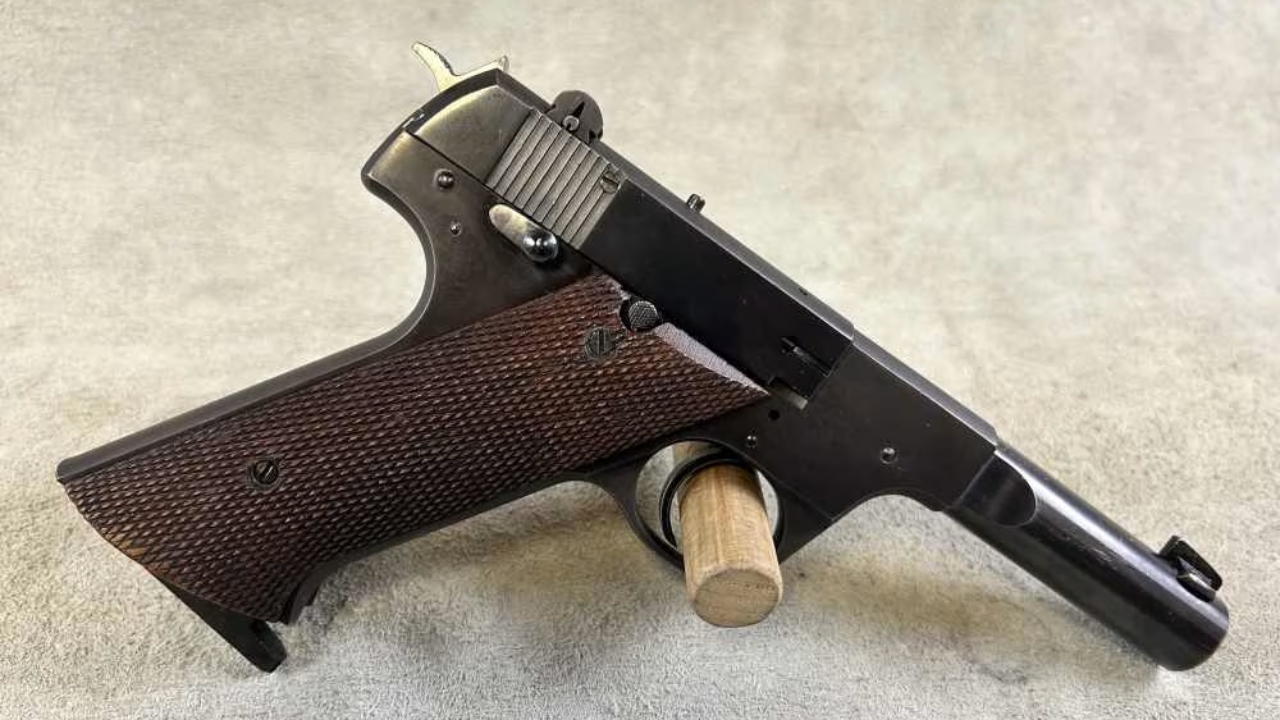
An old High Standard .22 can look like nothing more than an unusually well-made plinking pistol until you start studying the markings. High Standard became deeply connected to American military training during World War II, and the company supplied .22 pistols for military marksmanship use. The later HD design followed the company’s Model B as the military sought a pistol with ergonomics more similar to the M1911.
That history matters because owners often treated these guns as ordinary target pistols after military use ended. They were shot heavily, refinished, fitted with different grips, and occasionally separated from military accessories.
A correct HD Military with good finish and appropriate markings deserves a much closer look. High Standard was once synonymous with serious American .22 pistols, and the best surviving examples are getting much harder to dismiss as inexpensive old rimfires.
Browning Medalist
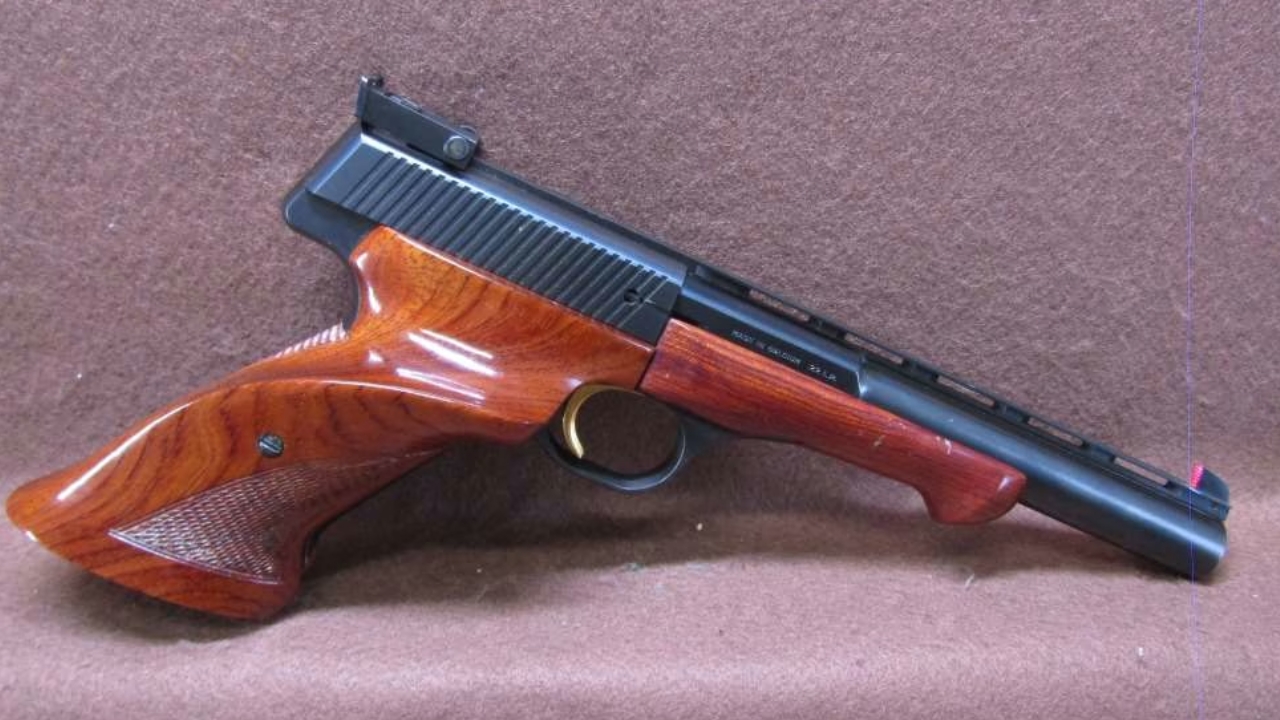
The Medalist came from a time when manufacturers could sell a .22 target pistol built and finished like a genuinely premium firearm. Browning introduced the Medalist in 1962 and ended production in 1974, giving the original run a finite twelve-year window.
Owners who bought them to shoot bullseye or informal target competition sometimes forget that the accessories can be nearly as important as the pistol. Depending on the package, Medalists were associated with elaborate presentation arrangements and specialized accessories that collectors understandably want kept together.
I would think twice before separating anything belonging to one. Even a well-used Medalist is an impressive target pistol, but a high-condition example with the proper case and equipment belongs in an entirely different conversation. Modern .22s may shoot beautifully, but very few are presented with the same level of old-school Browning flair.
Ruger Standard Pistol
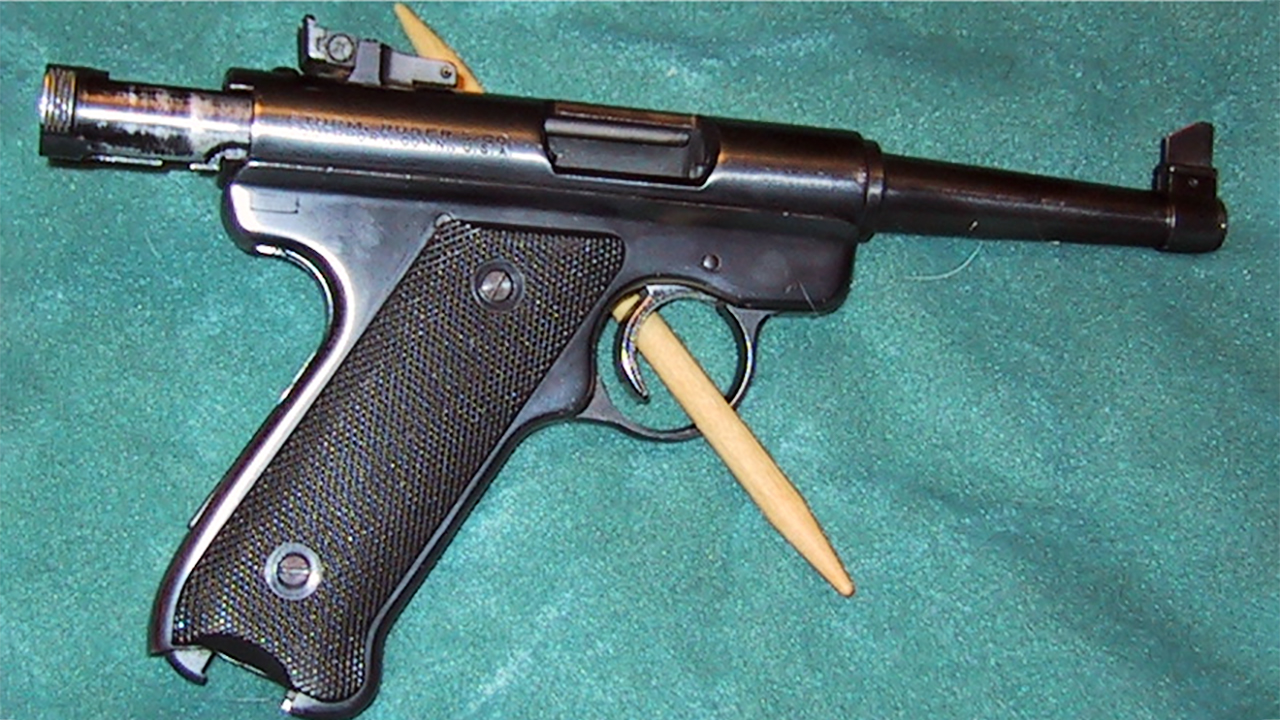
The original Ruger Standard is one of those guns owners can underestimate precisely because Ruger later made millions of descendants. The Mark I, Mark II, Mark III, and Mark IV make the basic silhouette seem permanently available. The earliest Standard pistols are another matter. Ruger began manufacturing the model in 1949, and it was the firearm that helped launch the entire company.
That makes early serial numbers and early configurations much more important than someone with a random old Ruger .22 may realize. Plenty were heavily used because affordability and reliability were central to the model’s appeal from the beginning.
I would inspect an early Standard before assuming it is worth ordinary used-rimfire money. Original magazines, grips, finish, box, and production year all matter. Sometimes the humble first product becomes historically significant simply because of everything that followed it.
Colt Challenger
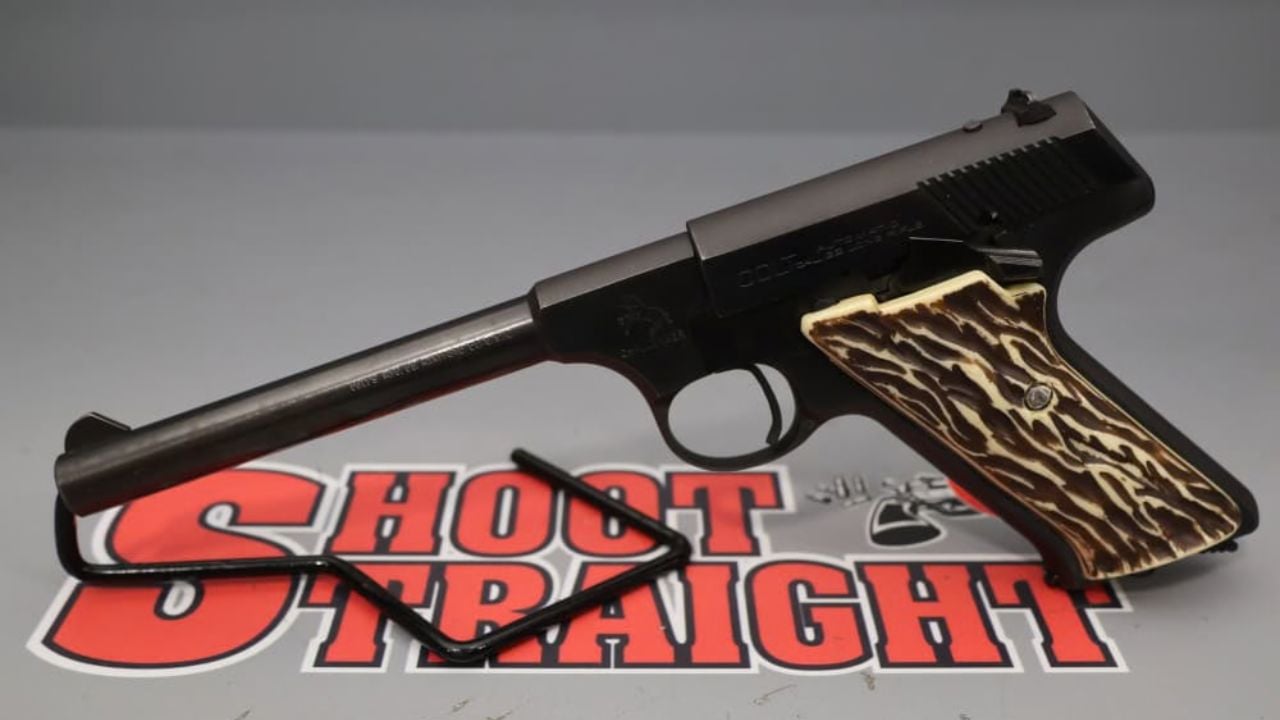
The Challenger lived below Colt’s more refined Woodsman models, which meant generations of owners treated it as the less-important Colt .22. That was great when someone wanted an affordable rimfire wearing the Colt name. It was not so great for preservation because people had little reason to baby them.
Today, that old hierarchy matters less to me than the fact that Colt no longer fills gun-store cases with affordable steel-framed .22 target pistols built in the same style. Challengers were shot, carried in field holsters, and occasionally modified because replacement seemed easy.
I would pay considerably more attention to one with strong original blueing, factory stocks, and the correct magazine. It may never command the attention of a rare Woodsman variation, but that does not make it ordinary. An honest old Colt rimfire has become increasingly difficult to replace without paying for somebody else’s decades of wear.
Beretta Model 70S
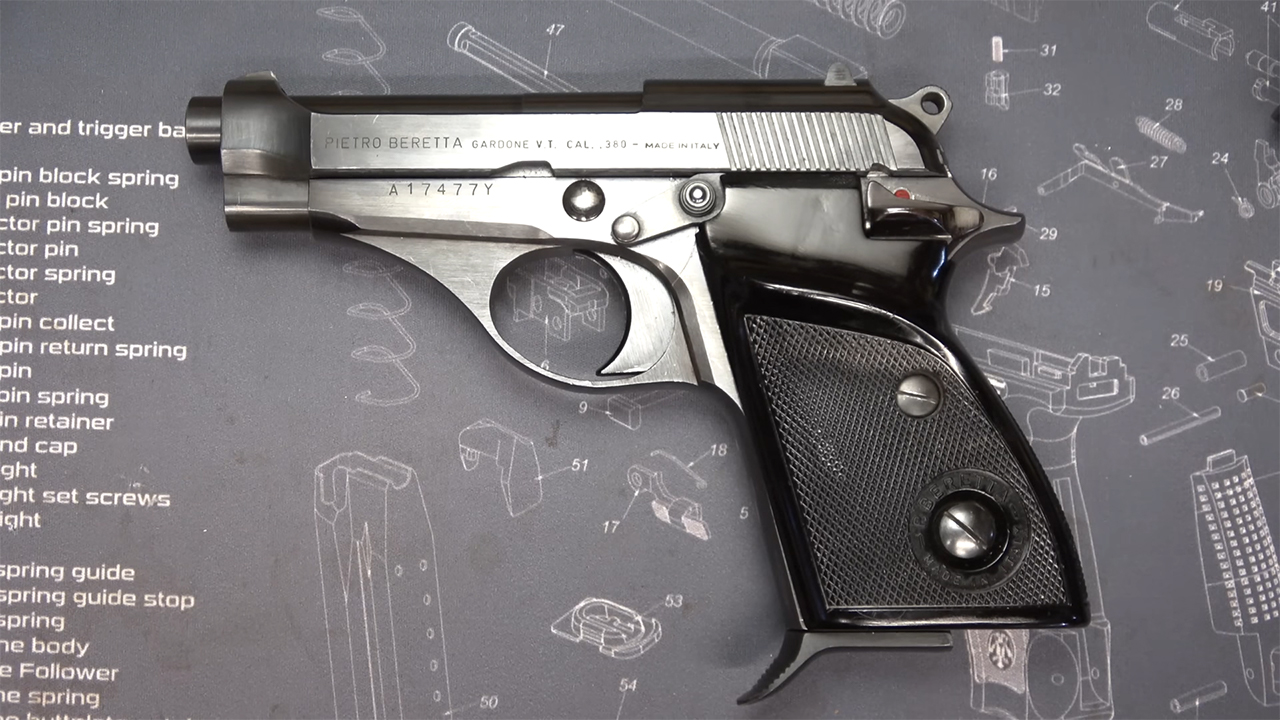
The Model 70S can look almost anonymous beside Beretta’s famous 92-series pistols. That is part of what kept these smaller pistols affordable for years. They came from the older Beretta tradition of slim, metal-framed semiautomatics and appeared in several calibers and configurations depending on market and production period.
What makes them interesting now is how completely the market moved away from pistols like this. A compact steel or alloy European pistol with a traditional safety and exposed hammer is a very different object from the modern micro-compact.
Collectors also increasingly care about exact markings, caliber, grips, barrel length, and whether a gun is a commercial or service-related variation. I would never assume every Model 70-series pistol carries the same interest. A particularly clean 70S in the right configuration can be much harder to replace than the owner who bought it cheaply decades ago expects.
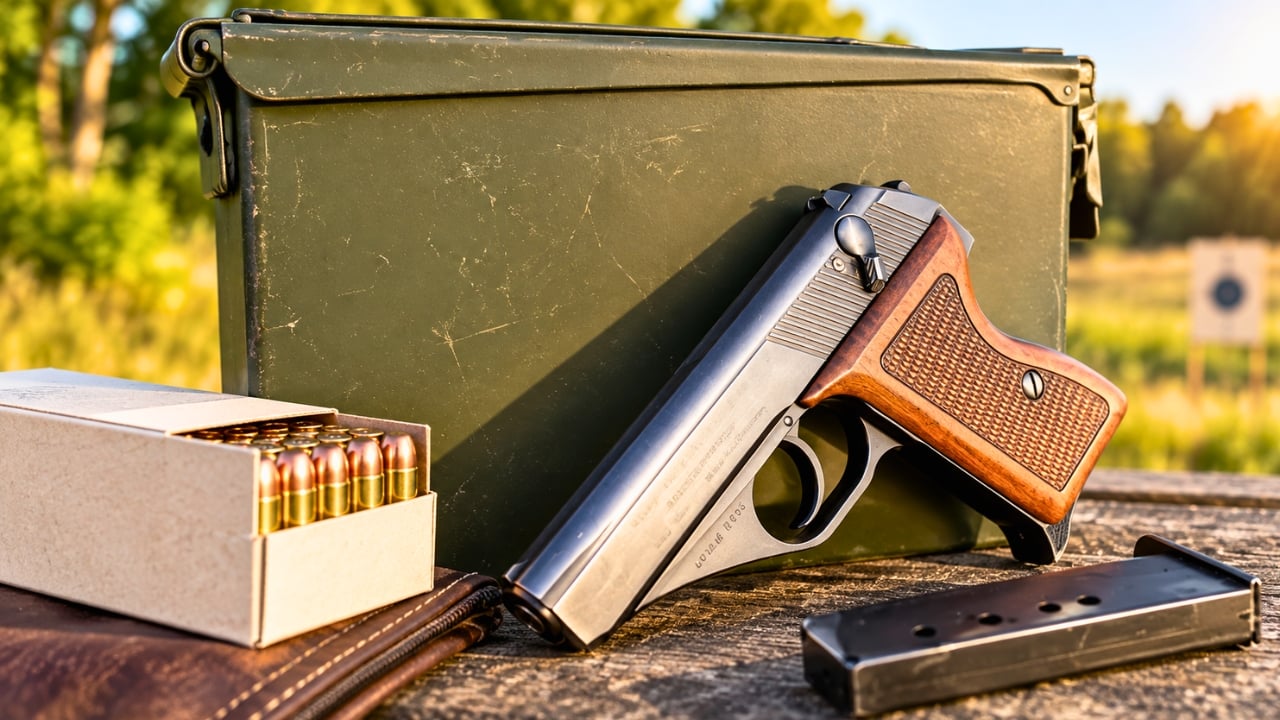
Manurhin-Made Walther PP
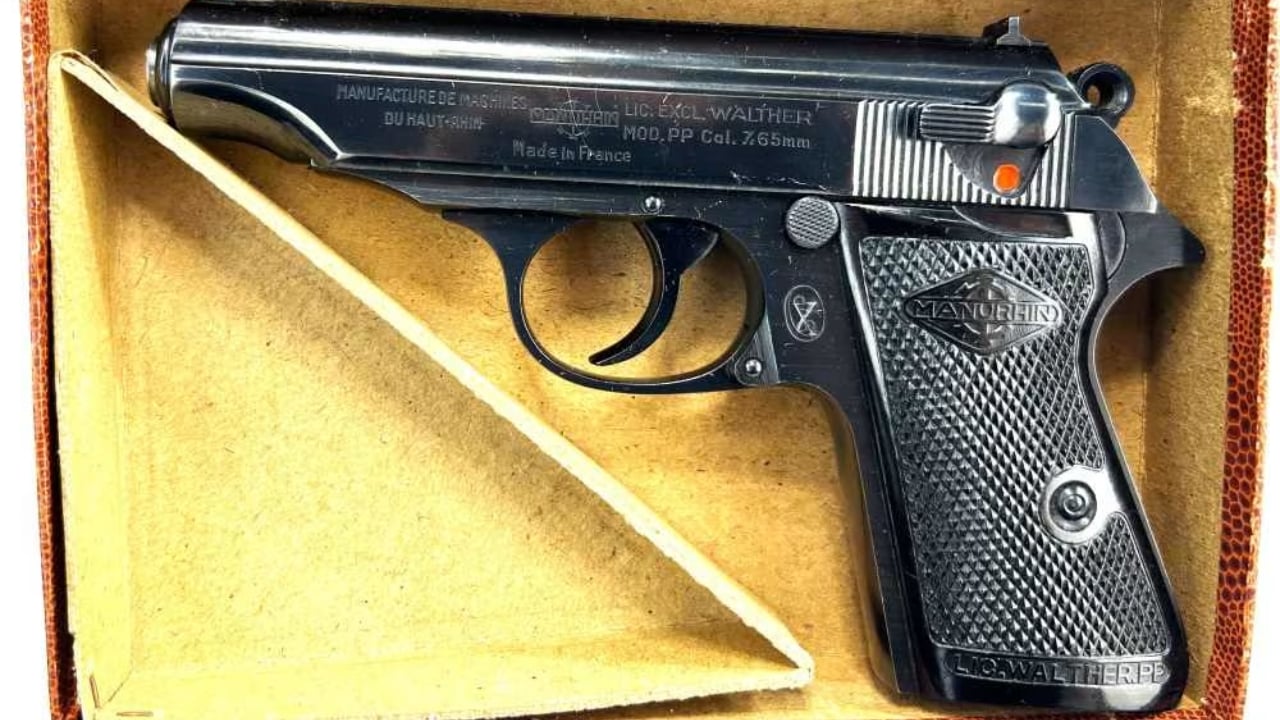
Plenty of owners see “Walther PP” and think only about whether the gun says Germany or France somewhere on it. That can oversimplify a fascinating production history. After World War II, Manurhin in France played a major role in producing Walther-pattern pistols, and many extremely well-made examples reached civilian and police markets.
For years, the French association sometimes caused buyers to treat these as less desirable than pistols carrying the right German markings. The actual manufacturing quality makes that distinction much less convincing once you handle a clean one.
I would look carefully at finish, proofmarks, grips, magazine, and exact production details rather than dismissing a pistol because it is not the version somebody on the internet declared most desirable. European police and pocket pistols have become a serious collecting category of their own, and good Manurhin-made PPs are part of that story.
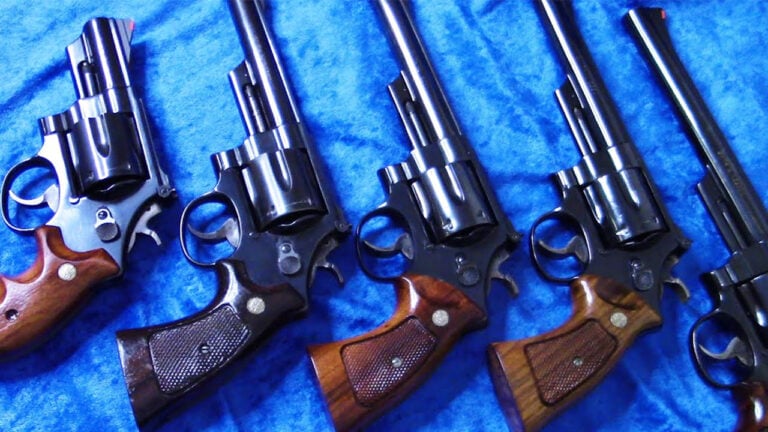
Smith & Wesson Model 13
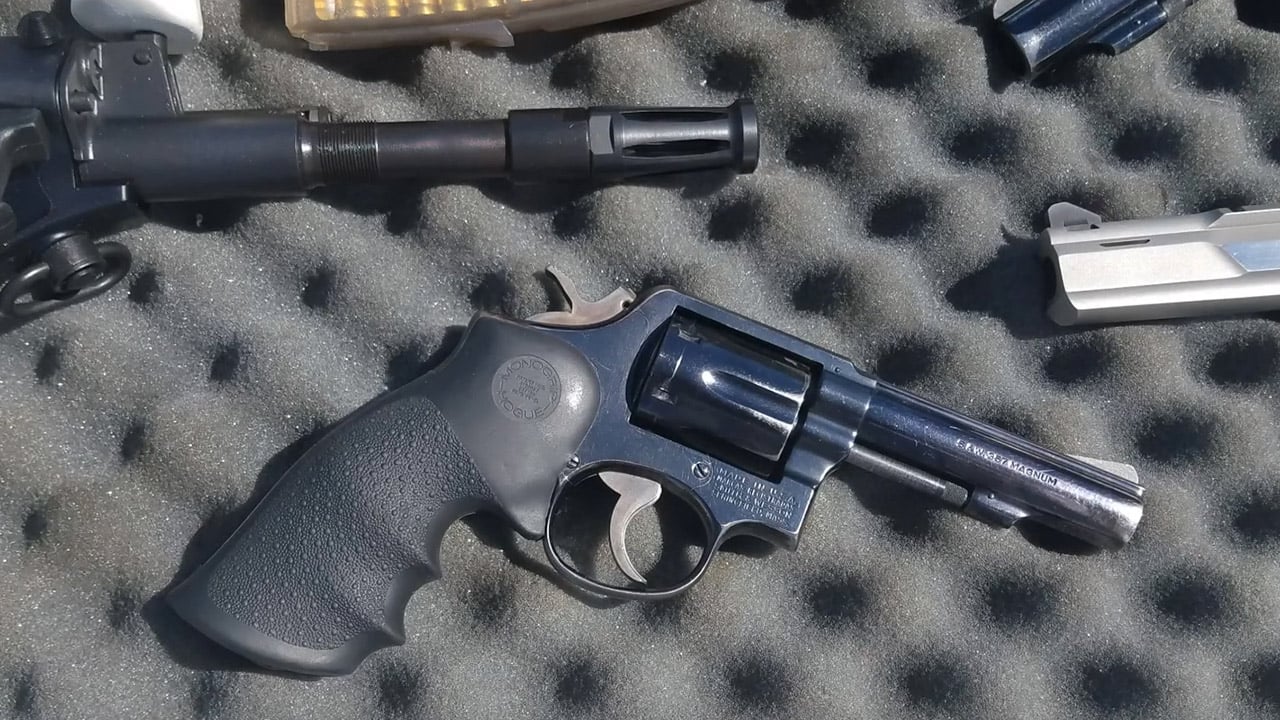
At first glance, a Model 13 looks like a plain fixed-sight K-frame .357 Magnum. That understated appearance is exactly how some owners miss what they have. The three-inch version combines a compact barrel with a full K-frame grip and fixed sights, creating a configuration that became highly regarded among people who actually carried revolvers.
The important point is that barrel length matters. A common-looking revolver in an uncommon or particularly desirable factory configuration is not automatically worth what another version of the same model brings.
I would want to verify that a short-barreled Model 13 left the factory that way before doing anything to it. Original stocks, finish, and box matter too. Owners who remember these as ordinary working Smiths can be surprised by how much enthusiasm the right three-inch K-frame now generates among revolver collectors.
Smith & Wesson Model 58
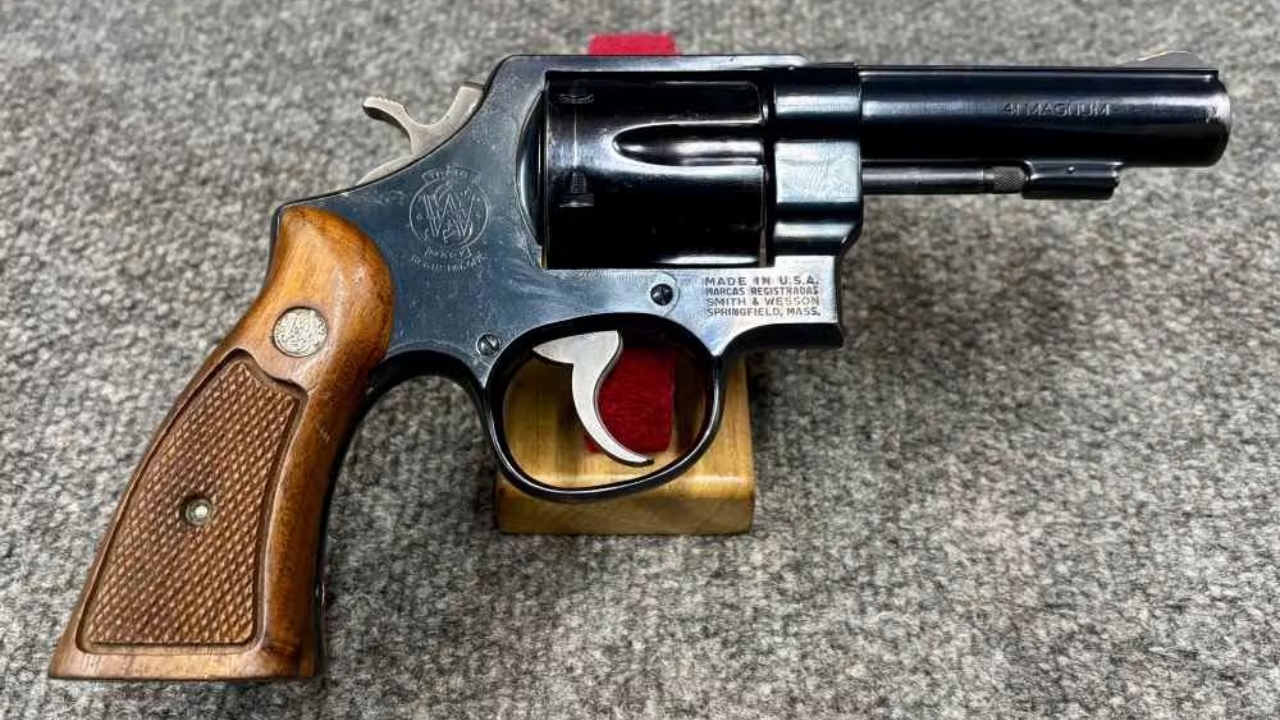
The Model 58 is the kind of revolver that looks intentionally plain because that was the point. Smith & Wesson built it as a fixed-sight service-style revolver chambered in .41 Magnum, pairing a powerful cartridge with straightforward duty-gun furniture instead of the adjustable sights and refinement associated with the Model 57.
That combination did not create massive mainstream demand when it was new. The .41 Magnum remained a niche cartridge, and most police agencies never adopted revolvers like the 58 in huge numbers. What once made it commercially awkward now makes it interesting.
A clean Model 58 is not simply another old N-frame. Original stocks, finish, barrel markings, and production era deserve attention before anyone assumes ordinary used-revolver value. Collectors are naturally drawn to models manufacturers tried, produced in comparatively modest numbers, and eventually abandoned.
Colt Cobra
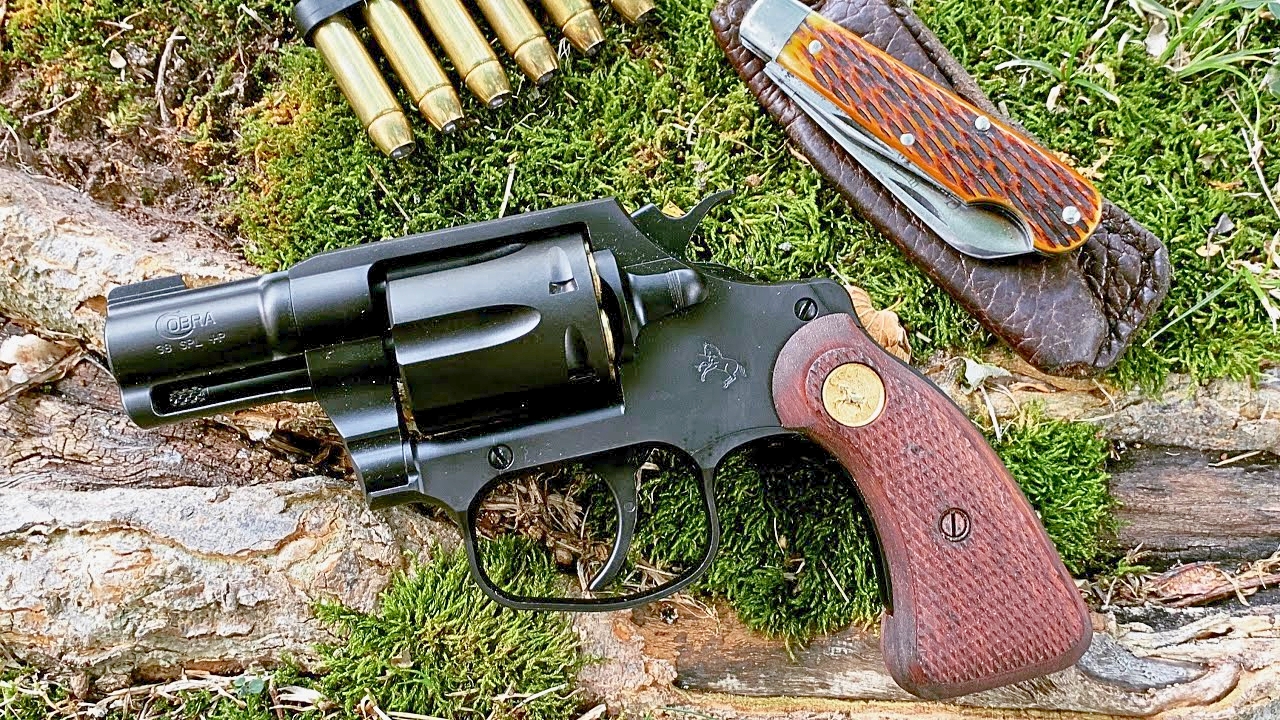
The original Cobra was easy to think of as simply a lighter Detective Special. Its aluminum-alloy frame made it convenient to carry, and for decades these little Colts were treated primarily as defensive tools rather than collectibles. That means many surviving examples have exactly the edge wear and grip damage you would expect from a revolver that spent years in a holster.
Today, older Cobras have appeal that goes beyond their practical purpose. Barrel length, generation, finish, factory stocks, and condition can all separate a very ordinary-looking revolver from a much more desirable example.
I would especially hesitate before refinishing one. Lightweight carry revolvers accumulate honest wear quickly, and collectors would often rather see that than a polished restoration that erased the original finish. A Cobra bought cheaply years ago may be much harder to replace cleanly than its owner assumes.
Dan Wesson Model 715
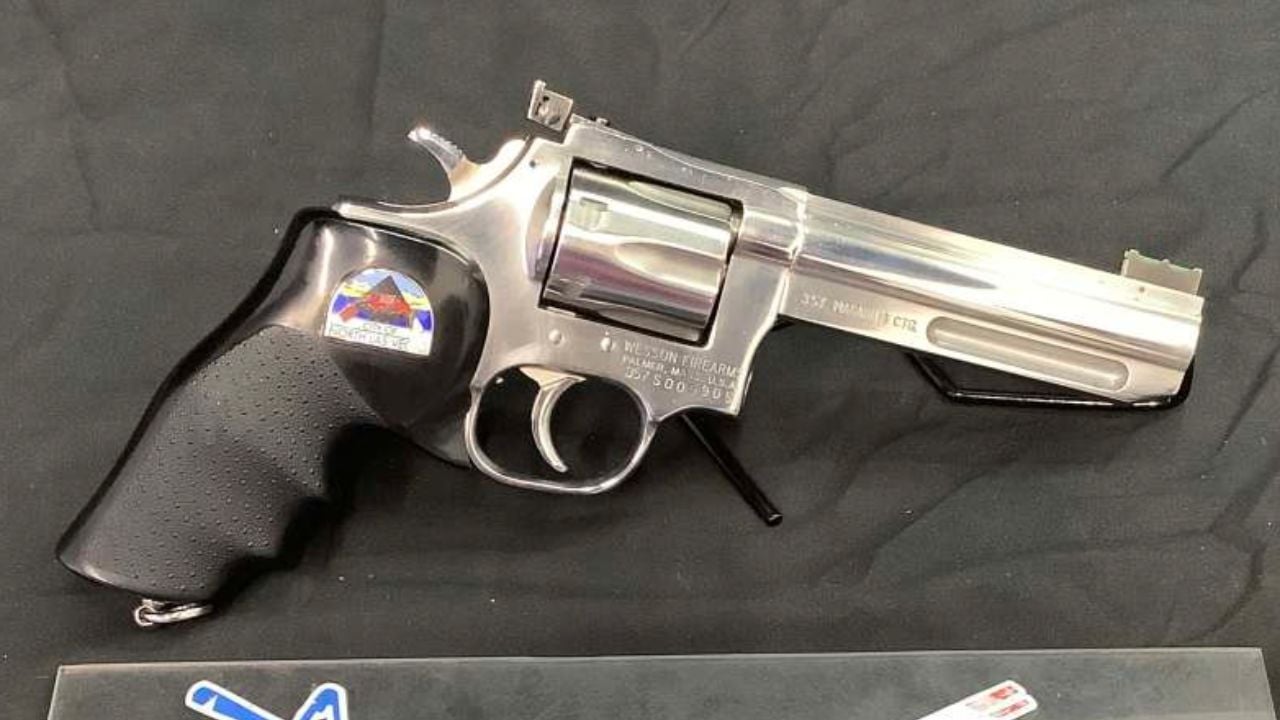
The Model 715 can fool owners because the most important part may not be the revolver by itself. Dan Wesson’s interchangeable-barrel system allowed shooters to change barrel lengths using different barrel assemblies, creating packages that could be configured for different jobs.
That is where completeness becomes important. A revolver accompanied by multiple correct barrels, tools, case, grips, and factory accessories can be much more interesting than a loose gun with one barrel installed. Unfortunately, owners frequently separated those pieces over the years.
I would want to know exactly what originally belonged with a 715 before pricing it. Stainless Dan Wessons have also developed a dedicated following because the design is mechanically distinctive and no ordinary modern revolver duplicates the complete experience. The owner may see an old .357. The collector may see an incomplete pistol pack waiting to be reunited.
Seecamp LWS-32
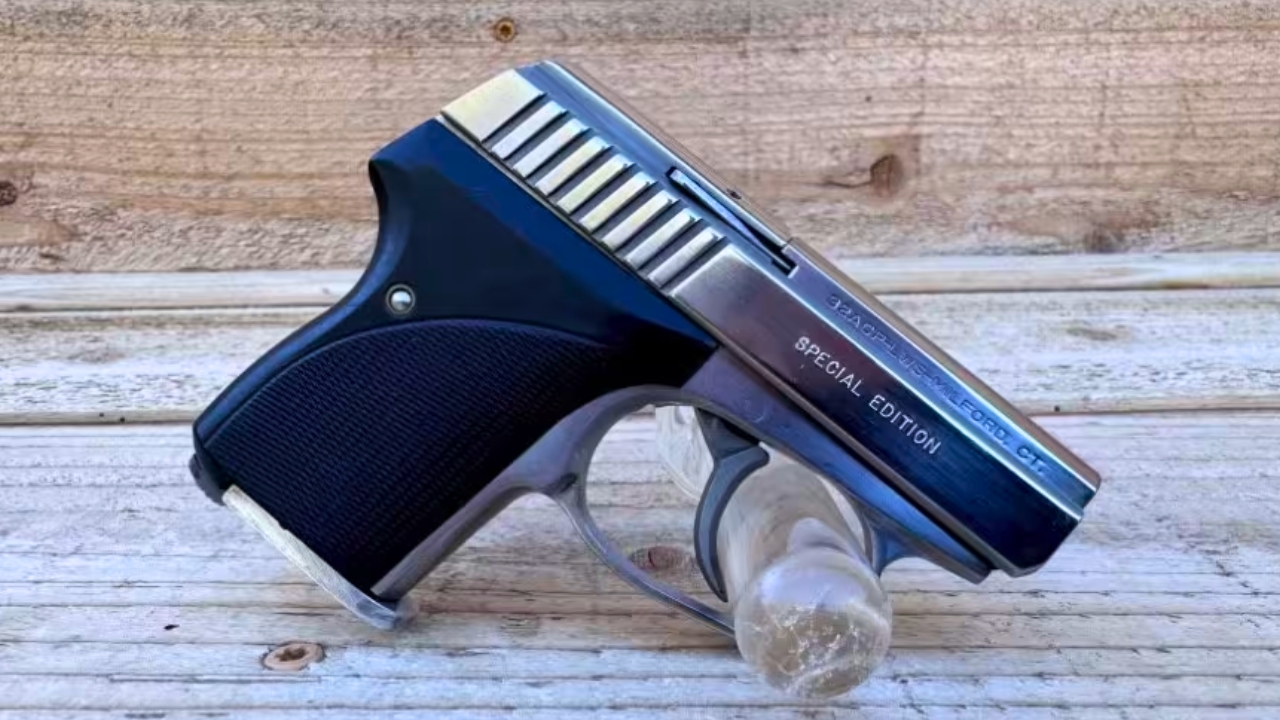
The LWS-32 has an unusual value history because there was a period when demand was so intense that buyers reportedly paid far above retail while waiting years for production to catch up. Seecamp was a tiny manufacturer, and American Rifleman notes that peak secondary-market prices reached as high as $2,000 while the pistols were backordered far into the future.
That frenzy eventually cooled as modern micro-pistols transformed the carry market, but early Milford-made LWS-32s still deserve attention. They were hand-finished in very small-company production and represent a hugely influential stage in pocket-pistol development.
I would particularly care about production markings, original box, magazine, and finish. Someone who remembers buying his Seecamp when tiny .32s were fashionable may now treat it as obsolete. Collectors can see an important predecessor to the entire modern micro-carry category.
Detonics Combat Master

The Combat Master looked expensive from the beginning, and that actually caused some shooters to reject it. American Rifleman notes that its $389 price was considerably higher than a Colt Combat Commander at the time, and by 1984 the Combat Master’s price had risen to $754.
What those buyers were looking at was one of the early serious attempts to make the 1911 genuinely compact rather than simply shortening it slightly. Detonics pushed the design into a format that influenced the compact .45 market that followed.
Original production period matters now because the Detonics name passed through multiple corporate incarnations. A clean early Combat Master with its correct parts and accessories is much more than another chopped 1911. Owners who mentally compare it with what they paid decades ago may be missing how historically important the concept became.
AMT Hardballer
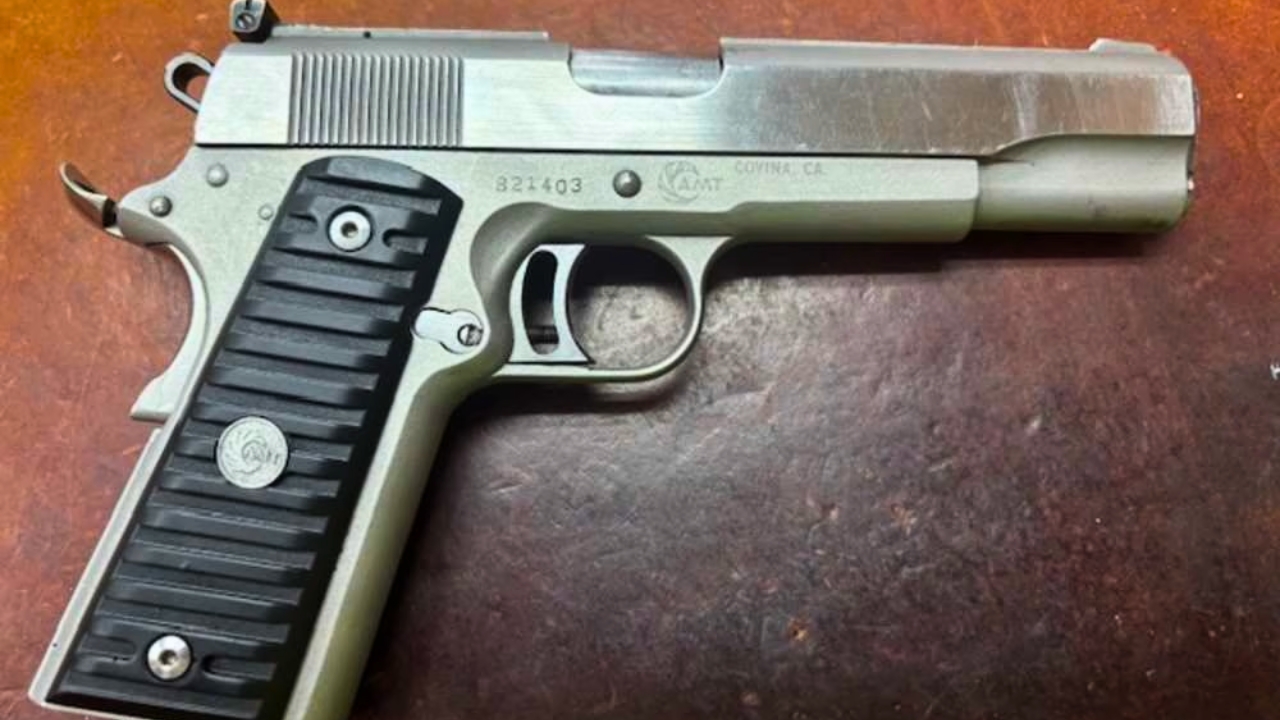
The AMT Hardballer was one of those pistols people either thought looked futuristic or simply regarded as a cheaper stainless 1911. Stainless-steel construction was much less ordinary when the Hardballer arrived, and the pistol became one of the recognizable products associated with Arcadia Machine & Tool.
Quality reputation varied, which kept collectors from treating every Hardballer like a treasure. That does not mean early or particularly clean examples are uninteresting. AMT went through multiple ownership changes, and the original pistols belong to a very specific period of American handgun manufacturing.
I would look carefully at exact markings, barrel length, sights, and factory configuration. Longslide versions attract obvious attention, but even conventional examples can appeal to collectors of early stainless semiautomatics. Yesterday’s less-expensive 1911 alternative can become today’s snapshot of a manufacturer and era that no longer exist.
Star PD
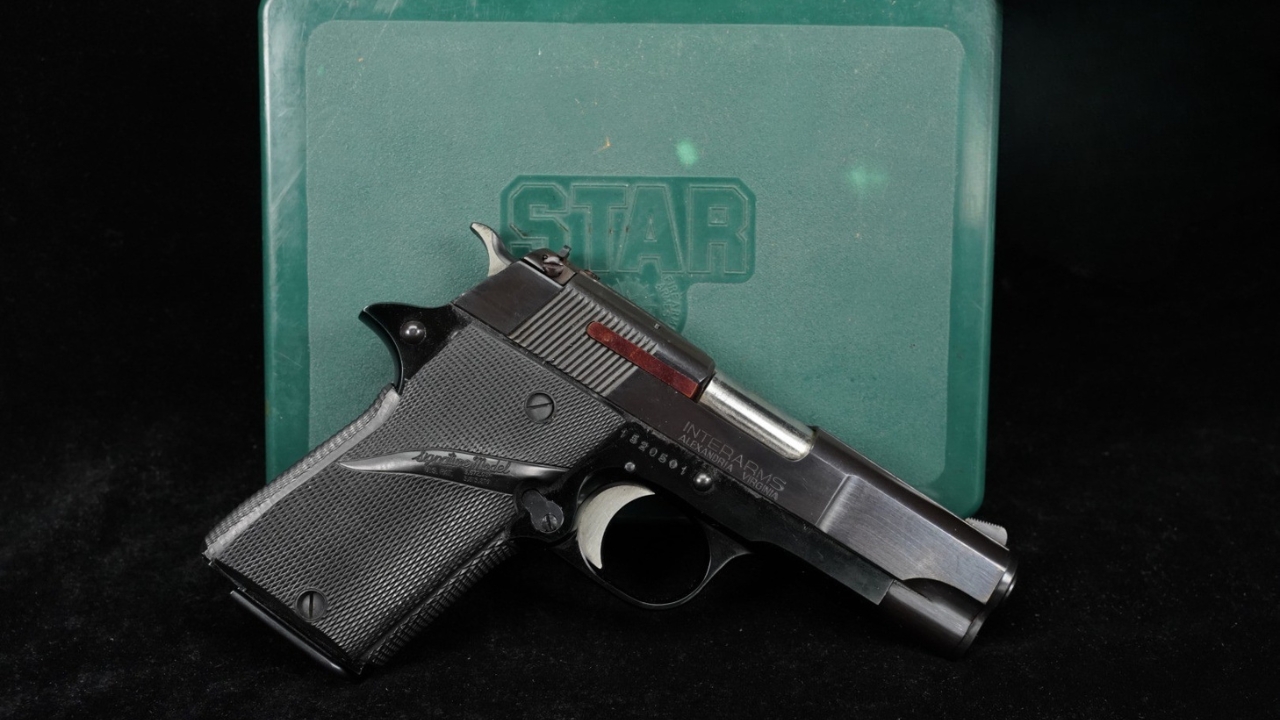
The Star PD was doing the lightweight compact .45 ACP idea before that combination became remotely normal. Spanish manufacturer Star used an alloy frame and abbreviated 1911-inspired layout to create a pistol that could be carried far more easily than a full-size steel .45.
That usefulness also ensured many examples were carried hard. Alloy-frame wear, battered finishes, and replaced components are not unusual, which makes an unusually clean PD more interesting now that Star is gone.
I would not confuse it with a true 1911 or judge it solely by modern compact-pistol standards. The appeal is historical. Star was attempting to solve a concealed-carry problem decades before polymer micro-compacts made light weight routine. Owners who remember PDs as relatively inexpensive Spanish imports may be surprised by how enthusiastically people now search for good examples.
FN Browning Model 1910
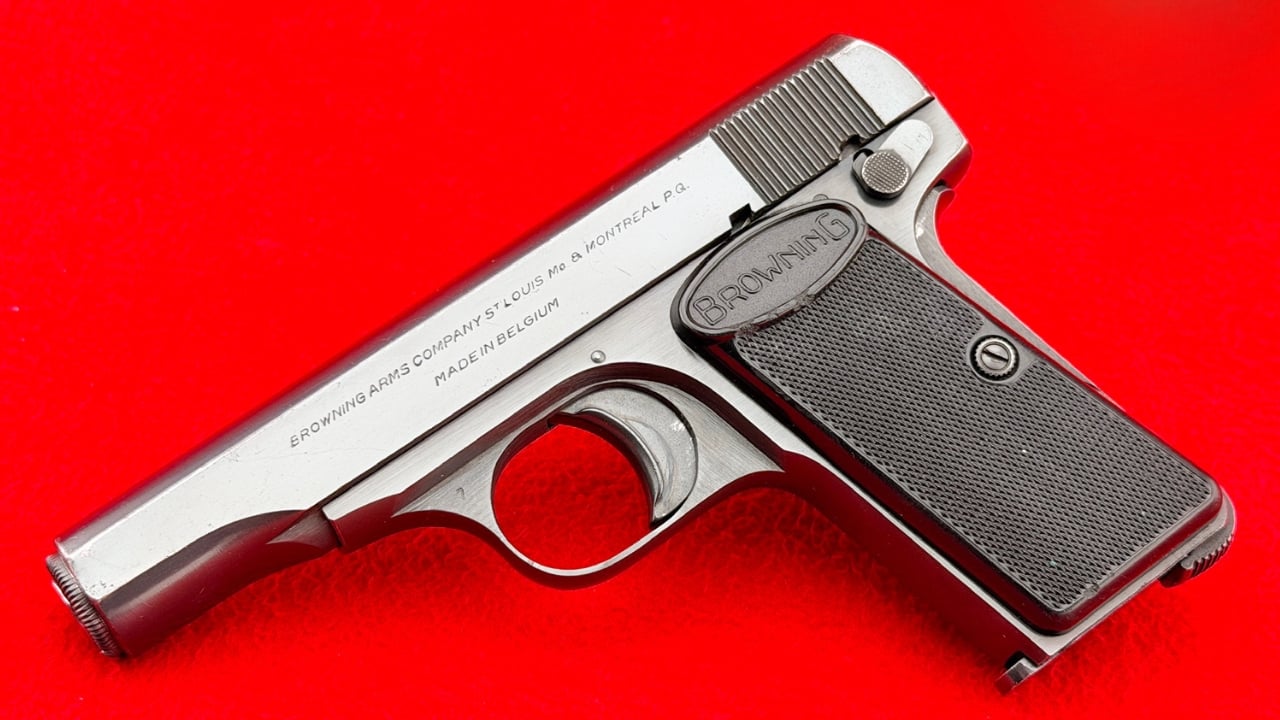
The Model 1910 looks almost too understated to be valuable. John Browning’s compact blowback design has smooth lines, few external projections, and the kind of European pocket-pistol appearance that became familiar partly because so many companies borrowed from it.
That familiarity can hide how much variation exists. Caliber, proofmarks, production period, wartime history, police markings, finish, and grips can all change what a particular example represents. Browning-designed pocket pistols were massively popular throughout Europe during the early twentieth century, with FN producing them on an enormous scale.
High production does not make every survivor equal. Plenty were carried for decades, refinished, or neglected. A crisp early Model 1910 with the right markings is not something I would throw onto a table as another old .32. The details deserve to be checked first.
Mauser HSc
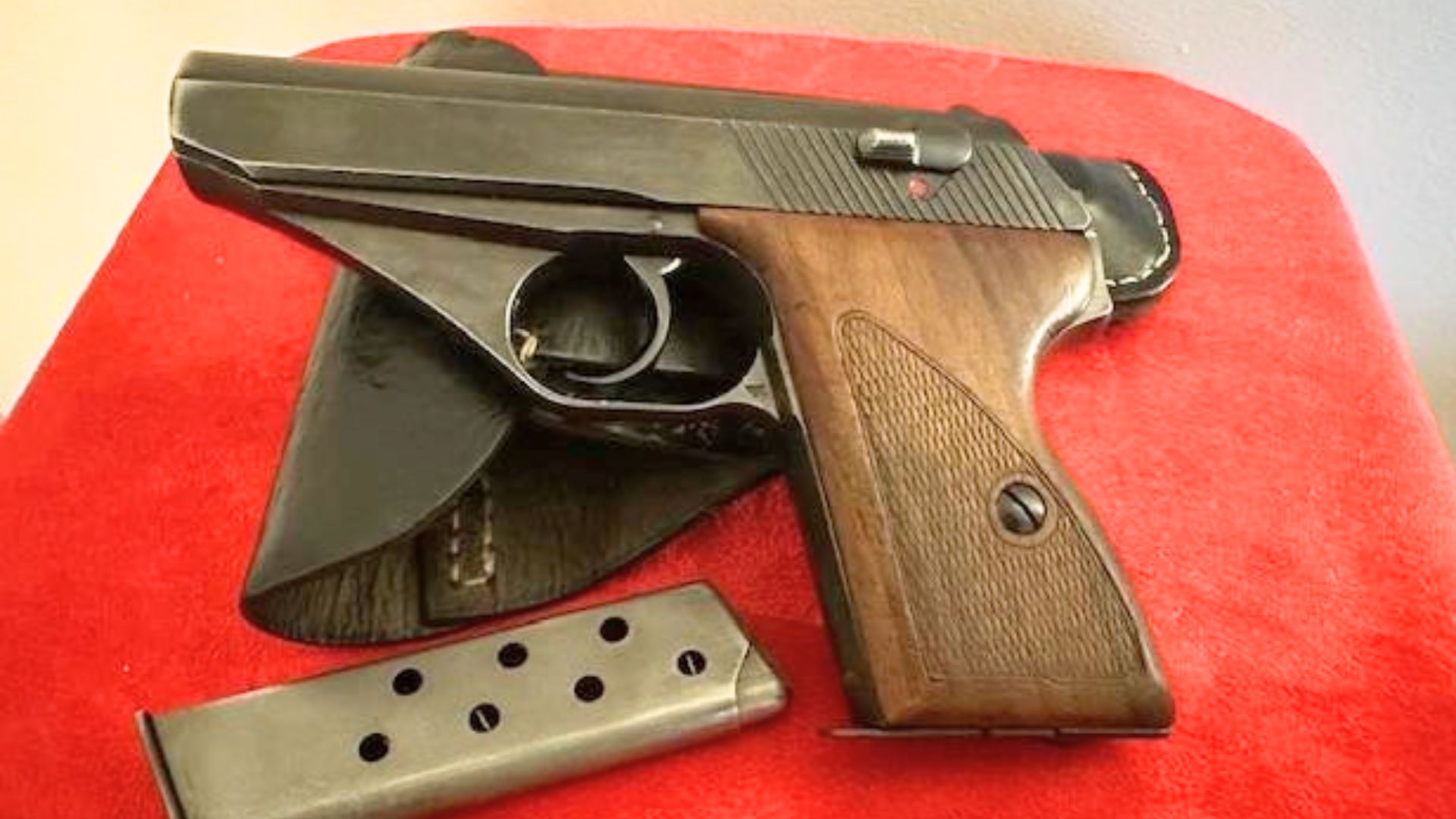
The Mauser HSc has the kind of name recognition that can make owners assume they already understand what it is worth. The problem is that “HSc” covers pistols from dramatically different periods, including wartime German production and later commercial manufacture. Those details can completely change collector interest.
A casual owner might see a small old European .32 or .380 and compare it with whatever another generic pocket pistol sold for. A collector immediately starts looking at markings, finish, serial range, acceptance stamps, magazine, grips, and exact production period.
That is why I would never price an HSc from the model name alone. Some are simply attractive vintage shooters. Others belong to historically significant production runs where originality matters enormously. The pistols are small enough to look unimportant, but this is exactly the kind of firearm where a few tiny marks on the metal can be worth a lot more than the owner ever suspected.
Like The Avid Outdoorsman’s content? Be sure to follow us.
Here’s more from us: