Photo credit: Adnan khan Mandan arms dealer bannu /YouTube
There was a time when gun-store cases were full of inexpensive metal pistols nobody considered collectible. Police trade-ins were cheap, Spanish imports were treated as second-tier guns, Eastern European surplus arrived by the crate, and buyers routinely walked past pistols because they could spend a little more and get a more prestigious name. Nobody was thinking about what would happen after the factories closed and the surplus shipments stopped.
That is what makes many of those old bargains so interesting now. I would not claim every pistol on this list has become a high-dollar collectible, but clean original examples are becoming much harder to replace than they were when everyone called them cheap guns. The exact variant matters too. Original magazines, boxes, grips, finishes, and import markings can separate an ordinary shooter from something a specialized collector has been hunting for years.
Smith & Wesson Model 915
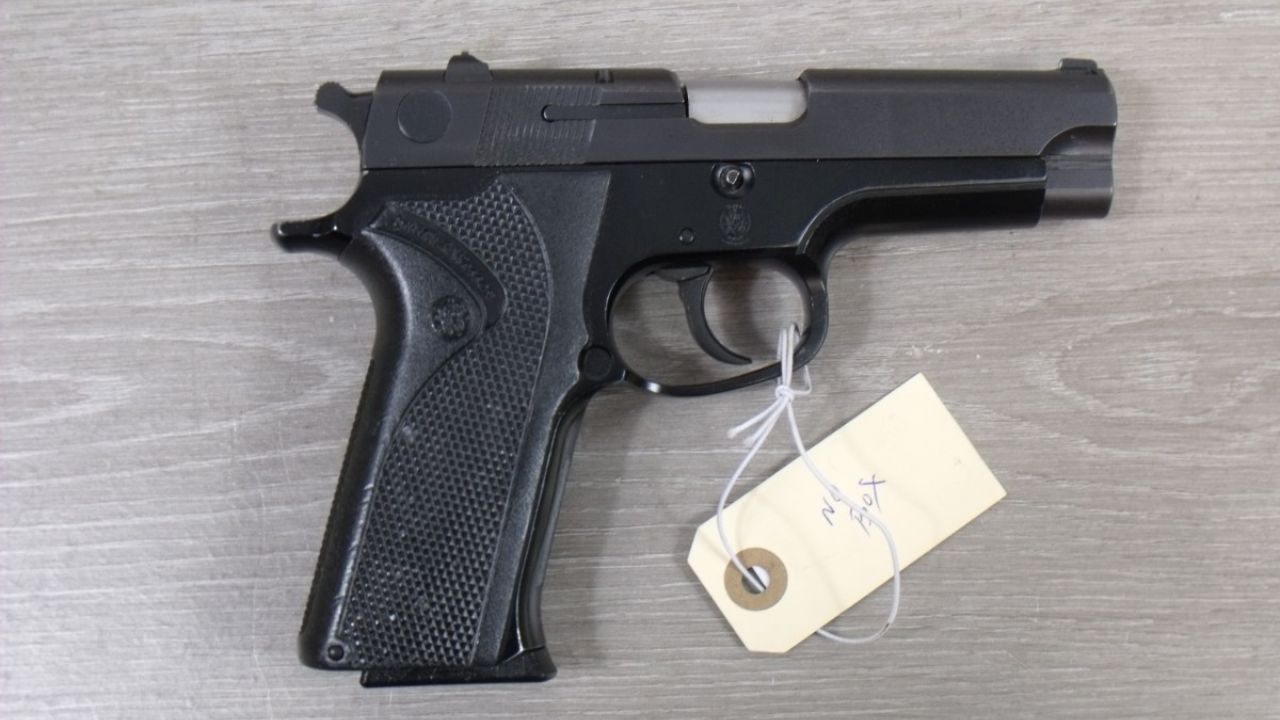
The Model 915 was deliberately positioned as a more economical Smith & Wesson service pistol, which is exactly why owners rarely treated one like a future collectible. It gave shooters a traditional metal-frame, double-action 9mm without all the refinements found on some of Smith’s more expensive third-generation pistols. For years, that translated to one thing on the used market: inexpensive.
Now the equation has changed. Smith no longer produces an entire catalog full of traditional metal-framed service autos, and shooters have begun revisiting the models they once considered plain. A clean 915 with its original magazine and grips gives you the feel of Smith’s classic semiautomatic era without the prices attached to some scarcer variants. I would no longer dismiss one simply because it began life as the budget version.
Smith & Wesson Model 908
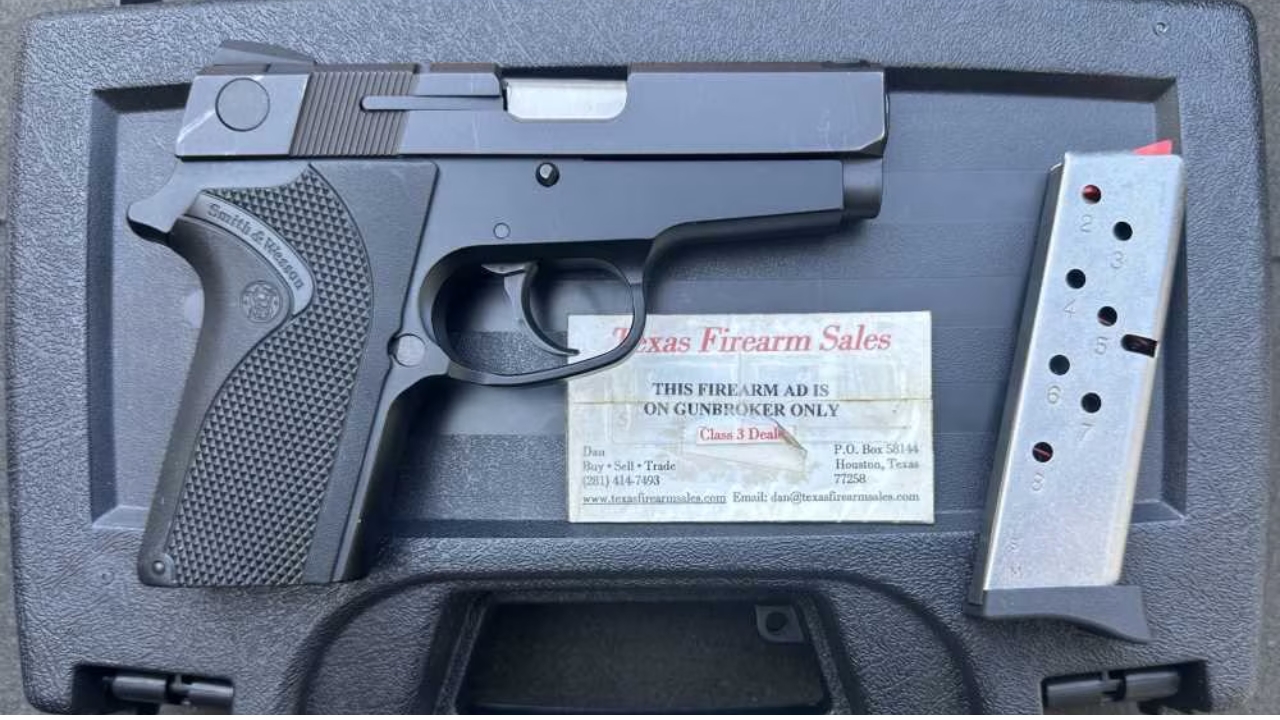
The Model 908 may fit this headline even better. It belonged to Smith & Wesson’s Value Series and gave buyers a compact single-stack 9mm at a lower price than the more refined pistols elsewhere in the company’s lineup. When these were common, the obvious reaction was to spend more for a 3913 or another premium third-generation Smith.
That decision looks less obvious today. The 908 is thin, compact, metal-framed, hammer-fired, and tied to a style of American carry pistol that has nearly vanished from new-production counters. Because it was marketed as an affordable working gun, owners carried and used them instead of protecting them.
I would especially notice a clean example that has escaped heavy holster wear and still has its factory magazine. Yesterday’s inexpensive Smith is becoming a surprisingly distinctive little pistol.
Ruger P85
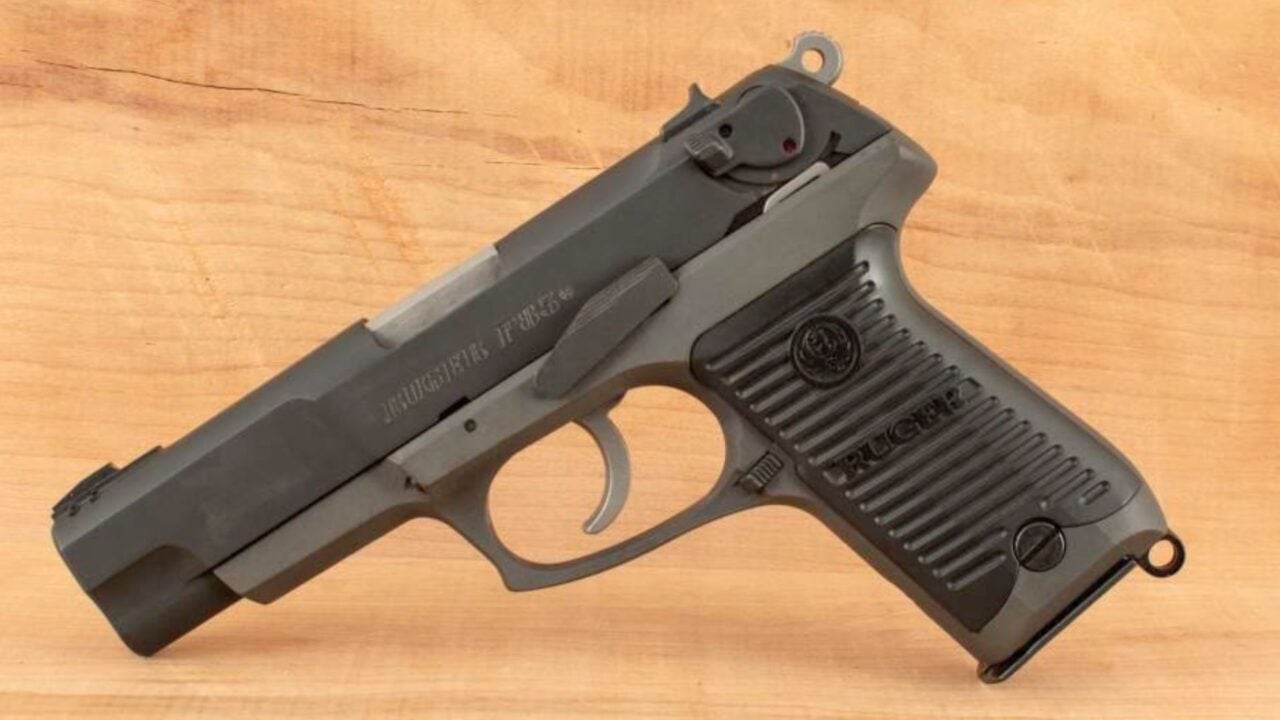
The P85 was Ruger’s first centerfire semiautomatic pistol, and affordability was part of the idea from the beginning. Ruger opened its Prescott factory in the 1980s with the economical aluminum-frame P85, giving buyers a full-size DA/SA 9mm without the price attached to some European service pistols.
For years, shooters joked about its size and blocky appearance. That probably helped keep prices low long after production ended. Today, though, the earliest P85s represent the starting point for an entire chapter of Ruger handgun history.
I would pay attention to an original pistol that has not been refinished or modified, particularly if it retains the factory box and magazines. Nobody is going to confuse a P85 with a handmade target pistol. That is not the appeal. It is an unmistakably 1980s American service gun that people spent decades taking for granted.
Daewoo DP51

The DP51 was exactly the type of import American shooters once ignored because the name on the slide did not carry enough prestige. The Korean pistol offered an aluminum frame, double-stack 9mm capacity, and Daewoo’s unusual “Fast Action” trigger system, yet it commonly competed on price rather than reputation.
For many buyers, that made it the gun you bought because a SIG, Beretta, or Smith & Wesson cost too much. The strange part is how interesting that bargain looks now. South Korea’s military lineage gives the pistol historical appeal, while the trigger system makes it mechanically different from almost everything else in a collection.
Clean original DP51s are the examples I would watch. Plenty were treated as cheap shooters, and replacement magazines or model-specific components are not as effortless to locate as support for current mainstream pistols. Obscurity eventually becomes part of the attraction.
Astra A-75

The Astra A-75 is the kind of compact pistol people bought because they wanted an inexpensive metal-framed carry gun and did not care whether anyone at the range was impressed. It was short, solid, and distinctly Spanish during an era when European handgun makers were competing aggressively in the American import market.
That practical reputation is exactly why nice examples are becoming interesting. Astra is gone, and there is no modern production line quietly turning out replacement A-75s. Spanish pistol makers such as Astra, Star, and Llama once produced handguns across a huge range of prices, but those companies eventually disappeared from the market.
An original A-75 with factory magazines and very little finish wear is the kind of gun I would grab for closer inspection now. It represents a whole industry that American buyers once assumed would always be there.
Astra A-100
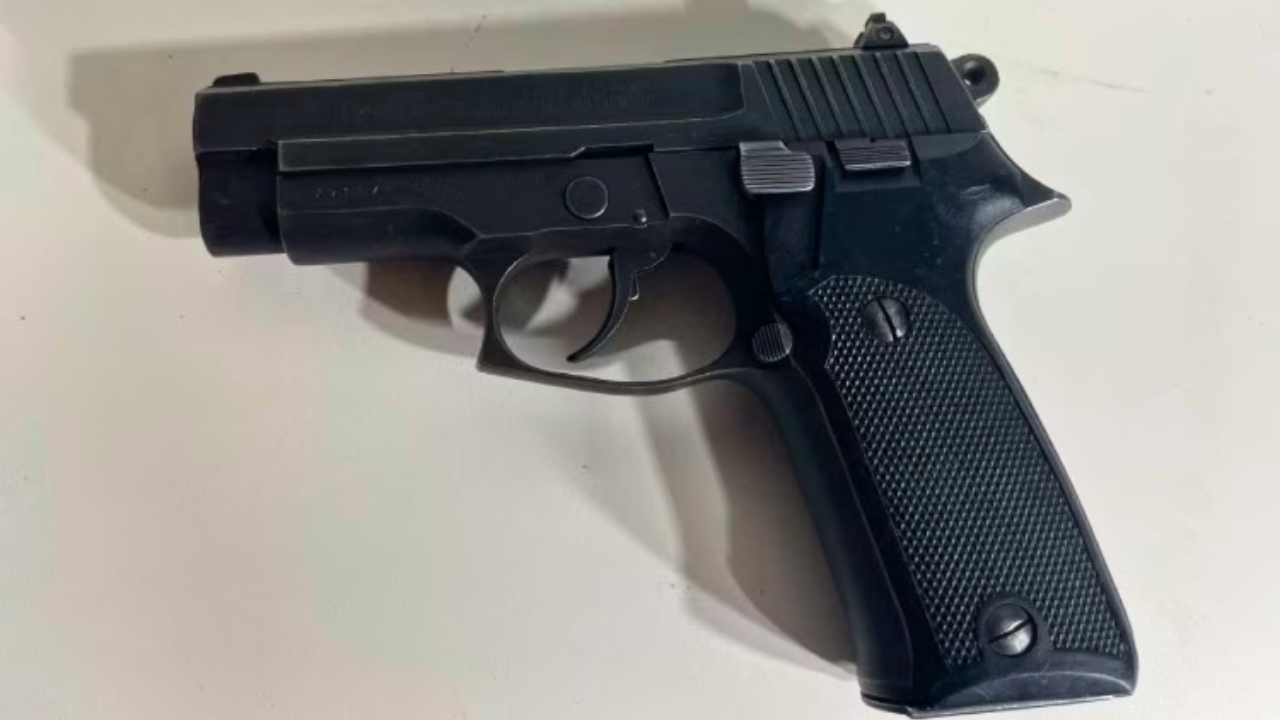
The A-100 was bigger and more substantial than the A-75, but it suffered from the same problem: buyers compared it with more prestigious pistols and saw a cheaper Spanish alternative. Astra manufactured the A-100 from 1990 through 1997 in 9mm, .40 S&W, and .45 ACP, and the design evolved from the earlier A-80 and A-90 series.
Its all-steel construction feels almost extravagant now. When the A-100 was inexpensive, however, that weight simply made it look outdated beside lighter pistols.
I think that perception has flipped. Shooters looking for discontinued metal service pistols increasingly appreciate the kind of manufacturing they once considered old-fashioned. I would especially want an original 9mm or .45 with factory magazines. A dead manufacturer plus a distinctive design is a combination that tends to make yesterday’s bargain much more interesting.
Star Model B
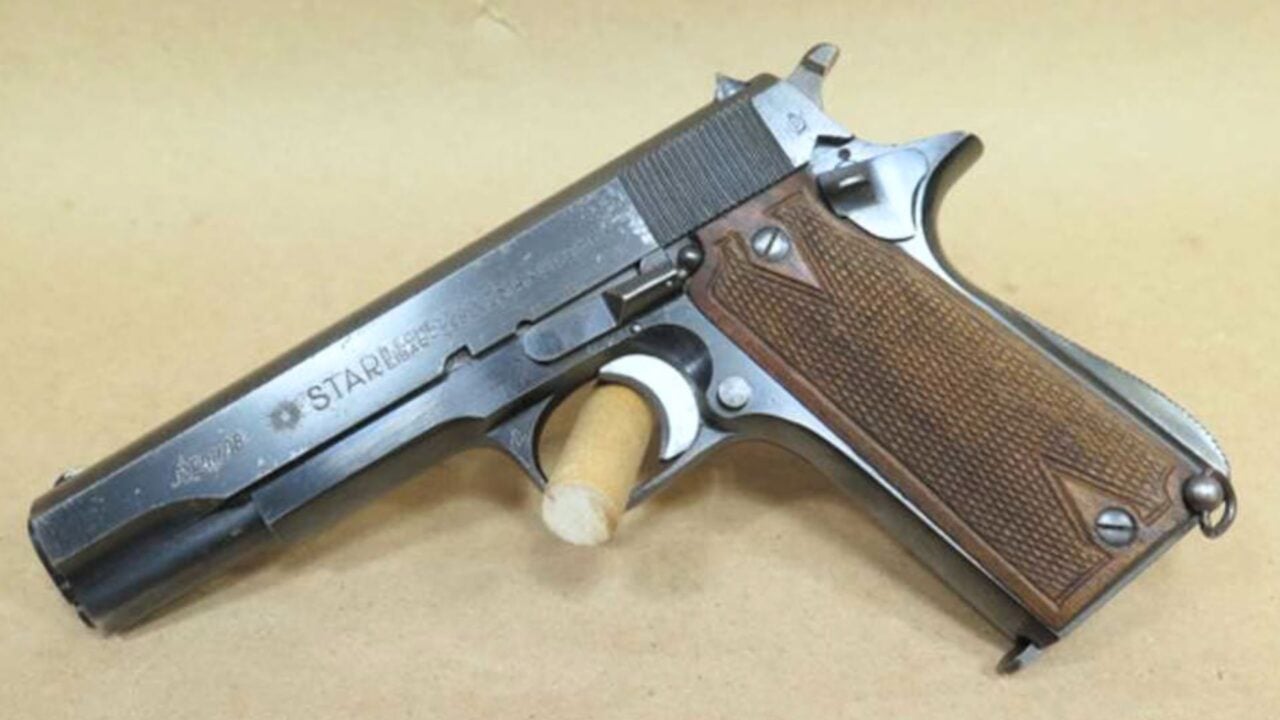
The Star Model B was dismissed for decades as the Spanish pistol that looked almost like a 1911. That was unfair to the gun and great for anyone who bought one cheaply. American Rifleman has noted that Star’s pistols were well-made enough to compete with other European designs, and its 2025 retrospective on the Model B specifically praised the machining and finish of surviving examples.
The Model B also accumulated genuine historical interest through government contracts and wartime use. Its resemblance to a 1911 even made it popular in Hollywood when blank-firing requirements favored 9mm guns.
That is a lot of history for a pistol many Americans once regarded as an inexpensive import. A clean example with strong original blueing looks very different once you remember Star is never building another one.
Star Model 30M

WestlakeClassicFirearms/GunBroker
The Model 30M came from a later era of Star production and looks more like a conventional full-size service pistol than the company’s famous 1911-style guns. It is heavy, all steel, double action, and built around the sort of construction that became difficult to sell once polymer service pistols started taking over.
That change in fashion sent guns like the 30M straight toward bargain territory. Why carry all that steel when a newer pistol offered similar capacity at substantially less weight? The answer matters less now that collectors are interested in the manufacturing itself.
I like the 30M because it captures the last decades of Spain’s once-significant service-pistol industry. It is not as instantly recognizable as a Beretta 92 or SIG P226, and that obscurity kept prices down. Clean examples are precisely the guns enthusiasts start searching for once the obvious classics get expensive.
FÉG PA-63
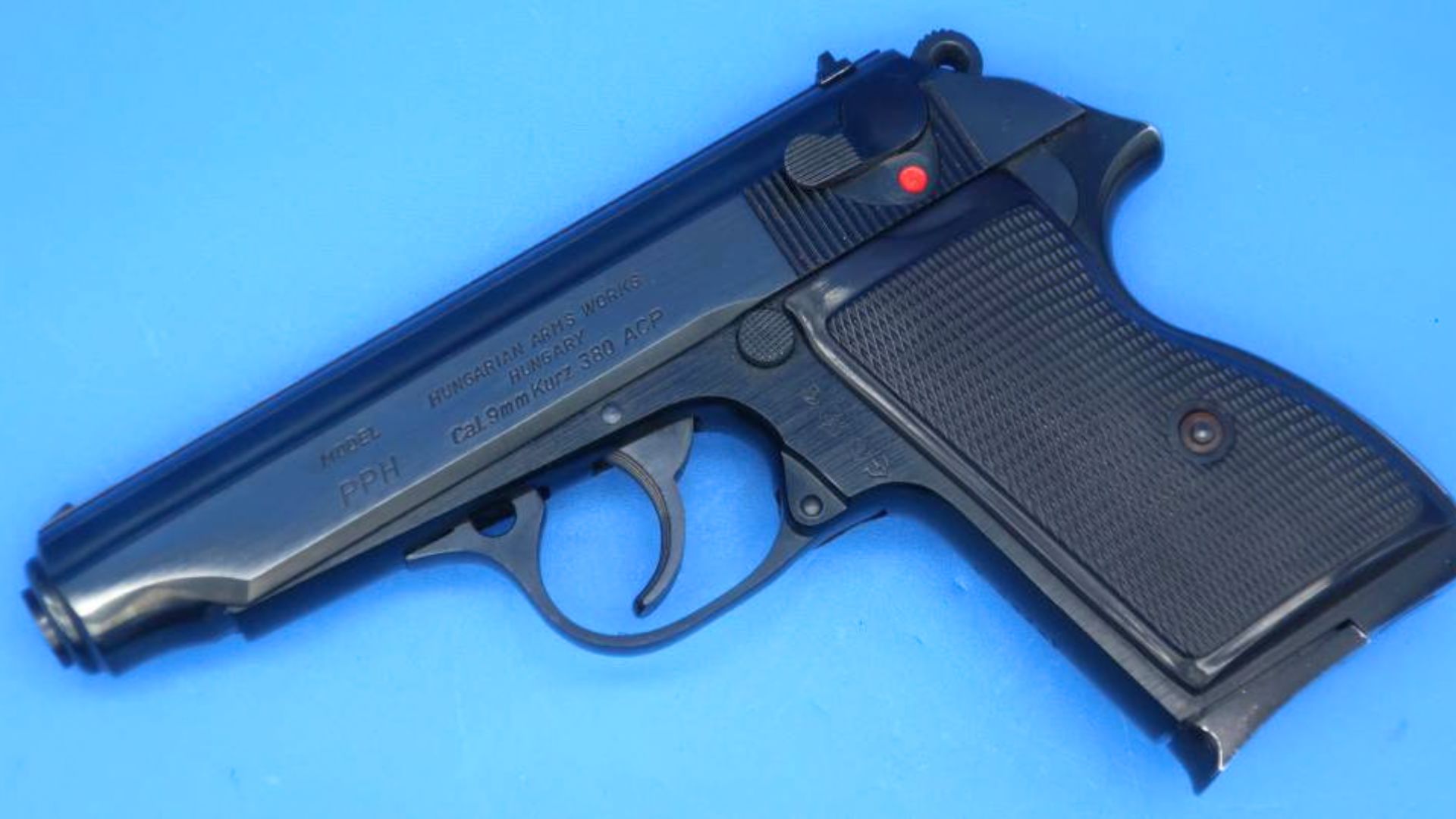
The PA-63 was practically defined by its bargain price when large quantities of Hungarian surplus reached the American market. Its Walther-inspired layout gave buyers a compact DA/SA pistol for very little money, and a 2017 American Rifleman article was still describing it as roughly a $250 surplus option.
Because they were cheap, owners treated them accordingly. PA-63s became truck guns, inexpensive carry guns, and range toys. Holster wear or mismatched magazines barely mattered when another one could be ordered without much pain.
Those days shape the way I look at a clean example now. American Rifleman has since highlighted the PA-63 as an affordable historical alternative as genuine Walthers moved higher in price. I would want an original military pistol with correct grips and minimal alterations. Cheap surplus becomes collectible once the surplus part ends.
FÉG P9R
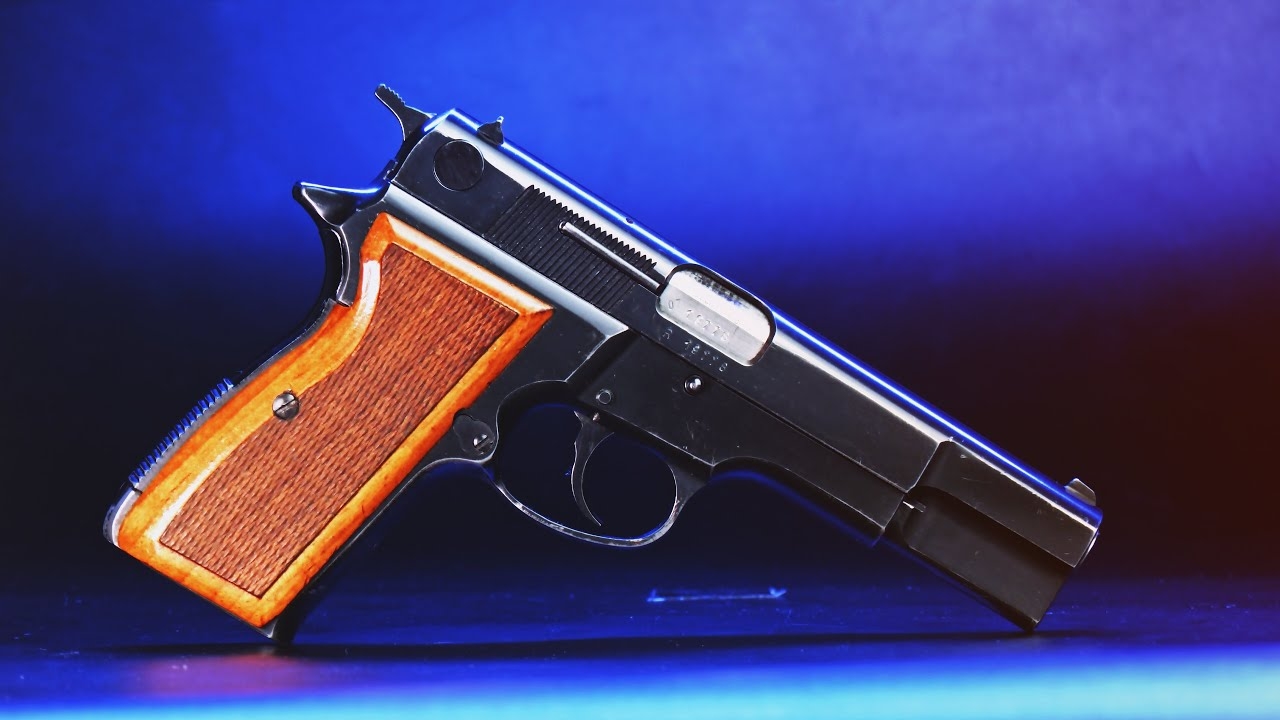
The P9R never enjoyed the recognition of FÉG’s better-known Hi-Power-inspired pistols. Its appearance suggested Browning influence, but the operating system and double-action layout made it its own service pistol. American buyers mostly saw the FÉG name, the inexpensive import price, and a handgun that competed against much more famous European brands.
That made the P9R extremely easy to ignore. It also means many examples were treated like disposable shooters rather than saved as representatives of Hungarian commercial production.
Today, the design is unusual enough to deserve another look. FÉG no longer has racks of new P9Rs sitting in American stores, and model-specific magazines and small parts matter much more than they once did. I would not call every P9R a collector treasure. I would say an exceptionally clean, complete example has become far more interesting than its old bargain-bin reputation suggests.
Beretta Model 71
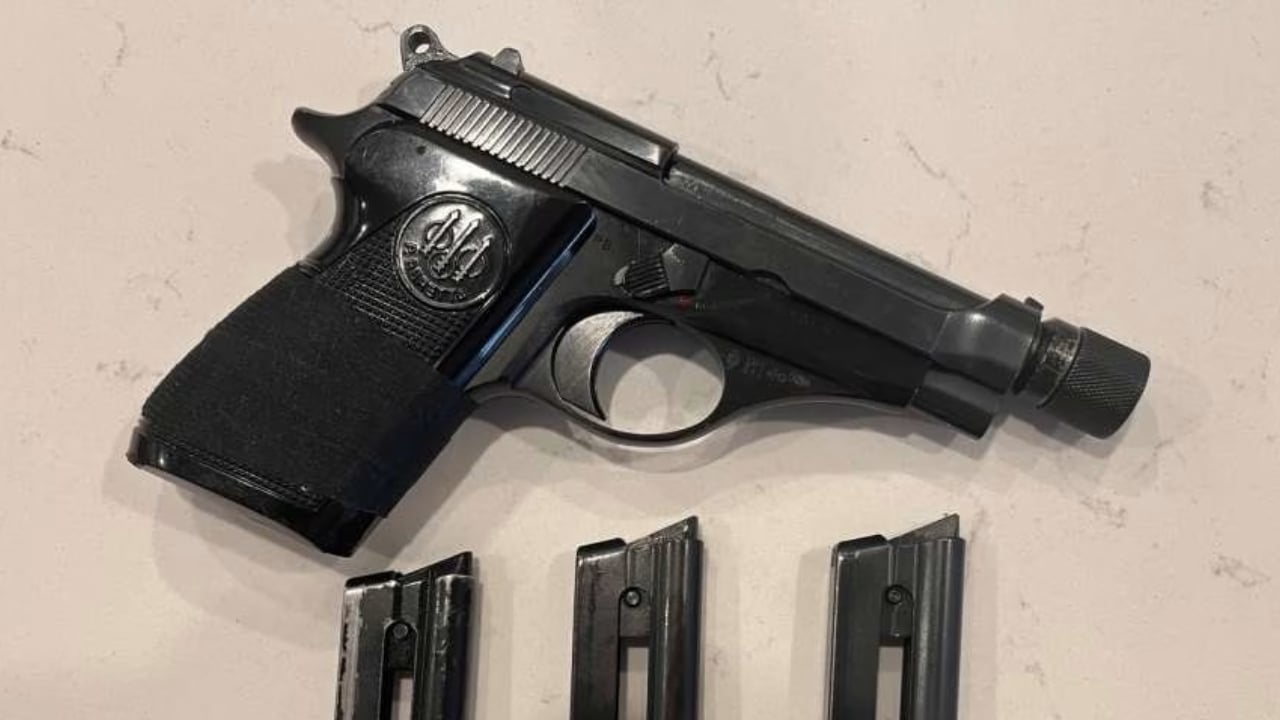
The little Beretta 71 was once exactly the kind of .22 pistol people could overlook because it did not have the visual presence of a big service handgun or target pistol. It was compact, lightweight, and useful, but a rimfire semiautomatic rarely attracted the same attention as Beretta’s centerfire guns.
Surplus examples changed that. Former Israeli-service Model 71s developed their own following, and enthusiasts now separate commercial guns, surplus imports, barrel configurations, and other details rather than treating all 71s alike.
That increased attention makes original magazines and condition particularly important. A nice Model 71 feels like a real centerfire-style Beretta scaled around the .22 LR rather than a disposable plinker. Once shooters actually handle one, it becomes much easier to understand why people who ignored them when they were inexpensive are now specifically hunting the right version.
Beretta 9000S
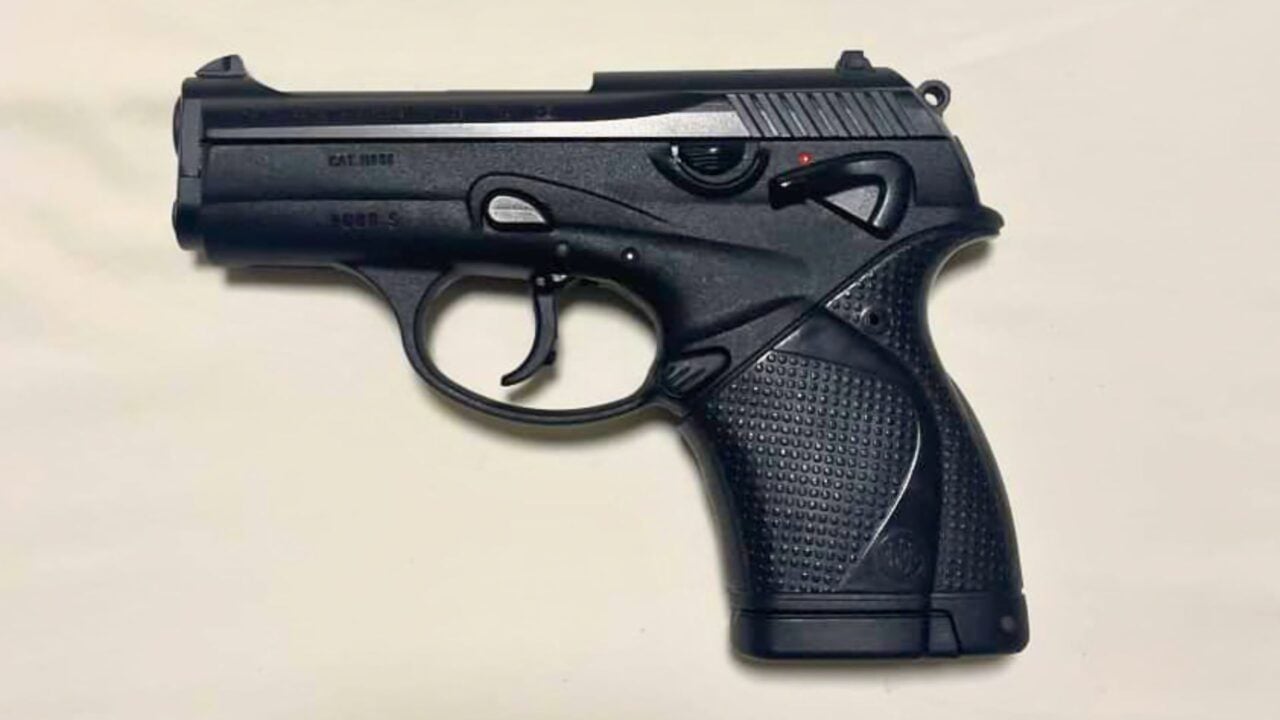
The 9000S is the pistol everybody seemed comfortable making fun of. Its unusual styling, thick body, complicated-looking controls, and brief life in the shadow of more conventional Berettas made it an easy target. Plenty of shooters saw it as an awkward early attempt at building a modern compact pistol and moved on.
That failure is exactly what makes the 9000S interesting today. Successful pistols remain common because manufacturers make millions of them. Commercial misfires disappear.
I would want an original example with its factory magazines and accessories rather than one somebody tried to transform into something else. The 9000S may never become universally beloved, but collecting is not always about buying the best design. Sometimes it is about preserving the weird model a major manufacturer tried once and then abandoned. Beretta is unlikely to revisit this exact concept.
CZ 52

The CZ 52 might be the poster child for surplus pistols buyers should have purchased while they were nearly free. In 1999, Small Arms Review described pistols that had once been scarce suddenly selling for around $100 as Eastern European surplus flooded the market. More than 200,000 were produced during the early 1950s.
The roller-locked action and 7.62×25 chambering also make the CZ 52 mechanically different enough to remain interesting long after the bargain disappeared. Most surplus examples were arsenal refurbished, while original-condition pistols form another collecting layer.
That is why I would no longer treat one as just a loud Cold War range toy. Production markings, refurbishment stamps, holster, magazines, and original finish all deserve attention. Once $100 surplus dries up, suddenly everyone remembers how interesting it was.
CZ 70
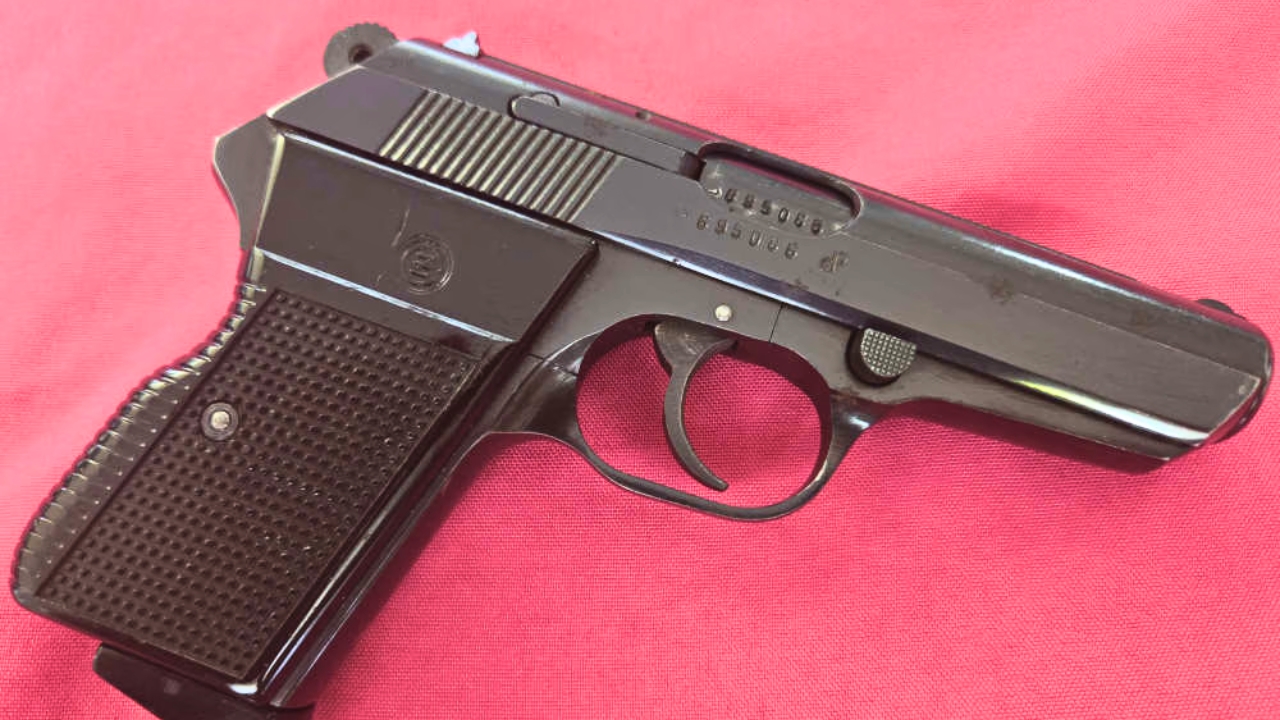
The CZ 70 lived in the shadow of practically everything around it. It was a compact Czechoslovak .32 ACP pistol descended from the earlier CZ 50, and for American surplus buyers it often looked like nothing more than another inexpensive Eastern European police gun.
That was exactly why people could afford to ignore condition. A CZ 70 was something you bought cheaply, shot occasionally, and threw into the safe. It did not have the military fame of a Makarov or the unusual mechanism of a CZ 52.
Collectors eventually work their way toward the guns everyone skipped. The CZ 70 has Cold War police history, traditional steel construction, and a design that is unmistakably from its period. I would pay considerably more attention now to a clean example with original grips, magazine, and finish. The unglamorous surplus guns are often the ones nobody bothered saving carefully.
Walther P1
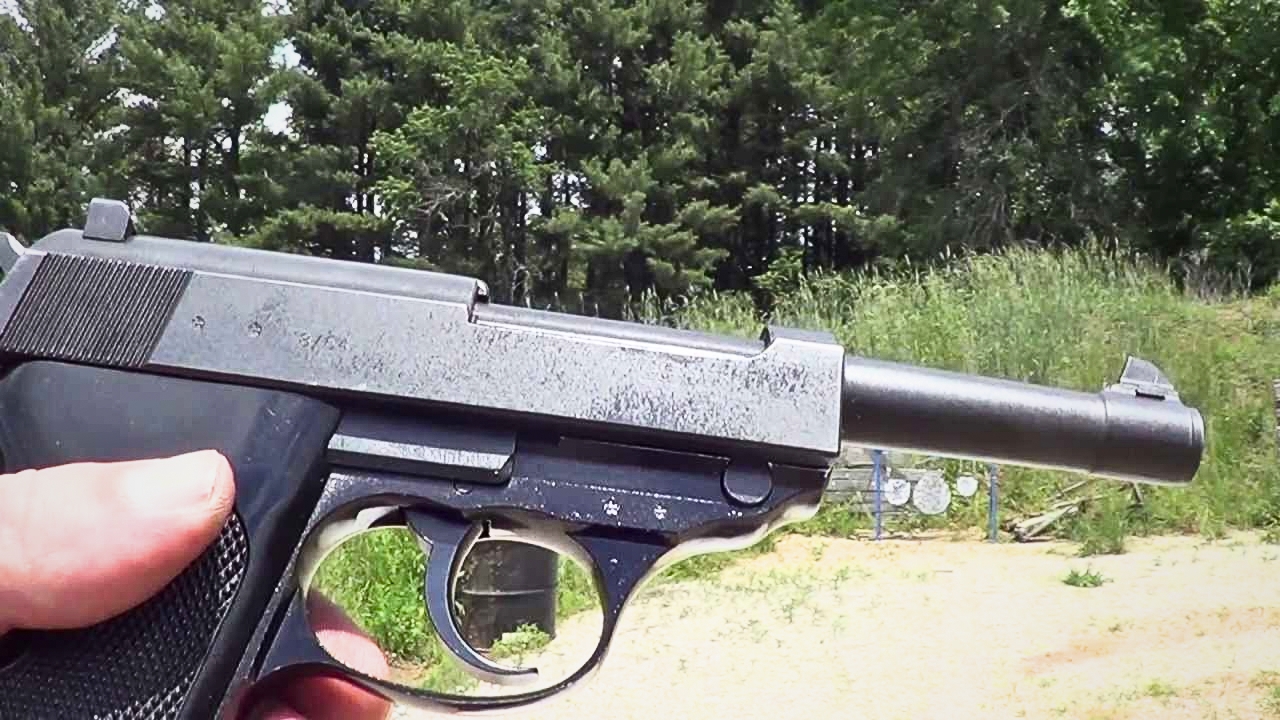
For years, the P1 was treated as the cheaper postwar answer for anyone who wanted the basic P38 experience without paying collectible P38 money. Its aluminum frame made it less historically romantic than a wartime pistol, and surplus imports kept prices reasonable enough that buyers could use them freely.
That distinction has become much less dismissive with time. Firearms News noted several years ago that P1 prices had already risen while still representing good value considering their quality and Cold War history.
I would especially watch later reinforced-frame examples and pistols that retain their military holsters and accessories. The P1 represents decades of West German service rather than merely being a cheaper P38. Once people start collecting Cold War arms as seriously as World War II firearms, that difference becomes a reason to own one rather than a reason to pass.
MAB P-15
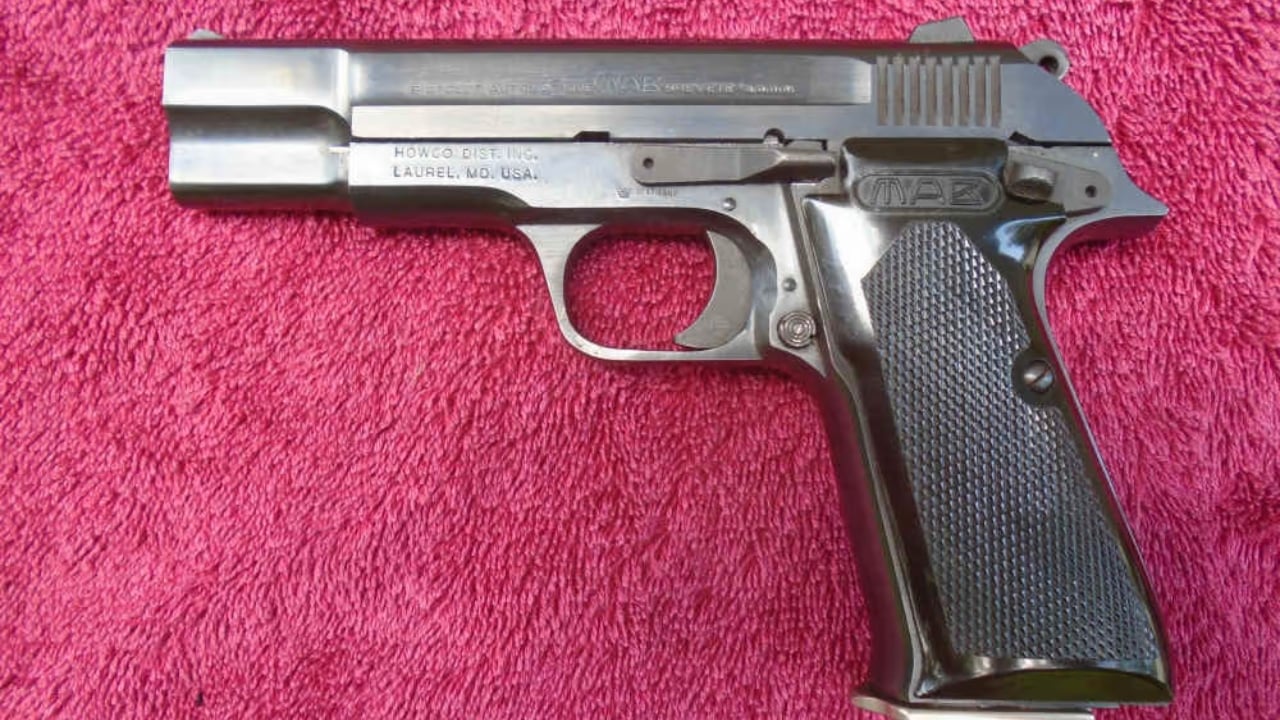
The French MAB P-15 may be one of the most mechanically interesting pistols Americans routinely ignored. It used a rotating-barrel system and offered substantial magazine capacity at a time when many European service pistols still used single-stack designs. American Rifleman described it as rugged and noted that it never achieved major commercial success.
Commercial failure and collector interest tend to meet eventually. The P-15 was never common enough in American shops to become a household name, and MAB itself is not producing new examples to satisfy people who discover the pistol today.
That makes a complete gun worth a second look, particularly because magazines and model-specific components can be more troublesome than the pistol itself. If I found one in excellent condition, I would not judge it by the cheap used prices obscure European pistols once carried.
Colt All American 2000
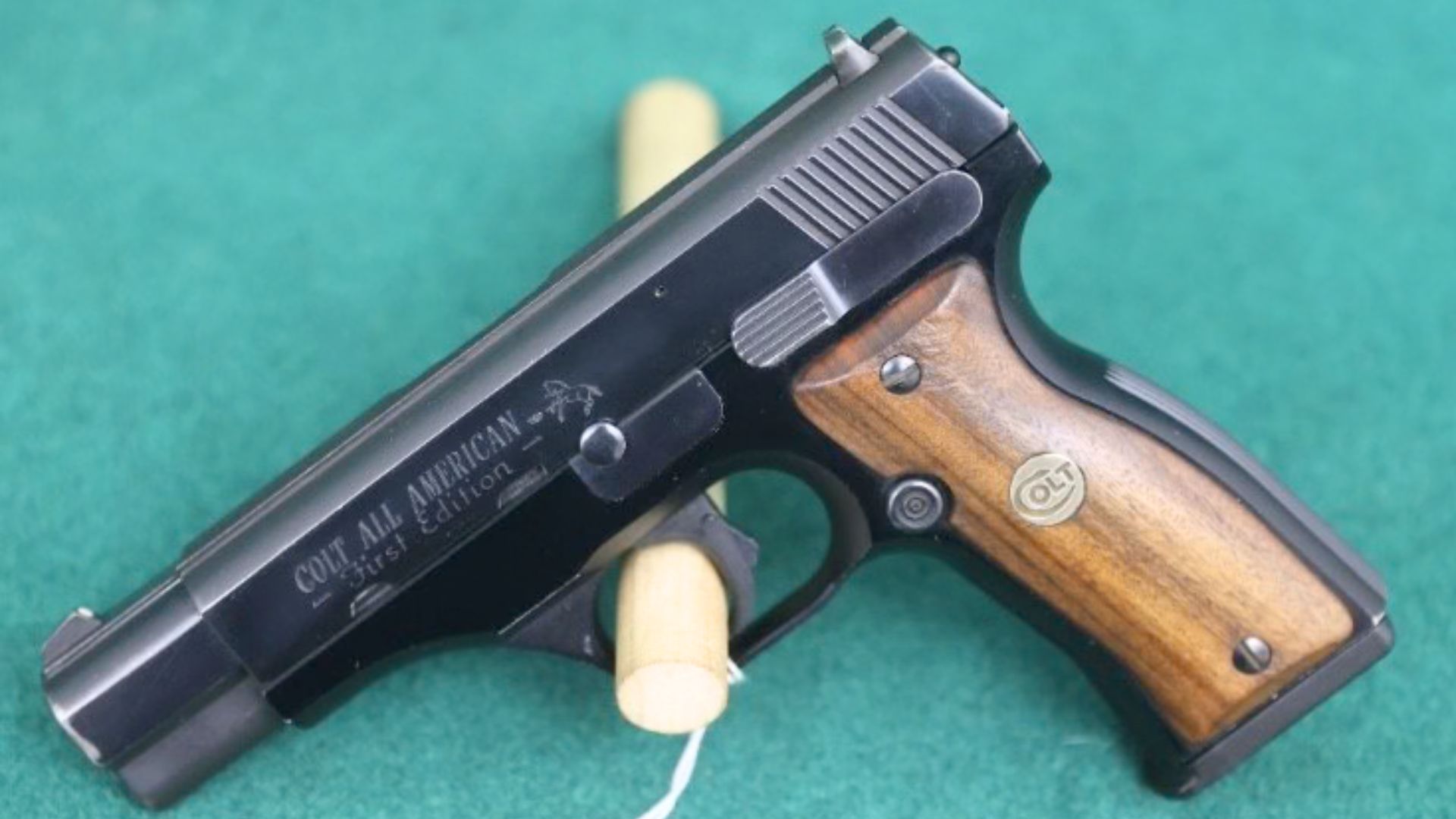
The All American 2000 was not originally conceived as a cheap pistol, but commercial failure eventually pushed it into the kind of discounted territory where buyers treated it as an unwanted Colt. The design came from Eugene Stoner and Reed Knight and used a rotating barrel with an unusual double-action-only system. Colt’s production changes and broader company problems ultimately helped doom the project.
For years, owning one was almost a punch line. That makes the pistol far more fascinating now. Colt has produced relatively few truly unsuccessful modern handgun designs, and the All American 2000 represents an ambitious path the company quickly abandoned.
I would not buy one expecting it to outperform a modern pistol. I would want it because it failed. A complete example in original configuration is a physical record of one of Colt’s strangest commercial experiments.
Arcus 94

The Bulgarian Arcus 94 was usually introduced to American buyers with some variation of “it’s like a cheaper Hi-Power.” That comparison probably sold pistols, but it also guaranteed the Arcus would spend its life being judged against a much more prestigious gun.
The chunky slide and less-refined finish did not help. Buyers who could afford a Browning generally bought the Browning, while the Arcus went to shooters interested in function for less money.
Now the design has its own period appeal. Bulgarian production, Cold War-era industrial roots, and the relationship to the Hi-Power pattern make it much more interesting after the flood of inexpensive imports has slowed. I would look for an unmodified example with factory magazines and original grips. A pistol does not have to beat the gun it copied to become collectible. Sometimes surviving as the distinctive affordable alternative is enough.
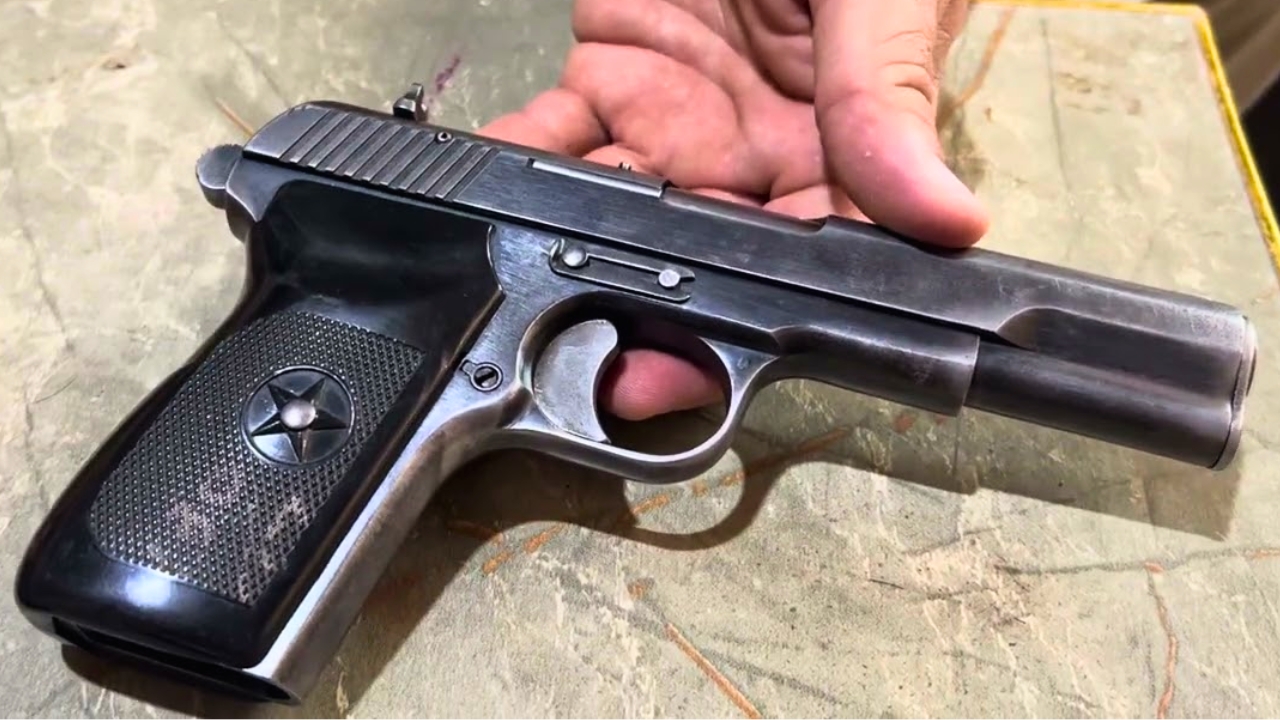
Norinco Model 213

The Norinco 213 was once an incredibly ordinary Chinese 9mm import based on the Tokarev family. Shooters saw crude finish, a manually added safety required for the American market, and a pistol that cost considerably less than most Western service guns.
American Rifleman identifies the Model 213 as the most common commercial Chinese Tokarev variant and notes that collectors historically overlooked commercial Chinese pistols despite the large number of different configurations produced. That is exactly why I think the better examples deserve attention now.
Imports are not returning to the endless supply buyers once expected. Variants, markings, grips, safeties, finishes, and even magazine arrangements give collectors more to study than most people realize. A clean boxed 213 may never have the prestige of a military bring-back, but it is no longer something I would casually dismiss as cheap Chinese surplus.
Early EAA Witness Steel Frame
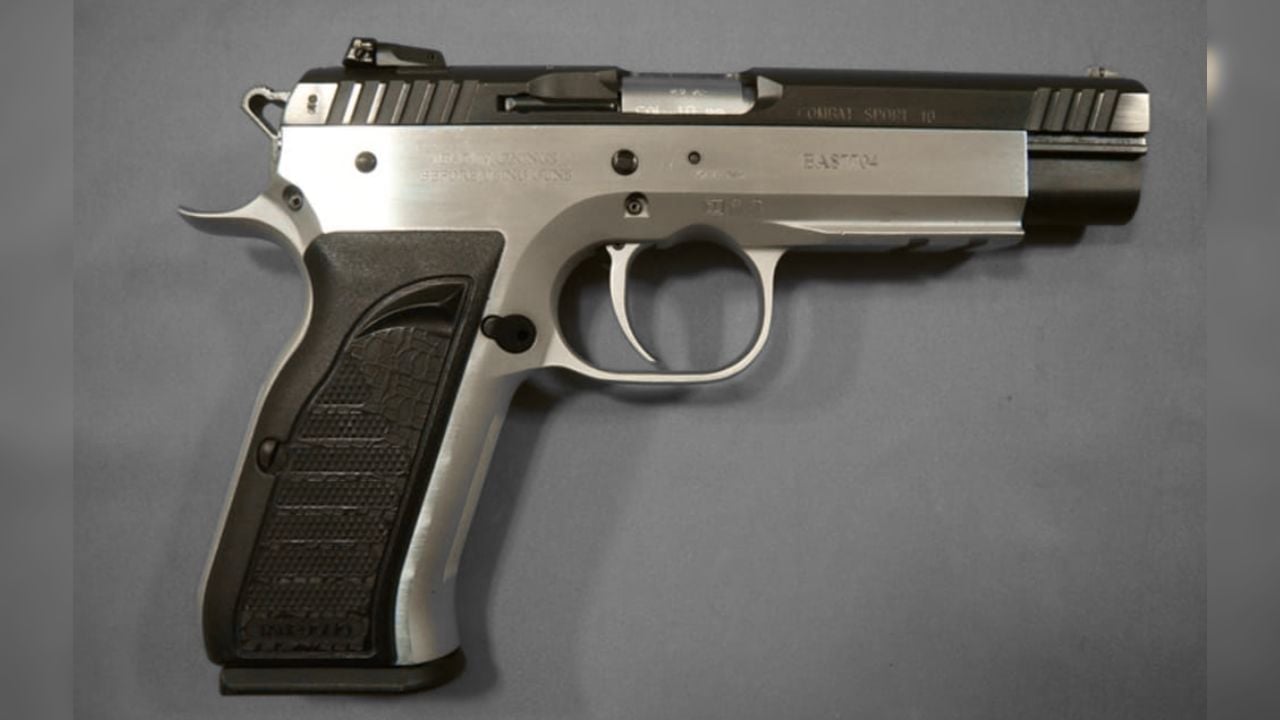
The all-steel Witness pistols imported by European American Armory spent years being sold as economical alternatives to much more expensive European designs. Built by Tanfoglio in Italy and based broadly around CZ-style ergonomics and operation, they gave shooters a heavy metal pistol at prices that made them easy to use without worrying about future collector value.
That reputation has aged surprisingly well. Modern handgun counters are dominated by polymer frames, while older steel Witness pistols now feel like products from an entirely different market. They also appeared in a huge variety of chamberings and configurations, giving enthusiasts plenty of versions to chase.
I would be most interested in an early, clean pistol with its original magazines and factory parts rather than a heavily modified competition gun. The Witness used to be what you bought because the better-known European pistol cost too much. Today, that old affordable alternative has character of its own.
Like The Avid Outdoorsman’s content? Be sure to follow us.
Here’s more from us: