Photo credit: Iraqveteran8888/Youtube
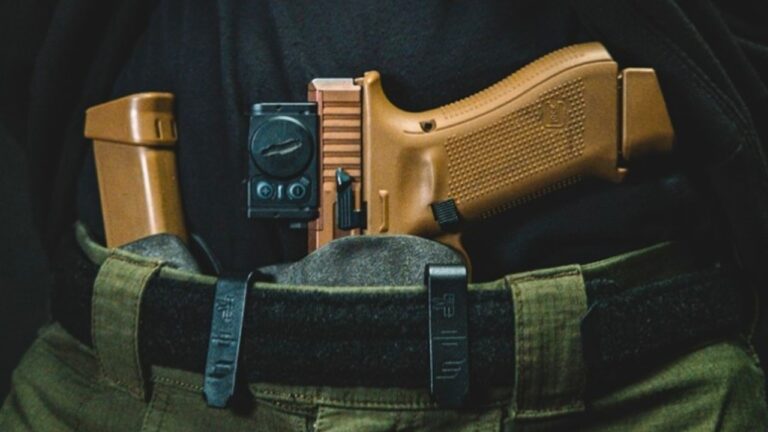
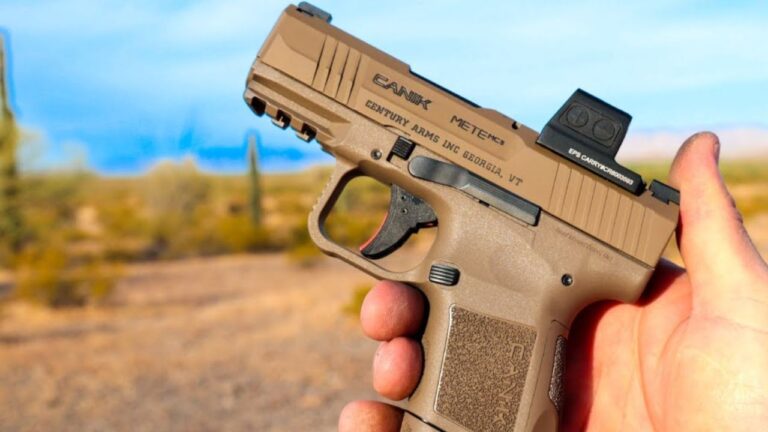
A serious handgun collection is not just a stack of polymer and a drawer full of holsters. It is a set of tools you can actually run, guns that teach you something, and a few classics you will kick yourself for letting slip away. The trick is balance: a couple you can carry, a couple you can hunt or hike with, a couple that make new shooters smile, and a couple that are just plain history you can hold.
Here are 20 handguns that cover those bases. Not because the internet says so, but because they keep showing up in real life: at the range, behind the seat on a ranch road, on a nightstand, or in a safe that belonged to somebody who knew what mattered.
1. Glock 19 (Gen 3/4/5)
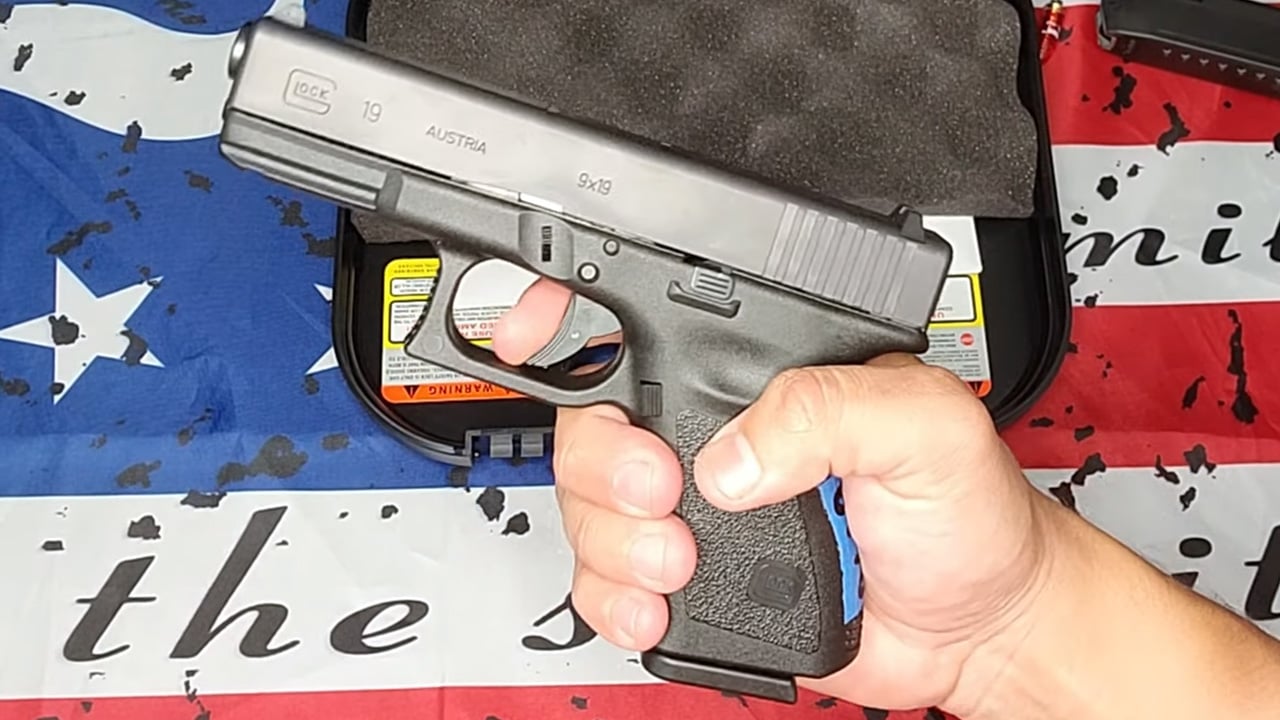
If you only kept one do-it-all 9mm, this is the one a lot of folks land on after the experimenting phase. It carries easier than a full-size, shoots flatter than most compacts, and it runs with a wide variety of ammo. There is nothing romantic about it, and that is kind of the point.
Parts are everywhere, mags are everywhere, and every holster maker on earth supports it. It is also a great “baseline” pistol: when you’re shooting poorly, you can’t blame the gun. Ask me how I know.
2. Smith & Wesson M&P 2.0 Compact 9mm

This is the striker-fired gun that fits hands Glock never fit quite right. The grip texture is aggressive (some love it, some sand it down a touch), and the gun points naturally for a lot of shooters. The 2.0 trigger is also a real step up from the older guns.
For an outdoorsman, the M&P lineup is hard to ignore because it just takes use. Sweat, dust, truck-console lint, range grit—it keeps chugging if you do your part.
3. SIG Sauer P365

The P365 changed what “small” meant in the carry world. It is still one of the easiest ways to get real capacity in a pistol you will actually put on your belt in July. It is snappy compared to a bigger gun, but not uncontrollable.
Where it earns its spot in a collection is simple: it is a modern standard. If you ever want to understand today’s concealed-carry market, you need time behind a P365.
4. Glock 43X MOS
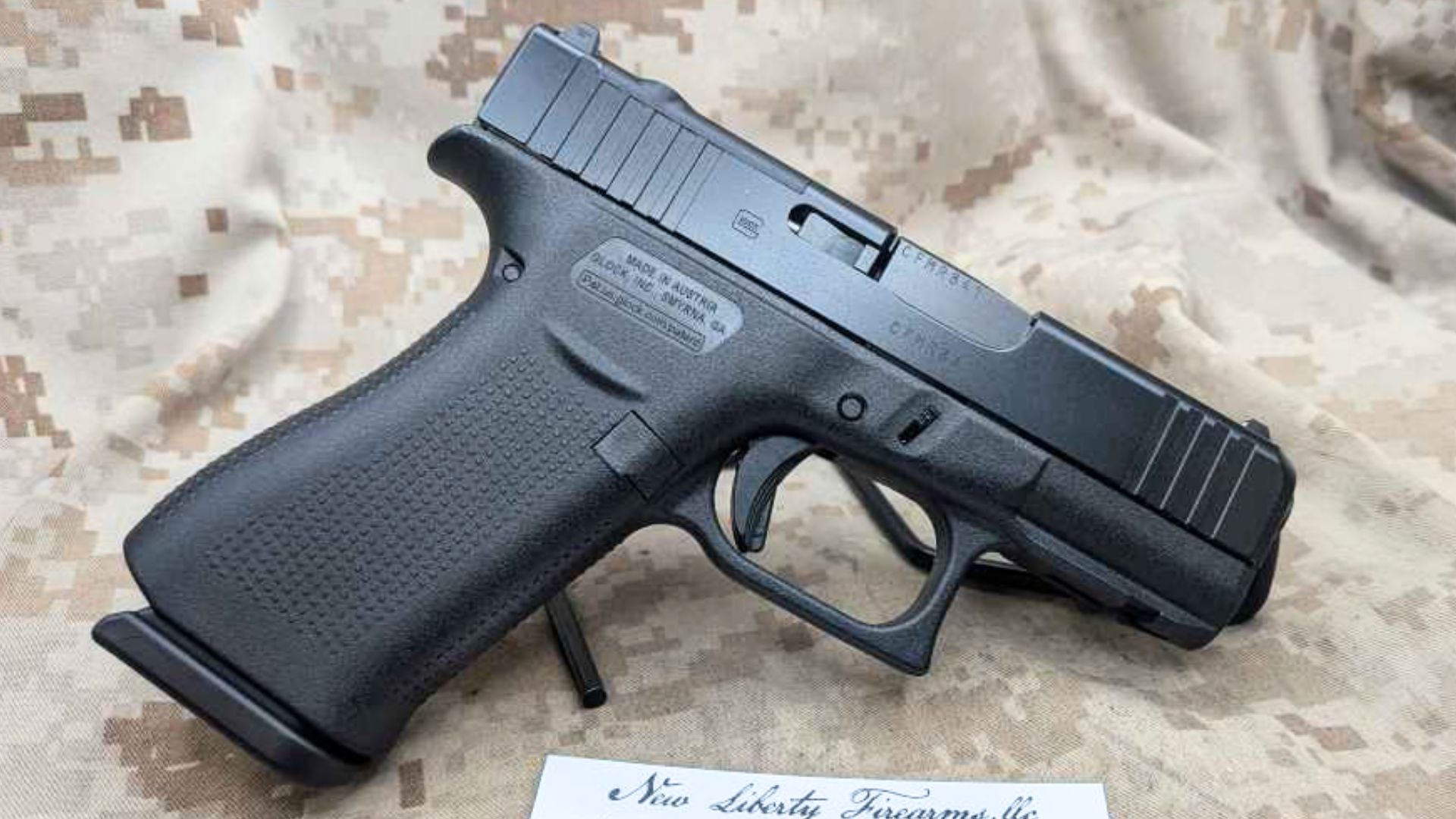
I have watched more than one guy “try a micro” and then quietly end up here. The 43X is slim, points well, and does not feel like you are trying to hold onto a bar of soap under recoil. The MOS version makes the red-dot conversation real without turning into a gunsmith project.
It is also one of the easiest pistols to live with day after day. Not the softest shooter. Just one you will keep carrying.
5. Colt Government Model 1911 (Series 70 style)
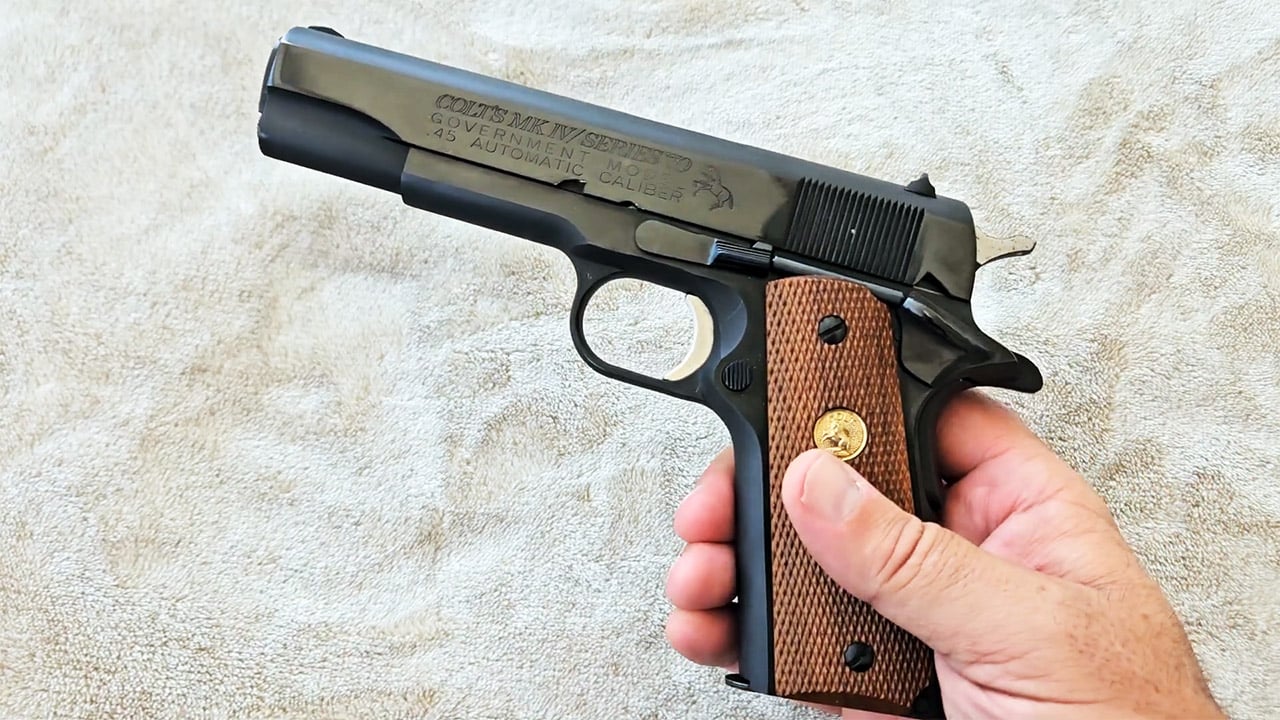
Every collection needs a real 1911, and a Government-length Colt is the clean reference point. The trigger is what people are chasing when they talk about “shootability,” and the gun has a feel that modern pistols just do not.
Is it the most practical carry choice in 2026? Not for most. Still, it teaches grip, trigger press, and what good sights and a good trigger can do together.
6. Springfield Armory 1911 Loaded

If you want a 1911 you can shoot a lot without treating it like a museum piece, the Loaded model is a solid answer. Better sights, beavertail, and generally a “ready to run” setup without you shopping parts. It is also a common enough gun that magazines and small parts aren’t a scavenger hunt.
It is not perfect, and 1911s can be picky if you neglect them, but a decent example gives you the classic platform without the stress of owning something too collectible to enjoy.
7. Browning Hi-Power (FN/Browning P-35)
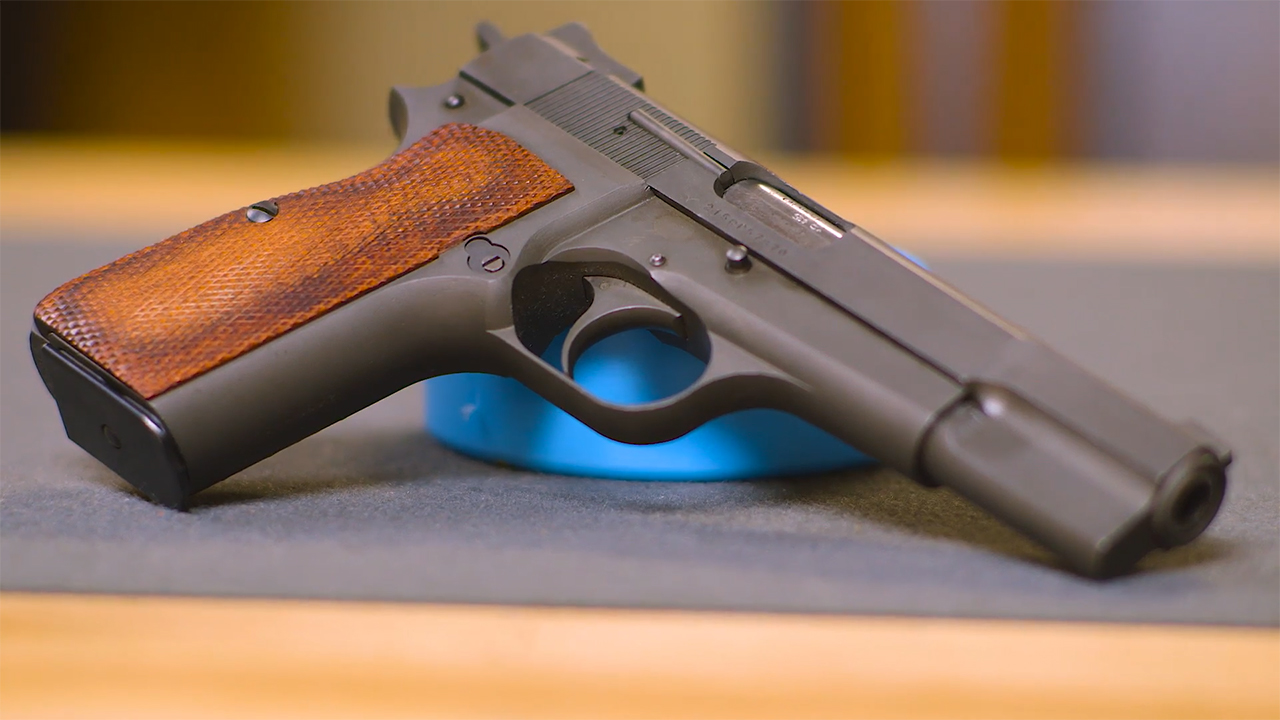
This is one of those pistols that feels slimmer than it looks on paper. It carries flat, points fast, and has real history behind it. If you like steel guns, you end up here sooner or later.
The downside is you are dealing with an older design and varying trigger quality depending on era and configuration. But as a shooter and a piece of handgun evolution, it deserves safe space.
8. Beretta 92FS
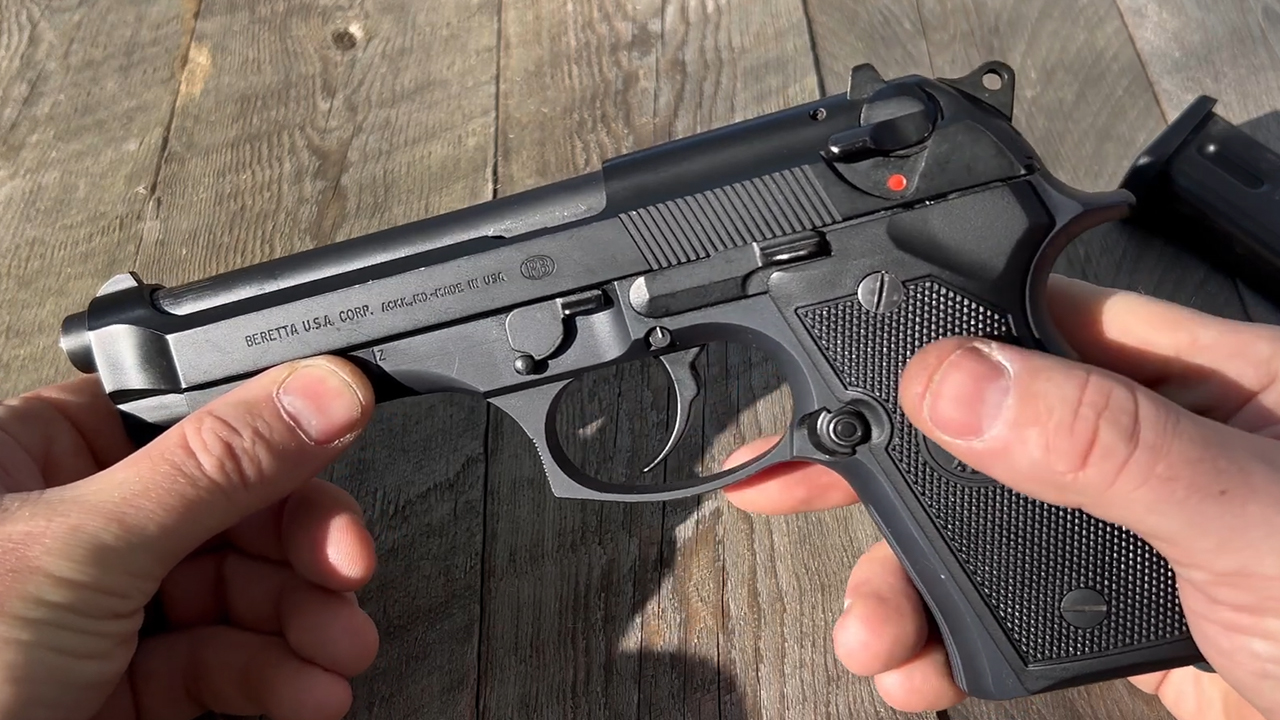
The Beretta 92FS is big, smooth, and boring in the best way. The slide cycles like it is on bearings, and the gun is ridiculously easy to shoot well once you learn the first double-action pull. It is also one of the best “new shooter” centerfire pistols when you want something soft and confidence-building.
In collection terms, it is also a reference for the DA/SA world. If you only own striker guns, you are missing that skill set.
9. CZ 75B
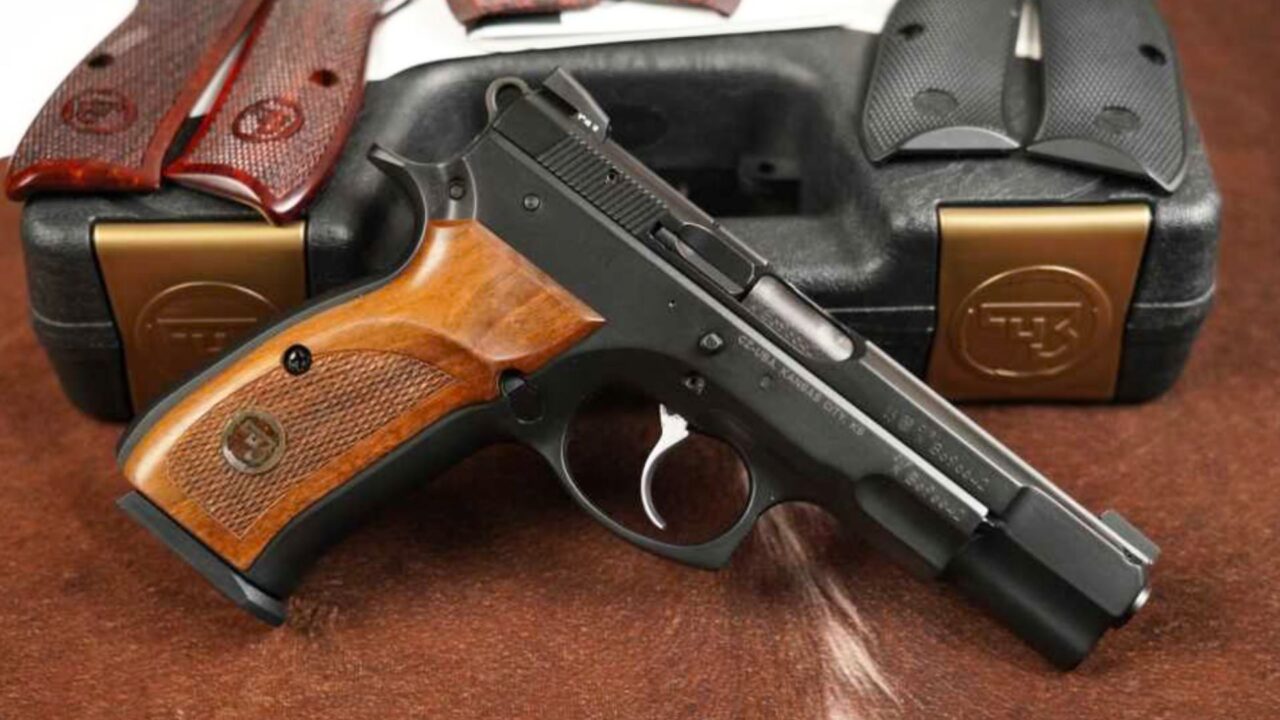
A CZ 75B is one of those pistols that makes you wonder why you waited. It sits low in the hand, tracks nicely, and tends to shoot tighter groups than its price tag suggests. The all-steel weight is a feature, not a bug, if you are doing real range time.
It is not the lightest carry gun, but it is a “serious shooter’s” handgun—especially if you appreciate a gun that feels like it was built to be shot, not just carried.
10. Heckler & Koch USP 9
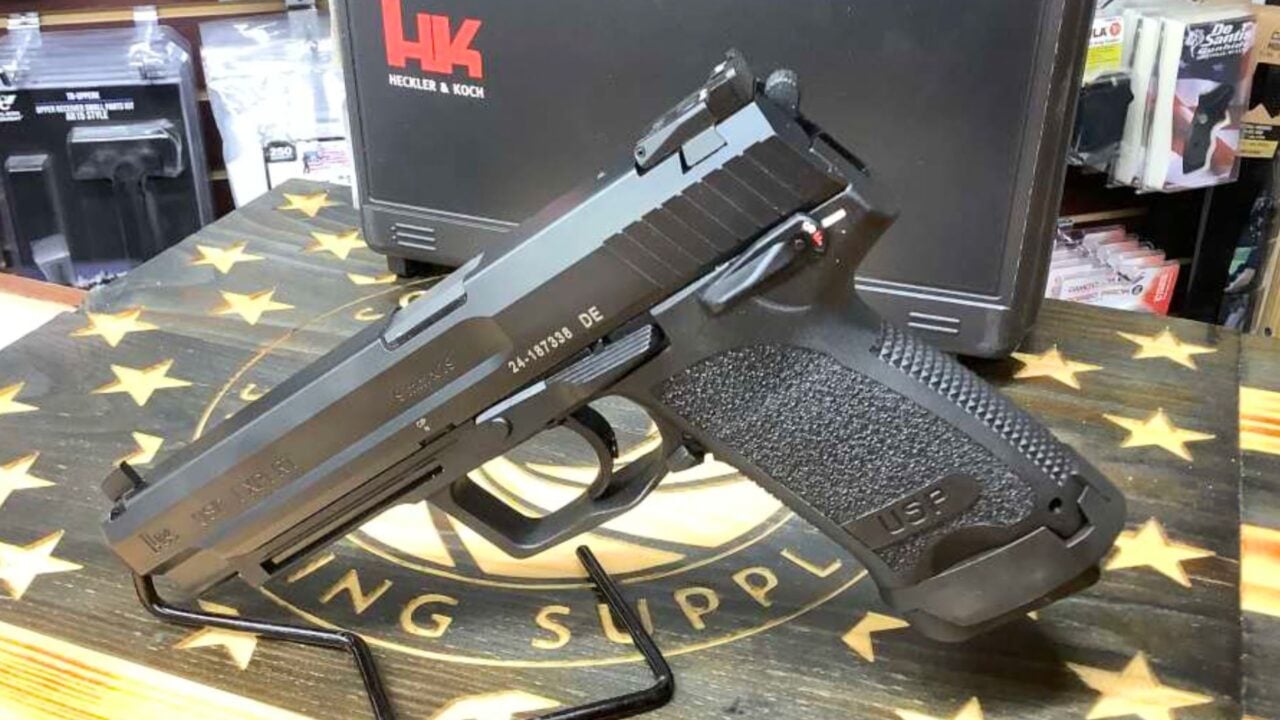
The USP is a brick with a trigger, and I mean that respectfully. It has that overbuilt, German “go ahead and abuse it” vibe. It is not trendy, and it is not cheap, but it is dependable in a way that calms you down.
Where it shines in a collection is as a durability benchmark. When you start comparing recoil impulses, trigger resets, and reliability across platforms, the USP is a steady yardstick.
11. Ruger Mark IV (Target or 22/45)
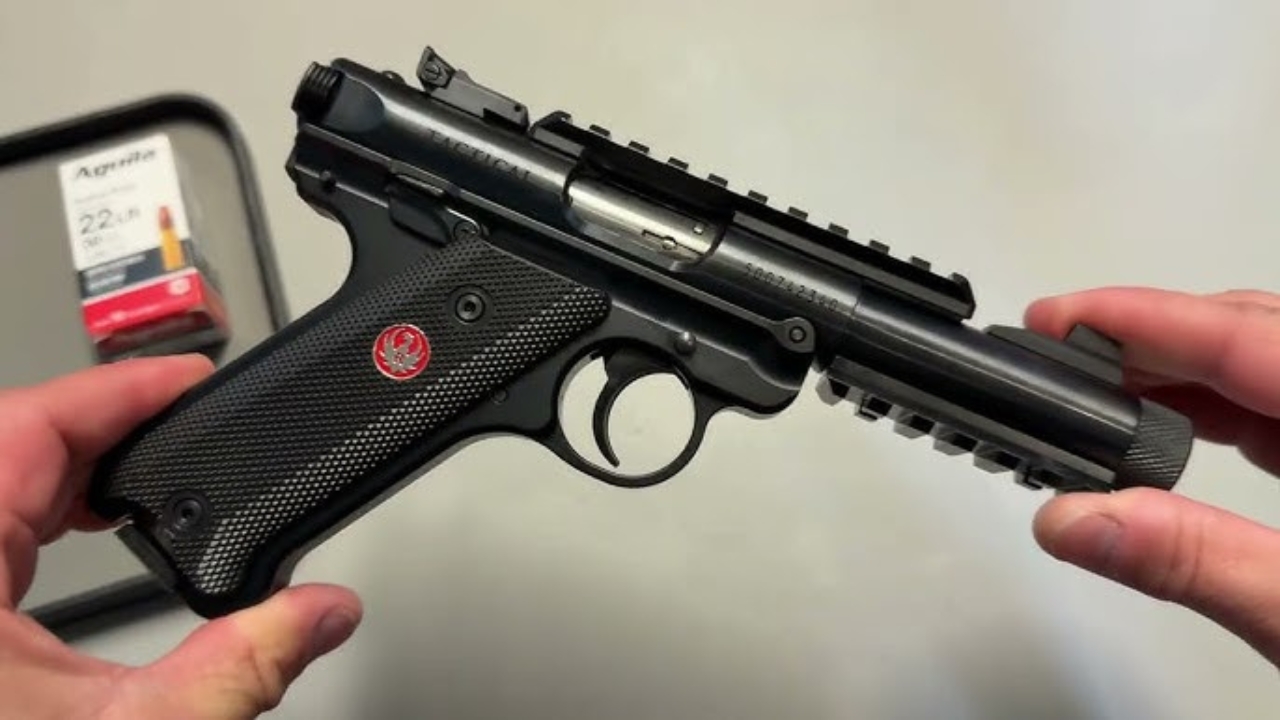
If you only buy one .22 pistol, make it a Ruger Mark IV. The takedown is finally simple, it is accurate enough to embarrass your centerfire groups, and it makes practice cheap. Every serious handgun owner should be shooting more .22 than they currently are.
This is also the handgun that turns a bad range day into a good one. When everything else is going sideways, a .22 that runs brings you back to basics.
12. Browning Buck Mark
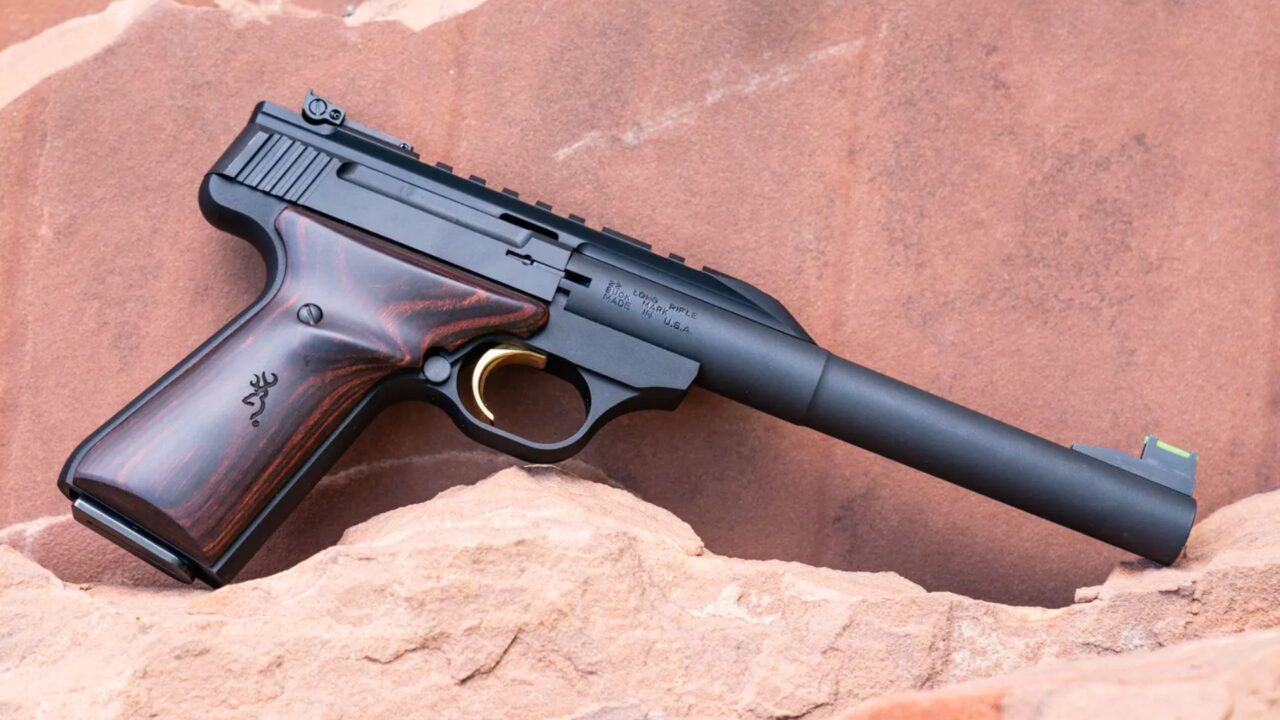
The Buck Mark is another .22 that flat-out shoots. The grip angle and balance work for a lot of folks, and the trigger is often better than it has any right to be. It is also a great “loaner” pistol—simple, accurate, and easy to enjoy.
Owning both a Mark IV and a Buck Mark might sound redundant, but they feel different enough that you’ll pick one depending on the day. Having at least one of them is non-negotiable.
13. Smith & Wesson Model 10 (.38 Special)

A Model 10 is the kind of revolver you find in an old tackle box or a nightstand that has not moved in twenty years. Fixed sights, K-frame balance, and .38 Special manners. It is not flashy, and it does not need to be.
It teaches double-action shooting the right way. And if you ever want a revolver that just makes sense, this is the one.
14. Smith & Wesson Model 686 (.357 Magnum)

This is the revolver that covers a lot of ground: .38s for practice, .357 when you want to remind yourself what recoil feels like. The 686 is strong, accurate, and generally smooth. It is also a solid woods companion if you spend time on remote property and want a wheelgun you trust.
Yes, it is heavier than a lightweight snub. Good. A .357 that is too light gets old fast, and it tends to make you avoid practice.
15. Ruger GP100 (.357 Magnum)
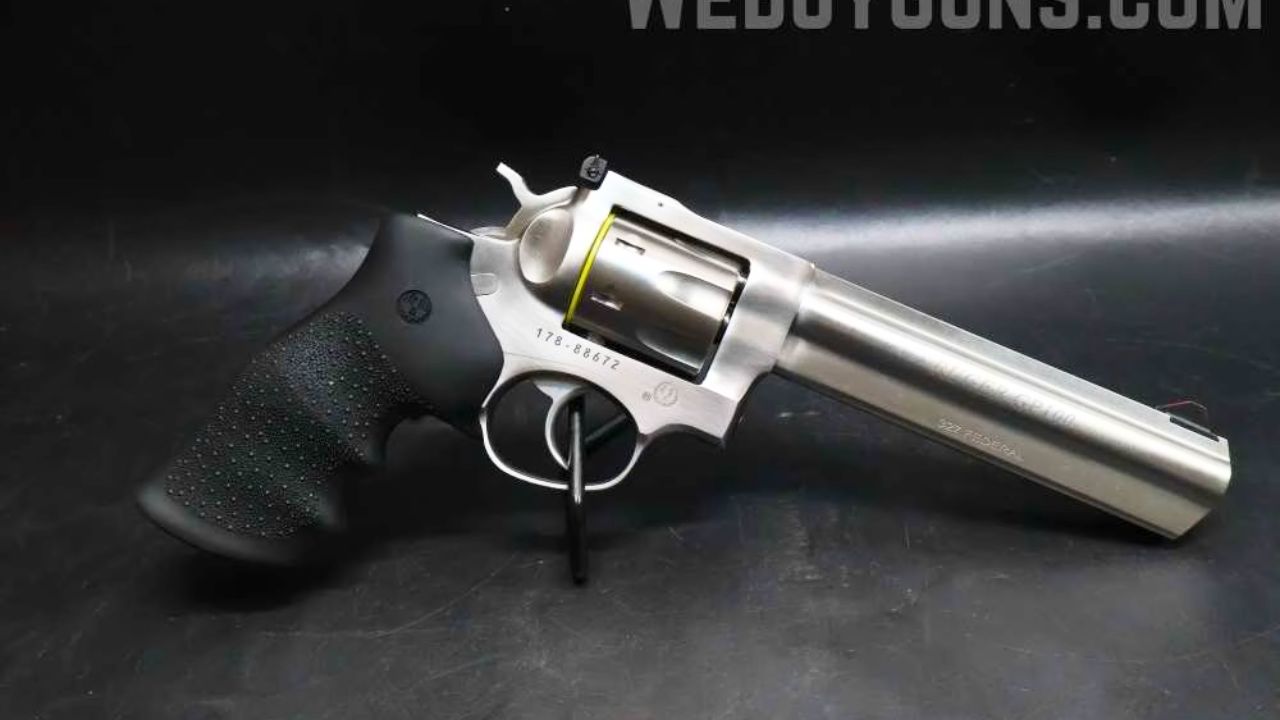
The GP100 is the working-man .357. It is built stout, it likes being shot, and it does not feel delicate. If your idea of maintenance is “wipe it down and keep going,” the GP100 will put up with you.
It is also a good revolver for handloading folks because it handles a steady diet of heavier stuff better than many lighter framed guns. Not a dainty revolver. A useful one.
16. Ruger SP101 (.357 Magnum)

There are small revolvers, and then there are small revolvers you can actually shoot. The SP101 sits in that second category. It is compact enough for carry, heavy enough to not be miserable, and strong enough that you are not babying it.
The trigger can feel stiff out of the box. Put time on it. The gun rewards familiarity, and it is one of the few “small” wheelguns that doesn’t feel like a punishment device.
17. Smith & Wesson Model 642 (J-Frame .38 Special)
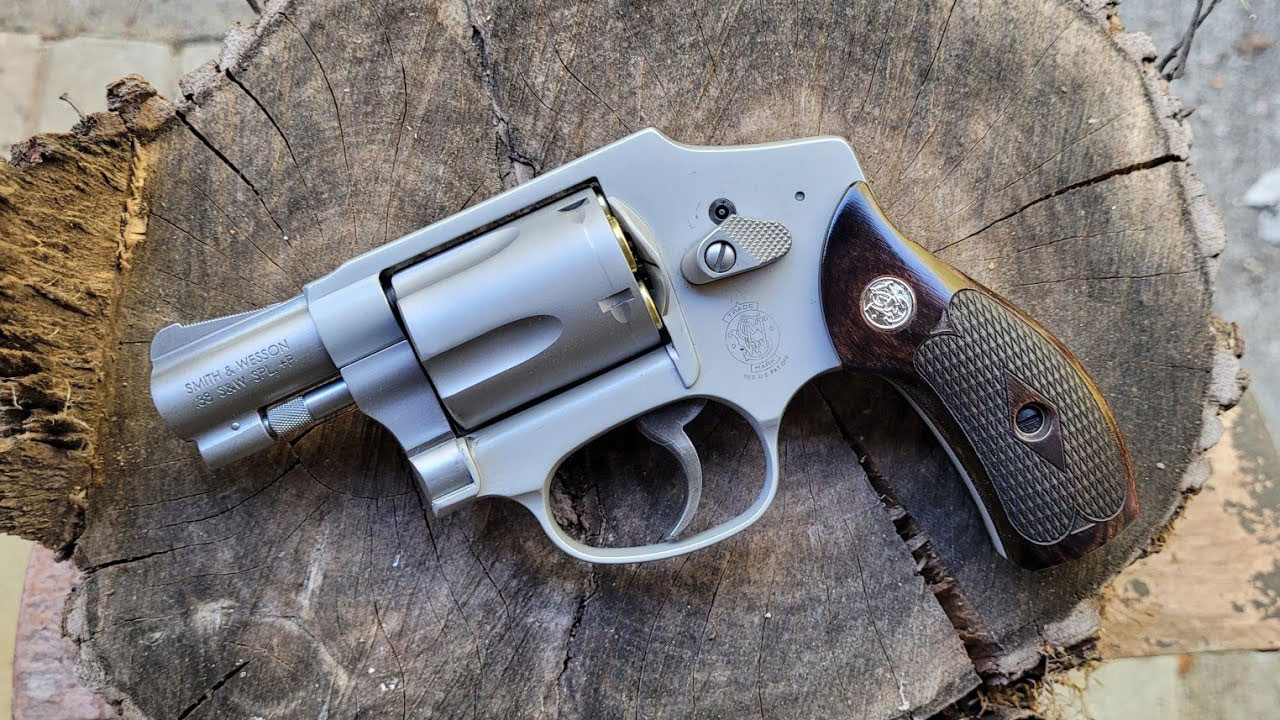
J-frames are not fun. They are honest. A 642 disappears in a pocket holster when a belt gun is a hassle, and it rides well in chores-and-errands life. It is also about as simple as defensive handguns get.
They do take practice, and light guns kick. Still, a collection that ignores the J-frame ignores a very real corner of concealed carry that has stayed relevant for decades.
18. Colt Python (.357 Magnum)

The Python is the revolver that makes you slow down and appreciate fit, finish, and that smooth, bank-vault feel. It is not the revolver you buy because it is the cheapest way into .357. It is the revolver you buy because you want to own a revolver that feels special.
Will it make you a better shooter by itself? No. But it will make you want to shoot better, and that counts for something. Just do not treat it like it is too nice to use.
19. Ruger Blackhawk (.357 Magnum or .45 Colt)
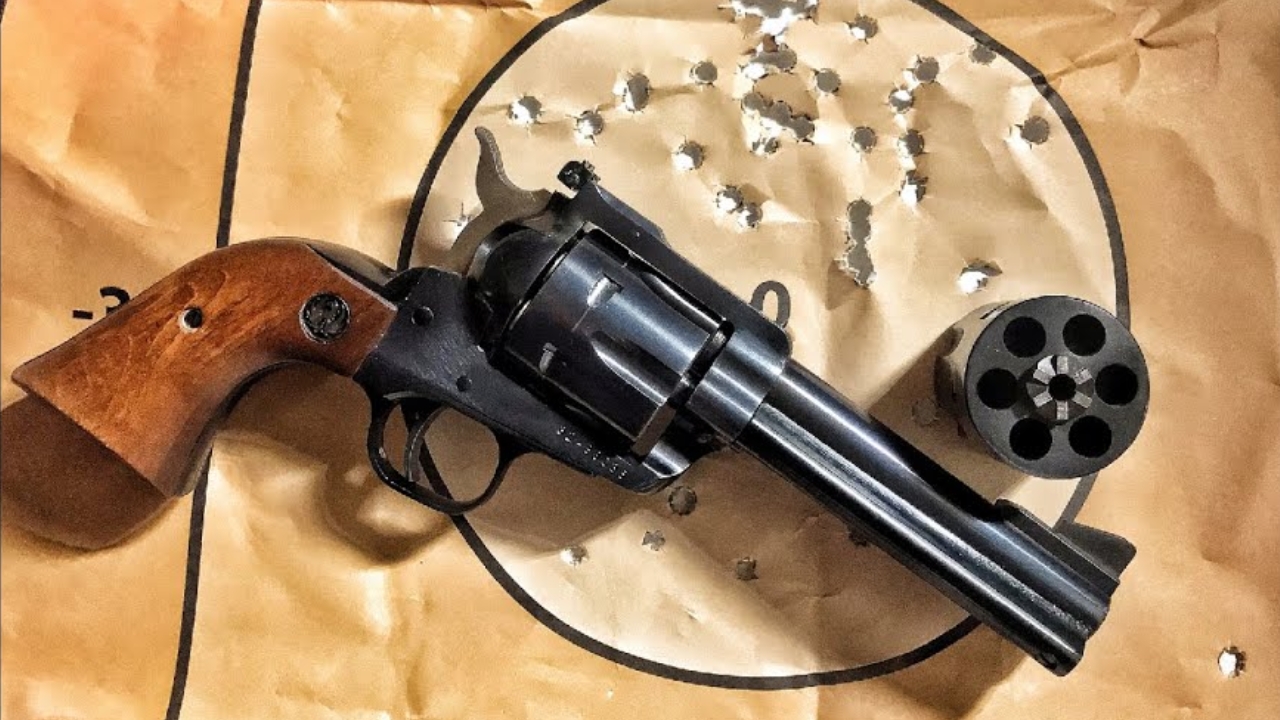
A single-action revolver is not a “need,” but it is a type of handgun every serious collection should have. A Blackhawk is tough, simple, and flat-out fun. It also makes you pay attention to what your hands are doing, because the gun has its own rhythm.
In .45 Colt it has real woods charm; in .357 it is affordable to feed. Either way, it is one of those guns that turns into a camp gun, a range toy, and a “hand it to a buddy” handgun all at once.
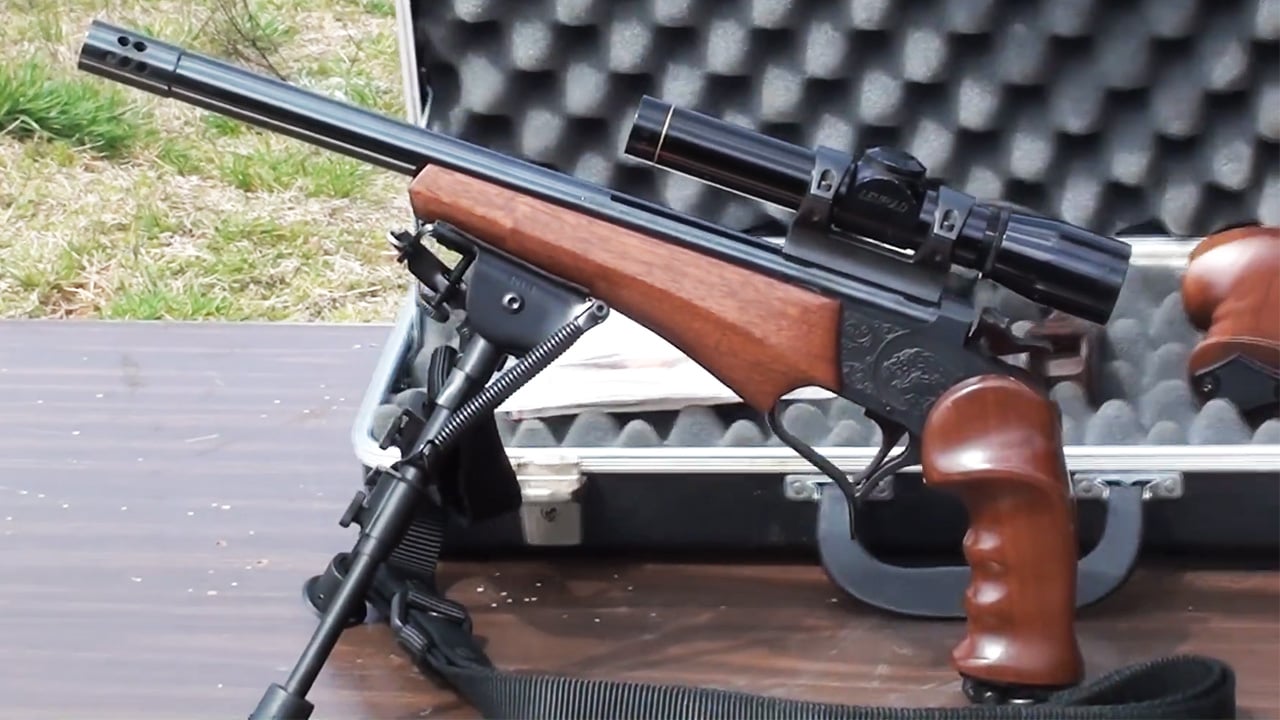
20. Thompson/Center Contender (G2 or original)
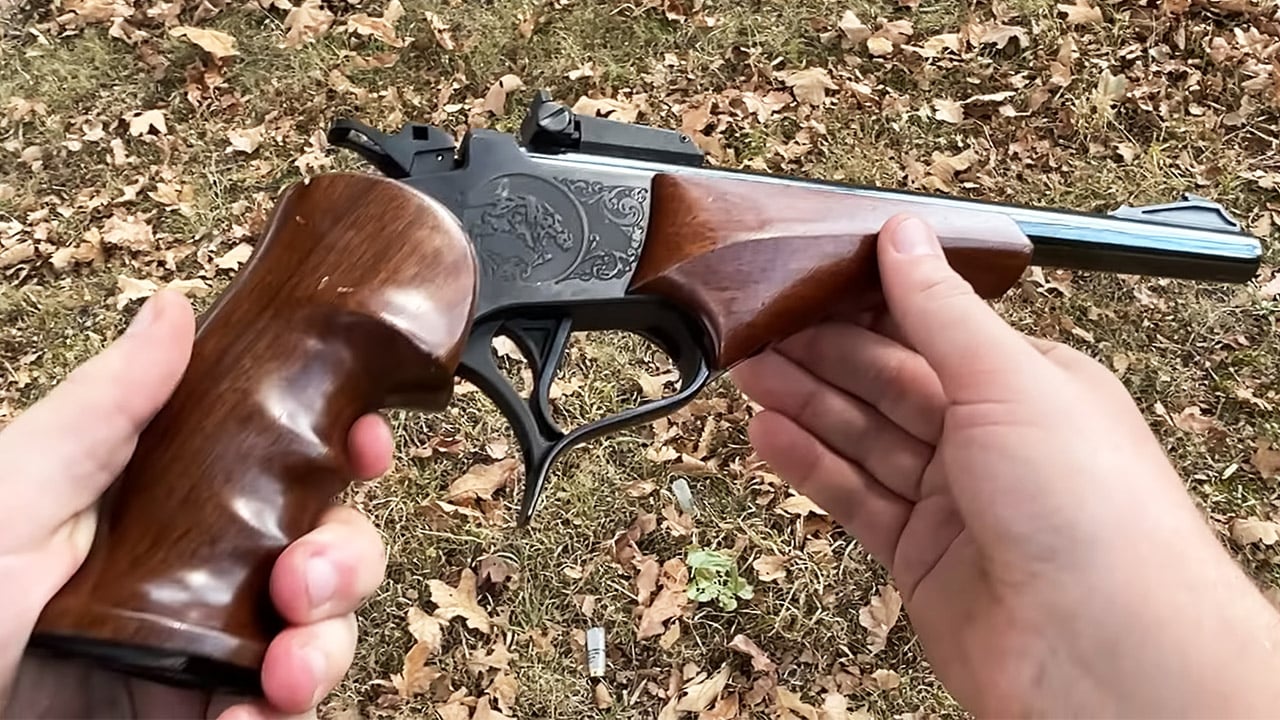
This one is for the serious handgun hunter and the tinkerer who likes a platform with real versatility. A Contender can be a mild-mannered plinker one day and a scoped hunting handgun the next, depending on barrel and chambering. It is also the kind of gun that makes you slow down and shoot carefully.
It is not for everybody, and it is not the gun you grab when you are in a hurry. But if your collection is supposed to cover the whole outdoors spectrum, a Contender belongs in the conversation.
A handgun collection that matters is not built by chasing whatever is hot this month. It is built by covering roles and learning different systems: striker, DA/SA, single-action, revolver, rimfire, steel, polymer, old-school, and modern carry. Buy what fits your life, shoot it enough to know it, and store it like you plan on handing it down instead of flipping it next season.
Like The Avid Outdoorsman’s content? Be sure to follow us.
Here’s more from us: