Photo credit: Sig Sauer
Some handguns are easy to overlook because they never become the center of the conversation. They do not have massive aftermarket support, endless social-media coverage, or the kind of brand recognition that makes buyers reach for them automatically.
That does not mean they are lacking where it matters. A good handgun needs to fit the hand well, shoot accurately, function reliably, and make sense for the job it was built to do. Plenty of pistols manage all of that without becoming best-sellers. These 20 are the kind of guns that can surprise you once you stop shopping by popularity and start paying attention to how they actually perform.
Beretta PX4 Storm Compact
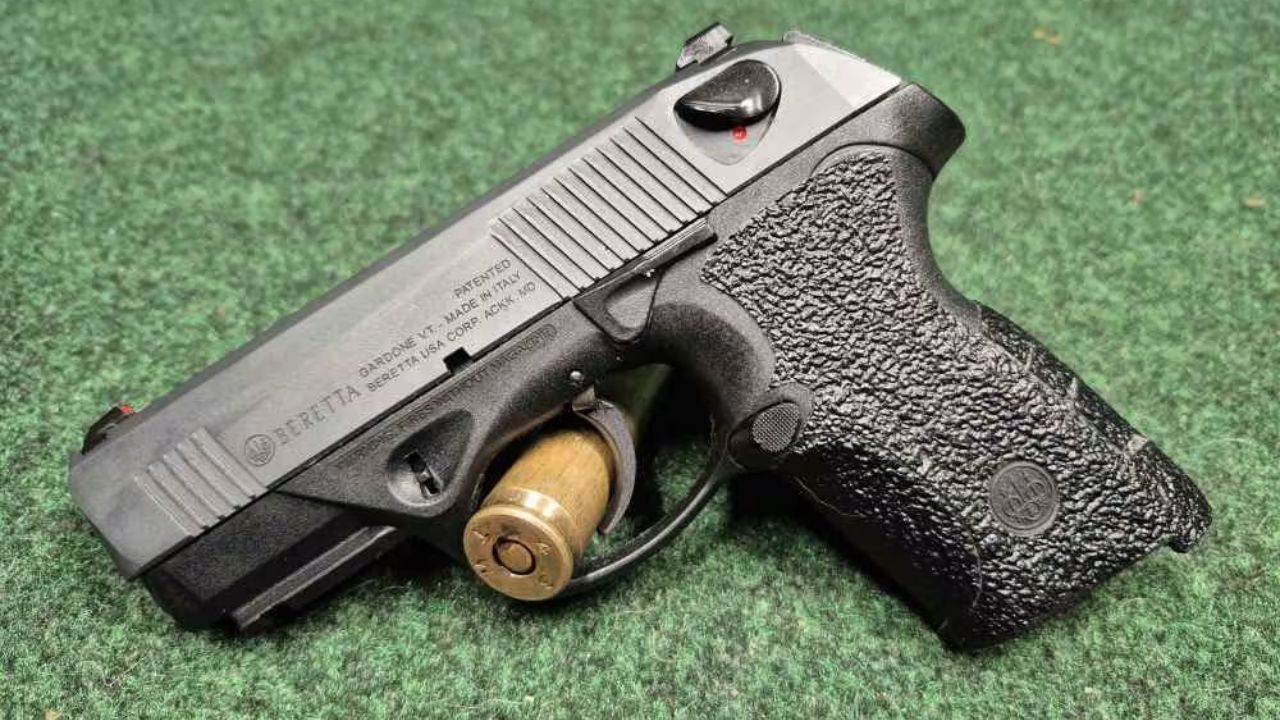
The PX4 Compact has been around long enough that it should be much more common than it is. Instead, it remains one of those pistols that experienced DA/SA shooters praise while the broader market keeps moving toward whatever striker-fired gun is newest.
Its rotating-barrel system gives the pistol a noticeably different recoil impulse from most compact 9mms, and the grip offers enough size to maintain control without turning the gun into a full-size service pistol. The controls are traditional, the trigger becomes easy to manage with practice, and the pistol has a reputation for holding up to serious use. It may not look sleek, but the design works.
SIG Sauer P229
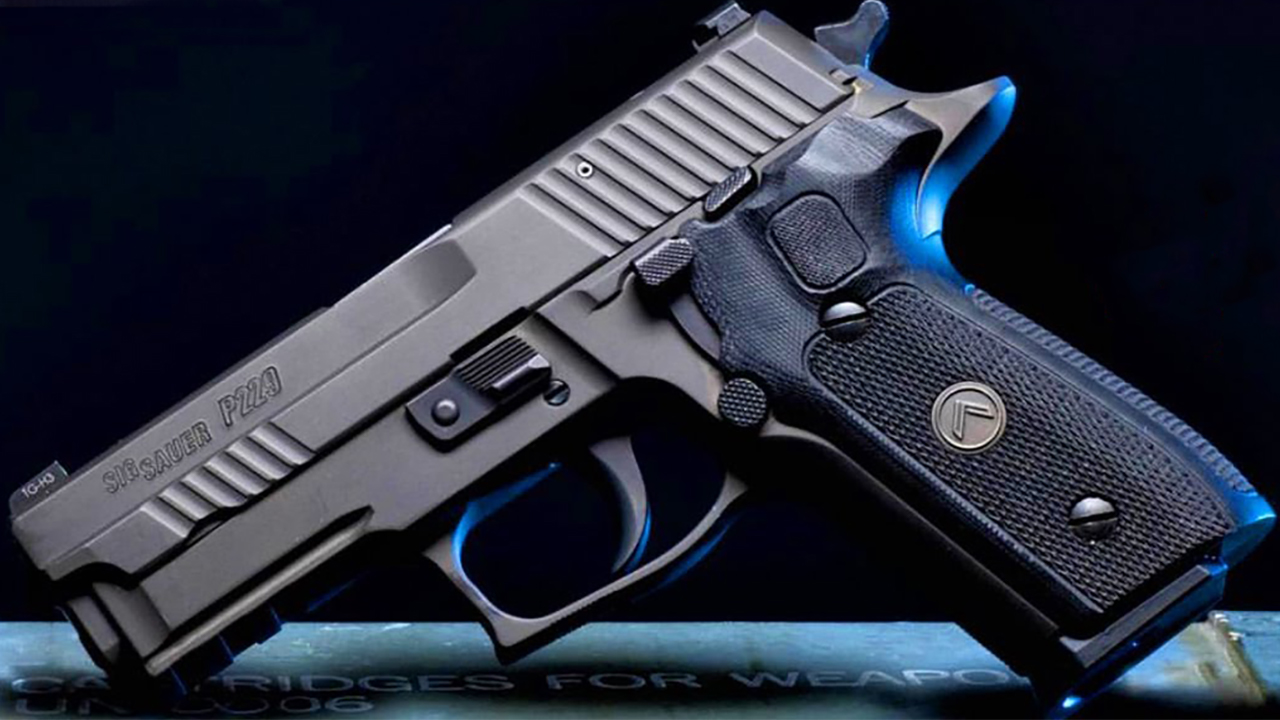
The P229 gets less attention today than it once did because buyers tend to focus on newer SIG platforms.
That is unfortunate because the P229 remains one of the better compact metal-framed service pistols ever made. It has enough weight to soak up recoil, a grip that fills the hand properly, and a DA/SA trigger system that becomes very rewarding once learned. It can serve as a carry gun, range pistol, or home-defense handgun without feeling compromised in any of those roles. Its biggest weakness may simply be that it has been good for so long that people stopped talking about it.
HK P2000
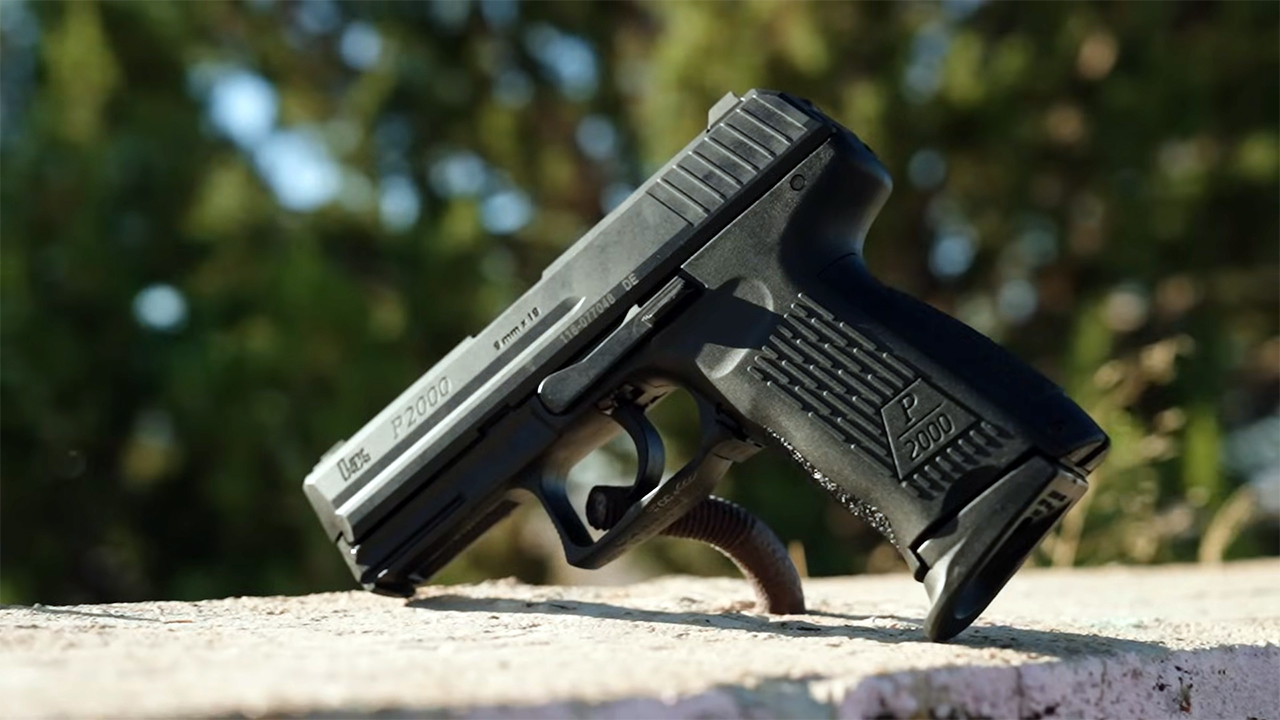
The P2000 sits awkwardly between the USP and P30 in HK’s lineup, which has kept it from developing the same following as either.
Yet it may be one of the most practical HK pistols ever made. The size works well for concealed carry while still providing enough grip and barrel length for serious shooting. The controls are straightforward, the construction is durable, and the pistol offers several trigger configurations depending on what the shooter prefers. It does not look especially exciting, but it was designed as a working service pistol and feels like one.
CZ P-09

The P-09 has been overshadowed by nearly everything else CZ has released since it arrived.
That does not change how much pistol it gives you. The full-size polymer frame keeps weight reasonable, the grip is comfortable, and the hammer-fired Omega trigger system gives shooters a traditional DA/SA option in a market increasingly dominated by striker guns. Capacity is generous, recoil is easy to manage, and the long slide makes accurate shooting straightforward. It is not compact or trendy, but as a full-size duty-style pistol, it does almost everything well.
Smith & Wesson M&P45 Full Size

The M&P line is enormously popular, but the .45 ACP versions rarely get the attention given to the 9mm models.
That is a shame because the full-size M&P45 is one of the more comfortable polymer .45s to shoot. The frame gives the cartridge enough room to remain manageable, the grip shape works for a wide variety of hands, and the gun is not excessively bulky considering what it chambers. If you want a practical .45 that is easier to live with than many double-stack alternatives, the M&P45 deserves a much longer look.
FN FNP-9
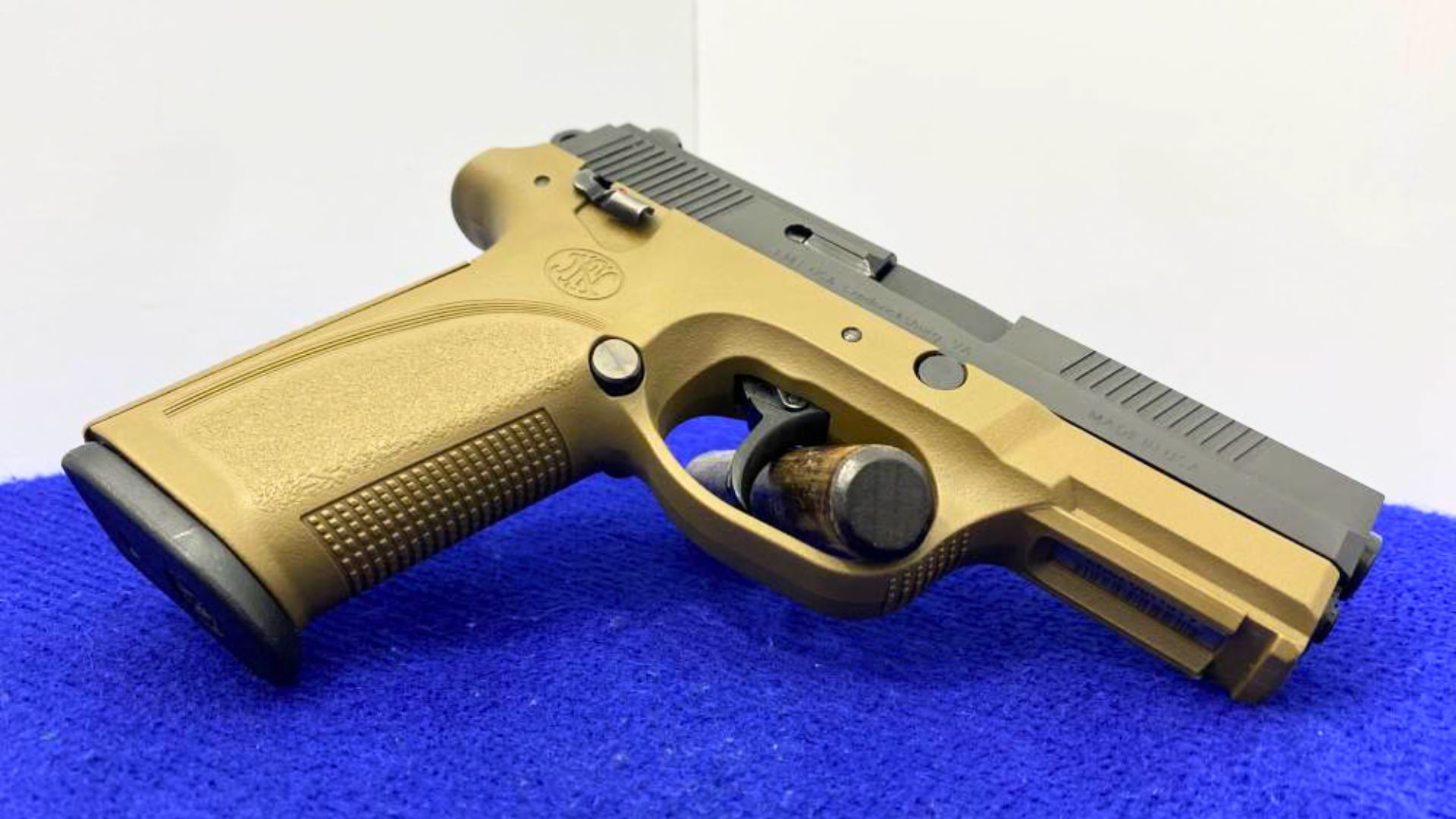
The FNP-9 was eventually replaced by newer FN designs, but it remains an excellent example of a straightforward polymer-framed DA/SA service pistol.
The gun has good ergonomics, useful capacity, and a trigger system that feels more traditional than the modern striker-fired norm. It is also relatively light for a hammer-fired duty pistol. Because it never became a cultural icon, used examples often get treated as just another older polymer handgun. Shooters who actually spend time with one usually realize there was very little wrong with the design.
Walther P99 AS
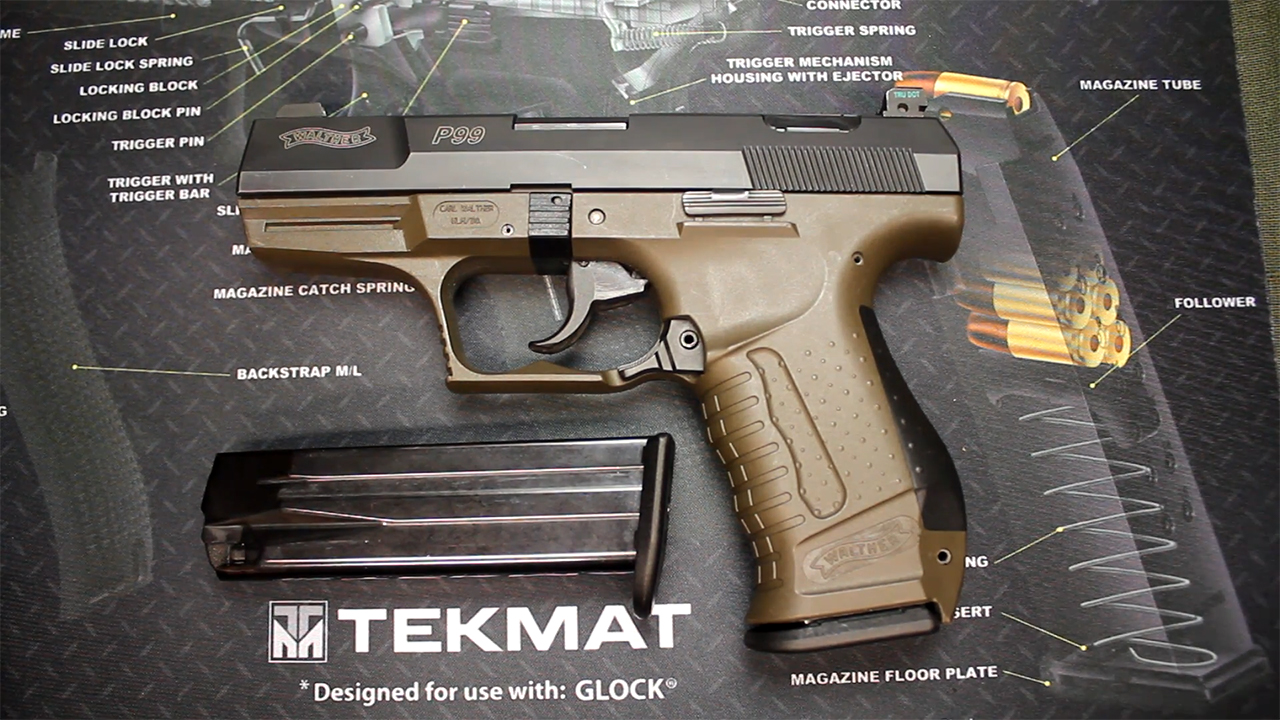
The P99 AS has one of the most unusual trigger systems in the striker-fired world, and that probably hurt its popularity with buyers who wanted something instantly familiar.
Once learned, though, the system offers a lot of flexibility. The pistol can provide a longer initial pull followed by shorter subsequent pulls, while still keeping the benefits of a striker-fired design. The ergonomics are excellent, the gun points naturally, and the compact dimensions work surprisingly well for both carry and range use. It was simply too different for a market that eventually standardized around simpler trigger systems.
Ruger P94
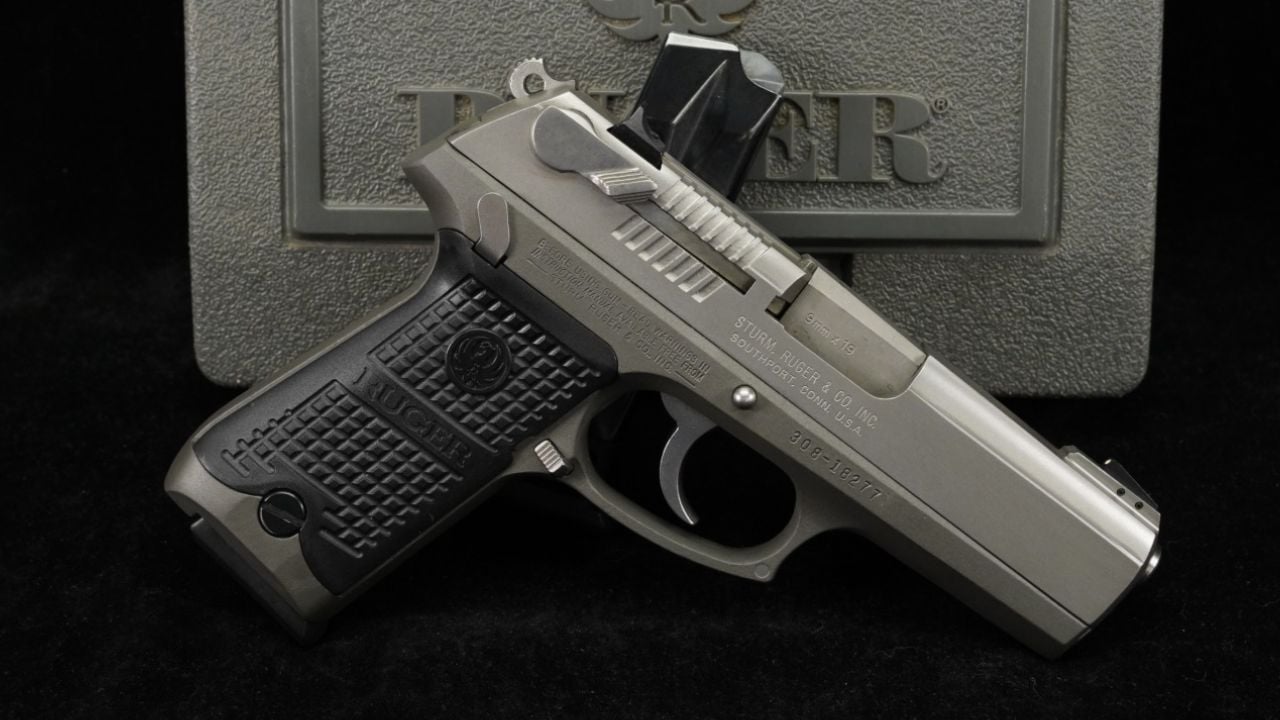
The P94 never had the polish of more expensive service pistols, but Ruger’s P-series earned loyalty by being extremely hard to wear out.
The P94 trimmed some of the bulk from earlier Ruger autos without abandoning the heavy-duty construction that made the line famous. The controls are large, the grip is comfortable enough, and the gun tends to tolerate neglect better than its plain appearance suggests. It is not elegant, but if your definition of “does everything right” begins with firing when the trigger is pulled, the P94 deserves more credit.
Smith & Wesson Model 457
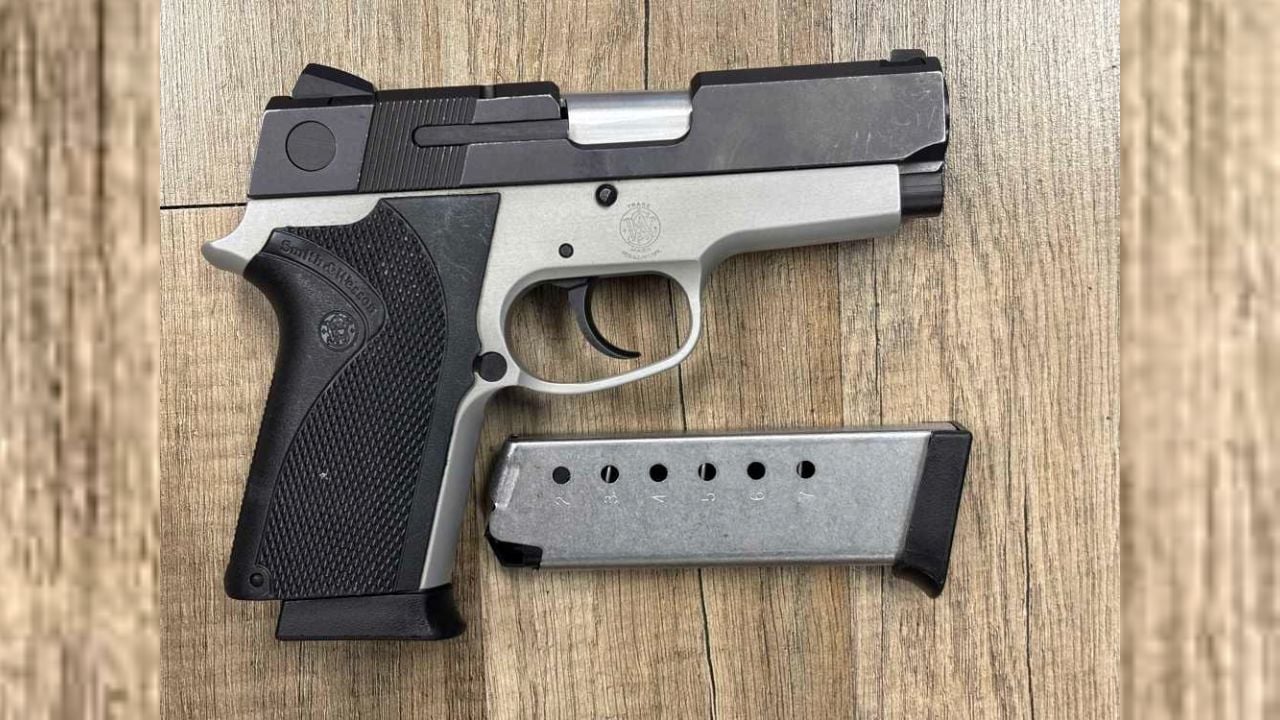
The Model 457 was built as a practical compact .45 ACP, not as a premium showpiece.
That utilitarian approach is exactly what makes it interesting today. The alloy frame keeps weight manageable, the single-stack magazine keeps the grip reasonably slim, and the traditional DA/SA system gives the pistol a familiar service-gun feel. It does not have modern optics compatibility or massive capacity, but it remains an easy pistol to carry and surprisingly comfortable to shoot for its size.
Beretta 8045 Cougar
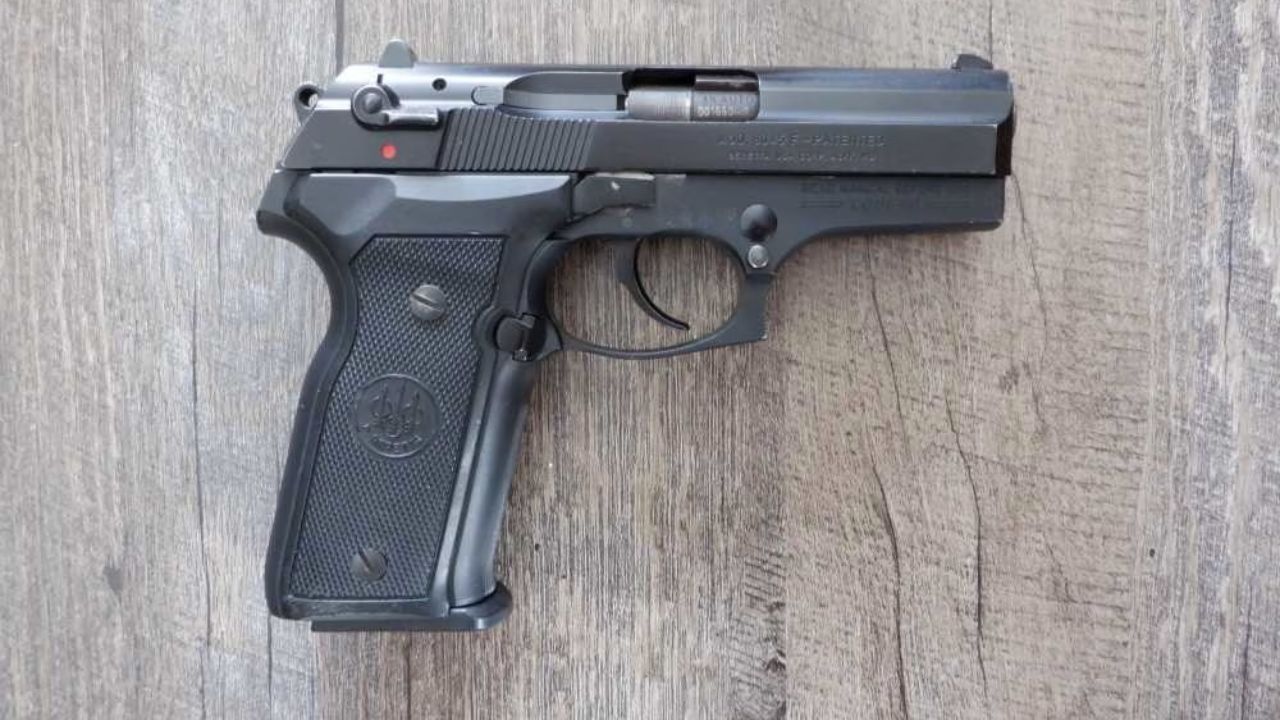
The 8045 Cougar never escaped the shadow of the Beretta 92, despite being a very different handgun.
Its rotating-barrel system helps control recoil, which becomes especially noticeable with .45 ACP. The metal frame provides enough weight to make the pistol comfortable, while the shorter overall dimensions make it easier to carry than a full-size service gun. It feels substantial without becoming clumsy. Buyers who dismissed the Cougar as an odd Beretta missed one of the company’s more interesting designs.
SIG Sauer P239
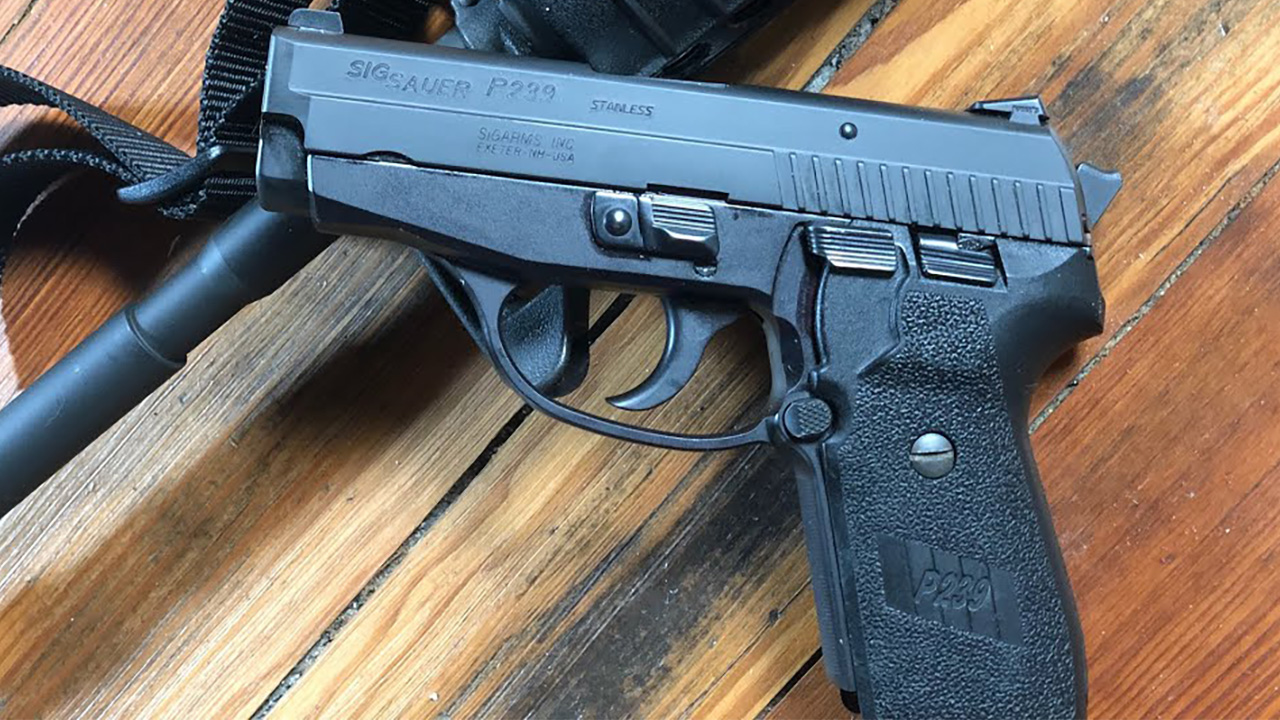
The P239 arrived before today’s slim 9mm carry-pistol explosion and was eventually pushed aside by lighter, higher-capacity guns.
That does not make it bad. In fact, the narrow grip, metal frame, and excellent DA/SA trigger characteristics make it one of the more pleasant single-stack defensive pistols to shoot. It is heavier than modern micro-compacts, but that weight is exactly why it handles so well. For someone who values shootability over squeezing every possible round into the smallest frame, the P239 still makes sense.
Springfield Armory XD 4-Inch Service Model
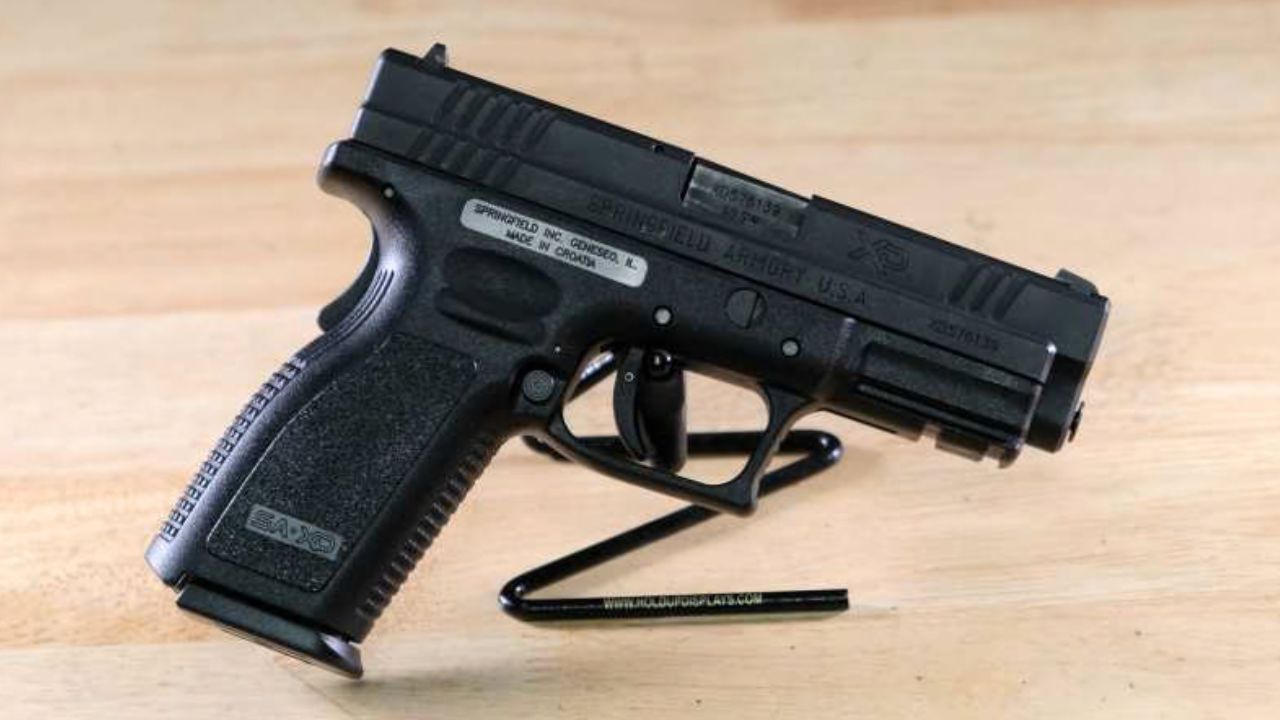
The original XD has become almost invisible beside Springfield’s newer pistol lines.
The Service Model deserves more respect because it got a lot right from the beginning. The grip is comfortable, the controls are easy to understand, the trigger is predictable, and the four-inch barrel gives the pistol a useful middle-ground size. The grip safety turns some buyers away, but plenty of shooters barely notice it in actual use. This is a competent defensive handgun that got buried under newer designs rather than exposed as a bad one.
Kahr K40
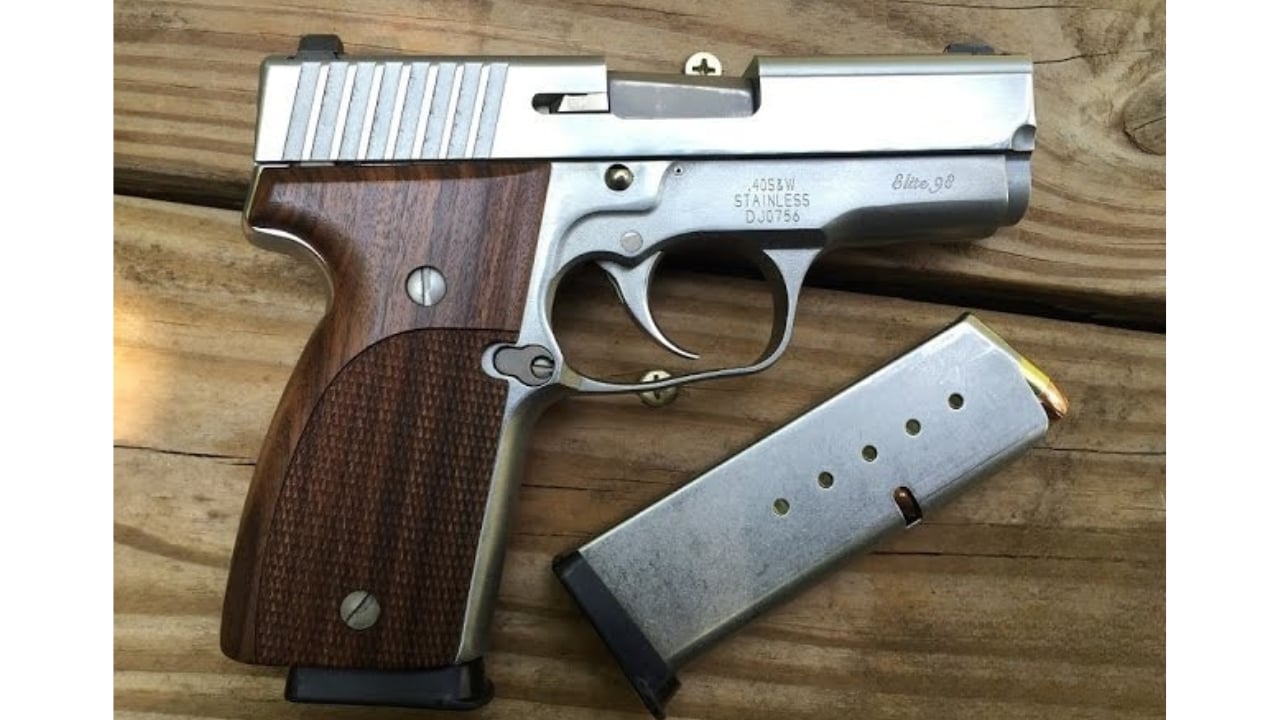
Kahr pistols never became mainstream range favorites, but the steel-framed K40 has qualities that are easy to appreciate once you shoot one.
The weight helps tame the .40 S&W cartridge, while the slim single-stack grip makes the gun easier to conceal than many traditional metal pistols. The long, smooth trigger pull is deliberate rather than light, which suits a carry gun well once the shooter becomes accustomed to it. It is a very focused pistol that does not try to impress buyers with unnecessary features.
Para-Ordnance P12-45
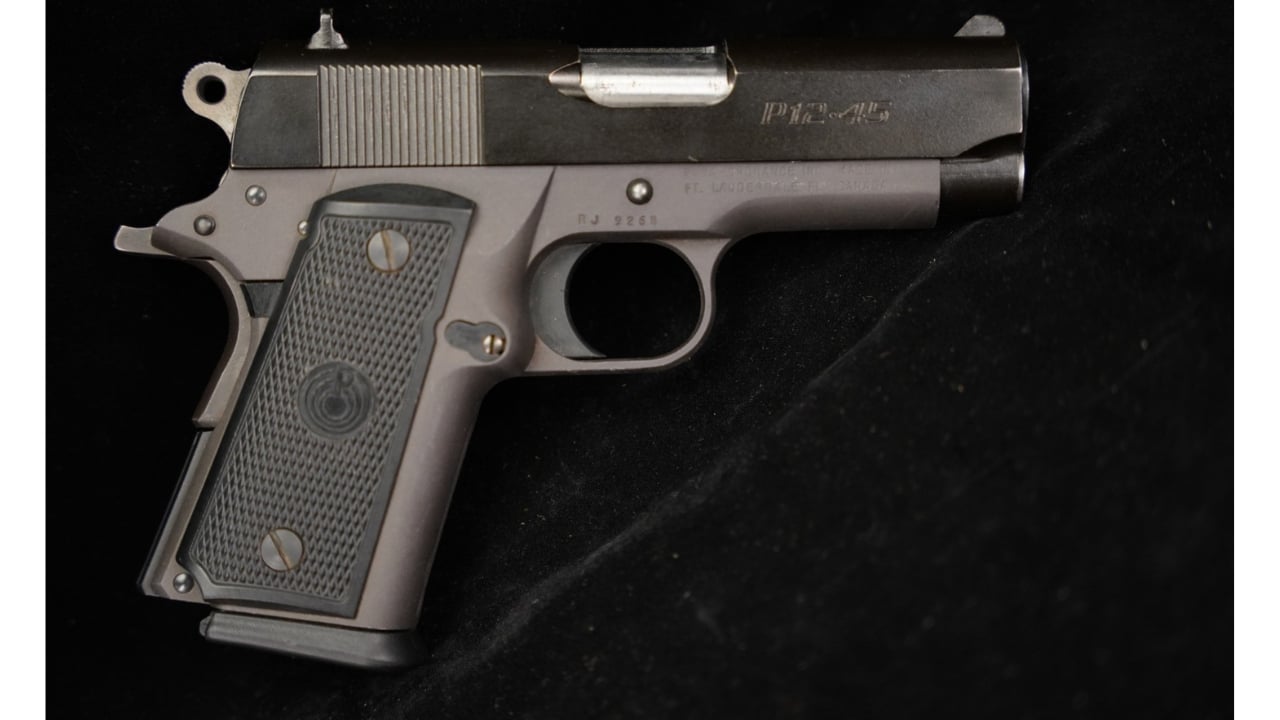
The P12-45 was one of the earlier serious attempts to put substantial .45 ACP capacity into a compact 1911-style package.
That combination made it chunky, but it also gave shooters something genuinely different at the time. The familiar 1911 trigger, short overall dimensions, and double-stack magazine created a compact pistol with a lot of firepower for its era. Para-Ordnance eventually disappeared, but the idea behind the gun certainly did not. Modern double-stack 1911s owe a lot to pistols like this.
Astra A-90
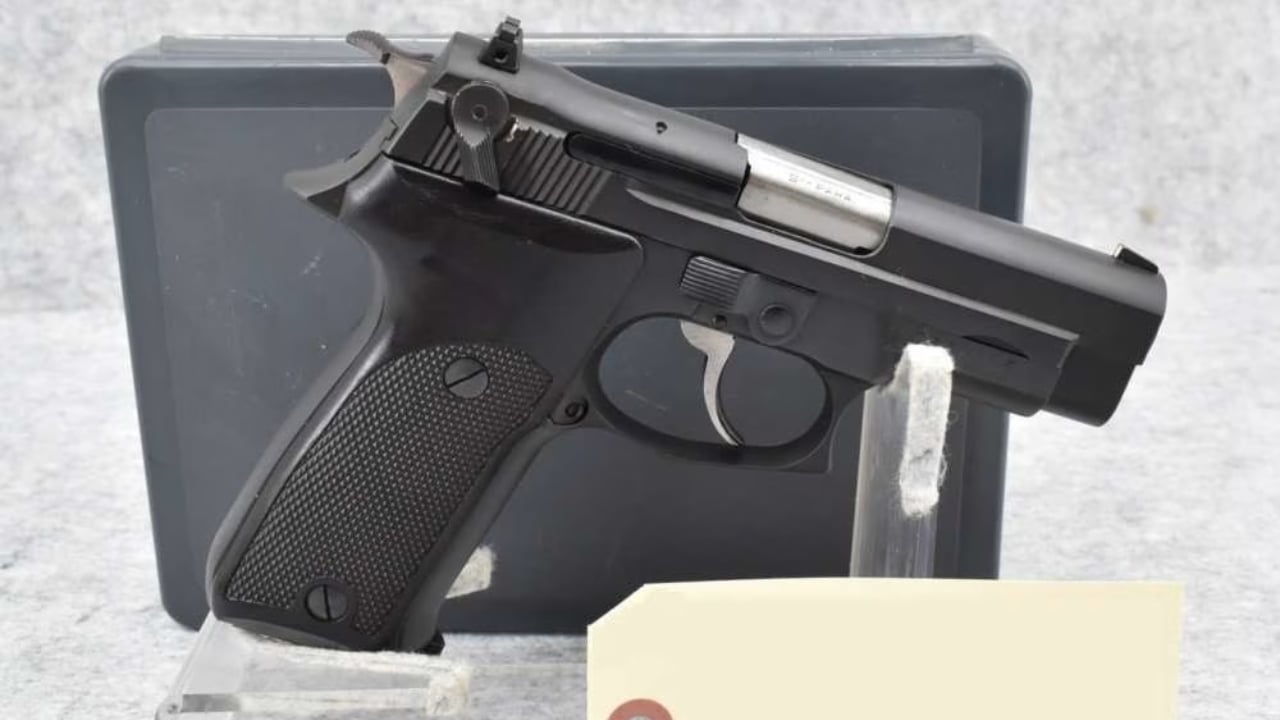
The Astra A-90 is one of those pistols that can sit unnoticed because most American shooters no longer think of Astra when discussing serious service handguns.
The A-90 was a substantial metal-framed DA/SA pistol with a comfortable grip and solid construction. It feels like a product of the same era that gave us some of the best European duty pistols, yet it never gained comparable recognition. For shooters who appreciate older service guns, it offers a lot of mechanical quality without the name-driven pricing attached to better-known models.
Star Model 30PK
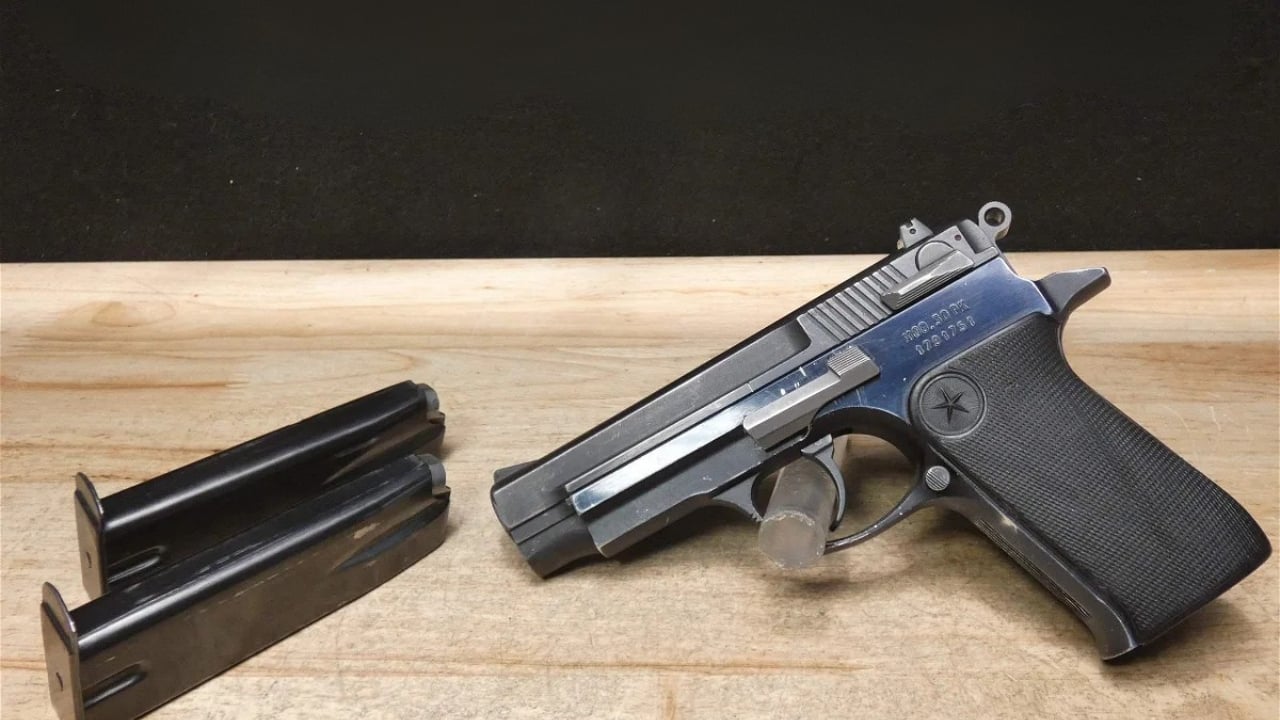
Star built some excellent pistols, but the company’s disappearance has left many of them outside the modern conversation.
The 30PK is a compact alloy-framed version of the company’s service-pistol concept, giving you a traditional DA/SA trigger in a package that remains reasonable for carry. It has a solid feel, good ergonomics, and a design that makes sense once you handle it. The biggest downside today is parts availability, not the underlying quality of the pistol itself.
Daewoo DP51
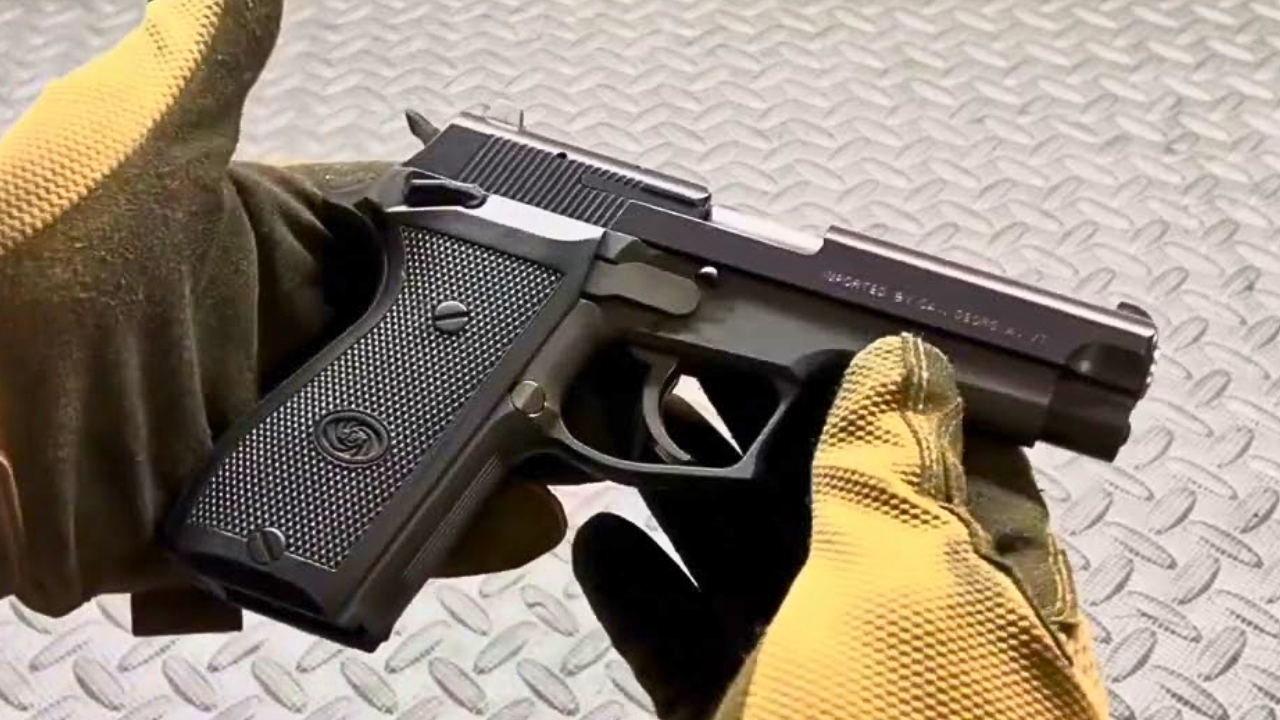
The DP51 deserves more attention simply because its trigger system is unlike almost anything else.
Its “fast action” mechanism allows the hammer to be pushed forward after cocking while retaining a lighter first trigger pull. That sounds complicated until you actually use it. The pistol is compact, comfortable, and built like a serious military sidearm rather than a novelty. It never became common in the United States, but the design is genuinely clever and the shooting experience is better than its obscurity suggests.
Sphinx SDP Compact
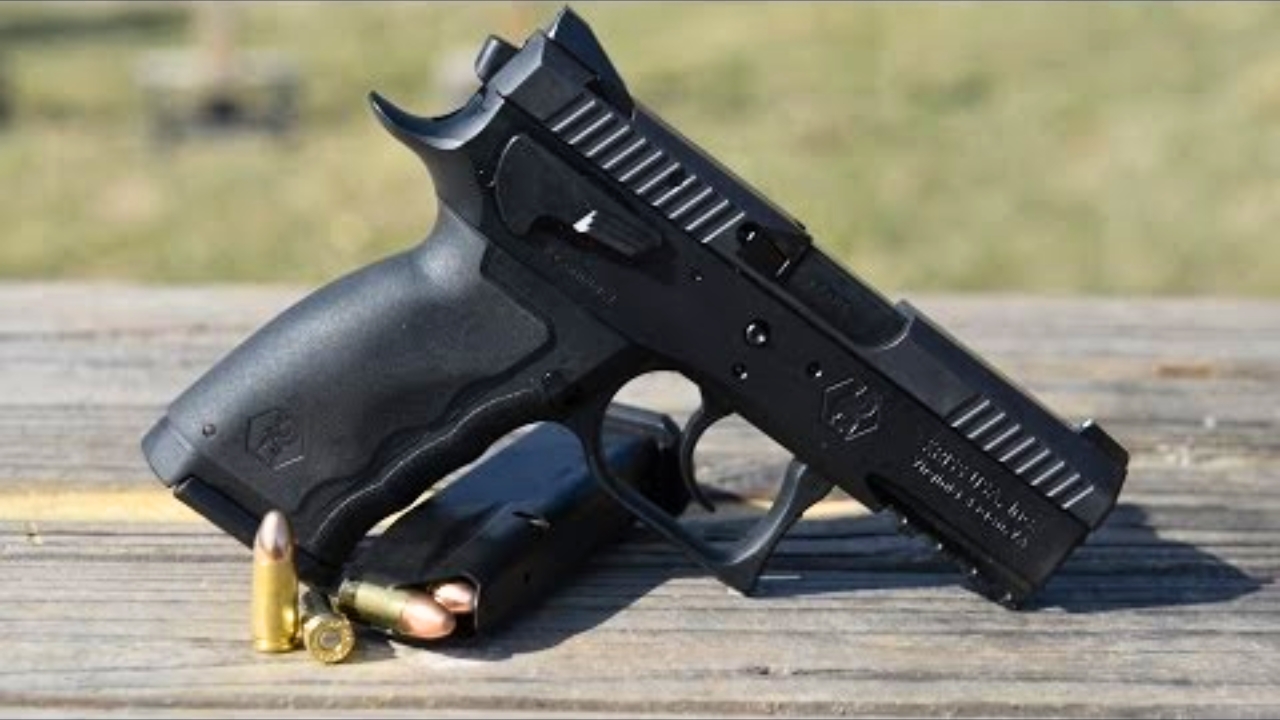
Sphinx pistols have always been expensive enough to limit their audience, but the SDP Compact is one of the better examples of premium quality disappearing beneath weak name recognition.
The metal frame, precise machining, and CZ-derived ergonomics make the gun extremely easy to shoot well. The trigger feels refined, the slide tracks smoothly, and the overall package is compact enough to remain practical. It never became a mainstream competitor to SIG, HK, or CZ, but mechanically it belongs in the same conversation.
Grand Power K100
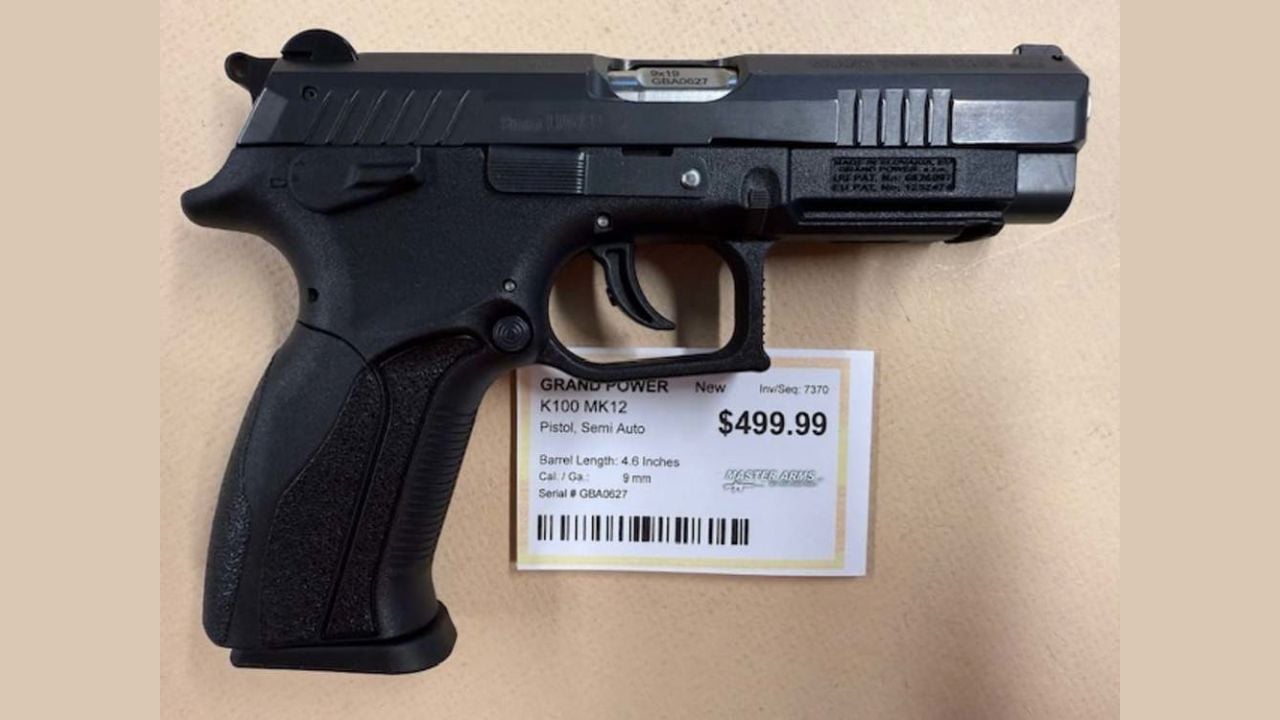
The K100 is one of those pistols that makes more sense after the first magazine than it does on a spec sheet.
Its rotating-barrel system helps keep the gun flat during recoil, while the full-size grip and hammer-fired trigger make it easy to shoot accurately. The controls are generous without feeling oversized, and the pistol has a distinctive mechanical character that separates it from conventional polymer service guns. Grand Power never achieved broad American recognition, but the K100 has been good enough to deserve it.
Zastava CZ99
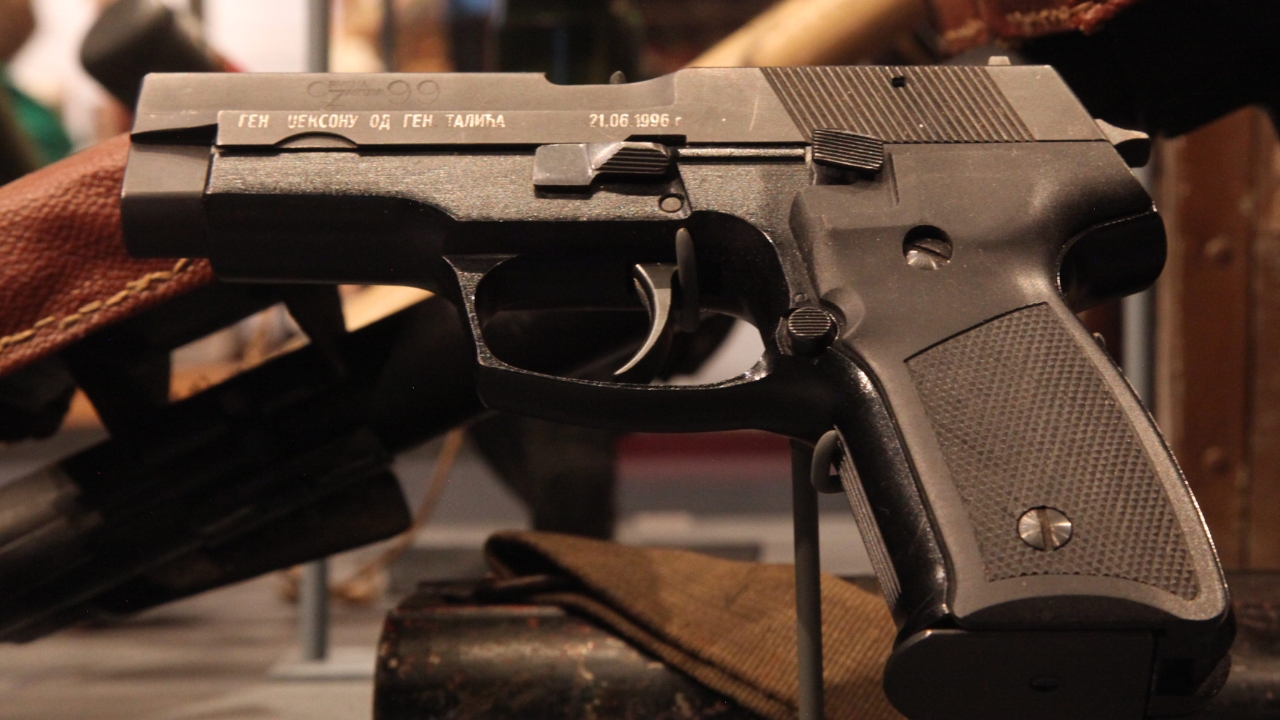
The CZ99 has spent decades being treated primarily as an inexpensive surplus-style pistol rather than a serious service handgun.
That undersells the design. It is a robust metal-framed DA/SA pistol with ambidextrous controls, a comfortable grip, and enough weight to make 9mm very manageable. The gun borrows ideas from several successful service pistols while still having its own identity. It may not have the refinement of a premium SIG, but for a durable full-size handgun, it does nearly everything a shooter actually needs.
Like The Avid Outdoorsman’s content? Subscribe to our newsletter so you never miss an article.
Here’s more from us: