Photo credit: 1957Shep/YouTube
Some used guns are easy to replace. If you pass on one today, another example will probably show up next week in roughly the same condition.
Others are different. The model may not be extremely rare, but years of hard use, modifications, refinishing, neglect, or disappearing production have made truly clean examples much harder to find. When one turns up with original parts, strong finish, and little evidence of abuse, waiting for a better example can be a mistake. These 20 firearms are worth paying attention to when an unusually nice one appears.
Winchester Model 61
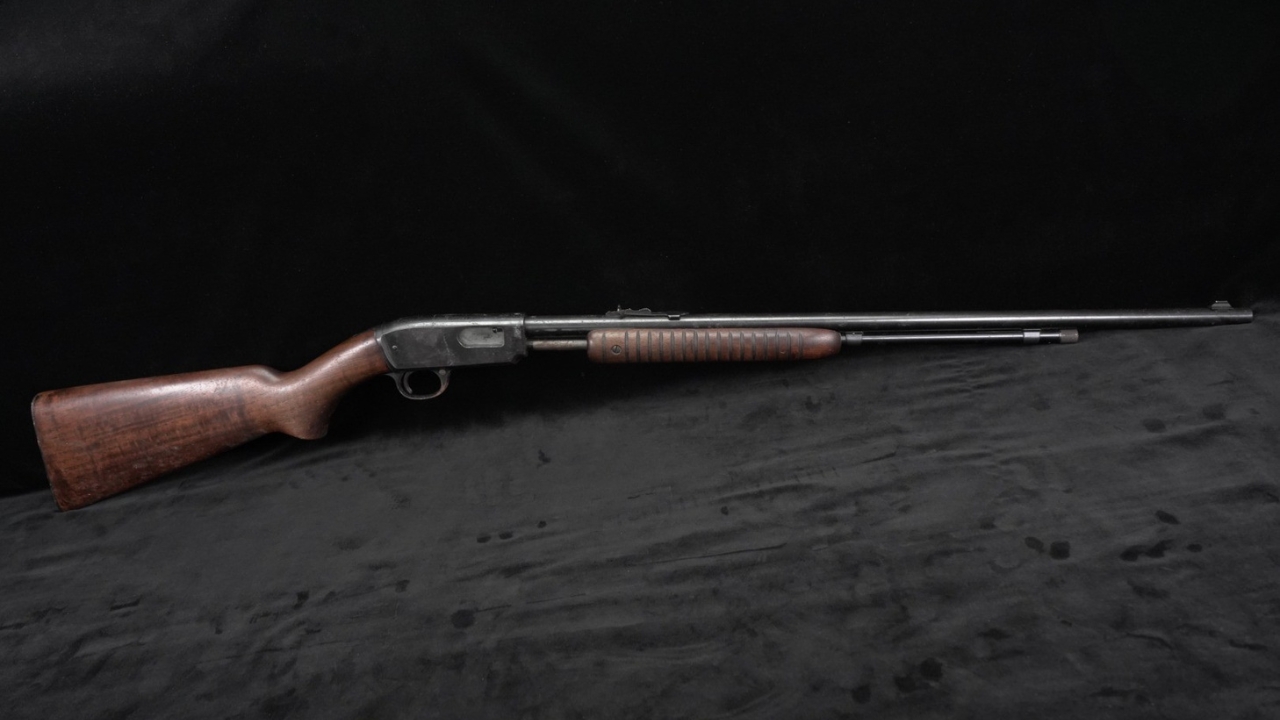
The Model 61 spent most of its life doing exactly what a pump-action .22 was supposed to do. Owners shot them constantly, carried them around farms, and handed them down to kids who added another generation of scratches.
That is why clean rifles stand out today. Original wood, strong blue, and an unmolested receiver are increasingly difficult to find together. Plenty of Model 61s survive, but many show decades of honest use. When you find one that still looks remarkably close to original condition, it deserves a much harder look than the average worn example.
Winchester Model 62A
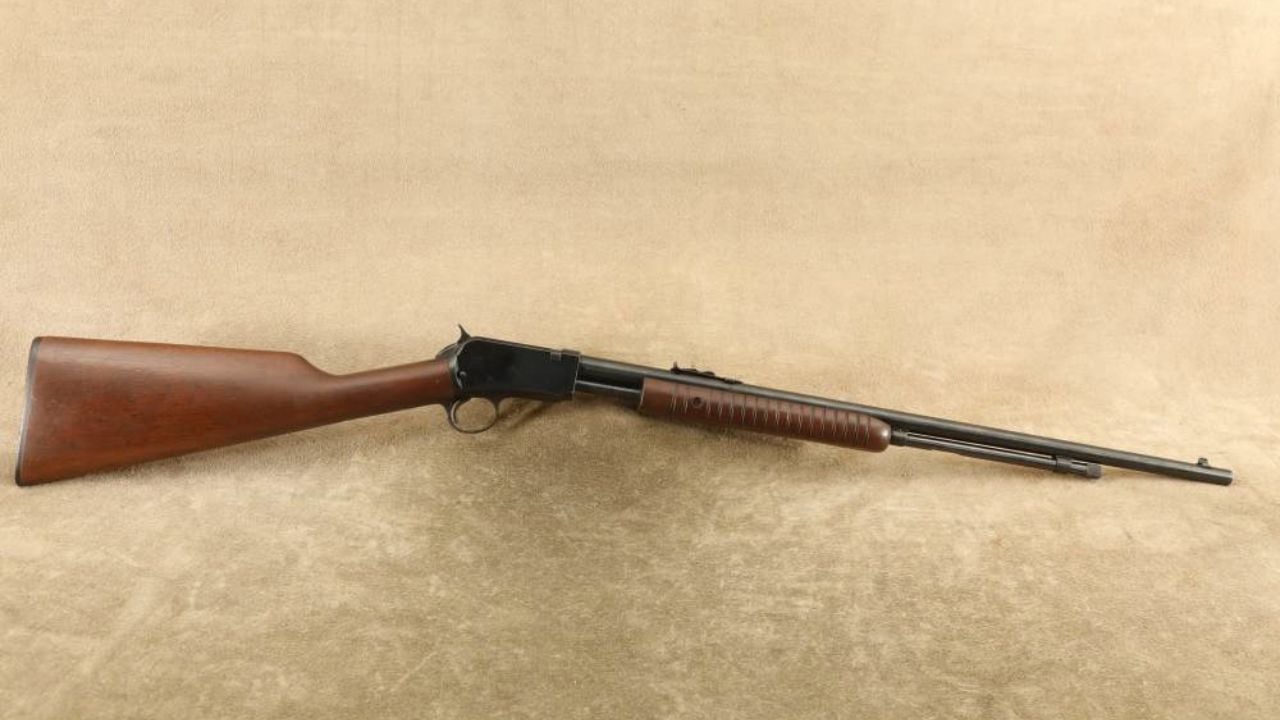
The Model 62A is another rimfire that was usually treated as a working gun rather than something destined for a collection. Its exposed hammer and slide-action operation made it a favorite for informal shooting.
Most examples were used accordingly. Stocks accumulated dents, receivers lost finish, and some guns were repaired or modified over the years. A clean 62A with original sights and strong wood has become much more appealing because the nicest examples are steadily moving into collections.
Remington Model 12
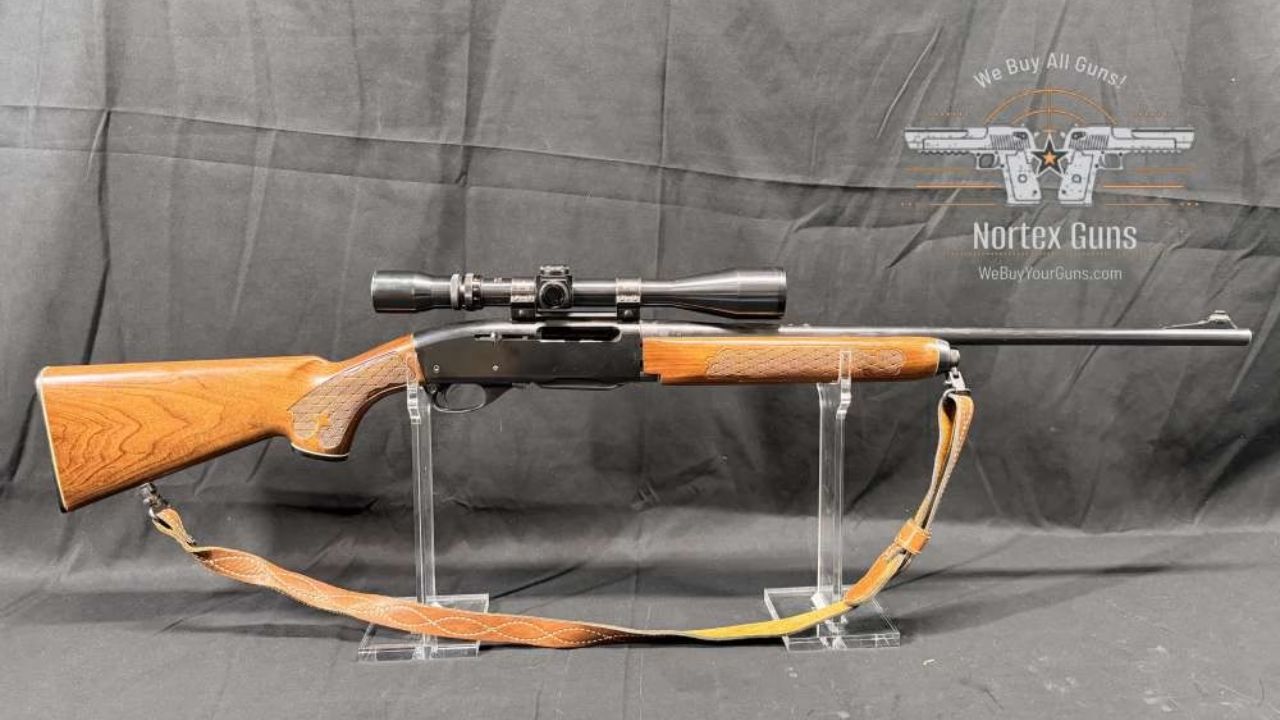
Old Remington pump-action .22s were built to be shot, and the Model 12 had decades to collect wear before anyone started worrying about originality.
The better examples now have a completely different presence than the average shooter-grade rifle. Strong finish, clean screws, intact sights, and undamaged wood are worth noticing because so many rifles have been refinished or heavily used. You do not need every old Model 12 you see, but a genuinely clean one can be hard to replace.
Remington Model 31
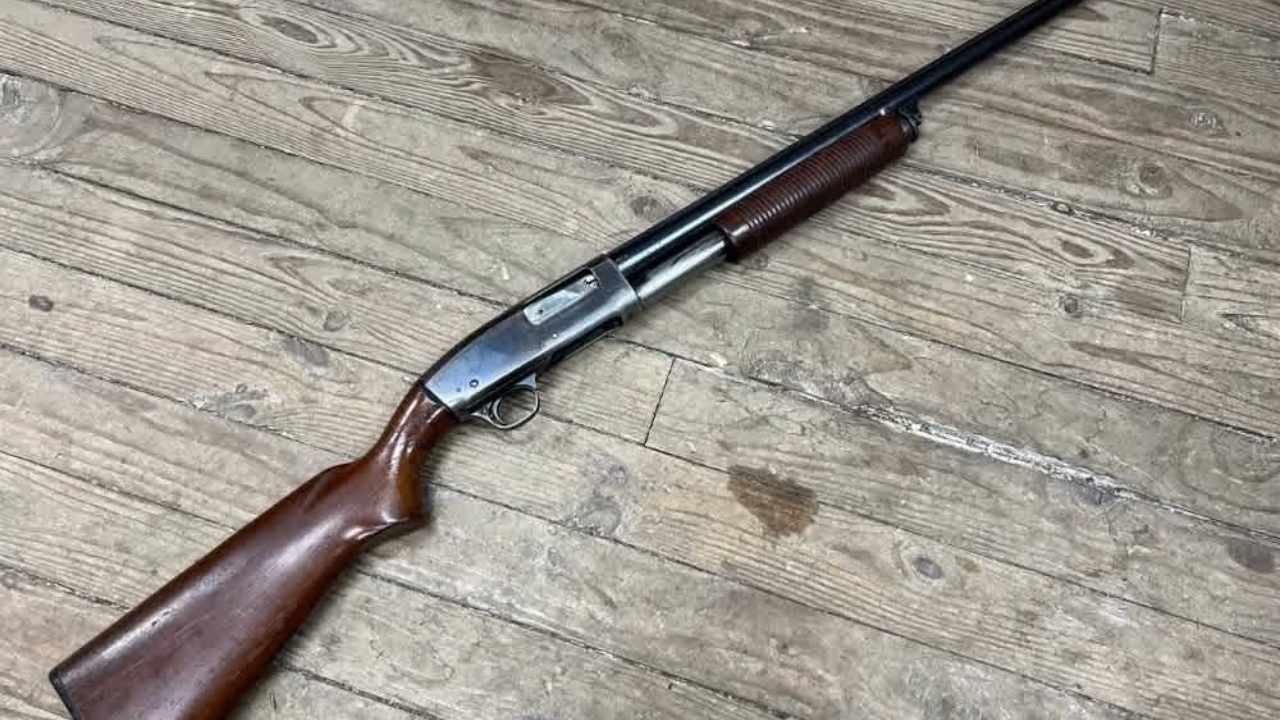
The Model 31 never became as famous as the later 870, but shooters who know classic pumps appreciate how smooth the action can be.
Unfortunately for collectors, that smooth action encouraged owners to use them. Many spent decades hunting birds and small game, and plenty show serious stock and receiver wear. A well-preserved Model 31 is noticeably less common. When one appears without cracks, refinishing, or obvious mechanical abuse, it is worth slowing down for.
Winchester Model 12
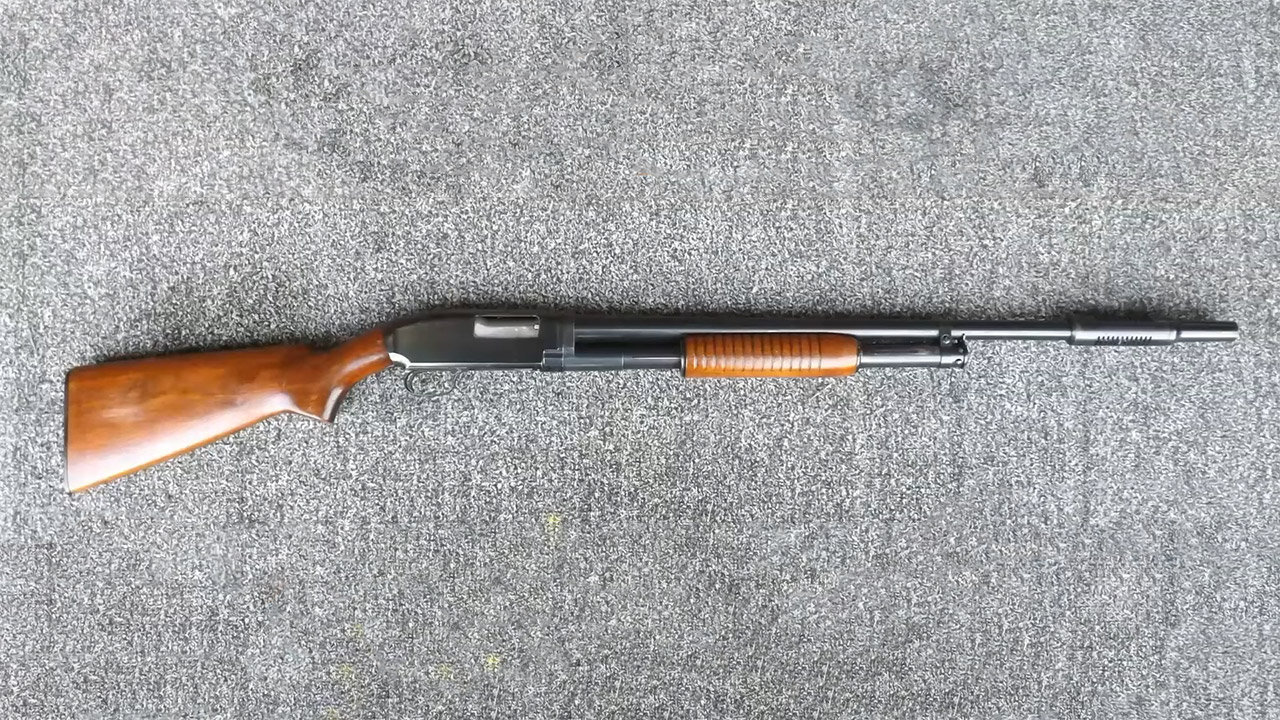
The Model 12 was so successful that people sometimes assume clean examples must still be everywhere. There are certainly plenty of guns, but condition varies dramatically.
These shotguns lived hard lives. Chambers were altered, barrels were shortened, stocks were cut for recoil pads, and blue wore away from years of handling. Certain gauges and configurations are more desirable than others, but condition matters across the board. A sharp original Model 12 can be far harder to replace than the production numbers suggest.
Savage Model 99

The Model 99 is one of the most distinctive classic hunting rifles America produced, and most were purchased to hunt rather than decorate a safe.
Years of deer seasons show on many examples. Stocks have been drilled, swivels added, barrels refinished, and receivers worn smooth from handling. Clean rifles in desirable chamberings can disappear quickly because buyers recognize how difficult they are to replace. If you find an original example that escaped heavy modification, that is usually when I pay attention.
Winchester Model 71
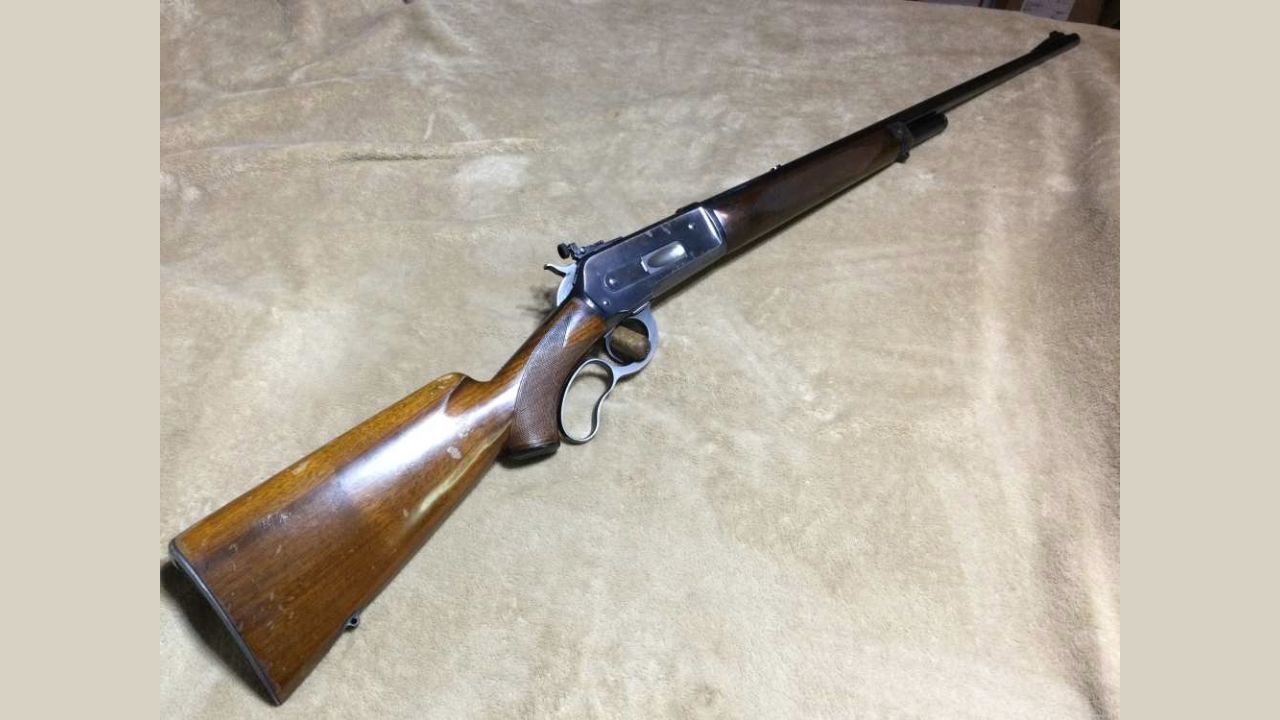
The Model 71 was never produced in enormous numbers compared with Winchester’s more common lever actions, and many were used as serious hunting rifles.
That makes original condition particularly important. Rifles with good wood, strong blue, and correct sights are increasingly prized. The .348 Winchester chambering also gives the Model 71 a character that is difficult to duplicate with anything modern. A clean example is the type of rifle you may regret assuming you will find again later.
Remington Model 141
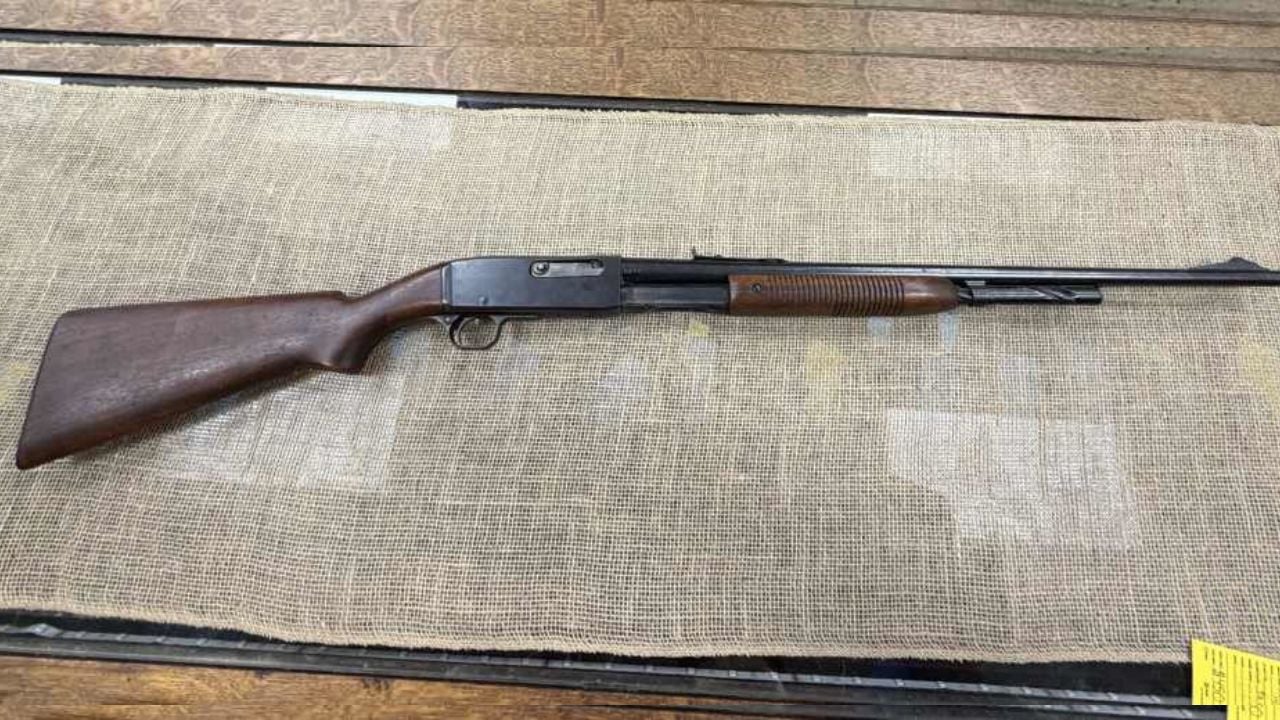
The Model 141 Gamemaster comes from a period when pump-action centerfire rifles were a much bigger part of the hunting market.
Many surviving rifles have been carried extensively, especially in areas where fast-handling woods rifles were popular. Original finishes and stocks matter more now because the really clean examples are thinning out. It is one of those older Remingtons that may look ordinary until you compare a pristine rifle with the majority of well-used guns on the market.
Savage Model 24
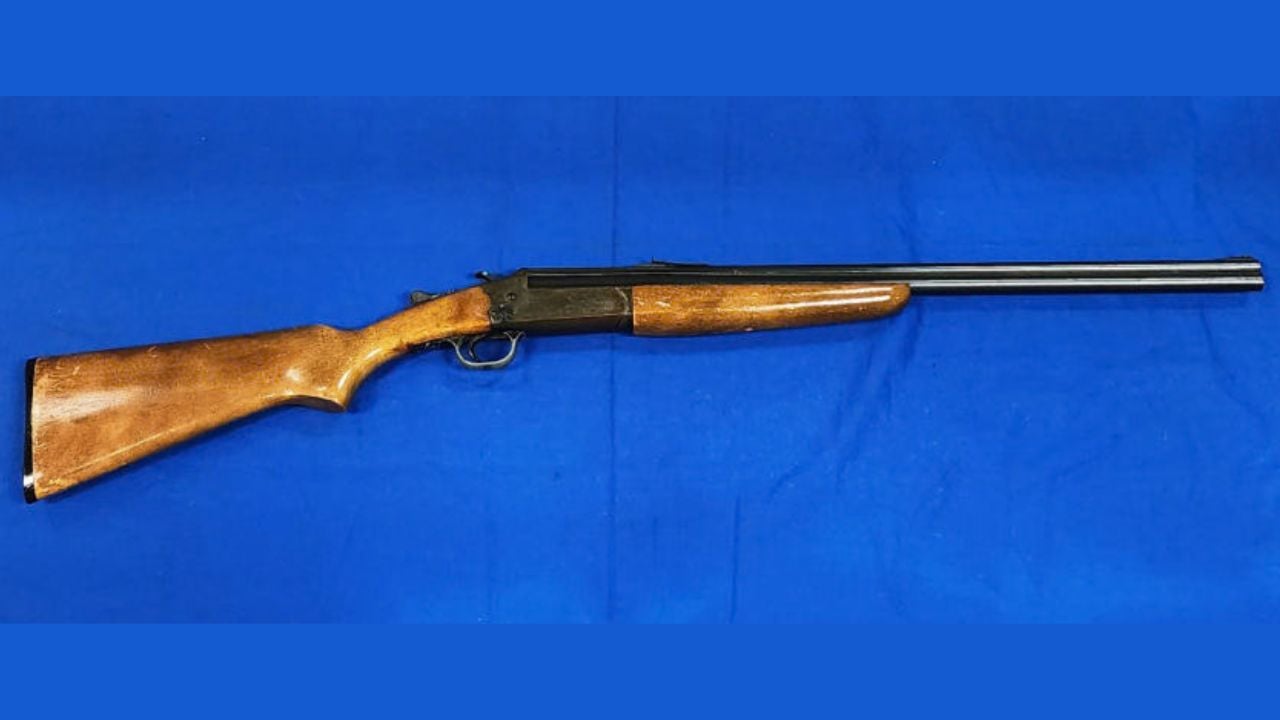
The Model 24 rifle-shotgun combination filled an unusually practical niche. Owners could carry one gun and have both a rimfire or centerfire rifle barrel and a shotgun barrel available.
Practical guns tend to get used hard. Model 24s were farm guns, camp guns, and small-game guns, which means pristine examples are not nearly as common as production numbers might imply. Different chambering combinations also matter. If you find a clean example in a desirable setup with tight lockup and original furniture, it is worth serious consideration.
Winchester Model 43
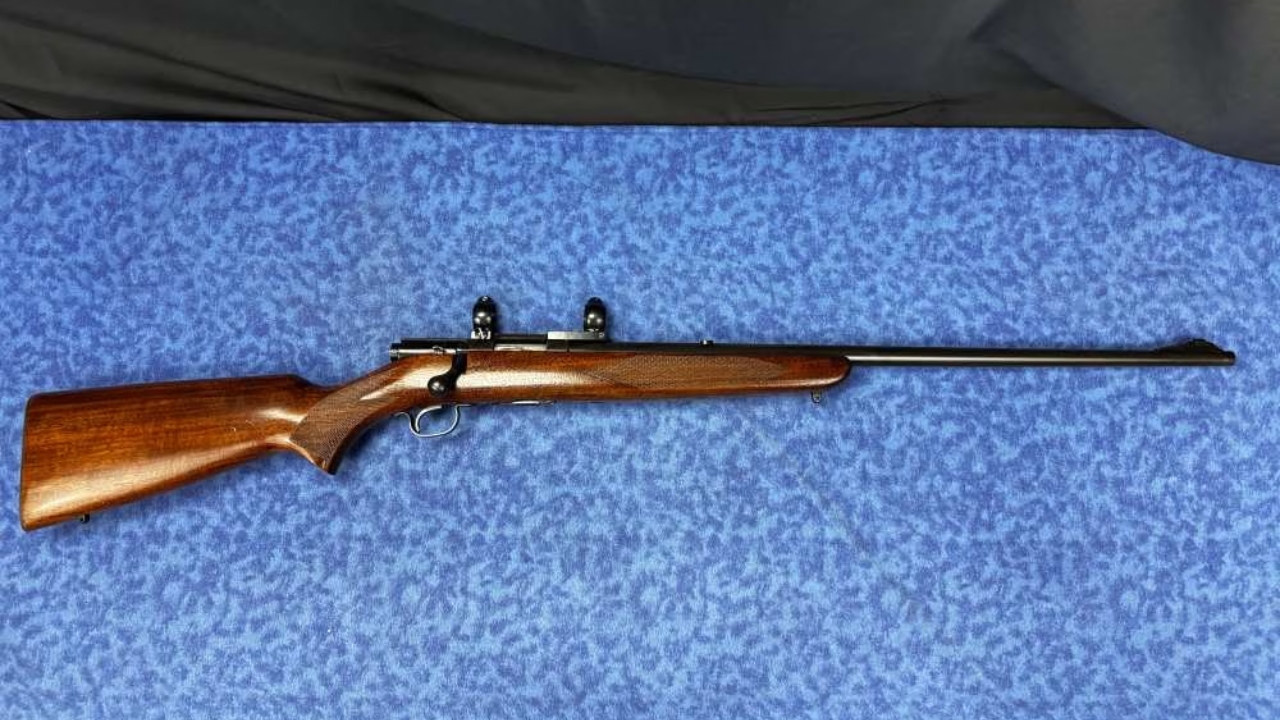
The Model 43 was a light sporting bolt action offered in cartridges such as .22 Hornet and .218 Bee. It never had the enormous production numbers associated with Winchester’s major centerfire rifles.
That limited production works in its favor now. Clean examples have become especially interesting because lightweight varmint rifles were often carried and shot extensively. Original stocks and unaltered receivers matter, particularly since drilling and scope modifications were common. A nice Model 43 is not something I would casually assume will appear again soon.
Colt Police Positive
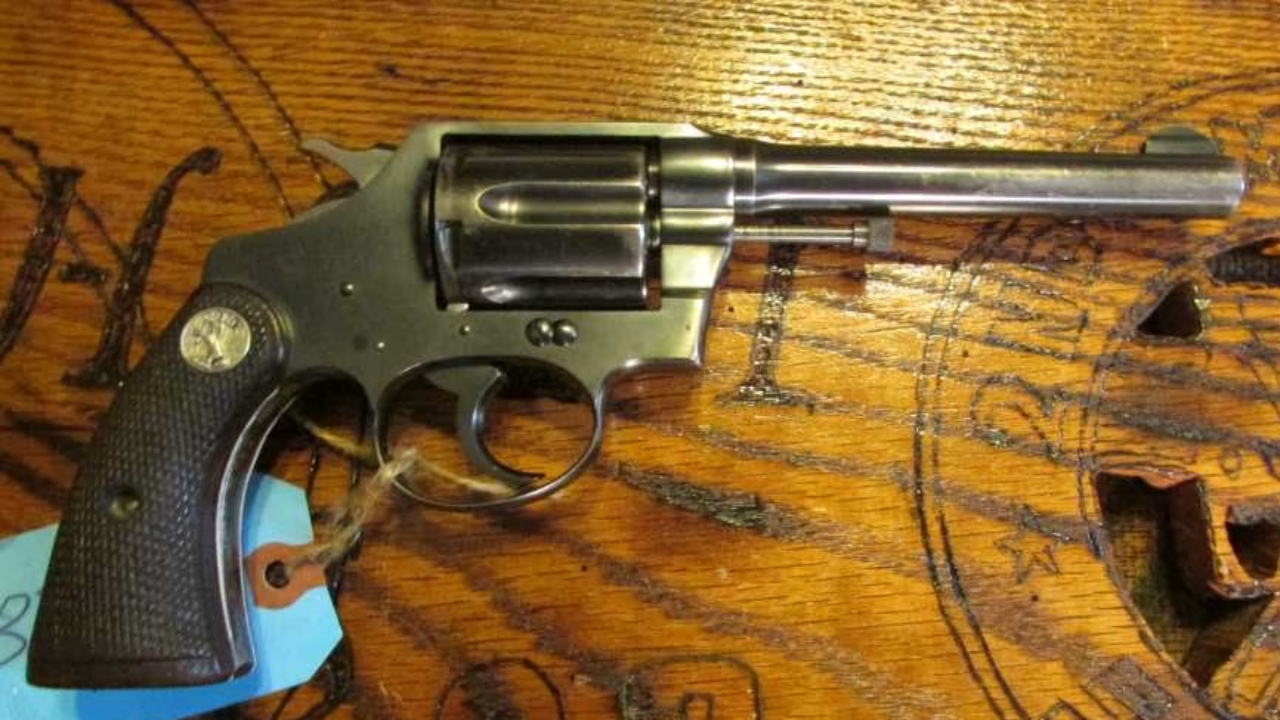
The Police Positive spent decades as a straightforward working revolver. It was carried by police officers, security personnel, and ordinary citizens without much thought about future collector demand.
That history means a lot of surviving guns show honest carry wear. The really sharp examples, particularly those with strong original finish and correct grips, are much more appealing now. Older Colts have attracted increasing attention beyond the obvious premium models, and condition can separate an ordinary shooter from something genuinely worth keeping.
Smith & Wesson Model 18
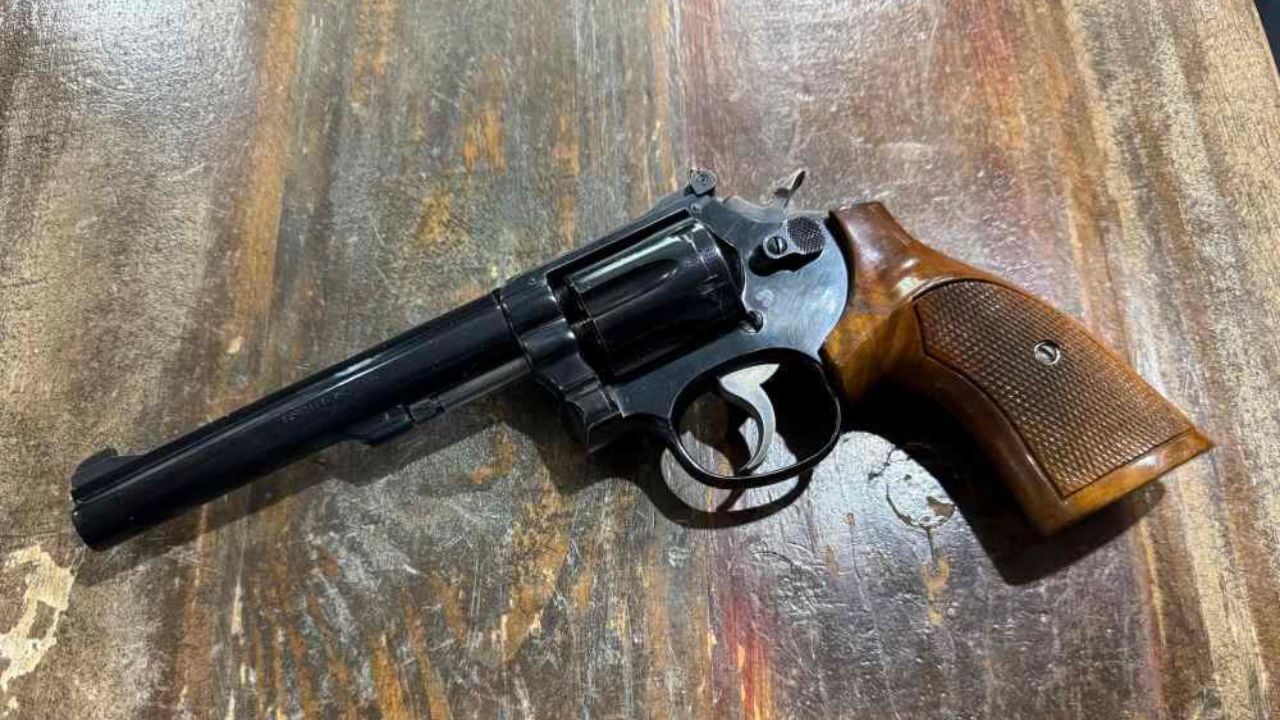
The Model 18 paired the K-frame format with .22 LR in a handier barrel length than the longer target-oriented Model 17.
Owners often shot them extensively because they were excellent trainers. That means clean examples can be surprisingly difficult to find despite the model not being extraordinarily obscure. A nice Model 18 gives you the feel of a centerfire K-frame with inexpensive rimfire shooting, and original high-condition guns rarely seem to stay unwanted for long.
Smith & Wesson Model 58
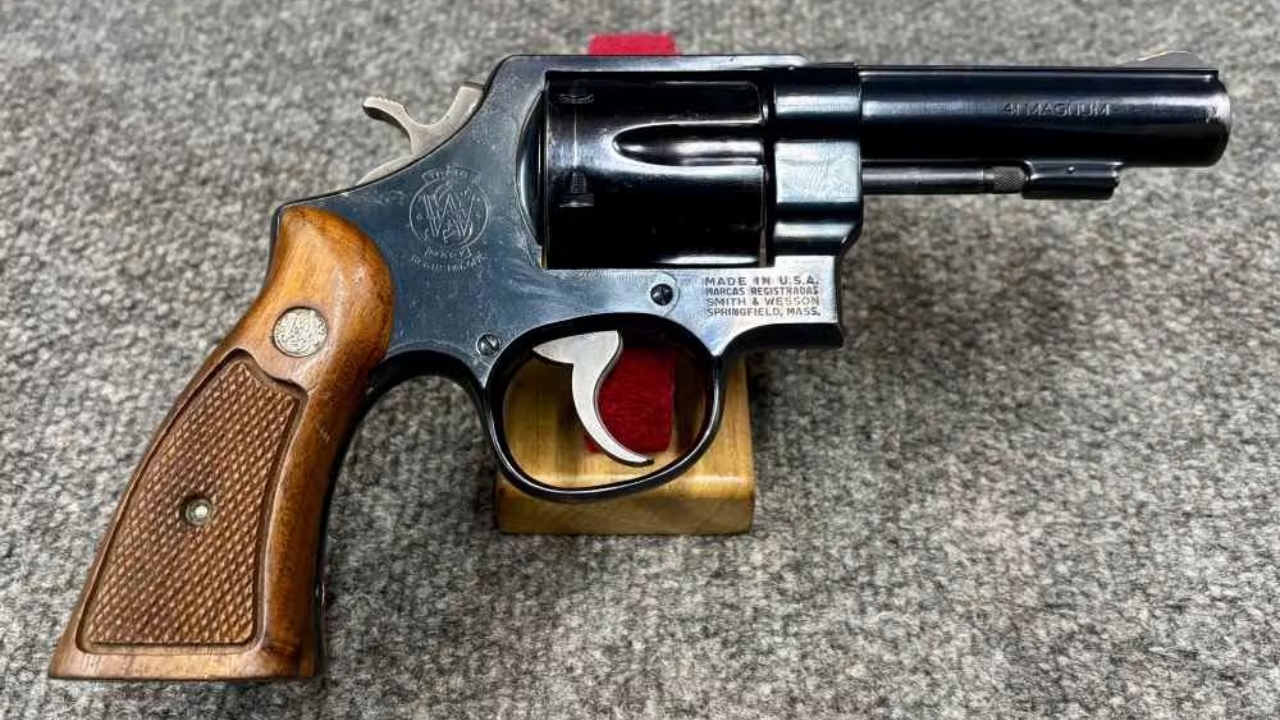
The Model 58 took the .41 Magnum cartridge and put it into a fixed-sight service-style revolver. It was a serious gun built around a cartridge that never became as mainstream as .357 or .44 Magnum.
That relatively unusual combination makes clean examples particularly interesting now. Many were carried or shot with full-power ammunition, and the model was never produced on the scale of Smith’s more common revolvers. When you find one with strong finish and original grips, it is worth remembering that replacing it may be much harder than replacing another ordinary N-frame.
Colt Lawman Mk III
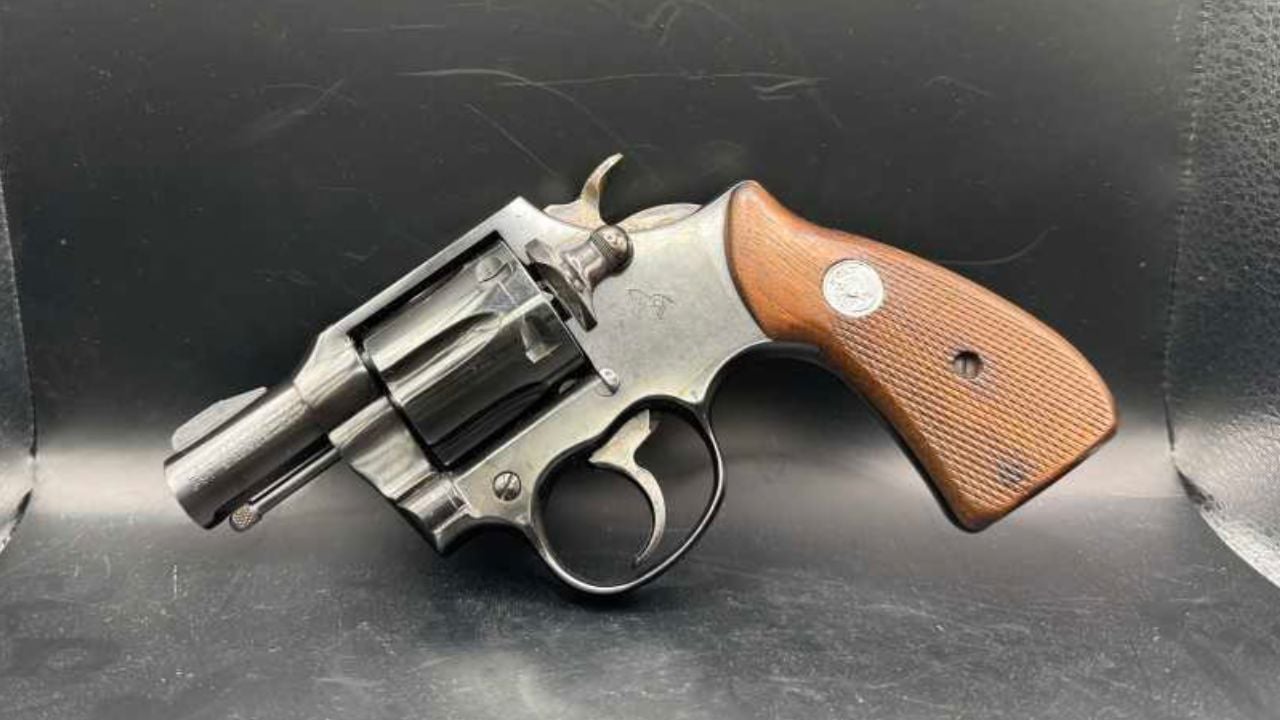
The Lawman was Colt’s straightforward service-oriented .357 rather than its glamour revolver. That meant owners were less likely to preserve them carefully.
Today, that working-gun background makes clean examples more appealing. The Mk III action is sturdy, the revolver has classic Colt proportions, and buyers increasingly look beyond Pythons when collecting older Colts. A Lawman that avoided holster wear and aftermarket modifications can be much more interesting than its old utilitarian reputation suggests.
Ruger Hawkeye Pistol
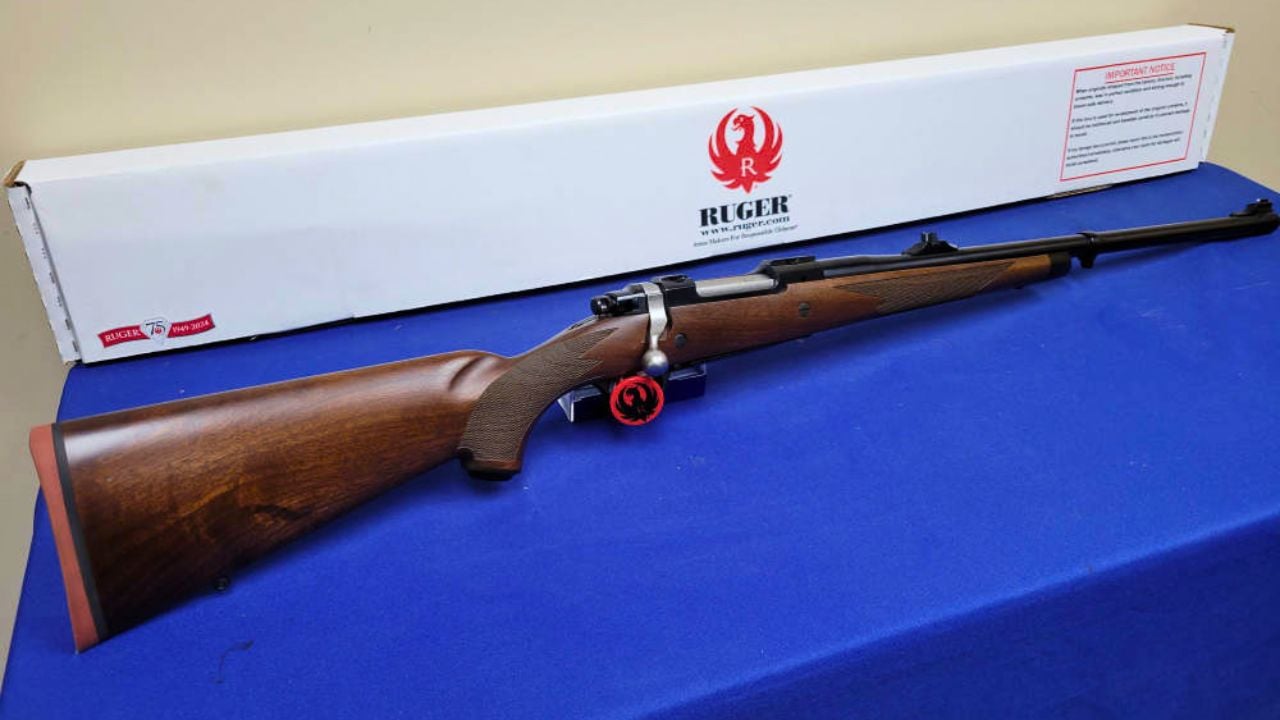
The original Ruger Hawkeye single-shot pistol is strange enough that plenty of shooters have never handled one. Its rotating breechblock design and .256 Winchester Magnum chambering gave it almost nothing in common with Ruger’s better-known handguns.
Low production and unusual mechanics are exactly why condition matters. Finding one at all is notable. Finding one that remains clean, original, and complete is significantly better. This is the kind of oddball Ruger that can disappear into a serious collection as soon as the right buyer recognizes it.
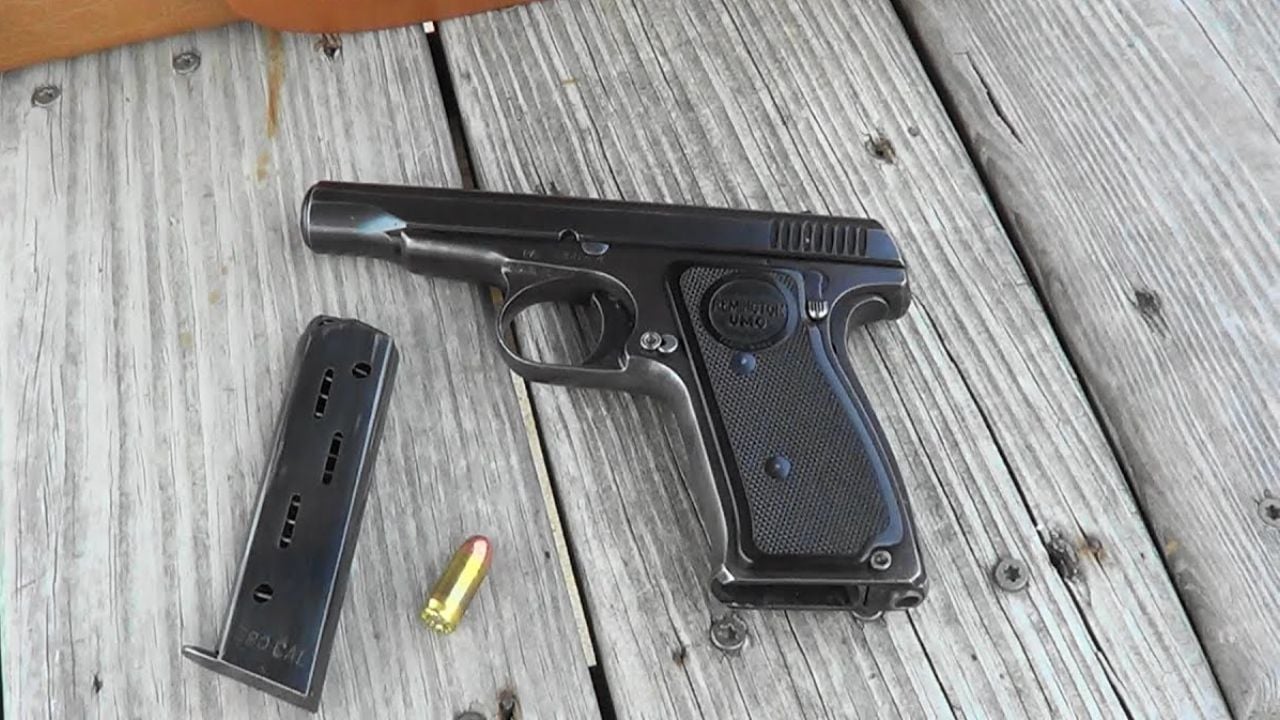
Remington Model 51
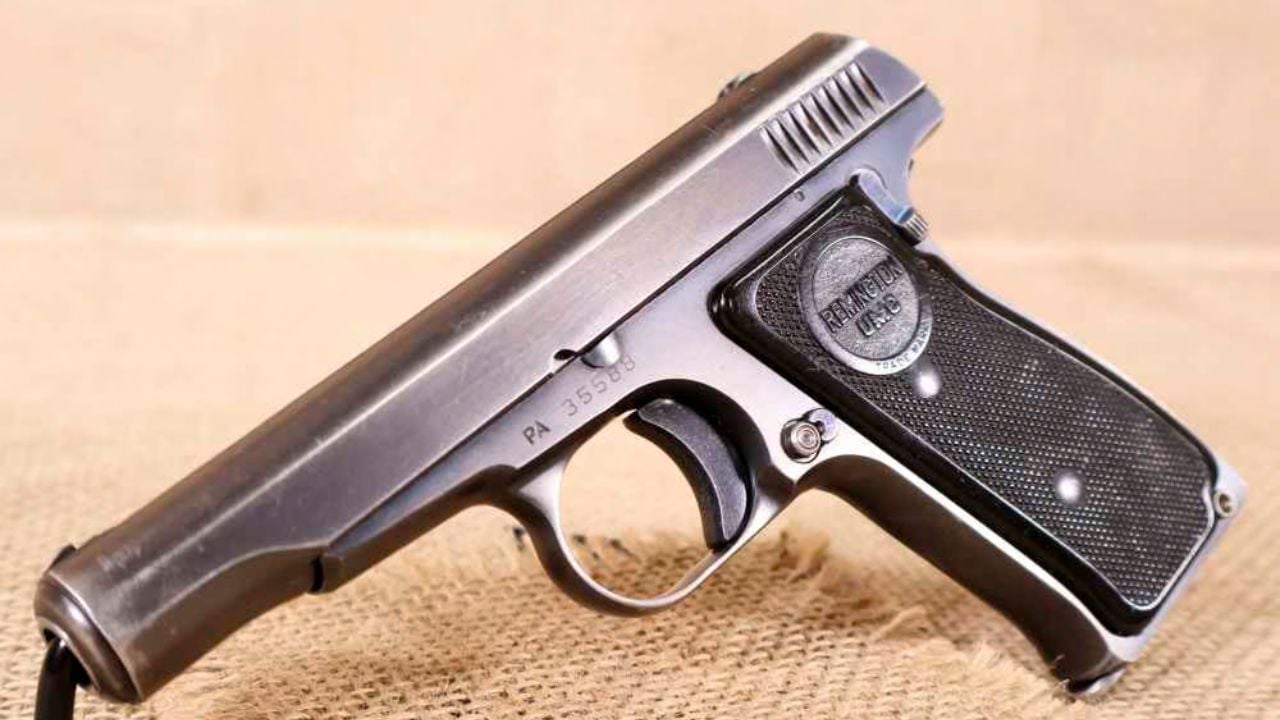
The original Model 51 is a completely different gun from the later R51. It is an early 20th-century pocket pistol with a slim profile and unusual Pedersen-designed operating system.
Many surviving examples have significant finish wear because they were actually carried. Sharp guns with strong original blue and clean grips are much less common. The mechanical design also gives the pistol historical interest beyond simply being another old .32 or .380. A high-condition example deserves attention when one surfaces.
High Standard HD Military
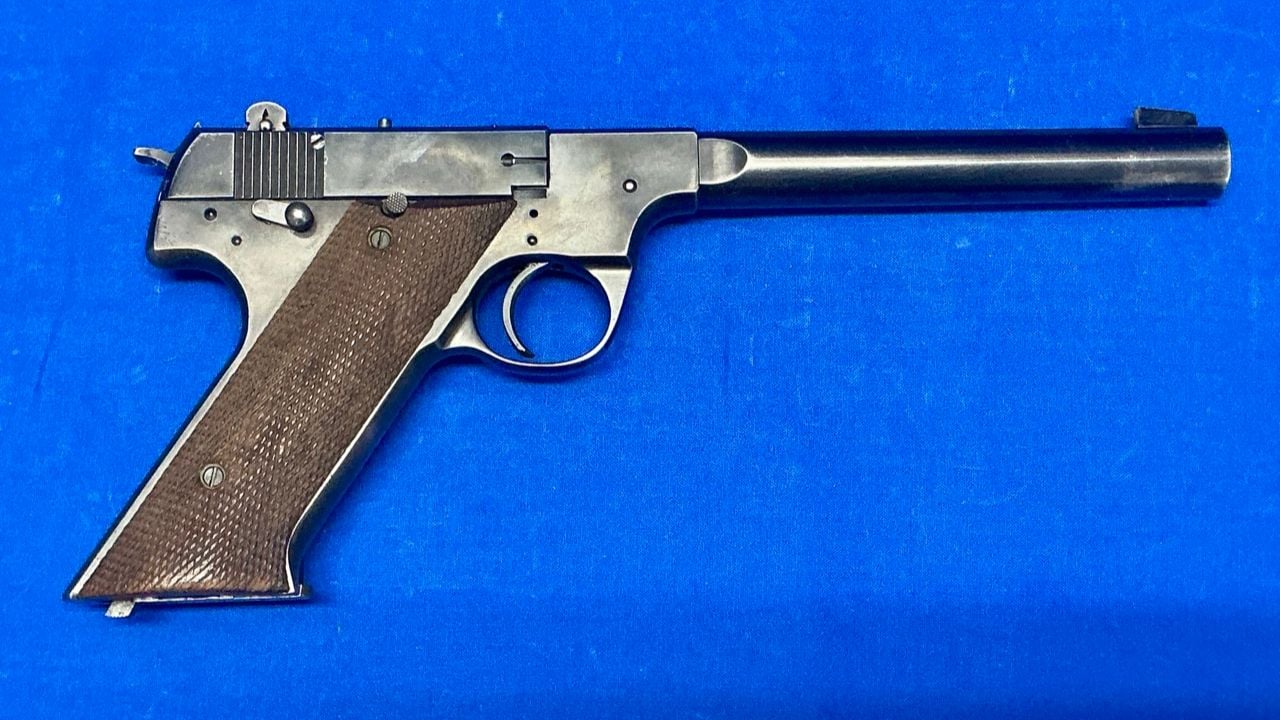
The HD Military was a serious American rimfire pistol at a time when High Standard was one of the major names in target and recreational handguns.
These pistols were usually bought to shoot, and shoot them owners did. That makes heavily used examples fairly easy to understand and unusually clean examples much more interesting. Original magazines, sights, grips, and finish all matter. If you find one that clearly avoided decades of range abuse, it can be worth grabbing before somebody else notices the same thing.
Colt Pocket Positive
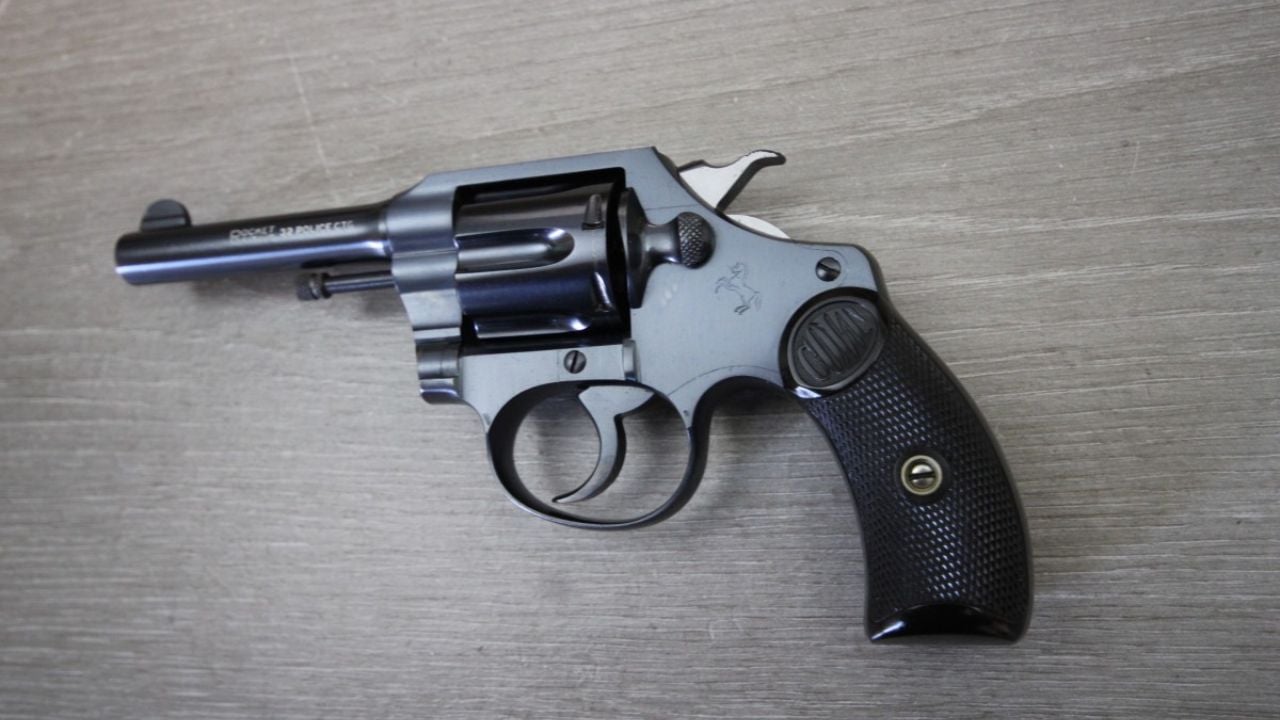
The Pocket Positive was built as a compact carry revolver, which means many surviving examples lived exactly the kind of life that destroys collector condition.
Holster wear, grip damage, and refinishing are common enough. A crisp example that retains strong original finish and correct components can be dramatically harder to locate. It is also a less obvious Colt than the Python or Detective Special, which gives collectors a reason to pay attention when an unusually nice one appears.
Harrington & Richardson Sportsman 999
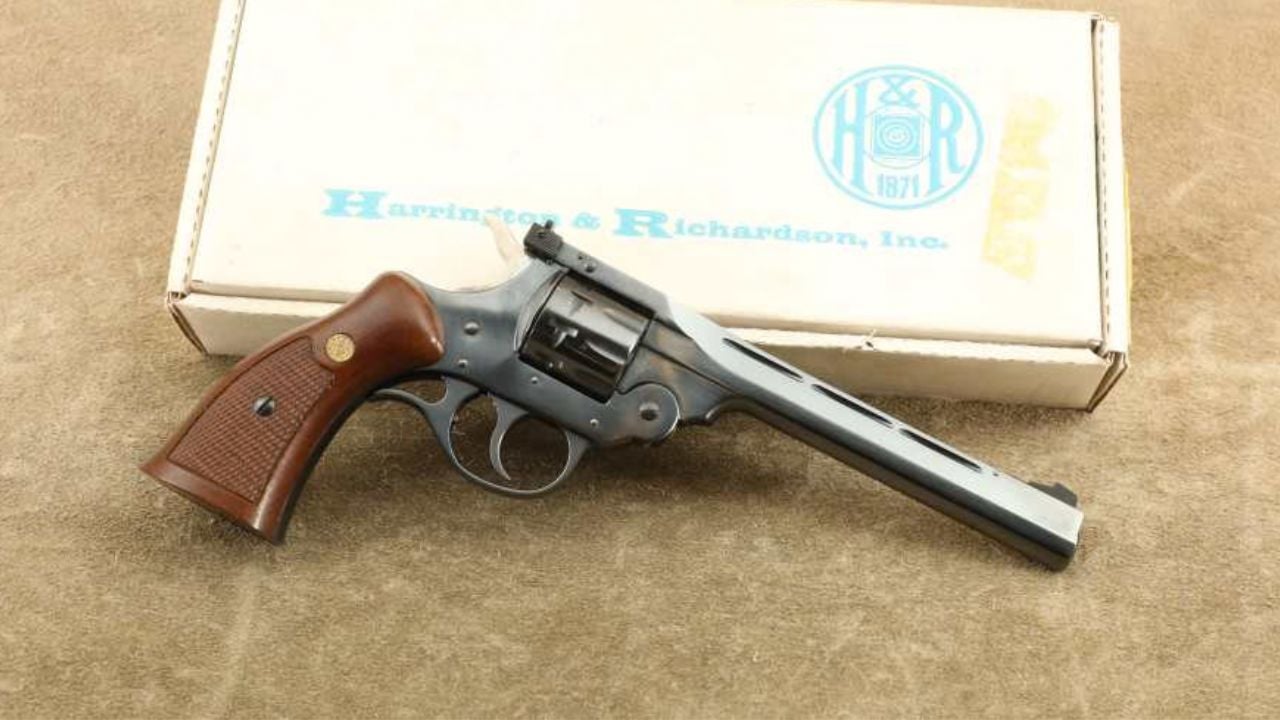
The Sportsman 999 was a practical top-break .22 revolver with surprisingly useful capacity and a design that made loading and unloading fast.
Most owners treated them as recreational guns rather than collectibles. They were shot, carried in tackle boxes, and taken outdoors for decades. Clean examples now stand out because the model offers a combination of top-break operation and rimfire capacity that few modern revolvers duplicate. A nice original 999 can be much more difficult to replace than its old budget reputation would suggest.
Ithaca Model 51 Featherlight
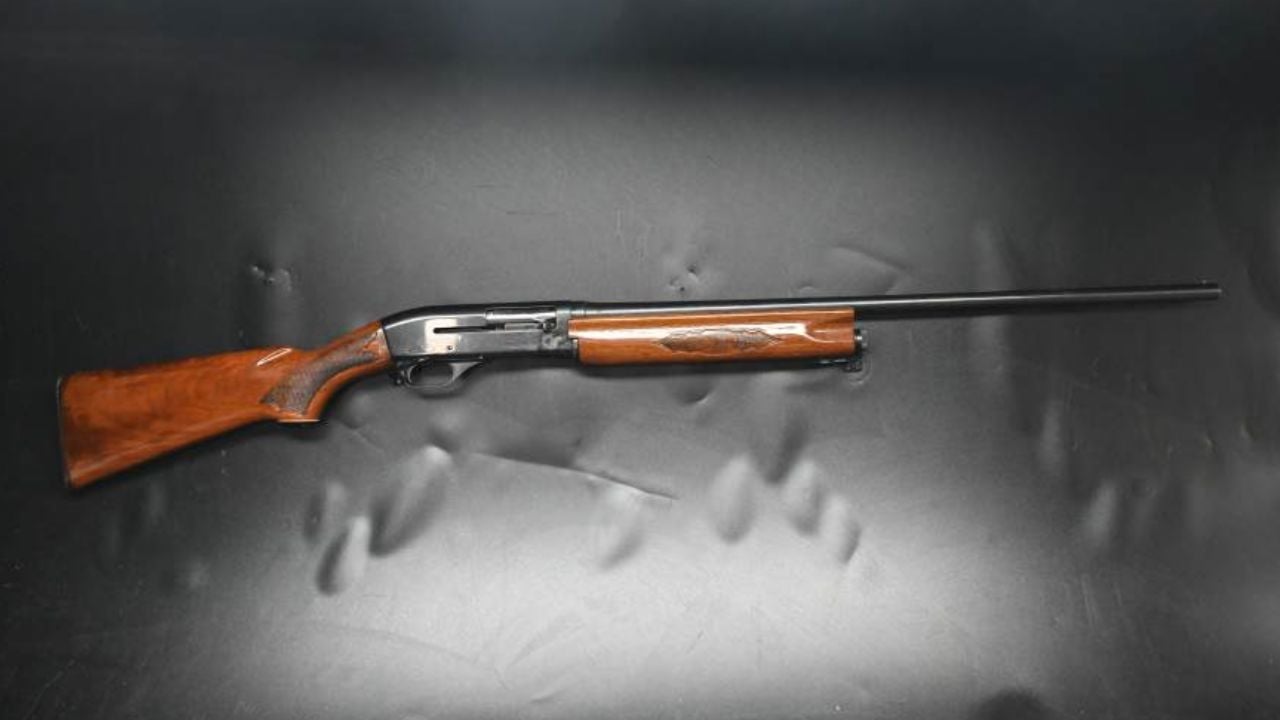
The Model 51 Featherlight was a semiautomatic shotgun that never achieved the lasting recognition of Ithaca’s Model 37.
That actually makes nice examples more interesting. Many surviving guns have been hunted hard, and parts availability is not as effortless as it is for more common shotguns. A clean, mechanically sound Model 51 with original wood is the sort of gun I would examine closely before passing. It represents an era of American shotgun production that is not coming back in quite the same form.
Like The Avid Outdoorsman’s content? Subscribe to our newsletter so you never miss an article.
Here’s more from us: