Photo credit: Johnny Q/Youtube
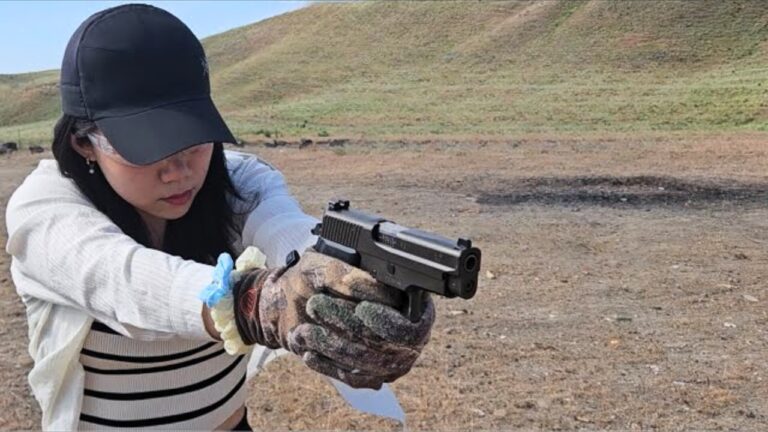
If you spend any time around a public range, you start noticing patterns. The same pistols keep showing up in instructors’ holsters, on the rental wall, and in the hands of folks who actually shoot every week instead of twice a year. It’s not about what’s trendy. It’s about what runs, what’s easy to teach on, what doesn’t turn a training day into a troubleshooting session, and what you can keep fed with magazines and parts without going on a scavenger hunt.
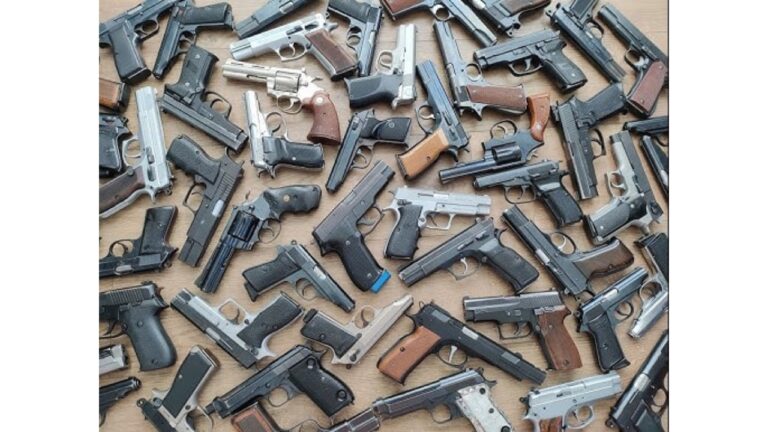
This isn’t a list of the “coolest” handguns. It’s the stuff range instructors lean on because it holds up, it points naturally, and it forgives new shooters without letting them get sloppy. Some are boring. A couple are heavy. A few are old-school. But if you want a short list of pistols that get recommended over and over for good reasons, here you go.
1. Glock 19
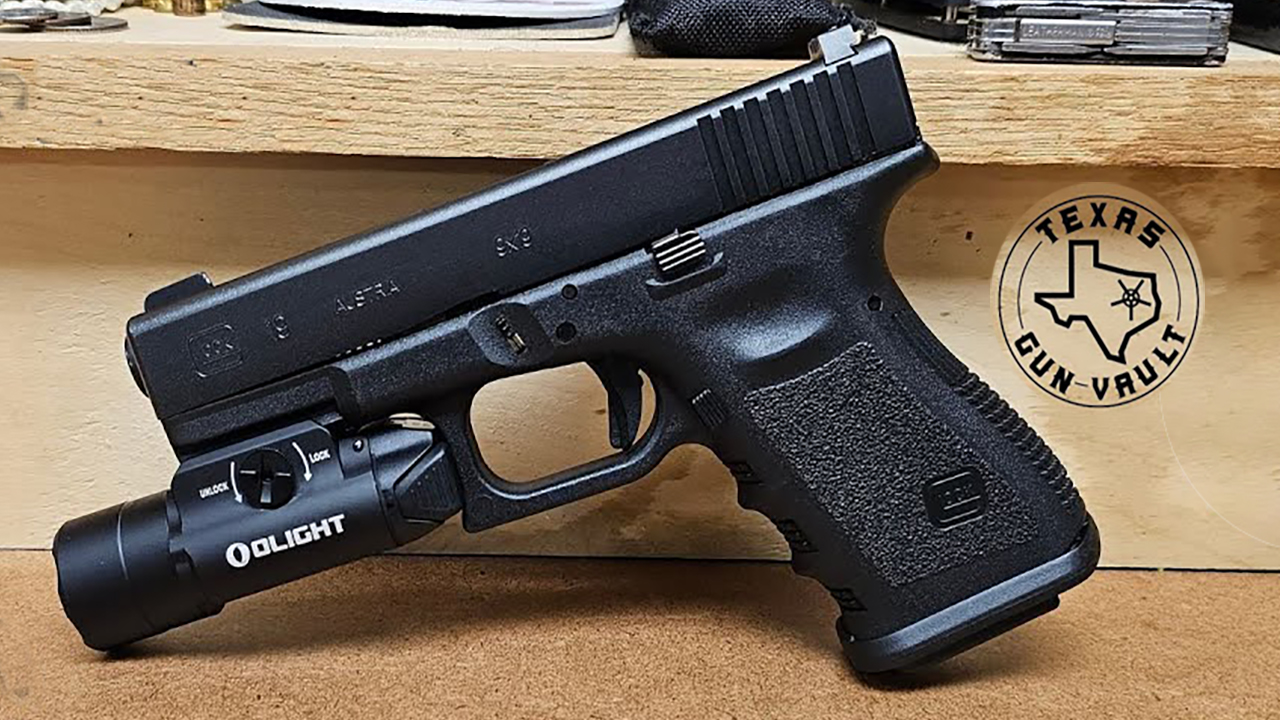
If a range instructor could only keep one do-everything pistol, a lot of them land right here. The Glock 19 is big enough to shoot well, small enough to carry, and common enough that magazines and holsters are everywhere. It’s not fancy, and the trigger will never be mistaken for a tuned 1911, but it stays consistent.
Where it shines is training. New shooters can learn fundamentals without fighting the gun, and experienced shooters can run it hard without babying it. When something does break, it’s usually simple, parts are easy to find, and most armorers know the platform.
2. Glock 17
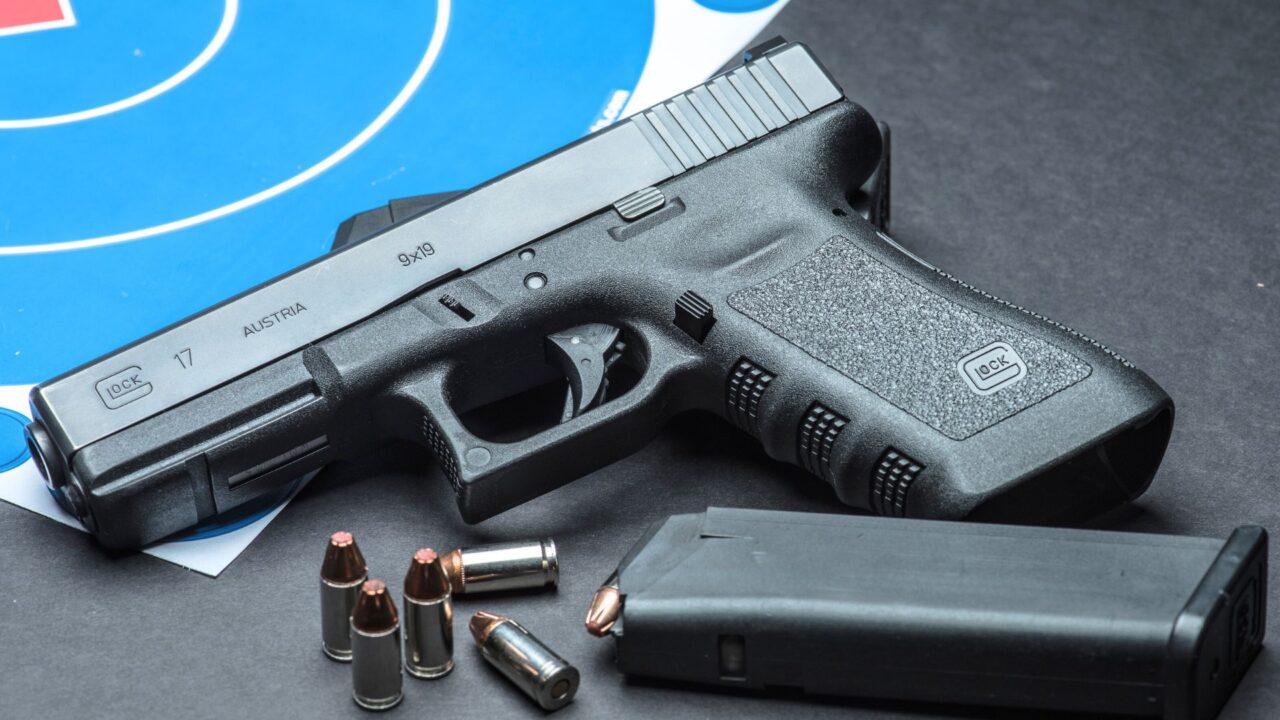
The 17 is the “range day” Glock. Full-size grip, full-size sight radius, and it soaks up recoil better than the compact models. Instructors like it because it’s easy to demonstrate drills with, and students tend to shoot it better sooner.
It’s also a magazine ecosystem all by itself. If you’re stocking up for classes, that matters. You can show up with a pile of mags and spend your time learning instead of loading.
3. Glock 43X

For concealed carry students who still want a grip that doesn’t feel like a soda straw, the 43X gets recommended a lot. It’s thin, it carries flat, and it doesn’t punish your hand like some micro-compacts do.
It’s not a “magic” gun. You still have to do your part. But for folks who actually carry daily, the comfort-to-shootability balance is hard to ignore.
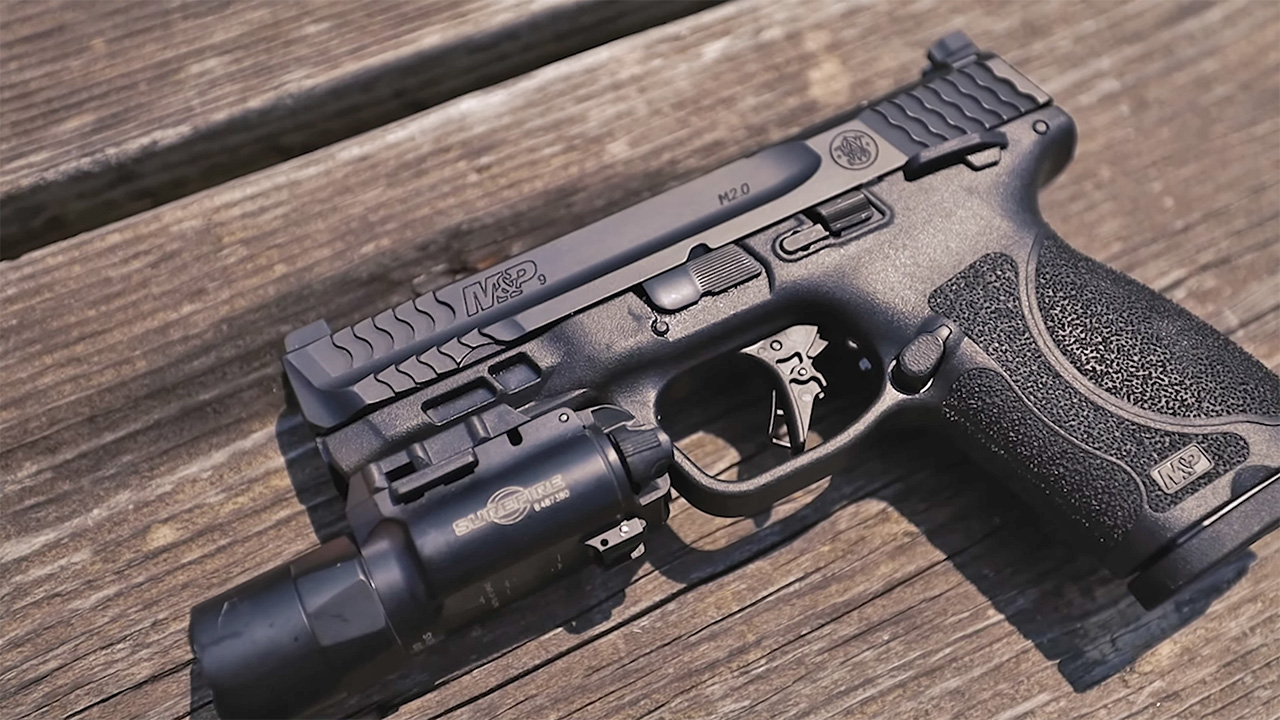
4. Smith & Wesson M&P 2.0 Compact (9mm)
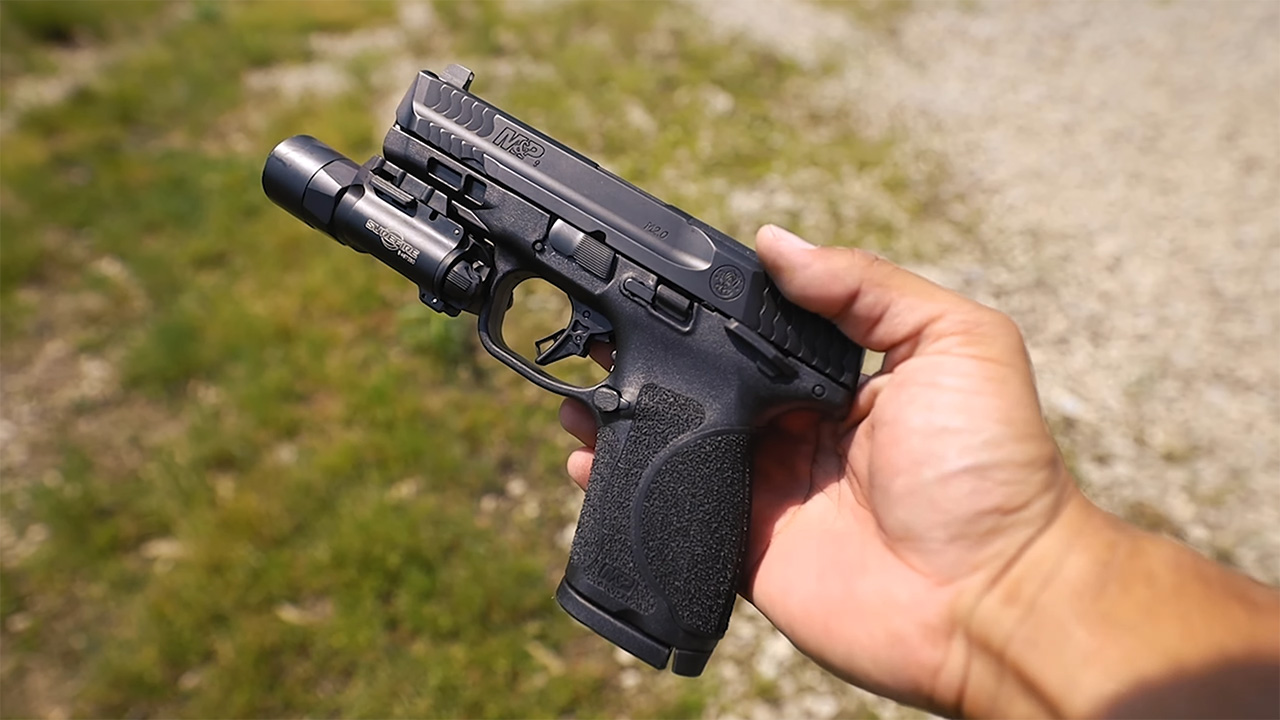
The M&P 2.0 compact is one of those pistols that quietly wins people over. The grip texture is aggressive in a good way, it points naturally, and the controls feel like they were designed by somebody who shoots in the real world.
Instructors recommend it because it runs and because it fits a wide range of hands. When a student can get a consistent grip, everything else gets easier.
5. Smith & Wesson M&P 2.0 Full Size (9mm)
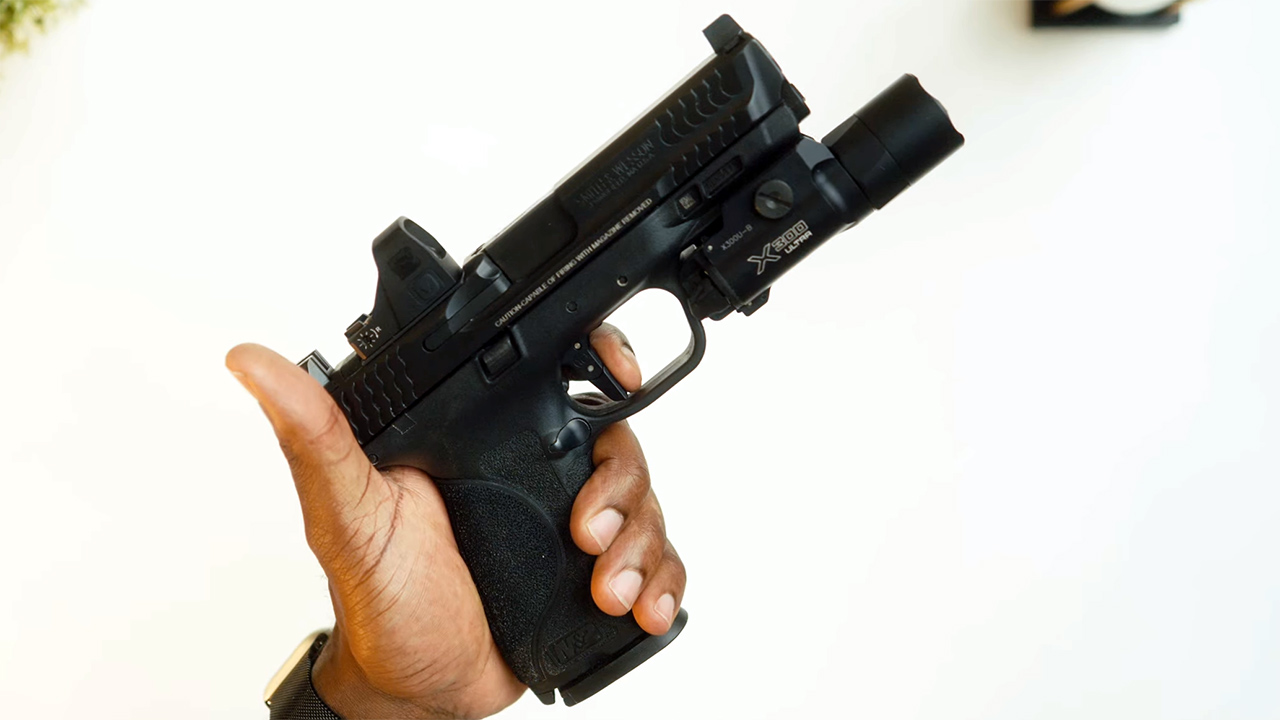
Full-size M&P pistols are common in classes where round counts are high. The gun doesn’t get finicky when it’s dirty, and it doesn’t feel top-heavy. It’s a work gun.
If you’re building a home-defense setup that you’ll also train with, a full-size M&P makes sense. You can mount a light, run a solid holster, and practice without feeling like you’re wrestling a compact grip all day.
6. SIG Sauer P320 (Carry/Compact)
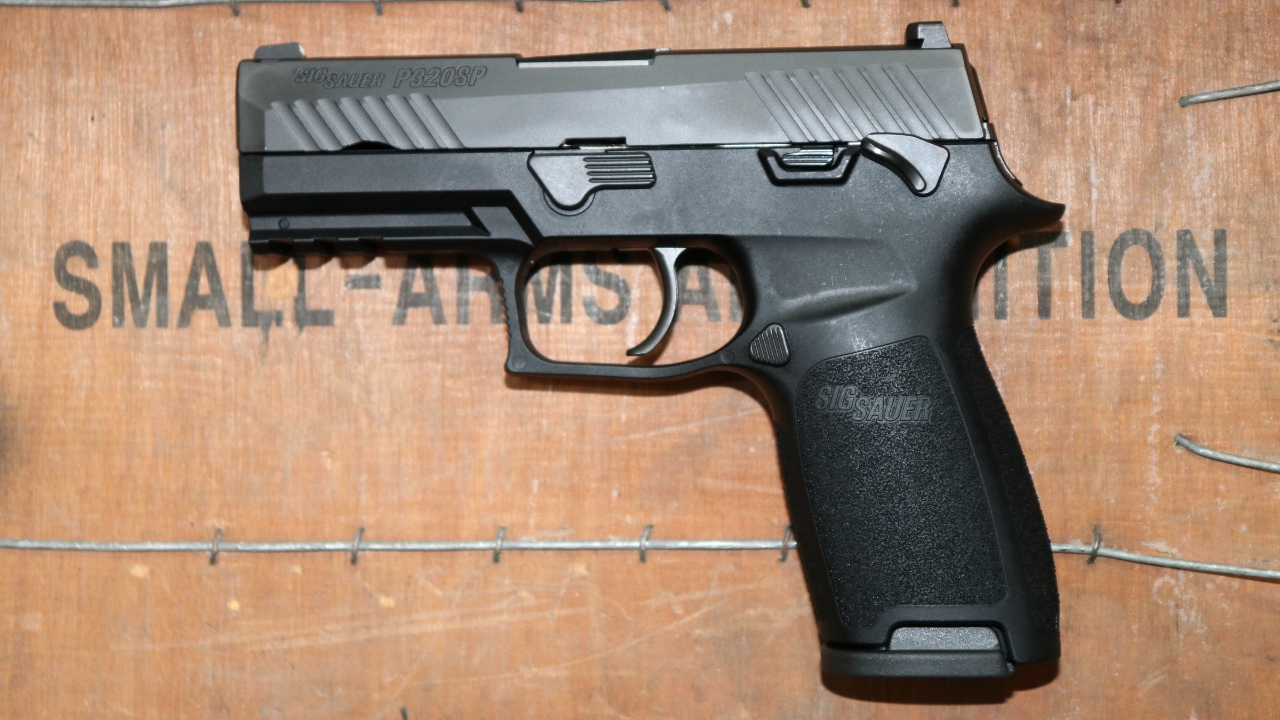
The P320 gets recommended a lot because it’s modular and widely supported. In a training environment, that means you can fit the gun to the shooter without switching to a whole different platform. Grip sizes, slide lengths, optics-ready options—it’s all there.
The downside is it’s not as “set it and forget it” simple as some other pistols, and you need to be picky about holsters and safe handling. Still, it’s a solid shooter, and it’s easy to keep set up the way you want.
7. SIG Sauer P365
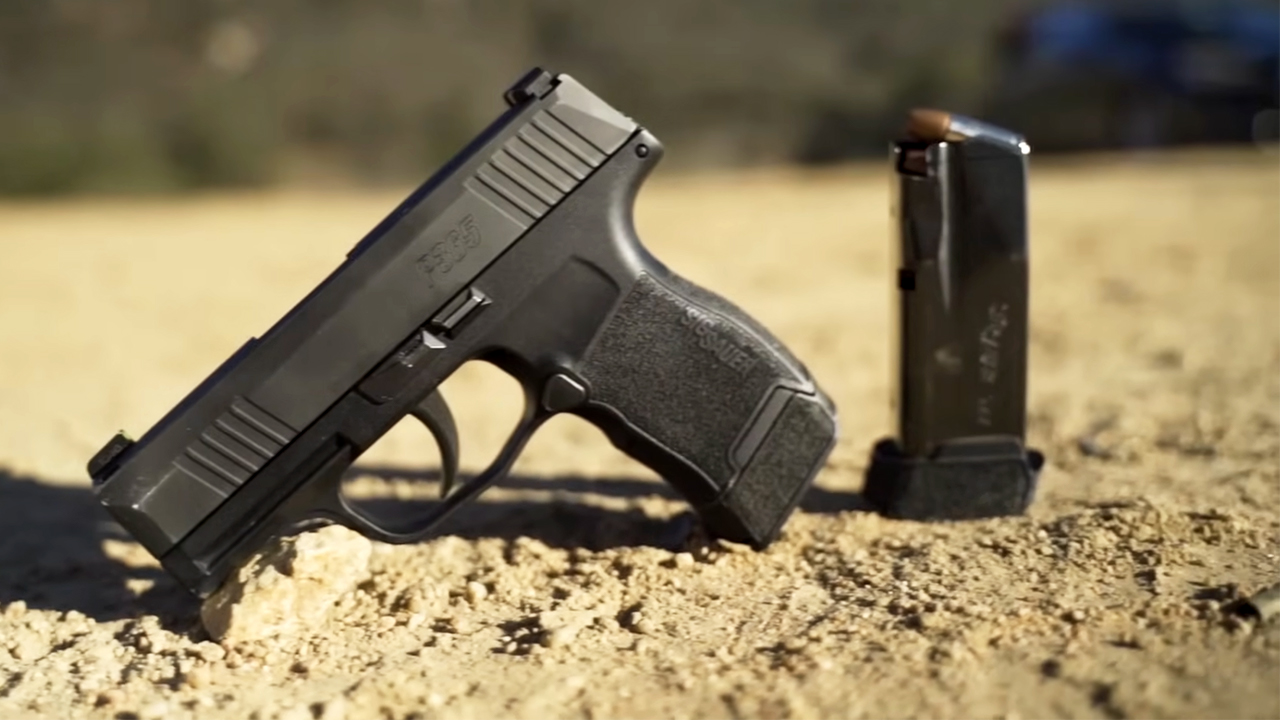
The P365 changed what folks expect from a small carry gun. It’s compact, it carries well, and it gives you capacity that used to require a thicker pistol. Instructors like it because it’s not just tiny—it’s shootable.
That said, small guns magnify mistakes. A P365 in the hands of a new shooter can be a humbling experience. But for carry-focused students who will practice, it’s a smart pick.
8. SIG Sauer P226
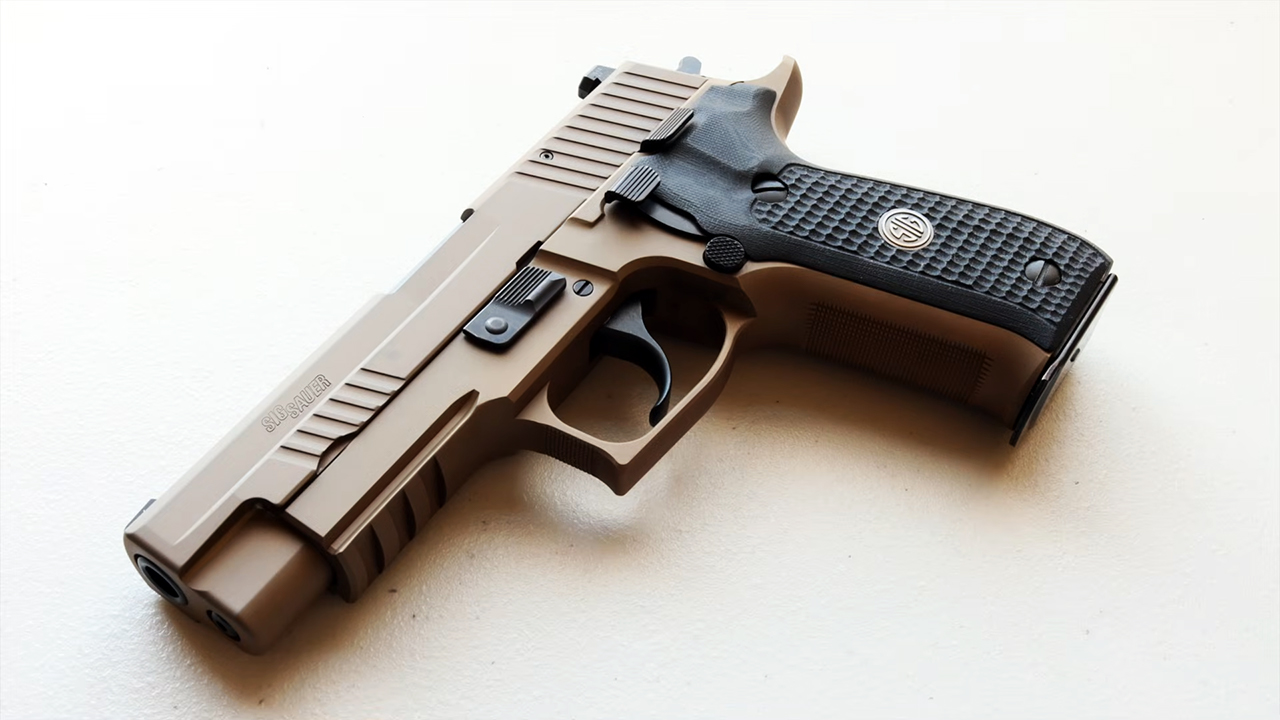
This one is heavier, pricier, and definitely not the new hotness. But the P226 is still one of the easiest pistols to shoot well, especially for folks who like a DA/SA trigger. It’s stable, it tracks nicely, and it has a “settled” feel when it cycles.
Instructors recommend it when they want a student to experience what a full-size, high-quality pistol feels like. It’s not for everybody, but it’s hard to argue with the way it shoots.
9. Beretta 92FS / M9

The Beretta 92 has been around long enough to earn both fans and complainers. It’s big, the grip can be a stretch for smaller hands, and it’s not the easiest gun to conceal. Still, it’s smooth, reliable, and forgiving.
On the line, it has a way of making recoil feel softer than it should. Instructors also like that it teaches DA/SA management and proper decocking habits without being a fragile collector piece.
10. CZ 75 SP-01

If you want a pistol that feels like it’s on rails, the SP-01 is that kind of gun. The weight helps, the grip shape is excellent, and the slide-in-frame design gives it a different recoil impulse than most polymer pistols.
It’s not as ubiquitous as Glock or M&P, so parts and holsters can take a little more effort. But instructors recommend it because students tend to shoot it well, and confidence matters when you’re learning.
11. CZ P-10 C

The P-10 C is one of the best “no-nonsense” striker pistols for the money. The trigger is generally better than you’d expect at its price point, and the ergonomics are solid right out of the box.
Instructors like recommending it to folks who want a duty-sized compact without paying premium pricing. It’s a practical gun, not a status symbol, and that’s kind of the point.
12. Heckler & Koch VP9

The VP9 gets recommended because it fits hands well and shoots soft. The grip panels let you tailor it, and the pistol tends to be accurate without feeling picky about ammo. It’s also one of those guns that points naturally for a lot of shooters.
It’s usually more expensive than the basic polymer crowd, and magazines aren’t cheap. But on a training line, a VP9 tends to just run and keep the day moving.
13. Heckler & Koch P30
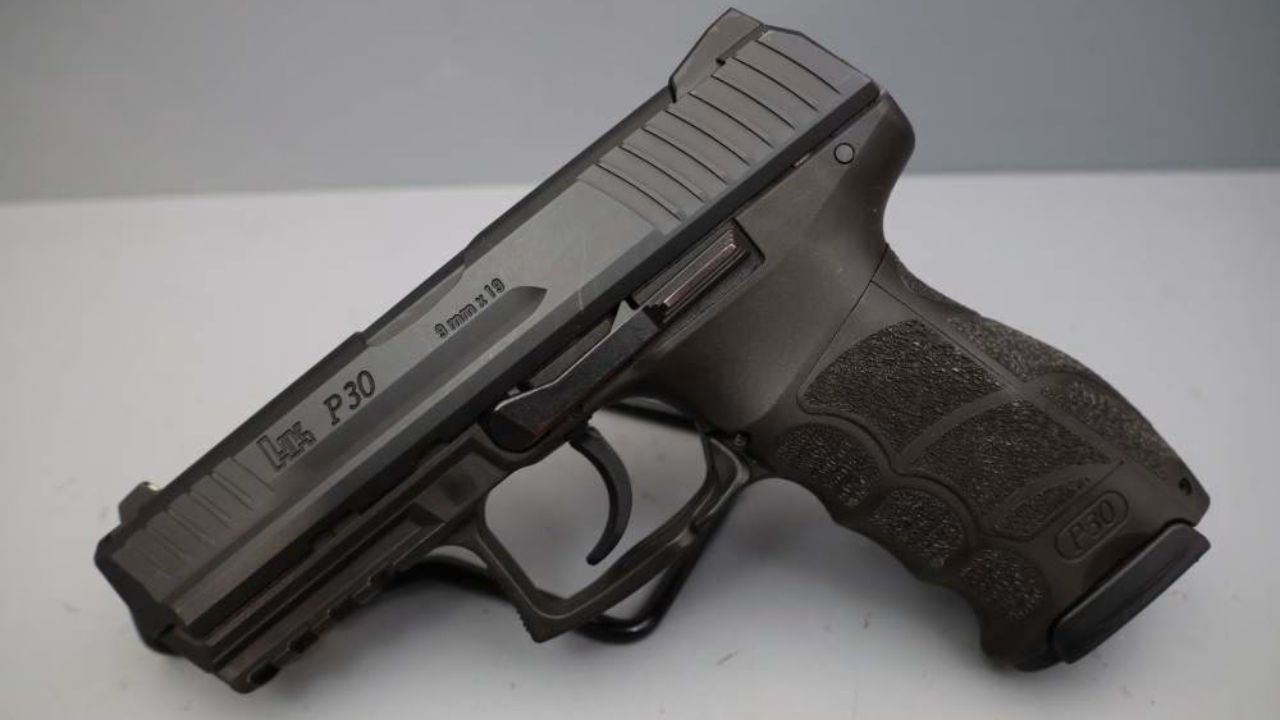
If you want DA/SA but still want modern ergonomics, the P30 is a frequent instructor pick. The grip options are excellent, the gun is built like a tank, and it holds up to real use.
The trigger isn’t everyone’s favorite, especially in double-action, and it can take dedicated practice. But for students who like the safety and discipline of DA/SA, it’s a dependable platform.
14. Walther PDP

The PDP has a reputation for a very good out-of-the-box trigger and strong ergonomics. Instructors like that it rewards good fundamentals without requiring a pile of upgrades. It’s also optics-friendly, which matters now that more classes include red dots.
The gun can feel a little snappy to some shooters compared to heavier pistols, especially in compact sizes. Still, it’s a serious option for someone who wants modern features and actually plans to train.
15. Ruger Mark IV

Every instructor I know likes a good .22 for training, and the Mark IV is one of the best for it. Low recoil, cheap practice, and it lets you focus on sight alignment and trigger press without flinching. It’s also just plain fun, which keeps people coming back.
The big win is takedown. Older rimfire pistols can turn cleaning into an argument. The Mark IV is easy enough that folks actually maintain it, and reliability tends to follow.
16. Browning Buck Mark
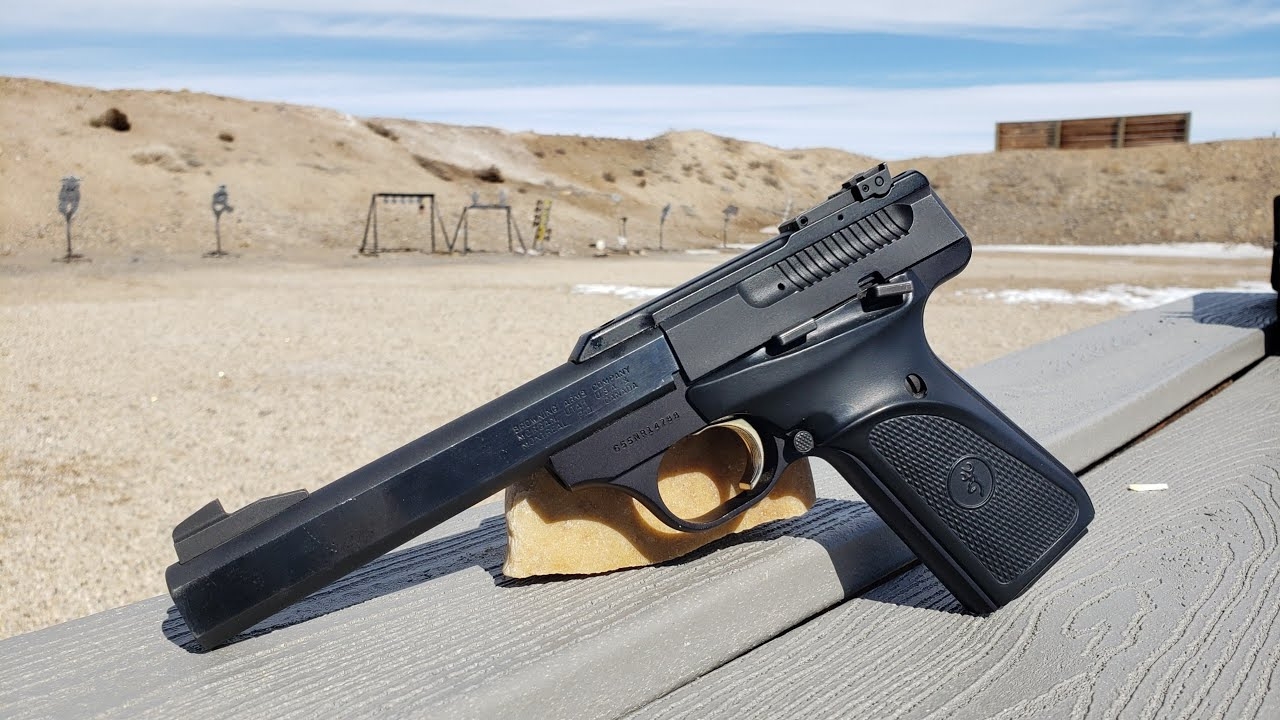
The Buck Mark is another rimfire that instructors keep recommending because it shoots well and holds accuracy. The grip angle feels good, the trigger is usually decent, and it makes new shooters look better than they are. That’s not a bad thing early on.
It can be a bit more involved to detail clean than the Mark IV, but it’s not a deal-breaker. If you find one that runs well with the ammo you like, it’ll stay in the rotation for years.
17. Ruger GP100 (4-inch)
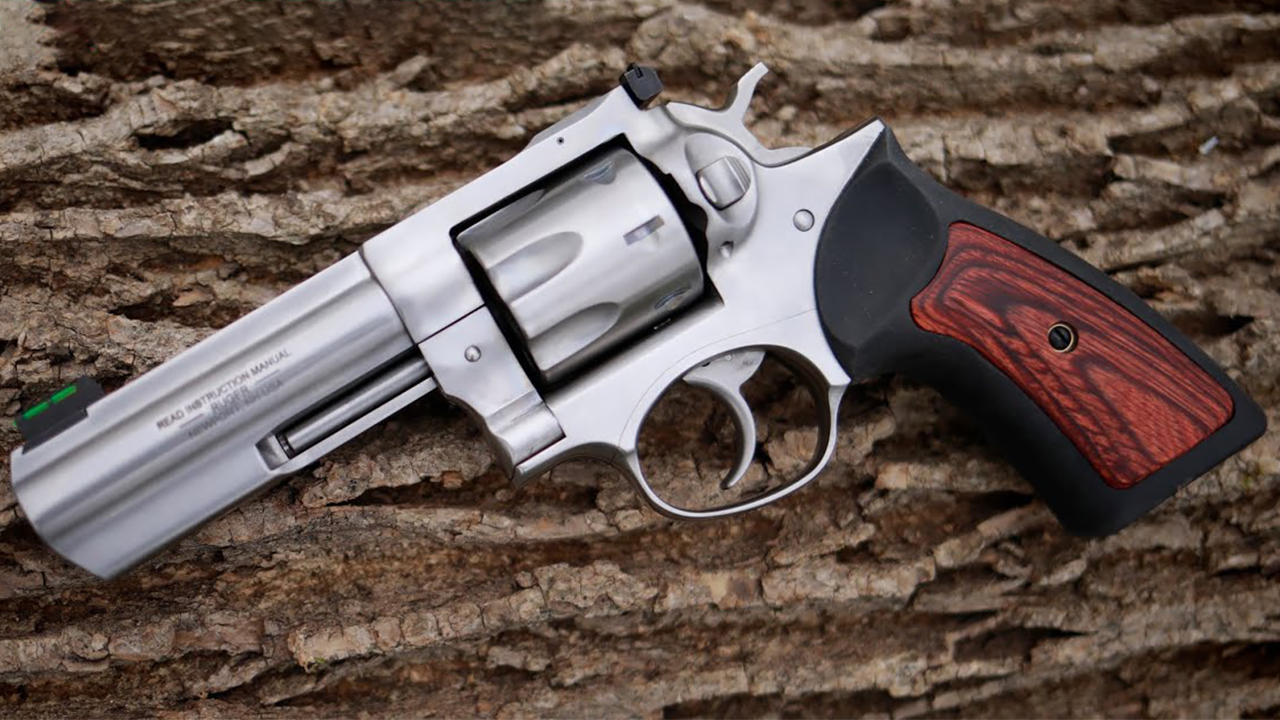
Revolvers still have a place in training, especially for teaching trigger control and follow-through. A 4-inch GP100 is built to last, and it handles .357 Magnum without feeling like it’s shaking itself apart. With .38 Special, it’s downright pleasant.
It’s heavy on the belt, sure. But instructors like that it’s simple to understand mechanically and it forces shooters to be honest about their trigger work. Ask me how I know.
18. Smith & Wesson Model 686 (4-inch)
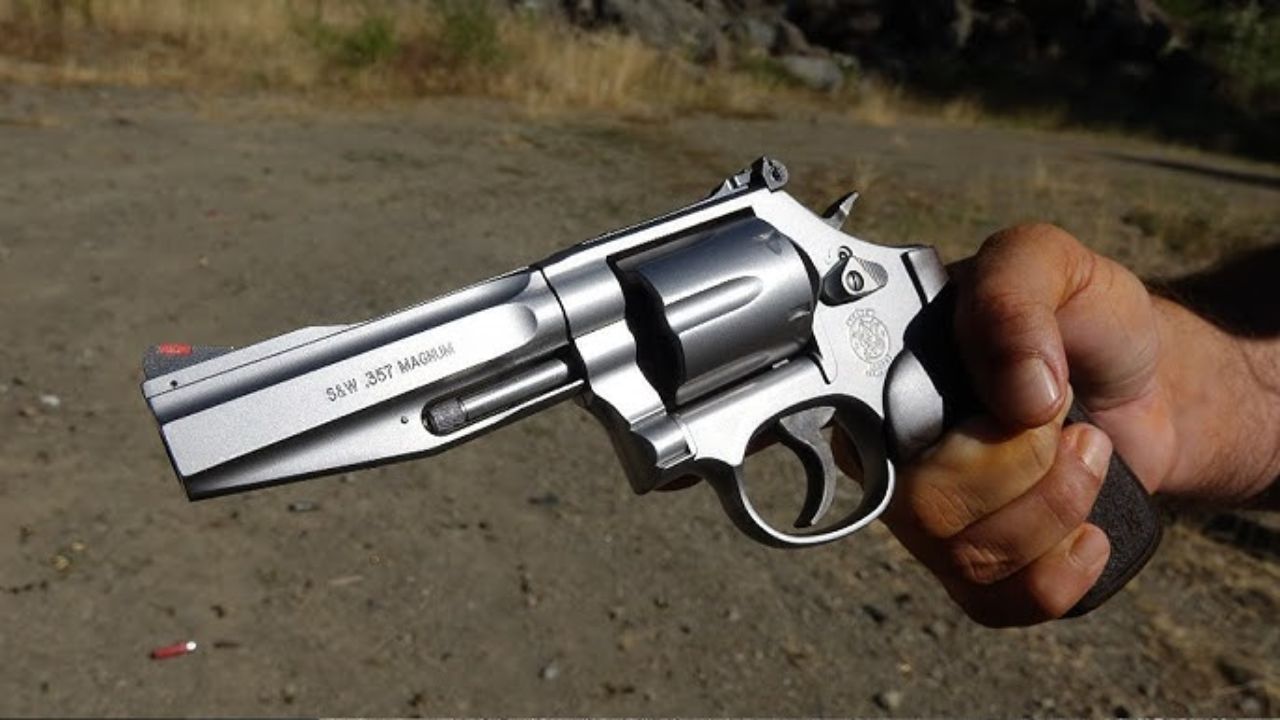
The 686 is one of those revolvers that feels “right” the moment you pick it up. Good balance, smooth action in many examples, and it’s a serious piece of gear. Instructors recommend it for the same reasons they recommend the GP100, with a little more emphasis on refinement.
It’s not cheap, and you’ll feel it after a long day of carrying it around. But if you want a revolver that you can train with hard and also pass down later, this is one that makes sense.
19. Springfield Armory 1911 (Government size, .45 ACP or 9mm)
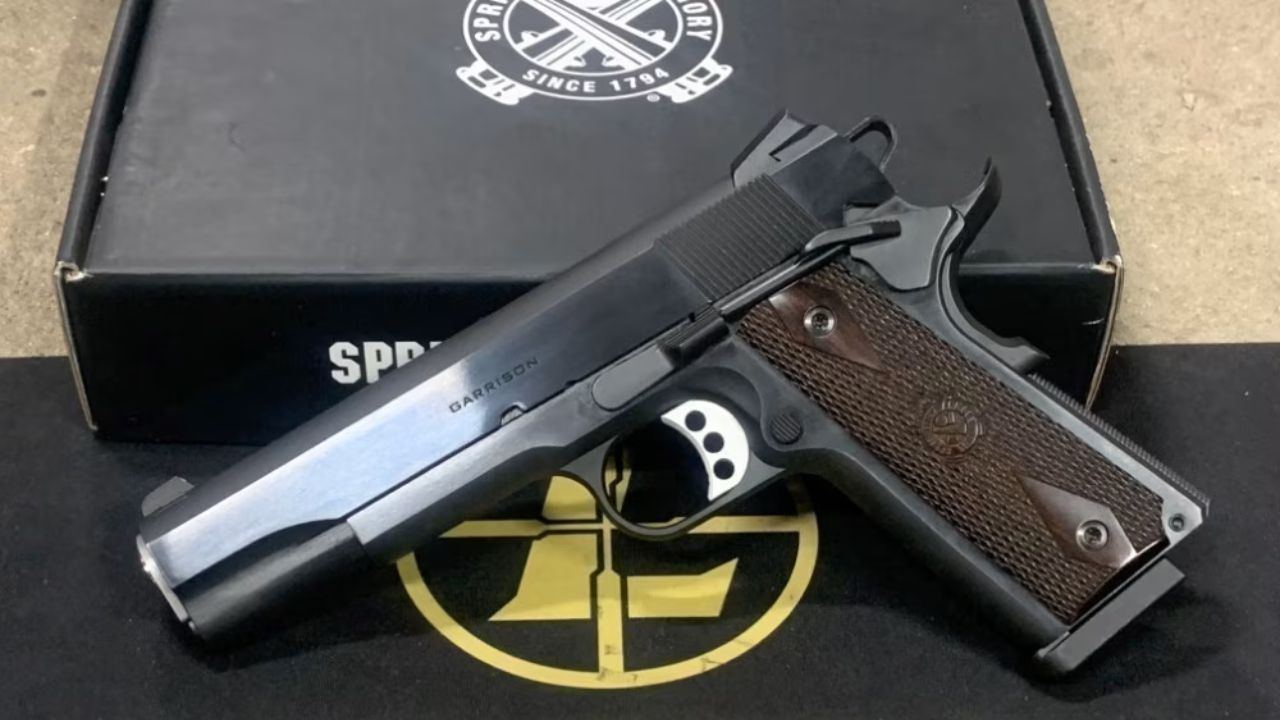
Yes, the 1911 can be picky. Yes, it can be a rabbit hole of magazines, springs, and opinions. But instructors still recommend a good, basic Government-size 1911 because it teaches trigger control better than almost anything, and the platform points naturally for a lot of shooters.
For training, a 9mm 1911 can be a sweet spot—soft shooting and still that clean single-action feel. Just don’t buy one expecting it to run forever without maintenance. It’s a machine, not a myth.
20. Ruger LCR (in .38 Special)

Small revolvers aren’t easy, and that’s exactly why instructors keep bringing up the LCR. It’s light, it carries well in places where bigger guns don’t, and it’s simple in a way that some folks need for a deep-carry option.
Here’s the honest part: it’s not enjoyable with hot loads, and the short sight radius will expose bad habits fast. But as a last-ditch carry gun that’s easy to live with, it earns its keep.
If you noticed a theme, it’s not “the newest” or “the most expensive.” It’s the guns that survive high round counts, have solid support, and don’t make training harder than it already is. Pick one that fits your hands, buy quality magazines, shoot it regularly, and keep it maintained. The best handgun is the one you can run safely, accurately, and on demand—when it’s hot, when you’re tired, and when the day isn’t going your way.
Like The Avid Outdoorsman’s content? Subscribe to our newsletter so you never miss an article.
Here’s more from us: