Photo credit: SPRINGFIELD ARMORY/Youtube
If you hang around a public range long enough, you start noticing the same cases coming out of the same beat-up range bags. And if you talk to the folks behind the counter or the guy with the punch set in the back room, you’ll hear a different kind of “top 20” than what gets pushed online. Not the fanciest or the rarest—just the handguns that show up over and over, usually with the same questions, the same wear marks, and the same little problems.
This isn’t a list of what’s “best.” It’s what range mechanics and armorers end up seeing the most because they’re common, they’re heavily used, they’re often carried, and they get shot with whatever ammo was on sale. Some of these are boring for a reason. Some are popular because they’re easy to own. And a few show up because the marketing got ahead of reality.
1. Glock 19
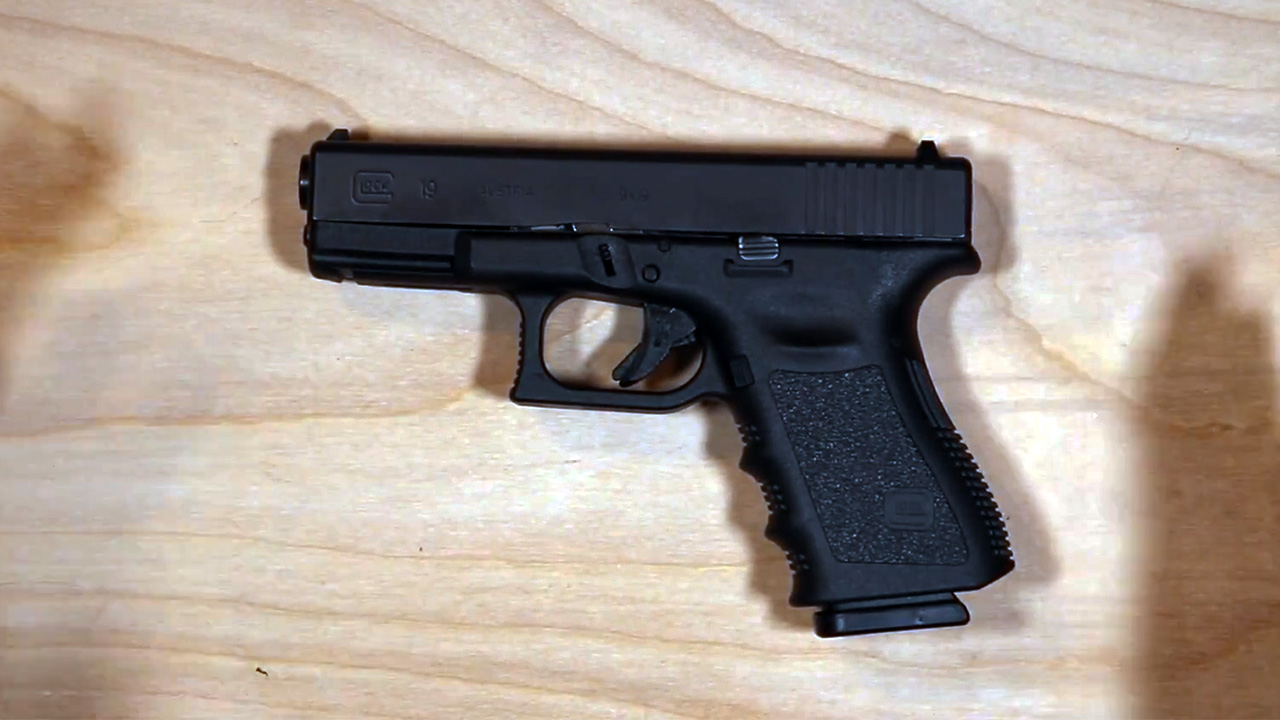
If there’s one pistol that seems to live at the range, it’s this one. It fits a lot of hands, it carries without drama, and it doesn’t mind getting a little dusty in a truck console. When someone says, “My buddy told me to start with a 9mm,” this is usually what they mean.
Mechanic-wise, the usual issues aren’t mysteries: worn recoil springs from high round counts, magazines that have been stepped on, and sights that took a hit in a holster or off a tailgate. The parts are everywhere, which is exactly why these get kept running.
2. Glock 17

The full-size version shows up with a different crowd: newer shooters, duty-style training folks, and anybody who wants a straightforward home-defense gun. That longer grip makes it easier to shoot well, especially for folks who don’t shoot every weekend.
It’s also the one that gets “upgraded” the most. Triggers, connectors, springs—some of those changes are fine, and some turn a reliable pistol into a headache. Range staff see the aftermath when a “simple” swap turns into light strikes and weird reset issues.
3. Smith & Wesson M&P 9 (full size)
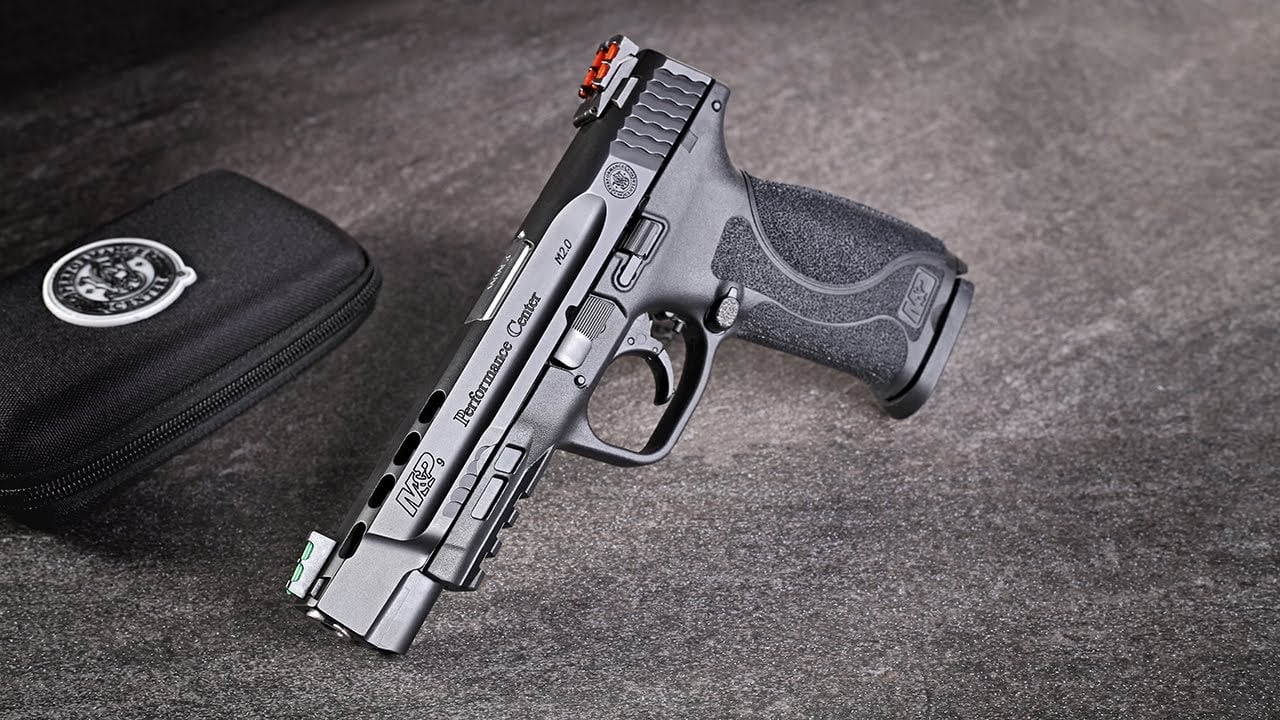
This one comes out of holsters that have seen sweat, dust, and rain. It’s a working gun for a lot of people—comfortable grip, easy controls, and it points naturally for most shooters.
When it needs attention, it’s often little stuff: worn magazines, loose sights, or a striker channel that’s gotten gummed up from too much oil and lint. It’s not a fragile pistol, but it does reward basic cleaning and not getting carried away with lubrication.
4. Smith & Wesson M&P Shield

The Shield is the classic “first carry gun” for folks who want something slim and simple. You see them in pocket holsters, belly bands, and gloveboxes. They get carried a lot more than they get shot, which creates its own kind of wear.
Range mechanics see plenty with dead lights, rusty mags, and enough lint in the action to insulate a cabin. The gun usually runs fine once it’s cleaned up, but it’s a good reminder: carry guns still need maintenance, even if they don’t see range time.
5. SIG Sauer P365
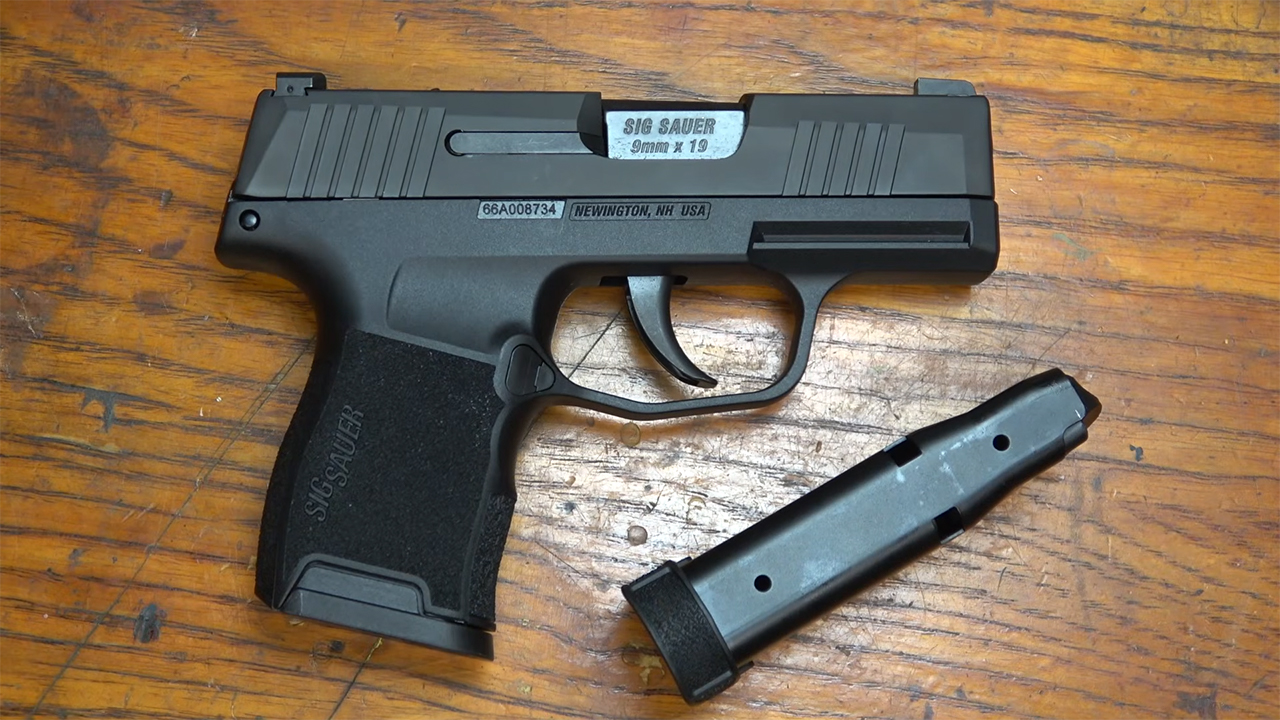
This one changed the small-gun market, and you can tell by how often it lands on the bench. Tiny footprint, real capacity, and it carries like it’s not there. That’s why people love it.
It also gets shot hard for a micro-compact, and small guns are less forgiving. Expect to see tired recoil springs and magazines that start acting up after lots of cycles. Most of the “problems” are really just the reality of running a little gun a lot.
6. SIG Sauer P320
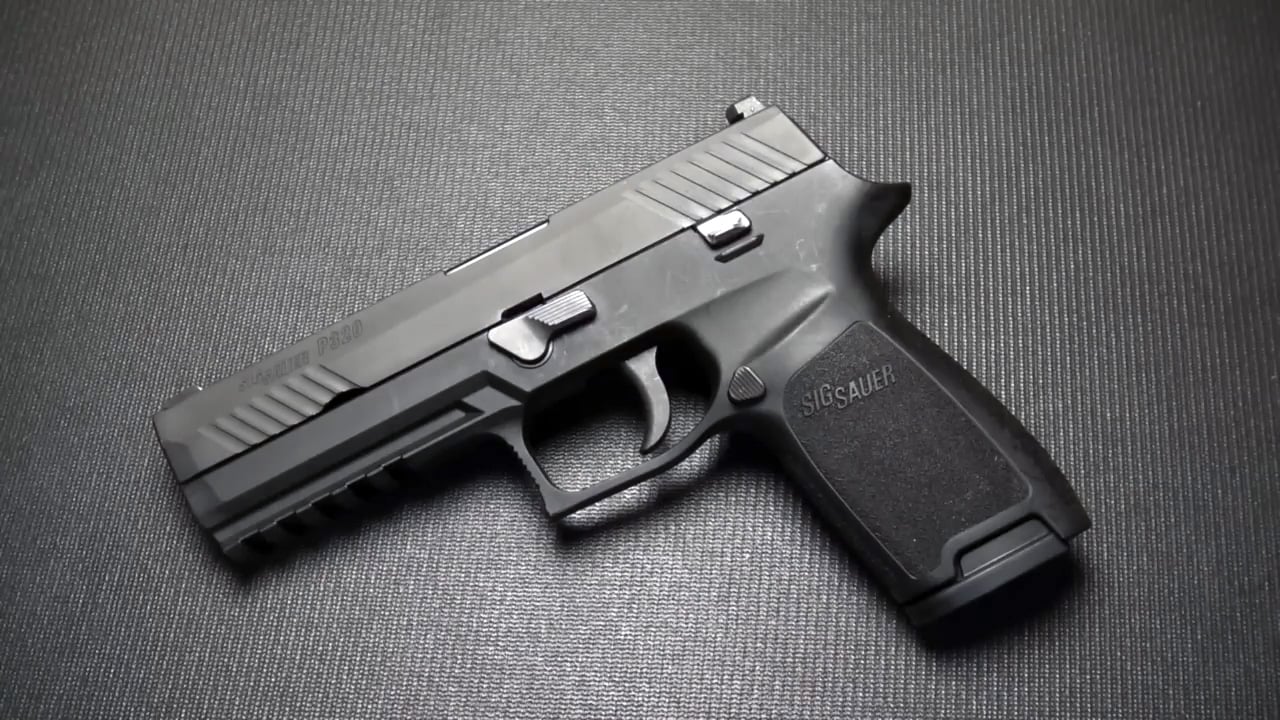
The modular SIG is common because it’s everywhere—classes, holsters, home-defense setups, you name it. Folks like being able to change grip modules and slide lengths without buying a whole new pistol.
The range-counter headaches tend to come from user-installed parts and confusion about what fits what. Also, these show up filthy more than you’d expect. A striker-fired pistol will run dirty for a while… until it doesn’t. Then it’s suddenly “a bad gun” when it’s really a bad maintenance habit.
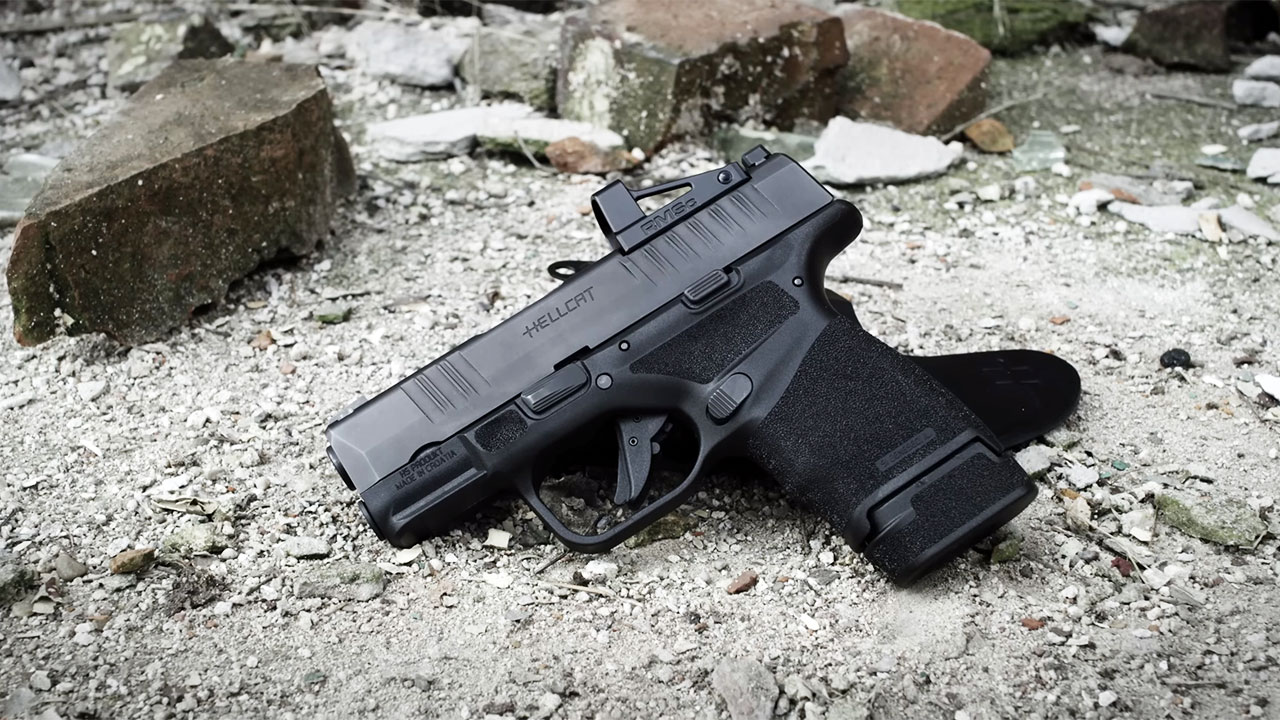
7. Springfield Armory Hellcat
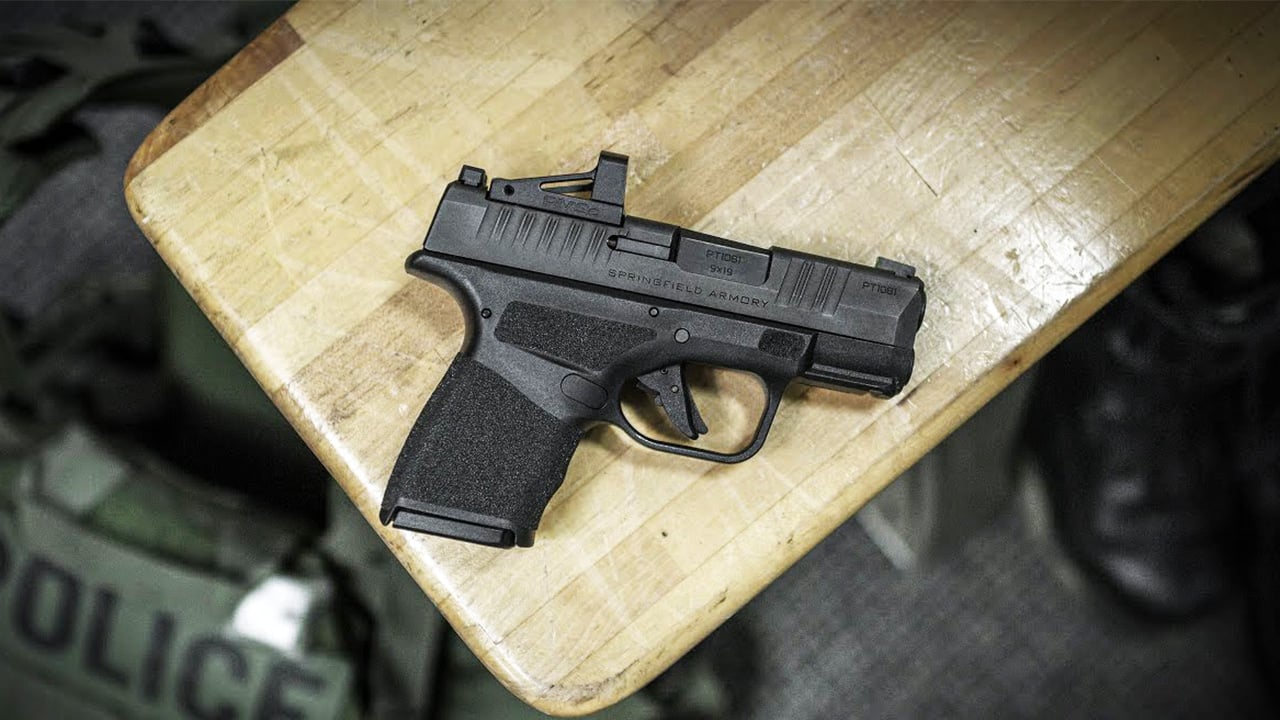
The Hellcat is another micro that sells fast because it checks the boxes: capacity, size, and decent sights from the factory. It’s snappy, though, and you’ll see that in the way people shoot it—more flinches, more limp-wrist malfunctions with newer shooters.
Mechanics end up coaching as much as fixing. A lot of “it jammed on me” complaints go away with a firmer grip and better mags. Still, the Hellcat earns its spot because it’s easy to carry every single day.
8. Ruger LCP

Every range has a handful of these in .380, usually carried way more than they’re practiced with. They’re light, flat, and they disappear in a pocket. That’s the whole point.
But they’re also little, and little guns punish bad technique. The other issue is neglect—pocket lint is real. When an LCP starts failing, it’s often a magazine problem, a weak spring, or just a gun that’s never been cleaned since the day it was bought.
9. Ruger LCR
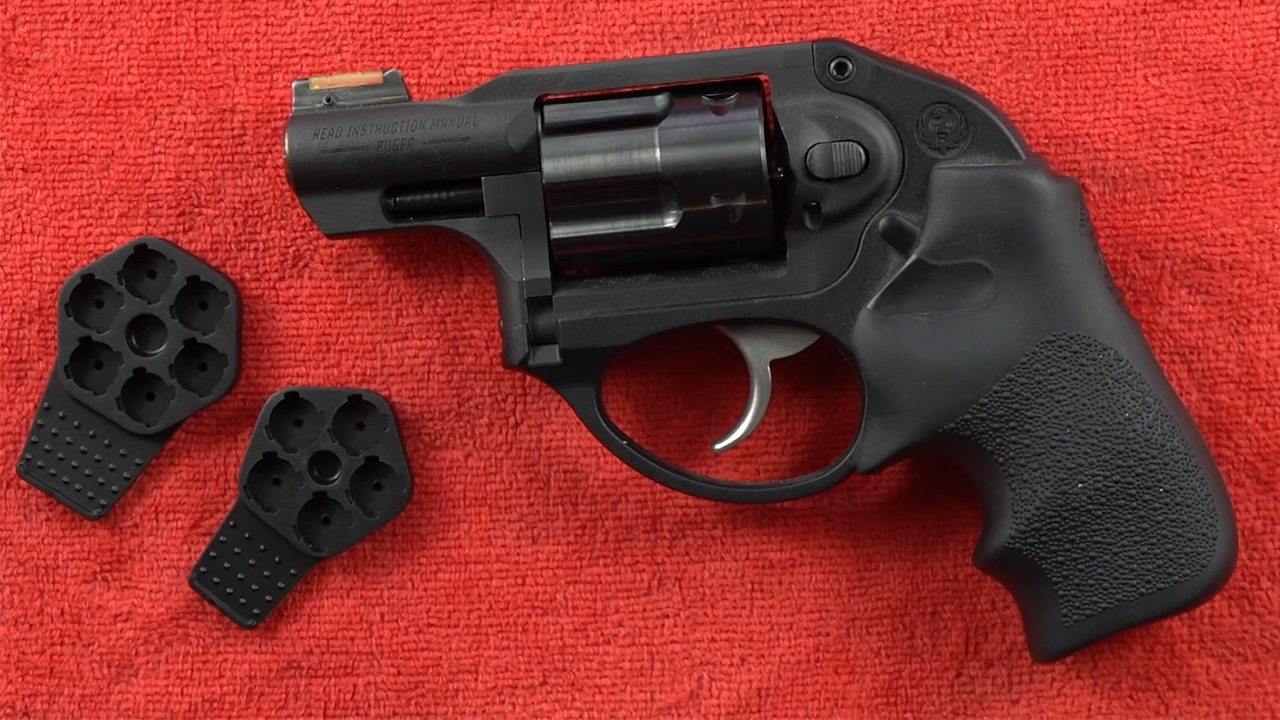
This revolver shows up with folks who want a simple carry gun that won’t choke if it sits for months. It’s light, it’s handy, and it’s a lot more comfortable to carry than most steel snubs.
Mechanics don’t see many “broken” LCRs, but they do see shooter-induced problems: loose grips, backed-out screws, and folks trying to run ultra-light revolvers with heavy loads like it’s fun. It’s not fun. Ask me how I know.
10. Smith & Wesson J-Frame (642/442 and similar)
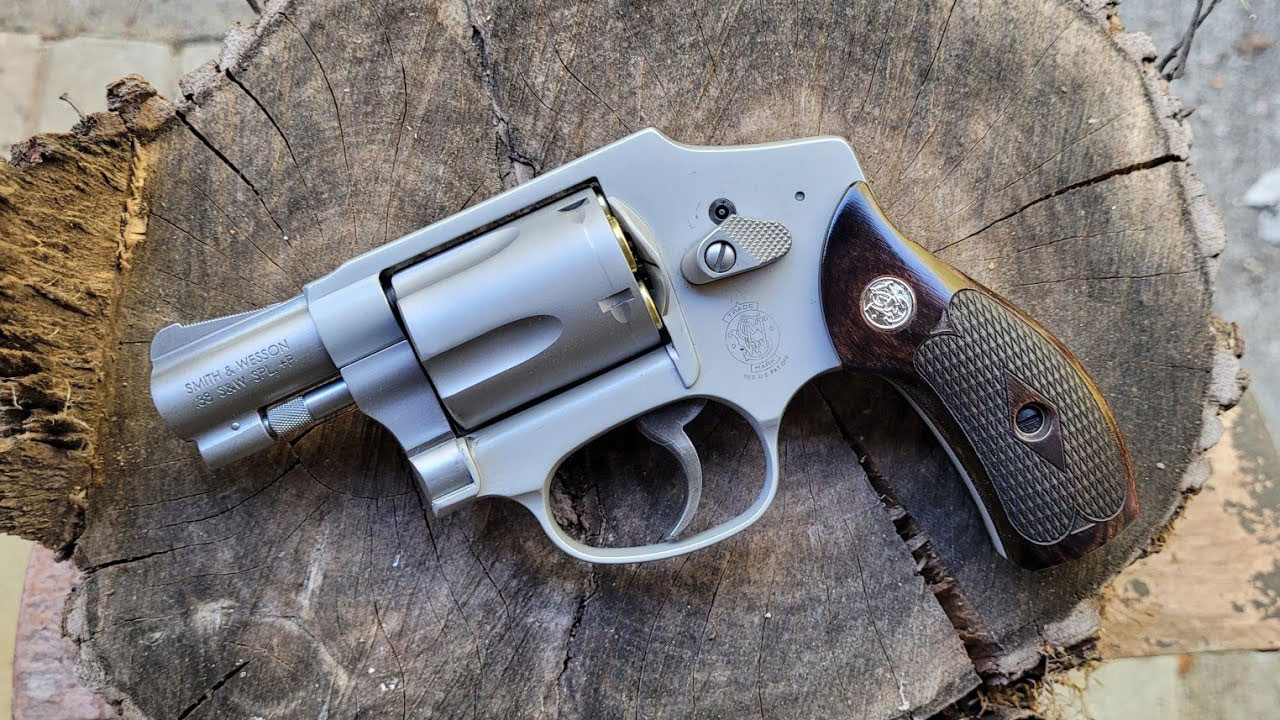
The little Smith snubs never really go away. They’re simple, proven, and they ride well in a coat pocket during deer season or in town running errands.
They do come in with timing worries, light primer strikes from questionable ammo, and the occasional bent ejector rod after a hard knock. Revolvers aren’t magic. They’re reliable, but when they need work, it’s usually not a five-minute fix.
11. Taurus G3 / G3C
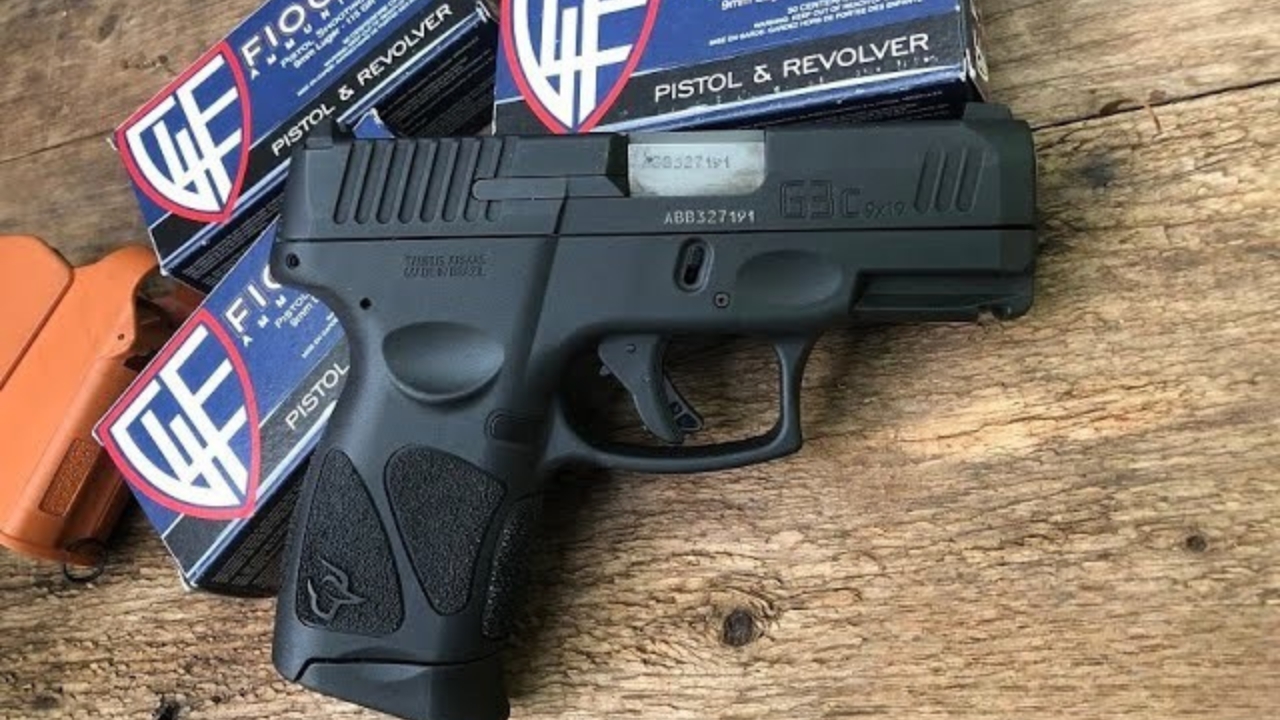
These show up because they’re affordable and they often come in “starter kits” with extra mags. A lot of folks buy one, shoot it a little, and decide it’s good enough. For plenty of people, it is.
Range mechanics see the same themes: magazine-related issues, occasional rough triggers that make new shooters yank shots, and wear from being run dry. If you own one, keep decent mags and don’t ignore lubrication and cleaning.
12. Taurus Judge
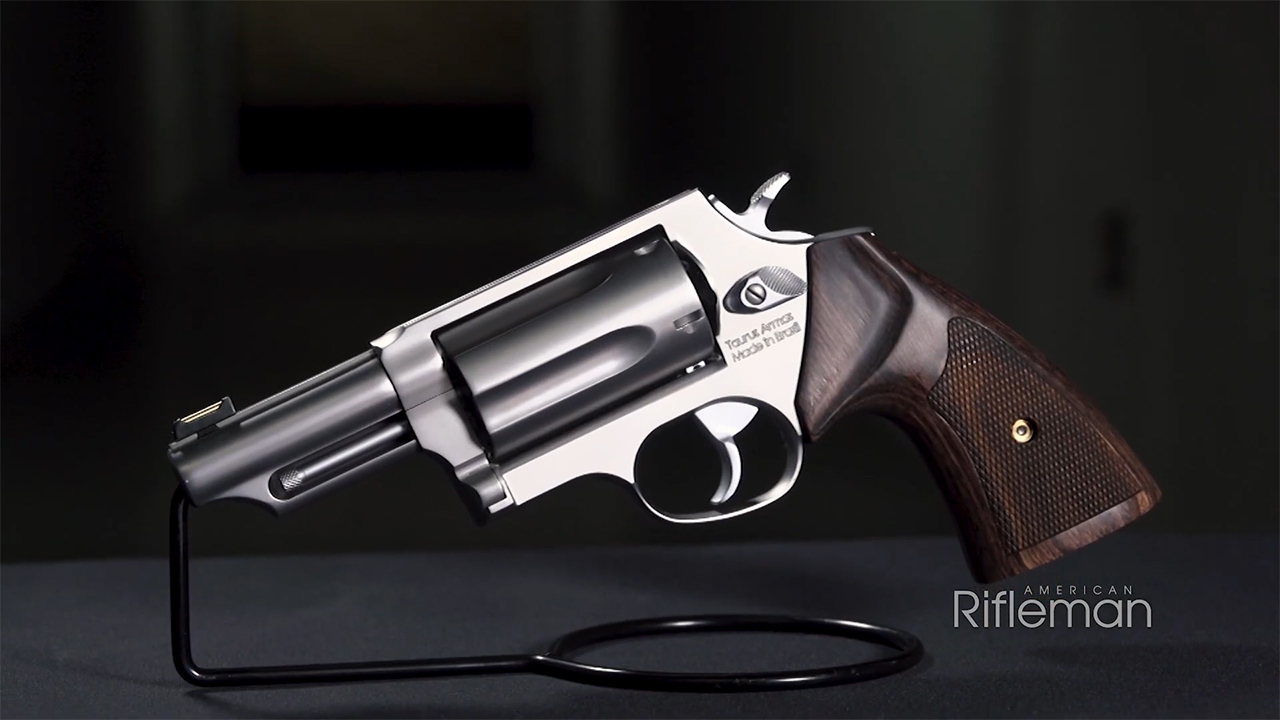
Every range has at least one person who bought one of these for “snakes” or “truck gun” duty. It’s a novelty that turns into a real tool for some folks, especially on rural property.
The problem is expectations. People show up thinking it’s a scattergun in a revolver, then get disappointed by patterns and recoil. Mechanics mostly see them for basic revolver issues, but the bigger job is resetting expectations about what it will and won’t do.
13. Ruger Wrangler

This is the rimfire revolver that shows up in lunchbox range bags and on the hip while walking fence lines. It’s cheap, it’s fun, and it makes people shoot more. That’s a good thing.
When they have trouble, it’s usually ammo. Rimfire is dirty and inconsistent, and cheap .22 can make any gun look bad. The Wrangler’s simple, but it still likes a clean cylinder face and not being run bone-dry for bricks and bricks of ammo.
14. Ruger Mark IV
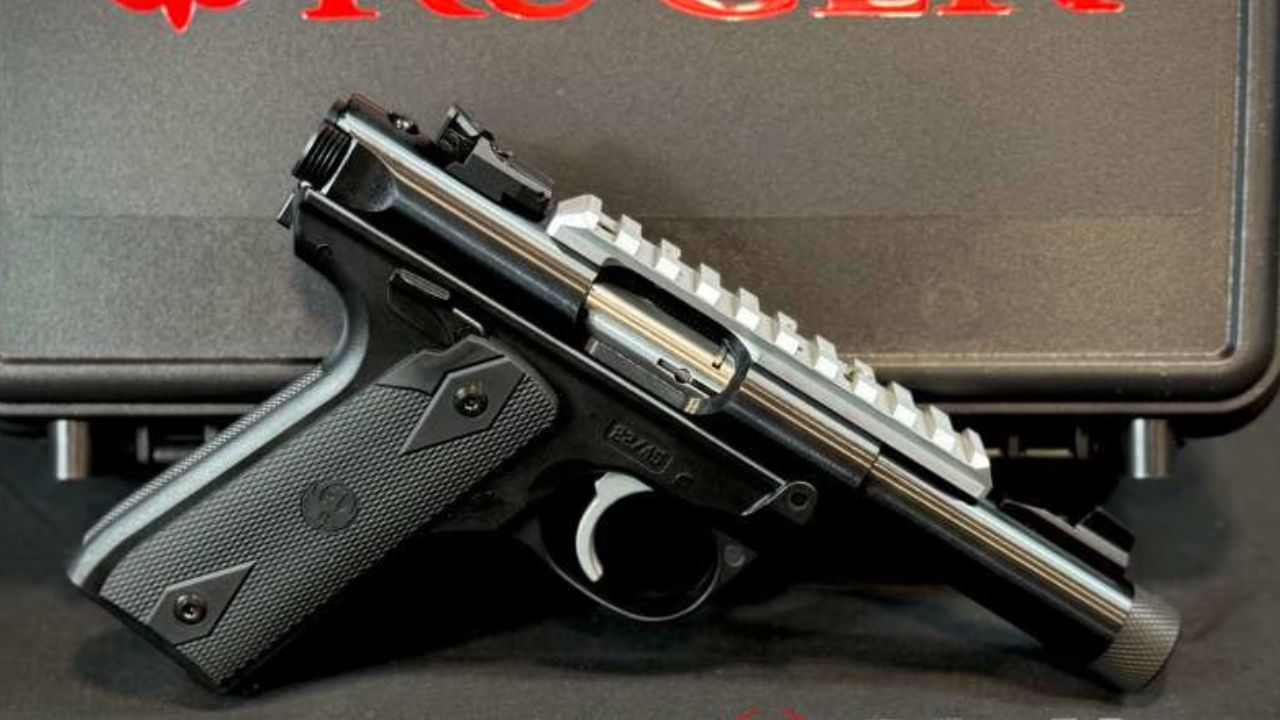
The Mark series is a range staple for anyone who likes shooting small groups and not spending a fortune on ammo. They’re also common in steel-challenge style matches and informal plinking.
The Mark IV’s easier takedown helps, but it still comes in with carbon buildup and gunked-up chambers. Most of the “failure to feed” complaints are dirty magazines and dirty ammo. Clean mags matter more on .22s than most folks want to admit.
15. Browning Buck Mark
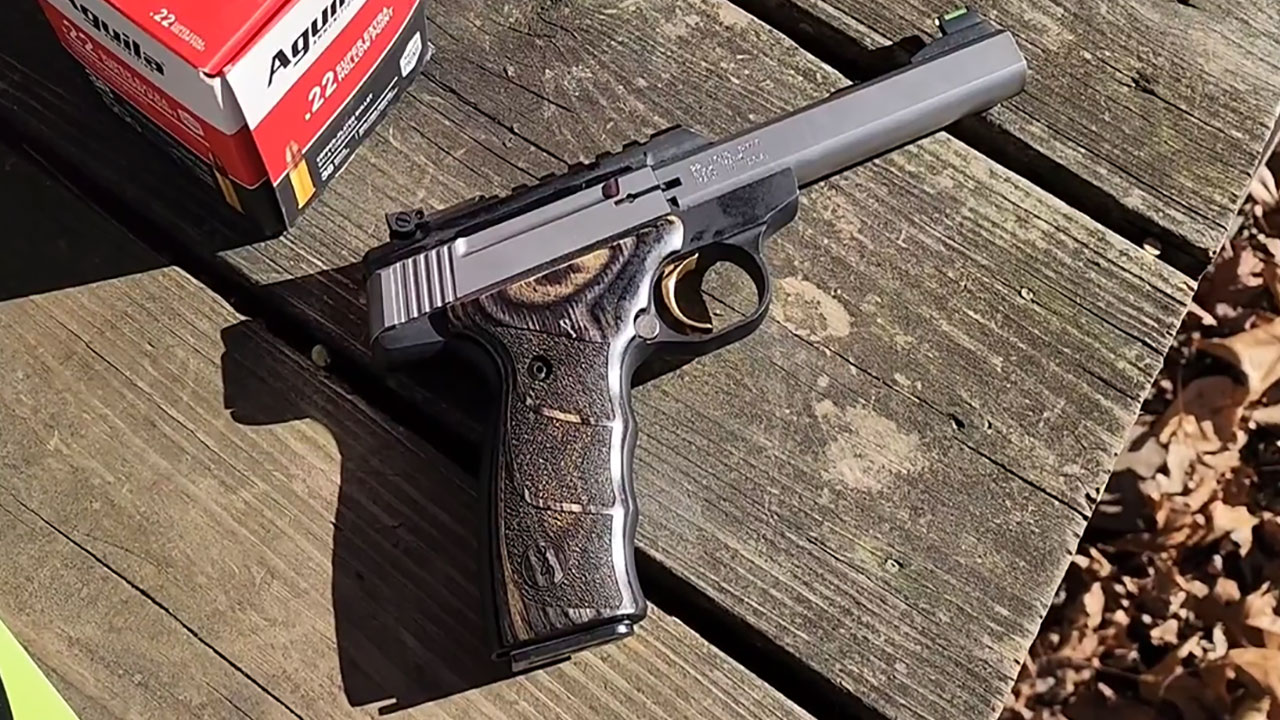
This is another .22 that shoots better than most of us deserve on a random Saturday. It’s accurate, feels good, and it has a loyal following.
Mechanics see them when screws back out, especially around the top strap area, and when folks have run them for a long time without checking anything. A little attention keeps these humming. Ignore them, and they slowly loosen themselves into malfunctions.
16. Walther PDP
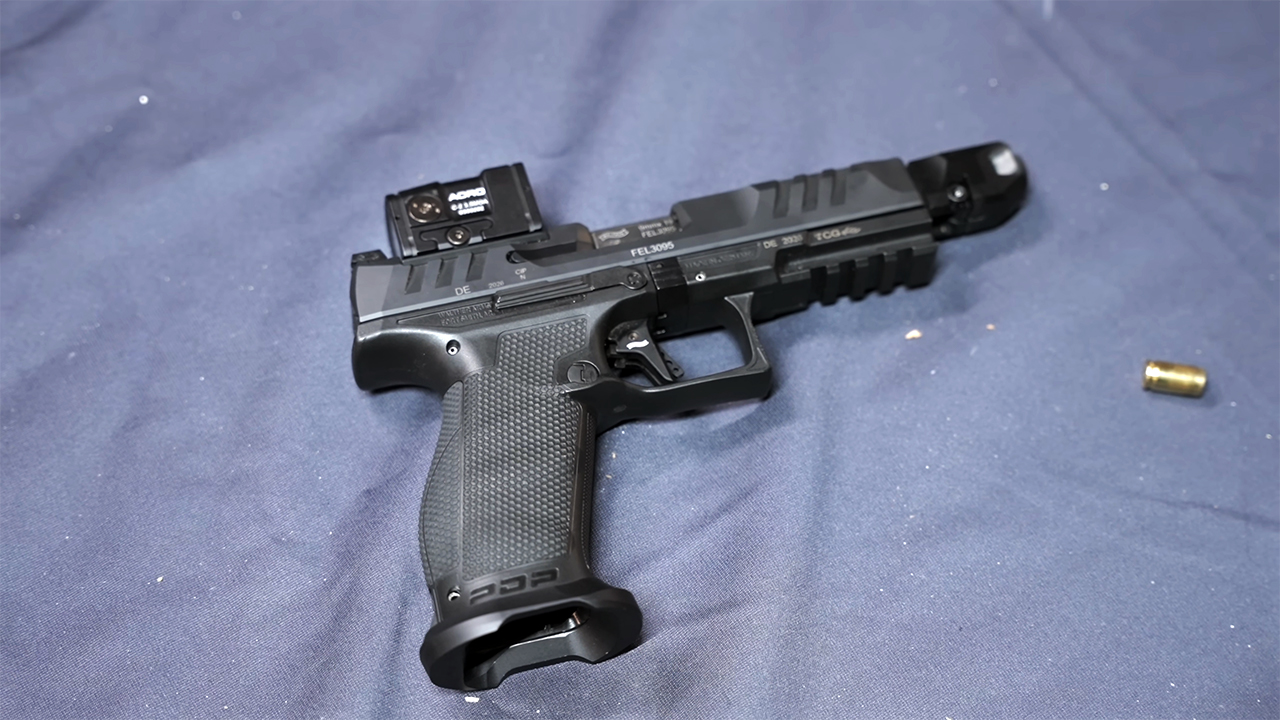
The PDP shows up a lot now because the trigger is good and the grip texture means business. It’s a “serious range gun” that plenty of folks still carry, even if it’s a little blocky.
Most visits to the workbench are simple: sight changes, optic mounting questions, and the occasional user error on optic plates and screws. There’s nothing glamorous about getting the right screws and torque, but it saves headaches and keeps optics from walking loose mid-session.
17. CZ 75 (and variants)
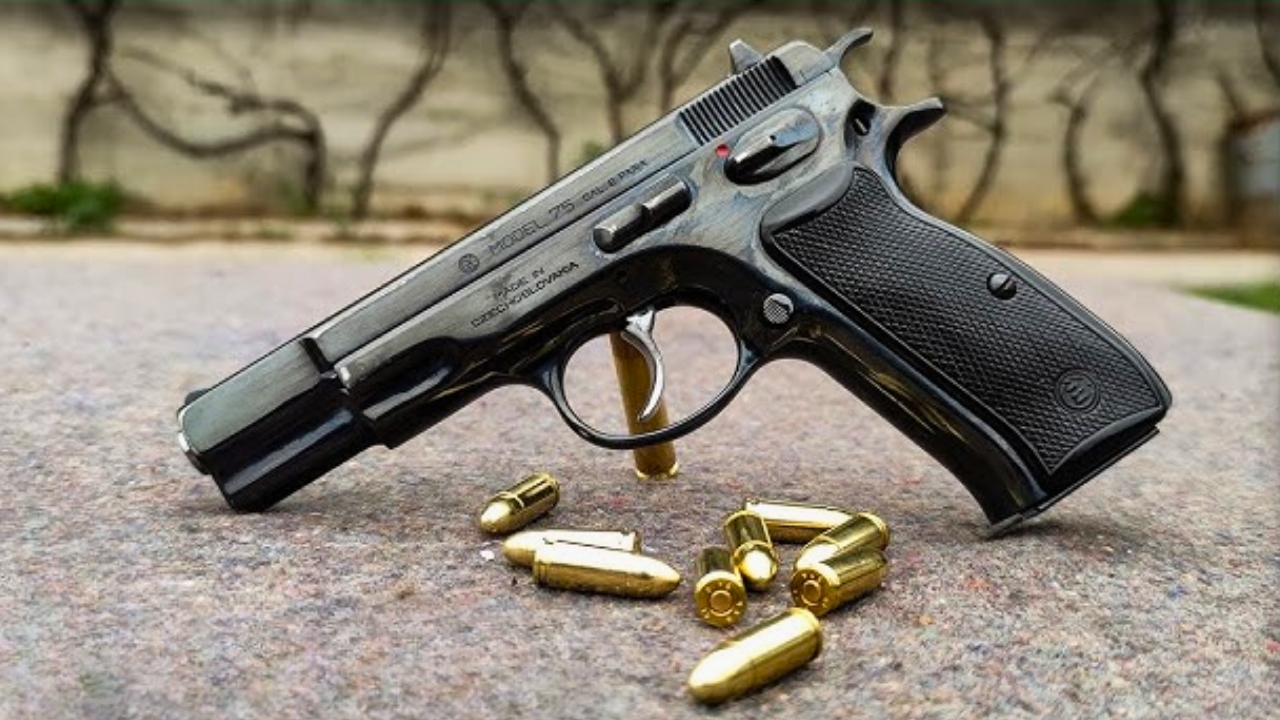
This one is the classic that refuses to die. You’ll see them with old-school shooters, competition folks, and the guy who likes steel guns because polymer just feels like a staple gun to him.
They don’t break often, but they do wear in. Range staff see tired springs and magazines that have lived a hard life. The other thing is that some owners try to chase a match trigger without understanding the system, then the gun comes in in a bag of parts.
18. Beretta 92FS / M9
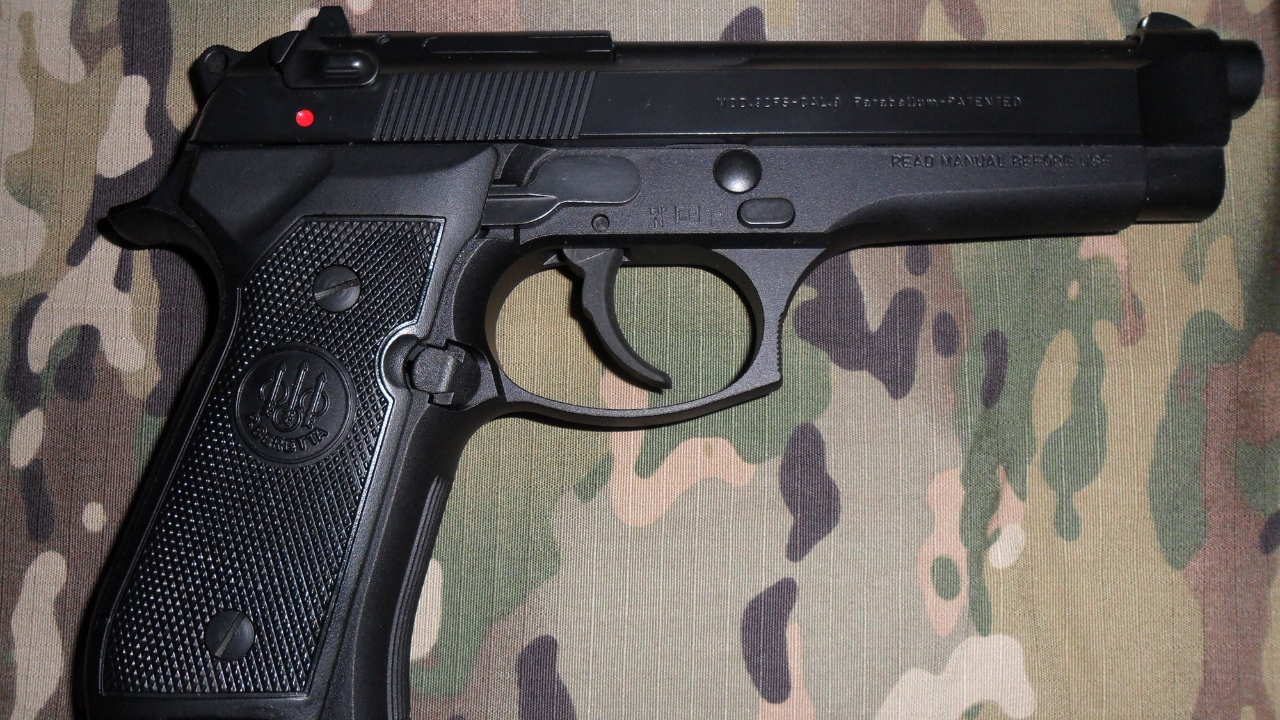
Big, smooth, and familiar. The Beretta has a certain feel when the slide cycles that makes people smile. It’s also one of those pistols that will run a long time if you keep an eye on basic wear items.
The most common complaints are actually ergonomic: folks riding the slide stop and getting failures to lock back, or struggling with the reach to the trigger in double action. Mechanically, you’ll see locking block and spring wear on high-round-count guns, which is normal maintenance, not a crisis.
19. Kimber 1911 (various models)

1911s show up at every range, but Kimber seems to show up with the most “It should run better than this” conversations. When a 1911 is right, it’s hard not to love it. When it’s picky, it’ll teach you patience.
Range mechanics end up talking magazines, extractor tension, and ammo choices, and they do a lot of diagnosing that starts with, “What did you change?” Because a lot of folks can’t leave a 1911 alone. Also, many show up under-lubed. A tight 1911 run dry is a recipe for stoppages.
20. Colt Python (new production and older guns)

This one isn’t common because everyone owns one. It’s common because when a Python comes out, everybody wants to look at it, and it tends to get shot. The modern ones are strong, and the older ones carry that “don’t mess this up” vibe.
Mechanics mostly see these for checkups: timing concerns, endshake questions, or owners wanting reassurance after a heavy range day. Revolvers are precise machines, and the Python is a reminder that high-end doesn’t mean maintenance-free. It means you should pay attention.
If you notice a theme here, it’s that the most-seen handguns aren’t always the most exciting ones. They’re the ones that fit real life: carry, range days, farm chores, bedside duty, and the occasional class. If you own any of these, do the boring stuff—clean it, replace springs when it’s time, mark your mags, and quit “testing” it with mystery ammo right before you need it. The mechanics will appreciate it, and so will you.
Like The Avid Outdoorsman’s content? Be sure to follow us.
Here’s more from us: