Photo credit: Ultimate Reloader/Youtube
You can learn a lot about a hunting rifle in the first three shots. You can learn even more in the next five. Plenty of rifles will print a pretty little cloverleaf when they’re cold, clean, and being babied on a bench. Then the barrel warms up, the forend starts putting pressure where it shouldn’t, the scope gets bumped in the truck, and the group walks like it’s got somewhere else to be.
To be clear, a rifle “losing accuracy” after a few shots isn’t always the rifle’s fault. Thin sporter barrels heat fast. Cheap rings slip. A plastic stock can flex on a bipod. And some of the worst “accuracy problems” are just fouling, bad ammo, or a guy rushing a hot barrel because he wants to see tiny groups.
Still, there are some specific models that show up again and again in camp talk and on range benches for the same complaint: first group looks good, and then it starts spreading or walking. Here are 20 hunting rifles that have earned that reputation, and why.
1. Ruger Mini-14 (older thin-barrel Ranch Rifle models)

I’ve watched more than one Mini-14 start the day looking decent and end it throwing patterns once the barrel gets warm. The older thin barrels are the main culprit. They heat up quick and they whip.
For a few shots on a coyote stand, it can be fine. But if you’re sighting in, checking different loads, or you just like to shoot, you’ll see the groups open and drift. The newer 580-series and up are better, but the older ones are famous for this.
2. Ruger Mini-30 (older models)
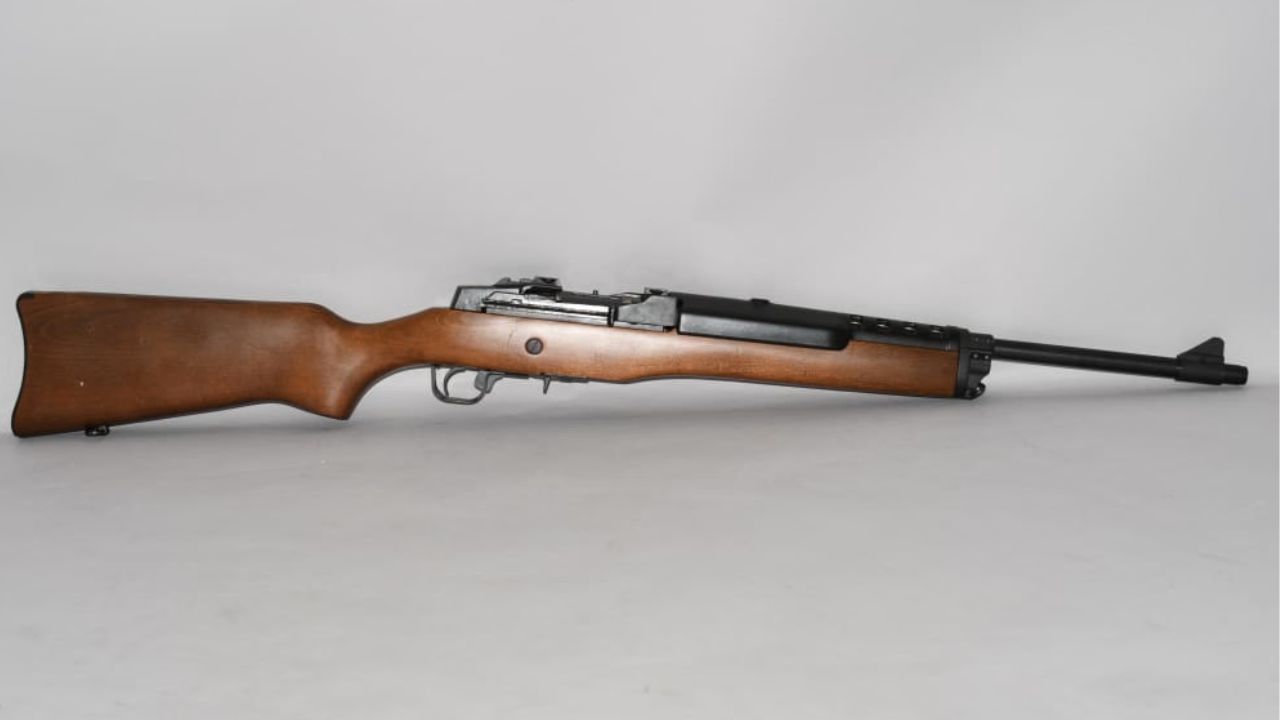
Same song, different caliber. The Mini-30 has the added “fun” of ammo variability if you’re shooting bulk steel-cased 7.62×39. That can make a decent rifle look worse than it is.
Even with good brass ammo, the thin barrel and the way the rifle is bedded can make it walk as it heats. Great handling little carbine. Not a rifle I’d choose if tiny groups matter.
3. Remington 742 Woodsmaster
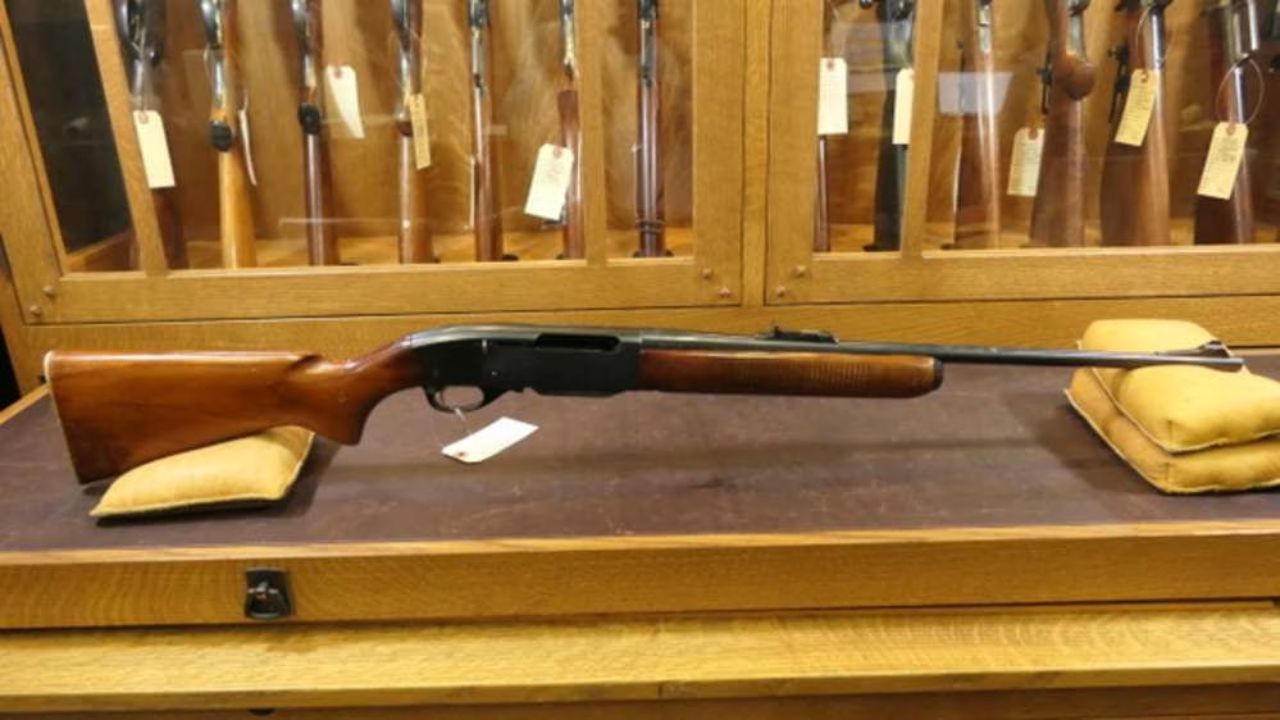
These old semi-autos killed a pile of deer, and I’m not here to disrespect them. But accuracy staying consistent across a string is not what the 742 is known for, especially with worn rails and a tired action.
A cold shot or two can be right where you want it. Then things start getting sloppy. Most owners treat them like a “first-shot deer rifle,” and that’s honestly the right mindset.
4. Remington 7400
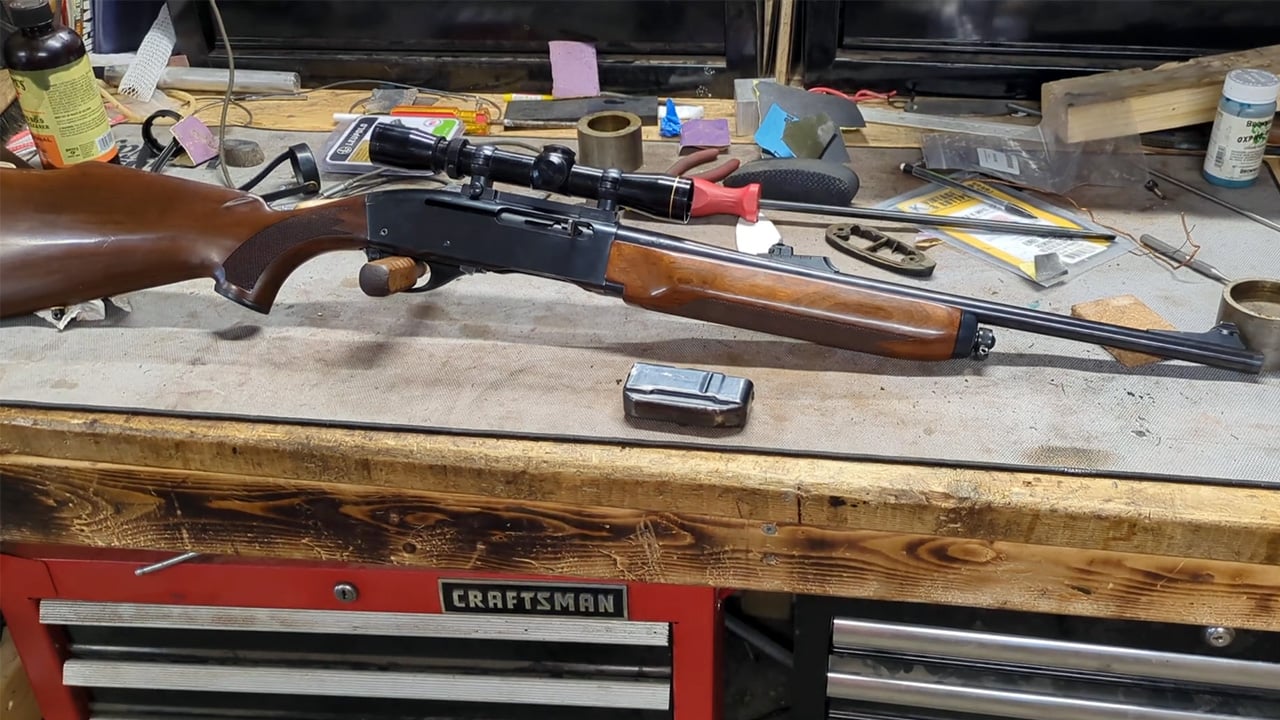
The 7400 is basically the next chapter of the same book. They can shoot well enough for woods ranges, and some individual rifles are surprisingly good.
But once you start shooting multiple groups, you’ll see heat and action movement show up on paper. Keep it clean, don’t run it like a range toy, and it’ll do its job. Just don’t expect it to behave like a bolt gun.
5. Browning BAR Mk II (hunting models)
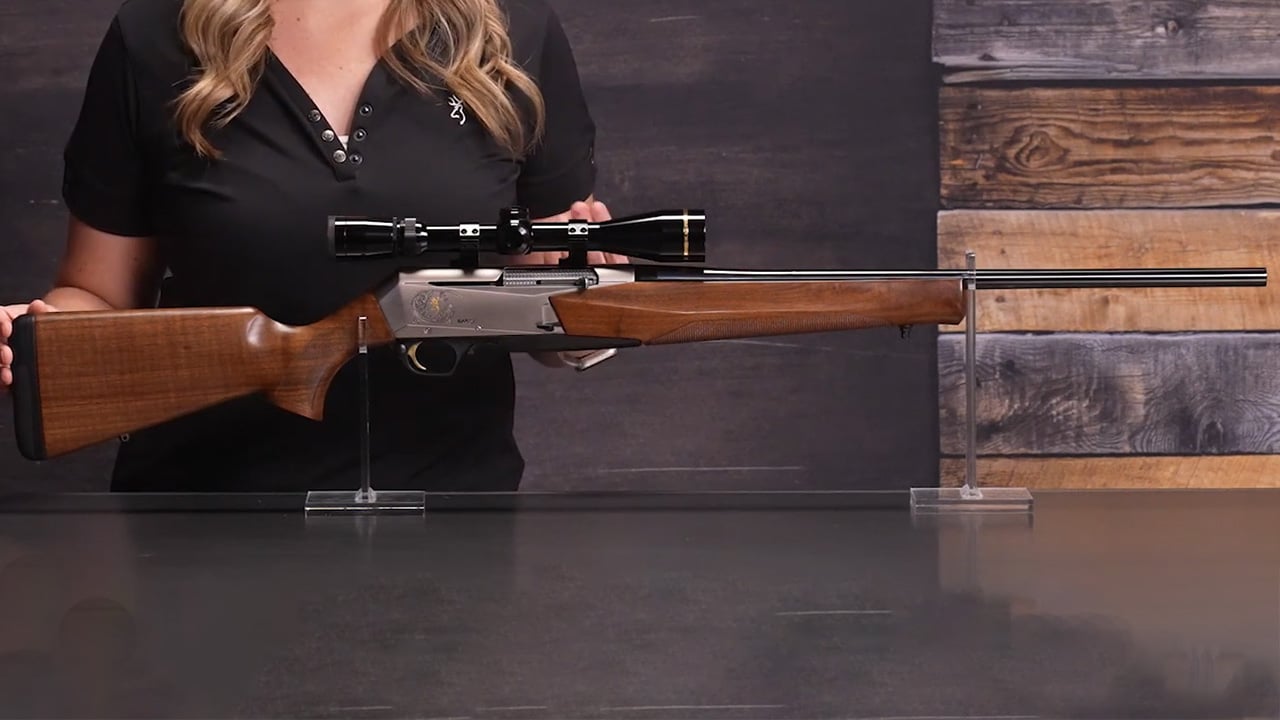
BARs are nice rifles to carry and shoot, and they feel “grown up” compared to a lot of semi-autos. The downside is you’re still dealing with a system where the barrel and action are doing more than a simple bolt gun setup.
Many BARs are perfectly acceptable for hunting, but it’s not rare to see point-of-impact shifts as the rifle heats. If you’re the kind of hunter who checks zero with a three-shot group and goes home, you may never notice.
6. Winchester Model 100
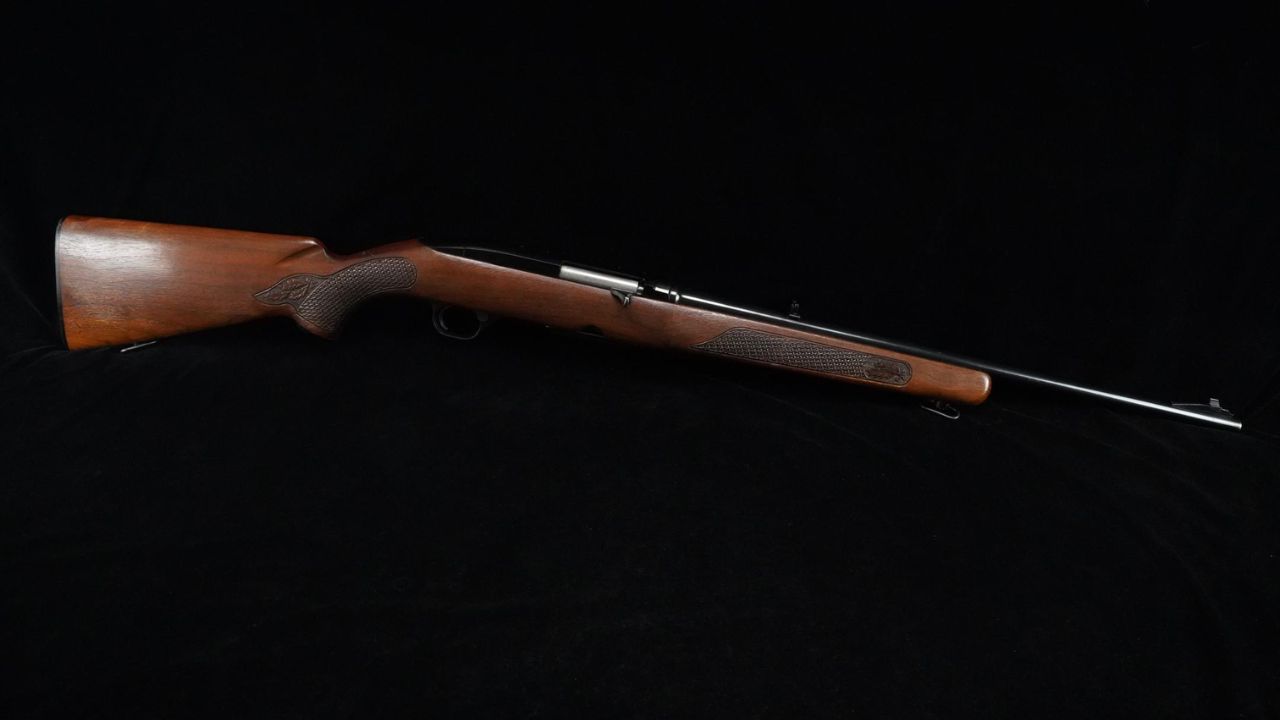
The Model 100 has a loyal following, and I get it. It’s a classic-feeling deer rifle with good lines and good balance. But they can be finicky when you start shooting strings.
Some of it is age, some of it is bedding and stock pressure, and some is just that it’s an older semi-auto design. They’re better as a “carry a lot, shoot a little” rifle.
7. Savage Axis (factory sporter barrel)
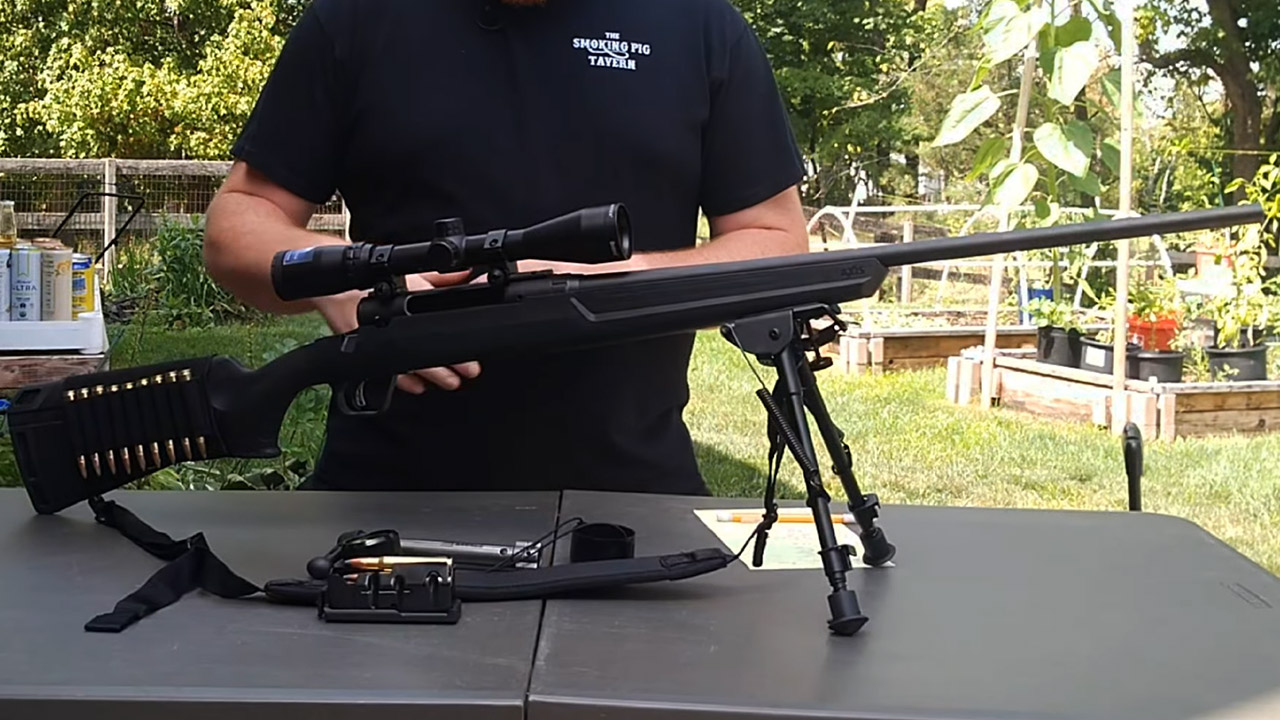
The Axis is one of the most common “first deer rifle” purchases for a reason: it’s affordable and it usually shoots better than it has any right to. But the skinny barrel heats up fast, and the factory stock can flex if you load a bipod or rest it hard.
First group: nice. Next group: bigger. Third group: now you’re chasing it. If you let it cool and use decent mounts, the Axis can absolutely hunt. It just doesn’t love rapid-fire bench sessions.
8. Ruger American Rifle (standard models)

The Ruger American is another budget rifle that can surprise you, especially with the right ammo. The weak link is often the light contour barrel paired with a flexible stock, particularly up front.
As the barrel warms, that contact or near-contact in the forend can start to matter. Plenty of guys fix it with better support and careful cooling between groups. But out of the box, it’s not unusual to see groups open up after a few shots.
9. Mossberg Patriot
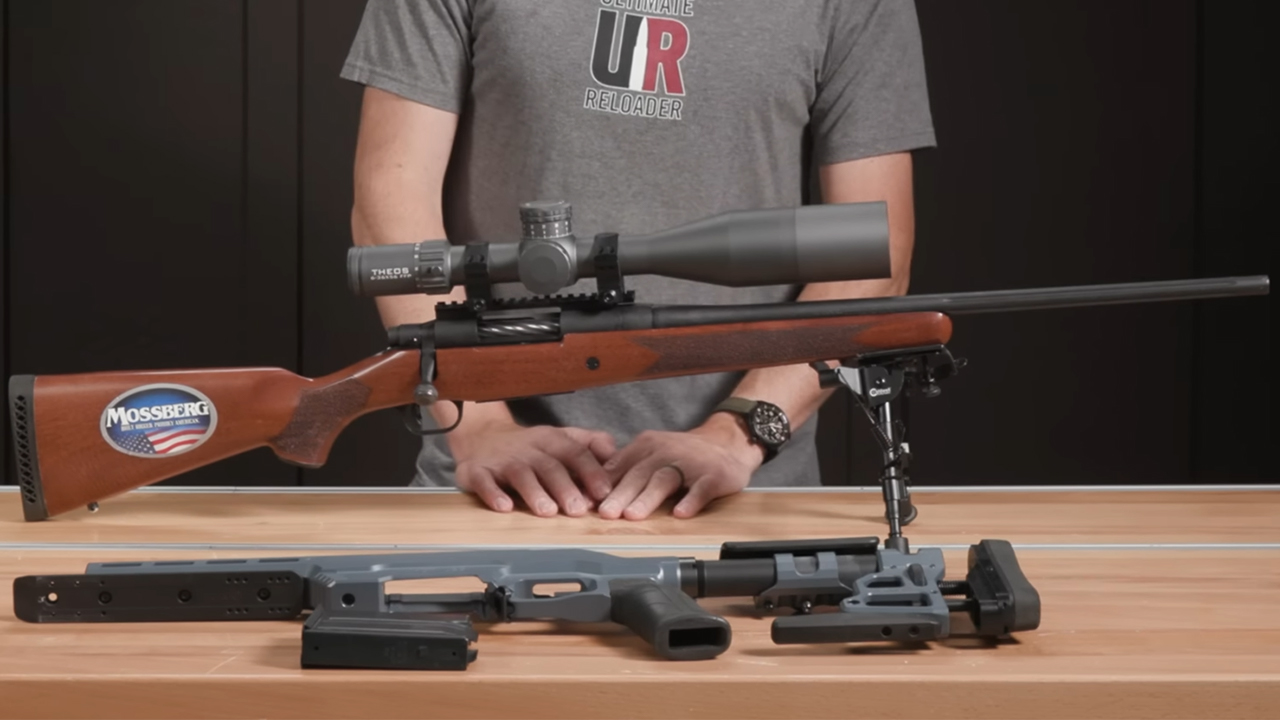
I’ve handled Patriots that felt decent in the store and then turned into a headache on the bench. A big part of it is consistency—some are fine, some are not.
The ones that struggle often show it when you shoot more than a couple rounds. Heat, stock pressure, and “just okay” triggers all combine to make groups wander. They can kill deer, but the range work can be frustrating.
10. Remington Model 783
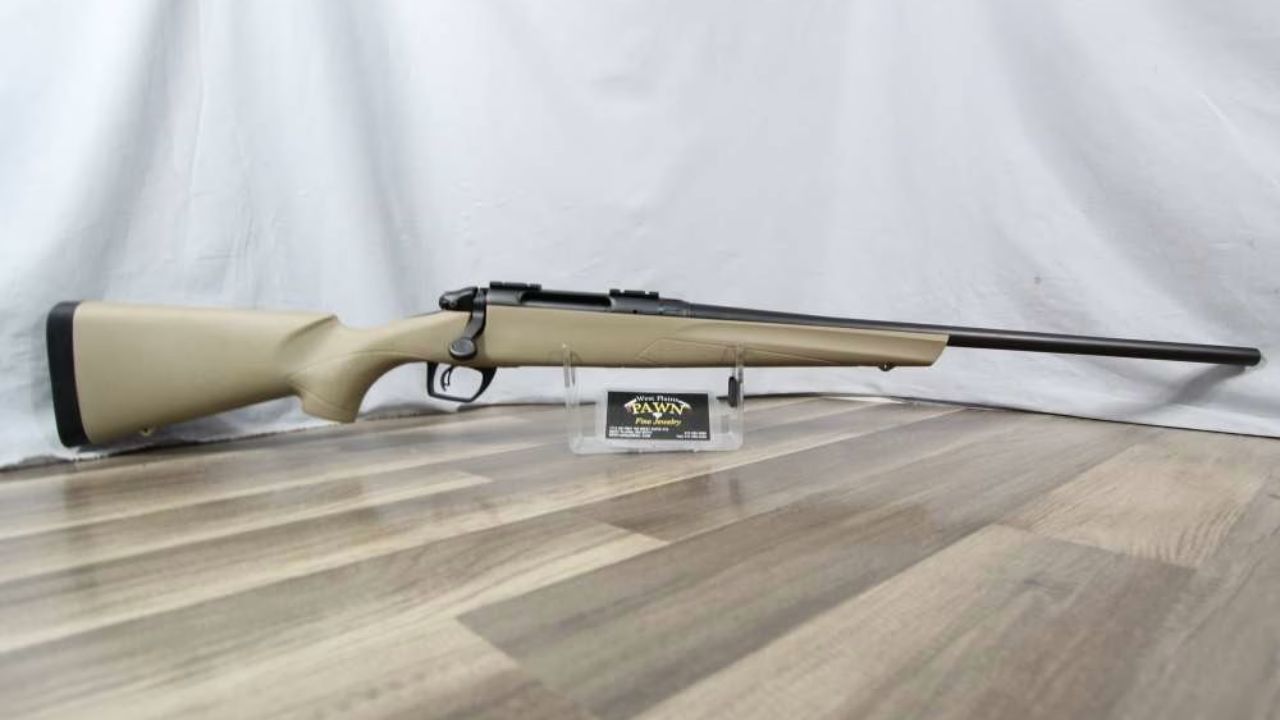
The 783 can be a solid shooter, but it’s another light hunting rifle with a barrel that doesn’t take long to warm up. If you’re trying to sight in quickly, you can end up blaming the rifle when it’s really the pace.
That said, I’ve seen 783s that walked as they heated, even with reasonable cadence. If yours does it, slow down and pay attention to how it’s rested. A hard rest can make a “good enough” rifle look terrible.
11. Marlin XL7 / XS7
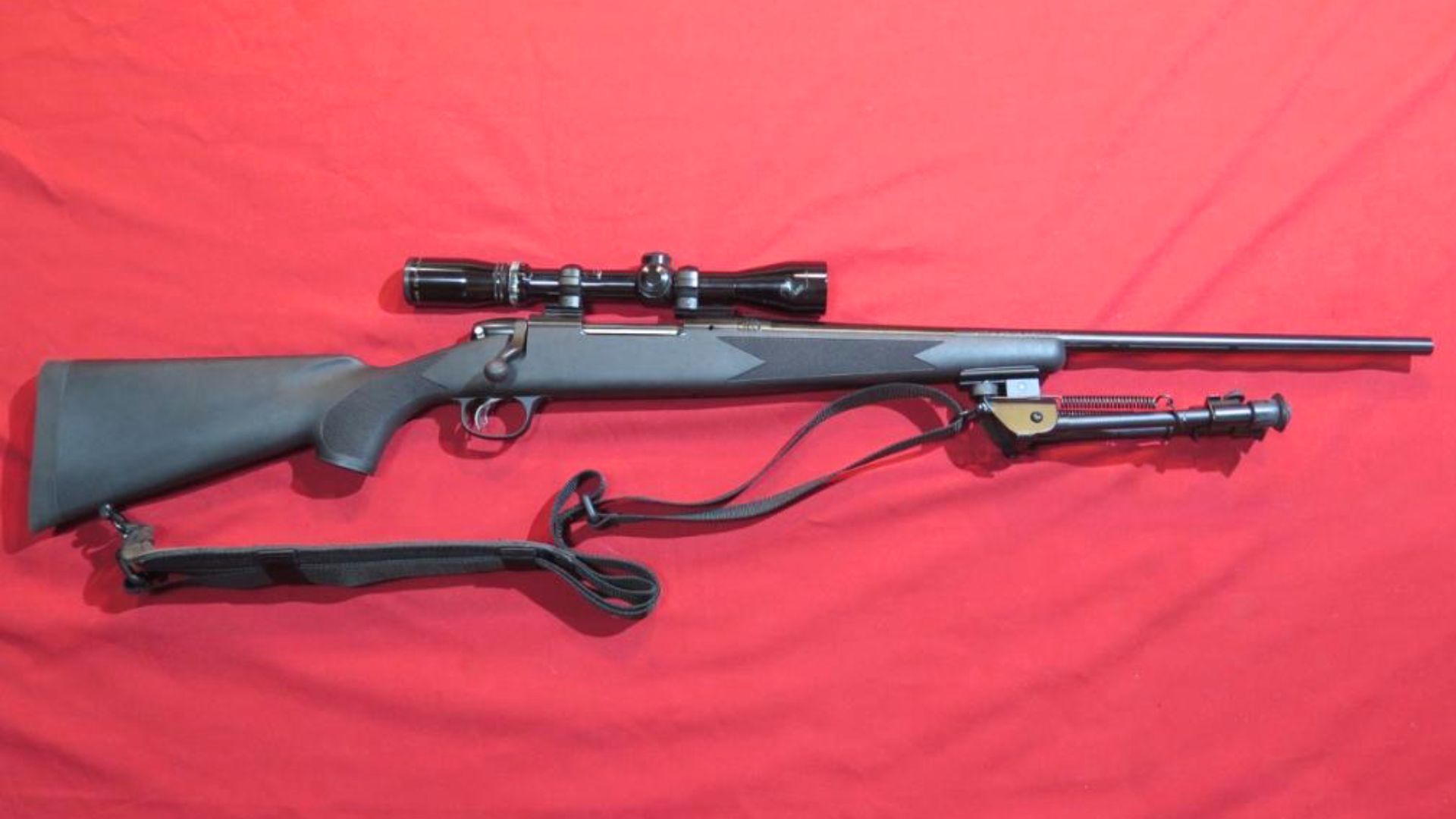
These Marlins got a reputation as sleepers—cheap rifles that could shoot. Some really do. But the factory stocks and bedding aren’t exactly match-grade, and the barrels are hunting-thin.
It’s common to see a tight first group and then a slow drift. If you’re a one-and-done deer hunter, you’ll probably never care. If you’re a tinkerer, you’ll notice it immediately.
12. Thompson/Center Compass
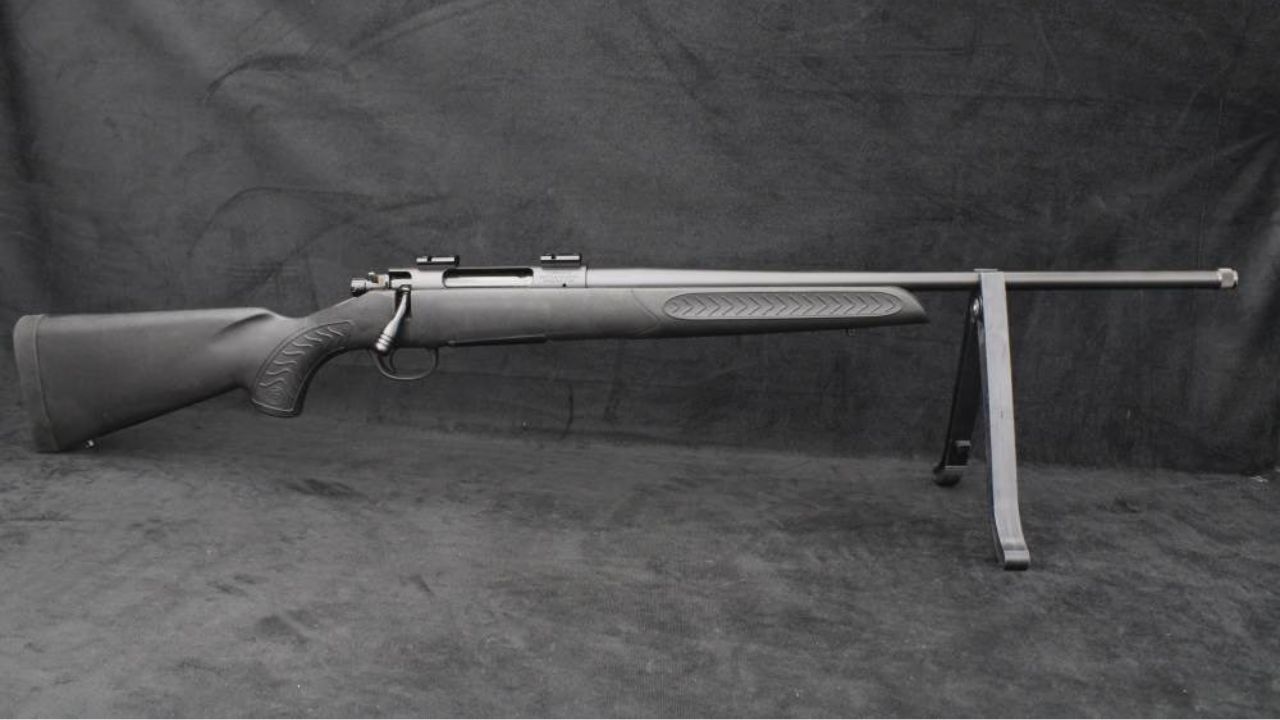
The Compass is another value rifle that gets bought with good intentions: “I just need something that shoots.” And plenty of them do. But the lightweight setup can be sensitive to heat and how you’re holding it.
Some Compass rifles will stack the first couple and then start spreading. The action and stock feel utilitarian, and it shows under longer bench sessions. It’s a rifle that benefits from patience, not pressure.
13. CVA Cascade (lightweight hunting setups)

The Cascade has a lot going for it, and I’ve seen them shoot very well. But the lighter you go—light contour barrel, light stock, light optic—the quicker you’ll see heat show up on paper.
When a rifle is built to carry nice, it’s not always built to stay calm through a ten-shot string. Treat it like a hunting rifle, not a range rifle, and it usually behaves better.
14. Winchester XPR (sporter models)

XPRs can be accurate, and the triggers are often better than you’d expect. Where they can disappoint is consistency once the barrel warms, especially if the forend is putting uneven pressure on the barrel.
I’ve watched guys chase their tail with scope adjustments when what they needed was a cool barrel and a different rest setup. If you’re working up loads, plan on slow strings.
15. Remington Model 770

That one hurts, because the 770 has probably been somebody’s first deer rifle more times than we can count. The issue is that they’re built to a price point, and it shows in the way they hold together through repeated shooting.
Some will shoot a decent three-shot group. Then things start shifting—sometimes it’s the optics package, sometimes it’s the bedding, sometimes it’s just the whole setup not liking being pushed. If you own one, the best money you can spend is usually on solid rings and a real scope.
16. Remington 710

The 710 is another “budget era” Remington that has left a lot of guys unimpressed. When they’re new and everything is tight, you might get an okay group or two.
Then the barrel warms and the inconsistencies show up. They’re not all identical, but the reputation is earned. If one shoots well for you, hang onto that good one and don’t expect the next 710 to act the same.
17. Howa 1500 (very thin sporter-barrel packages)
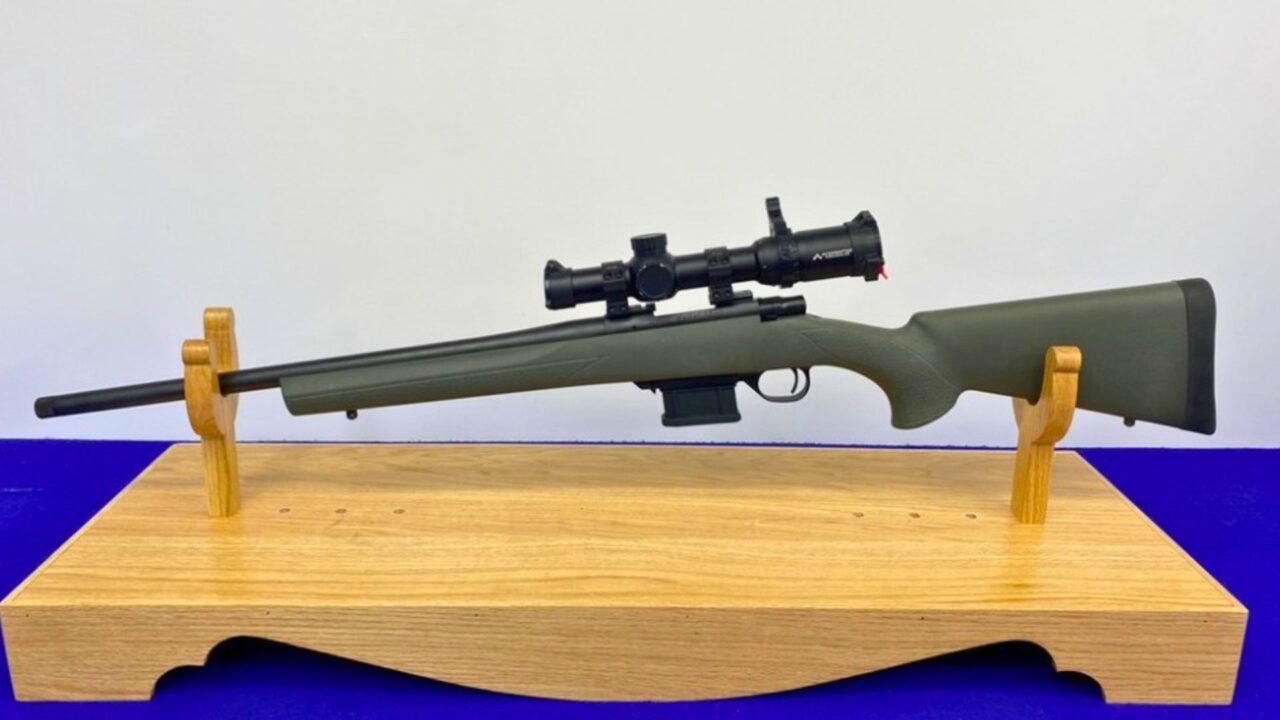
Howa actions are generally solid, and I like them. But when you buy a super-light package with a thin barrel, physics shows up. A sporter barrel that heats fast is going to move a little, even on a good rifle.
It’s not “bad accuracy” so much as “hunting rifle behavior.” The fix isn’t magic. Shoot slower, confirm your cold-bore point of impact, and accept that it’s not meant for long strings.
18. Tikka T3x Lite (light barrel, fast heat)
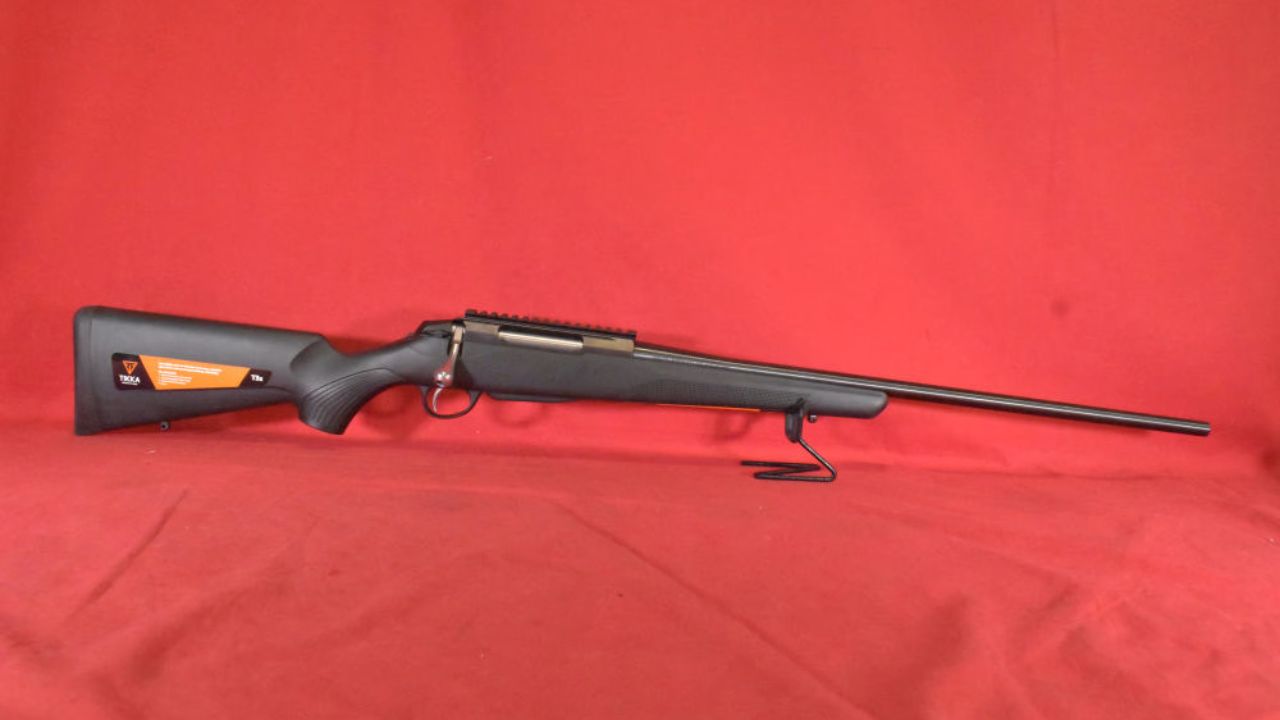
Tikkas have a well-earned reputation for shooting. They also have a well-earned reputation for being so smooth that you end up shooting more than you planned. The Lite models can heat up fast, and you’ll see vertical stringing if you push it.
The first few shots can be excellent. After that, the group may open. I wouldn’t call it a deal-breaker at all—I’d call it the cost of carrying a light, handy rifle that actually hunts well.
19. Kimber Hunter (lightweight sporter setups)

Kimber’s lightweight hunting rifles are made for guys who count ounces and climb. They carry great. They can also be picky, and when they’re picky, it shows up once the barrel warms and your hold gets less perfect.
Some shoot lights-out, some don’t, and it can change with ammo. The rifles that frustrate owners tend to do it in the same way: first couple look okay, then the group starts wandering. If you get a good one, you’ll know it.
20. Browning X-Bolt (very light barrels in magnum chamberings)
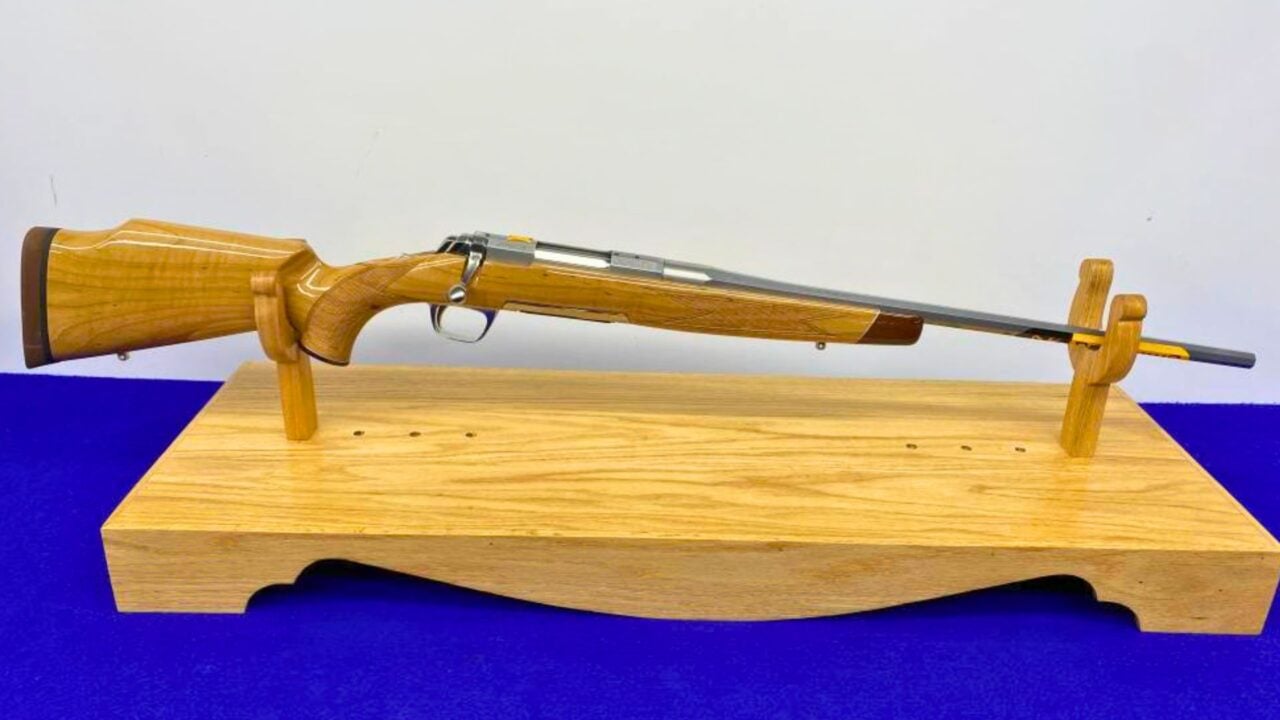
X-Bolts are good rifles, but pairing a light hunting barrel with a hard-kicking magnum can make “a few shots” feel like a whole afternoon. Recoil management matters, and a hot magnum barrel doesn’t take long to get unpredictable.
Often the rifle is accurate, but the shooter and the heat get ahead of the process. If you’re sighting in a .300-class X-Bolt, slow down, let it cool, and don’t be shocked if groups tighten right back up when you treat it like a hunting tool.
If your rifle starts scattering shots after the first couple, don’t panic and don’t start cranking turrets like you’re trying to crack a safe. Let it cool, check your mounts, change how you’re resting the forend, and pay attention to whether it’s true group spread or a point-of-impact walk. Most hunting rifles only need to put the first cold shot where it belongs. But it’s still nice when the next few behave, too.
Like The Avid Outdoorsman’s content? Be sure to follow us.
Here’s more from us: