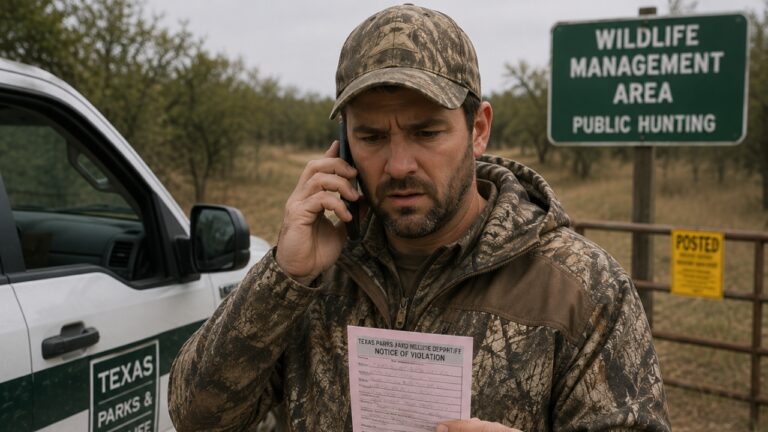
Photo credit: AI-generated image created using ChatGPT. Illustrative only
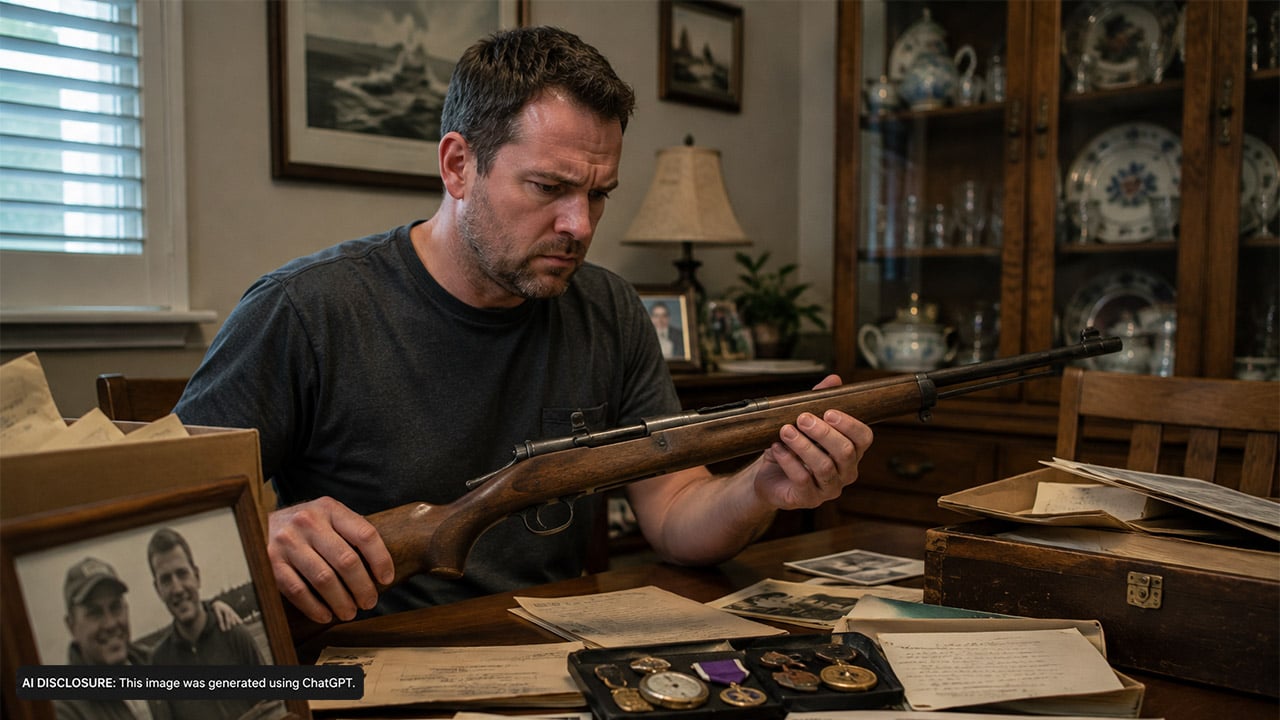
Most of us have dug through a late parent’s boxes and found the usual stuff—old photos, a pocketknife, maybe a dusty tackle box that still smells like river mud. But one California man sorting through his dad’s belongings found something that changes the whole tone of the day: an early-1900s .22 rifle that was still fully functional.
He laid out the situation in the original post: his father had died six years earlier, and his father was also a felon—someone who wasn’t legally allowed to have firearms. The rifle was “pretty cool,” he said, and he wasn’t opposed to keeping it. He just wanted to keep it legal.
An old .22 can still put you in a new kind of bind
A .22 rifle from the early 1900s feels more like an heirloom than a “gun case” problem. They’re common in family stories—grandpa’s rabbit rifle, the farm gun that rode behind the seat, the one that taught half the cousins how to shoot tin cans. But in California, an old rifle doesn’t get a free pass just because it’s old.
The poster’s first big concern was simple: if his dad wasn’t allowed to own firearms, does that make the rifle automatically “hot”? He didn’t know how his father got it or where it came from. He just knew it was in his dad’s things, and now it was in front of him.
The father’s felony status changed the stakes
What makes this situation different from “I inherited Grandpa’s .22” is the father’s prohibited status. A felon possessing a firearm is a serious issue in any state, and California doesn’t treat it lightly. Even though the father was already deceased, the son was staring at an item that, at least at one point, may have been unlawfully possessed.
That doesn’t automatically mean the son is in trouble for finding it years later. But it does mean he needs to handle the next steps carefully. The wrong move—like casually trying to sell it, transporting it the wrong way, or attempting a paperwork shortcut—can turn a family cleanout into a legal headache.
“It’s antique” doesn’t always mean “it’s exempt”
The rifle’s age was a big question: early 1900s. A lot of gun owners hear “antique” and think “no rules.” The reality is more nuanced. Federal law has a specific definition for “antique firearms,” and it often hinges on both the manufacture date and the kind of ammunition it uses.
Here’s the practical outdoorsman’s way to think about it: if it’s a typical .22 rifle that fires modern .22 rimfire ammo you can buy today, it may still be treated like a regular firearm for many purposes, regardless of whether it was made a century ago. Some truly antique guns are in a different category, but most old .22s that still shoot common ammo don’t magically step outside the system just because they’ve got patina and an octagon barrel.
That’s why the poster’s “Because it’s so old does that change anything about it?” is the right question—even if the answer is usually “not as much as you’d hope.”
Keeping it meant figuring out the clean, legal path
The man who found the rifle wasn’t prohibited. He said he was in his mid-20s and legally able to own a firearm. That’s the good news. The hard part is that California is picky about transfers and recordkeeping, and an unpapered rifle coming out of a deceased person’s property isn’t the same as buying a new .22 from a shop.
He asked the two big questions most gun owners would ask in the same moment: Can I register it as my own? Or do I need to turn it in? He also made it clear he wasn’t emotionally attached—he just wanted to do it right, whether that meant keeping it or getting rid of it legally.
In real-world terms, the “keep it” route usually means confirming what, exactly, the rifle is (make, model, serial number status, whether it’s been altered, and how California treats that particular firearm). Then it’s about using the proper legal channel for transfer or registration, if required. A lot of folks get sideways by trying to do it informally, especially with older long guns that have bounced around families for decades.
The “get rid of it” route can mean surrendering it, transferring it through a lawful process, or working with a dealer—again depending on the details. The key is not treating it like an old lamp you can just toss in the truck and deal with later.
Safety and handling mattered before the paperwork did
One detail in the post jumps out: the rifle was “fully functional.” That’s a reminder that the first job isn’t paperwork—it’s safe handling. When a gun’s been sitting for years, you don’t assume anything. You verify it’s unloaded, keep it pointed in a safe direction, and store it safely while you figure out your next move.
Old .22s can also have quirks: worn safeties, weak springs, questionable headspace, or a bore that’s seen a lifetime of cheap ammo and no cleaning rod. Even if the end goal is to keep it, it’s smart to treat it like an unknown firearm until it’s been checked out.
And if the end goal is to transfer it legally, secure storage matters. A rifle sitting unsecured while you “research later” is how things go missing, get mishandled by a visitor, or end up in the wrong hands.
The practical takeaway: don’t let a cool heirloom turn into a problem
This guy’s instincts were solid: he didn’t try to hide it, he didn’t try to flip it, and he didn’t assume the age of the gun erased the rules. He asked what to do and whether keeping it was possible. That’s the mindset that keeps hunters and gun owners out of trouble—slow down, handle it safely, and get the process right.
An old .22 rifle can be a piece of family history and still be a regulated firearm. When it comes out of the belongings of someone who wasn’t allowed to have it, the smartest move is treating it like both: respect the history, but follow the law and prioritize safety. That way, if you do keep it, you can enjoy it for what it is—without looking over your shoulder every time you open the gun cabinet.
Like The Avid Outdoorsman’s content? Be sure to follow us.
Here’s more from us: