Photo credit: Baby Yota/YouTube
Large handguns have obvious advantages. More grip usually means better control, longer slides can give you a better sight radius, and heavier frames tend to soak up recoil. But bigger also means more weight, more bulk, and less willingness to actually carry the gun every day. A pistol can shoot wonderfully on the range and still spend most of its life in the safe because it is simply too much gun for the job.
The best smaller handguns prove that compact dimensions do not automatically mean poor shootability. Some manage recoil far better than their size suggests, while others pack serious capacity into frames that disappear under ordinary clothing. A few are simply easier to carry, handle, and live with than their larger counterparts. These 20 handguns show that trimming size can improve the overall package instead of weakening it.
Glock 19 Gen6
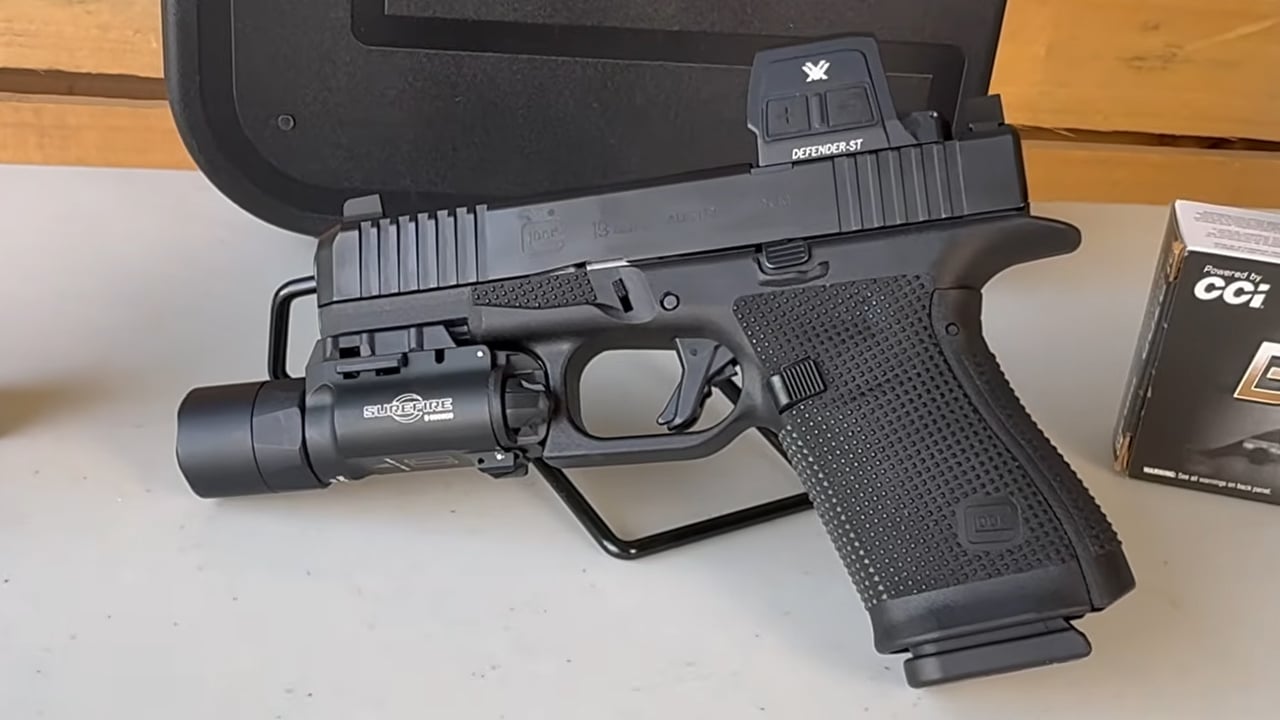
The Glock 19 has been proving for decades that a mid-size pistol can do almost everything a full-size service gun can. The Gen6 version keeps that basic formula while refining the grip and controls enough to make the pistol easier to shoot without growing into Glock 17 territory.
The attraction is balance. The slide is long enough to track well, the grip is big enough for most shooters to get a full firing hand on it, and the pistol still conceals far more easily than a full-size duty gun. You give up very little practical performance for the reduction in bulk. For someone who wants one pistol for carry, home defense, and regular range use, that middle size continues to make more sense than simply buying the largest handgun available.
Smith & Wesson M&P9 M2.0 Compact

The M&P9 Compact is another handgun that shows how unnecessary a full-size frame can be for most people. The grip is shorter than the standard M&P, yet it still gives you plenty of control and useful capacity.
The pistol also benefits from excellent texturing, which helps keep it planted during recoil. That matters because a compact gun does not have to rely solely on weight to shoot well. A secure grip can make up for a lot. The M&P Compact is large enough to feel serious but small enough to carry comfortably, and that middle-ground size is exactly why it works. Unless you need every bit of grip length and sight radius a duty pistol offers, the compact version often makes more practical sense.
CZ Shadow 2 Compact

The Shadow 2 Compact takes much of the shootability people love about the full-size Shadow 2 and puts it into a much smaller frame. You still get excellent ergonomics, a low bore relationship, and a DA/SA trigger that makes accurate shooting easy.
The smaller dimensions make the gun substantially more practical for carry without turning it into a snappy micro-compact. The aluminum frame keeps weight reasonable while retaining enough mass to settle the pistol during recoil. It is one of the clearest examples of a smaller handgun giving up less than you would expect. For most shooters, the compact version offers more versatility than the full-size competition gun while still feeling extremely refined at the range.
SIG Sauer P229 Legion
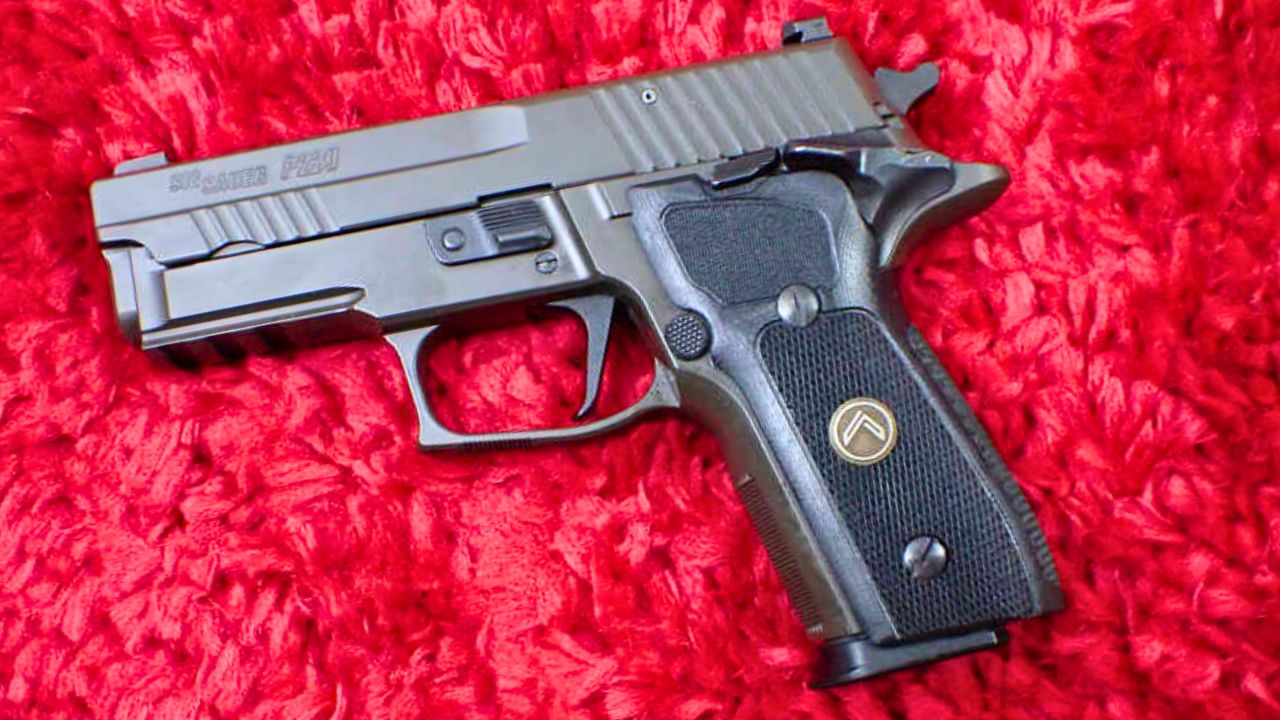
The P229 Legion is heavier than most modern compacts, but it is still noticeably easier to carry than a full-size P226 while preserving much of the same shooting experience.
That is the real advantage. The shorter grip and slide make the pistol easier to conceal, yet the metal frame keeps recoil manageable. You still get the smooth DA/SA system, excellent controls, and the solid feel SIG’s classic pistols are known for. For many shooters, the P229 is the more sensible size because it does not sacrifice enough to justify carrying the larger P226. The gun feels substantial without becoming cumbersome.
Beretta PX4 Compact Carry 2

The PX4 Compact Carry 2 is one of the best examples of a compact pistol that shoots much softer than its size suggests. The rotating-barrel system helps manage recoil, and the grip is large enough to provide real control without creating unnecessary bulk.
Compared with the full-size PX4, the Compact Carry gives up surprisingly little while becoming much easier to conceal. The Langdon-influenced improvements also make the trigger and controls more practical for defensive use. This is not a tiny pistol, but that is exactly why it works so well. It proves that the sweet spot is often compact rather than miniature or full-size.
HK P30

The P30 is smaller and handier than the P30L, yet it keeps the same excellent grip system and rugged construction. Interchangeable side panels and backstraps let you fit the gun to your hand better than many larger pistols.
The shorter slide makes the pistol easier to carry and quicker to clear from a holster, while recoil remains very manageable. The standard P30 gives you nearly all of the practical capability of the long-slide version without forcing you to carry extra length that may not matter outside the range. Unless you specifically want the longer sight radius, the regular P30 is often the more balanced package.
Free for gun owners: If something happened to you tomorrow, would your family know where the guns are, who has the safe combination, or what to do first? Our free Gun Owner’s Family Checklist walks them through it. It takes about 15 minutes to fill out. Get your free copy here.
Walther PDP Compact 4-Inch
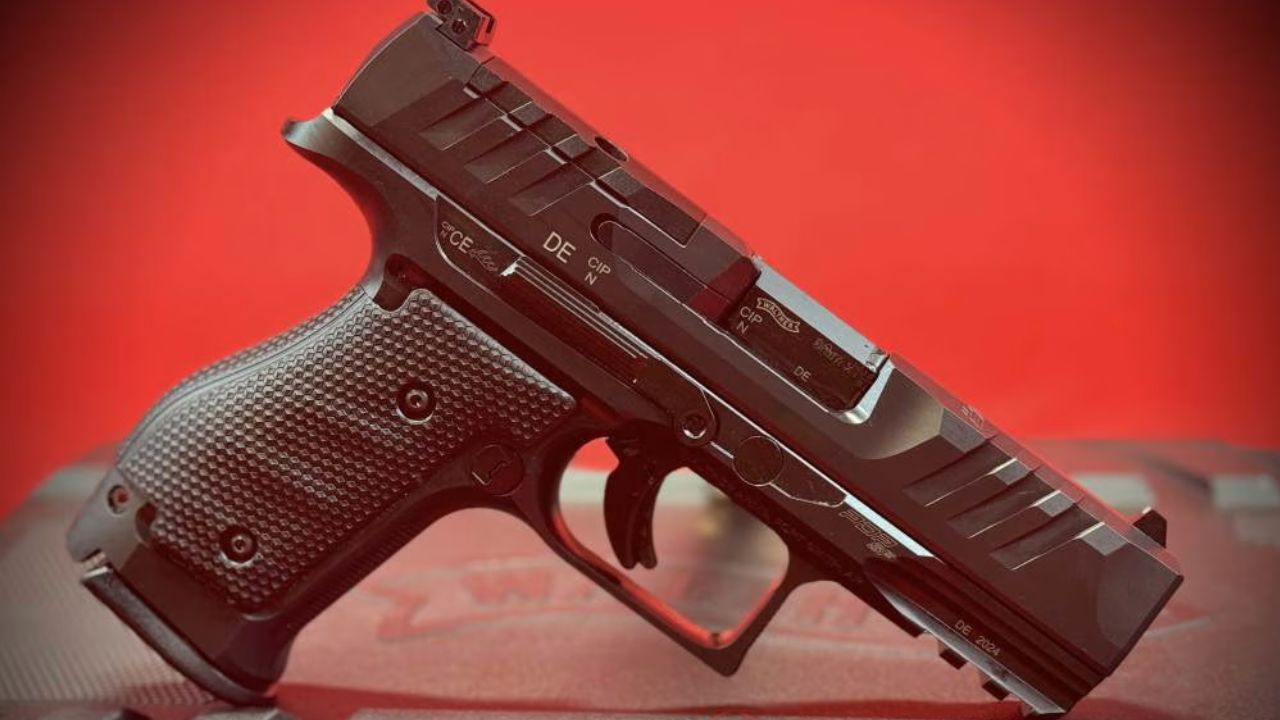
The PDP Compact 4-Inch is a good example of why a compact grip paired with a service-length slide can be such a useful combination. The pistol is easy to carry, but it still has enough barrel and slide mass to shoot well.
Walther’s grip texture and trigger do a lot of the work here. The gun gives you excellent control without needing a huge frame, and the compact grip is usually easier to conceal under ordinary clothing. Compared with larger PDP models, the four-inch Compact feels more practical for daily use while giving up very little on the range. It is one of those pistols where the smaller version simply hits the balance better.
Springfield Echelon 4.0C
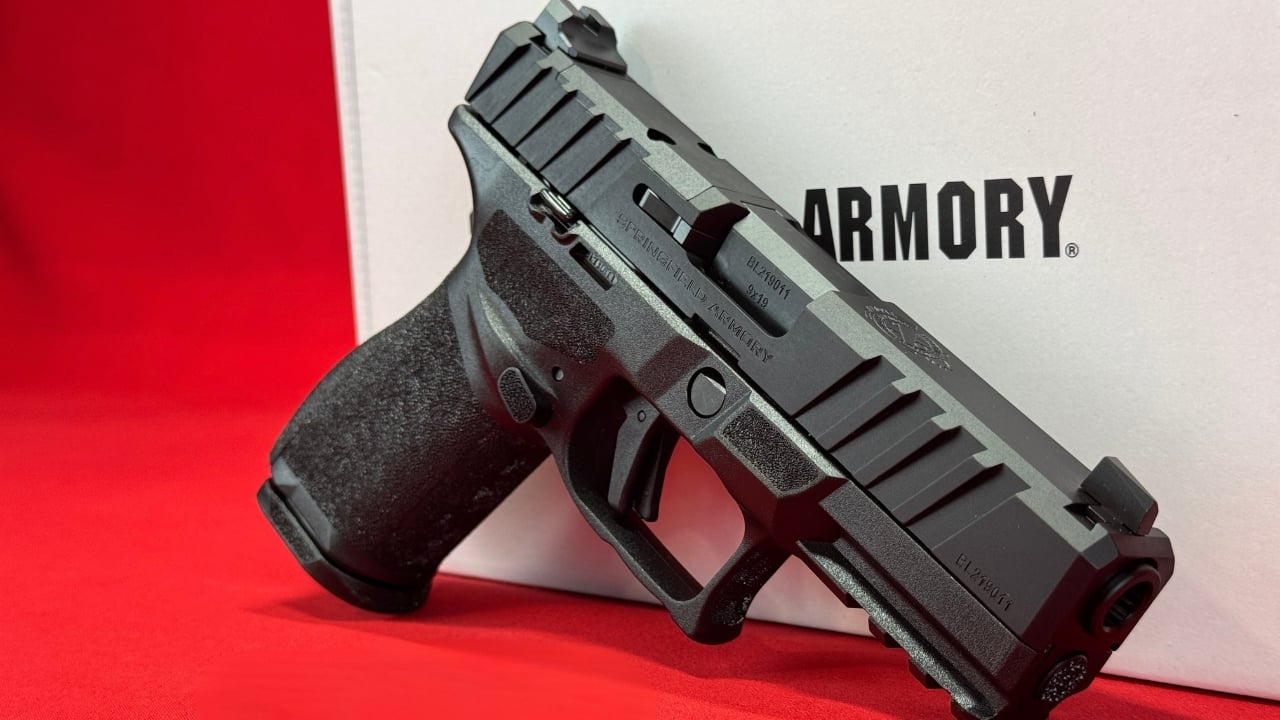
The Echelon 4.0C shrinks the original Echelon into a size that makes far more sense for concealed carry while keeping the modular fire-control system and modern optics setup.
The shorter slide and grip make the pistol easier to live with, yet the frame still gives you enough surface area for a secure firing grip. That is important because some compact pistols become too abbreviated and start punishing the shooter. The 4.0C avoids that problem. It keeps the features that made the larger Echelon interesting while cutting away bulk that many owners simply do not need.
Staccato C

The Staccato C is a good reminder that a 2011-style pistol does not have to be huge to shoot well. The compact frame and shorter slide make it much more carry-friendly than the larger P while still preserving the crisp trigger and flat-shooting feel the platform is known for.
It is not cheap, but the size reduction makes the gun much more practical. A large double-stack 1911 can be fantastic on the range and miserable on the belt. The C avoids much of that problem by trimming the package without gutting the shooting experience. For shooters who want 2011 performance in something they might actually carry every day, smaller is clearly the smarter direction.
Kimber KDS9c

The KDS9c takes the familiar metal-frame, hammer-fired concept and packages it into something compact enough for real concealed carry. The grip is slim, the trigger is crisp, and the overall dimensions are far easier to manage than a traditional full-size 1911.
The pistol still feels substantial because of the metal frame, which helps it avoid the overly light feel some compact guns have. Capacity is also strong for the size. That combination makes the KDS9c more useful than a larger single-stack pistol for many shooters. You keep the refined trigger and solid feel while shedding enough length and height to make daily carry realistic.
Wilson Combat SFX9 3.25

The short SFX9 is one of the most convincing examples of a premium compact that does not feel compromised. The frame is small enough for concealed carry, but the grip shape and trigger make it far easier to shoot than its dimensions suggest.
A lot of tiny pistols force you to accept poor control in exchange for concealability. The SFX9 avoids that by using a thoughtfully shaped frame and excellent trigger system. The result is a gun that feels much more capable than its footprint would imply. It is expensive, but it proves the engineering point clearly: you do not need a full-size handgun to get serious shooting performance.
Glock 26 Gen5

The Glock 26 has always been one of the clearest examples of a small pistol punching above its size. It is short enough to conceal easily, yet the wider double-stack frame gives it more stability than many ultra-thin micro-compacts.
The short grip is the main adjustment, but magazine extensions can add just enough surface area without turning it into a larger gun. Recoil is also surprisingly manageable because the pistol is not excessively light. The 26 may look stubby, but it shoots more like a compact than a pocket gun. That is exactly why it has remained relevant even after the micro-9 category exploded.
Smith & Wesson Shield Plus

The Shield Plus proves that a thin carry pistol can still feel usable instead of cramped. The grip is narrow, but the texture and shape give you enough control to shoot the gun confidently.
It also packs a lot of capacity into a frame that disappears under clothing. That is the bigger point. A full-size pistol may shoot marginally better, but the Shield Plus is much easier to carry every day, and a handgun that is actually on you is more useful than one left behind. The pistol gives up some comfort during long range sessions, but not enough to make the larger gun automatically better.
SIG Sauer P365 XMacro Comp
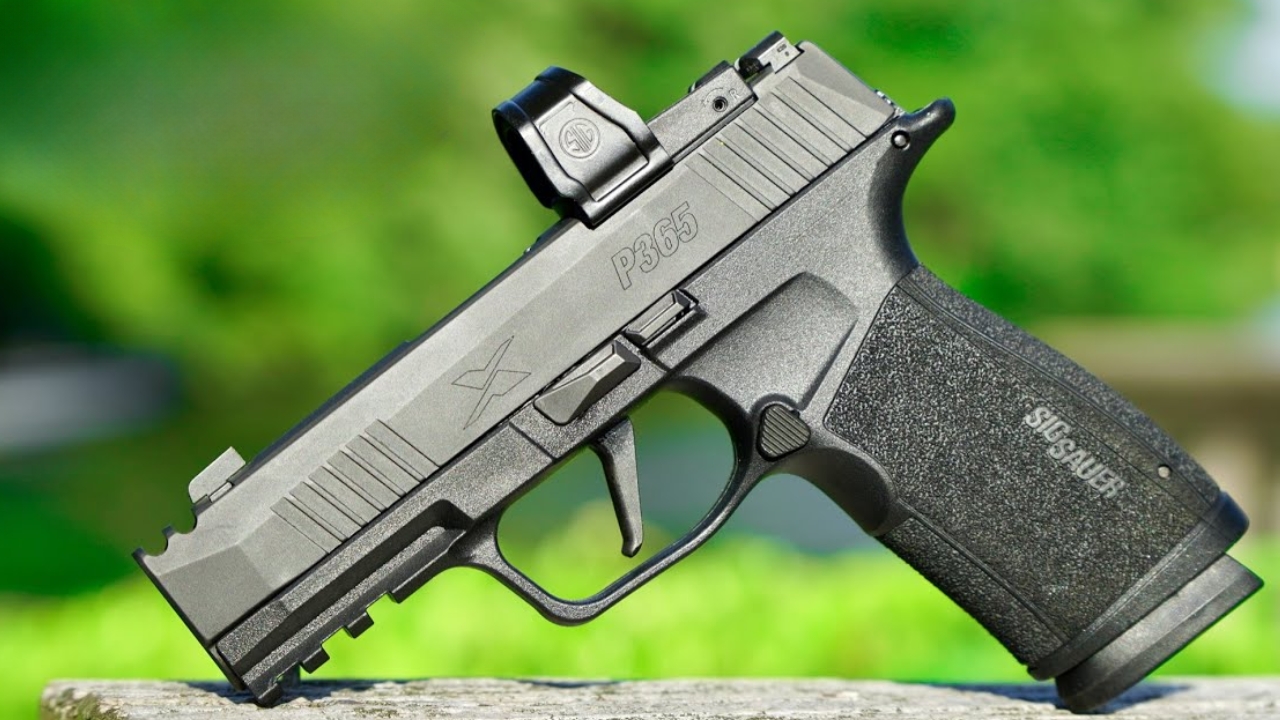
The XMacro Comp stretches the P365 platform just enough to gain better control while remaining far smaller than a conventional duty pistol. The grip is long enough for a full hand, the capacity is excellent, and the compensated slide helps tame recoil.
That makes it a strong example of efficient handgun design. You get near-full-size capacity and a surprisingly shootable platform without carrying a thick, heavy service gun. The XMacro does not make larger pistols obsolete, but it does make them harder to justify for everyday carry. It offers most of what people want from a larger gun in a much easier package.
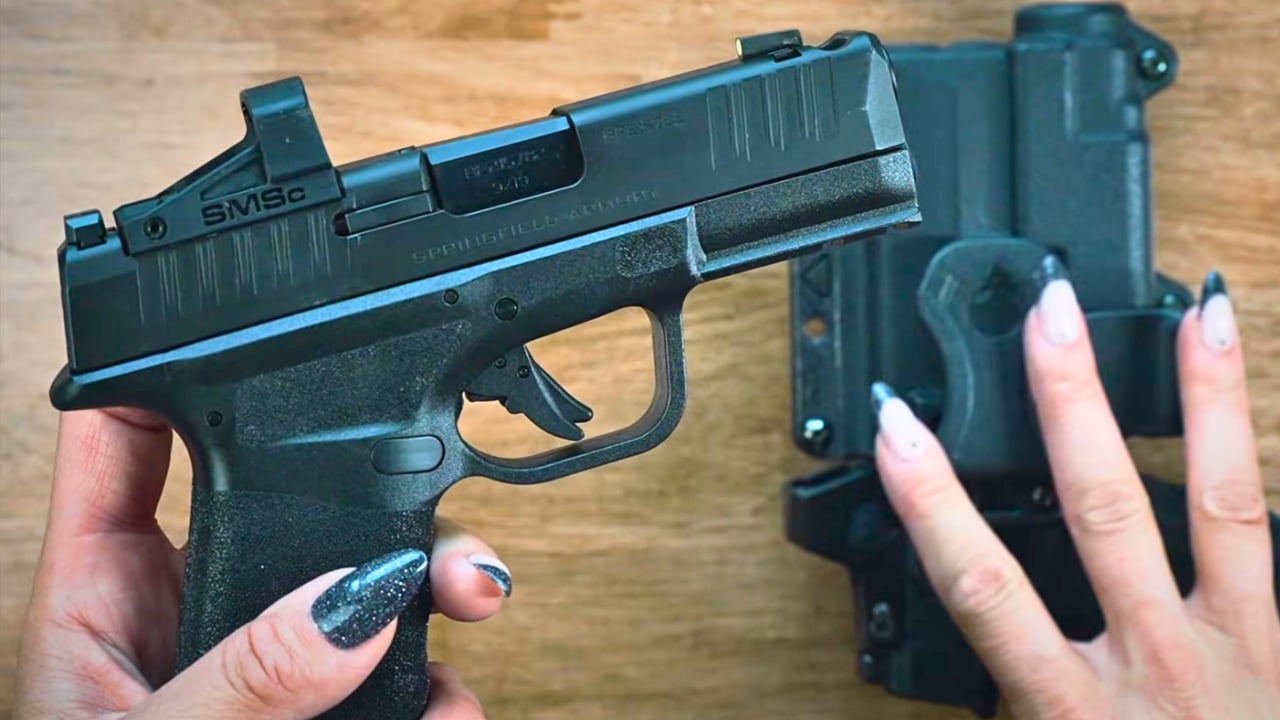
Springfield Hellcat Pro Comp

The Hellcat Pro Comp takes the original micro-compact idea and stretches it into a size that is much more comfortable to shoot while still staying thinner and lighter than traditional compacts.
The compensated slide helps keep the gun flatter, and the longer grip gives your support hand something useful to work with. Capacity is also excellent for the size. Compared with a full-size striker gun, the Hellcat Pro is much easier to conceal while still being capable enough for serious defensive use. It is one of the best examples of how modern handgun engineering has narrowed the gap between carry guns and duty pistols.
FN Reflex MRD
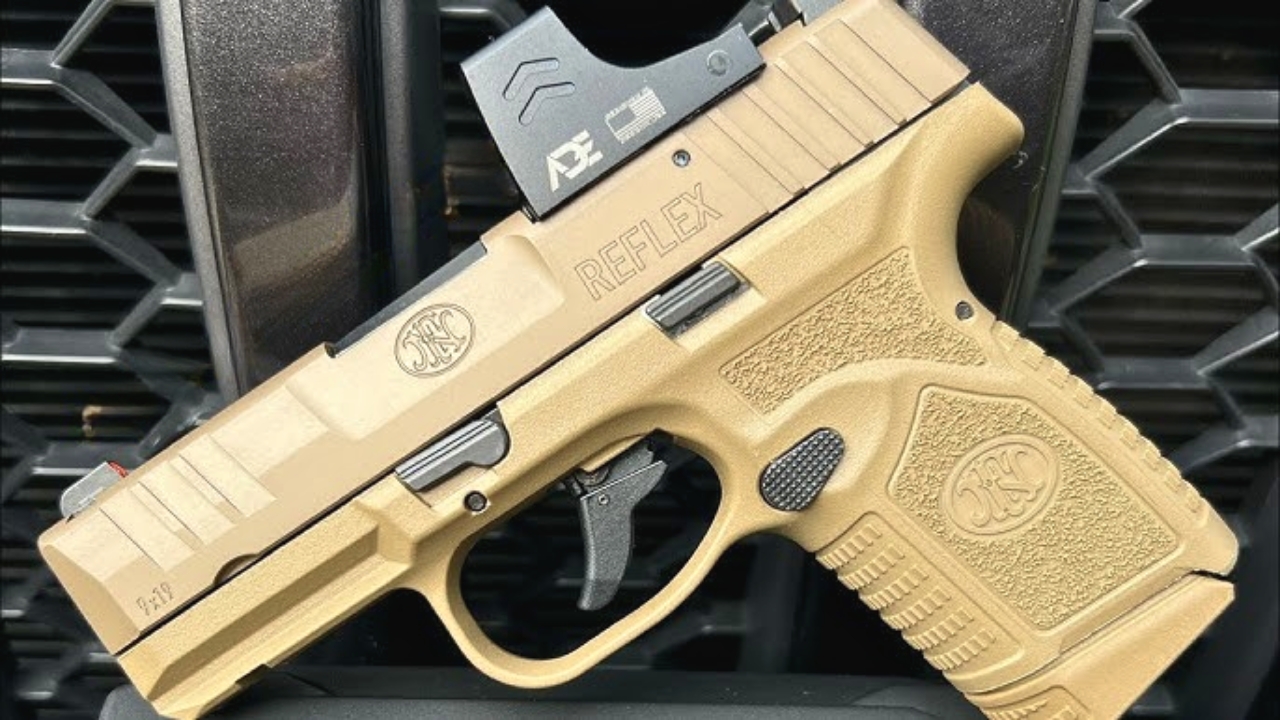
The Reflex is small enough to disappear under light clothing, but it avoids some of the harshness associated with tiny striker-fired pistols by using an internal hammer-fired system and a surprisingly good trigger.
Its grip shape also helps. You get enough control to make the pistol feel more substantial than its actual dimensions. The optics-ready MRD version adds even more capability without increasing the footprint much. For shooters who prioritize carry comfort but still want a pistol that is pleasant enough to practice with regularly, the Reflex makes a strong case against going larger.
Ruger Security-380
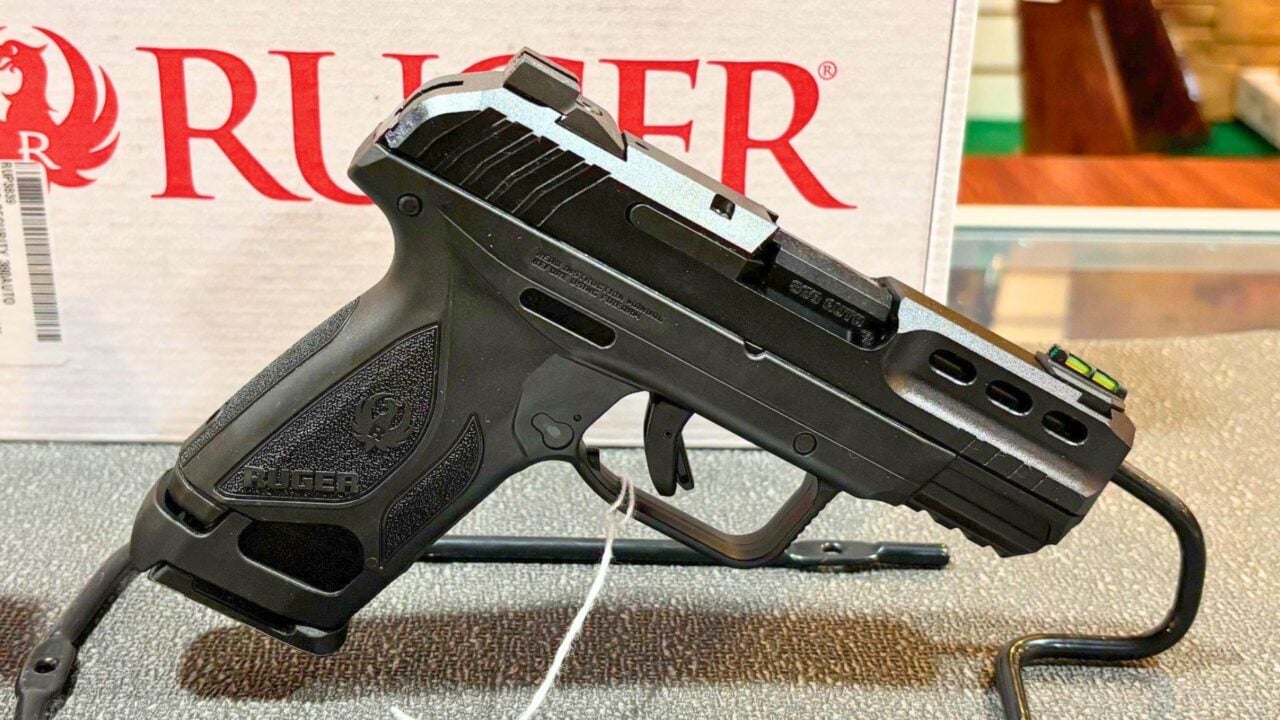
The Security-380 is larger than the tiniest .380 pocket pistols, and that is exactly why it works so well. The easy-racking slide, mild recoil, and full-enough grip make it much easier to shoot than guns that chase minimum dimensions.
It proves that smaller does not have to mean microscopic. Compared with a full-size 9mm, the Security-380 is lighter, easier to manipulate, and more comfortable for recoil-sensitive shooters. It still gives you enough grip to maintain control. For someone who struggles with larger service pistols or stiff recoil springs, the Security-380 shows that downsizing can actually improve practical performance.
Beretta 80X Cheetah
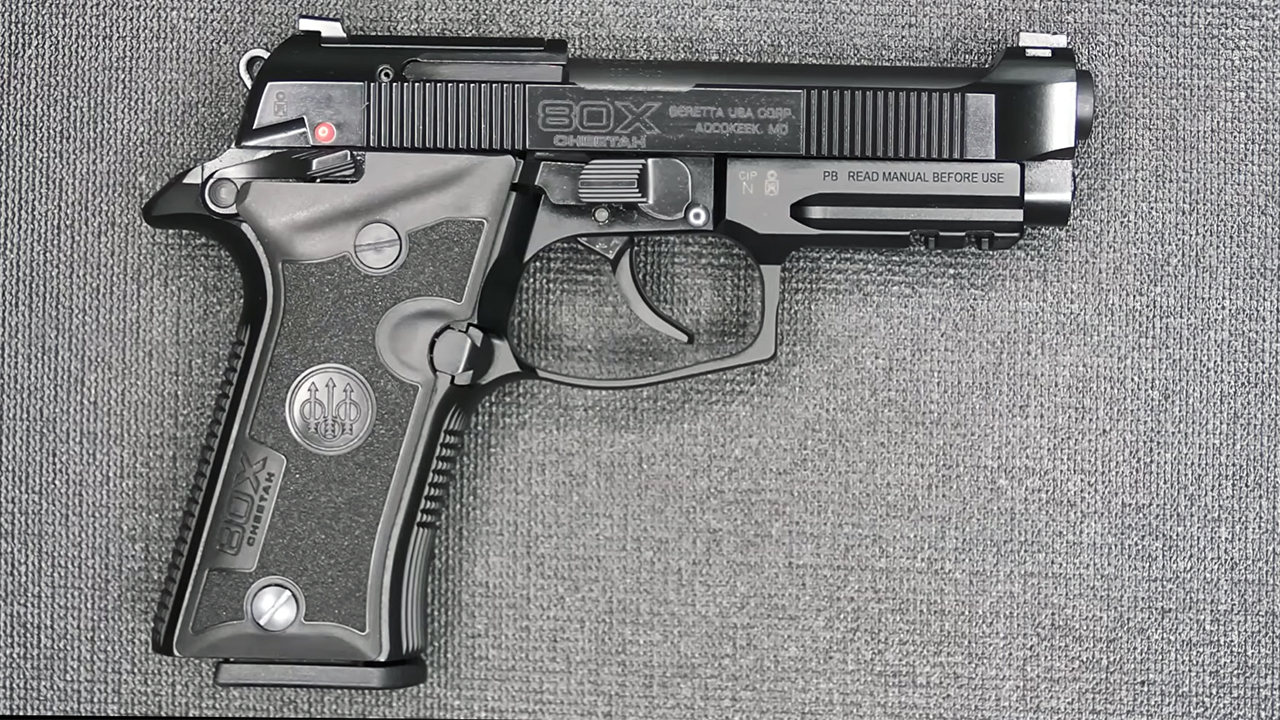
The 80X Cheetah is another .380 that benefits from refusing to be tiny. Its compact metal frame gives the cartridge enough weight to remain extremely soft-shooting, while the grip and controls feel more like a serious service pistol than a pocket gun.
That makes it easy to train with. Many small .380s are unpleasant enough that owners barely practice, but the 80X encourages regular shooting. It also carries more easily than a full-size 9mm while giving up less control than most micro-compacts. The Cheetah proves that a well-designed compact can be more useful than either extreme.
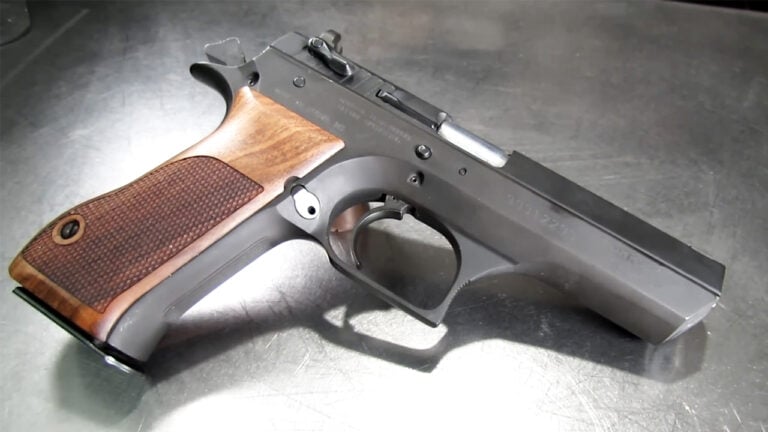
CZ P-01

The P-01 trims the classic CZ 75 format into a compact aluminum-frame pistol without losing the ergonomics that make the larger gun so easy to shoot. The grip is shorter, the slide is easier to conceal, and the overall weight is manageable.
At the same time, the pistol still has enough mass to keep recoil soft and enough grip area for serious control. The DA/SA trigger and decocker make it a practical defensive gun rather than just a shortened range pistol. For many shooters, the P-01 gives them nearly everything they like about a full-size CZ while making daily carry much more realistic.
Ruger GP100 3-Inch
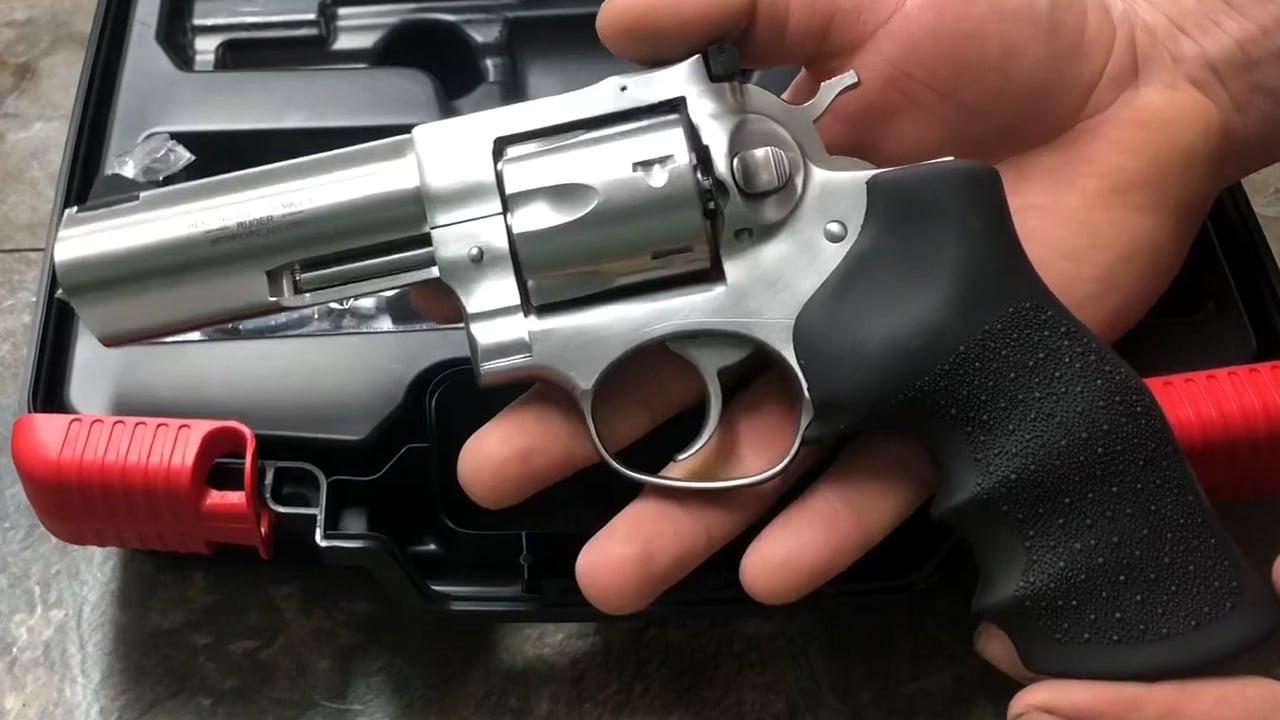
A three-inch GP100 shows that revolvers do not have to be huge to handle serious ammunition well. The barrel is short enough to make the gun easier to carry, while the sturdy frame and grip still give you enough weight to manage .357 Magnum.
That balance is what makes it useful. A six-inch revolver may produce more velocity and be easier to shoot from a bench, but it is far less convenient to carry. The three-inch GP100 gives up some sight radius and speed, yet it remains capable of handling serious loads while being much more practical around the woods or property. Bigger is not automatically better when the gun spends more time on your belt than on a shooting rest.
Like The Avid Outdoorsman’s content? Subscribe to our newsletter so you never miss an article.
Here’s more from us: