
Photo credit: Winkler Knives
American-made knives can get expensive in a hurry. Domestic labor, smaller production runs, better materials, and more complicated machining all push prices upward, and the American flag on the box does not automatically make a knife a good value. Some models charge a hefty premium without delivering enough improvement to justify it.
The knives worth paying for are the ones that give something back. Maybe it is a heat treatment that gets the most out of premium steel, an unusually strong lock, excellent factory geometry, a warranty you can actually use, or construction stout enough to survive decades rather than a few seasons. These 20 American-made knives may not be cheap, but they give you enough quality, performance, or longevity to make the price easier to defend.
Hogue Deka

The Deka is one of the better arguments for buying American without automatically spending boutique-knife money. It is extremely light, carries flat, and uses Hogue’s ABLE Lock to give you completely ambidextrous operation without requiring a heavy frame. Versions using MagnaCut are especially appealing because you get excellent corrosion resistance, toughness, and useful edge retention in a knife light enough to forget you are carrying.
The factory handle can feel less substantial than some buyers expect, particularly on lightweight versions, but that is largely the price of getting the weight so low. Mechanically, the Deka gives you much more than a disposable ultralight folder. The action is good, the blade geometry works for everyday cutting, and Hogue’s manufacturing quality keeps the knife from feeling sloppy. It is a practical American EDC rather than an expensive status piece.
Buck 110 Slim Pro TRX

The classic Buck 110 is an American icon, but the Slim Pro TRX makes the basic idea considerably easier to live with every day. You retain the recognizable clip-point profile and dependable lockback concept while losing much of the brass-and-wood weight that makes the traditional 110 better suited to a belt sheath than a modern pocket.
The TRX configuration also gives the design modern materials and a pocket clip without trying to turn it into something unrecognizable. That matters because Buck already had the blade shape and ergonomics largely figured out decades ago. This version simply removes some of the inconveniences. There are lighter folders and more complicated locks available, but the Slim Pro TRX offers a convincing combination of American production, straightforward construction, useful steel, and a design that has already proven it can stay relevant for generations.
Spyderco Bodacious
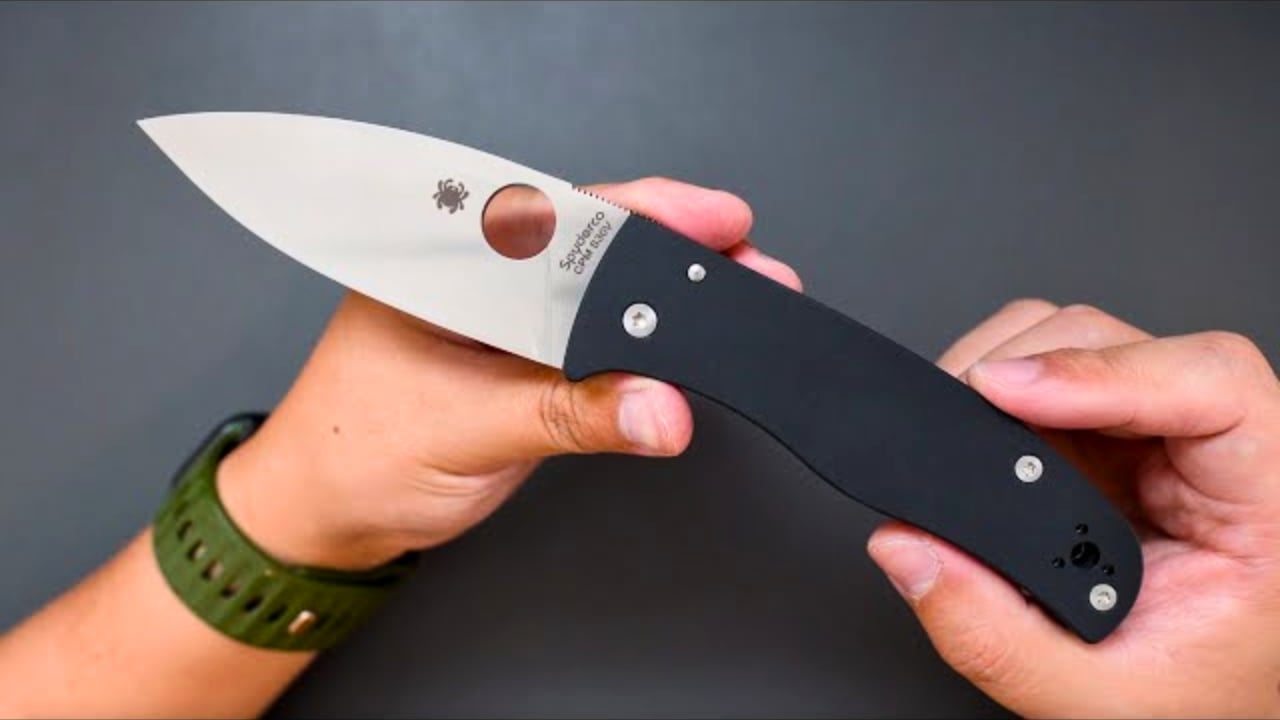
The Bodacious is one of the newer examples of what Spyderco’s Golden, Colorado operation does especially well. It gives you a large, highly usable cutting blade, a Compression Lock, full-size ergonomics, and a handle that avoids some of the deeper finger sculpting found on other heavy-duty Spydercos. The result is a knife that feels unusually neutral in the hand despite its substantial dimensions.
That neutral shape matters during actual work. You can change grips without the handle fighting you, and the broad blade gives plenty of usable edge without becoming absurdly thick. It is not inexpensive, particularly compared with imported Spyderco models, but you are paying for a U.S.-built folder with a proven lock and a design meant to be used hard. For someone who finds the Shaman too sculpted or bulky, the Bodacious may actually be the more useful American-made option.
White River M1 Backpacker

The M1 Backpacker is proof that an American fixed blade does not have to be huge to justify its price. It is compact enough to disappear on a belt or in a pack, but the blade is still large enough for food preparation, game work, camp chores, and general outdoor cutting. White River keeps the design clean rather than covering it with unnecessary features, which helps explain why owners tend to actually use these knives.
Its biggest strength is versatility. A small fixed blade has no pivot to fill with dirt, no lock to maintain, and very little that can go wrong when you are away from home. The Backpacker gives you that reliability without forcing you to carry a full-size survival knife everywhere. White River also offers U.S.-made handle options for the platform, reinforcing the knife’s role as a long-term tool rather than something disposable.
Benchmade Taggedout
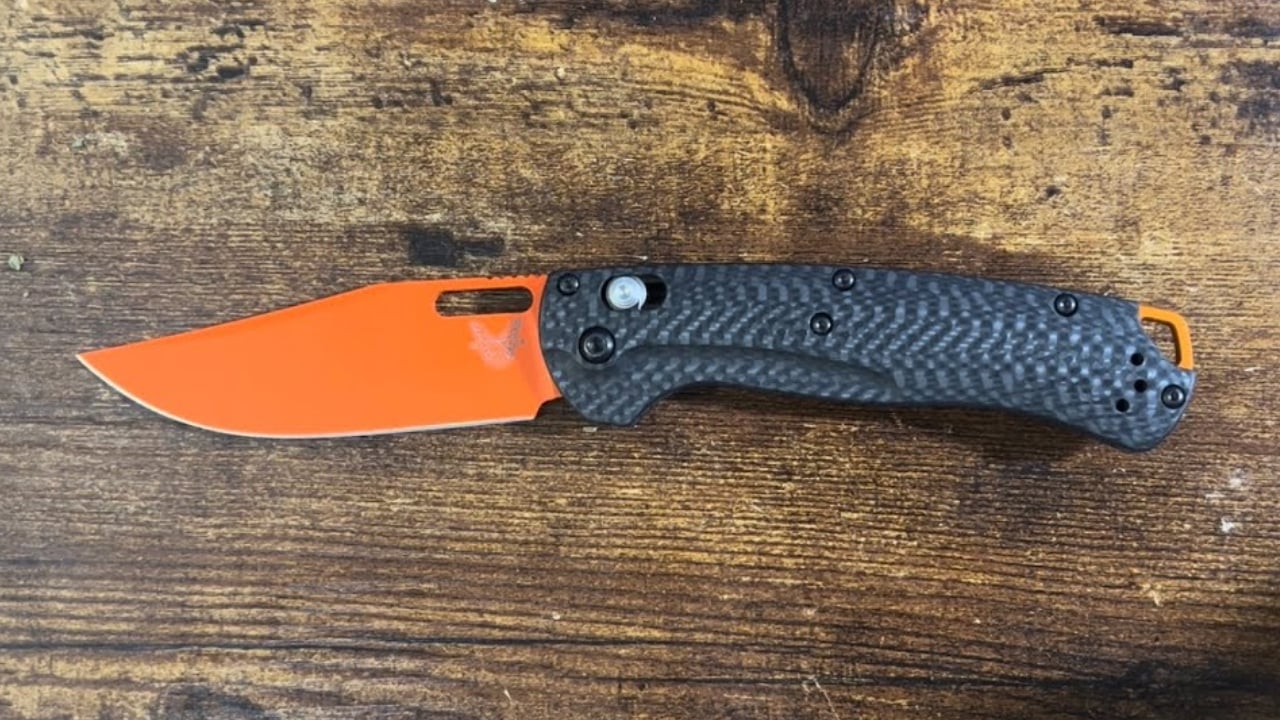
The Taggedout is one of Benchmade’s better knives for people who hunt but do not want to carry a heavy traditional hunting folder. It takes the lightweight philosophy normally associated with everyday carry and applies it to a long, slicey blade that works especially well on game. The handle provides more reach than tiny ultralight folders while still keeping the complete knife remarkably easy to carry.
That matters when every piece of equipment eventually winds up being carried up a hill, through brush, or several miles back to the truck. A heavy folder feels unnecessary when a lighter one can do the cutting just as effectively. The Taggedout is not the cheapest way to get a hunting knife, but it earns its price through low weight and excellent cutting geometry rather than decorative materials. For hunters who actually count ounces, that makes the premium much easier to justify.
ESEE-4
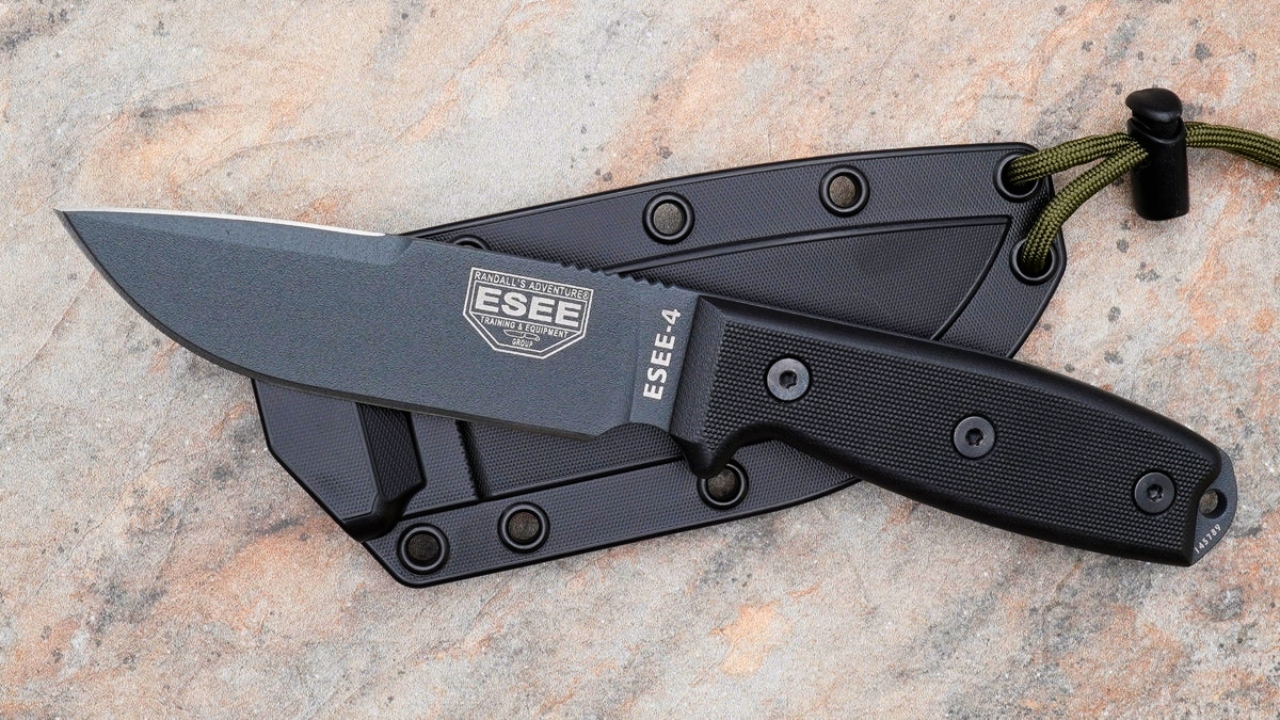
The ESEE-4 may be one of the least glamorous knives on this list, and that is exactly why it has remained so successful. The basic 1095 versions use straightforward carbon steel, Micarta handles, a full tang, and a blade thickness substantial enough for demanding outdoor use without turning the knife into a sharpened pry bar. ESEE-logo knives are made by Rowen Manufacturing in Idaho Falls, giving the company unusually clear domestic-production credentials.
The other reason the ESEE-4 remains worth the money is that buyers tend to stop worrying about it. The design is made to get dirty, scratched, sharpened, and used. ESEE’s warranty reputation only reinforces that attitude. Plenty of knives use more exotic steels and prettier machining, but few encourage hard use as effectively. If you need a field knife rather than something to admire in a display case, the ESEE-4 remains incredibly difficult to replace.
Kershaw Bel Air
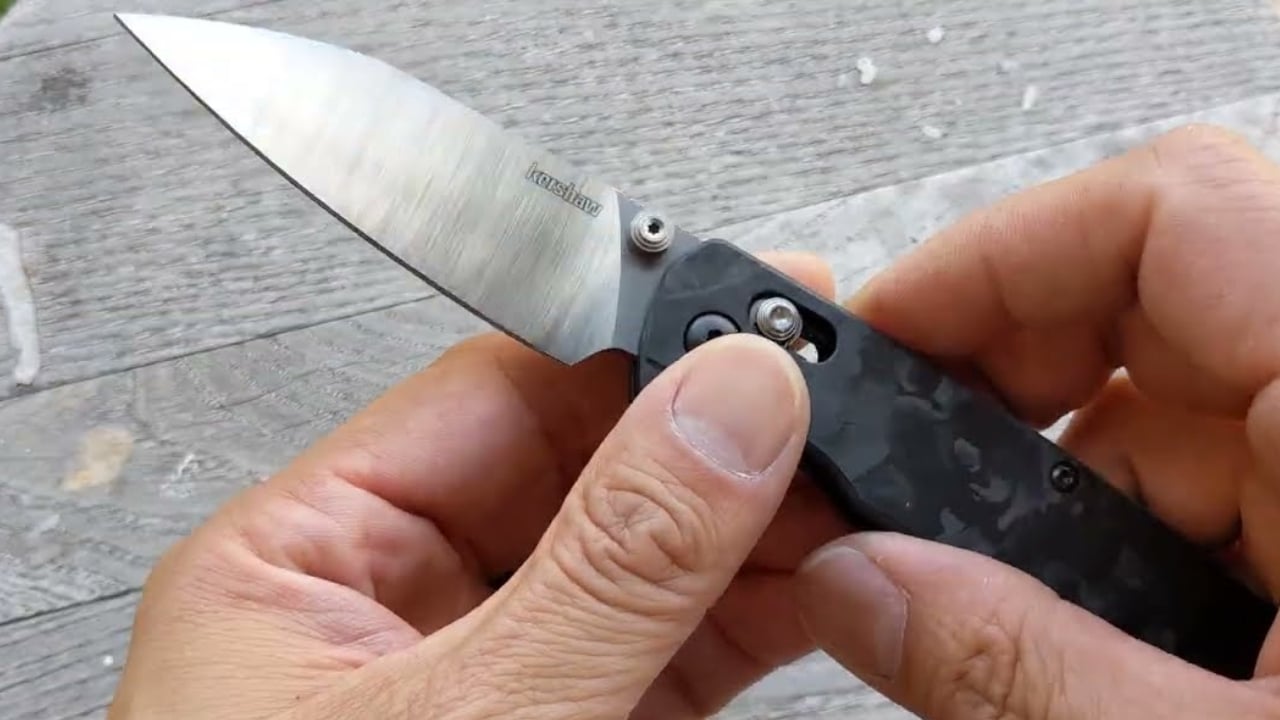
The Bel Air is one of the strongest knives Kershaw has produced in its modern American lineup. Kershaw specifically identifies it as manufactured in its U.S. factory, and the knife combines that domestic production with the company’s DuraLock crossbar mechanism and a slim profile that works exceptionally well for everyday carry.
What makes it worth paying for is how little compromise is involved. It is light but does not feel flimsy, large enough for normal utility work without dominating the pocket, and modern without being covered in unnecessary styling. Kershaw built its reputation partly around affordable knives, so paying more for one can initially feel strange. The Bel Air makes the jump easier to understand because it delivers the sort of materials, action, and machining that compete directly with far more expensive American folders.
Bradford Guardian 3.2
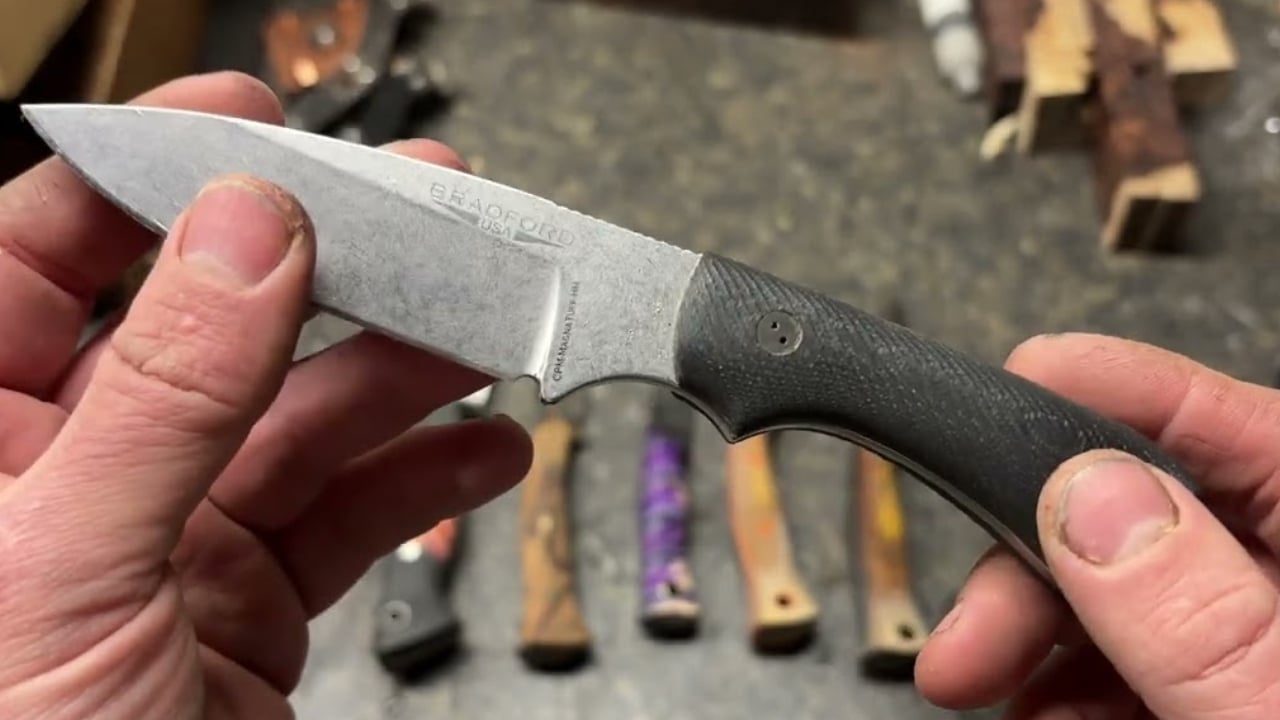
The Guardian 3.2 hits one of the most useful fixed-blade size ranges available. It is large enough to replace a folding knife for most daily cutting jobs while remaining compact enough for horizontal or discreet belt carry. That makes it useful for people who like the mechanical reliability of a fixed blade but have no desire to walk around with a six-inch survival knife hanging from their hip.
Bradford also offers enough steel and handle combinations that buyers can tailor the knife toward general EDC, outdoor work, or corrosion resistance rather than being locked into one configuration. The design itself is refreshingly straightforward: useful blade, comfortable handle, full-tang construction, and nothing that exists only for decoration. You are paying more than you would for a mass-market imported fixed blade, but the quality and versatility make the Guardian 3.2 feel like a knife you can keep using for years.
Case Trapper

A Case Trapper may look almost primitive beside modern titanium flippers, but traditional pocket knives survive because they still solve everyday cutting jobs remarkably well. Two useful blades give you the ability to reserve one edge for cleaner work while beating up the other, and the handle is comfortable without being covered in tactical texturing or complicated hardware.
The appeal is also bigger than specifications. Case remains based in Bradford, Pennsylvania, and its traditional knives still represent a kind of American cutlery manufacturing that has disappeared from many other companies. The Trapper is not the knife you buy for one-handed deployment or extreme lock strength. You buy it because it cuts well, carries comfortably, is easy to maintain, and can still be handed to somebody decades later without looking obsolete. That longevity makes the price easier to justify.
TOPS B.O.B. Fieldcraft

The B.O.B. Fieldcraft is unapologetically built around outdoor work. It has a substantial fixed blade, a comfortable handle that works through extended carving and camp chores, and enough spine strength that you do not feel like you need to baby it. The design came out of bushcraft thinking rather than tactical styling, which helps keep the features relevant once you actually reach camp.
It is heavier than a minimalist backpacking knife, but the weight earns its place when you are processing wood, building a fire, or doing repeated rough cutting. Plenty of cheaper fixed blades can perform those tasks, but the Fieldcraft has the handle comfort and overall construction that make doing them repeatedly less miserable. It is not a delicate slicer and does not pretend to be. As a dedicated woods knife made for hard, regular use, it delivers enough capability to justify paying for domestic production.
Spyderco Native 5
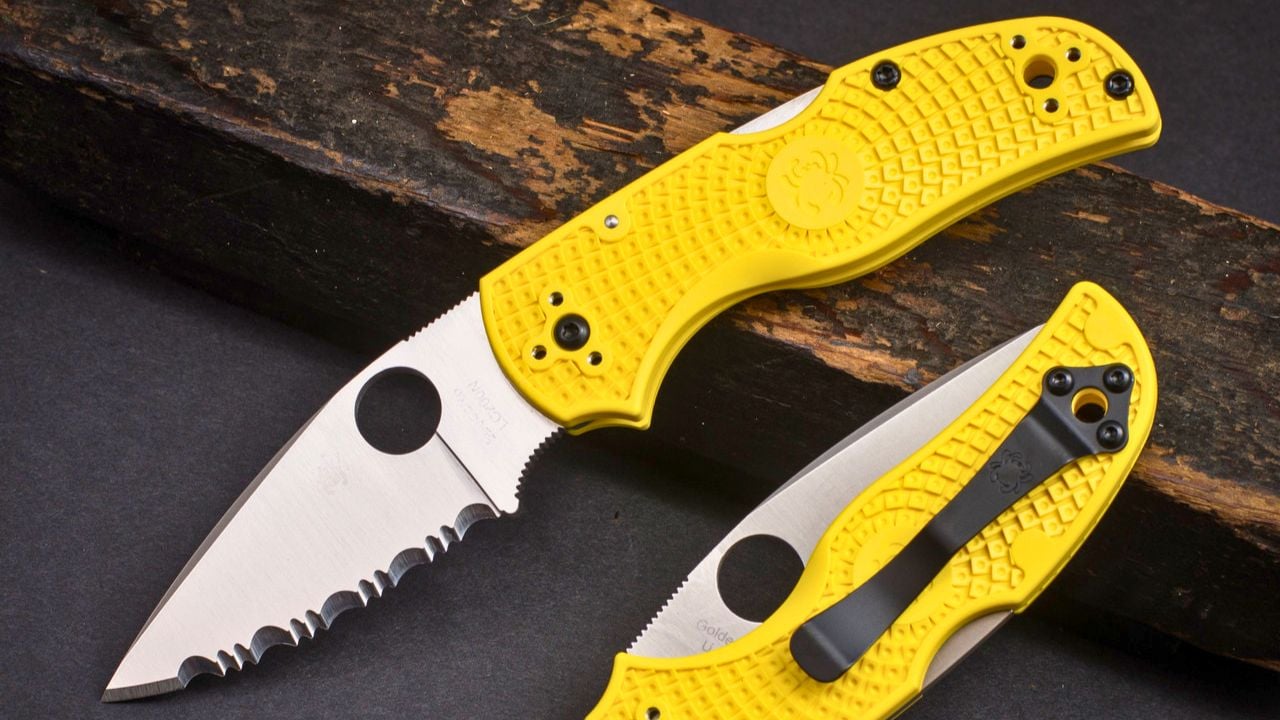
The Native 5 may be less exciting than some newer Spyderco releases, but it is one of the company’s most complete American-made everyday knives. It comes out of Spyderco’s Golden, Colorado family and combines a stout lockback with an ergonomic handle, useful blade shape, and enough variants that nearly anyone can find a configuration that makes sense.
What keeps the Native relevant is its lack of gimmicks. It does not require a flipper, assisted mechanism, oversized pivot, or complicated lock to work well. The back lock is straightforward, the opening hole works with either hand, and the blade is large enough for daily tasks without pushing legal or practical limits in the way larger folders can. It may not be the knife that gets the most attention in a collection, but it is often the one that keeps getting carried.
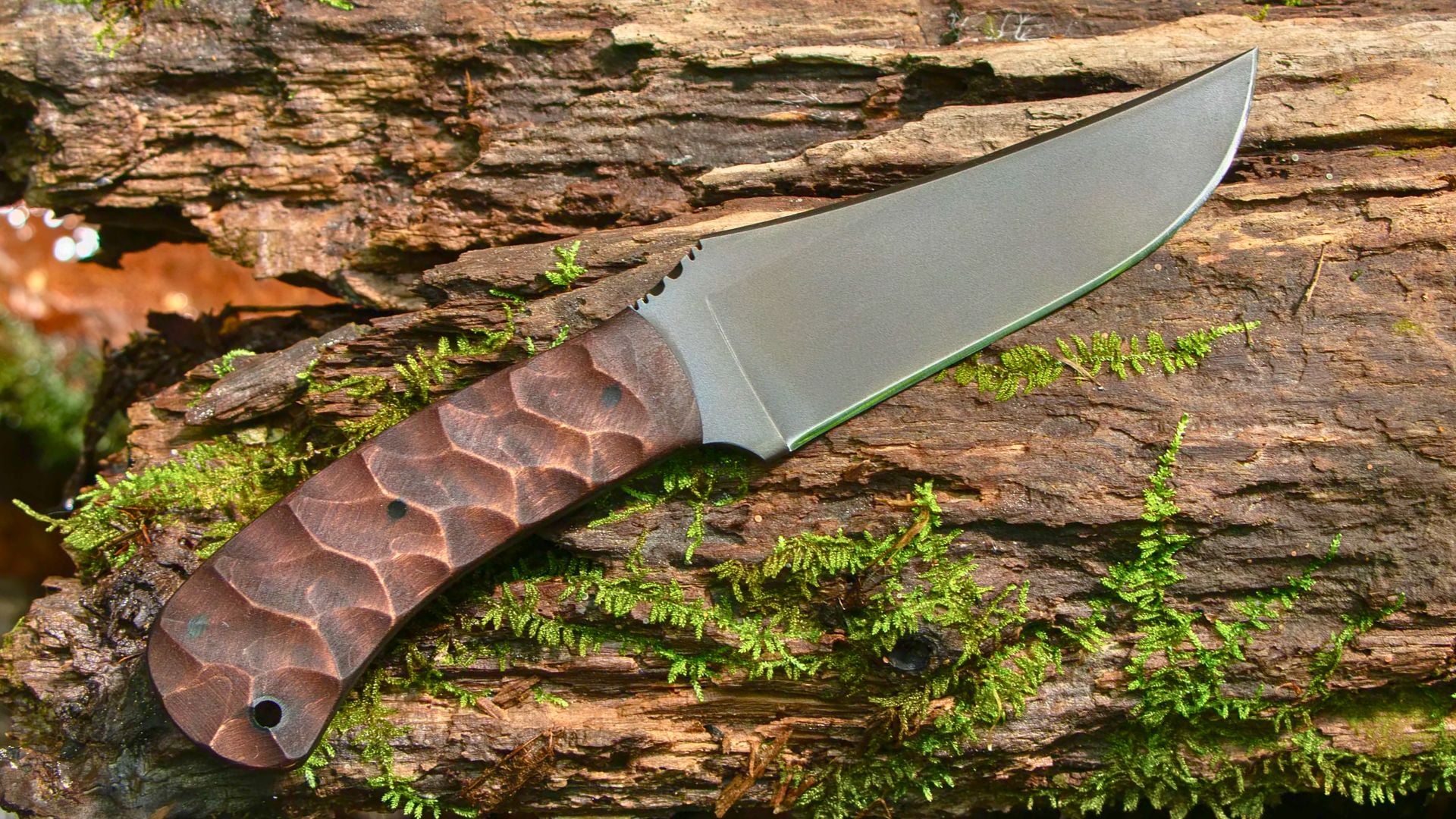
Winkler Belt Knife
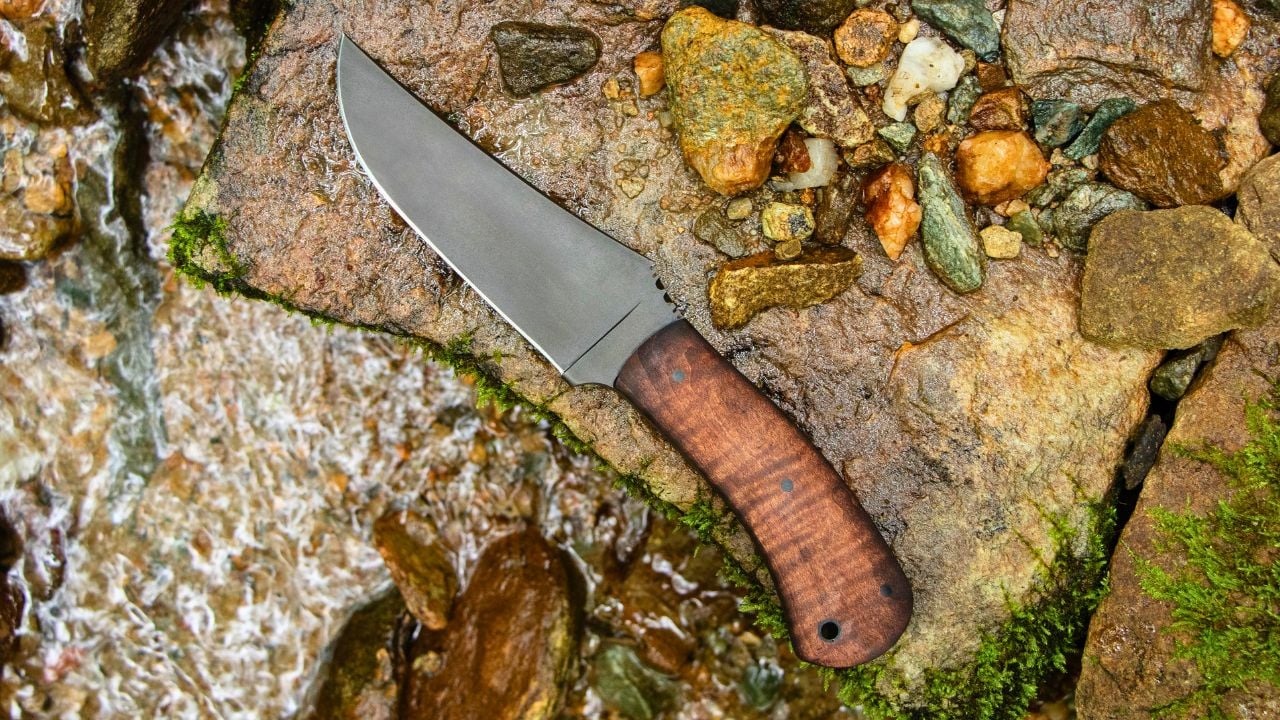
Winkler knives are expensive, but the Belt Knife is one of the easier models to understand once you actually handle one. It is a full-size fixed blade without the exaggerated thickness and awkward geometry that sometimes plague hard-use knives. The handle is shaped for extended use, and the blade remains capable of ordinary cutting instead of being optimized solely around surviving abuse.
That balance is important. Plenty of heavy-duty fixed blades are incredibly strong but exhausting to carry and mediocre at slicing. The Winkler feels like a tool that was designed by someone expecting it to be carried rather than tested for internet destruction videos. It is still a premium purchase, but the machining, handle treatment, sheath setup, and overall refinement make the cost feel connected to usefulness. For someone wanting one serious American field knife, it is a convincing place to spend more.
Buck Alpha Guide Elite
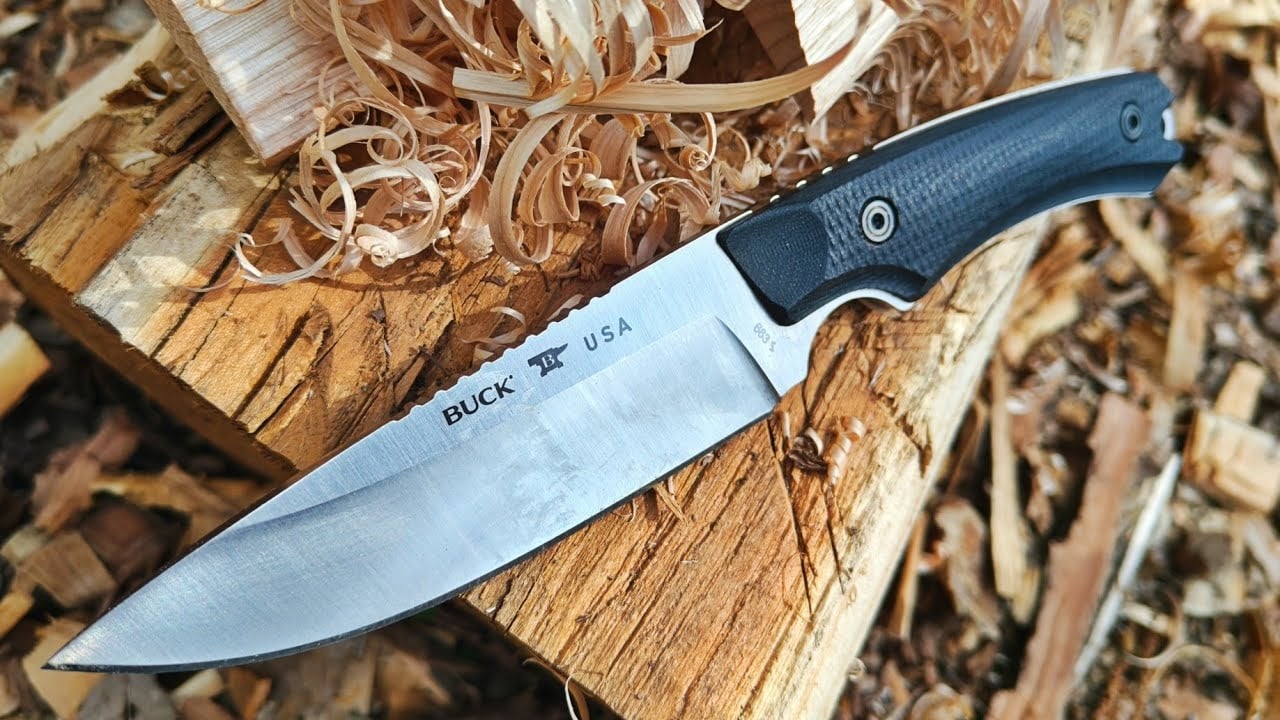
The Alpha Guide is aimed squarely at hunters who want a fixed blade that works around blood, hide, and slippery conditions rather than merely looking outdoorsy. The handle shape gives you a secure working grip, and the blade profile offers enough belly for game processing without becoming awkward for ordinary camp chores.
The Elite versions raise the materials beyond Buck’s entry-level hunting knives, but the underlying reason to buy one remains the design. Buck understands hunting knives because it has spent generations building them, and that experience shows in details like grip security and practical blade proportions. You can absolutely process a deer with a much cheaper knife, but the Alpha Guide makes repeated work more comfortable and gives you a tool designed to stay in the hunting kit for years rather than get replaced when the next season rolls around.
Hogue Ritter RSK MK1-G2

The Ritter RSK is not trying to win a beauty contest. It is a purpose-driven folding knife with a broad blade, comfortable handle, and Hogue’s crossbar-style locking system. The proportions give you more hand-filling ergonomics than ultralight folders while still keeping the knife manageable for normal pocket carry.
Where it really earns its money is in the details that become noticeable after extended use. The handle remains comfortable when pressure increases, the blade shape works equally well for controlled slicing and tougher utility jobs, and the lock provides easy ambidextrous operation. It feels like a knife designed around what an experienced user actually wants rather than a marketing department’s list of trendy features. For someone wanting one American folder that can serve as an EDC and a legitimate working knife, the RSK remains a very strong value.
Montana Knife Company Speedgoat
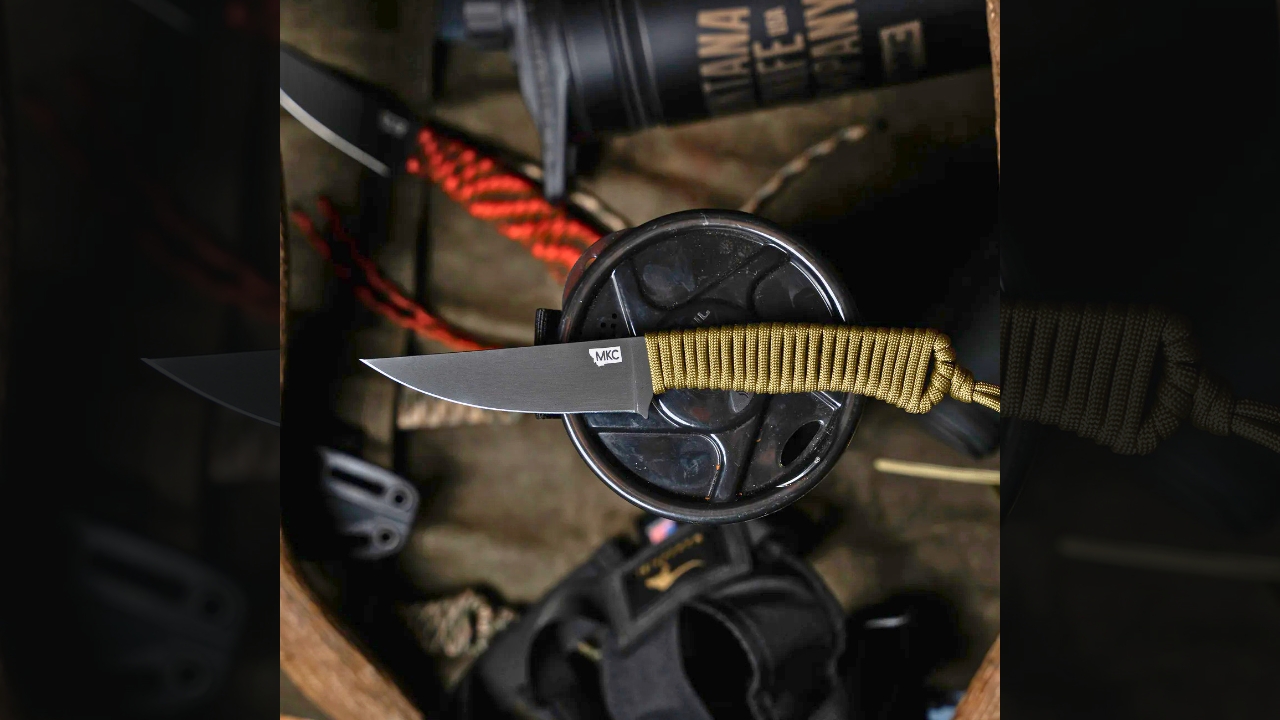
The Speedgoat is built around a philosophy that makes immediate sense to hunters: remove weight without removing the parts of the knife that actually matter. Its skeletonized, cord-wrapped construction keeps the package exceptionally light, yet the blade remains large enough for field dressing, meat work, and normal backcountry cutting chores.
The advantage becomes obvious several miles into a hunt. An ounce saved on one piece of equipment may not sound dramatic, but hunters carrying everything on their backs eventually notice every unnecessary item. The Speedgoat delivers fixed-blade reliability without the bulk normally associated with a serious hunting knife. It is not going to provide the plush grip of a thick Micarta handle during prolonged carving, but that is not its job. For lightweight hunting kits, the American-made construction and purpose-driven design make the price much easier to defend.
Bark River Bravo 1
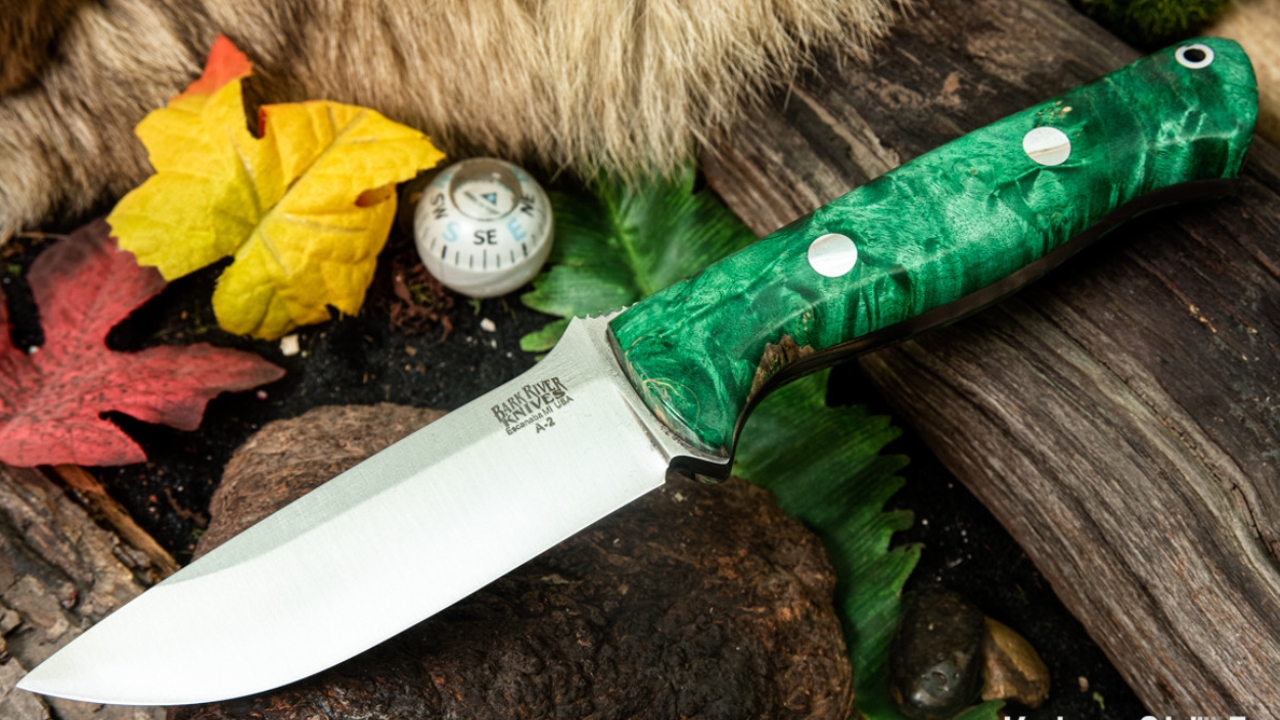
The Bravo 1 is a substantial field knife that has earned a following because it manages to be durable without completely abandoning cutting performance. The convex edge gives it a different personality from conventional flat-ground survival knives, and the broad handle is designed for extended use rather than simply looking aggressive.
There is also something appealing about how traditional the knife feels despite its heavy-duty capabilities. You get a fixed blade built around steel, handle material, edge geometry, and hand comfort instead of complicated mechanisms or interchangeable hardware. Bark River knives can vary considerably in price depending on steel and handle choice, but the Bravo 1 remains a model where spending more can make sense for somebody who genuinely uses fixed blades outdoors. Properly maintained, there is little reason one should not last through years of hunting, camping, and general field work.
Kershaw Launch 15
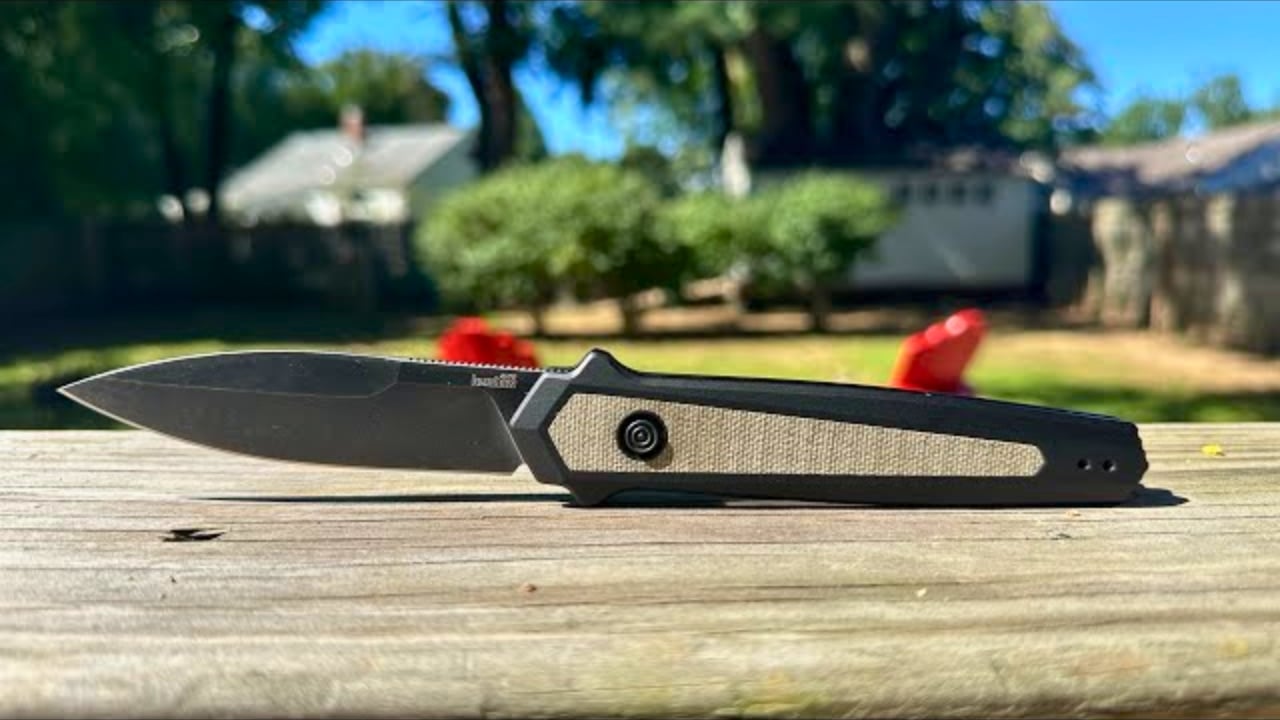
The Launch series demonstrates how different Kershaw’s American production can feel from its lowest-cost imported knives. The Launch 15 combines lightweight construction with automatic deployment in a package that remains practical rather than becoming a giant novelty auto. The textured handle gives plenty of traction, and the blade shape is versatile enough for ordinary utility work instead of being built solely around dramatic appearance.
What you are paying for is the combination of U.S. manufacturing, crisp action, low weight, and good materials. There are much cheaper automatic knives, but inexpensive autos often reveal their cost through blade play, rough buttons, excessive weight, or mediocre steel. The better Launch models avoid most of those compromises. Where legal to own and carry, the Launch 15 gives you an American automatic that feels like a legitimate everyday tool rather than a mechanism attached to a mediocre knife.
ESEE-6
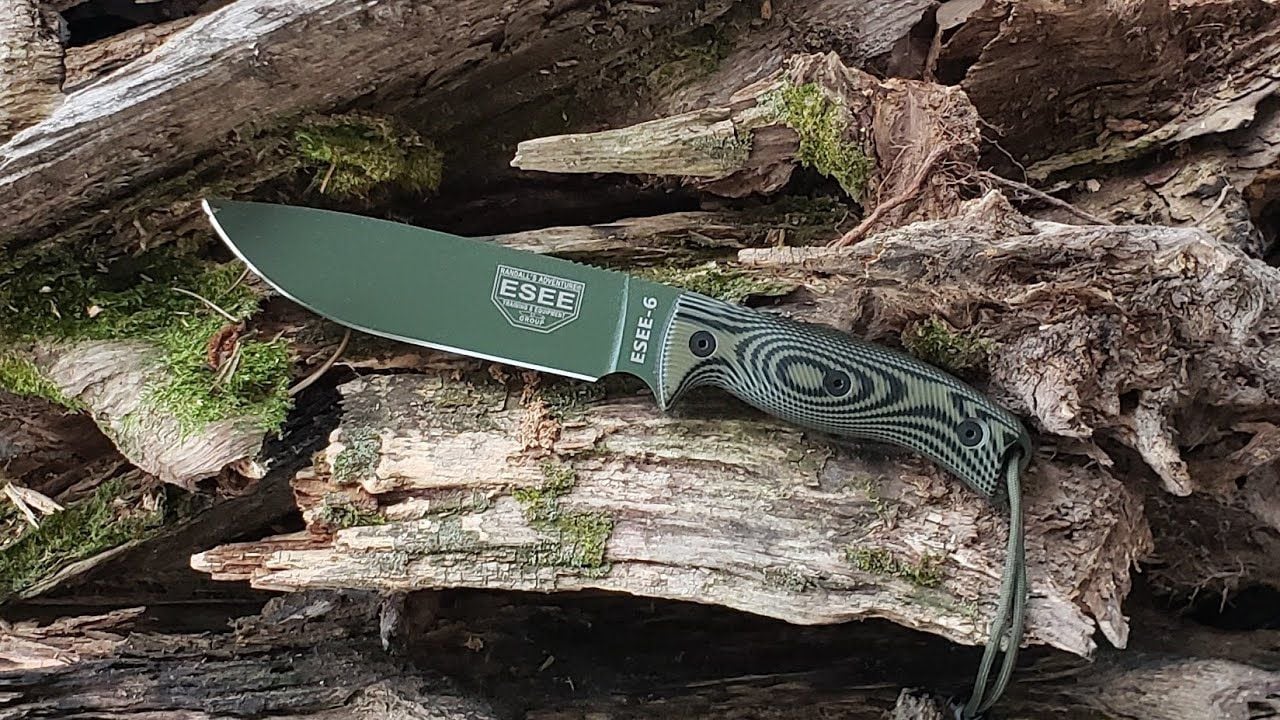
The ESEE-6 is the knife to choose when the ESEE-4 starts feeling a little small for the work ahead. The longer blade provides more reach for camp food preparation, vegetation, wood processing, and general backcountry use while preserving the straightforward full-tang construction that makes the ESEE line so easy to trust. ESEE confirms its logo-bearing knives are manufactured in the United States by Rowen Manufacturing in Idaho Falls.
What makes the 6 worth buying is not fancy steel or delicate finishing. It is the fact that you can use the knife hard without spending the whole trip worrying about it. The handle is comfortable, the blade is easy to maintain in the field, and the design has enough size to perform meaningful camp work without becoming a machete. It is a knife bought to accumulate scars, and that is a compliment.
Spartan Harsey Folder
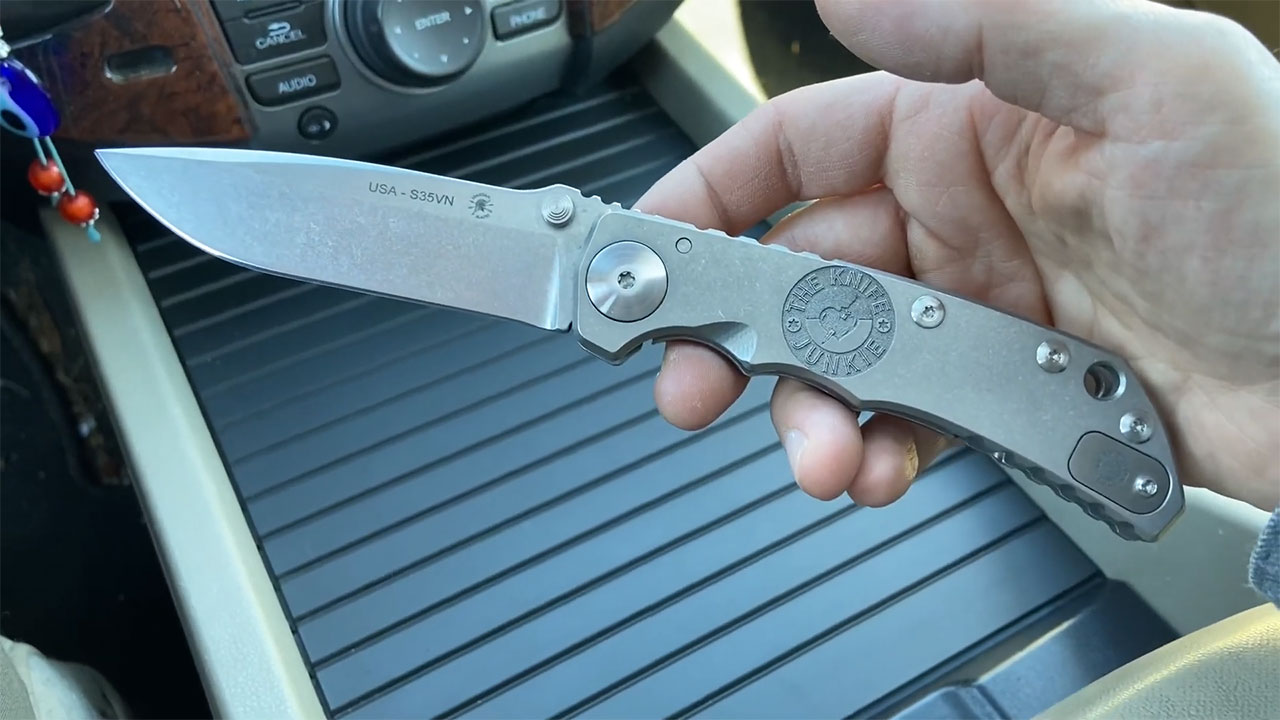
The Spartan Harsey Folder sits firmly in premium territory, so it has to deliver more than an American flag and a recognizable designer’s name. Fortunately, the basic construction backs up the price. It is a large titanium frame-lock folder with the sort of machining and fit that make the knife feel substantial without becoming crude.
The Harsey is especially appealing to buyers who want premium materials but still expect the knife to be usable. The handle is large enough for a secure working grip, the blade has practical geometry, and the entire design feels more like a refined field folder than pocket jewelry. You can buy multiple competent knives for the same money, so nobody needs one. But if you want one high-end American folder that still feels appropriate with scratches on it, the Harsey makes a better argument than many luxury knives do.
Case Axe Handle
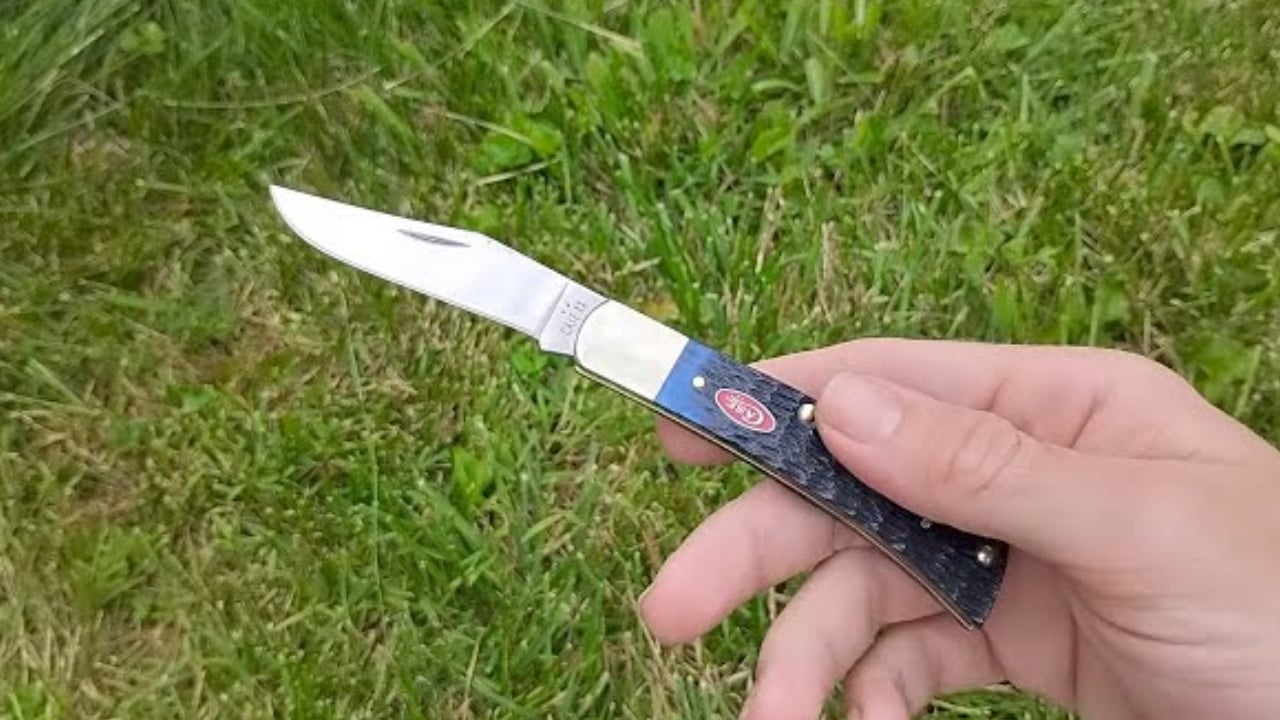
The Axe Handle shows that American traditional knife manufacturing does not have to mean endlessly reproducing patterns from a century ago. Introduced by Case in 2026 and inspired by custom maker Bill Ruple, the pattern uses a roughly four-inch handle and is built in Bradford, Pennsylvania. It looks traditional, but the proportions and shaping give it a personality distinct from another standard Trapper or Stockman.
That makes it particularly appealing to people who enjoy slipjoints but want something they have not already seen a hundred times. There is no pocket clip, crossbar lock, or flipper tab trying to modernize the concept unnecessarily. Instead, the value comes from craftsmanship, a useful cutting blade, comfortable proportions, and the satisfaction of buying a traditional-style knife still being produced domestically. For a knife intended to age gracefully rather than become technically obsolete, that is money well spent.
Benchmade Mini Adira
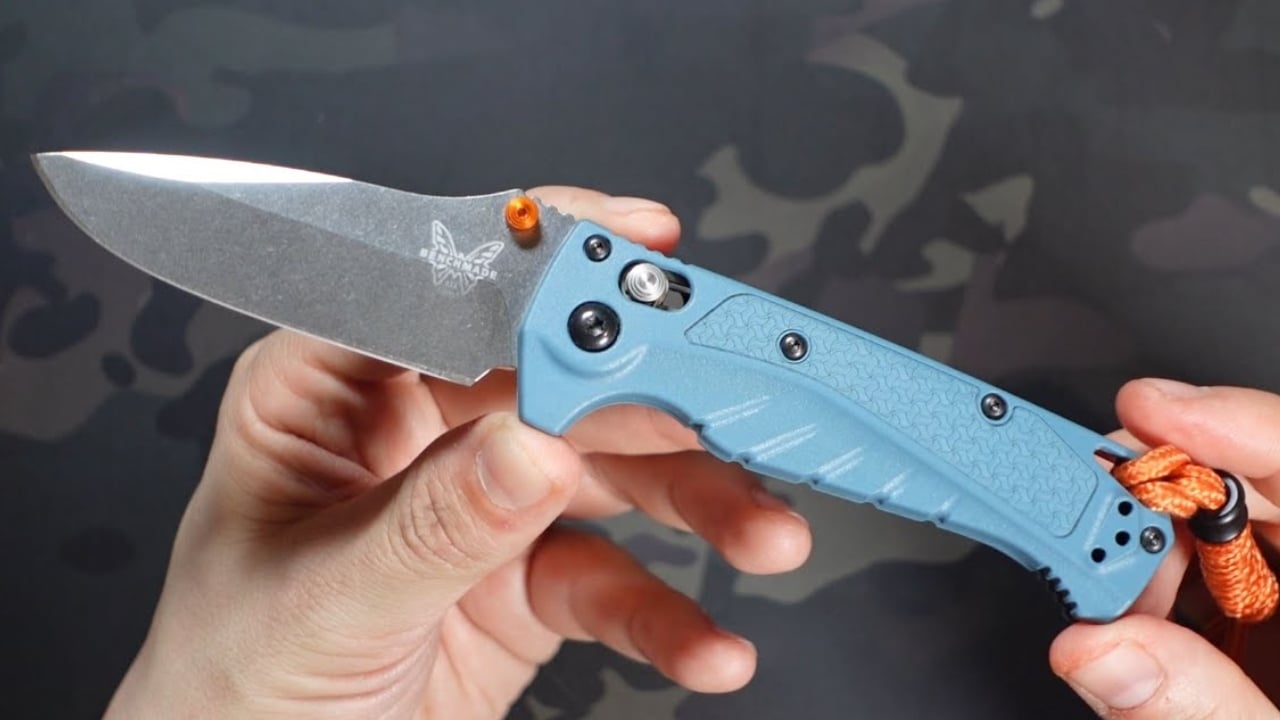
The Mini Adira is interesting because it takes the lightweight modern folder idea and builds it specifically around wet environments. Corrosion resistance matters around boats, fishing gear, sweat, and coastal conditions, and a knife that constantly needs attention quickly becomes irritating in those settings. The Mini Adira gives you a manageable everyday size while remaining much more purpose-built than an ordinary EDC folder.
Its value comes from being specialized without becoming impractical. You can use it as a normal pocket knife away from the water, yet the materials and construction make much more sense when corrosion becomes a real concern. Benchmade pricing has climbed enough that value deserves scrutiny, but this is one model where you can clearly identify what the extra money is buying. For anglers or anyone routinely working around water, that makes the Mini Adira easier to justify than another generic premium folder.
Like The Avid Outdoorsman’s content? Subscribe to our newsletter so you never miss an article.
Here’s more from us:


