
Photo credit: clbishopguns/GunBroker
Some rifle cartridges hang around mostly because people are nostalgic. Others are old enough to have every excuse to disappear, yet they still solve real hunting problems just as well as they did decades ago. Those are the rounds worth separating from the ones kept alive only by collectors and handloaders.
Age by itself does not make a cartridge obsolete. If a round still gives you useful recoil, dependable terminal performance, common rifle availability, or a role modern cartridges have not clearly improved, it still earns its place. Some of these are woods cartridges, some are general-purpose deer rounds, and a few remain excellent choices for larger game. The point is not that they are old and charming. It is that they still make practical sense.
.30-30 Winchester
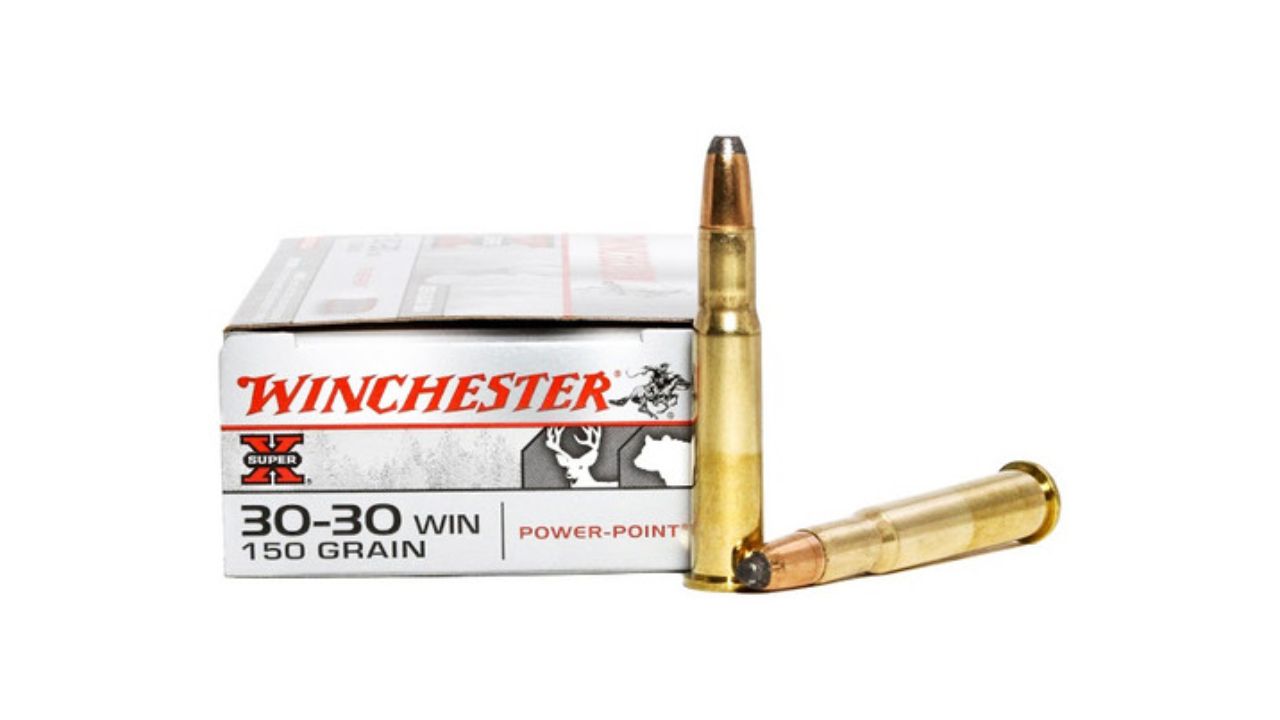
The .30-30 is one of the easiest old cartridges to defend because its niche is still alive. It works exceptionally well in short, light lever rifles that carry easily through timber, brush, and steep country where shots are usually close. At those distances, the trajectory disadvantage people love to point out barely matters.
The cartridge also remains mild enough that most hunters shoot it well. That counts for more than another few hundred feet per second on a chart. Modern bullets have helped the .30-30 too, giving hunters better expansion and slightly better downrange performance without changing the basic character of the round. If your deer hunting happens inside 150 yards, especially in woods, there is still nothing irrational about carrying a .30-30.
.30-06 Springfield
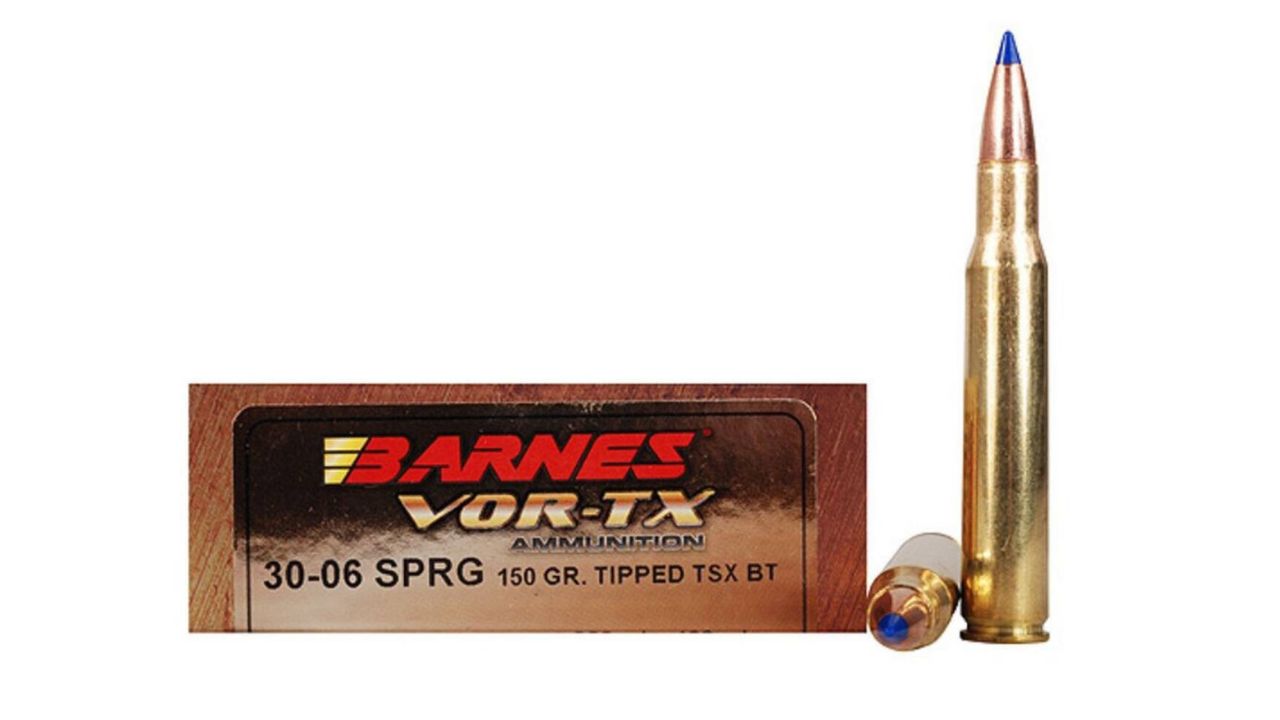
The .30-06 has been around for well over a century, yet it remains one of the most versatile hunting cartridges ever created. It handles light bullets for deer and heavier bullets for elk, moose, and black bear without forcing you into magnum recoil.
That versatility is still its greatest strength. You can buy ammunition almost anywhere, rifle options are everywhere, and the cartridge performs well from ordinary hunting-length barrels. A lot of newer rounds beat it in one specific category, but very few beat it across everything. If you want one rifle that can handle most North American big game with sensible bullet selection, the .30-06 still has a very real purpose. It is old, but it has never become narrow.
.270 Winchester

The .270 Winchester still makes sense because it gives hunters an excellent mix of flat trajectory, manageable recoil, and enough terminal performance for deer and elk. It does not need to be reinvented to stay useful.
The classic 130-grain loads remain great for deer, while 140- and 150-grain bullets make the cartridge more versatile on larger game. Recoil stays noticeably below the big magnums, and most rifles chambered for it are light enough to carry comfortably. Newer 6.5mm and 7mm cartridges may have better long-range bullet options, but inside normal hunting distances the practical difference is often much smaller than the marketing suggests. The .270 still works because the original balance was already very good.
.35 Remington

The .35 Remington is old, slow, and limited in range, but that does not mean it is obsolete. In thick woods, those traits barely matter. What matters is that it pushes heavy .35-caliber bullets with enough authority for deer and black bear while remaining manageable in handy lever rifles.
The cartridge also tends to produce dependable penetration without relying on extreme velocity. That makes it well suited to close-range hunting where angles can be less than perfect and shots may happen quickly. Ammunition availability is not what it once was, which is the biggest drawback. Still, if you already own a good Marlin or Remington chambered for it, there is no field reason to retire it. Its purpose remains exactly what it always was: serious woods hunting.
.45-70 Government

The .45-70 is ancient, but few cartridges have adapted to modern hunting as well. Mild loads can handle deer comfortably, while heavier modern loads from strong rifles can deal with much larger game at close to moderate distances.
The cartridge’s big advantage is bullet weight and diameter. You do not need extreme speed to get deep penetration and strong terminal performance. It also works beautifully in short lever rifles, which makes it useful in timber, brush, and country where shots are fast and close. The trajectory is obviously limited, but that is not a serious drawback if your hunting does not demand long range. The .45-70 still exists because there are jobs where a heavy, slow bullet remains exactly the right answer.
.375 H&H Magnum

The .375 H&H is old enough to qualify as a classic, but it remains one of the best all-around dangerous-game cartridges ever made. It offers a balance of power, penetration, and manageable recoil that has kept it relevant across generations.
What separates it from more extreme modern cartridges is that it does not overdo things unnecessarily. It is powerful enough for large African game and big bears while still being shootable by experienced hunters in properly weighted rifles. Ammunition is also more established than many newer dangerous-game cartridges. The long case is not modern by current design standards, but the hunting role has not changed much. If you need a true heavy-game cartridge, the .375 H&H still makes complete sense.
.300 H&H Magnum

The .300 H&H does not get the attention of newer magnums, but it still has a useful role for hunters who want classic magnum performance without chasing the absolute limits of velocity.
The cartridge has enough speed for open-country deer, elk, and other large game while maintaining a smooth recoil impulse in properly weighted rifles. Its long, tapered case also feeds beautifully in traditional bolt actions. Modern .300 magnums are shorter and more efficient, but that does not make the H&H ineffective. For someone who already owns a good rifle or appreciates classic long-action magnums, the cartridge still delivers real hunting capability rather than just nostalgia.
.257 Roberts

The .257 Roberts remains useful because it is one of the best mild-recoiling deer cartridges ever developed. It gives you more authority than a small varmint round without jumping into the recoil and blast of larger hunting cartridges.
With modern hunting bullets, the Roberts handles deer cleanly at sensible distances and is especially appealing for recoil-sensitive shooters or hunters who prefer lightweight rifles. It also tends to be easy on barrels and pleasant during practice. Factory support is not as broad as it once was, which keeps it from being an obvious first choice. Still, its purpose is real: efficient deer hunting with very manageable recoil and no need for magnum performance.
7x57mm Mauser

The 7×57 Mauser has a hunting record that spans continents, and the basic reason is still valid. It pushes long, high-sectional-density 7mm bullets at moderate speeds, giving you excellent penetration without excessive recoil.
The cartridge is especially well suited to hunters who value bullet performance more than muzzle velocity. Modern bullets only make it more capable. It can handle deer easily and has a long history on larger game when properly loaded. The downside is that modern factory loads can be conservative because of older rifles still in circulation. Handloaders with a strong modern action can get more from it, but even standard loads remain useful. The 7×57 survives because efficient bullet weight still matters.
6.5×55 Swedish

The 6.5×55 is another old European cartridge that still does a lot with very little recoil. Long 6.5mm bullets give it excellent penetration and retained velocity, which is why it has taken everything from deer to Scandinavian moose for generations.
Modern 6.5 cartridges may fit shorter actions or use newer chamber geometry, but the old Swede does not suddenly stop working because of that. In a modern rifle, it remains accurate, mild, and extremely pleasant to shoot. Its biggest weakness in the United States is simply less ammunition availability than 6.5 Creedmoor. If you already own one or can keep it supplied, the 6.5×55 still has a clear purpose as a low-recoil big-game cartridge.
.300 Savage

The .300 Savage was designed to approach .30-06 performance in a shorter action, and although later cartridges surpassed it, it still makes an excellent deer round.
Inside normal hunting distances, it pushes useful .30-caliber bullets with enough speed for dependable expansion and penetration while producing reasonable recoil. In a Savage 99, the cartridge also gives you a sleek lever rifle that can use pointed bullets. Ammunition is less common now, but the cartridge itself has not become ineffective. For deer hunting in timber or mixed country, the .300 Savage still has enough performance to remain practical rather than merely collectible.
.32 Winchester Special
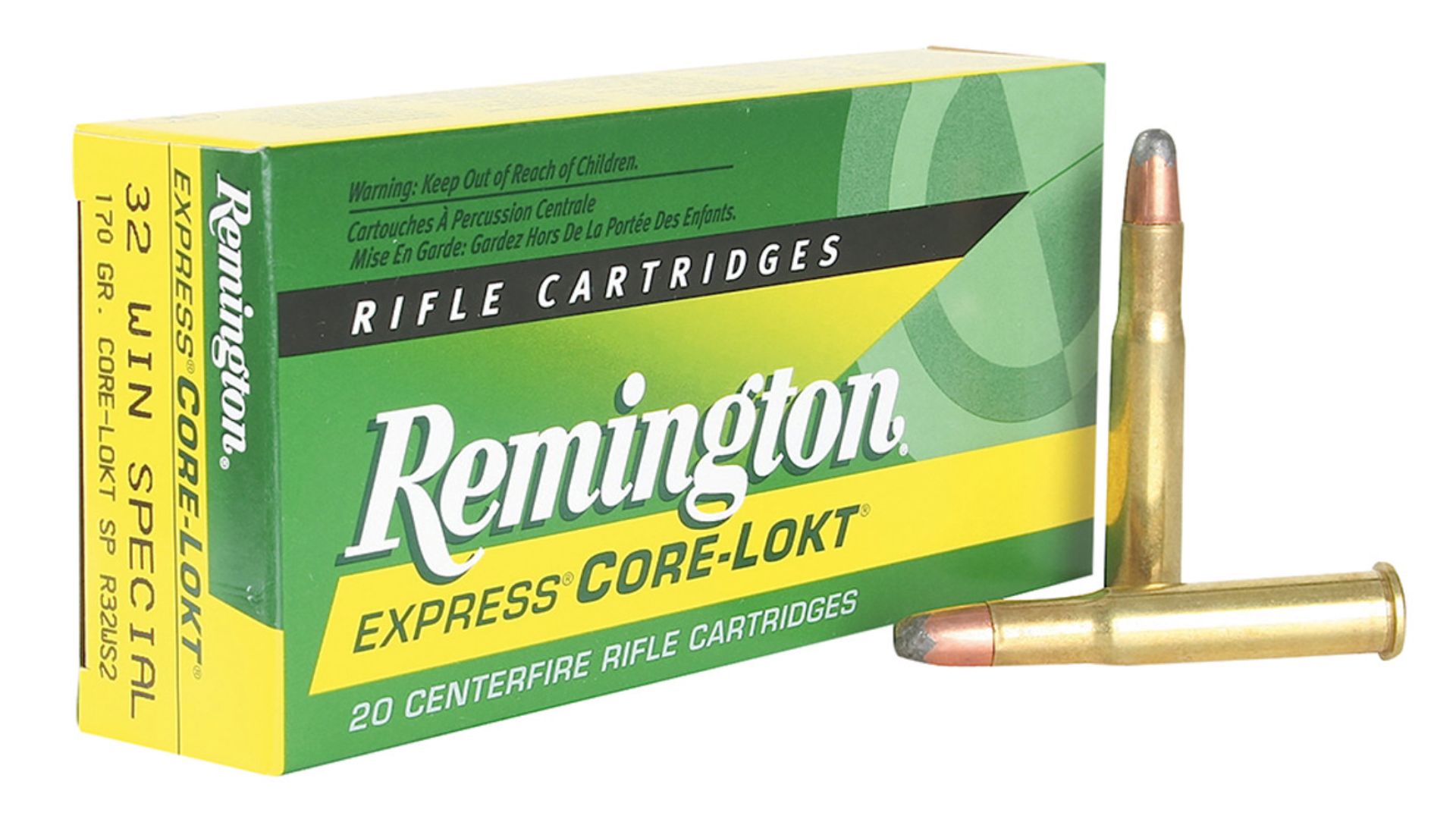
The .32 Winchester Special still has a legitimate role as a close-range woods cartridge. It was developed around lever rifles and heavy-for-caliber bullets that work well on deer and black bear without producing excessive recoil.
Compared with .30-30, the practical difference is small, which is why the cartridge never dominated. That does not mean it lacks purpose. If you own a good Model 94 or Marlin in .32 Special, the rifle remains completely capable inside the ranges where lever guns shine. The biggest challenge today is ammunition availability rather than terminal performance. The cartridge still works. The market simply moved away from it.
.348 Winchester
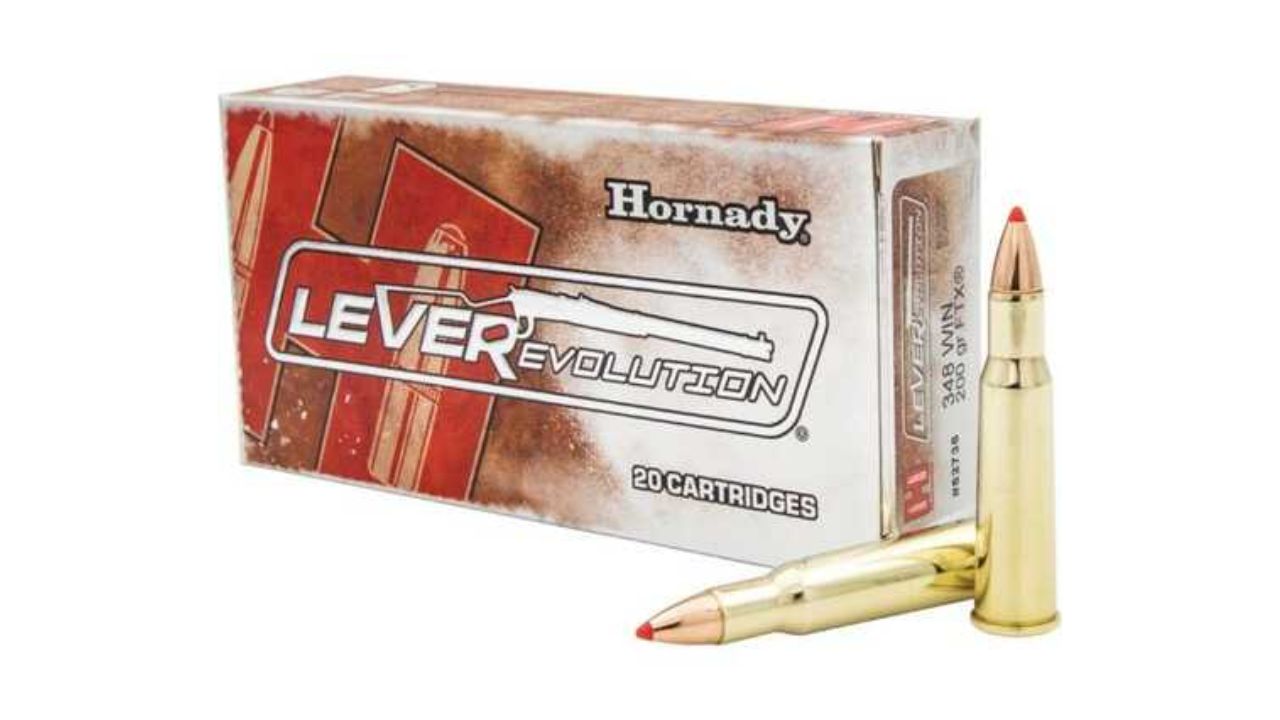
The .348 Winchester is not common, but it still offers a combination that is difficult to duplicate exactly. In a Winchester Model 71, it gives you a powerful lever-action cartridge capable of handling deer, elk, moose, and black bear at moderate range.
The cartridge pushes heavy bullets with excellent penetration and enough velocity to extend beyond traditional big-bore lever rounds. Ammunition availability is a serious limitation, so this is not a recommendation for someone starting from scratch. For owners of a Model 71, though, the cartridge still has a real hunting purpose. It is not surviving only because collectors like the rifle. The performance remains genuinely useful.
.444 Marlin

The .444 Marlin still occupies a useful space between lighter woods cartridges and the heaviest .45-70 loads. It drives heavy .44-caliber bullets at true rifle velocity and delivers excellent penetration on deer, hogs, black bear, and larger game at moderate distances.
Its recoil is substantial but generally manageable in a properly weighted lever rifle. The trajectory is limited, but no one chooses the cartridge for cross-canyon shots. What makes it relevant is the combination of power and compact rifle handling. If you hunt thick country and want more authority than .30-30 or .35 Remington without going all the way to the heaviest .45-70 loads, the .444 still makes sense.
.220 Swift
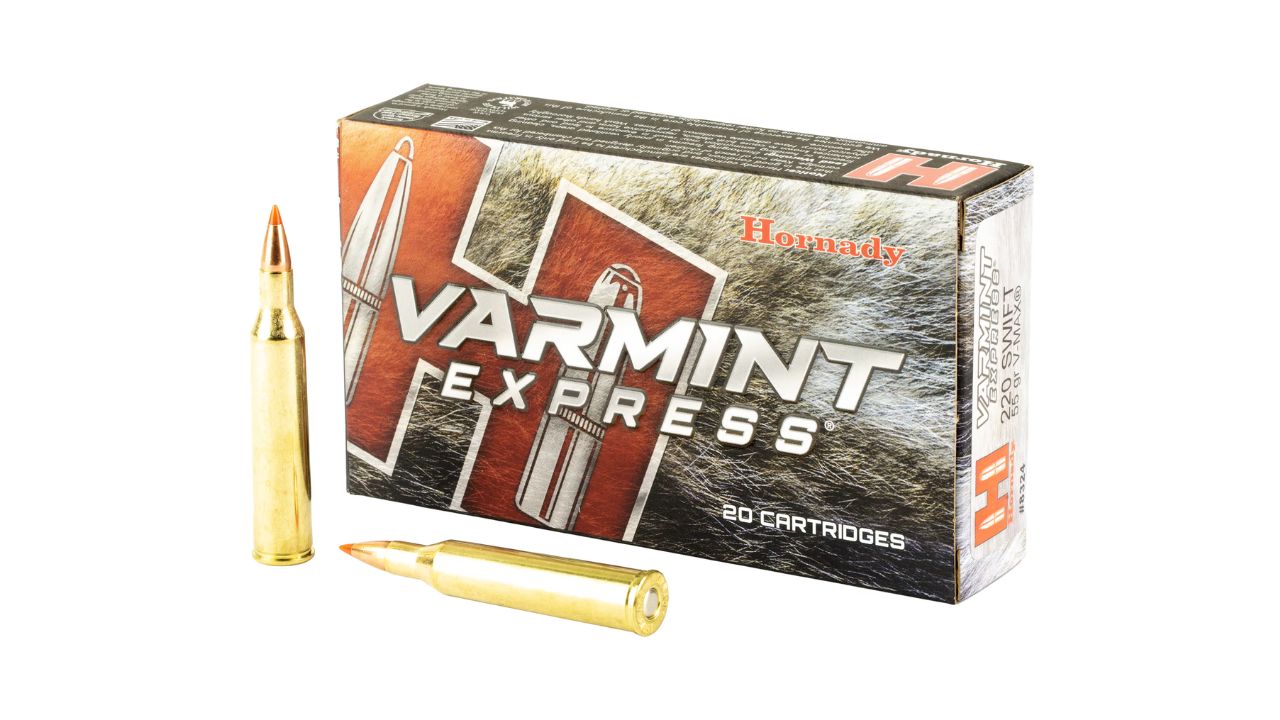
The .220 Swift is old, but its original purpose has not disappeared. It remains a blisteringly fast varmint cartridge that can make long shots on small targets easier by reducing drop and wind drift compared with milder .22 centerfires.
It does burn a lot of powder and can be hard on barrels when used heavily. Those are real disadvantages, especially for high-volume prairie dog shooting. For hunters and varmint shooters who prioritize maximum velocity, though, the Swift still offers something distinctive. Modern bullets and improved barrels have also made it easier to manage than it once was. It is not the most efficient choice, but it still has a purpose that is more than historical curiosity.
.22 Hornet
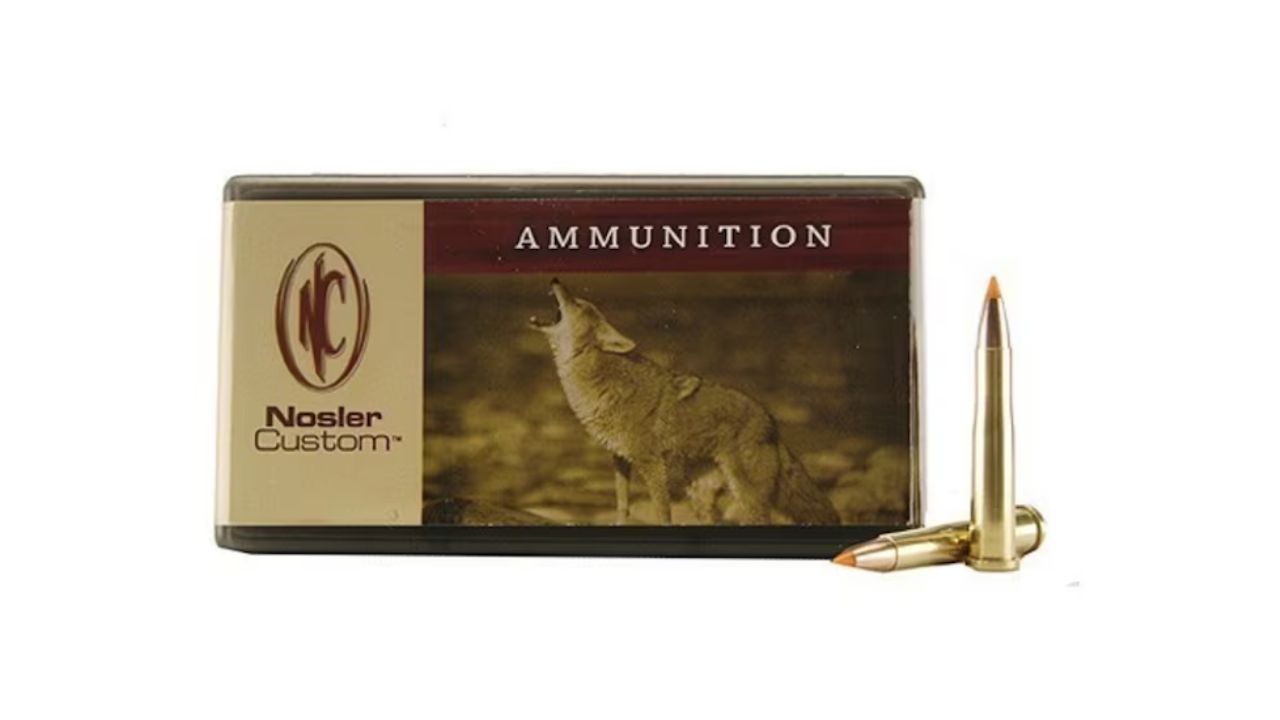
The .22 Hornet survives because it fills a niche that .223 Remington does not completely replace. It gives you centerfire performance with very low recoil, mild blast, and far less powder consumption than larger varmint cartridges.
That makes it excellent for farms, ranches, small predators, and pests where you want more than rimfire performance but do not need a full-power .22 centerfire. It also works well in light rifles that are easy to carry all day. The Hornet’s range is limited, but that is not a problem when the job is inside 150 yards. Its efficiency and mild report are exactly why the cartridge still has loyal users.
.243 Winchester

The .243 Winchester is not nearly as old as some cartridges here, but it has been around long enough to qualify as a classic and remains one of the best crossover rounds for varmints and deer.
Its real strength is recoil. The cartridge is easy to shoot well, which makes it excellent for younger hunters, recoil-sensitive adults, and anyone who values practice over horsepower. With good deer bullets, it performs far better than its small diameter suggests. It also gives you access to lighter bullets for varmints. Plenty of newer 6mm cartridges offer better long-range efficiency, but for ordinary hunting the .243 still provides an excellent combination of availability, recoil, and effectiveness.
.308 Winchester
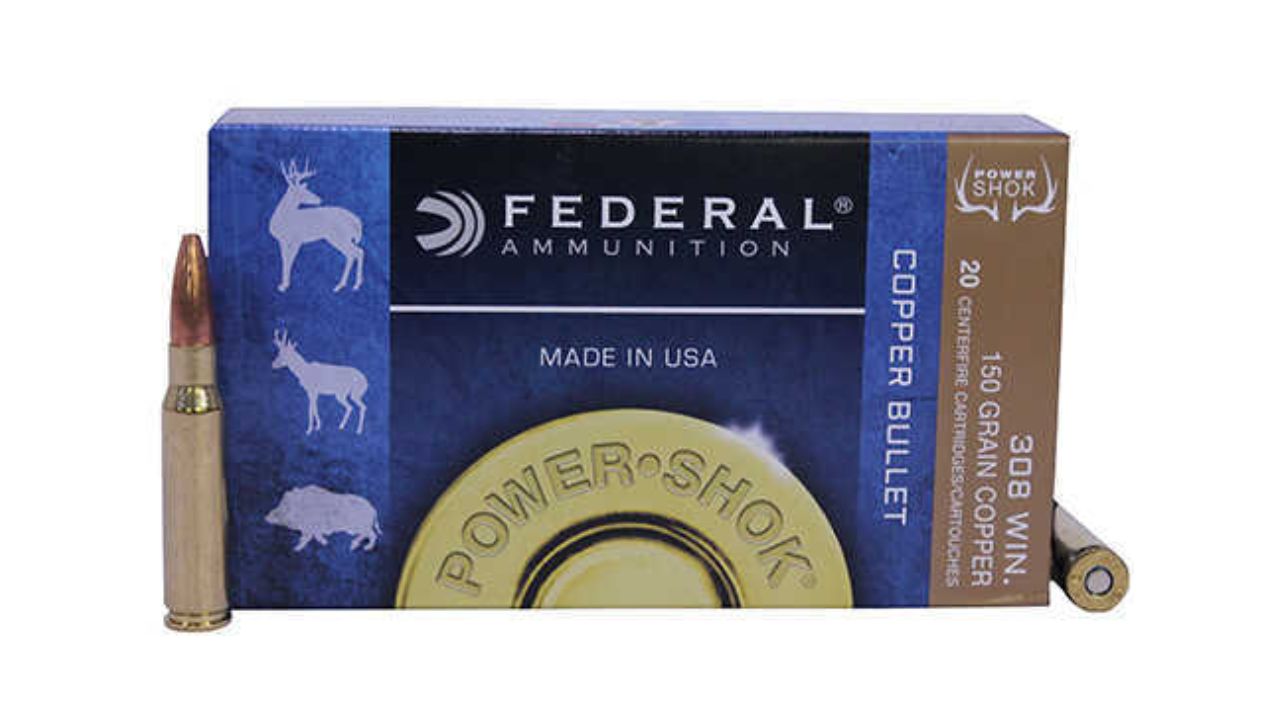
The .308 has been around long enough that it is easy to take for granted, but it still has one of the clearest practical roles in the rifle market. It fits short actions, works well from moderate barrel lengths, and offers an enormous selection of hunting bullets.
The cartridge also produces enough power for deer, black bear, and elk without requiring magnum recoil. It may not be the flattest option available, but inside normal hunting distances the trajectory is easy to manage. Ammunition availability is another major advantage. You can find .308 almost anywhere, which still matters when traveling or hunting far from home. Its purpose is simple: broad usefulness with very few drawbacks.
.375 Winchester
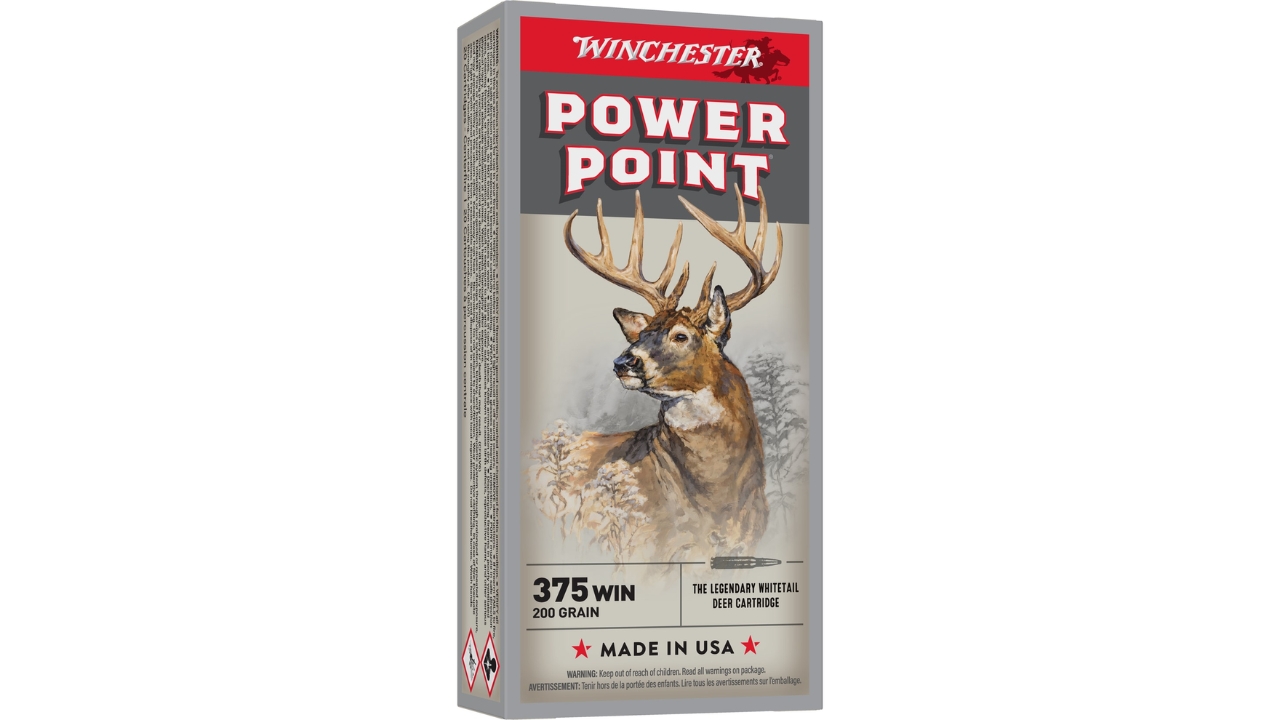
The .375 Winchester never became as popular as several other lever-gun cartridges, but it still has a genuine hunting role. It delivers more authority than .30-30 while producing less recoil and bulk than the biggest .45-caliber lever rounds.
In a compact rifle, that makes it well suited to deer, black bear, and hogs inside moderate distances. The cartridge’s biggest weakness is factory support, not performance. If ammunition were easier to find, the .375 Winchester would make more sense to more hunters today. For those already equipped to feed one, it remains a highly practical woods cartridge with a very good balance of bullet weight and recoil.
.30-40 Krag
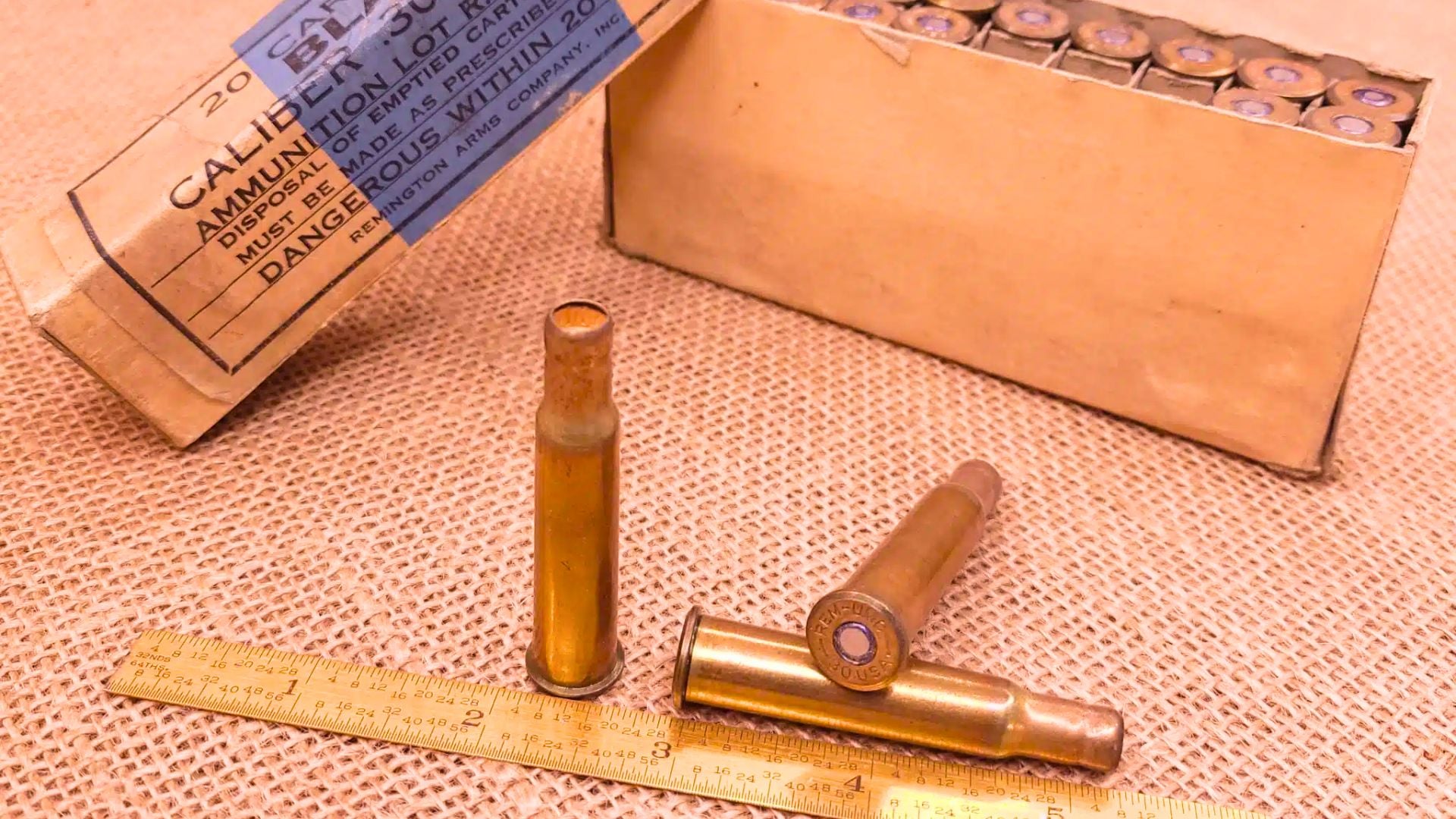
The .30-40 Krag is old enough that most rifles chambered for it deserve careful treatment, but the cartridge itself still has useful hunting performance. It pushes heavy .30-caliber bullets at moderate velocity and has enough authority for deer, black bear, and similar game.
Its relatively mild speed can actually be an advantage with traditional cup-and-core bullets because terminal performance is predictable and recoil stays manageable. The obvious limitation is that most rifles are historical pieces, so this is not a cartridge I would recommend building a modern hunting setup around. Still, if you own a sound Krag or a sporting rifle chambered for it, the cartridge remains more than a museum piece. It can still do legitimate hunting work.
Like The Avid Outdoorsman’s content? Subscribe to our newsletter so you never miss an article.
Here’s more from us: