Photo credit: DHarrelson/Shutterstock.com
Some working dogs get all the attention. German Shepherds, Belgian Malinois, Border Collies, and Labrador Retrievers are famous for a reason, but they are far from the only breeds that have spent generations doing serious jobs. Plenty of lesser-known dogs have guarded livestock, moved cattle, hunted game, protected property, controlled vermin, and worked beside families without ever becoming household names.
A lot of these breeds also suffer from being judged by the wrong standard. A livestock guardian may seem stubborn because it was bred to make decisions alone. A cur may seem rough around the edges because it was developed for practical farm work rather than a show ring. These 20 breeds deserve more credit because their usefulness has always mattered more than popularity.
English Shepherd
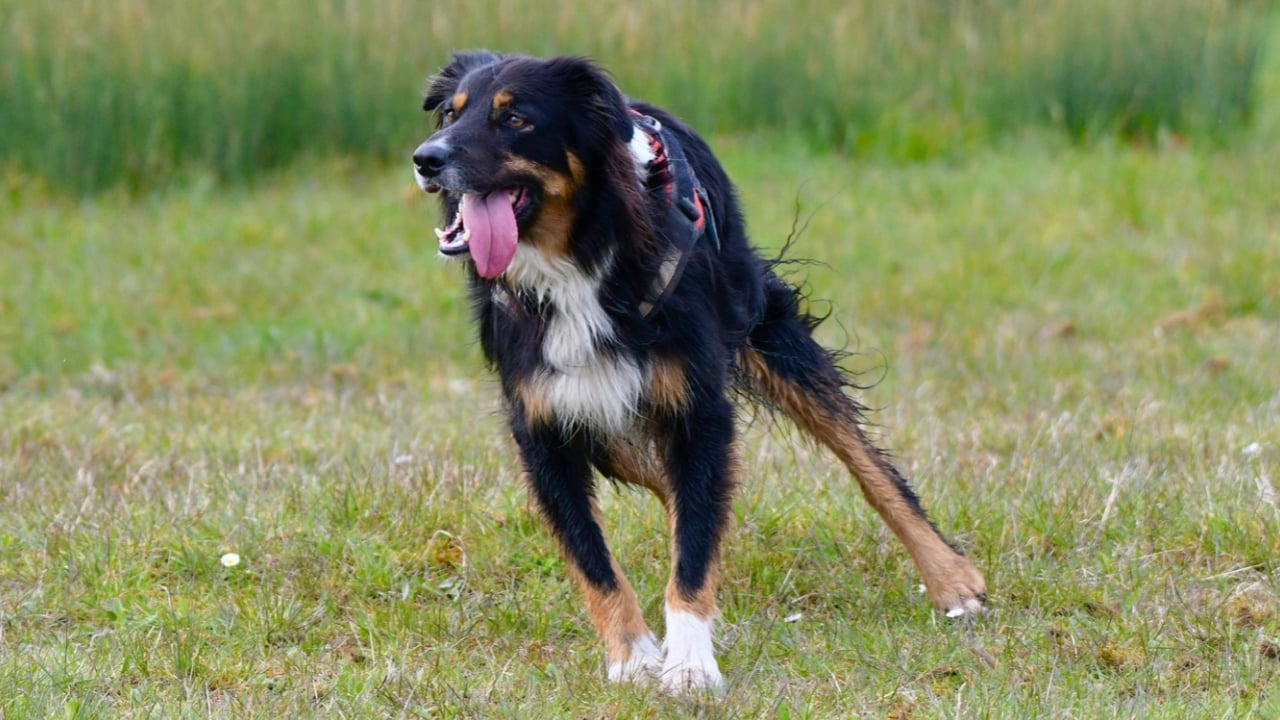
English Shepherds are one of the most overlooked all-purpose farm dogs in America. They were bred to handle whatever needed doing around a small farm, whether that meant moving livestock, watching the property, controlling pests, or following the family around while staying out of trouble. That versatility is exactly what makes them special.
They are usually less intense than some modern herding breeds, which can make them easier to live with. A good English Shepherd can work when needed and settle when the work is done. They also tend to be highly aware of what belongs on the property, giving them natural watchdog ability without turning them into a specialized guardian. For a small farm or homestead, they may be one of the most practical breeds still flying under the radar.
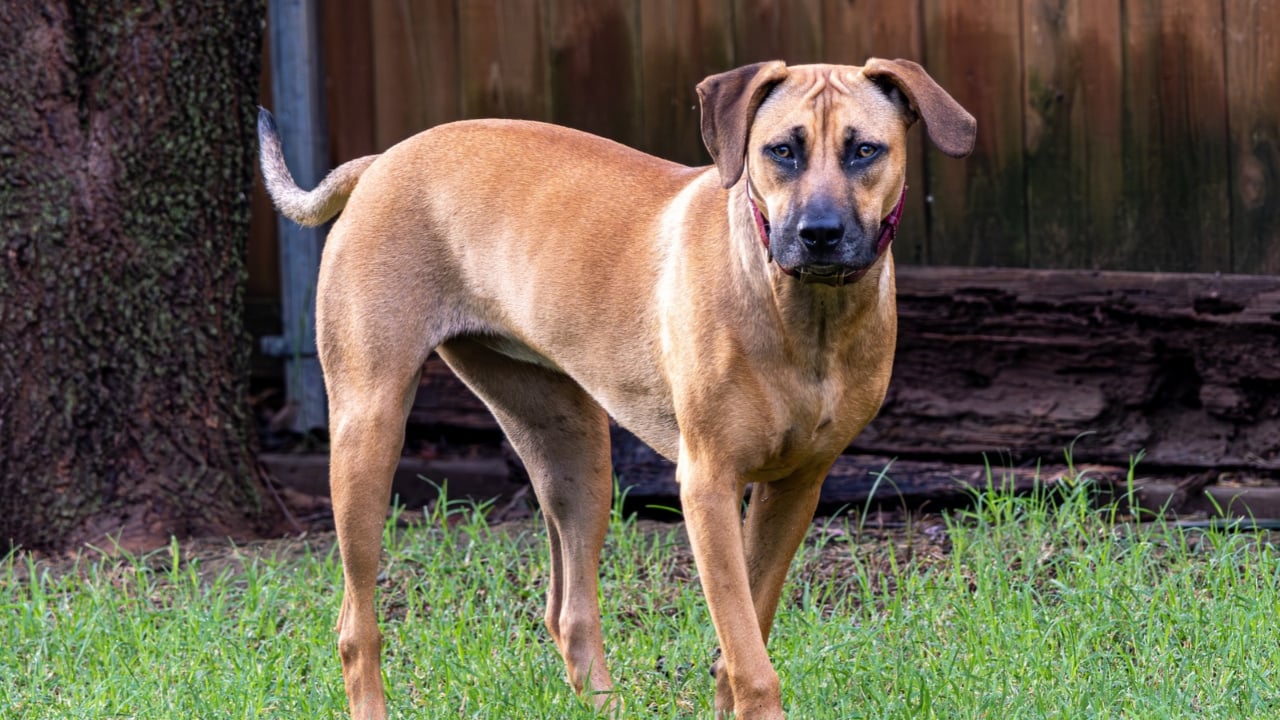
Black Mouth Cur

The Black Mouth Cur is the kind of dog that makes more sense on a farm than in a dog show. These dogs have been used for hunting, stock work, property protection, and general farm chores across the South for generations.
Their value comes from versatility. A good Cur can trail game, help move livestock, watch the place, and still function as a family dog. They tend to be athletic, tough, and strongly bonded to their people. The breed is not as standardized in appearance as many better-known dogs, but that is partly because function mattered more than looks. For owners who want one dog capable of doing several jobs, the Black Mouth Cur deserves far more attention.
Australian Kelpie
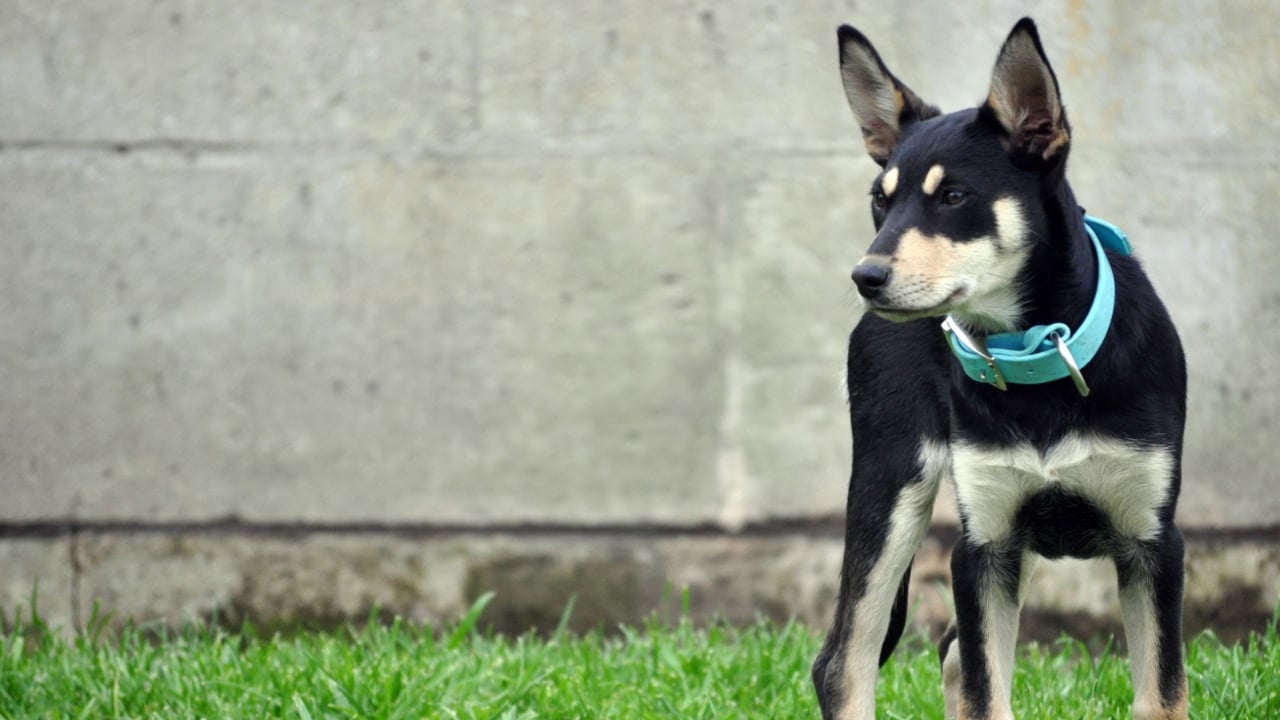
Kelpies are often overshadowed by Border Collies and Australian Cattle Dogs, but they are exceptional stock dogs in their own right. They were developed to work livestock across huge areas in harsh Australian conditions, which demanded endurance, intelligence, and a willingness to work independently.
A Kelpie can cover ground all day without falling apart, and they are especially valuable on large properties where livestock may need to be gathered from considerable distances. They are quick, responsive, and efficient rather than flashy. The downside is that their work ethic is real. A bored Kelpie can become difficult fast. Give one livestock, acreage, and a purpose, though, and it becomes obvious why working stockmen have respected them for generations.
McNab
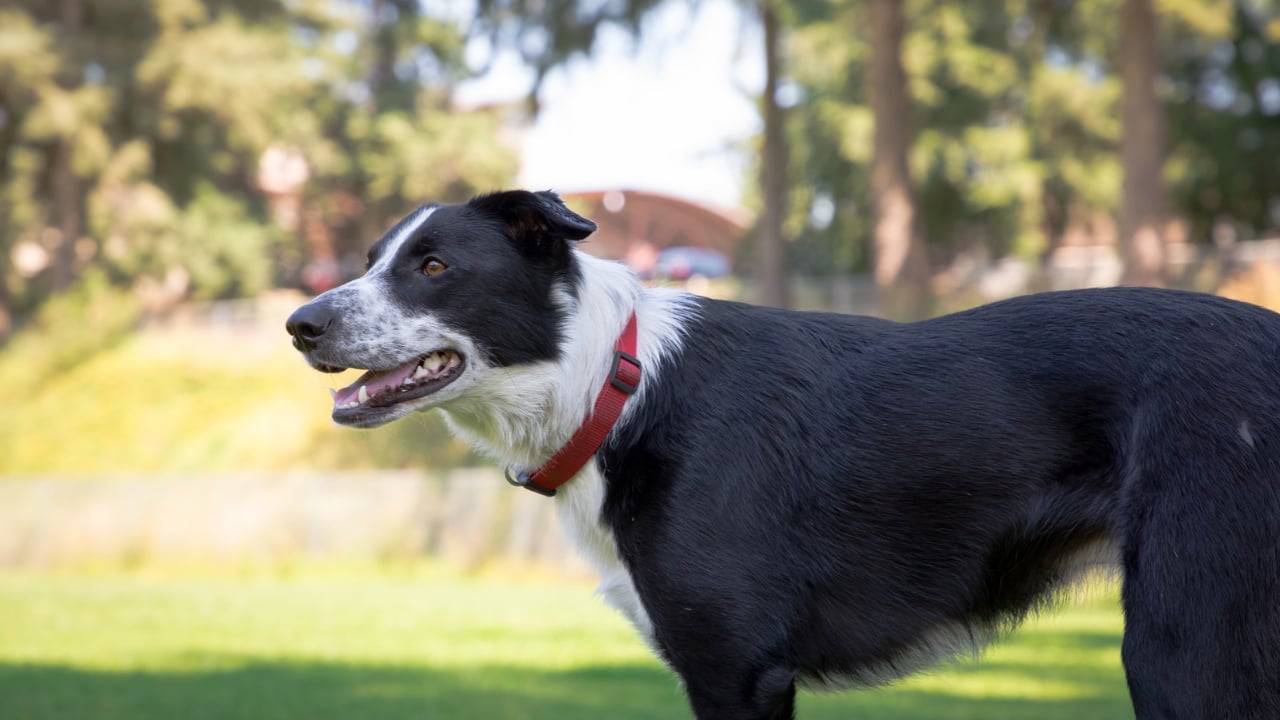
The McNab is one of the best examples of a serious working dog that remains largely unknown outside ranching circles. Developed in California, the breed was built around practical stock work rather than appearance.
McNabs are known for intelligence, stamina, and a more balanced working style than some extremely intense herding breeds. They can move cattle, sheep, and other livestock while staying responsive to their handler. Many are also excellent property dogs because they remain alert without necessarily being constant barkers. They tend to be athletic and need real activity, but for a ranch or working farm, the McNab is exactly the kind of dog that proves fame has very little to do with usefulness.
Blue Lacy
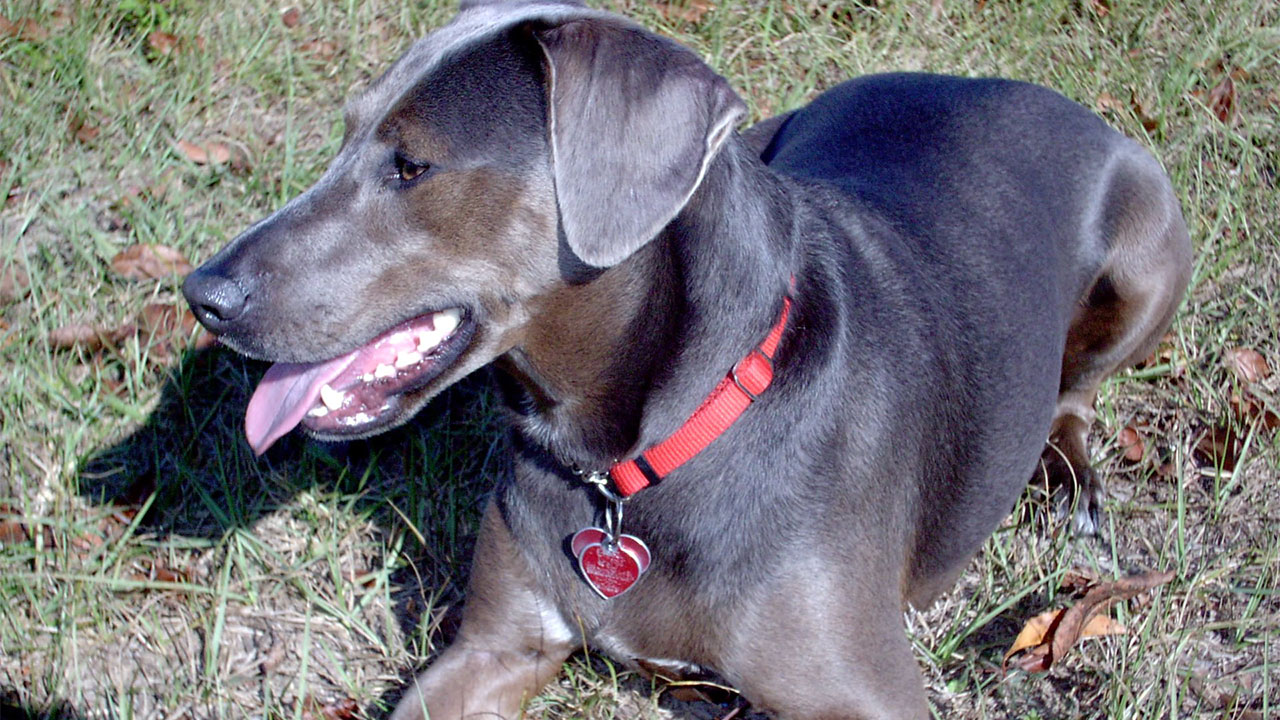
The Blue Lacy is deeply tied to Texas ranching history, yet it remains relatively unknown outside the state. These dogs were developed for moving livestock, tracking wounded game, hunting hogs, and handling general ranch work.
They are fast, driven, and extremely responsive when given a job. Their athletic build allows them to cover a lot of ground without carrying unnecessary bulk, and their tracking ability makes them useful beyond ordinary stock work. A Lacy is not usually the best fit for a sedentary household because the breed expects to be doing something. On a ranch, hunting property, or active homestead, though, they can be remarkably capable. Few breeds pack this much practical working ability into such a lean frame.
Catahoula Leopard Dog
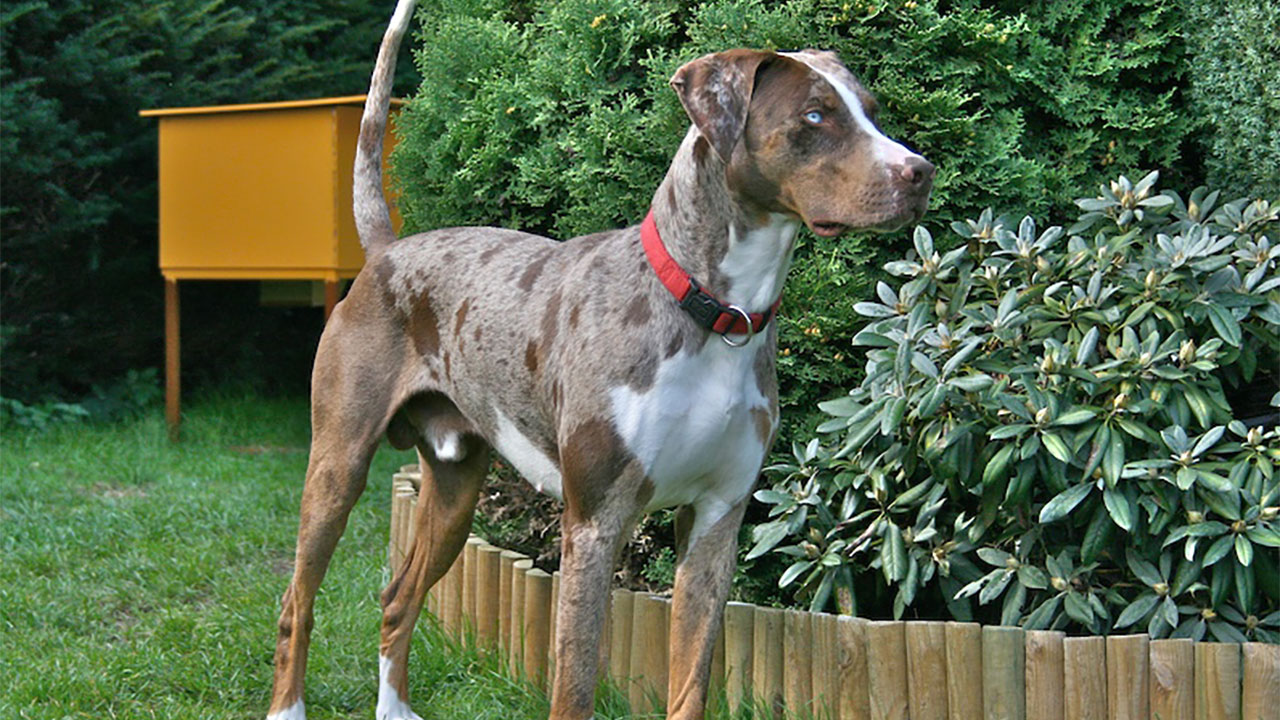
Catahoulas are commonly recognized for their unusual coats and eyes, but their working ability matters far more than their appearance. They have been used for hunting hogs, moving cattle, tracking, and watching rural property.
The breed tends to be bold and independent, which makes sense considering the jobs it was developed to handle. A dog expected to confront livestock or bay a hog cannot be timid. That same confidence means Catahoulas need experienced handling and early socialization. They are not always easy dogs, but working breeds are not supposed to be judged entirely by ease of ownership. In the right environment, a Catahoula is an exceptionally useful farm and hunting dog.
Mountain Cur
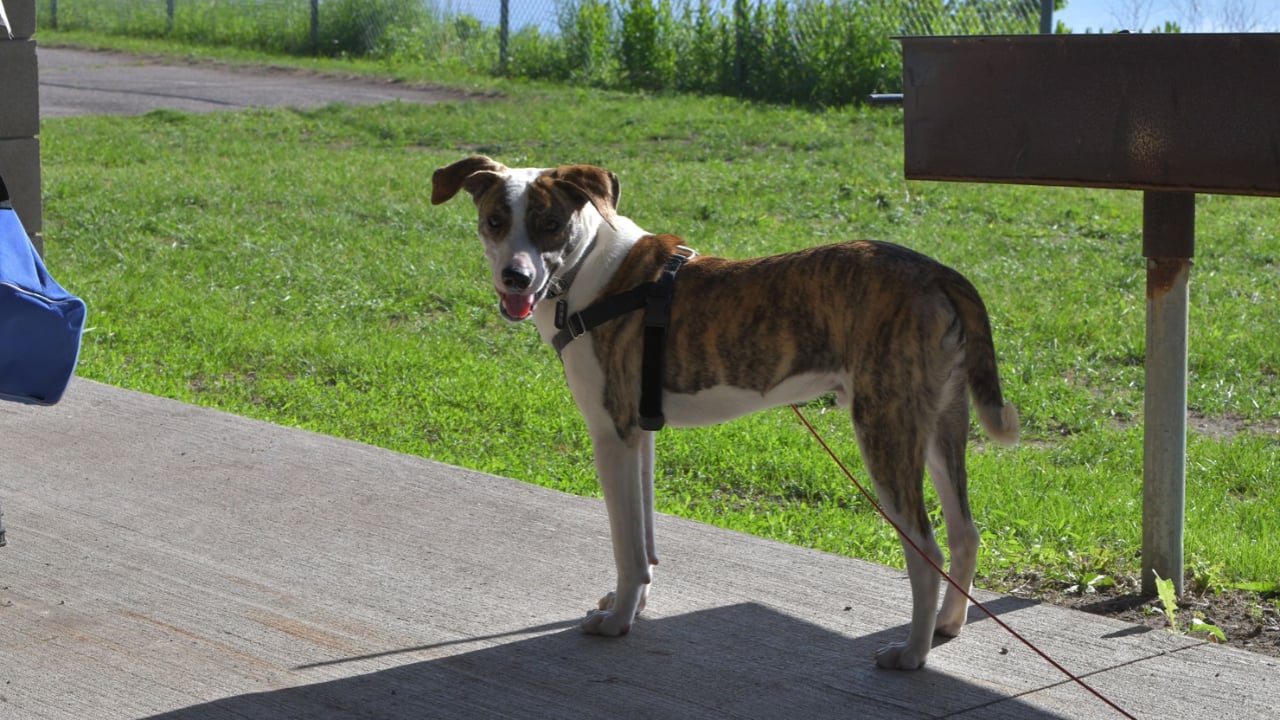
The Mountain Cur was built around survival and practical work in rough country. These dogs hunted squirrels and raccoons, helped provide meat for families, watched homesteads, and handled whatever else was needed.
They are athletic without being oversized and tend to have enough grit to work difficult game while remaining closely connected to their owners. Their treeing ability is excellent, but they can also make good farm dogs when given enough activity. The breed has never been as fashionable as many modern hunting dogs, partly because it was created for families who cared more about what the dog could accomplish than what it looked like. That practical background deserves more recognition.
Plott Hound

The Plott Hound is one of America’s toughest hunting breeds, developed for pursuing large game through rough terrain. It became especially well known for hunting bear and hogs, jobs that demand far more courage and endurance than ordinary scent work.
Plotts tend to have tremendous stamina and a willingness to keep working long after many dogs would quit. Their voices carry, their noses are strong, and their physical toughness allows them to handle harsh country. They are not always as easygoing as some other hounds, but that edge is part of what made them useful. Serious big-game hunters know exactly what a good Plott can do, even if the average dog owner has barely heard of one.
Jagdterrier
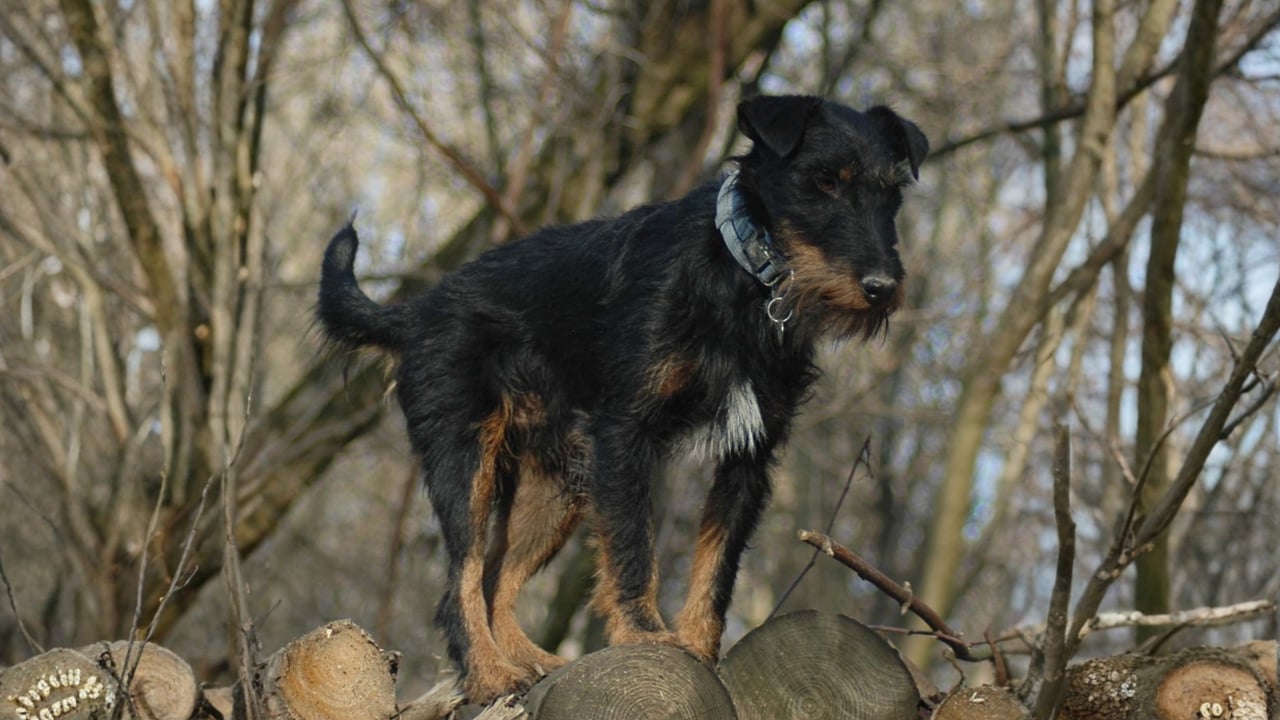
The Jagdterrier is a small dog with a reputation completely out of proportion to its size. Developed in Germany for serious hunting work, these terriers were expected to pursue fox, badger, and other quarry both above and below ground.
They are extremely driven, fearless, and persistent. That intensity makes them poor pets for people who simply want a small companion dog, but it is exactly what working hunters value. A Jagdterrier can track, retrieve, enter dens, and work game that much larger dogs may hesitate around. They are not decorative terriers. They are purpose-built hunting dogs, and anyone who has seen a good one work understands why they deserve more respect.
Rat Terrier
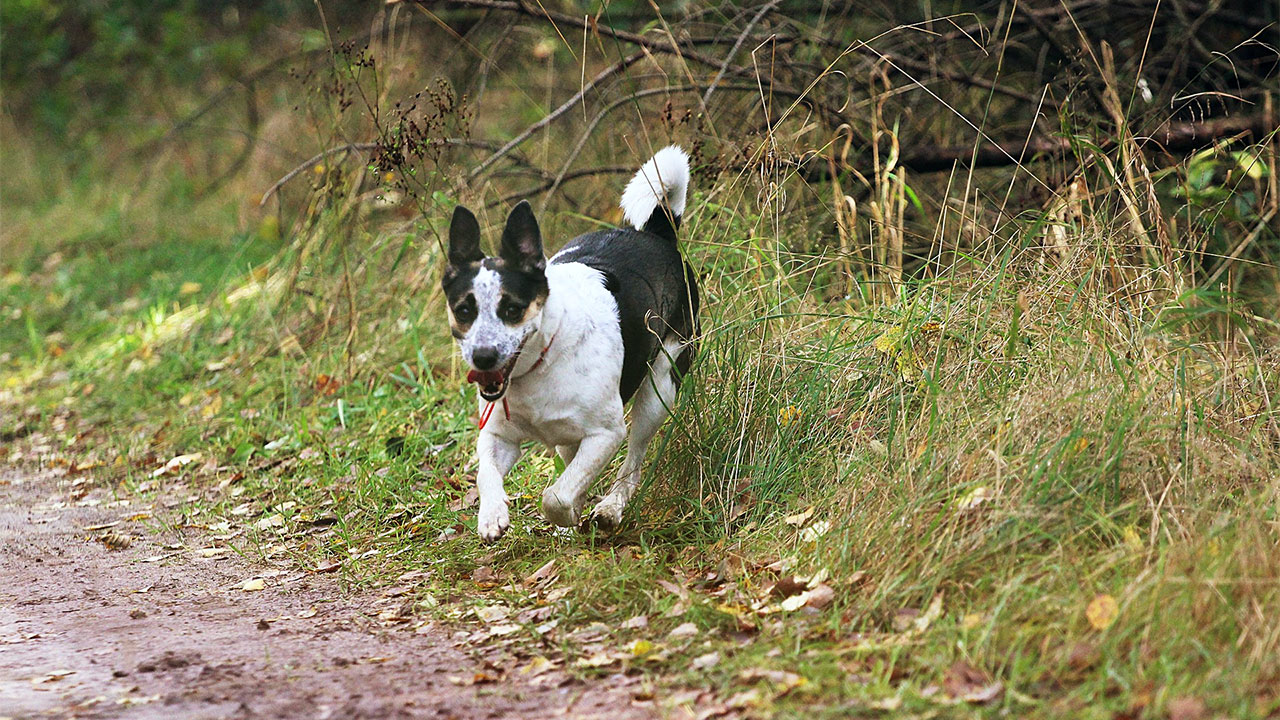
Rat Terriers are often dismissed as small house dogs, but they were developed to do real farm work. Their original job was controlling rats, mice, and other vermin around barns, feed rooms, and homes.
That job still matters. Rodents destroy feed, contaminate storage areas, and create problems around livestock, so a dog that actively hunts them can be extremely useful. Rat Terriers are quick, alert, and surprisingly tough for their size. They also tend to be easier to live with than many more intense working terriers. For a small farm, they offer one of the best combinations of pest control, watchdog ability, and companionship available in a compact dog.
Maremma Sheepdog

The Maremma is sometimes overshadowed by the Great Pyrenees, but it is an excellent livestock guardian with centuries of history behind it. These dogs were developed to remain with sheep and defend them against predators without constant human direction.
Their greatest strength is independence. A Maremma does not need someone standing beside it to decide whether something approaching the flock deserves attention. They bond strongly with livestock and tend to remain focused on the animals they protect. That can make them less interested in ordinary obedience work, but judging them by obedience standards misses the point. Their job is to guard, and they do it extremely well.
Akbash

The Akbash is another livestock guardian that rarely gets the recognition it deserves. Originating in Turkey, the breed was developed to protect flocks from predators while remaining agile enough to cover large areas.
They are lighter and often more athletic than some giant guardian breeds, which helps them move quickly when something threatens livestock. Akbash dogs are typically independent and reserved with strangers, traits that make perfect sense for their traditional role. They are not ideal for small suburban yards, but on acreage with livestock they can be extremely effective. Their lack of mainstream popularity has little to do with working ability.
Kuvasz

The Kuvasz has a long history as a livestock and estate guardian, yet it remains much less common than several other large white guardian breeds. These dogs are intelligent, athletic, and naturally suspicious of threats.
They tend to be deeply loyal to their own household while remaining independent enough to make decisions without waiting for commands. That combination can be challenging for inexperienced owners, but it is exactly what livestock guardians need. A dog working at night cannot stop and wait for permission every time something approaches the flock. The Kuvasz deserves more respect because its stubbornness is really the other side of the independence that made it useful.
Dutch Shepherd
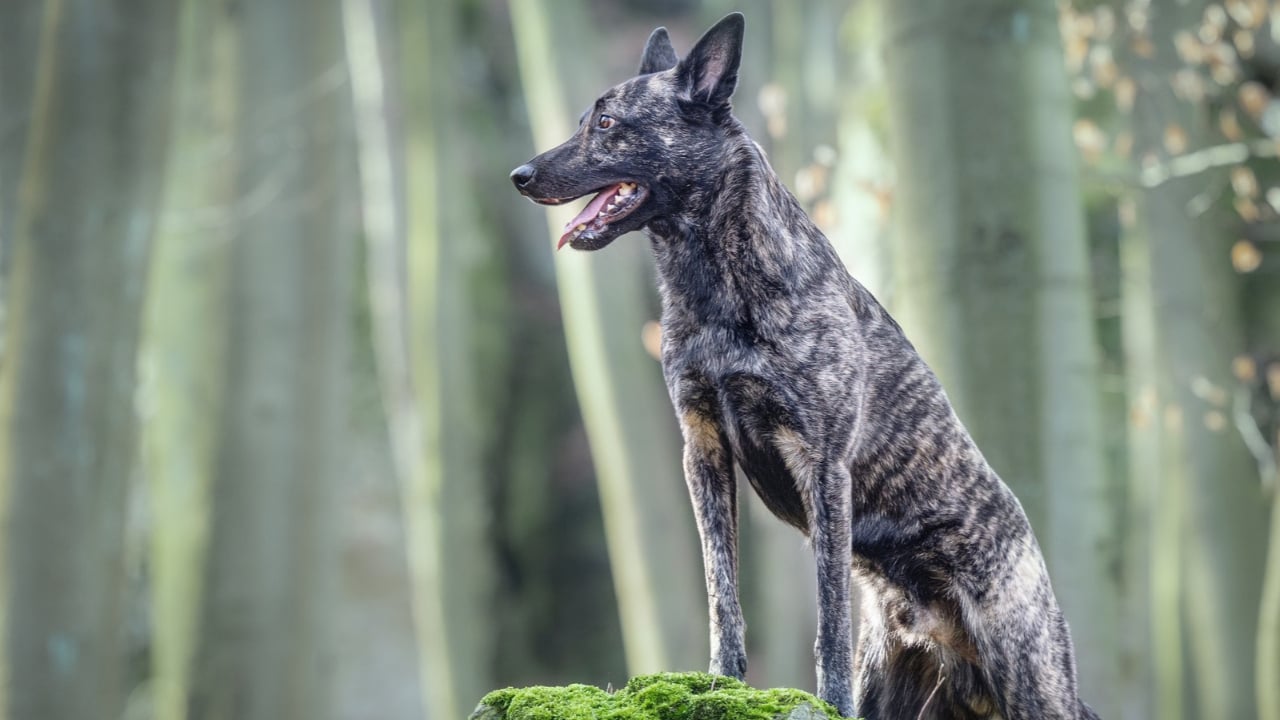
Dutch Shepherds are often overlooked because Belgian Malinois and German Shepherds dominate working-dog conversations. That is unfortunate because the Dutch Shepherd is capable of many of the same jobs.
They can excel in police work, detection, protection sports, obedience, and demanding service roles. Many have high drive and strong working instincts, but they are often slightly less common and therefore less familiar to the public. Their brindle coat also makes them immediately recognizable once you know what you are looking at. For experienced handlers who want a serious working shepherd, the Dutch Shepherd deserves to be mentioned alongside the better-known European service breeds.
Beauceron
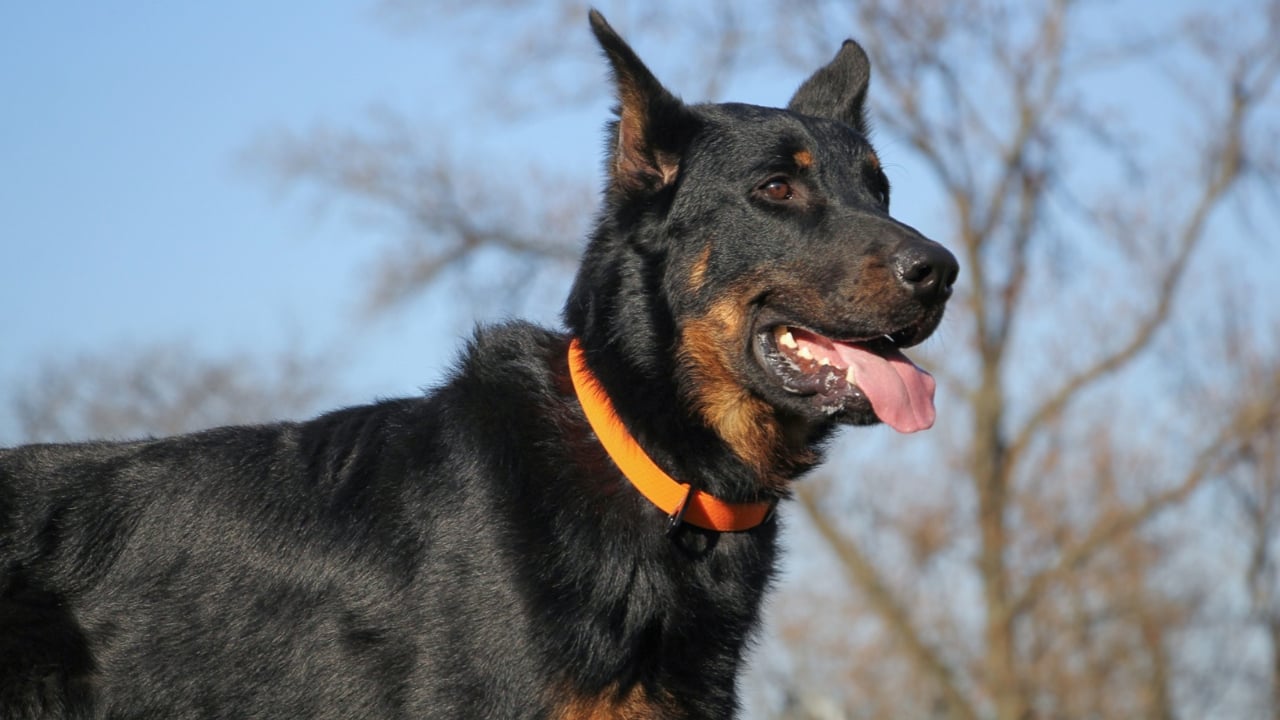
The Beauceron is a large French herding and guardian breed that combines athleticism with a serious working temperament. These dogs were used to move livestock, guard property, and perform military work.
They are powerful without being cumbersome and intelligent enough to learn complex tasks. Unlike some softer herding breeds, the Beauceron tends to have enough confidence and presence to function as a guardian as well. That versatility makes the breed interesting for experienced owners who want more than a one-purpose dog. They remain uncommon in the United States, but their working background is every bit as legitimate as that of many breeds with far greater name recognition.
German Wirehaired Pointer
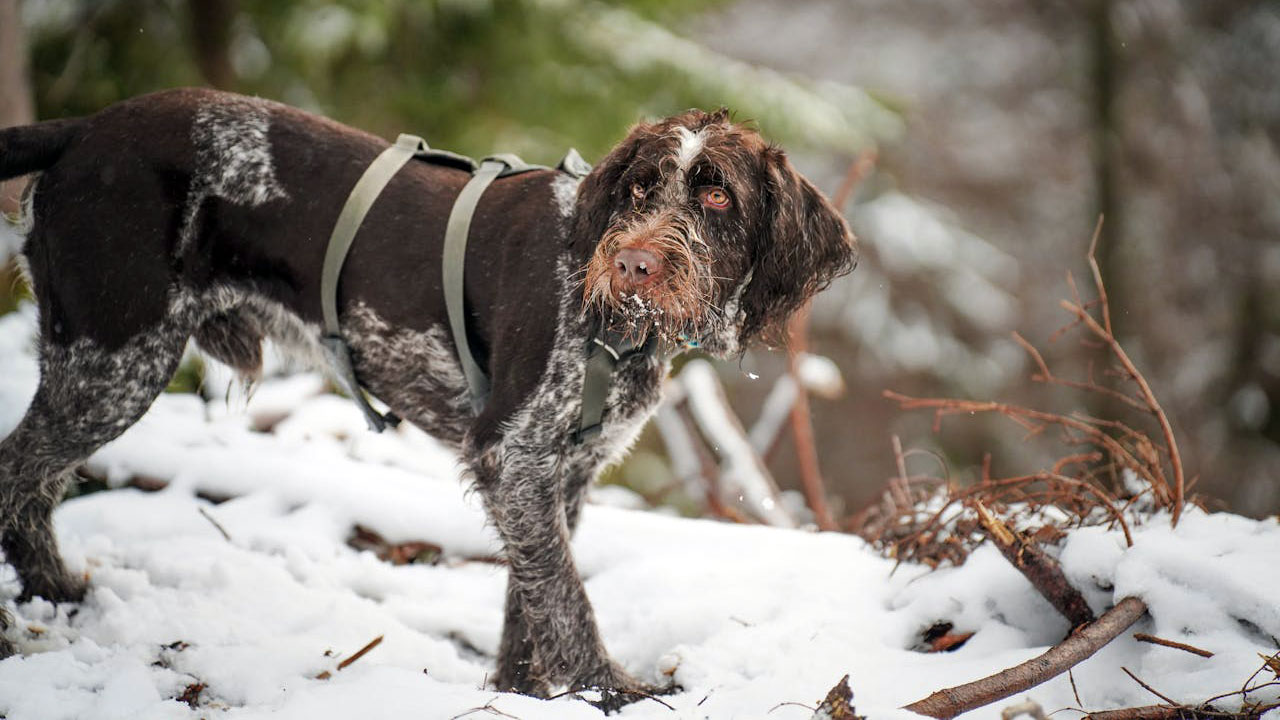
German Wirehaired Pointers deserve more respect because they are not merely bird dogs. They were developed as versatile hunting dogs capable of pointing, retrieving, tracking, and working both land and water.
That versatility makes them especially useful for hunters who do several kinds of hunting but do not want multiple specialized dogs. They are tough enough for cold water, dense cover, and long days in the field. They also tend to have more grit than softer sporting breeds. The tradeoff is that they need serious exercise and mental work. A well-used German Wirehair is impressive because it can handle jobs that would normally require several different breeds.
Boykin Spaniel
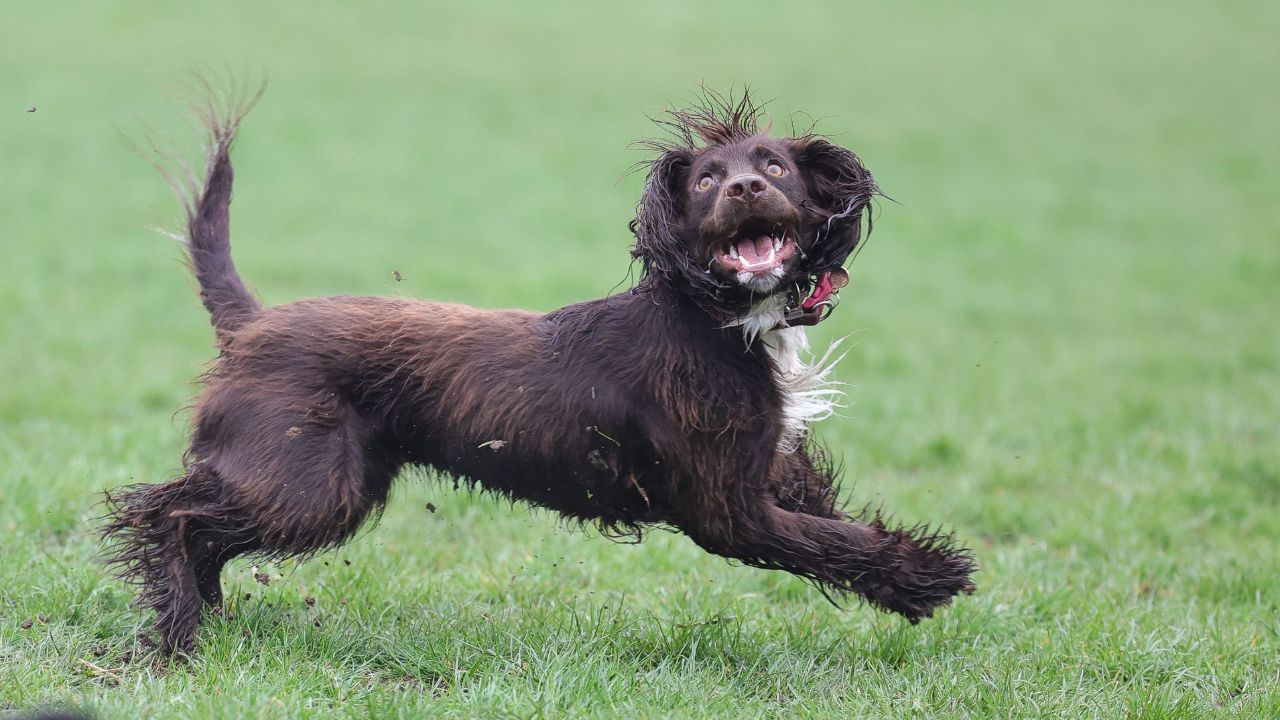
Boykin Spaniels were developed in South Carolina as compact hunting dogs capable of working from small boats and retrieving game in swampy conditions. Their smaller size made them easier to transport than larger retrievers without sacrificing much working ability.
They are excellent flushing dogs, capable retrievers, and generally more manageable in tight spaces than big Labs or Chesapeakes. Their popularity has grown, but they still do not receive the same widespread respect as the better-known sporting breeds. For hunters who want a smaller dog that can work birds and water effectively, the Boykin offers a lot of ability without the bulk of a larger retriever.
Chesapeake Bay Retriever

Chesapeakes are known, but they still do not get enough credit for how demanding their original work was. These dogs were developed to retrieve waterfowl in brutally cold conditions, strong currents, and rough water.
Their heavy coat, strength, and determination make them much tougher than their friendly retriever appearance might suggest. They are also generally more independent and protective than Labradors, which can make them excellent property dogs as well as hunting companions. That stronger personality means they are not always as easy for first-time owners, but working ability was never supposed to be easy. A good Chessie is one of the toughest waterfowl dogs you can own.
Treeing Walker Coonhound

Treeing Walkers are famous among coon hunters but largely ignored by everyone else. Their combination of speed, nose, endurance, and treeing instinct makes them highly effective night-hunting dogs.
They can cover an enormous amount of ground and stay on a track long after many dogs would lose interest. Their loud, distinctive voices also allow handlers to follow the hunt from a considerable distance. As family dogs they can be laid-back when properly exercised, which surprises people who only see them working. For hunters who need a dog capable of trailing and treeing game consistently, the Treeing Walker remains one of the best tools ever developed for the job.
Australian Cattle Dog

Heelers are widely known, but their actual working toughness still gets underestimated. They were bred to move stubborn cattle over difficult ground, and that required a dog with endurance, intelligence, and enough nerve to stand up to livestock many times its size.
That toughness is why they can be difficult in homes that do not give them enough work. They are intense because intensity was useful. A good Cattle Dog can move stock, patrol a farm, ride along all day, and remain ready to work when needed. Their loyalty is often extremely strong, and they tend to take their property seriously. They deserve respect not because they are easy, but because they were built to handle jobs where softness would have been a liability.
Like The Avid Outdoorsman’s content? Subscribe to our newsletter so you never miss an article.
Here’s more from us: