Photo credit: Academy Sports
Some pistols earn loyal followings for good reasons. Others build reputations that grow larger than what the guns actually deliver. A famous name, military pedigree, cult following, or strong aftermarket can make owners defend a pistol long after its weaknesses are obvious.
That does not mean these guns are junk. Most of them are perfectly usable, and some are excellent in specific roles. The issue is that owners often talk about them as if they have no meaningful drawbacks. Once you compare them against newer or better-rounded alternatives, the gap between reputation and reality becomes easier to see.
Glock 19 Gen 5
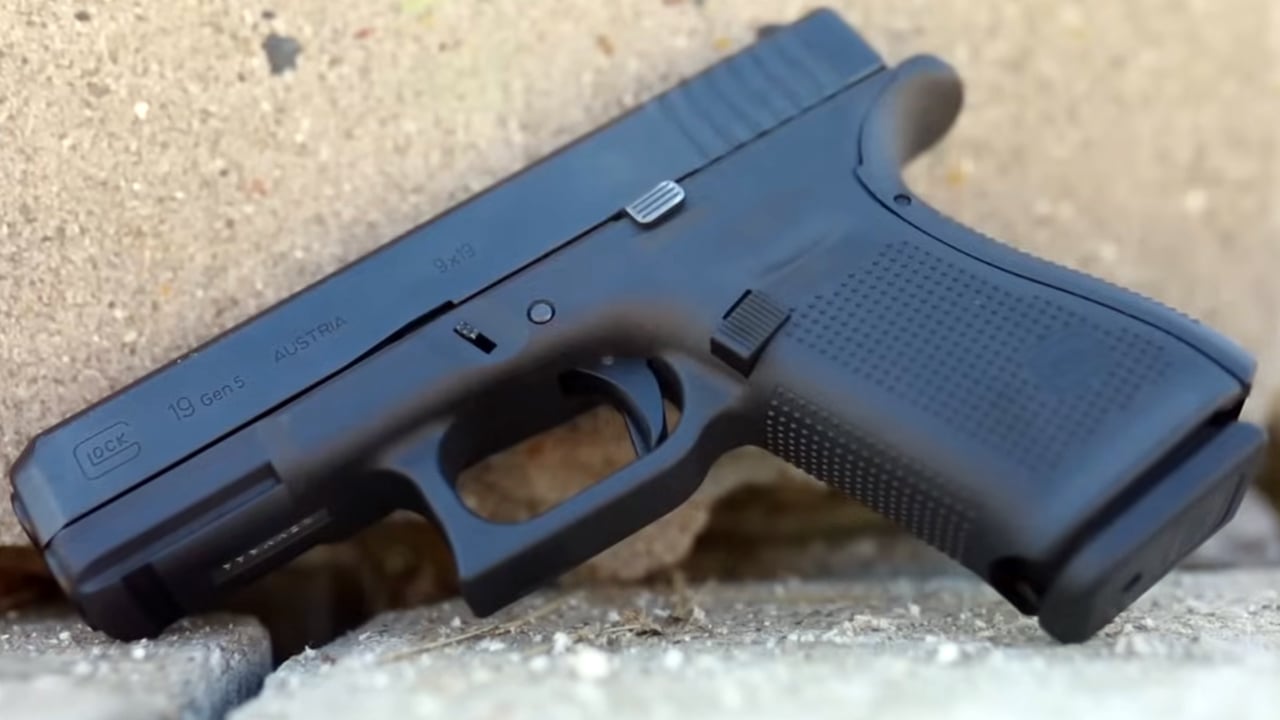
The Glock 19 deserves credit for helping define the modern compact defensive pistol, but its reputation has become so strong that some owners act like every competing design is automatically inferior.
It still has mediocre factory sights on many configurations, a grip angle that does not fit everyone, and a trigger that is functional rather than exceptional. The aftermarket is enormous, but that also means owners often spend hundreds of dollars fixing things they insist were already perfect. The Glock 19 is reliable, practical, and proven. It is not magically better than every other compact 9mm simply because millions of people own one.
SIG Sauer P320 Compact

The P320 deserves credit for its modular fire-control unit and broad configuration options, but owners sometimes give the platform more credit than its actual shooting characteristics justify.
The bore axis is relatively high, the grip can feel bulky, and the trigger is good without being extraordinary. The modularity is useful, but plenty of owners never actually swap frames, slides, or calibers after buying the pistol. If you are not taking advantage of that system, the P320 becomes another competent striker gun competing against several pistols that may fit your hand better.
HK VP9
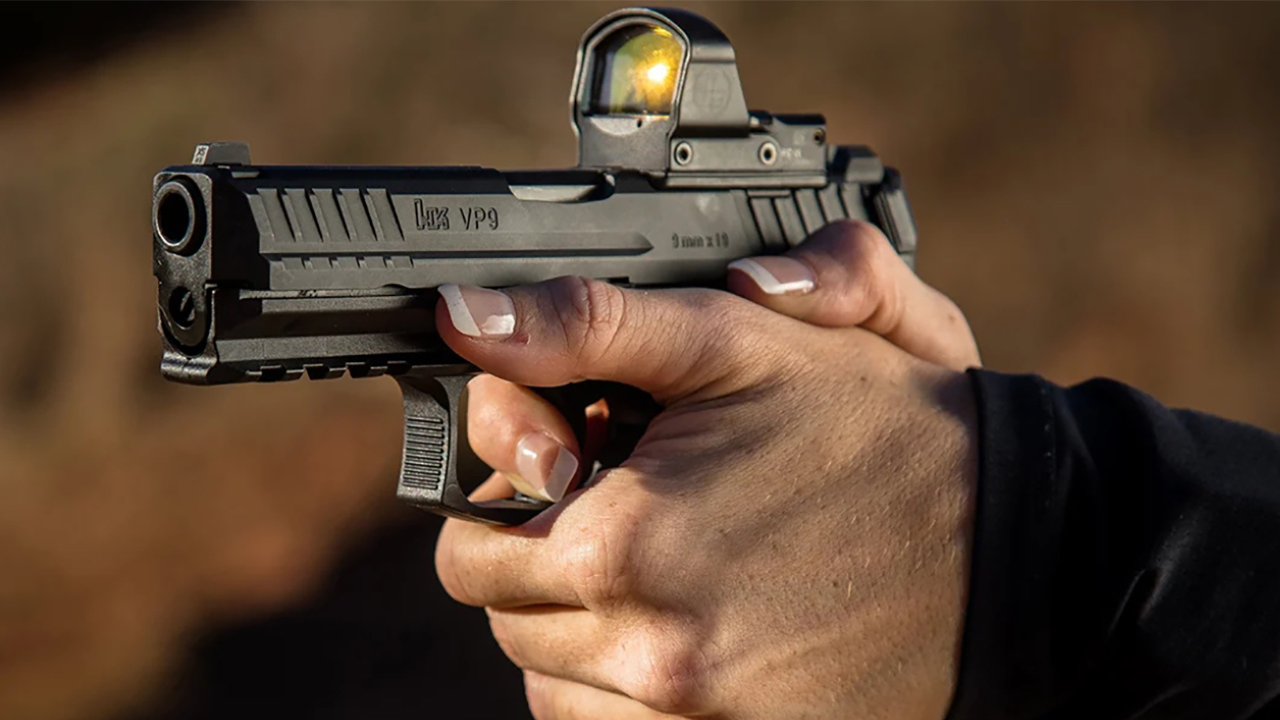
The VP9 has excellent ergonomics, strong build quality, and one of the better factory striker triggers available.
The problem is that some owners talk about it like it completely redefined the category. It did not. The pistol is relatively large for its capacity compared with newer designs, replacement magazines are not cheap, and the paddle-release versions require shooters to learn a less common manual of arms. It is a very good service pistol. It just is not automatically superior because HK built it.
Walther PDP
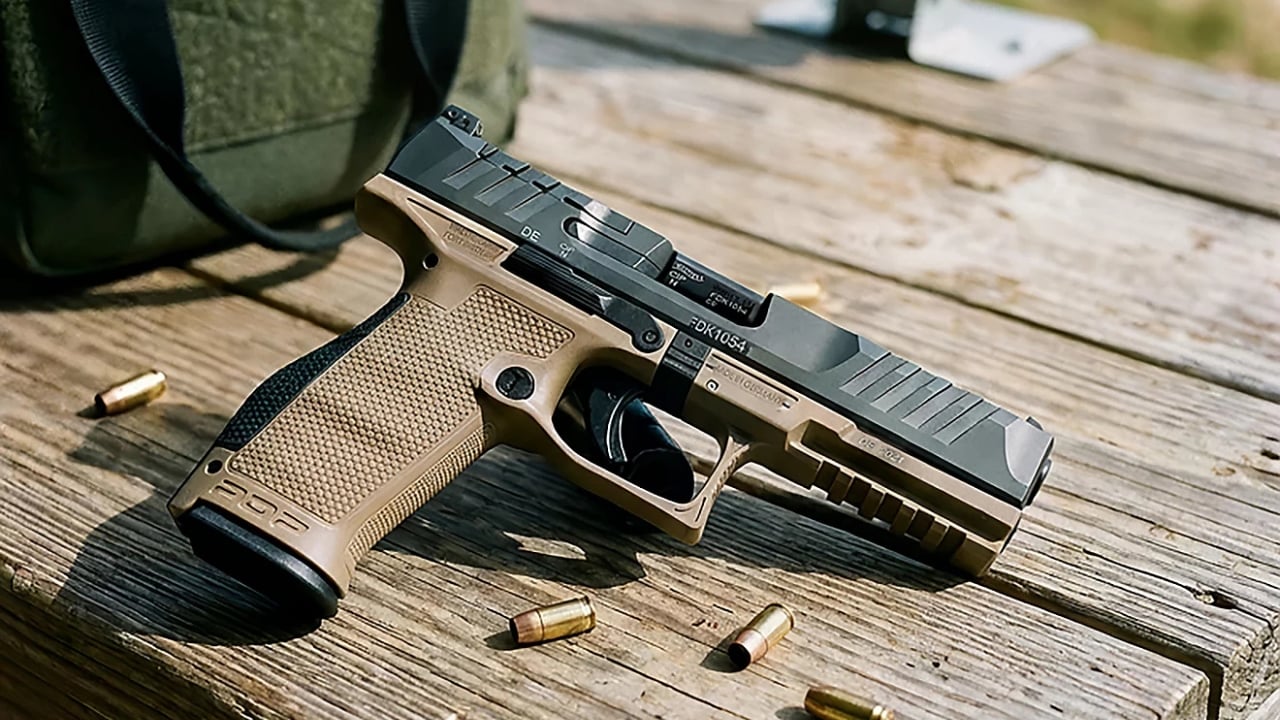
The PDP gets tremendous praise for its trigger and ergonomics, and much of that praise is deserved.
What gets ignored is how bulky the slide can feel and how noticeably snappy some configurations are compared with similarly sized competitors. The aggressive slide serrations and tall profile also make the pistol look and feel larger than its measurements suggest. It shoots well, but owners sometimes overlook the fact that a great trigger does not erase every other tradeoff.
CZ Shadow 2 Compact
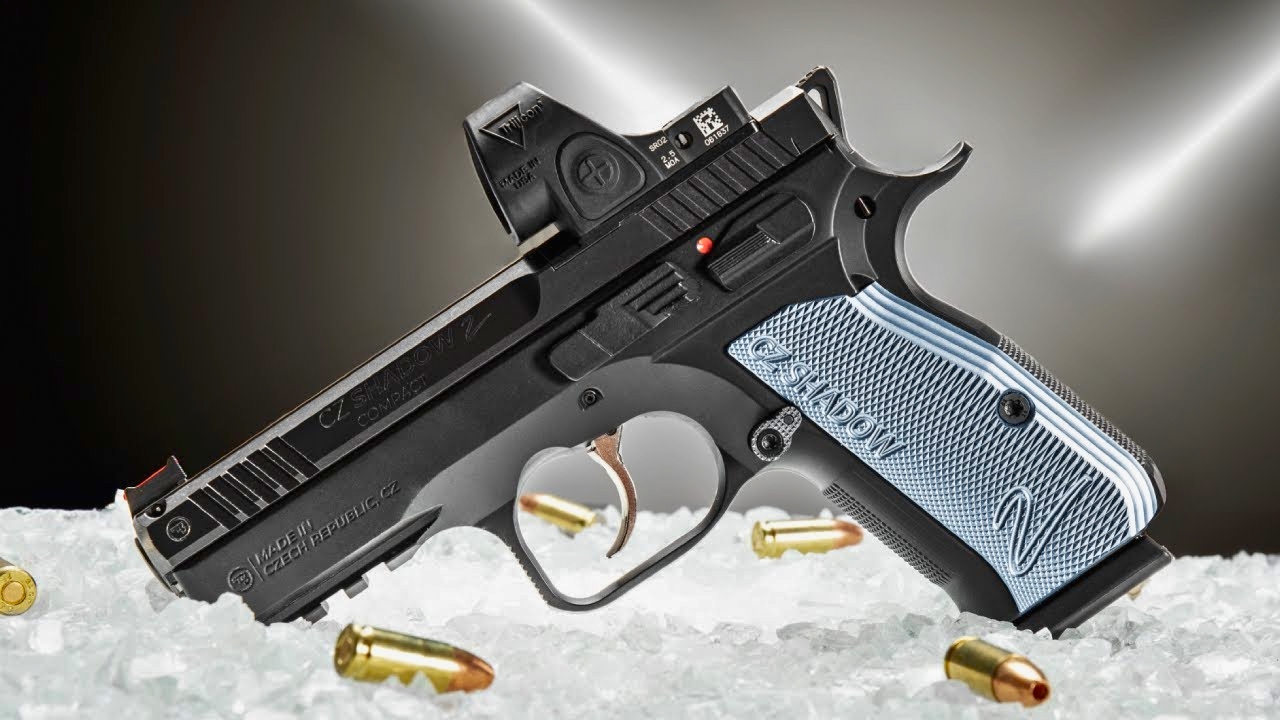
The Shadow 2 Compact received huge attention because it promised much of the full-size Shadow 2 experience in a carryable package.
That does not mean it is automatically the ideal defensive pistol. It is still relatively heavy, expensive, and built around controls that require more familiarity than a basic striker gun. The shooting experience is excellent, but a compact competition-influenced pistol is not necessarily the best answer for every carry role. Owners sometimes confuse how enjoyable it is at the range with universal practicality.
Staccato C2
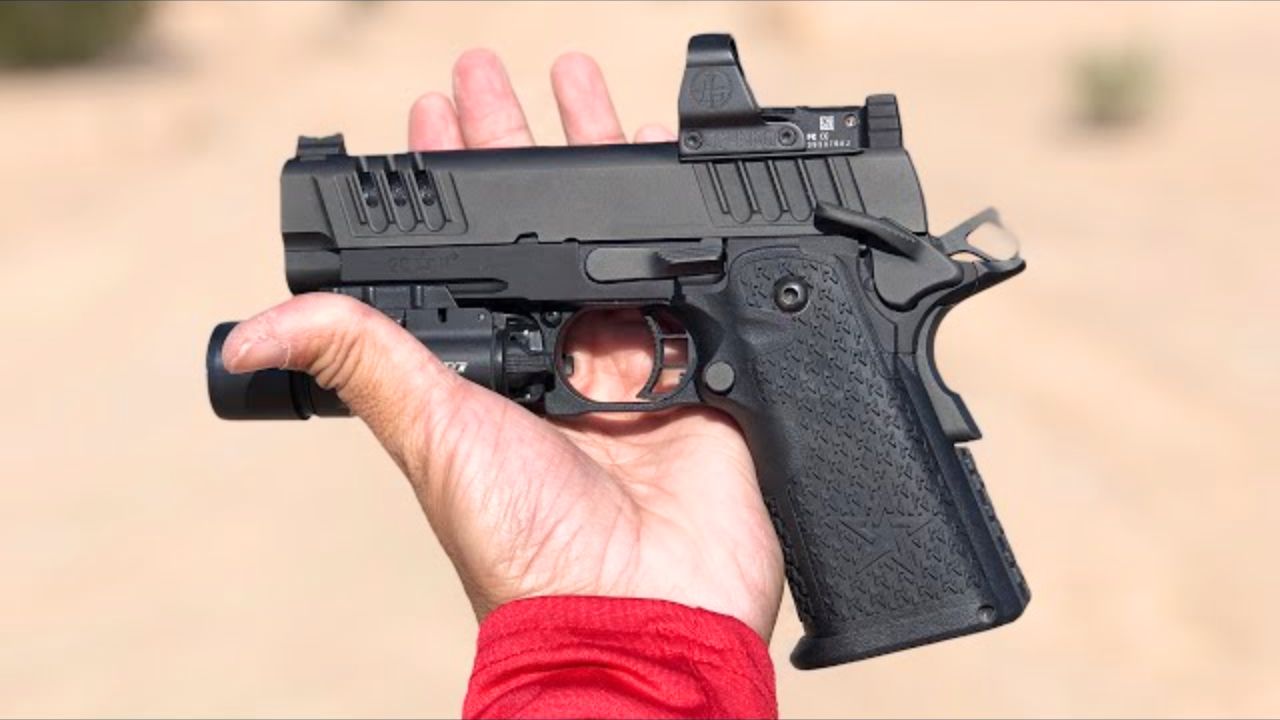
The C2 helped push double-stack 1911-style pistols into the mainstream defensive market.
It is fast, accurate, and easy to shoot well, but the reputation can get carried away. It is expensive, magazines cost more than ordinary duty-pistol magazines, and the platform requires more attention than a basic striker gun. A C2 can absolutely outperform cheaper pistols in trained hands, but that does not mean the average owner suddenly becomes a better shooter because the gun cost several times more.
Springfield Prodigy
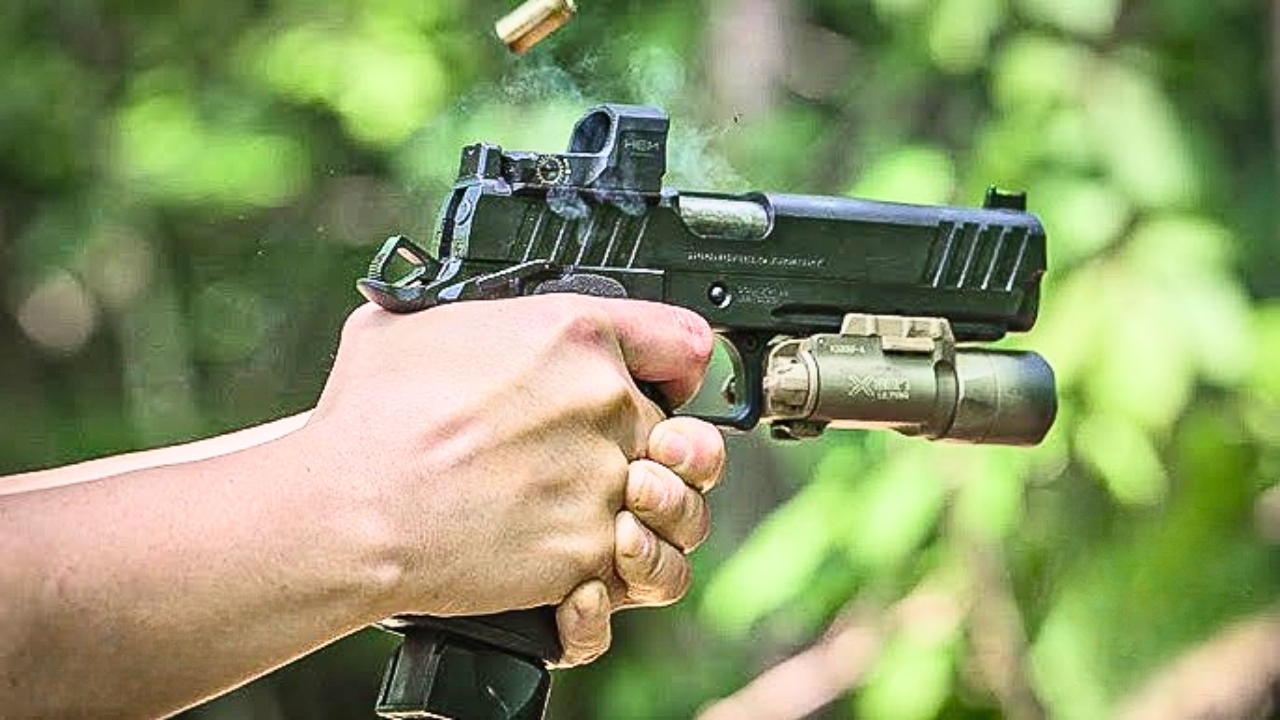
The Prodigy brought the double-stack 1911 format to a much lower price than many established competitors, which generated enormous excitement.
That excitement sometimes hides the reality that the platform is still more mechanically demanding than a typical striker-fired pistol. Early guns also developed enough reliability complaints to make buyers cautious. Later examples may run well, but owners who praise the gun solely because it offers 2011-style features cheaply can overlook the importance of fitting, maintenance, and quality control in this type of pistol.
FN 509 Tactical
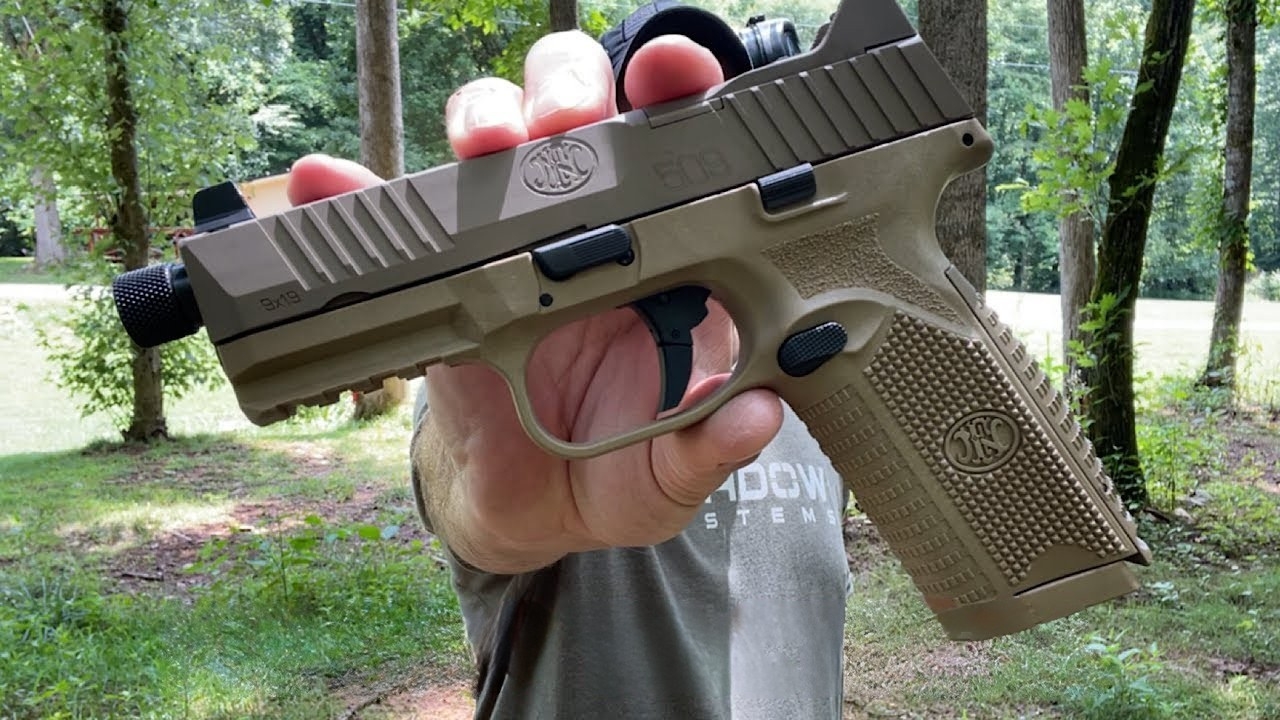
The 509 Tactical looks extremely serious straight out of the box. Threaded barrel, optics capability, tall sights, and aggressive styling all make it feel ready for anything.
The actual trigger has never impressed everyone, and the pistol is fairly bulky for a striker-fired 9mm. The Tactical configuration also adds features many owners never use while driving up cost and size. It is durable and capable, but the visual package can make people assume it shoots better than it really does.
Beretta M9A4
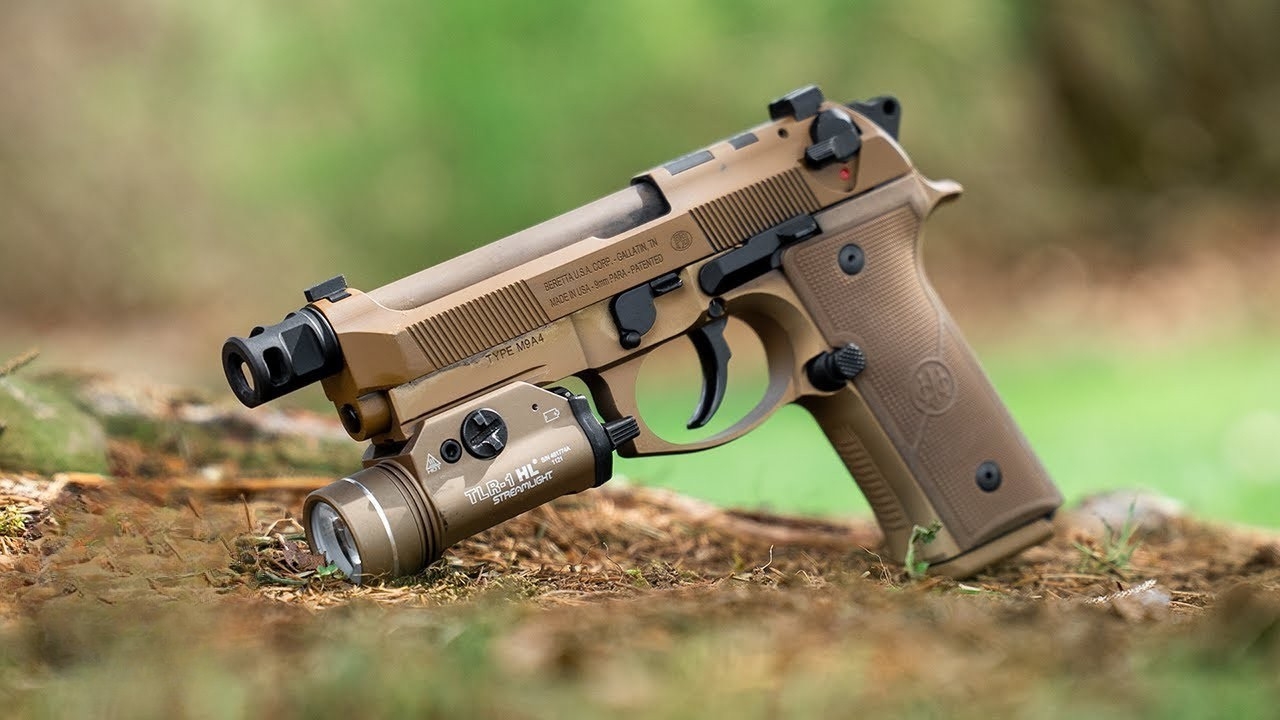
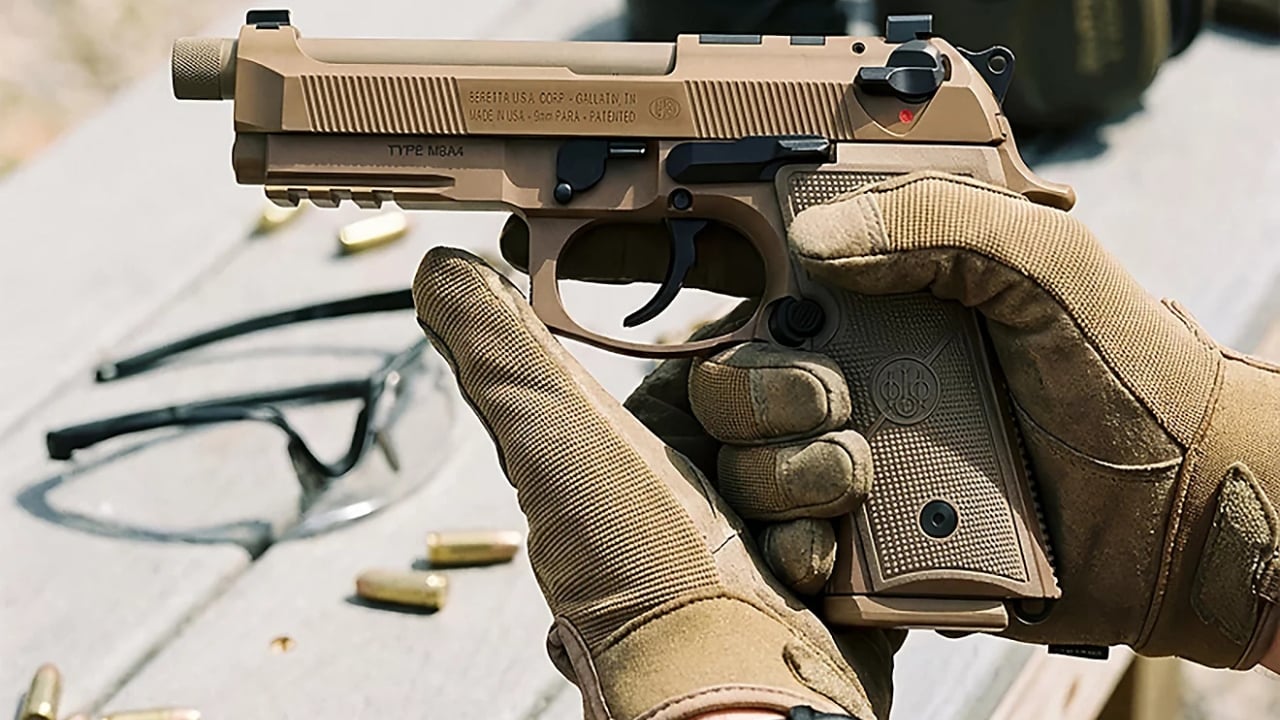
The M9A4 improves the old Beretta service-pistol formula with modern sights, optics capability, and a Vertec-style grip.
It is still a large handgun with a long first double-action pull and a locking system that requires more bulk than many newer alternatives. Fans often treat its smooth recoil and military lineage as proof that it remains one of the best choices available. It is certainly enjoyable to shoot, but modern pistols can match or exceed its practical performance in smaller and lighter packages.
Colt Gold Cup
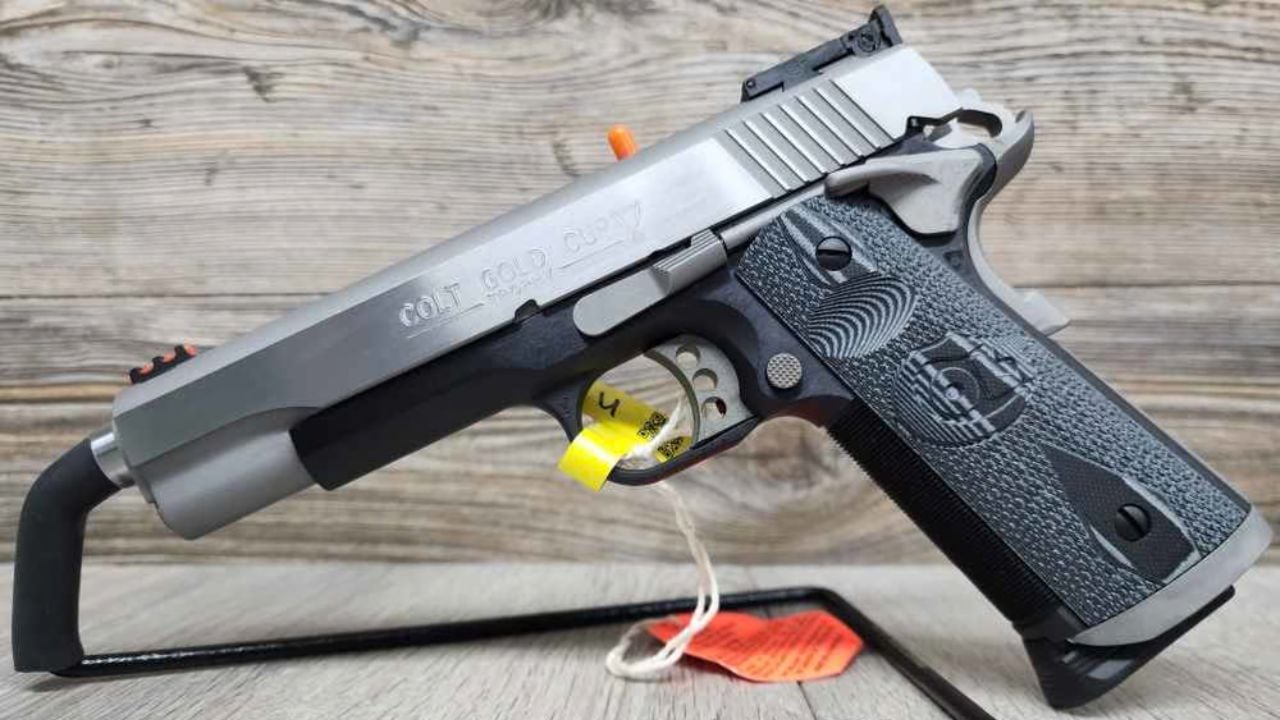
The Gold Cup name carries enormous weight because Colt spent decades associating it with premium target-oriented 1911s.
That history can make owners overlook how much the 1911 market has changed. Plenty of modern manufacturers now build pistols with excellent triggers, tight lockup, and better factory sights at similar or lower prices. A Gold Cup is still a desirable pistol, but the rollmark sometimes receives more credit than the actual performance advantage it provides.
Kimber Rapide
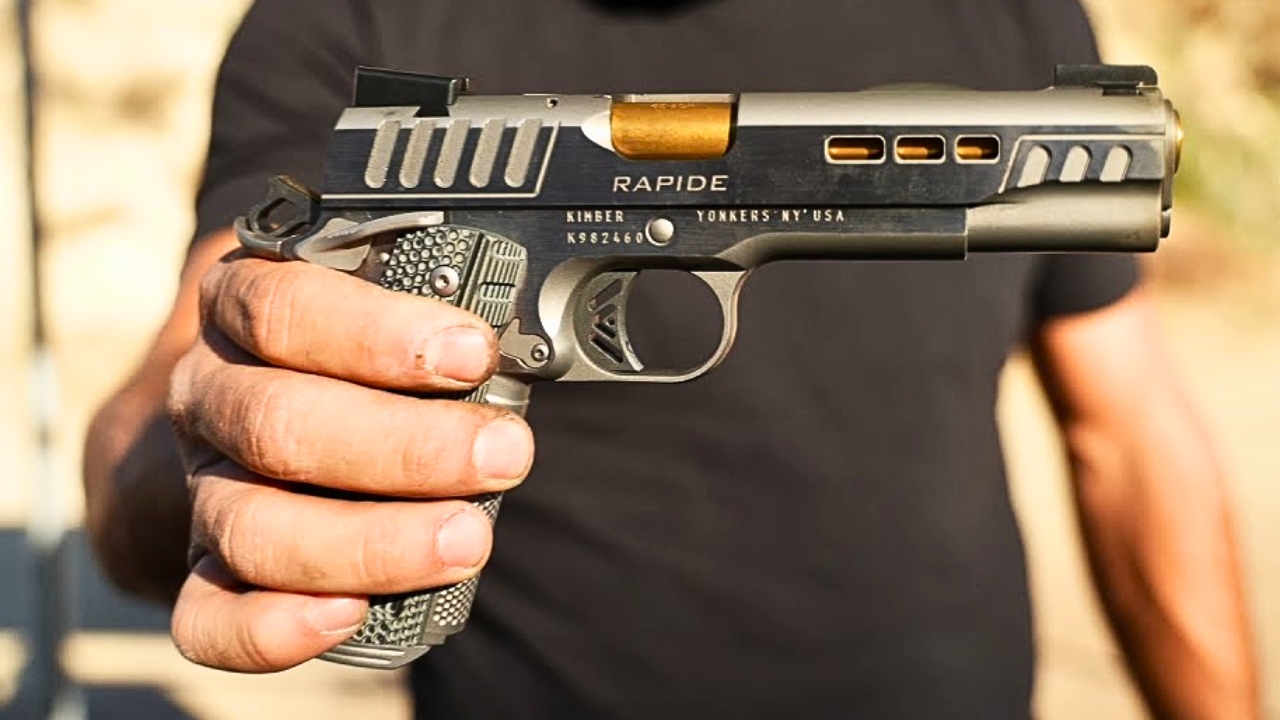
The Rapide looks expensive because Kimber clearly designed it to attract attention.
The slide cuts, contrasting finish, grips, and overall styling make it stand out immediately. The problem is that appearance can create expectations normally reserved for true semi-custom pistols. At the end of the day, it is still a production 1911. Some examples shoot beautifully, but buyers should not assume flashy machining automatically equals superior reliability, fitting, or durability.
Springfield EMP

The EMP earned praise for shrinking the 1911 concept around shorter cartridges rather than simply chopping down a standard .45 frame.
That was genuinely clever, but the pistol can still be expensive for its capacity and requires the same familiarity that comes with any small 1911. Modern micro-compacts carry more ammunition in smaller or lighter packages. The EMP remains attractive to shooters who specifically want a 1911-style carry gun, but its reputation sometimes exceeds its practical advantages.
SIG Sauer P938
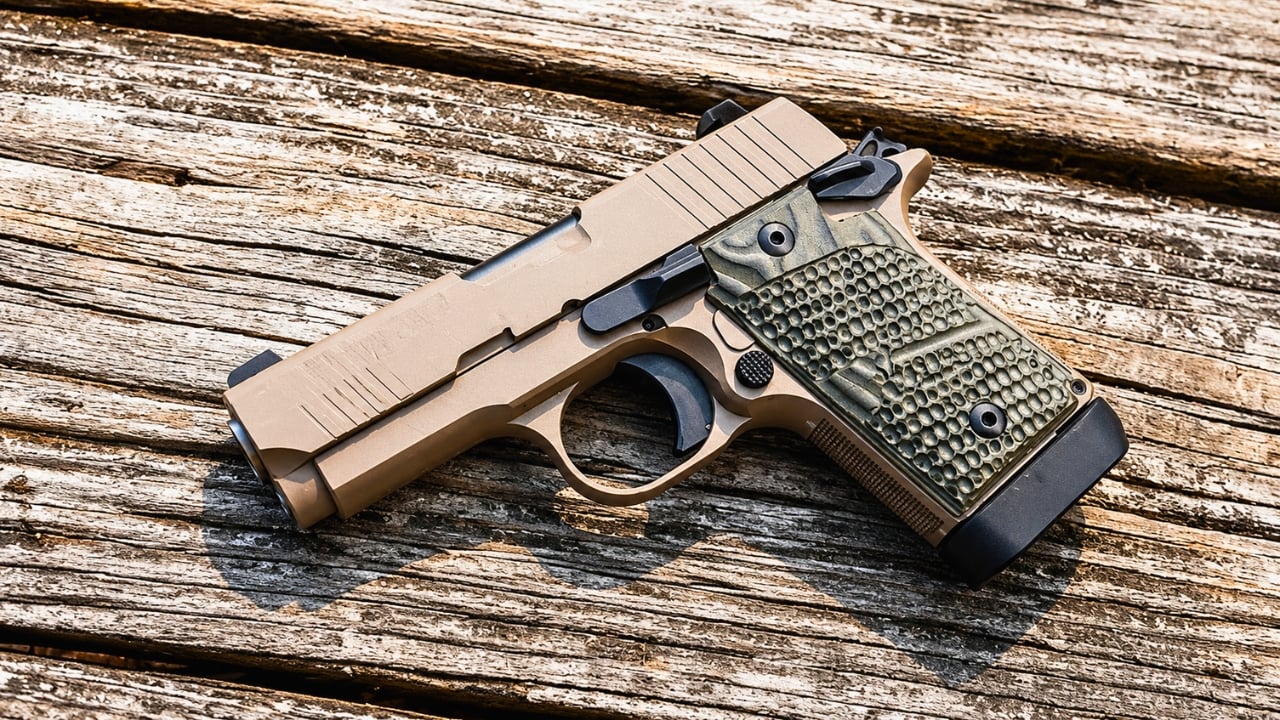
The P938 is small, attractive, and familiar to shooters who like single-action controls.
It is also a tiny metal pistol with limited grip area and relatively low capacity compared with newer carry guns. The short single-action trigger can be excellent, but the pistol requires cocked-and-locked carry if you want immediate use. For shooters comfortable with that system, it works. For everyone else, its old-school charm can disguise how demanding it is compared with modern alternatives.
Kimber Micro 9
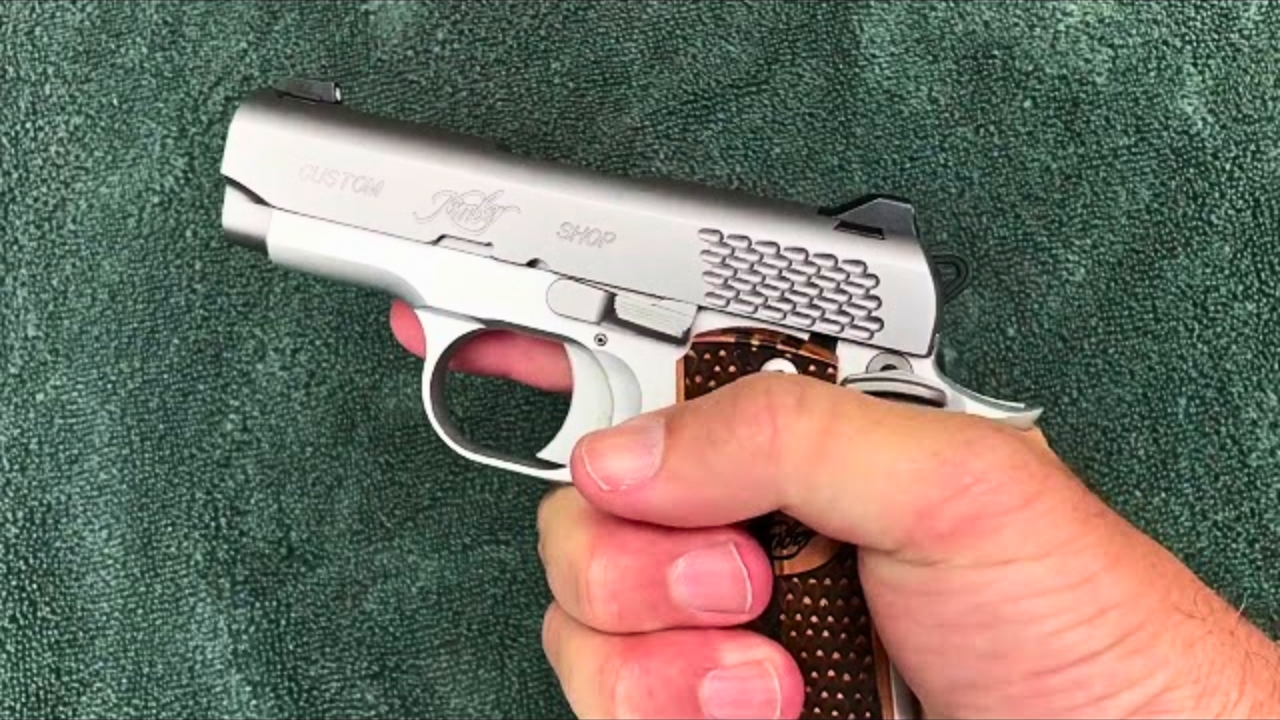
The Micro 9 benefits from classic styling and the appeal of a tiny metal-framed carry pistol.
The downside is that very small single-action pistols can be unpleasant to shoot extensively, especially when compared with slightly larger modern designs. Capacity is modest, controls are small, and the short grip gives you less leverage. It can be easy to carry, but owners sometimes praise concealability while ignoring how little they actually enjoy practicing with it.
Beretta 80X Cheetah

The 80X brought the Cheetah concept back with modern controls, optics capability, and attractive styling.
It is also large for a .380 ACP when compared with modern micro-compacts. The metal frame helps make it pleasant to shoot, but you are carrying a handgun with dimensions approaching some 9mm pistols while getting less ballistic performance. That tradeoff can absolutely make sense for recoil-sensitive shooters. It just does not make the 80X objectively superior because it feels refined.
Ruger LCP Max
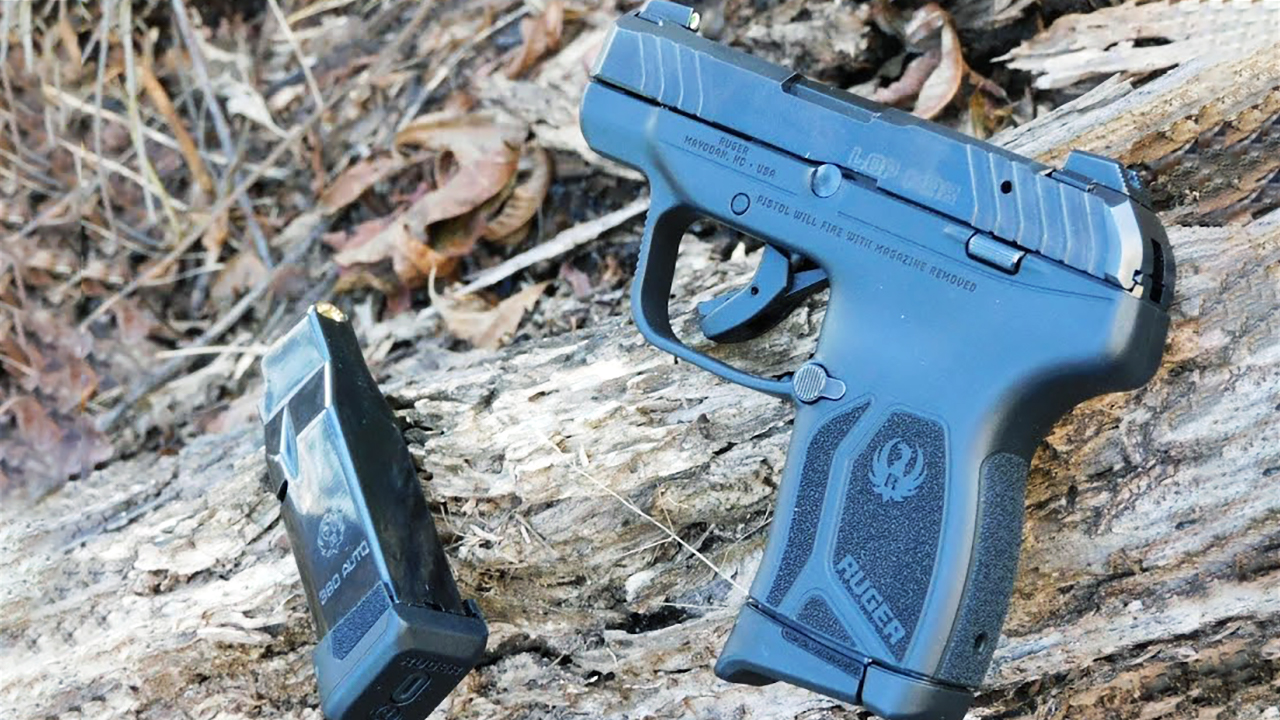
The LCP Max gets enormous credit for putting substantial capacity into a tiny .380 package.
What owners sometimes downplay is how difficult tiny guns remain to shoot well. The grip is short, the sights move dramatically under recoil, and extended practice is rarely enjoyable. It is a very effective pocket-carry concept, but people occasionally mistake convenience for shootability. The LCP Max is great at disappearing in a pocket. It is not great at pretending to be a full-size pistol.
Taurus Judge
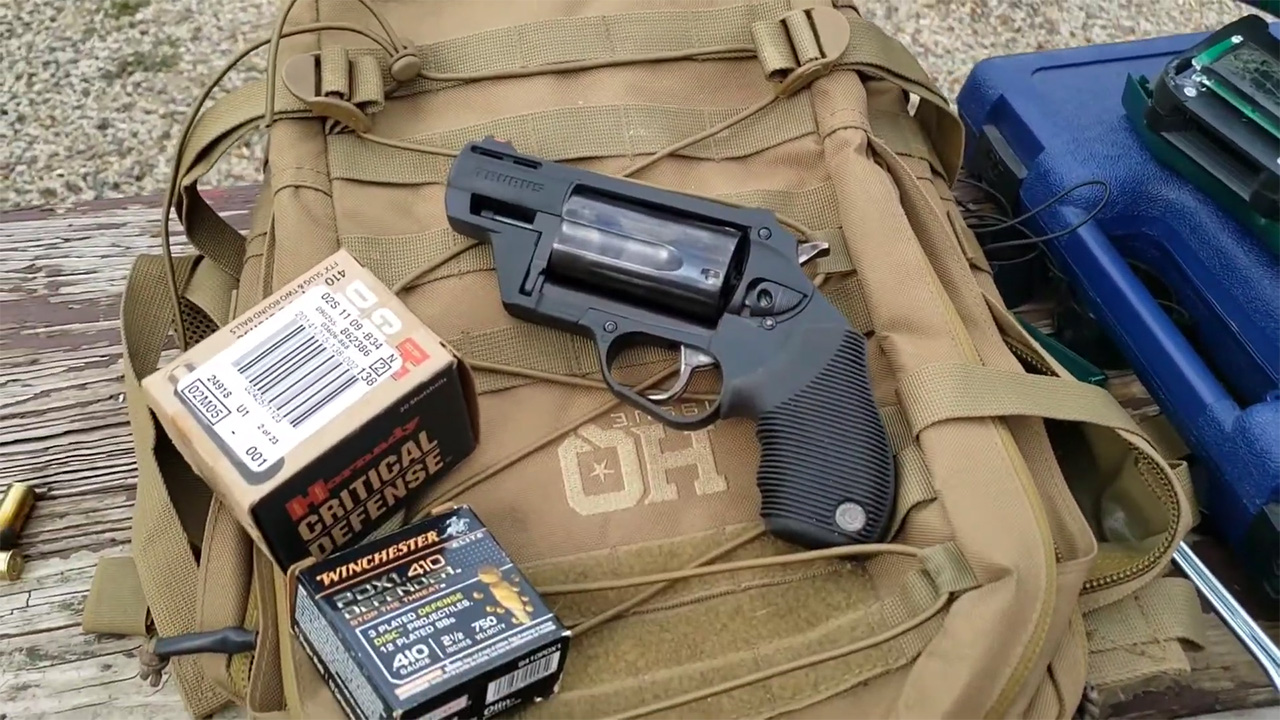
The Judge has one of the strongest reputations ever built around a handgun’s concept rather than its actual efficiency.
The ability to fire .410 shells sounds devastating, but the short barrel and rifled bore impose obvious limitations on shotgun ammunition. The huge cylinder also makes the revolver bulky for what you get. It is entertaining and versatile in a narrow sense, but conventional revolvers and semiautomatics usually do specific defensive jobs more effectively.
Desert Eagle .50 AE
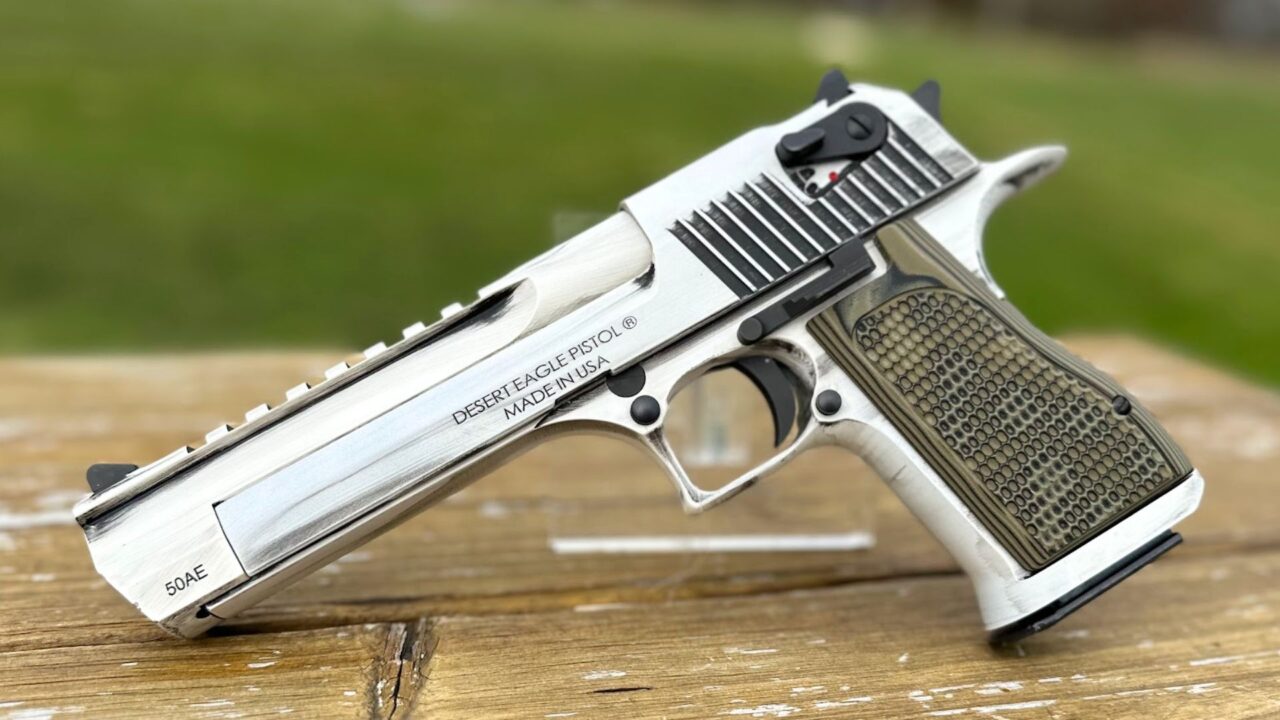
The Desert Eagle earns enormous respect because nothing else looks or feels quite like it.
That does not make it an especially practical handgun. It is enormous, heavy, expensive to feed, and more dependent on ammunition and shooter technique than conventional service pistols. Owners love the spectacle, and there is nothing wrong with that. The problem starts when novelty gets confused with capability. Very few real handgun tasks are improved by carrying something this large.
Browning Hi-Power
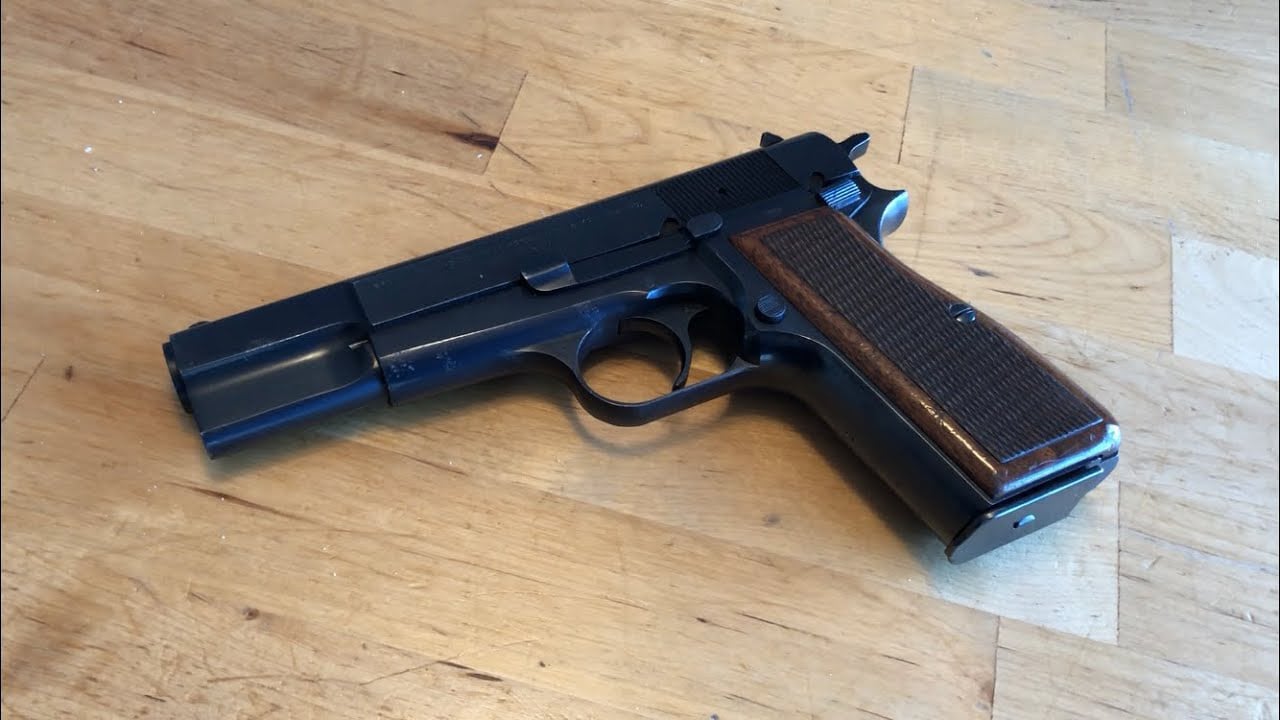
The Hi-Power is historically important, beautifully proportioned, and still one of the most comfortable full-size pistols ever made.
Its reputation can nevertheless become overly romantic. Original triggers are often hurt by the magazine disconnect, sights on older guns are small, safeties can be less positive than modern designs, and capacity no longer looks exceptional. It remains a wonderful pistol to shoot, but modern handguns surpassed it in several practical areas a long time ago.
HK P7
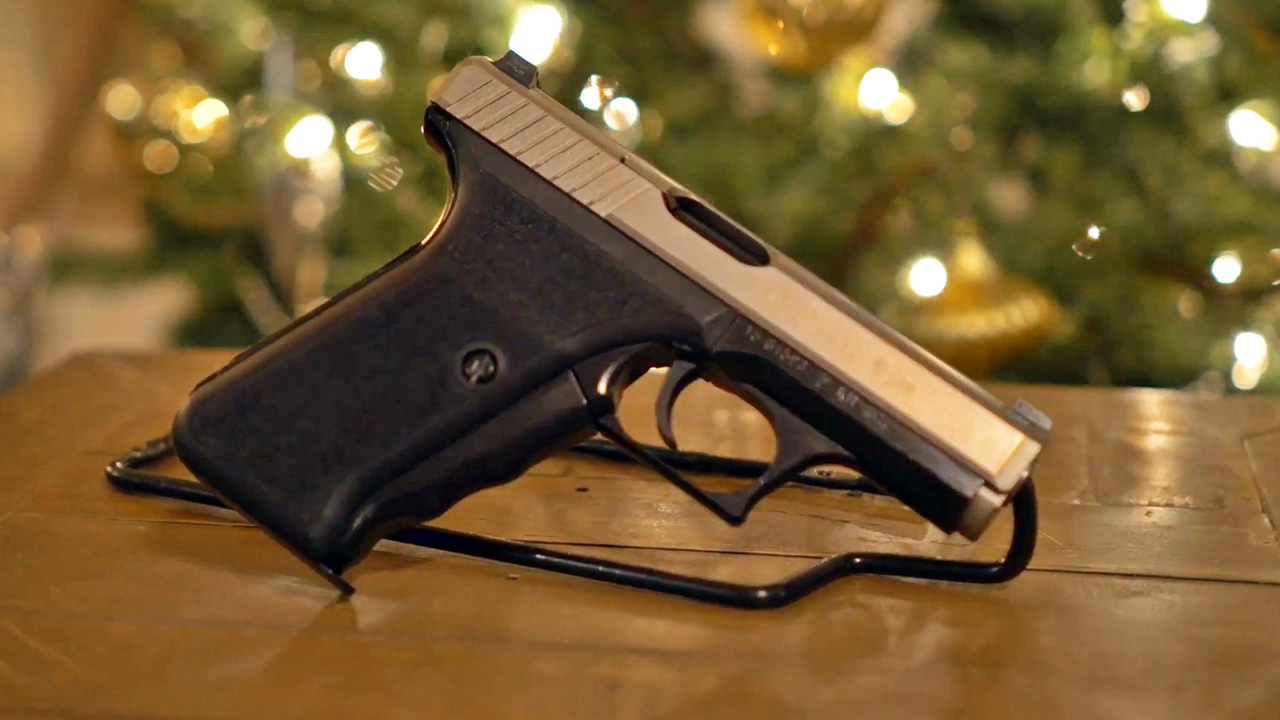
The P7 is mechanically fascinating and exceptionally well made, which has helped turn it into an almost mythical handgun.
The squeeze-cocking system is clever, but it also introduces a manual of arms unlike nearly anything else. The gas system causes the frame area to heat significantly during extended shooting, capacity is modest, and prices have climbed far beyond what most people would pay for pure utility. The P7 deserves respect as an engineering achievement. It does not deserve to be treated as if every design decision was flawless.
Like The Avid Outdoorsman’s content? Subscribe to our newsletter so you never miss an article.
Here’s more from us: