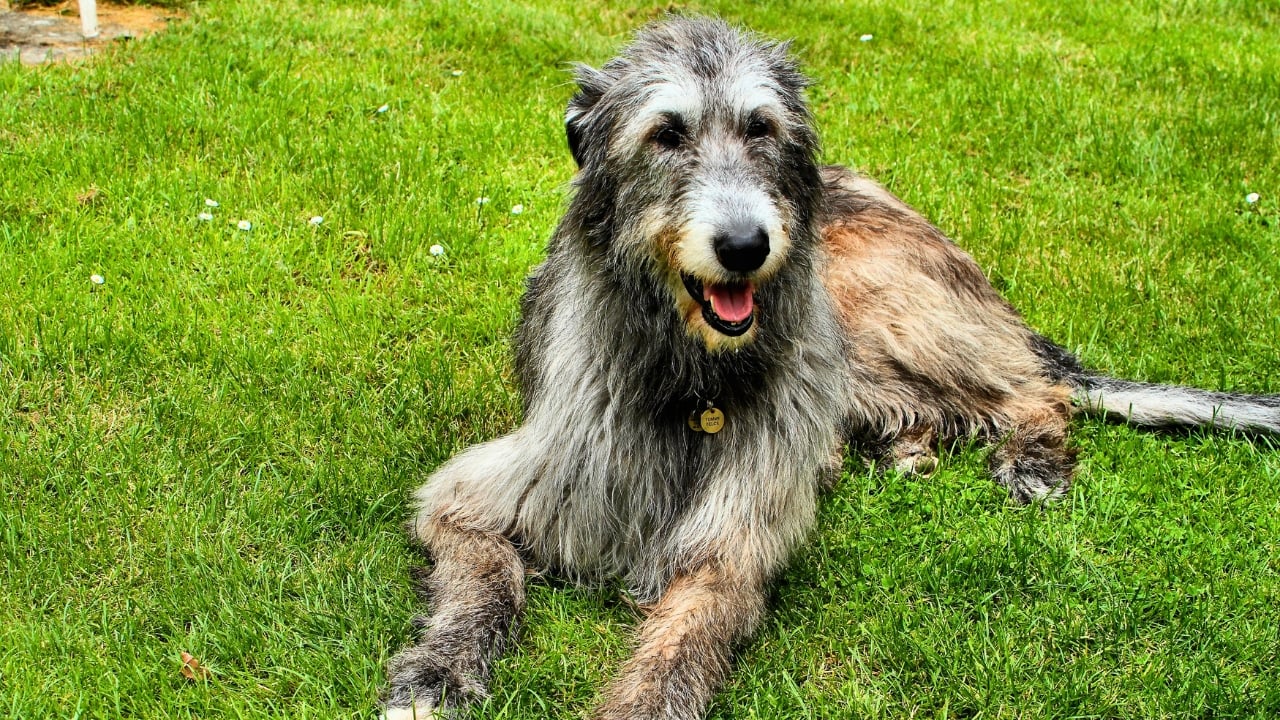
Photo credit: Airwolfhound from Hertfordshire, UK – Tommy – Irish Wolfhound, CC BY-SA 2.0/Wiki Commons
Some dog breeds used to feel almost permanent in American neighborhoods. Collies, Cocker Spaniels, Setters, and traditional hunting dogs were once everywhere because families often chose from a much smaller group of familiar breeds.
That has changed. Smaller companion dogs, doodle mixes, compact bulldog-type breeds, and highly trainable working dogs now attract many buyers who might have chosen a more traditional breed a generation ago. The older breeds have not suddenly become bad dogs. They are simply competing against newer favorites that often fit modern homes, social media trends, and changing lifestyles more easily.
Collie

The Collie once had one of the strongest family-dog reputations in America. Its gentle temperament, intelligence, and unmistakable coat made it a suburban favorite for decades.
Today, many families looking for a smart herding-type dog gravitate toward Australian Shepherds, Miniature American Shepherds, or Border Collies instead. Those breeds have a more athletic modern image and, in some cases, are available in smaller packages. The Collie’s heavy coat also requires more upkeep than many owners want. It remains a wonderful family breed, but the days when Lassie made it an automatic household choice have clearly faded.
Cocker Spaniel
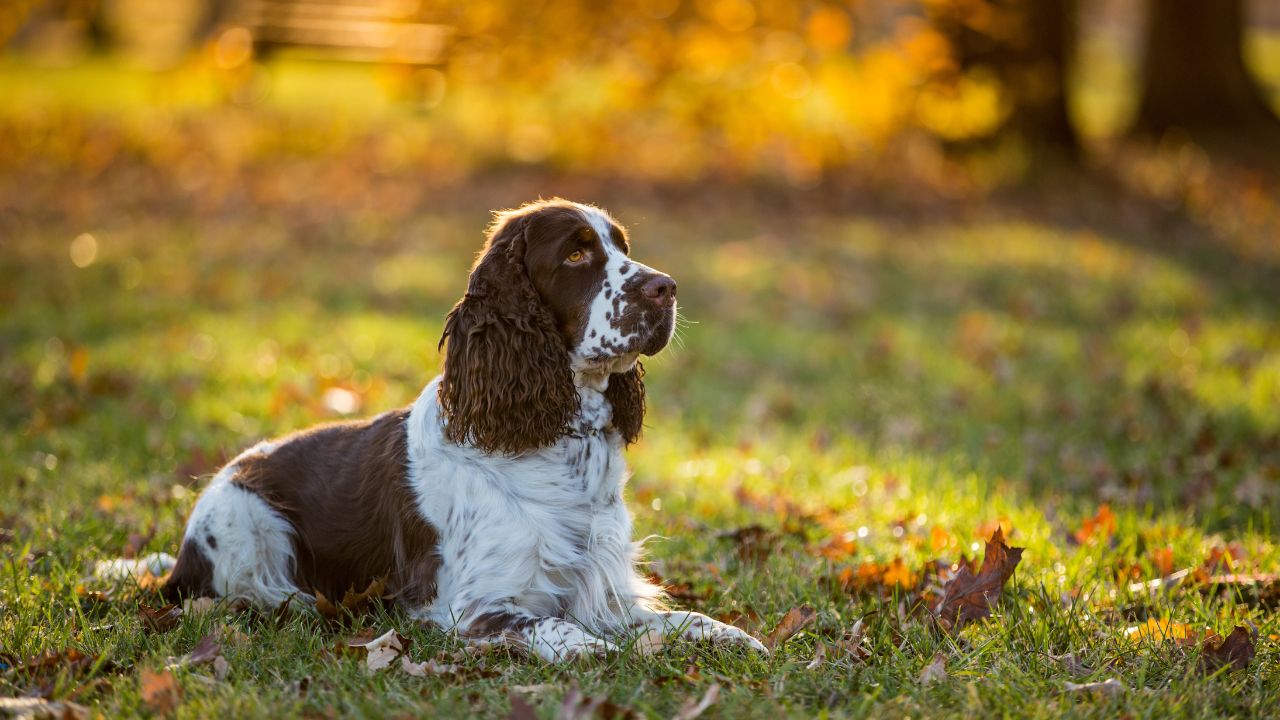
Cocker Spaniels were once one of the default choices for families wanting a smaller dog that still felt athletic and substantial.
Now that market is crowded with Cavaliers, Cavapoos, Cockapoos, French Bulldogs, and numerous small designer crosses. Many buyers want the friendly personality without committing to the grooming and ear care that comes with a traditional Cocker. The breed still has plenty of loyal owners, but it no longer dominates the small-to-medium family-dog category the way it once did.
Irish Setter
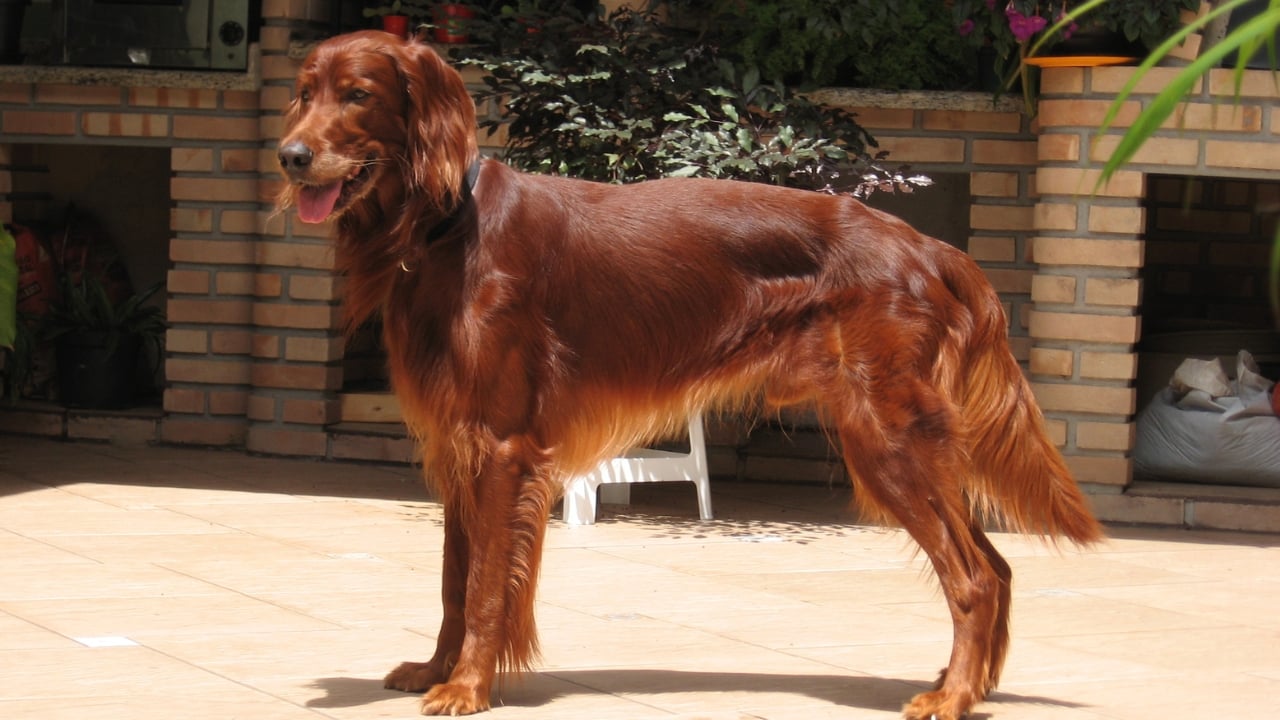
Irish Setters used to be far more visible in American homes and hunting circles.
Their striking red coat still gets attention, but many modern owners are choosing Golden Retrievers, Vizslas, or other sporting breeds that are perceived as easier to manage. Setters need plenty of exercise and coat care, and their energetic personalities can be a lot for a quiet household. They remain beautiful, affectionate dogs, but they are no longer the fashionable sporting breed they once were.
English Setter

The English Setter has lost ground partly because upland hunting itself has become less central to everyday American life.
Hunters who still want a pointing dog increasingly choose German Shorthaired Pointers, Brittanys, or versatile continental breeds. Family buyers often go straight toward retrievers instead. English Setters still have excellent noses and gentle personalities, but they occupy a much narrower niche now. A breed that once represented classic bird-dog ownership is increasingly something you see mostly among dedicated upland hunters.
Brittany

The Brittany remains respected among hunters, but it has lost some mainstream family appeal.
Modern buyers looking for an energetic medium-sized dog often end up with an Australian Shepherd or another herding breed instead. Hunters, meanwhile, have more pointing breeds available than ever. Brittanys are still extremely capable, affectionate, and athletic, but their strongest audience is more specialized than it used to be.
American Foxhound

The American Foxhound once made much more sense in a country where rural land, pack hunting, and working hounds were more common.
That lifestyle has shrunk dramatically. Modern suburban owners usually want dogs that are easier to recall, quieter indoors, and less likely to follow a scent for half a mile. Beagles still hold onto broader family popularity, but larger traditional hounds have become much less common. The American Foxhound remains an excellent working dog in the right setting, but that setting is increasingly rare.
Bloodhound

Bloodhounds have enormous cultural recognition but relatively modest everyday ownership.
Their size, drool, powerful scent drive, and stubborn streak can make them difficult for an average household. People wanting a tracking or working dog now have many alternatives, while family buyers often choose Labs or German Shepherds instead. The Bloodhound is still exceptional at scent work, but its traditional image has survived far better than its popularity as a household pet.
Basset Hound
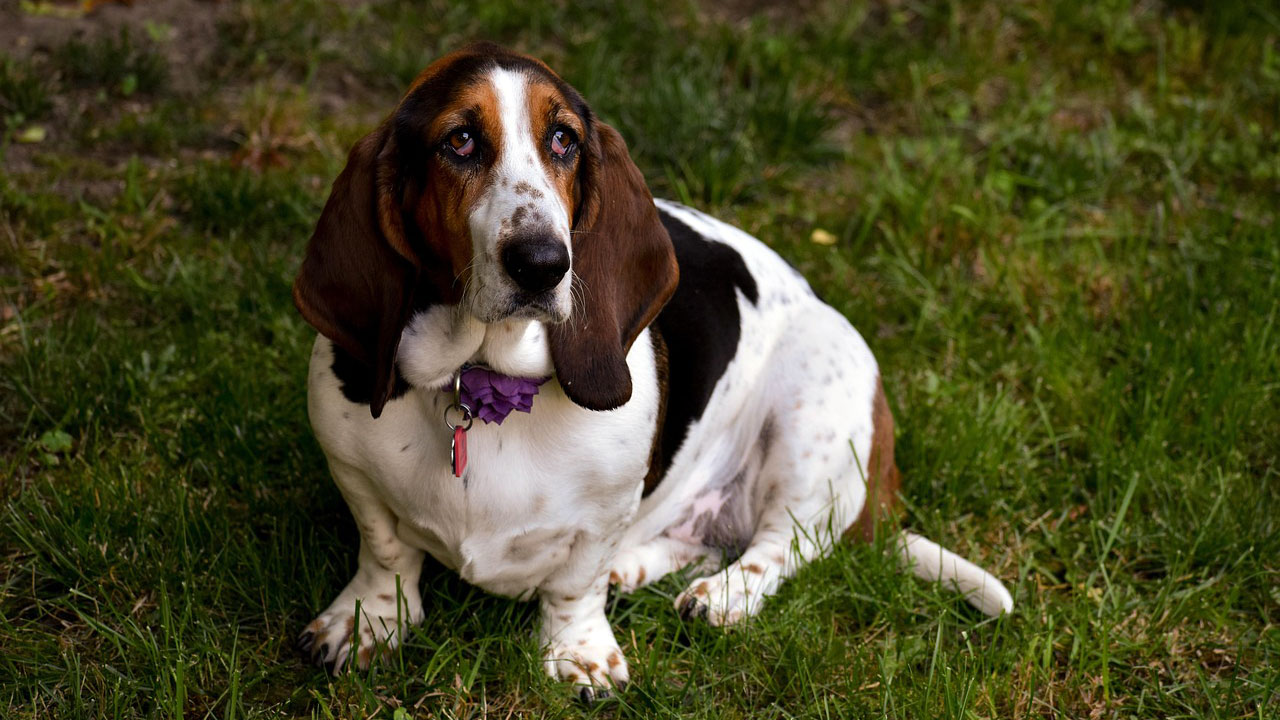
Basset Hounds once seemed to be everywhere in advertising, cartoons, and suburban homes.
Today, buyers looking for a low-energy companion often choose French Bulldogs, Bulldogs, Dachshunds, or smaller mixed breeds. The Basset’s long ears, heavy body, and health-management needs can also deter owners. They remain charming and instantly recognizable, but the market for laid-back companion dogs has shifted toward breeds that take up less room.
Old English Sheepdog

The Old English Sheepdog was once one of the most recognizable shaggy family breeds.
Then doodles arrived. Goldendoodles, Labradoodles, Bernedoodles, and other shaggy crosses captured much of the same visual appeal while being marketed as modern family companions. The Sheepdog’s enormous coat and grooming commitment do not help. Anyone willing to maintain one can still get a wonderful dog, but the breed has lost a lot of attention to newer shaggy alternatives.
Airedale Terrier
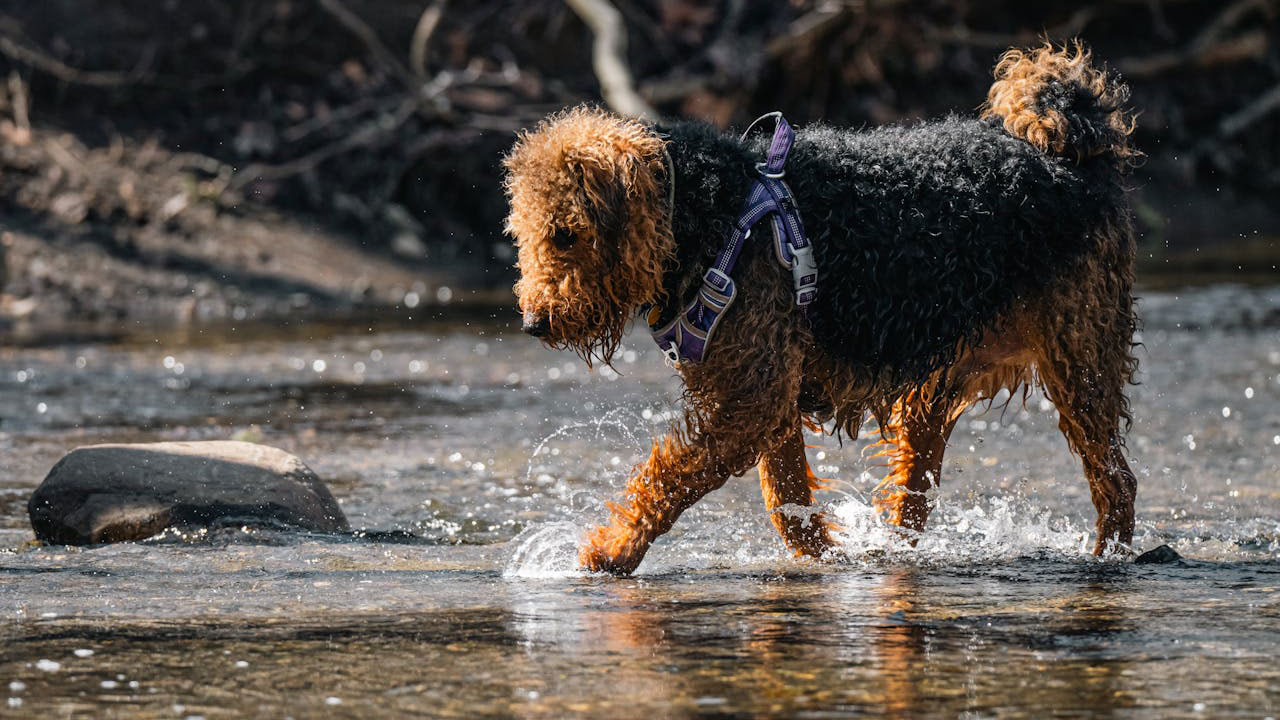
The Airedale used to have a much stronger reputation as an all-purpose family, farm, hunting, and guard dog.
Modern buyers now have specialized breeds for each of those jobs. German Shepherds dominate protection discussions, retrievers dominate family hunting, and smaller terriers fit urban homes more easily. The Airedale can still do a little of everything, but versatility is no longer as powerful a selling point when owners can choose a breed tailored to one exact purpose.
Scottish Terrier

Scotties were once one of the iconic small dog breeds in America.
Today, French Bulldogs, Miniature Dachshunds, Cavaliers, and designer mixes get far more attention from people shopping for a compact companion. The Scottie’s independent terrier personality can also be tougher than buyers expect. They have tremendous character, but modern companion-dog trends generally favor dogs that are openly social and easygoing.
Wire Fox Terrier
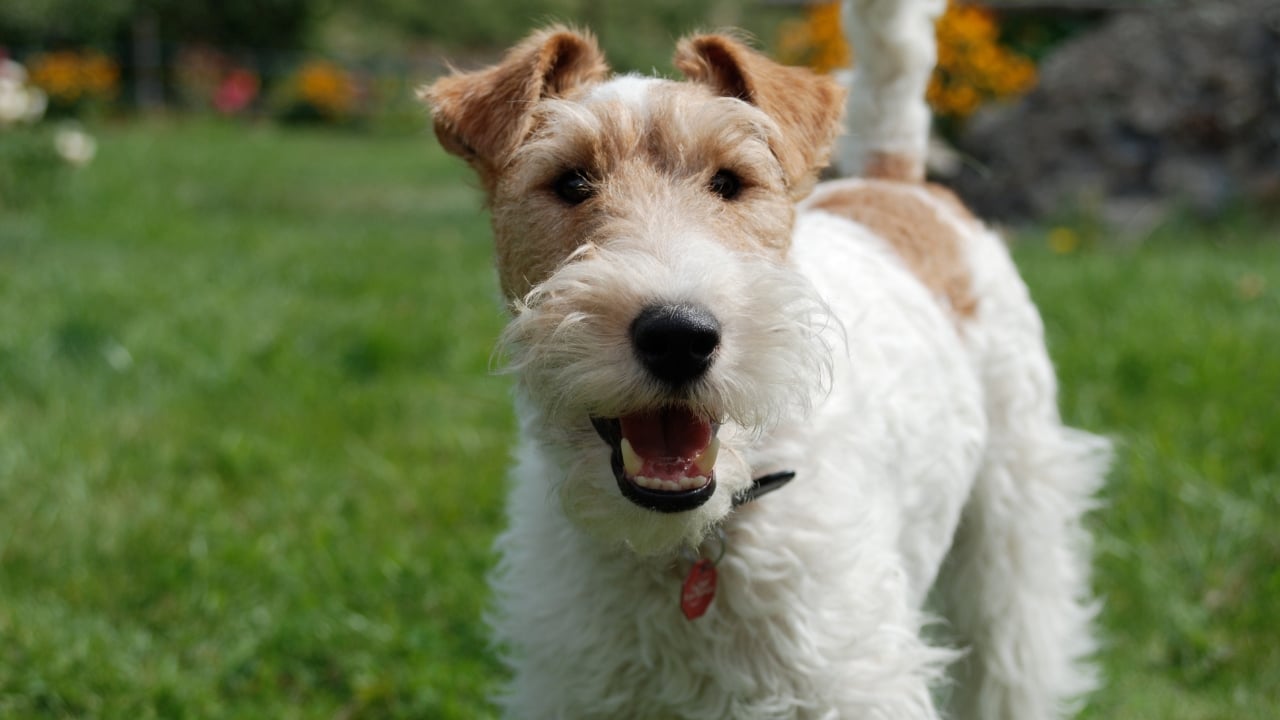
Wire Fox Terriers once had a major presence both in dog shows and family homes.
Their intense energy and strong terrier instincts make them less appealing to owners looking for an easy apartment or suburban companion. Smaller designer dogs and calmer companion breeds have taken much of that market. The Wire Fox Terrier remains athletic, intelligent, and full of personality, but it asks more of the owner than many newer favorites.
Chow Chow

Chow Chows had a huge popularity wave during the late 20th century.
Today, buyers interested in thick-coated, striking dogs often choose Samoyeds, Huskies, Akitas, or even smaller fluffy breeds. The Chow’s independent temperament and need for careful socialization can also push families toward easier alternatives. They still have one of the most recognizable appearances in the dog world, but that no longer guarantees mainstream popularity.
Chinese Shar-Pei

The Shar-Pei once benefited enormously from its unusual wrinkled appearance.
Novelty drove a lot of ownership, but health concerns, skin care, and a reserved temperament eventually cooled the trend. Modern buyers chasing unusual-looking dogs often move toward French Bulldogs or other compact companion breeds instead. The Shar-Pei is still distinctive, but it no longer has the must-have status it briefly enjoyed.
Dalmatian
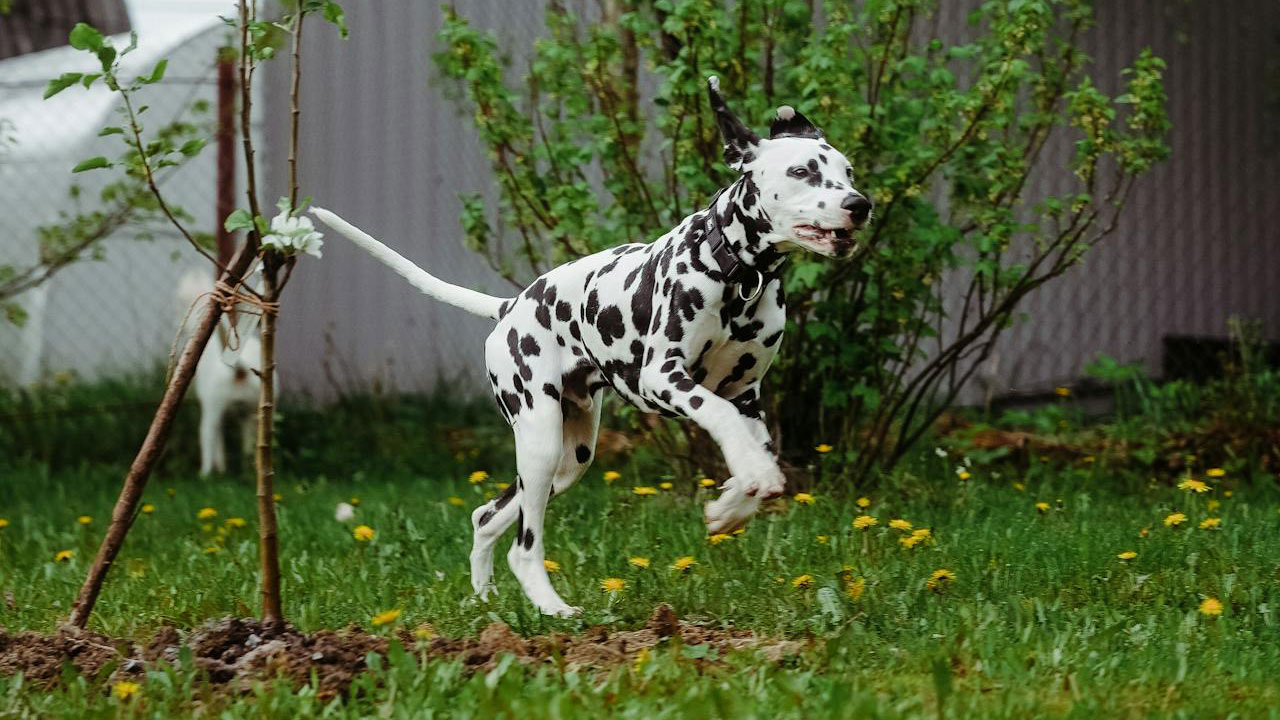
The Dalmatian’s popularity has always been heavily influenced by movies and pop culture.
The problem is that the real breed is an athletic, high-energy dog that requires much more exercise and training than many families expect. Today, buyers wanting a sporty family dog often choose Labs, Goldens, or Australian Shepherds instead. The Dalmatian remains instantly recognizable, but recognition and ownership are no longer the same thing.
Afghan Hound

Afghan Hounds once represented glamour in the dog world.
Their flowing coats and dramatic appearance made them highly visible in advertising and dog shows. Modern owners are generally less willing to take on the grooming burden, and the Afghan’s independent sighthound temperament is not what everyone wants in a companion. Sleeker, easier-to-maintain breeds have taken much of the attention once given to them.
Borzoi

The Borzoi has always been somewhat specialized, but elegant sighthounds once had more visibility among traditional dog owners.
Today, people attracted to tall athletic dogs are more likely to consider Greyhounds, Dobermans, or even popular working breeds. The Borzoi’s size, prey drive, and need for secure exercise space limit its appeal in suburban environments. It remains an impressive breed, but modern housing and ownership trends do not favor giant independent sighthounds.
English Springer Spaniel
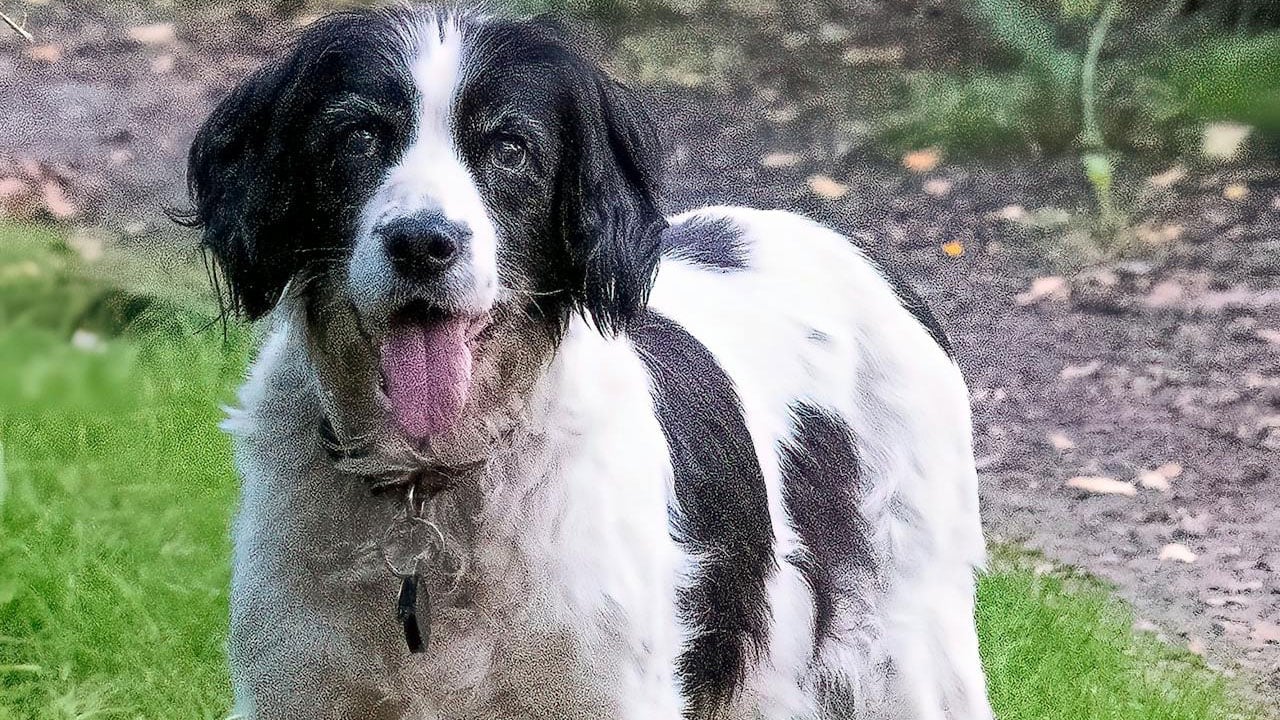
Springers remain excellent hunting and family dogs, but they are competing against a much wider field than they once did.
Labs dominate the sporting-dog market, while doodles and Australian Shepherds attract many families who might previously have considered a Springer. The breed’s energy and coat care also require commitment. Dedicated bird hunters still appreciate them, but their old role as an all-purpose family sporting dog is less secure than it used to be.
Great Dane

Great Danes remain famous, but giant breeds in general face an uphill battle with modern families.
Food costs, veterinary expenses, shorter lifespans, and the sheer amount of room they require push buyers toward medium-sized dogs. People wanting an imposing companion increasingly choose Cane Corsos, Dobermans, or other breeds that provide a powerful appearance in a slightly more manageable package. Danes are still beloved, but practical concerns have chipped away at their former appeal.
Irish Wolfhound

The Irish Wolfhound may be one of the clearest examples of a traditional breed being squeezed by modern lifestyles.
It is enormous, expensive to feed, difficult to transport, and generally short-lived compared with smaller breeds. Families attracted to giant dogs now have more alternatives, while many simply decide they do not want a 150-pound animal in the house. The Wolfhound’s gentle temperament and historic appeal remain strong, but fewer owners are willing to build their lives around a dog that large.
Like The Avid Outdoorsman’s content? Subscribe to our newsletter so you never miss an article.
Here’s more from us: