Photo credit: Target Focused Life/YouTube
Old shotguns are entering an interesting period. For years, a used rack could be full of walnut-stocked pumps, Belgian semiautomatics, American doubles, and target guns that buyers considered outdated beside newer synthetic models. A lot of those guns were inexpensive enough that nobody worried about originality. Stocks were shortened, barrels were modified, recoil pads were added, and factory parts disappeared.
Serious buyers are becoming much more selective now. Recent used-market rankings show strong demand for established shotguns including the Remington 1100, 870 Wingmaster, Browning Citori, Winchester Model 12, and Ithaca 37. The real opportunity is often not simply owning the model. It is finding the right gauge, grade, production period, and condition before another collector recognizes it. These are the 20 shotguns I would expect knowledgeable buyers to examine very carefully when they appear used.
Remington 870 Wingmaster

The ordinary-looking Wingmaster may be one of the easiest shotguns to underestimate because millions of hunters grew up around 870s. Older Wingmasters, however, are very different from beat-up utility pumps. Deep blueing, walnut stocks, smooth actions, and desirable field or target configurations give the better examples a level of finish that increasingly stands out beside inexpensive modern pumps.
Buyers are not imagining the continued demand. The 870 Wingmaster ranked first among used pump-action shotguns in GunBroker’s July 2026 data after holding the same position in June. I would pay particular attention to clean older 16- and 20-gauge guns, vent-rib barrels, and examples that have escaped aftermarket pads and other permanent changes. A nice Wingmaster is still common enough to overlook, which may be exactly why serious buyers keep quietly removing the best ones.
Remington 1100
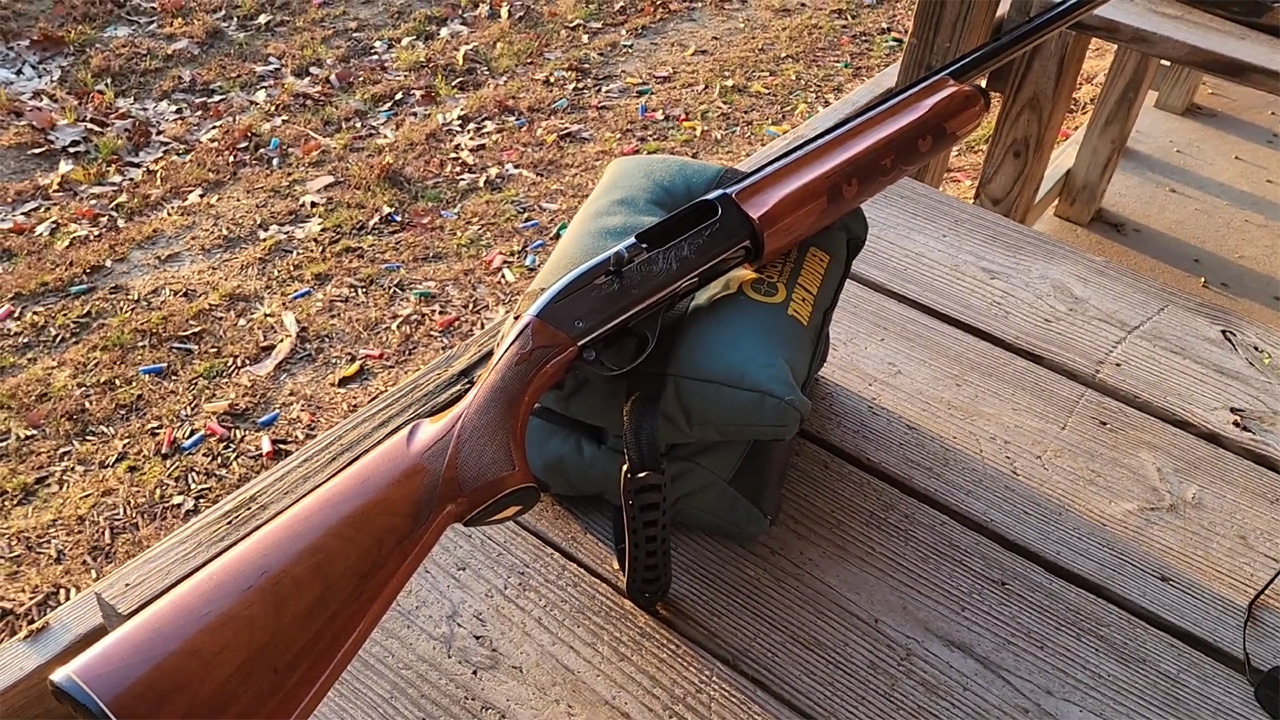
The 1100 spent decades being viewed primarily as a soft-shooting hunting and clay shotgun, and that enormous popularity resulted in plenty of guns being used hard. Stocks cracked, blueing wore thin around the loading port, barrels were swapped, and countless examples accumulated the ordinary scars of hunting seasons and trap fields.
Clean older guns are becoming another matter. The Remington 1100 ranked first among used semiautomatic shotguns in July 2026, and it had already reclaimed the top position in May. I would look hardest at smaller gauges, higher-grade wood, Skeet and Trap configurations, and guns that still have their original barrels. A standard 12 gauge may remain easy to locate, but the exact 1100 collectors want can disappear surprisingly fast once a sharp one hits the used market.
Browning Citori
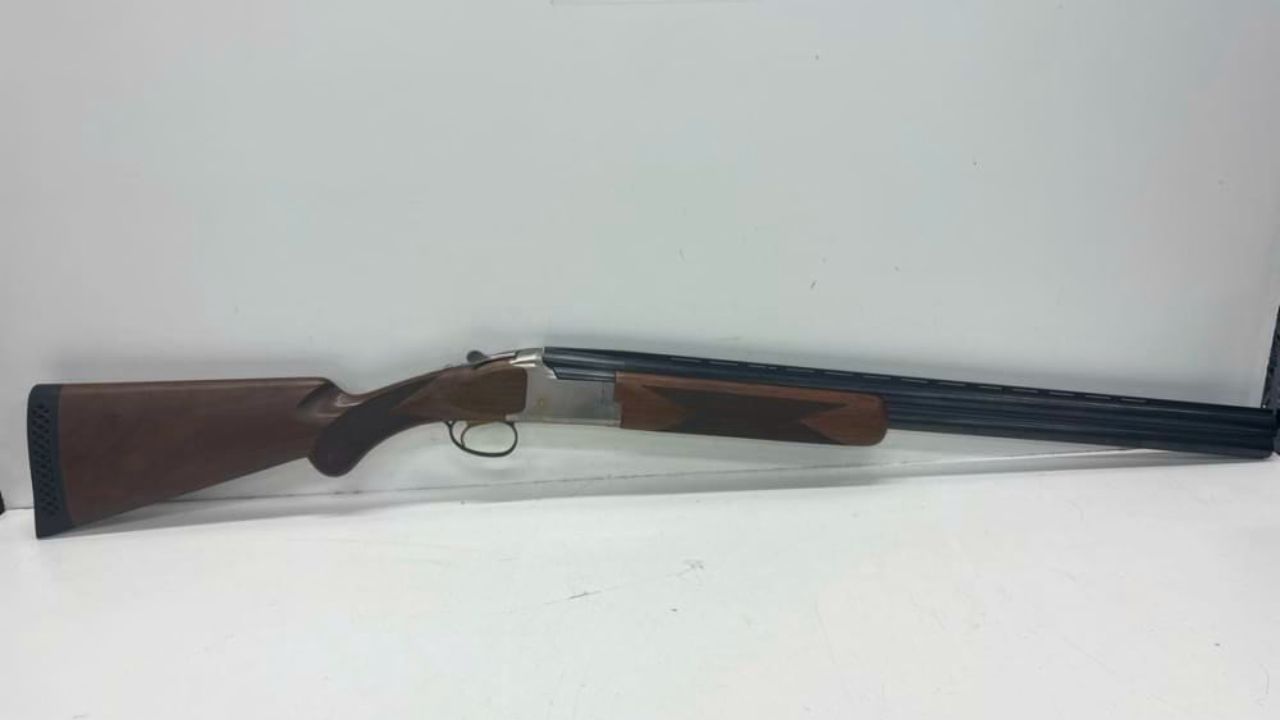
The Citori is still in production, so it may seem strange to include it with shotguns collectors are pulling off used racks. The distinction is that decades of Citori production created an enormous number of discontinued submodels, engraving patterns, barrel combinations, and specialized target or field configurations that cannot simply be ordered new anymore.
Demand remains extremely strong. The Citori ranked first among used over-under shotguns in July 2026, continuing a run at the top of the category. I would pay particular attention to older Japanese-made Lightning, Superlight, Grade VI, small-gauge, and specialized target guns that remain clean and complete. A generic used Citori is one thing. Finding the exact discontinued configuration someone remembers shooting twenty years ago can become much harder. Collectors know that difference, which is why the interesting versions rarely sit unnoticed for long.
Winchester Model 12

The Model 12 is hardly unknown, but the best examples are slowly separating themselves from the huge population of ordinary field guns. Winchester produced nearly two million Model 12s during the primary production era, yet the company also made Skeet Guns, Heavy Duck Guns, 28-gauge versions, Featherweights, higher grades, and military configurations that are far less interchangeable than the total production figure suggests.
Current demand remains visible too. The Model 12 has continued ranking near the top of the used pump-shotgun market. I would look much harder at an original small-gauge or specialty Model 12 than at another worn standard 12 gauge. Factory rib, choke, stock dimensions, and finish all matter. Serious collectors are not buying every Model 12. They are buying the ones previous generations failed to modify.
Ithaca Model 37 Featherlight
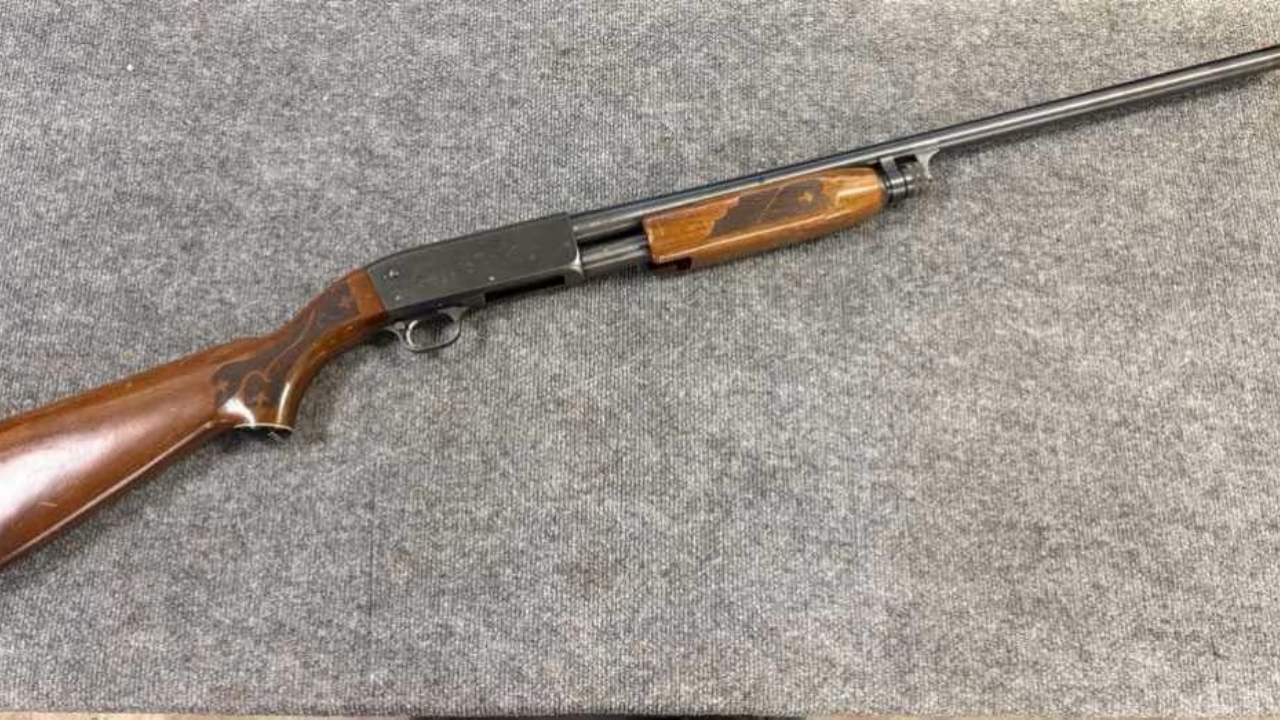
The Model 37 is another shotgun whose enormous usefulness worked against collector preservation. Its bottom-ejection design made it popular with right- and left-handed shooters, and the light receiver and slick action made it an ideal upland and general-purpose pump. Those qualities meant owners actually carried them rather than leaving them untouched.
That makes the better versions increasingly noticeable. The Model 37 Featherlight remains among the stronger used pump-shotgun performers, and it moved upward again in July 2026 rankings. I would look especially hard at older Ithaca, New York production, small gauges, clean vent-rib guns, and unusual configurations that have not been refinished. A heavily used 12 gauge may remain readily available, but a beautiful original 20 gauge with sharp wood and blueing tends to have a much shorter stay on the used rack.
Browning Auto-5 Sweet Sixteen
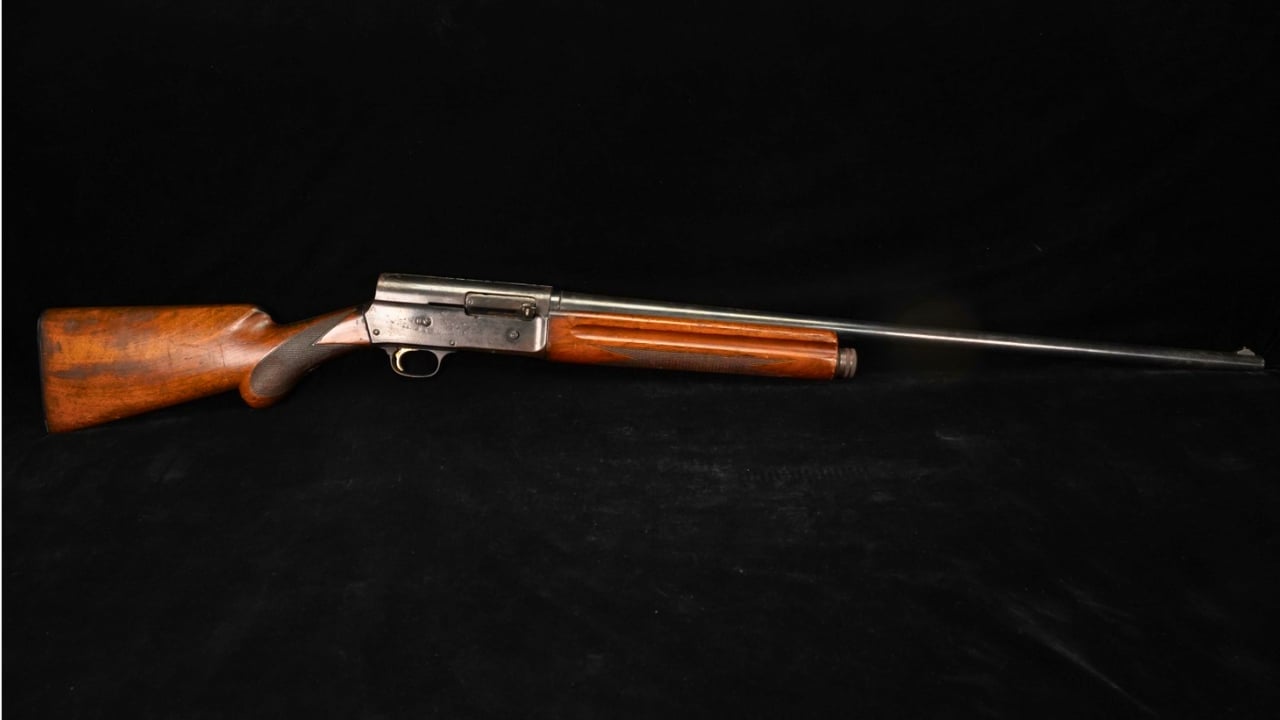
The Sweet Sixteen used to be simply a lighter version of Browning’s famous humpback. Today, original Belgian examples have become their own collector category. Browning introduced the Sweet Sixteen in 1936, giving the 16-gauge Auto-5 a configuration that developed a loyal hunting following long before 16 gauge became a niche choice.
The broader Auto-5 remains one of the most active vintage semiautomatic shotguns on the used market, with Belgian guns, Sweet Sixteens, early examples, and higher grades commanding the most attention. I would pay close attention to barrel originality, Belgian proofmarks, receiver condition, and whether the gun retains the proper furniture. Plenty of Auto-5s remain available. Clean Belgian Sweet Sixteens are the ones knowledgeable buyers tend to recognize before the casual shopper does.
Browning Superposed
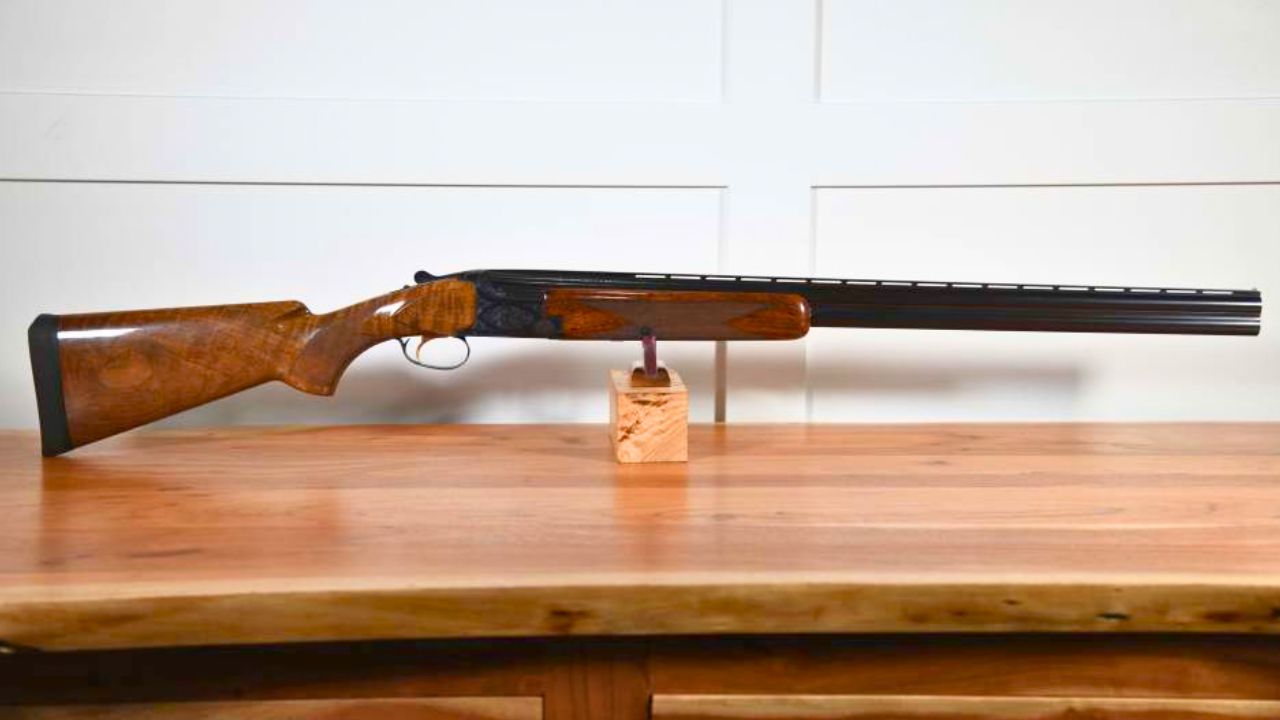
The Superposed deserves collector attention simply because of what it represents. John Browning developed the design in the 1920s, and it became the first commercially successful over-under shotgun. It was also his final firearm design before his death in 1926. That history alone separates it from another ordinary used double.
Current buyers clearly have not forgotten it. The Superposed continues ranking near the top of used over-under sales behind the Citori, even though production-era differences and condition can produce enormous differences in collector interest. I would pay particular attention to small gauges, Superlight configurations, higher grades, original cases, and guns that have not been aggressively refinished. A plain field Superposed can still be approachable. The unusual ones are where serious collectors tend to move quickly.
Ruger Red Label
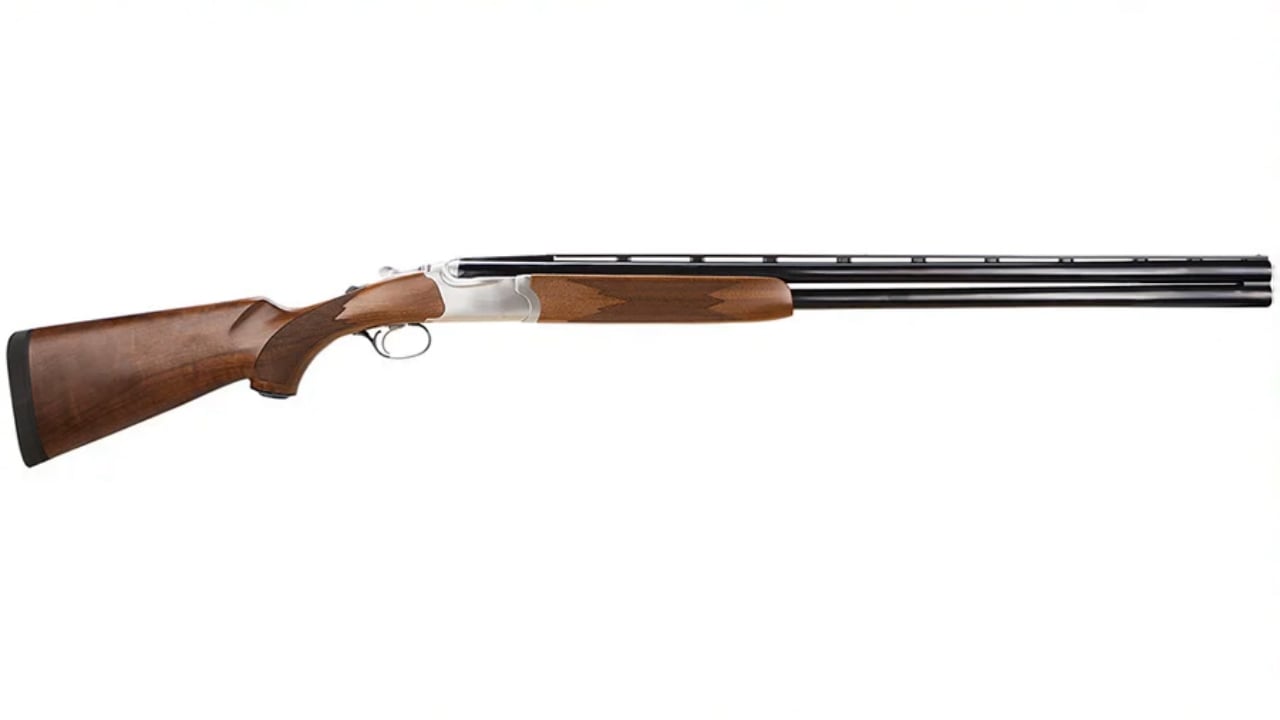
The Red Label spent years caught in an awkward position. It was too expensive to compete with budget over-unders but lacked the European prestige of some higher-priced competitors. Ruger owners understood the appeal, though: American design, straightforward construction, and a distinctive place in a company far better known for rifles and handguns.
The used market has been treating them increasingly well. The Red Label ranked third among used over-unders in May 2026 and continued moving upward during the summer. I would be particularly interested in clean 20- and 28-gauge guns and older examples that still have their original case or paperwork. Plenty were hunted hard, and the difference between an ordinary worn Red Label and a crisp small-gauge example is becoming much more significant.
Winchester Model 101
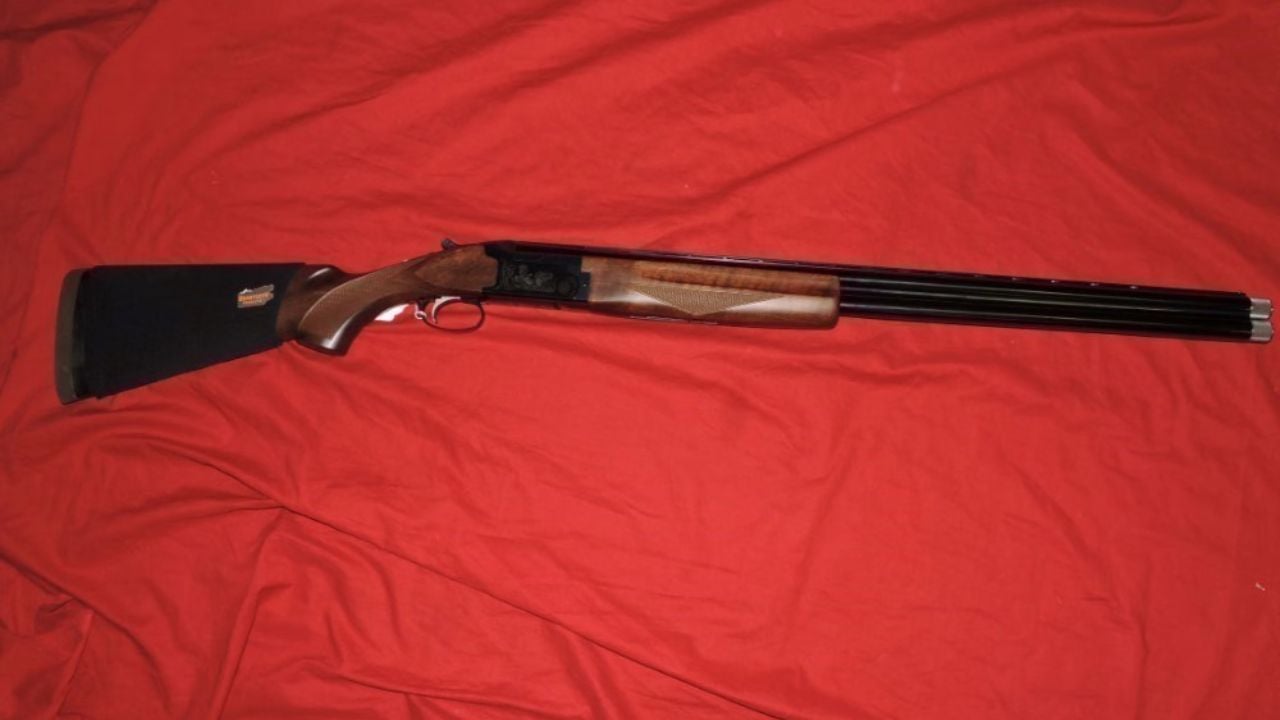
The Model 101 has long been respected as a practical Japanese-made over-under rather than treated like a rare collector piece. That may be changing as buyers rediscover earlier production guns. Many of the older 101s have excellent balance, traditional walnut, and a level of fit that can make them extremely appealing beside newer doubles costing considerably more.
There is also evidence of increased activity in the current used market. The Winchester 101 climbed in GunBroker’s July 2026 over-under rankings. I would pay special attention to clean Skeet, Trap, Pigeon Grade, and small-gauge examples rather than assuming every 101 carries the same interest. Target guns often accumulated enormous round counts, while hunting guns collected field wear. A high-condition original can therefore be much scarcer in practice than the model’s overall production would suggest.
Winchester Model 42
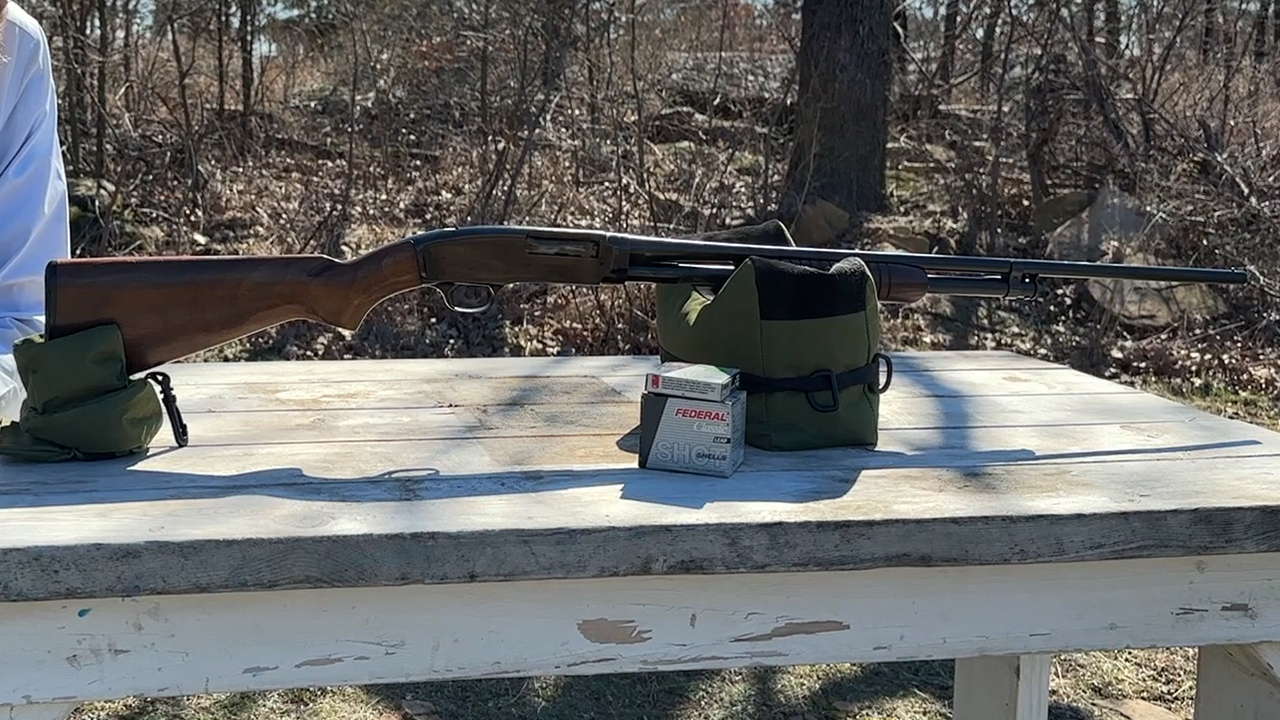
The Model 42 may look like a miniature Model 12 because that is essentially what Winchester intended. Introduced in 1933, it scaled the famous pump action down around the .410 bore, and Winchester produced more than 160,000 before ending production in 1963.
That number sounds substantial until you start dividing the guns by grade, rib configuration, choke, barrel length, and condition. Model 42s were wonderful small-game guns, so plenty of owners used them hard. Others were modified because a .410 pump did not seem especially sacred at the time.
I would be extremely reluctant to pass on a clean original example today, particularly a Skeet or higher-grade gun. The Model 42 has the combination collectors love: classic Winchester engineering, a unique scale, discontinued production, and enough variations to keep serious buyers hunting specific examples.
Remington Model 31
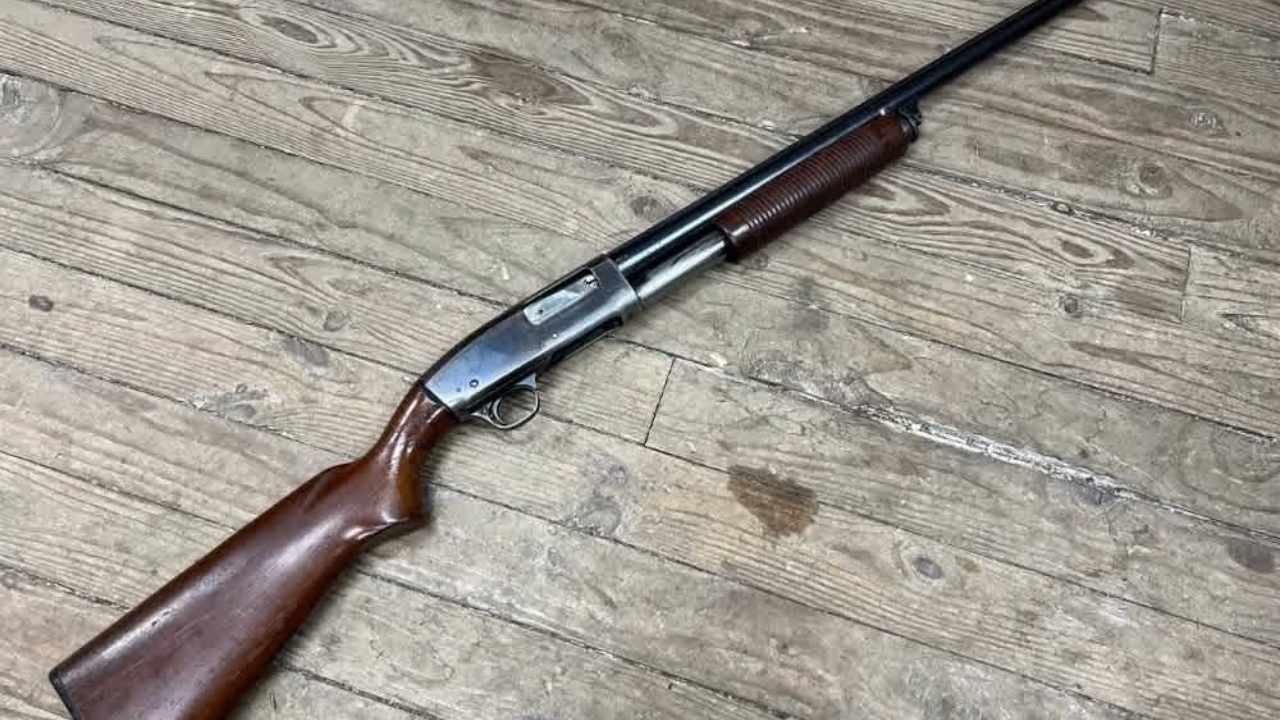
The Model 31 may be the pump shotgun experienced shooters appreciate most after cycling the action. Produced from 1931 through 1949, it was Remington’s primary competitor to the Winchester Model 12 before the simpler Model 870 replaced it. Approximately 196,000 Model 31s were made, including 12-, 16-, and 20-gauge versions.
That makes it substantially less common than several better-known American pumps. Many enthusiasts also regard the Model 31’s exceptionally slick slide action as one of the smoothest ever built.
I would look hardest at smaller gauges, lightweight Model 31L examples, ribbed barrels, and guns showing very little modification. The Model 31 is still obscure enough that an ordinary buyer may see only an old Remington pump. A collector sees a high-quality design from the period before manufacturing economics changed what American pump shotguns looked like.
Winchester Super X Model 1
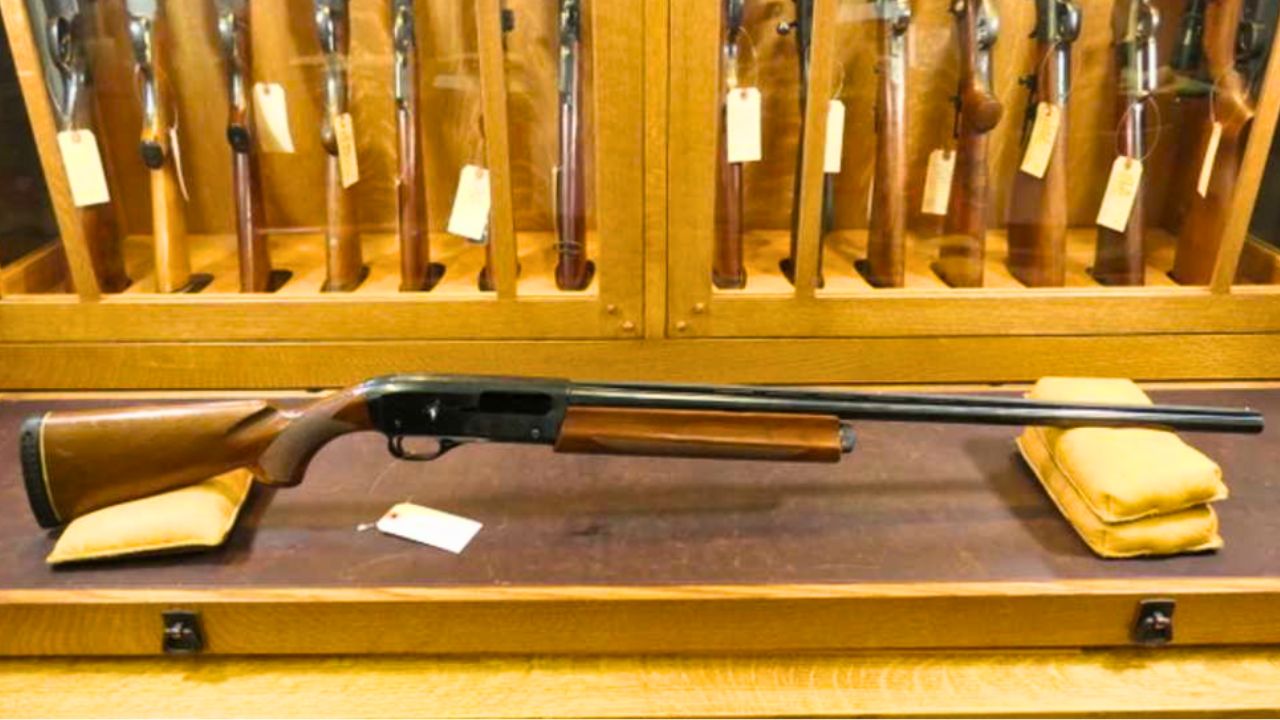
The Super X Model 1 may be one of the best examples of a shotgun gaining respect after production ended. Winchester introduced it in 1974 as the first Super X autoloading shotgun. It was built during an era when the company was trying to create a premium gas-operated semiautomatic rather than win purely on manufacturing cost.
The problem was exactly that: it was expensive to build. The Super X never achieved the long production life of the Remington 1100, but shooters who know the design tend to praise its solid construction, soft recoil, and target-gun feel.
I would watch Trap and Skeet versions particularly closely, along with clean field guns that retain the original wood and barrel. These were often shot heavily because they were excellent clay guns. A lightly used one therefore tends to disappear quickly once somebody recognizes what it is.
Browning Double Automatic
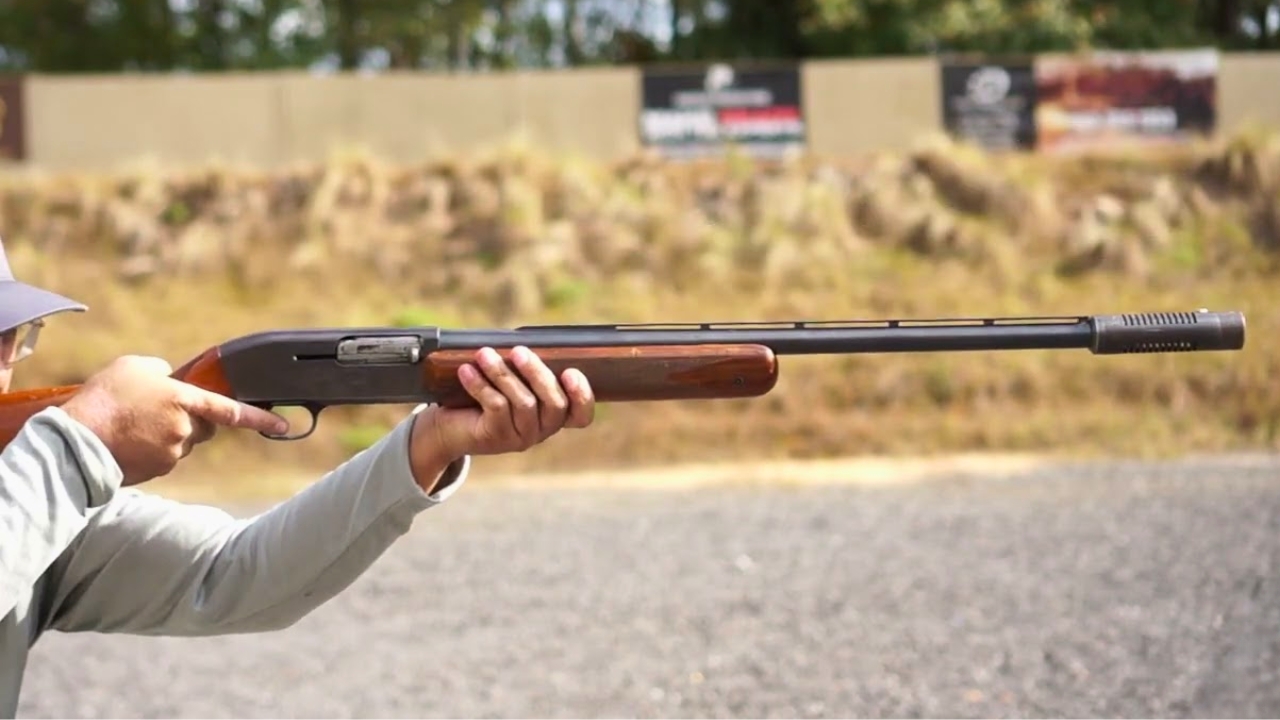
The Double Auto is one of the strangest Browning shotguns ever offered, which is precisely why collectors like it. Instead of the conventional magazine capacity people expect from a semiautomatic shotgun, it was designed as a two-shot autoloader with distinctive loading and receiver construction. It never became remotely as famous as the Auto-5.
That once worked against it. Hunters saw an unconventional shotgun that held fewer shells than other semiautomatics. Collectors now see something much more interesting: a Browning that looks, operates, and feels unlike almost everything else in the company’s history.
Receiver color matters too. Different anodized finishes give collectors variations to pursue, and many guns show significant wear because owners treated them as ordinary field shotguns. I would pay considerably more attention to a crisp Double Auto today than I would have when used examples seemed permanently available.
Remington Model 11
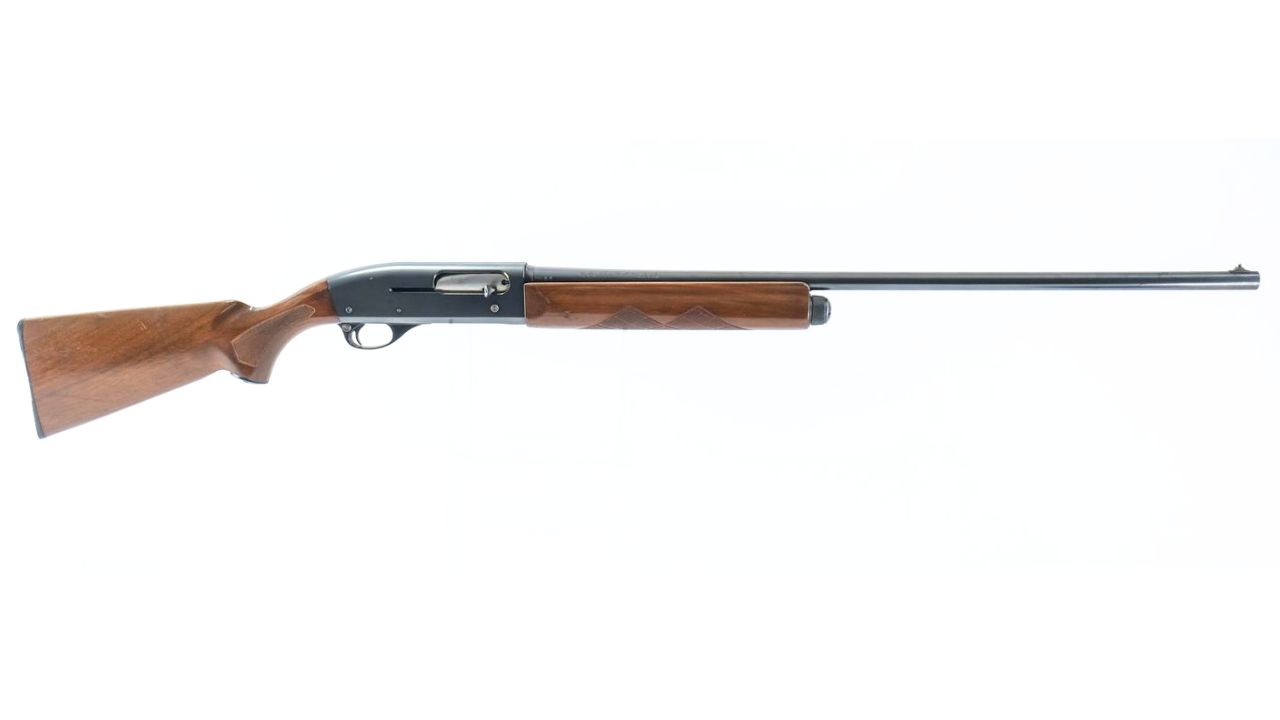
The Model 11 lived for decades in the shadow of the Browning Auto-5 even though it shared John Browning’s long-recoil operating concept. Remington first produced the design as its Autoloading Shotgun and eventually designated it the Model 11. Remington sold nearly 270,000 early Autoloading Shotguns during the period when FN was making Browning’s European Auto-5s.
For years, the Remington name made these seem like the less glamorous version. Current used-market activity suggests buyers are paying more attention: the Model 11 jumped into the top three used semiautomatic shotgun rankings in May 2026.
Military-marked examples, higher-condition field guns, and less-common configurations are where I would look hardest. Many ordinary Model 11s were hunted nearly to death. Finding one that escaped decades of neglect is becoming the more interesting challenge.
A.H. Fox Sterlingworth
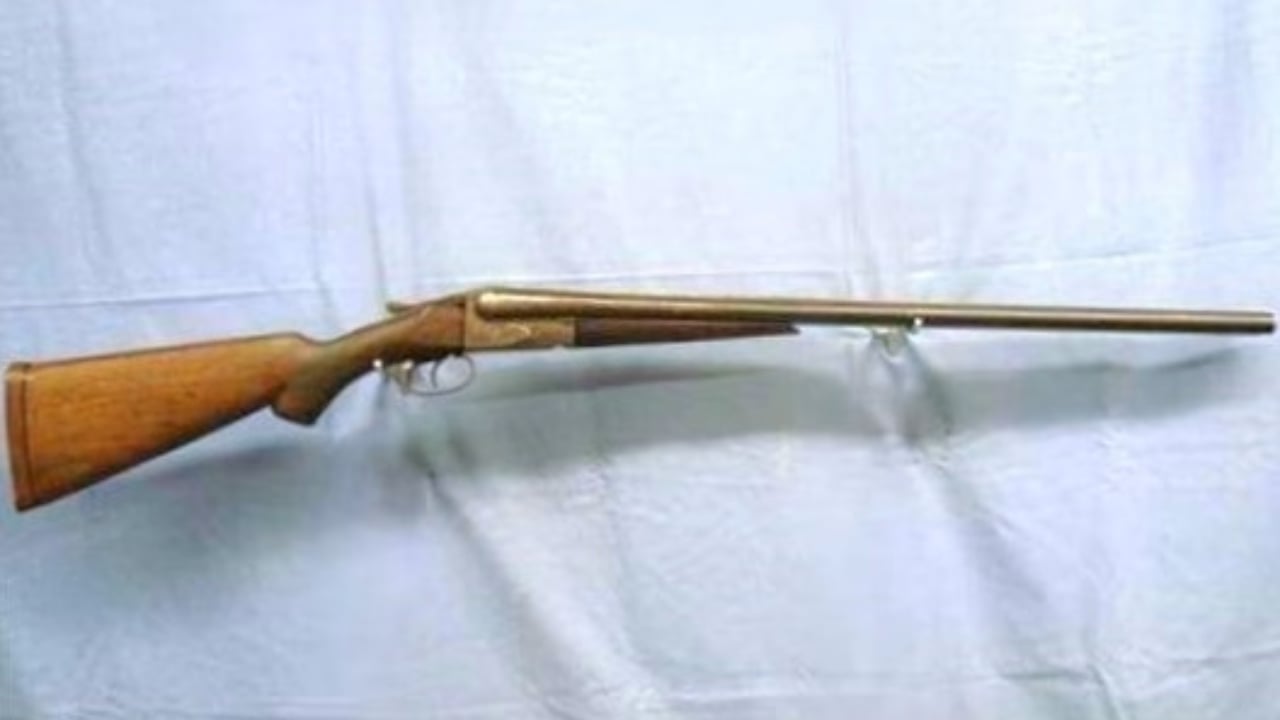
The Sterlingworth was originally the affordable Fox. Introduced in 1910 at $25, it gave ordinary hunters access to a shotgun from one of America’s great double-gun makers without paying for extensive engraving or premium wood. The model remained in the line until 1942.
Affordable field grades can become surprisingly scarce in excellent condition because nobody treated them like collector guns. Sterlingworths were carried through swamps, cornfields, and grouse cover while high-grade Foxes were more likely to receive careful treatment.
That is exactly why I would pay attention to a clean 16- or 20-gauge gun with strong original case color, uncut barrels, and untouched stock dimensions. Serious collectors do not need ornate engraving to recognize quality. Sometimes the plain shotgun that survived a century without alteration is the much harder piece to find.
L.C. Smith Field Grade
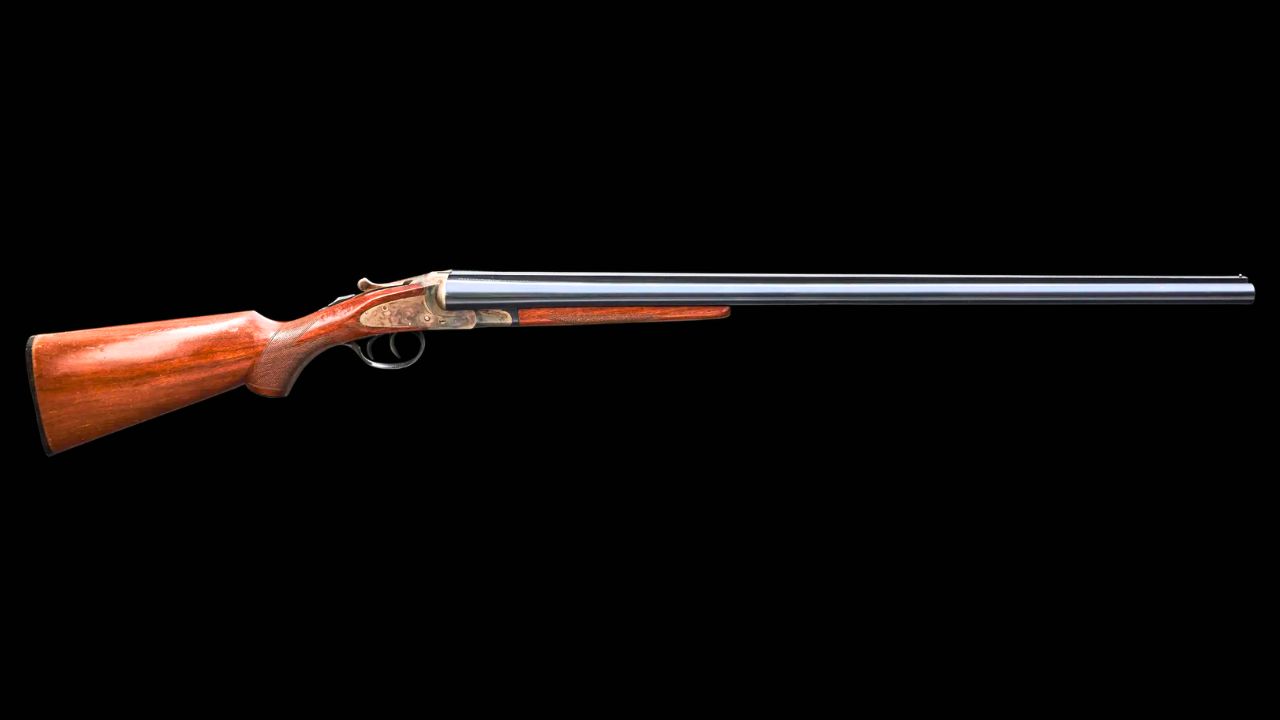
L.C. Smith occupies a special place among American doubles because the classic guns used true sidelock construction rather than the boxlock actions found in many competitors. Hunter Arms produced L.C. Smith shotguns for decades, building everything from ordinary field guns to highly engraved premium grades.
Ironically, the plain guns can be remarkably difficult to find in exceptional original condition. Contemporary collector guidance has long pointed out that standard-grade American doubles were usually used harder than expensive guns, making high-condition survivors especially desirable.
I would look closely at small gauges, ejector-equipped examples, untouched case colors, and stocks that have not been shortened. A Field Grade may not look spectacular beside an engraved double, but collectors understand that a completely honest one can be harder to duplicate than its modest original price would suggest.
Parker VH Grade
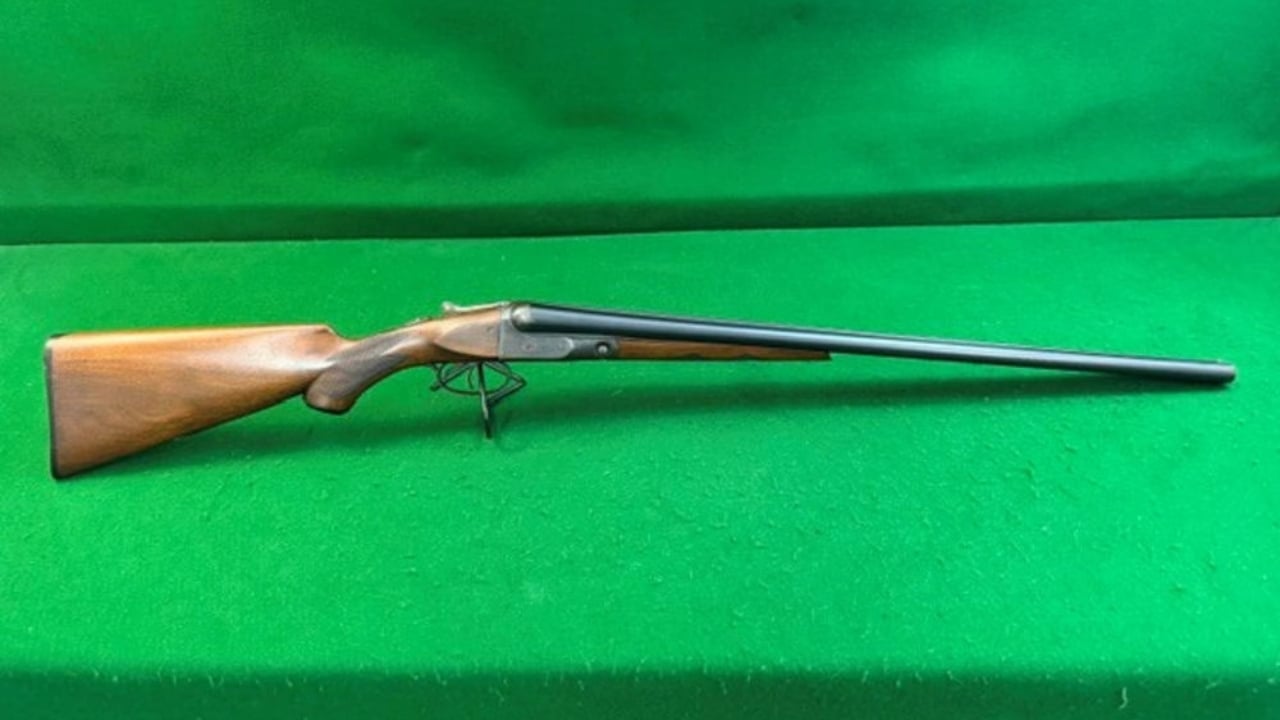
The Parker VH was the working man’s entry into one of America’s most prestigious shotgun names. It lacked the extravagant engraving and premium wood of higher Parker grades, but it retained the basic craftsmanship and mechanical character that made Parker shotguns famous.
That makes clean VH guns extremely appealing now. Like other field-grade doubles, they were purchased to hunt, and generations of use left plenty with cut stocks, opened chokes, replaced pads, refinished barrels, or loose actions. A plain Parker that somehow remained original can therefore become much more compelling than a prettier gun that has been extensively restored.
I would pay special attention to 16- and 20-gauge examples and guns with desirable barrel configurations. Serious Parker collectors understand how much details matter. The average owner may still see Grandpa’s old double. The person studying frame size, barrels, stock dimensions, and factory records may see something much harder to replace.
Winchester Model 21
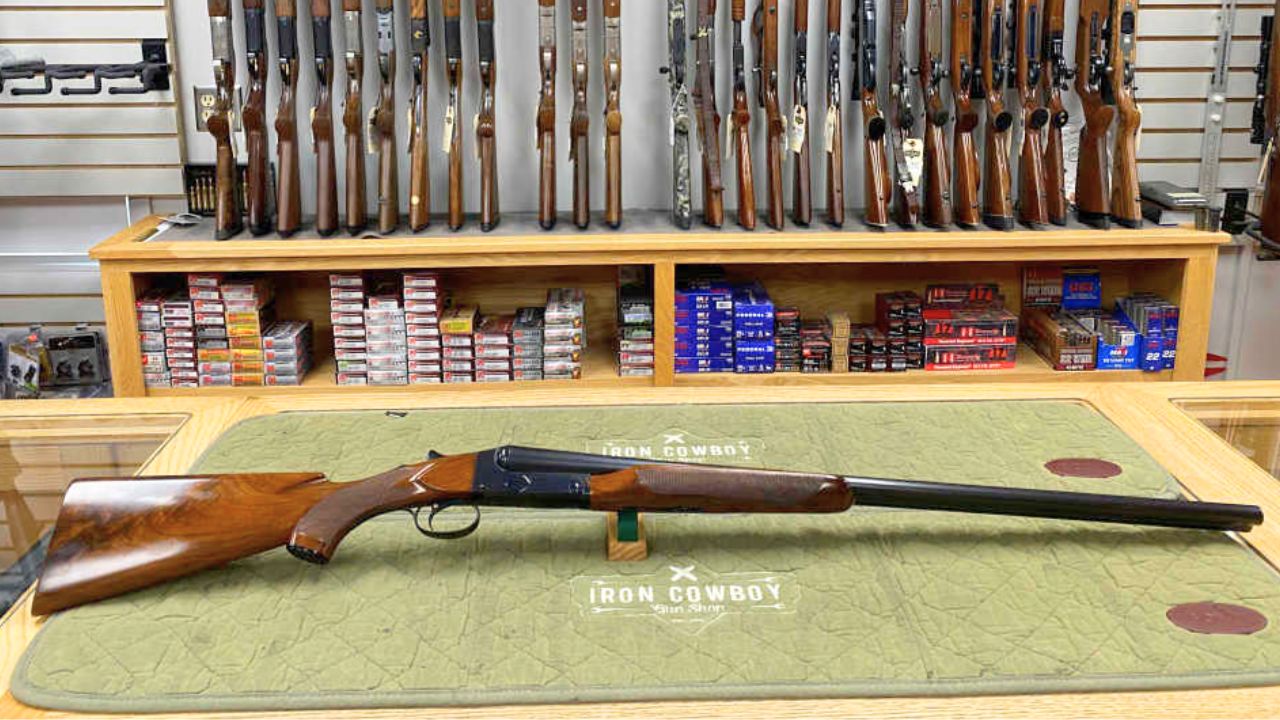
The Model 21 has never been truly cheap, but there was a period when ordinary examples were viewed mainly as expensive American doubles rather than the finite collector pieces they have become. Winchester built the Model 21 with extremely robust construction, and variations in gauge, grade, barrel configuration, engraving, and factory customization create a deep collector market.
The important point is that originality matters enormously. A Model 21 that has been restocked, reblued, or altered can still be a beautiful shooter, but a documented original configuration belongs in another category. The better examples also tend to disappear into established collections rather than circulate constantly through local stores.
If I saw a clean 20 gauge, Skeet gun, Duck model, or documented higher-grade example sitting among generic used doubles, I would expect somebody knowledgeable to notice quickly. Model 21 buyers rarely need much convincing.
Winchester Model 24
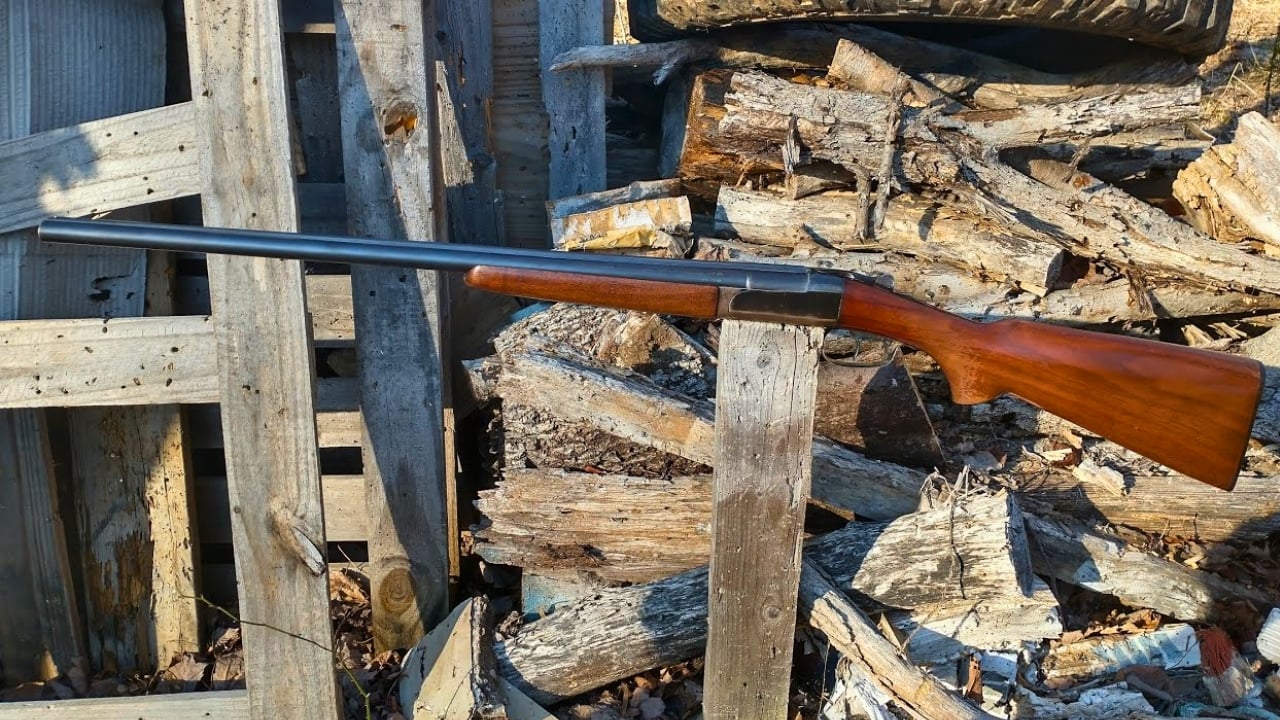
The Model 24 is almost the opposite of the Model 21. Winchester built it as an affordable working side-by-side, and collectors ignored it for years because the gun lacked the refinement and prestige of the company’s expensive double.
That lower status may be starting to help it. The Model 24 entered GunBroker’s used side-by-side rankings in July 2026 at No. 4, making it the month’s new arrival in the category. Buyers looking for classic American doubles eventually work their way toward the models that remain attainable.
I would not expect every Model 24 to become valuable. I would pay attention to high-condition guns, smaller gauges, and examples that still have uncut stocks and original barrels. A working shotgun can become collectible simply because generations of owners never believed it needed to be preserved.
Like The Avid Outdoorsman’s content? Be sure to follow us.
Here’s more from us: