Photo credit: Jarhead6/YouTube
Pocket pistols are easy to dismiss until you need a gun that can disappear under light clothing. A compact pistol on the belt may shoot better, but it does not help much when the gun is too large or uncomfortable to carry. A good pocket pistol gives you a practical defensive option when a larger handgun would likely get left at home.
That does not mean every tiny handgun deserves to be trusted. Some are unpleasant to shoot, difficult to control, unreliable with defensive ammunition, or equipped with sights that are almost useless beyond arm’s reach. The pistols below are small enough for realistic pocket carry while still offering the reliability, shootability, and build quality needed for serious defensive use. Every one should be carried in a proper pocket holster that covers the trigger and keeps the gun upright.
Ruger LCP Max
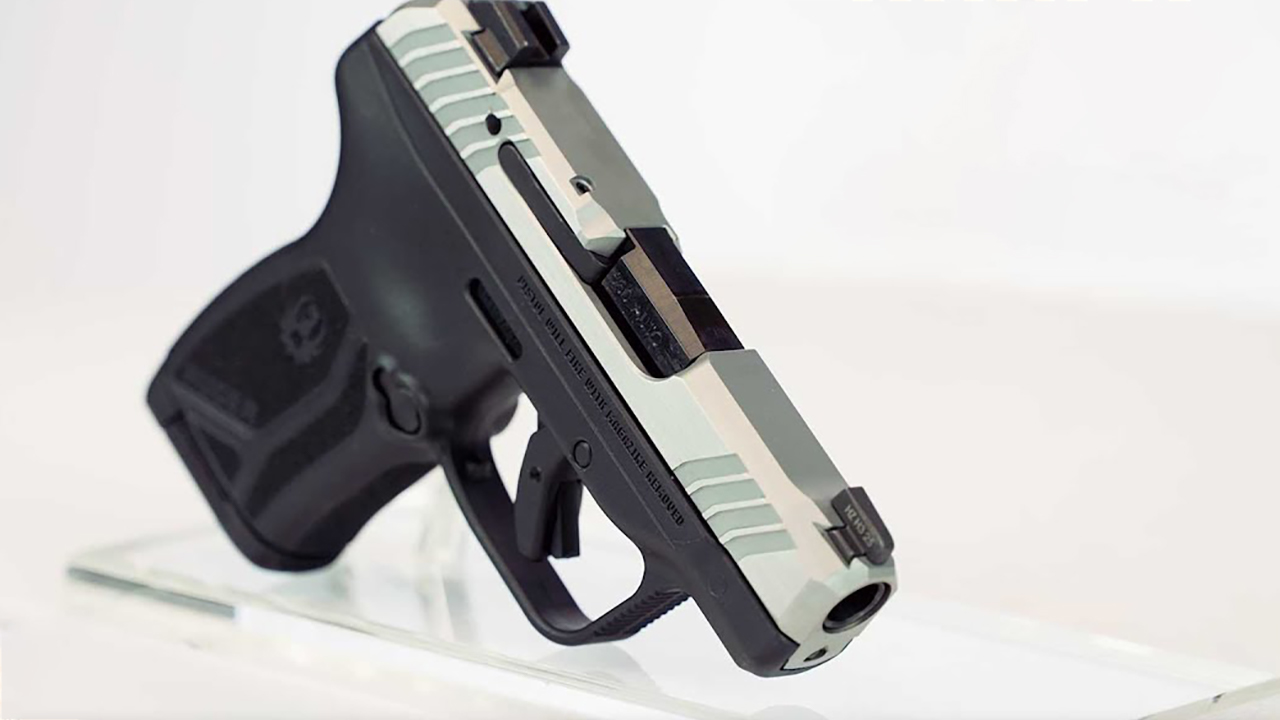
The Ruger LCP Max is one of the most practical pocket pistols available because it combines genuine pocket dimensions with useful ammunition capacity. Its staggered magazine holds ten rounds of .380 ACP without making the grip dramatically wider than the original LCP. An extended 12-round magazine is also available, although the longer baseplate may make pocket concealment more difficult.
The LCP Max also has larger sights than most pistols in its size class. They are far easier to see than the nearly nonexistent sights found on many older pocket guns. Recoil is still sharp because the pistol is so light, but the improved grip shape makes it manageable. It is not a range gun, yet it offers enough capacity and control to serve as a legitimate defensive pistol.
Smith & Wesson Bodyguard 2.0
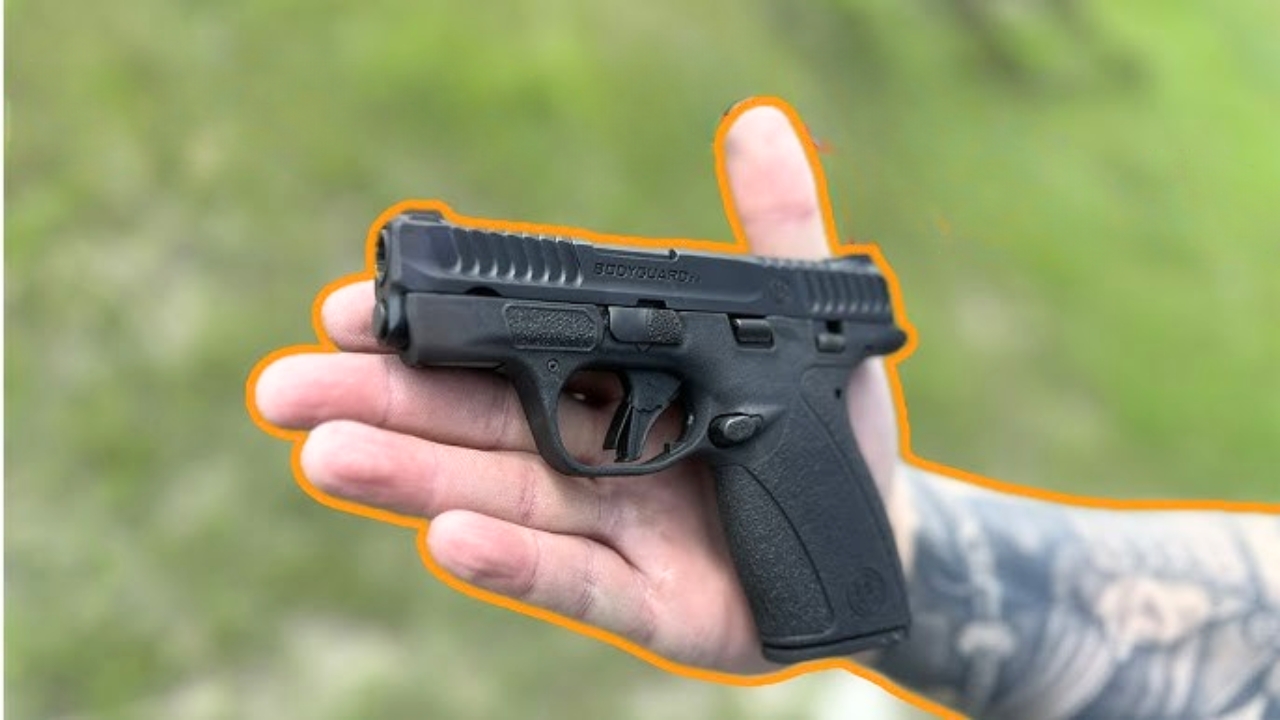
The Smith & Wesson Bodyguard 2.0 is unusually shootable for a pistol small enough to disappear in a front pocket. Its grip fills the hand better than many competing .380s, while the low bore axis helps reduce muzzle rise. The pistol also offers ten- and 12-round magazines, giving it capacity that would have required a much larger handgun only a few years ago.
Its trigger and sights are significant improvements over the original Bodyguard .380. The newer pistol feels more like a reduced-size defensive handgun than an emergency gun that happens to fire .380 ACP. Shooters with large hands may still need to adjust their grip, but the Bodyguard 2.0 is easier to control than its size suggests. It is one of the strongest options for someone who wants capacity without moving up to a belt-carried micro-compact.
Glock 42

The Glock 42 is larger than some .380 pocket pistols, but that extra size makes it much easier to shoot accurately. Its locked-breech action and comfortable grip reduce the harsh recoil often associated with lightweight blowback-operated .380s. The trigger, controls, and takedown process will also feel familiar to anyone who already owns another Glock.
Capacity is limited to six rounds in the standard magazine, which is low by current standards. In return, the Glock 42 provides dependable operation and better practical accuracy than many smaller competitors. It fits best in larger front pockets or a jacket pocket rather than tight jeans. Shooters who prioritize control and reliability over maximum ammunition capacity may find it easier to trust than the smallest guns on the market.
Ruger LCP II

The Ruger LCP II remains a useful choice for anyone who values low weight and a clean, snag-free profile. It is noticeably easier to carry than most double-stack micro-compacts and can vanish in a pocket with the right holster. The trigger is also better than the long, heavy pull found on the original LCP.
Its six-round magazine and small sights place it behind newer designs such as the LCP Max, but that does not make it obsolete. The LCP II is thin, affordable, and supported by a large supply of magazines, holsters, and replacement parts. It works especially well as a backup pistol or a warm-weather gun. Owners should test several defensive loads because small .380 pistols can be more ammunition-sensitive than larger handguns.
KelTec P-32
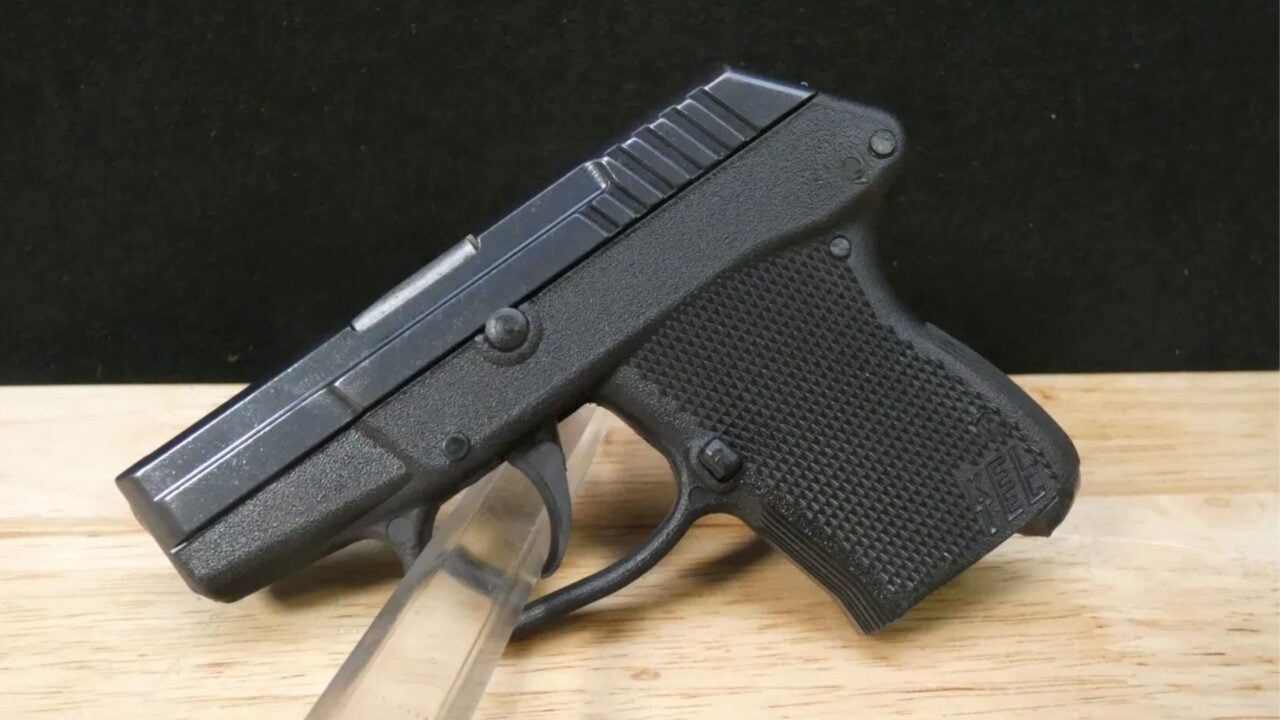
The KelTec P-32 is one of the lightest centerfire pistols that can be carried in a pocket. Chambered in .32 ACP, it produces less recoil than most similarly sized .380s, making it easier to control despite its tiny frame. Its slim dimensions also allow it to fit into pockets that cannot comfortably hold a thicker double-stack pistol.
The P-32 is not built for high-volume range sessions, and its sights are extremely basic. Its long trigger pull requires deliberate practice before it can be shot accurately. However, the pistol’s low weight and mild recoil make it valuable for people who struggle with heavier guns or stiff slides. A reliable .32 ACP in the pocket is far more useful than a larger pistol that gets left behind.
Beretta 30X Tomcat
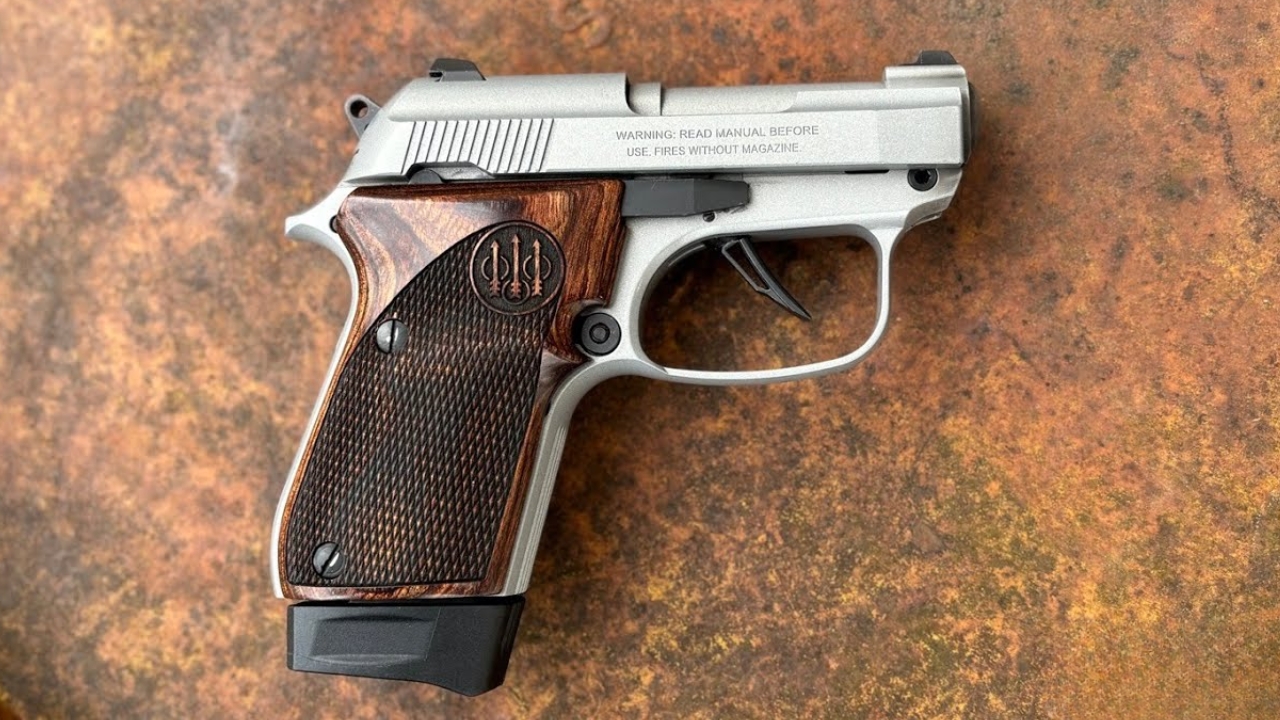
The Beretta 30X Tomcat uses a tip-up barrel that allows the chamber to be loaded without retracting the slide. This is a major advantage for shooters with limited grip strength or hand injuries. Chambered in .32 ACP, it offers moderate recoil and enough grip area to feel more substantial than many polymer pocket pistols.
The Tomcat is heavier and wider than the lightest .32s, but that added mass helps make it pleasant to shoot. It also provides a traditional double-action and single-action trigger system with an exposed hammer. The pistol works best for people who understand its manual controls and are willing to practice the first heavy trigger pull. Its combination of manageable recoil and easy loading gives it a place that few modern pistols can fill.
Beretta 21A Bobcat
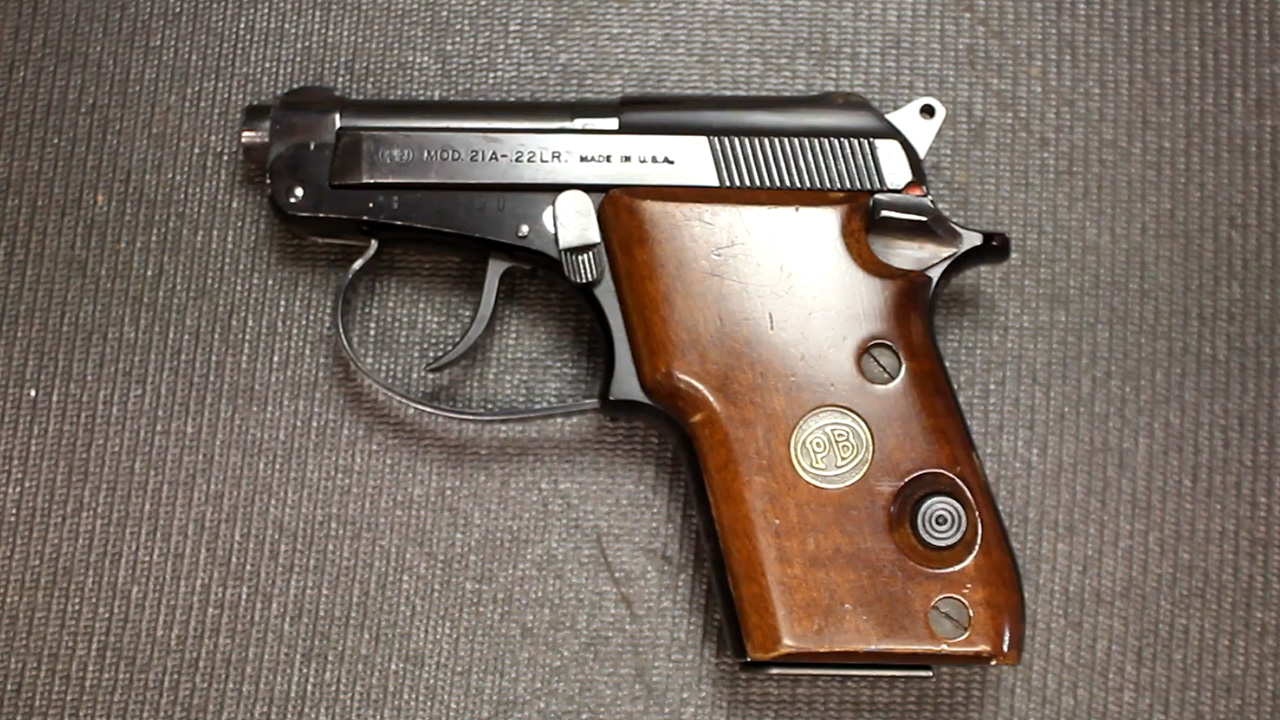
The Beretta 21A Bobcat is chambered in .22 LR and uses the same convenient tip-up-barrel concept found on the Tomcat. It is easy to load and does not require the shooter to rack a small, stiff slide. Its compact metal frame gives it enough weight to remain controllable without becoming difficult to carry.
A rimfire pistol would not be the first defensive choice for most people because .22 LR ammunition is less reliable than centerfire ammunition. Still, the Bobcat may be a reasonable option for someone who cannot tolerate the recoil or slide resistance of larger calibers. Owners should use high-quality ammunition and test it extensively. When physical limitations make other pistols unmanageable, the Bobcat can provide a usable defensive tool instead of leaving the carrier unarmed.
Seecamp LWS .32

The Seecamp LWS .32 is one of the smallest high-quality centerfire pistols ever produced. Its stainless construction gives it a solid feel despite its tiny dimensions, while the smooth exterior reduces the risk of snagging during a pocket draw. It was designed for extreme concealment rather than comfortable recreational shooting.
The pistol has no conventional sights because it is intended for very close-range use. Its trigger pull is long, and the short grip can be difficult to control with large hands. Ammunition selection also matters, since the pistol was originally designed around specific hollow-point dimensions. The Seecamp requires more preparation than many modern pocket guns, but few pistols offer the same level of concealment in such a durable package.
Seecamp LWS .380

The Seecamp LWS .380 places a more powerful cartridge into nearly the same compact format as the company’s .32 ACP pistol. It is one of the smallest .380s available and can disappear into a pocket that would print badly with a larger polymer handgun. Its stainless-steel frame and careful construction separate it from many inexpensive ultra-compact pistols.
That level of concealability comes with substantial recoil. The LWS .380 can be uncomfortable to practice with, especially during extended shooting sessions. Its lack of conventional sights and extremely short grip further limit its effective range. This is a specialized pistol for experienced shooters who need maximum concealment and are willing to accept reduced comfort. It should be tested thoroughly with the exact ammunition and magazines intended for carry.
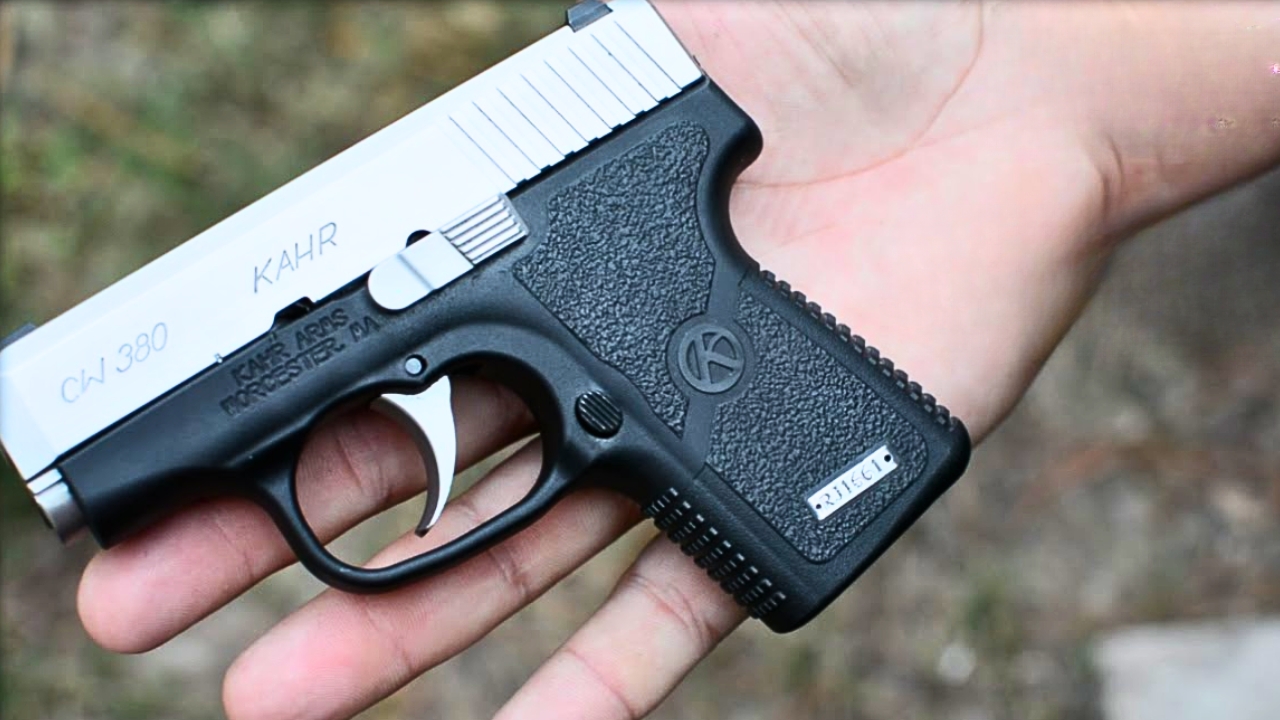
Kahr CW380

The Kahr CW380 is thin, lightweight, and shaped well for pocket carry. Its smooth slide and rounded frame reduce printing, while the locked-breech action keeps recoil more manageable than expected from such a small pistol. The trigger has a long, consistent pull that feels closer to a smooth double-action revolver than a typical striker-fired gun.
The CW380 holds six rounds and demands a firm grip to cycle reliably. Like many small Kahrs, it may require a proper break-in period before being trusted for defensive use. Shooters should also keep it clean and test their carry ammunition carefully. Once proven reliable, it offers a slim profile and a surprisingly good trigger. It is a strong option for someone who prefers a deliberate trigger pull without an external safety.
Kahr P380
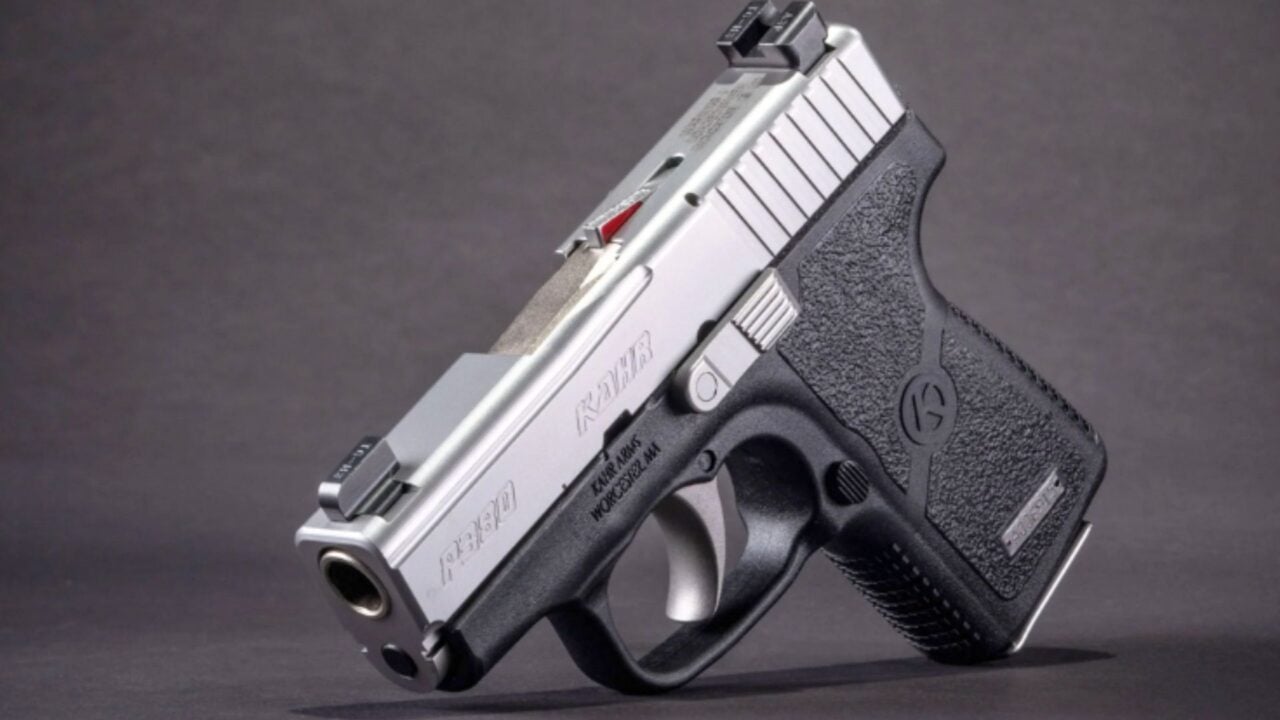
The Kahr P380 is a more refined version of the company’s pocket-sized .380 platform. It uses a lightweight polymer frame, stainless slide, and a smooth double-action-style trigger. The pistol is small enough for front-pocket carry while offering sights that are more usable than those found on many ultra-compact handguns.
Its grip is narrow and short, so shooters with large hands must pay close attention to technique. The six-round capacity is also modest compared with newer double-stack designs. However, the P380 remains appealing because of its excellent trigger feel and slim shape. It carries flat, draws cleanly, and does not have sharp controls that catch on clothing. Proper maintenance and ammunition testing are essential before depending on one.
SIG Sauer P238
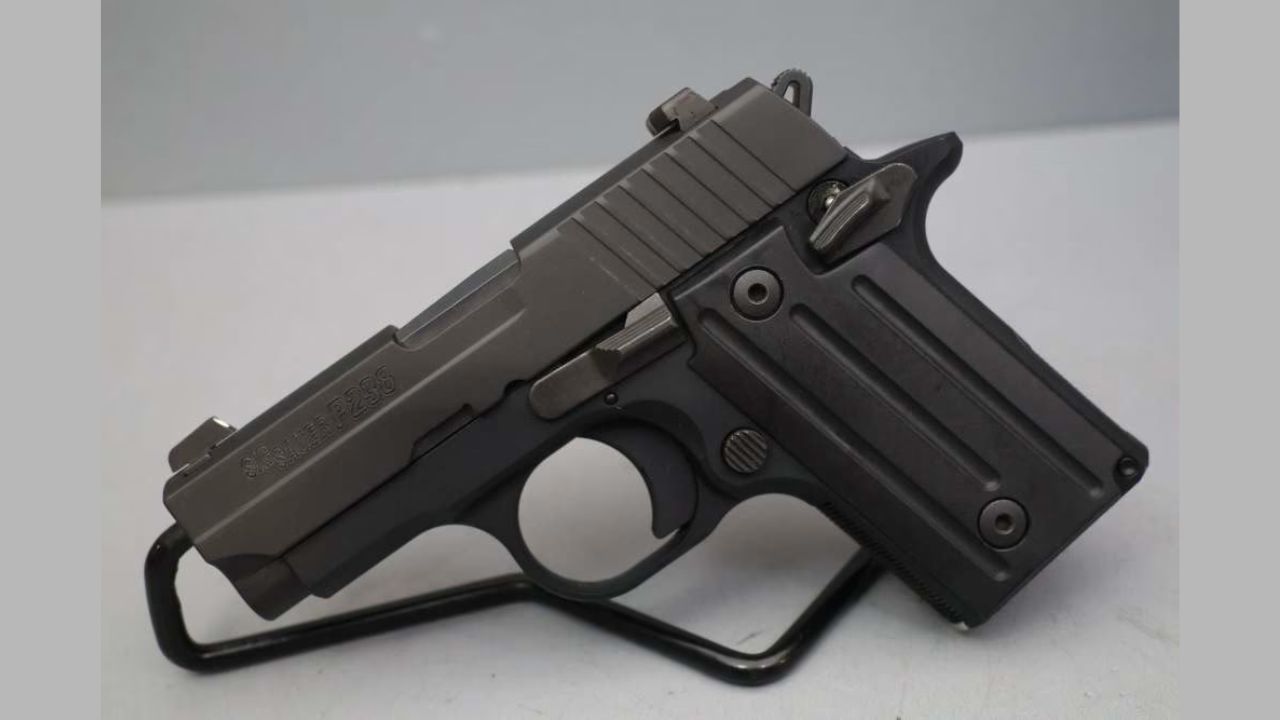
The SIG Sauer P238 is one of the easiest pocket-sized .380 pistols to shoot well. Its metal frame absorbs recoil, and the single-action trigger allows more precise shooting than the heavy triggers found on many pocket guns. The pistol is patterned loosely after the 1911, with an exposed hammer and a frame-mounted manual safety.
Carrying the P238 requires comfort with a cocked-and-locked operating system. The safety must be disengaged during the draw, which means regular training is necessary. Capacity is limited, and the pistol is heavier than most polymer .380s. Even so, the P238 offers excellent sights, manageable recoil, and impressive accuracy. It is a good choice for shooters who want a pocket pistol that feels and shoots more like a full-size handgun.
Kimber Micro .380

The Kimber Micro .380 follows the same basic approach as the SIG P238. It uses a metal frame, single-action trigger, exposed hammer, and manual safety. Its slim profile and rounded edges make it easy to carry in a pocket holster, while the larger sights provide a clearer aiming reference than many guns in this category.
The Micro .380 is available in numerous configurations, but the simpler models are often better suited for daily carry. Decorative grips and polished finishes may look attractive, yet they do not improve reliability or control. The pistol needs to be tested with defensive ammunition and carried by someone willing to practice operating the safety. When properly maintained, it provides good accuracy and a familiar trigger system in a highly concealable package.
Colt Mustang Pocketlite

The Colt Mustang Pocketlite is a classic pocket .380 that remains appealing because of its lightweight aluminum frame and compact single-action design. It is small enough for true pocket carry while offering better shootability than many ultra-light polymer pistols. The grip provides enough shape to keep the gun from shifting excessively during recoil.
Like other single-action pocket pistols, the Mustang requires the carrier to train with its manual safety. Standard magazine capacity is limited, and factory support is not as extensive as it is for more common modern designs. Still, the Mustang has a proven design and a loyal following. A clean example with reliable magazines can serve well for someone who values traditional controls and compact dimensions.
North American Arms Guardian .32 ACP

The North American Arms Guardian .32 ACP is a stainless-steel pocket pistol built around a straightforward double-action-only system. Its solid construction gives it more weight than polymer competitors, which helps reduce recoil and makes the gun feel less fragile. The smooth exterior is well suited for pocket carry because there are few controls or protrusions to catch on clothing.
The Guardian has a heavy trigger and minimal sights, so it takes practice to shoot accurately. It is intended for close defensive distances rather than precision work. Its weight may also become noticeable in thin summer clothing. In exchange, the pistol provides durable construction and a simple manual of arms. There is no external safety to manipulate, and every trigger pull remains consistent.
North American Arms Guardian .380

The Guardian .380 is essentially a larger and more powerful version of the company’s .32 ACP pistol. It uses a stainless frame and double-action-only trigger, creating a compact handgun with no external safety or exposed hammer. The extra weight helps control recoil, although the pistol still produces a sharp impulse because of its small size.
This is not the lightest pocket option, and it may feel heavy in loose athletic shorts. It is better suited for sturdy pants, coat pockets, or situations where a little extra weight is acceptable. The Guardian .380 is built for people who want a solid metal pistol with a straightforward operating system. Its trigger and sights require practice, but the gun is durable and easy to conceal.
Diamondback DB380 Gen 4

The Diamondback DB380 Gen 4 is one of the thinnest and lightest .380 pistols available. Its flat profile makes it easy to conceal in a front pocket without creating the obvious outline produced by wider handguns. The pistol also uses a locked-breech action, which keeps it from feeling as harsh as some blowback-operated designs.
The DB380 is not as refined as more expensive pocket pistols, and its small grip demands a disciplined shooting technique. The sights are basic, and owners should pay close attention to ammunition compatibility. However, the Gen 4 version improves on earlier models and offers an affordable way to obtain a genuinely pocketable centerfire pistol. It can be a practical backup gun after it has demonstrated consistent reliability.
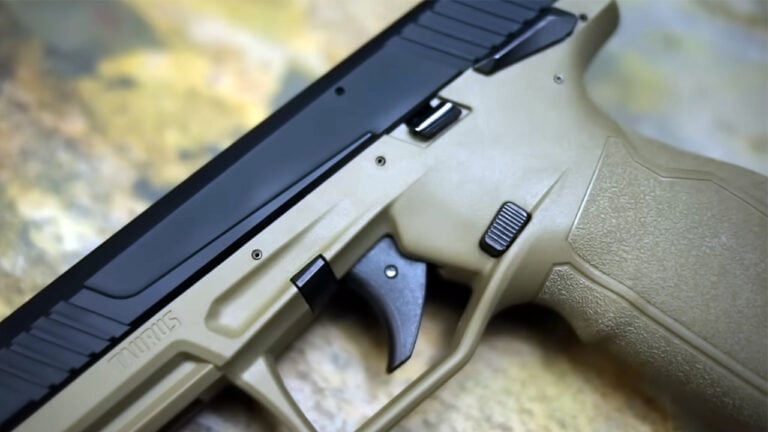
Taurus 22TUC

The Taurus 22TUC is designed for shooters who need a light-recoiling pistol with an easy-loading system. Its tip-up barrel allows a round to be placed directly into the chamber without pulling the slide to the rear. Chambered in .22 LR, it produces very little recoil and can be used by people who have difficulty controlling larger defensive pistols.
Like all rimfire defensive guns, it comes with compromises. Ammunition reliability is more important, and the pistol should be tested with several loads before one is selected for carry. The 22TUC is not intended to compete with a 9mm or .380 in terminal performance. Its value comes from being manageable for shooters who might otherwise carry nothing because of arthritis, injury, or limited hand strength.
Smith & Wesson Model 351C

The Smith & Wesson Model 351C is a lightweight revolver chambered in .22 Magnum. It holds seven rounds and weighs far less than most centerfire revolvers. Its enclosed hammer prevents snagging during a pocket draw and allows the gun to be fired repeatedly from inside a coat pocket if necessary.
The double-action trigger is heavier than many people expect from a rimfire revolver because the hammer must strike the cartridge rim with sufficient force. Shooters with weak hands should test the trigger before buying one. The .22 Magnum cartridge offers more performance than .22 LR while still producing limited recoil. It is not as powerful as .38 Special, but it can be useful for recoil-sensitive carriers who want revolver reliability.
Smith & Wesson Model 340 PD

The Smith & Wesson Model 340 PD is an exceptionally light .357 Magnum revolver built with a scandium-alloy frame and titanium cylinder. It can be carried all day without weighing down a pocket, and its enclosed hammer gives it a smooth, snag-resistant shape. The revolver can also fire .38 Special ammunition, which is far more manageable in such a light gun.
Full-power .357 Magnum loads are extremely unpleasant in the 340 PD and can be difficult to control. Most owners will be better served by carefully selected .38 Special defensive ammunition. The revolver only holds five rounds, but it offers dependable operation and can be fired from awkward positions where a semiautomatic pistol might be pushed out of battery. It is expensive, specialized, and highly effective in the right role.
Like The Avid Outdoorsman’s content? Be sure to follow us.
Here’s more from us: