Photo credit: DuncanGun1776/GunBroker
Popularity can hide a lot of flaws. Once a gun earns a loyal following, owners start overlooking rough triggers, awkward controls, mediocre accuracy, unnecessary weight, or prices that have climbed far beyond what the firearm actually delivers.
That does not make every gun below bad. Several are perfectly capable firearms, and some are excellent in specific roles. The problem is that their reputations often suggest they are automatic best-in-class choices when the reality is much more complicated. Once you judge them by how they actually shoot and what else you can buy, these 20 become a lot harder to defend.
Springfield Armory M1A Standard
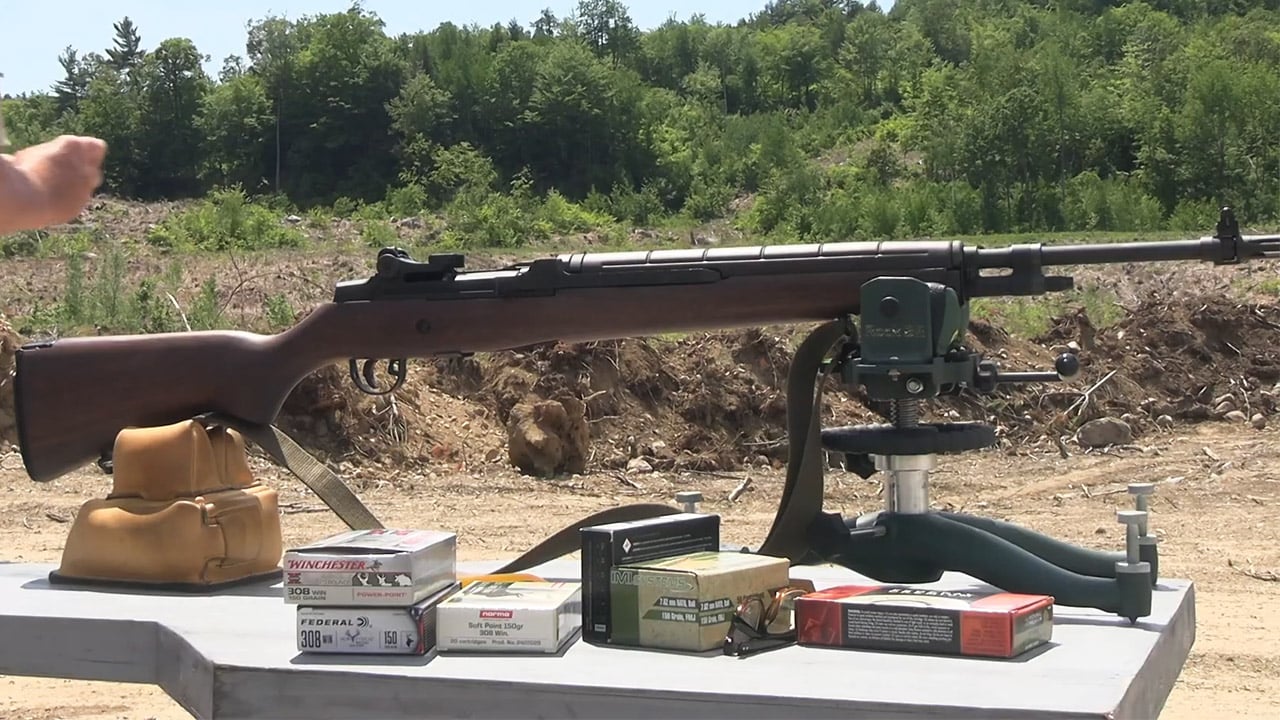
The M1A has tremendous appeal because of its military lineage, wood-and-steel construction, and unmistakable profile. It feels substantial in a way most modern rifles simply do not.
The problem is that the romance can hide how demanding the platform is. It is heavy, mounting optics cleanly can become expensive, magazines are bulky, and maintaining top accuracy is more involved than with many modern rifles. A quality AR-10-style rifle can usually give you easier optics mounting, simpler ergonomics, and excellent accuracy with less effort. The M1A remains an enjoyable rifle, but its reputation sometimes comes more from history than current practicality.
Ruger Mini-14 Ranch Rifle
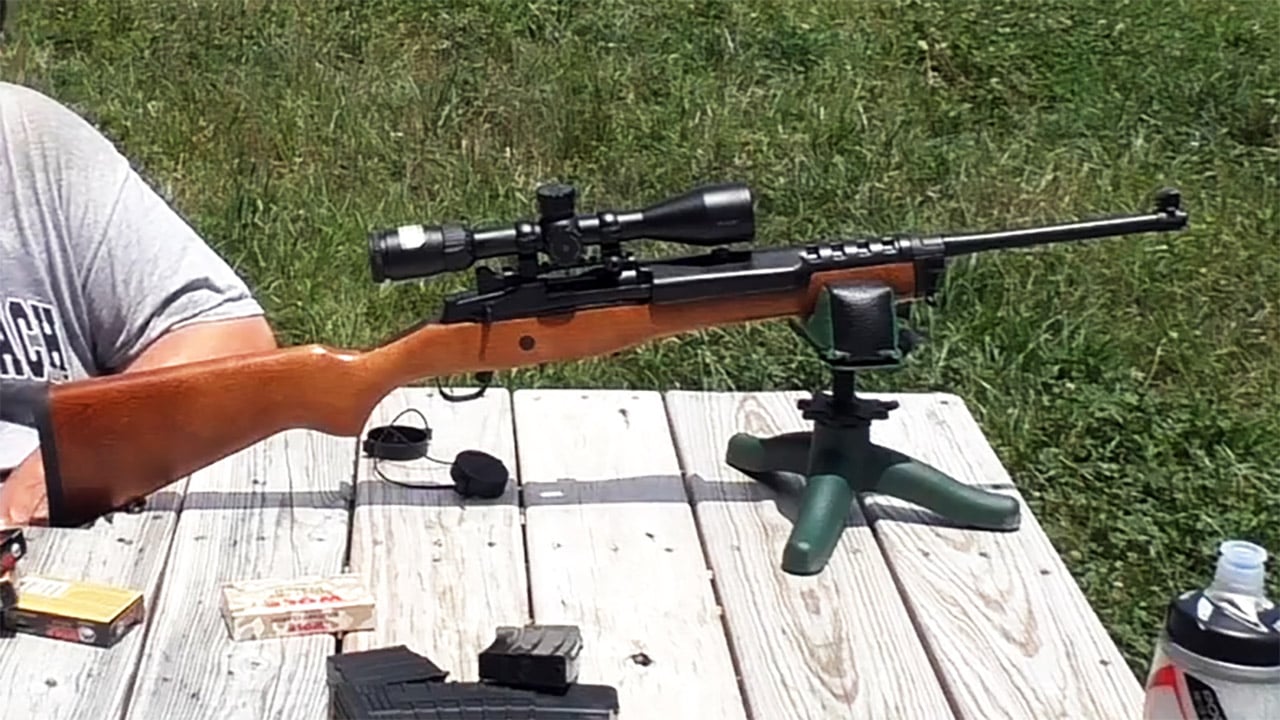
The Mini-14 has been popular for decades because it offers a compact semiautomatic rifle without the appearance of an AR.
That does not mean it automatically represents great value. Modern Minis are better shooters than many early versions, but the platform still gives you proprietary magazines, less modularity, and generally fewer easy customization options than an AR-15. The traditional handling is appealing, especially for someone who dislikes tactical rifles, but buyers can pay a significant premium simply to avoid the AR format.
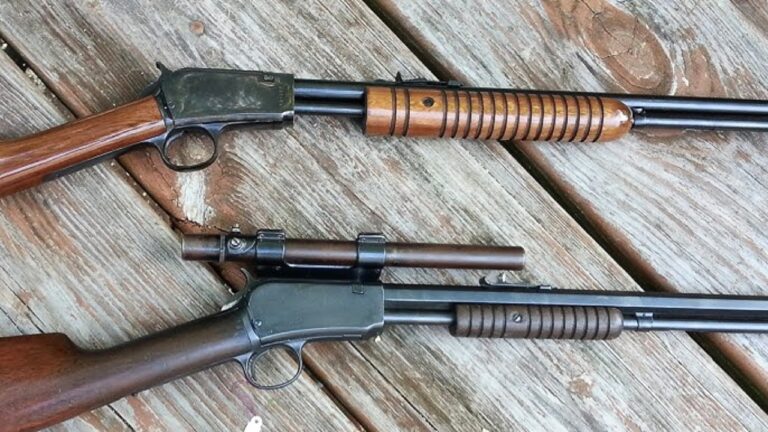
Winchester Model 94 .30-30
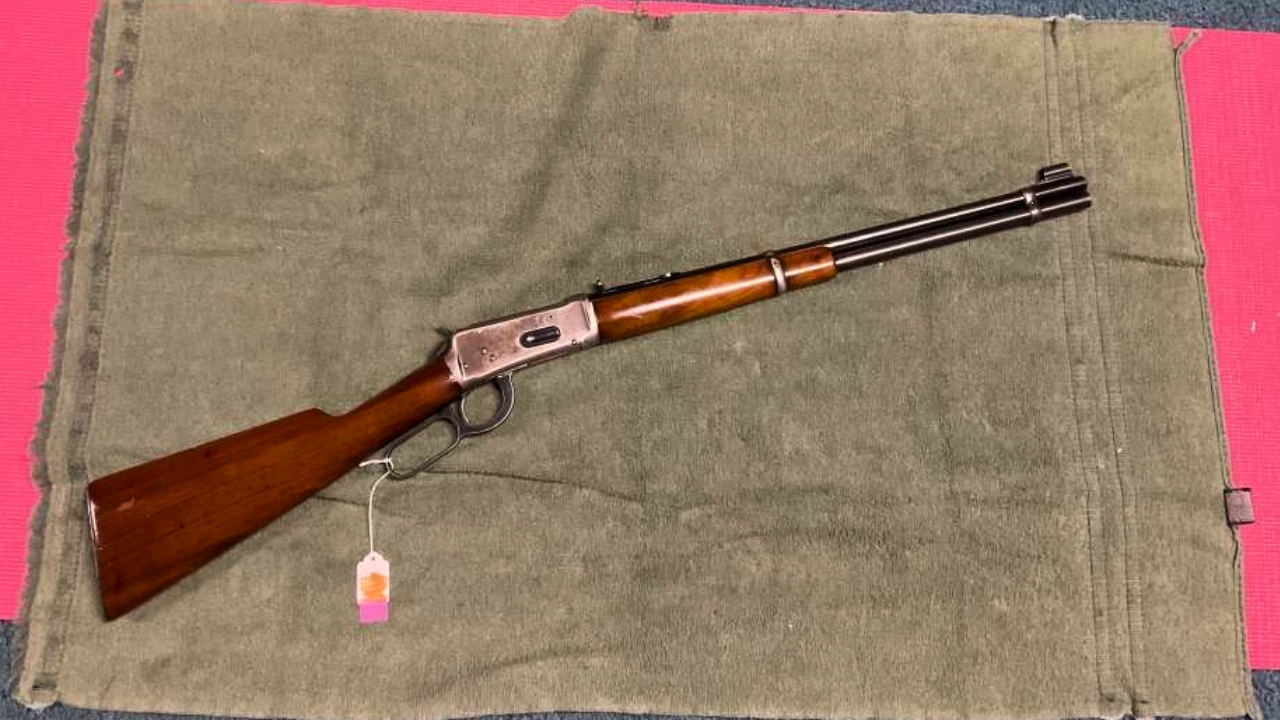
The Model 94 deserves its place in American hunting history, but nostalgia sometimes turns it into something it is not.
The top-ejecting older rifles can complicate optics use, the stocks are narrow, and the action is not always as smooth as people imagine when remembering classic lever guns. .30-30 remains useful in the woods, but the Model 94 is no longer automatically the most practical way to use it. Modern lever rifles often offer better sights, easier optics mounting, and stronger actions while keeping the same basic hunting advantages.
Mossberg 590 Shockwave

The Shockwave looks incredibly practical because it packs 12-gauge firepower into a very short package.
Actually shooting one well exposes the tradeoff. Without a shoulder stock, controlling recoil and keeping the sights aligned becomes dramatically harder than with a conventional shotgun. You also give up the stability that makes a shotgun effective at speed. It is compact and undeniably fun, but many owners discover that a slightly longer stocked shotgun is far easier to hit with.
Remington Tac-14

The Tac-14 benefits from the same short, aggressive appearance as the Shockwave.
It also suffers from the same fundamental limitation. A pump shotgun without a shoulder stock asks the shooter to manage substantial recoil while relying almost entirely on arm strength and technique. You gain compactness but lose a significant amount of control. For storage or novelty, it has appeal. For actually shooting quickly and accurately, the conventional stocked version usually wins.
Henry Golden Boy
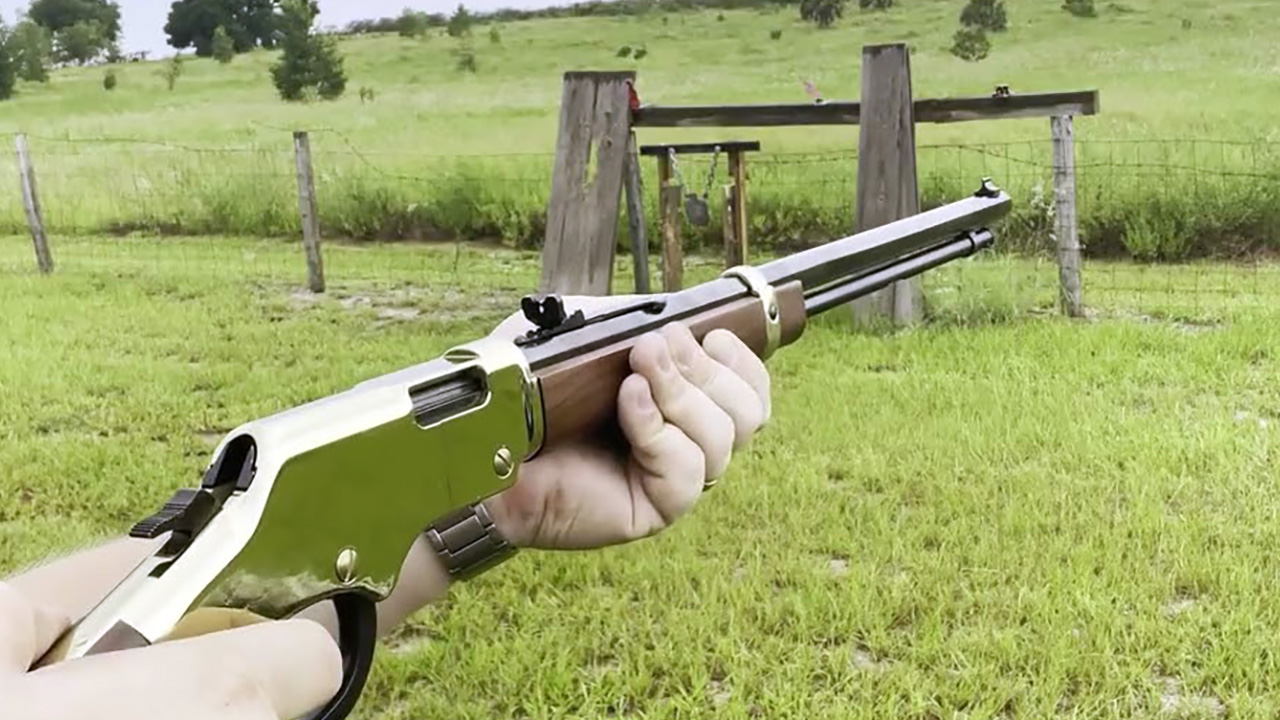
The Golden Boy is attractive, smooth, and one of the rifles people instantly associate with Henry.
Its reputation can make buyers overlook the fact that it is heavy for a .22, uses a drop-heavy stock that does not suit everyone, and carries enough decorative weight that a lighter field-oriented rimfire may actually be more enjoyable to carry. The brass-look receiver and octagonal barrel are beautiful, but they are not performance improvements. If you want a traditional showpiece, it makes sense. If you simply want the most practical .22 lever gun, there are easier rifles to live with.
Marlin 1895 SBL

The SBL became one of the hottest lever guns around because it combines stainless construction, modern sights, and the enormous appeal of .45-70.
That popularity can make people forget that .45-70 is expensive to feed, recoil can be substantial, and most hunters do not actually need the cartridge’s power. The rifle itself is very capable, but its reputation sometimes turns it into a default recommendation when a lighter .30-30, .357 Magnum, or conventional bolt rifle would suit the buyer better. Cool factor and practical need are not always the same thing.
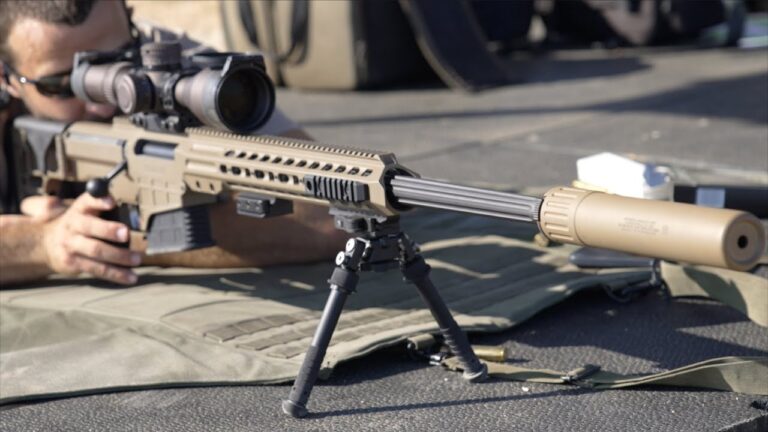
Ruger Precision Rifle

The Ruger Precision Rifle helped make chassis-style long-range rifles accessible to ordinary shooters.
It is also a lot of rifle. The weight, bulk, and chassis controls make sense from a bench or prone position but quickly become irritating if you need to carry it any meaningful distance. Many owners buy one because they want to shoot farther, only to discover that better ammunition, optics, and practice would have done more for them than a 10-plus-pound rifle. It is good at its job, but its reputation makes people buy it for jobs it was never meant to handle.
Christensen Arms Ridgeline
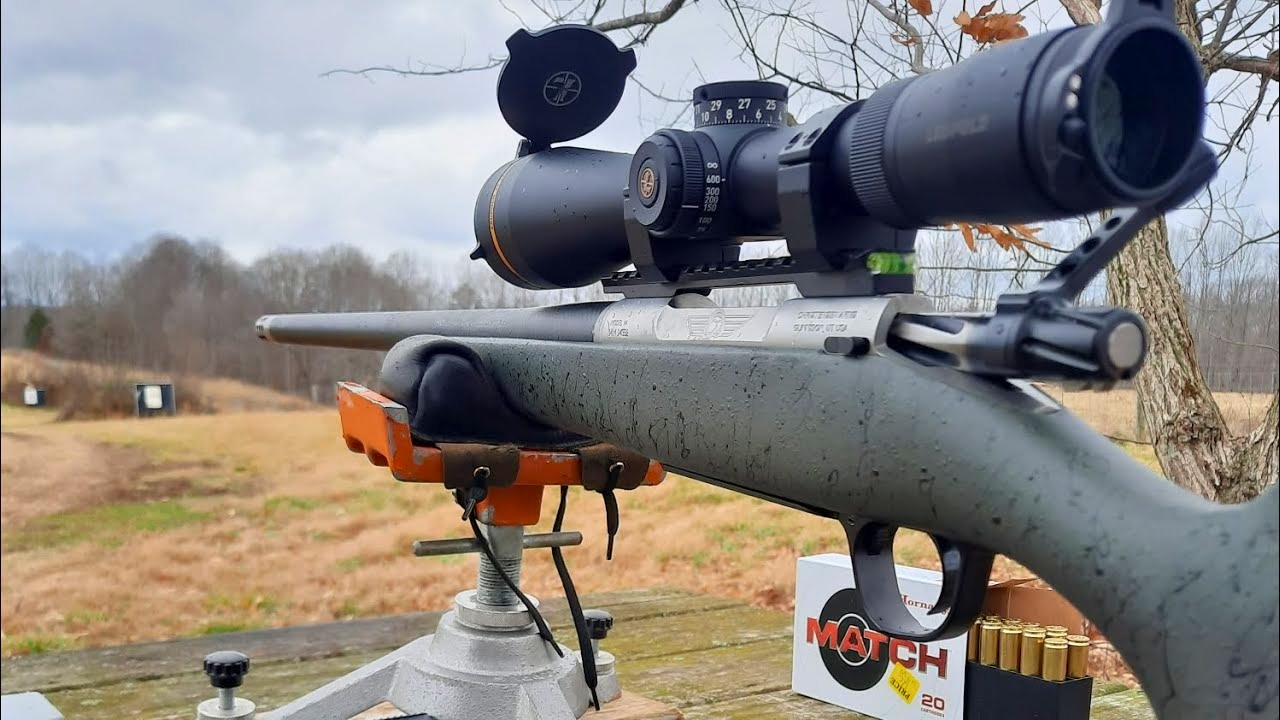
The Ridgeline gets attention because carbon-wrapped barrels, low weight, and premium pricing create the expectation of a serious high-end hunting rifle.
The issue is that expensive lightweight rifles are not automatically easy to shoot. Less mass means more recoil movement, and buyers paying premium money tend to have extremely high expectations for consistency. Christensen has plenty of satisfied owners, but the brand’s reputation has also produced enough mixed user experiences that I would never assume the price alone guarantees perfection. At this level, a rifle should earn its reputation one group at a time.
Savage Axis

The Axis built its reputation by being inexpensive and capable of producing respectable hunting accuracy.
That can cause people to oversell it. The stock, magazine system, and overall feel remain very budget-oriented compared with rifles costing only moderately more. If your only concern is putting a deer in the freezer, that may not matter. But when owners describe it as if there is no reason to spend more, they ignore the better triggers, smoother actions, stiffer stocks, and improved fit available once you move above the entry level.
Mossberg Patriot

The Patriot offers a lot of rifle for relatively little money, particularly in attractive wood-stocked configurations.
Its reputation as an overlooked bargain can go too far. The action and stock fit do not always feel as refined as stronger competitors, and the detachable magazine system is not everyone’s favorite. A good Patriot can absolutely hunt successfully for years. It just is not automatically the hidden premium rifle some owners make it out to be.
KelTec SUB2000

The SUB2000 deserves credit for one brilliant feature: it folds into a remarkably compact package.
Once unfolded, the compromises become more obvious. The charging handle placement is awkward, the stock geometry is not especially comfortable, and optics traditionally complicated the folding advantage unless you use specialized mounting solutions or newer configurations. It is portable rather than refined. Buyers who want the smallest possible PCC may love it. Buyers expecting a great general-purpose carbine may not.
Ruger 10/22 Takedown

The Takedown version of the 10/22 sounds like the obvious upgrade over the standard rifle because it stores in a much smaller package.
The question is how often you actually need that feature. The extra joint adds cost and complexity, and someone primarily shooting from the range or around their property gains almost nothing over a conventional 10/22. The Takedown is clever and genuinely useful for travel or pack storage. Outside those roles, its reputation can make buyers pay extra for a capability they rarely use.
Benelli Super Black Eagle 3
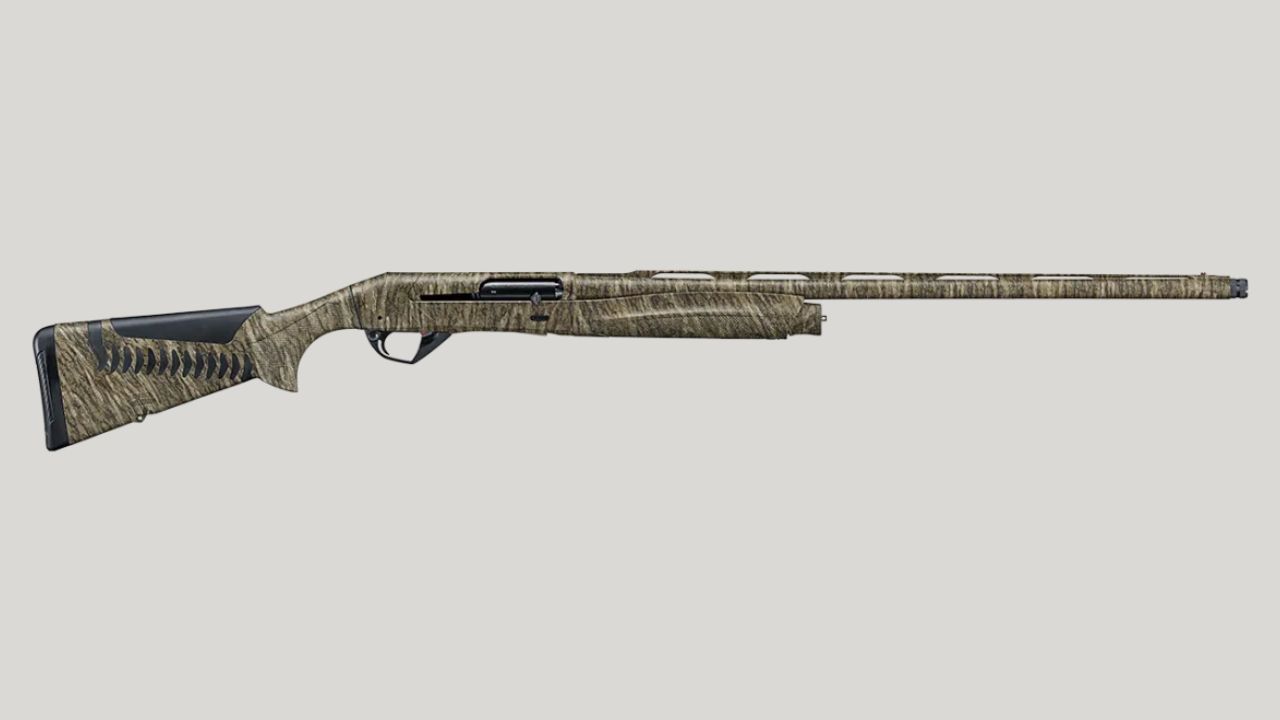
The SBE3 has enormous brand recognition among waterfowl hunters, and the inertia system has proven itself in ugly conditions.
That reputation sometimes causes buyers to overlook the tradeoffs. Inertia guns can deliver more felt recoil than soft gas-operated alternatives, and the premium price is substantial. Not everyone needs a 3½-inch-capable shotgun either. If you hunt hard in terrible weather, the SBE3 makes sense. If you mostly shoot clays and occasional ducks, there are guns that may be softer, cheaper, and more pleasant.
Browning Maxus II
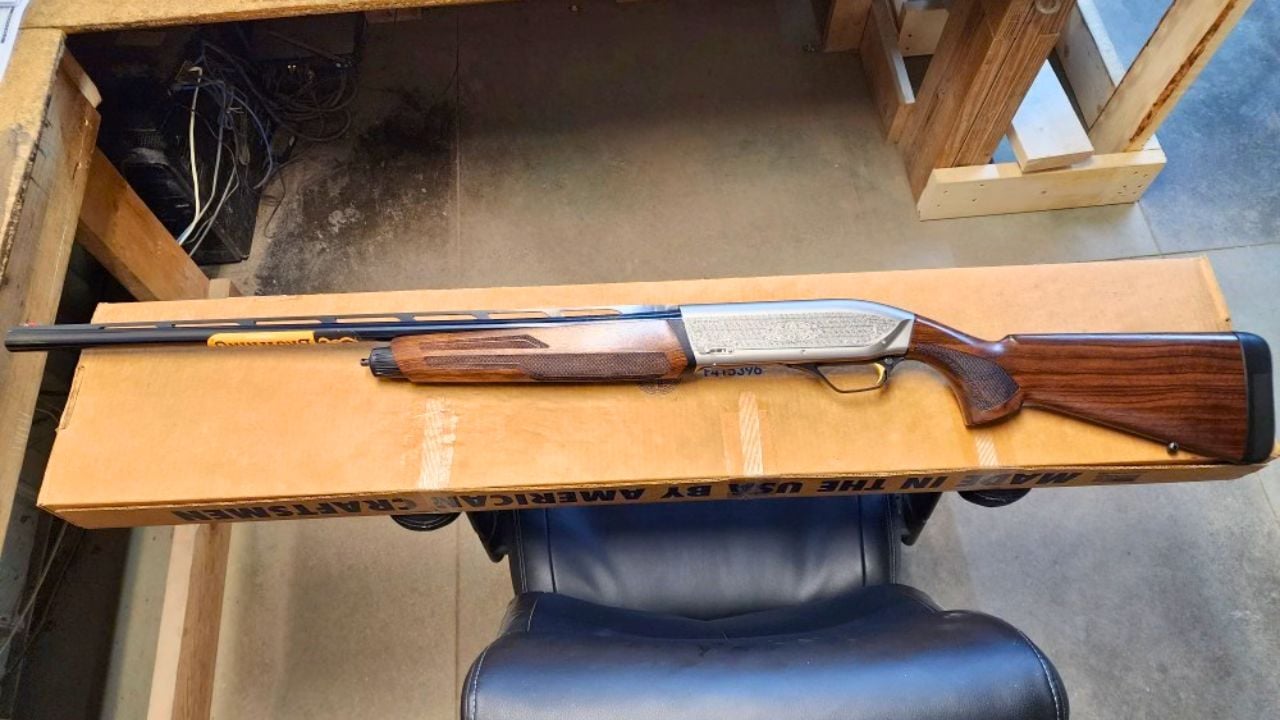
The Maxus II is comfortable, soft shooting, and loaded with features.
It also carries the kind of premium reputation that can make buyers ignore how competitive the semiautomatic shotgun market has become. Excellent gas guns are available from several manufacturers, and some shooters prefer simpler operating systems or slimmer fore-ends. The Maxus II is a good shotgun, but “good shotgun” and “obvious best choice” are not the same thing.
Stoeger M3000
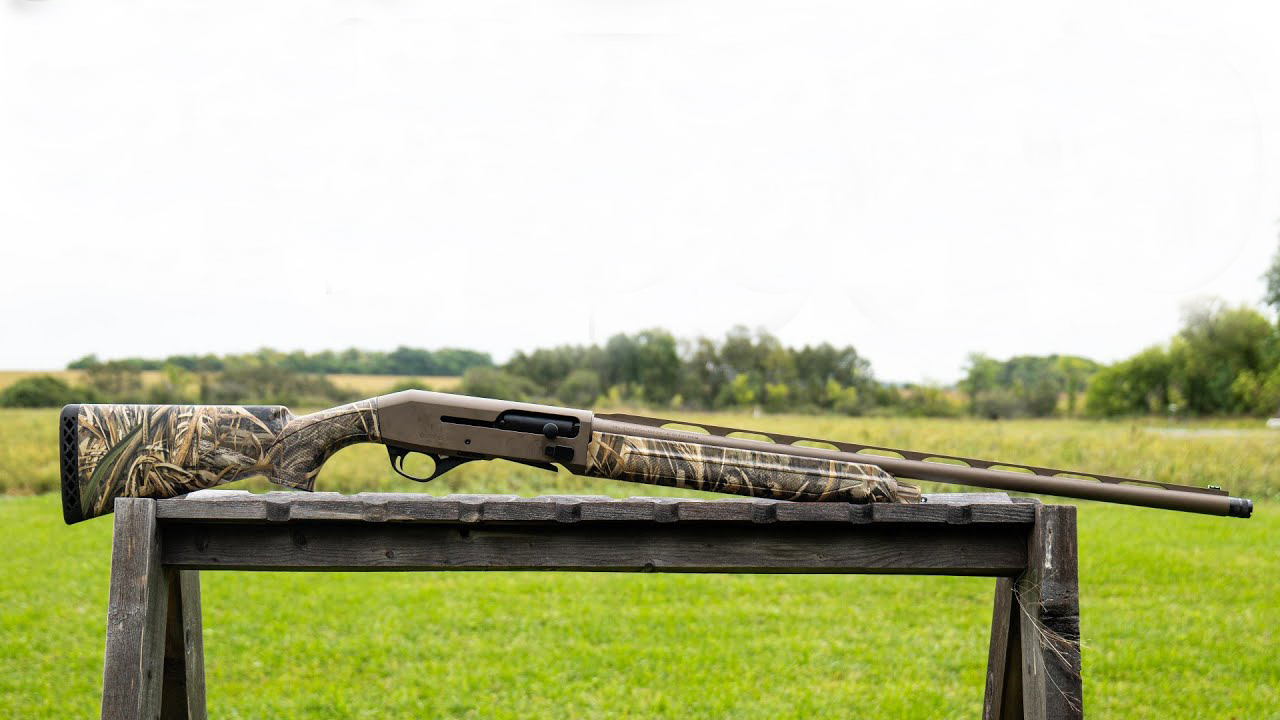
The M3000 built a strong reputation as the affordable inertia-driven alternative to much more expensive shotguns.
That value argument is legitimate, but it sometimes becomes exaggerated. Fit and finish are clearly below premium Italian guns, the action can feel rougher, and some examples benefit from a break-in period before running lighter loads consistently. For the money, it can be excellent. That does not mean you are secretly getting a Benelli for a fraction of the price.
Ruger American Ranch 7.62×39
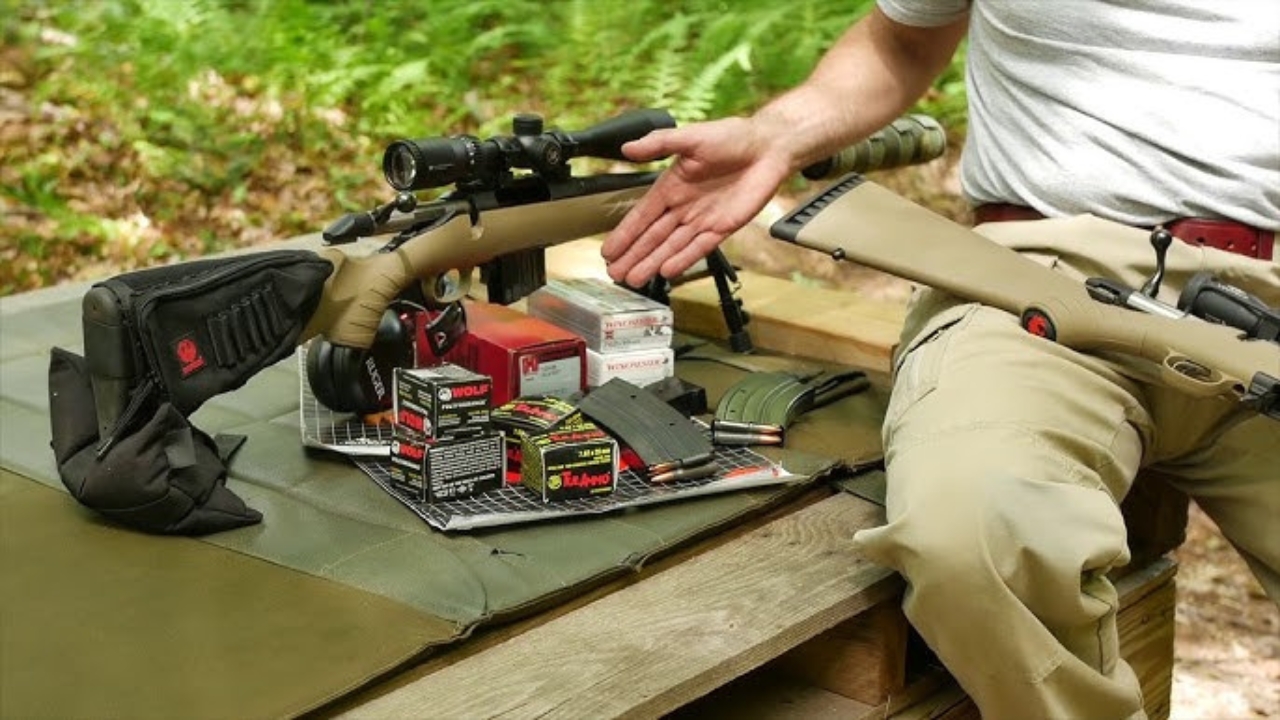
The Ranch in 7.62×39 earned a devoted following because it combines an inexpensive cartridge with a compact bolt-action platform.
The reputation can obscure the limitations of the chambering. Ammunition quality varies widely, trajectory becomes increasingly limiting at distance, and magazine compatibility has changed across versions. It is a fun woods rifle and can make sense for deer or hog hunting at moderate ranges. It is not automatically a superior choice to a conventional short-action hunting cartridge just because surplus-style ammunition used to be inexpensive.
Chiappa Rhino
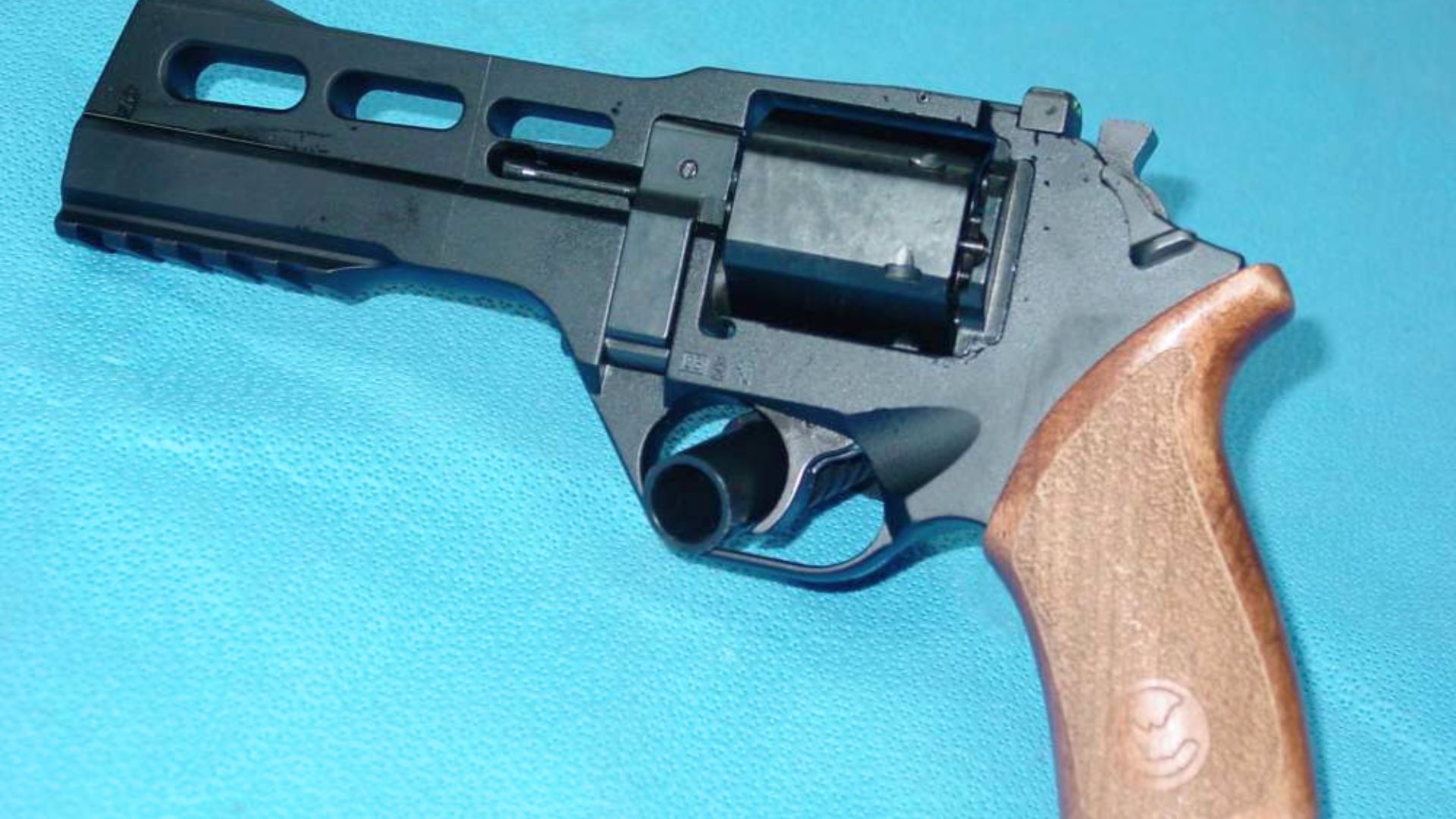
The Rhino deserves credit for genuinely rethinking revolver geometry by firing from the bottom chamber.
That lower bore axis does help control muzzle rise, but the design also brings unusual controls, unconventional internals, and a trigger system that feels different from traditional revolvers. It is expensive enough that buyers may expect a dramatic advantage. For some shooters, the recoil behavior is worth it. Others discover they simply prefer the trigger and handling of a conventional Smith, Ruger, or Colt.
Magnum Research BFR

The BFR has a reputation for being the answer when ordinary magnum revolvers are not powerful enough.
That is exactly the problem for most buyers. The largest versions are enormous, heavy, and chambered for cartridges that make casual shooting expensive and physically demanding. They are legitimate hunting handguns, but the reputation for extreme power attracts people who really just want something impressive. Unless you have a genuine use for that capability, a smaller revolver will spend a lot more time outside the safe.
Bond Arms Roughneck

The Roughneck gets credit for putting Bond Arms’ extremely sturdy derringer design into a more affordable package.
Sturdy does not automatically mean practical. You still have only two rounds, the gun is heavy relative to its capacity, and the trigger requires a technique that surprises shooters accustomed to conventional handguns. It is durable and mechanically interesting, but modern compact pistols offer far more capability at similar dimensions. The Roughneck’s old-school toughness deserves respect. Its usefulness is much narrower than its fans sometimes admit.
Like The Avid Outdoorsman’s content? Subscribe to our newsletter so you never miss an article.
Here’s more from us: