Photo credit: LifeSizePotato/YouTube
Some pistols do not become desirable until the supply is already thin. They spend years on used racks looking outdated beside newer optics-ready guns, then shooters finally realize the combination of build quality, unusual mechanics, or discontinued configuration is not coming back.
That is when finding a clean example becomes difficult. The pistols below are not the same predictable collector pieces everybody already chases. Most occupy overlooked corners of handgun history where parts, magazines, and pristine examples are slowly getting harder to locate. If one of these has been on your list, waiting indefinitely may not work in your favor.
SIG Sauer P232

The P232 arrived near the end of an era when a premium compact .380 could still be made almost entirely from metal and sold on refinement rather than capacity. Its slim frame, fixed barrel, and beautifully smooth contours give it a character modern micro-compacts rarely attempt.
The problem is that the market moved on. Tiny high-capacity 9mms made relatively large single-stack .380s much harder to justify, and the P232 eventually disappeared. That does not make it less enjoyable. In fact, the change in the market is exactly why a clean P232 is worth grabbing. There is no current SIG that really replaces the experience, and the nicest examples are increasingly likely to stay with people who already understand what they have.
Smith & Wesson Model 59
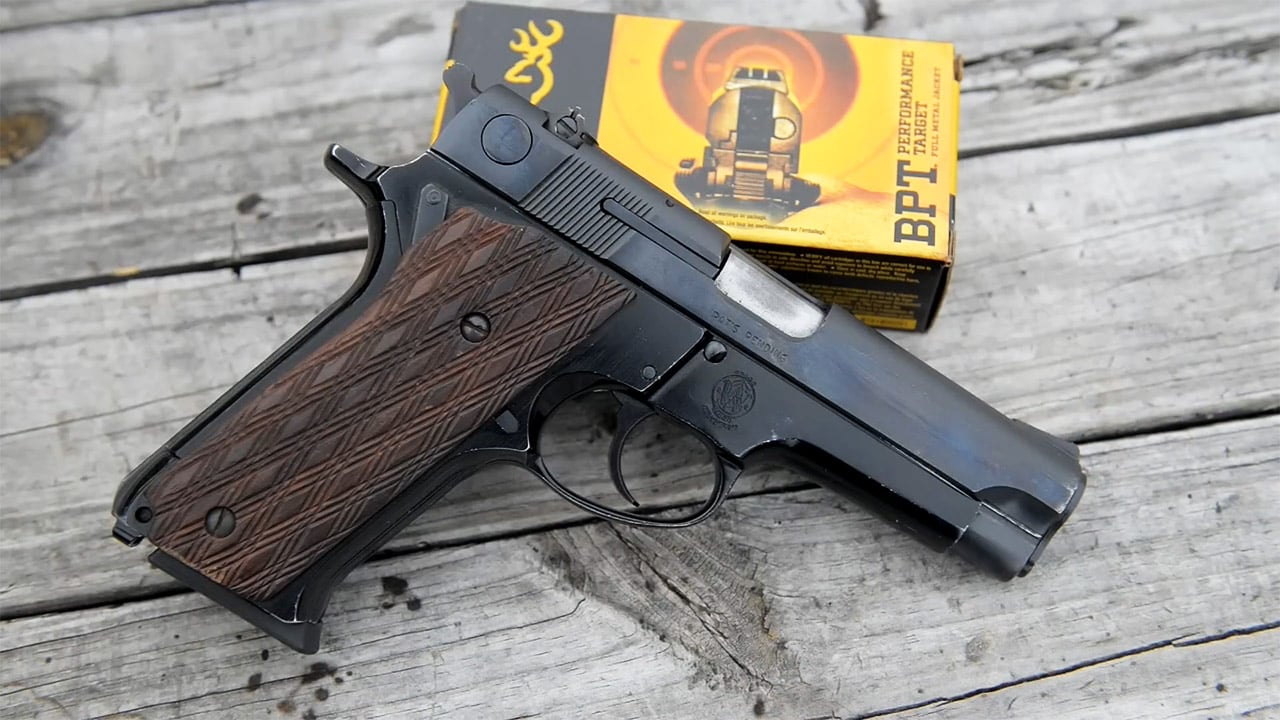
The Model 59 was one of the early American high-capacity 9mm service pistols, but it often gets skipped in favor of later third-generation Smiths.
That makes it especially interesting now. The aluminum frame, double-stack magazine, and traditional DA/SA system place it at an important transition point between older single-stack pistols and the wonder-nine era that followed. Many were carried and used rather than preserved. Clean examples with original grips and magazines deserve more attention than they usually receive, particularly as shooters become more interested in the development of American service pistols.
Beretta 92S

The 92S looks immediately familiar, but several details separate it from the later 92FS that became an American icon.
The frame-mounted magazine release is the most obvious difference, and it gives the pistol a distinctly earlier feel. These guns were once treated largely as inexpensive surplus Berettas. That was probably the best time to buy them. Original pistols with good finish and correct magazines have more historical personality than another ordinary modern 92, and they represent a relatively early chapter in a handgun family that became hugely important.
Walther P4
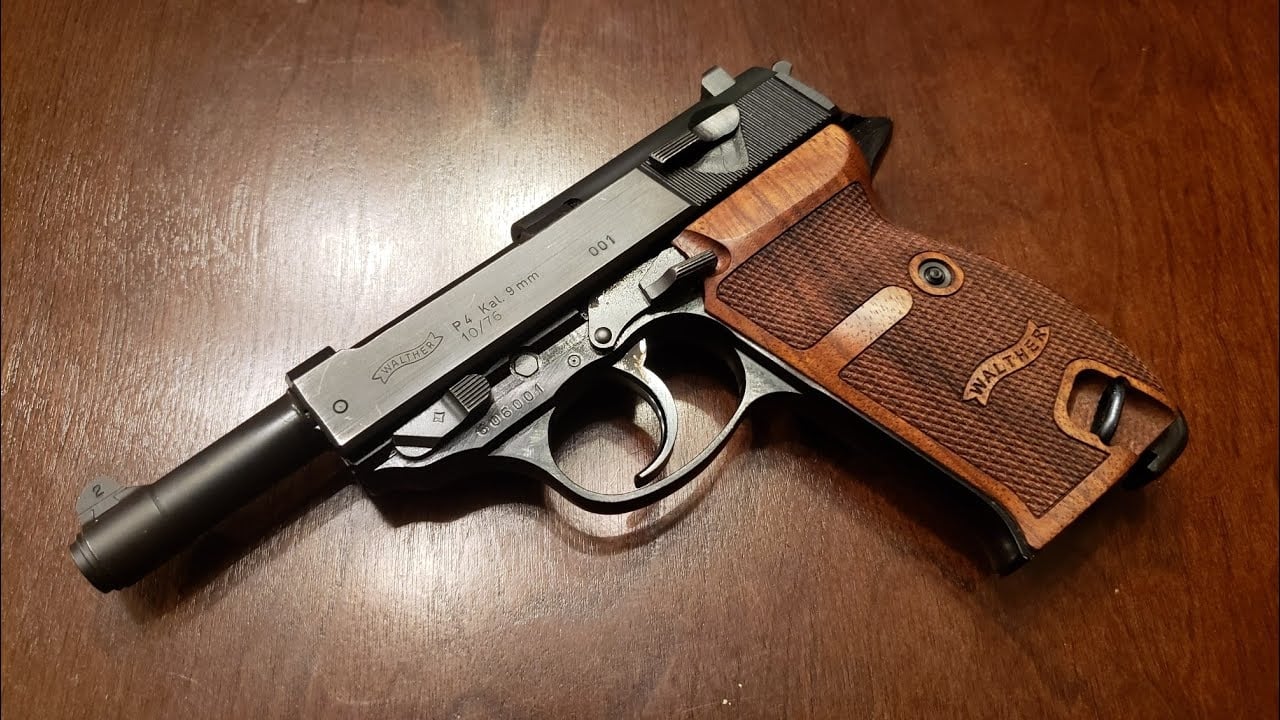
The P4 is one of the easiest Walther service pistols to overlook because it sits between much more famous designs.
It evolved from the P38 concept but uses a shorter barrel and other changes that give it a compact service-pistol personality of its own. It never developed the recognition of the P38 or P5, which means fewer casual buyers even know to search for one. That obscurity can work against you once you finally decide you want one. The supply was never enormous, and the people collecting postwar Walthers increasingly know exactly where the P4 fits.
HK4
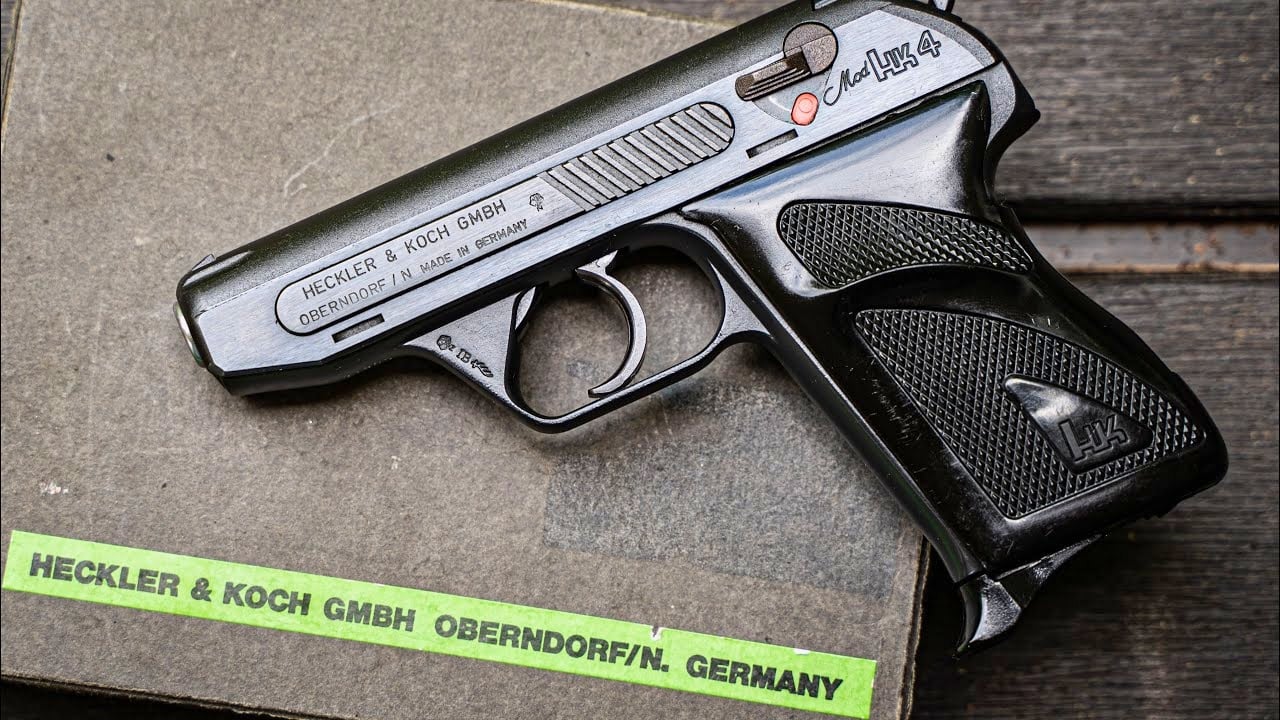
The HK4 came from a very different Heckler & Koch than the company most shooters associate with USP and VP-series pistols.
It is a compact blowback handgun built around a clever caliber-conversion concept, with versions capable of being configured for multiple cartridges. That mechanical ambition alone makes it fascinating. The pistol is also recognizably from the late-1960s and 1970s in a way no current HK product can reproduce. Complete examples with conversion components are especially worth watching because assembling the package later becomes far more difficult than buying a complete one now.
Mauser HSc Super
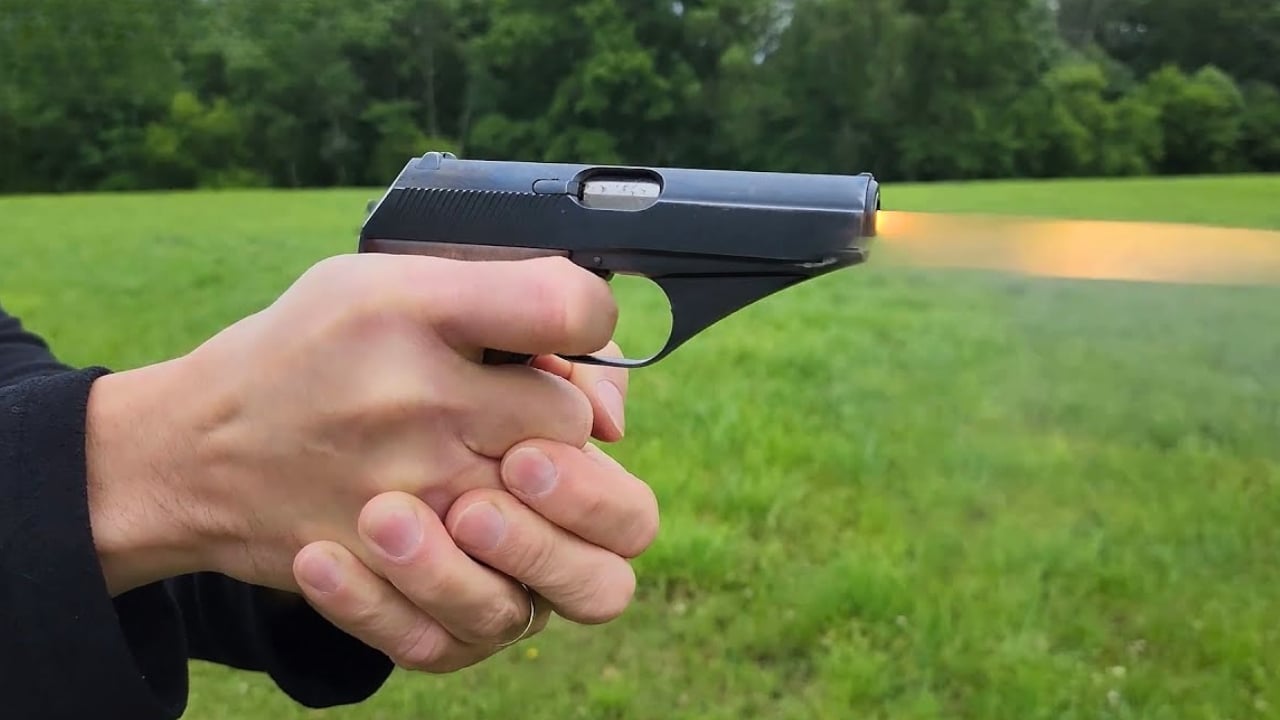
The HSc Super has little of the immediate historical glamour associated with the original wartime-era HSc, and that is exactly why it slips beneath the radar.
This later pistol moved the concept into a more modern direction while retaining the compact metal-frame character that made European pocket autos so appealing. It exists in an awkward historical middle ground: too new for military collectors and too old for modern defensive buyers. Those gaps are where interesting guns tend to disappear. If you enjoy unusual German commercial pistols, clean HSc Supers deserve a much closer look.
Star Model 28 DA
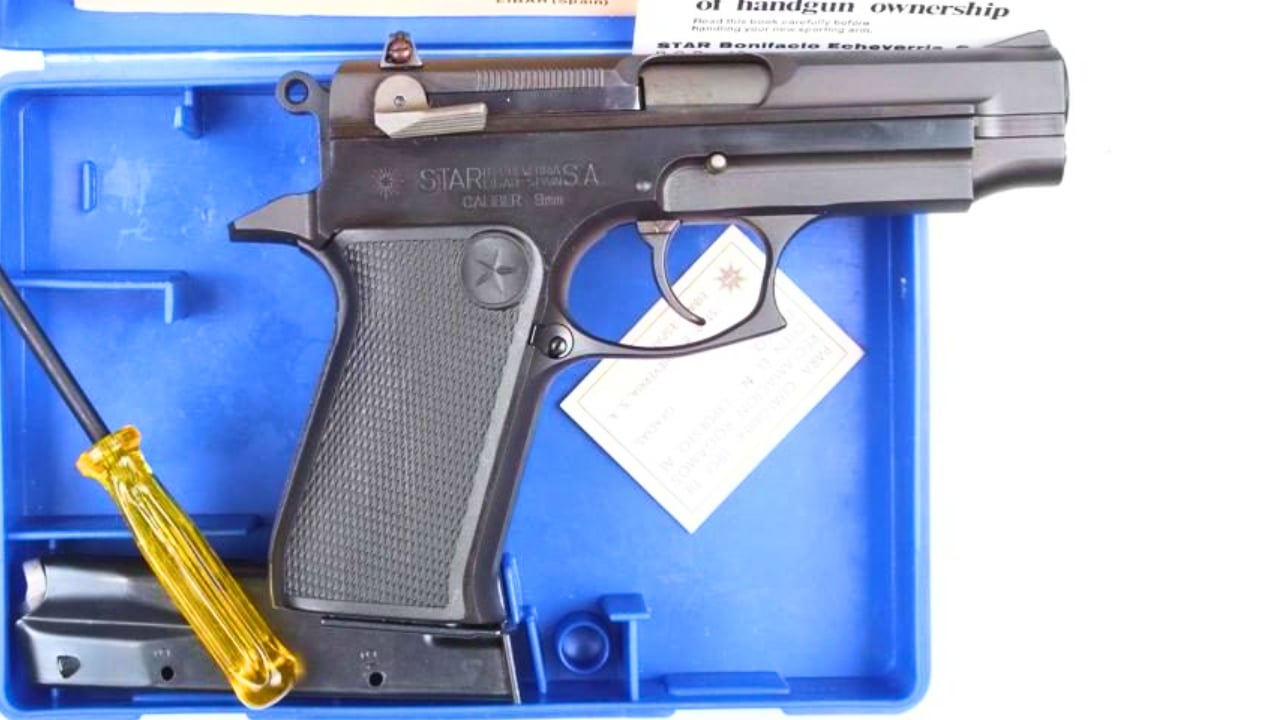
Star’s Model 28 represents the Spanish manufacturer’s effort to move beyond its better-known single-action pistols and compete in the modern service-gun market.
It is a substantial, full-size DA/SA pistol with all-steel construction and the kind of weight that makes 9mm particularly easy to control. Star’s disappearance means every remaining example is part of a permanently fixed supply, yet the company’s guns still do not receive the attention afforded to comparable SIGs or Berettas. That imbalance probably will not last forever as collectors continue exploring overlooked European service pistols.
Llama Omni
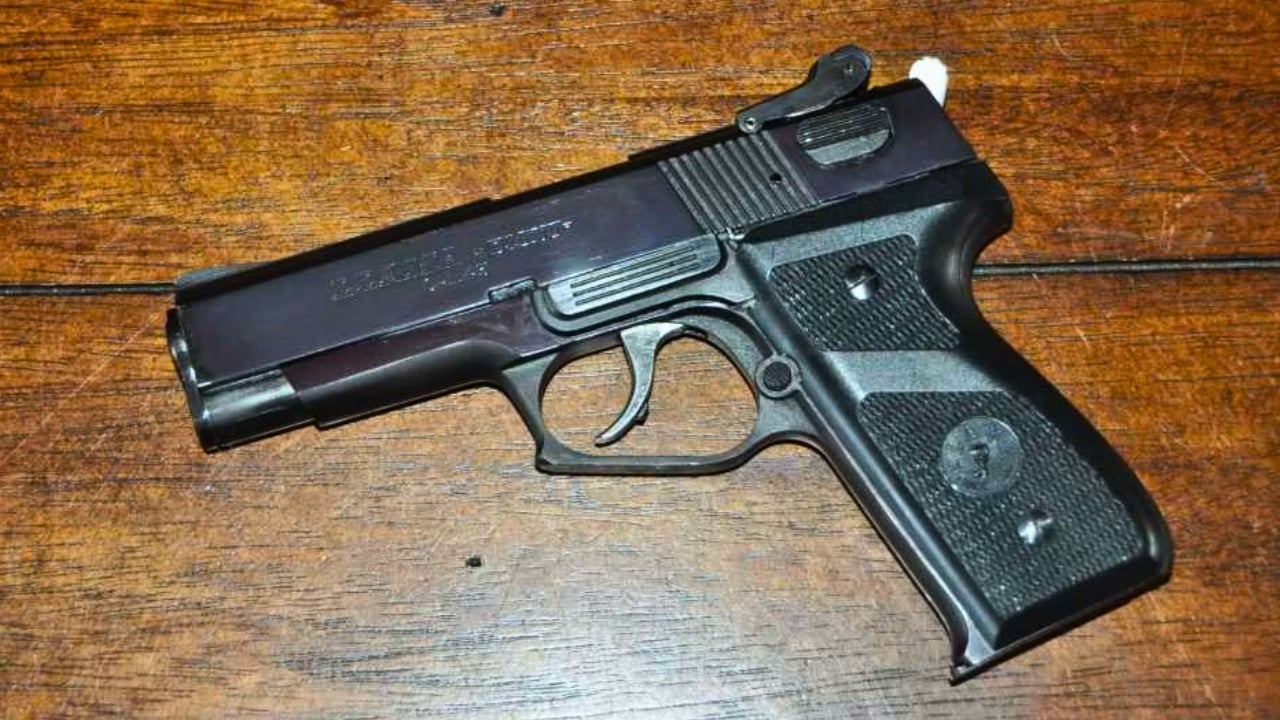
The Llama Omni is exactly the kind of handgun collectors ignore until they become bored with the obvious choices.
It was a Spanish service pistol that departed significantly from the company’s familiar 1911-style designs. The result was a distinctive DA/SA handgun with a look and mechanical character very much tied to its era. Llama’s uneven reputation has kept prices and enthusiasm under control, but that does not erase the Omni’s uniqueness. Guns from failed or vanished manufacturers tend to become more interesting once there are fewer clean survivors left.
Bernardelli P.One
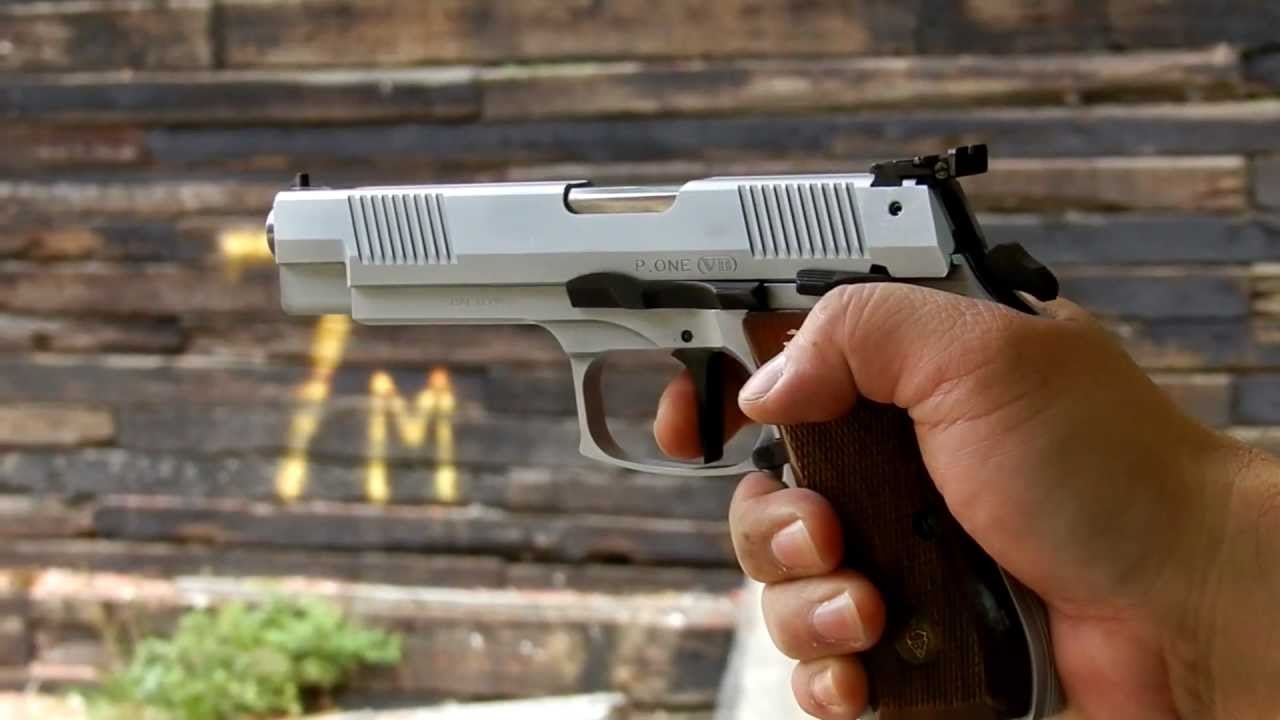
Bernardelli produced some beautifully made Italian handguns that never achieved major American recognition, and the P.One is a good example.
It is a traditional DA/SA service pistol with clean lines and a build quality that becomes apparent as soon as you handle one. The problem today is not that the design suddenly became undesirable. It is that relatively few are circulating compared with better-known Italian pistols. If you like all-metal service guns and encounter a clean P.One with spare magazines, that is not one I would casually assume will reappear.
Bernardelli P6
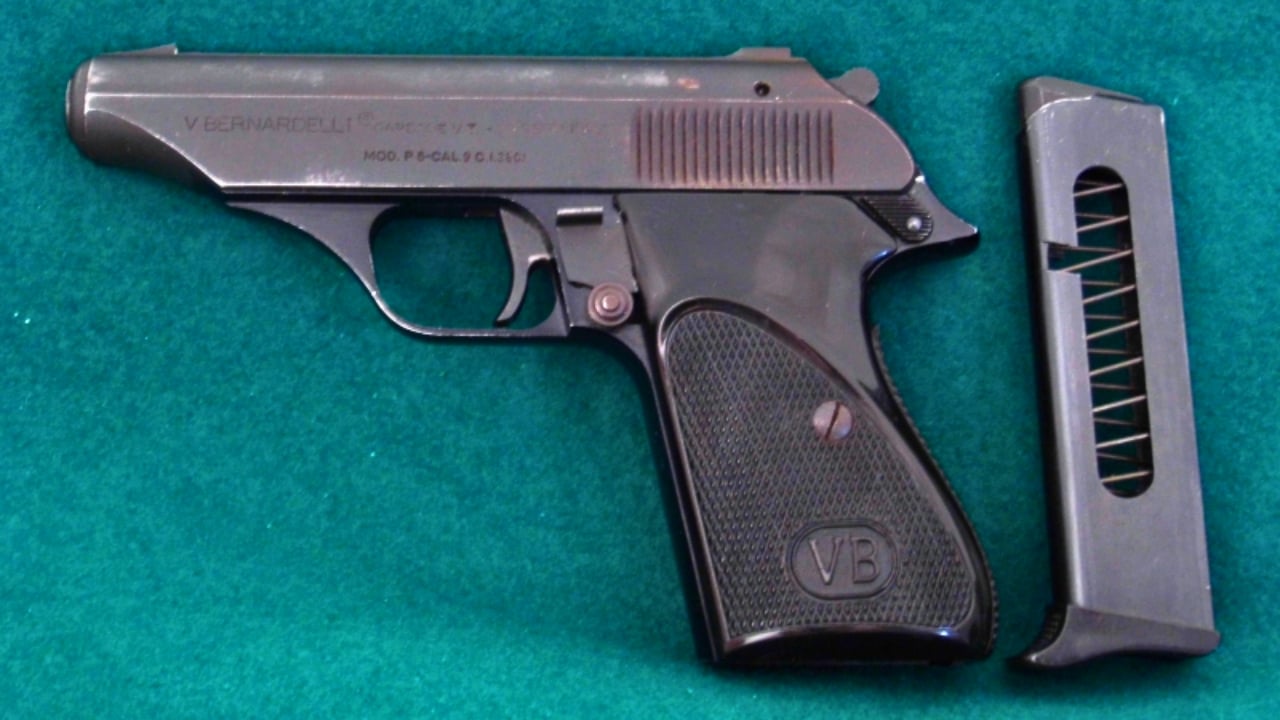
The P6 takes the same underappreciated Italian craftsmanship and places it into a more compact package.
These pistols have the kind of old-world metal construction that is disappearing from the affordable handgun market. They were never produced or imported in quantities remotely comparable with mainstream Berettas, which means familiarity is low and replacement examples are not guaranteed. That makes the P6 particularly appealing to shooters who want something mechanically conventional but uncommon enough to feel genuinely different.
S&W Model 439
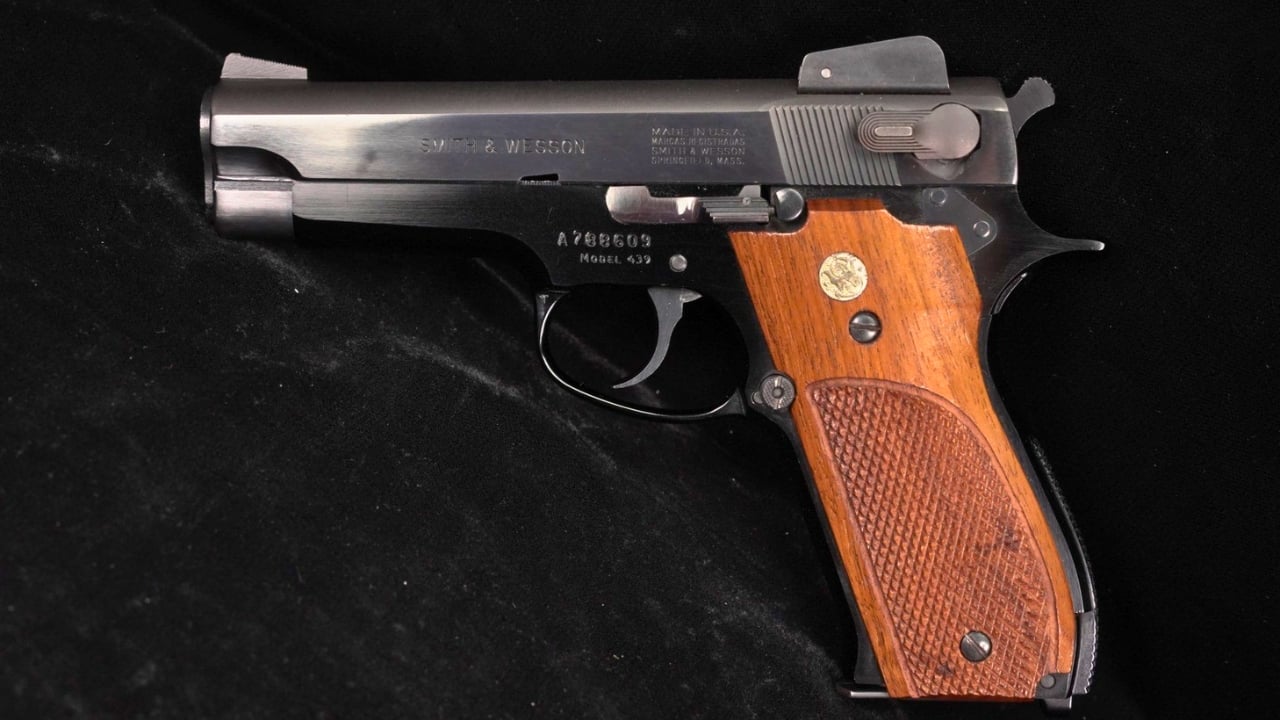
The Model 439 belongs to Smith & Wesson’s second-generation semiautomatic period, which still receives less attention than the company’s later stainless third-generation guns.
Its alloy frame keeps it lighter than many service pistols of the era, while the single-stack magazine gives it a surprisingly slim grip. It looks understated because it was built as a practical 9mm, not a collector item. Many examples therefore accumulated considerable holster wear. A sharp 439 offers a lot of early American semiautomatic history without chasing the models everyone already knows.
S&W Model 559
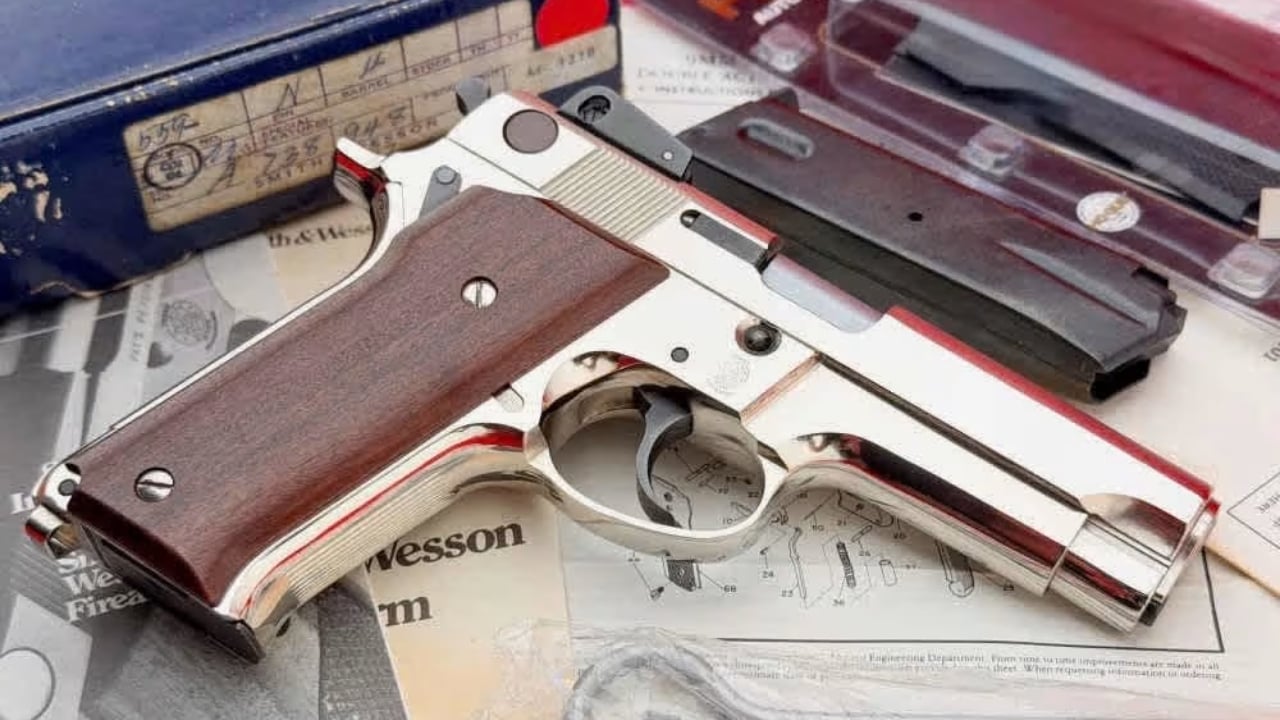
The 559 takes the opposite approach. It is a substantial double-stack 9mm with the weight and solidity of an older service pistol.
That heft seems outdated beside current polymer guns, but it also makes the 559 extremely pleasant to shoot. These pistols represent an era when Smith & Wesson was aggressively developing its high-capacity semiautomatic lineup, and surviving examples are now decades removed from production. The nicest ones are increasingly attractive simply because recreating this much machined metal in an affordable duty gun no longer makes economic sense.
S&W Model 469

The Model 469 helped push the compact high-capacity concept before the market had fully standardized around polymer frames.
It combines a shortened alloy frame with a double-stack magazine and traditional DA/SA operation, giving it a chunky but surprisingly practical feel. Modern compacts outperform it in capacity-to-size efficiency, but that comparison misses the point. The 469 shows what manufacturers were doing before the modern concealed-carry formula had been settled. Those transitional designs often become more interesting as time passes.
Beretta 81BB

The double-stack .32 ACP 81BB has one of the strangest combinations of size and cartridge by modern standards.
That is also why it is enjoyable. The metal frame makes recoil almost nonexistent, the grip is comfortable, and the pistol handles like a real service handgun rather than a tiny pocket gun. For a while, surplus examples made these much easier to find. Once that supply gets dispersed into private collections, the equation changes. A clean 81BB is one of those pistols that becomes much harder to replace after people discover how pleasant it is.
Beretta 87 Cheetah
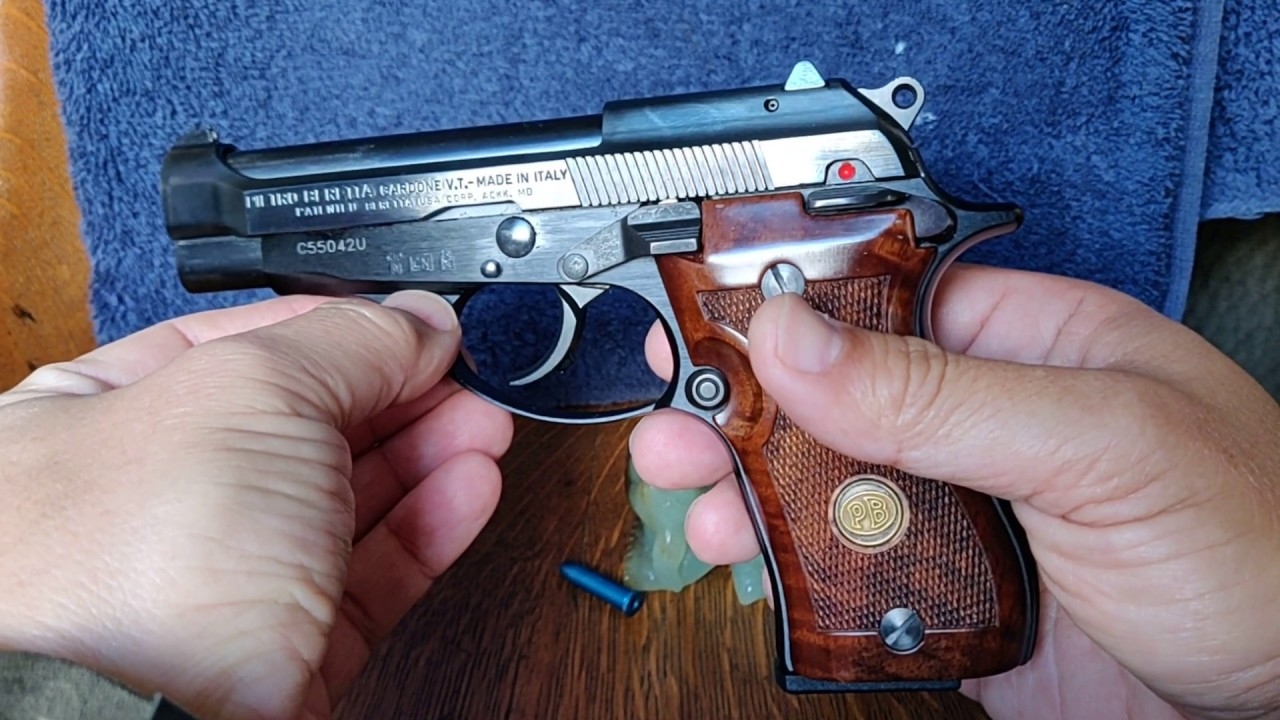
The Model 87 gives the Cheetah family a completely different personality by chambering it in .22 LR.
That creates a refined metal-frame rimfire that feels far more substantial than the lightweight recreational pistols dominating today’s market. It is compact without being tiny, accurate enough for serious practice, and visually tied to one of Beretta’s most recognizable pistol families. Rimfire versions of centerfire designs often sell in smaller numbers, which can make them particularly appealing once production attention shifts elsewhere.
Browning BDA .45
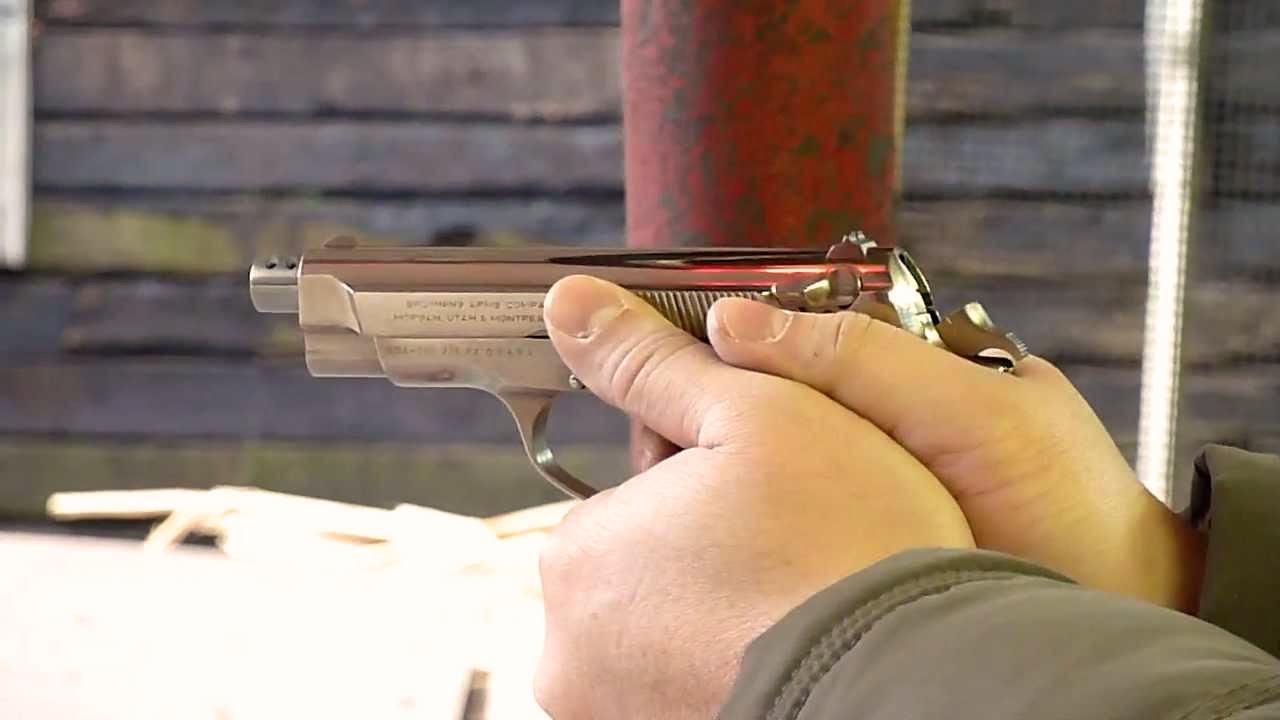
The BDA .45 is mechanically tied closely to the SIG Sauer P220 lineage, but Browning branding gives it a collecting identity all its own.
For years, buyers who wanted the basic shooting experience could simply choose a SIG and ignore the Browning. That was the practical answer, but collectors eventually care about markings, production relationships, and unusual commercial variations. A clean BDA .45 offers all of that while remaining a genuinely good shooter. It is one of those pistols that seems ordinary until you begin trying to locate an especially nice example.
Colt Pocket Nine
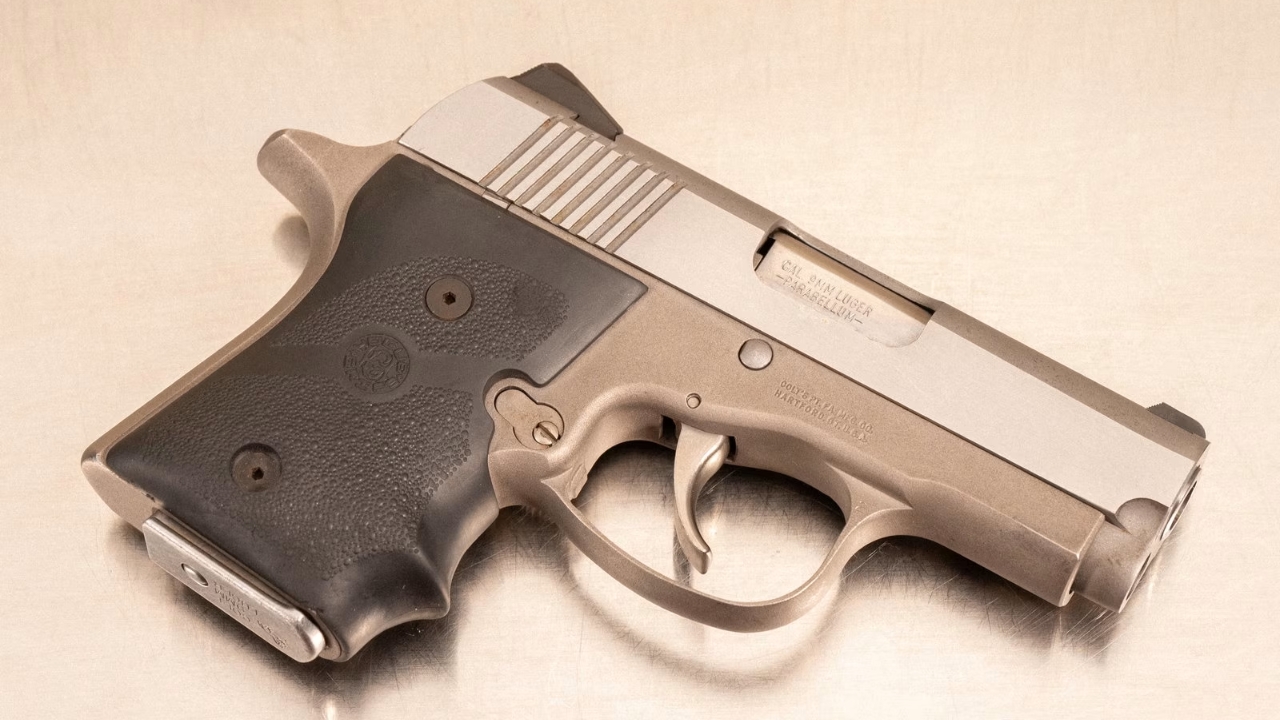
The Pocket Nine came from Colt during a period when compact 9mm pistols were still evolving rapidly.
Its short production life and compact dimensions make it far more interesting now than it seemed when buyers could simply choose another small defensive handgun. It is not the pistol I would select over a modern micro-9 for everyday use, but that is irrelevant to why it is worth hunting down. It represents a genuine Colt attempt at a category that would later explode in popularity, and there simply are not endless examples waiting to be found.
Detonics Pocket 9

Detonics is usually remembered for compact .45s, which makes the Pocket 9 a particularly interesting branch of the company’s history.
It is a small all-metal 9mm from the period before today’s micro-compacts made the concept ordinary. The gun never became a mass-market success, and Detonics itself went through enough corporate changes to guarantee that original examples would remain unusual. It is the kind of pistol people dismiss until they start building a collection around early concealed-carry designs and discover how difficult certain pieces are to locate.
Benelli B76
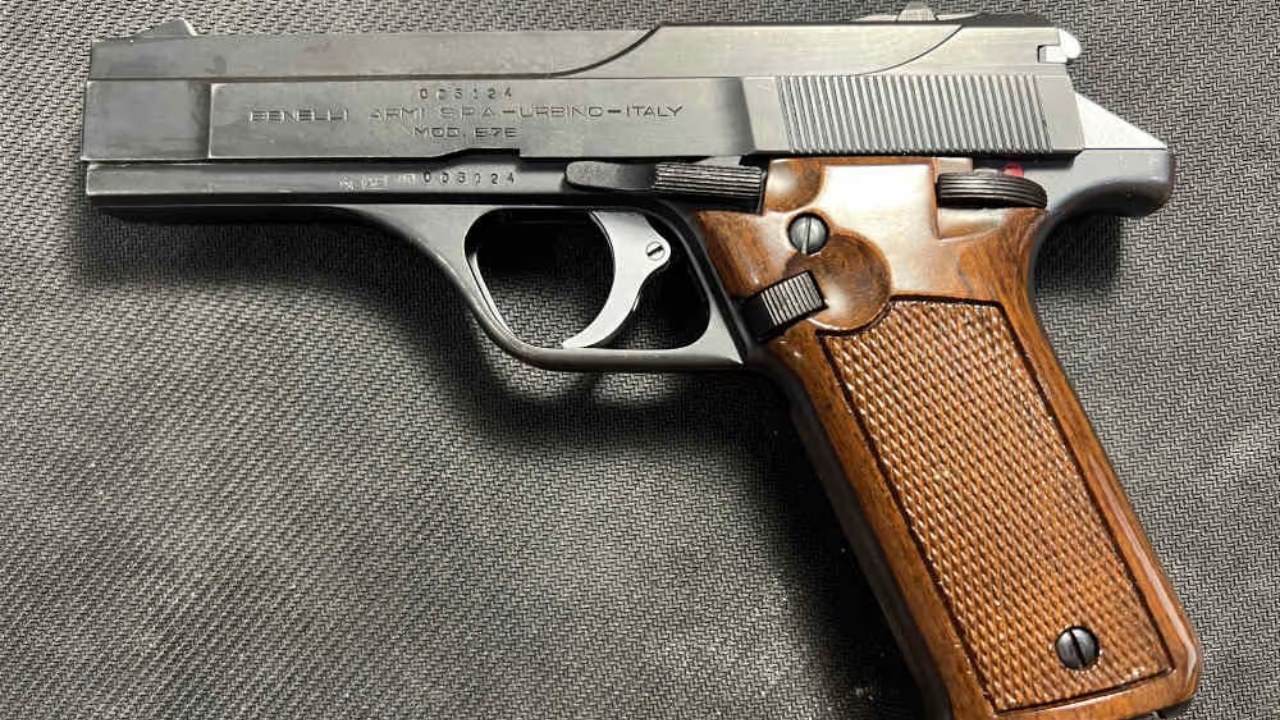
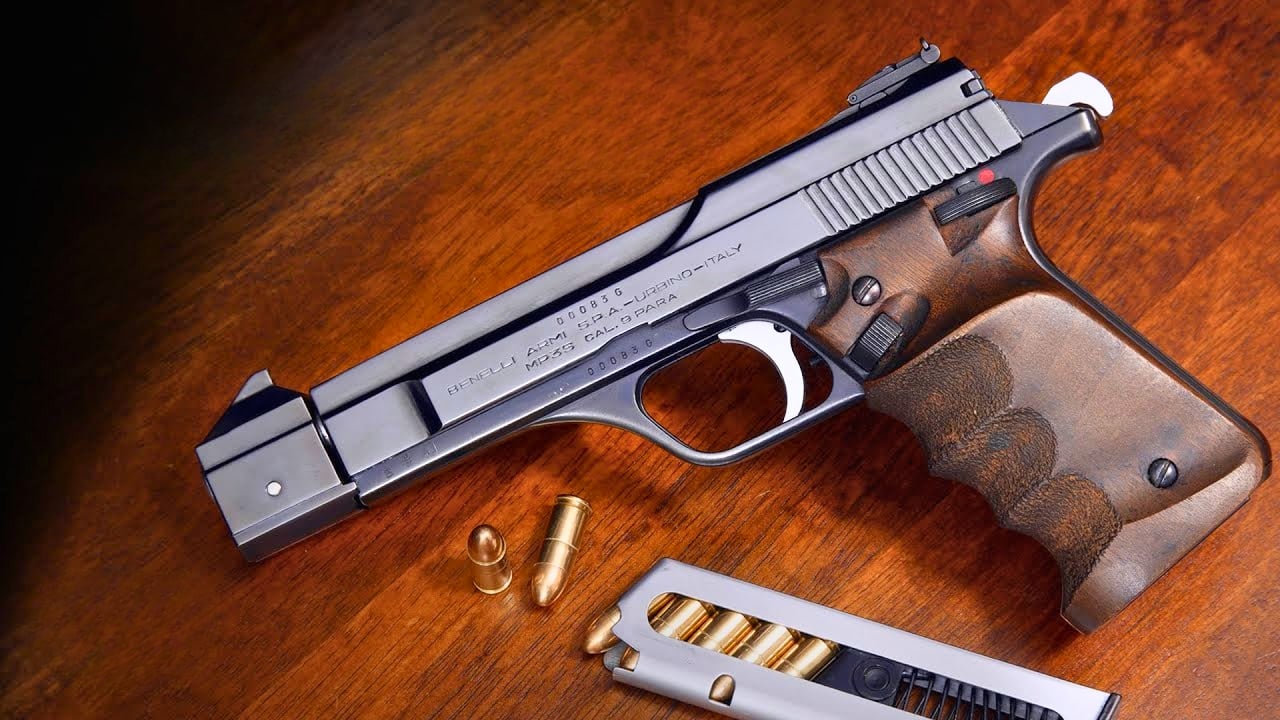
The B76 is not what most shooters picture when they hear Benelli. Long before the company became nearly synonymous with premium shotguns, it experimented with some genuinely unusual pistols.
The B76’s locking system and distinctive appearance give it a mechanical identity unlike the mainstream service pistols surrounding it. That alone makes it collectible material. More importantly, relatively few American shooters have ever encountered one, and there is little reason to expect the surviving supply to suddenly increase. A complete B76 with its original accessories is the sort of find you buy because the next opportunity may be years away.
Heckler & Koch P9
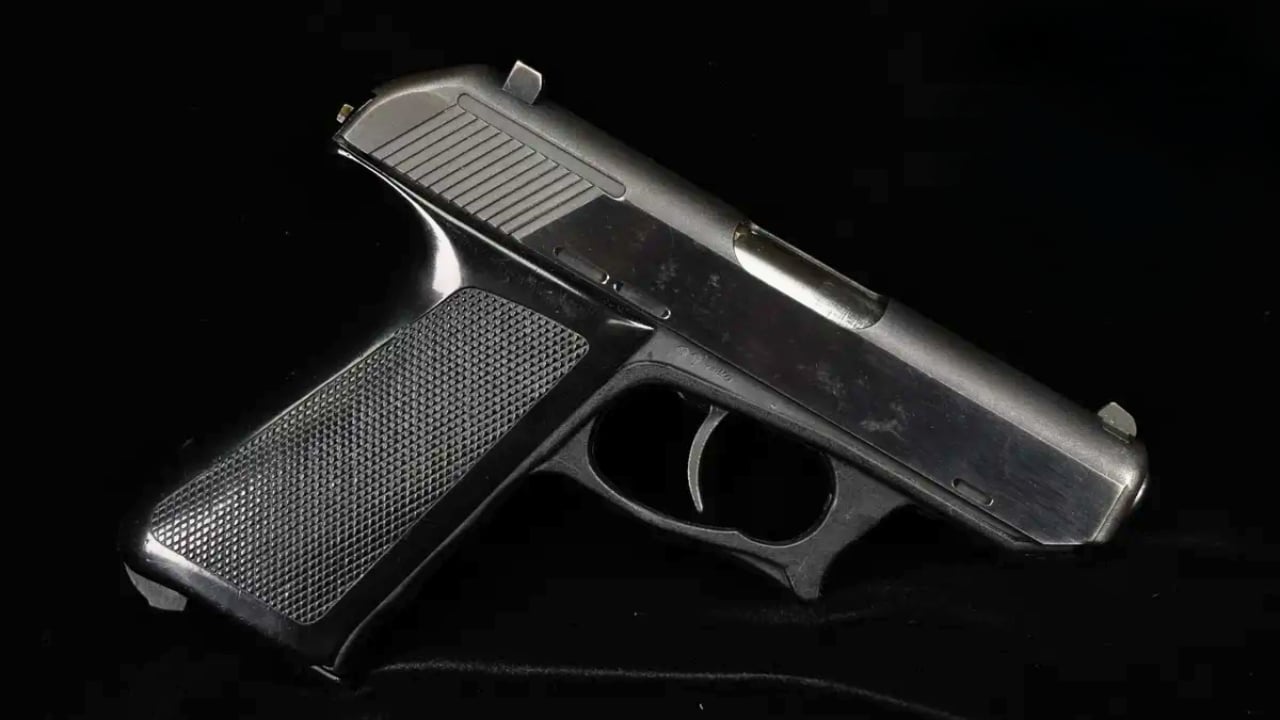
The P9 is overshadowed by the better-known P9S, which means many HK collectors focus on the later double-action version first.
The original P9 deserves attention precisely because it represents the earlier and less common form of the design. Its roller-delayed operating system makes it mechanically fascinating, while the polymer frame components were unusually forward-looking for the period. This is not simply another old European semiautomatic. It is an example of HK experimenting with ideas that were very different from what most handgun manufacturers were doing. Once clean examples settle into dedicated HK collections, convincing owners to part with them is not likely to get easier.
Like The Avid Outdoorsman’s content? Subscribe to our newsletter so you never miss an article.
Here’s more from us: