

Photo credit: Christina Butler, CC BY 2.0/Wiki Commons
Small dogs and outdoor cats can look very different to a predator than they do to their owners. An animal that would normally avoid a person may still see an unattended pet as manageable prey, especially around dawn, dusk, or nighttime.
Risk depends heavily on where you live, how large the pet is, and what predators are common nearby. Most wild animals do not actively seek out pets, but some are much more capable of taking them than people realize. These 20 predators are among the ones pet owners should take most seriously.
Coyote

Coyotes are probably the biggest concern for small dogs and outdoor cats across much of the United States.
They adapt extremely well to suburbs and can move through neighborhoods using creeks, parks, golf courses, and drainage corridors. Cats and toy-sized dogs can fall within the range of prey a coyote is capable of taking. The risk increases when pets are outside alone, especially early in the morning or after dark.
Mountain Lion

A mountain lion is capable of taking prey far larger than a house cat or small dog.
Most avoid developed areas, but neighborhoods bordering deer habitat can occasionally bring cats surprisingly close to homes. Pets left outdoors can be vulnerable because a cougar’s hunting style relies on stalking and ambush. Even a fenced backyard may not provide much protection from an animal capable of climbing and jumping exceptionally well.
Bobcat
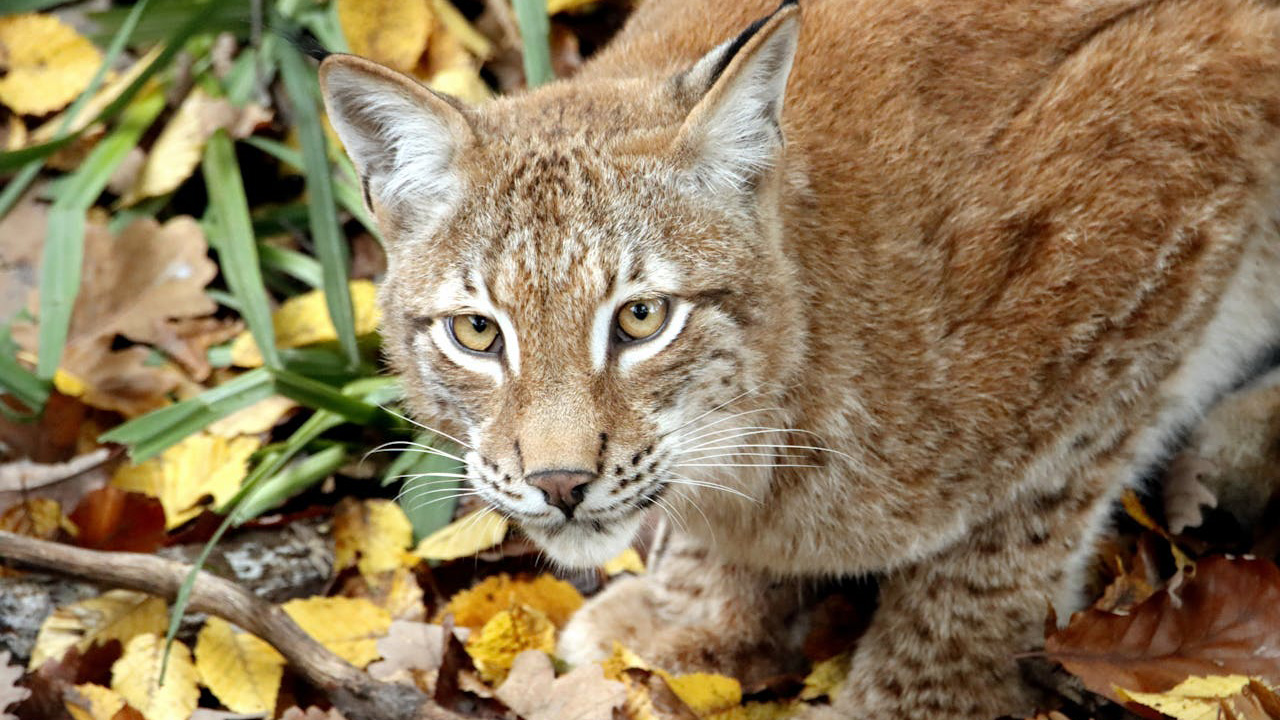
Bobcats are smaller than mountain lions, but they are still extremely capable predators.
Rabbits and rodents make up much of their diet, which puts very small dogs and cats within the size range they can physically handle. Bobcats often live much closer to suburban development than people realize. Thick vegetation, creek corridors, and wooded property lines can let one move almost unseen through a neighborhood.
Great Horned Owl
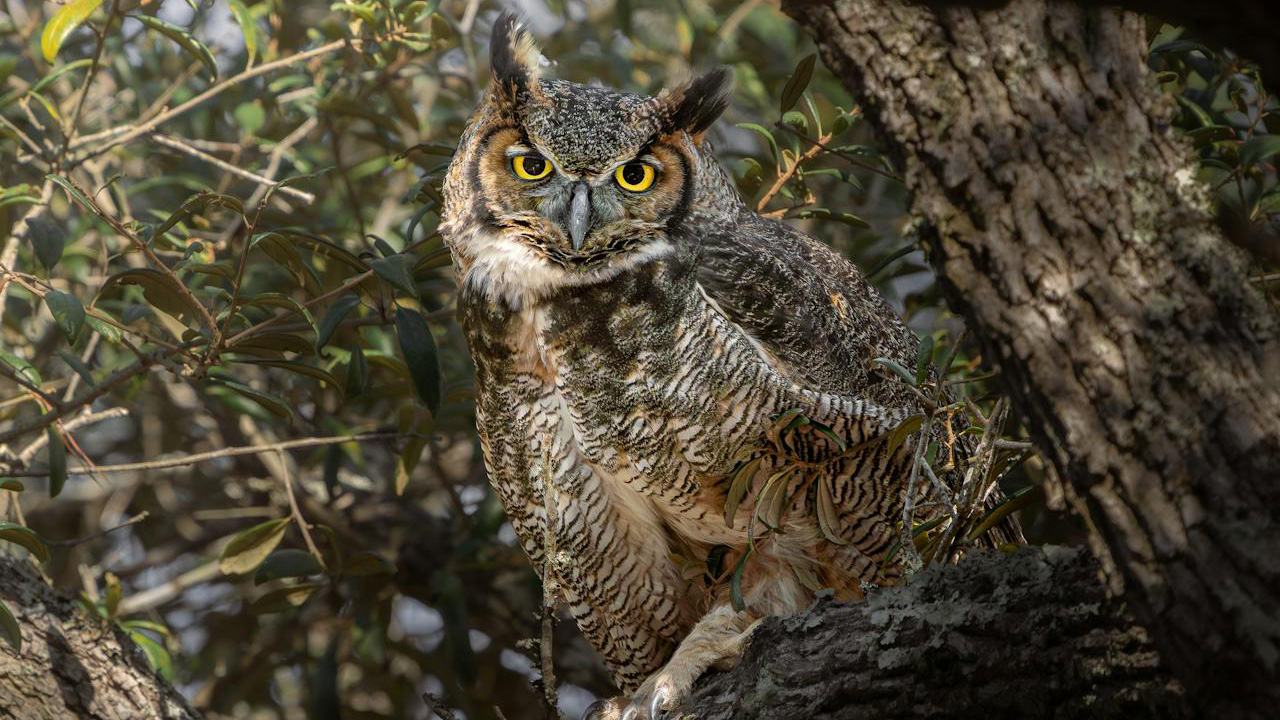
Great horned owls are powerful enough to take prey substantially larger than the mice most people associate with owls.
Rabbits, skunks, squirrels, and birds are all within their capabilities, making very small pets worth protecting. Tiny dogs and kittens are the biggest concern. An owl hunting from a tree or utility pole can strike quickly, particularly around dusk and nighttime when owners may assume a fenced yard is safe.
Golden Eagle
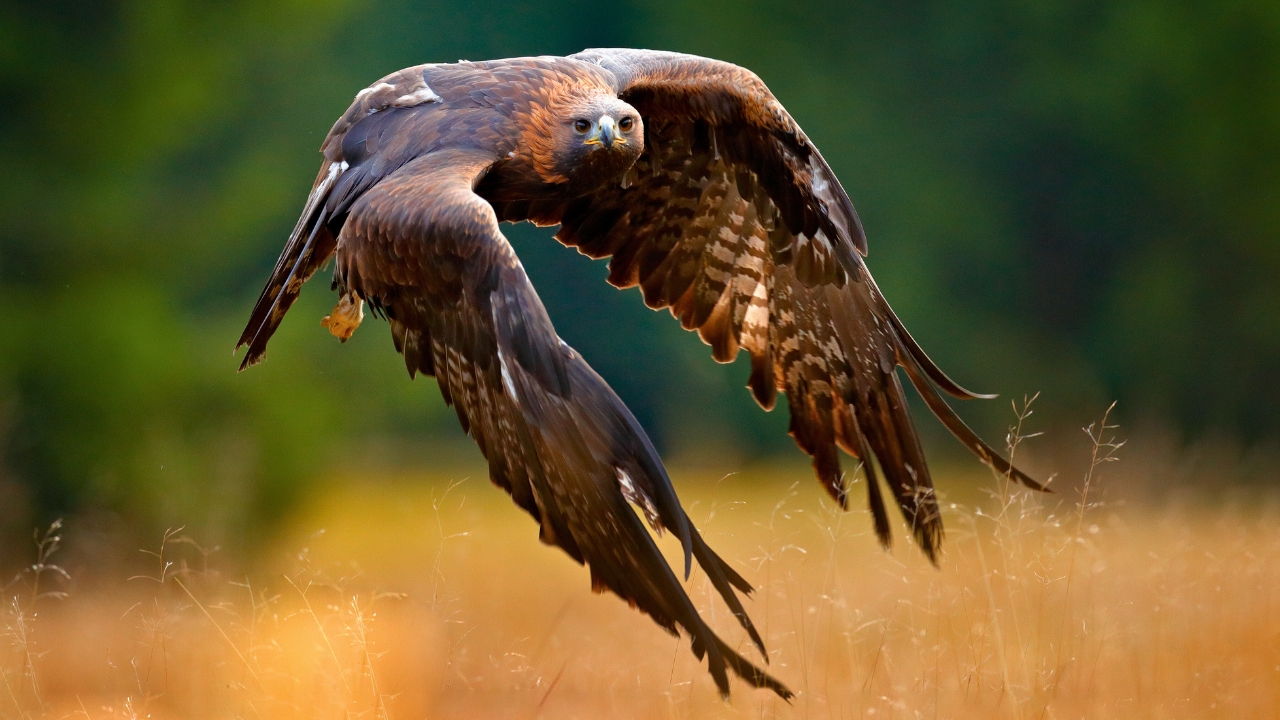
Golden eagles are exceptionally powerful raptors.
They normally hunt rabbits, ground squirrels, and other wild prey, but an extremely small pet in open country could potentially attract attention. The risk is much lower than with coyotes in most neighborhoods, yet owners in suitable western habitat should not assume that being airborne makes a predator irrelevant.
Bald Eagle
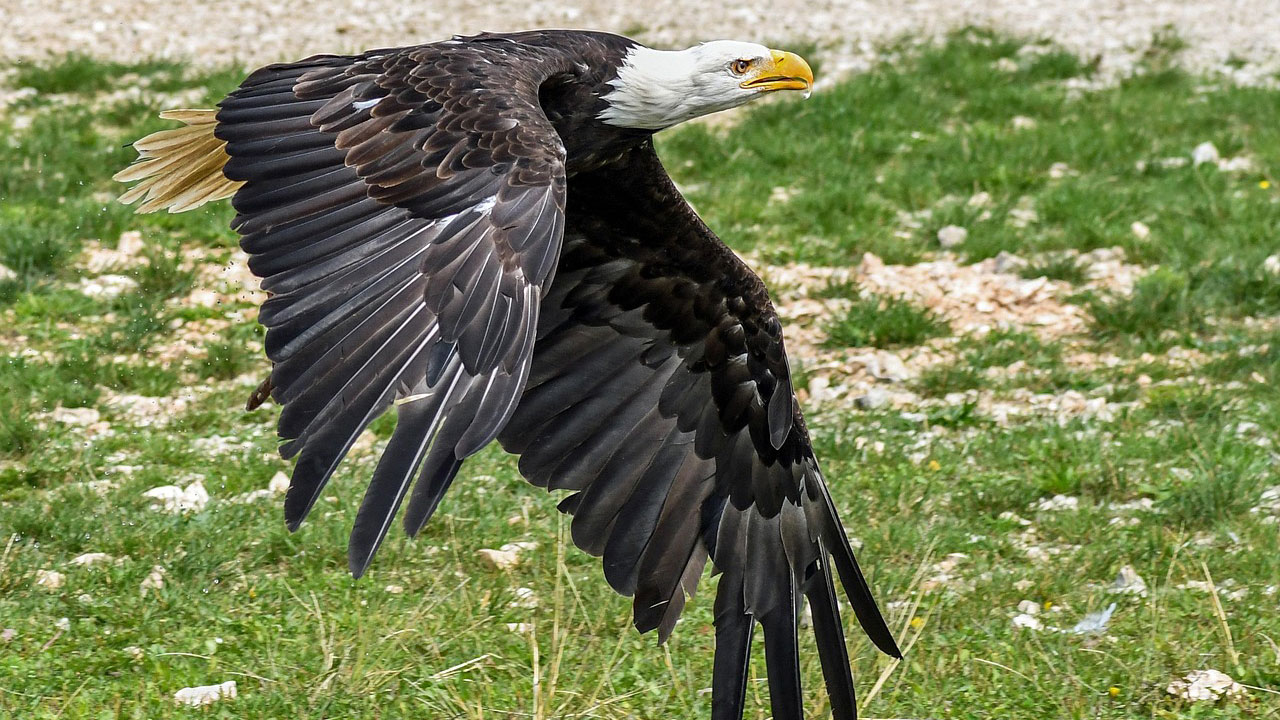
Bald eagles eat a lot of fish and carrion, but they are opportunistic predators capable of taking mammals as well.
A typical adult dog is far outside realistic prey size, but very small puppies and tiny pets warrant more caution around areas with heavy eagle activity. The bigger lesson is not to panic every time an eagle flies overhead, but to recognize that extremely small animals should not be left unattended where large raptors regularly hunt.
Red-Tailed Hawk

Red-tailed hawks are common enough that many homeowners see them regularly without thinking of them as potential pet predators.
Their normal prey consists heavily of rodents, rabbits, and similar animals. That makes cats and most dogs too large, but kittens and the smallest toy-breed puppies can overlap more closely with natural prey size. Open yards without overhead cover make very small animals more exposed.
Cooper’s Hawk
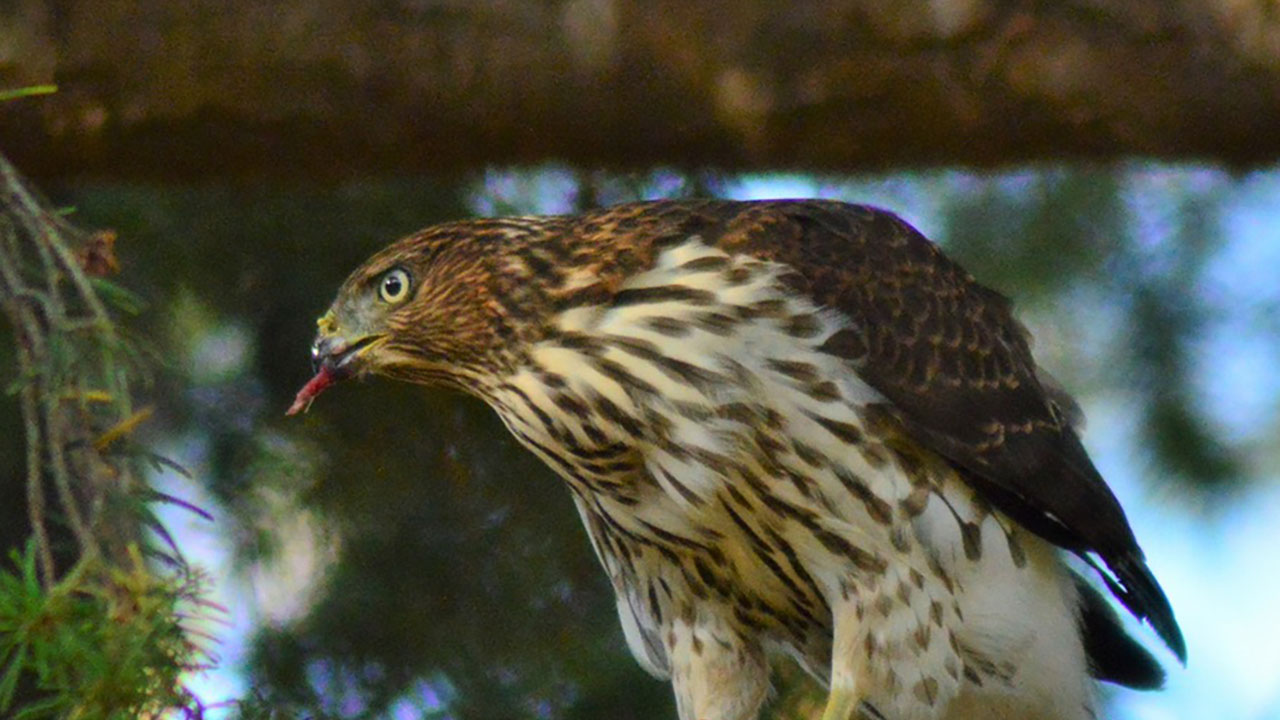
A Cooper’s hawk is far more likely to target backyard birds than a dog or adult cat.
Very small kittens or unusually tiny pets are another matter, although they are still not typical prey. The species belongs here mainly because it has adapted extremely well to suburban neighborhoods and frequently hunts directly around homes. Bird feeders can concentrate prey and bring these hawks surprisingly close to patios and yards.
Black Bear
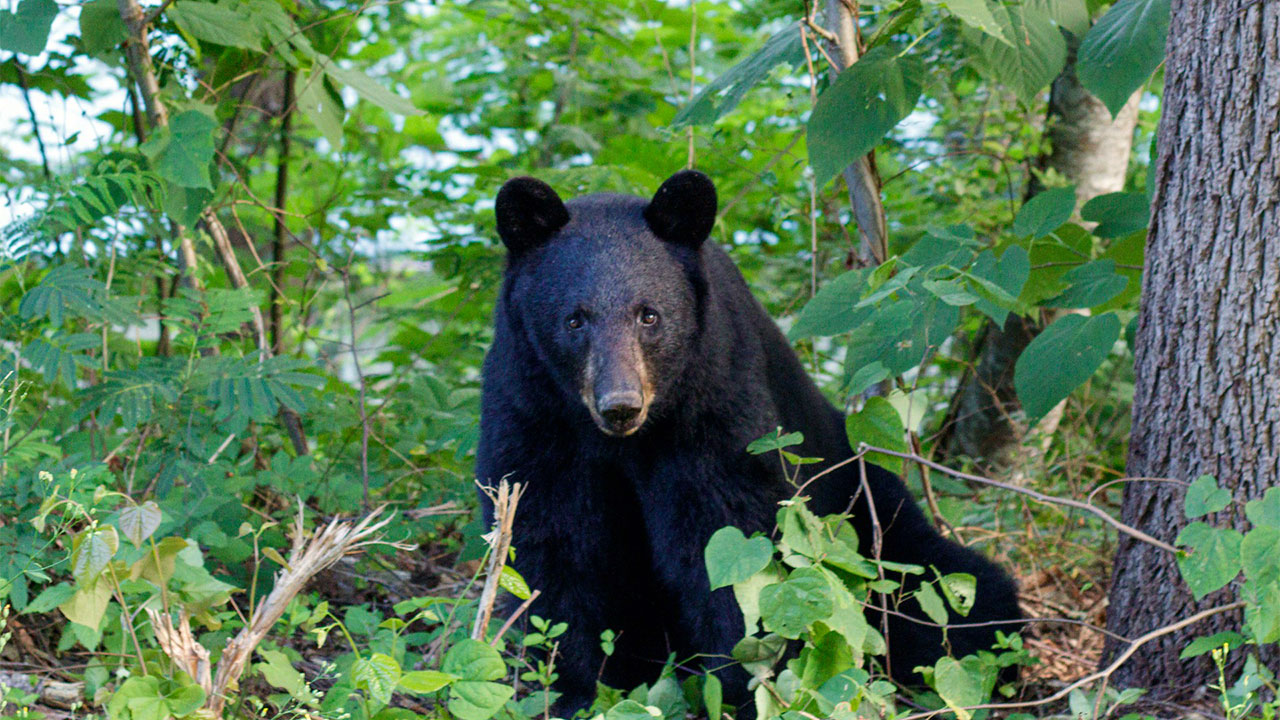
Black bears do not normally hunt household pets as a primary food source.
The danger often comes from close encounters. Dogs may bark, chase, or corner a bear, turning an animal that would otherwise leave into a defensive threat. Small pets can be especially vulnerable if they rush a bear at close range. Food-conditioned bears hanging around homes create the greatest concern because repeated encounters become more likely.
Gray Wolf

Where wolves overlap with homes and ranches, dogs can become vulnerable.
Dogs and wolves are closely related, but that does not make encounters friendly. Wolves may regard unfamiliar dogs as competitors or prey depending on circumstances. Small dogs have very little ability to defend themselves if a wolf decides to attack, although this remains geographically limited compared with coyote risk.
Red Fox

Foxes are generally too small to pose much threat to ordinary dogs.
Cats, kittens, and very tiny dogs can be a different story, particularly if the fox has become accustomed to hunting around homes. A fox repeatedly appearing near poultry, outdoor feeding areas, or pet enclosures may be finding reliable food nearby. They usually avoid larger pets, but small unattended animals deserve more caution.
Gray Fox
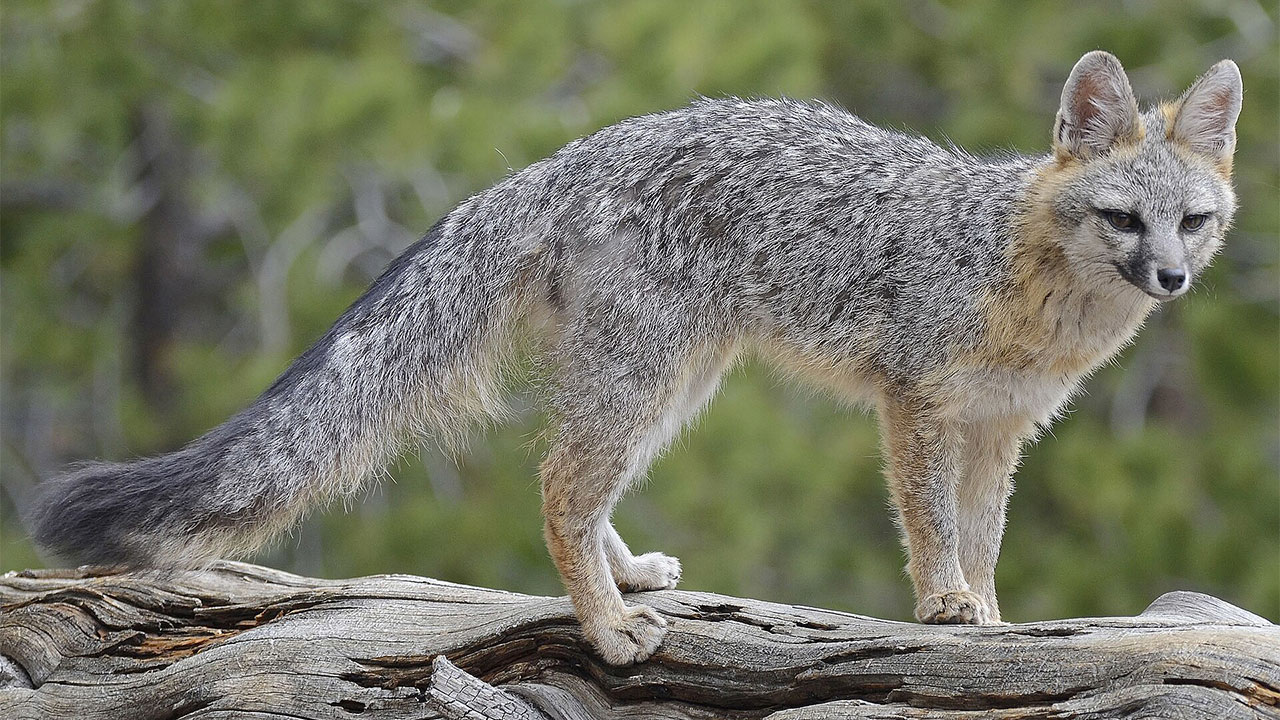
Gray foxes are agile predators capable of climbing and navigating wooded suburban areas exceptionally well.
Their normal prey is small, but that means very young cats and tiny pets can fall closer to what they are accustomed to hunting. They are usually secretive around humans. However, a property with thick cover and abundant prey can become part of a fox’s regular hunting route without the homeowner realizing it.
Fisher

Fishers have a much scarier reputation around pets than the evidence always supports, but they are still capable predators.
They primarily hunt smaller wild animals and are particularly powerful for their size. Cats left outdoors in heavily wooded northern areas can potentially encounter them, although attacks are not as routine as neighborhood rumors sometimes suggest. The risk becomes greater around properties bordering good forest cover.
Raccoon
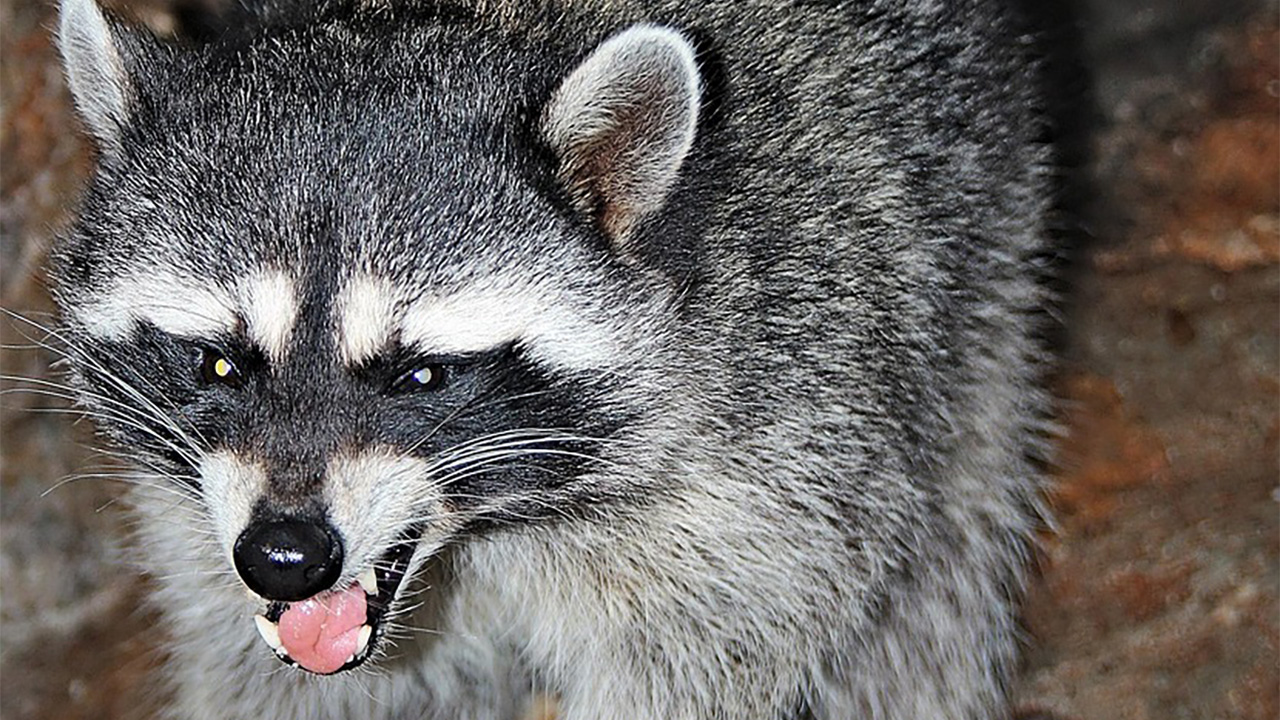
Raccoons do not normally stalk dogs and cats for food.
Conflict happens when a pet corners one. A raccoon has sharp teeth, claws, and enough strength to badly injure a small dog during a fight. Outdoor cats can also get into serious confrontations over food. Leaving pet bowls outside at night is especially unhelpful because it encourages exactly the kind of close encounters owners want to avoid.
Alligator
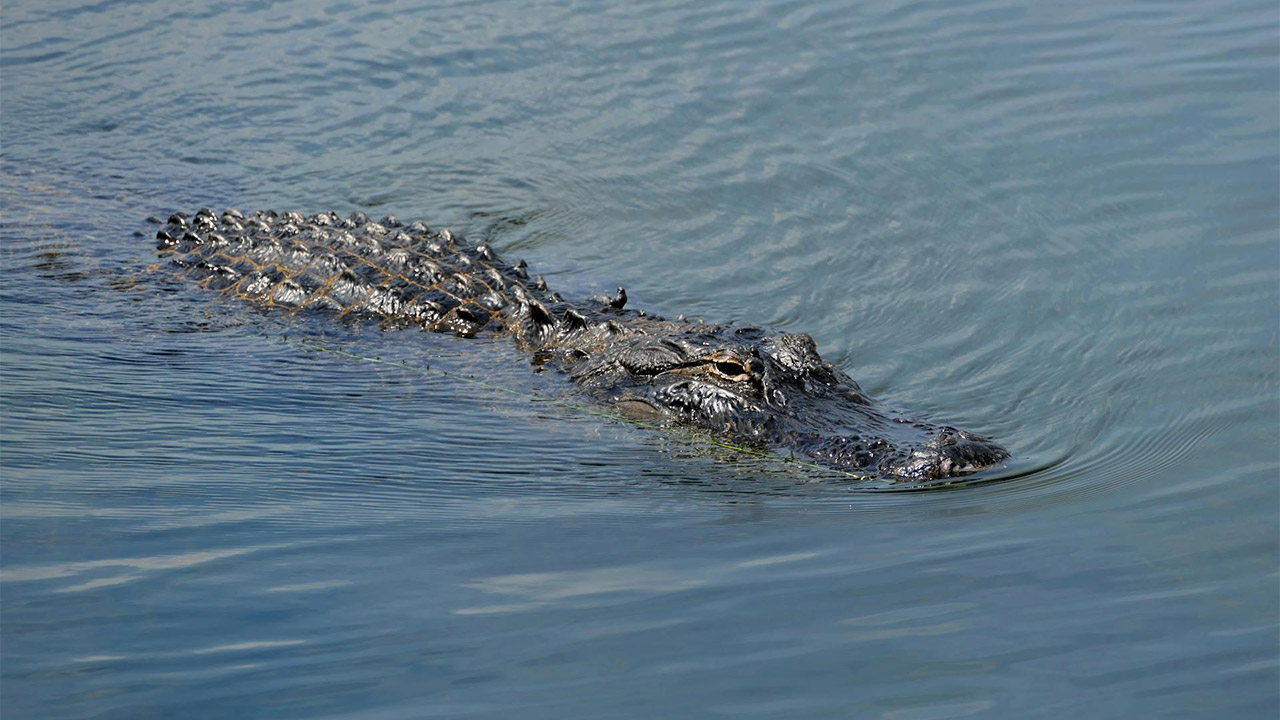
In alligator country, small dogs near ponds, canals, and lakes deserve serious supervision.
Dogs can resemble natural prey from the water, and their activity along the shoreline can attract attention. Alligators can launch from shallow water with surprising speed. A leash becomes especially important near water because allowing a dog to wander down to the bank can put it within striking distance before the owner realizes an alligator is there.
American Crocodile

American crocodiles have a very limited U.S. range, primarily in South Florida, but they are large enough to take small domestic animals.
Most people will never have to think about one. Residents near suitable coastal or brackish habitat should still treat the water’s edge with caution. As with alligators, the greatest risk comes when pets are allowed to approach shorelines unattended.
Burmese Python
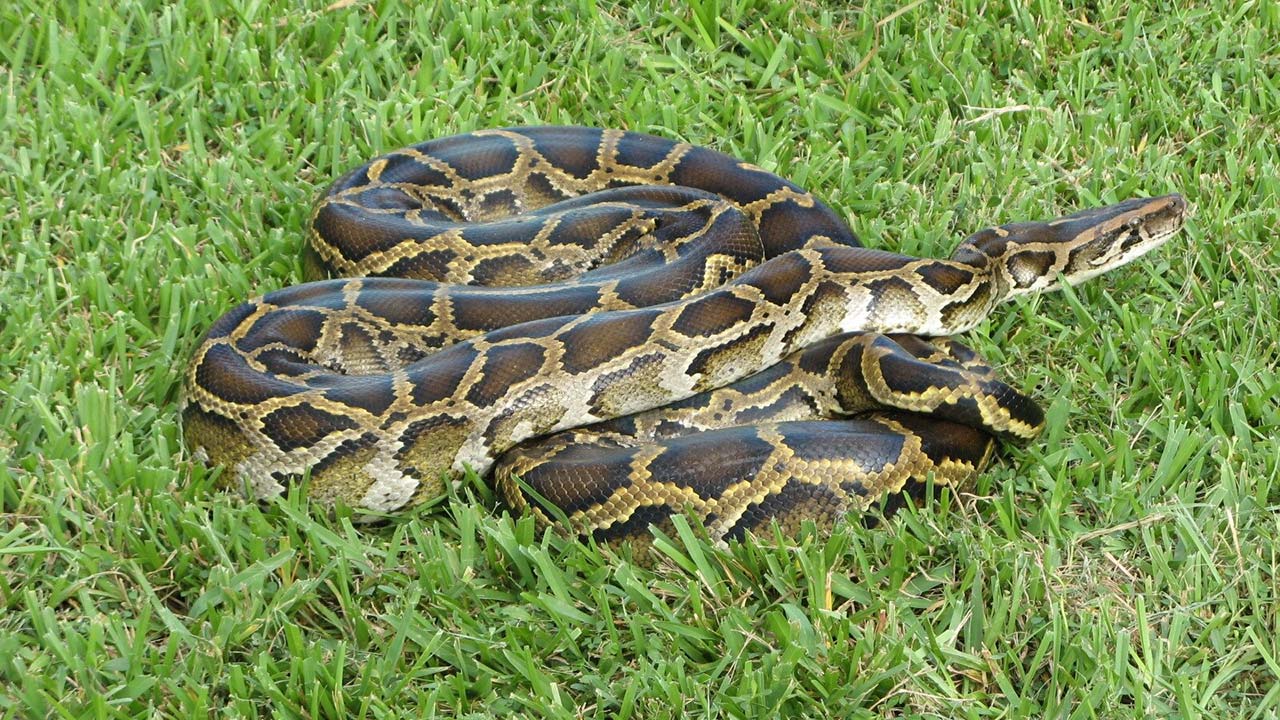
In South Florida, large invasive Burmese pythons are capable of taking surprisingly substantial mammals.
Small dogs and cats fall within the size range a large python could potentially overpower, although encounters around individual homes remain uncommon compared with other threats. The concern is greatest near wetlands and wild areas where these snakes are established. Their ambush hunting style also means they can remain almost invisible until extremely close.
Eastern Coyote

Eastern coyotes are generally larger-bodied than many western coyotes because of their mixed ancestry and regional ecology.
For a pet owner, the practical lesson is the same: unattended cats and small dogs can be vulnerable. Wooded northeastern suburbs give these animals excellent cover while keeping them close to rabbits, rodents, and human development. A pet may encounter one only yards from a house even though the coyote spends most of its time unseen.
Feral Dog

Free-ranging and feral dogs can be overlooked because people do not automatically think of domestic dogs as predators.
In groups, however, they can chase, injure, and kill smaller animals. Packs may also become increasingly bold when they receive little human pressure. Small household pets are particularly vulnerable because another dog may initially appear less threatening than a coyote, causing owners to underestimate the situation.
Large Monitor Lizards
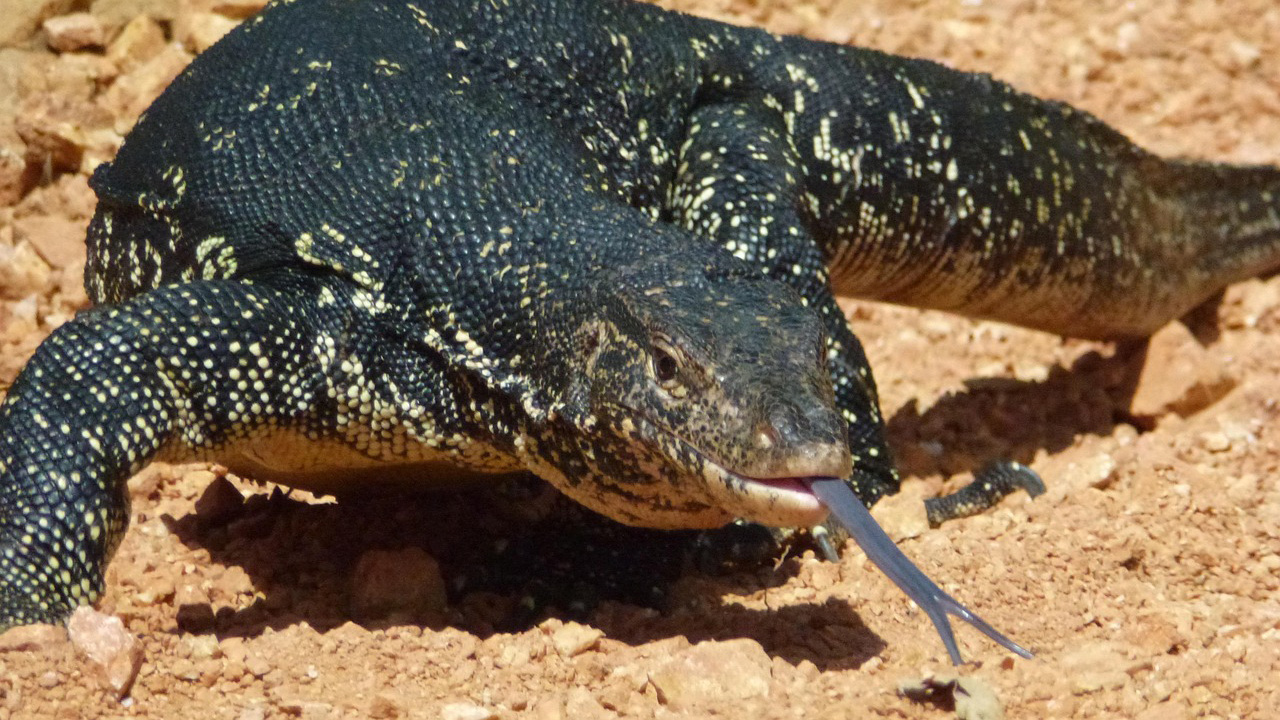
This is a localized concern rather than a nationwide one, but large invasive monitor lizards in parts of Florida are capable predators.
Animals such as Nile monitors eat mammals, birds, eggs, reptiles, and carrion. A tiny unattended pet could potentially be vulnerable in areas where these lizards are established. They are nowhere near the everyday threat posed by coyotes, but they are a good example of how local invasive predators can create risks pet owners elsewhere never have to consider.
Like The Avid Outdoorsman’s content? Subscribe to our newsletter so you never miss an article.
Here’s more from us:


