

Photo credit: J Edwards Photography/Shutterstock.com
One of the most frustrating things in deer hunting is watching a mature buck show up on camera all summer and early fall, then seemingly vanish the moment hunting season begins. The easy assumption is that he left the property, got shot somewhere else, or simply turned nocturnal. Sometimes that is exactly what happened. Quite often, though, the buck is still nearby and has simply changed how, when, and where he moves.
Mature deer survive by noticing pressure before hunters realize they are creating it. A few extra trucks, fresh boot scent, a newly hung stand, dogs barking near a property line, or repeated camera checks can be enough to alter a buck’s routine. Once the season starts, the woods change, and mature bucks react fast. These are the biggest reasons they suddenly seem to disappear.
Hunting Pressure Changes Everything
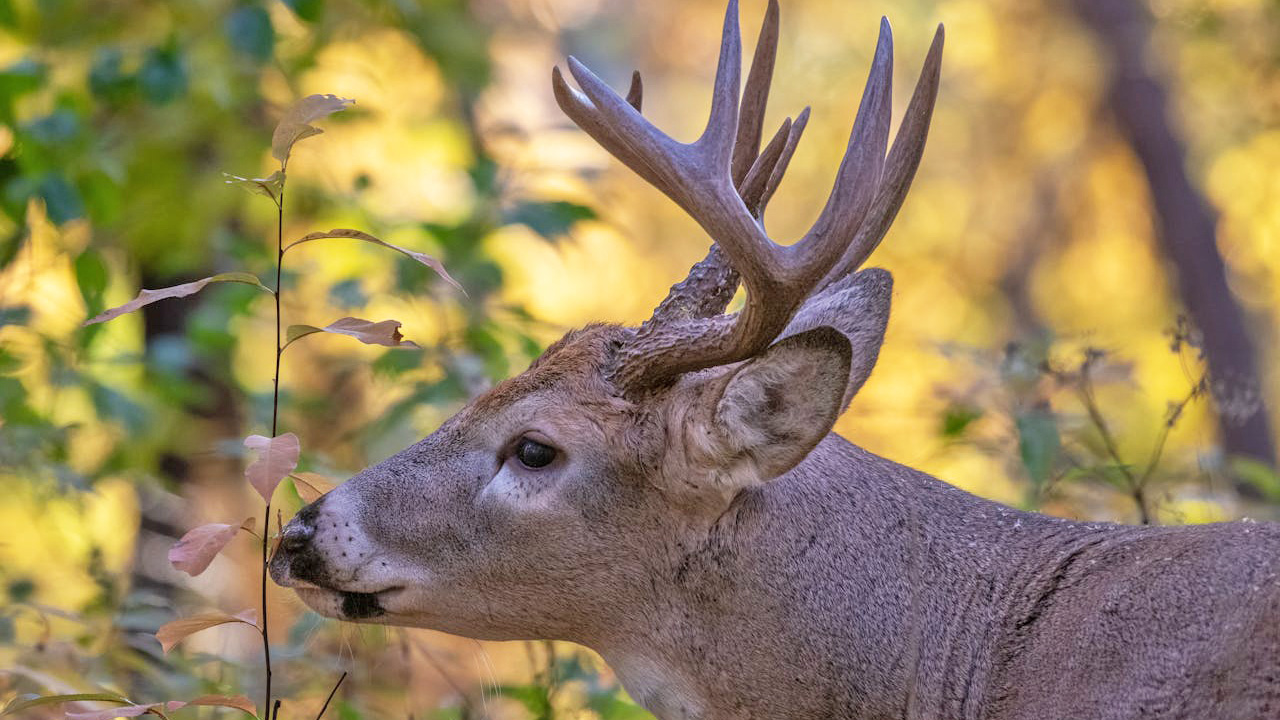
Mature bucks are especially sensitive to changes in human activity. During summer and early fall, they may tolerate tractors, farm equipment, road traffic, and predictable human movement because those things do not directly threaten them. Hunting pressure is different. People suddenly start walking into cover before daylight, leaving scent along trails, sitting in trees, and moving through places that were quiet for months. A mature buck does not need to be shot at before he recognizes that something has changed.
Once that pressure starts, he may shorten daylight movement, shift travel routes, or begin using thicker cover. He may still live on the same property while becoming almost invisible to the hunters who were seeing him regularly just weeks earlier.
Bucks Learn Your Entry Routes
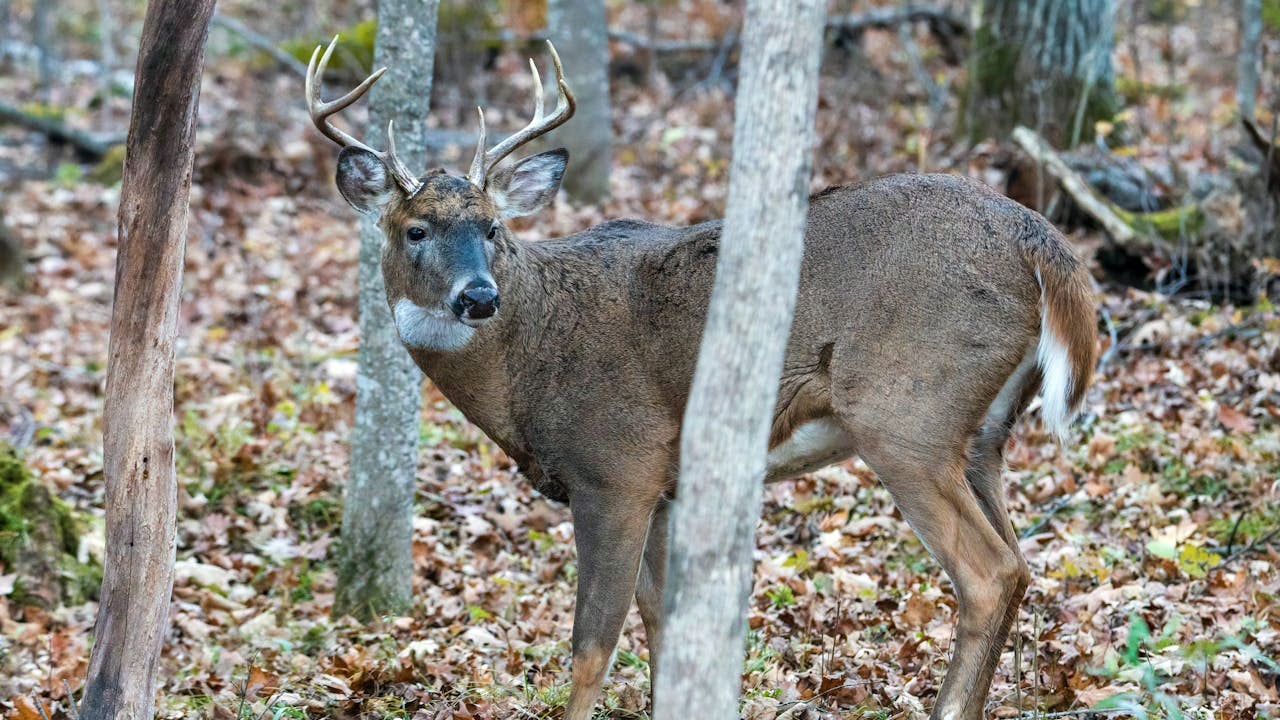
Hunters tend to focus on where the stand is while mature bucks often react more strongly to how the hunter gets there. If you walk the same fence line, creek crossing, logging road, or field edge every hunt, deer can pattern that movement quickly. A buck may never pass close enough to see you in the stand. He only needs to encounter your ground scent later or hear you repeatedly using the same route.
That is why a stand that looks perfect on a map can suddenly go dead. If the access route cuts across the buck’s preferred travel or downwind side, the damage may happen long before legal shooting light.
They Move Deeper Into Bedding Cover
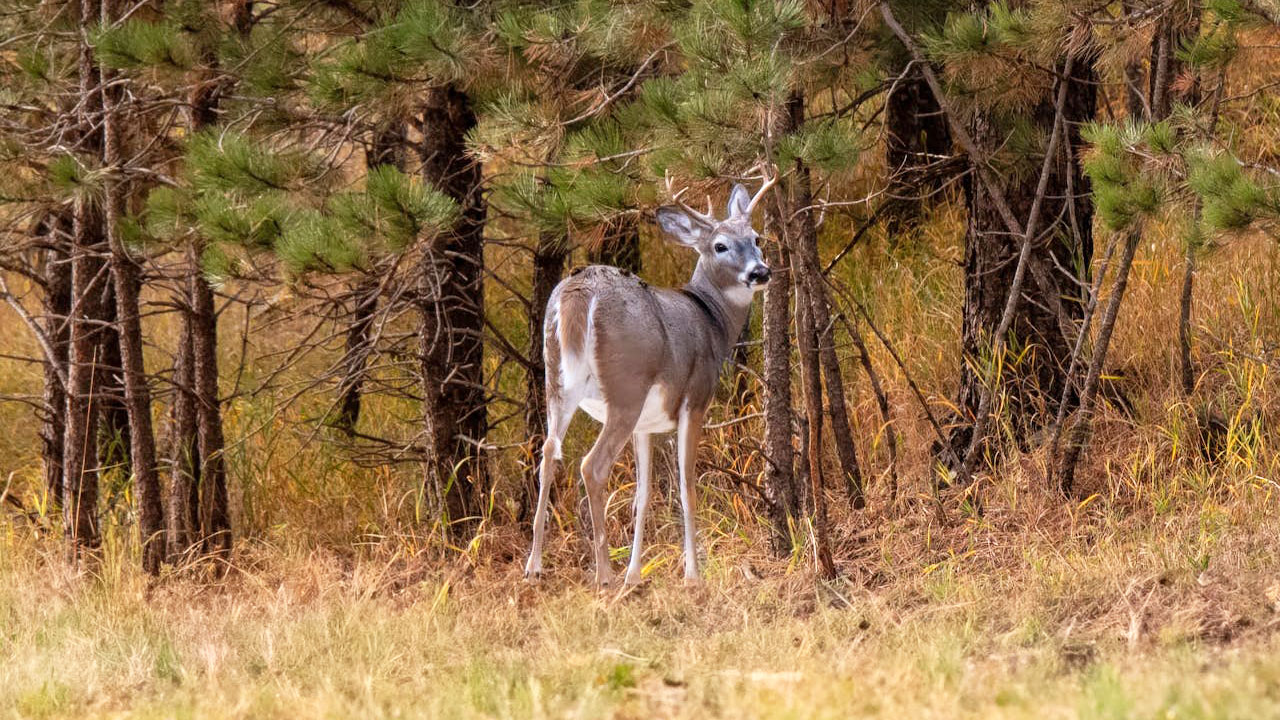
Early in the year, mature bucks may bed near edges because conditions are relatively quiet. Once hunters start entering the woods, those same animals often seek areas where approaching them becomes difficult. Thick young timber, briars, cattails, creek bottoms, steep slopes, swamp edges, and isolated pockets can all become more attractive because they provide better security.
The buck does not necessarily travel miles away. Sometimes he moves only a few hundred yards into cover hunters rarely enter. That small shift can make him disappear from every camera and stand positioned around the easier edges.
Daylight Movement Gets Shorter
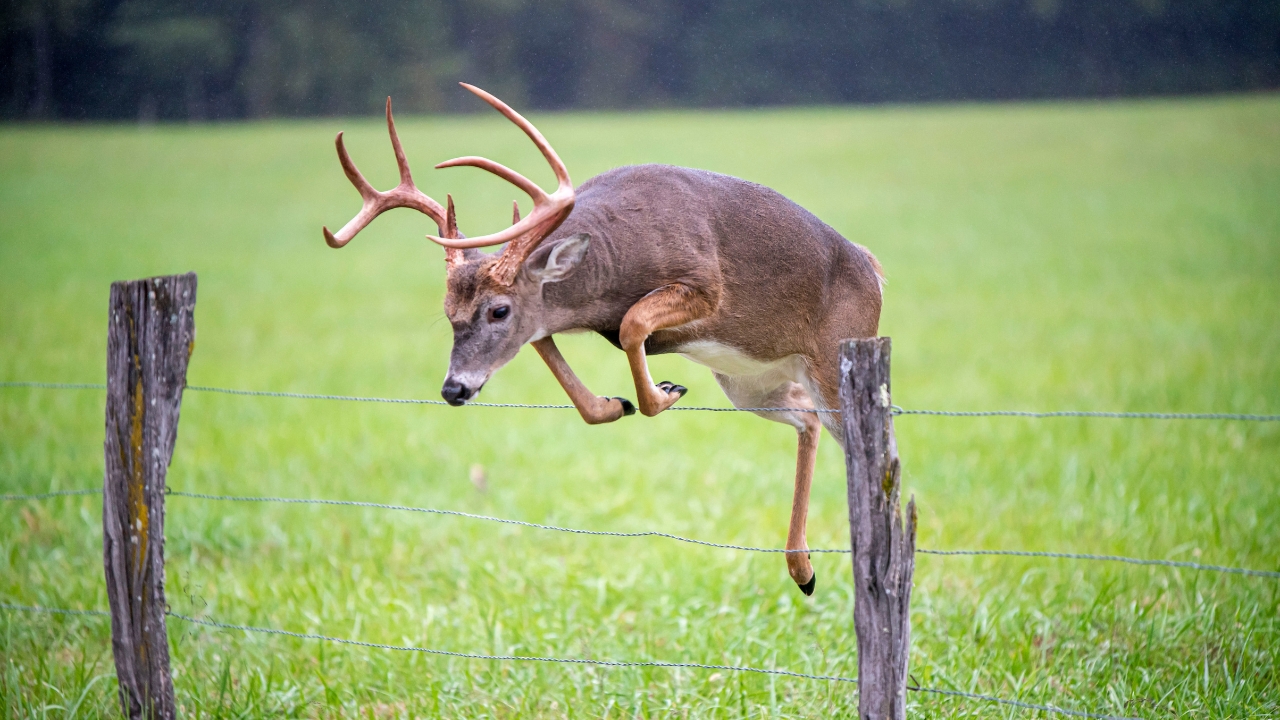
A mature buck does not need to become completely nocturnal to seem nocturnal. If he leaves bedding cover twenty minutes later in the evening and returns twenty minutes earlier in the morning, hunters may stop seeing him altogether. Trail cameras positioned farther into cover may still photograph him while cameras near fields suddenly record nothing but nighttime activity.
That change is easy to mistake for the buck leaving. In reality, he may be using nearly the same home range with a tighter daylight window. Hunters who understand that often move closer to secure cover instead of abandoning the property.
Food Sources Change
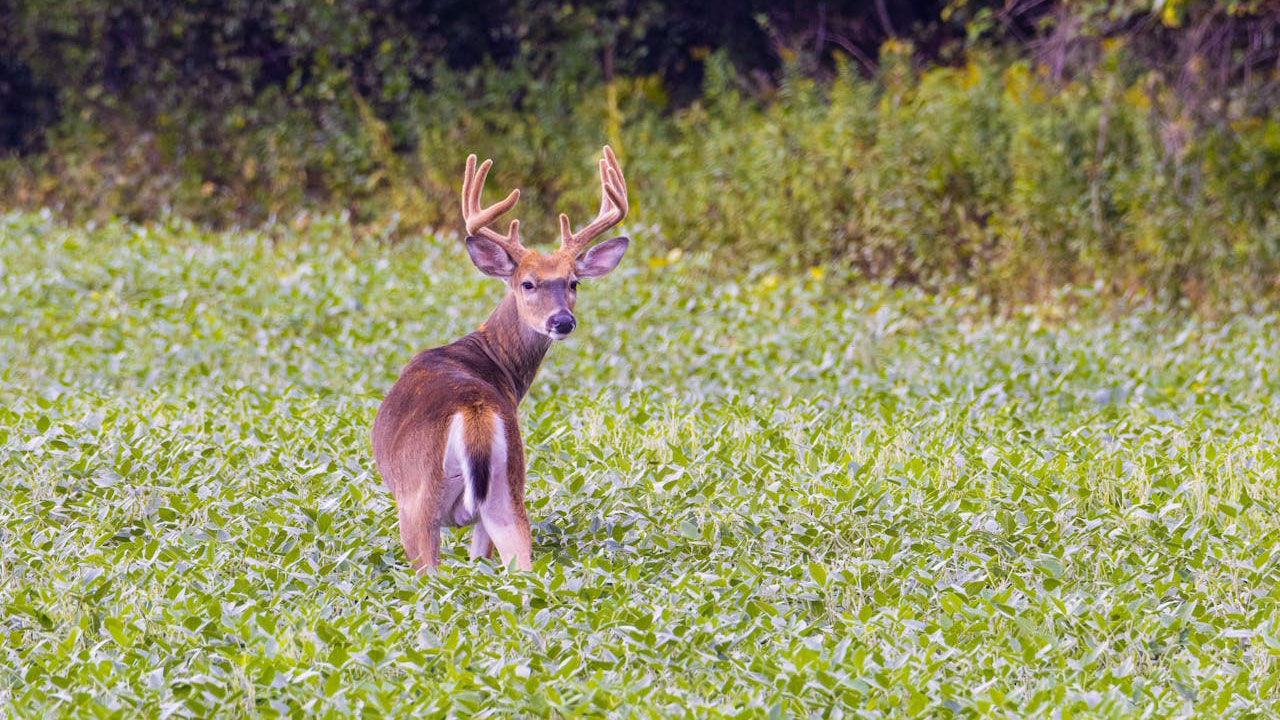
The beginning of hunting season often overlaps major changes in natural food availability. Acorns start dropping, crops are harvested, browse changes, food plots mature, and different mast sources become available. A buck that spent August visiting one soybean field may have no reason to continue that pattern in October if white oak acorns suddenly cover the ground near his bedding area.
Hunters sometimes blame pressure when food was actually the bigger factor. Mature bucks prefer efficient movement, and when better food appears closer to security cover, they may stop traveling to the highly visible places where hunters originally found them.
Acorns Pull Deer Away From Fields
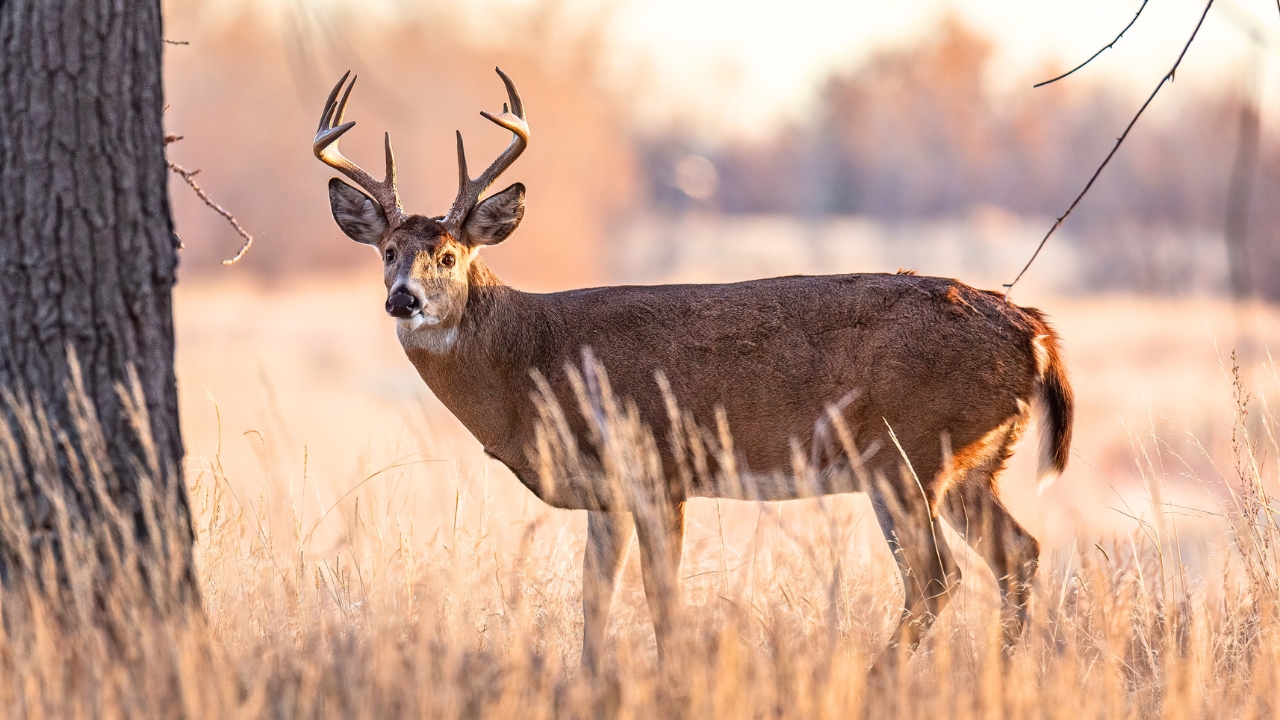
A strong acorn crop can make a deer property feel empty almost overnight. Deer that were visiting agricultural fields or feeders consistently can spend much more time inside timber once acorns begin falling. Mature bucks especially benefit because they can feed without exposing themselves in open areas.
This is one of the biggest reasons early-season trail-camera patterns can collapse. The buck may still be nearby, but he no longer needs to step into an open field where the hunter can see him. Scouting oak ridges and fresh feeding sign often reveals where the activity went.
Agricultural Harvest Changes Travel
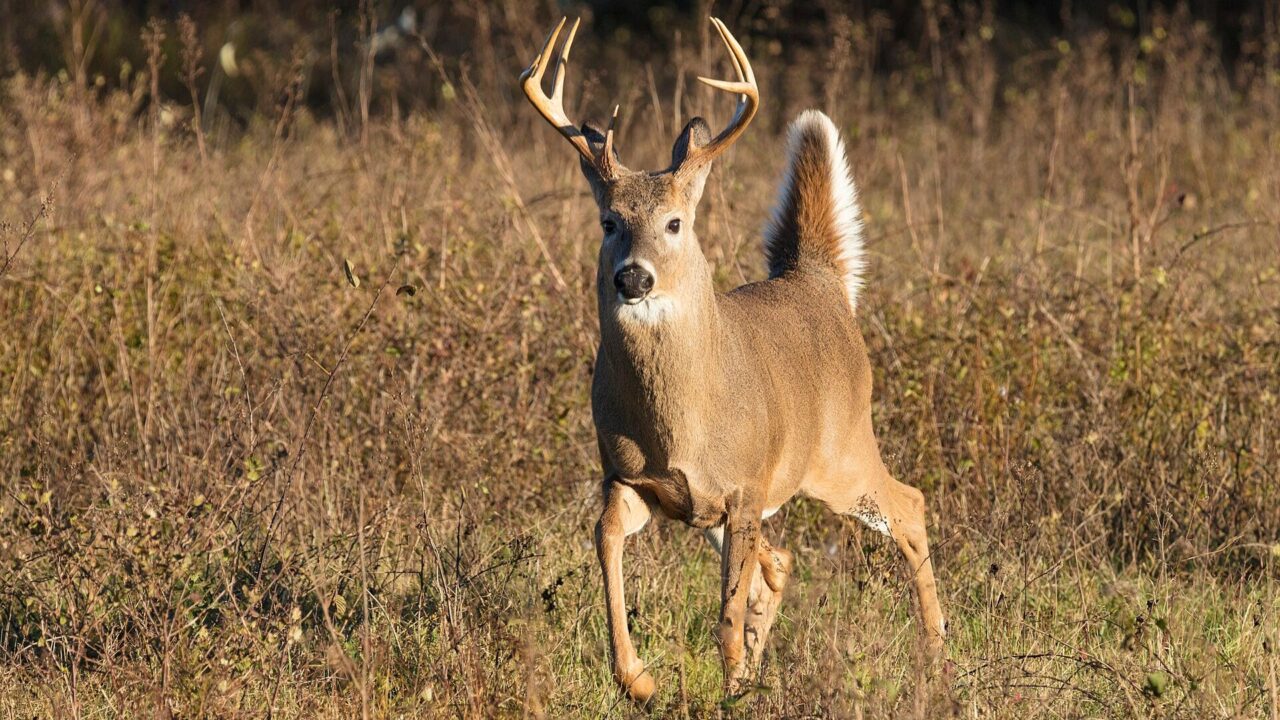
Standing corn can provide both food and security cover. When that corn suddenly gets harvested, a buck may lose an enormous part of his daily hiding area overnight. The opposite can also happen when other crops are removed and deer concentrate around the remaining food.
These agricultural changes can completely rearrange travel routes. A stand that overlooked a predictable trail in September may be irrelevant after harvest. Hunters who keep treating the property like nothing changed can spend weeks waiting for a buck that has already adjusted to the new landscape.
Bucks Use Neighboring Properties Differently
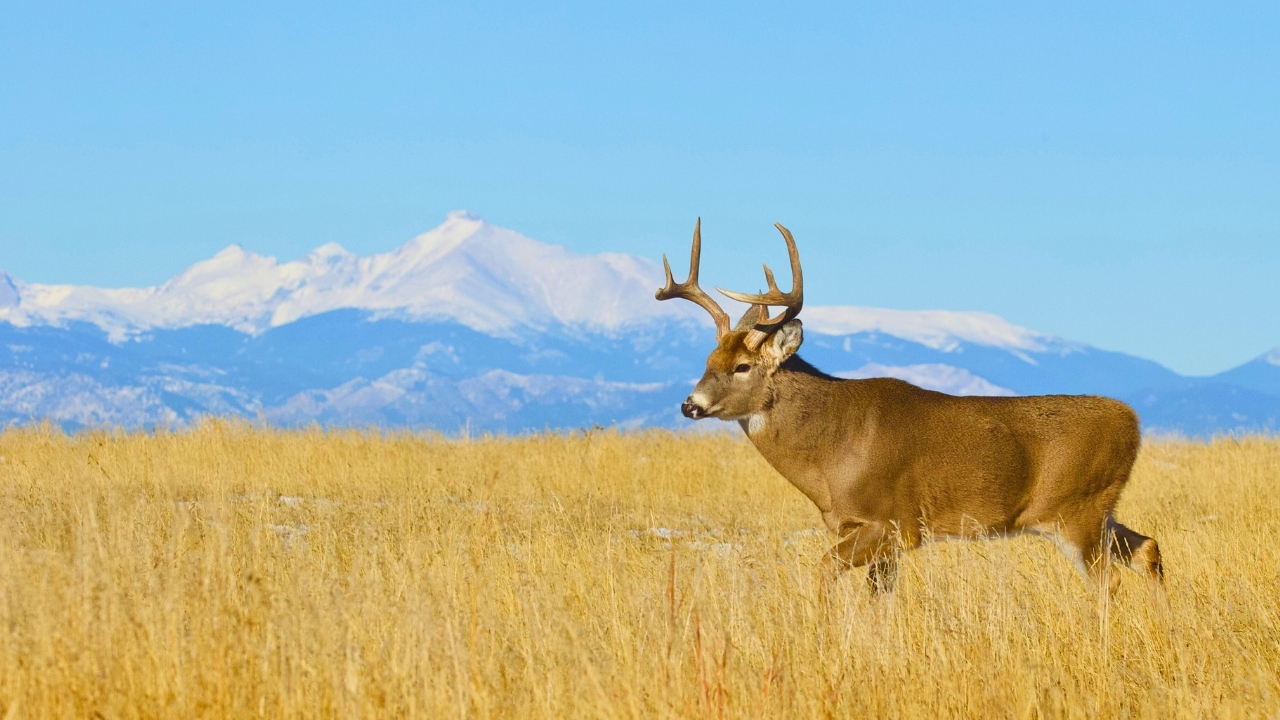
A mature buck’s home range rarely respects property boundaries. He may bed on one tract, feed on another, and travel through a third. Once hunting season starts, pressure on neighboring land can push him toward you or away from you depending on where he feels safer.
This is why a buck can disappear even when you did everything right. A new hunter, barking dogs, logging activity, or repeated ATV traffic next door may completely change his routine. Understanding surrounding properties is often just as important as scouting your own.
Trail-Camera Pressure Adds Up

Checking a camera seems harmless compared with sitting in a stand, but every trip leaves scent and disturbance. If you are walking into a buck’s core area every few days to swap cards or adjust equipment, you may be applying more pressure than you realize. Mature deer do not need to see you to know you were there.
Remote cameras reduce that intrusion, but location still matters. A camera placed directly on a sensitive bedding route can create problems simply because installing and maintaining it puts you in the wrong place too often.
Bucks Pattern Vehicles
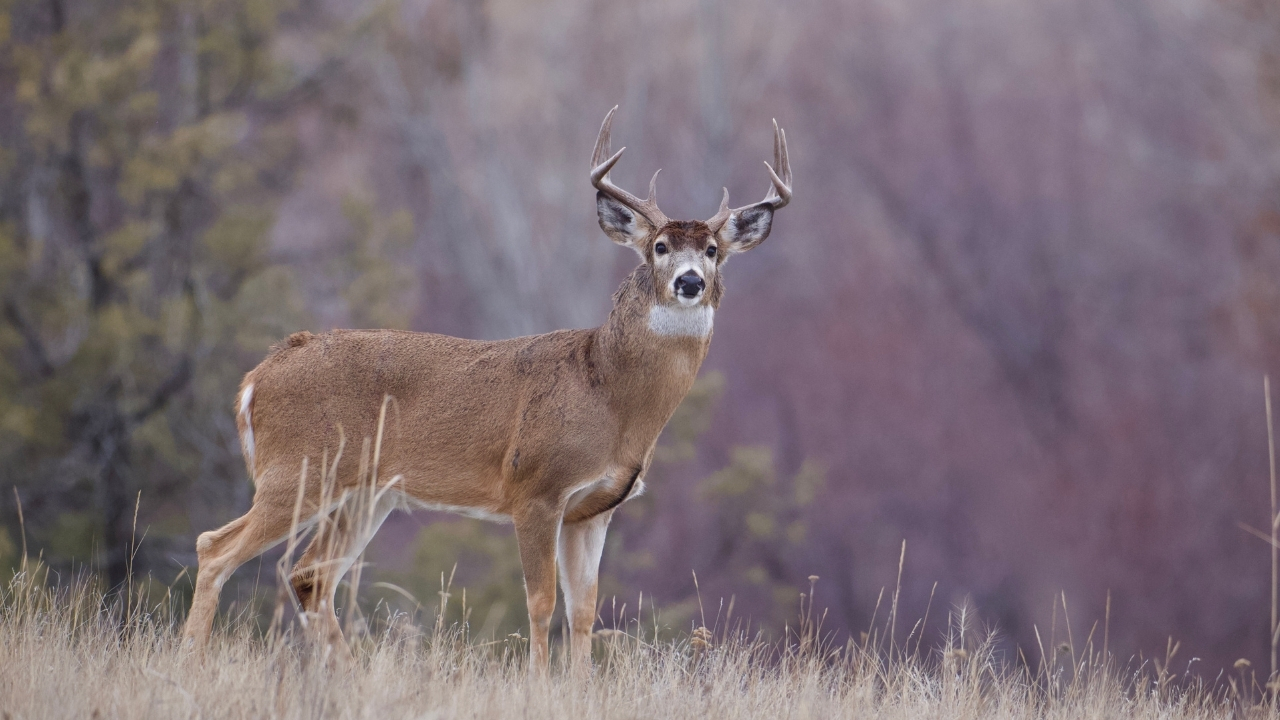
Deer can become surprisingly good at separating normal traffic from hunting traffic. A truck driving the same county road every day may not bother them much. That same truck pulling into a normally empty gate before sunrise can become a completely different signal.
Mature bucks often associate certain parking areas, ATVs, gates, or engine sounds with human intrusion. If your hunting routine is predictable, they can adjust around it. Parking farther away or changing access occasionally can reduce how obvious your presence becomes.
Wind Lets Them Avoid You Without Being Seen
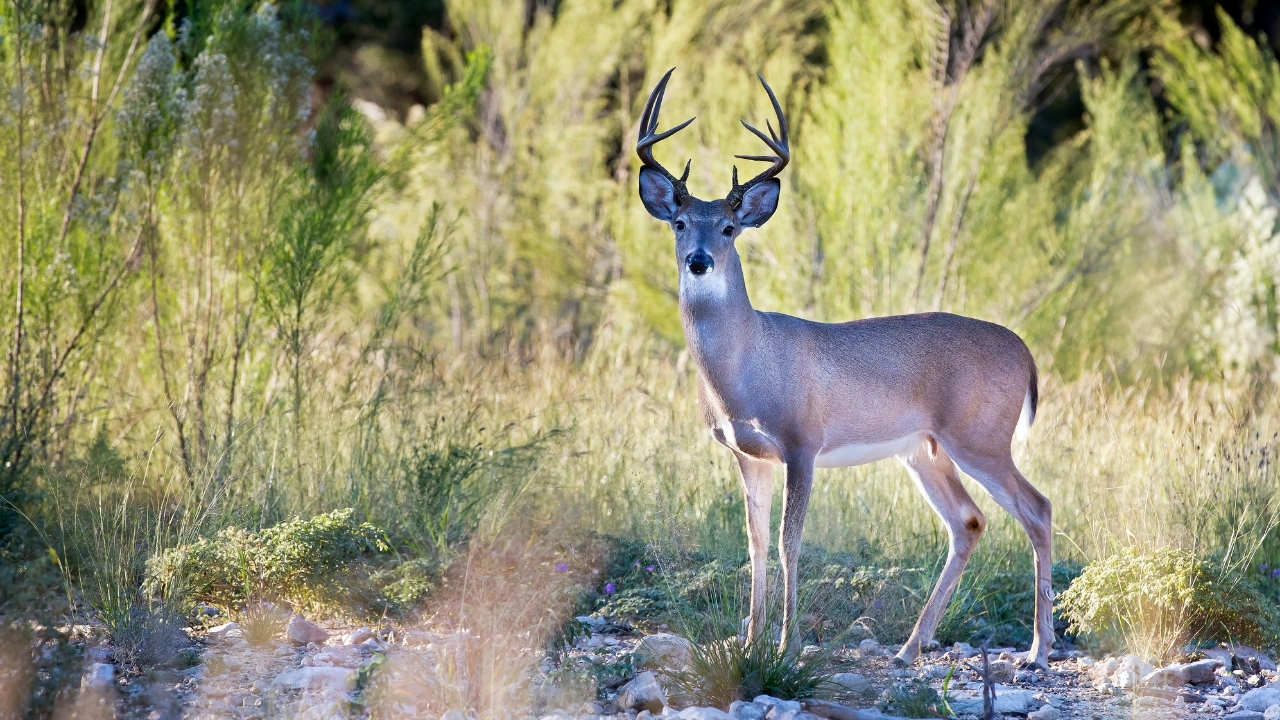
A mature buck does not have to catch your scent while standing in front of your stand. He may circle downwind of a trail, bedding area, or food source before committing. If he detects human scent there, he can leave without ever stepping into view.
That creates the illusion that the buck disappeared. In reality, he may have checked the area several times and avoided it successfully. This is why wind direction matters beyond the few yards surrounding your tree. You have to think about where your scent travels across the entire area the buck may use.
Mature Bucks Use Different Trails Than Younger Deer

A trail covered in tracks does not necessarily mean the biggest buck on the property uses it. Mature deer often travel slightly off the obvious route, using thicker cover or terrain features that let them stay hidden. During hunting season, that separation can become even more pronounced.
Hunters who keep seeing does and young bucks sometimes assume the mature deer left. He may simply be paralleling the same trail 40 yards inside cover. Those subtle secondary routes are often where fresh rubs, large tracks, and isolated camera pictures begin showing up.
They Start Staging Longer Before Entering Fields
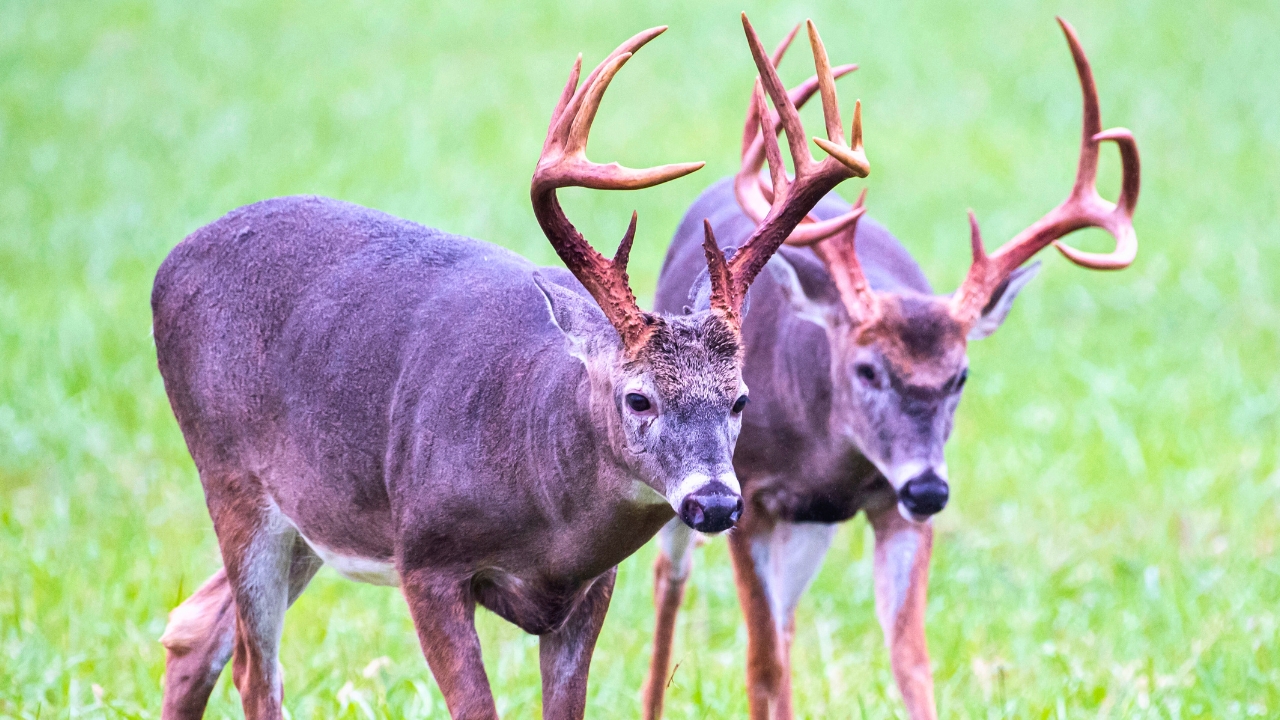
Mature bucks often stop short of open food sources during daylight once hunting pressure increases. Instead of walking directly into a field, they may wait inside thick cover until darkness. This staging behavior lets them monitor the area and use their nose before exposing themselves.
A hunter sitting over the field may therefore stop seeing the buck entirely while the animal is standing less than 100 yards away. Moving cautiously toward the staging cover can improve odds, but moving too aggressively can also destroy the setup. That balance is what makes mature bucks difficult.
Early Rut Activity Pulls Them Out of Routine
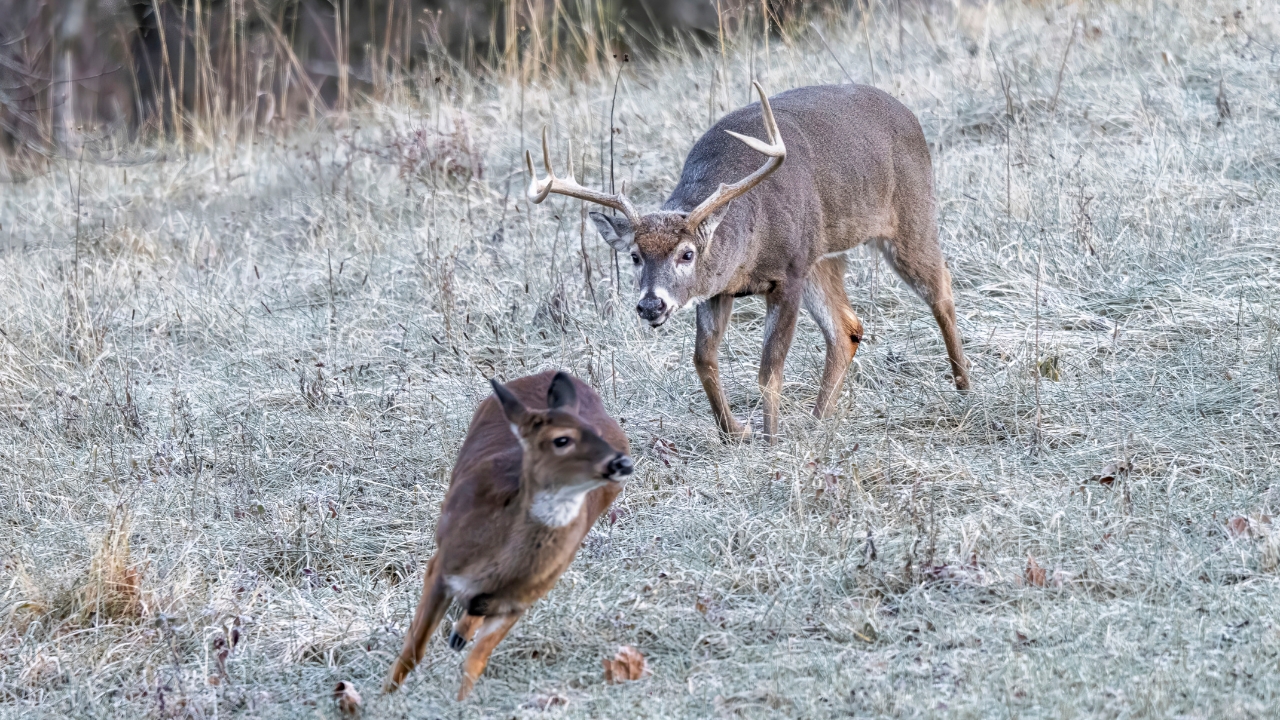
As testosterone rises and does begin approaching estrus, mature bucks start behaving less predictably. They may leave familiar feeding patterns, expand travel, check doe groups, work scrape lines, and move through areas they barely used during summer.
This can make a buck seem gone even when he is simply spending more time somewhere else within a larger range. The rut eventually creates more daylight opportunity, but the transition into it can temporarily destroy the tidy patterns hunters relied on earlier.
They Shift Toward Doe Bedding Areas

Once breeding becomes the priority, food patterns lose some importance. Mature bucks begin focusing more heavily on places where does spend their time. That can pull them away from bachelor-group routes, summer feeding areas, and cameras placed around traditional early-season food.
Hunters who continue chasing old buck sign can fall behind the change. Finding concentrated doe bedding and travel can become much more important than sitting over the field where the buck spent September.
Hunting Pressure Pushes Them Into Uncomfortable Terrain
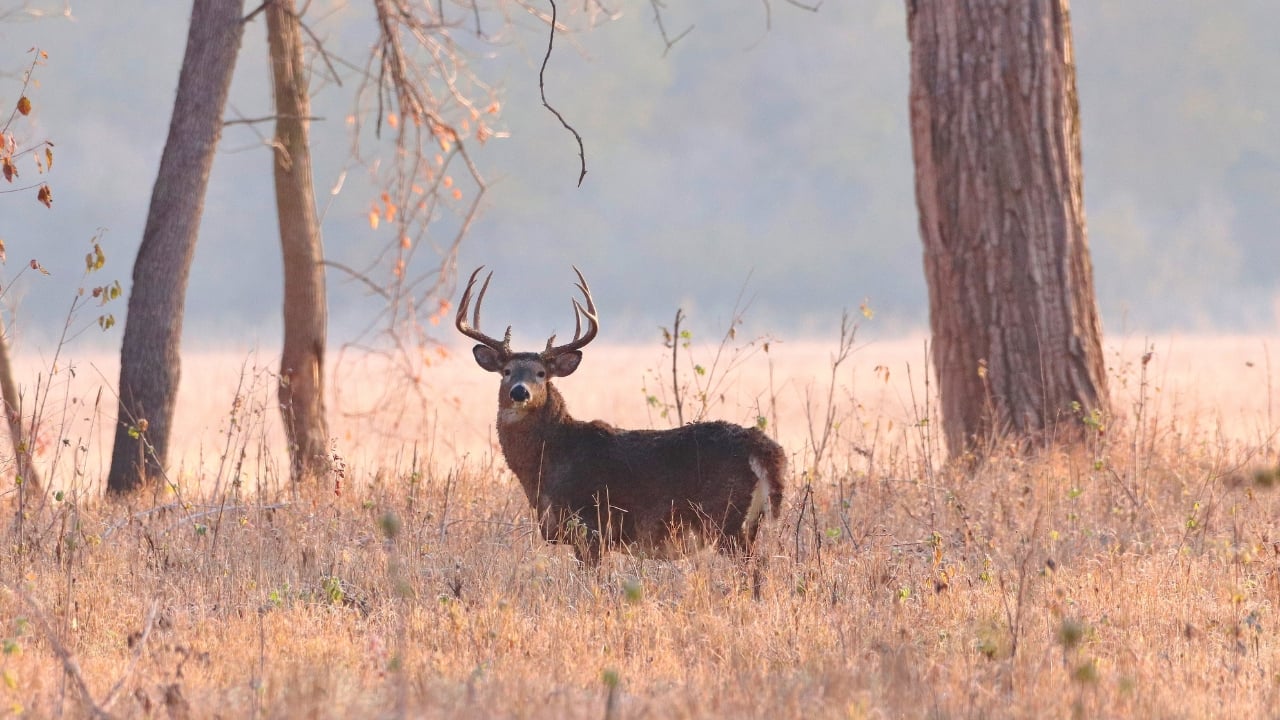
Mature bucks often use places hunters dislike. Steep hillsides, wet creek bottoms, nasty briars, thick cutovers, and small isolated cover patches can all become refuges because people naturally avoid them. Once hunting pressure starts, that uncomfortable terrain becomes even more valuable.
The buck may not prefer the worst cover because it offers better food. He may prefer it because nobody is walking through it. Hunters willing to study these overlooked pockets can sometimes find deer much closer to roads and houses than expected.
Too Many Hunters Can Change the Whole Property
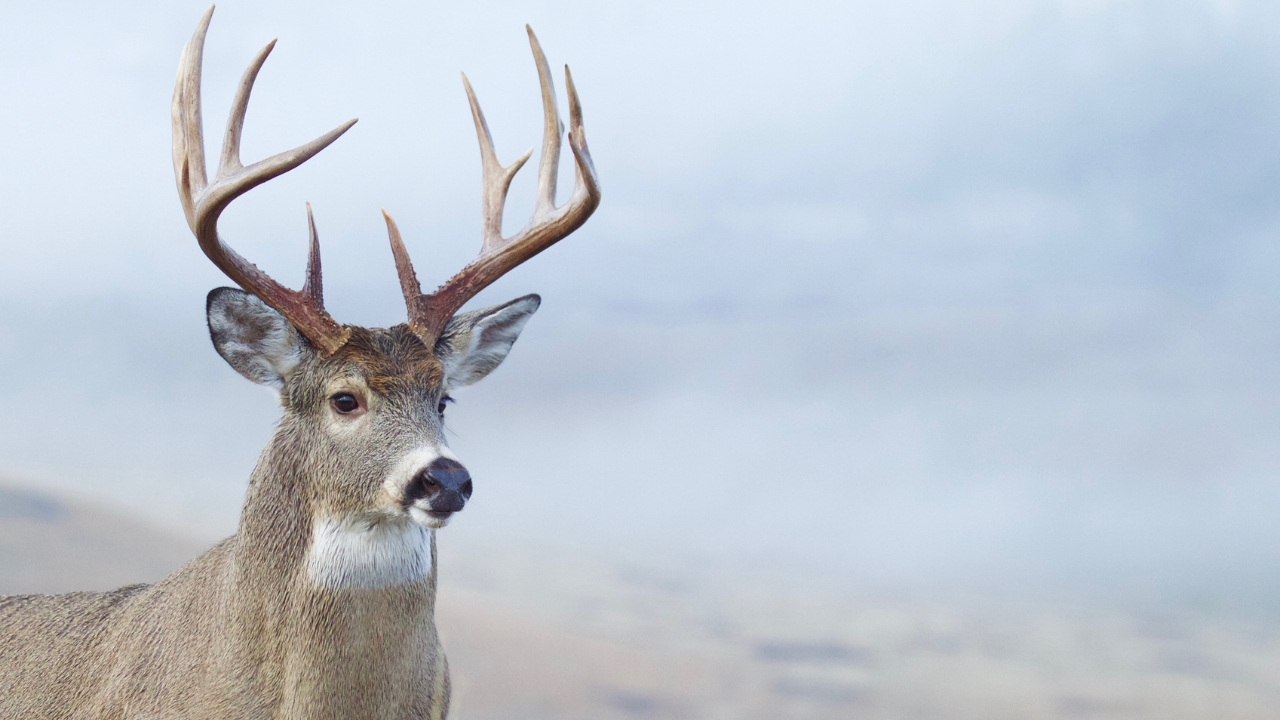
On heavily hunted land, pressure is not just coming from one stand. Multiple people may enter from different directions, check cameras, move stands, scout midday, and drive ATVs across the property. Even if each individual thinks they are being careful, the combined effect can turn the entire tract into a place mature deer avoid during daylight.
This is especially common on shared leases and public land. The best response is often identifying the sections everyone else ignores. Mature bucks quickly learn where people spend the least time.
Bucks Remember Previous Seasons
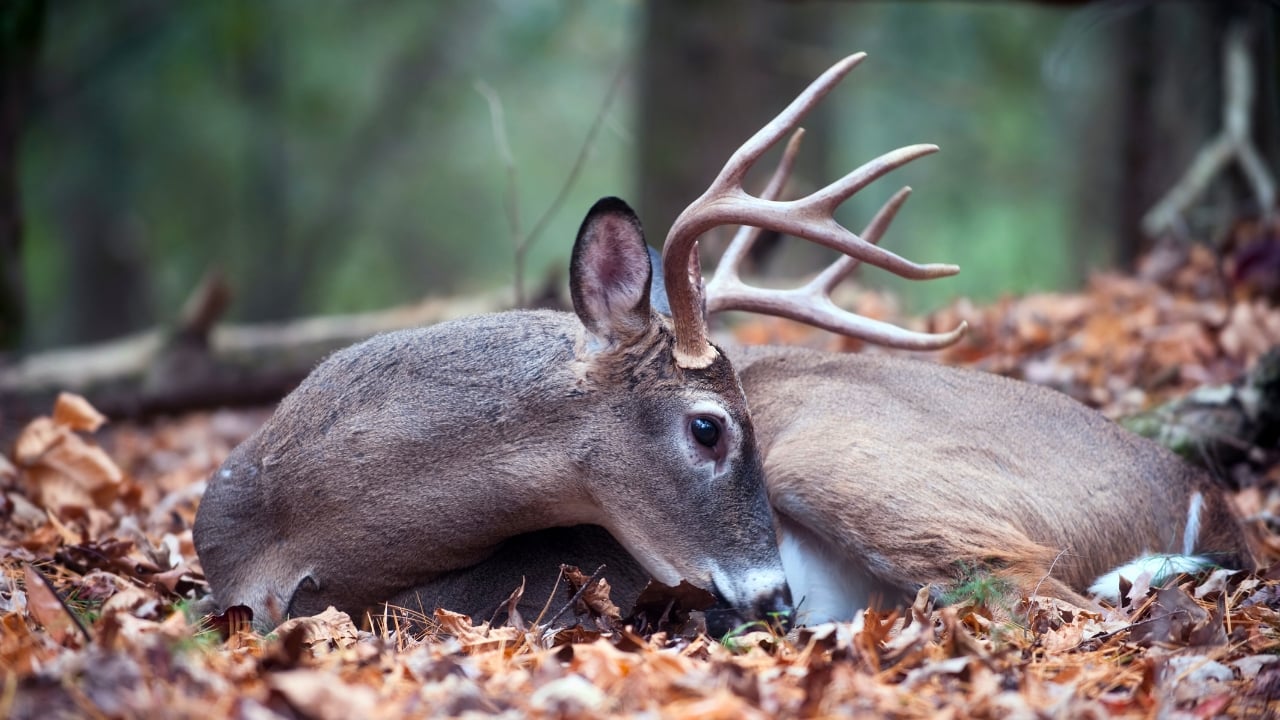
Older bucks are not experiencing hunting season for the first time. A five-year-old deer may have survived several years of pressure and learned where hunters tend to appear, which wind directions are dangerous, and which parts of the property become unsafe in fall.
That experience is one reason mature bucks can be dramatically harder to see than younger deer using the same area. They are not necessarily smarter in a human sense, but surviving several hunting seasons rewards animals that respond effectively to pressure.
Weather Can Change Their Timing
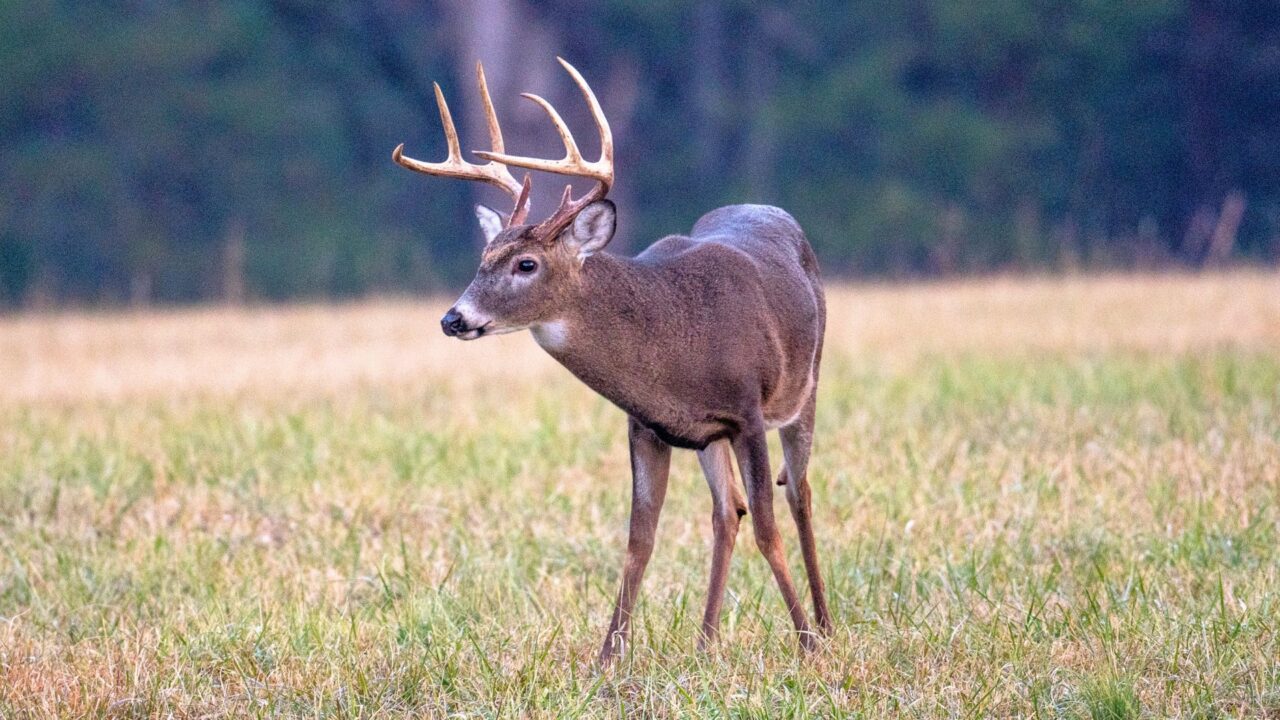
A sudden warm spell, strong wind, heavy rain, or sharp cold front can change deer movement enough that a familiar buck appears to vanish. Warm temperatures during early season may reduce daytime movement, while a major temperature drop can suddenly increase it. Wind can shift which routes feel safe, and heavy weather may delay feeding.
Hunters sometimes make permanent conclusions from a few quiet days. Before assuming the buck left, compare camera activity with recent weather. A pattern may return as quickly as it disappeared.
He May Still Be There, Just Not Where You Are Looking
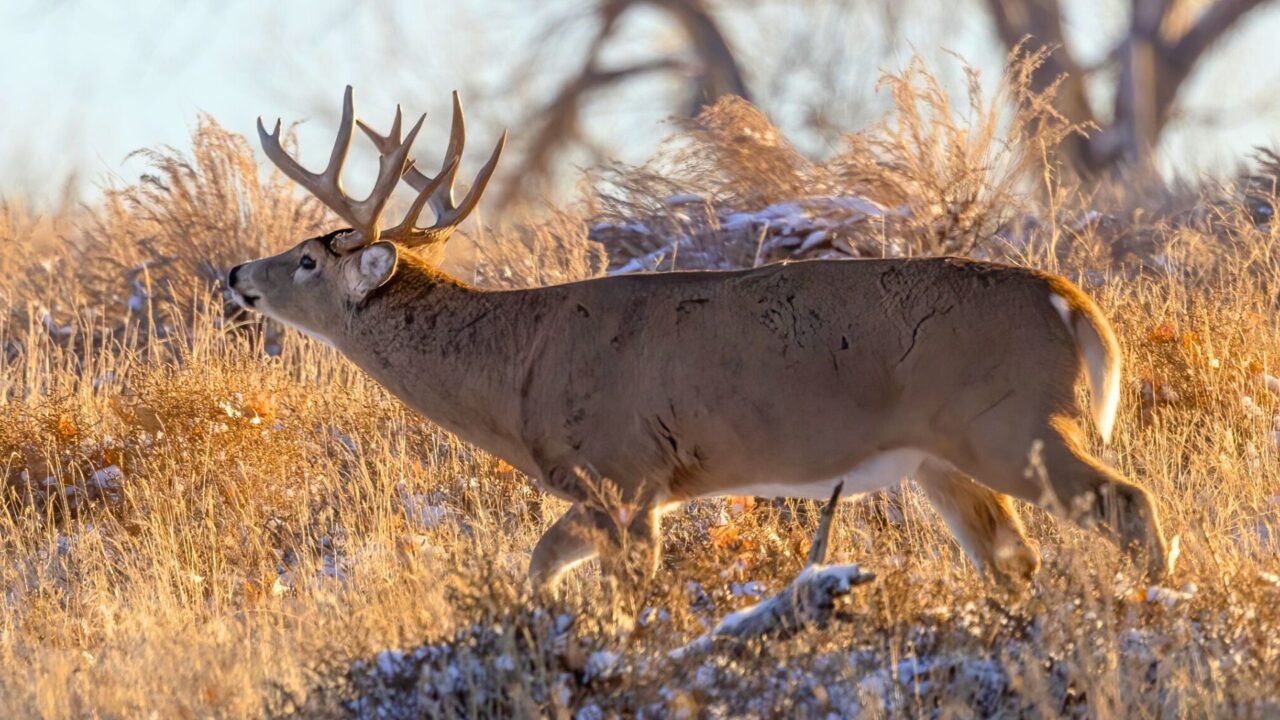
This is the possibility hunters overlook most often. Mature bucks do not need to leave a property to become effectively invisible. They can shift bedding 200 yards, change which side of a ridge they travel, enter a field after dark, or start using a tiny patch of cover that nobody thought was important.
The best response is usually not to charge through the property searching for him. Back off, study fresh sign, watch how hunting pressure is affecting the area, and let cameras work where they can. Mature bucks survive by making small adjustments that create big problems for hunters. Finding them again usually requires doing the same thing.
Like The Avid Outdoorsman’s content? Be sure to follow us.
Here’s more from us:


